Edgar Allan Poe: Study Guides, Analysis and Teaching Resources
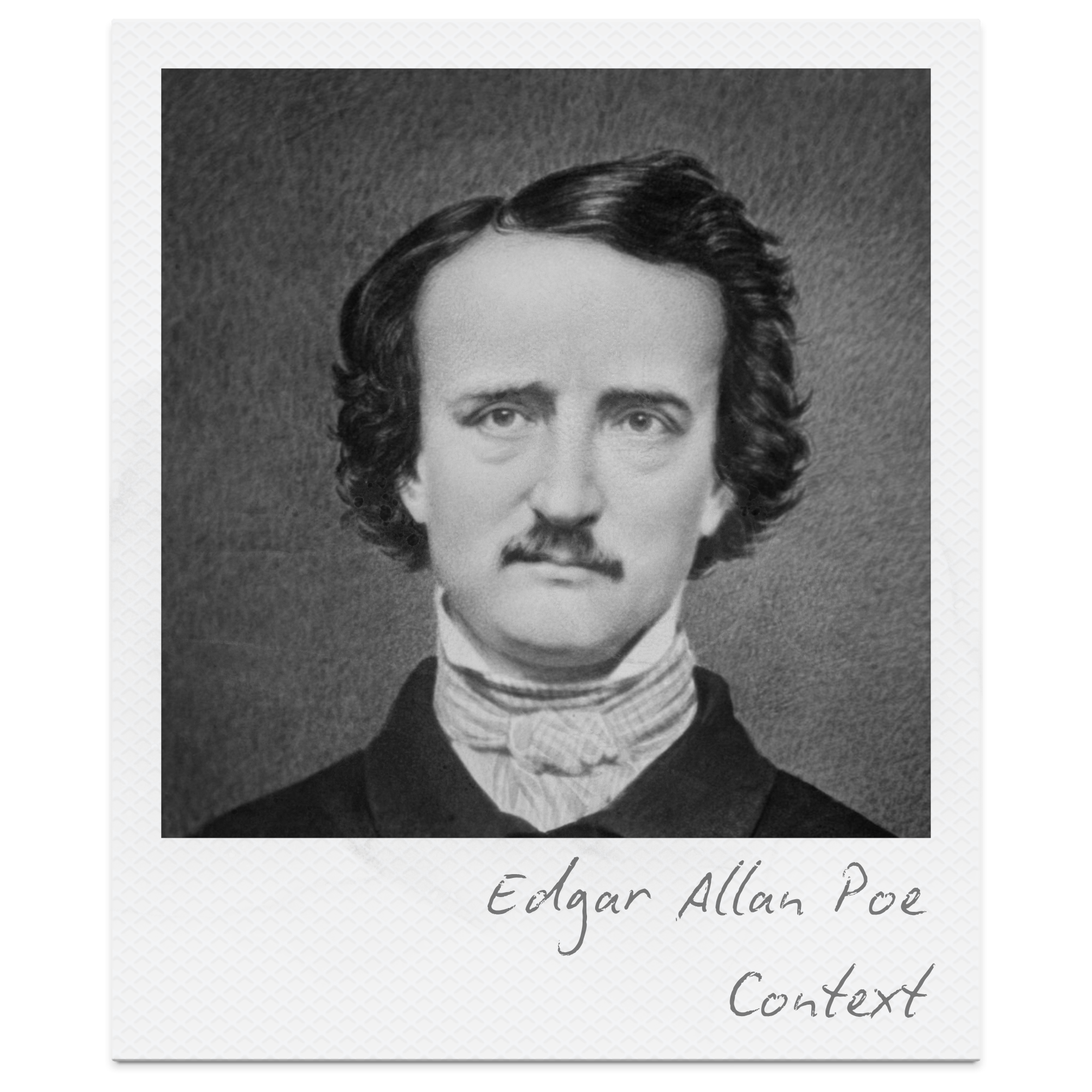
Edgar Allan Poe is one of the most influential writers of the nineteenth century, widely regarded as a central figure in Gothic literature and the development of psychological storytelling. Best known for his poetry and short stories, Poe’s work explores the darker aspects of the human mind, blending emotion, symbolism, and atmosphere to create writing that is both unsettling and deeply reflective.
The works of Edgar Allan Poe frequently explore themes such as memory, loss, illusion, madness, and the limits of human control. Poems like A Dream Within a Dream and Annabel Lee, alongside short stories such as The Fall of the House of Usher, are widely studied for their rich imagery, unreliable narration, and exploration of reality and perception.
This page brings together analysis, study guides, and teaching resources for Poe’s works, supporting students and educators in exploring his writing through both literary analysis and creative interpretation.
Understanding Edgar Allan Poe’s Context
The works of Edgar Allan Poe are deeply shaped by the literary, cultural, and intellectual influences of the nineteenth century, particularly the rise of gothic literature, Romanticism, and early psychological exploration. Writing in a period marked by scientific curiosity and philosophical uncertainty, Poe often explored themes such as illusion, madness, grief, and the instability of reality and perception.
Poe’s life experiences also influenced his writing, particularly his encounters with loss, isolation, and emotional instability. These elements are reflected in his recurring focus on death, memory, and the fragile boundaries between the mind and the external world. His work frequently blurs the line between dream and reality, creating unsettling narratives shaped by unreliable narrators and intense internal conflict.
Understanding the historical and literary context of Poe’s work helps readers interpret his use of symbolism, atmosphere, and psychological tension, revealing how his writing reflects both personal experience and broader cultural anxieties.
Read our full guide to Edgar Allan Poe’s historical and literary context.
Explore Edgar Allan Poe’s Works
Browse the gallery below to explore analysis and study guides for the works of Edgar Allan Poe. Each card links to a detailed deep dive examining themes, imagery, structure, and context, helping students and educators engage more closely with Poe’s writing.
Poe’s works range from lyrical poetry reflecting on memory, loss, and illusion to gothic short stories that explore madness, fear, and the instability of the human mind. Many of his most studied texts, including The Raven, The Tell-Tale Heart, and The Fall of the House of Usher, remain central to literature courses today.
Scroll through the gallery to discover individual text guides and literary analysis.
A
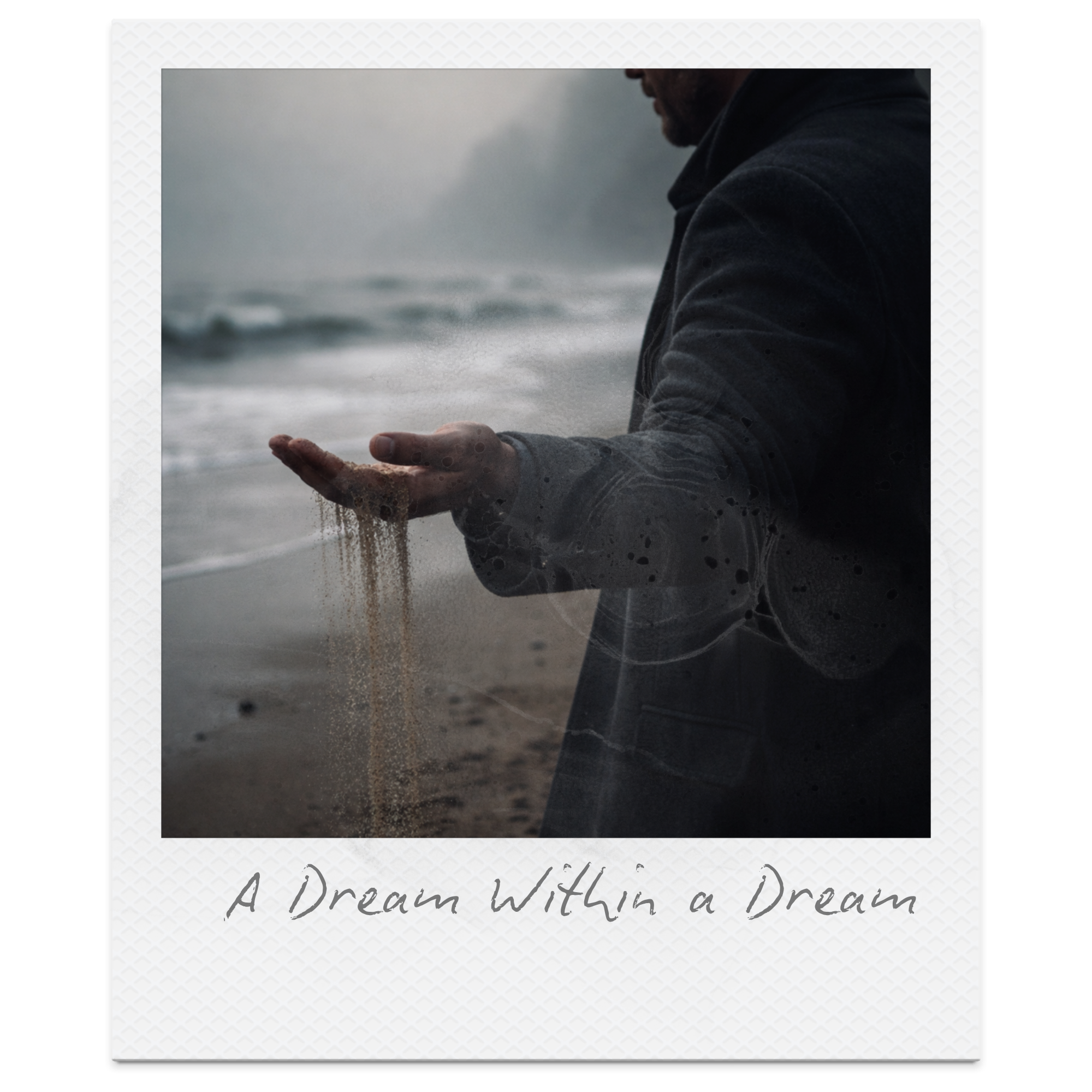
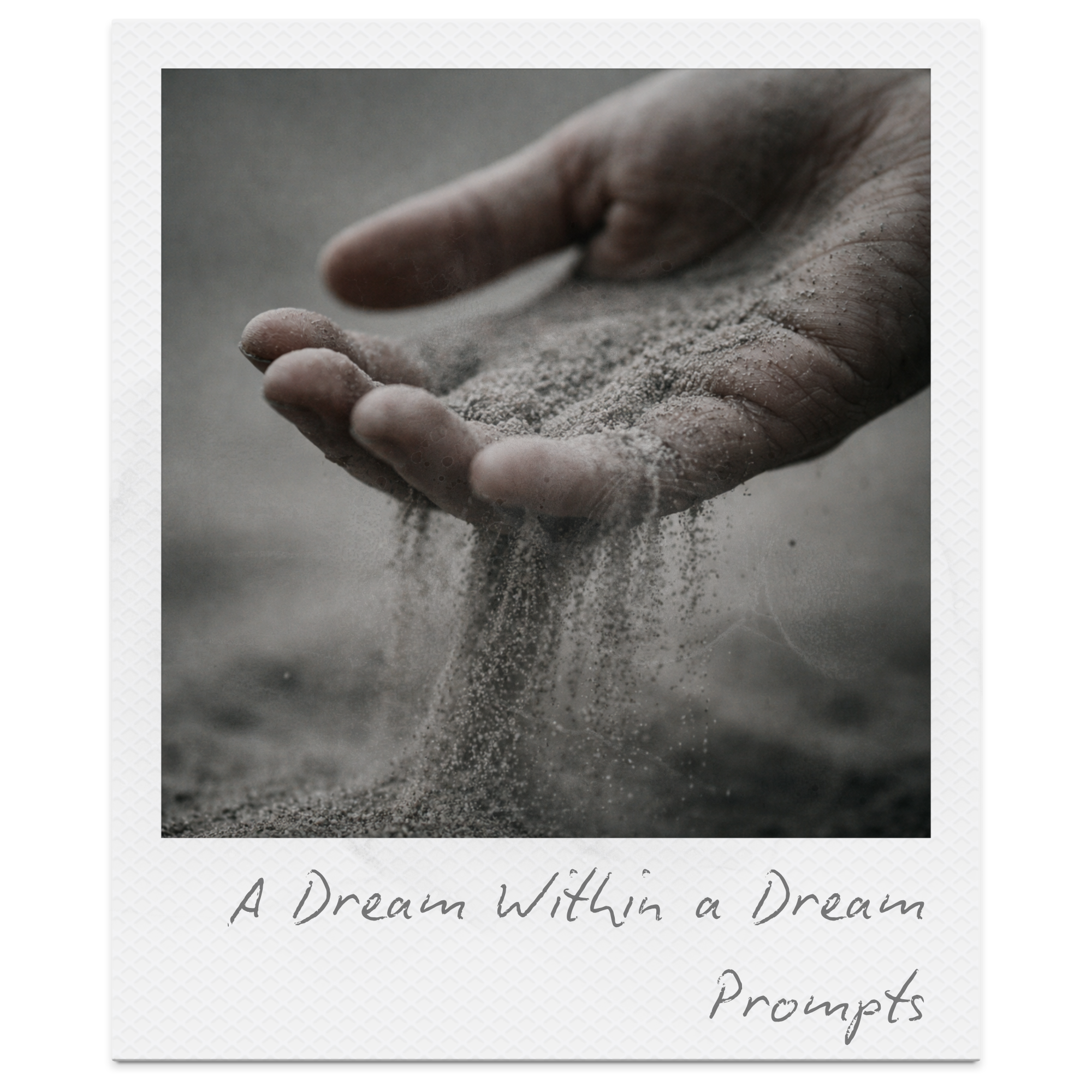
A Dream Within a Dream
A reflective and philosophical poem exploring the fragility of reality, time, and human perception. A Dream Within a Dream questions whether anything we experience can truly be held onto, using imagery of sand and the sea to symbolise loss, illusion, and the limits of control.
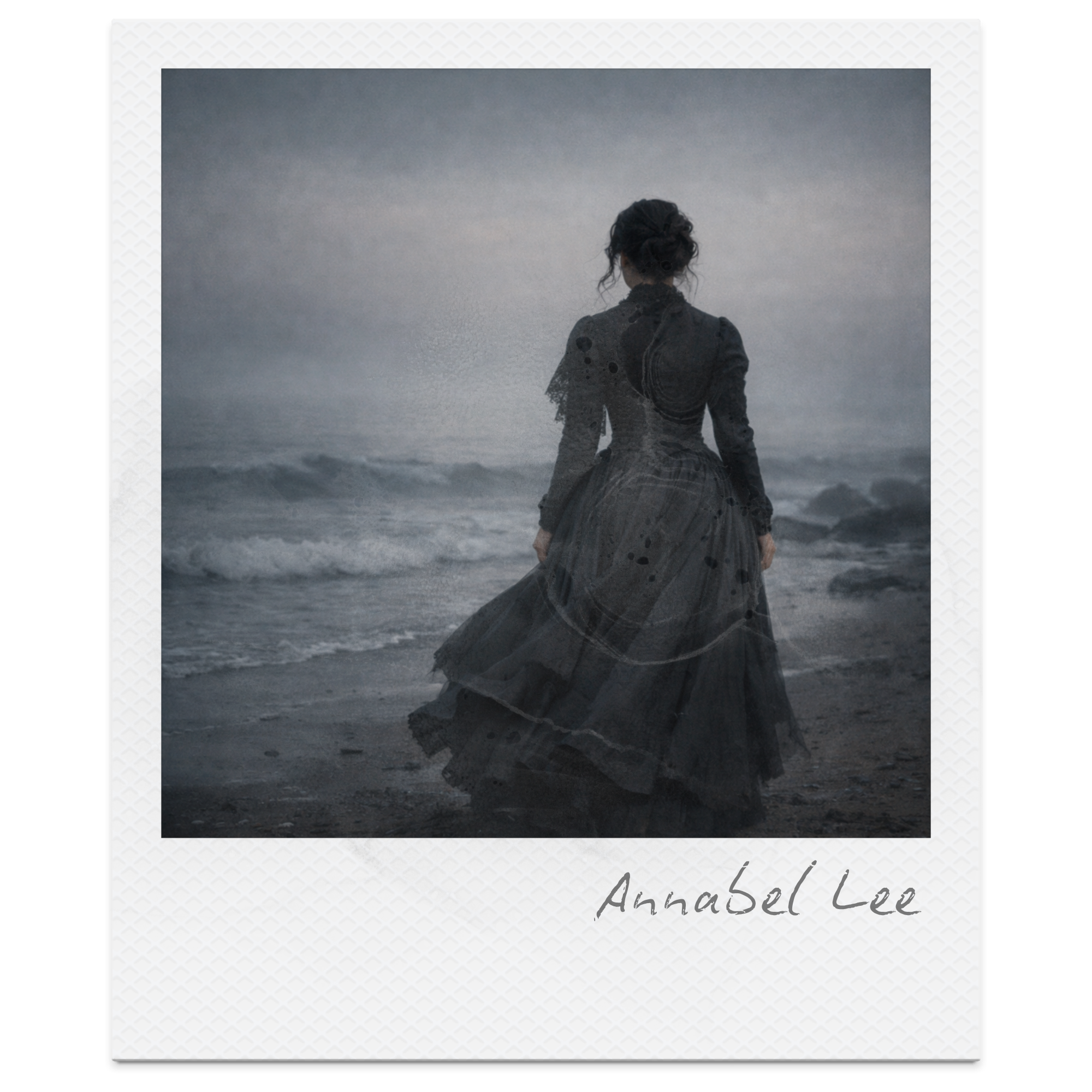
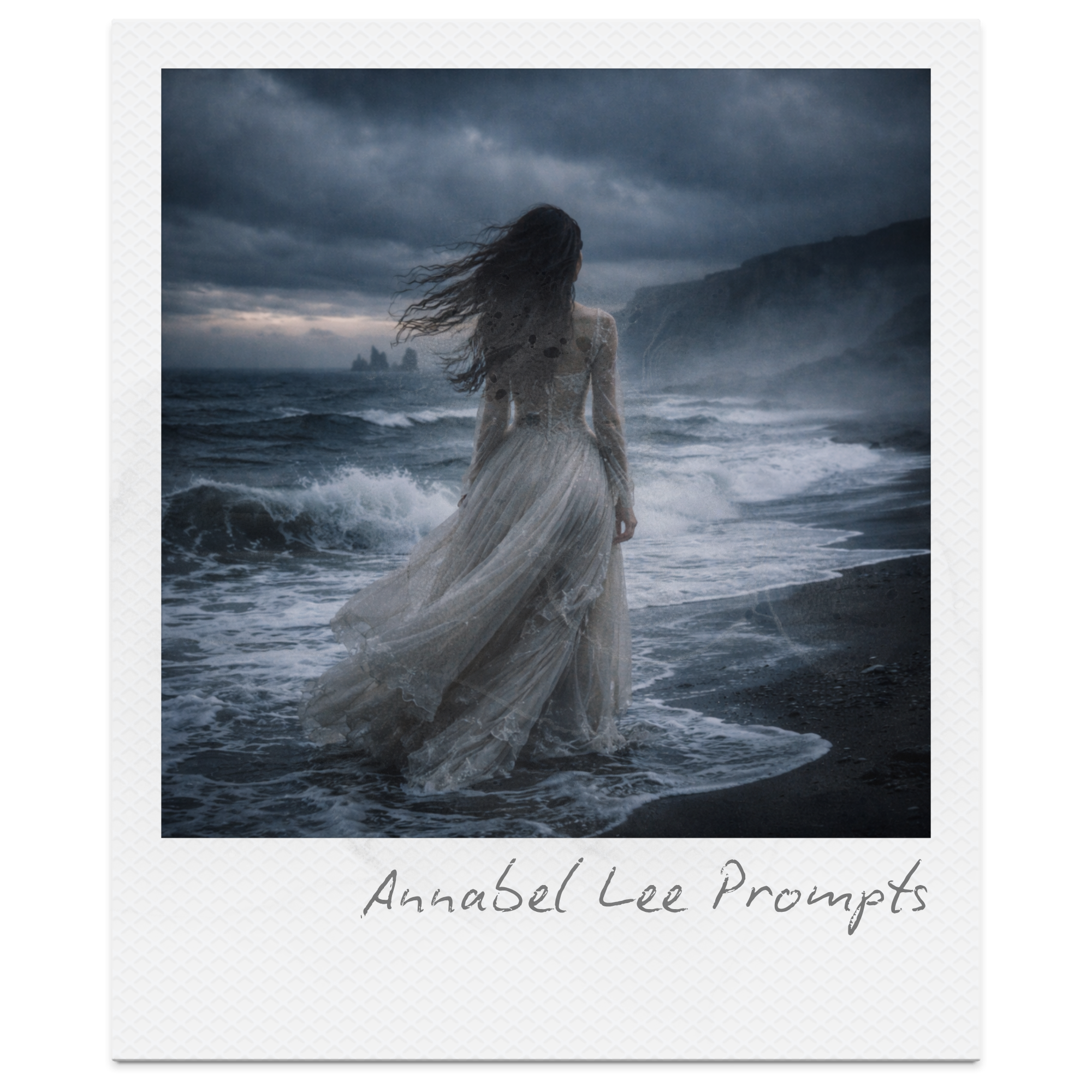
Annabel Lee
One of Poe’s most famous poems, exploring love, memory, and devotion beyond death. Annabel Lee presents a speaker who idealises a lost love, blurring the line between grief and obsession through its lyrical voice and gothic atmosphere.
B
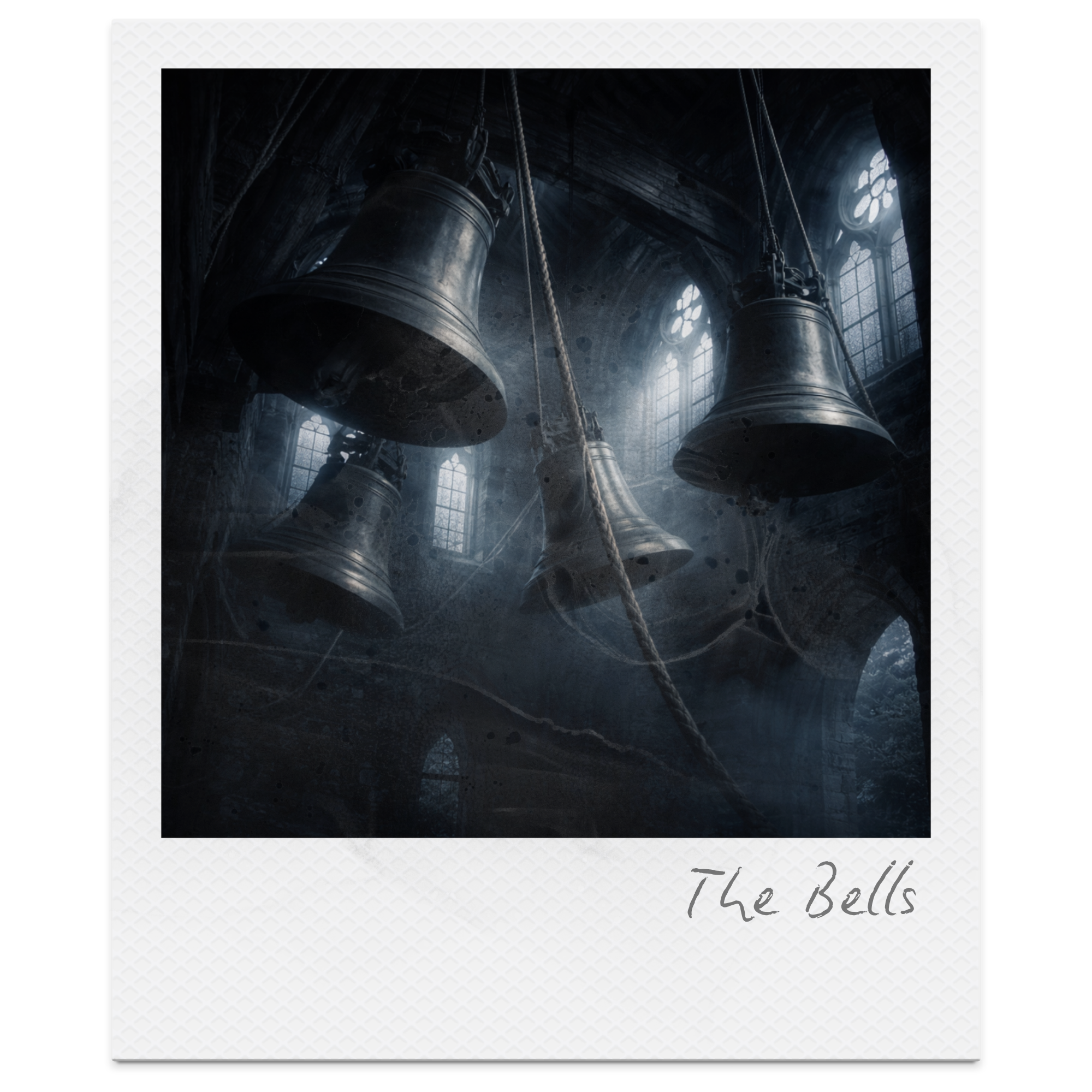
The Bells
One of Poe’s most experimental poems, exploring time, mortality, and the power of sound. The Bells traces a progression from joy to terror through its shifting tones and hypnotic repetition, using rhythm and musicality to blur the line between emotional experience and psychological instability within a distinctly gothic framework.
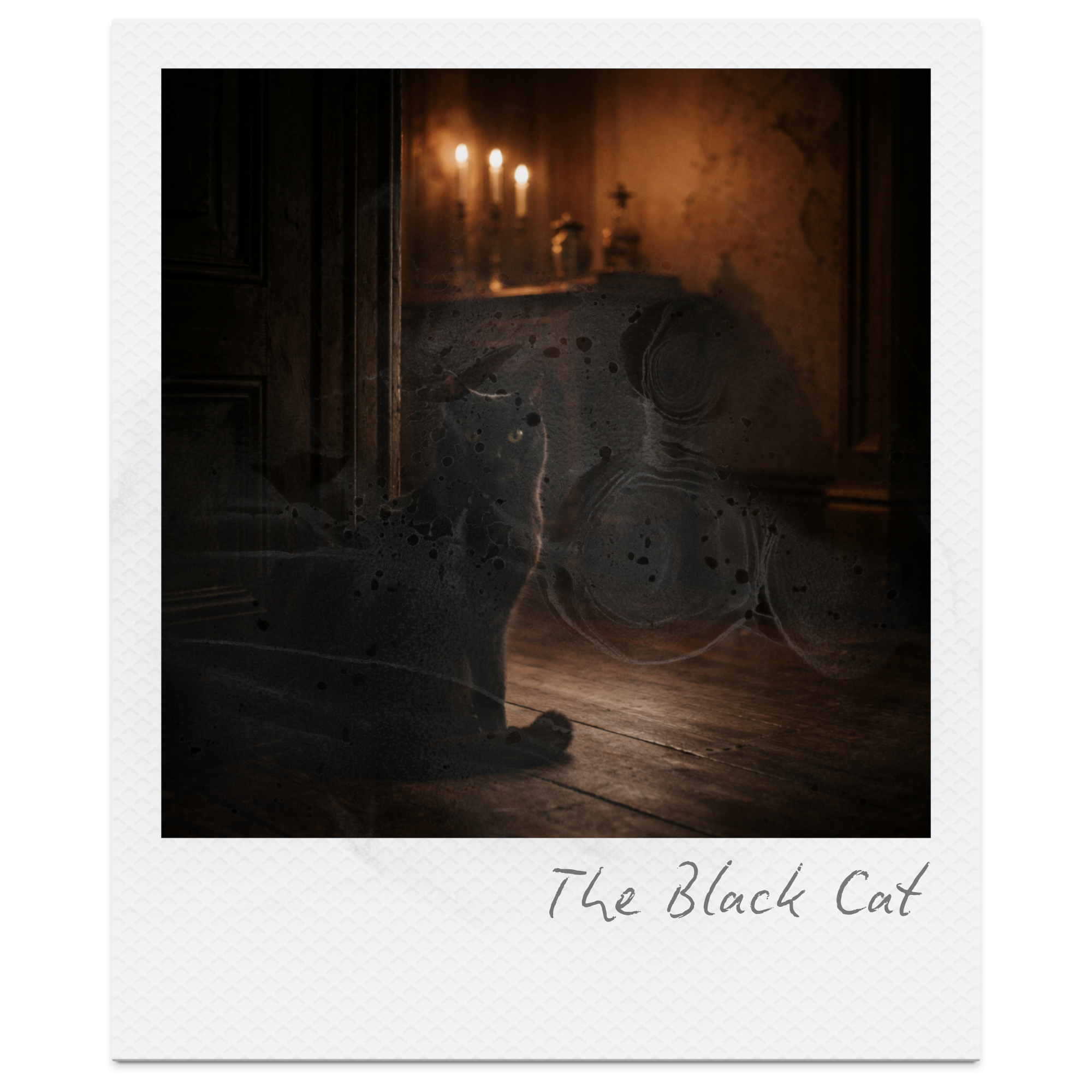
The Black Cat
A disturbing Gothic short story exploring madness, guilt, and perverseness, The Black Cat examines how psychological deterioration leads to violence and self-destruction. Through its unreliable narrator, symbolic imagery, and claustrophobic setting, the story reveals the fragile boundary between reason and irrationality, ultimately suggesting that the true horror lies within the human mind rather than the supernatural.
C
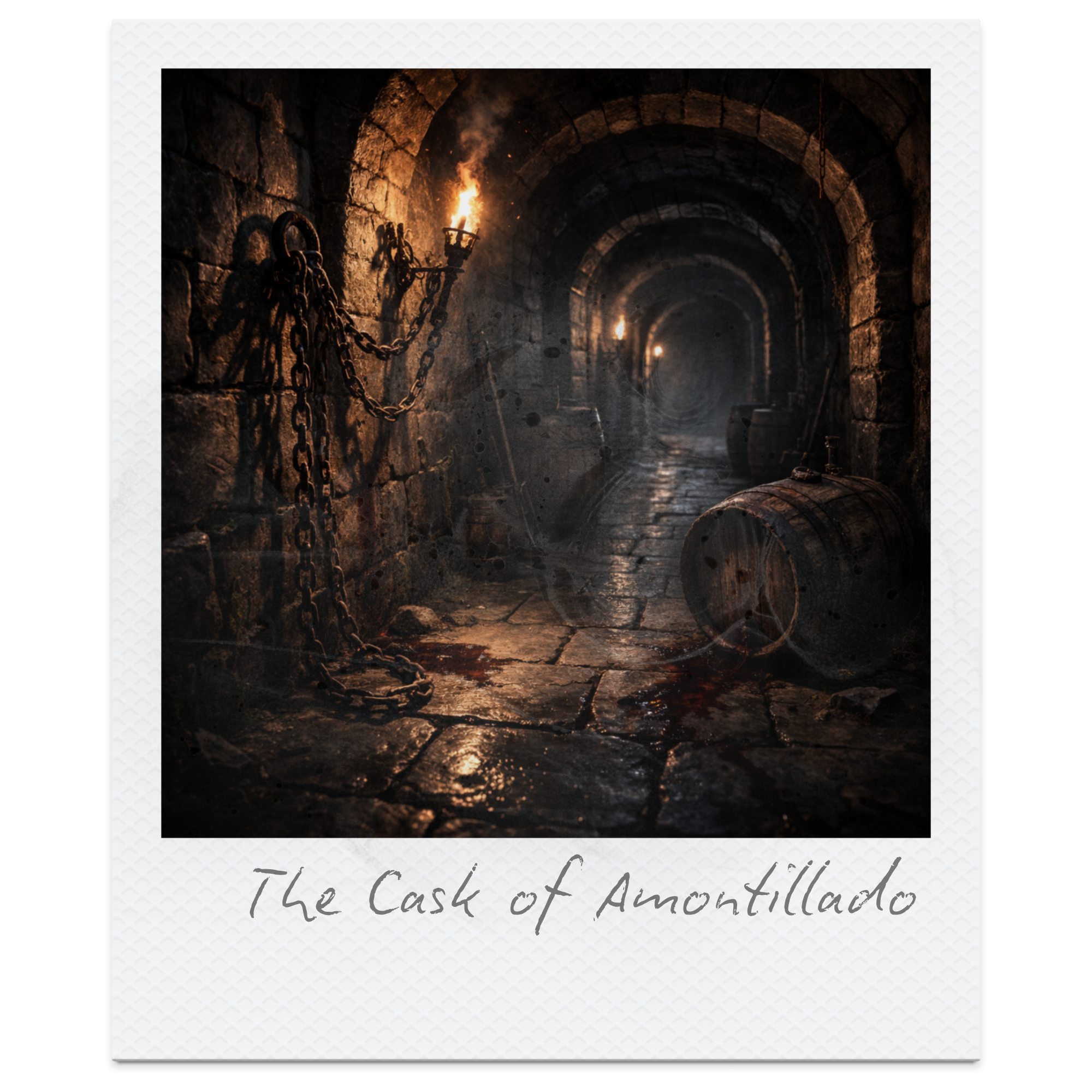
The Cask of Amontillado
A classic gothic short story exploring revenge, pride, and psychological manipulation. The Cask of Amontillado follows a calculated act of deception and control, where appearance masks intent and justice becomes deeply subjective.
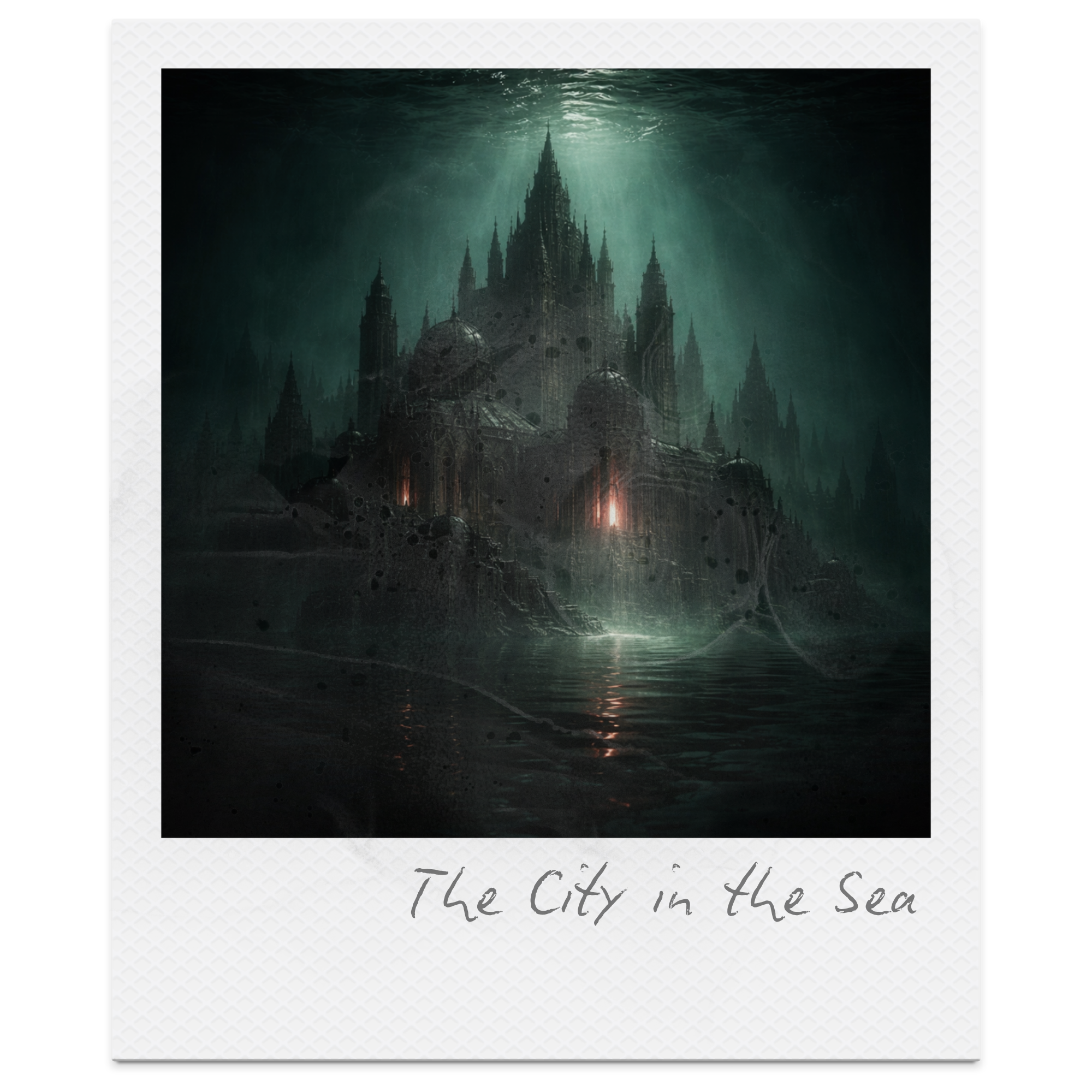
The City in the Sea
A haunting gothic poem exploring death, decay, and the illusion of permanence, The City in the Sea presents a submerged world ruled by Death itself. Through its symbolic imagery, hypnotic rhythm, and inverted reality, Poe constructs a vision of a fallen civilisation suspended between life and oblivion, where beauty and ruin coexist under the quiet, absolute power of death.
D
E
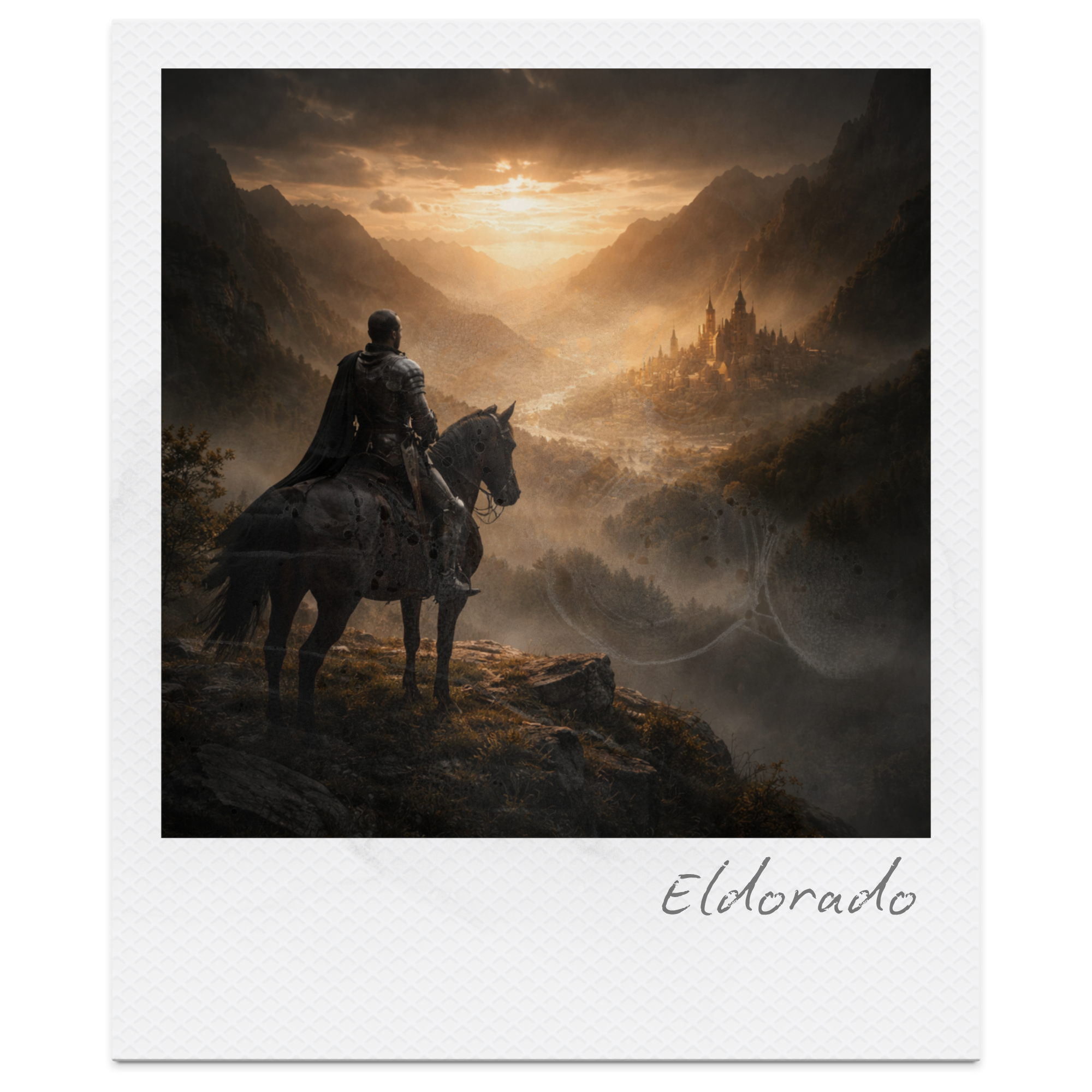
Eldorado
A lyrical narrative poem exploring illusion, mortality, the passage of time, and the search for meaning, Eldorado follows a knight’s lifelong quest for an unattainable ideal. Through its ballad form and symbolic imagery, the poem examines the tension between spiritual and material pursuit, revealing how the desire for fulfilment can shape—and ultimately elude—human life.
F
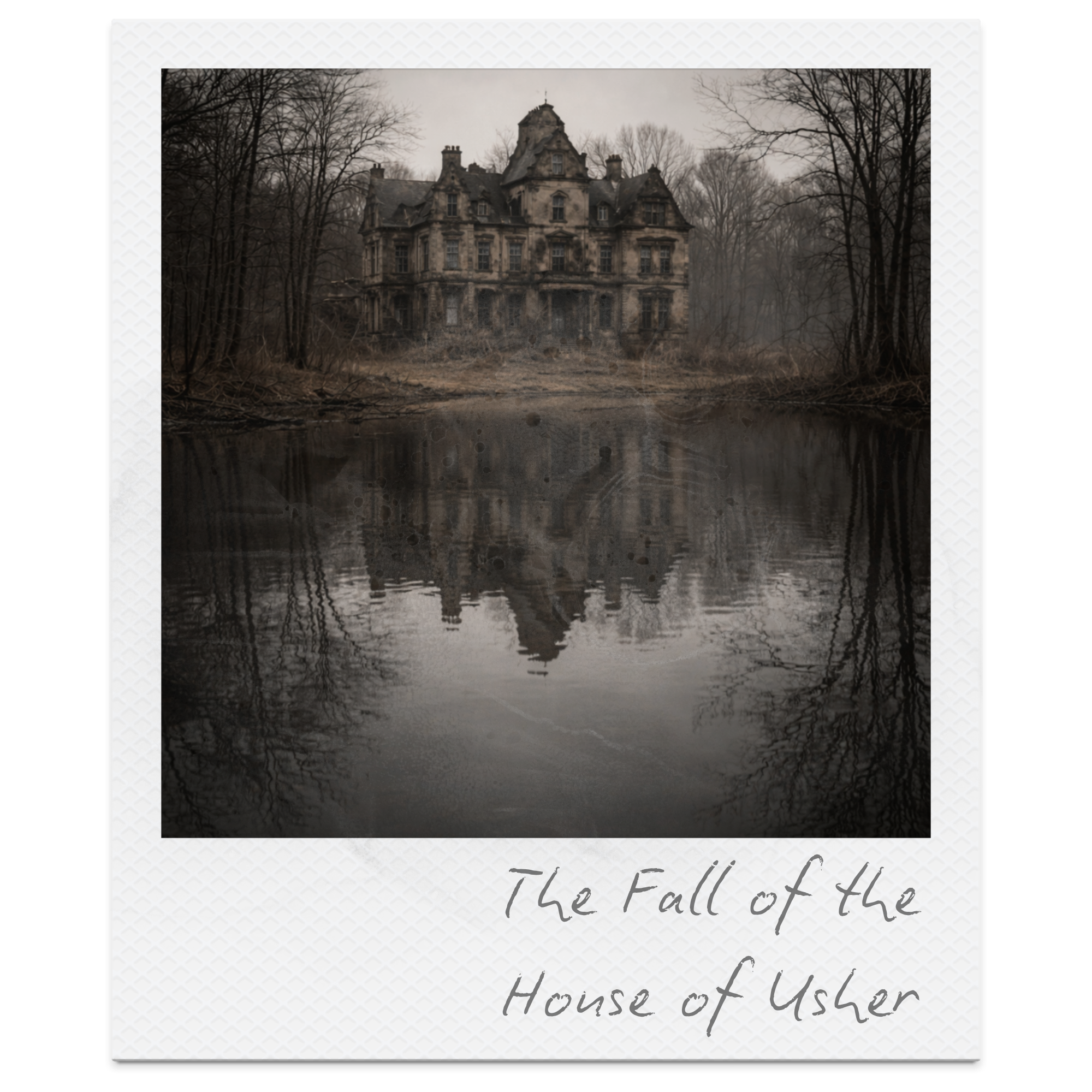
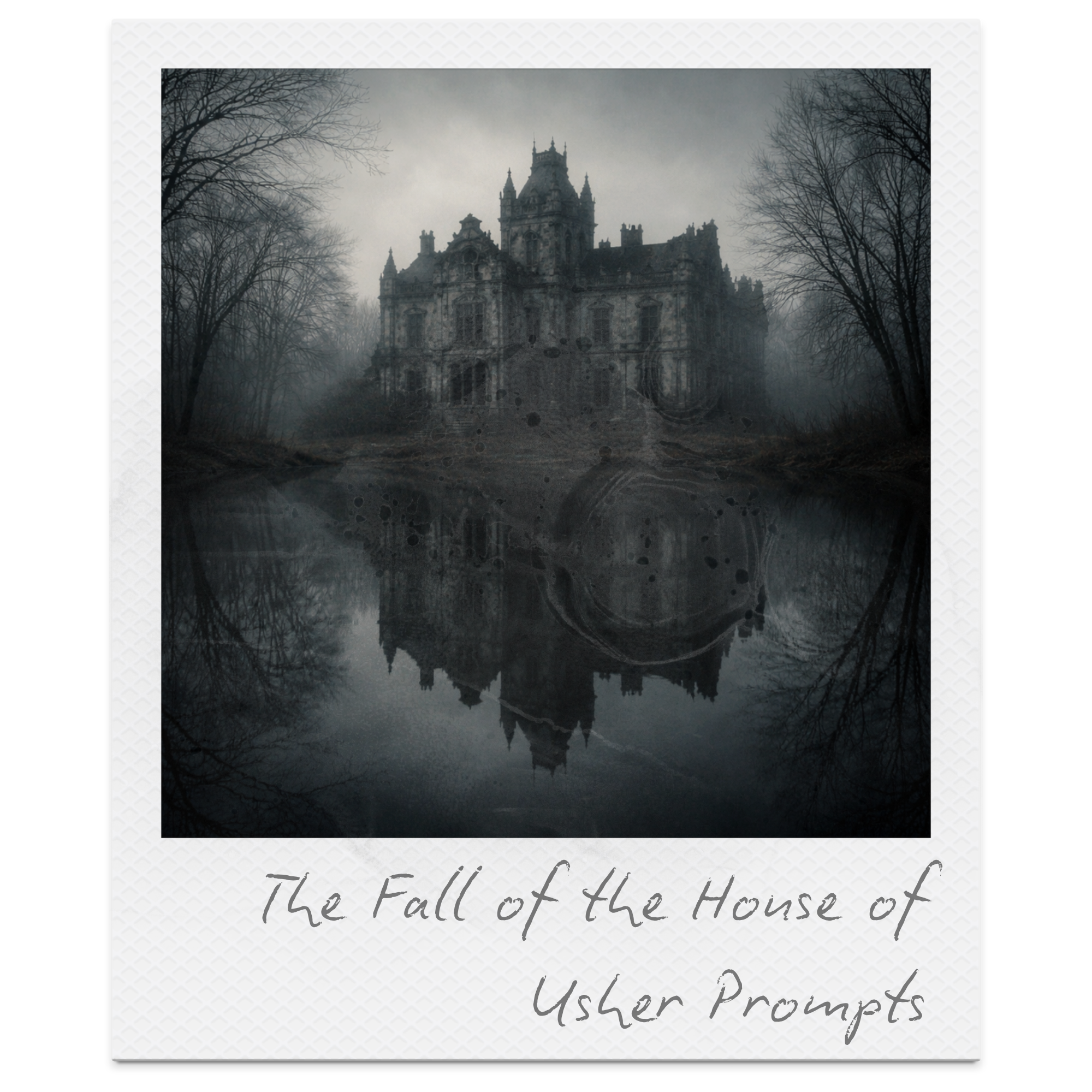
The Fall of the House of Usher
A classic gothic short story examining madness, isolation, and the connection between the mind and environment. The Fall of the House of Usher follows a narrator drawn into a decaying world where psychological tension and physical setting become inseparably intertwined.
G
H
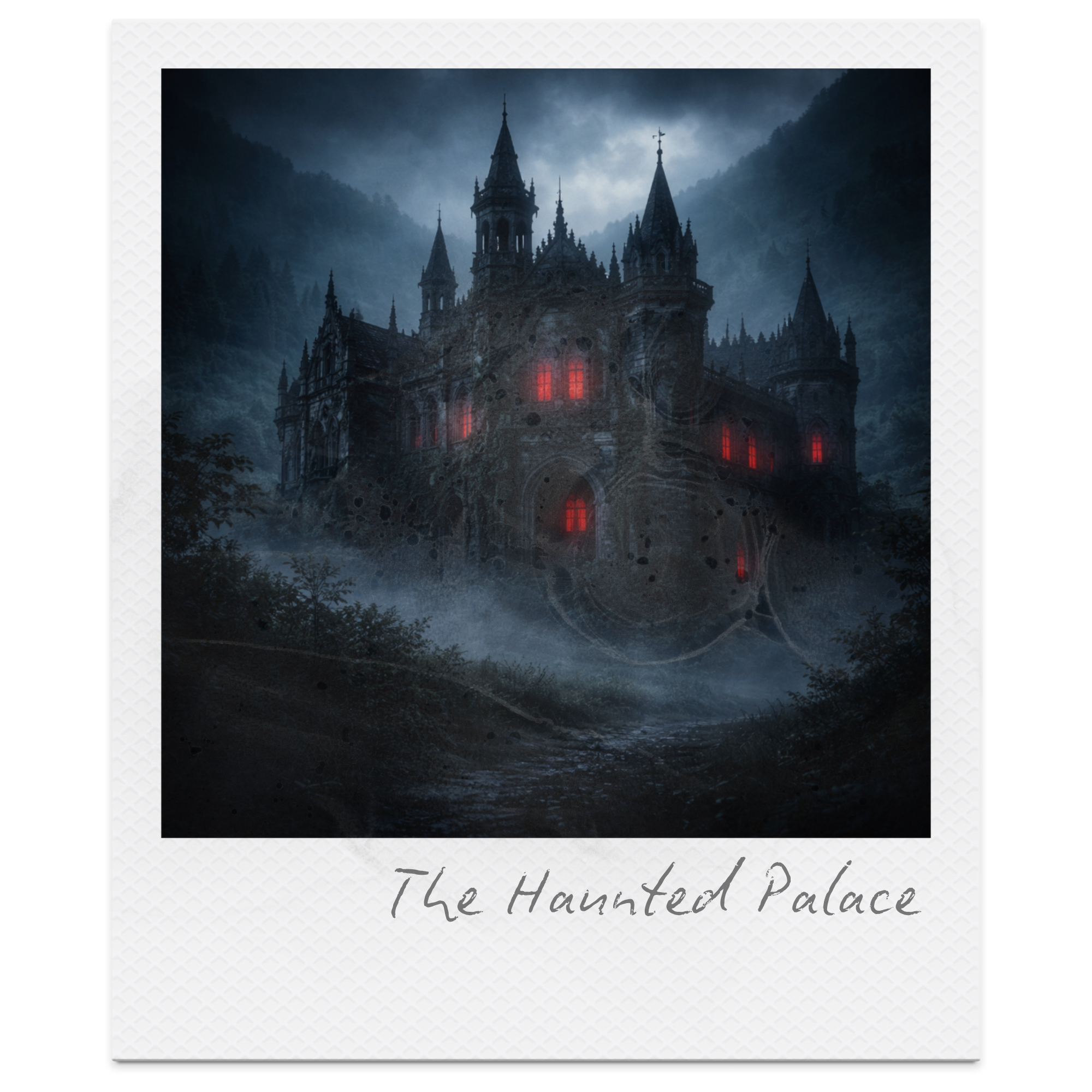
The Haunted Palace
A symbolic gothic poem exploring psychological collapse, memory, and the mind as a physical structure. The Haunted Palace traces the transformation of a once-radiant inner world into a space of distortion and chaos, where harmony gives way to madness and beauty becomes corrupted from within.
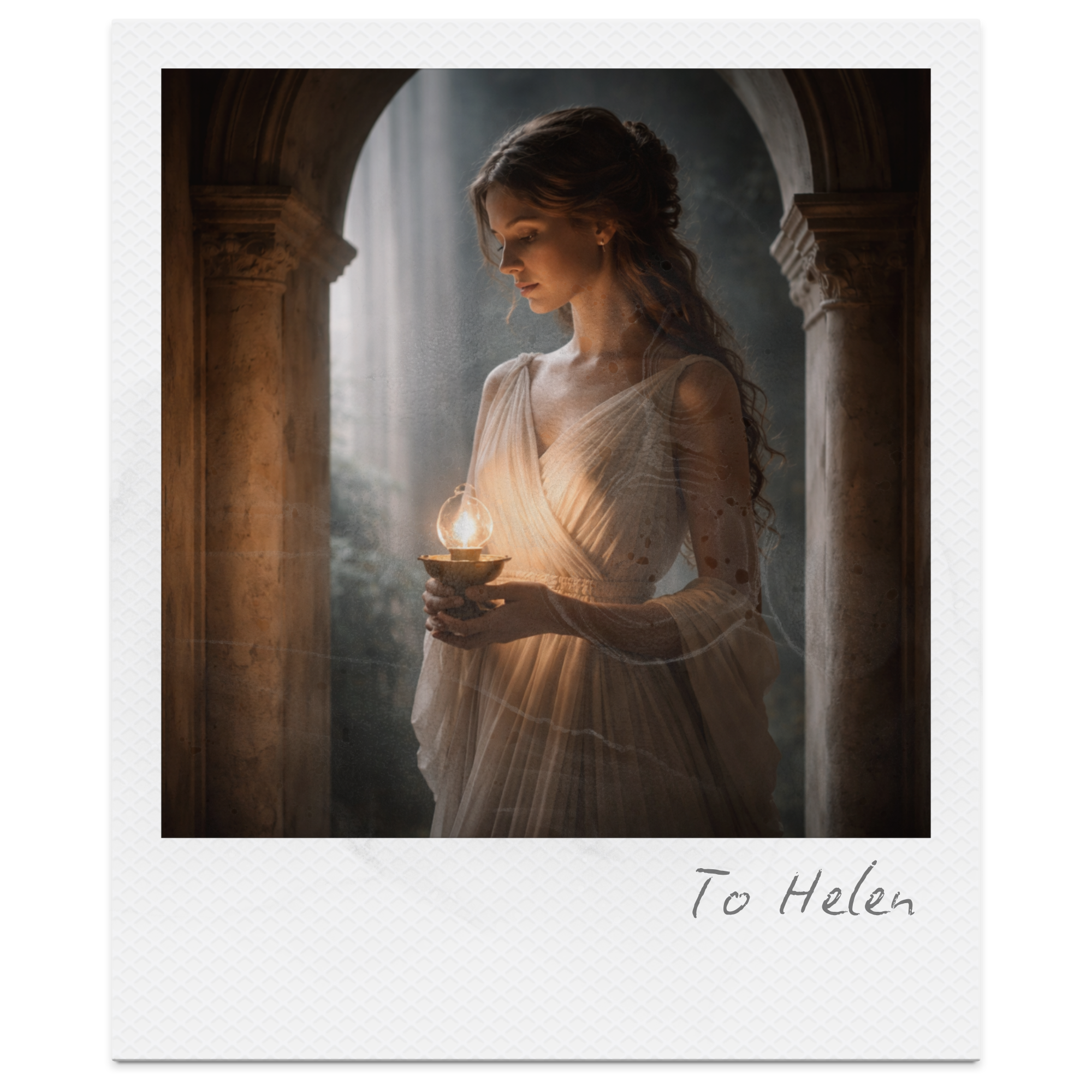
To Helen
A lyrical and reflective poem exploring beauty, idealisation, classical influence, and the transformative power of art, To Helen presents a vision of beauty that restores, elevates, and transcends ordinary experience. Drawing on imagery of Greece, Rome, and mythological figures, the poem connects personal longing with cultural memory, suggesting that beauty can offer a sense of home, identity, and spiritual meaning, while remaining ultimately unattainable.
I
J
K
L
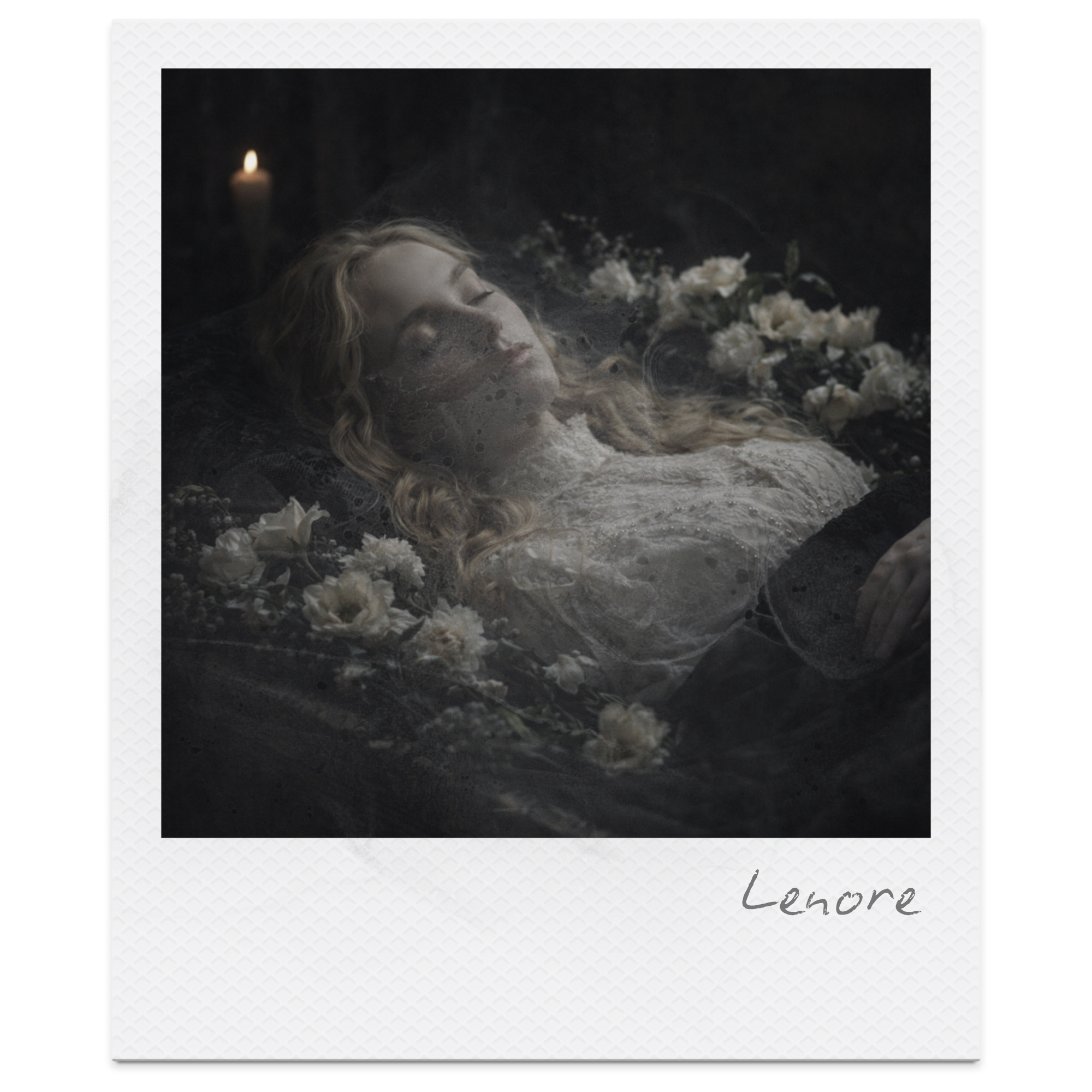
Lenore
A dramatic poem exploring death, mourning, and spiritual transcendence, Lenore presents a conflict between ritual grief and defiant love. Through its dialogue structure, Poe exposes hypocrisy and false mourning, while redefining death as a moment of moral judgment and elevation beyond the earthly world.
M
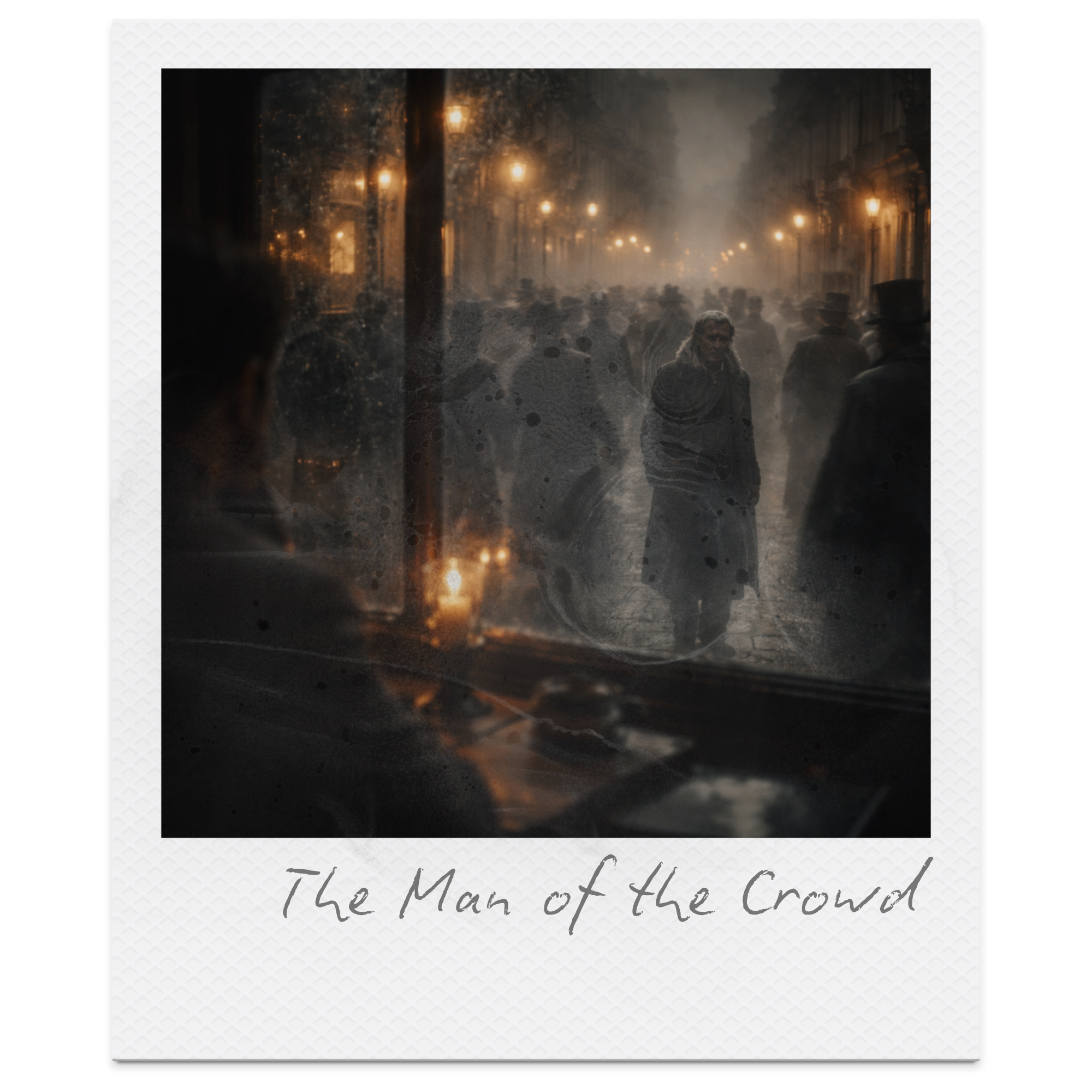
The Man of the Crowd
A compelling short story by Poe, exploring urban anonymity, psychological obsession, and the limits of human understanding. The Man of the Crowd follows a narrator who becomes fixated on a mysterious old man, using the crowded city to examine identity, surveillance, and unknowability, where individuals remain visible yet impossible to truly know.
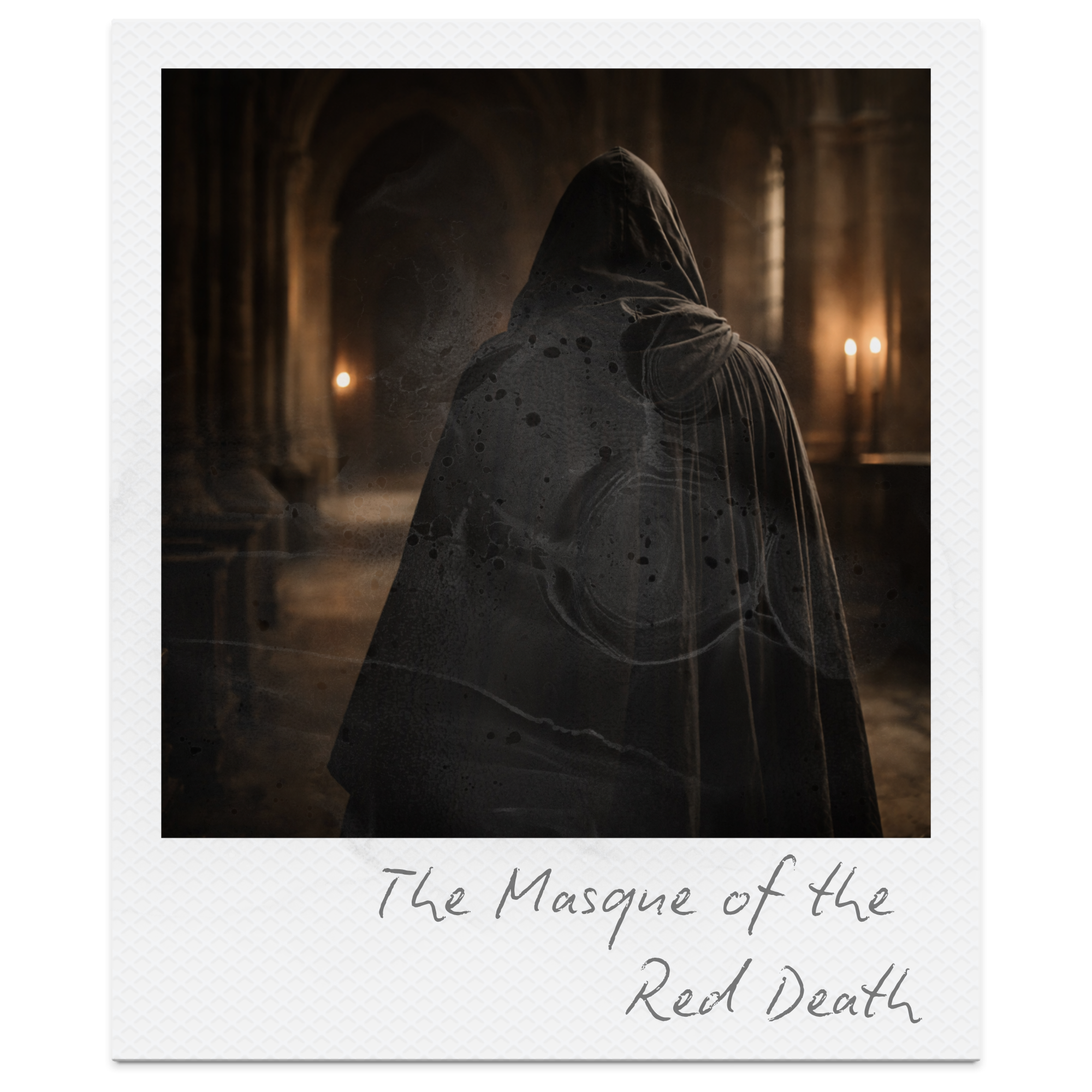
The Masque of the Red Death
A powerful Gothic short story by Edgar Allan Poe, exploring mortality, time, and the illusion of control. The Masque of the Red Death follows Prince Prospero as he isolates himself in a lavish abbey to escape a deadly plague, using its symbolic setting and shifting rooms to examine denial, inevitability, and the collapse of human illusion, where wealth and power ultimately fail against death.
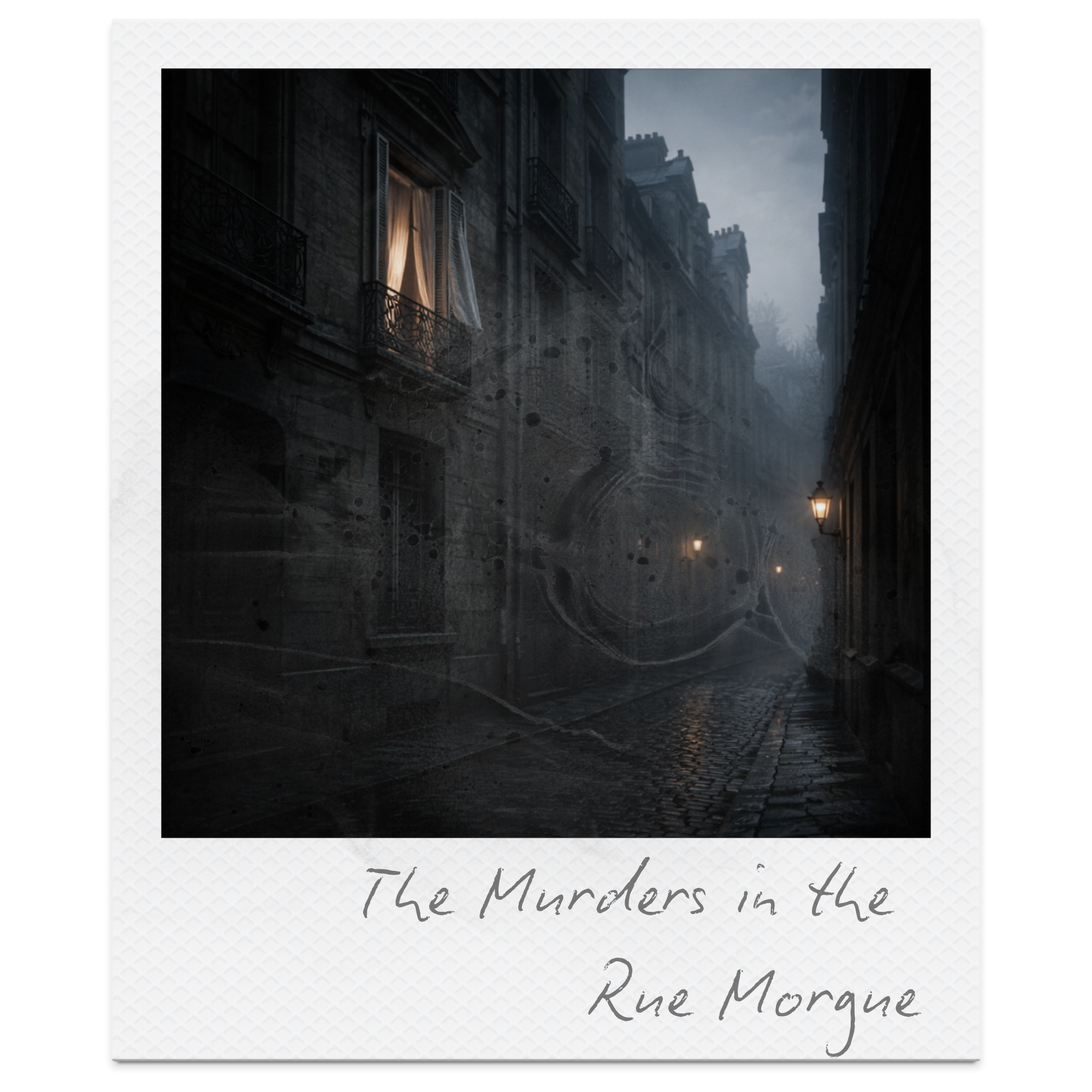
The Murders in the Rue Morgue
A pioneering work of detective fiction by Edgar Allan Poe, The Murders in the Rue Morgue explores analytical reasoning, Gothic horror, and the limits of human perception. Through Dupin’s investigation of a brutal and seemingly impossible crime, the story examines reason vs chaos, observation and interpretation, and the unsettling boundary between human and animal nature, establishing many of the conventions of modern mystery narratives.
N
O
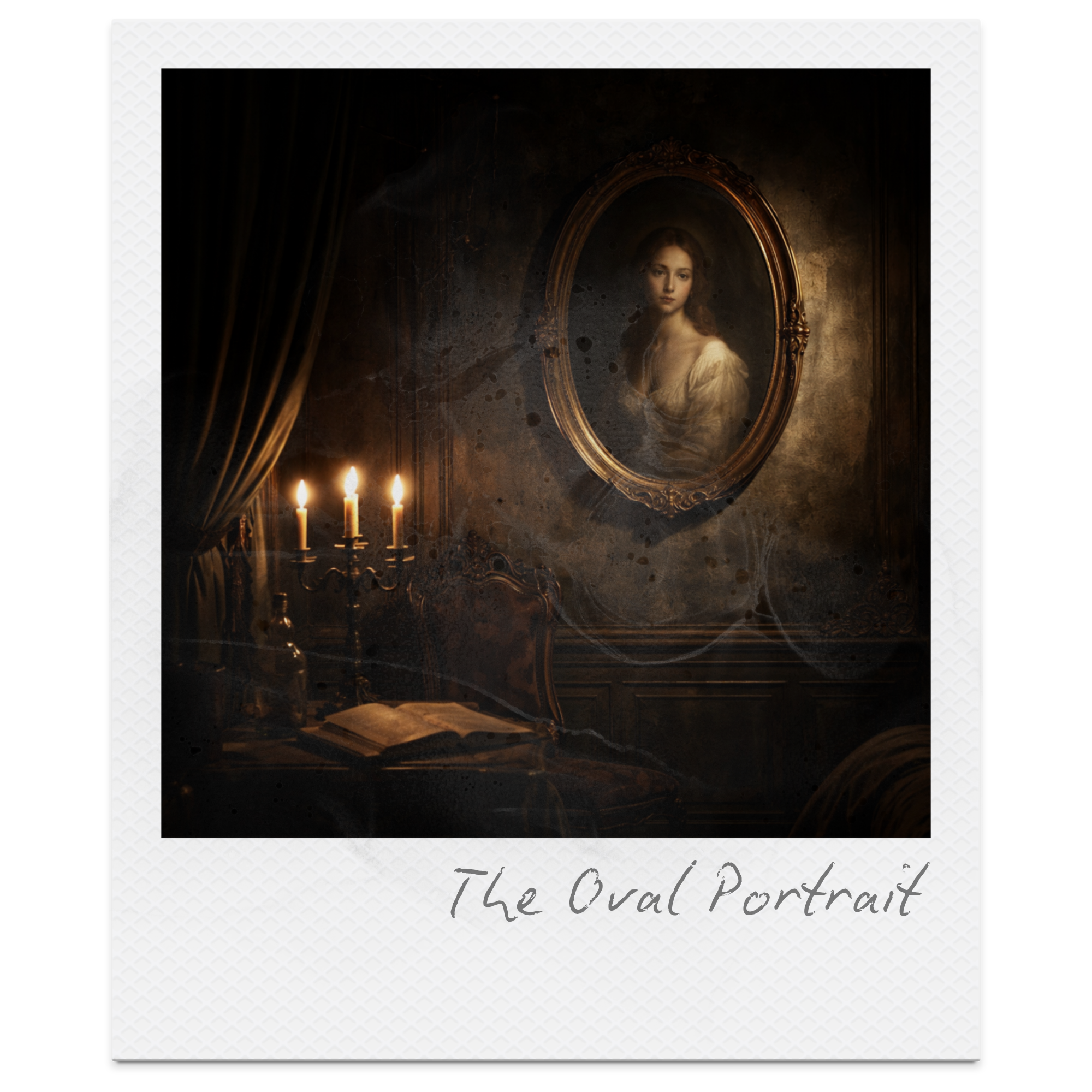
The Oval Portrait
A haunting Gothic short story exploring obsession, art vs life, and the destructive pursuit of artistic perfection. The Oval Portrait follows a narrator who discovers a lifelike painting within a decaying château, revealing a disturbing tale of control, sacrifice, and the blurred boundary between beauty and mortality, where art does not preserve life—but consumes it.
P
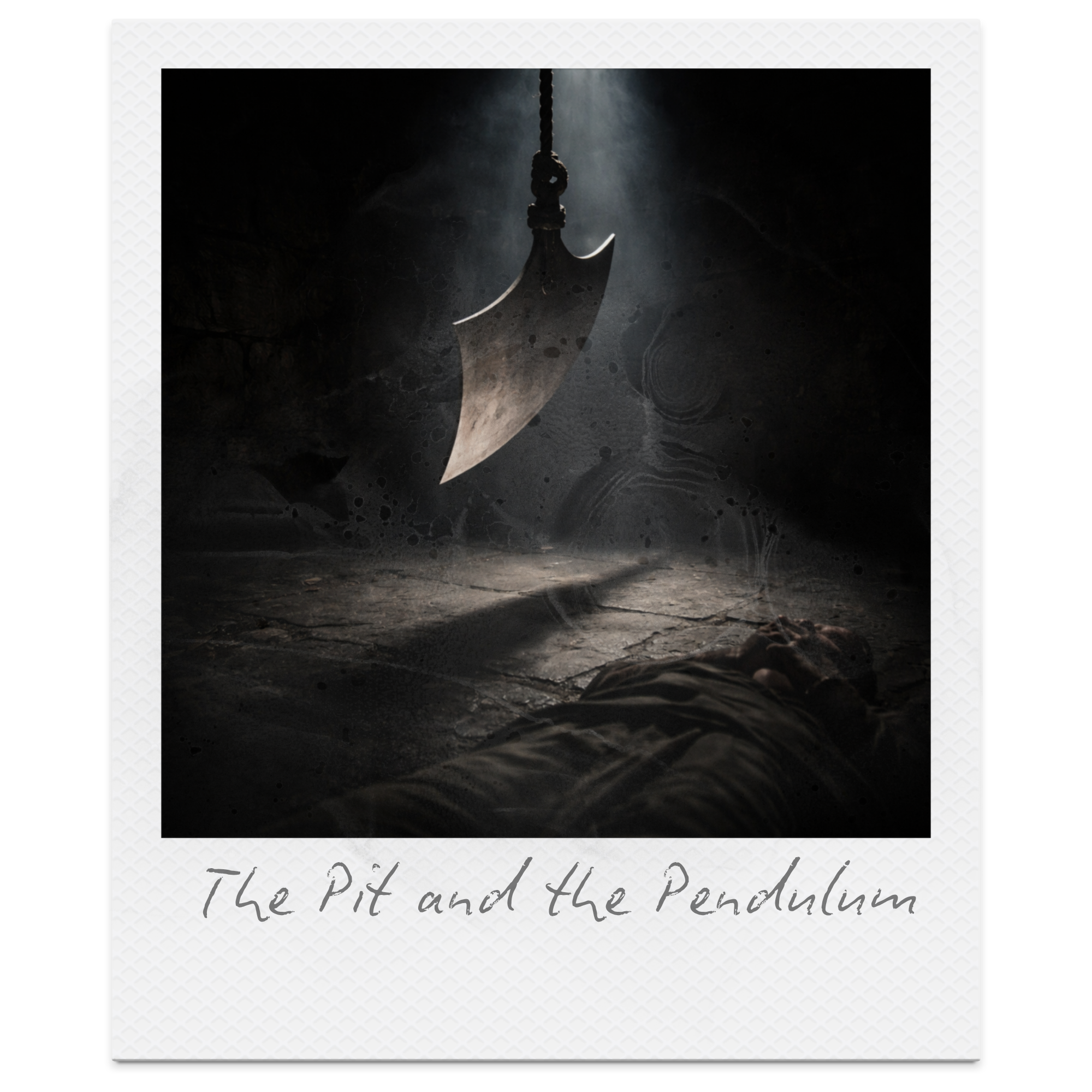
The Pit and the Pendulum
A harrowing exploration of fear and psychological horror, time as torture, and power and control, The Pit and the Pendulum by Edgar Allan Poe immerses readers in the mind of a prisoner facing relentless, calculated torment. Through its claustrophobic setting and intense narrative voice, the story examines survival and endurance, perception vs reality, and the limits of human resilience under extreme pressure.
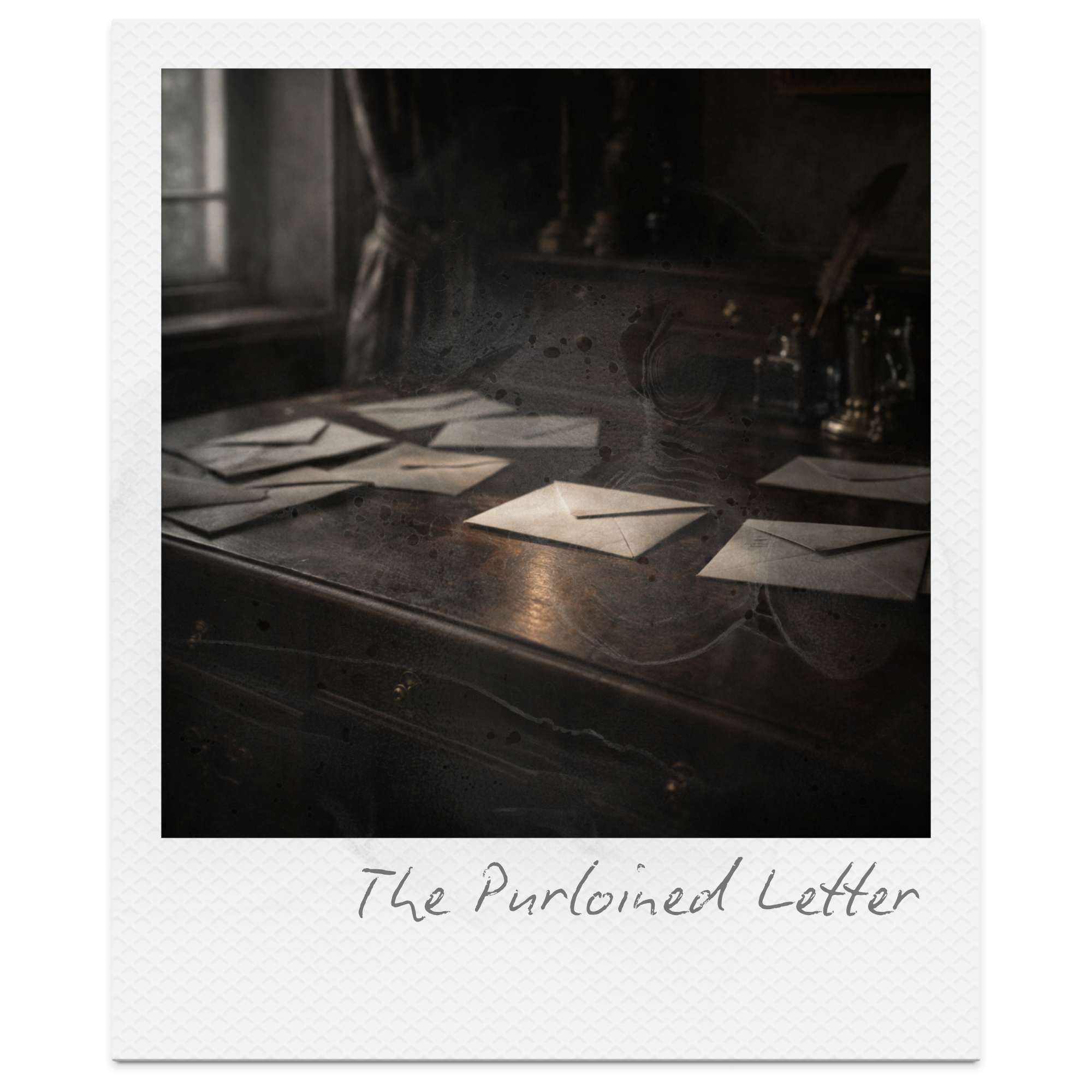
The Purloined Letter
One of Poe’s most famous detective stories, exploring power, secrecy, and appearance vs reality. The Purloined Letter presents a battle of intellect between Dupin and the Minister, revealing how obvious truths can remain hidden in plain sight through misdirection, psychological insight, and strategic reasoning.
Q
R
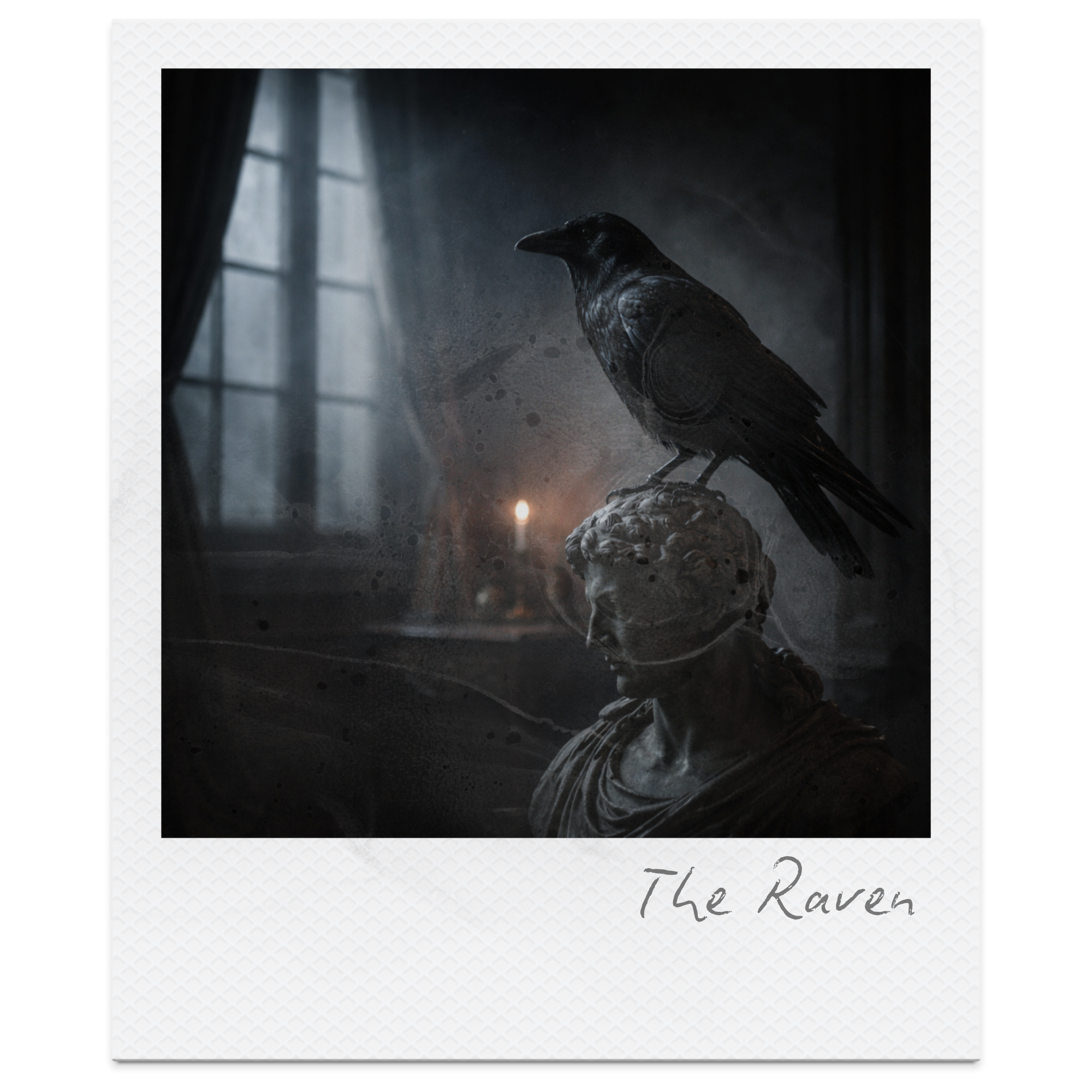
The Raven
A haunting and atmospheric Gothic poem exploring grief, memory, madness, and the limits of knowledge, The Raven follows a solitary speaker as he descends into psychological torment after the loss of Lenore. Through its hypnotic rhythm, repetition, and symbolic imagery, the poem examines obsession, love beyond death, and the inescapable nature of sorrow, questioning whether the mind can ever truly escape its own suffering.
S
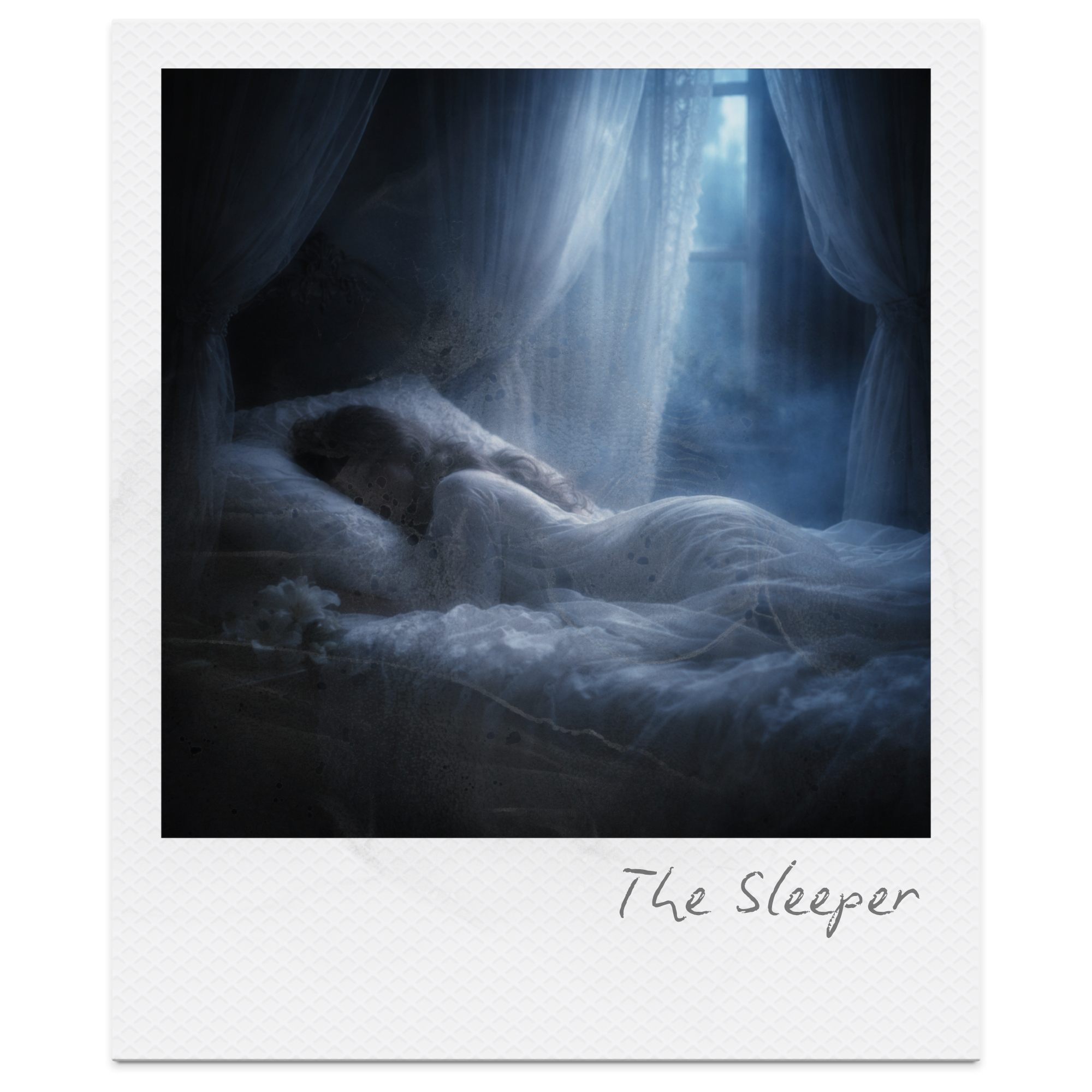
The Sleeper
A haunting gothic poem exploring death and beauty, suspended existence, the unconscious mind, and the blurred boundary between sleep and mortality, The Sleeper presents a dreamlike meditation on stillness and decay. Through rich imagery and hypnotic rhythm, the poem examines how spiritual stillness and illusion vs reality shape our understanding of life, death, and the preservation of beauty.
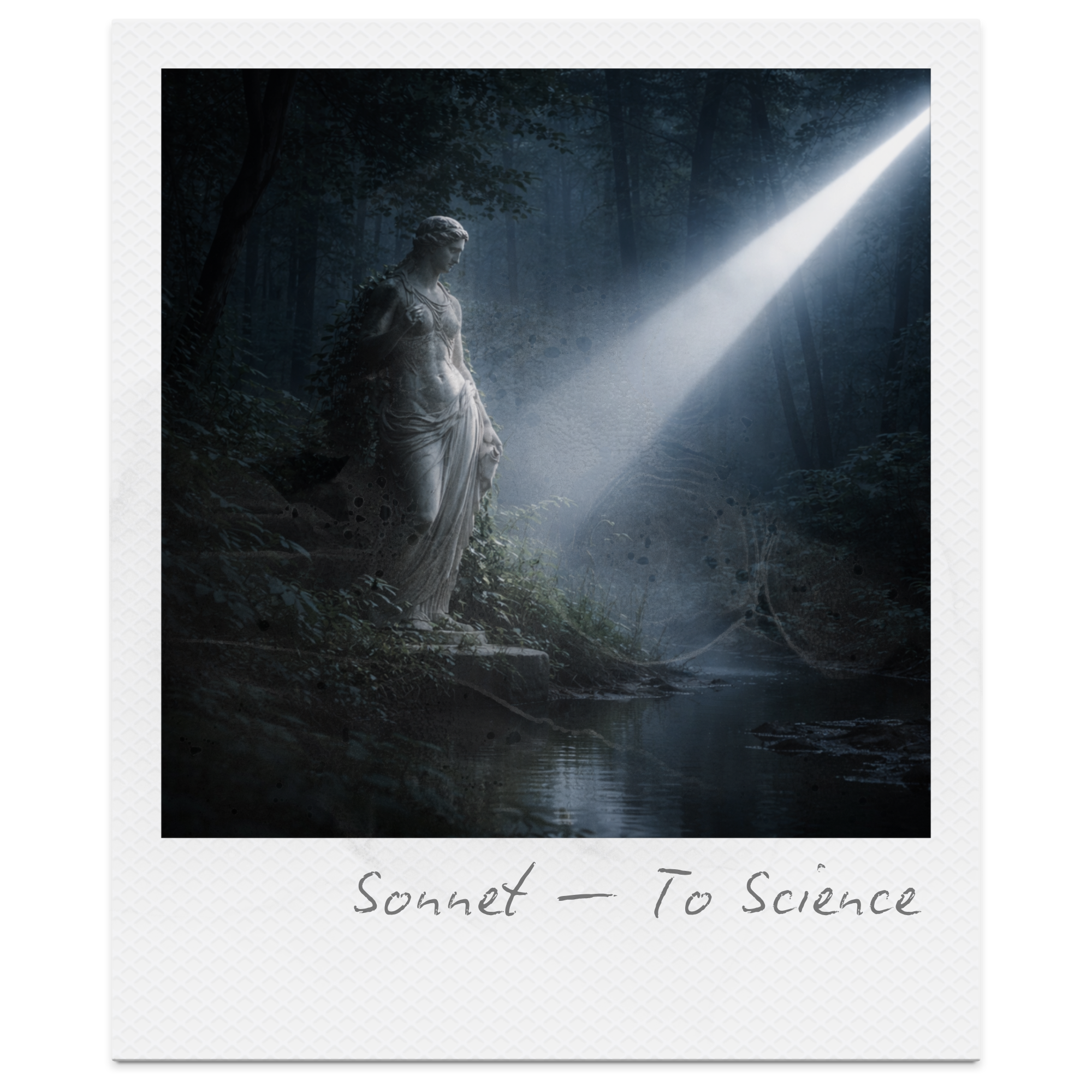
Sonnet—To Science
A philosophical and confrontational poem exploring the tension between imagination and reason, science and poetry, and the loss of myth, beauty, and wonder. Sonnet—To Science critiques the impact of rational thought on the creative mind, using mythological imagery and striking metaphors to suggest that knowledge may come at the cost of enchantment and emotional depth.
T
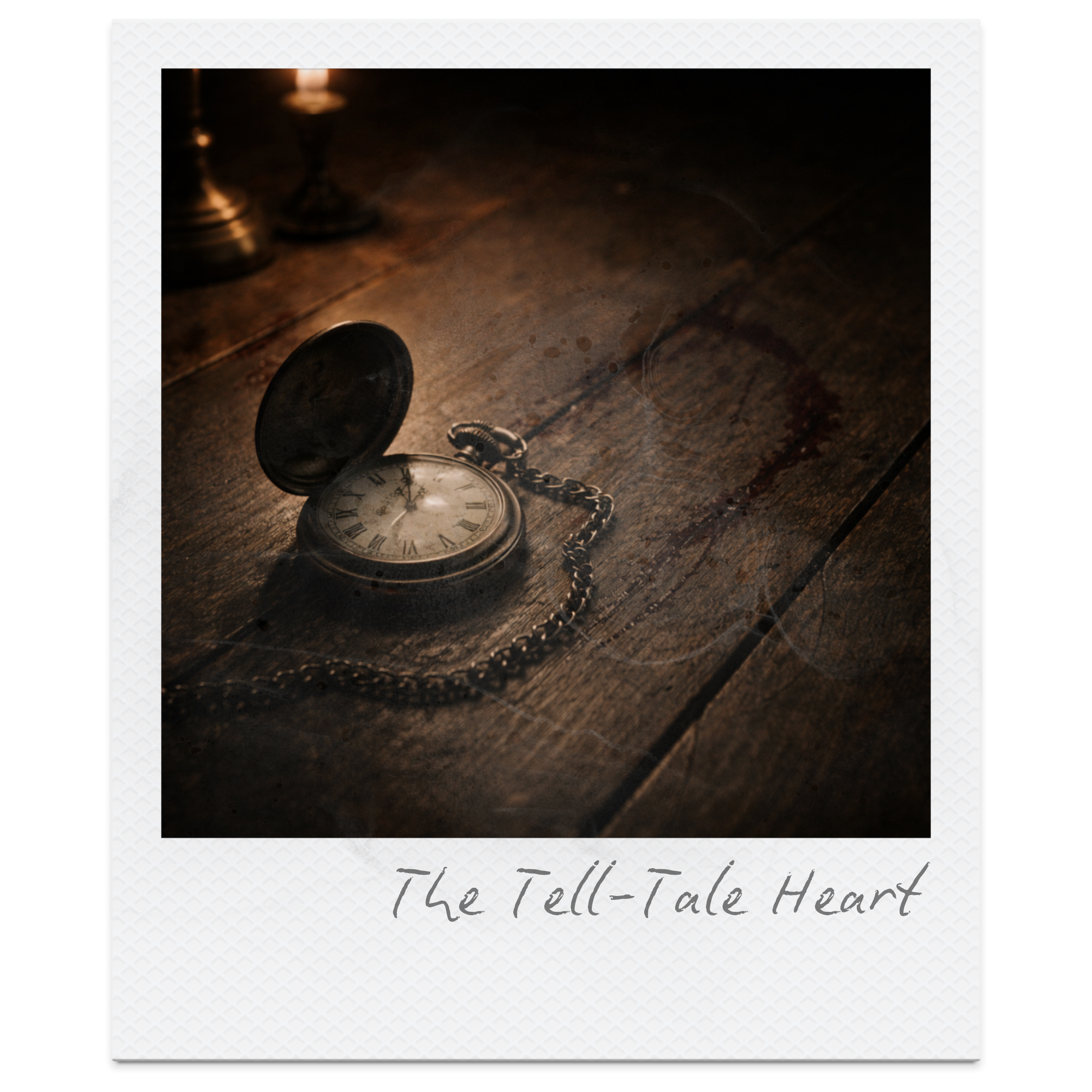
The Tell-Tale Heart
A psychologically intense gothic short story by Edgar Allan Poe, exploring madness, guilt, obsession, and unreliable narration. The Tell-Tale Heart follows a narrator who insists on their sanity while recounting a calculated murder, using voice, repetition, and symbolism to reveal the collapse of control and the inescapable force of conscience and perception.
U
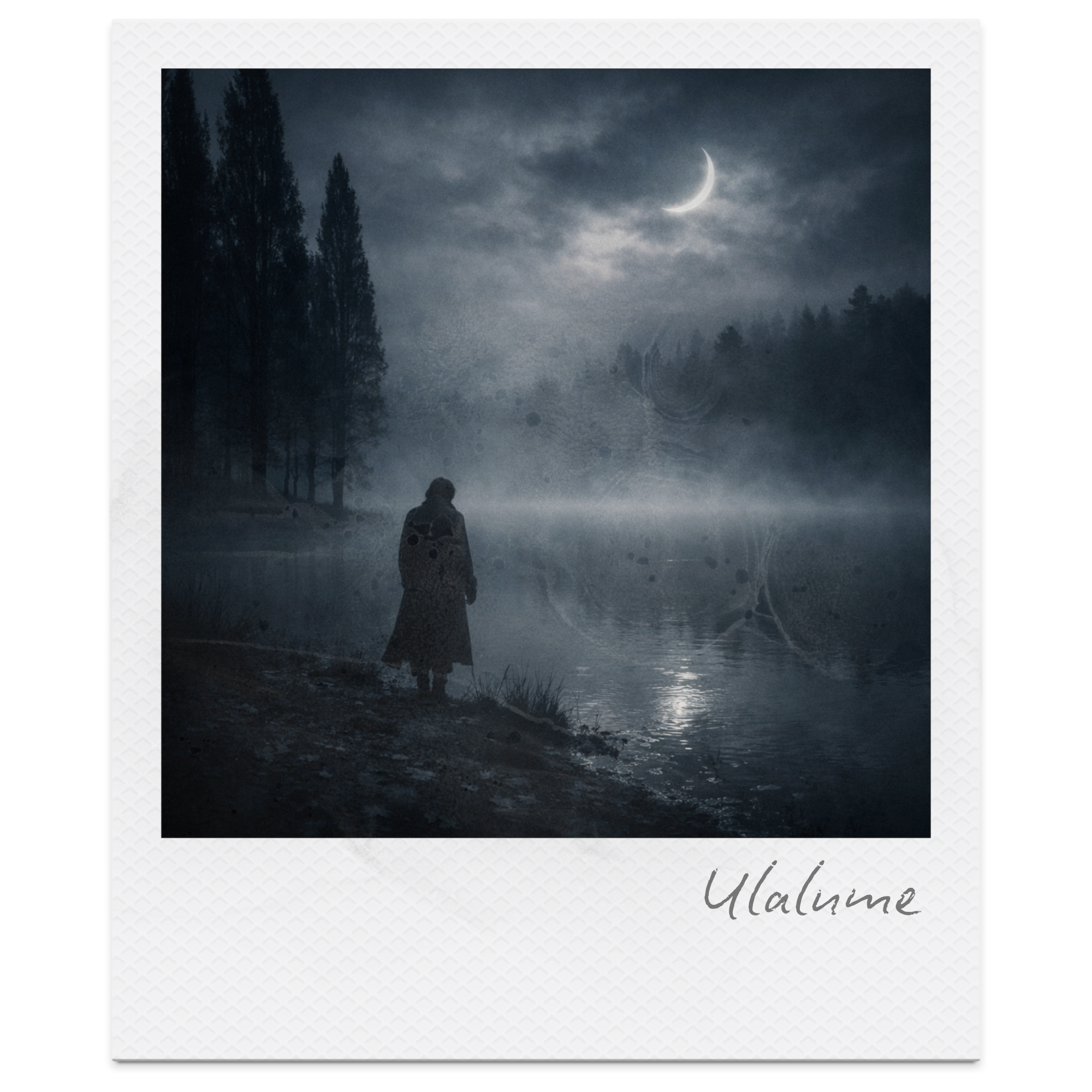
Ulalume
A haunting Gothic poem exploring grief, memory, and the unconscious mind, Ulalume follows a speaker drawn back to the tomb of his lost love through a dreamlike, symbolic journey. Through repetition, psychological fragmentation, and surreal imagery, Poe reveals how repressed memory resurfaces, blurring the line between illusion and reality and exposing the inescapable nature of loss.
V
W
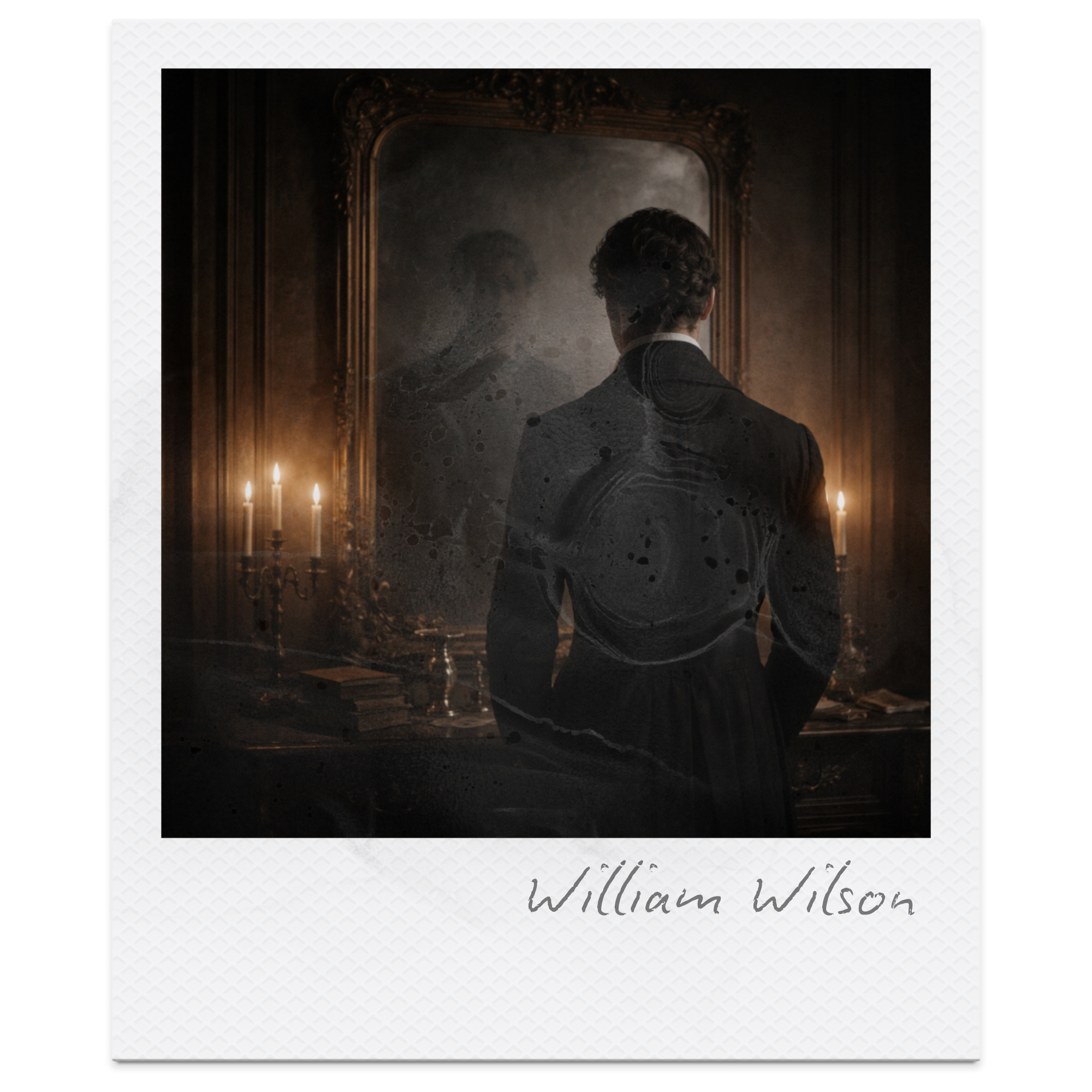
William Wilson
A psychological gothic short story exploring identity, duality, and conscience, William Wilson follows a narrator haunted by a mysterious double who mirrors his every action. The story examines self-destruction, moral conflict, and the divided self, blurring the line between reality and illusion through its unsettling narrative.
X
Y
Z
This collection of Edgar Allan Poe’s works will continue to grow as new text analyses, study guides, and teaching resources are added. Check back regularly for additional poems, short stories, and classroom materials.
Creative Writing Inspired by Edgar Allan Poe
While the works of Edgar Allan Poe are often studied for their gothic atmosphere and psychological intensity, they also provide powerful inspiration for creative writing. His poetry and short stories explore themes such as madness, illusion, memory, fear, and the instability of reality, making them ideal for imaginative and reflective storytelling.
The resources below are designed to support creative writing in the classroom and beyond, offering plot ideas, opening lines, character prompts, and atmosphere-led tasks inspired by Poe’s most studied works. These prompts encourage students to experiment with voice, perspective, and symbolism, while developing confidence in crafting original Gothic and psychological narratives.
For further inspiration, explore the Gothic Writing Hub for prompts focused on gothic tropes and settings, browse the Literature-Inspired Creative Writing Prompts Hub for text-based ideas across genres, or visit the Creative Writing Archive to discover a wide range of prompts designed for classrooms, writing clubs, and independent practice.
Teaching Support and Revision Materials
While the works of Edgar Allan Poe are often studied for their gothic atmosphere and psychological intensity, they also offer rich opportunities for classroom discussion, comparative analysis, and exam preparation. Many of his poems and short stories explore recurring themes such as madness, illusion, memory, fear, and the instability of reality and perception, making them particularly well-suited to close reading and thematic study.
The resources below are designed to support both teaching and revision, offering essay questions, comparison ideas, contextual guidance, and analytical support for some of Poe’s most widely studied works. Whether you are preparing lessons, revising key themes, or exploring connections across texts, these materials provide structured starting points for deeper engagement with his writing.