The Raven by Edgar Allan Poe: Summary, Themes, Meaning & Analysis
The Raven is one of Edgar Allan Poe’s most famous and enduring poems, exploring grief, memory, madness, and the psychological torment of loss through its haunting narrative and musical language. Set in a dark, isolated chamber, the poem follows a speaker descending into emotional and mental instability as he confronts the loss of Lenore, with the mysterious raven becoming a symbol of inescapable sorrow and obsessive thought.
At its core, the poem moves beyond a simple tale of mourning, offering a complex exploration of how the mind processes grief and how memory can become both a comfort and a form of self-inflicted suffering. The repeated ambiguity of the raven’s presence—whether supernatural, symbolic, or imagined—invites multiple interpretations, making it a rich and unsettling study of the human psyche. For further exploration of Poe’s work and themes, see the Edgar Allan Poe Hub and the Literature Library.
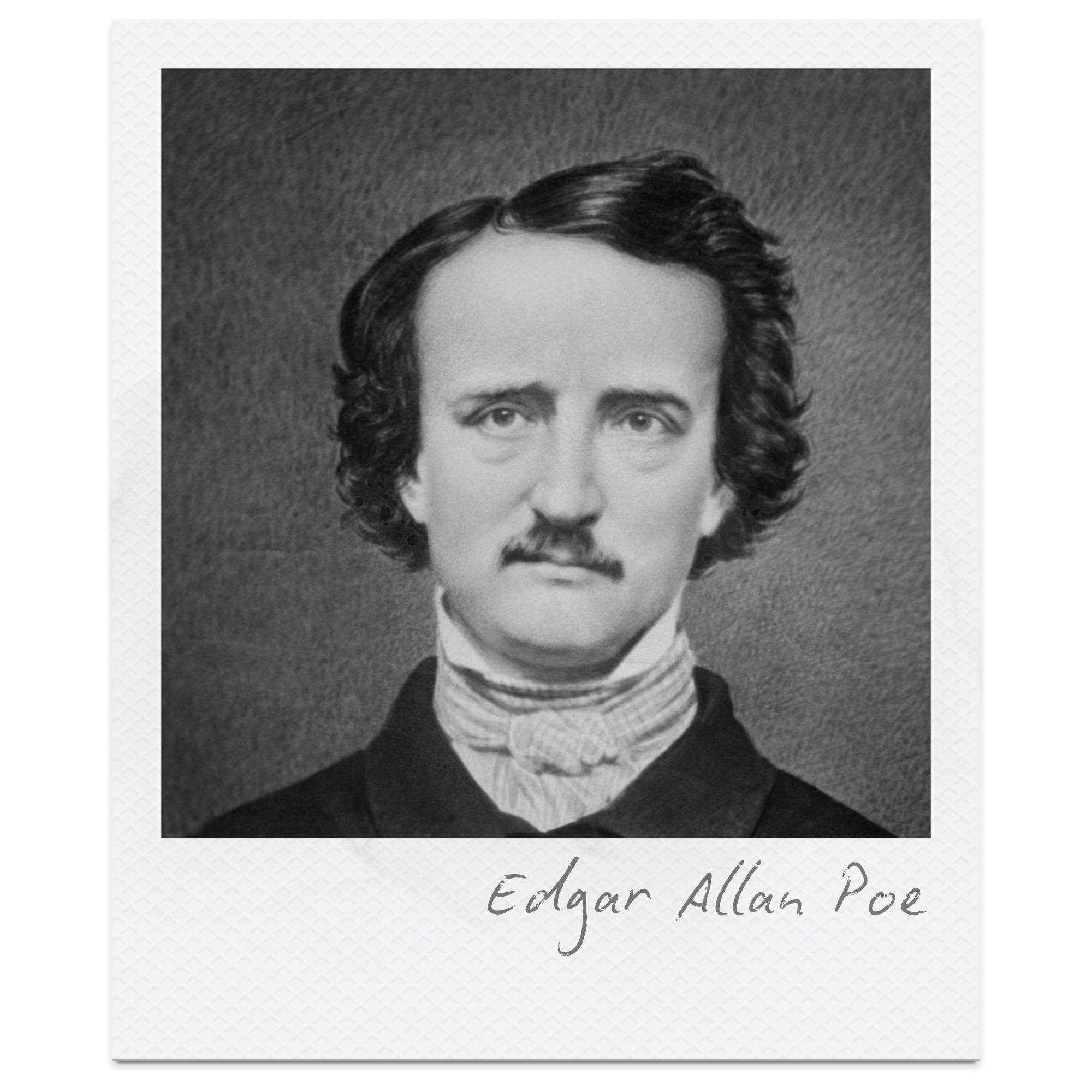
Context of The Raven
Written in 1845, The Raven reflects a pivotal moment in Edgar Allan Poe’s career, bringing him widespread recognition for his mastery of sound, structure, and psychological intensity. The poem exemplifies Poe’s deliberate approach to composition, where he carefully crafted rhythm, rhyme, and repetition to produce a hypnotic, almost incantatory effect. Emerging from the American Romantic and Gothic traditions, the poem blends emotional extremity with dark, atmospheric settings, focusing not on external horror but on the internal collapse of the mind.
Thematically, the poem is deeply rooted in Poe’s recurring preoccupation with death—particularly the death of a beautiful woman, which he famously described as the most poetic subject. The speaker’s fixation on Lenore reflects a broader exploration of grief, memory, and the inability to escape loss, while the raven itself becomes a symbol of relentless, unanswerable despair. The poem also engages with questions of faith, the afterlife, and the limits of human knowledge, as the speaker seeks answers that the raven can only deny. For a deeper understanding of these recurring ideas, see the Edgar Allan Poe Context Post.

The Raven: At a Glance
Form: Narrative lyric poem with strong rhythmic and musical structure (trochaic octameter)
Mood: Melancholic, eerie, obsessive
Central tension: The speaker’s desperate search for meaning and comfort versus the raven’s unchanging, nihilistic response
Core themes: grief and mourning, memory and obsession, madness and psychological decline, death and the afterlife, the limits of knowledge, the power of language and repetition
One-sentence meaning: A grieving speaker spirals into psychological torment as he seeks answers about loss and the afterlife, only to confront the inevitability of despair through the raven’s repeated refrain, “Nevermore.”
Quick Summary of The Raven
The poem opens with a weary and grief-stricken speaker alone in his chamber on a bleak December night, attempting to distract himself from sorrow through reading. As he drifts toward sleep, he hears a faint tapping at his door, which he initially dismisses as a visitor. However, when he opens the door, he finds only darkness, and the emptiness intensifies his sense of unease and longing for Lenore.
Soon after, a louder noise leads him to open his window, where a raven enters and perches above his chamber door on a bust of Pallas. At first amused by the bird’s strange presence, the speaker asks its name, only to receive the unexpected reply: “Nevermore.” Intrigued, he begins to question the raven further, attempting to interpret its meaning, but each question—whether about hope, relief, or reunion with Lenore—is met with the same unchanging response.
As the poem progresses, the speaker’s curiosity turns into obsession and despair. He projects his own fears onto the raven, interpreting its repeated “Nevermore” as confirmation that he will never escape his grief or be reunited with Lenore, even in the afterlife. By the end, the raven remains unmoving, casting a shadow over the speaker, who realises that his soul, like the bird’s presence, is trapped in an eternal state of sorrow—never to be lifted, “nevermore.”
Title, Form, Structure, and Metre of The Raven
The Raven is carefully engineered to create a hypnotic, incantatory rhythm, where form, structure, and metre work together to mirror the speaker’s growing obsession and psychological instability. Edgar Allan Poe constructs the poem with mathematical precision, using repetition, sound, and pattern to trap both the speaker and the reader in a cycle of inescapable grief and fixation.
Title
The title, The Raven, foregrounds the poem’s central symbol, immediately evoking associations with death, prophecy, and the supernatural. Rather than functioning as a simple narrative element, the raven becomes a representation of the speaker’s internal torment, embodying the permanence of loss and the idea that grief, once confronted, cannot be dismissed. The title therefore signals the poem’s exploration of memory, mourning, and the psychological weight of the past.
Form and Structure
The poem is composed of 18 six-line stanzas (sestets), creating a highly regular and controlled structure that contrasts with the speaker’s increasing emotional instability. Each stanza follows a strict ABCBBB rhyme scheme, where the final three lines are bound together by a repeated “or” sound (such as door, floor, Lenore, Nevermore), reinforcing a sense of echo and inevitability.
Poe intensifies this musicality through frequent internal rhyme, particularly within the longer lines. For example, in “Once upon a midnight dreary, while I pondered, weak and weary,” the pairing of “dreary” / “weary” creates a rolling, almost chant-like rhythm. Similarly, “nodded, nearly napping” and “tapping, tapping” produce a layered sound pattern that mirrors the speaker’s restlessness and mental agitation.
The structure also relies heavily on refrain, with the repeated word “Nevermore” anchoring each stanza. This repetition transforms the poem into a cyclical experience, where meaning does not progress but instead tightens around the speaker, reflecting his inability to escape grief.
Metre and Rhythm
The poem is primarily written in trochaic octameter, meaning each line is built from eight trochees—a pattern of stressed followed by unstressed syllables. This creates a driving, falling rhythm, as seen in:
“Once upON a MIDnight DREARy, WHILE I PONdered, WEAK and WEARy”
Here, the stressed syllables (ON, MID, DREAR, WHILE, PON, WEAK, WEAR) lead each foot, producing a heavy, downward beat that contributes to the poem’s dark, insistent tone.
However, Poe deliberately varies this pattern. Many of the shorter lines are catalectic, meaning the final unstressed syllable is dropped, creating a more abrupt and forceful ending. This is especially noticeable in lines ending with “door,” “floor,” and “Nevermore,” where the rhythm feels cut short, reinforcing the speaker’s sense of finality and closure.
The final line of each stanza is also shorter, often shifting toward trochaic tetrameter, which isolates the refrain and gives it a striking, echo-like quality. This variation in metre ensures that while the poem maintains its strict structure, it never becomes static; instead, it builds a mesmeric, almost hypnotic momentum that mirrors the speaker’s descent into obsession and despair.
The Speaker of The Raven
The speaker of The Raven is an unnamed, grief-stricken narrator who is alone in his chamber, mourning the loss of Lenore. He presents himself initially as rational and composed, attempting to explain the strange tapping at his door as a simple, logical occurrence. However, as the poem unfolds, his voice reveals a gradual shift from controlled reasoning to emotional instability, reflecting a mind increasingly overwhelmed by memory, longing, and obsession.
The tone of the speaker evolves throughout the poem, moving from curiosity and mild unease to fear, agitation, and ultimately despair. Early on, he reassures himself—“’Tis some visitor… only this and nothing more”—suggesting a desire to maintain control over his thoughts. Yet as the raven appears and begins its repeated refrain of “Nevermore,” the speaker’s language becomes more intense, dramatic, and fragmented, indicating a loss of psychological stability.
Crucially, the speaker is not entirely reliable. While the raven may be interpreted as a literal or supernatural presence, it can also be understood as a projection of the speaker’s own subconscious fears and grief. His increasing tendency to impose meaning onto the bird’s single word suggests that he is actively shaping his own torment, using the raven as a voice for the answers he already fears to be true.
By the end of the poem, the speaker’s voice has shifted fully into despair and resignation, as he recognises that he cannot escape the shadow of his grief. The raven’s presence becomes permanent, and the speaker’s final declaration suggests that his soul is now trapped in a state of eternal psychological suffering, revealing the voice not as a stable narrator, but as one consumed by loss and obsessive thought.
Stanza-by-Stanza Analysis of The Raven
The structure of The Raven is essential to its meaning, with each stanza marking a subtle shift in the speaker’s emotional state and psychological descent. Rather than progressing through a traditional narrative, the poem builds through repetition, escalation, and intensification, where each stanza deepens the atmosphere of unease, obsession, and despair. As the speaker moves from rational explanation to irrational fixation, the stanzas trace a clear trajectory from curiosity to terror, and finally to irreversible psychological entrapment.
Let’s explore how this unfolds, stanza by stanza.
Stanza 1: Isolation and Uneasy Disturbance
The opening stanza immediately establishes a mood of weariness, isolation, and quiet unease, placing the speaker in a liminal state between wakefulness and sleep. The phrase “midnight dreary” situates the poem within a traditionally Gothic setting, where darkness reflects both the external environment and the speaker’s internal state. His engagement with “forgotten lore” suggests an attempt to distract himself intellectually, hinting at a mind seeking escape from grief through knowledge.
The rhythmic repetition of “nodded, nearly napping” creates a sense of instability, as the speaker drifts between consciousness and dream-like perception. This blurred mental state becomes crucial, as it raises early questions about reliability and perception. The sudden “tapping” interrupts this fragile calm, introducing the first disruption into the speaker’s controlled environment.
Importantly, the speaker immediately attempts to rationalise the sound—“’Tis some visitor”—revealing a desire to maintain logic and control in the face of uncertainty. The repeated reassurance, “only this and nothing more,” acts as a defensive mantra, suggesting that the speaker is already anxious and attempting to suppress deeper fears. This moment marks the beginning of the poem’s central tension: the conflict between reason and the encroaching force of the unknown.
Stanza 2: Memory, Grief, and the Presence of Lenore
The second stanza deepens the emotional landscape of the poem, shifting from external disturbance to internal sorrow and memory. The reference to “bleak December” reinforces a sense of coldness, finality, and death, aligning the setting with the speaker’s emotional state. The image of “each separate dying ember” casting its “ghost upon the floor” introduces a subtle supernatural tone, suggesting that even the physical environment is haunted by loss and fading life.
Here, Lenore is explicitly introduced, transforming the poem into an elegy rooted in grief and mourning. The speaker’s attempt to “borrow / From [his] books surcease of sorrow” reveals his reliance on intellect and literature as a means of coping, yet the word “vainly” makes clear that this effort has failed. His grief cannot be reasoned away or distracted from—it remains persistent and unresolved.
The repetition of “Lenore” elevates her to an almost mythic or sacred status, particularly through the description “rare and radiant maiden whom the angels name Lenore.” However, this idealisation is immediately undercut by the phrase “Nameless here for evermore,” which suggests a cruel paradox: while she may be remembered in a divine or eternal sense, she is irretrievably lost in the speaker’s earthly reality.
This stanza establishes the central emotional conflict of the poem—the desire to preserve memory versus the pain of its permanence—while foreshadowing the inevitability that the speaker will not find relief or resolution from his grief.
Stanza 3: Fear and Self-Reassurance
In this stanza, the atmosphere intensifies as the speaker becomes increasingly aware of his own fear and heightened sensitivity to his surroundings. The description of the “silken, sad, uncertain rustling” creates a layered sensory experience, where sound and emotion blur together. The use of sibilance mirrors the soft, unsettling movement of the curtains, reinforcing a mood of unease and anticipation.
The detail of the “purple curtain” carries connotations of luxury, mourning, and even the supernatural, suggesting that the environment itself reflects the speaker’s emotional turmoil. The rustling does not simply startle him—it “thrilled” and “filled” him with “fantastic terrors”, indicating that his fear is not entirely rational but shaped by his imagination and psychological state.
In response, the speaker again turns to repetition as a coping mechanism, attempting to calm himself by insisting that the disturbance is merely a “visitor.” The repeated phrasing—“entreating entrance at my chamber door”—becomes increasingly formal and elaborate, suggesting that his language is becoming more strained as he tries to impose order and logic onto an unsettling situation.
The return to “this it is and nothing more” echoes the first stanza, but now carries less certainty. Rather than reassuring, it reveals the speaker’s growing instability and need for self-convincing, as fear begins to override his earlier confidence. This stanza marks a clear shift from mild unease to genuine psychological disturbance, where the boundary between reality and imagined threat starts to blur.
Stanza 4: Confrontation and Emptiness
In this stanza, the speaker attempts to reclaim control and composure, declaring that his “soul grew stronger” as he resolves to confront the source of the disturbance. His formal address—“Sir… or Madam”—reveals a return to social convention and rational behaviour, suggesting that he is trying to reassert a sense of normality in contrast to his rising fear.
However, the extended, almost apologetic explanation—“truly your forgiveness I implore”—betrays a lingering nervousness and self-consciousness, as though he is overcompensating for his earlier hesitation. The repetition of “rapping” and “tapping” continues to echo through the stanza, maintaining the poem’s insistent rhythm while reinforcing the sense of something persistent and unresolved.
The moment of action—“here I opened wide the door”—marks a turning point, as the speaker directly engages with the unknown. Yet instead of resolution, he is met with “darkness there and nothing more.” This absence is deeply significant: rather than confirming a rational explanation, it intensifies the mystery and introduces a more profound existential emptiness.
The darkness becomes symbolic of both the external unknown and the internal void of grief, suggesting that what the speaker fears may not be a physical presence, but something far less tangible. This stanza therefore shifts the poem from anticipation to disorientation, where confronting the unknown offers no comfort—only a deeper sense of uncertainty and isolation.
Stanza 5: Obsession and Echoed Grief
In this stanza, the speaker lingers at the threshold, gazing into the “darkness”, which now becomes a space of psychological projection rather than physical reality. The accumulation of verbs—“wondering, fearing, / Doubting, dreaming”—captures the restless movement of his mind, suggesting a state of heightened anxiety and imaginative excess. His thoughts begin to move beyond reason, venturing into “dreams no mortal ever dared to dream before,” hinting at the depth of his emotional disturbance.
The silence that follows is equally significant. Despite his anticipation, “the stillness gave no token,” reinforcing the idea that the external world offers no answers or reassurance. This absence of response intensifies the speaker’s inward turn, as he begins to fill the void with his own longing and memory.
The whispered “Lenore?” marks a crucial shift, as the speaker directly invokes the name of his lost love, revealing that his fear is inseparable from his grief. The echo that returns the word—“Lenore!”—can be interpreted as either a literal acoustic response or a manifestation of his own subconscious, suggesting that he is effectively conversing with his own loss.
The repetition of “nothing more” once again attempts to impose closure, but now feels increasingly hollow. Rather than resolving the moment, it underscores the speaker’s growing obsession, as even silence becomes filled with the presence of Lenore. This stanza marks a turning point where the external mystery begins to dissolve, and the poem shifts more fully into the realm of internal psychological haunting.
Stanza 6: Rising Tension and Forced Rationality
Returning to his chamber, the speaker’s emotional state intensifies, captured in the phrase “all my soul within me burning,” which suggests a mixture of anxiety, agitation, and unresolved grief. The renewed tapping, now “louder than before,” signals an escalation, as the disturbance becomes harder to dismiss and increasingly intrusive.
Despite this, the speaker again attempts to impose logic and control, insisting that the sound must have a rational explanation. His repeated use of “surely” reveals a strained effort to convince himself, while the phrasing “this mystery explore” suggests a shift from passive fear to active investigation. However, this curiosity is still underpinned by unease, as he urges himself to “be still”, indicating that his emotions are becoming harder to manage.
The attribution of the sound to “the wind” represents another attempt at rationalisation, echoing his earlier reassurances. Yet the repetition of “nothing more” now feels increasingly fragile, as if the speaker is clinging to explanation rather than truly believing it. The tension between reason and fear becomes more pronounced here, as the speaker stands on the brink of confronting something that cannot be easily explained or dismissed.
Stanza 7: The Raven’s Entrance and Ominous Authority
This stanza marks a decisive turning point as the source of disturbance is finally revealed. The abrupt action—“Open here I flung the shutter”—signals a moment of release and confrontation, yet what enters is not a rational explanation but a symbolic and unsettling presence. The raven arrives with “flirt and flutter,” but is immediately described as “stately,” creating a contrast between movement and authority that elevates it beyond an ordinary bird.
The description of the raven as belonging to the “saintly days of yore” introduces a sense of timelessness and the supernatural, suggesting that it carries meaning from beyond the present moment. Its refusal to acknowledge the speaker—“Not the least obeisance made he”—establishes its indifference and dominance, as it neither reacts nor submits, reinforcing its role as a figure of unyielding authority.
Its chosen position is highly significant: it perches upon a “bust of Pallas,” the goddess of wisdom. This placement symbolically situates the raven above reason and intellect, implying that whatever it represents—whether fate, grief, or the irrational—overrides logic. The repetition of “perched” emphasises its stillness and permanence, suggesting that its presence is not temporary but fixed and inevitable.
The closing phrase, “nothing more,” echoes earlier attempts at reassurance, but now carries a different weight. The mystery has been revealed, yet instead of resolution, the speaker is confronted with something far more disturbing: a presence that is silent, unmoving, and resistant to interpretation, marking the beginning of his deeper psychological entrapment.
Stanza 8: Curiosity and the First “Nevermore”
In this stanza, the speaker’s fear momentarily gives way to curiosity and uneasy amusement, as the raven’s “grave and stern decorum” transforms it into something strangely compelling. The phrase “beguiling my sad fancy into smiling” suggests that the speaker is drawn in by the bird, projecting personality onto it in an attempt to make sense of its presence. This marks a shift from fear to engagement, as he begins to interact with the unknown.
His address to the raven becomes increasingly elaborate and theatrical—“ghastly grim and ancient Raven”—revealing both his fascination and his tendency to romanticise and dramatise the situation. The reference to the “Night’s Plutonian shore” evokes classical imagery associated with the underworld, suggesting that the raven may be a messenger from death or the afterlife. This elevates the encounter beyond the ordinary, positioning the bird as a figure tied to existential questions and supernatural meaning.
The speaker’s question—“what thy lordly name is”—implies a desire for definition and control, as naming something is a way of understanding it. However, the raven’s response—“Nevermore”—introduces the poem’s central refrain and immediately disrupts this attempt. The word is both simple and profoundly ambiguous, offering no clear explanation while carrying an overwhelming sense of finality and negation.
This moment is crucial, as it establishes the pattern that will govern the rest of the poem: the speaker seeks meaning, and the raven responds with a word that resists interpretation while inviting obsession. What begins as curiosity will soon evolve into something far more consuming, as the speaker becomes fixated on the implications of “Nevermore.”
Stanza 9: Rationalisation and Uncanny Speech
In this stanza, the speaker reacts with astonishment and disbelief at the raven’s ability to speak, describing it as an “ungainly fowl” whose response is both remarkable and strangely meaningless. The phrase “little meaning—little relevancy bore” reveals an attempt to dismiss the significance of the word “Nevermore,” suggesting that the speaker is still trying to maintain a sense of rational distance from the encounter.
He reassures himself by appealing to logic and shared human experience—“we cannot help agreeing”—as though grounding the moment in collective reasoning will restore stability. By insisting that no one has ever witnessed such a creature, he frames the event as extraordinary but not necessarily supernatural, attempting to contain it within the realm of explanation rather than fear.
However, this effort at rationalisation is undermined by the very fact that the raven continues to exist before him, perched in an impossible and symbolic position. The repetition of “above his chamber door” reinforces the bird’s fixed presence, while the emphasis on its “name”—“Nevermore”—suggests that the word has already begun to carry a weight beyond mere coincidence.
Although the speaker claims the response lacks meaning, the insistence itself hints at underlying unease and denial. This stanza captures a moment of fragile control, where the speaker tries to reduce the raven to something harmless and explainable, even as the uncanny nature of the situation begins to erode that certainty.
Stanza 10: Projection and the Collapse of Hope
In this stanza, the raven’s stillness and silence intensify its symbolic power, as it speaks only “that one word”, suggesting a kind of total, singular meaning. The idea that the bird has “outpoured” its soul into “Nevermore” elevates the word beyond language, transforming it into a fixed truth or absolute statement rather than a simple response.
The speaker, however, begins to project his own experiences onto the raven, attempting to rationalise its behaviour. His remark—“Other friends have flown before”—reveals a history of loss and abandonment, implying that Lenore is not the only absence shaping his emotional state. By suggesting that the raven will leave “on the morrow”, he tries to impose a familiar pattern onto the situation, framing the bird as temporary and therefore manageable.
This moment is crucial because it marks the shift from external interpretation to internal projection. The speaker is no longer merely observing the raven—he is using it to articulate his own fears and expectations, particularly the inevitability of loss. His reference to “Hopes [that] have flown before” suggests that hope itself is something fleeting and unreliable.
The raven’s response—“Nevermore”—directly contradicts this fragile optimism, transforming the speaker’s assumption into a devastating certainty. What he hopes will pass is instead confirmed as permanent, and the word now begins to take on a more personal and psychologically destructive meaning. This stanza marks the beginning of the speaker’s deeper entrapment, as his own thoughts are reflected back to him with unyielding finality.
Stanza 11: Rationalisation and the Search for Meaning
In this stanza, the speaker once again attempts to restore logic and distance, startled by how perfectly the raven’s response seems to align with his thoughts. The phrase “aptly spoken” suggests a growing unease, as the word “Nevermore” begins to feel less random and more deliberately meaningful, threatening his earlier attempts at dismissal.
To counter this, he constructs a rational explanation, suggesting that the raven has merely learned the word from a “unhappy master” whose life was shaped by “unmerciful Disaster.” This imagined backstory allows the speaker to reduce the bird’s speech to something mechanical and accidental, rather than supernatural or symbolic. In doing so, he tries to reclaim intellectual control, framing the raven as a passive echo rather than an active force.
However, the language he uses—“dirges of his Hope” and “melancholy burden”—reveals that he is not escaping meaning, but rather deepening it. The repetition of “Never—nevermore” intensifies the weight of the word, transforming it into a kind of fatal refrain associated with inevitable loss and despair.
This stanza highlights a key shift: even in attempting to rationalise the raven, the speaker is projecting his own emotional reality onto it. His explanation becomes another form of engagement, drawing him further into the very pattern he is trying to resist. Logic does not free him—instead, it becomes another pathway into obsession and psychological entrapment.
Stanza 12: Fascination and Obsessive Interpretation
In this stanza, the speaker shifts from fear and rationalisation into a state of fascinated engagement, as the raven continues “beguiling” his imagination. The act of pulling up a “cushioned seat” signals a change in posture—from reactive to contemplative—as he deliberately positions himself to study the bird. This moment suggests that the speaker is no longer trying to dismiss or escape the raven, but instead chooses to confront and interpret it, inviting deeper psychological involvement.
The imagery of “velvet” and physical stillness creates a deceptive sense of calm, yet beneath this lies an intensifying mental activity. The phrase “linking / Fancy unto fancy” captures the speaker’s spiralling thought process, where ideas build upon one another without resolution. This indicates a shift toward obsessive reasoning, where imagination begins to dominate over logic.
The accumulation of descriptors—“grim, ungainly, ghastly, gaunt, and ominous”—reflects both the speaker’s fixation and his attempt to define the raven through increasingly dramatic language. Each adjective layers meaning onto the bird, transforming it into a symbol of fear, death, and the unknown, while also revealing the speaker’s tendency to project emotion through language.
The stanza culminates in the central question: what does “Nevermore” mean? This marks a critical turning point, as the speaker moves from reacting to the word to actively seeking interpretation, setting the stage for his eventual downfall. His focus is no longer on the raven as a creature, but on the meaning he can extract from it, highlighting the poem’s deeper exploration of how the mind creates and sustains its own torment.
Stanza 13: Inner Torment and the Pain of Memory
In this stanza, the speaker becomes increasingly absorbed in silent speculation, attempting to interpret the raven’s meaning without speaking aloud. The phrase “engaged in guessing” highlights his deepening mental fixation, while the absence of dialogue suggests that the conflict has shifted entirely inward, becoming a process of private, obsessive reasoning.
The raven’s presence intensifies through the striking image of its “fiery eyes” burning into the speaker’s “bosom’s core,” suggesting a form of psychological penetration. Rather than simply observing the bird, the speaker now feels examined and exposed, as though the raven has direct access to his inner thoughts and grief. This reinforces the idea that the bird functions as a mirror of his own emotional state.
The reclining posture on the “velvet lining” creates a deceptive calm, but this comfort is immediately undermined by memory. The repetition of the phrase draws attention to the space where Lenore once existed, and the sudden exclamation—“She shall press, ah, nevermore!”—marks a painful realisation. The physical absence of Lenore becomes tangible, as the speaker recognises that she will never again occupy that space.
This moment represents a shift from abstract questioning to personal, emotional certainty. The word “Nevermore” is no longer just a refrain—it becomes directly tied to the speaker’s loss, confirming that Lenore’s absence is permanent and irreversible. The stanza therefore deepens the poem’s exploration of grief, showing how memory transforms from something cherished into a source of acute psychological suffering.
Stanza 14: False Hope and Spiritual Desperation
In this stanza, the speaker’s experience shifts into a more overtly hallucinatory and supernatural realm, as he imagines the air growing “denser” and filled with the scent of an “unseen censer.” This imagery evokes a religious or ritualistic atmosphere, reinforced by the presence of “Seraphim”, suggesting that the speaker believes he is being visited by divine forces. However, this vision is ambiguous—it may represent genuine spiritual intervention or a manifestation of his overwhelmed and unstable mind.
The speaker’s tone becomes increasingly desperate and commanding as he addresses the raven as “Wretch,” projecting onto it the role of a messenger sent by God. He pleads for “respite” and invokes “nepenthe,” a mythical substance associated with forgetfulness and relief from sorrow, revealing his intense desire to escape the pain of memory. This marks a significant shift from earlier curiosity to a state of emotional desperation, where he seeks not understanding, but release.
However, the repeated plea to “forget this lost Lenore” highlights the central paradox of the poem: the speaker both clings to memory and longs to be free from it. His grief has become unbearable, yet it is also integral to his identity, making true relief impossible.
The raven’s response—“Nevermore”—destroys this fleeting hope, denying not only reunion, but even the possibility of forgetting. This moment deepens the poem’s tragedy, as the speaker is forced to confront the idea that his suffering is not only permanent, but also inescapable, marking a further descent into psychological despair.
Stanza 15: Desperation and the Search for Salvation
In this stanza, the speaker’s tone shifts into intense desperation and emotional urgency, as he directly confronts the raven as a “Prophet”—a figure capable of delivering truth, whether divine or demonic. The repeated phrase “if bird or devil” reflects his growing uncertainty, as the raven is no longer simply a creature but a potential messenger of higher or darker powers.
The speaker’s language becomes increasingly heightened and chaotic, filled with repetition and exclamations that mirror his psychological instability. The setting is reimagined as a “home by Horror haunted,” suggesting that the space itself has become a projection of his inner state. What was once a private chamber is now transformed into a symbolic landscape of suffering and isolation.
His central question—“Is there… balm in Gilead?”—introduces a powerful biblical reference associated with healing and spiritual restoration. This marks a crucial escalation, as the speaker is no longer asking about simple comfort or distraction, but about the possibility of true relief from suffering, whether emotional, psychological, or even spiritual.
The repetition of “tell me—tell me, I implore!” underscores his urgency, revealing a man on the edge of collapse, desperately seeking an answer that will offer hope. However, the raven’s reply—“Nevermore”—once again denies him, transforming his plea into a confirmation that no healing, no relief, and no redemption will come.
This stanza intensifies the poem’s central tragedy, as the speaker’s search for meaning and salvation is met only with absolute negation, pushing him further toward despair and hopelessness.
Stanza 16: Ultimate Question and Eternal Separation
In this stanza, the speaker reaches the height of his emotional and spiritual desperation, returning again to address the raven as a “Prophet”, but now invoking Heaven and God directly. This appeal elevates the moment into a final, sacred plea, as the speaker seeks certainty about what matters most to him: the fate of his soul and the possibility of reunion with Lenore.
The reference to “Aidenn” (a poetic form of Eden) introduces the idea of a heavenly afterlife, suggesting that the speaker’s hope has shifted beyond earthly consolation to something eternal and transcendent. His question—whether he will “clasp a sainted maiden”—reveals the depth of his longing, not just for memory or relief, but for reunion and restoration beyond death.
The repetition of Lenore’s description—“rare and radiant”—emphasises her idealised, almost sacred status, reinforcing the intensity of his attachment. At this point, Lenore is no longer simply a lost loved one, but a figure of perfect beauty and spiritual significance, embodying everything the speaker has lost.
The raven’s response—“Nevermore”—is now at its most devastating. Unlike earlier uses, which could be interpreted in multiple ways, here the meaning becomes unmistakably clear: there will be no reunion, not even in the afterlife. This transforms the refrain into a statement of absolute finality, denying the speaker both earthly comfort and spiritual hope.
This stanza represents the emotional climax of the poem, where the speaker’s deepest desire is confronted and irrevocably denied, sealing his fate in a state of eternal grief and separation.
Stanza 17: Rejection, Rage, and Entrapment
In this stanza, the speaker’s response erupts into anger and desperation, as he attempts to reject and expel the raven from his space. The exclamation “bird or fiend!” shows that he now fully associates the raven with something malevolent or supernatural, no longer entertaining rational explanations. His command—“Be that word our sign of parting”—reveals a final attempt to reclaim control and authority, as though he can end the encounter on his own terms.
His language becomes increasingly violent and symbolic, particularly in the demand to “Take thy beak from out my heart,” which suggests that the raven’s presence is not merely external, but has penetrated into his emotional core. The bird is now inseparable from his pain and grief, functioning as both a literal and psychological presence.
The repeated imperatives—“Get thee back,” “Leave,” “quit”—highlight the speaker’s desperation to restore his earlier state of isolation, which he now paradoxically sees as preferable to this confrontation with truth. However, this desire to return to solitude is itself revealing: his loneliness was never empty, but already filled with unresolved grief, which the raven has now made unavoidable.
The reference to the “Night’s Plutonian shore” again evokes the underworld, reinforcing the idea that the raven belongs to a realm of death and finality. Yet despite the speaker’s forceful rejection, the raven’s response—“Nevermore”—confirms that it will not leave.
This moment marks the collapse of the speaker’s last illusion of control. His attempt to expel the raven fails completely, revealing that what he is confronting cannot be dismissed or removed. Instead, he is left trapped in a state where grief, memory, and meaning are inescapable, signalling his complete psychological entrapment.
Stanza 18: Eternal Entrapment and Final Despair
The final stanza brings the poem to a state of permanence and irreversible conclusion, as the raven remains “still… still… sitting”, emphasising its unchanging and eternal presence. The repetition reinforces a sense of stasis, suggesting that nothing will shift or resolve—the moment is frozen, and the speaker is trapped within it.
The image of the raven perched upon the “pallid bust of Pallas” once again highlights the dominance of irrational despair over reason and wisdom. The bird’s eyes, described as having the appearance of a “demon’s that is dreaming,” suggest something both supernatural and psychologically haunting, blurring the boundary between an external force and the speaker’s internal state.
The shadow cast by the raven becomes the central symbol of the stanza, representing the weight of grief, memory, and psychological torment. As it stretches across the floor, it transforms into something inescapable, enveloping the speaker entirely. This shadow is not merely physical—it signifies the enduring presence of loss and despair that cannot be overcome.
The final line—“Shall be lifted—nevermore!”—delivers the poem’s ultimate conclusion. The speaker recognises that his soul will never escape this shadow, confirming a state of eternal entrapment. The refrain “Nevermore,” which once seemed ambiguous, now becomes absolute, sealing the poem’s meaning: there is no relief, no resolution, and no escape from grief and psychological suffering.
This closing stanza completes the speaker’s descent, transforming the poem from a moment of disturbance into a lasting condition of permanent despair, where the past cannot be reconciled, and the future offers no hope.
Key Quotes from The Raven
The language of The Raven is central to its power, with repetition, symbolism, and sound working together to create a poem that is both musical and psychologically intense. The following quotes reveal how Poe constructs meaning through pattern, imagery, and voice, shaping the speaker’s descent into obsession and despair.
Death and Memory
“And each separate dying ember wrought its ghost upon the floor.”
♦ Imagery – The “dying ember” symbolises fading life and warmth, while “ghost” introduces a supernatural undertone
♦ Meaning – Suggests that even small, ordinary details are haunted by loss and memory
♦ Effect – Creates a mood of quiet, lingering grief where the past feels inescapably present
“For the rare and radiant maiden whom the angels name Lenore—”
♦ Symbolism – Lenore is elevated to an almost divine or idealised figure
♦ Meaning – Reflects the speaker’s tendency to romanticise and preserve the dead
♦ Effect – Intensifies the emotional weight of loss, making her absence feel absolute and sacred
Fear and the Uncanny
“Deep into that darkness peering, long I stood there wondering, fearing,”
♦ Repetition and rhythm – The paired verbs create a sense of mental spiralling and uncertainty
♦ Meaning – Shows the speaker’s shift from rational thought to fear-driven imagination
♦ Effect – Builds tension and emphasises the psychological nature of the poem’s horror
“But the silence was unbroken, and the stillness gave no token,”
♦ Structure and negation – Repetition of absence (“no token”) reinforces emptiness
♦ Meaning – Highlights the lack of answers from the external world
♦ Effect – Creates unease by suggesting that silence itself is ominous and meaningful
Language, Repetition, and Obsession
“Quoth the Raven ‘Nevermore.’”
♦ Refrain – The repeated phrase becomes the poem’s central structural and thematic anchor
♦ Meaning – Represents finality, denial, and the impossibility of change
♦ Effect – Gains increasing emotional weight with each repetition, mirroring the speaker’s growing obsession
“Nothing farther then he uttered—not a feather then he fluttered—”
♦ Parallel structure – Balanced phrasing emphasises stillness and restraint
♦ Meaning – Suggests the raven’s unyielding and fixed nature
♦ Effect – Creates tension through inaction, making the bird feel more powerful and unsettling
Grief and Psychological Decline
“Take thy beak from out my heart, and take thy form from off my door!”
♦ Metaphor – The raven’s beak represents emotional pain penetrating the speaker’s core
♦ Meaning – Shows how deeply grief has embedded itself within him
♦ Effect – Conveys desperation and loss of control, highlighting his emotional breakdown
“And my soul from out that shadow that lies floating on the floor / Shall be lifted—nevermore!”
♦ Symbolism – The “shadow” represents enduring grief and psychological entrapment
♦ Meaning – Confirms that the speaker’s suffering is permanent and inescapable
♦ Effect – Provides a final, devastating conclusion, reinforcing the poem’s theme of eternal despair
Faith, Loss, and the Afterlife
“Is there—is there balm in Gilead?—tell me—tell me, I implore!”
♦ Biblical allusion – “balm in Gilead” symbolises healing and spiritual relief
♦ Meaning – Reflects the speaker’s desperate search for hope and salvation
♦ Effect – Highlights the shift from intellectual questioning to emotional and spiritual desperation
“Tell this soul with sorrow laden if, within the distant Aidenn, / It shall clasp a sainted maiden…”
♦ Religious imagery – References to heaven and reunion suggest eternal hope
♦ Meaning – Shows the speaker’s final attempt to find comfort in the afterlife
♦ Effect – Makes the raven’s denial even more devastating, as it destroys even this last hope
These quotes collectively demonstrate how Poe uses sound, repetition, and symbolism to transform a simple narrative into a profound exploration of grief, obsession, and the limits of human understanding.
Key Techniques in The Raven
The power of The Raven lies in its highly controlled use of language, sound, and structure, which together create a poem that is both musical and psychologically intense. Edgar Allan Poe uses a range of techniques to mirror the speaker’s descent into obsession, grief, and mental instability, ensuring that form and meaning are inseparable.
♦ Imagery – Poe uses vivid, often Gothic imagery such as “midnight dreary,” “bleak December,” and “dying ember” to create a setting that reflects the speaker’s emotional desolation. These images blur the line between the physical world and psychological experience, reinforcing the sense of internal haunting.
♦ Symbolism – The raven functions as a central symbol of death, memory, and unchanging truth, while Lenore represents idealised loss. The bust of Pallas symbolises reason, which is ultimately overshadowed by the raven, suggesting the dominance of irrational grief over logic.
♦ Sound and Musicality (Repetition, Rhythm, Internal Rhyme) – The poem’s use of trochaic octameter, combined with heavy internal rhyme (e.g., “dreary” / “weary”, “napping” / “tapping”), creates a hypnotic, chant-like quality. The repeated refrain “Nevermore” reinforces the poem’s themes of finality and inevitability, becoming increasingly oppressive with each repetition.
♦ Refrain – The constant return to “Nevermore” acts as both a structural anchor and a thematic force, transforming a single word into a symbol of inescapable despair. Its repetition mirrors the speaker’s obsessive thought patterns, trapping both him and the reader in a cycle of meaning.
♦ Voice and Tone – The speaker’s voice shifts from rational and composed to fragmented and emotionally unstable, reflecting his psychological decline. Poe uses increasingly dramatic and heightened language to show how grief distorts perception and reasoning.
♦ Structure and Pattern – The strict stanza form and consistent rhyme scheme create a sense of order and control, which contrasts with the speaker’s inner chaos. This tension between structure and emotion reinforces the idea that the speaker is trapped within both his thoughts and the poem’s form.
♦ Allusion (Classical and Biblical) – References to Pallas, Pluto, Gilead, and Aidenn situate the poem within a broader mythological and religious framework, elevating the speaker’s personal grief into a universal exploration of death, faith, and the afterlife.
♦ Psychological Projection – The speaker repeatedly imposes meaning onto the raven, turning it into a reflection of his own fears and desires. This technique reveals how the mind can construct its own suffering, making the poem as much about internal conflict as external events.
Together, these techniques create a poem where sound, structure, and symbolism work in unison, transforming The Raven into a powerful exploration of grief, obsession, and the limits of human understanding.
Themes in The Raven
The Raven explores a range of interconnected, psychological and philosophical themes, using the speaker’s experience to examine how the human mind responds to loss, uncertainty, and the desire for meaning. Rather than offering clear answers, the poem presents these themes as entangled and unresolved, reflecting the complexity of grief and thought.
Grief and Mourning
At the heart of the poem is an intense exploration of grief, centred on the loss of Lenore. The speaker’s sorrow is not static but evolving and consuming, shaping how he interprets every sound, image, and interaction. Grief becomes not just an emotion, but a state of being, one that isolates him and transforms his perception of reality.
Memory and Obsession
Memory in the poem functions as both a preservation of love and a source of psychological torment. The speaker cannot release Lenore from his thoughts, and instead becomes trapped in a cycle of repetition and fixation. His attempts to understand the raven mirror his attempts to process memory, revealing how the mind can become obsessed with what it cannot resolve.
Madness and Psychological Decline
The poem traces a clear trajectory of mental deterioration, as the speaker moves from rational explanation to irrational belief and emotional instability. His language becomes increasingly fragmented and dramatic, reflecting a loss of control. This descent into madness is not sudden, but gradual, showing how grief and isolation can erode reason over time.
Death and the Afterlife
Death is presented as both a final separation and a source of unanswered questions. The speaker’s repeated references to Lenore’s fate and the possibility of reunion in the afterlife highlight a deep uncertainty about what lies beyond death. Rather than offering comfort, the poem suggests that death creates a void that cannot be bridged or understood.
The Limits of Knowledge
Throughout the poem, the speaker seeks answers—about the raven, about Lenore, and about the afterlife—but is consistently met with uncertainty and denial. His reliance on intellect and reasoning proves ineffective, suggesting that there are limits to what human knowledge can achieve. The raven’s fixed response underscores the idea that some truths are unknowable or inaccessible.
The Power of Language and Repetition
Language in the poem becomes a tool of both expression and entrapment. The repeated word “Nevermore” evolves from a curious response into a devastating truth, gaining meaning through repetition. This highlights how language can shape thought, reinforcing the speaker’s descent into obsession and despair.
Reason vs Irrationality
The contrast between the bust of Pallas (wisdom) and the raven (irrational despair) symbolises the tension between logic and emotion. As the poem progresses, reason is gradually overshadowed, suggesting that in the face of intense grief, irrational thought can become dominant and inescapable.
Isolation and Confinement
The speaker’s physical setting—a closed chamber at midnight—mirrors his psychological state. He is not only alone but trapped within his own mind, unable to escape the presence of memory and loss. The raven’s permanence reinforces this theme, turning the chamber into a space of eternal confinement.
Alternative Interpretations of The Raven
The Raven resists a single fixed meaning, instead inviting multiple readings through different critical lenses. Each interpretation reframes the raven, the speaker, and the events of the poem, revealing how it can function as both a literal narrative and a symbolic exploration of the mind.
Psychological Interpretation: The Mind as Its Own Tormentor
From a psychological perspective, the raven can be understood as a projection of the speaker’s subconscious, embodying his grief, guilt, and obsessive thought patterns. The repeated “Nevermore” is not an external truth, but an internal one—reflecting the speaker’s own fear that he will never escape his sorrow or be reunited with Lenore. The progression of the poem mirrors a mental breakdown, where rational thought gives way to fixation, suggesting that the true source of horror lies not in the supernatural, but in the mind’s capacity to trap itself in cycles of suffering.
Gothic Interpretation: Supernatural Visitation and Doom
Through a Gothic lens, the raven can be seen as a genuine supernatural messenger, arriving from the “Plutonian shore”—a realm associated with death and the underworld. Its refusal to move and its prophetic tone position it as an agent of fate or doom, delivering an unchangeable truth. The dark setting, midnight hour, and spectral imagery reinforce the idea that the speaker is being visited by something beyond human understanding, suggesting that the poem operates as a tale of inevitable, supernatural judgement.
Existential Interpretation: Meaninglessness and Finality
An existential reading focuses on the raven as a symbol of absolute negation, where “Nevermore” represents the absence of meaning, certainty, or hope. The speaker’s questions about love, memory, and the afterlife are met with the same unchanging response, suggesting that the universe offers no answers or comfort. From this perspective, the poem explores the human desire for meaning in a world that ultimately provides silence or denial, highlighting the tension between hope and the inevitability of nothingness.
Symbolic Interpretation: The Raven as Language Itself
Another lens positions the raven as a symbol of language and repetition, where meaning is not fixed but constructed through use. The word “Nevermore” begins as a simple response but gains increasing emotional weight as the speaker assigns it significance. This interpretation suggests that the speaker is not discovering truth, but creating it through interpretation, demonstrating how language can both shape and distort reality.
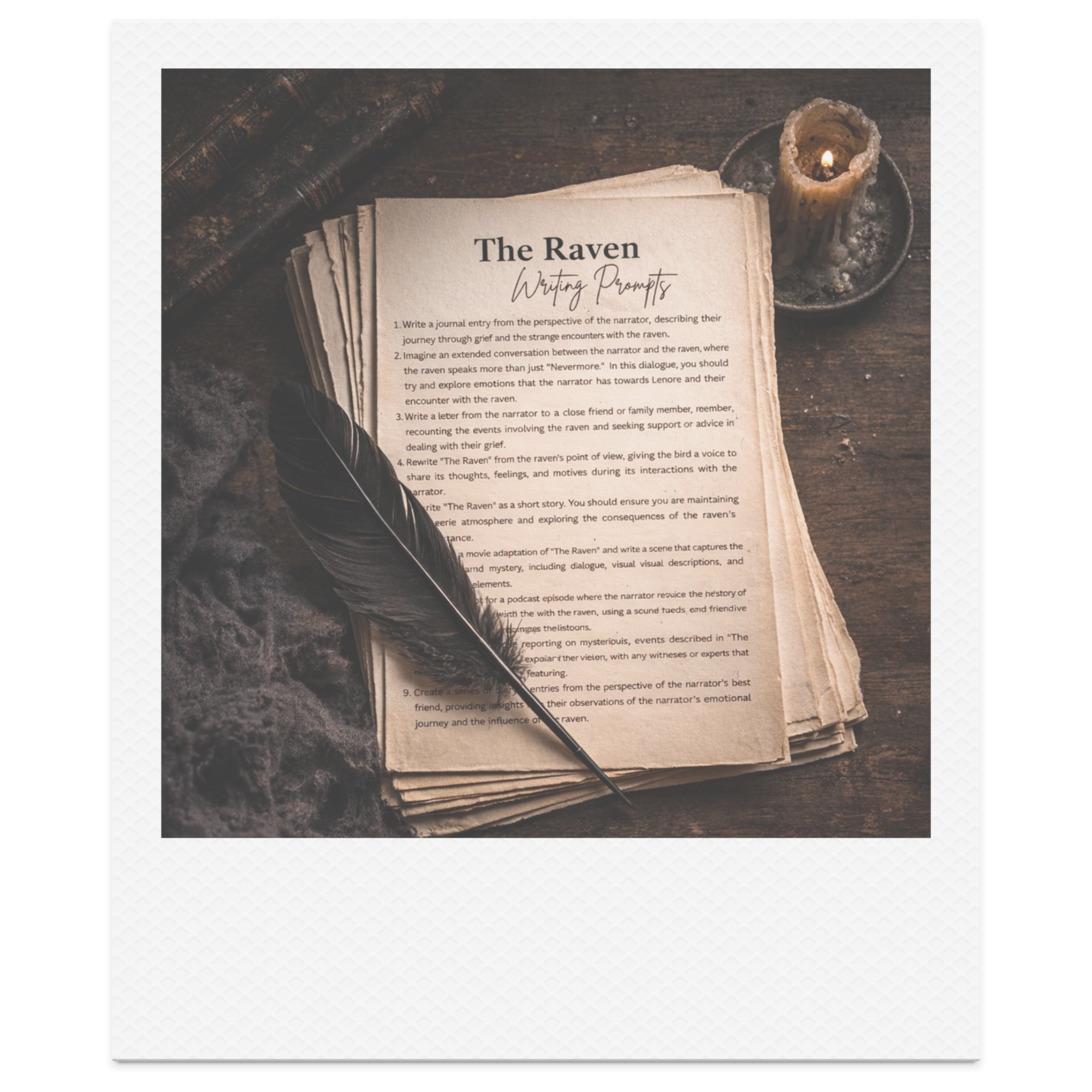
Teaching Ideas for The Raven
Teaching The Raven offers rich opportunities to explore language, structure, psychology, and interpretation, while also engaging students creatively with its Gothic atmosphere and emotional intensity. The following activities are designed to move beyond surface understanding and encourage analysis, discussion, and imaginative response.
1. Sound and Structure Exploration
Ask students to focus on the poem’s musicality and rhythm, identifying examples of internal rhyme, repetition, and trochaic metre. Students can annotate key lines such as “weak and weary” or “napping, tapping” to explore how sound shapes meaning.
Extend this by having students read sections aloud, experimenting with pace and emphasis to see how delivery influences the poem’s tone and emotional impact. This helps students recognise how form and meaning are inseparable in Poe’s work.
2. Classroom Resource Bundle
For a more structured and varied approach, a dedicated The Raven teaching bundle can support both analysis and engagement across multiple lessons. This includes creative writing prompts (printable and digital), discussion-based activities, review tasks, quizzes, and interactive resources designed to deepen understanding of themes, symbolism, and narrative voice.
Activities such as silent debates, roll-the-dice discussions, and creative review tasks encourage students to move beyond comprehension into interpretation and evaluation, while also supporting different learning styles. This works particularly well for mixed-ability classes, revision lessons, or extended study sequences.
3. Character and Theme Debate
Use the poem as a starting point for interpretative debate, encouraging students to explore questions such as:
Is the raven a supernatural being or a projection of the speaker’s mind?
Is the speaker seeking truth, or creating his own suffering?
Does the poem suggest that grief is inevitable or self-sustained?
Students can respond through structured discussion, written argument, or silent debate, developing their ability to support interpretations with textual evidence.
4. Model Analytical Paragraph + Evaluation
Question: How does Poe present the psychological effects of grief in The Raven?
Model Paragraph:
Poe presents grief as a consuming and destabilising force through the speaker’s increasing reliance on repetition and projection. The refrain “Nevermore” evolves from a meaningless response into a symbol of absolute despair, reflecting how the speaker imposes meaning onto the raven’s speech. This is reinforced through the poem’s insistent rhythm and internal rhyme, which mirror the cyclical nature of obsessive thought. As a result, grief is depicted not as a passive emotion, but as an active force that reshapes perception and traps the speaker in a state of psychological entrapment.
Student Tasks:
Identify and analyse an additional quote that supports this idea
Challenge the interpretation (is the raven truly meaningless?)
Rewrite the paragraph from a different interpretative lens
5. Creative Writing Extension
Encourage students to respond creatively to the poem’s Gothic tone and psychological themes. Tasks might include:
Writing a monologue from the perspective of the raven
Rewriting the poem from Lenore’s perspective
Creating a modern adaptation exploring grief and obsession
Continuing the narrative beyond the final stanza
For further inspiration, students can explore the Gothic Writing Hub and the Creative Writing Archive, using these resources to develop their own atmospheric, symbolic, and character-driven writing.
Go Deeper into The Raven
Exploring The Raven alongside other texts allows students to deepen their understanding of Gothic conventions, psychological conflict, and the theme of loss. By making connections across texts, students can begin to see how writers explore similar ideas through different forms, voices, and contexts. For further resources, see Best Poe Texts for the Classroom.
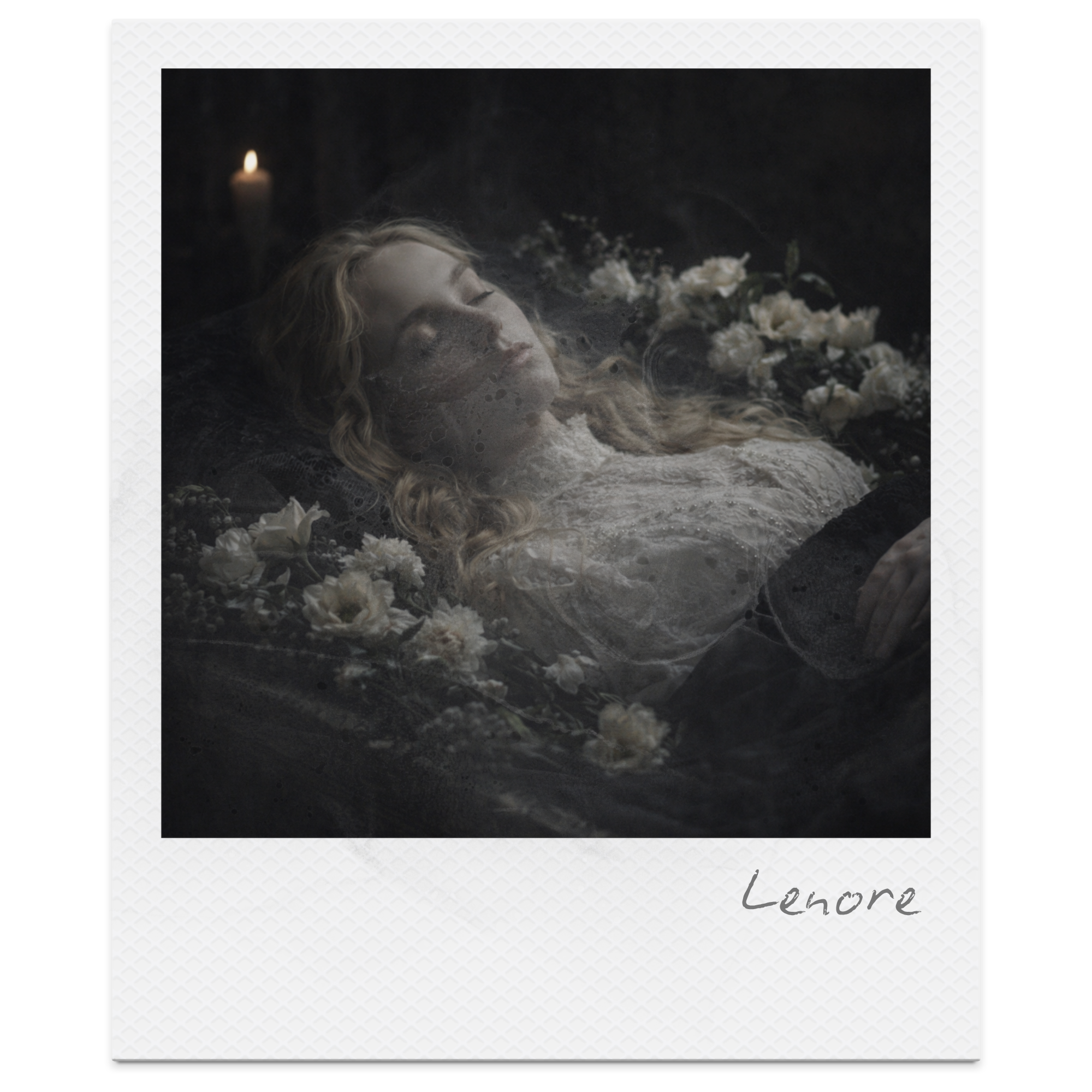
◆ Lenore by Edgar Allan Poe– Acts as a thematic counterpoint to The Raven, presenting death not as endless despair, but as something that can be approached with acceptance or even transcendence. This allows students to compare how Poe explores grief as destructive (The Raven) versus transformative (Lenore).
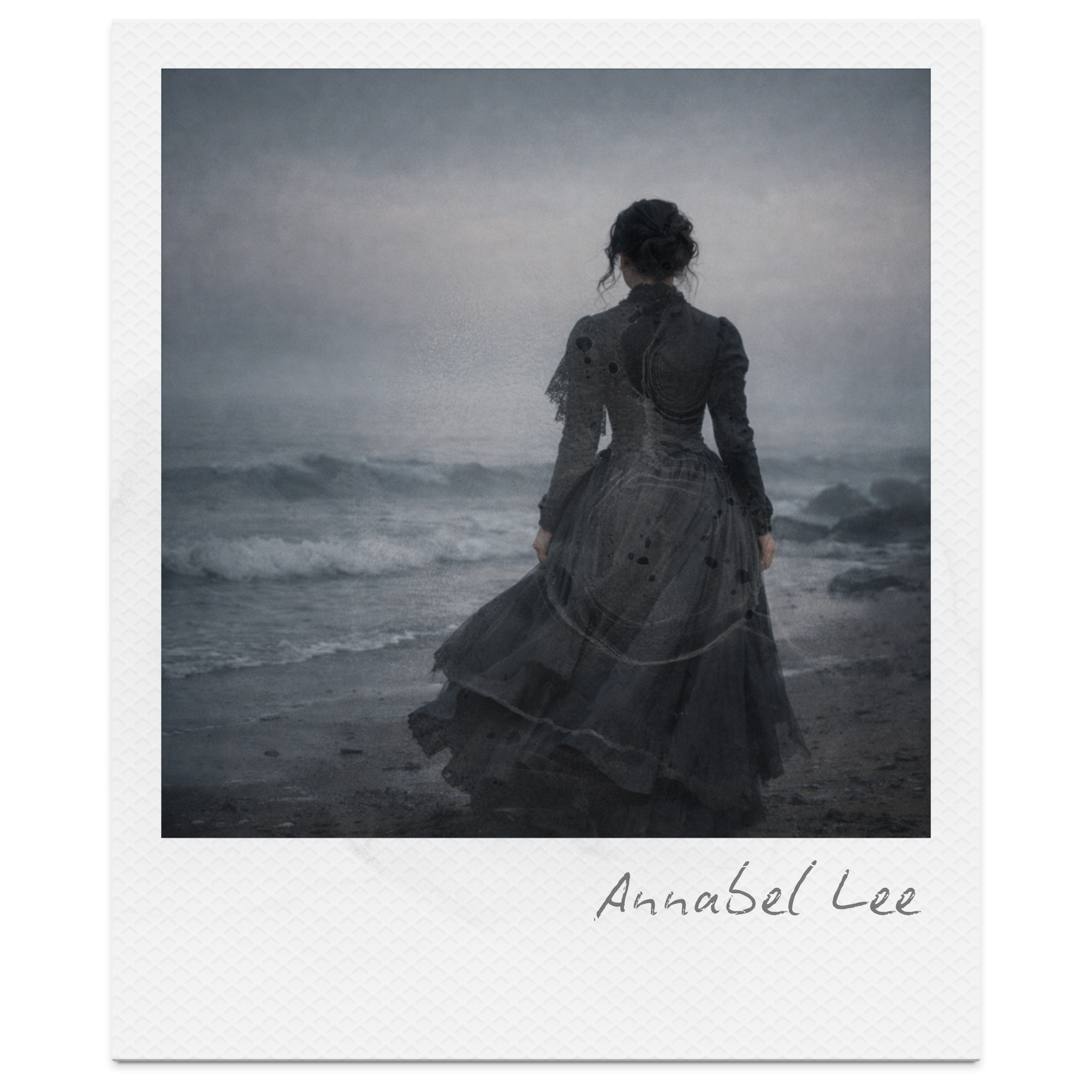
◆ Annabel Lee by Edgar Allan Poe – Like The Raven, this poem explores love and loss, but presents grief in a more romanticised and idealised form, allowing comparison of how memory is portrayed as either comforting or destructive.
◆ The Bells by Edgar Allan Poe – A strong comparison for sound and structure, this poem uses repetition and rhythm to create meaning, highlighting Poe’s interest in how language shapes emotional experience.
◆ The Tell-Tale Heart by Edgar Allan Poe– Offers a clear parallel in terms of psychological instability and unreliable narration, allowing students to explore how Poe presents madness across different forms.
◆ Porphyria’s Lover by Robert Browning – Explores obsession and control within relationships, providing a useful comparison for analysing how love can become distorted and destructive.
◆ La Belle Dame sans Merci by John Keats – A Romantic poem that similarly explores loss, longing, and the supernatural, offering a contrasting tone where ambiguity is tied to enchantment rather than psychological collapse.
◆ My Last Duchess by Robert Browning – A dramatic monologue that allows comparison of voice and control, particularly how speakers reveal their own psychological flaws through language.
By placing The Raven within a wider literary context, students can develop a more nuanced understanding of Gothic literature, narrative voice, and the portrayal of grief and obsession, strengthening both analytical and comparative skills.
Final Thoughts
The Raven endures as one of the most powerful explorations of grief, memory, and psychological decline, not because it offers answers, but because it captures the unrelenting nature of loss. Through its intricate structure, musical language, and symbolic depth, the poem transforms a simple encounter into a profound reflection on how the mind responds to sorrow and uncertainty.
At the same time, the poem resists a single fixed interpretation. The raven can be read as supernatural, symbolic, or psychological, and the meaning of “Nevermore” shifts depending on how we understand the speaker’s state of mind. This ambiguity is central to the poem’s power, allowing it to remain open, unsettling, and endlessly interpretable.
To explore more of Poe’s work and themes, visit the Edgar Allan Poe Hub and the Literature Library, where you can deepen your understanding of Gothic literature, narrative voice, and psychological storytelling.