The Sleeper by Edgar Allan Poe: Summary, Themes, Meaning & Analysis
At first glance, The Sleeper presents a tranquil, dreamlike scene of a woman at rest beneath the moonlight. Yet beneath its lyrical surface, the poem explores death, beauty, stillness, the boundary between life and death, and the gothic fascination with the unconscious. Through rich imagery and hypnotic rhythm, Edgar Allan Poe transforms sleep into something far more ambiguous, blurring the line between peaceful rest and eternal death.
As the poem unfolds, this sense of calm becomes increasingly unsettling. The speaker’s admiration of the sleeping figure shifts into something darker, suggesting an uneasy tension between reverence and control, beauty and decay, life and the afterlife. The Sleeper resists a single interpretation: the woman may be peacefully resting, spiritually suspended, or irrevocably dead. For more on Poe’s exploration of death, stillness, and the gothic imagination, see the Edgar Allan Poe Hub, or explore related texts and themes in the Literature Library.

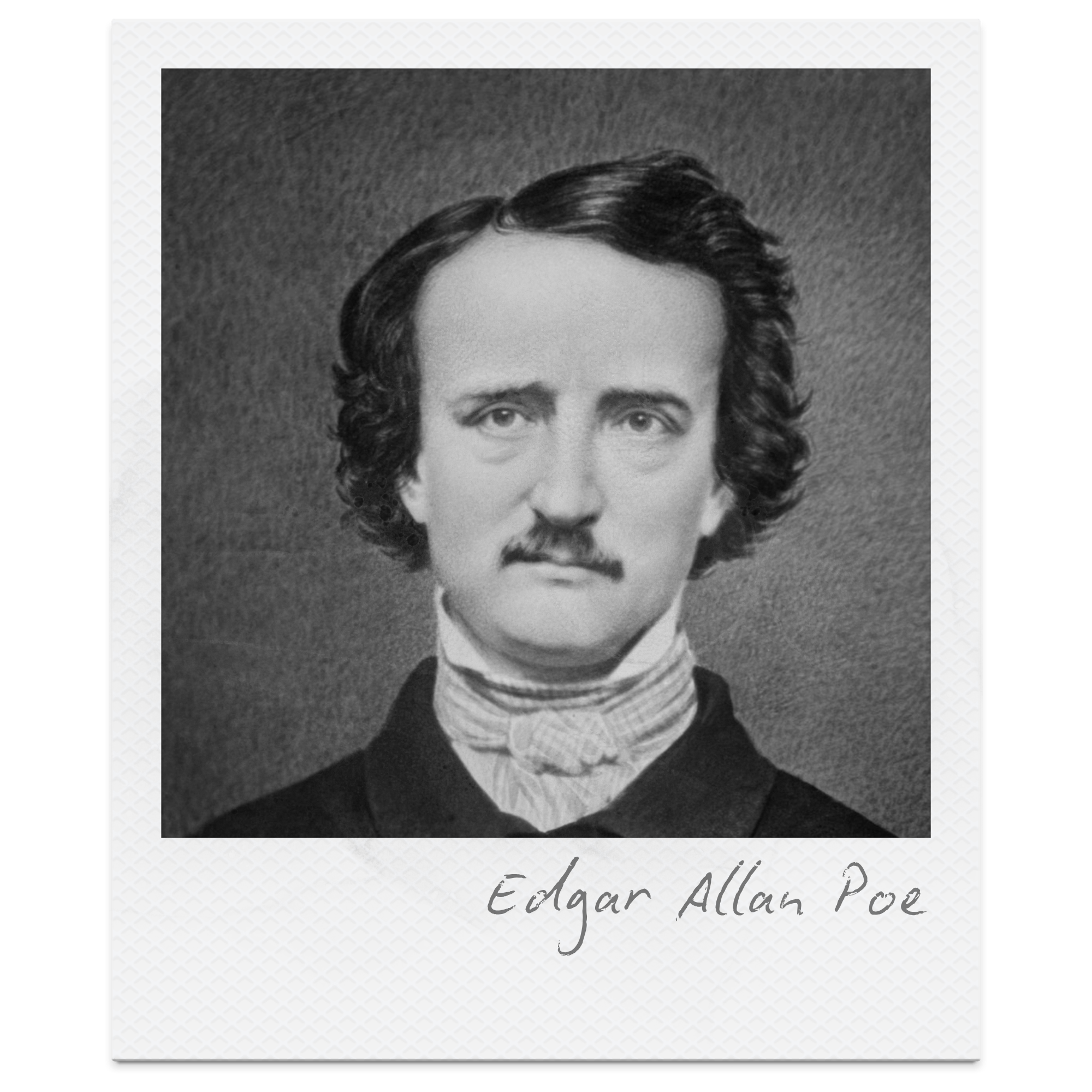
Context of The Sleeper
Written during the early phase of his poetic career and later revised, The Sleeper reflects Edgar Allan Poe’s developing fascination with death, beauty, and the unconscious mind, key concerns within American Romanticism and Gothic literature. Poe was deeply interested in the idea that the most poetic subject was the death of a beautiful woman, and this poem exemplifies that belief, presenting death not as violent or grotesque, but as still, aesthetic, and eerily serene.
Thematically, The Sleeper engages with mortality, suspended existence, spiritual stillness, and the boundary between life and death. The imagery of sleep becomes central, functioning as a metaphor for death that appears peaceful but carries an undercurrent of unease. References to Lethe—the river of forgetfulness in Greek mythology—and the presence of tomb-like imagery align the poem with ideas of oblivion, memory loss, and the afterlife, reinforcing Poe’s recurring exploration of death as both an ending and a form of transformation. If you want to read more about the context surrounding Poe’s work, then check out our Edgar Allan Poe Context Post.
The Sleeper: At a Glance
Form: Lyrical narrative poem
Mood: Dreamlike, eerie, reverent
Central tension: The boundary between peaceful sleep and eternal death
Core themes: death and beauty, suspended existence, mortality, the unconscious mind, spiritual stillness, illusion vs reality
One-sentence meaning: A speaker observes a woman’s sleep that gradually reveals itself as death, transforming a moment of apparent peace into a meditation on mortality, stillness, and the unsettling beauty of death.
Quick Summary of The Sleeper
The poem opens at midnight in a dreamlike, almost enchanted landscape, where the speaker describes a calm, atmospheric scene filled with moonlight, mist, and stillness. Nature itself appears subdued and drowsy, creating a sense of suspended time and quiet beauty. At the centre of this setting lies Irene, a woman who appears to be peacefully asleep, surrounded by an almost sacred sense of rest.
As the speaker moves closer, however, the tone becomes more unsettling. The imagery of the chamber—filled with shadows, movement, and ghost-like presences—introduces a sense of unease, suggesting that Irene’s “sleep” may not be natural. The speaker begins to question her state, noting her pallor, stillness, and silence, which blur the distinction between sleep and death.
By the final stanzas, it becomes clear that Irene is not merely sleeping, but is in a state of eternal rest. The speaker expresses a desire for her to remain undisturbed, wishing that her sleep will be deep and lasting, even as imagery of tombs, decay, and burial emerges. The poem closes with a haunting recognition of death, transforming the initial scene of beauty into a meditation on mortality, stillness, and the fragile boundary between life and death.
Title, Form, Structure, and Metre of The Sleeper
The meaning of The Sleeper is shaped by its lyrical form, fluid structure, and hypnotic metre, all of which contribute to the poem’s atmosphere of stillness, suspension, and gradual revelation. Poe uses sound and structure to blur the boundaries between sleep and death, creating a poem that feels both calm and deeply unsettling.
Title
The title The Sleeper immediately introduces ambiguity. On a surface level, it suggests a figure in peaceful rest, reinforcing the poem’s initial tone of calm and beauty. However, as the poem unfolds, “sleep” becomes a euphemism for death, transforming the title into something far more unsettling.
This ambiguity is central to the poem’s meaning. By withholding clarity, Poe allows the reader to move gradually from an interpretation of innocent repose to one of eternal stillness, reinforcing the theme of illusion vs reality. The title therefore encapsulates the poem’s core tension: the inability to distinguish between life, sleep, and death.
Form and Structure
The Sleeper is a lyrical narrative poem, combining descriptive imagery with a subtle narrative progression. Unlike the tighter ballad form of Eldorado, this poem unfolds in longer, flowing stanzas, allowing Poe to build a sustained atmosphere of dreamlike immersion.
The structure reflects a movement from external observation to internal revelation. The opening stanza focuses on the natural landscape, creating a sense of calm and stillness, while the second stanza shifts inward to Irene’s chamber, introducing unease and supernatural suggestion. The final stanzas move further into death imagery and burial, completing the transition from apparent sleep to confirmed mortality.
Poe’s use of enjambment and extended lines creates a continuous, flowing rhythm, mirroring the idea of drifting into sleep. However, this fluidity also contributes to a sense of instability, as the reader is carried through the poem without clear structural breaks, reinforcing the theme of blurred boundaries.
Metre and Rhythm
The poem employs a flexible but carefully controlled metre, often based on iambic patterns, though Poe frequently varies the rhythm to maintain a dreamlike, almost hypnotic quality.
For example, the opening line:
At midnight, in the month of June,
can be broken down as:
at MID | night, IN | the MONTH | of JUNE
This creates a steady, flowing rhythm that establishes the poem’s calm, measured tone.
Similarly:
I stand beneath the mystic moon.
becomes:
i STAND | beNEATH | the MYS | tic MOON
Here, the regular stress pattern reinforces the poem’s controlled, almost ritualistic atmosphere.
However, Poe frequently disrupts this regularity through variations in line length, caesura, and internal pauses, particularly in moments of heightened tension:
So fitfully—so fearfully—
→ so FIT | fulLY — so FEAR | fulLY
The repetition and interruption of rhythm here create a sense of unease and instability, contrasting with the earlier smoothness.
Additionally, Poe’s heavy use of internal rhyme, alliteration, and assonance—such as in “drowsily and musically”—enhances the poem’s hypnotic soundscape, drawing the reader into a state that mirrors the speaker’s own fascination with sleep and stillness.
Overall, the metre moves between control and disruption, reflecting the poem’s central tension. What begins as a smooth, lulling rhythm gradually becomes more fragmented and unsettling, mirroring the shift from peaceful sleep to the disturbing realisation of death.
The Speaker of The Sleeper
The speaker of The Sleeper presents a first-person, deeply subjective voice, positioned as an observer who gradually becomes emotionally and psychologically entangled with the figure of Irene. Unlike a detached narrator, this speaker reveals a perspective shaped by fascination, reverence, and an unsettling desire for control, suggesting that the poem is as much about the speaker’s mindset as it is about Irene herself.
At the beginning of the poem, the speaker appears calm and contemplative, describing the landscape with careful, almost reverential attention to detail. This creates an impression of stability and control, as though the speaker is quietly observing a peaceful scene. However, as the focus shifts towards Irene, the tone becomes more intense and intrusive. The speaker begins to question her state—“can it be right— / This window open to the night?”—revealing a growing sense of unease and possessiveness.
The speaker’s repeated focus on Irene’s stillness, appearance, and vulnerability suggests an underlying tension between admiration and control. While the language initially frames her as beautiful and serene, it increasingly emphasises her passivity and silence, positioning her as an object to be observed rather than an active presence. This raises questions about the speaker’s reliability, as their perception may be shaped by a desire to impose meaning—or even permanence—onto Irene’s condition.
As the poem progresses, the speaker’s voice becomes more explicitly revealing. The shift to “My love, she sleeps!” introduces a personal connection, suggesting that the speaker’s perspective is driven by grief, attachment, or obsession. Their wish that Irene remain in a state of “deep” and “lasting” sleep further complicates their character, implying a disturbing acceptance—or even preference—for her eternal stillness.
Ultimately, the speaker can be understood as unreliable and psychologically complex, caught between mourning and control. Their voice transforms the poem from a simple description of sleep into a meditation on death, beauty, and the desire to preserve what cannot be held, reinforcing the poem’s central tension between reverence and unease.
Stanza by Stanza Analysis of The Sleeper
A close reading of The Sleeper reveals how Edgar Allan Poe carefully constructs a progression from dreamlike tranquillity to unsettling recognition of death. Each stanza marks a distinct shift in tone, imagery, and psychological focus, guiding the reader from an external, atmospheric landscape into the intimate and increasingly disturbing space of Irene’s chamber.
Through this structural movement, Poe aligns sound, imagery, and perspective with the speaker’s growing awareness, gradually dissolving the boundary between sleep and death, beauty and decay, reverence and unease. The poem’s layered development ensures that meaning unfolds slowly, reinforcing its central tension between illusion and reality.
Stanza 1: Dreamlike Stillness and the Aestheticisation of Death
The opening stanza establishes a hypnotic, dreamlike atmosphere, where the natural world appears suspended in a state of drowsy stillness and quiet beauty. The setting—“At midnight, in the month of June”—immediately situates the poem in a moment associated with liminality, a threshold between day and night, consciousness and unconsciousness. The speaker stands beneath the “mystic moon,” introducing a tone of enchantment and unreality, while also hinting at the poem’s underlying connection to the supernatural and the unknown.
Poe’s imagery is richly sensory yet deliberately softened. The “opiate vapor, dewy, dim” suggests a narcotic haze, creating a world that feels sedated and dreamlike, as though both nature and perception itself are being gently dulled. The movement of this vapor—“softly dripping, drop by drop”—reinforces a sense of slow, continuous descent, mirrored in the way it “steals drowsily and musically” into the valley. This flowing, almost hypnotic rhythm reflects the poem’s central theme of drifting into unconsciousness, blurring the boundary between sleep and death.
The natural imagery further reinforces this state of suspended life. The “rosemary” and “lily,” traditionally associated with memory and death, are personified as passive and languid—“nods” and “lolls”—suggesting a world that is no longer active, but gently yielding to stillness. The presence of the “grave” introduces death explicitly, yet it is presented without violence, instead absorbed into the poem’s aesthetic calm.
The reference to Lethe—the mythological river of forgetfulness—deepens this effect. The lake that “would not… awake” becomes a symbol of eternal oblivion, reinforcing the idea that this landscape exists in a state beyond consciousness. Everything in the stanza appears to be moving towards rest, silence, and dissolution, as though the entire environment is participating in a collective descent into sleep.
The final lines crystallise this idea: “All Beauty sleeps!” elevates the moment into something almost universal and philosophical, suggesting that beauty itself is inseparable from stillness and death. The sudden introduction of Irene—“lo! where lies / Irene, with her Destinies!”—shifts the focus from the landscape to the individual, positioning her as the embodiment of this suspended state. The capitalisation of “Destinies” hints at forces beyond human control, reinforcing the sense that her condition is both inevitable and final, even as it is framed within the language of beauty and rest.
Stanza 2: Intrusion, Unease, and the Blurring of Life and Death
The second stanza shifts from the detached, atmospheric calm of the opening into a far more intimate and unsettling space, as the speaker enters Irene’s chamber. The exclamatory address—“Oh, lady bright!”—immediately introduces a more emotional and intrusive tone, suggesting both admiration and anxiety. The rhetorical question—“can it be right— / This window open to the night?”—signals a growing sense of unease, as though the boundary between the safe interior and the unknown external world has been dangerously breached.
This instability is reinforced through the imagery of the “wanton airs,” which move freely through the room. These “bodiless airs” are described as a “wizard rout,” giving them a supernatural, almost mischievous presence. Their movement—“flit through thy chamber in and out”—creates a sense of restlessness and violation, as though unseen forces are disturbing Irene’s stillness. The verb “wave” in “wave the curtain canopy” suggests both gentle motion and disturbance, while the repetition “so fitfully—so fearfully—” introduces a rhythmic disruption that contrasts sharply with the smooth, lulling flow of the first stanza.
The focus then narrows to Irene herself. The “closed and fringéd lid” beneath which her “slumb’ring soul lies hid” reinforces the ambiguity between sleep and death, suggesting that what appears to be rest may conceal something far more final. The phrase “slumb’ring soul” is particularly significant, implying that it is not merely the body at rest, but the soul itself suspended or withdrawn, deepening the poem’s engagement with spiritual stillness and mortality.
The imagery of shadows intensifies this atmosphere. As they “rise and fall” “like ghosts,” the room becomes a space inhabited by spectral presences, further blurring the line between the living and the dead. This transformation of the domestic interior into something haunted and unstable marks a clear tonal shift from the serene landscape of the first stanza.
The speaker’s repeated questioning—“hast thou no fear? / Why and what art thou dreaming here?”—reveals a growing desperation and uncertainty, as though attempting to impose meaning on a situation that resists explanation. Irene’s appearance is described as “strange,” with emphasis on her pallor, dress, and hair, reinforcing her otherworldly and unnatural stillness.
The stanza concludes with “this all solemn silentness,” a phrase that encapsulates the transformation of the scene. What began as peaceful quiet now feels heavy, unnatural, and death-like, suggesting that Irene’s condition is not one of simple sleep, but something far more permanent and unsettling.
Stanza 3: Acceptance, Reverence, and the Sanctification of Death
The third stanza marks a decisive shift from unease and questioning to a tone of acceptance and reverence, as the speaker openly acknowledges Irene’s state as something more permanent than sleep. The exclamation “The lady sleeps!” initially echoes the language of rest, but the qualification that follows—“Which is enduring”—reveals that this sleep is in fact eternal, confirming the presence of death beneath the earlier ambiguity.
The speaker’s language becomes increasingly religious and ritualistic, transforming the scene into something akin to a sacred moment. The line “Heaven have her in its sacred keep!” frames Irene’s condition within a spiritual context, suggesting that her stillness is not only inevitable but also protected and sanctified. This shift elevates death from something unsettling to something almost revered, aligning with Poe’s fascination with the aesthetic and spiritual dimensions of mortality.
This transformation is reinforced through the reimagining of the physical space. The “chamber” is “changed for one more holy,” and the “bed” becomes “one more melancholy,” suggesting a transition from a domestic setting to something closer to a tomb or sacred resting place. The language reflects a process of redefinition, where death is reframed not as loss, but as a form of solemn preservation.
The speaker’s prayer—“I pray to God that she may lie / Forever with unopened eye”—is particularly revealing. Rather than wishing for awakening or return, the speaker expresses a desire for Irene to remain unchanged and undisturbed, emphasising a preference for permanence over life. This introduces a disturbing undertone, suggesting that the speaker finds comfort in the idea of eternal stillness, where beauty and form are preserved without the disruptions of life.
The final image—“While the pale sheeted ghosts go by!”—reintroduces the supernatural, but now within a framework of acceptance rather than fear. The presence of “ghosts” situates Irene within a world of the dead, yet the tone remains calm, even protective, as though she is now part of a larger, ordered realm beyond life.
Overall, this stanza represents a movement from anxiety to resignation, where death is no longer questioned but instead embraced, sanctified, and aestheticised, reinforcing the poem’s central tension between beauty and mortality.
Stanza 4: Possession, Decay, and the Embrace of Death
The final stanza intensifies the poem’s shift from reverent acceptance to something more possessive and unsettling, as the speaker’s voice becomes explicitly personal: “My love, she sleeps!” This declaration reveals an emotional attachment that reshapes the tone of the poem, suggesting that the speaker’s perspective is driven not only by admiration, but by grief, control, and fixation.
The repeated wish—“may her sleep… be deep”—continues the earlier desire for permanence, but is now immediately undercut by the disturbing image of “worms” creeping about her. This marks a stark transition from the aestheticised stillness of previous stanzas to the physical reality of decay, exposing what has been subtly implied throughout. Death is no longer purely serene or spiritual; it is corporeal, inevitable, and irreversible.
The imagery of the “forest, dim and old” introduces a sense of distance and isolation, suggesting that Irene’s resting place should be removed from the world of the living. This is reinforced by the repeated references to a “vault,” a structure associated with burial, enclosure, and permanence. The vault is not passive; it “unfold[s]” and “fling[s]” its “black / And wingéd pannels,” creating a striking image of something almost animate and consuming, as though death itself is actively receiving her.
The reference to “her grand family funerals” situates Irene within a lineage, connecting her death to a broader tradition of inheritance, ritual, and inevitability. The word “triumphant” is particularly unsettling, suggesting that death is not merely accepted, but in some sense celebrated or victorious, reinforcing the poem’s complex relationship with mortality.
Overall, this stanza abandons any remaining ambiguity. The earlier tension between sleep and death collapses entirely, replaced by a vision of decay, burial, and eternal enclosure. The speaker’s tone, however, remains strangely composed, even reverent, highlighting the disturbing coexistence of beauty, love, and death that defines the poem’s final movement.
Stanza 5: Finality, Isolation, and the Echo of Death
The final stanza brings the poem to a stark and unsettling conclusion, reinforcing the themes of irreversibility, isolation, and the inescapable presence of death. The imagery of a “sepulchre, remote, alone” emphasises Irene’s complete separation from the living world, suggesting a resting place that is not only physical but also existentially distant, beyond return or connection. The repetition of isolation—“remote, alone”—intensifies the sense that her state is absolute and final.
The reference to childhood—“she hath thrown… many an idle stone”—introduces a haunting contrast between innocence and mortality. This detail suggests a past life of curiosity and play, now rendered meaningless in the face of death. The image of a child unknowingly interacting with a tomb she will one day inhabit reinforces the idea of inevitability, as though her fate was always quietly foreshadowed.
The line “Some tomb from out whose sounding door / She ne’er shall force an echo more” underscores the theme of final silence. The idea of an “echo” suggests communication, response, or presence, yet its absence confirms that Irene has passed beyond any form of interaction. This moment removes any lingering ambiguity: there is no return, no awakening, only permanent stillness.
The phrase “Thrilling to think, poor child of sin!” introduces a more ambiguous and unsettling tone. The word “thrilling” suggests a disturbing fascination, while “child of sin” implies moral or existential judgement, complicating the speaker’s earlier reverence. This shift raises questions about whether Irene’s death is being aestheticised, justified, or even subtly condemned.
The final line—“It was the dead who groaned within”—delivers a chilling reversal. The tomb is no longer silent; it contains the echo of those already dead, suggesting that death is not peaceful rest, but a space filled with residual presence and unease. This ending disrupts the earlier aesthetic calm, leaving the reader with a lingering sense that beneath the poem’s beauty lies something far more disturbing and unresolved.
Key Quotes from The Sleeper
Poe’s language in The Sleeper is rich with symbolism, sound, and unsettling imagery, allowing each line to contribute to the poem’s exploration of death, stillness, and the boundary between life and the afterlife.
Death and Stillness
“All Beauty sleeps!—and lo! where lies / Irene, with her Destinies!”
♦ Symbolism – “Beauty” becomes synonymous with stillness and death
♦ Meaning – Suggests that Irene represents an idealised form of eternal, preserved beauty
♦ Effect – Elevates death into something aesthetic and universal, while foreshadowing its finality
“The lady sleeps! Oh, may her sleep, / Which is enduring, so be deep!”
♦ Euphemism – “Sleep” disguises the reality of death
♦ Meaning – Reveals the speaker’s gradual acceptance of her eternal state
♦ Effect – Blurs the boundary between peaceful rest and permanent death
“Forever with unopened eye,”
♦ Imagery – Emphasises physical stillness and permanence
♦ Meaning – Confirms that Irene will never awaken
♦ Effect – Reinforces the theme of irreversibility and finality
The Supernatural and the Uncanny
“The bodiless airs, a wizard rout,”
♦ Supernatural imagery – The “airs” are given ghost-like presence
♦ Meaning – Suggests unseen forces moving through the space
♦ Effect – Creates an atmosphere of unease and instability
“Like ghosts the shadows rise and fall!”
♦ Simile – Shadows compared directly to ghosts
♦ Meaning – Blurs the boundary between natural movement and the supernatural
♦ Effect – Transforms the room into a haunted, liminal space
“Looking like Lethe, see! the lake”
♦ Allusion – Reference to the river of forgetfulness in Greek mythology
♦ Meaning – Suggests oblivion and loss of memory
♦ Effect – Deepens the connection between sleep and death as forgetting
Decay and the Physical Reality of Death
“Soft may the worms about her creep!”
♦ Macabre imagery – Direct reference to bodily decay
♦ Meaning – Exposes the physical reality beneath aestheticised death
♦ Effect – Shocks the reader, disrupting earlier serenity
“Some sepulchre, remote, alone,”
♦ Setting / symbolism – The tomb as a place of isolation
♦ Meaning – Suggests complete separation from the living world
♦ Effect – Reinforces themes of finality and solitude
Silence, Memory, and Finality
“She ne’er shall force an echo more,”
♦ Sound imagery – Absence of echo suggests absence of response
♦ Meaning – Confirms Irene’s inability to interact with the world
♦ Effect – Emphasises permanent silence and loss of presence
“It was the dead who groaned within.”
♦ Revelation / tone shift – Final line introduces a darker truth
♦ Meaning – Suggests death is not peaceful, but filled with unease or lingering presence
♦ Effect – Leaves the poem on a disturbing, unresolved note, undermining earlier calm
Key Techniques in The Sleeper
Poe’s The Sleeper uses a combination of sound, imagery, and structural control to create a poem that feels both hypnotic and deeply unsettling, reinforcing its exploration of death, stillness, and the blurred boundary between life and the afterlife.
♦ Symbolism – “Sleep” operates as a central symbol for death, while elements such as the moon, fog, lake (Lethe), and tomb represent oblivion, spiritual transition, and the unconscious, allowing the poem to move between physical reality and metaphysical interpretation
♦ Imagery – Rich, sensory imagery such as “opiate vapor,” “mystic moon,” and “pale sheeted ghosts” creates a dreamlike atmosphere, while later images of worms, sepulchres, and decay expose the physical reality of death, producing a tension between beauty and horror
♦ Sound (Alliteration, Assonance, Internal Rhyme) – Repetition of soft sounds in phrases like “drowsily and musically” and “softly dripping, drop by drop” creates a lulling, hypnotic rhythm, mirroring the descent into sleep, while harsher sounds later disrupt this calm, reflecting growing unease
♦ Repetition – Repeated phrases such as “she sleeps” and “may her sleep… be deep” reinforce the idea of permanence and fixation, suggesting the speaker’s desire to preserve Irene in a state of eternal stillness
♦ Allusion – References to Lethe (Greek mythology) and the “Valley of the Shadow” (biblical echo) situate the poem within a wider tradition of death, forgetting, and the afterlife, deepening its thematic resonance
♦ Personification – Natural elements such as the lake, rosemary, and lily are given human qualities, creating a world where everything appears to participate in sleep and stillness, reinforcing the sense of universal suspension
♦ Juxtaposition – The poem contrasts beauty with decay, calm with unease, sleep with death, highlighting the tension at its core and emphasising how easily one state transforms into the other
♦ Enjambment and Flowing Syntax – Long, continuous lines and enjambment create a drifting, uninterrupted rhythm, mirroring the sensation of slipping into sleep, while also contributing to a sense of instability and lack of control
♦ Gothic Atmosphere – Through shadow imagery, supernatural suggestion, and death-focused settings, Poe constructs a distinctly gothic environment, where the familiar becomes strange and the boundary between life and death collapses
♦ Narrative Perspective (Unreliable Speaker) – The first-person voice introduces a subjective lens shaped by obsession, reverence, and control, raising questions about whether Irene’s state is being accurately observed or imaginatively constructed
Themes in The Sleeper
Poe’s The Sleeper explores a complex interplay of death, beauty, and consciousness, using its dreamlike atmosphere to blur the boundaries between life, sleep, and the afterlife. Through the figure of Irene, the poem examines how stillness can be both aesthetic and unsettling, inviting readers to question what lies beneath appearances.
Death and Beauty
One of the poem’s central ideas is the association between death and aesthetic beauty. Irene is presented not as decaying or grotesque, but as serene and visually striking, reinforcing Poe’s fascination with the idea that the death of a beautiful woman is the most poetic subject. The stillness of death becomes a form of preservation, where beauty is fixed and untouched by time.
Suspended Existence
The poem repeatedly presents Irene in a state of suspension, neither fully alive nor actively decaying. The language of sleep creates a sense that she exists in a liminal space, caught between consciousness and oblivion. This suspended state reflects a broader theme of in-between existence, where boundaries dissolve and certainty becomes impossible.
Mortality
Underlying the poem’s imagery is a persistent awareness of mortality. From the references to graves and sepulchres to the eventual imagery of decay, Poe reminds the reader that death is inevitable and inescapable. Even the most beautiful and tranquil forms are subject to the same finality, reinforcing the universal nature of death.
The Unconscious Mind
The dreamlike atmosphere of the poem reflects a deep engagement with the unconscious mind. The speaker’s perception is filtered through a haze of opiate imagery, drifting rhythm, and surreal description, suggesting that the boundary between reality and imagination is unstable. Irene’s “slumb’ring soul” further emphasises the idea of a consciousness that is hidden, withdrawn, or inaccessible.
Spiritual Stillness
The poem presents death as a form of spiritual stillness, where the noise and movement of life give way to silence and rest. The speaker’s prayers and religious imagery frame Irene’s state as something almost sacred, suggesting that death may offer a form of peace or transcendence beyond earthly existence.
Illusion vs Reality
A key tension in the poem lies in the uncertainty of Irene’s condition. The language of sleep initially creates the illusion of peaceful rest, but this gradually gives way to the reality of death and decay. Poe deliberately sustains this ambiguity, forcing the reader to question whether what appears beautiful and calm is in fact disturbing and final.
Reverence vs Control
The speaker’s attitude towards Irene reveals a tension between admiration and possession. While he presents her as sacred and beautiful, his repeated desire for her to remain unchanged suggests an impulse towards control and preservation. This complicates the poem’s tone, introducing a darker exploration of how beauty can be objectified and fixed through death.
Nature and Death
The natural world in the poem mirrors Irene’s state, becoming subdued and motionless. Elements such as the lake, flowers, and fog all participate in a wider atmosphere of rest and decay, suggesting that death is not an isolated event but part of a broader, almost universal stillness. This alignment between nature and death reinforces the inevitability and pervasiveness of mortality.
Alternative Interpretations of The Sleeper
Poe’s The Sleeper invites multiple interpretations, shaped by its ambiguous treatment of death, beauty, and consciousness. The poem’s dreamlike atmosphere and unsettling imagery allow it to be read through a range of critical lenses, each revealing different aspects of its exploration of stillness, control, and the limits of human understanding.
Psychoanalytical Interpretation: The Desire to Preserve and Control Beauty
From a psychoanalytical perspective, the poem reflects a desire to fix and preserve beauty through death. Irene’s “sleep” can be read as a form of denial, where the speaker reframes death as peaceful rest in order to avoid confronting its finality.
The speaker’s repeated wish that her sleep remain “deep” and “lasting” suggests an unconscious drive towards control and permanence, where Irene is kept in a state that cannot change or decay in the speaker’s perception. This fixation reveals a tension between love and possession, suggesting that the speaker’s admiration is intertwined with a desire to immobilise and contain what he cannot otherwise hold.
Gothic Interpretation: The Aestheticisation of Death
A Gothic reading highlights how the poem transforms death into something visually beautiful and emotionally seductive. Irene is surrounded by imagery of moonlight, mist, and stillness, creating a scene that appears serene rather than disturbing.
However, this aesthetic surface conceals the reality of decay and burial, revealed in moments such as the reference to “worms” and sepulchres. The poem therefore operates within a key Gothic tension: the coexistence of beauty and horror, where death is both attractive and deeply unsettling. This duality reinforces Poe’s fascination with death as an artistic and emotional subject.
Existential Interpretation: The Dissolution of Identity in Death
From an existential perspective, Irene’s state represents the loss of individual identity. She is described in terms of her appearance and stillness, but she does not speak or act, suggesting that death reduces her to a silent, passive presence.
The absence of voice and agency emphasises the idea that death leads to a form of erasure, where the self is no longer active or defined. The poem’s emphasis on silence, stillness, and lack of response reinforces this interpretation, presenting death as a state in which meaning and individuality dissolve.
Feminist Interpretation: The Passive Female Body and Male Control
A feminist reading foregrounds the power dynamics between the speaker and Irene. She is entirely silent, motionless, and observed, while the speaker controls both the narrative and the interpretation of her condition.
The speaker’s desire for her to remain in a state of eternal sleep can be read as an attempt to fix her identity and remove her agency, transforming her into an object of aesthetic and emotional contemplation. This dynamic reflects a broader pattern in which female figures are idealised through passivity, raising questions about how beauty, control, and power operate within the poem.
Teaching Ideas for The Sleeper
The Sleeper offers rich opportunities for students to explore imagery, symbolism, narrative voice, and ambiguity, making it ideal for both analytical and creative work. Its layered meanings allow students to engage with interpretation, tone, and critical perspectives, while its atmosphere lends itself particularly well to creative writing extensions.
1. Exploring Sleep vs Death
Ask students to track how Poe blurs the boundary between sleep and death across the poem. They should identify key quotations and analyse how language initially presents Irene as peacefully resting before gradually revealing the reality of mortality and decay. This helps students understand how ambiguity is constructed and sustained.
2. Atmosphere and Setting Analysis
Students examine how Poe creates a dreamlike, gothic atmosphere through setting. Focus on the opening stanza and the use of sound, imagery, and personification. Students can annotate how the landscape reflects Irene’s state, building a connection between environment and emotion.
3. Debate: Is the Speaker Reverent or Disturbing?
Set up a class discussion or written response around the question:
“Is the speaker’s attitude towards Irene respectful, or unsettling?”
Students must use evidence to explore the tension between reverence and control, encouraging deeper engagement with voice and perspective.
4. Model Analytical Paragraph + Evaluation
Question:
How does Poe present the relationship between beauty and death in The Sleeper?
Model Paragraph:
Poe presents the relationship between beauty and death as deeply intertwined, using imagery and symbolism to aestheticise mortality. Irene is described within a dreamlike, tranquil setting, where “All Beauty sleeps,” suggesting that death preserves and even elevates beauty rather than destroying it. However, this calm surface is disrupted by darker imagery such as “Soft may the worms about her creep,” which reveals the physical reality beneath the aesthetic. This contrast highlights the tension between idealised beauty and inevitable decay, suggesting that the speaker’s perception is shaped by a desire to preserve beauty in a fixed, unchanging state. Through this interplay of imagery and symbolism, Poe presents death as both seductive and unsettling, reinforcing the poem’s central ambiguity.
Student Tasks (Improve & Extend):
Identify where the paragraph uses technique, evidence, and analysis
Add an additional quotation to strengthen the argument
Zoom in on a single word (e.g., “Beauty” or “worms”) and develop more precise analysis
Extend the paragraph by linking to another theme such as control, illusion, or mortality
5. Creative Writing Extension
Use The Sleeper as a springboard into atmospheric and symbolic creative writing, focusing on stillness, liminal spaces, and the boundary between life and death.
Tasks:
Write a descriptive piece set in a place where time feels suspended (e.g., a ruined building, a fog-covered lake, a forgotten room)
Create a narrative from the perspective of someone observing a figure who may be sleeping or dead
Write a monologue from Irene’s perspective, imagining her consciousness beneath stillness
Reimagine the poem in a modern setting, exploring how beauty, control, and death might appear today
For further inspiration, explore the Gothic Writing Hub and the Creative Writing Archive. The resources below pair particularly well with the text.
Go Deeper into The Sleeper
The Sleeper becomes even more powerful when read alongside texts that explore death, beauty, memory, and the boundary between life and stillness. These comparisons help students see how similar ideas are developed across Poe’s poetry and prose, as well as in wider literary traditions. For further recommendations, see the Best Poe Texts for the Classroom post.
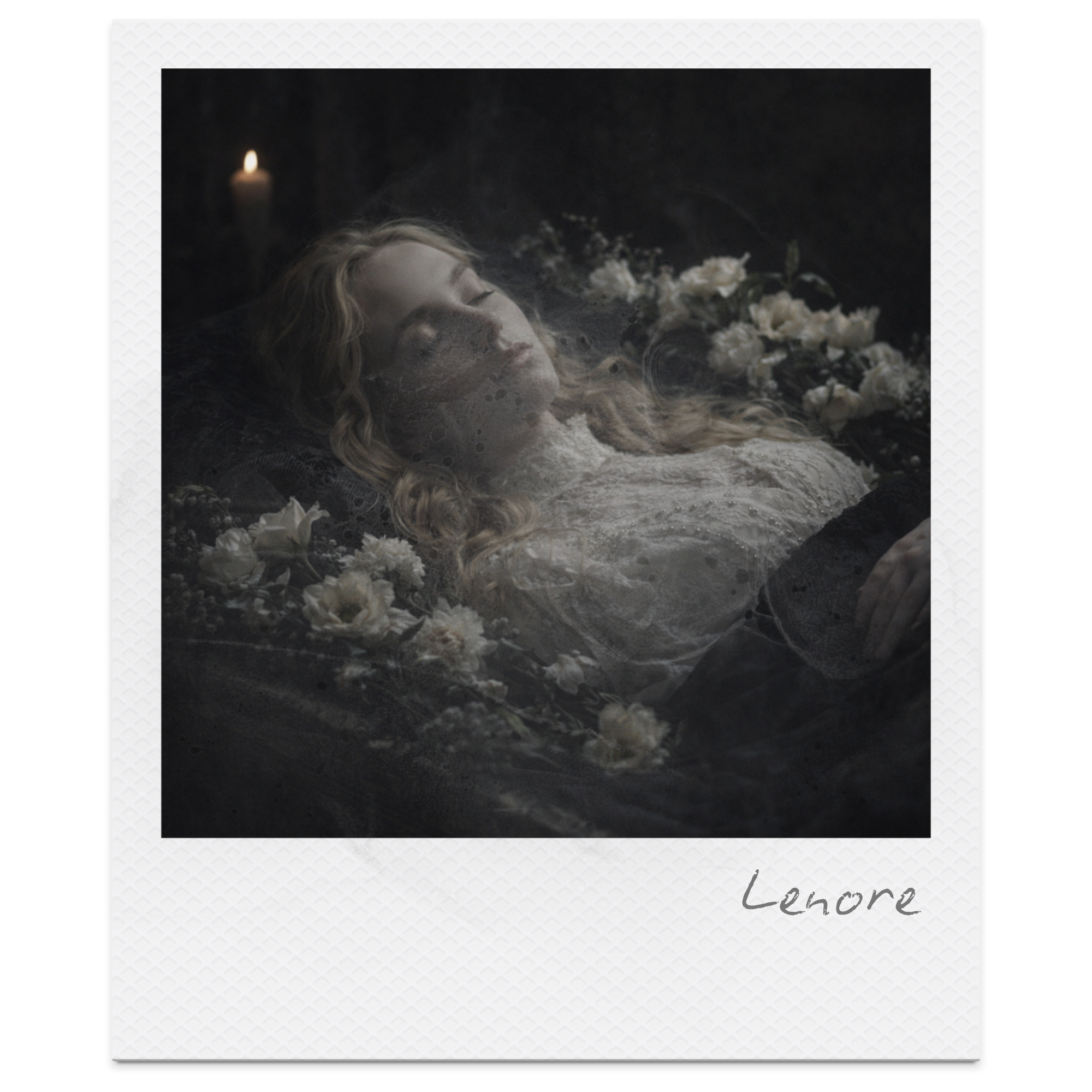
◆ Lenore – Death and Idealised Beauty
Like The Sleeper, Lenore presents the death of a woman through a lens of aesthetic reverence, transforming loss into something almost spiritually elevated. However, while Lenore moves towards acceptance, The Sleeper remains more ambiguous and unsettling, especially in its treatment of control and stillness.
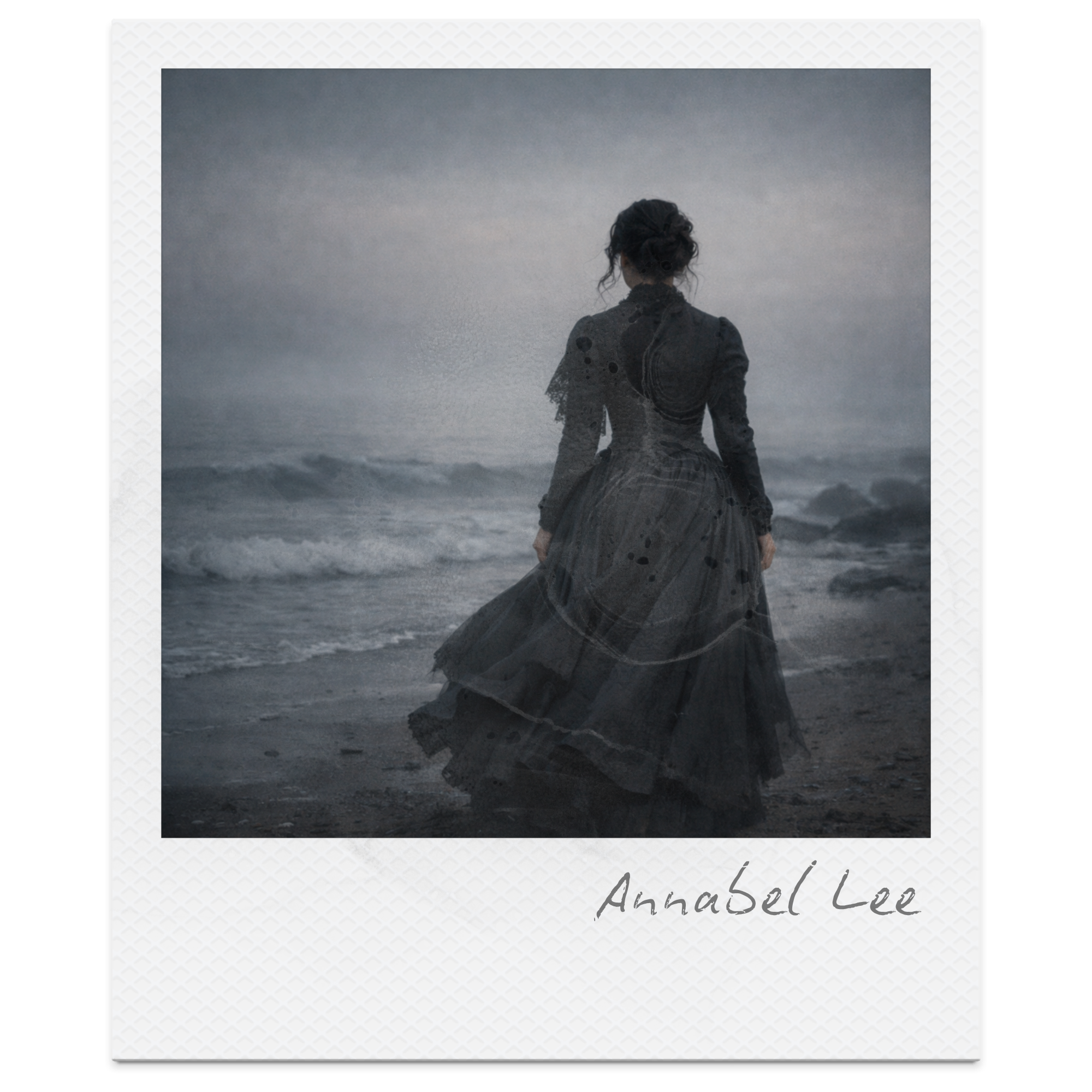
◆ Annabel Lee – Love, Death, and Preservation
Both poems explore the desire to preserve beauty beyond death. In Annabel Lee, love endures through memory and devotion, whereas The Sleeper suggests preservation through stillness and physical permanence, creating a darker reflection on love and control.
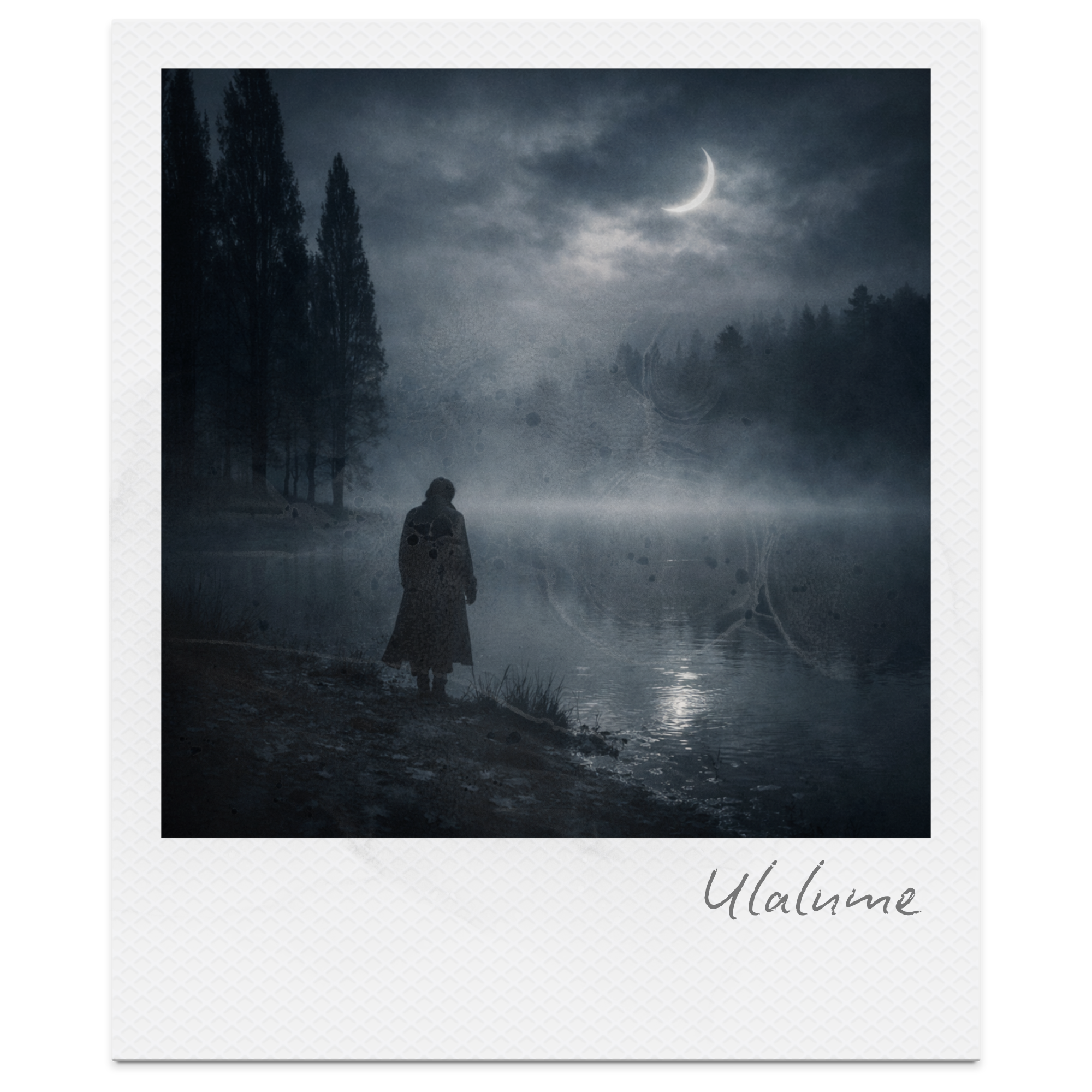
◆ Ulalume – Unconscious Movement Towards Death
Ulalume shares The Sleeper’s focus on the unconscious mind and dreamlike atmosphere. Both poems blur reality and perception, with the speaker drawn—often unknowingly—towards death, reinforcing themes of psychological instability and hidden awareness.
◆ The Oval Portrait – Art, Beauty, and Death
This short story offers a powerful parallel in its exploration of preserving beauty at the cost of life. Like Irene, the woman in The Oval Portrait becomes an object of aesthetic fixation, raising similar questions about control, objectification, and the relationship between art and mortality.
◆ Song (When I am dead, my dearest) – Death and Release
Rossetti’s poem provides a striking contrast. While The Sleeper emphasises preservation and stillness, Rossetti presents death as a form of release and detachment, where memory and emotional ties are gently relinquished. This creates a useful comparison between possession and letting go, and between different attitudes towards death.
◆ Wuthering Heights – Love, Death, and Haunting Presence
Brontë’s novel echoes the idea of love persisting beyond death, but with a more active, haunting presence. In contrast, The Sleeper presents death as silent and immobilised, highlighting different ways literature explores the relationship between emotion and mortality.
Through these comparisons, The Sleeper can be understood as part of a wider literary exploration of death, beauty, and the human desire to preserve what cannot be held, deepening both analytical and thematic understanding.
Final Thoughts
The Sleeper transforms a seemingly tranquil image of rest into a profound exploration of death, beauty, and suspended existence, revealing how easily the boundaries between sleep and death, reverence and unease can dissolve. Through its hypnotic imagery and shifting tone, Edgar Allan Poe presents death not as a moment of violence, but as a state of stillness that is both aesthetically captivating and deeply unsettling.
At the same time, the poem resists a single interpretation. Irene’s condition remains suspended between peaceful rest and irreversible death, while the speaker’s voice introduces tension between admiration, control, and psychological fixation. This ambiguity ensures that The Sleeper continues to invite critical debate, encouraging readers to question whether beauty is preserved or distorted through death.
For further exploration of Poe’s treatment of mortality, the unconscious, and the gothic imagination, visit the Edgar Allan Poe Hub, or explore related texts and themes in the Literature Library.
Choose Your Next Text