Notes from the Inkpot
Writing, teaching, creating - one ink-stained idea at a time.


Frog by Marilène Phipps: Summary, Themes & Analysis
Discover a comprehensive analysis of Frog by Marilène Phipps, including a clear summary, key themes, important quotations, literary techniques, and stanza-by-stanza analysis. Explore how Phipps uses vivid sensory imagery, symbolism, and philosophical questioning to challenge ideas about humanity, identity, and the natural world. This guide explains how the poem creates meaning through language, structure, voice, and perspective, while offering exam-ready insights, revision support, and teaching ideas.
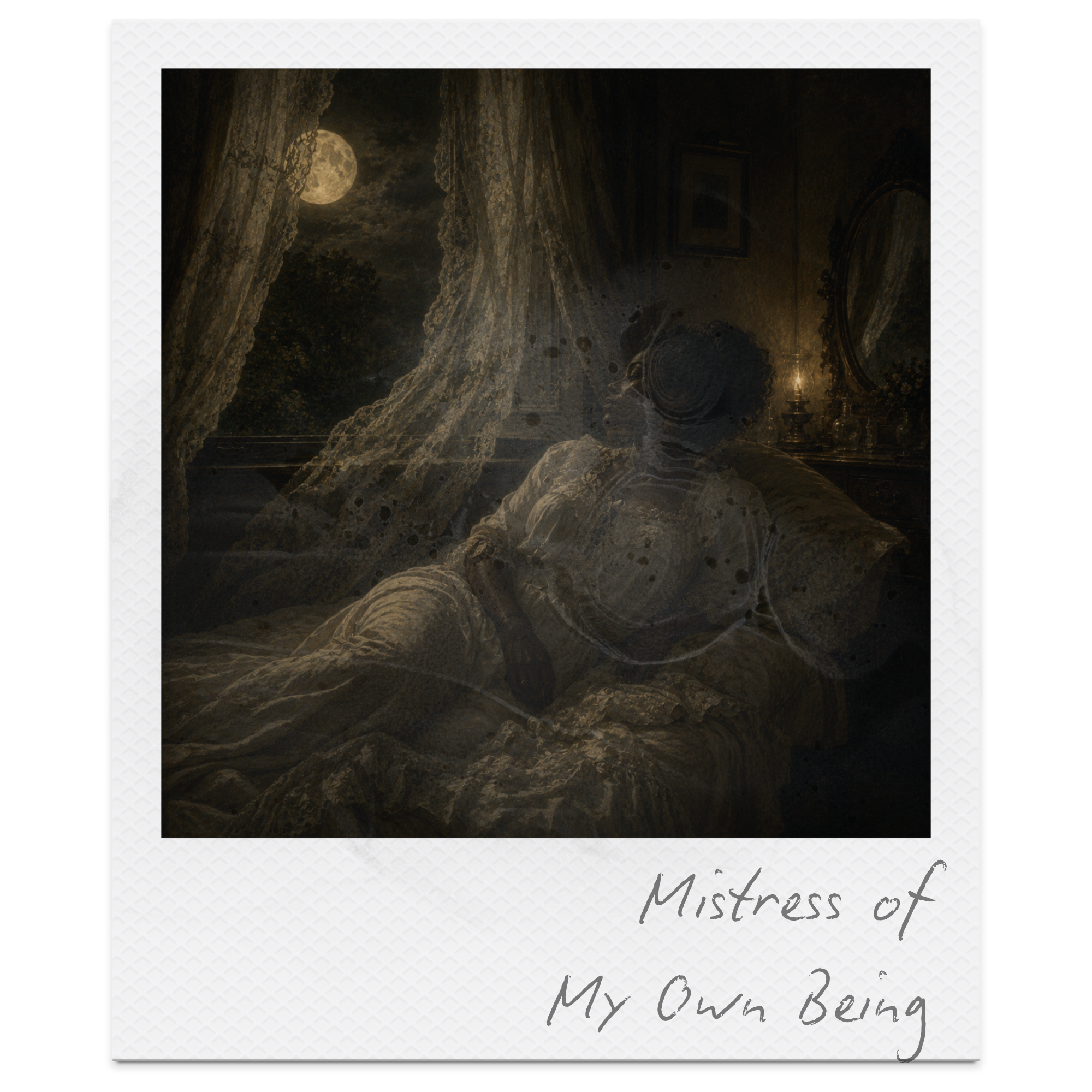
Mistress of My Own Being by Ifi Amadiume: Summary, Themes & Analysis
Mistress of My Own Being by Ifi Amadiume is a powerful meditation on selfhood, female autonomy, inner peace, and emotional freedom. Through rich sensory imagery, symbolism, personification, and free verse, Amadiume presents a speaker who finds complete fulfilment within herself, rejecting dependence on the past, on relationships, and on external validation. This detailed analysis explores the poem's summary, themes, stanza-by-stanza analysis, key quotations, literary techniques, and form and structure, examining how Amadiume celebrates self-possession, spiritual fulfilment, and the liberating power of becoming the "Mistress of my own being."
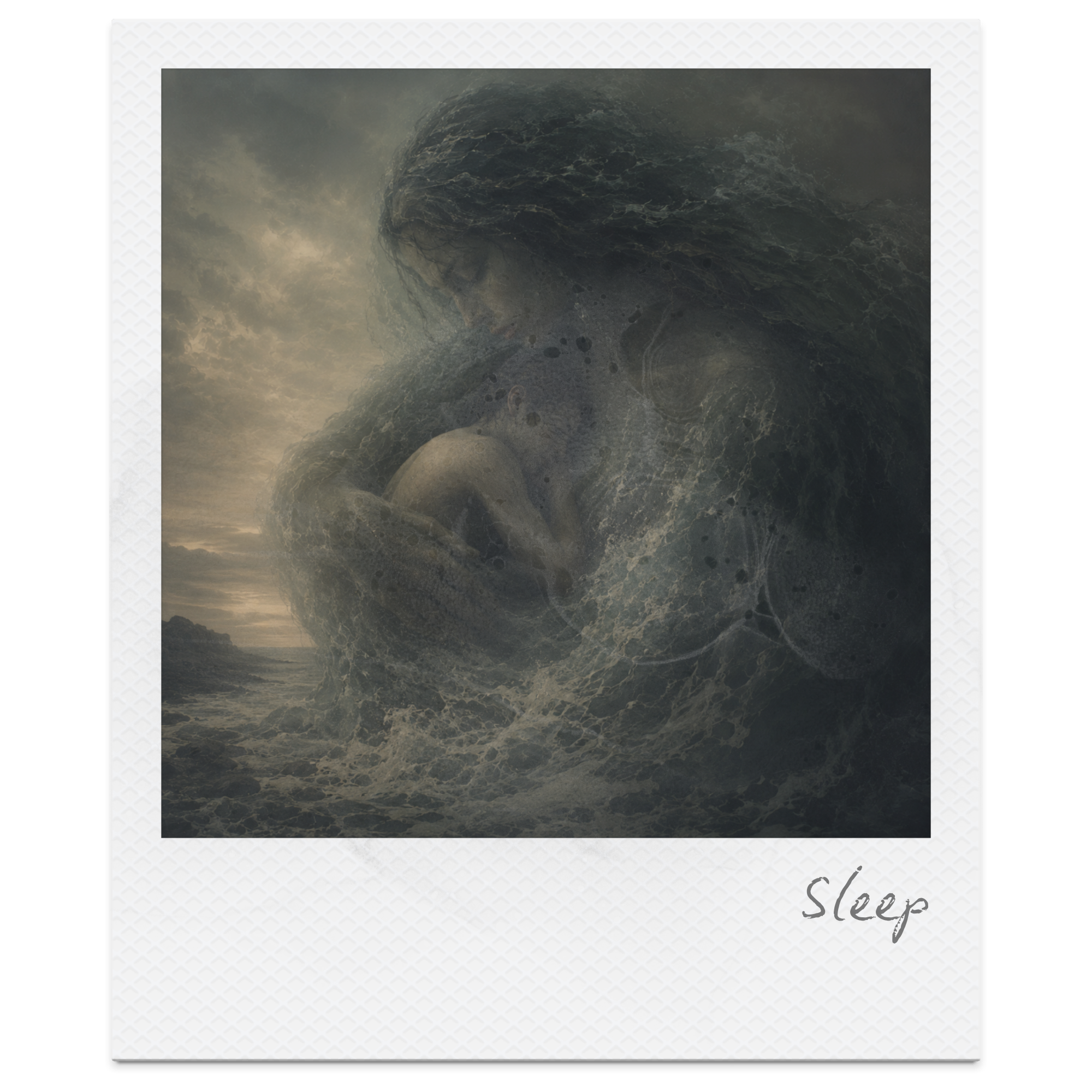
Sleep by Kenneth Slessor: Analysis of Death, Rebirth and Surrender
Kenneth Slessor's Sleep is a richly symbolic poem exploring mortality, rebirth, the unconscious, surrender, and the cyclical nature of human existence. Through the personification of Sleep as a powerful speaking presence, Slessor transforms an everyday experience into a profound meditation on death, renewal, and the temporary dissolution of identity. Using imagery of burial, water, gestation, and childbirth, the poem blurs the boundaries between life and death, safety and vulnerability, comfort and annihilation. This analysis explores the poem's themes, structure, symbolism, literary techniques, key quotations, and alternative interpretations while examining how Slessor presents sleep as a paradoxical state that resembles both death and rebirth. Ideal for students studying CIE AS & A Level Literature (9695) Songs of Ourselves Volume 2.
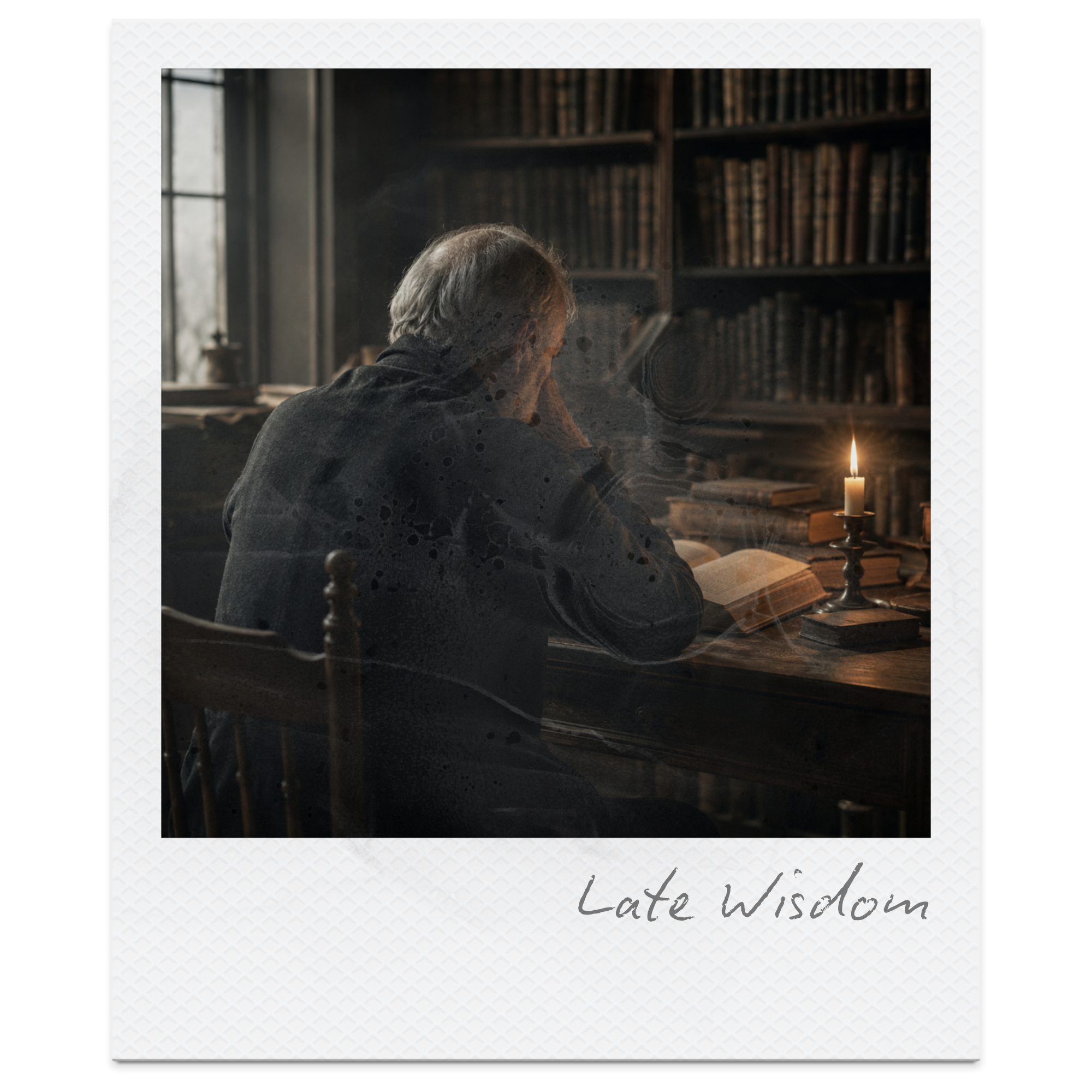
Late Wisdom by George Crabbe: Meaning, Mortality and the Limits of Experience
Late Wisdom by George Crabbe is a thoughtful exploration of ageing, experience, hindsight, and self-knowledge. Through the powerful symbolism of a "maze of error" and a "torch of truth," Crabbe examines the uncomfortable reality that wisdom often arrives only after life's most important mistakes and opportunities have passed. This analysis explores the poem's themes, symbolism, structure, literary techniques, key quotes, and exam-ready insights, revealing how Crabbe transforms a reflection on old age into a deeper meditation on human limitation and the true value of understanding.
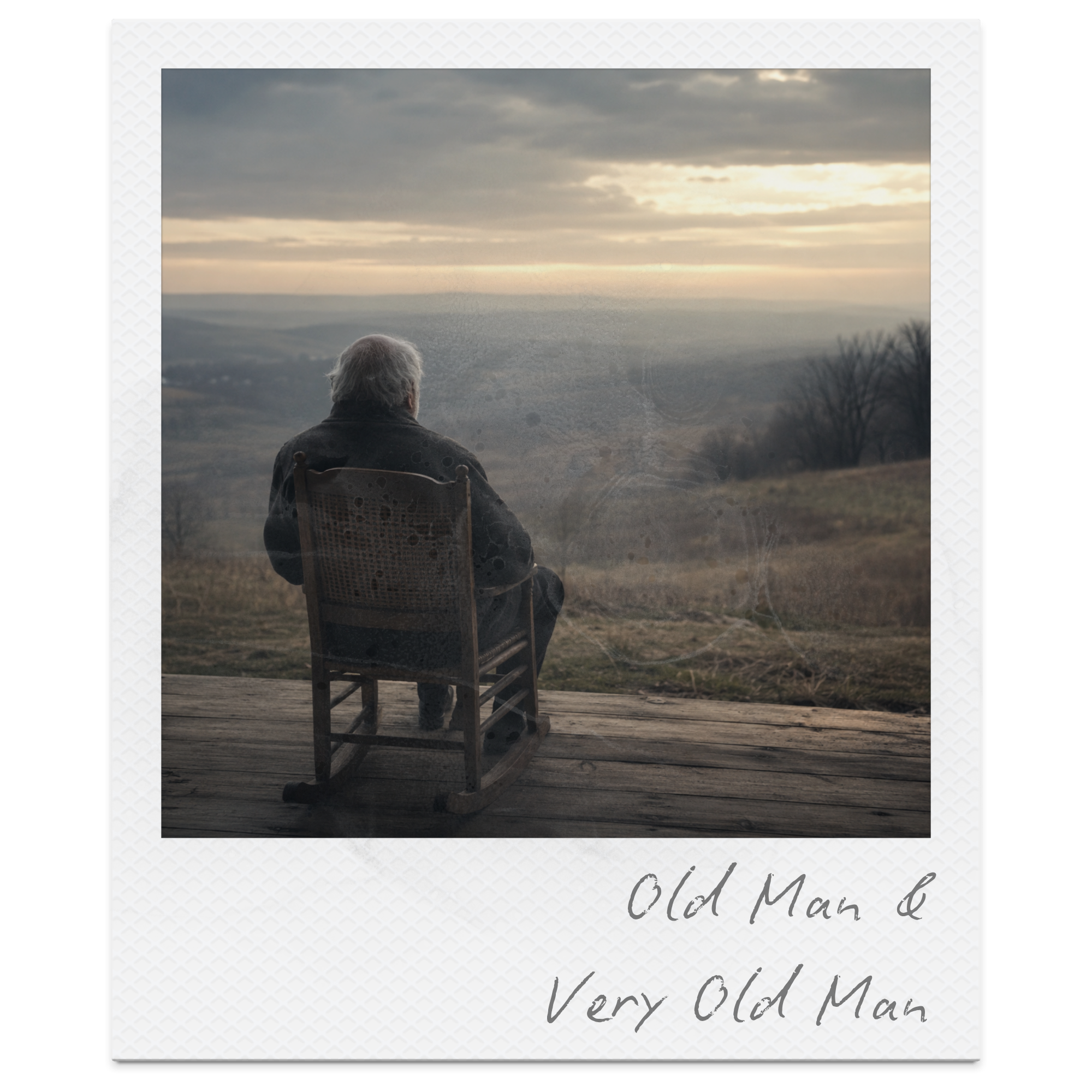
Old Man and Very Old Man by Henry James: Summary, Themes & Analysis
Old Man and Very Old Man by Henry James explore ageing, mortality, memory, and the passage of time through two closely connected reflections on later life. Using powerful symbolism, cyclical structures, and philosophical imagery, James examines humanity's lifelong search for fulfilment and understanding. This analysis explores the poems' themes, symbolism, structure, key quotes, and literary methods, revealing how James challenges assumptions about ageing by suggesting that uncertainty and unanswered questions remain with us from childhood to old age.

Excelsior by Henry Wadsworth Longfellow: Analysis of Ambition, Idealism and the Cost of Aspiration
Henry Wadsworth Longfellow's Excelsior is a powerful poem about ambition, idealism, and the pursuit of goals that lie beyond ordinary human experience. Through the symbolic journey of a young traveller who repeatedly rejects comfort, safety, and companionship, Longfellow explores the tension between aspiration and sacrifice, inviting readers to question whether the pursuit of higher ideals is heroic, reckless, or both. This analysis examines the poem's symbolism, structure, imagery, and recurring refrain, exploring how Longfellow creates a complex and ambiguous portrait of determination. Ideal for students and teachers studying Cambridge International AS & A Level Literature in English (9695), it also includes key quotes, themes, comparisons, alternative interpretations, and exam-focused insights.
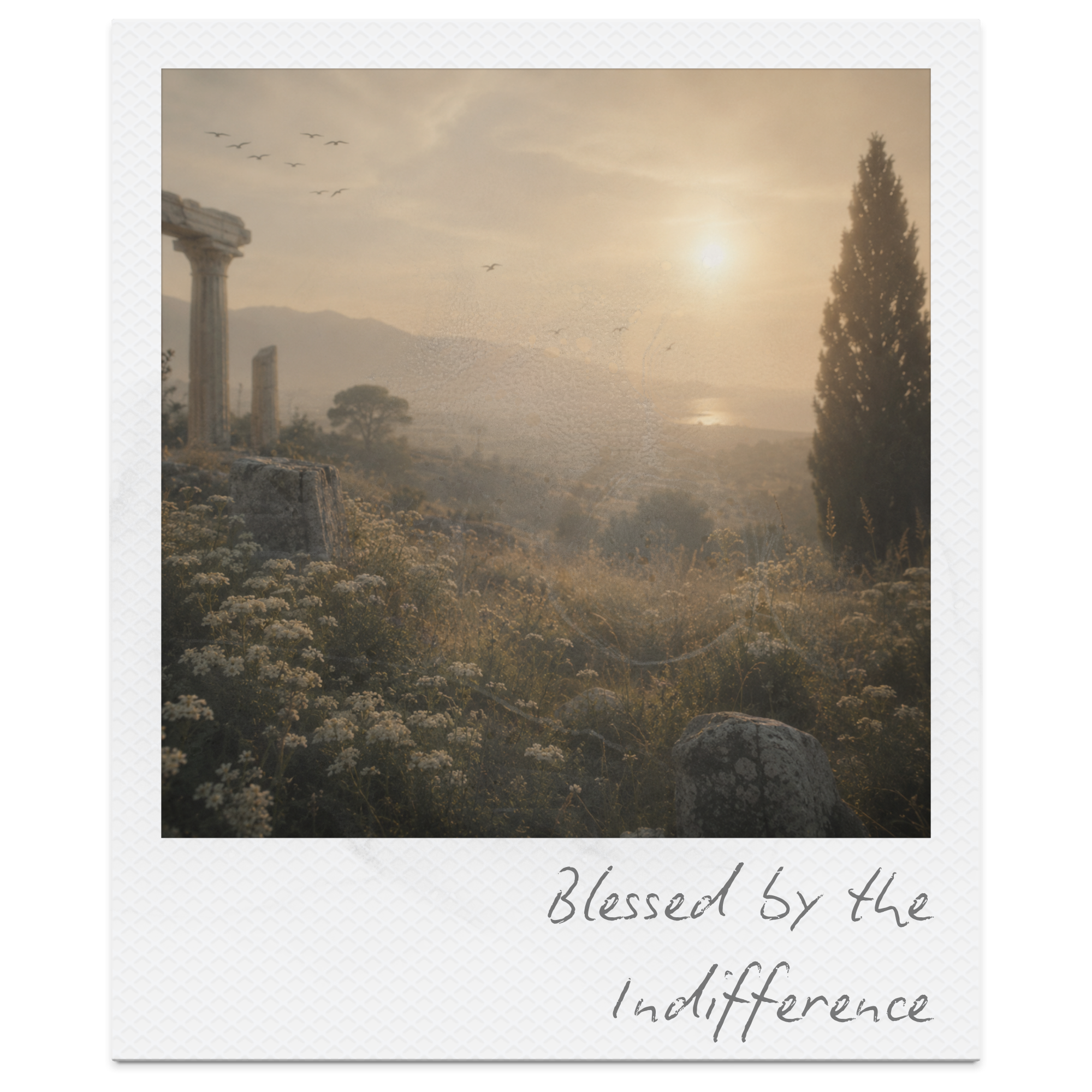
Blessed by the Indifference by Christopher Reid: Analysis of Nature, Time and Human Insignificance
Christopher Reid's Blessed by the Indifference is a thoughtful and quietly philosophical poem that explores human insignificance, nature's indifference, mortality, and the passage of time. Through vivid descriptions of insects, birds, sunlight, and landscape, Reid presents a natural world that exists independently of human concerns, encouraging readers to reconsider assumptions about importance, ownership, and permanence. The poem's central paradox suggests that there may be something unexpectedly liberating about recognising that the world does not revolve around humanity. This detailed analysis explores the poem's themes, symbolism, structure, key quotations, literary techniques, alternative interpretations, and anthology comparisons. Examining ideas such as perspective, environmental awareness, transience, and finding meaning within an indifferent universe, the article reveals how Reid transforms an ordinary breakfast scene into a profound reflection on humanity's place within the larger natural world.
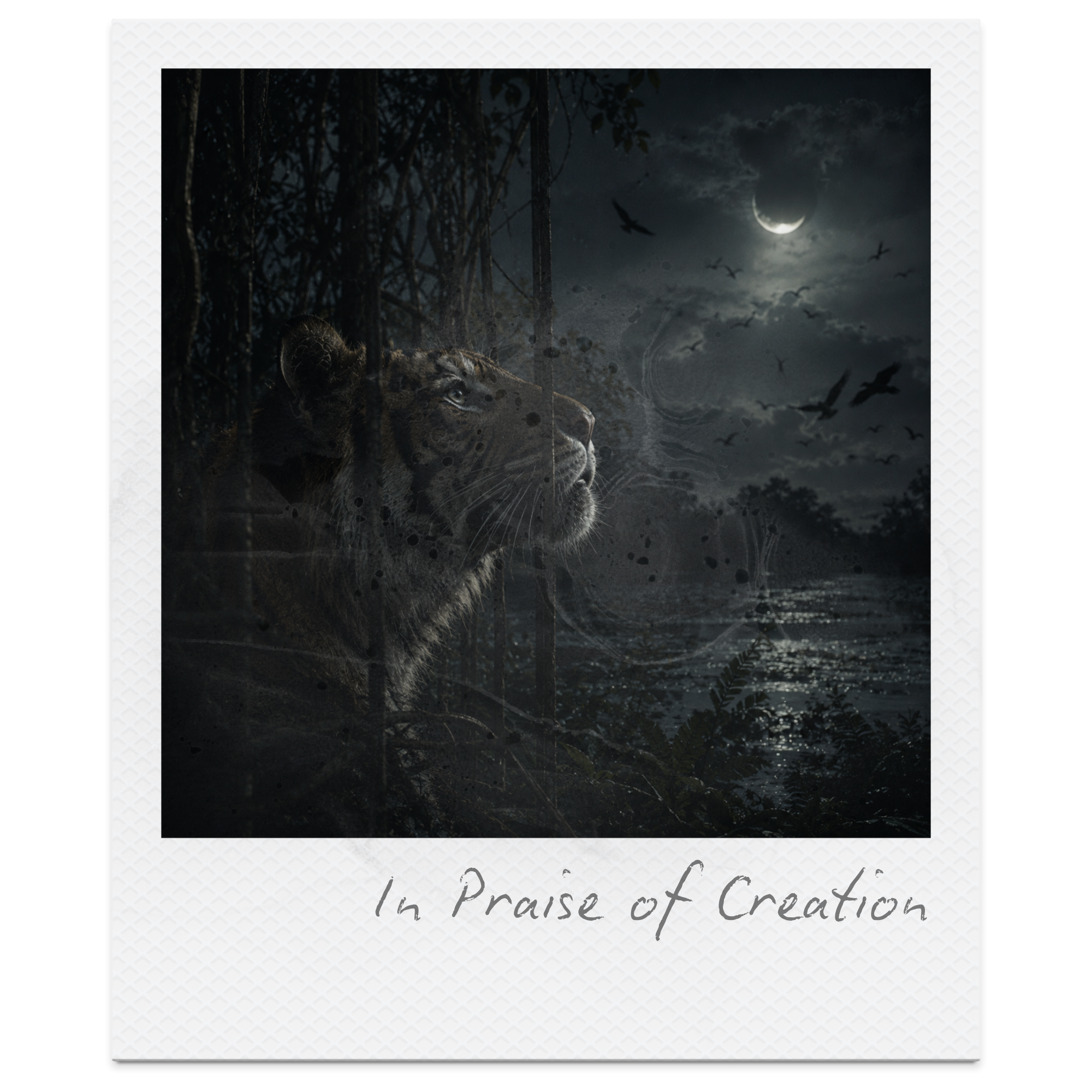
In Praise of Creation by Elizabeth Jennings: Analysis of Nature, Instinct and the Order of Creation
Elizabeth Jennings' In Praise of Creation is a contemplative exploration of nature, instinct, order, and humanity's place within the wider world. Through vivid images of birds, stars, the moon, and a tiger responding to the rhythms of desire and renewal, Jennings presents creation as a system governed by recurring patterns and interconnected cycles. Yet beneath its celebration of the natural world lies a deeper philosophical question: what can human beings learn from a creation that appears so instinctively certain of its purpose? This detailed analysis explores the poem's themes of nature and instinct, order and design, creation and renewal, desire, consciousness, and wonder. Through stanza-by-stanza commentary, key quotations, symbolism, literary techniques, alternative interpretations, anthology comparisons, and exam-focused insights, the article examines how Jennings transforms careful observation into a meditation on meaning, curiosity, and the enduring mysteries of existence.

Heart and Mind by Edith Sitwell: Analysis of Love, Mortality and the Conflict Between Heart and Mind
Edith Sitwell's Heart and Mind is a richly symbolic exploration of love, mortality, desire, and the enduring conflict between emotion and reason. Through a sequence of dramatic voices—including a Lion, a Skeleton, the Sun, and the Moon—Sitwell transforms an abstract philosophical debate into a vivid allegorical drama. Recurring images of fire, dust, gold, and celestial bodies create a poem that continually questions what gives human life meaning and whether passion or intellect ultimately holds greater power. This detailed analysis of Heart and Mind explores the poem's structure, symbolism, themes, literary techniques, and alternative interpretations. It includes stanza-by-stanza analysis, key quotations, anthology comparisons, and exam-focused insights, examining how Sitwell uses paradox, mythological imagery, and dramatic dialogue to present the heart and mind as powerful yet fundamentally irreconcilable forces.
Tears, Idle Tears by Alfred, Lord Tennyson: Summary, Themes & Analysis
Alfred, Lord Tennyson’s Tears, Idle Tears explores memory, loss, and emotional longing, capturing the powerful and often inexplicable nature of nostalgia. Through repetition, extended similes, and shifting imagery, the poem presents a speaker overwhelmed by emotion triggered not by a specific event, but by reflection on “the days that are no more.” Tennyson shows how memory can make the past feel vividly present while simultaneously reinforcing its irretrievable loss. As the poem develops, contrasting images of life and death, arrival and departure, and joy and sorrow deepen this emotional tension. The recurring refrain anchors the poem’s cyclical structure, while the final paradox, “O Death in Life,” reveals the central idea: that living with memory creates a constant awareness of absence. Rather than resolving this tension, Tennyson leaves the reader in a state of reflection, suggesting that the experience of memory is not something to be explained, but something to be felt.
One Art by Elizabeth Bishop: Summary, Themes & Analysis
Elizabeth Bishop’s One Art explores loss and emotional control through a tightly structured villanelle, presenting the idea that losing can be learned and mastered. Through repetition and an authoritative, instructional voice, the poem initially suggests that loss is manageable, using everyday examples to create a sense of calm and control. However, as the poem progresses, the scale of loss becomes more personal and emotionally significant, revealing cracks in this composure. Subtle shifts in tone and structure expose the tension between the speaker’s claims and her true feelings, ultimately suggesting that loss cannot be fully mastered, no matter how carefully it is framed.
Know Then Thyself – An Essay on Man by Alexander Pope: Summary, Themes & Analysis
This analysis of Know Then Thyself, an extract from An Essay on Man by Alexander Pope, explores how Pope presents humanity as a contradictory “middle state,” caught between reason and weakness, knowledge and ignorance, and power and limitation. Through antithesis, paradox, and tightly structured heroic couplets, the poem reveals the instability at the heart of human identity. Designed for IGCSE Literature (0475), this guide breaks down language, structure, and key methods to show how meaning is created, helping students move from basic understanding to confident, analytical responses.
A Different History by Sujata Bhatt: Summary, Themes & Analysis
Sujata Bhatt’s A Different History explores language as power, examining how it can be both respected and used for control. Through contrast, repetition, and rhetorical questions, the poem highlights the tension between cultural identity and the lasting effects of colonial influence. This analysis breaks down key themes, methods, and structural shifts, helping students understand how meaning is created. Ideal for IGCSE Literature, it supports clear, method-focused responses and strong exam preparation.
To Helen by Edgar Allan Poe: Summary, Themes, Meaning & Analysis
To Helen is a lyrical and deeply reflective poem exploring beauty, idealisation, and the power of memory. Drawing on rich classical imagery and mythological allusion, Poe presents Helen not simply as a person, but as a symbol of perfect, timeless beauty—one that offers the speaker a sense of restoration, belonging, and emotional return. This analysis explores the poem’s structure, key themes, and layered meanings, from its shifting metre and subtle rhyme to its exploration of love as transcendence and beauty as art. Through close reading and teaching ideas, it reveals how To Helen moves beyond admiration into something more profound: a meditation on how beauty can elevate, shape, and ultimately distance human experience.
Sonnet—To Science by Edgar Allan Poe: Summary, Themes, Meaning & Analysis
Edgar Allan Poe’s Sonnet—To Science explores the tension between imagination and reason, presenting science as a force that strips the world of its wonder, beauty, and myth. Through a structured sonnet form and a confrontational voice, Poe challenges the dominance of rational thought, suggesting that scientific progress may come at the cost of creativity, emotional depth, and symbolic meaning. The poem draws on classical mythology and rich imagery to show how explanation can replace enchantment, leaving the world diminished. At the same time, the poem remains deliberately ambiguous. While science is criticised for its intrusive “peering eyes,” it is also shown to be an unavoidable force shaped by time and progress. This creates a deeper question at the heart of the poem: does understanding the world mean losing the ability to experience it with wonder? Through this unresolved tension, Poe invites readers to reflect on the balance between knowledge and imagination, making the poem as relevant now as it was in his own time.
The Sleeper by Edgar Allan Poe: Summary, Themes, Meaning & Analysis
The Sleeper by Edgar Allan Poe presents a dreamlike meditation on death, beauty, and the boundary between life and stillness, using rich imagery and hypnotic rhythm to create an atmosphere that is both serene and unsettling. What begins as a tranquil midnight scene gradually reveals a deeper exploration of mortality and suspended existence, as the figure of Irene shifts from peaceful rest into something far more ambiguous. Through its layered symbolism and evolving tone, the poem blurs the line between sleep and death, reverence and control, inviting readers to question whether beauty is preserved or distorted through stillness. Poe leaves the meaning deliberately open, transforming a simple image of sleep into a haunting reflection on the unconscious mind, illusion, and the inevitability of death.

Eldorado by Edgar Allan Poe: Summary, Themes, Meaning & Analysis
Eldorado by Edgar Allan Poe presents a deceptively simple tale of a knight’s lifelong quest, yet beneath its musical, ballad-like surface lies a powerful exploration of illusion, ambition, and the passage of time. As the knight searches endlessly for the legendary land of gold, the poem gradually reveals that fulfilment may be unattainable, transforming what begins as a hopeful journey into a meditation on disillusionment and human limitation. Through its shifting imagery and tightly controlled structure, Eldorado moves from youthful optimism to existential uncertainty, culminating in a haunting suggestion that the knight’s goal lies beyond the physical world. Poe leaves the meaning deliberately open, inviting readers to question whether the pursuit itself gives life meaning, or whether some desires are destined to remain forever out of reach.
From the Antique Christina Rossetti Analysis: Themes, Feminism & Existential Meaning
Christina Rossetti’s From the Antique offers a striking exploration of weariness, identity, and existential despair, presenting a speaker who moves beyond dissatisfaction with life to question the value of existence itself. Through deceptively simple language and a controlled, almost conversational tone, the poem traces a progression from frustration with a “woman’s lot” to a far more unsettling desire for complete non-existence. The speaker does not merely long for change or escape, but for the erasure of both body and soul, revealing a profound rejection of identity and selfhood. At the same time, Rossetti contrasts this personal despair with the steady continuity of the natural world. While the speaker imagines her own disappearance, the seasons continue to turn, blossoms bloom, and life moves forward unchanged. This juxtaposition highlights a central tension within the poem: the individual experience of suffering exists within a world that remains indifferent and self-sustaining. Through this contrast, Rossetti raises deeper questions about insignificance, perception, and the meaning of existence, positioning the poem as both a personal reflection and a broader philosophical meditation.
Autumn Violets Christina Rossetti Analysis: Themes, Symbolism, Structure & Key Quotes
Christina Rossetti’s Autumn Violets is a reflective sonnet that explores how love is shaped by time, age, and emotional limitation. Through the delicate image of violets blooming out of season, Rossetti contrasts youthful, idealised love with a quieter, more restrained form of love that emerges later in life. The poem suggests that, like the natural world, emotional experiences follow a pattern, and when they occur outside their “proper” moment, they must be understood differently. In this analysis, we explore Rossetti’s use of seasonal symbolism, structure, and language to examine the relationship between love and timing. With detailed breakdowns of key lines, themes, and techniques, this guide offers a clear and insightful reading of Autumn Violets, revealing how the poem ultimately presents acceptance—not fulfilment—as the defining quality of later love.
May by Christina Rossetti: Summary, Themes, Symbolism & Analysis
Christina Rossetti’s May reflects on the fleeting nature of youth and happiness through the lens of memory. The speaker recalls a bright spring day but admits they cannot fully explain what happened during that moment. Instead of describing the event itself, the poem focuses on the surrounding natural imagery—flowers not yet blooming, eggs waiting to hatch, and birds still paired with their mates. These details evoke a world poised at the beginning of growth, symbolising a time of youthful possibility and emotional promise. However, the second stanza reveals that the moment has already passed. The speaker reflects that the experience disappeared “with sunny May,” suggesting that joy and vitality fade as naturally as the seasons change. The poem ends with a stark contrast between the warmth of remembered spring and the speaker’s present state of being “old, and cold, and gray.” Through this movement from vivid recollection to reflective distance, Rossetti captures the bittersweet awareness that life’s sweetest moments often become most powerful only after they have already slipped away.