Piteous My Rhyme Is by Christina Rossetti: Summary, Themes, Symbolism & Analysis
Christina Rossetti’s Piteous My Rhyme Is is a reflective lyric exploring the nature of love, emotional suffering, and the paradoxical relationship between pain and devotion. Through a series of repeated questions and philosophical reflections, Rossetti examines unreturned love, selfless affection, and the endurance of love beyond mortal life. The poem moves between doubt and conviction, asking whether love that brings suffering can truly be meaningful.
At the centre of the poem lies a tension between human limitation and emotional permanence. Rossetti contrasts the short span of human life with the idea that love itself may be timeless and enduring, capable of outlasting mortality. Rather than presenting love as a purely joyful experience, the poem suggests that love’s willingness to give without reward may itself be its deepest meaning.
In this analysis, we will explore the poem’s structure, imagery, and philosophical ideas, examining how Rossetti develops her meditation on love and sacrifice. You can explore more of Rossetti’s poetry in our Christina Rossetti poetry hub, or browse our wider collection of poetry analyses in the Literature Library.

Context of Piteous My Rhyme
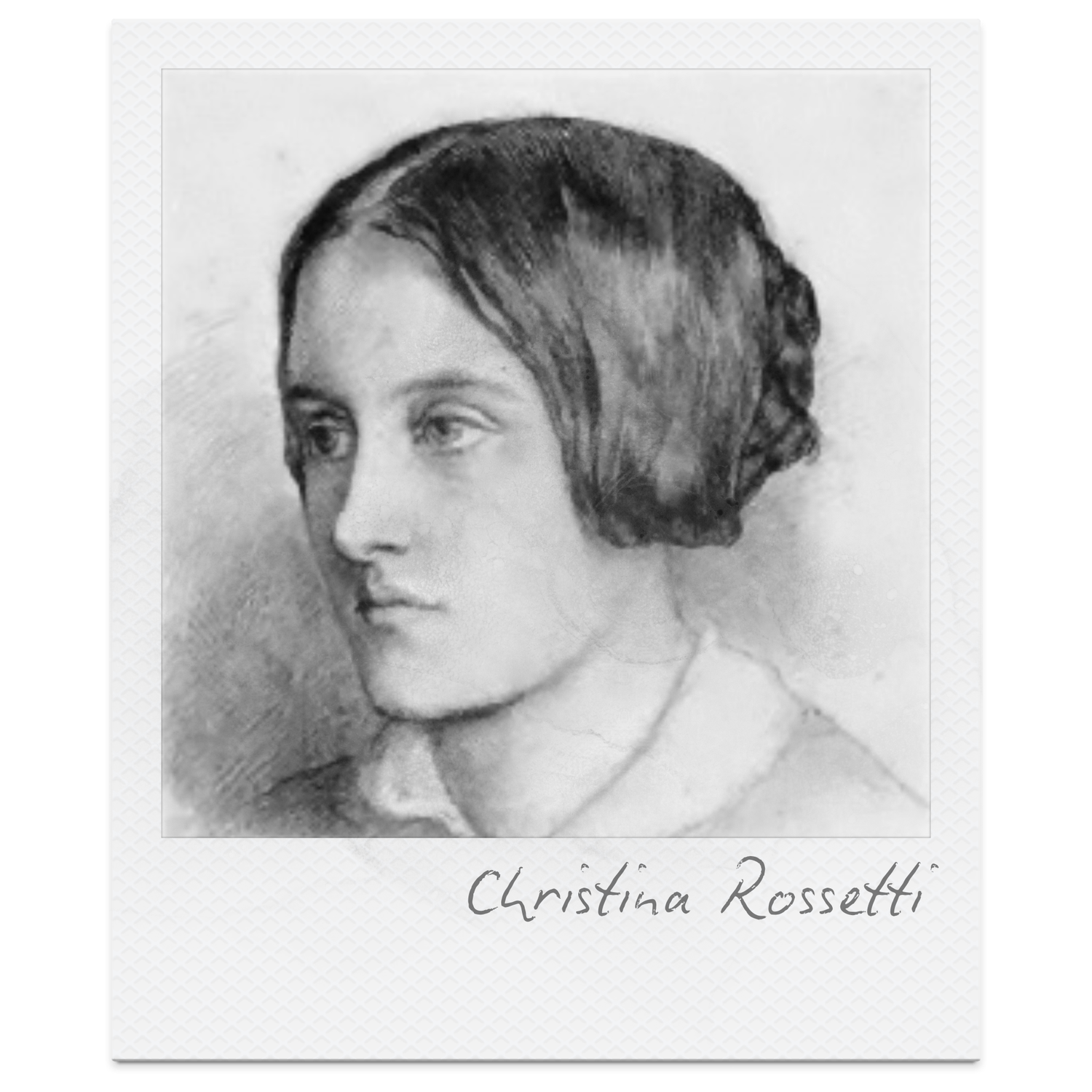
Christina Rossetti wrote many poems exploring love, sacrifice, and emotional endurance, themes that appear frequently throughout her work. In Piteous My Rhyme Is, Rossetti reflects on the experience of unreturned love and the strange persistence of affection even when it brings pain rather than fulfilment. Rather than presenting love as romantic triumph, the poem considers the possibility that love may continue to exist independently of reward or recognition.
Rossetti’s personal life often informs interpretations of her poetry. As a deeply religious Victorian writer, she turned down several marriage proposals because she felt the relationships conflicted with her Anglican faith and spiritual convictions. This tension between earthly attachment and spiritual devotion appears across many of her poems, where love is frequently portrayed as self-sacrificing, patient, and sometimes painful. In Piteous My Rhyme Is, this perspective shapes the poem’s suggestion that love may have value even when it is “misspent” or “not loved again.”
The poem also reflects broader Victorian ideas about love and emotional restraint. While Romantic poets often celebrated passionate fulfilment, Rossetti’s work frequently examines love that must remain unfulfilled or unspoken. In this way, her poetry explores the emotional cost of devotion while also suggesting that love may possess a kind of spiritual permanence that exceeds human life.
You can explore more of Rossetti’s poetry in our Christina Rossetti Context Post.
Piteous My Rhyme Is: At a Glance
Form: Lyric poem with repeating refrains and rhetorical questioning
Mood: Reflective, melancholic, yet quietly philosophical
Central tension: Whether love that brings pain and remains unreturned can still hold meaning or value
Core themes: Unreturned love, emotional sacrifice, the endurance of love, love and suffering, the contrast between mortal life and lasting emotion
One-sentence meaning:
Rossetti’s poem suggests that although love may bring pain and remain unreturned, its capacity to endure, give freely, and transcend the short span of human life reveals its deeper significance.
Quick Summary of Piteous My Rhyme Is
The poem opens with the speaker reflecting sorrowfully on the subject of their verse. They describe their poetry as “piteous” because it dwells on love that has failed or remained unreturned. The speaker lists different forms of disappointed affection—love that is misspent, wasted, or not returned—before questioning whether this painful experience is all love ultimately amounts to.
The poem then shifts from personal emotion toward a more philosophical reflection. The speaker observes that human life is brief, describing time as merely “the dalliance space of dying man.” In contrast to this short mortal existence, love appears to possess a form of endurance that exceeds the limits of human life. The speaker begins to consider whether love’s persistence might give it deeper meaning, even when it seems to bring suffering.
In the final stanza, the poem moves toward its central insight. Love may contain a paradoxical value precisely because it continues to give without expecting reward. It endures pain, refuses to accept final endings, and outlives the brief span of mortal life. By the poem’s conclusion, Rossetti suggests that love’s willingness to persist beyond suffering may be its greatest strength, transforming apparent loss into a deeper emotional or spiritual truth.
Title, Form, Structure, and Metre
Rossetti’s formal design in Piteous My Rhyme Is carefully reinforces the poem’s philosophical exploration of love, suffering, and endurance. The poem is constructed from two parallel stanzas that closely mirror one another in structure, rhyme, and rhythm. This deliberate symmetry allows Rossetti to present two contrasting interpretations of love: the first rooted in human disappointment, and the second suggesting a more transcendent understanding of love’s permanence. By repeating the same structural pattern across both stanzas, Rossetti suggests that the meaning of love may shift depending on how it is perceived.
Title
The title immediately foregrounds the poem’s tone of lament and emotional reflection. The adjective “piteous” signals that the speaker views their own verse as an expression of sorrow, suggesting poetry born from painful emotional experience. At the same time, the title draws attention to the act of poetic expression itself, emphasising that the poem is not merely about love but about a speaker attempting to understand love through language and reflection. This framing prepares the reader for the poem’s repeated questioning and philosophical meditation on whether love that causes suffering can still possess meaning.
Form and Structure
The poem consists of two mirrored ten-line stanzas, each organised into two smaller five-line units. Within each unit, a short opening line introduces a claim or question, followed by three longer lines that develop the idea before a final short line provides a reflective pause. This repeated pattern creates a sense of balance and controlled argument, as if the poem is carefully weighing different interpretations of love.
This symmetrical structure also reinforces the poem’s central philosophical movement. The first stanza emphasises disappointment, describing love as “misspent,” “in vain,” and “not loved again.” In contrast, the second stanza revisits the same experience but transforms its meaning, presenting love as something capable of endurance beyond human limitation. By repeating the same structural framework, Rossetti shows that the same emotional experience can produce radically different interpretations: love may appear either fragile and futile or powerful and eternal.
Rhyme Scheme and Poetic Pattern
The poem’s rhyme scheme strengthens this structural mirroring. Each stanza follows a carefully organised pattern: ABBBC ADDDC EBBBC EDDDC. This intricate structure creates strong links between the two stanzas, as many of the rhyme sounds and even specific rhyme words recur throughout the poem.
The repeated B rhymes (“pain,” “vain,” “again”) emphasise the poem’s focus on emotional suffering and unreturned affection, reinforcing the sense that the speaker is repeatedly confronting the same painful experience. The D rhymes (“span,” “man,” “can”) connect the poem’s reflections on love to the limitations of mortal life, reminding the reader of the briefness of human existence. Meanwhile, the C rhyme (“small then” and “all then”) undergoes a significant transformation. Early in the poem, love appears to offer little reward, suggesting the gain might be “small.” By the final line, however, love becomes “all in all,” signalling a profound shift in perspective.
The transition from the A rhymes of the first stanza to the E rhymes of the second stanza also reflects this movement. The opening stanza’s questioning tone gives way to a more confident declaration that love “loves for ever” and even “laughs at ‘never’.” Through this pattern of repetition and transformation, Rossetti demonstrates how the same emotional experience can be reinterpreted, turning apparent loss into evidence of love’s enduring power.
Metre and Rhythmic Movement
The poem’s rhythm is built on an alternating pattern between iambic tetrameter and iambic dimeter, creating a shifting movement between expansion and reflection. The longer lines use iambic tetrameter, consisting of four iambs with a rising da-DUM rhythm. A clear example appears in the line:
And FINDS | a SORT | of JOY | in PAIN
These longer lines allow Rossetti to develop philosophical ideas about love, expanding the speaker’s reflections and arguments.
In contrast, the shorter lines are written in iambic dimeter, containing two iambs and often ending with an additional unstressed syllable known as a feminine ending. This softer rhythmic conclusion creates a sense of hesitation or questioning, as heard in:
And IS | this ALL then?
The alternation between short and long lines creates a rhythmic movement that mirrors the poem’s intellectual pattern of questioning and reflection. Short lines introduce striking statements or doubts, while longer lines explore those ideas in greater depth. Rossetti occasionally disrupts the expected rhythm for emphasis. In the opening line,
PIT-eous | my RHYME is
The first foot forms a trochee rather than an iamb, placing strong stress on the word “piteous.” This rhythmic shift foregrounds the poem’s opening note of emotional sorrow, emphasising the speaker’s sense of disappointment before the poem begins its deeper philosophical exploration of love’s endurance.
Speaker of Piteous My Rhyme Is
The speaker of Piteous My Rhyme Is appears as a reflective poetic voice contemplating the nature of love, emotional suffering, and endurance. At the beginning of the poem, the speaker presents themselves as someone who has experienced disappointment in love, describing affection that is “misspent,” “in vain,” and “not loved again.” This language suggests a personal perspective shaped by unreturned devotion and emotional loss, giving the opening stanza the tone of a lament.
However, the speaker does not remain purely confessional. As the poem develops, the voice becomes increasingly philosophical and reflective, moving beyond individual experience to consider the broader meaning of love itself. The repeated rhetorical questions—such as “And is this all then?”—suggest a mind actively weighing different interpretations of love’s significance. The speaker appears to challenge their own initial despair, gradually reconsidering whether love that brings pain might still possess value.
By the final stanza, the speaker’s perspective shifts toward a more confident understanding of love’s nature. Love is presented as something that endures beyond human limitations, capable of outlasting mortal life and continuing despite suffering. In this way, the speaker moves from personal sorrow to a more universal reflection on love’s permanence, suggesting that love’s willingness to give without reward may represent its deepest meaning.
This evolving voice is central to the poem’s structure. Rather than presenting a fixed conclusion from the beginning, Rossetti allows the speaker to move through doubt, questioning, and finally affirmation, reflecting the poem’s wider exploration of how love can be understood in different ways depending on one’s perspective.
Stanza-by-Stanza Analysis of Piteous My Rhyme Is
A close reading of Piteous My Rhyme Is reveals how Rossetti develops her meditation on love, suffering, and endurance through carefully structured stanzas. Each stanza explores a different way of understanding love. The first focuses on disappointment and emotional pain, presenting love as something that may be wasted or unreturned. The second revisits the same experience but reframes it, suggesting that love’s capacity to endure and give without reward may reveal its deeper significance.
By mirroring the structure and language of the first stanza, Rossetti allows the second to act almost as a response or reinterpretation. The poem therefore moves from questioning and doubt toward a more confident affirmation of love’s enduring power.
Stanza 1: Love as Disappointment and Human Limitation
The opening stanza introduces the speaker’s sorrowful reflection on love, loss, and emotional disappointment. The poem begins with the striking declaration, “Piteous my rhyme is,” immediately establishing a tone of lament and self-awareness. By describing the poem itself as “piteous,” the speaker suggests that their reflections arise from painful experience, positioning the poem as an attempt to make sense of love that has failed or remained unreturned.
The following lines expand this idea through a series of repeated phrases describing different forms of disappointed love. The speaker lists “love misspent,” “love in vain,” and “love that is not loved again.” This repetition emphasises the sense of emotional futility, presenting love as something that has been given freely but without reward. The accumulation of these phrases reinforces the speaker’s growing frustration, as though each example strengthens the argument that love may ultimately lead to suffering and disappointment.
At the centre of the stanza appears the rhetorical question, “And is this all then?” This moment of questioning reveals the speaker’s uncertainty about the true nature of love. Rather than offering a clear conclusion, the poem pauses to consider whether the experience of unreturned affection represents the whole meaning of love, or whether something deeper might exist beyond this painful reality.
The stanza then widens its focus, shifting from personal experience toward a more philosophical reflection on time and mortality. The speaker observes that “time is but a span,” describing human life as brief and fragile. By calling it the “dalliance space of dying man,” Rossetti emphasises the temporary nature of mortal existence, suggesting that human experience unfolds within a very limited window of time. This reflection raises a further question: if human life is so short, what does it mean for love to occupy such a central place within it?
The stanza ends with another rhetorical question, asking whether this fleeting experience of love is all that “immortals can” achieve. The closing line, “The gain were small then,” returns to the tone of disappointment established at the beginning of the poem. At this stage, love appears to offer little reward despite its emotional cost, leaving the speaker uncertain whether love’s suffering can truly be justified.
Stanza 2: Love as Enduring and Transcendent
The second stanza revisits the ideas introduced earlier but transforms their meaning, presenting a more hopeful vision of love’s endurance and spiritual significance. Where the first stanza focused on disappointment and emotional loss, the second reframes the same experience as evidence of love’s deeper strength. The opening line, “Love loves for ever,” immediately shifts the tone from lament to affirmation. Rather than questioning love’s value, the speaker now suggests that love possesses a form of permanence that exceeds human life.
The stanza continues by acknowledging that love may still involve suffering. Love “finds a sort of joy in pain” and “gives with nought to take again,” emphasising the idea of selfless devotion. Instead of presenting this sacrifice as evidence of love’s failure, however, the speaker now interprets it as a sign of love’s true nature. Love persists even when it receives nothing in return, suggesting that its value lies not in reward but in its capacity to give freely and endure hardship.
The rhetorical question that follows—“Is the gain small then?”—directly responds to the earlier doubt expressed in the first stanza. By repeating the same language in a slightly altered form, Rossetti encourages the reader to reconsider the earlier conclusion that love’s rewards are limited. The question implies that what once appeared to be loss might instead reveal the strength and courage inherent in love itself.
The stanza then returns to the theme of time and mortality, but now with a different emphasis. Love is described as something that “laughs at ‘never’” and “outlives our life,” suggesting that love continues beyond the brief span of human existence. By contrasting love with “mere mortal man,” Rossetti presents love as a force that transcends the limitations of time and death.
The final line brings the poem to a confident conclusion. Love is no longer portrayed as futile or wasted but as something that ultimately becomes “all in all.” Through this transformation, the poem suggests that love’s willingness to endure suffering does not diminish its value; rather, it reveals the profound and enduring power of love itself.
Key Quotes from Piteous My Rhyme Is
Rossetti’s poem uses repetition, rhetorical questioning, and reflective imagery to explore the tension between human disappointment and love’s enduring power. The following quotations highlight key moments where the poem’s ideas about love, suffering, and permanence become most visible.
“Piteous my rhyme is”
◆ The opening line establishes a tone of lament and emotional self-awareness, suggesting that the poem itself arises from painful reflection on love.
◆ By describing the verse as “piteous,” the speaker signals that the poem is shaped by sorrow and regret rather than celebration.
◆ The line foregrounds the act of poetic expression, framing the poem as an attempt to understand love through reflection.
“Of love misspent, of love in vain”
◆ The repetition of the phrase “of love” emphasises the speaker’s focus on disappointed and unfulfilled affection.
◆ Words such as “misspent” and “vain” convey the sense that love has been wasted or given without return.
◆ The accumulating phrases reinforce the emotional weight of unreturned devotion.
“Of love that is not loved again”
◆ This line presents the poem’s central emotional conflict: love offered without reciprocity.
◆ The phrasing highlights the painful imbalance between giving and receiving affection.
◆ Rossetti emphasises the vulnerability inherent in loving without assurance of return.
“And is this all then?”
◆ The rhetorical question captures the speaker’s moment of doubt and philosophical uncertainty.
◆ It suggests the speaker is questioning whether the experience of unreturned love represents the whole meaning of love itself.
◆ The short line’s rhythm creates a reflective pause, emphasising the depth of the speaker’s uncertainty.
“Time is but a span”
◆ This line introduces the theme of human mortality and the brevity of life.
◆ By describing time as merely a “span,” Rossetti emphasises the limited nature of human existence.
◆ The line raises the question of how love can fit within such a short temporal framework.
“The dalliance space of dying man”
◆ The phrase highlights the fragile and temporary nature of human life and experience.
◆ The word “dalliance” suggests a brief or fleeting interval, reinforcing the idea that life itself is short-lived and uncertain.
◆ This reflection deepens the poem’s contrast between mortal limitation and emotional longing.
“Love loves for ever”
◆ This line marks a turning point in the poem’s argument, shifting from despair to affirmation.
◆ The repetition emphasises the idea that love possesses an enduring and self-sustaining nature.
◆ Rossetti suggests that love may exist independently of human success or failure.
“And finds a sort of joy in pain”
◆ The line introduces the paradox that love may contain meaning even within suffering.
◆ The phrase “a sort of joy” suggests that love transforms pain into something emotionally or spiritually significant.
◆ Rossetti implies that love’s willingness to endure hardship may reveal its deepest strength.
“Love laughs at ‘never’”
◆ This striking image personifies love as something capable of defying finality and despair.
◆ By “laughing” at the word “never,” love is shown to reject the idea of permanent loss or impossibility.
◆ The line reinforces the theme of love’s persistence beyond human limitation.
“Is all in all then”
◆ The poem’s final line resolves the earlier doubts raised in the first stanza.
◆ What once seemed to offer little reward now becomes the ultimate emotional reality.
◆ Rossetti concludes that love’s endurance transforms apparent loss into something profound and meaningful.
Key Techniques in Piteous My Rhyme Is
Rossetti uses a range of structural and rhetorical techniques to explore the poem’s central tension between love as painful human experience and love as an enduring spiritual force. Through repetition, mirrored phrasing, and carefully controlled sound patterns, the poem gradually transforms doubt into affirmation.
◆ Repetition – Repetition forms the structural backbone of the poem. Words and phrases such as “love,” “pain,” “vain,” and “again” appear across both stanzas, allowing the second stanza to respond directly to the concerns raised in the first. For example, the speaker initially reflects on “love and pain,” while later suggesting that love “finds a sort of joy in pain.” These repeated words take on altered meanings as the poem progresses, showing how the same emotional experience can be interpreted differently.
◆ Parallelism – Rossetti constructs the two stanzas with almost identical grammatical patterns and sentence structures. The repetition of phrases such as “love misspent,” “love in vain,” and “love that is not loved again” mirrors later phrases including “love loves for ever” and “loves too well to end in vain.” This parallel structure emphasises the poem’s central idea that the same phenomenon—love—can be understood in radically different ways depending on perspective.
◆ Diacope – The phrase “Love loves for ever” demonstrates diacope, a rhetorical technique in which a word is repeated with a brief separation. By repeating the word “love” in this compressed form, Rossetti intensifies the idea that love is both subject and action, reinforcing its self-sustaining nature.
◆ Personification – Love is repeatedly given human qualities throughout the poem. It “finds,” “gives,” and even “laughs at ‘never.’” This personification presents love as an active, almost independent force capable of endurance, resilience, and defiance. By treating love as something that acts rather than something merely felt, Rossetti elevates it beyond ordinary human emotion.
◆ Juxtaposition – The poem contrasts two opposing views of love. The first stanza emphasises loss, disappointment, and limitation, while the second presents love as enduring, generous, and eternal. This juxtaposition allows Rossetti to demonstrate how the same emotional experience can appear either tragic or meaningful depending on the perspective adopted.
◆ Alliteration – Rossetti subtly uses repeated consonant sounds to create rhythm and emphasis. Phrases such as “love loveth” and “loves too well” reinforce the poem’s focus on love through the repetition of the “l” sound, creating a soft musical quality that mirrors the poem’s reflective tone.
◆ Rhetorical Question – The poem repeatedly uses rhetorical questions, including “And is this all then?” and “Is the gain small then?” These questions signal the speaker’s process of philosophical questioning and emotional reconsideration. Rather than offering immediate answers, the poem allows the reader to follow the speaker’s shifting understanding of love.
◆ Mirrored Structure – The two stanzas closely reflect each other in rhyme, structure, and vocabulary, creating a mirrored poetic design. This structural repetition allows the second stanza to act almost as a response to the first, demonstrating how love that initially appears painful or futile may reveal deeper meaning when viewed from another perspective.
Key Themes in Piteous My Rhyme Is
Rossetti’s poem reflects deeply on the emotional and philosophical dimensions of love, exploring how pain, devotion, and endurance shape the experience of loving another person. Through the poem’s mirrored structure, Rossetti contrasts human disappointment with the possibility that love may possess a deeper, more enduring significance.
Unreturned Love
One of the poem’s most prominent themes is unreturned affection. In the opening stanza, the speaker reflects on “love misspent,” “love in vain,” and “love that is not loved again,” emphasising the painful imbalance between giving love and receiving it in return. These phrases suggest a form of devotion that has been offered freely but without acknowledgement or reciprocation. Rossetti captures the vulnerability inherent in loving another person without any guarantee that the feeling will be returned.
Emotional Sacrifice
Closely connected to this idea is the theme of selfless emotional sacrifice. The second stanza suggests that love may continue even when it receives nothing in return, describing love as something that “gives with nought to take again.” Rather than presenting this as a failure, Rossetti implies that love’s willingness to endure sacrifice may reveal its truest nature. In this interpretation, love is valuable not because it brings happiness or reward, but because it expresses generosity and devotion.
The Endurance of Love
The poem ultimately suggests that love possesses a remarkable capacity for endurance and persistence. While the first stanza questions whether love’s suffering makes it meaningless, the second argues that love “loves for ever” and even “laughs at ‘never.’” These lines suggest that love may continue beyond disappointment and even beyond death. Rossetti presents love as something capable of outlasting the limits of ordinary human experience.
Love and Suffering
Rossetti also explores the paradoxical relationship between love and pain. The speaker initially views suffering as evidence that love may be futile or misguided. However, the poem gradually reframes this idea by suggesting that love may actually “find a sort of joy in pain.” This paradox highlights the idea that love’s strength may lie precisely in its willingness to endure hardship.
Mortal Life and Lasting Emotion
Another key theme is the contrast between the brief span of human life and the enduring nature of love. The poem describes time as merely “a span” and the “dalliance space of dying man,” emphasising the temporary nature of human existence. Against this background of mortality, love appears almost timeless. By suggesting that love “outlives our life,” Rossetti presents it as something that may transcend the physical limits of mortal life.
Love as a Transformative Perspective
The poem also suggests that the meaning of love depends on how it is interpreted. The first stanza views love through the lens of disappointment, while the second offers a reinterpretation in which the same experiences become evidence of love’s strength and endurance. This shift implies that love may not change in itself; rather, it is the speaker’s perspective that transforms. Through this idea, Rossetti presents love as something capable of revealing deeper emotional and spiritual truths when viewed from a different angle.
Alternative Interpretations of Piteous My Rhyme Is
Rossetti’s poem invites multiple interpretations because it explores love, suffering, and endurance from several possible perspectives. The poem’s mirrored structure allows the same emotional experience to be understood in different ways, opening the poem to a range of critical readings.
Feminist Interpretation: The Burden of Emotional Devotion
From a feminist perspective, the poem may reflect the expectations placed on women to love selflessly and endure emotional suffering. The first stanza describes love that is “misspent” and “not loved again,” suggesting a relationship in which affection is given without reciprocity. In Victorian society, women were often expected to demonstrate patience, loyalty, and emotional sacrifice, even when those feelings were not returned.
The second stanza’s description of love that “gives with nought to take again” could therefore be interpreted as highlighting the emotional labour traditionally associated with women’s roles in relationships. While the poem ultimately presents this devotion as meaningful, a feminist reading might question whether such self-sacrifice represents spiritual strength or social expectation.
Psychological Interpretation: Reframing Emotional Pain
A psychological interpretation focuses on the speaker’s internal process of emotional reconsideration. The poem begins with a voice shaped by disappointment, listing examples of love that has been wasted or unreturned. As the poem progresses, however, the speaker gradually reframes these experiences.
Instead of viewing suffering as evidence that love has failed, the speaker begins to interpret it as part of love’s nature. The second stanza therefore reads almost as a form of self-persuasion, in which the speaker attempts to transform emotional pain into a more meaningful narrative. From this perspective, the poem may represent a psychological attempt to cope with loss by redefining its significance.
Religious Interpretation: Love as Spiritual Devotion
Rossetti’s deeply religious beliefs make a Christian interpretation particularly compelling. The poem’s description of love that “gives with nought to take again” closely resembles the Christian concept of selfless or sacrificial love, often associated with divine compassion. Rather than focusing on romantic fulfilment, the poem presents love as something valuable precisely because it is generous and unconditional.
The idea that love “loves for ever” and “outlives our life” also suggests a connection between love and spiritual eternity. From this perspective, the poem may be understood as shifting attention away from earthly disappointment toward a higher form of love that reflects divine permanence and grace.
Existential Interpretation: Meaning Within Human Mortality
An existential reading focuses on the poem’s reflections on time, mortality, and the search for meaning. The speaker describes time as “but a span” and human life as the “dalliance space of dying man,” emphasising the fragility and brevity of human existence. Within this limited lifespan, love becomes one of the few experiences that seems capable of transcending temporal boundaries.
The poem’s movement from despair to affirmation may therefore reflect a broader philosophical question: if human life is short and uncertain, can love still provide meaning? By the poem’s conclusion, Rossetti suggests that love’s persistence—even when it brings suffering—may give human life emotional depth and significance.
Platonic or Spiritual Love Interpretation: Love Beyond the Individual
Another interpretation reads the poem as exploring love in a broader, almost universal sense rather than focusing solely on personal relationships. The poem begins with individual disappointment, but the second stanza shifts toward a more abstract idea of love as a force that exists beyond specific circumstances.
By describing love as something that “loves for ever” and becomes “all in all,” Rossetti elevates love from a personal feeling to a universal principle. In this interpretation, the poem suggests that while individual relationships may fail, love itself remains a lasting and transformative force, capable of connecting human experience to something greater than the individual self.
Teaching Ideas for Piteous My Rhyme Is
Rossetti’s Piteous My Rhyme Is works well in the classroom because it explores love, sacrifice, and philosophical questioning through clear structural patterns and repeated ideas. The poem allows students to examine form, rhetorical questioning, and shifting perspectives, while also encouraging deeper discussion about how literature presents emotional experience.
1. Writing Essay Questions
Before analysing the poem in detail, students can develop their own essay-style questions about Rossetti’s treatment of love. This activity encourages students to think about what makes a strong analytical question and prepares them for extended writing tasks.
Students should work in pairs to write three potential essay questions focusing on areas such as theme, structure, or imagery. For example, students might explore questions about unreturned love, the contrast between mortal life and enduring emotion, or the poem’s mirrored structure.
After writing their questions, students can compare them with examples from our Rossetti poetry essay questions collection, which provides a wider range of analytical prompts designed for poetry study and exam preparation.
2. Analytical Paragraph Evaluation Task
This activity helps students develop stronger essay-writing skills by analysing and improving an example paragraph.
Provide students with the following analytical paragraph:
In Piteous My Rhyme Is, Rossetti explores the paradoxical relationship between love and suffering, suggesting that emotional pain does not necessarily diminish love’s value. In the opening stanza, the speaker reflects on “love misspent” and “love in vain,” phrases that emphasise the frustration of affection that has been given without return. The repetition of the word “love” in these lines highlights the speaker’s focus on the emotional cost of devotion, presenting love as something that may appear wasted when it is not reciprocated. However, the second stanza reframes this idea, suggesting that love may possess a deeper strength precisely because it continues despite suffering. The line “finds a sort of joy in pain” introduces a striking paradox, implying that love’s endurance transforms pain into something meaningful rather than destructive. Through this contrast between disappointment and endurance, Rossetti ultimately suggests that love’s willingness to persist beyond reward reveals its lasting emotional and philosophical significance.
Students then complete three stages:
Write questions that could be answered by this paragraph.
Mark the paragraph using the class mark scheme, focusing on the quality of quotation use, explanation, and analysis.
Rewrite the paragraph, improving it by adding deeper explanation of Rossetti’s language, structure, and themes.
This process helps students recognise the difference between basic explanation and developed literary analysis, while also encouraging them to apply the assessment criteria used in exam responses.
3. Structural Comparison Activity
Students examine the poem’s two mirrored stanzas to understand how Rossetti develops contrasting perspectives on love. In small groups, students identify phrases that appear in both stanzas, such as references to pain, time, and human life.
Students then discuss how the second stanza reinterprets ideas introduced in the first. For example, the first stanza presents love as wasted or unreturned, while the second suggests that love’s willingness to endure suffering may reveal its deeper strength. This activity helps students understand how structure contributes to meaning in poetry.
4. Exploring Rhetorical Questions
The poem uses several rhetorical questions, including “And is this all then?” and “Is the gain small then?” Students can explore how these questions shape the poem’s tone and argument.
Ask students to consider why Rossetti chooses to ask questions rather than present direct statements. They can then write their own response lines answering these questions from different perspectives. This task encourages students to engage with the poem’s philosophical exploration of love.
5. Creative Reinterpretation
To deepen engagement with the poem’s themes, students can write a modern reinterpretation of Rossetti’s idea of enduring love. They might write a short poem or reflective paragraph exploring whether love that brings pain can still hold value.
This activity allows students to connect Rossetti’s ideas to modern experiences of relationships and emotional resilience, while reinforcing the poem’s exploration of love’s persistence despite disappointment.
Go Deeper into Piteous My Rhyme Is
Rossetti frequently explores love, sacrifice, emotional endurance, and spiritual reflection across her poetry. Piteous My Rhyme Is shares important thematic connections with several of her other works, particularly those that examine unreturned love, emotional resilience, and the tension between earthly experience and lasting spiritual meaning.
◆ Twice – Like Piteous My Rhyme Is, this poem explores the vulnerability of offering love without certainty of return. Both poems examine the emotional risk involved in devotion and the possibility that love may lead to disappointment or rejection.
◆ Remember – Rossetti’s well-known sonnet similarly reflects on love that must endure separation and loss. Both poems contrast the temporary nature of human life with the idea that love may persist beyond death or absence.
◆ Echo – This poem also explores memory, longing, and the persistence of emotional attachment. While Piteous My Rhyme Is reflects philosophically on love’s endurance, Echo portrays the haunting emotional presence of love that continues beyond physical separation.
◆ A Better Resurrection – Both poems explore the idea that emotional suffering can lead to spiritual insight. Rossetti presents pain not simply as loss but as something capable of transforming understanding, linking human love to spiritual endurance and renewal.
◆ Shut Out – Like Piteous My Rhyme Is, this poem reflects on loss and exclusion, portraying a speaker who has been denied access to something deeply valued. Both poems examine how emotional pain shapes the speaker’s understanding of love and desire.
◆ Winter: My Secret – Although more playful in tone, this poem also explores the boundaries of emotional expression and personal revelation. Both poems consider how feelings about love are concealed, revealed, and interpreted through language.
These connections reveal how Rossetti repeatedly returned to questions about devotion, emotional sacrifice, and the endurance of love, approaching the theme from multiple perspectives across her poetry.
Final Thoughts
In Piteous My Rhyme Is, Christina Rossetti presents a thoughtful meditation on love, suffering, and endurance. Through its mirrored structure and repeated phrasing, the poem explores two contrasting ways of understanding love: first as an experience marked by disappointment and unreturned devotion, and later as a force capable of persistence and emotional generosity. This shift allows Rossetti to suggest that the pain associated with love does not necessarily diminish its value.
Instead, the poem ultimately reframes suffering as evidence of love’s strength and resilience. By presenting love as something that “loves for ever” and even “laughs at ‘never,’” Rossetti elevates love beyond the limits of human time and experience. In this way, the poem moves from personal lament toward a broader reflection on love as an enduring emotional and spiritual force.
You can explore more of Rossetti’s poetry in our Christina Rossetti Poetry Hub, where we analyse many of her most significant works, or browse the Literature Library for further poetry analyses, teaching resources, and literary study guides.
Choose Your Next Text