70 Norse Mythology Inspired Writing Prompts for Teens: Fate, Gods, Worlds & Story Starters
Norse mythology is built on inevitability. Unlike many myth systems that promise salvation or triumph, Norse myths centre on fate, cycles of destruction, and the knowledge that even the gods cannot escape what is coming. Rooted in Scandinavian mythology, these stories explore honour, sacrifice, memory, and the tension between choice and destiny — often unfolding in worlds shaped by ice, fire, and silence.
Norse mythology writing prompts invite teen writers to explore mythology-inspired fantasy storytelling that prioritises atmosphere, moral weight, and consequence over spectacle. Rather than focusing on heroic conquest alone, these prompts draw on Norse gods, Viking mythology, Yggdrasil, Ragnarök, and the Nine Realms to encourage stories about loyalty, prophecy, endurance, and what it means to act with integrity when outcomes are already written. Many of these narratives reflect Norse fantasy aesthetics — snowbound landscapes, runes carved into stone, long shadows, and quiet acts of bravery — while remaining grounded in character and theme.
This collection of 70 Norse Mythology Writing Prompts for Teens is designed as a complete creative toolkit, combining story starters, plot hooks, character ideas, setting prompts, opening and closing lines, and cinematic visual prompts inspired by Norse myth and folklore. The prompts work equally well for creative writing lessons, English classrooms, writing clubs, journaling, or longer YA fantasy projects, offering young writers a structured way to explore Norse mythology with depth, restraint, and emotional weight.
If you're looking for even more inspiration, explore the Mythology Writing Hub for gods, heroes, legendary creatures, epic quests, and mythology-inspired writing prompts, or browse the Creative Writing Archive to discover hundreds of prompts, story ideas, picture prompts, character collections, and genre guides across every style of creative writing.
1. Plot Hooks
Norse mythology plot hooks often centre on inevitability — fate that cannot be avoided, oaths that cannot be broken, and choices that matter even when the ending is known. Drawing on Norse gods and legends, these prompts explore courage, sacrifice, loyalty, and the cost of defiance. Each prompt below is designed to establish atmosphere and moral tension, making them ideal fantasy writing prompts for teens that prioritise meaning over action-heavy plots.
Write about a village where every child is given a rune at birth, and the teenager who discovers theirs has been deliberately altered.
Write about a messenger who realises the gods are no longer sending prophecies, only warnings.
Write about a warrior chosen to die in battle who survives — and must now live with the consequences of escaping fate.
Write about a frozen lake said to hold the memory of every oath ever broken beside it.
Write about a character who can hear the roots of Yggdrasil shifting beneath the world, signalling something ancient is coming undone.
Write about a seer who knows exactly how Ragnarök will begin — and why no one believes them.
Write about a god who has gone missing from the Nine Realms, leaving behind only silence where power once was.
Write about a human raised among the gods, slowly realising they were never meant to belong there.
Write about a town protected by a giant’s bones, and what happens when the protection begins to crack.
Write about a character who is offered knowledge of their fate — and must decide whether knowing is a gift or a curse.
2. Title Ideas
Norse mythology story titles often draw on fate, nature, and prophecy rather than direct action. These titles reflect the influence of Viking mythology and mythic fantasy, where meaning is shaped by inevitability, restraint, and symbolism. They work particularly well for YA fantasy stories, short fiction, and folklore-inspired writing.
Children of the Ash Tree
The Oath the Gods Remembered
Where the Runes Were Broken
The Winter That Would Not End
What the Norns Foretold
Beneath Yggdrasil’s Roots
The Day Fate Hesitated
Blood on the Snowstone
The Silence of the Gods
Before Ragnarök Began
3. Opening Lines
Strong Norse mythology opening lines establish mood before explanation, drawing on prophecy, cold landscapes, and quiet dread rather than immediate action. These openings model how to begin mythology-inspired fantasy stories with restraint and tension.
The gods stopped answering prayers the winter the river froze solid.
I knew my fate long before I understood what it would cost me.
The rune burned against my skin, even when the fire had gone out.
No one told me that surviving was the worst possible outcome.
The world felt thinner the day the ash tree trembled.
I was taught to honour the gods, not to question their silence.
The prophecy was carved into stone, but the meaning kept changing.
We were promised protection, not mercy.
The snow remembered every name spoken beneath it.
I realised too late that the gods had already chosen.
4. Closing Lines
Norse mythology stories rarely end with victory. Drawing on fate, prophecy, and sacrifice, these endings suggest endurance, loss, or acceptance rather than resolution. For teen writers, these examples model how to conclude mythic fantasy stories with ambiguity and emotional weight.
The gods did not intervene — and I finally understood why.
By the time the snow melted, the world was already different.
Fate kept its word, even if it broke everything else.
I walked away knowing survival was never the same as escape.
The runes fell silent, but their meaning remained.
Nothing ended — it only continued without us.
The prophecy was fulfilled, just not the way we expected.
I carried the knowledge forward, even when no one wanted it.
The ash tree stood, but something beneath it had shifted.
We lived on, which was never part of the promise.
5. Character Ideas
Norse mythology characters are often defined by duty, restraint, and contradiction. Drawing on Norse gods and legends, these character ideas focus on moral choice, loyalty, and identity rather than simple heroism.
A rune-reader whose interpretations keep changing as fate redraws itself.
A mortal chosen to serve the gods, slowly realising the role is a form of imprisonment.
A shield-maiden who knows exactly how she will die — and fights anyway.
A god bound by an oath they regret but cannot break.
A giant who protects humans despite knowing they will be blamed for the world’s end.
A seer who refuses to speak the prophecy that defines them.
A child born during an unnatural winter, believed to mark the beginning of Ragnarök.
A messenger caught between realms, trusted by none of them.
A village leader trying to hold people together when faith begins to fracture.
A guardian of Yggdrasil who knows the tree will not survive.
6. Setting Ideas
Norse mythology settings are shaped by environment, belief, and inevitability. These locations allow setting to act as a force — reinforcing fate, memory, and consequence rather than serving as backdrop.
A snowbound settlement where winter has lasted too long to be natural.
A sacred grove beneath Yggdrasil where runes rearrange themselves overnight.
A battlefield preserved in ice, waiting for those destined to fall there.
A coastal village that believes the sea is watching its choices.
A mountain pass guarded by an ancient oath rather than soldiers.
A realm between worlds where time moves unevenly.
A hall built to prepare for Ragnarök, now slowly emptying.
A forest where the gods once walked, now abandoned.
A river said to carry forgotten prophecies downstream.
A stone circle where fate can be questioned — but never changed.
7. Picture Prompts
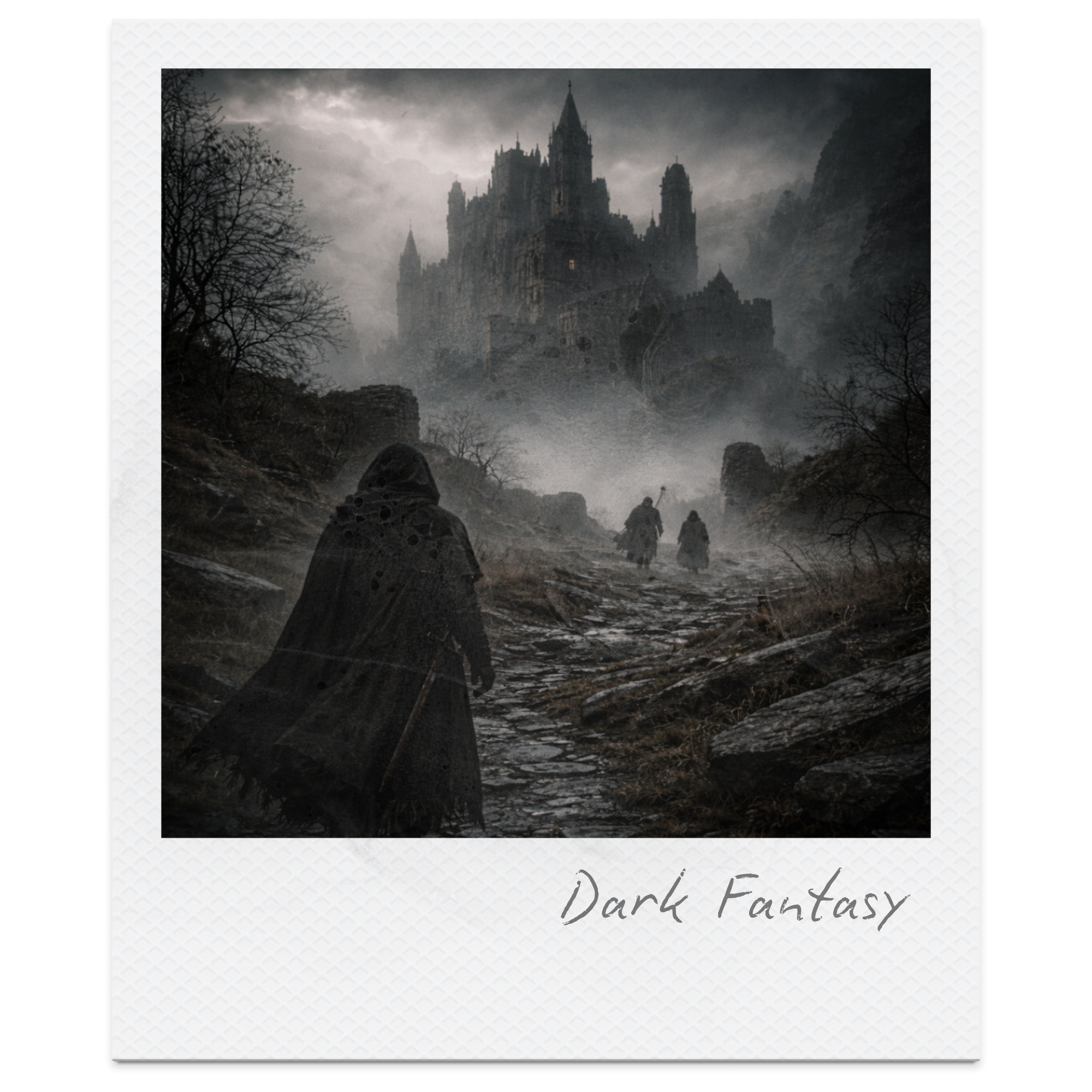
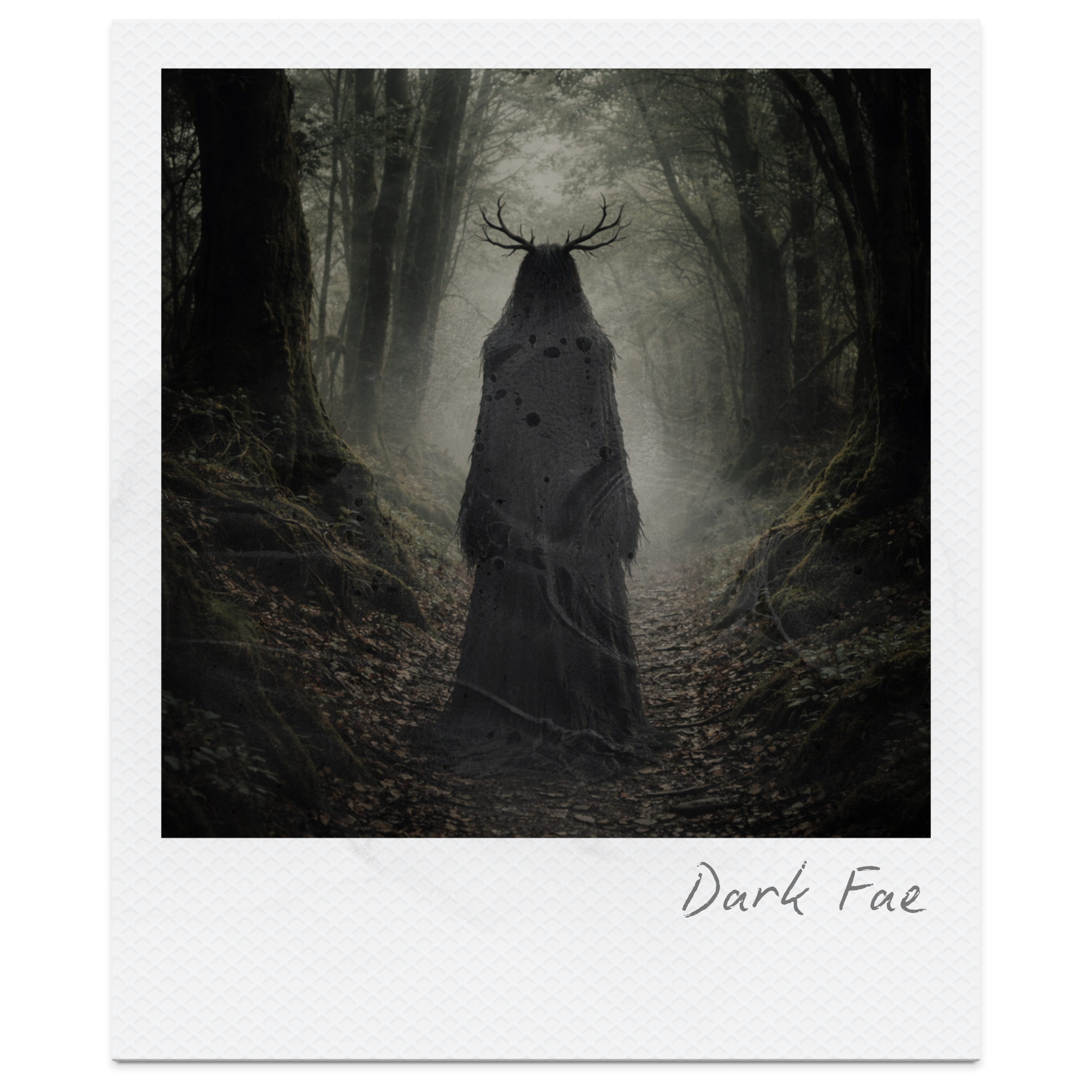
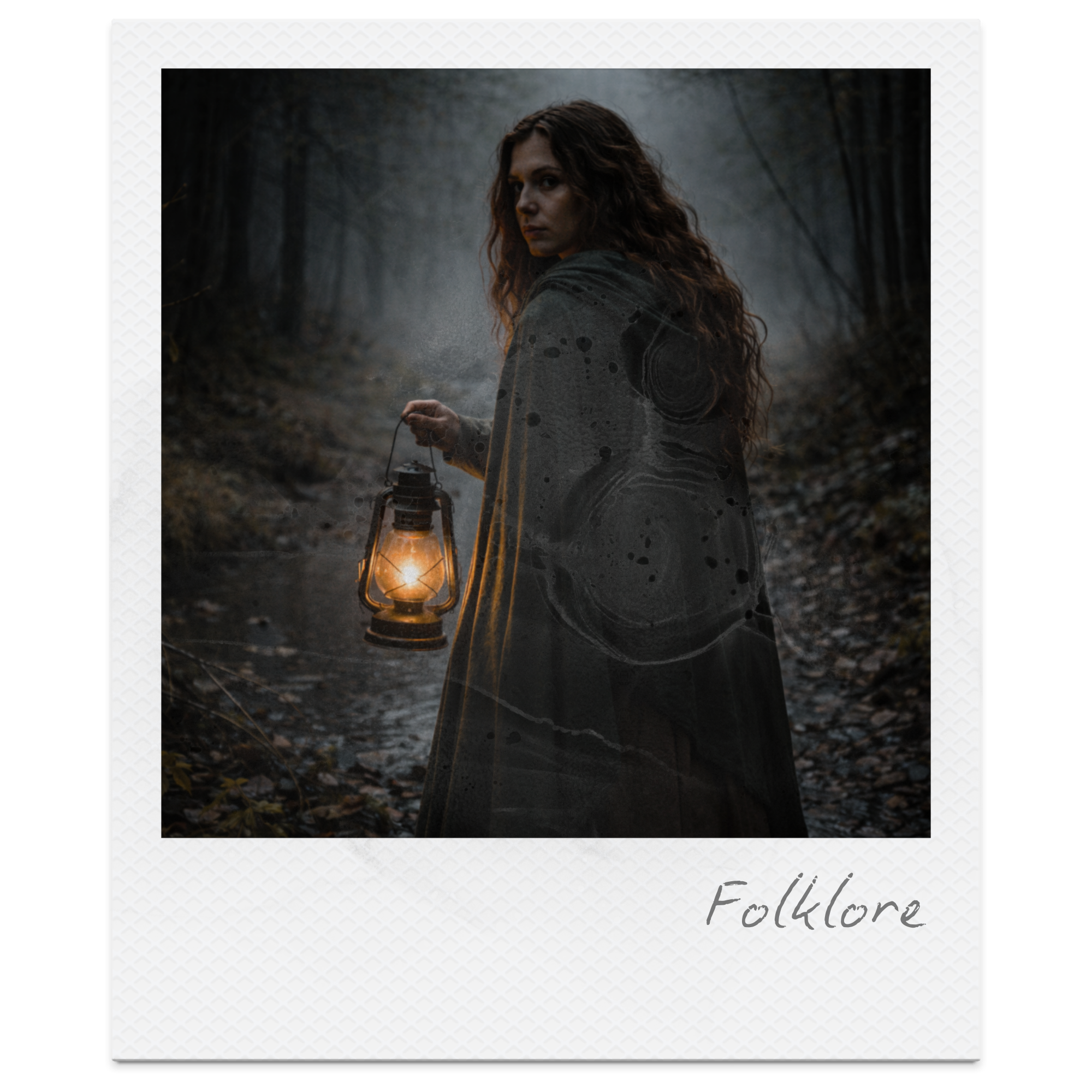
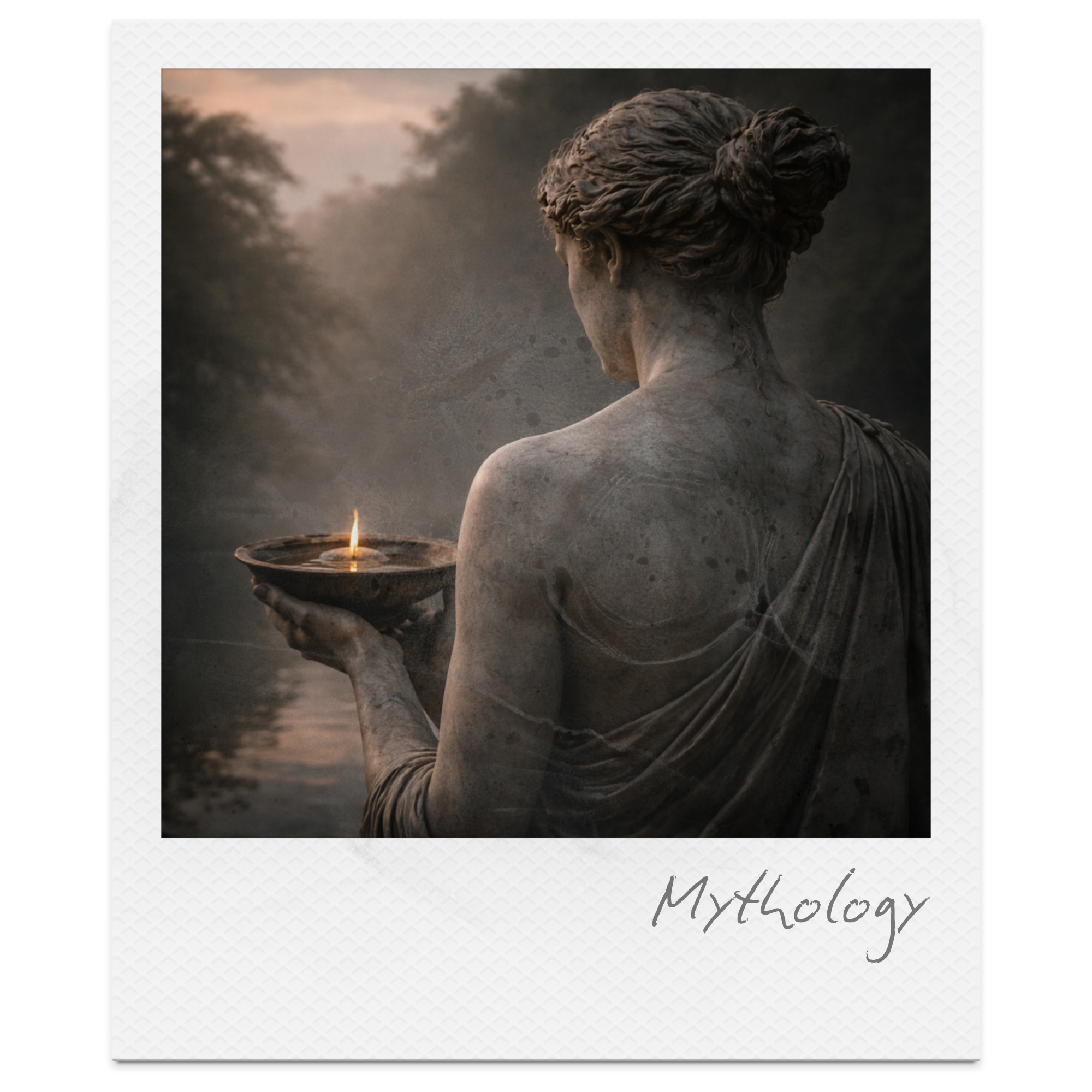
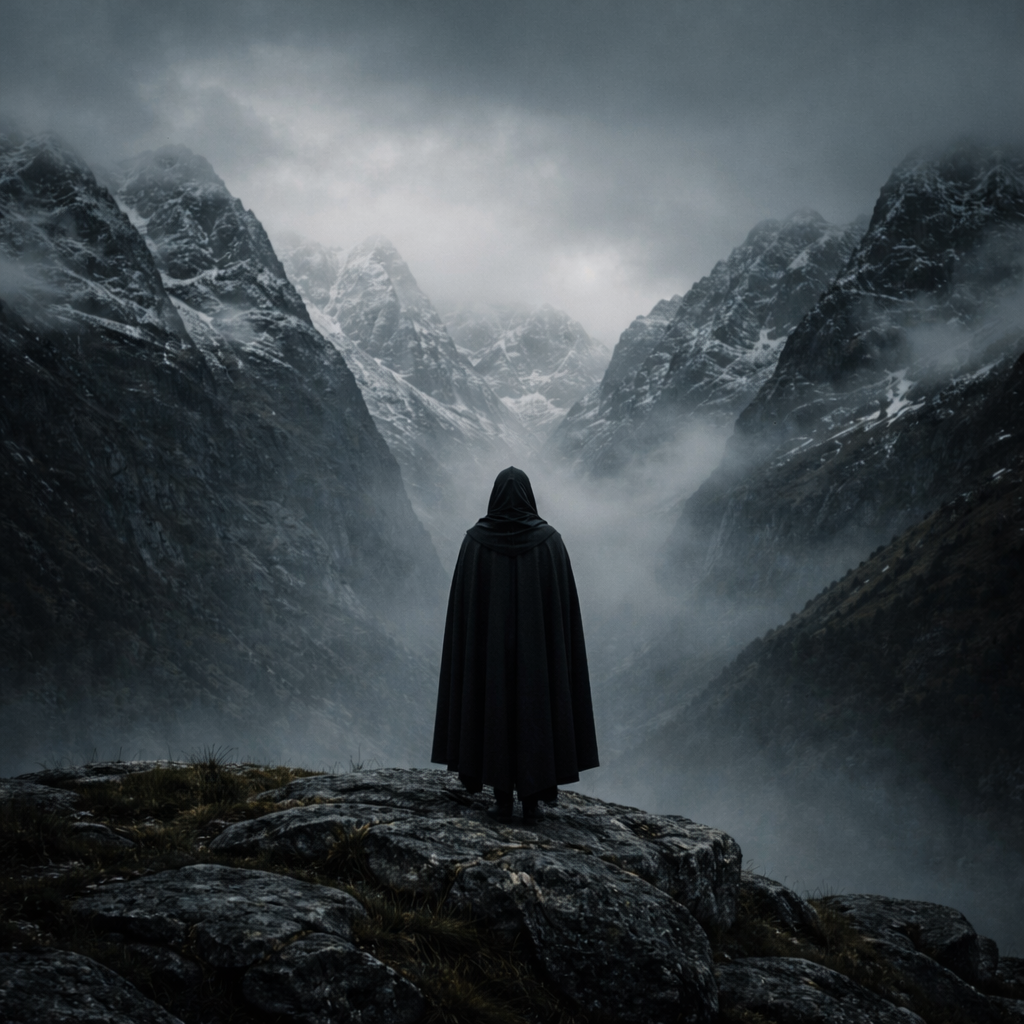
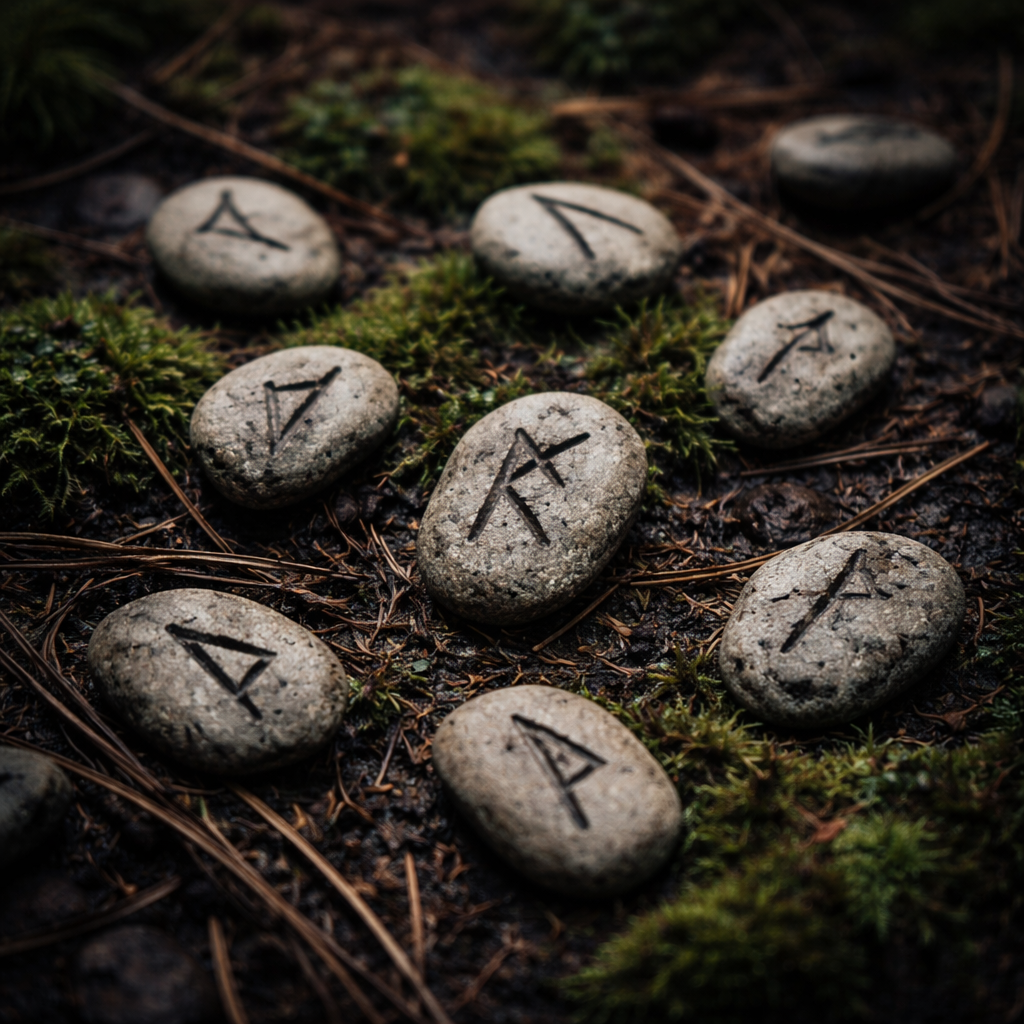
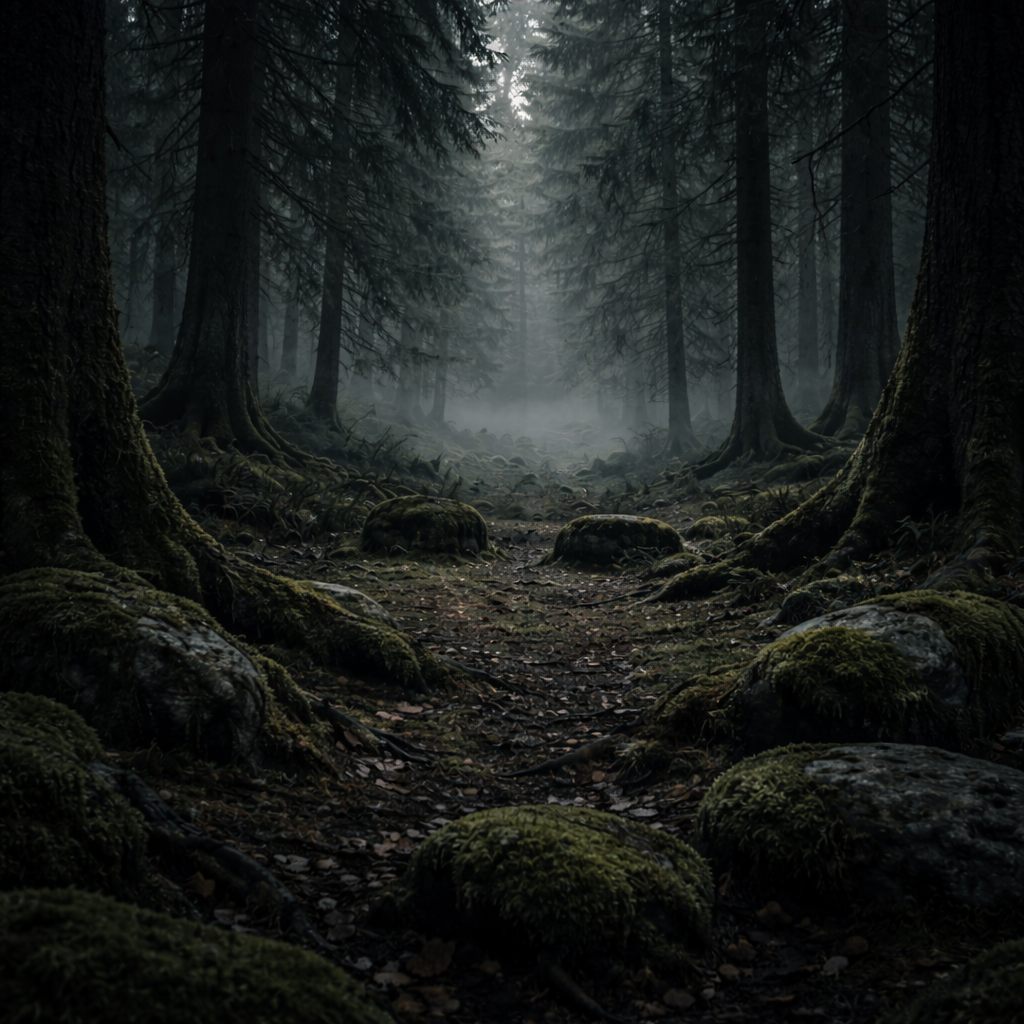
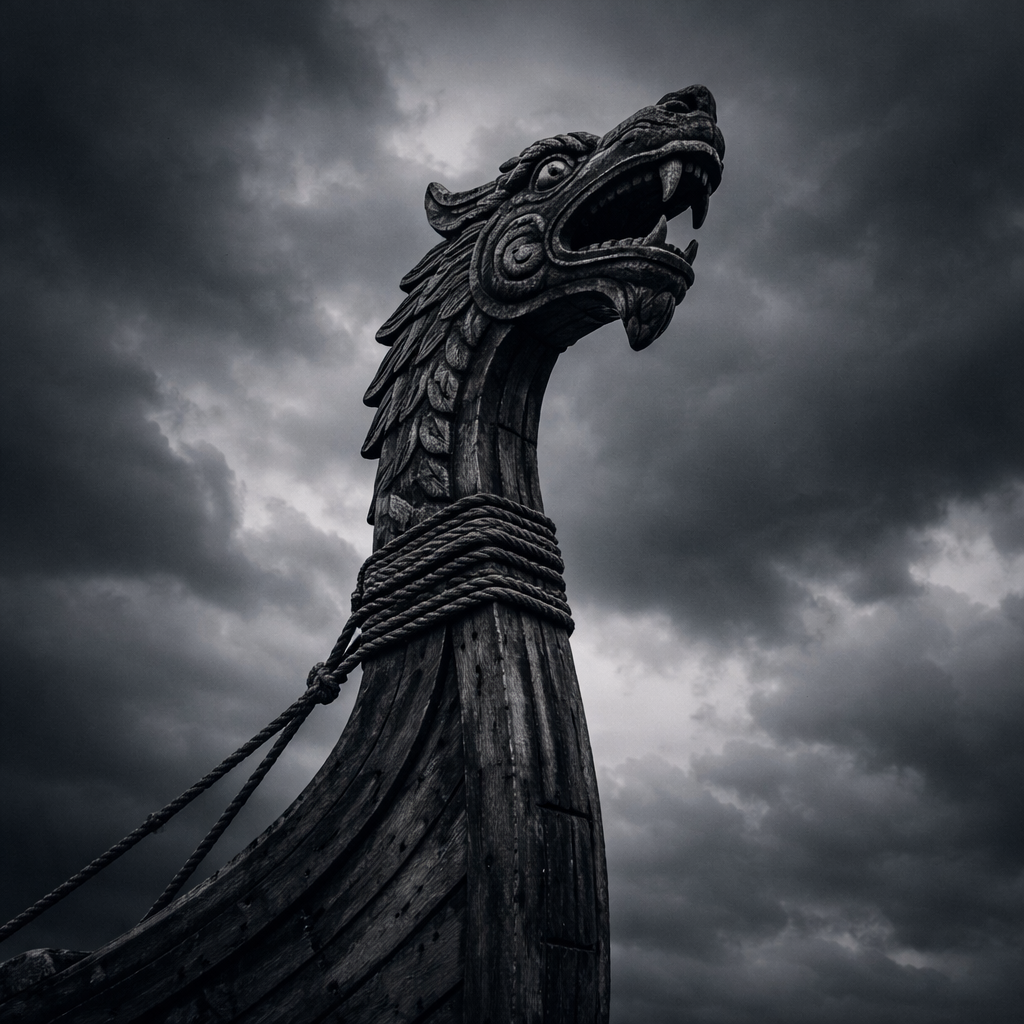
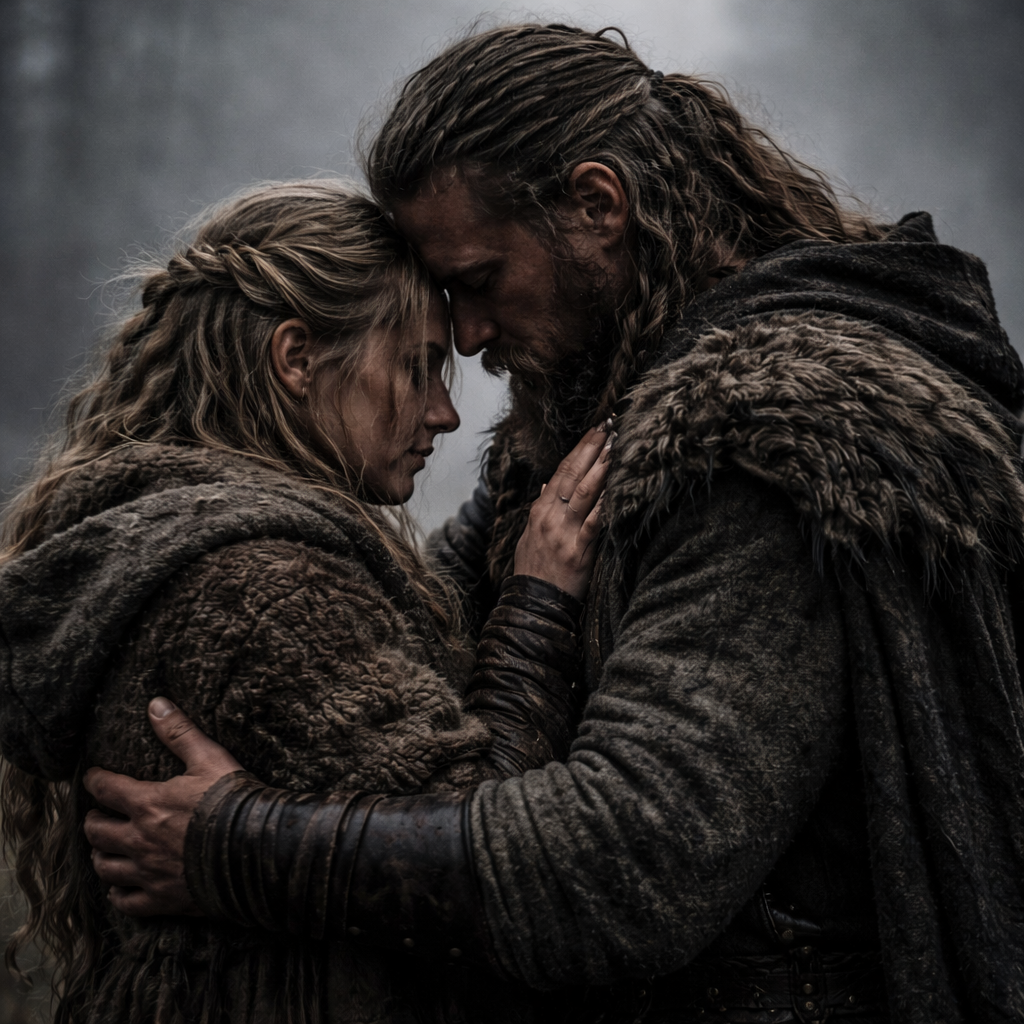
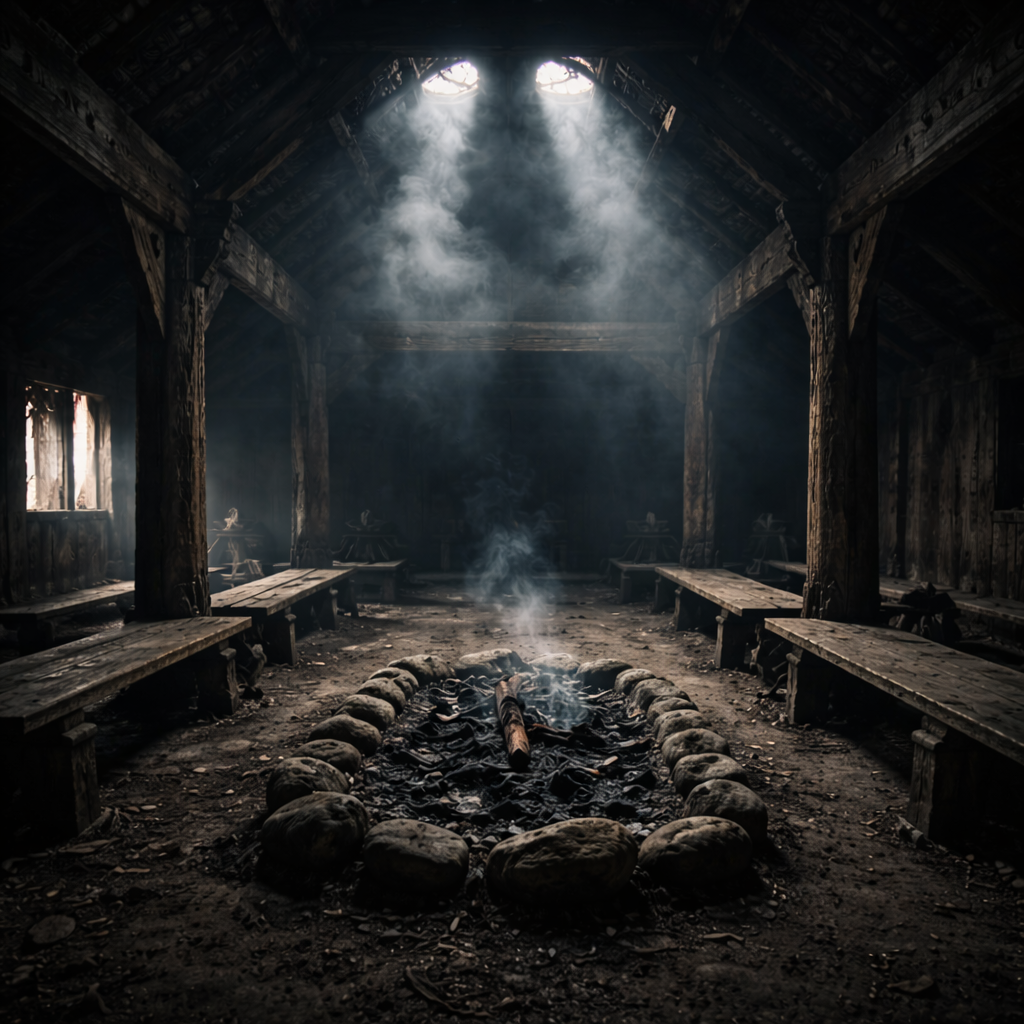
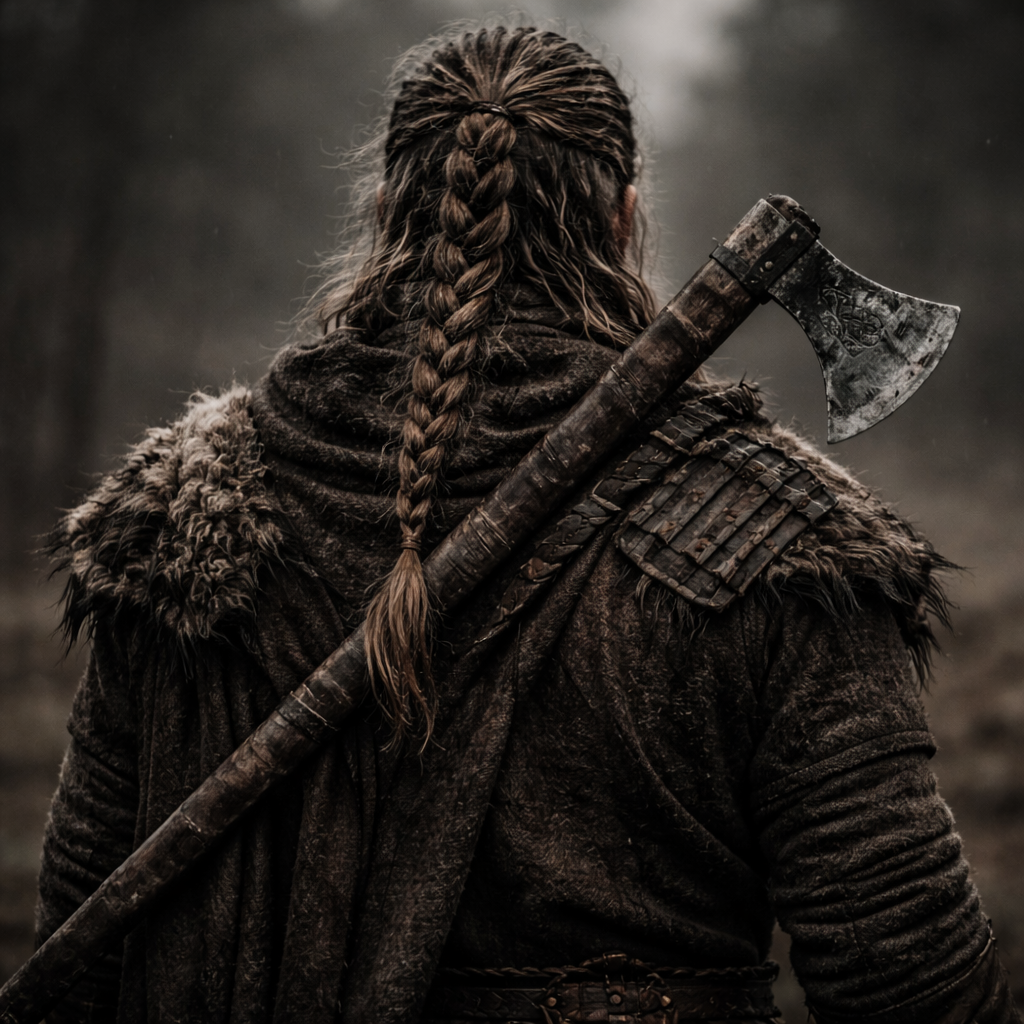
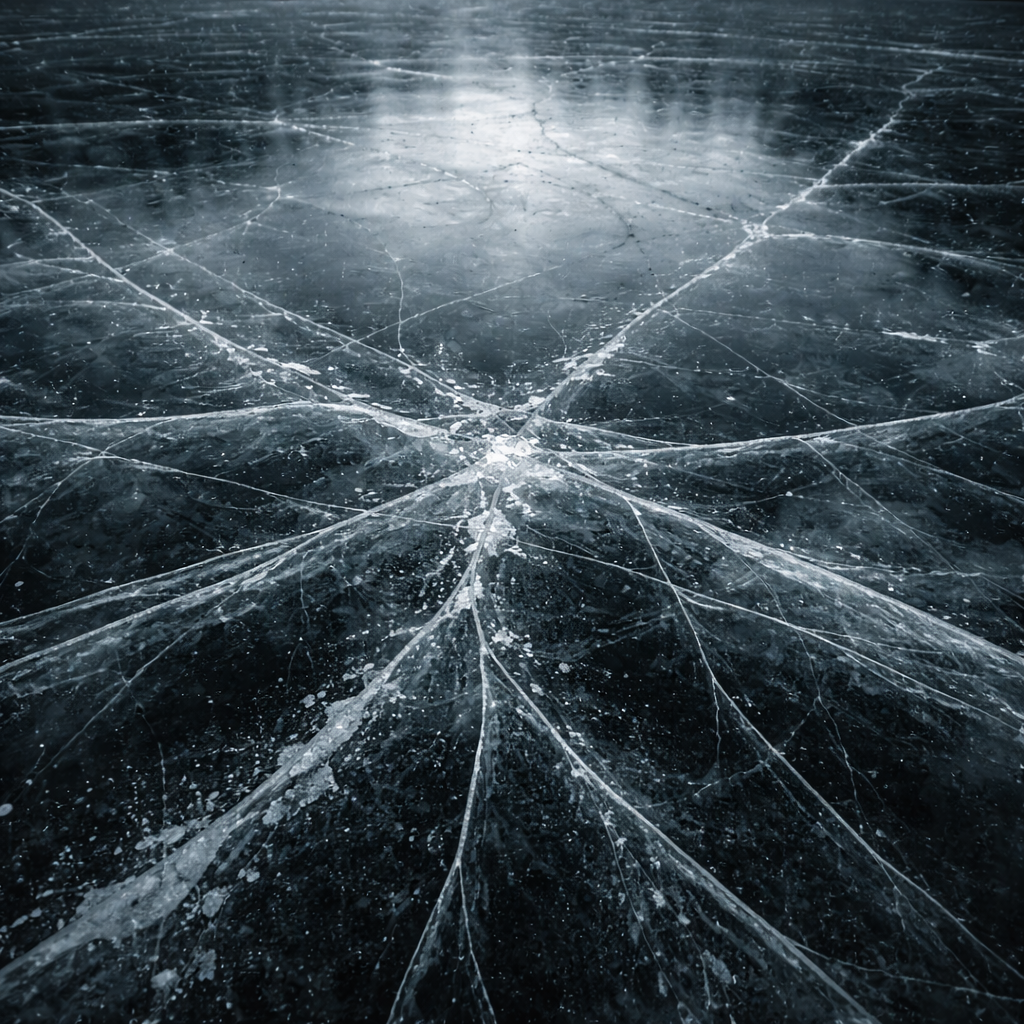
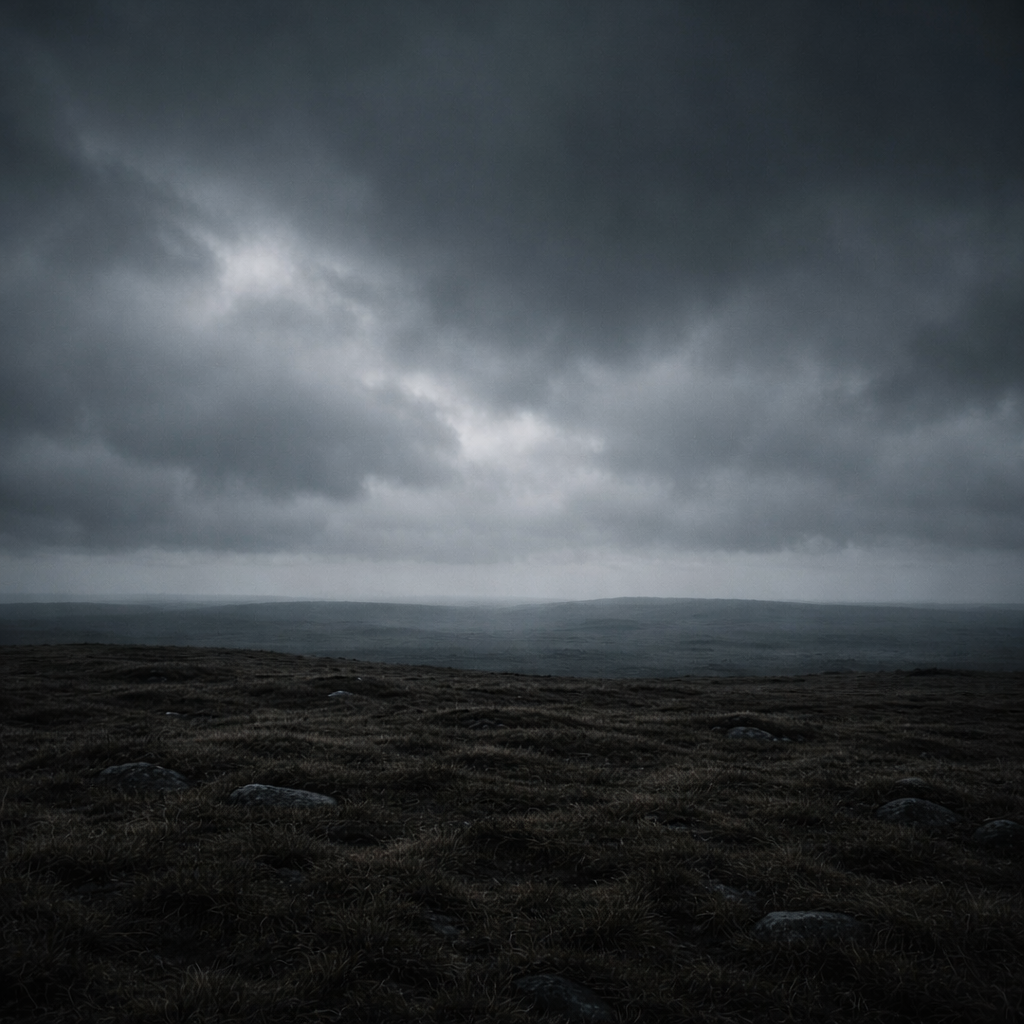
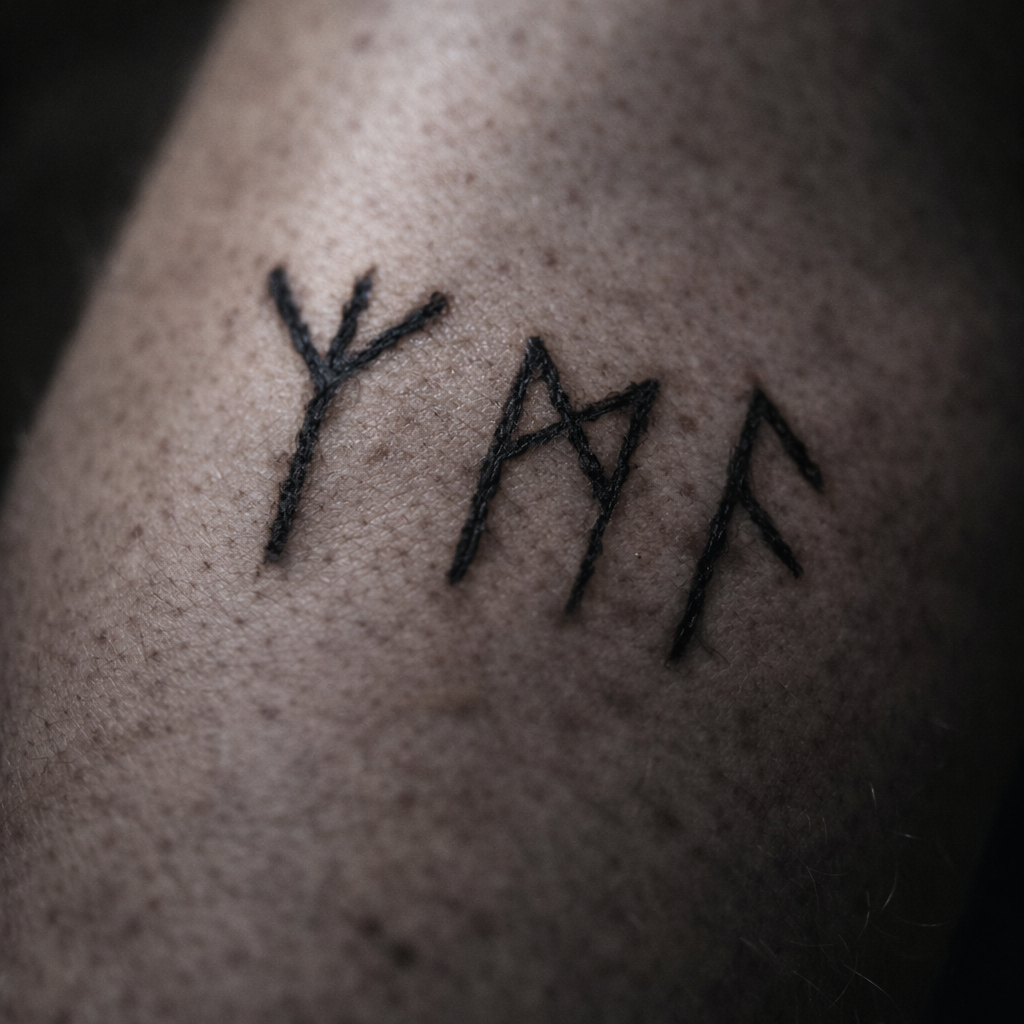
Visual prompts are especially effective for Norse mythology writing, where atmosphere, scale, and silence often carry more meaning than explanation. Inspired by Scandinavian mythology, Viking landscapes, and mythic fantasy aesthetics, these images suggest story rather than define it.
Writers can use the visuals as story starters, setting inspiration, or mood anchors, asking what has just happened, what is inevitable, and whose choice matters most in the moment.
Go Deeper into Norse Mythology Writing
To develop Norse mythology stories beyond surface-level fantasy, encourage writers to lean into fate, restraint, and consequence rather than spectacle or victory.
◆ Focus on inevitability. Let characters act bravely even when outcomes are known.
◆ Treat the gods as forces rather than saviours. Their presence should complicate, not resolve.
◆ Use environment as meaning — snow, darkness, stone, and silence should shape emotion.
◆ Rewrite a scene twice: once from the perspective of belief, and once from doubt.
Final Thoughts
Norse mythology endures because it does not promise safety. Rooted in fate, sacrifice, and endurance, these stories explore what it means to act with honour when victory is uncertain and endings are already written.
These 70 Norse Mythology Writing Prompts for Teens are designed to help young writers practise atmosphere-driven storytelling, explore mythology-inspired fantasy, and build confidence in narratives shaped by meaning rather than spectacle. Whether used for classroom writing, creative warm-ups, or longer YA fantasy projects, the prompts encourage thoughtful risk-taking and emotional depth.
If you're looking for even more inspiration, explore the Mythology Writing Hub for gods, heroes, legendary creatures, epic quests, and mythology-inspired writing prompts, or browse the Creative Writing Archive to discover hundreds of prompts, story ideas, picture prompts, character collections, and genre guides across every style of creative writing.
Choose Your Next Adventure