70 Dark Fae & Folklore Writing Prompts: Fantasy Story Starters, Characters, Settings & Visual Ideas
Dark fae and folklore stories have existed long before modern fantasy aesthetics softened their edges. Rooted in fae mythology, Celtic folklore, and old European folk traditions, these stories explore bargains, boundaries, transformation, and power — often through silence rather than spectacle. In dark fae tales, beauty conceals danger, kindness carries a price, and the supernatural operates according to laws that do not bend for human comfort.
Dark fae folklore writing prompts invite teen writers to explore fantasy storytelling that prioritises atmosphere, restraint, and moral tension over action-driven plots. Rather than focusing on glittering courts or romanticised magic, these prompts draw on folklore-inspired fantasy, mythical creature lore, and the unsettling logic of fae rules — encouraging stories about temptation, debt, exile, and the cost of crossing unseen thresholds.
This collection of 70 Dark Fae & Folklore Writing Prompts for Teens is designed as a complete creative toolkit, combining plot hooks, title ideas, opening and closing lines, character concepts, setting prompts, and visual inspiration. The prompts work equally well for creative writing lessons, English classrooms, writing clubs, journaling, or longer YA fantasy projects, offering young writers a structured way to explore dark fantasy, fae mythology, and folklore storytelling with depth and control.
If you’re looking for more inspiration, you can explore the Horror Writing Hub, the Fantasy Writing Hub, the Fairytale and Folklore Writing Prompts Hub or browse the Creative Writing Archive for a wider range of atmospheric and genre-based ideas.
1. Plot Hooks
Dark fae plot hooks often centre on rules — spoken and unspoken — and the consequences of misunderstanding them. Drawing on fae mythology and folklore traditions, these stories explore bargains, protection, punishment, and survival rather than heroism. Each prompt below offers atmosphere first, allowing writers to build tension through implication, restraint, and moral choice.
Write about a village that leaves offerings at the forest edge every winter — and the year the offerings are returned untouched.
Write about a human chosen to act as a messenger between the fae and the town, who realises the messages are deliberately incomplete.
Write about a forest path that only appears for people who are already lost, and what it demands in exchange for safe passage.
Write about a fae court that protects the land from disaster, but only as long as one human remains behind as collateral.
Write about a child who disappears into the woods for one night and returns unchanged, except for one rule they refuse to break.
Write about a bargain made generations ago that no one remembers agreeing to, but everyone is still paying for.
Write about a fae protector whose role is not to save humans, but to decide which ones are worth sparing.
Write about a boundary stone that marks where the fae realm begins — and what happens when it is quietly moved.
Write about a human who is granted protection by the fae, only to realise protection and freedom are not the same thing.
Write about a village festival that unknowingly reenacts an ancient ritual meant to keep something sealed.
2. Title Ideas
Dark fae story titles often suggest danger and consequence rather than revealing plot. Influenced by folklore fantasy, fae mythology, and Gothic traditions, these titles rely on implication, symbolism, and mood — making them ideal for YA fantasy stories, short fiction, and atmospheric writing tasks.
The Forest That Counts Names
What Was Owed
The Bargain Beneath the Roots
Where the Path Appears
The Debt We Inherited
Those Who Were Left Behind
The Rule No One Broke
A Kindness That Was Remembered
The Boundary Stone
What the Forest Took
3. Opening Lines
Strong dark fae opening lines establish unease before explanation. Drawing on folklore-inspired fantasy and mythical creature lore, these openings prioritise voice, atmosphere, and implication — allowing tension to build quietly rather than through immediate action.
The forest did not open for everyone, but it opened for me.
We were warned never to thank them.
The bargain existed long before I learned my part in it.
The fae did not threaten us — they simply waited.
I crossed the boundary stone without realising it had been moved.
Everyone else heard kindness in their voices; I heard conditions.
The path appeared only after I stopped looking for a way out.
They promised to keep me safe, not to let me leave.
The gift was already in my hands when I understood its cost.
The forest remembered my name even when I tried to forget it.
4. Closing Lines
Dark fae stories rarely end with victory or certainty. Rooted in fae mythology and folklore traditions, these endings suggest consequence, survival, or irreversible change — allowing the supernatural to remain present even after the story closes.
The forest closed behind me, as if it had never opened at all.
Nothing followed me home, except the knowledge that I was no longer unclaimed.
The bargain was fulfilled, though not in the way I had hoped.
By morning, the village was unchanged — only I knew what had been preserved.
They kept their word, and I learned why the fae value precision.
The path vanished, leaving no proof that it had ever existed.
I was allowed to leave, carrying only what I had agreed to lose.
The forest did not pursue me, which felt worse than being chased.
What was taken could not be returned, only remembered.
I realised too late that survival had always been the compromise.
5. Character Ideas
Dark fae characters are shaped by power imbalance, obligation, and restraint rather than clear morality. Drawing on fae mythology, folklore fantasy, and Gothic tradition, these ideas encourage character-driven storytelling rooted in choice and consequence.
A human raised near a fae boundary who understands the rules better than the adults who fear them.
A fae protector tasked with guarding a human settlement, slowly questioning whether protection is an act of mercy or control.
A villager chosen as part of an ancient bargain, trying to decide whether survival is worth the role they must play.
A fae messenger who is forbidden from lying but allowed to omit crucial truths.
A human who can hear the forest respond, even when no one else believes it speaks.
A fae who believes humans misunderstand cruelty, and sets out to correct them.
A boundary keeper whose role is to enforce rules no one remembers agreeing to.
A child returned from the fae realm with no visible changes, except an unbreakable loyalty.
A fae outcast punished not for rebellion, but for mercy.
A human intermediary who begins to realise they are being shaped into something no longer entirely human.
6. Setting Ideas
Dark fae settings often exist at thresholds — between safety and danger, memory and forgetting, protection and captivity. Drawing on folklore-inspired fantasy, these locations treat place as an active force rather than a backdrop.
A forest edge where the trees subtly rearrange themselves overnight.
A village built beside an unseen boundary, protected as long as certain rules are obeyed.
A clearing used for bargains, where no one can remember what was promised once they leave.
A stone circle that marks territory rather than ceremony.
A woodland path that only appears at dusk, vanishing by morning.
A ruined estate reclaimed by the fae, preserved exactly as it was left.
A settlement that thrives unnaturally well, raising quiet suspicion about who benefits.
A river believed to mark the edge of the fae realm, where reflections behave incorrectly.
A forest hollow where names are taken rather than given.
A borderland where human time and fae time no longer align.
7. Picture Prompts
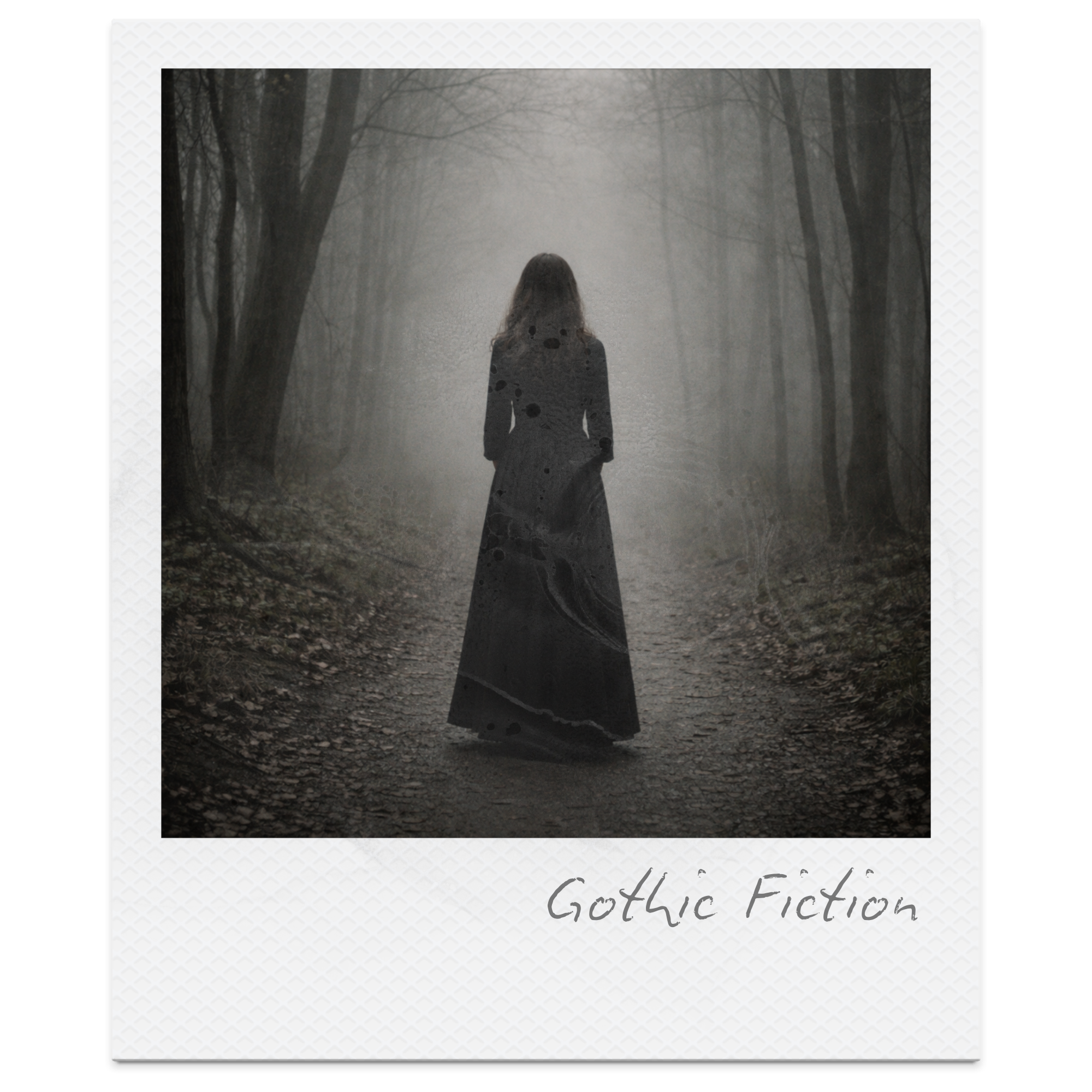
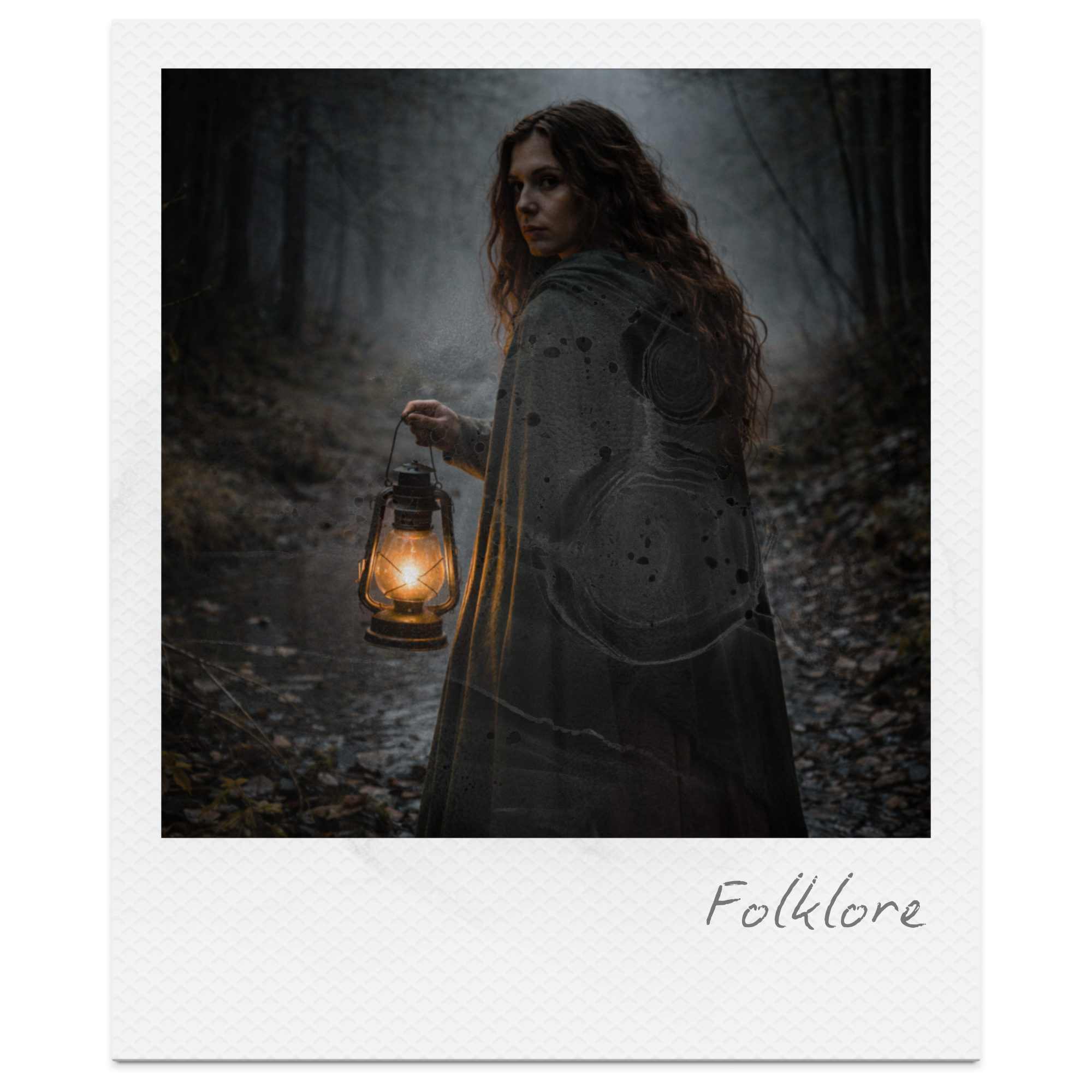
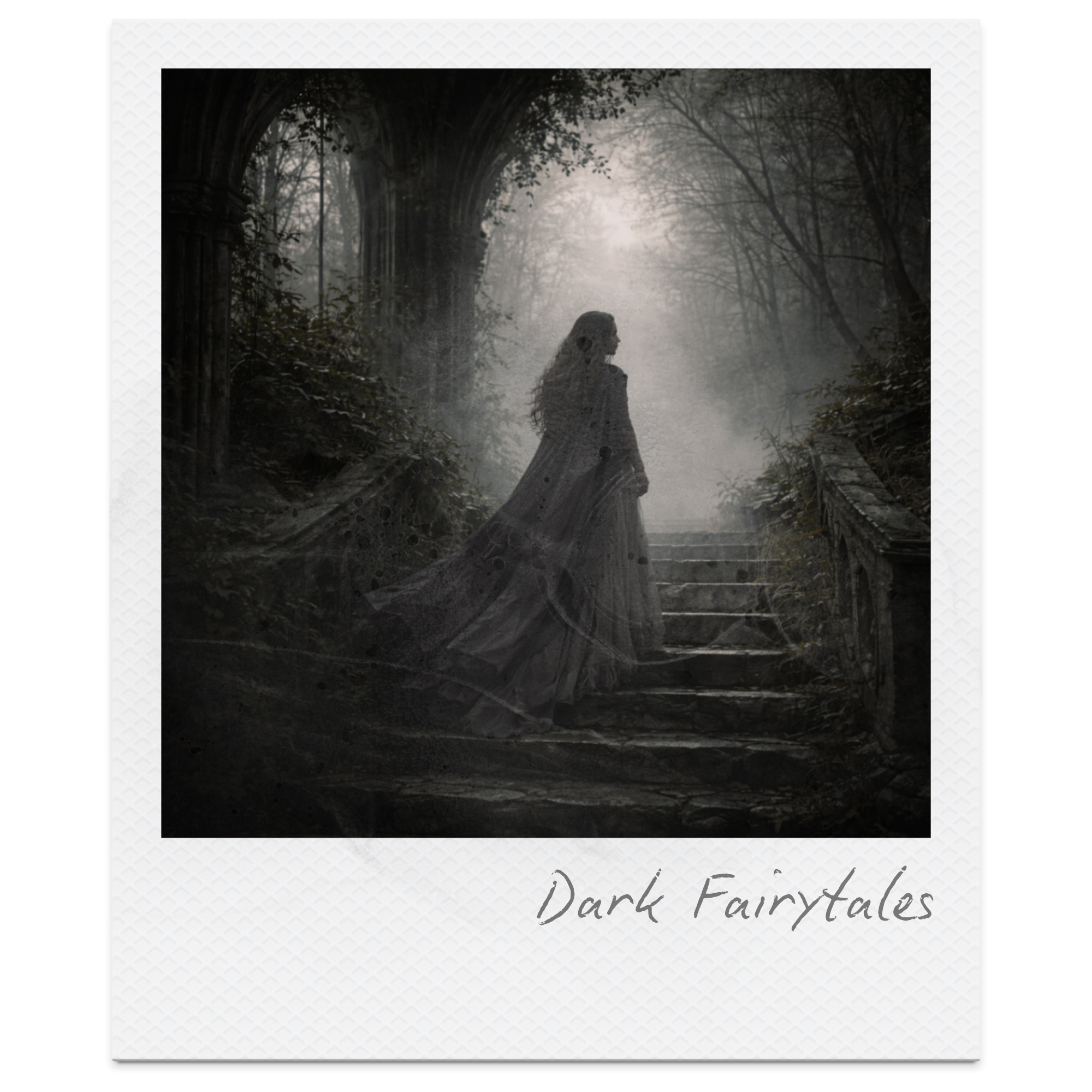
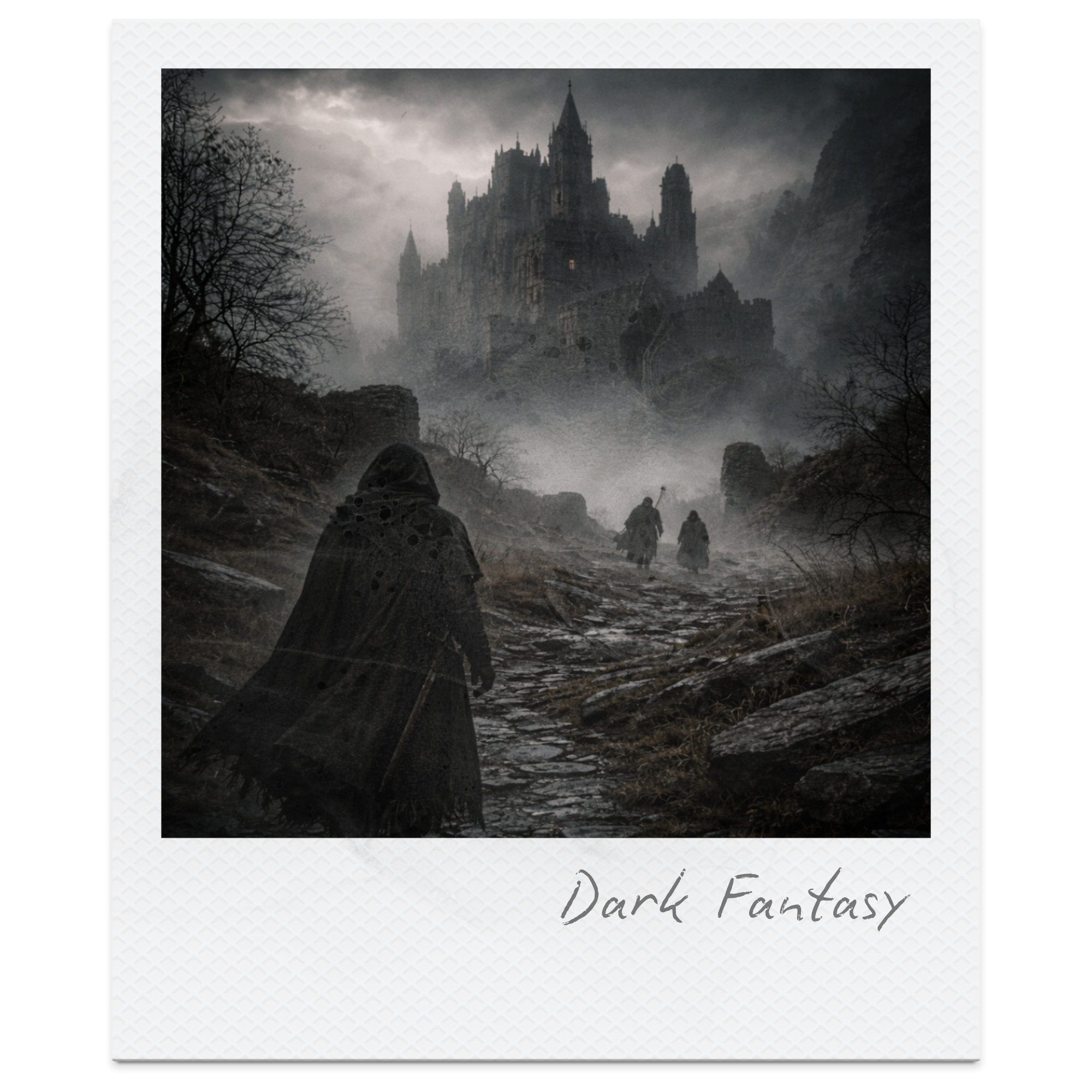
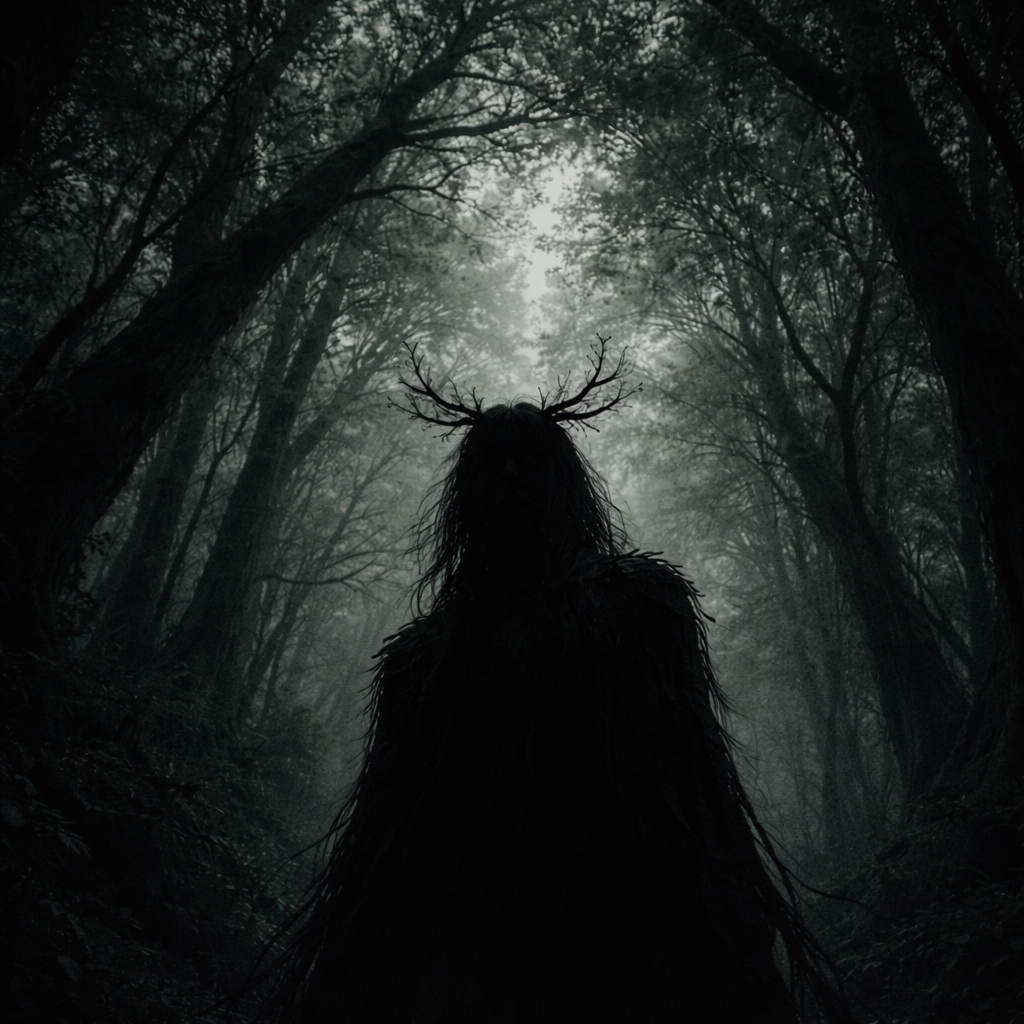
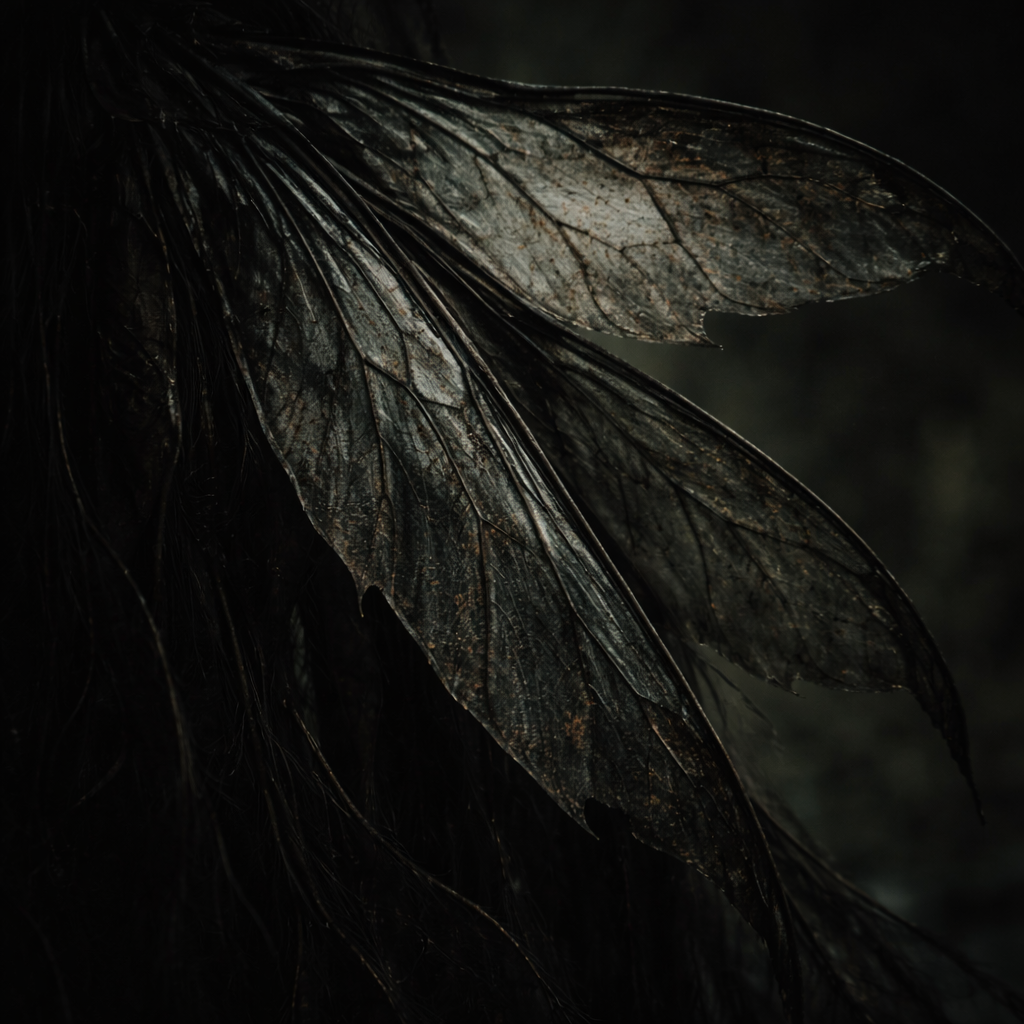
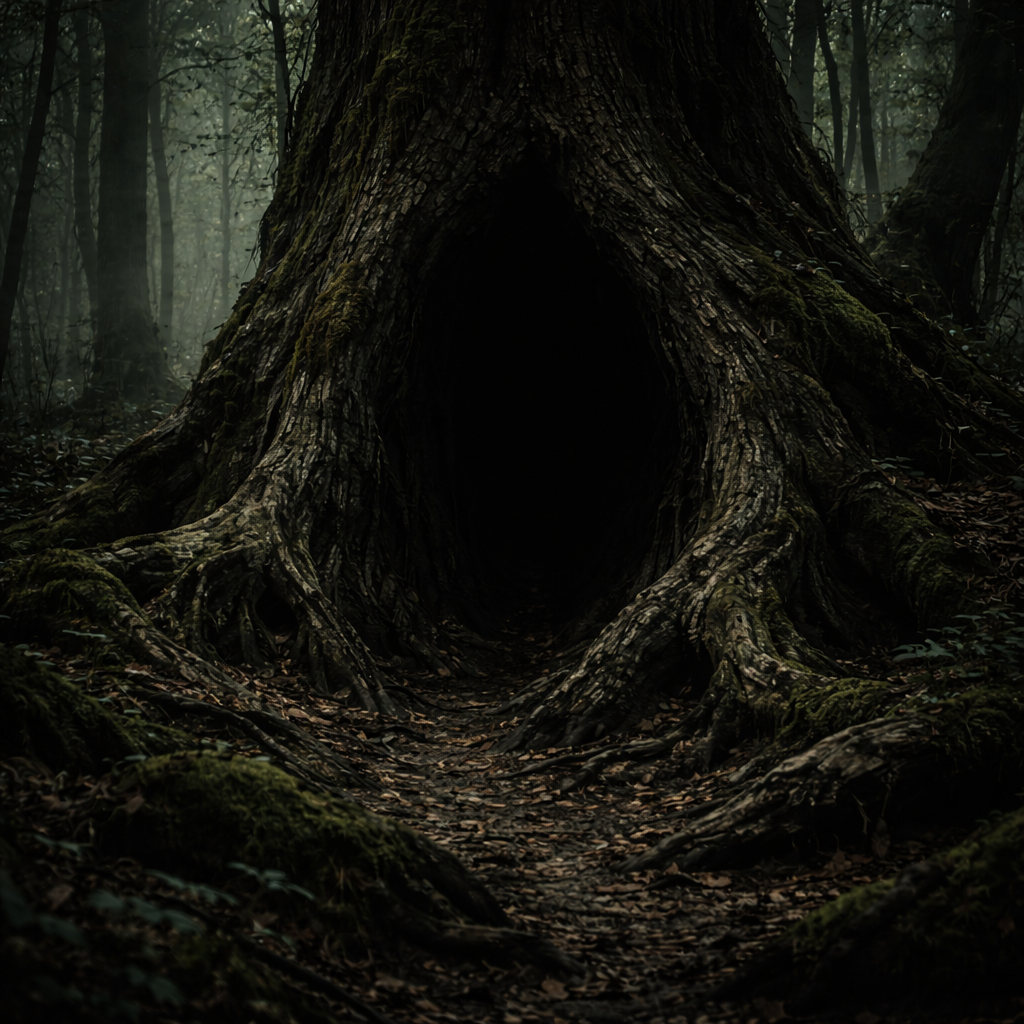
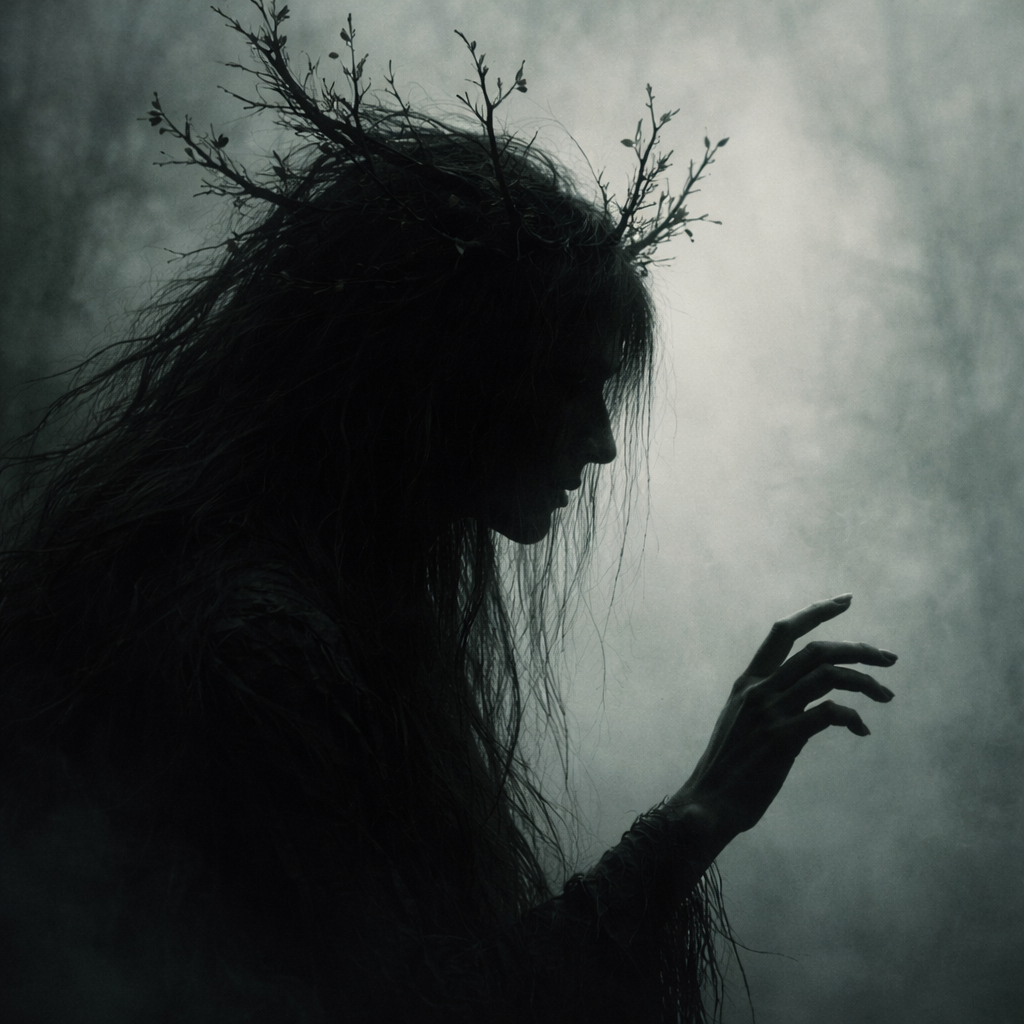
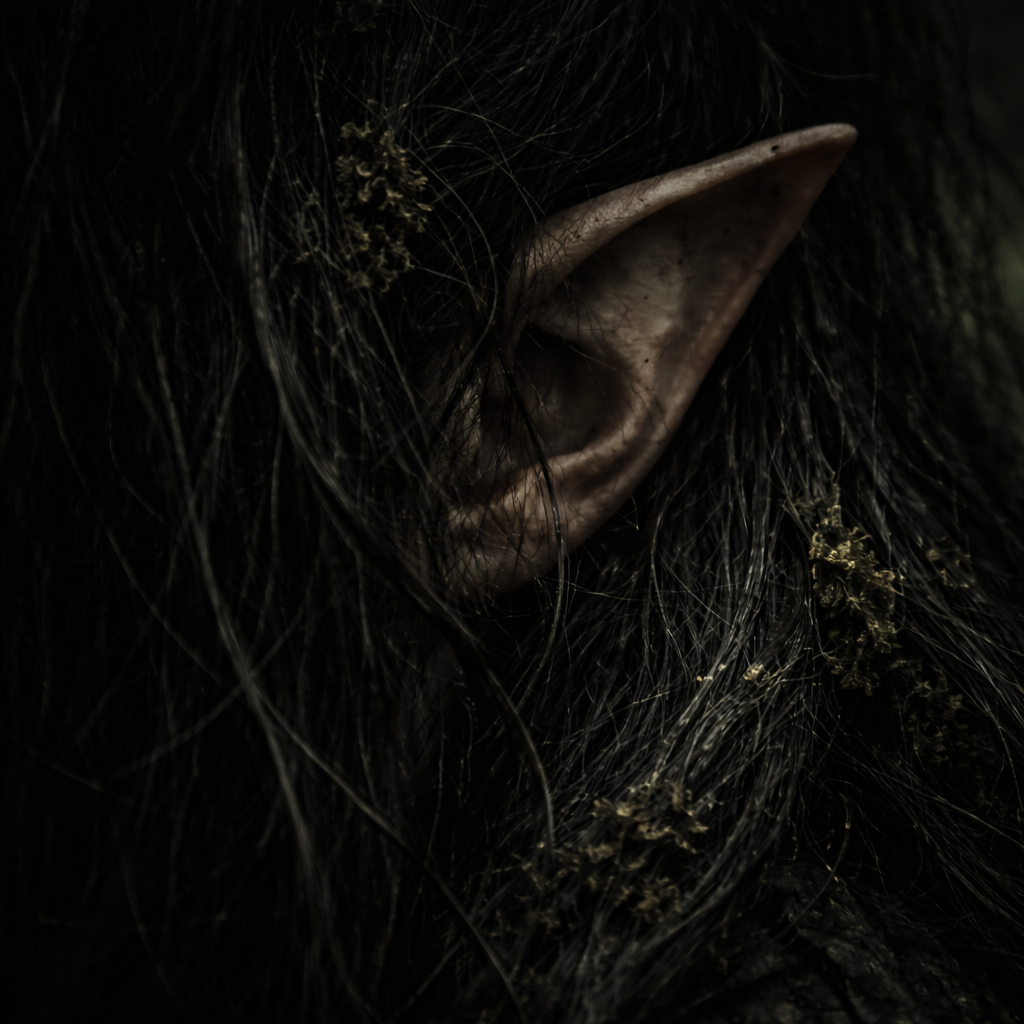
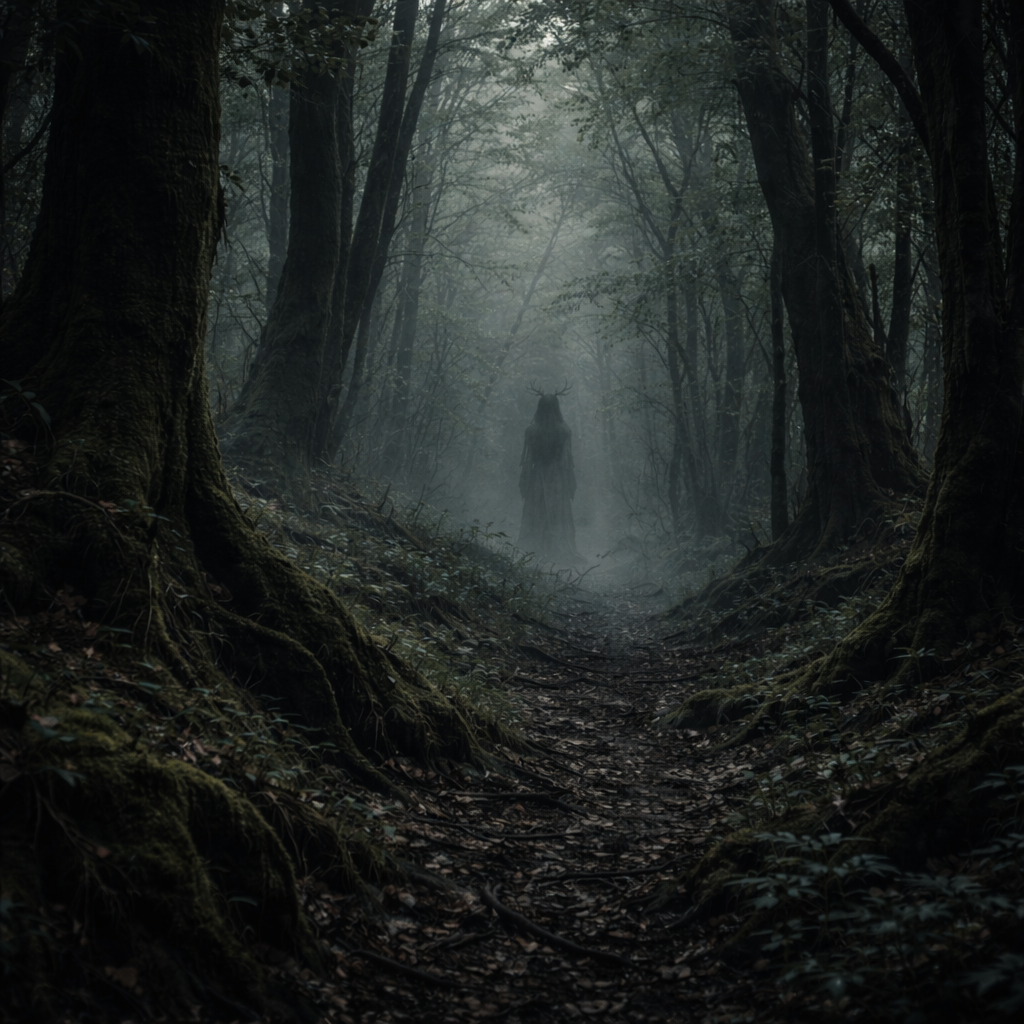
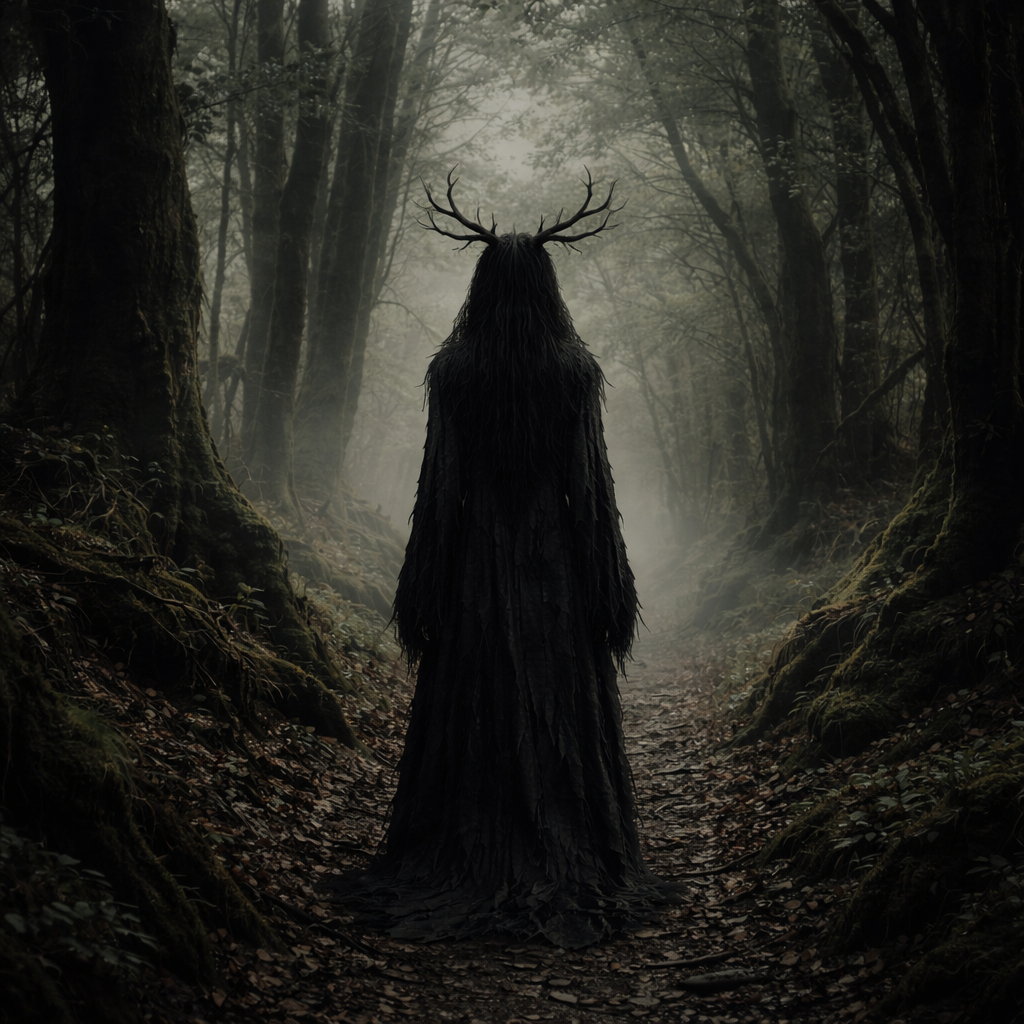
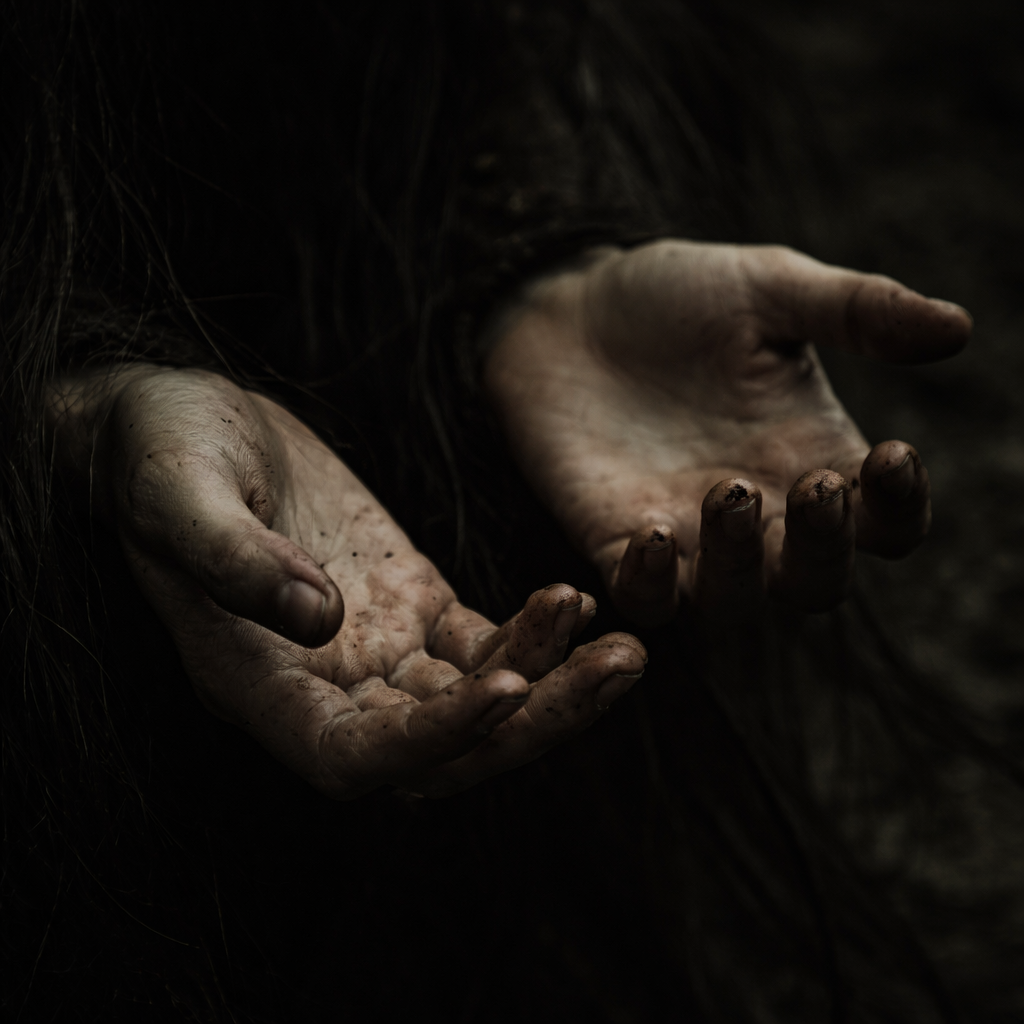
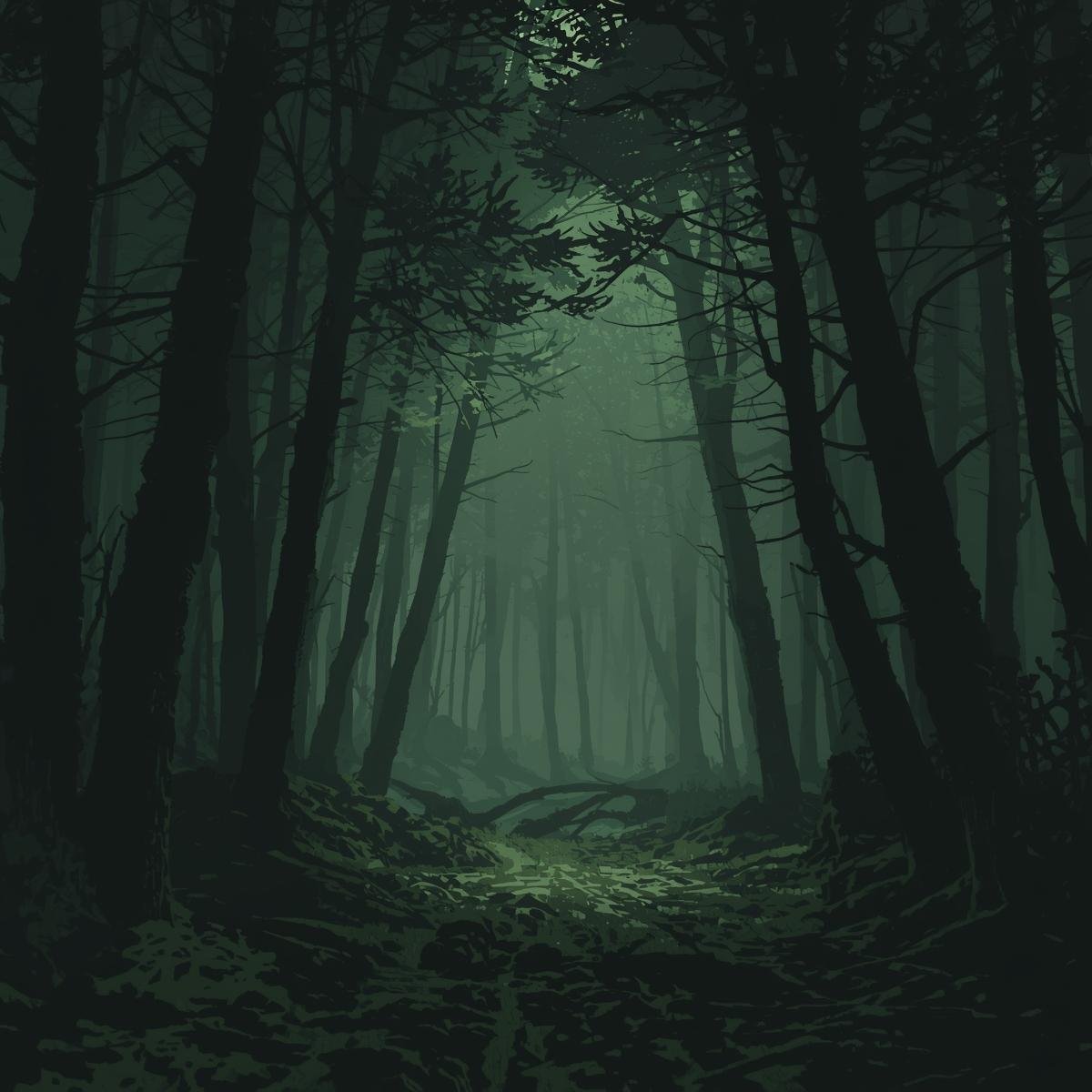
Visual prompts are especially effective for dark fae storytelling, where atmosphere, distance, and implication matter more than clarity. Inspired by fae mythology and folklore fantasy, these images are designed to suggest story rather than define it — encouraging interpretation through shadow, scale, and absence.
Rather than depicting the fae directly, these visuals focus on hinted presence: disturbed ground, half-seen figures, unnatural light, or landscapes that feel observed. They work well as story starters, mood anchors, or descriptive writing prompts, asking writers to consider what happened before the moment captured — and what rules govern what cannot be seen.
Used alongside the prompts above, visual cues support fantasy writing prompts for teens that prioritise atmosphere, symbolism, and interpretive thinking over literal realism.

Go Deeper into Dark Fae & Folklore Writing
To move beyond surface-level fantasy, encourage writers to lean into folklore logic rather than modern storytelling expectations. Dark fae stories are most effective when the supernatural operates with consistency, restraint, and indifference to human comfort.
◆ Rewrite a prompt by focusing on a single rule or condition, and explore how that rule shapes every choice a character makes.
◆ Replace external conflict with obligation. Instead of battles or rescues, write about waiting, compliance, or quiet resistance.
◆ Experiment with implication. Remove explanations of magic and allow meaning to emerge through consequence.
◆ Write a scene where the fae never appear directly — only their influence does.
Final Thoughts
Dark fae and folklore stories endure because they reflect uncomfortable truths about power, protection, and survival. Rooted in fae mythology, folklore traditions, and dark fantasy, these narratives explore what happens when safety comes with conditions, and when survival requires compromise rather than heroism.
These 70 Dark Fae & Folklore Writing Prompts for Teens are designed to help young writers practise atmosphere-driven storytelling, develop confidence in restraint and ambiguity, and engage with folklore-inspired fantasy that values mood, symbolism, and consequence over spectacle. Whether used for short creative tasks, classroom lessons, writing clubs, or longer YA fantasy projects, the prompts support thoughtful, disciplined storytelling grounded in myth rather than modern fantasy tropes.
If you’re looking for more inspiration, you can explore the Horror Writing Hub, the Fantasy Writing Hub, the Fairytale and Folklore Writing Prompts Hub or browse the Creative Writing Archive for a wider range of atmospheric and genre-based ideas.
Choose Your Next Adventure