70 Folklore Writing Prompts: Myths, Legends, Warnings & Old Stories Reimagined
Folklore stories have been passed down for centuries, long before they were written, archived, or categorised as literature. Rooted in myths and legends, oral storytelling traditions, and folk beliefs, these stories were designed to explain the world, enforce unspoken rules, and warn listeners about what happens when boundaries are crossed. Folklore rarely offers neat morals or happy endings; instead, it leaves behind fragments — half-remembered tales shaped by place, fear, belief, and consequence.
These folklore writing prompts invite writers to explore mythic storytelling that prioritises atmosphere, symbolism, and meaning over spectacle. Drawing on folk traditions, local legends, and ancient myths, the prompts encourage stories where magic feels quiet and dangerous, knowledge is incomplete, and characters must navigate rules they don’t fully understand. Rather than retelling familiar tales, this collection focuses on reimagining folklore as living narrative — shaped by memory, place, and human choice.
This collection of 70 Folklore Writing Prompts is designed as a complete creative toolkit, combining plot hooks, character ideas, setting prompts, opening and closing lines, and ekphrastic picture prompts inspired by global folklore traditions. The prompts work equally well for creative writing lessons, English classrooms, writing clubs, or independent writing projects, offering a structured way to explore folklore through original storytelling rather than imitation.
If you’re looking for more inspiration, you can explore the Fairytale and Folklore Writing Prompts Hub or browse the Creative Writing Archive for a wider range of atmospheric and genre-based ideas.
1. Plot Hooks
Folklore plot hooks are built around unspoken rules, local knowledge, and stories that exist as warnings rather than entertainment. These narratives often centre on thresholds — between safety and danger, belonging and exile, memory and forgetting. The prompts below draw on myths and legends, folk traditions, and oral storytelling, offering atmosphere-first story starters that leave space for interpretation and original reimagining.
Write about a village that follows a strange tradition every year, long after the reason for it has been forgotten — until someone refuses to take part.
Write about a warning passed down through generations that has always been treated as superstition, and the moment it is finally ignored.
Write about a forest path everyone avoids, not because it is dangerous, but because those who return never describe it the same way.
Write about a child who grows up hearing a story meant to keep them safe, only to realise it was also meant to keep something else contained.
Write about a household rule that makes no sense until a visitor asks what happens if it is broken.
Write about a local legend tied to a specific place — a bridge, a well, a crossroads — and the person who learns why offerings were once left there.
Write about a community that believes forgetting is safer than remembering, and the storyteller tasked with keeping certain stories alive anyway.
Write about a bargain made generations ago to protect a town, and the descendant who inherits the cost rather than the benefit.
Write about a tradition that only applies to outsiders, and what happens when someone born into the place refuses to be treated as an exception.
Write about a story that changes slightly every time it is told, and the realisation that the changes are deliberate rather than accidental.
2. Title Ideas
Folklore-inspired story titles often echo oral tradition rather than explanation. They suggest warnings, absences, and inherited knowledge, using language that feels older than the story itself. The titles below draw on myths and legends, folk belief, and local tradition, offering mood-driven options that leave space for interpretation.
The Story We Don’t Tell After Dark
What Was Promised at the Crossroads
The Rule Everyone Follows
Ashes for the River
The Last Night the Bell Rang
The Offering Was Not Optional
What the Forest Keeps
A Warning Passed Hand to Hand
The Place We Leave Alone
Because It Happened Once
3. Opening Lines
Strong folklore opening lines rarely explain themselves. Instead, they establish rules, warnings, or quiet certainty, allowing meaning to surface through implication rather than detail. These openings draw on oral storytelling traditions, where the voice sounds like it has been telling this story for a long time.
Everyone in the village knew not to go into the woods after the third bell, even if no one could remember why.
We were taught the rule before we were taught the reason.
The story was never meant for children, which is why it was always told when we were listening.
My grandmother called it superstition, but she still locked the door before saying the name out loud.
There was a time of year when the river belonged to us, and a time when it did not.
They said the offering was for protection, but no one ever explained who needed protecting.
Some stories are only told once, because the telling is part of what keeps them true.
The path had a name, but we stopped using it after the last person came back changed.
We learned the warning as a rhyme, long before we understood what it meant.
No one argued with tradition, not after what happened the first time someone tried.
4. Closing Lines
Folklore stories rarely end with certainty. Instead, they leave behind rules, absences, or knowledge that cannot be unlearned. These closing lines draw on myths and legends and folk storytelling traditions, allowing the story to stop at the moment where understanding arrives — not where everything is explained.
By morning, the village looked the same, but no one suggested breaking the rule again.
The story ended there, which is how we knew it was true.
We kept the tradition, even after forgetting what it was meant to save us from.
The path closed behind us, and no one tried to name what had been left on the other side.
Some warnings only make sense once they have been ignored.
The offering was accepted, though nothing was ever said out loud.
We stopped telling the story to outsiders, and eventually to ourselves.
The river carried the last trace away, as it always had.
No one argued with what happened next — tradition had already decided.
That was when we understood why the story had survived.
5. Character Ideas
Folklore characters are often shaped less by choice than by role — the part they are expected to play in a story that existed long before them. These character ideas draw on myths and legends, folk belief, and oral tradition, focusing on people caught between scepticism and duty, memory and forgetting, belonging and exile.
A young person raised to enforce a local rule they do not believe in, until they are forced to choose between tradition and responsibility.
A storyteller tasked with preserving a warning they are no longer allowed to fully understand.
A child who grows up knowing a rule applies only to them, without ever being told why.
An outsider welcomed into a community but quietly excluded from certain traditions — and what they discover by watching what is not shared.
A caretaker of a place no one visits anymore, whose role exists solely to make sure it stays that way.
A sceptic born into a family of believers, forced to take over a ritual they have always dismissed as superstition.
A descendant who inherits the cost of an old bargain without ever receiving its protection.
A villager chosen each generation to remember a story everyone else is encouraged to forget.
A guardian figure whose authority comes from custom rather than power, and who knows exactly what will happen if they fail.
A character who realises too late that breaking tradition doesn’t cause immediate disaster — it delays it.
6. Setting Ideas
Folklore settings are rarely neutral. They are places shaped by what has happened before and by what people believe might happen again. Often tied to boundaries — between safety and danger, land and water, the living and the remembered — these settings allow atmosphere and history to do much of the storytelling.
A village built around a feature everyone avoids naming — a hill, a tree, a well — that quietly determines local rules and behaviour.
A forest path that only appears at certain times of year, treated as common knowledge by locals and denied to outsiders.
A crossroads where offerings were once left, now paved over or forgotten, though accidents continue to happen there.
A river that divides a community, with strict traditions about when it can be crossed and who is allowed to do so.
A house at the edge of a settlement that has always been occupied, though no one can remember the names of the people who lived there before.
A field used for gatherings and celebrations, carefully avoided on specific nights for reasons no one explains.
A bridge no one crosses alone, even in daylight.
A churchyard, graveyard, or burial ground where the boundaries between respect and fear have quietly blurred.
A market square where one stall is never used, regardless of demand.
A coastline or shoreline marked by stories meant to keep people away rather than draw them closer.
7. Picture Prompts
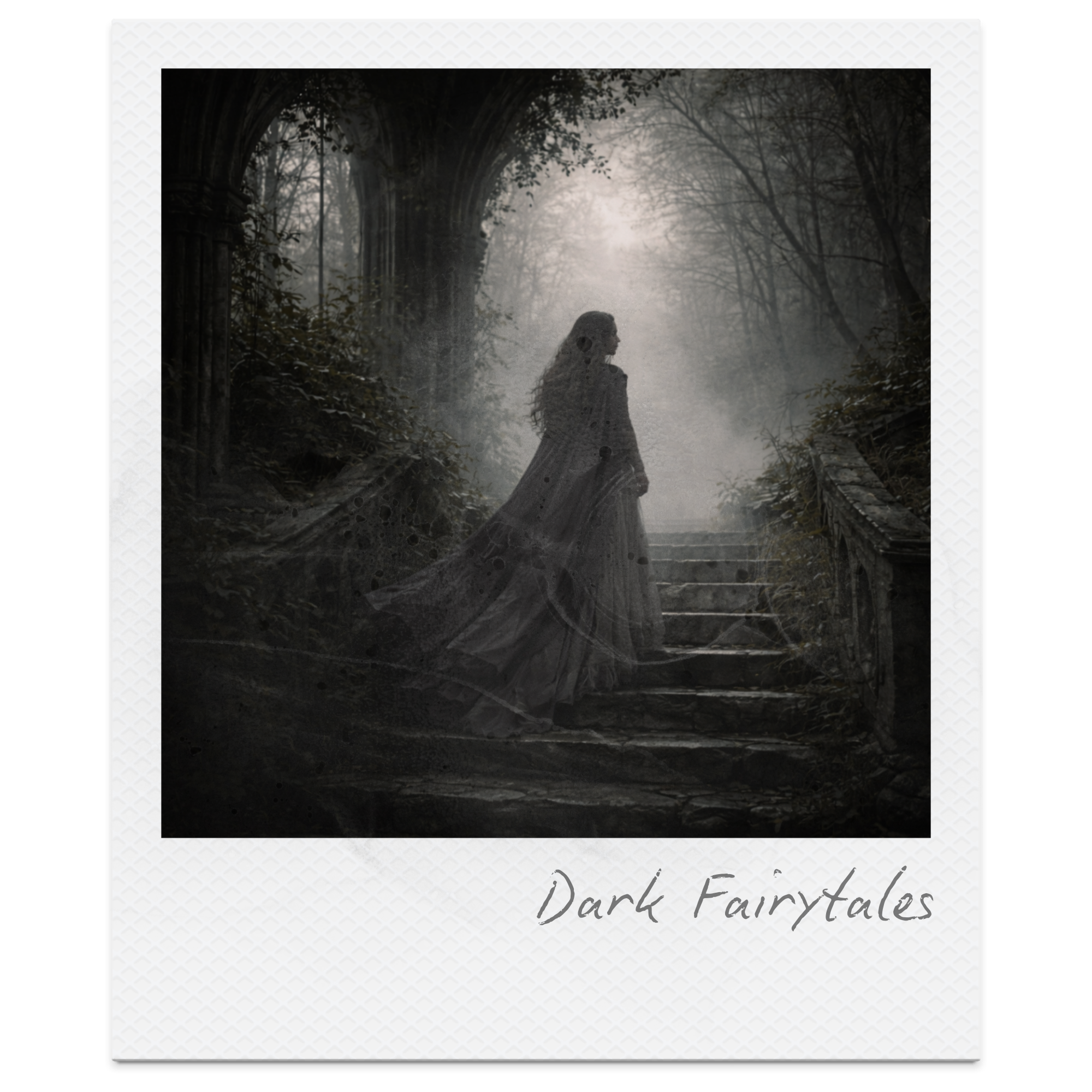
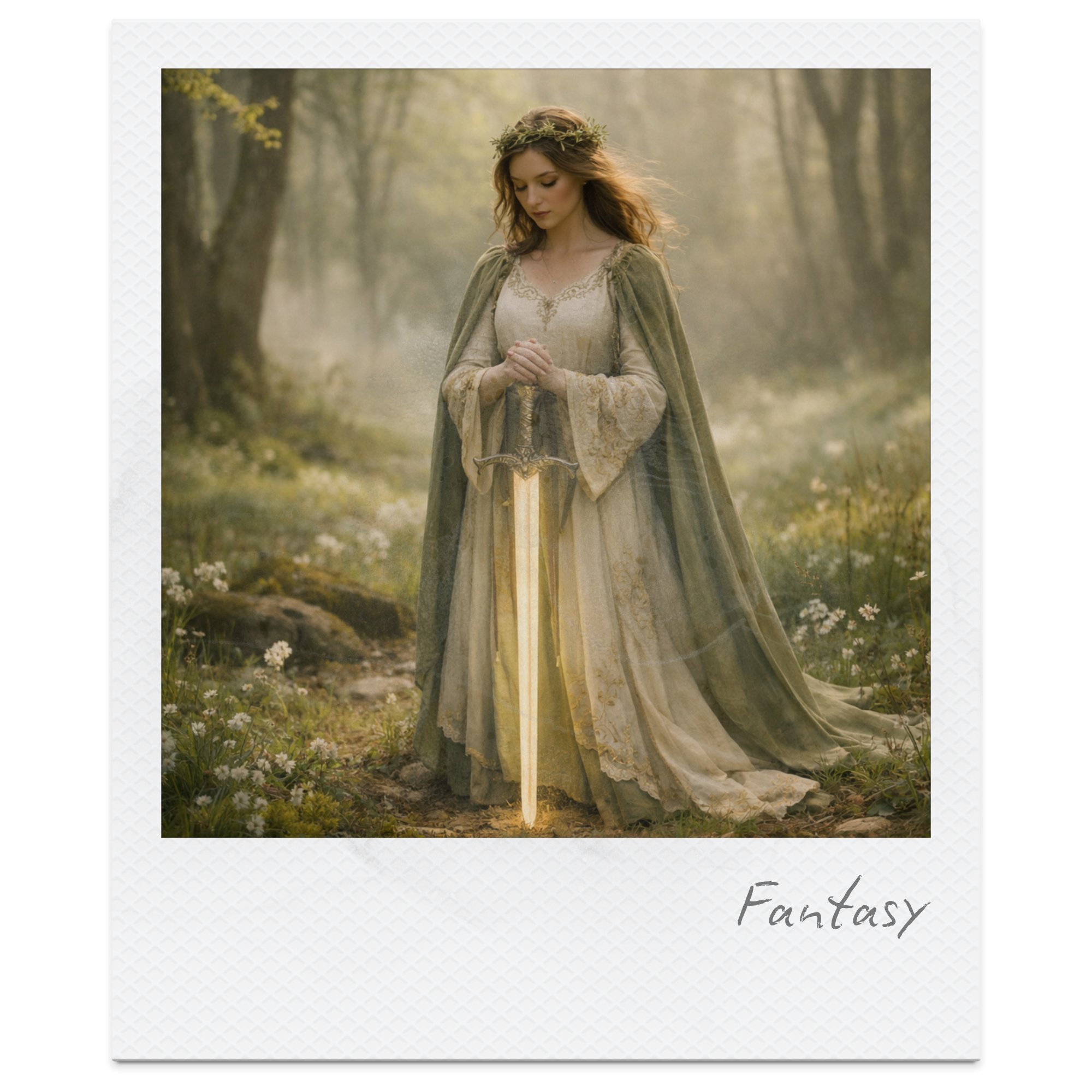
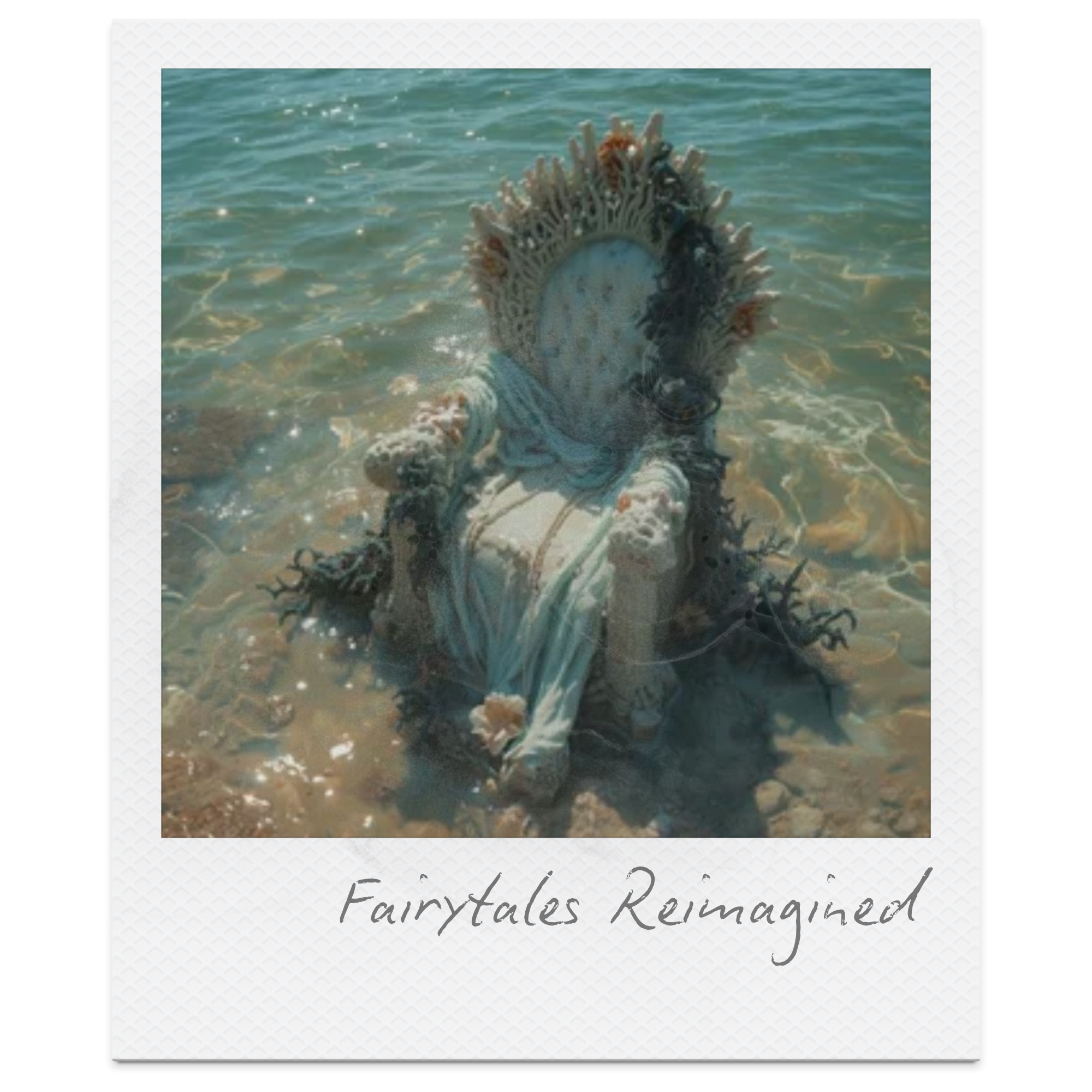
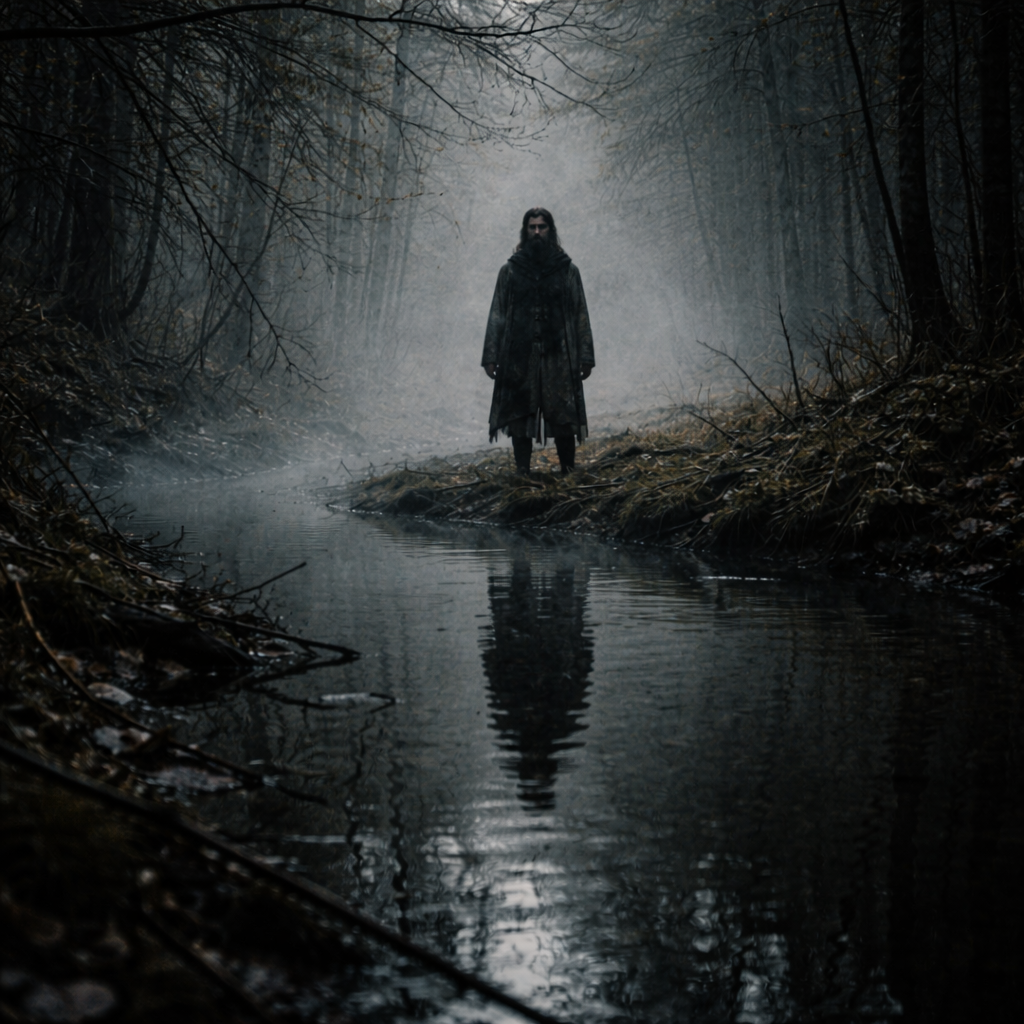
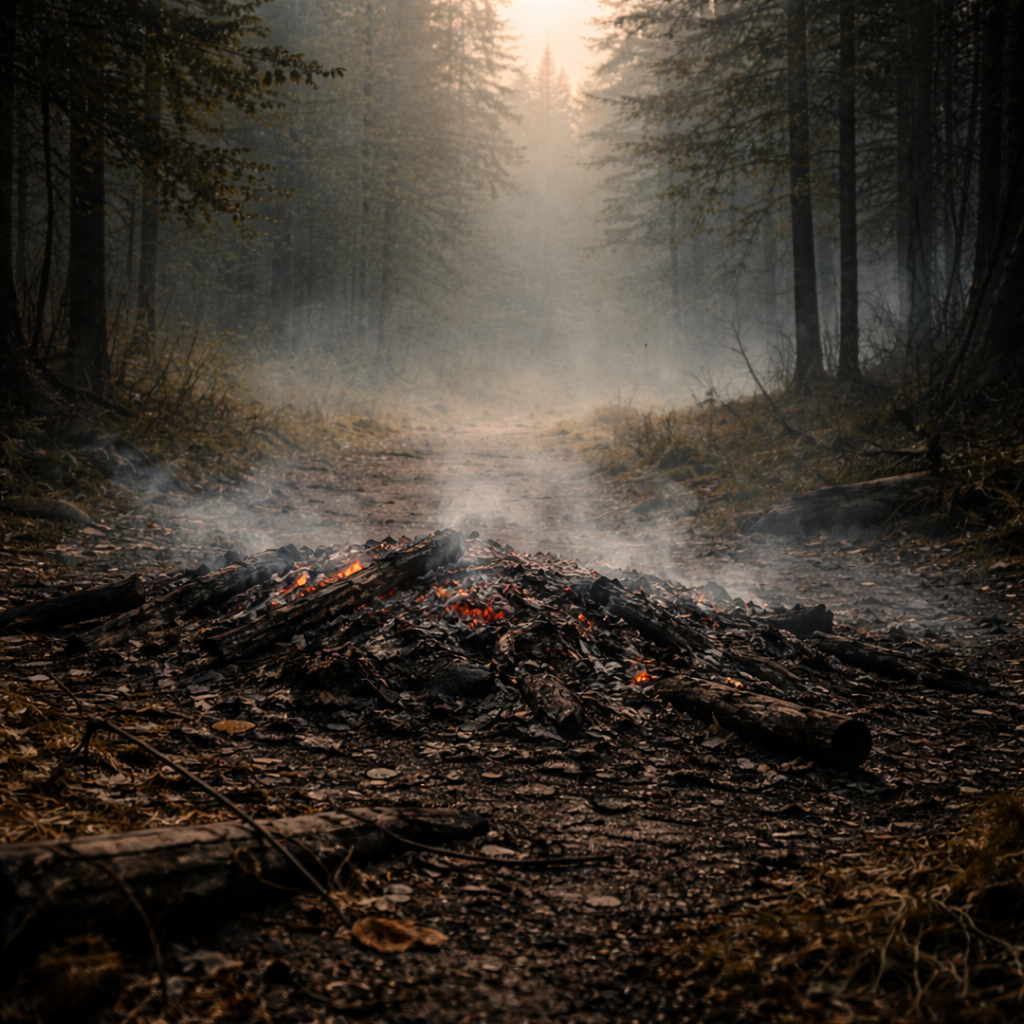
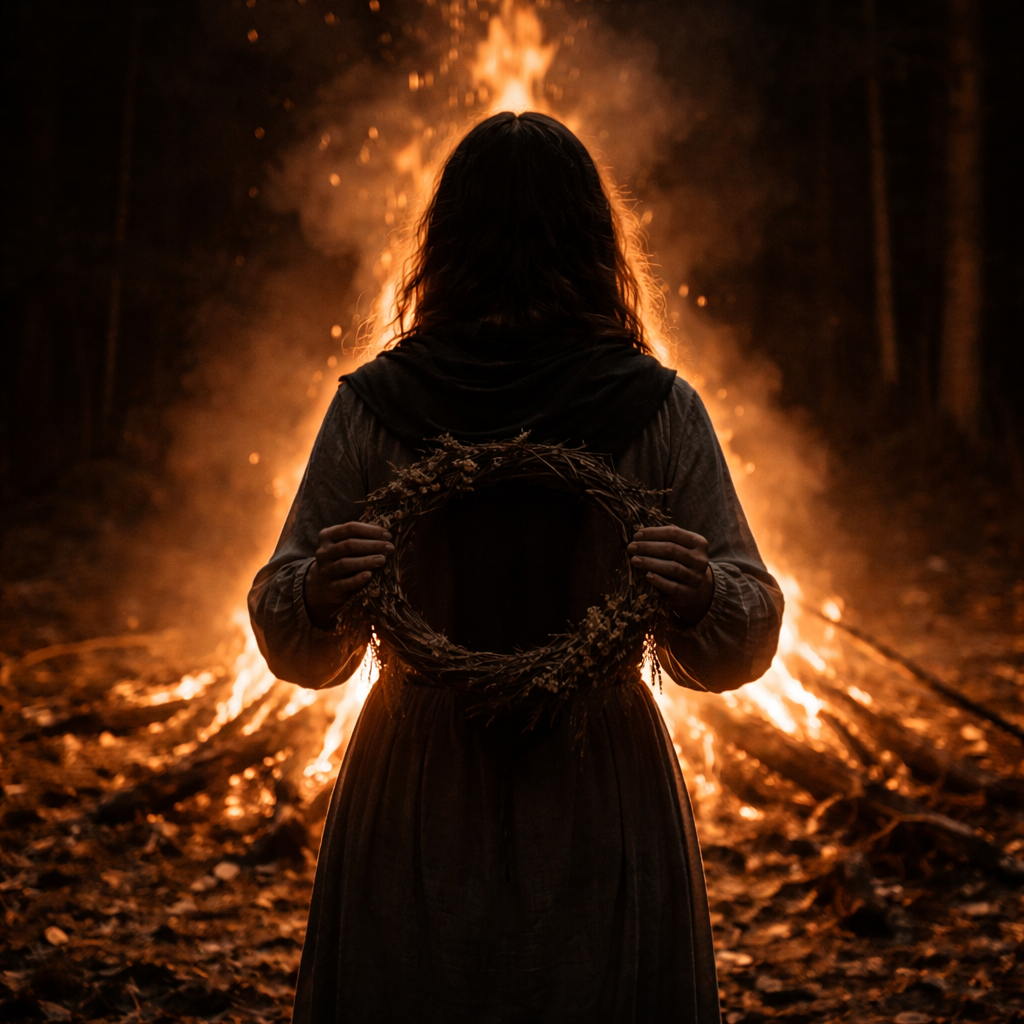
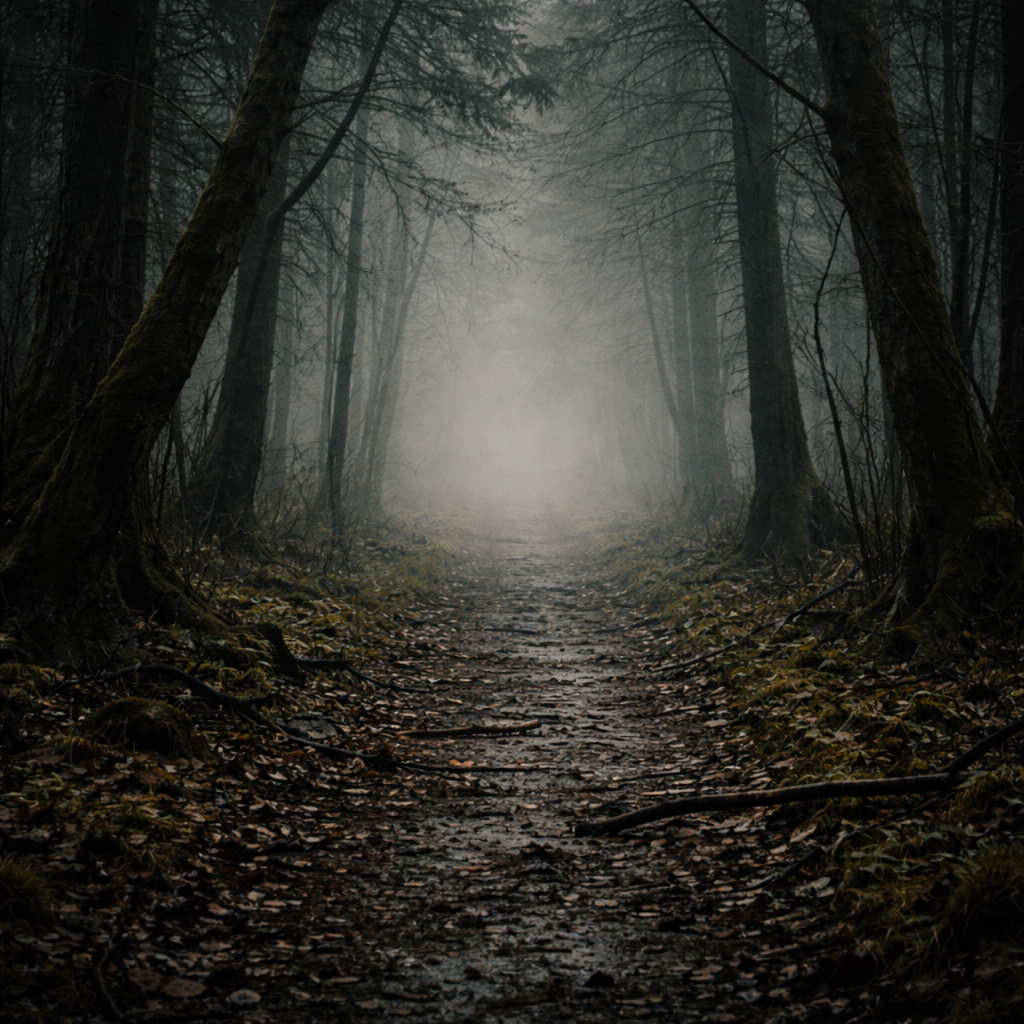
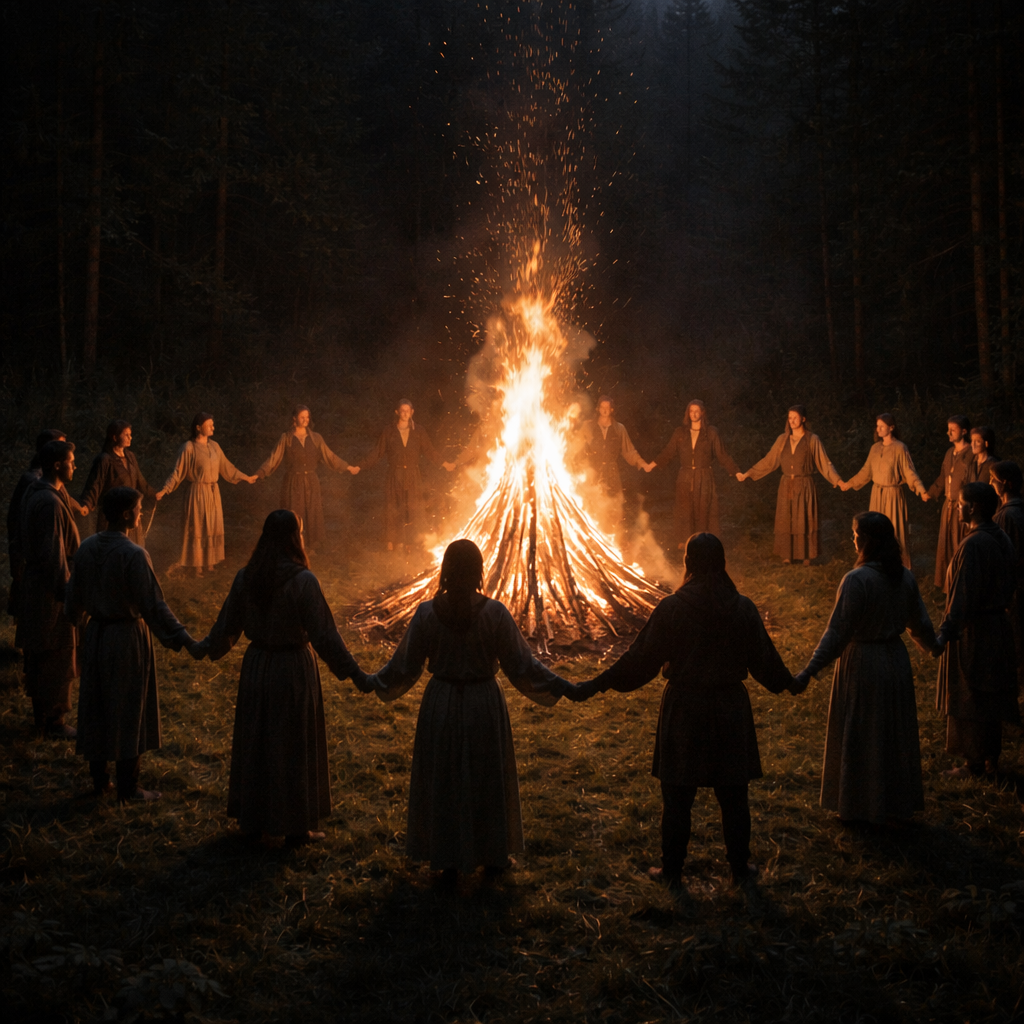
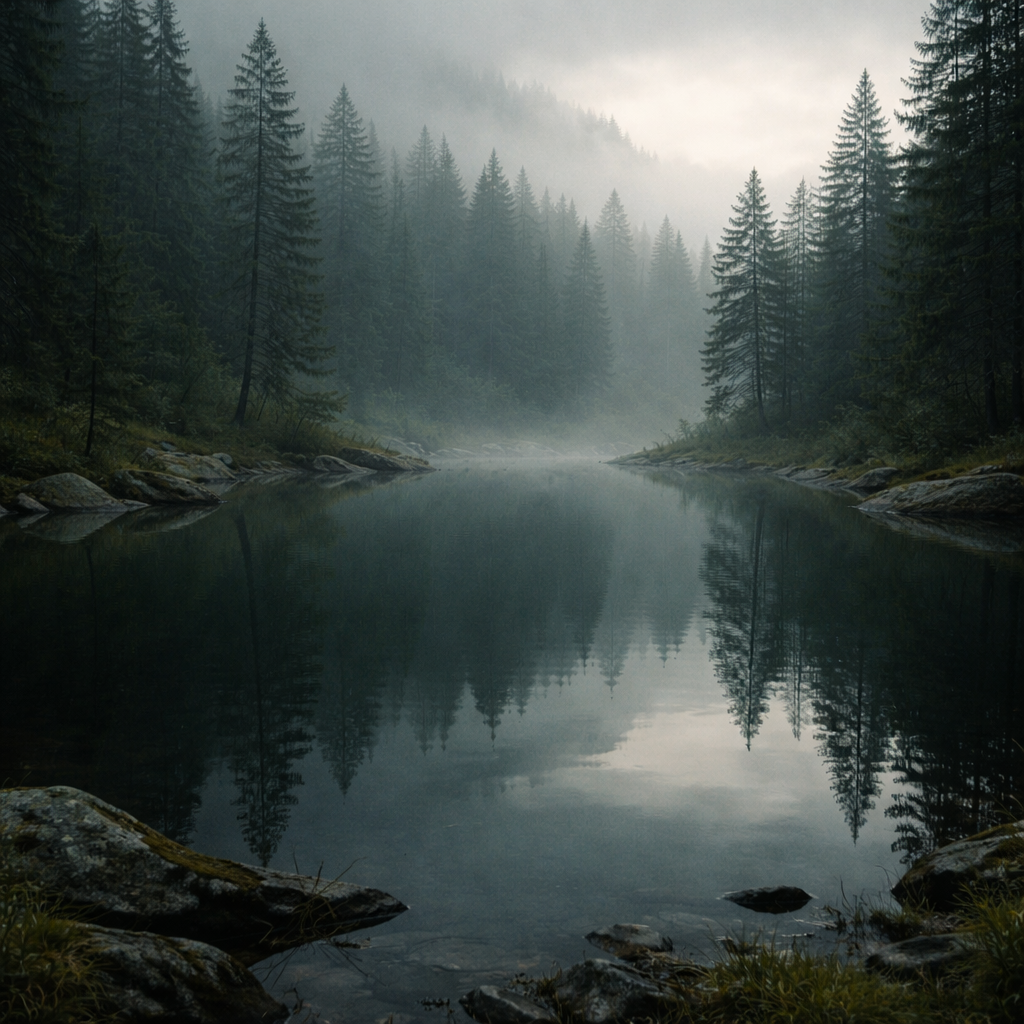
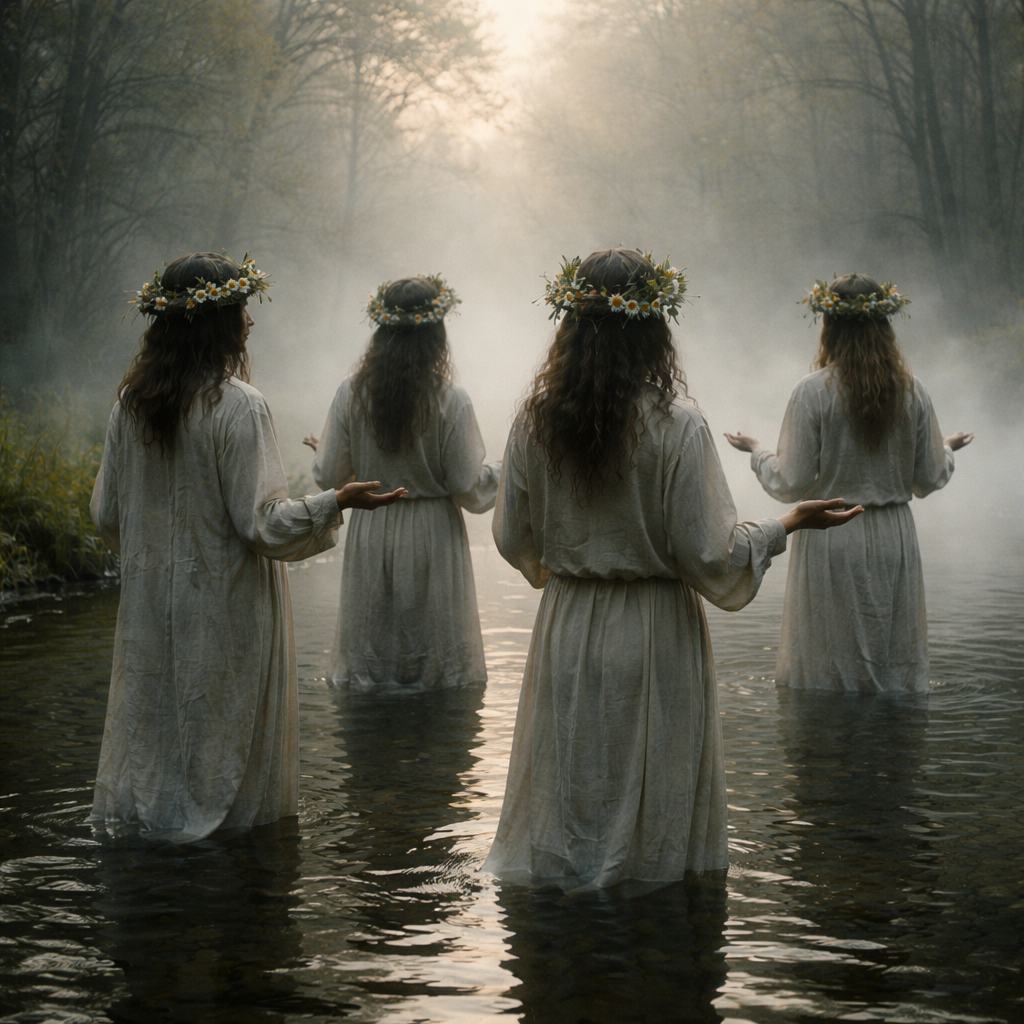
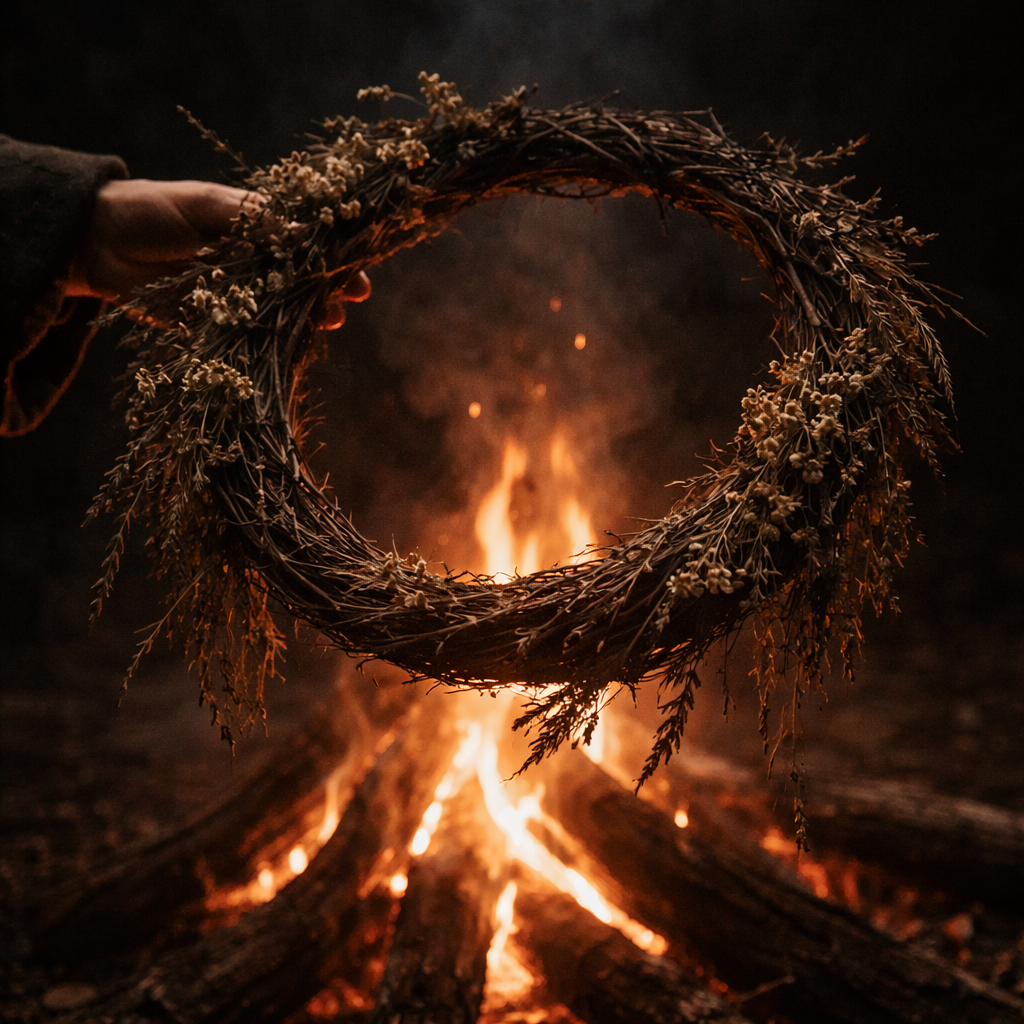
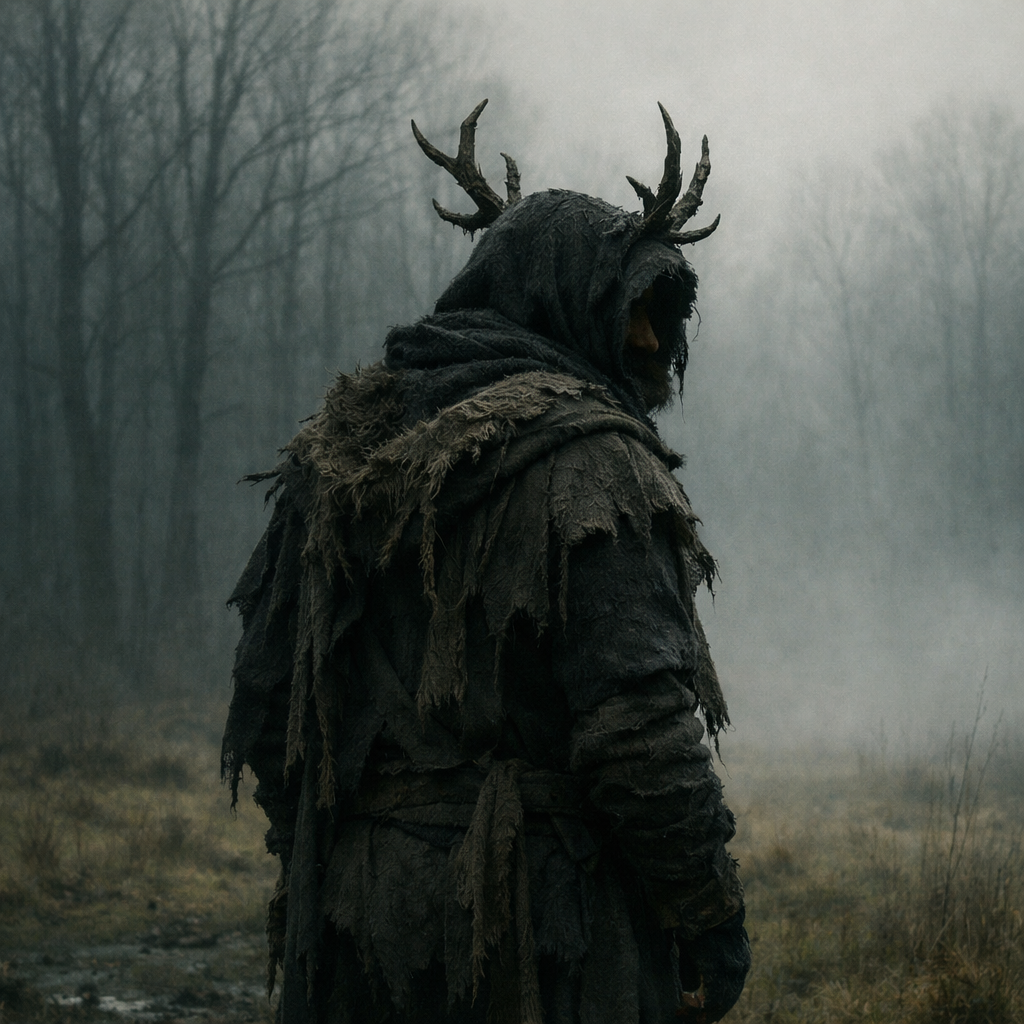
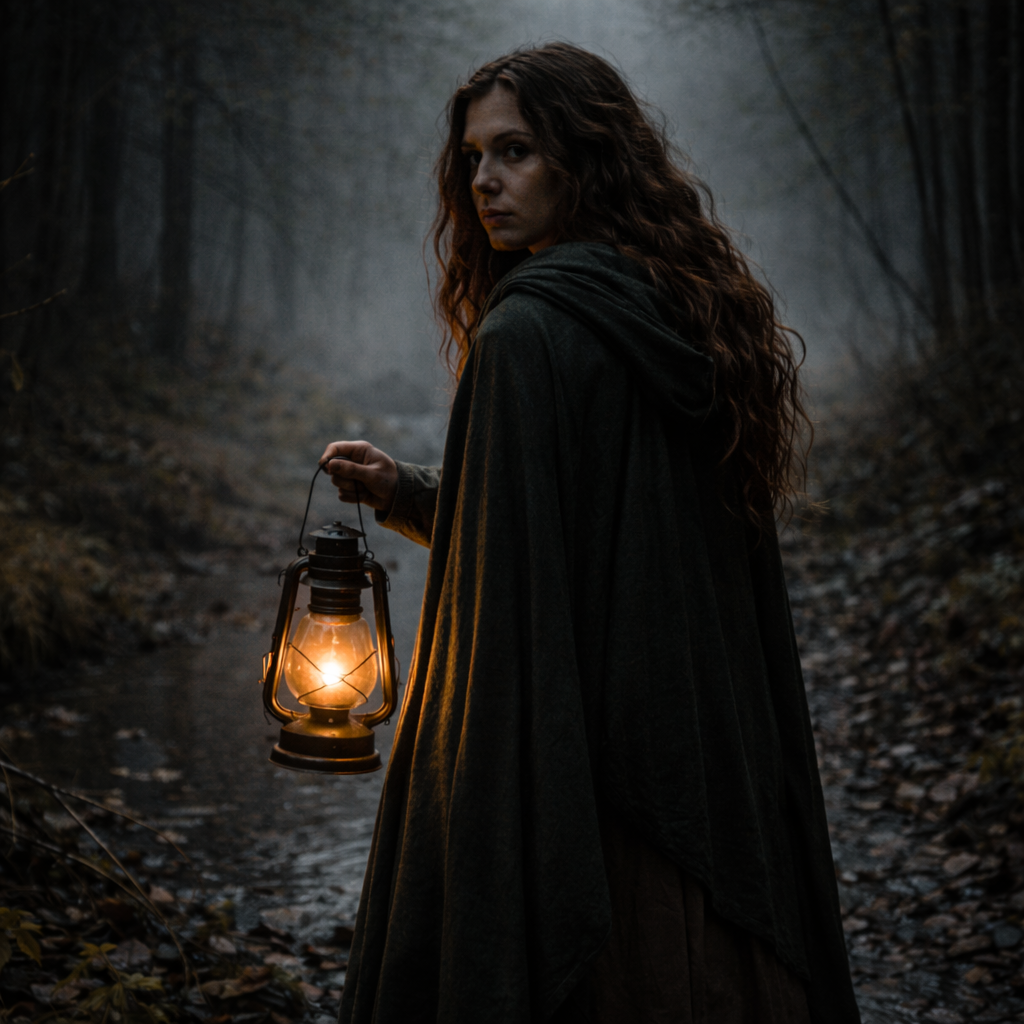
Visual prompts are particularly effective for folklore writing, where atmosphere, place, and implication often matter more than explanation. Rather than illustrating a specific myth or legend, the images below are designed to suggest stories that already exist — moments shaped by memory, belief, and unspoken rules.
When working with these folklore-inspired images, focus less on what is shown and more on what is implied. Consider what the image might represent within a community: a warning, a reminder, a boundary, or the aftermath of a tradition being broken. The strongest folklore writing often emerges not from spectacle, but from restraint — allowing the image to act as a fragment of a much older story.
You might try one or more of the following approaches:
◆ Treat the image as a moment after something has happened
◆ Write the story the image was meant to prevent
◆ Focus on who is missing from the frame, and why
◆ Let the setting carry meaning rather than action
◆ Use silence and omission as narrative tools
The goal is not to explain the image, but to let it open a door into a story shaped by tradition, fear, and belief — then decide carefully how much of that story should be told.
Go Deeper into Folklore Writing
Folklore writing rewards patience and restraint. Rather than building toward spectacle or resolution, it relies on repetition, tradition, and implication to create meaning. The most effective folklore stories feel inherited rather than invented — shaped by rules that exist long before the characters begin to question them.
Use the ideas below to deepen atmosphere, strengthen narrative tension, and allow stories to unfold through ritual and silence rather than explanation.
◆ Focus on rules rather than magic. In folklore, power often comes from traditions that exist for a reason — even if that reason has been forgotten. Let the rule drive the story, not the supernatural element.
◆ Treat ritual as narrative pressure. Repeated actions, annual events, and inherited behaviours can create tension without conflict. Ask what happens if the ritual is delayed, altered, or misunderstood.
◆ Use omission as a storytelling tool. Folklore thrives on what is left unsaid. Withhold explanations, allow contradictions, and let the reader infer meaning through pattern rather than clarity.
◆ Anchor stories in specific places. A field, path, river, or house becomes more powerful when it carries memory. Place in folklore is rarely neutral — it remembers.
◆ Write from fragmented perspectives. Letters, warnings, overheard conversations, or second-hand accounts help folklore feel passed down rather than authored.
◆ Resist resolution. Strong folklore endings often stop at the moment of understanding, not the moment of safety. Let consequences linger rather than conclude.
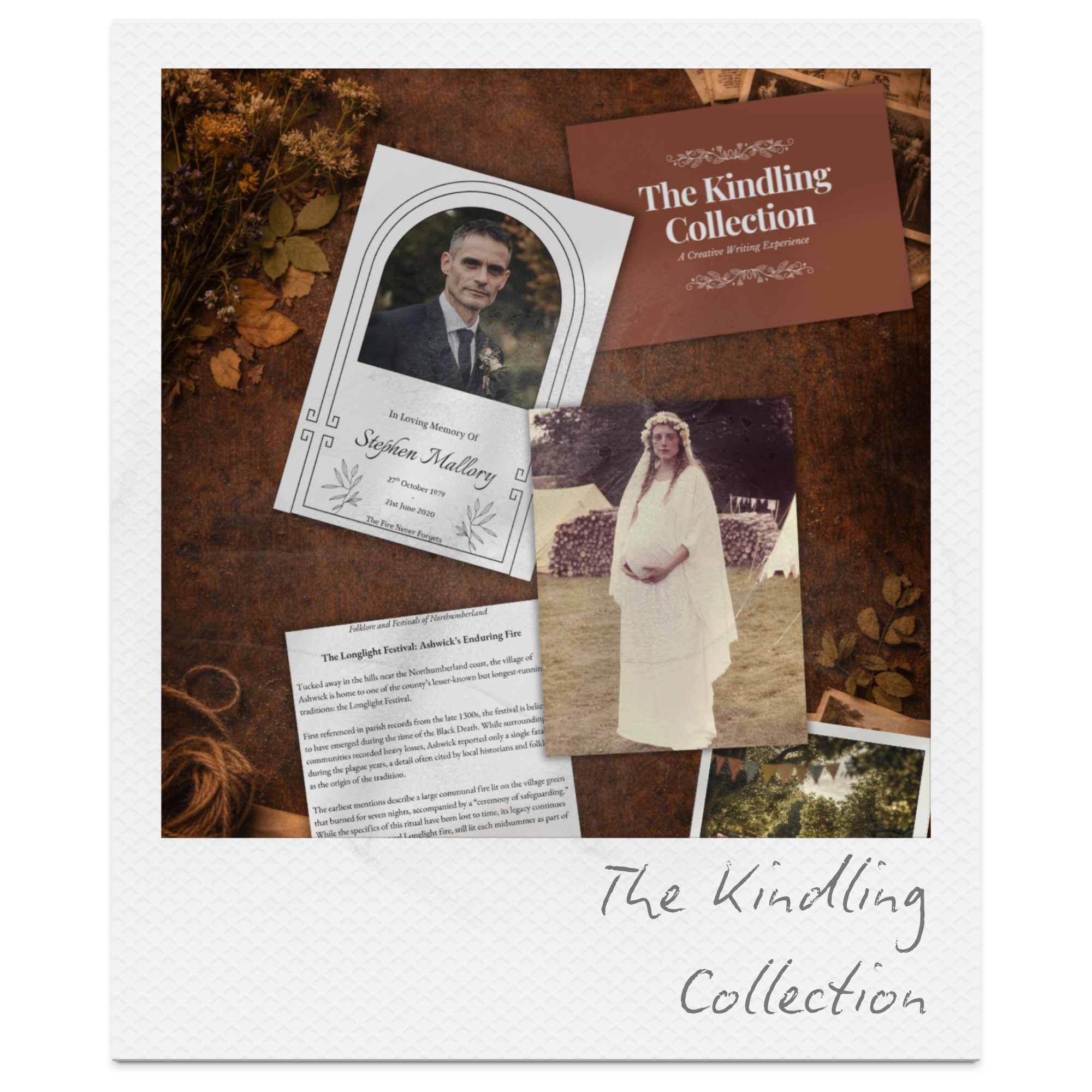
For writers drawn to eerie village traditions, communal rituals, and stories shaped by silence as much as action, The Kindling Collection offers a natural next step.
Inspired by folklore, midsummer festivals, and inherited rituals, this immersive digital writing experience invites writers to uncover a fragmented narrative through letters, warnings, journal pages, and unsettling ephemera. There is no single storyline and no official explanation — only clues, contradictions, and the slow realisation that traditions exist because something once happened.
The Kindling Collection works particularly well alongside folklore writing prompts, supporting short stories, longer fiction, and classroom exploration of atmosphere-led storytelling where meaning emerges through pattern rather than plot.
Final Thoughts
Folklore endures because it does not try to explain everything it carries. These stories survive through repetition, silence, and shared understanding — shaped as much by what is withheld as by what is told. When writing folklore, meaning often emerges slowly, through pattern rather than revelation, and through consequence rather than certainty.
You may return to these prompts more than once. A rule that feels arbitrary now may take on weight later. A setting may reveal itself differently with time. That is part of the tradition. Folklore invites writers to listen closely, to trust atmosphere over explanation, and to allow stories to remain unfinished.
If you’re looking for more inspiration, you can explore the Fairytale and Folklore Writing Prompts Hub or browse the Creative Writing Archive for a wider range of atmospheric and genre-based ideas.
Write carefully. Leave space. Let the story decide how much it is willing to tell.
Choose Your Next Adventure