Notes from the Inkpot
Writing, teaching, creating - one ink-stained idea at a time.

70 Folk Horror Writing Prompts: Rituals, Isolated Villages & Ancient Dread
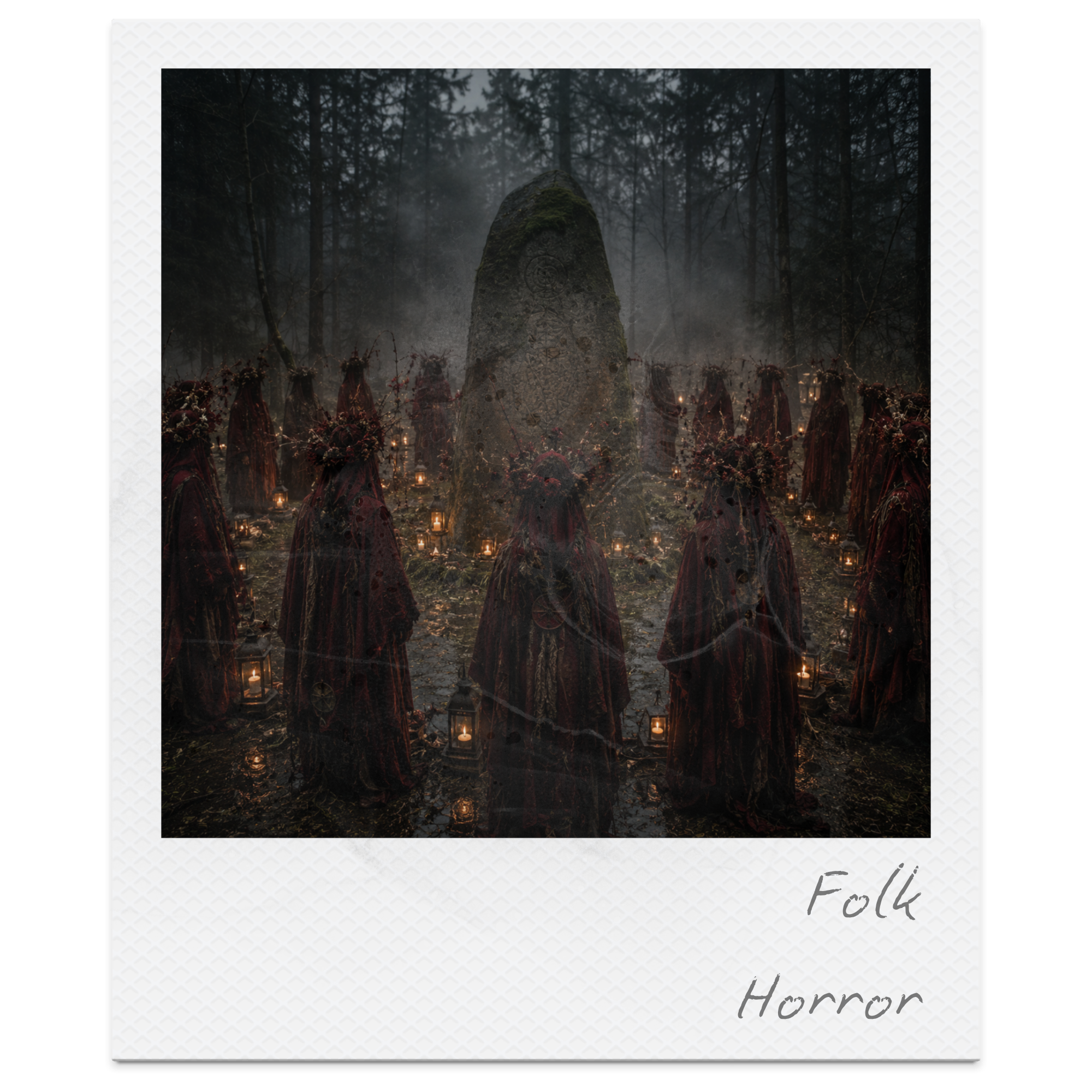
Folk horror combines folklore, ritual, superstition, isolation, and landscape-driven terror to create stories shaped by ancient fears and collective belief. Unlike fast-paced modern horror, folk horror often unfolds slowly through atmosphere, rural settings, hidden traditions, strange ceremonies, and the growing sense that an isolated community is protecting something ancient and dangerous. These stories frequently explore the tension between modern rationality and older belief systems rooted in nature, sacrifice, seasonal ritual, and inherited violence. This collection of 70 Folk Horror Writing Prompts explores cult rituals, abandoned villages, antlered figures, standing stones, drowned churches, hidden gods, scarecrow effigies, harvest festivals, swamp rituals, and ancient traditions buried deep within isolated landscapes. Designed for atmospheric horror writers, folklore-inspired fiction, and dark speculative storytelling, these prompts combine plot ideas, opening lines, eerie settings, cinematic picture prompts, and unsettling character concepts to inspire haunting stories filled with ritual, dread, and psychological unease.
Nick by Christina Rossetti: Summary, Themes & Analysis
Christina Rossetti’s Nick is a darkly comic moral fable exploring envy, greed, consequence, and self-awareness through a series of strange magical transformations. Although Nick already lives in comfort and prosperity, he becomes consumed by jealousy and bitterness towards his neighbours. After receiving the power to become whatever he wishes, his malicious desires repeatedly spiral into humiliation, fear, and destruction. This analysis of Nick explores Rossetti’s use of symbolism, narrative voice, structure, and fairytale conventions to examine the psychological effects of resentment and selfishness. It also considers key themes including morality, social responsibility, and transformation, while offering exam-focused insights for CIE IGCSE English Literature (0475 & 0922).
70 Magical School & Academy Writing Prompts: Power, Knowledge, and Hidden Worlds
Magical schools and academies offer a rich foundation for fantasy storytelling, blending knowledge, power, secrecy, and transformation into settings that shape both character and conflict. From prestigious institutions with hidden hierarchies to dangerous academies where survival is never guaranteed, these environments reveal how learning itself can become a form of control. Beneath structured lessons and ancient traditions, something deeper is always at work—systems that test, manipulate, and ultimately redefine those who enter. This collection of 70 Magical School & Academy Writing Prompts is designed as a complete creative toolkit, combining plot hooks, title ideas, opening lines, and more to help you build immersive, original worlds. Whether you are exploring rival factions within a hidden university, forbidden knowledge buried in a shifting library, or students uncovering the true purpose of their education, these prompts will help you craft stories where every lesson carries consequence.
70 Cursed Bargains Writing Prompts: Deals, Desire & Consequence
Cursed bargains sit at the heart of fairytale and folklore storytelling, capturing the moment when desire outweighs caution and a single decision begins to reshape everything that follows. Whether the offer comes from a stranger, a witch, a fae creature, or something less easily named, these stories explore the tension between what is promised and what is truly given. At their most compelling, they are not simply about magic or consequence, but about choice — the quiet, often desperate moment when a character decides the risk is worth it. This collection of 70 Cursed Bargains Writing Prompts invites writers to explore that moment from every angle, from tempting offers and hidden terms to the slow, unsettling realisation of the cost. Designed for both classroom use and independent writing, these prompts support imaginative, craft-focused storytelling rooted in folklore, symbolism, and consequence.
My Favourite Ray Bradbury Texts (And How I Use Them in the Classroom)
Ray Bradbury remains one of the most powerful and teachable voices in dystopian and speculative fiction. His texts explore technology, control, conformity, responsibility, and human behaviour in ways that feel unsettlingly familiar to modern students. From short stories like The Veldt and A Sound of Thunder to novels such as Fahrenheit 451 and Something Wicked This Way Comes, Bradbury’s writing invites discussion without overwhelming students with complexity or historical distance. This post brings together my favourite Ray Bradbury texts for the classroom, organised by theme and paired with practical teaching ideas. Rather than treating each story in isolation, it explores how Bradbury’s work functions as a connected body of warnings — about comfort, power, environment, and choice. If you’re looking for engaging ways to teach Ray Bradbury, build discussion-led lessons, or introduce dystopian fiction in a way that feels relevant and accessible, this is a strong place to start.
The Veldt by Ray Bradbury: Summary, Themes, Meaning & Analysis
Ray Bradbury’s The Veldt is often taught as a warning about technology gone too far — but that reading only scratches the surface. Beneath the virtual nursery and its unsettling imagery, the story is really about parenting, power, and what happens when moral responsibility is repeatedly deferred in favour of comfort. In this in-depth analysis for English teachers, I explore how The Veldt exposes emotional outsourcing, delayed authority, and the quiet consequences of avoidance. The post examines Bradbury’s post-war context, the nursery as a site of control rather than care, and why the story’s ending feels inevitable rather than shocking. With clear classroom insight, teaching guidance, and extension ideas, this post helps teachers move beyond surface-level symbolism and into richer discussion about technology, control, and responsibility — showing why The Veldt remains one of Bradbury’s most disturbing and relevant stories to teach.
Favourite Short Stories for the Classroom: Powerful Texts That Spark Discussion and Debate
Short stories offer some of the richest opportunities for discussion in the classroom. Their compact form allows students to engage deeply with power, choice, identity, and consequence, while leaving space for interpretation rather than easy answers. The best short stories do not rush towards resolution; they invite debate, uncertainty, and close attention to language. This post brings together favourite short stories for the classroom — texts that consistently spark discussion and reward close reading. Organised by theme, it explores stories such as The Lottery, The Yellow Wallpaper, The Necklace, and The Monkey’s Paw, alongside practical classroom ideas designed to support thoughtful, discussion-led teaching.
70 St Patrick’s Day Writing Prompts for Teens: Folklore, Myth & Irish-Inspired Story Ideas
These St Patrick’s Day writing prompts for teens draw on Irish folklore, mythology, and quiet magic to inspire atmospheric storytelling. This 70-prompt collection includes plot hooks, opening and closing lines, character ideas, evocative settings, and visual prompts designed for mature, thoughtful creative writing. Ideal for classrooms, creative writing clubs, and independent writers, the prompts explore belief, consequence, and the place where myth and everyday life overlap.
Teaching The Lottery by Shirley Jackson Without Context (And Why It Works)
When teaching The Lottery by Shirley Jackson, I deliberately avoid giving students historical context before the first reading. Instead, I let them experience the story as it was designed to be read: ordinary, unsettling, and deeply uncomfortable. In this post, I explain why teaching The Lottery without context leads to stronger discussion, deeper understanding, and more meaningful student responses — and how delaying explanation allows the text itself to do the work.
Lord of the Flies: Why Students Engage, and Why Teachers Need More Than a Summary Sheet
Lord of the Flies is a novel that consistently engages students, but teaching it well requires more than summary sheets and surface-level analysis. This post explores why Lord of the Flies works so powerfully in the classroom, how students instinctively respond to its themes of power, fear, and responsibility, and where lessons often begin to break down once discussion deepens. Written for teachers working across different classrooms and curricula, this guide focuses on how to teach Lord of the Flies effectively — from structuring discussion and securing recall to using creative writing as a way into deeper analysis. It also shares practical classroom strategies and introduces a comprehensive Lord of the Flies resource bundle designed to support discussion, analysis, and assessment without increasing planning workload.
70 Fairytales Reimagined Writing Prompts for Teens: Story Starters, Characters, Settings & Visual Ideas
70 Fairytales Reimagined Writing Prompts for Teens is a premium creative writing collection designed to help young writers retell classic fairytales through modern, dystopian, and speculative lenses. Inspired by traditional folklore and contemporary YA retellings, these prompts explore how familiar stories change when power shifts, systems replace magic, and happily-ever-afters are no longer guaranteed. Featuring plot hooks, story titles, opening and closing lines, character ideas, reimagined settings, and atmospheric picture prompts, this collection is ideal for classroom creative writing, writing clubs, and independent teen writers who enjoy fairytale retellings with darker, smarter, or more modern twists.
70 Steampunk Writing Prompts: Story Starters, Characters, Settings & Visual Ideas
Steampunk writing prompts for teens blend Victorian history with speculative invention, creating worlds shaped by steam power, machinery, and bold technological imagination. More than an aesthetic, steampunk explores systems of power, class, labour, and progress — asking what happens when innovation advances faster than ethics. This collection of 70 steampunk writing prompts is designed to help teen writers build rich, believable worlds through plot hooks, story titles, opening and closing lines, character ideas, immersive settings, and visual picture prompts. From inventors and rebels to airships, factories, and mechanical cities, these prompts encourage thoughtful, consequence-driven storytelling rather than surface-level genre tropes. Ideal for classroom creative writing, genre studies, or independent projects, these steampunk prompts support worldbuilding, narrative tension, and imaginative problem-solving — making them a powerful resource for teachers and young writers exploring speculative fiction.
70 Survival Writing Prompts for Teens: Story Starters, Characters, Settings & Visual Ideas
Survival writing prompts for teens explore what happens when comfort, safety, and certainty disappear. Rooted in isolation, scarcity, and high-stakes decision-making, survival fiction reveals character under pressure and asks how far people are willing to go to endure. This collection of 70 survival writing prompts includes plot hooks, story titles, opening and closing lines, character ideas, immersive settings, and picture prompts designed to support realistic, tension-driven storytelling. From natural disasters and remote environments to moral dilemmas and fractured group dynamics, these prompts help young writers build stories focused on resilience, consequence, and human choice. Ideal for classroom creative writing, survival fiction units, or independent projects, these prompts encourage thoughtful exploration of endurance, leadership, and survival when there are no easy answers.
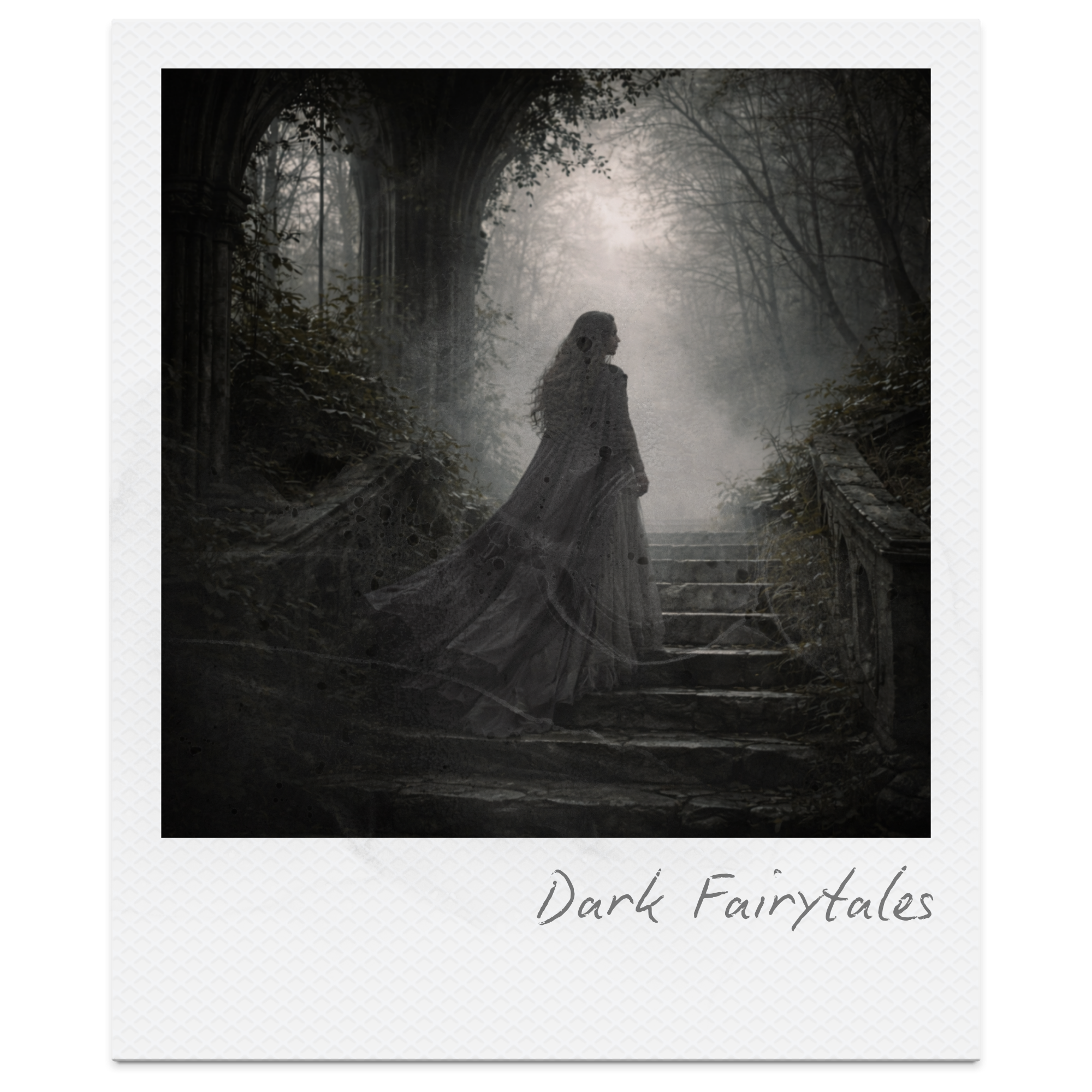
70 Dark Fairytale Writing Prompts: Story Starters, Characters, Settings & Visual Ideas
70 Dark Fairytale Writing Prompts for Teens is a premium creative writing collection inspired by the darker roots of classic fairytales from the Brothers Grimm, Hans Christian Andersen, and modern retellings like Angela Carter. These prompts invite teen writers to reimagine familiar tales through eerie settings, unsettling characters, moral consequences, and haunting endings. Featuring plot hooks, story titles, opening and closing lines, character ideas, atmospheric settings, and picture prompts, this collection supports classroom creative writing, writing clubs, and independent writers who enjoy fantasy with a sharp, unsettling edge.
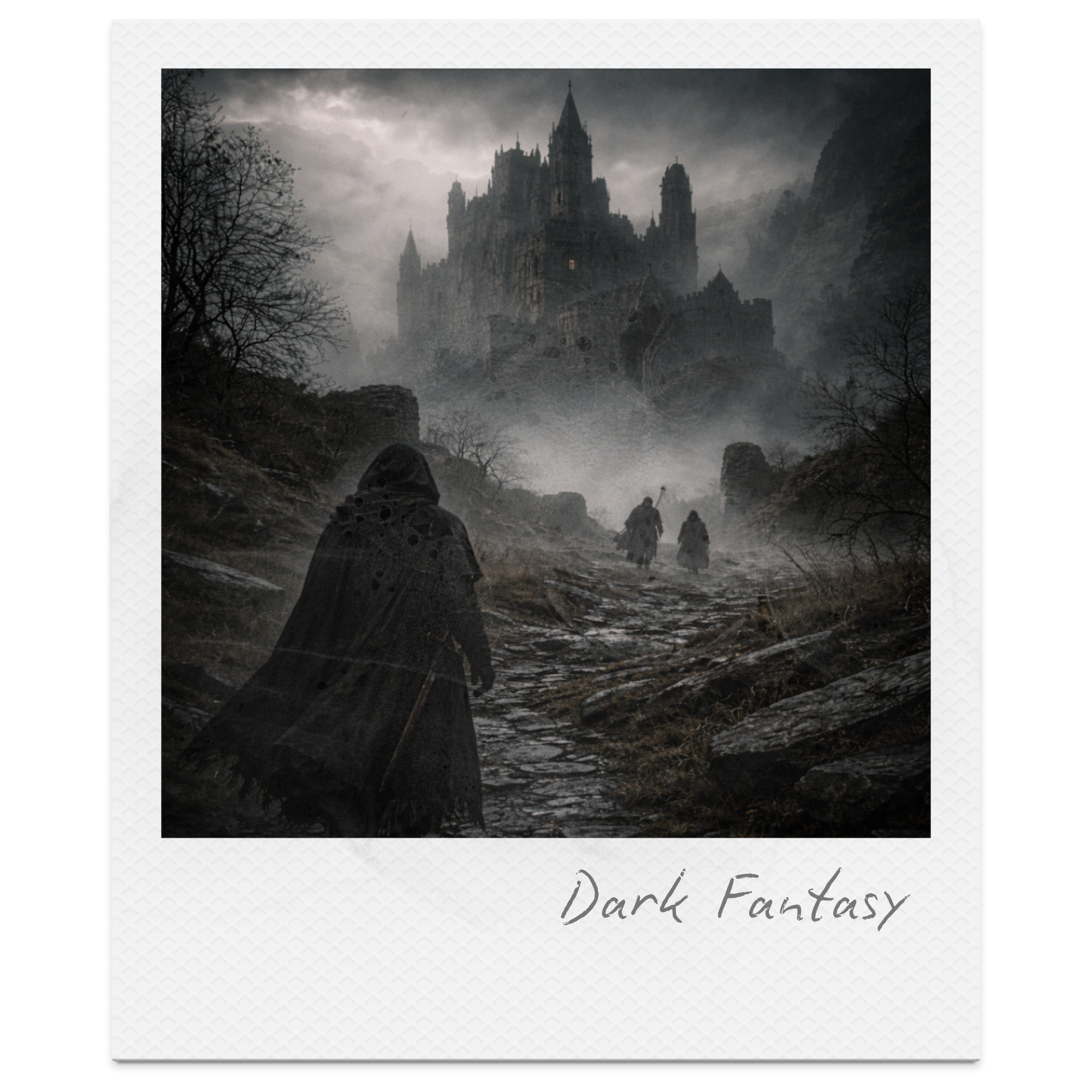
70 Dark Fantasy Writing Prompts for Teens: Story Starters, Characters, Settings & Visual Ideas
Dark fantasy writing prompts for teens invite young writers into worlds where magic is dangerous, heroes are flawed, and every choice carries consequences. From cursed kingdoms and whispering crowns to eerie forests and impossible bargains, dark fantasy blends wonder with menace to create stories rich in atmosphere and moral tension. This collection of 70 dark fantasy writing prompts is designed for classrooms, writing clubs, and independent teen writers. Inside, you’ll find plot hooks, character ideas, evocative settings, opening and closing lines, and visual prompts that encourage imaginative storytelling while supporting skill development in tone, worldbuilding, and character motivation.
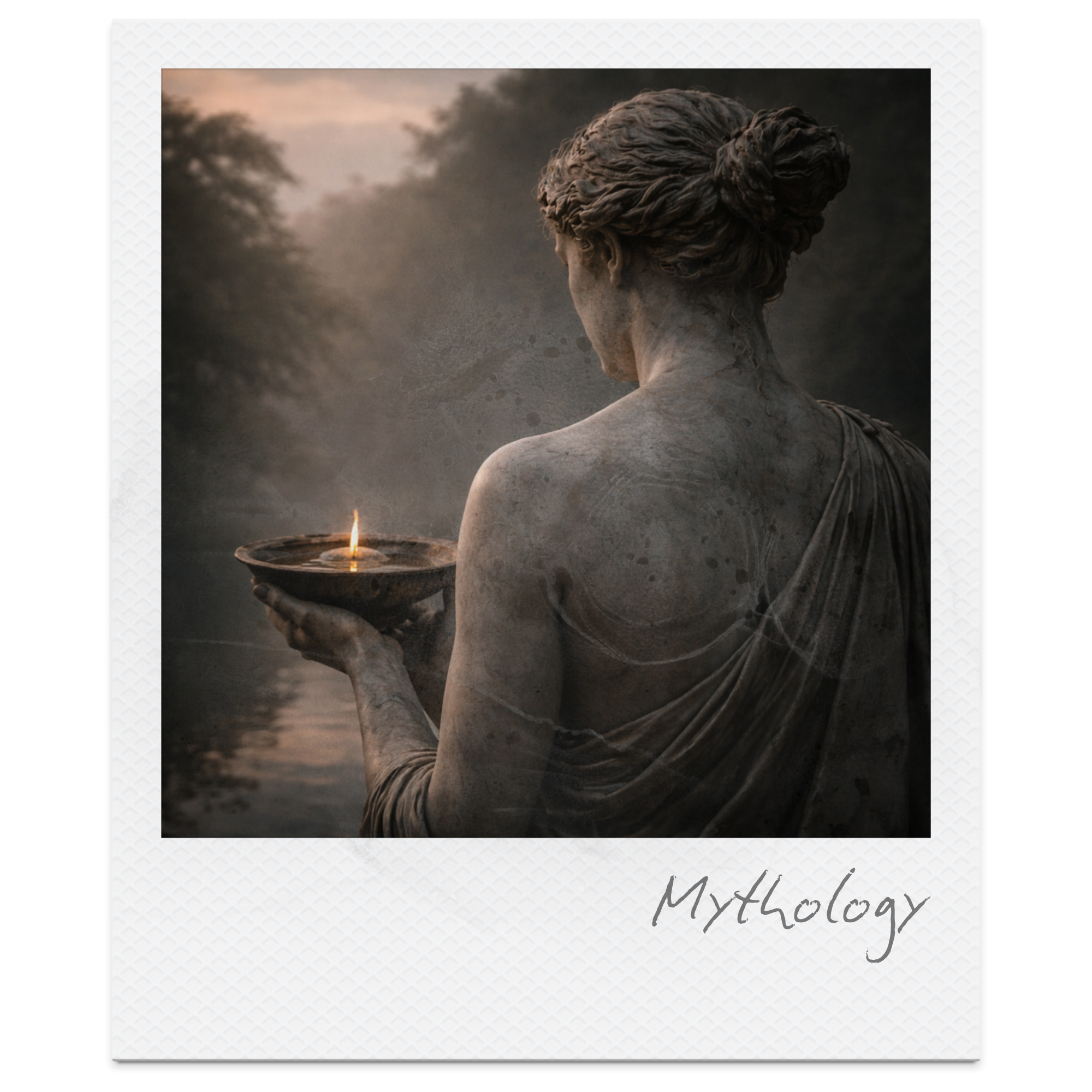
70 Mythology Writing Prompts for Teens: Story Starters, Titles, Characters, Settings & Visual Ideas
Mythology is shaped by fate, power, and the fragile boundary between mortals and gods — from ancient temples and cursed heroes to oracles, underworld journeys, and divine punishment. This collection of 70 mythology writing prompts for teens draws on Greek and Roman myths to explore epic storytelling through plot hooks, mythic titles, complex characters, symbolic settings, and evocative picture prompts inspired by classical mythology. Ideal for classrooms, creative writing clubs, or independent writers, these prompts encourage imaginative writing rooted in consequence, sacrifice, and timeless mythic themes.
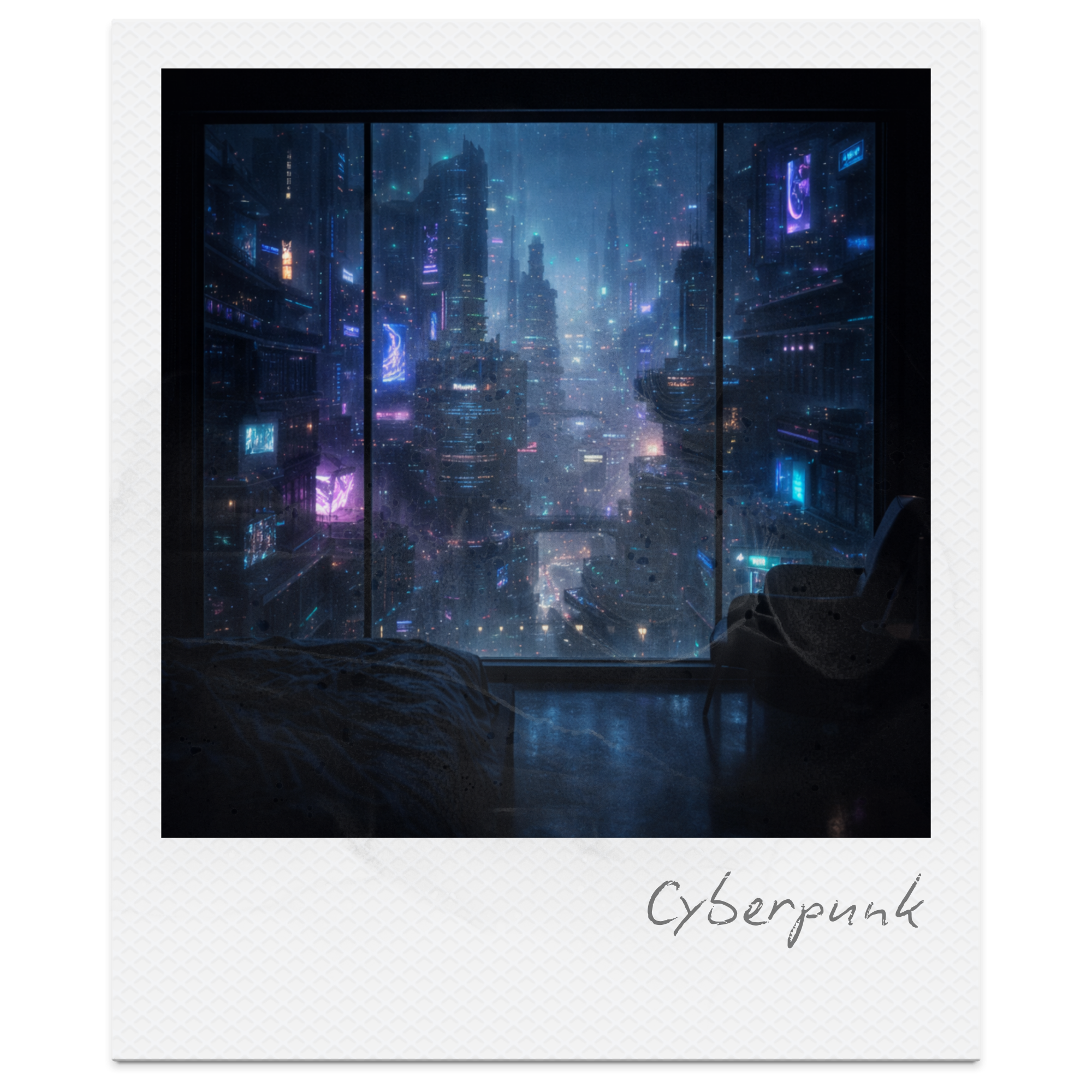
70 Cyberpunk Writing Prompts: Story Starters, Titles, Characters, Settings & Visual Ideas
Cyberpunk writing prompts for teens explore futures shaped by surveillance, megacorporations, and technology that controls as much as it empowers. Rooted in questions of power, identity, and resistance, cyberpunk fiction asks what happens when systems outgrow the people living inside them. This collection of 70 cyberpunk writing prompts includes plot hooks, story titles, opening and closing lines, character ideas, immersive settings, and picture prompts designed to support consequence-driven storytelling. From social credit systems and hacked identities to corporate control and digital rebellion, these prompts help teen writers build speculative worlds that feel unsettlingly plausible. Ideal for classroom creative writing, science fiction units, or independent projects, these cyberpunk prompts encourage ethical thinking, modern worldbuilding, and narrative tension — making them a powerful resource for teachers and young writers exploring contemporary speculative fiction.
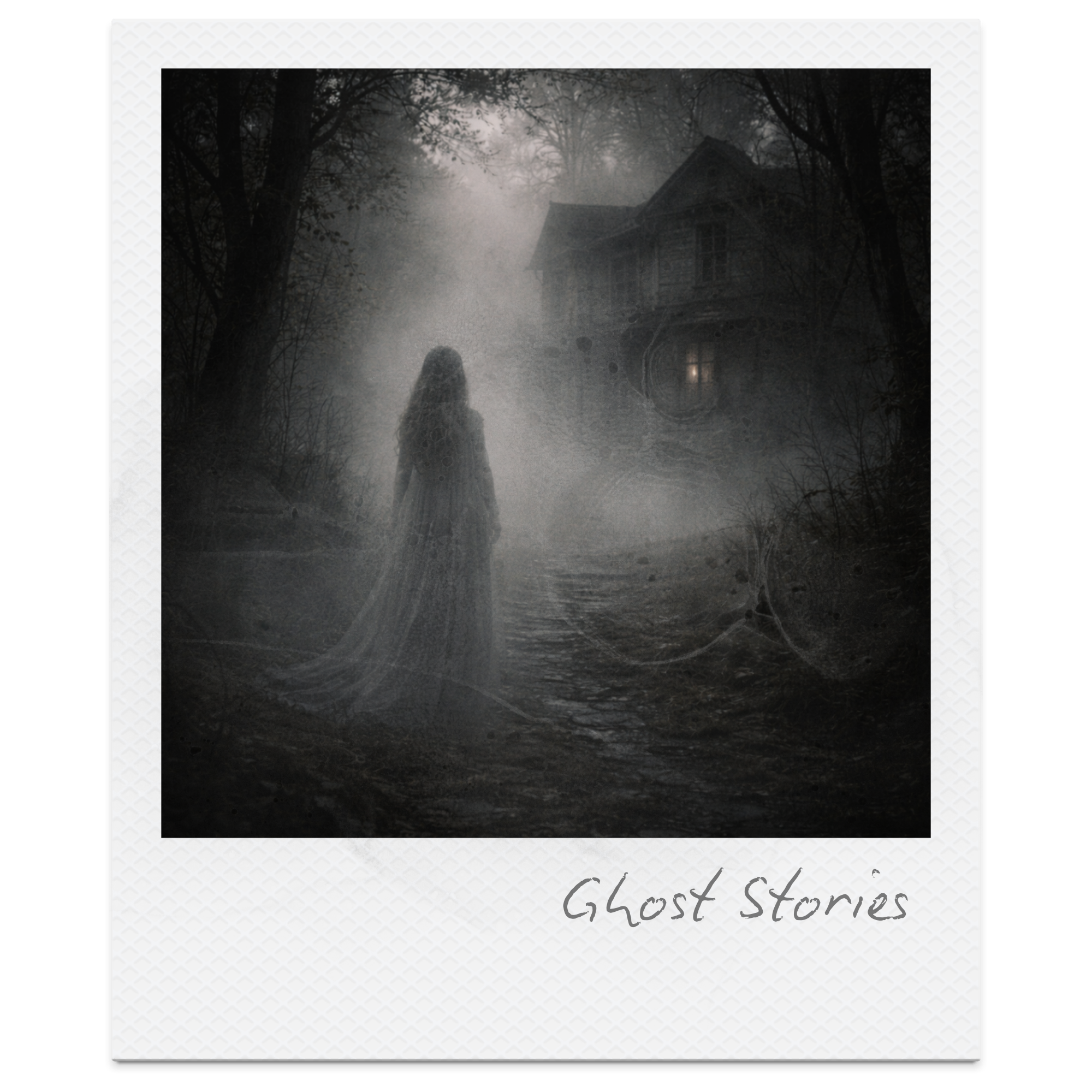
70 Ghost Story Prompts for Teens: Story Starters, Titles, Characters, Settings & Visual Ideas
Ghost stories are built on atmosphere, memory, and the unsettling sense that something has been left unresolved. This collection of 70 ghost story writing prompts for teens explores haunted places, lingering spirits, strange encounters, and the thin boundary between the living and the dead through eerie plot hooks, story titles, opening and closing lines, character ideas, settings, and atmospheric picture prompts. Ideal for classrooms, creative writing clubs, or independent writers, these prompts support suspenseful, emotion-driven storytelling without relying on shock or horror.
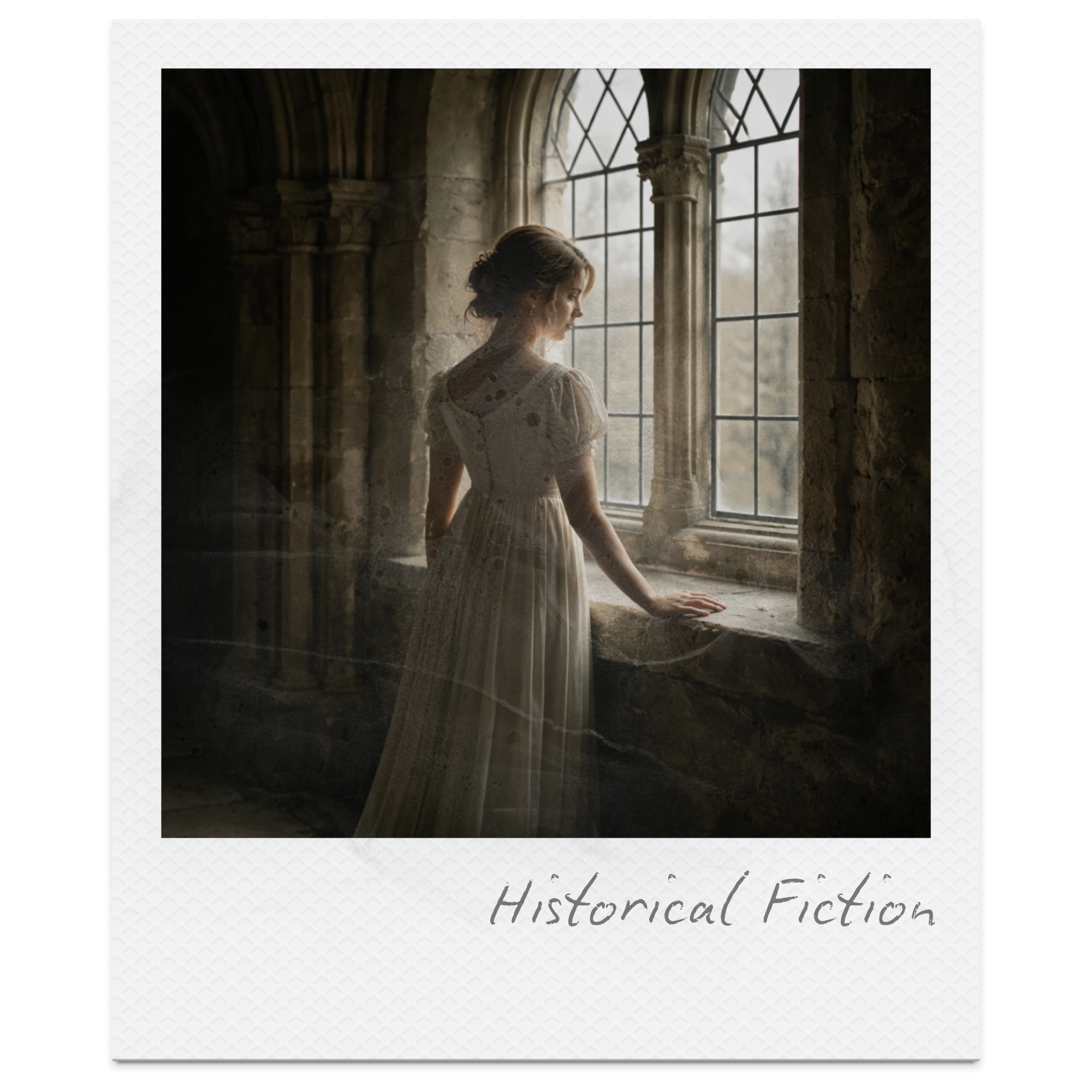
70 Historical Fiction Prompts for Teens: Story Hooks, Titles, and Characters Across the Ages
Historical fiction writing prompts for teens help young writers explore the lives behind the history books — from private rooms and working spaces to moments of quiet rebellion and social change. This curated collection of 70 historical fiction writing prompts includes plot hooks, titles, opening and closing lines, character ideas, immersive settings, and carefully designed picture prompts, offering teachers and teen writers a premium resource for developing historically grounded, emotionally rich stories.
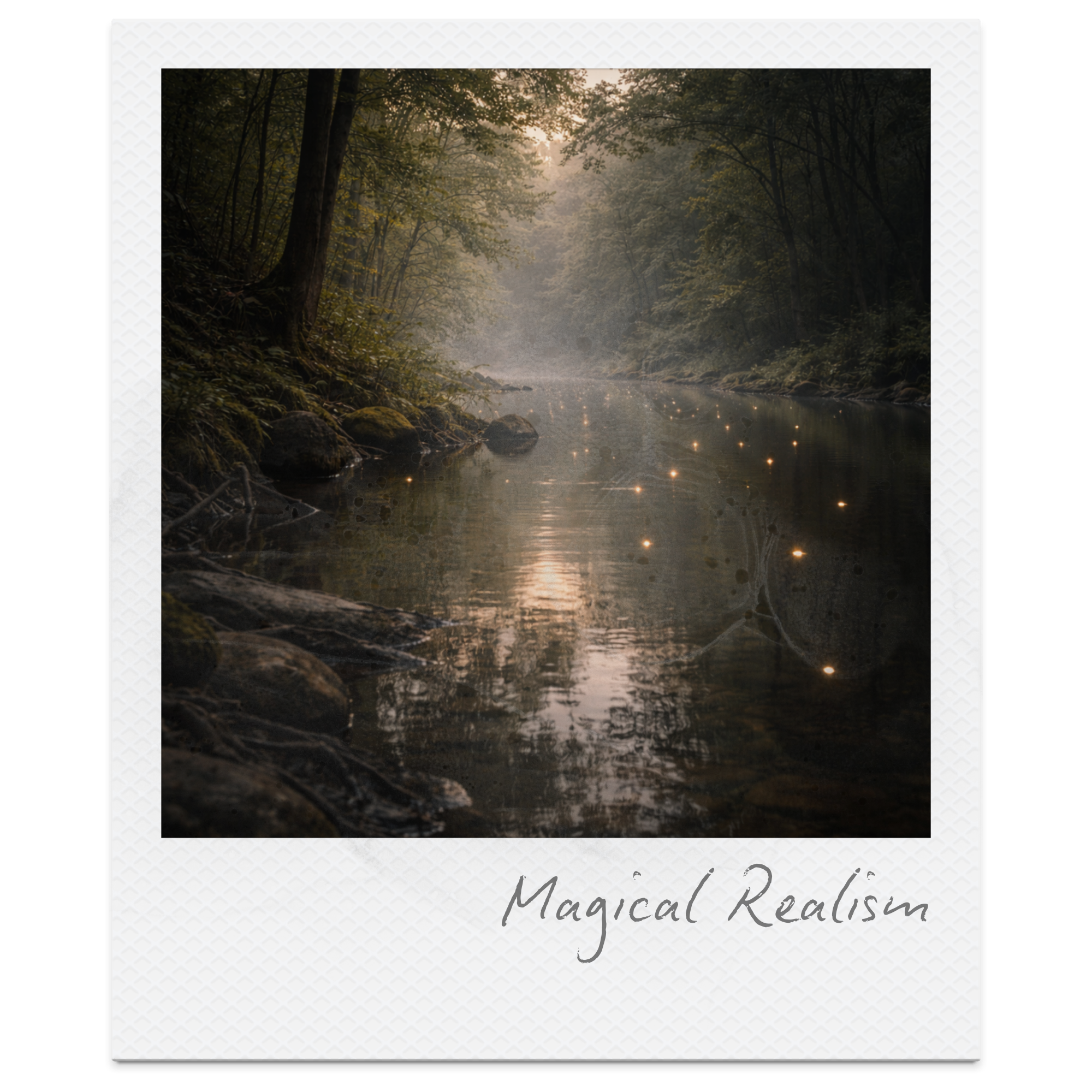
70 Magical Realism Writing Prompts for Teens: Ideas, Openings, and Visual Starters for the English Classroom
Magical realism writing prompts for teens blend the ordinary with the impossible, creating stories that feel grounded, symbolic, and emotionally rich. This curated collection of 70 magical realism writing prompts includes plot hooks, title ideas, opening and closing lines, character concepts, settings, and picture prompts designed for classroom use or independent creative writing. Ideal for KS3–KS4 students, these prompts help teen writers explore memory, identity, loss, and belonging through subtle magic and familiar worlds.