70 St Patrick’s Day Writing Prompts for Teens: Folklore, Myth & Irish-Inspired Story Ideas
St Patrick’s Day is often reduced to shamrocks and stereotypes, but Irish folklore and storytelling traditions are far richer — filled with old magic, sharp humour, tricksters, saints, curses, and moments where the supernatural brushes up against ordinary life. Irish stories are rooted in landscape, memory, and moral tension, where something ancient always seems to linger just beneath the surface.
For teen writers, St Patrick’s Day offers a powerful entry point into folklore-inspired creative writing. These stories don’t rely on epic battles or high fantasy worlds; instead, they thrive on voice, atmosphere, symbolism, and quiet unease. A river, a path, a door, or a promise can carry as much weight as any spell, making this style ideal for developing descriptive and narrative writing skills.
This collection of 70 St Patrick’s Day writing prompts for teens provides a complete creative toolkit, including plot hooks, title ideas, opening lines, closing lines, character concepts, evocative settings, and atmospheric picture prompts inspired by Irish myth, legend, and folk tradition. Designed for English lessons, seasonal writing activities, and creative writing clubs, these prompts support both short creative tasks and more developed narrative writing.
If you’re looking for more genres, tropes, or seasonal writing prompt collections, you can explore the full master list of 2000+ creative writing prompts, organised by theme, genre, and time of year.
1. Plot Hooks
These plot hooks draw on Irish folklore, mythic logic, and trickster traditions, offering ideas that feel playful, unsettling, and thoughtful rather than childish.
Write about a deal made with a leprechaun that technically follows the rules — but still goes wrong.
Write about a village where luck can be borrowed, but never kept.
Write about a character who inherits something they didn’t ask for on St Patrick’s Day.
Write about a saint whose miracle comes at an unexpected cost.
Write about a leprechaun who is tired of being hunted.
Write about a wish granted exactly as spoken.
Write about a family cursed generations ago for breaking a promise.
Write about a character who can suddenly hear the old stories speaking back.
Write about a festival that hides something ancient beneath the celebration.
Write about what happens when luck finally runs out.
2. Title Ideas
These titles suit folklore-inspired stories shaped by quiet magic, sharp edges, and a lingering sense of unease.
The Rules Of Luck
Gold Isn’t The Prize
What Was Promised
Saints Don’t Bargain
The Old Agreement
Better Than Luck
Not All Gifts Shine
The Last Trick
Under The Green
What We Owe The Land
3. Opening Lines
These opening lines place readers inside a world where Irish folklore and everyday reality quietly overlap.
“Everyone knows luck isn’t free.”
“The leprechaun laughed before I realised I’d already agreed.”
“They said St Patrick drove the snakes out, but nobody mentioned what stayed.”
“We celebrate the day every year, whether we remember why or not.”
“The bargain was fair — that was the problem.”
“The stories were supposed to be old.”
“It started with something small.”
“Luck arrived early this year.”
“I should have read the fine print.”
“The land remembered, even if we didn’t.”
4. Closing Lines
Folklore endings often emphasise consequence over comfort, leaving stories unresolved, uneasy, or quietly transformed.
“That was the price.”
“Luck doesn’t apologise.”
“The story didn’t end — it settled.”
“We stopped asking after that.”
“The gold was never the point.”
“Some bargains echo.”
“The land always collects.”
“We celebrated anyway.”
“It was fair. It was final.”
“That’s how the story survives.”
5. Character Ideas
These characters support Irish folklore–inspired storytelling while avoiding clichés and stereotypes.
A leprechaun who follows rules too closely.
A teenager caught between belief and disbelief.
A storyteller whose tales start to come true.
A saint remembered for only half the truth.
A farmer whose land remembers old promises.
A character who inherits a family bargain.
A trickster who regrets one mistake.
Someone who benefits from luck they didn’t earn.
A guardian of an old boundary.
A person who refuses to play the game.
6. Settings
These settings draw on rural landscapes and folkloric traditions, creating spaces that feel quietly mythic and steeped in atmosphere.
A field that never grows the same way twice.
A village green during a festival.
A stone circle half-forgotten by locals.
A pub where stories are currency.
A road that changes direction after dark.
A river tied to an old legend.
A hill said to be hollow beneath.
A family farm passed down too carefully.
A town where luck is whispered about.
A place where celebrations mask old truths.
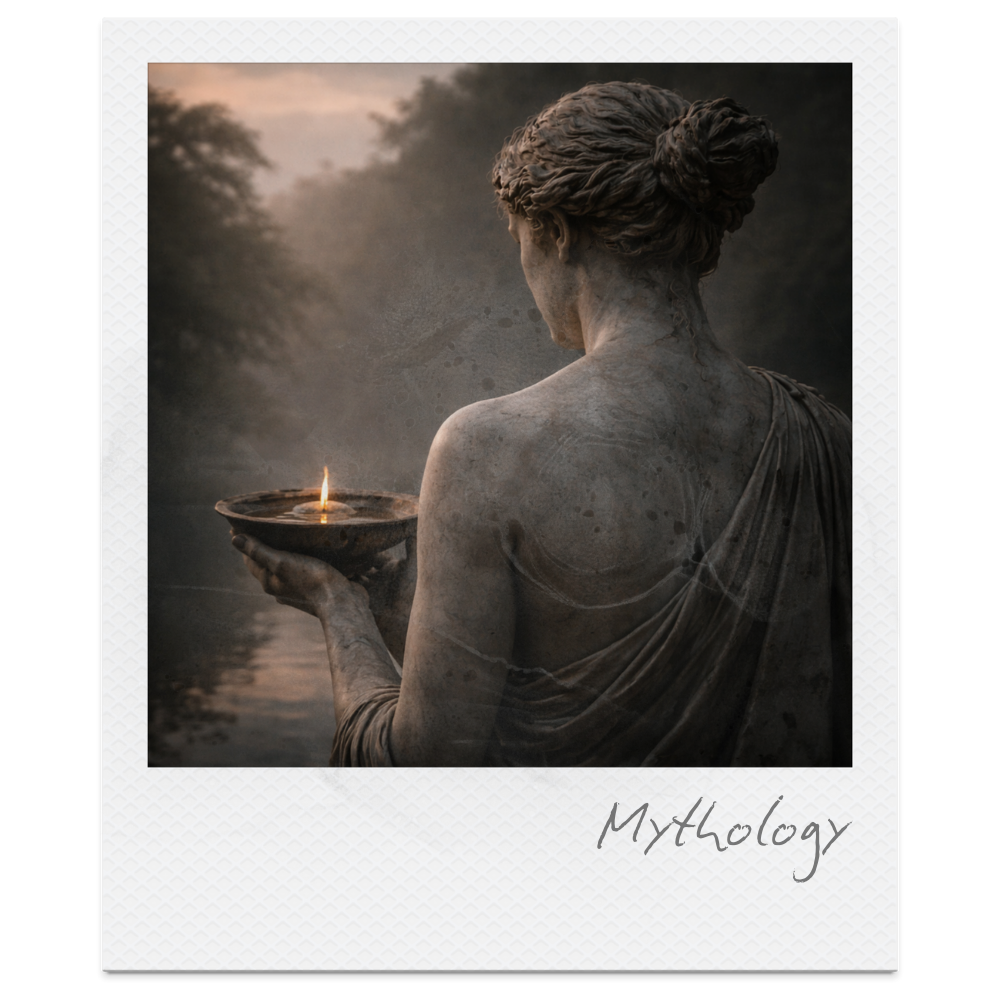
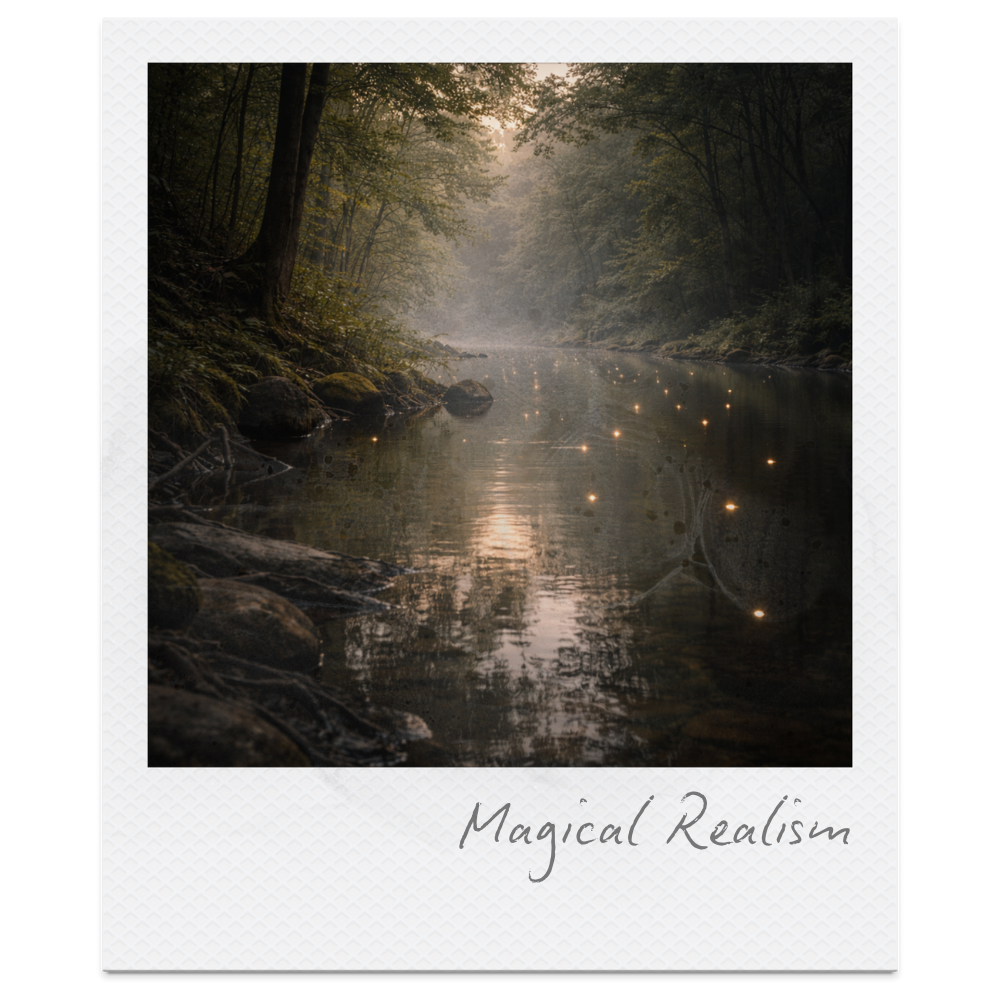
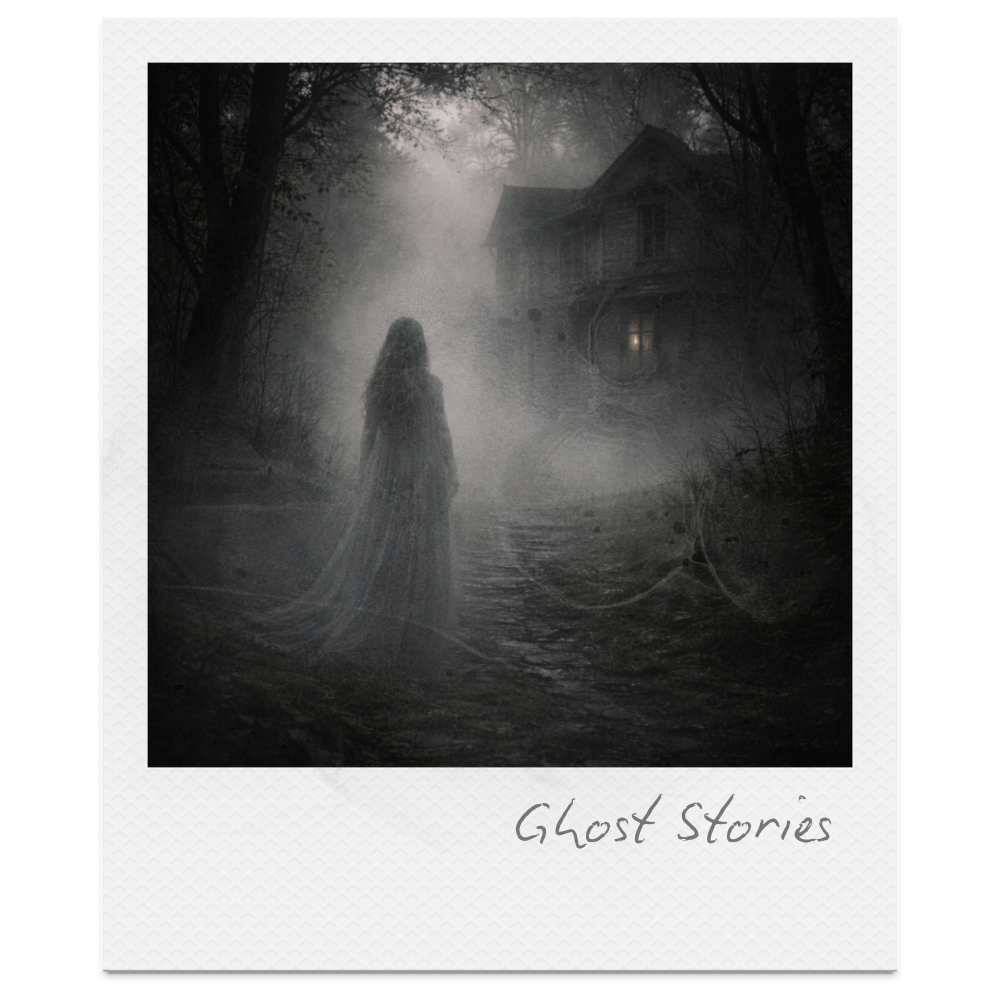
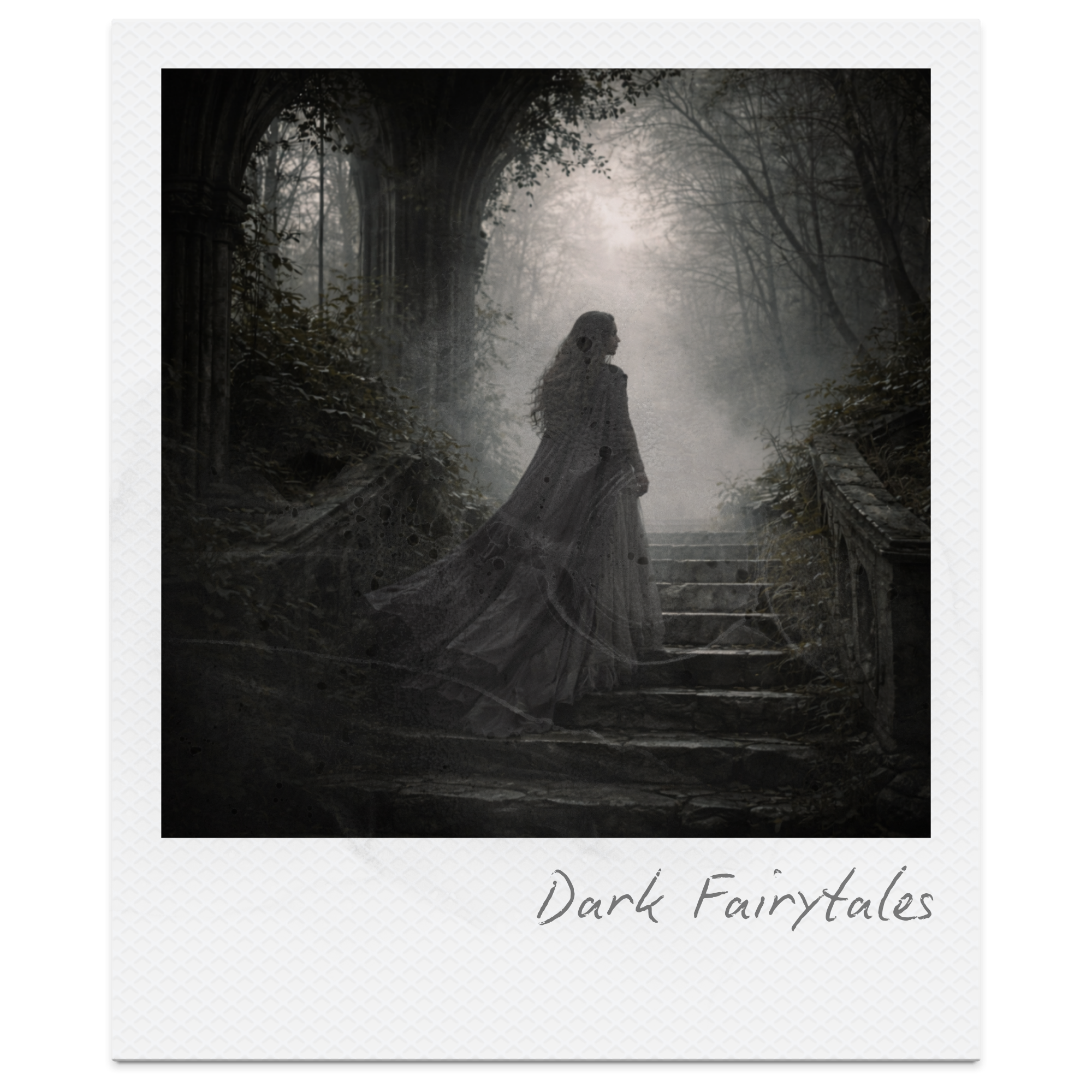
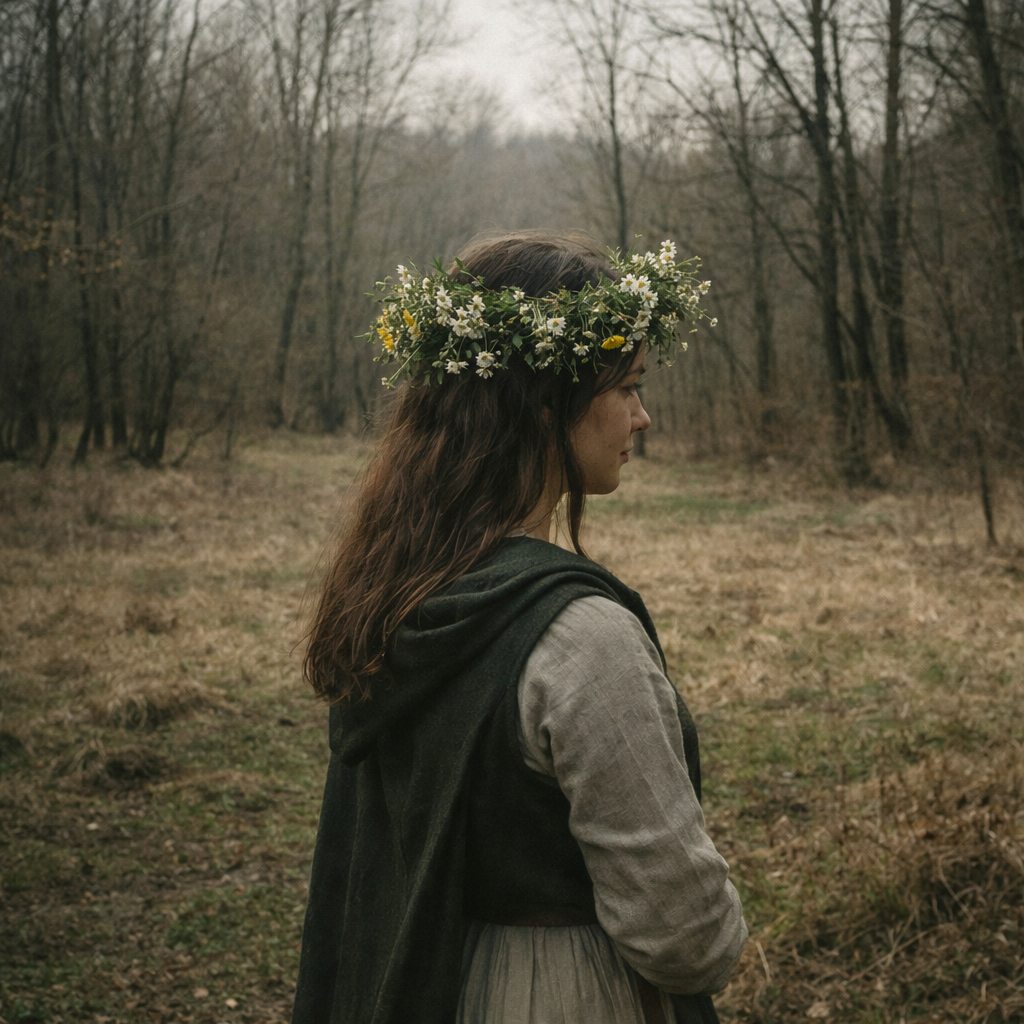
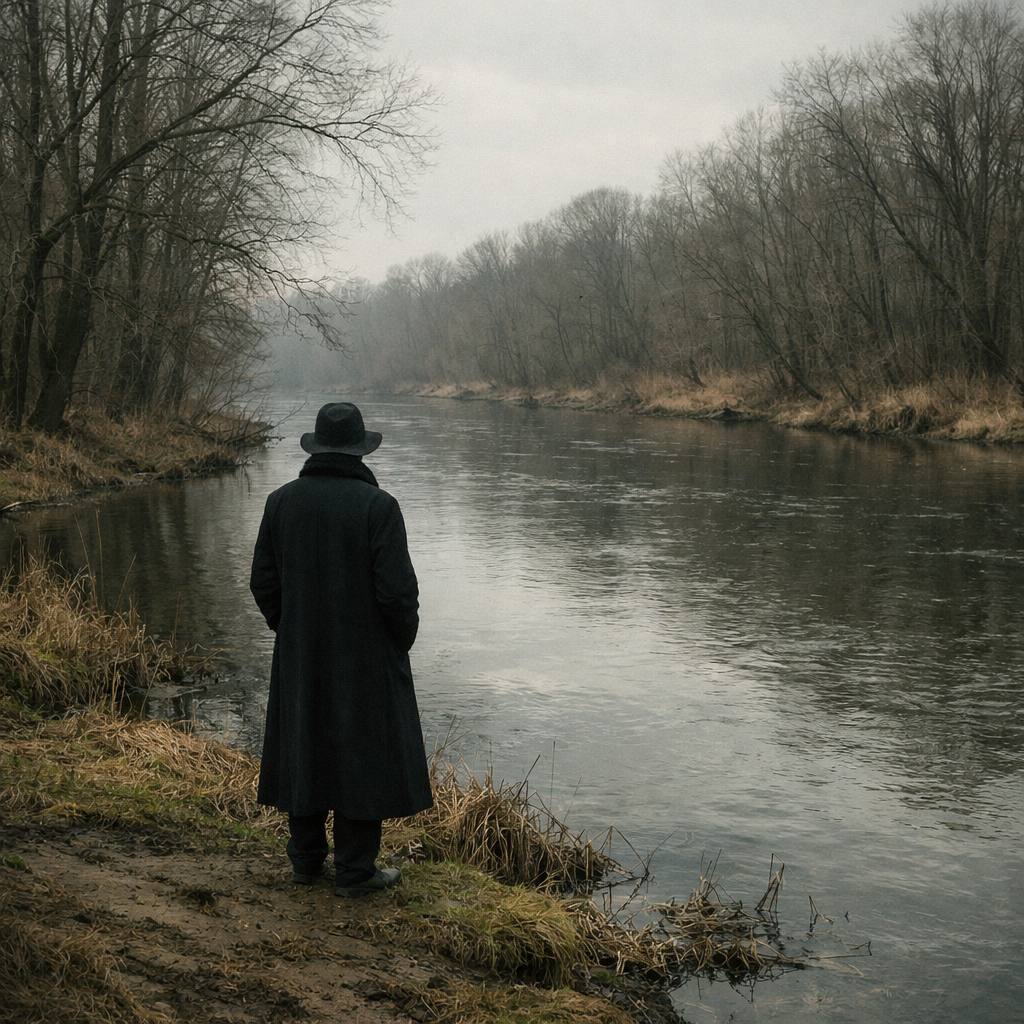
7. Picture Prompts
These visual prompts support mythic, folklore-inspired storytelling while avoiding kitsch or cliché.
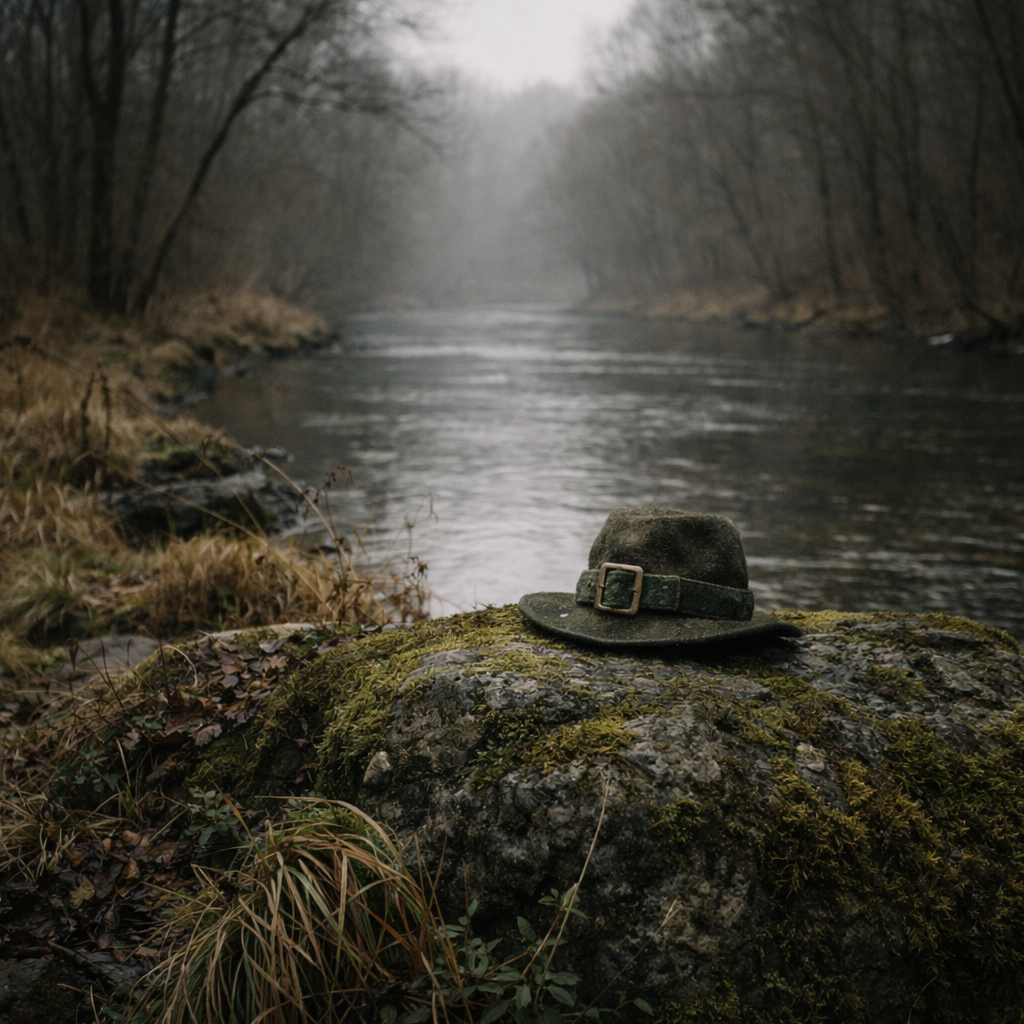
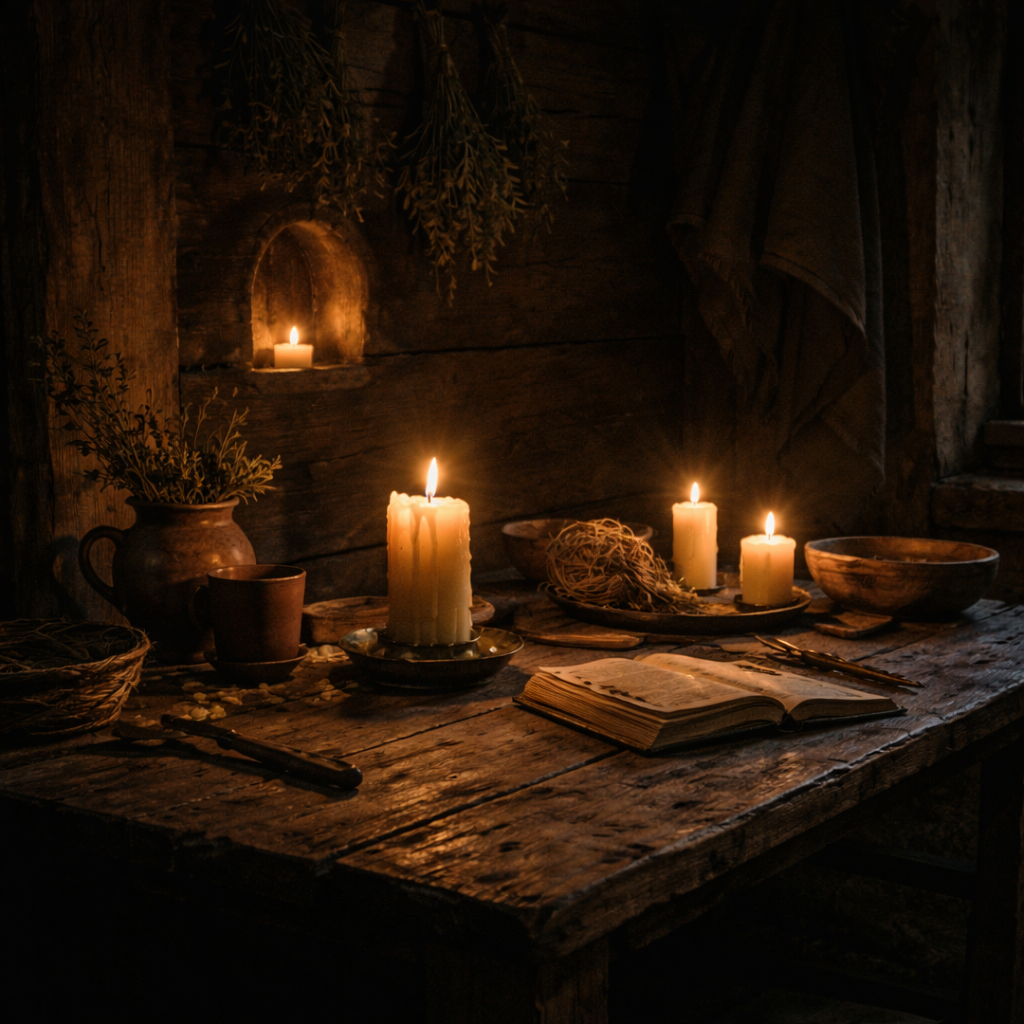
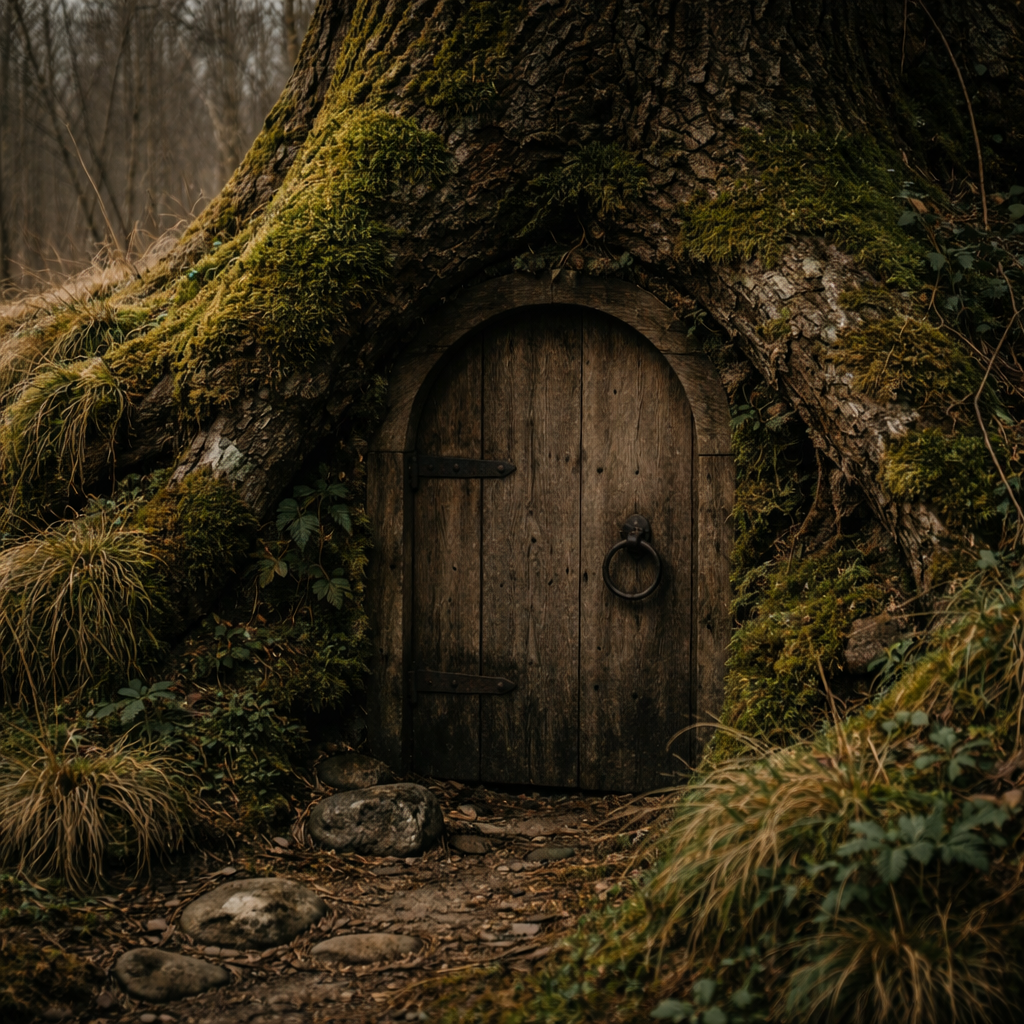
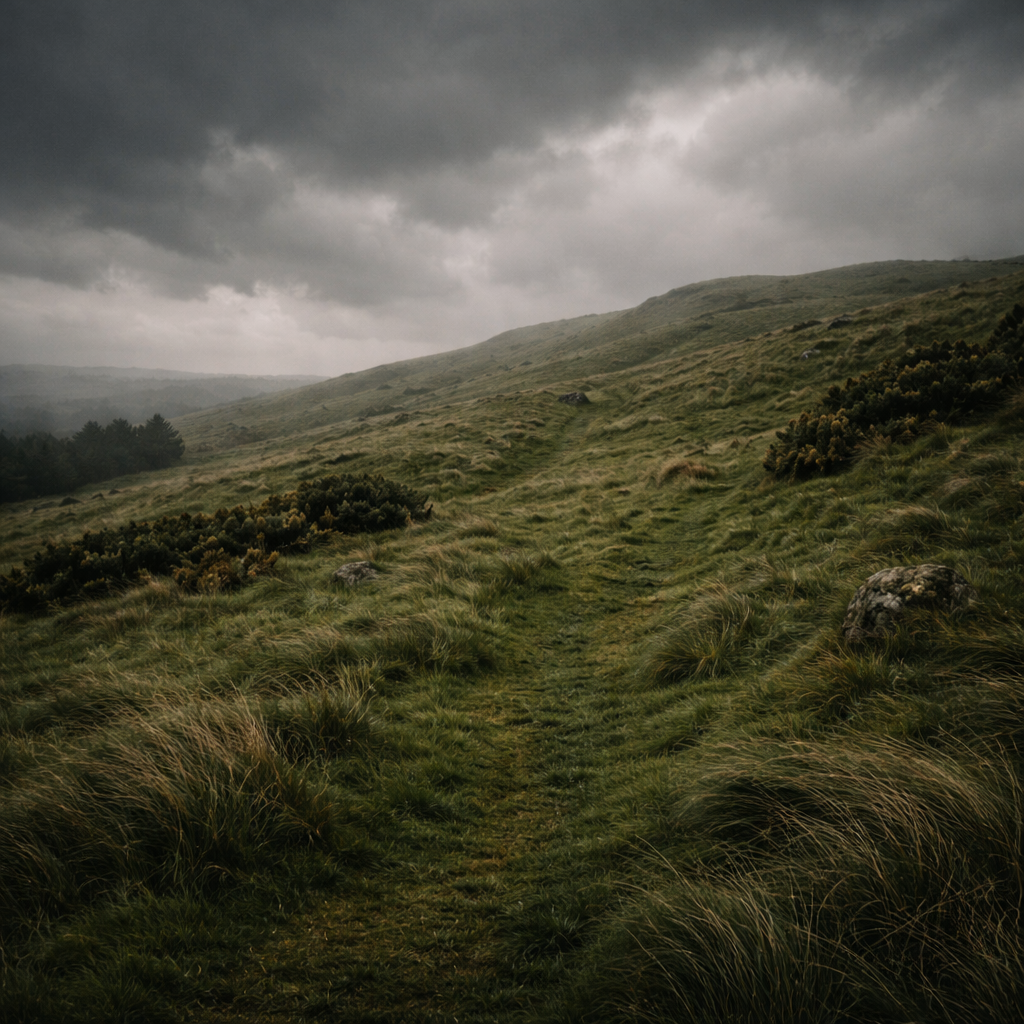
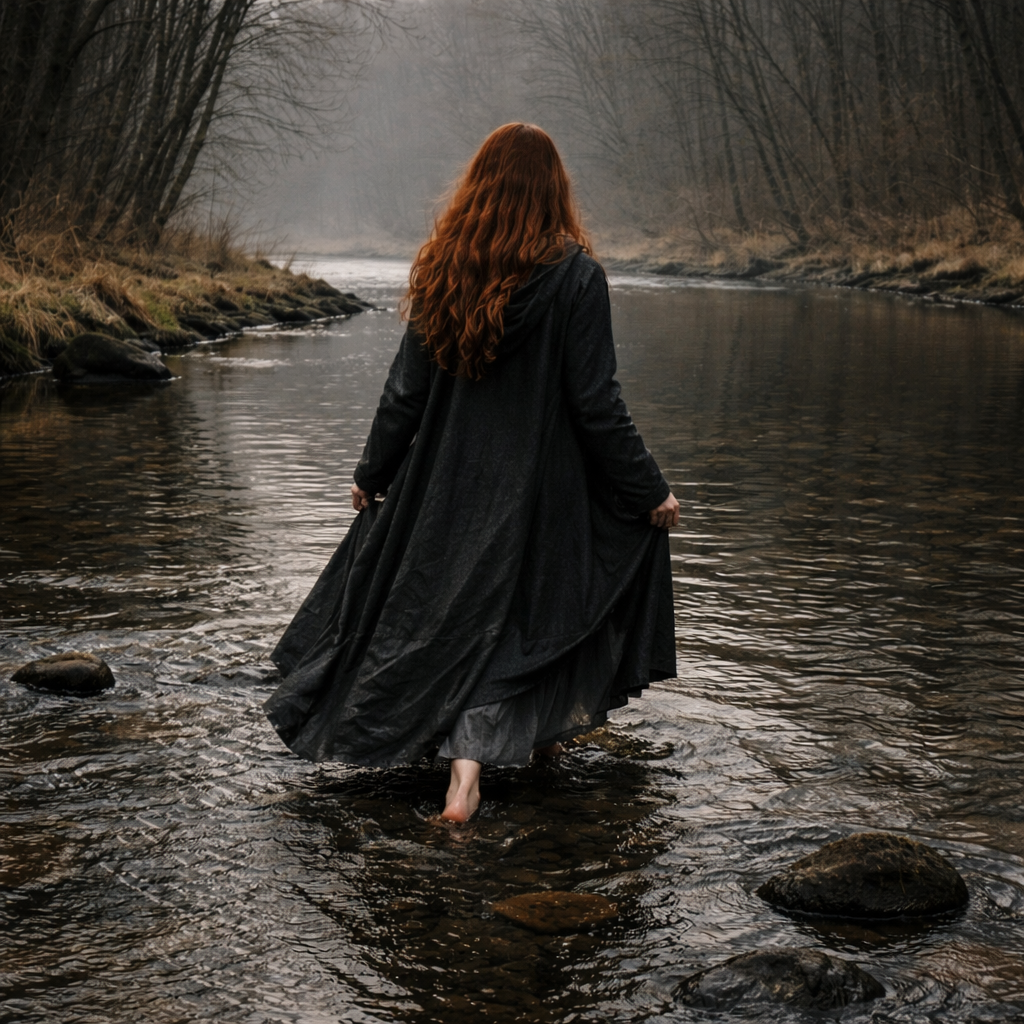
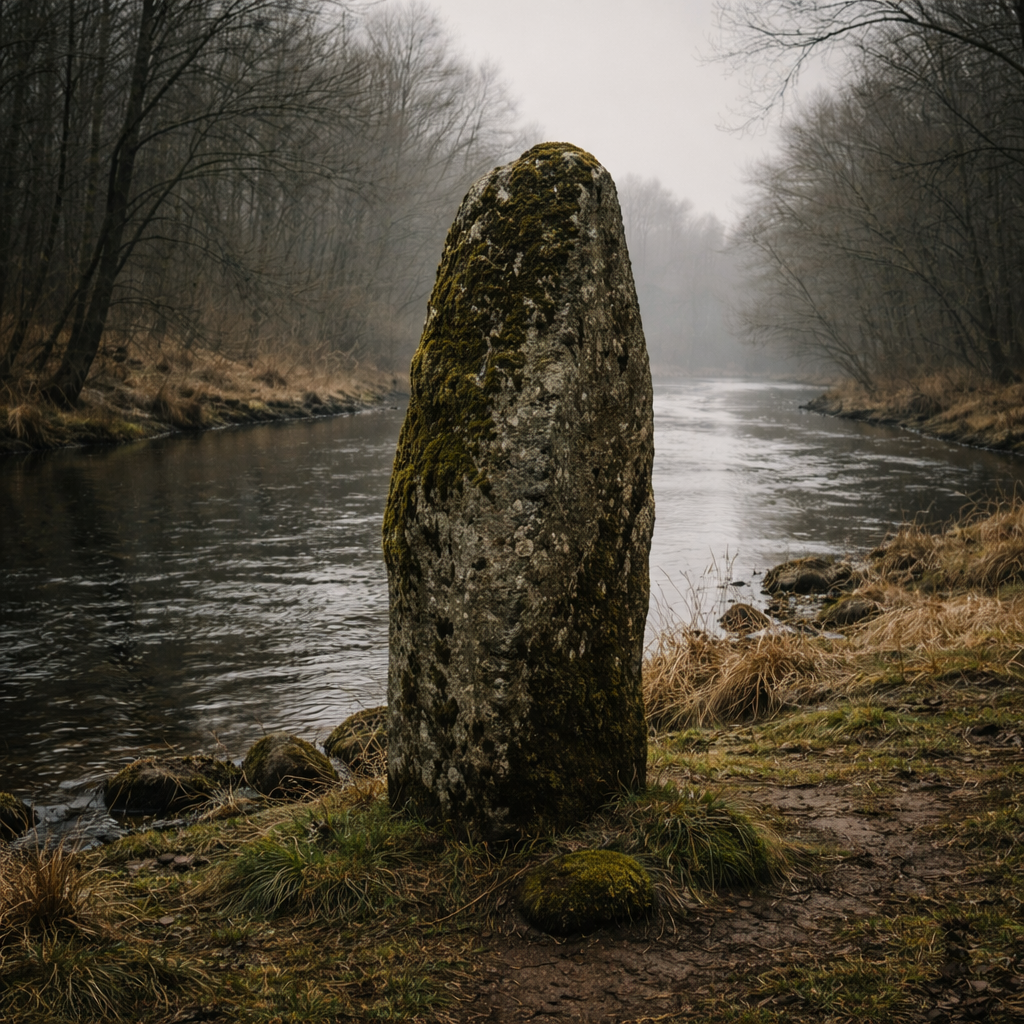
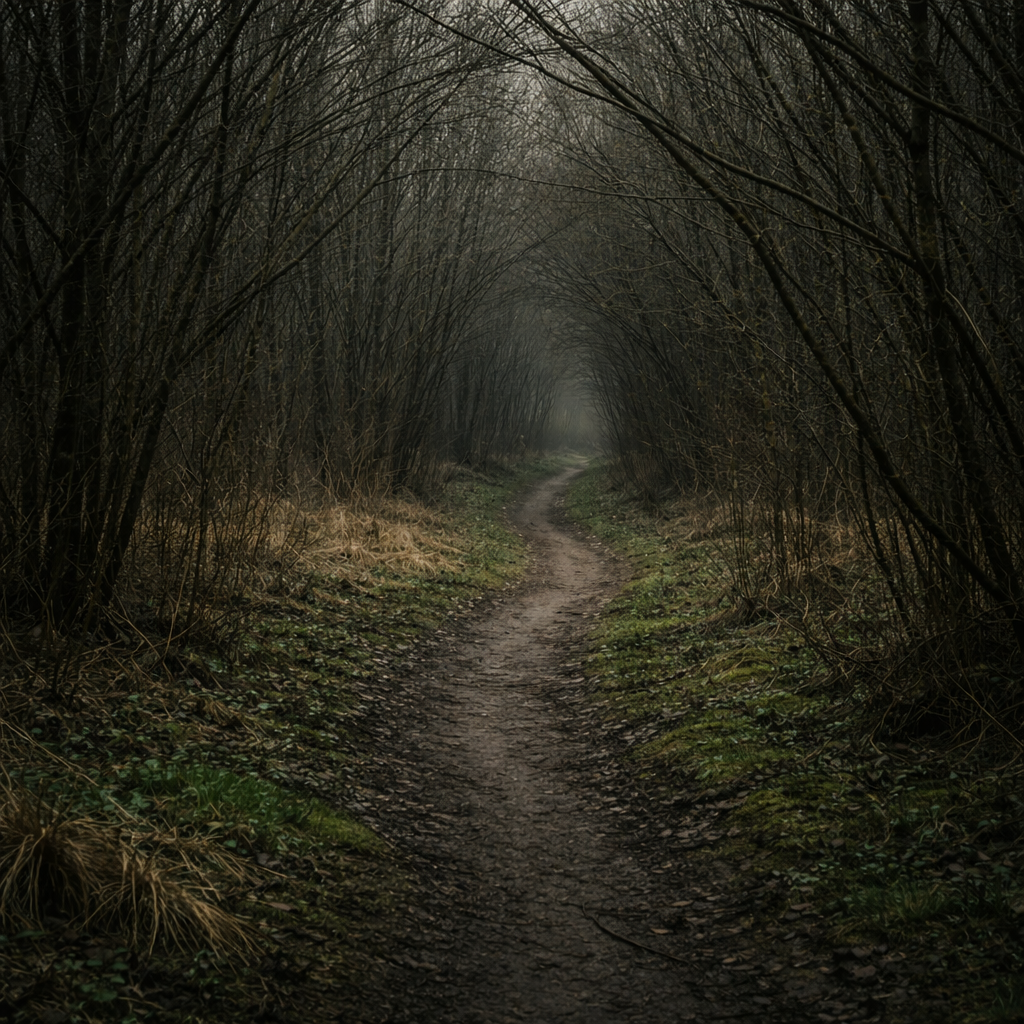
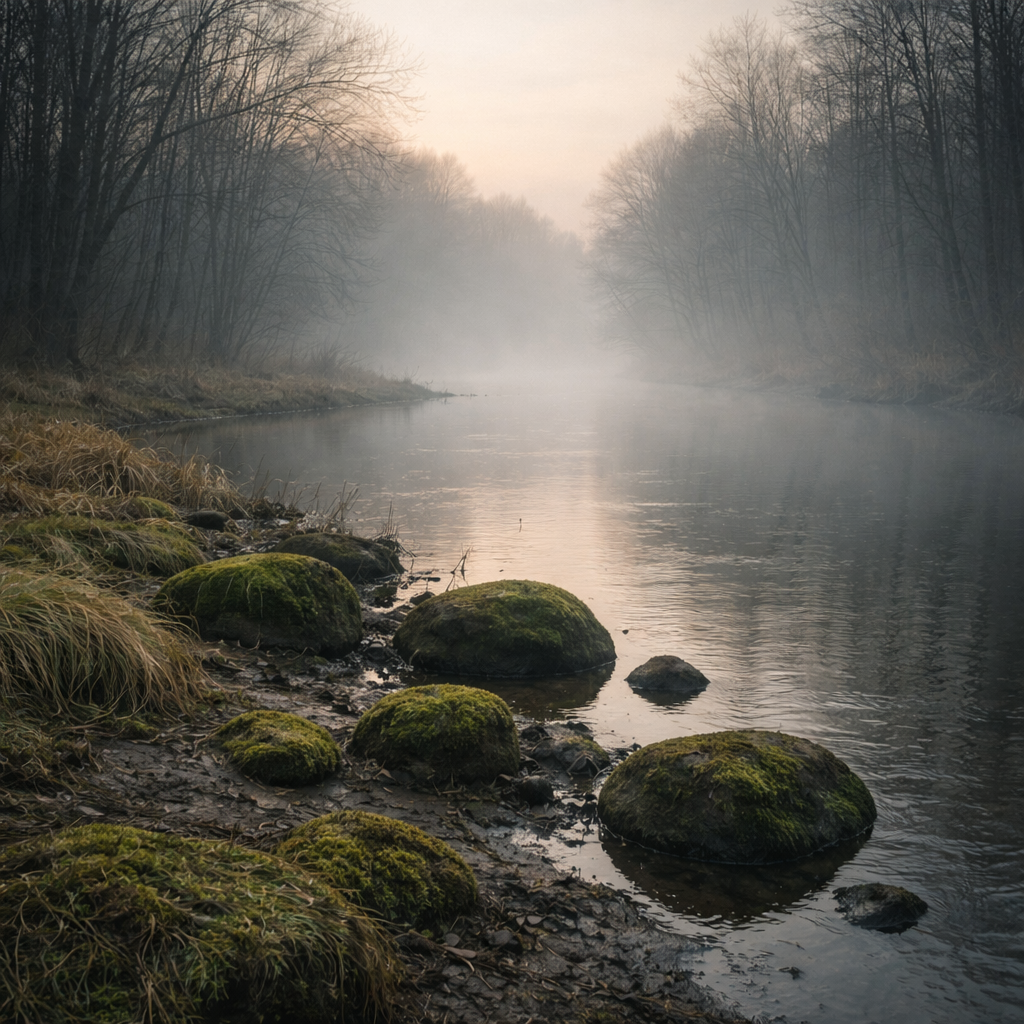
Go Deeper in Folklore Writing
If you want to take these St Patrick’s Day writing prompts further, try leaning into the elements that make Irish folklore feel distinct: implication, consequence, and the sense that the land itself remembers. Choose one prompt and write it twice — once as a realistic story where nothing supernatural is confirmed, and once where the mythic presence is undeniable. You can also experiment with voice by telling the same event as a warning, a confession, or a piece of local gossip, allowing humour and unease to sit side by side. Finally, try anchoring your story in one folkloric rule — a promise that must be kept, a boundary that must not be crossed, or a bargain that seems harmless until it isn’t — and let the plot grow from the consequences rather than the explanation.
Final Thoughts
St Patrick’s Day offers more than celebration — it opens the door to stories shaped by belief, consequence, humour, and inherited myth. Irish folklore encourages writers to think carefully about language, promise, and power, often revealing meaning through what is suggested rather than what is explained.
These 70 St Patrick’s Day writing prompts for teens invite older students to explore myth and legend with maturity, creativity, and restraint. They work well for seasonal writing units, folklore-inspired creative writing, and narrative practice that rewards atmosphere, symbolism, and voice.
If you’d like to explore more genres, tropes, or seasonal collections, you can browse the full master list of 2000+ creative writing prompts here.
Choose Your Next Adventure