Christina Rossetti: Study Guides, Analysis and Teaching Resources
Christina Rossetti is one of the most significant poets of the Victorian period. Associated with the Pre-Raphaelite Brotherhood, her poetry is known for its rich imagery, emotional intensity, and exploration of spiritual and moral themes. The sister of artist and poet Dante Gabriel Rossetti, Rossetti moved within a vibrant artistic and intellectual circle that influenced much of her work.
The poems of Christina Rossetti frequently explore themes such as faith, temptation, love, sacrifice, and mortality. Many of her works, including Goblin Market, Remember, and Up-Hill, are widely studied in schools and universities for their symbolism and emotional depth.
This page brings together analysis, study guides, and teaching resources for Rossetti’s works, helping students and educators explore her poetry in greater detail.
Understanding Christina Rossetti’s Context
The poetry of Christina Rossetti is deeply shaped by the religious, artistic, and cultural influences of the Victorian period. Writing during a time of intense moral debate and social change, Rossetti often explored themes such as spiritual devotion, temptation, sacrifice, and the tension between earthly desire and religious faith.
She was closely connected to the Pre-Raphaelite Brotherhood, an artistic movement that valued vivid imagery, symbolism, and emotional intensity. These influences can be seen across many of her poems, where rich visual detail is combined with moral and spiritual reflection.
Understanding the historical and literary context of Rossetti’s work can help readers interpret the deeper meanings behind her poetry.
Read our full guide to Christina Rossetti’s historical and literary context.
Explore Christina Rossetti’s Works
Browse the gallery below to explore analysis and study guides for the works of Christina Rossetti. Each card links to a detailed deep dive examining the poem’s themes, imagery, structure, and historical context.
Rossetti’s poetry ranges from lyrical reflections on love and memory to symbolic explorations of faith, temptation, and spiritual struggle. Many of her most famous works, including Goblin Market, Remember, and Up-Hill, remain widely studied in literature courses today.
Scroll through the gallery to discover individual poem guides and literary analysis.


A
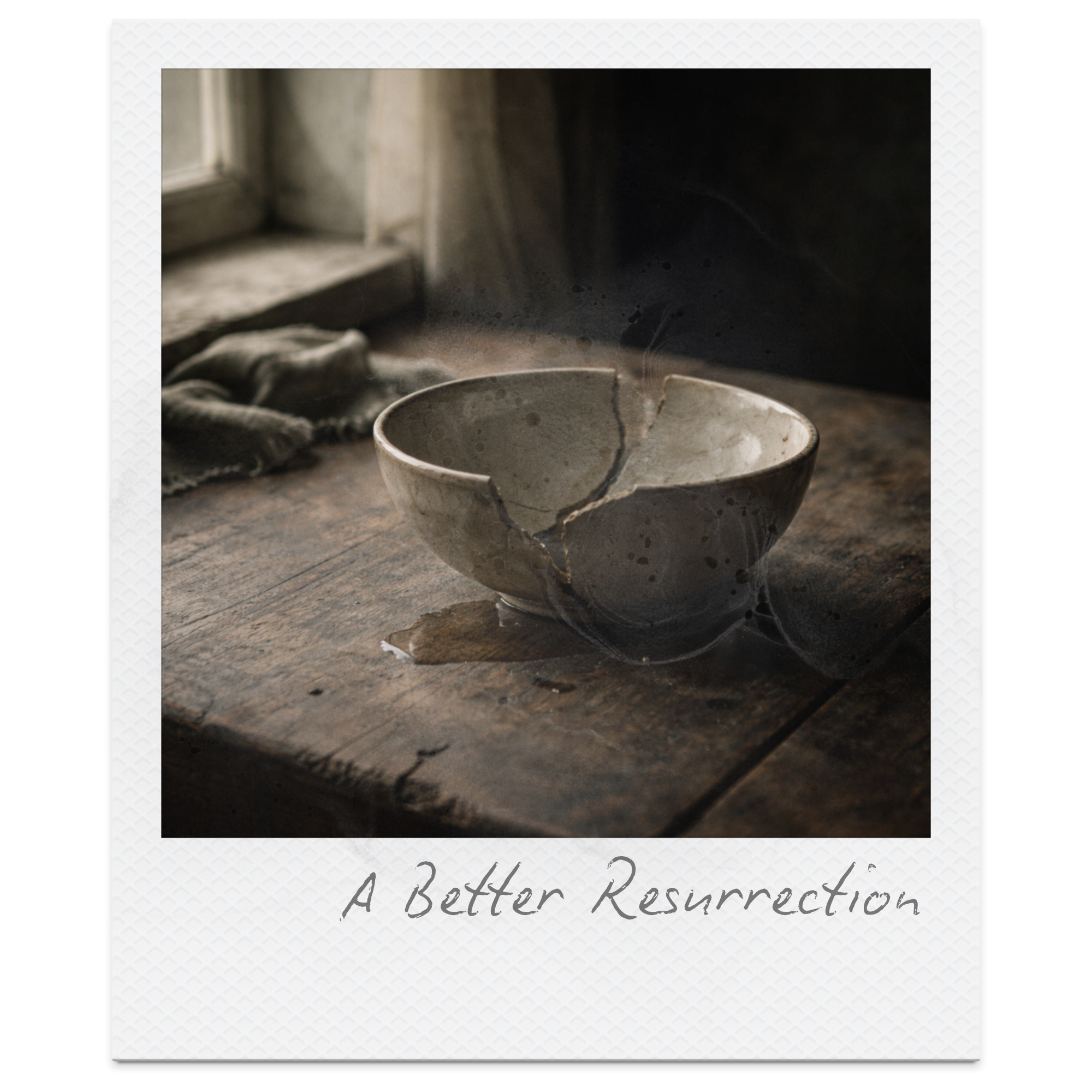
A Better Resurrection
A devotional poem in which the speaker expresses deep spiritual exhaustion and pleads for renewal, using imagery of decay and transformation to explore faith, redemption, and inner rebirth.
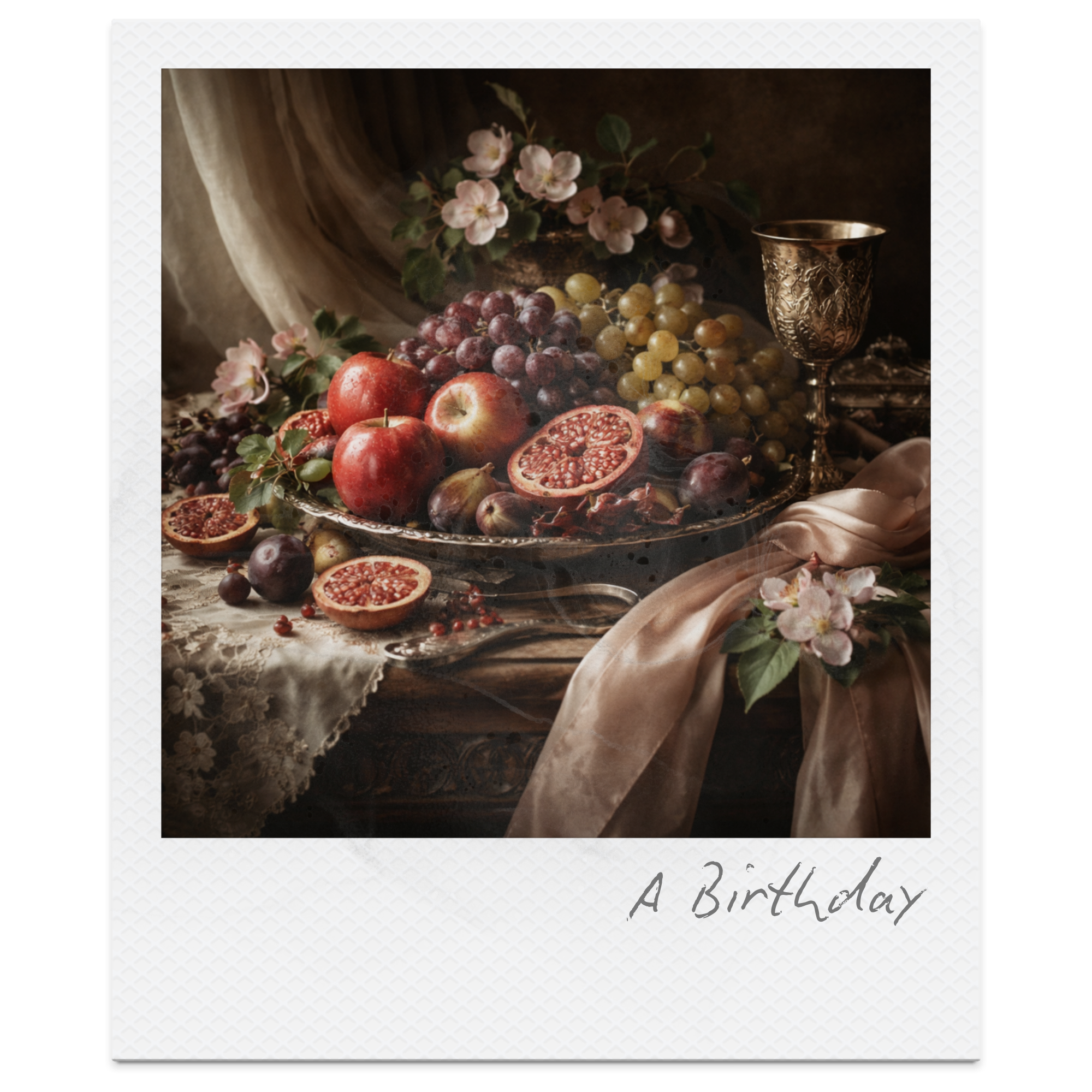
A Birthday
A celebratory lyric in which the speaker describes the overwhelming joy of love through rich natural imagery and ceremonial symbolism. The poem presents love as a moment of emotional rebirth, using images of birds, fruit trees, and ornate decoration to convey abundance, devotion, and the transformative power of romantic fulfilment.
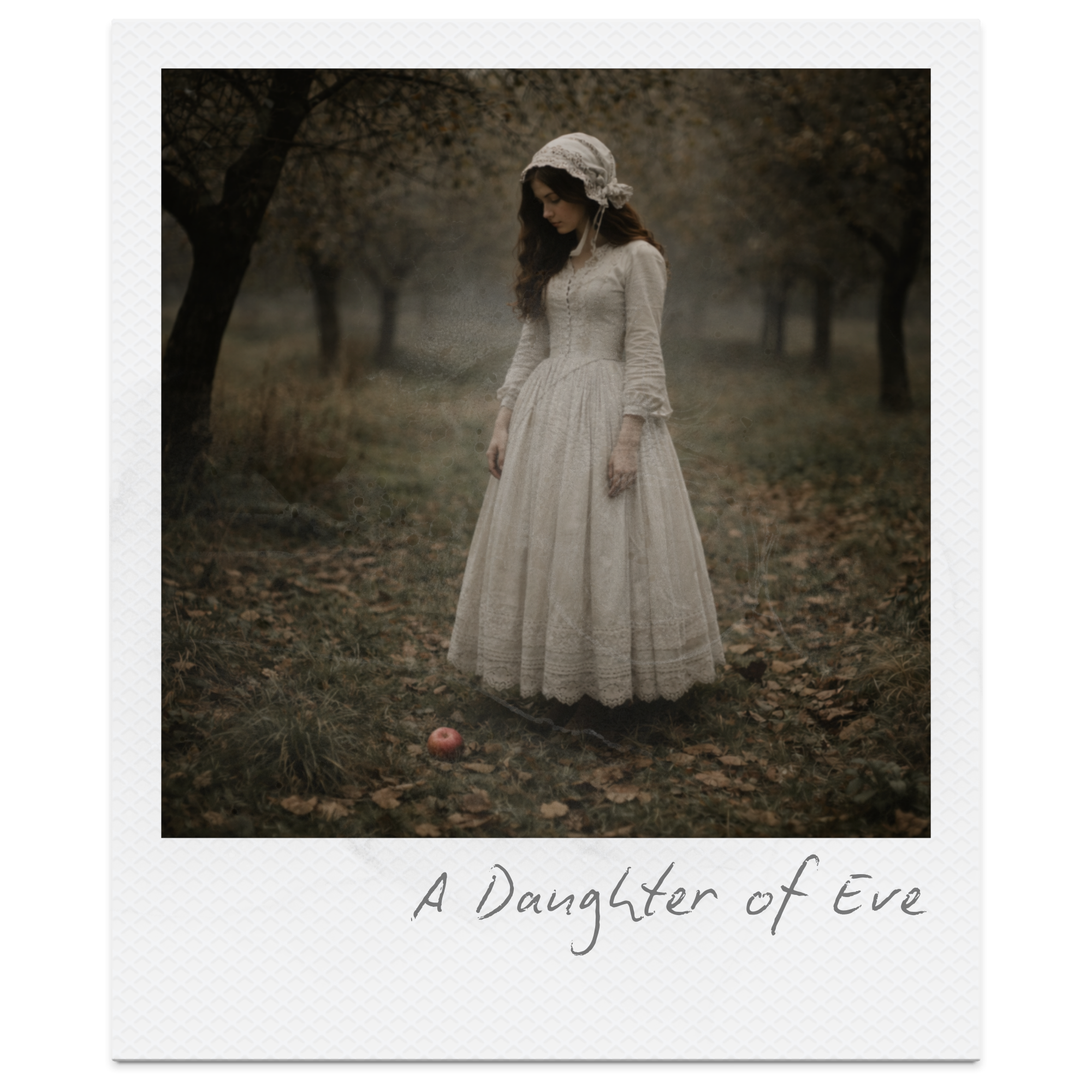
A Daughter of Eve
A reflective lyric in which the speaker confronts the consequences of her own past mistakes, using imagery of flowers, gardens, and changing seasons to explore regret, lost opportunity, and the painful awareness that time for growth and renewal may already have passed.
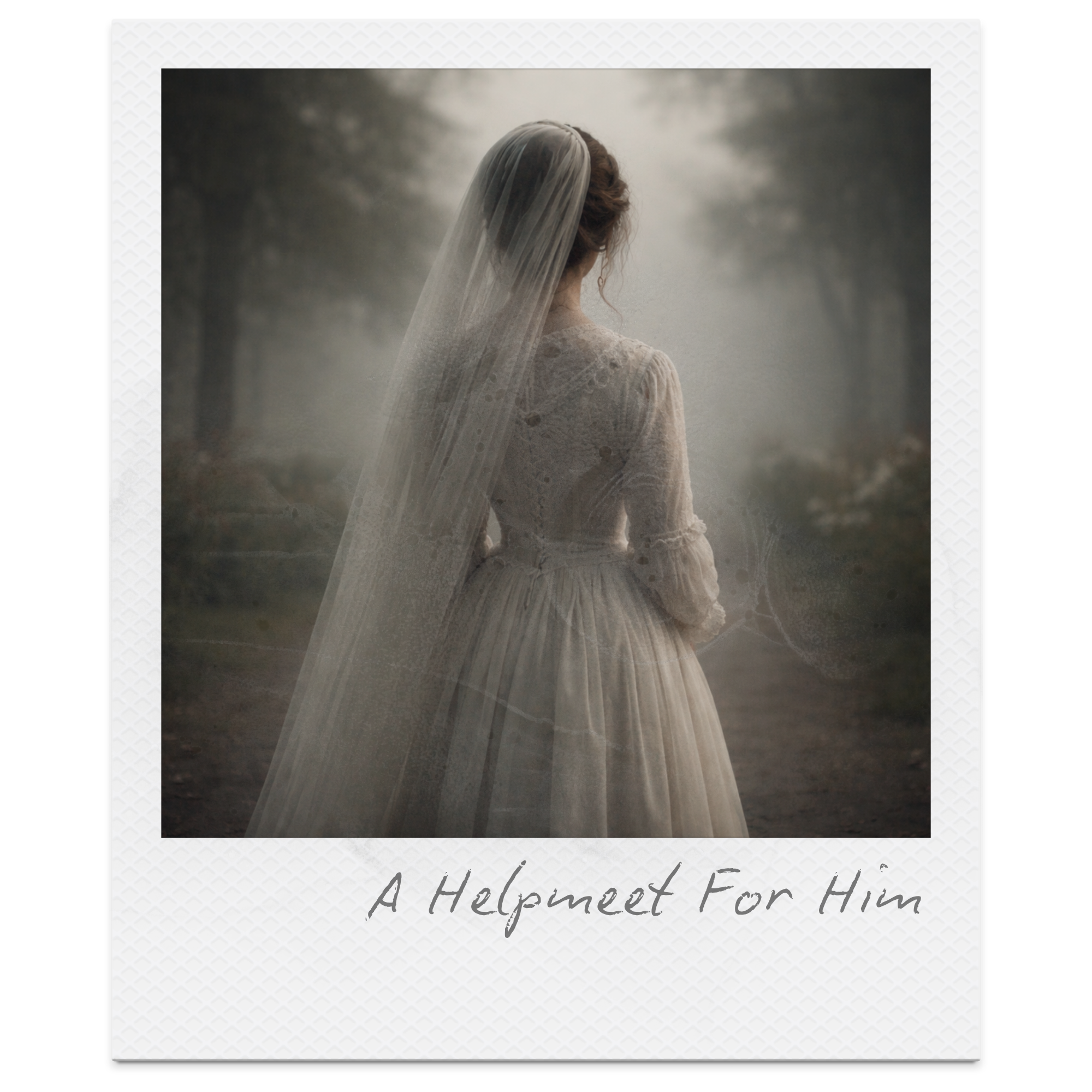
A Helpmeet for Him
A concise yet complex lyric that explores Victorian ideals of womanhood, presenting a woman defined through service and devotion while subtly suggesting that her apparent meekness conceals a deeper, quieter form of strength and influence.
After Death
A sonnet in which the speaker observes her own deathbed while the man she loved finally expresses pity and regret. Through quiet imagery and restrained tone, the poem explores unreturned love, emotional blindness, and the painful irony of recognition that comes too late.
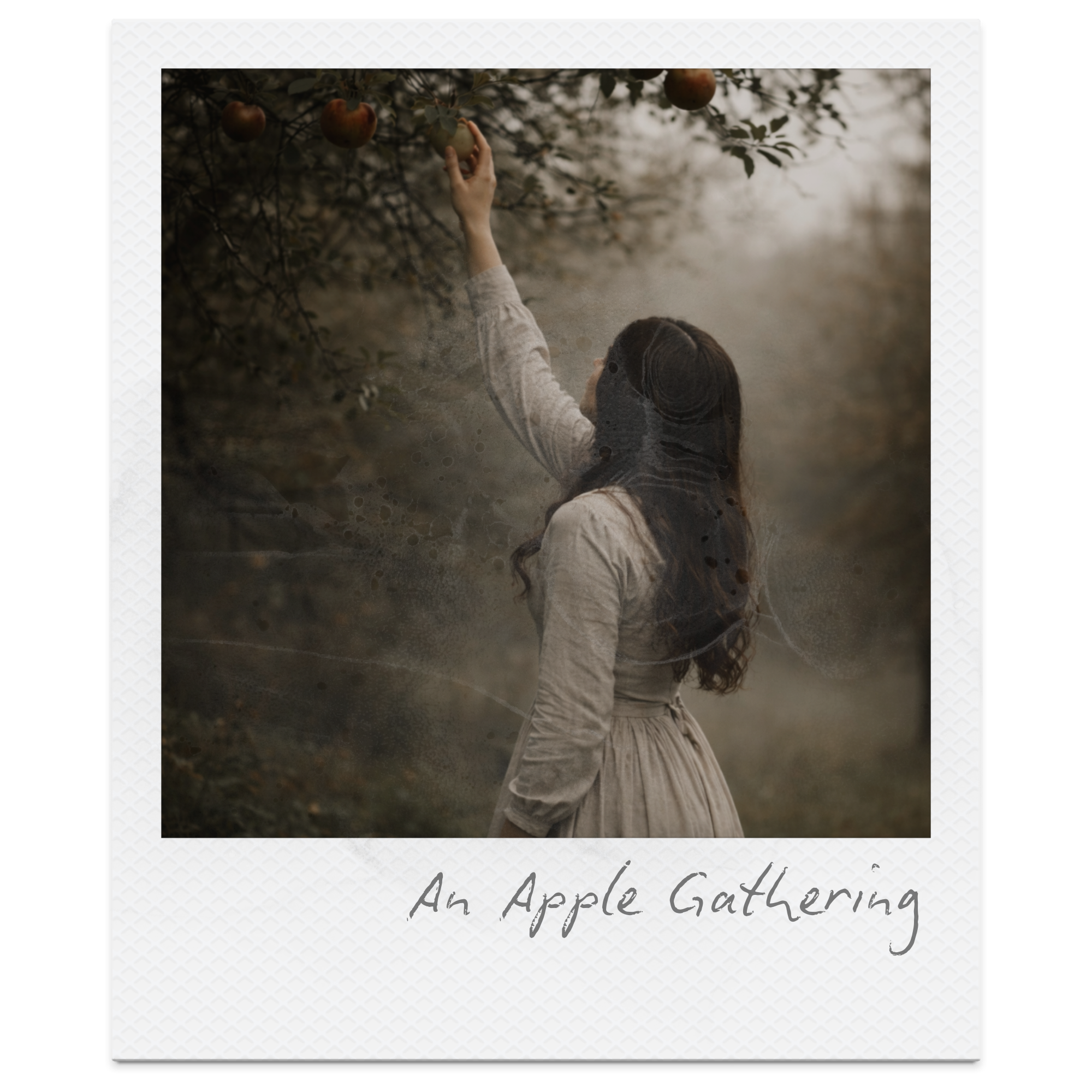
An Apple Gathering
A poem exploring themes of love, loss, and regret through the metaphor of harvesting apples. The speaker reflects on emotional vulnerability and the consequences of misplaced trust, using natural imagery to convey disappointment and isolation.
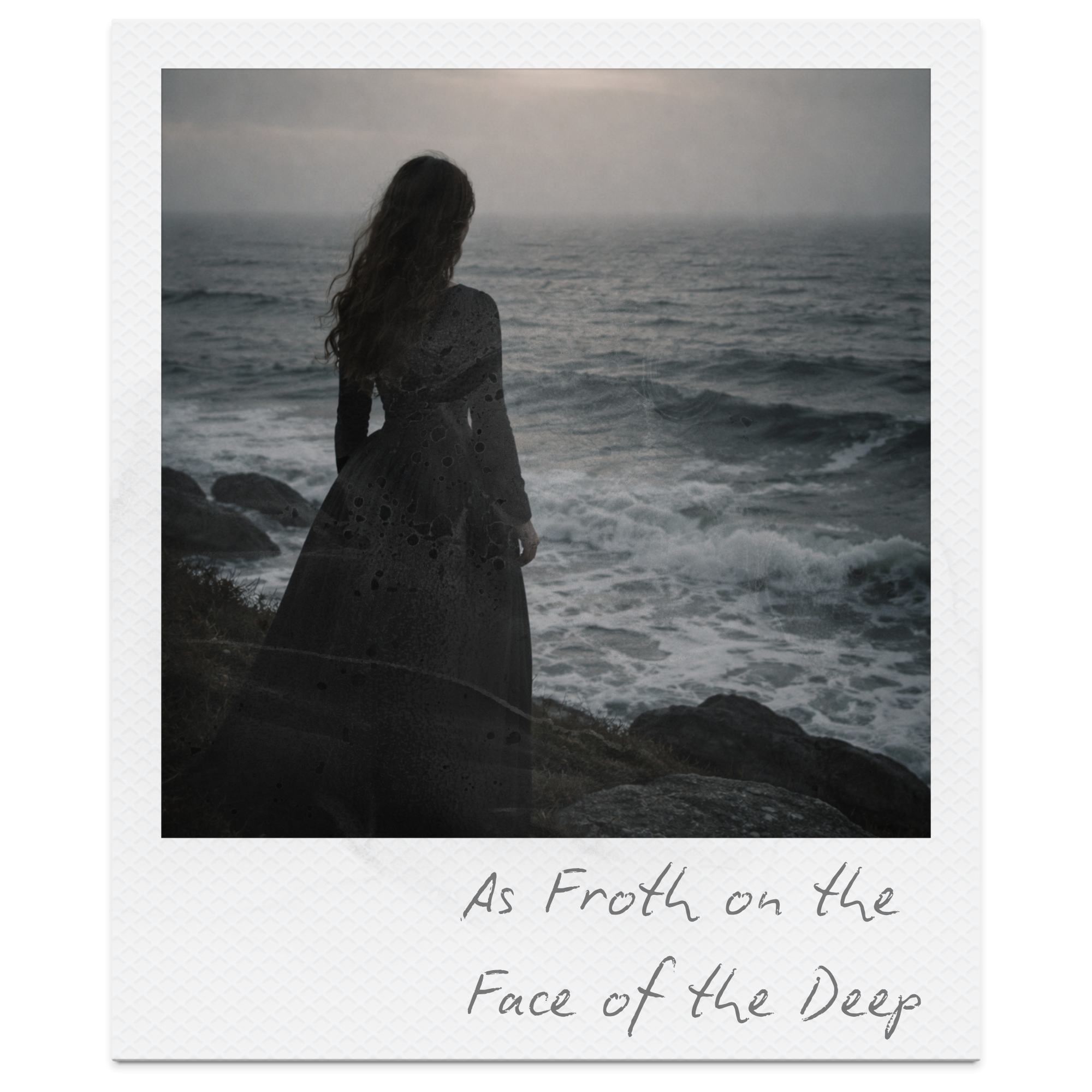
As Froth on the Face of the Deep
A short reflective poem comparing human life to foam on the surface of the sea. Through simple but powerful natural imagery, the poem explores impermanence, mortality, and the fleeting nature of human existence, encouraging a philosophical and spiritual reflection on humanity’s place within the vast rhythms of time and nature.
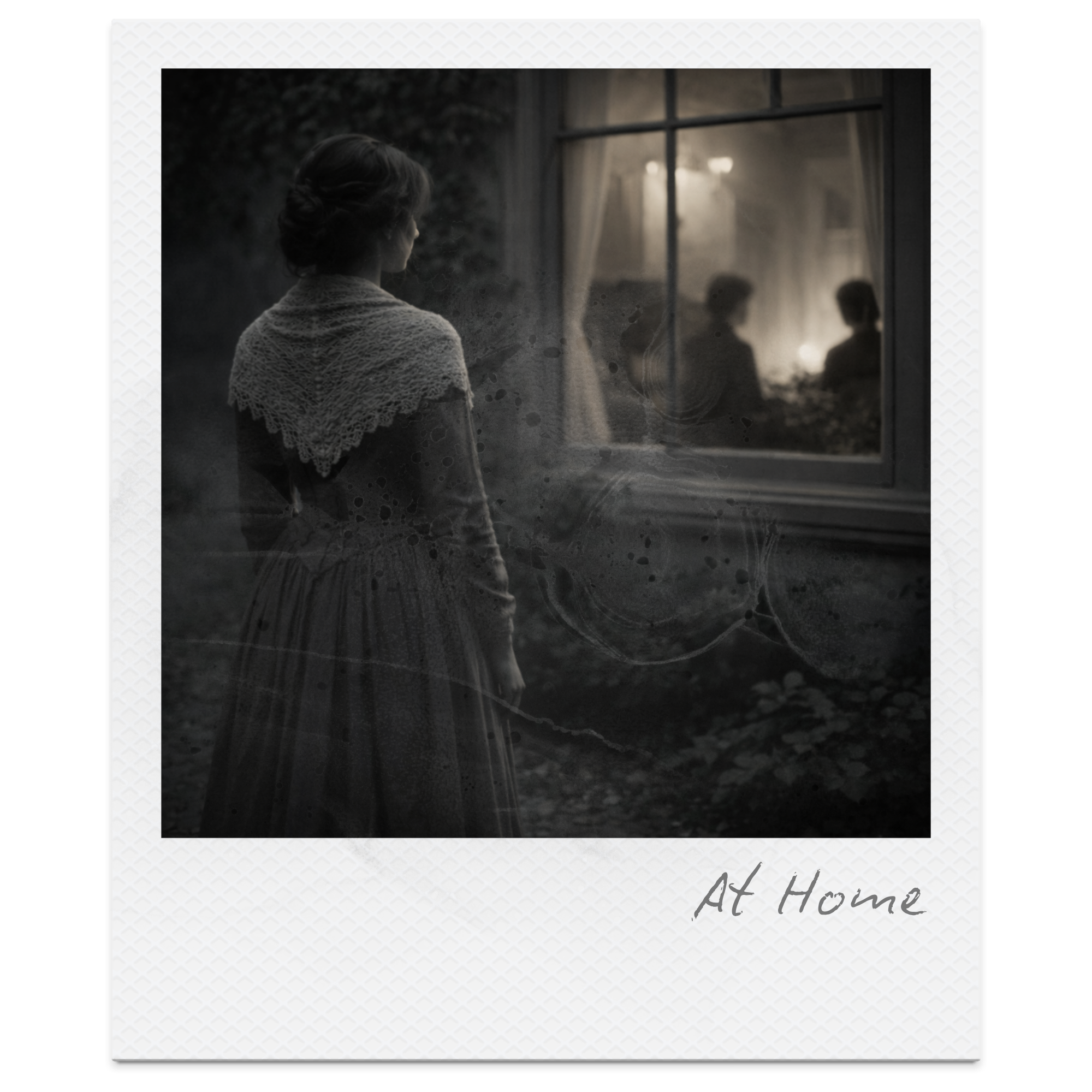
At Home
A reflective and unsettling poem that explores death, memory, and emotional detachment through the perspective of a speaker observing the living after her own death. The poem examines how quickly the dead are forgotten, revealing the fragility of identity, belonging, and human connection.
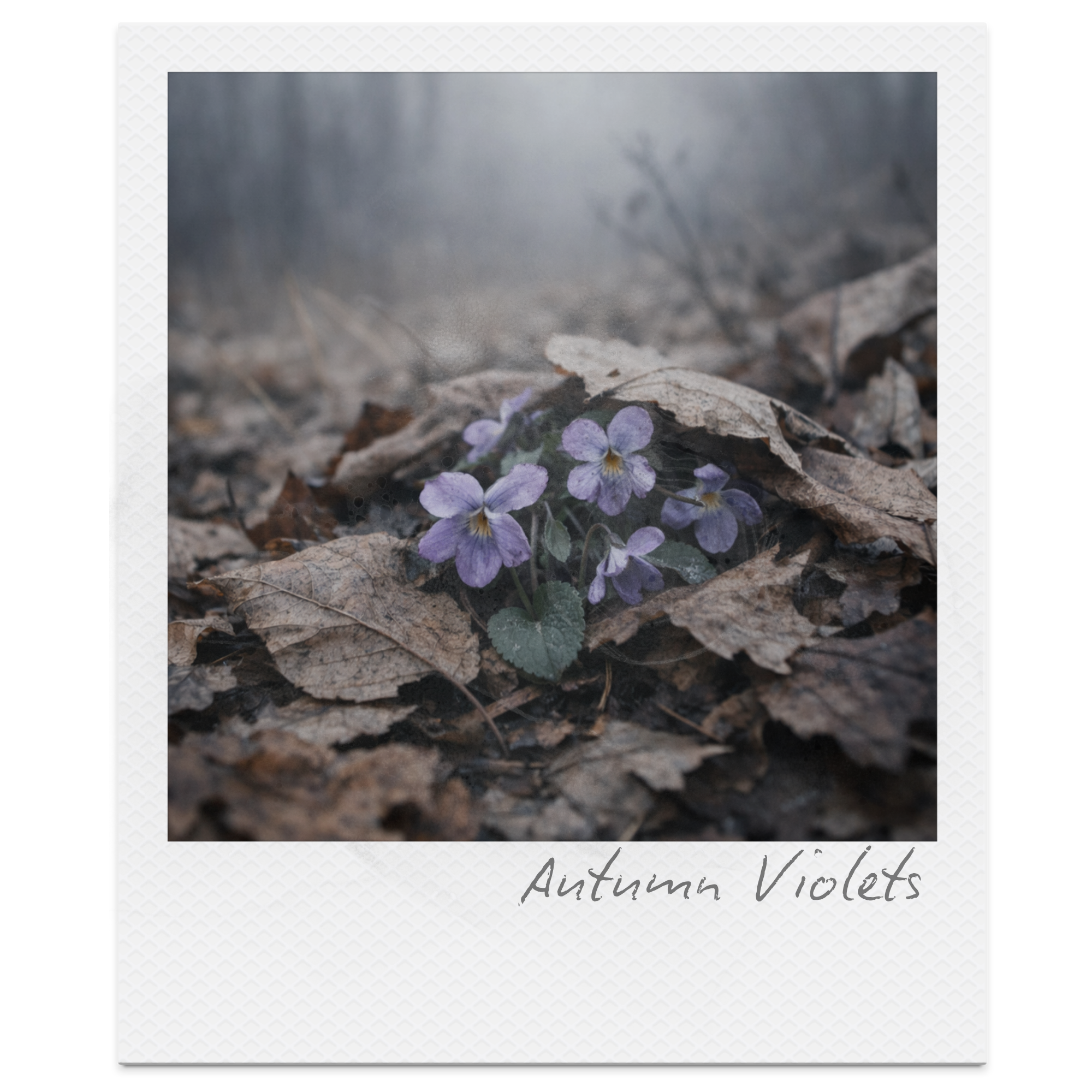
Autumn Violets
A reflective sonnet that explores how love is shaped by time, age, and emotional limitation. Through the image of violets blooming out of season, Rossetti contrasts youthful, idealised love with a quieter, more restrained form of love in later life, using seasonal symbolism to examine acceptance, dignity, and the natural boundaries of human experience.
B
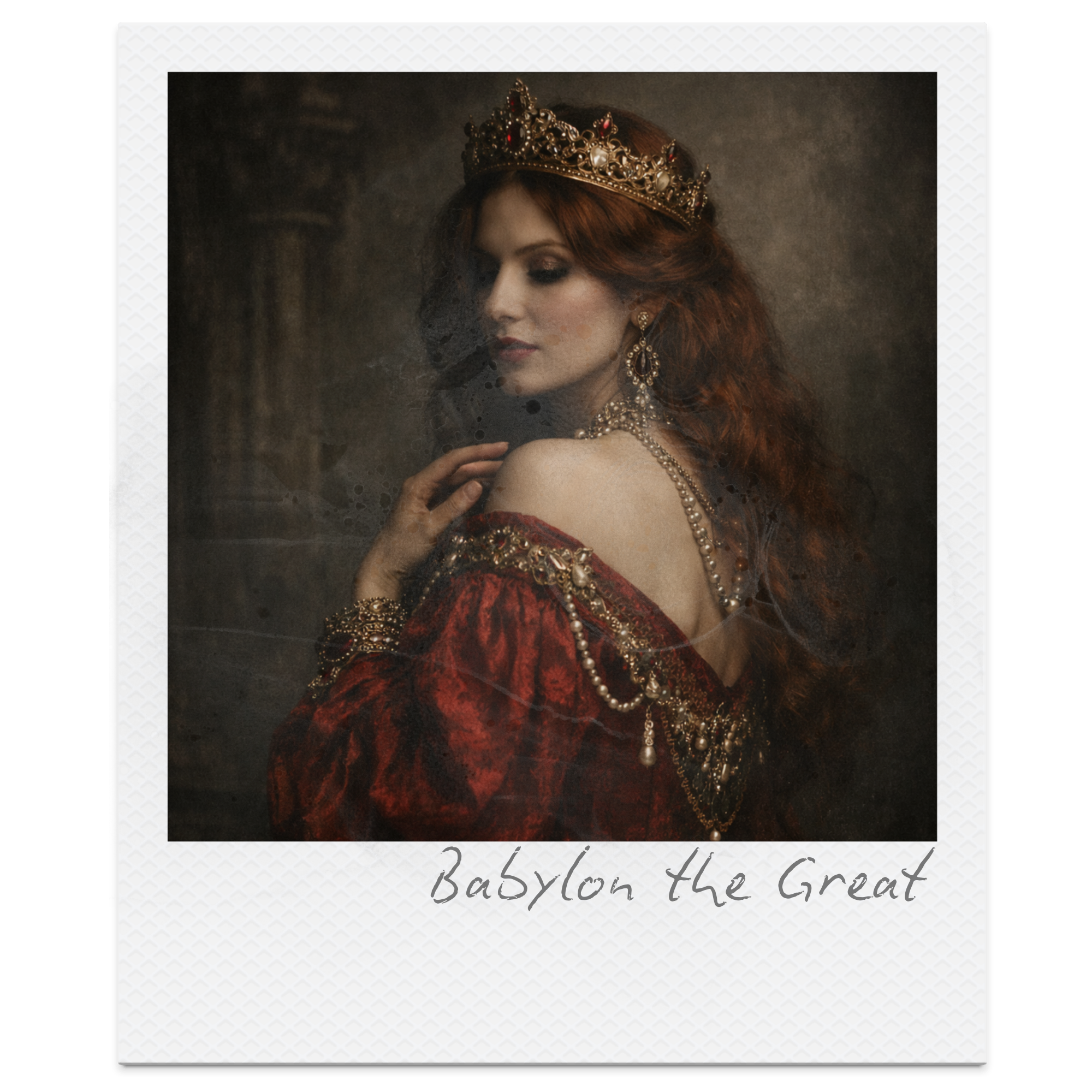
Babylon the Great
A sonnet inspired by the biblical figure from the Book of Revelation, depicting Babylon as a seductive but corrupt force that lures onlookers toward moral and spiritual destruction. Through vivid imagery and prophetic warning, the poem explores temptation, deceptive appearances, and the inevitability of divine judgement.
C
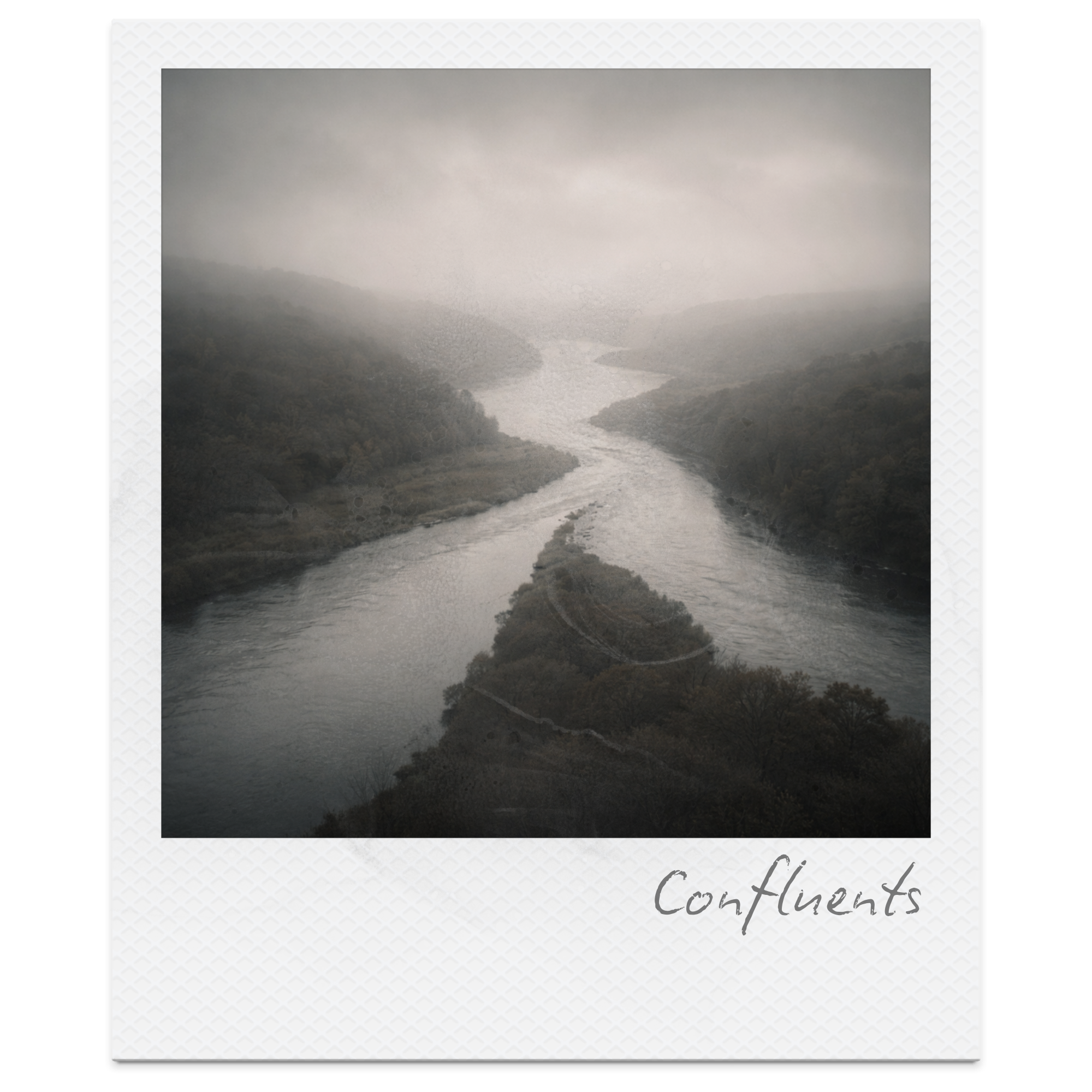
Confluents
A devotional lyric in which the speaker expresses deep spiritual longing by comparing her soul’s desire for union to natural processes such as rivers flowing to the sea, roses opening to sunlight, and dew rising into the air, exploring themes of devotion, distance, faith, and the hope of eventual reunion.
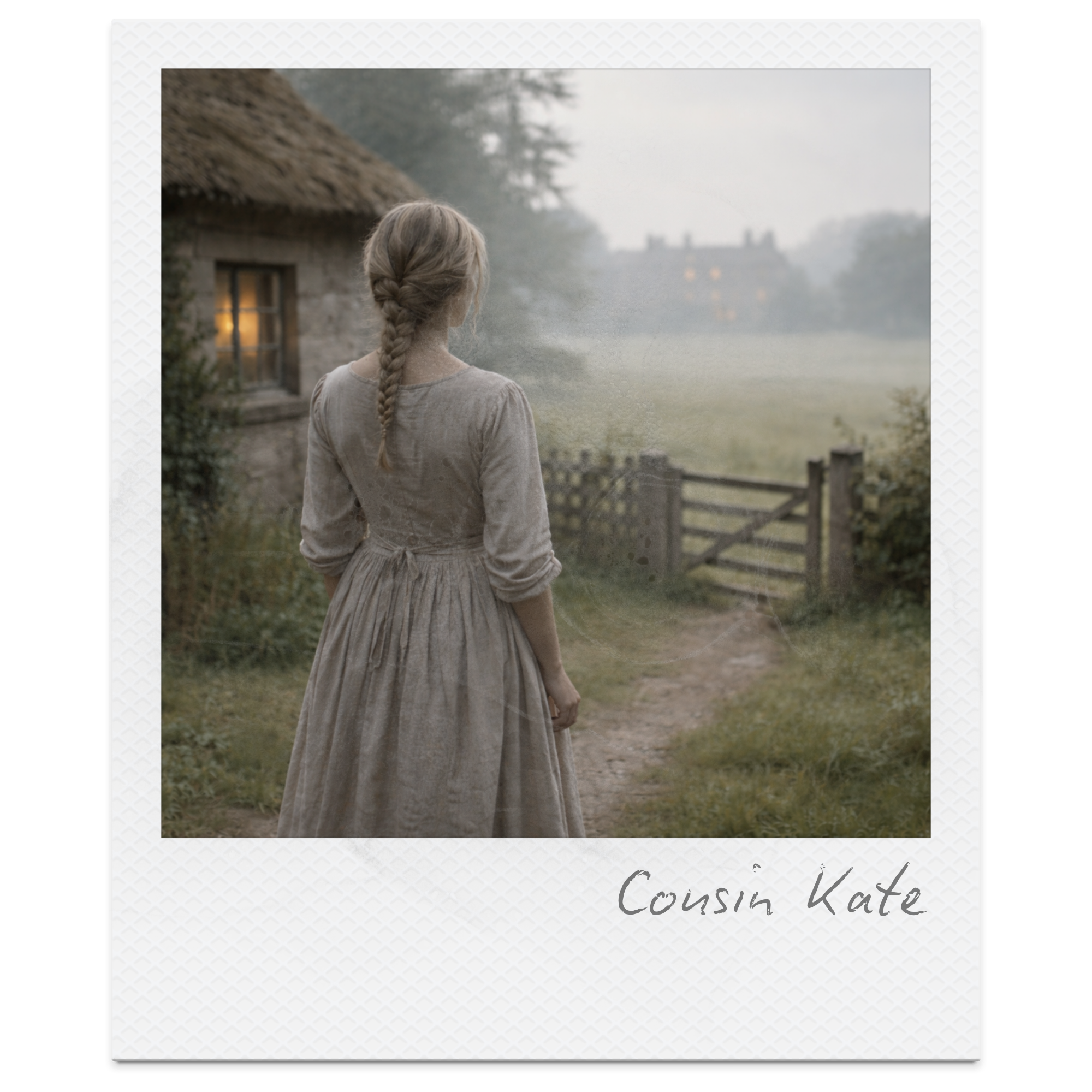
Cousin Kate
A dramatic narrative poem in which a working-class woman recounts being seduced and abandoned by a powerful lord who later marries her cousin. Through the speaker’s bitter reflection, Rossetti explores themes of female reputation, class power, sexual double standards, and Victorian morality, ultimately revealing how shame, motherhood, and inheritance complicate ideas of justice and social respectability.
D
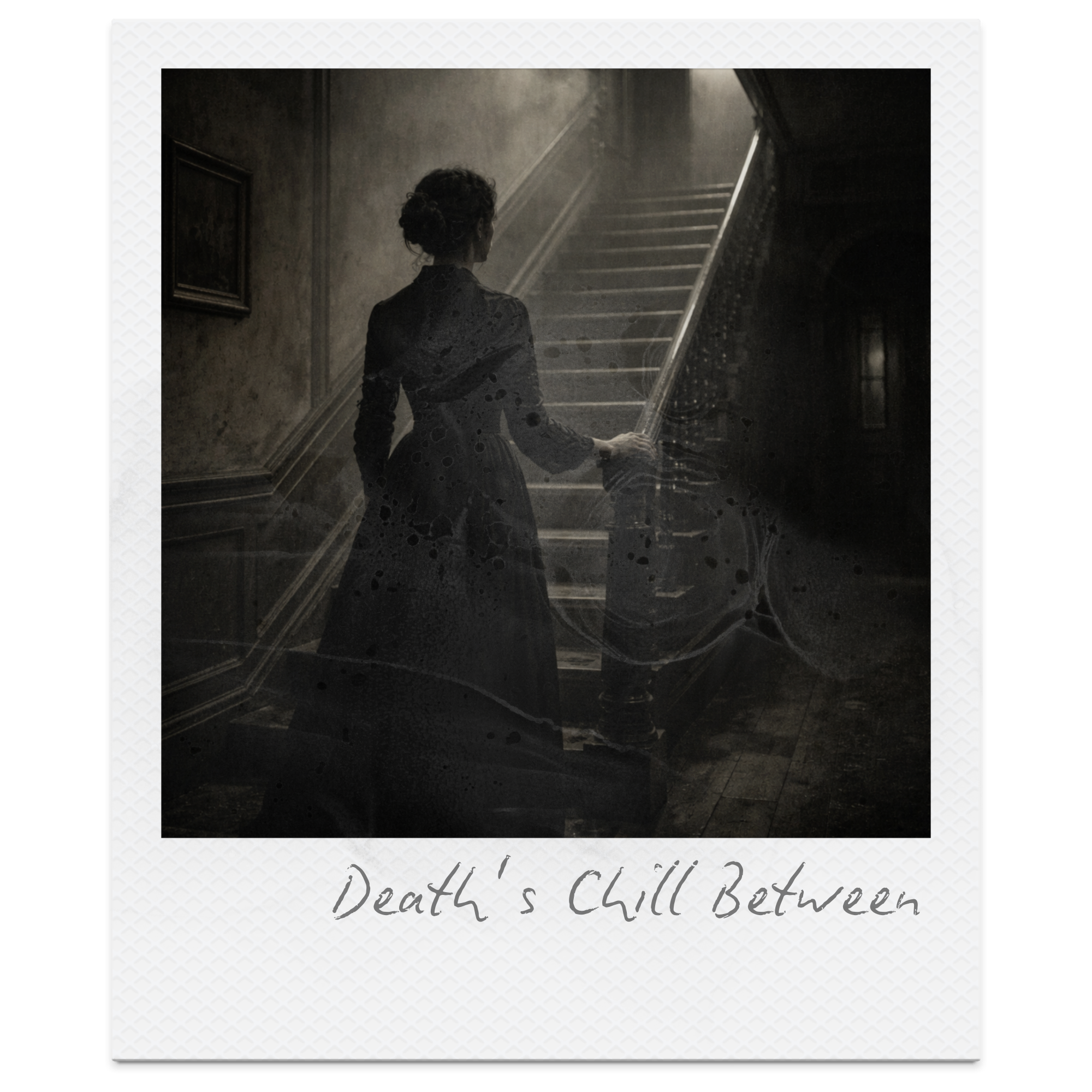
Death’s Chill Between
A haunting poem exploring grief, denial, and the mind’s struggle to accept loss. The speaker attempts to maintain emotional restraint but gradually imagines the return of the beloved, revealing how love and longing can blur the boundary between illusion and reality.
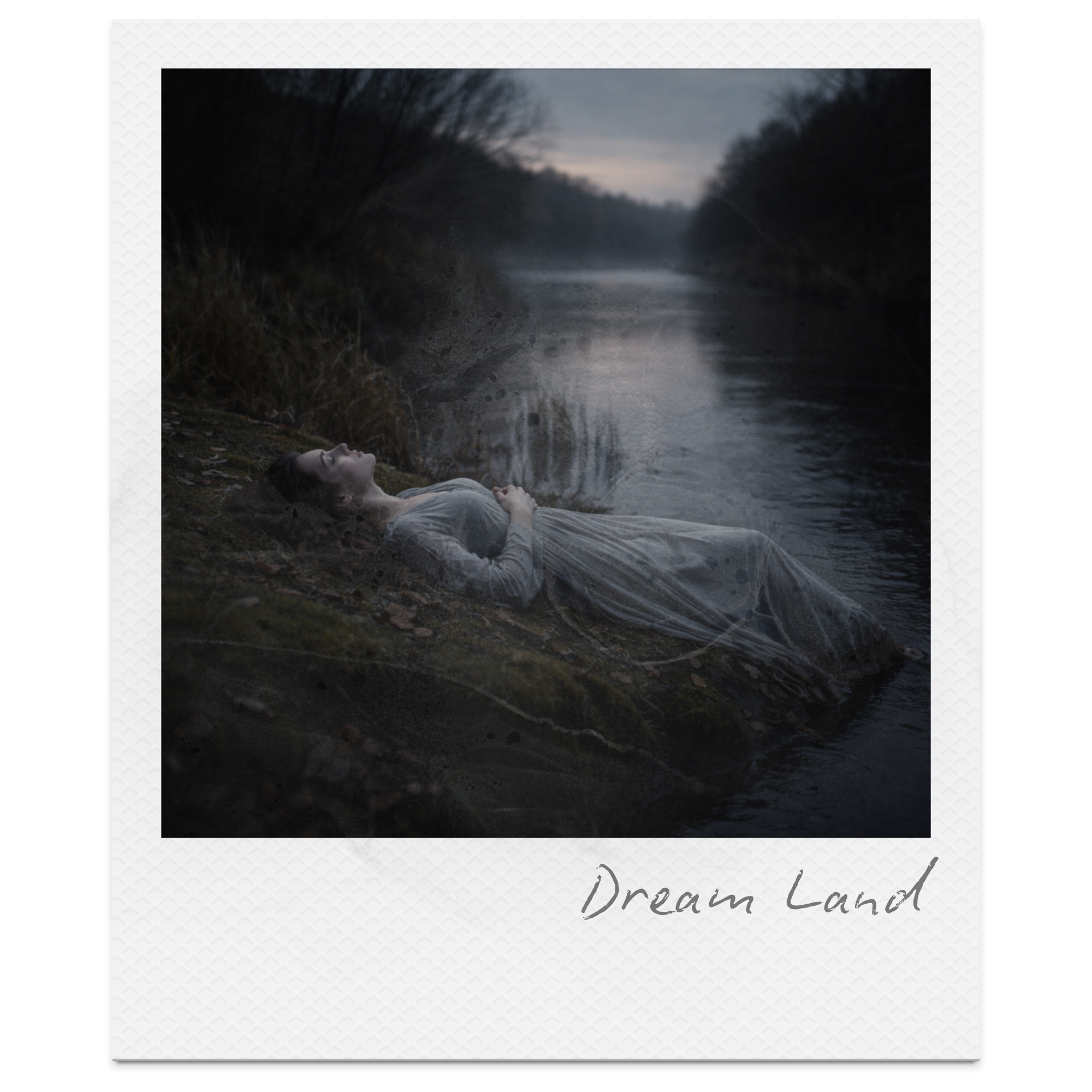
Dream Land
A lyrical poem that imagines a peaceful dreamlike world of rest and withdrawal. The poem is often interpreted as reflecting themes of escape, emotional detachment, and the longing for peace.
E
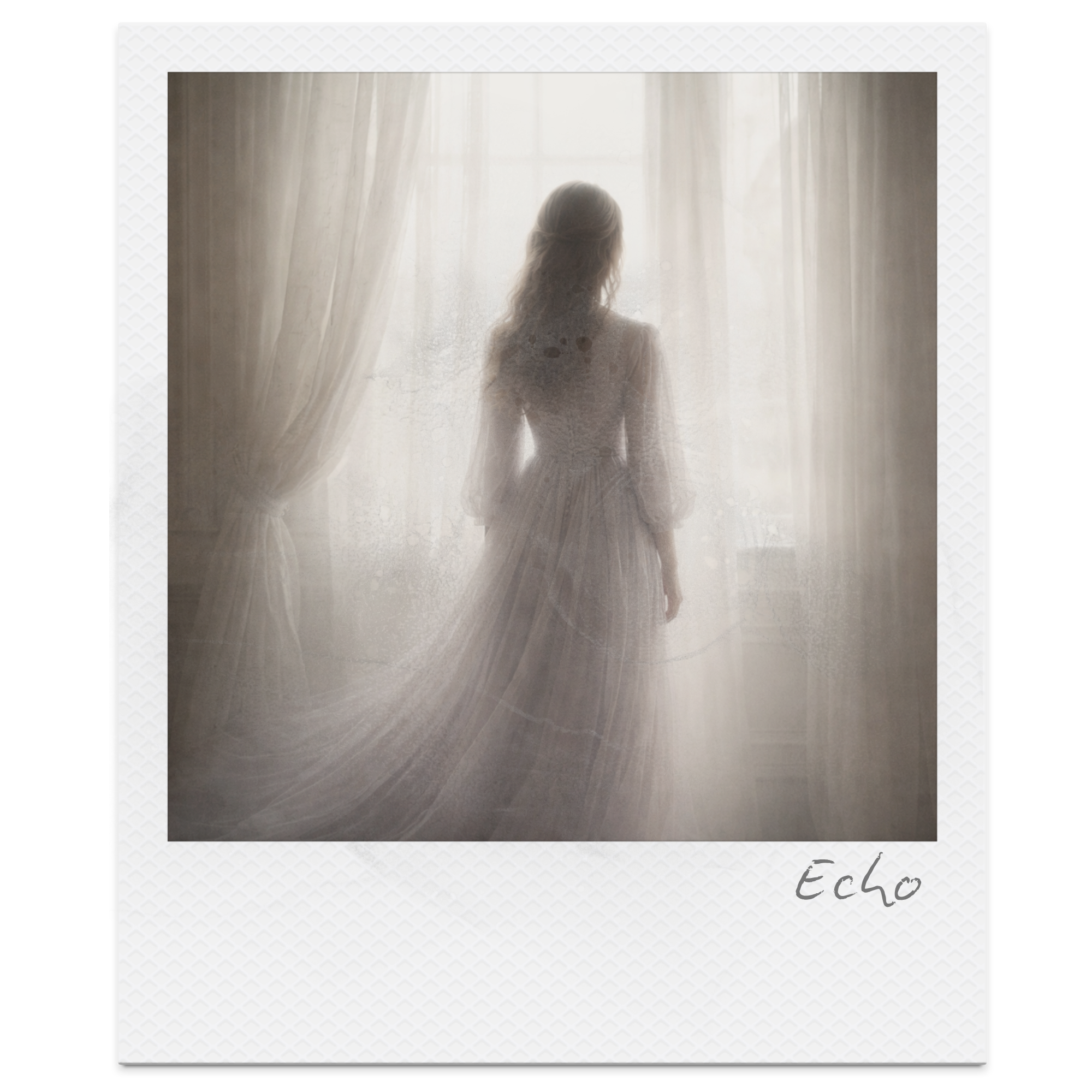
Echo
A haunting poem that explores love, memory, and longing beyond death. The poem presents dreams as a fragile space of reunion, where emotional desire persists despite absence, creating a tension between comfort and loss.
F
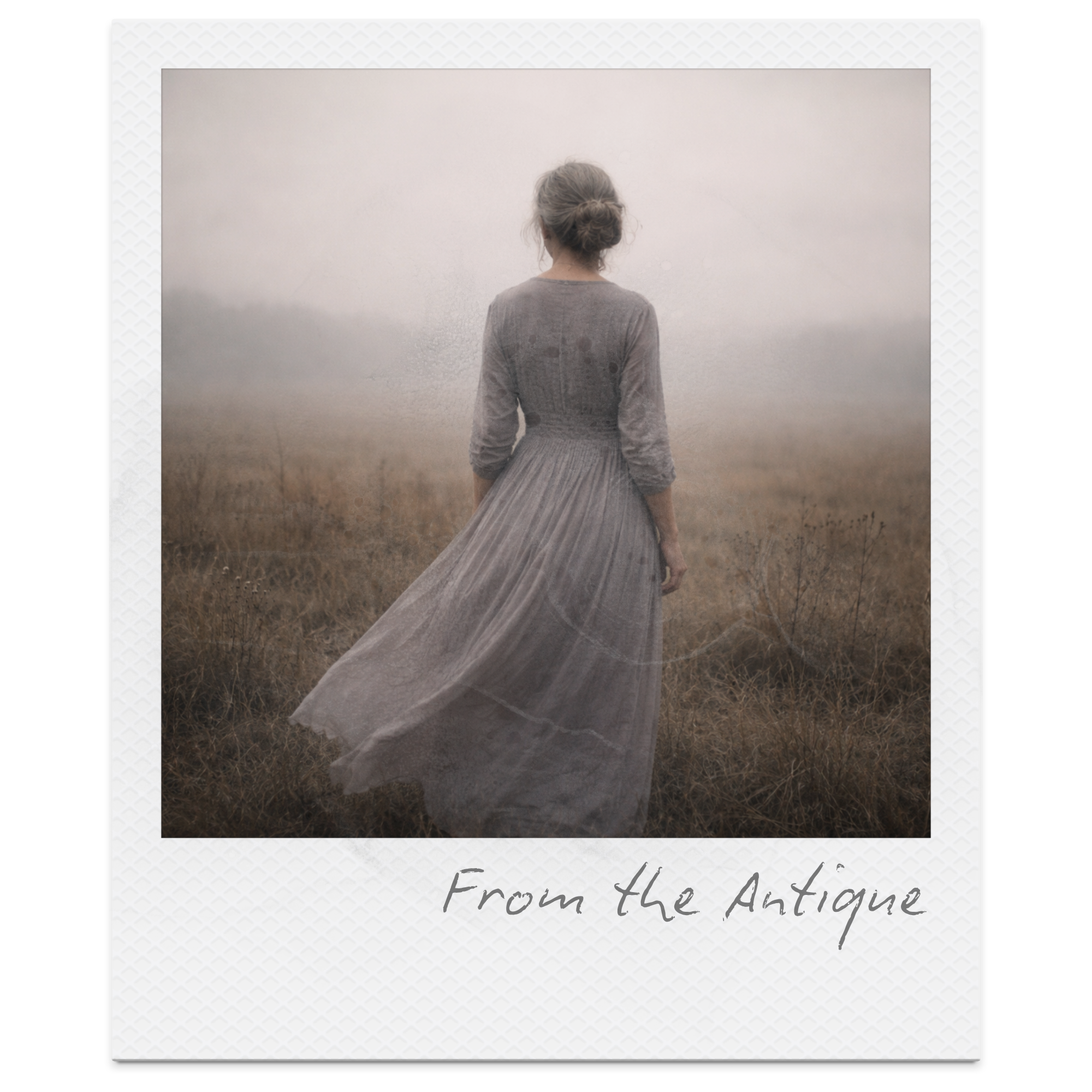
From the Antique
A reflective and unsettling poem in which a speaker expresses deep weariness with life, moving from frustration with a woman’s limited role to a desire for complete non-existence. Through simple yet powerful language, Rossetti explores themes of identity, insignificance, and existential despair, presenting a quiet meditation on the burden of existence and the indifferent continuity of the world.
G
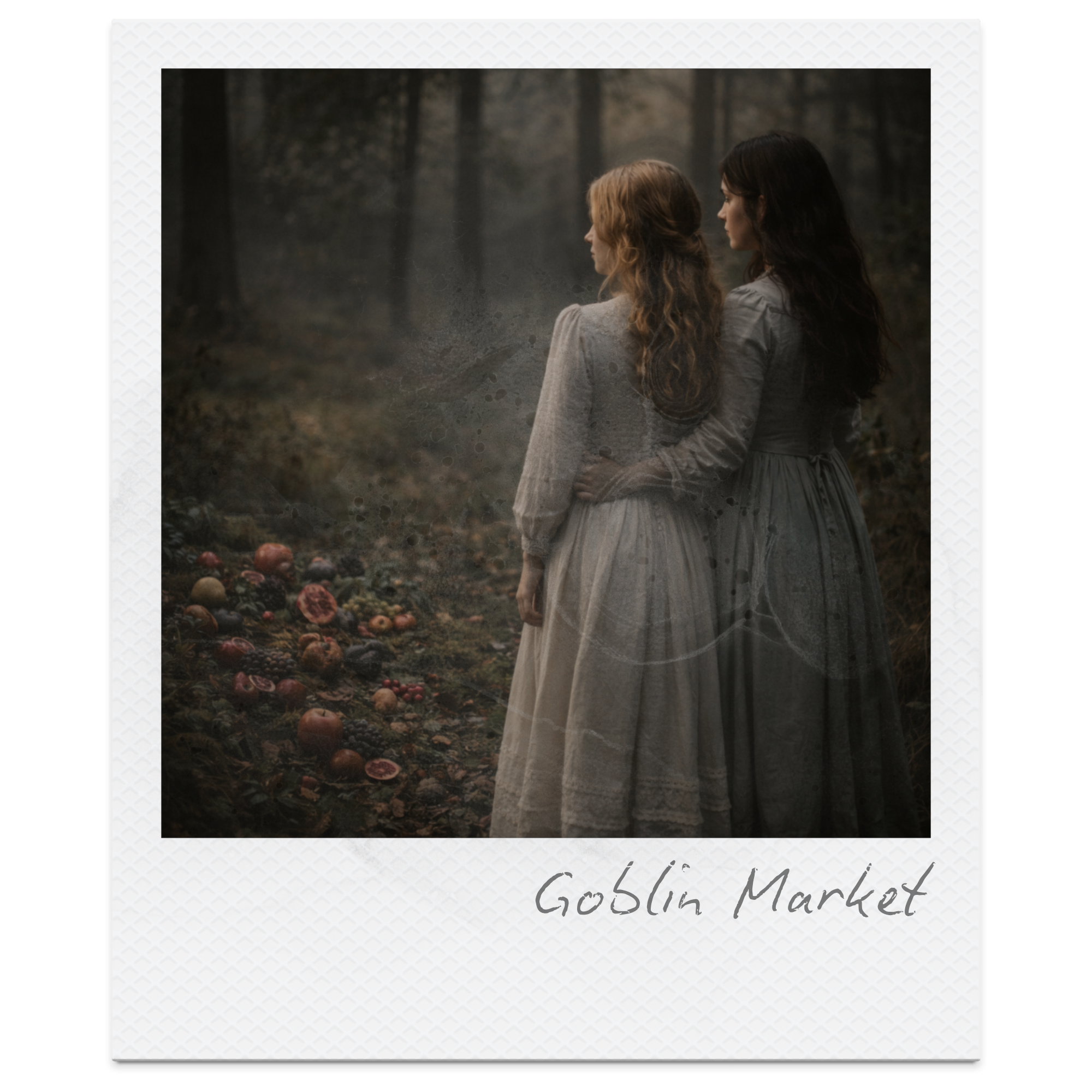
Goblin Market
Rossetti’s most famous narrative poem, exploring temptation, sacrifice, and redemption through the story of two sisters confronted by dangerous goblin merchants.
H
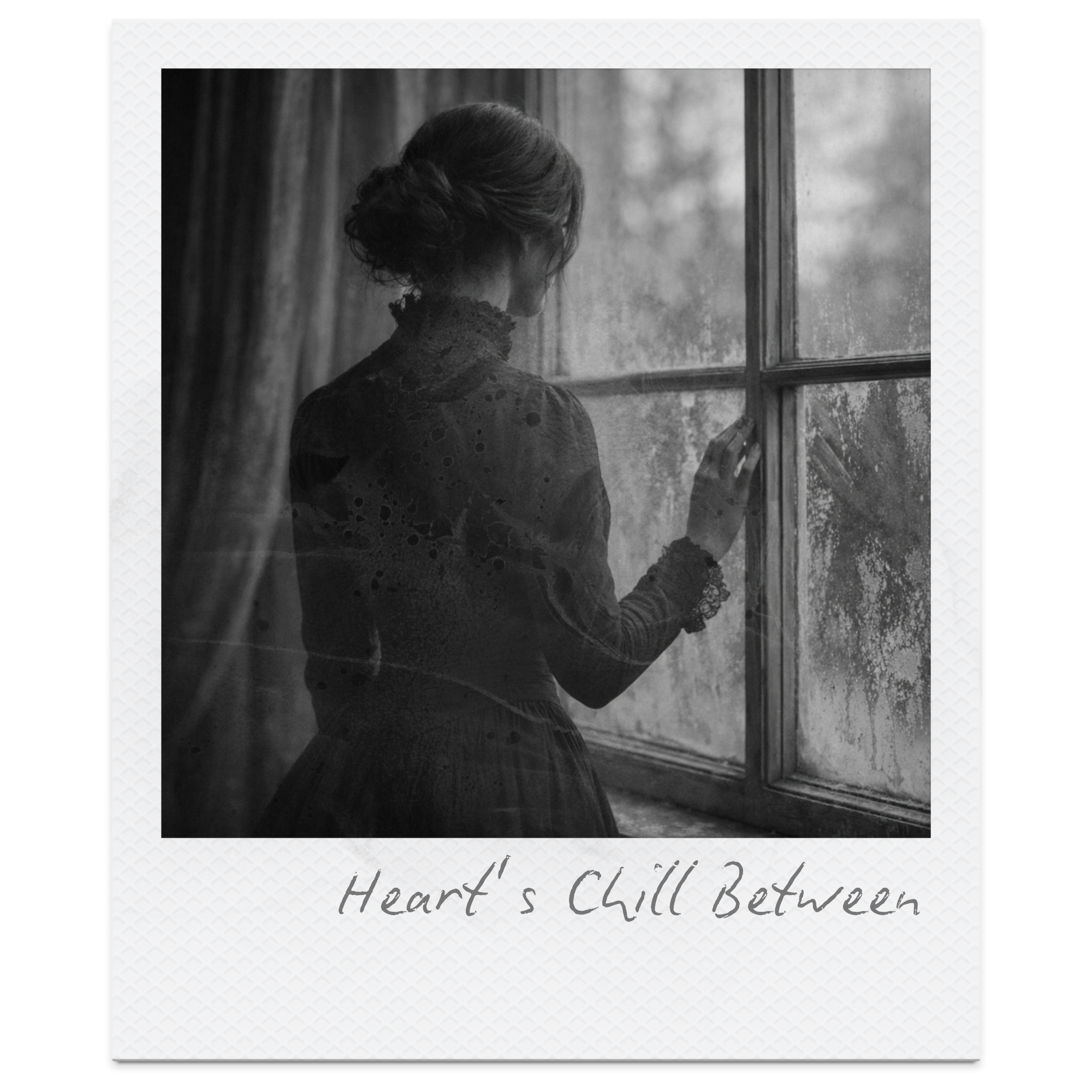
Heart’s Chill Between
A reflective lyric poem in which the speaker claims calm acceptance after a lover’s betrayal, yet gradually reveals the lasting psychological effects of suppressed grief. Through restrained language and haunting imagery, Rossetti explores emotional repression, memory, and the quiet persistence of unresolved pain.
I
I Dream of You...
A reflective Victorian sonnet exploring love, longing, dreams, absence, memory, faith, and mortality. Through the contrast between dream fulfilment and waking reality, Rossetti examines emotional separation, the desire for lasting connection, and the possibility that spiritual or eternal fulfilment may exist beyond the limitations of earthly life. Ideal for studying sonnet form, dream symbolism, light imagery, philosophical love poetry, and the relationship between love and loss in Victorian literature.
I Loved You First: But Afterwards Your Love
A philosophical sonnet in which the speaker reflects on the balance of devotion between two lovers. The poem begins by comparing who loved first or most deeply, but gradually rejects this idea of measurement, presenting love instead as a shared union that dissolves distinctions between “mine” and “thine.” Through this shift, the poem explores mutual love, identity, and the limits of comparison.
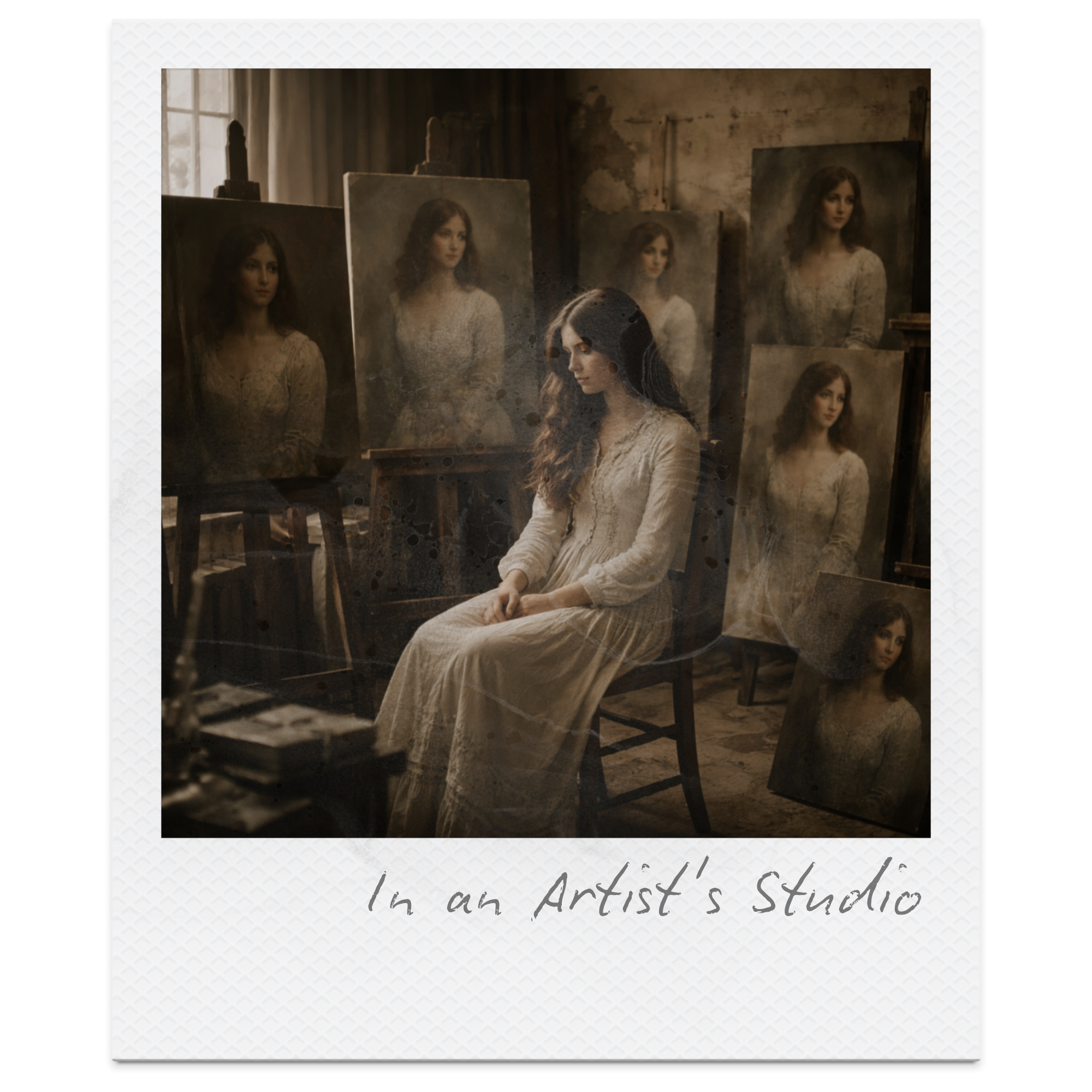
In an Artist's Studio
A reflective poem in which Rossetti critiques the way a female model is repeatedly painted by a male artist. The poem explores themes of artistic obsession, idealisation, and the objectification of women within Victorian art and culture.
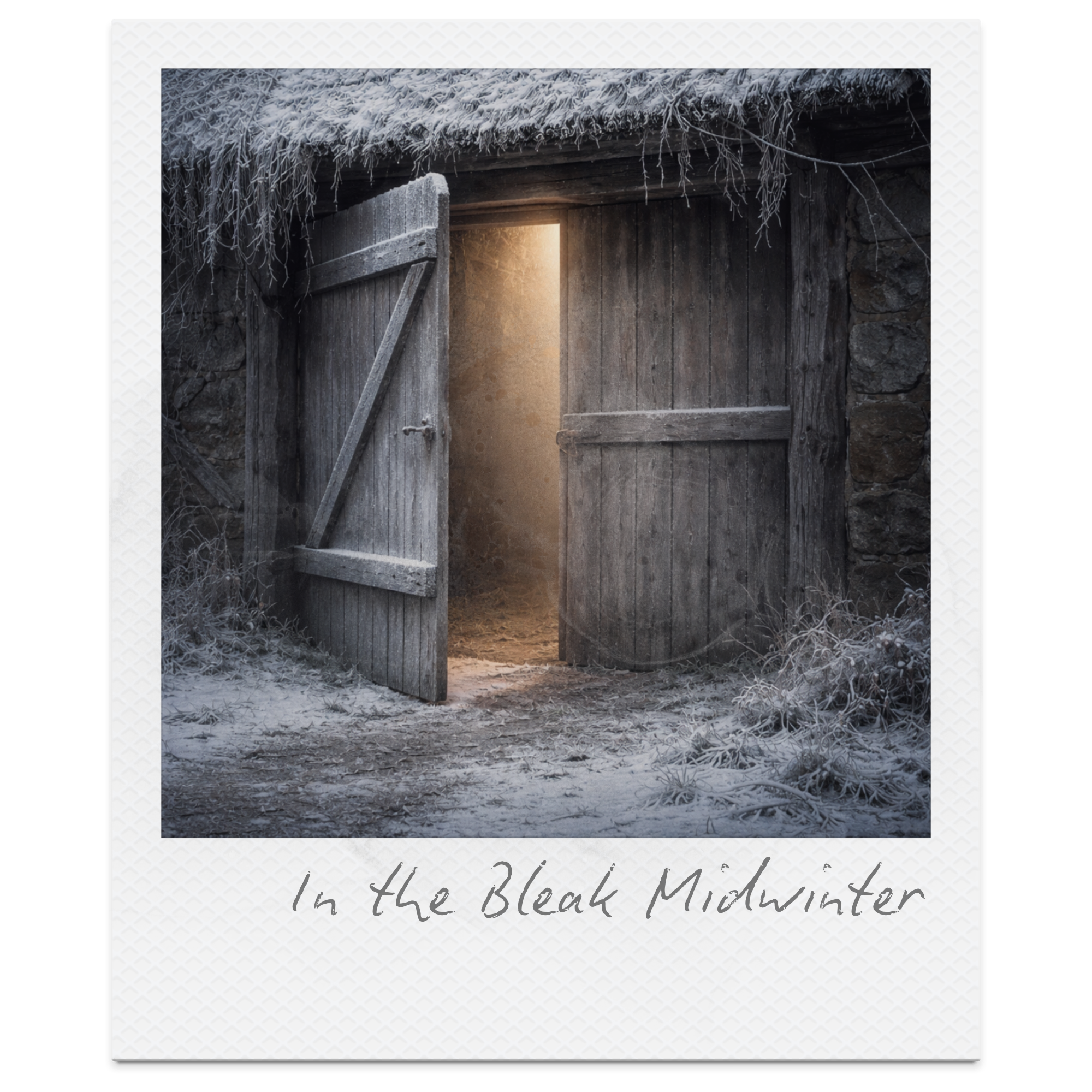
In the Bleak Midwinter
A devotional lyric reflecting on the Nativity through the stark imagery of a frozen winter landscape. The poem contrasts the infinite power of God with the humble circumstances of Christ’s birth, using simple, hymn-like language to explore themes of humility, faith, divine incarnation, and the quiet devotion of the believer.
J
K
L
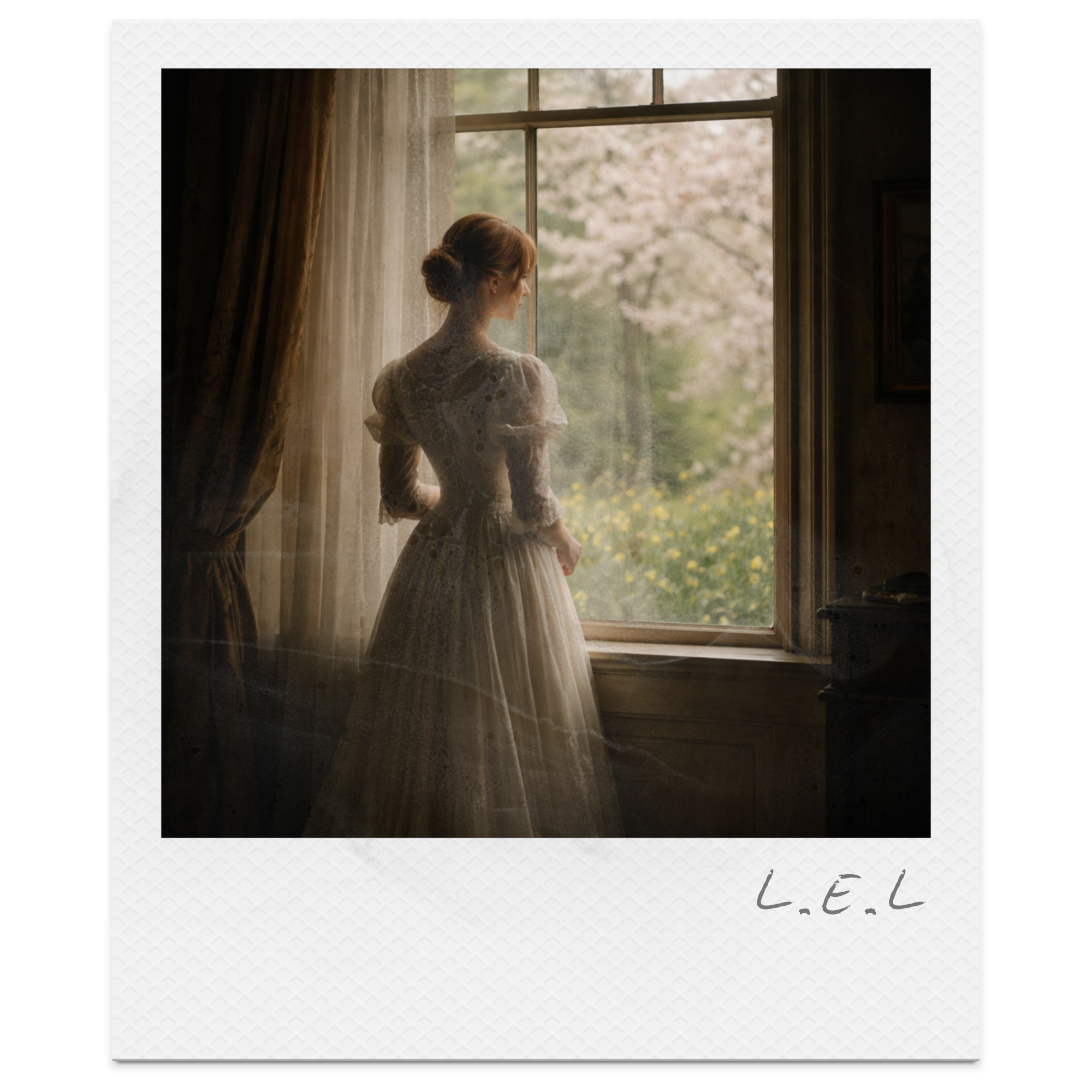
L.E.L.
A reflective lyric exploring unfulfilled love and emotional isolation through the contrast between outward sociability and private despair. The poem uses spring imagery, repetition, and restrained language to reveal hidden suffering, while its final turn toward spiritual consolation suggests that love denied in life may be fulfilled beyond it.
M
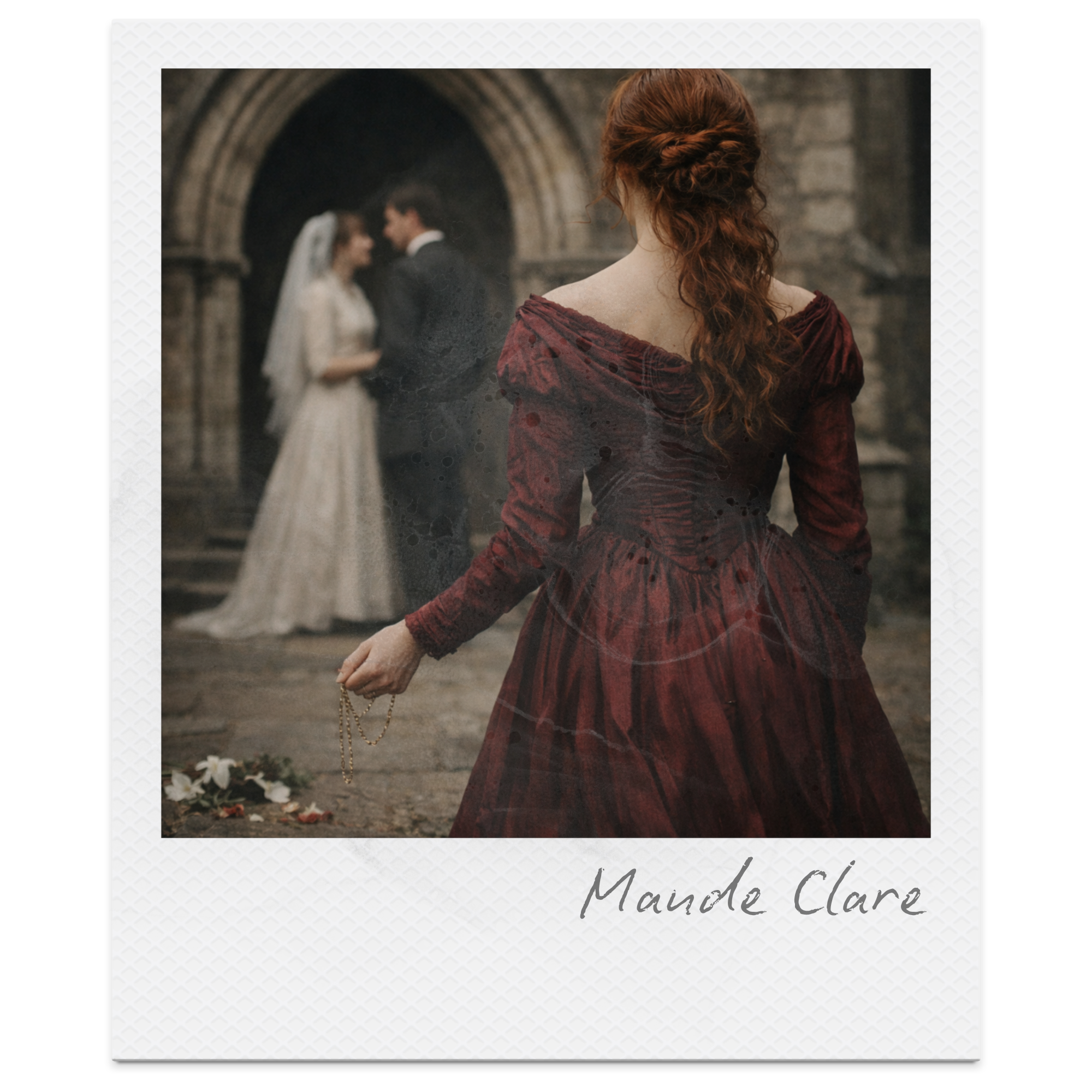
Maude Clare
A dramatic narrative poem exploring love, betrayal, and female power through a tense wedding confrontation, where past relationships resurface to challenge social expectations and emotional truth.
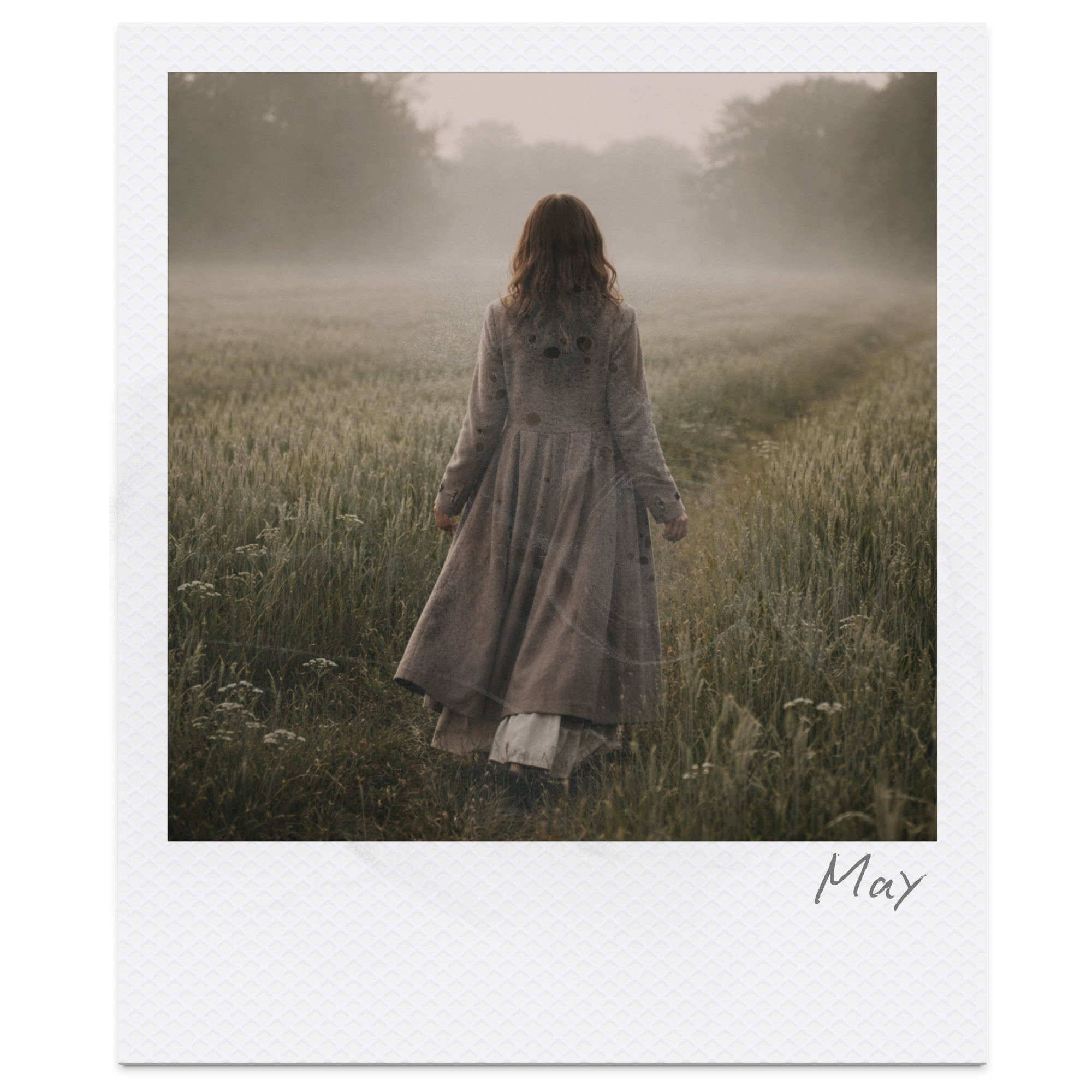
May
A reflective poem in which the speaker recalls a beautiful spring day yet cannot fully explain the moment that occurred. Through imagery of early spring, emerging life, and passing seasons, Rossetti explores themes of memory, transience, youth, and the bittersweet recognition that moments of happiness often fade quickly, leaving behind a lingering awareness of time and change.
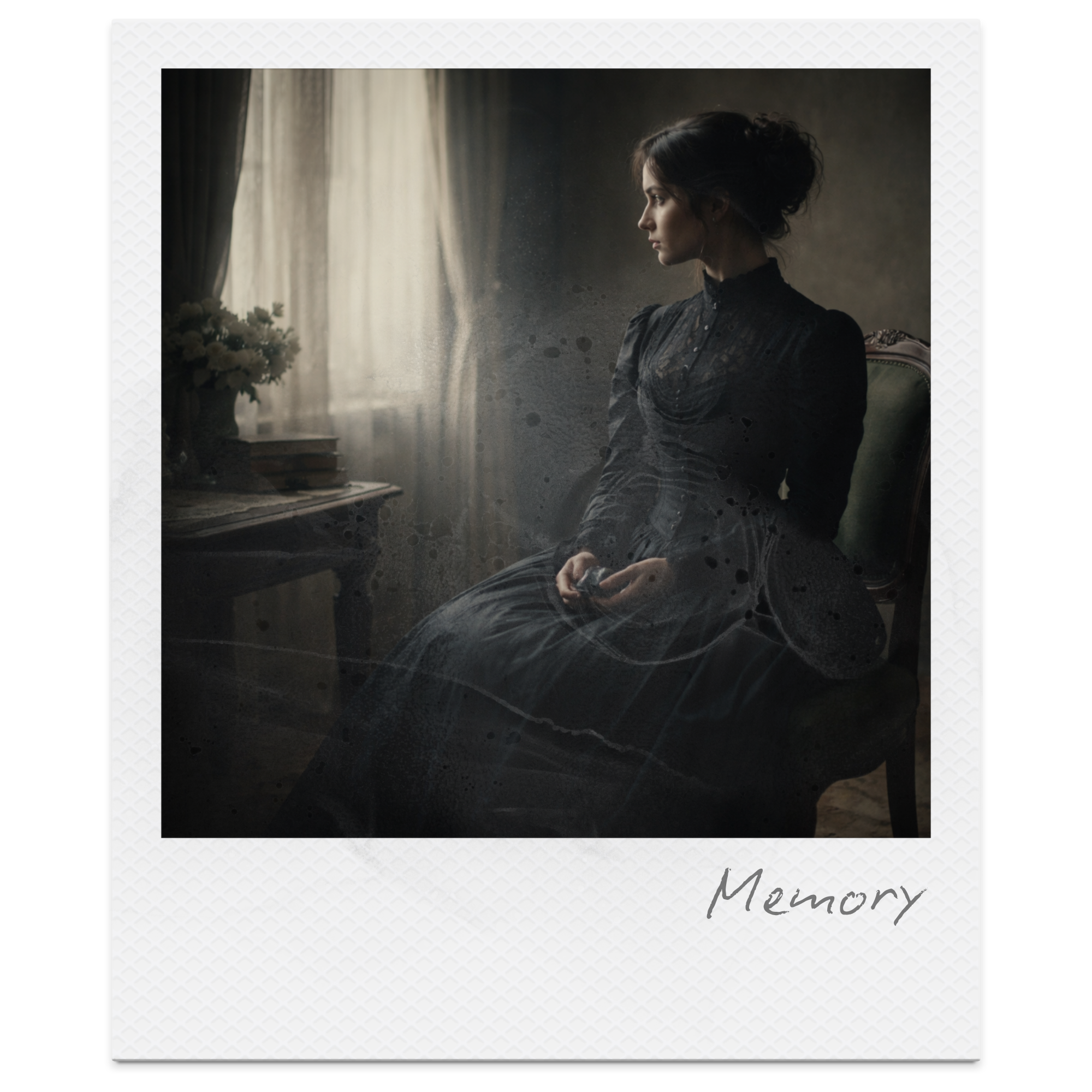
Memory
A reflective, two-part poem exploring grief, self-denial, and the enduring power of memory, as the speaker consciously rejects a past love while continuing to carry its emotional weight, revealing the tension between restraint, inner conflict, and spiritual hope.
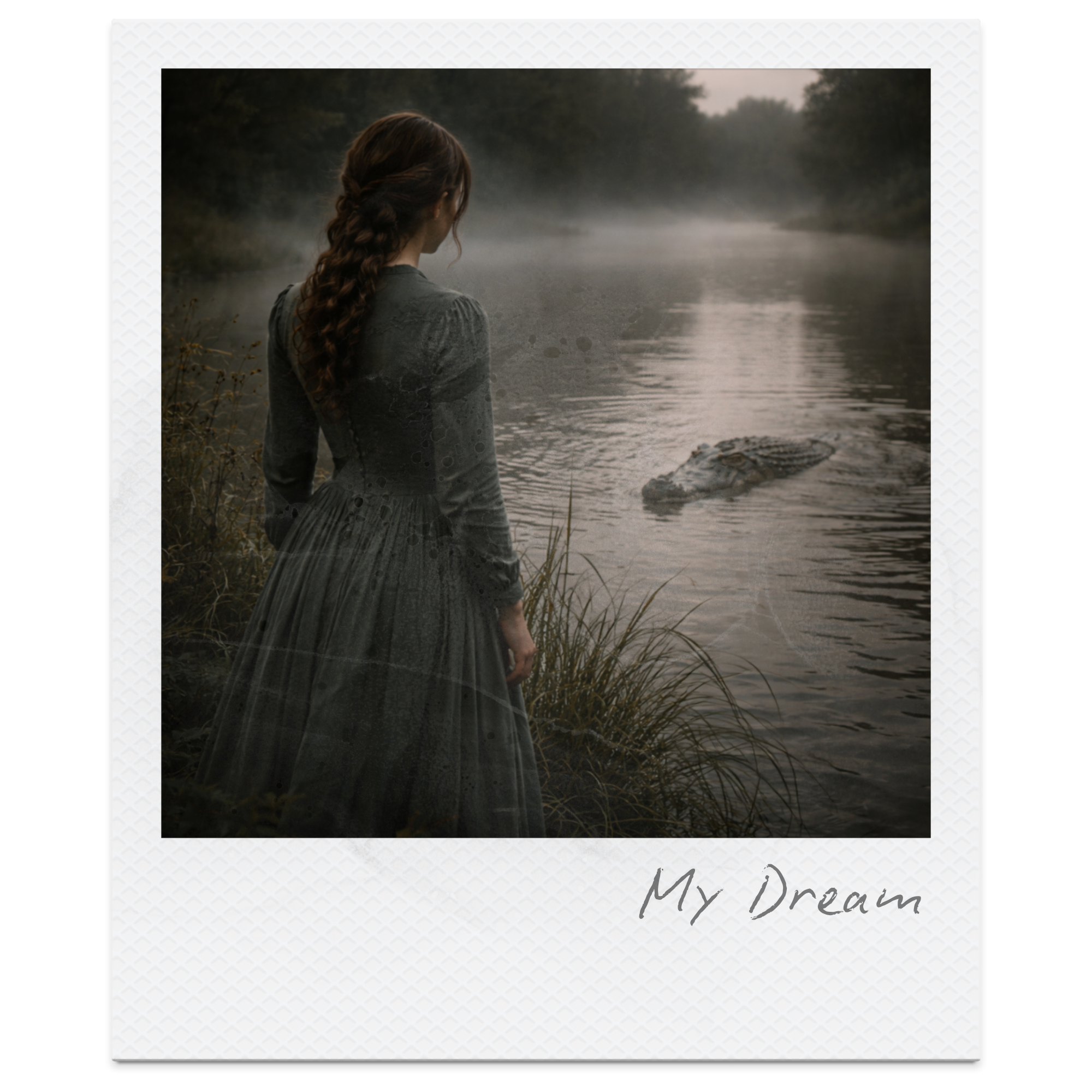
My Dream
A dark and unsettling dream vision in which the speaker witnesses the rise of a monstrous crocodile who gains power through violence and excess, only to collapse when confronted by a greater, mysterious force. Through grotesque imagery, allegory, and biblical symbolism, Rossetti explores themes of power, corruption, instability, and the illusion of control, leaving the dream’s meaning deliberately unresolved.
N
Nick
A darkly comic short story exploring envy, greed, morality, and self-destruction through magical transformations, symbolic punishment, and ironic narrative voice, revealing how bitterness and resentment ultimately harm the individual more than the wider community.
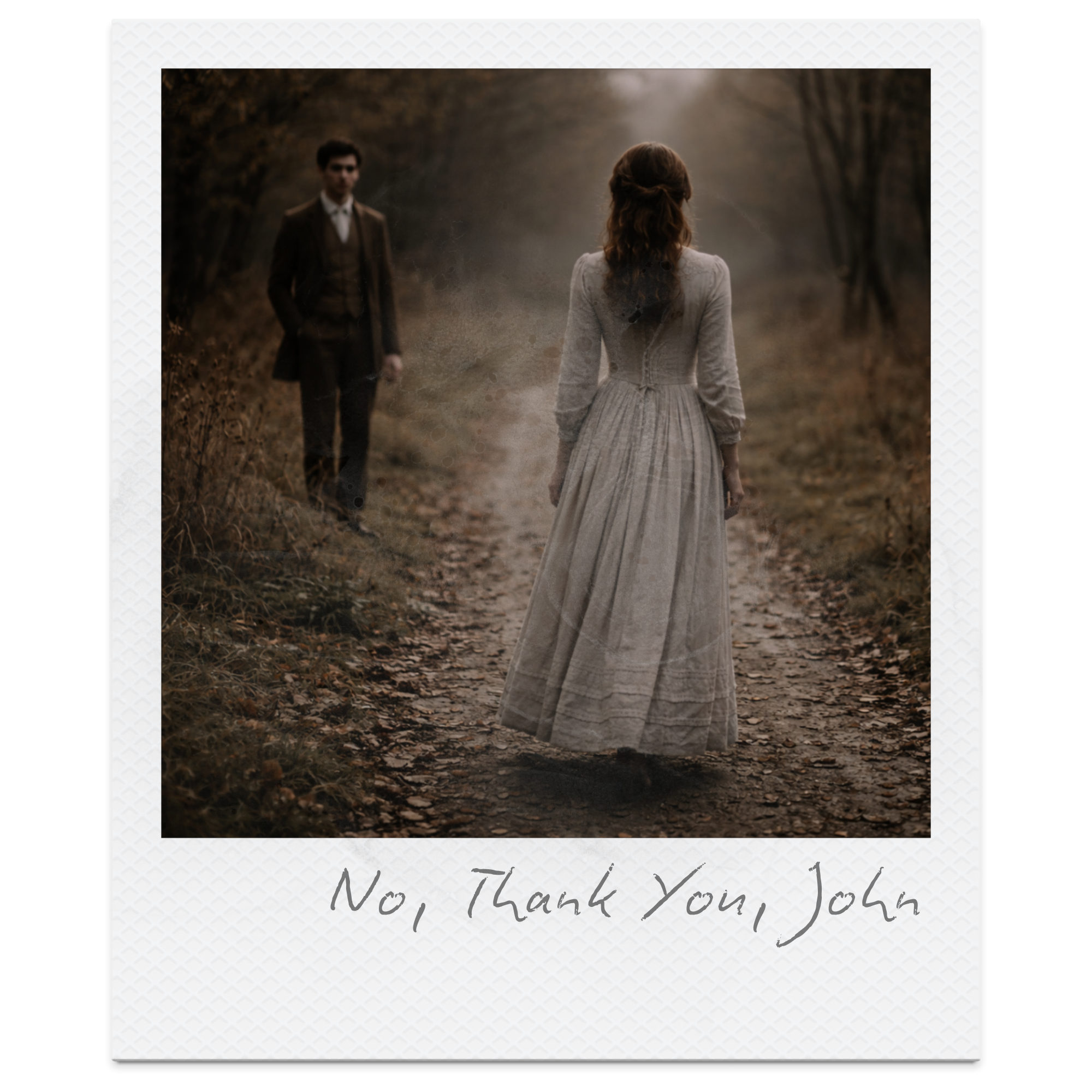
No, Thank You, John
A sharp, conversational poem that explores rejection, independence, and emotional honesty. The speaker firmly refuses a persistent suitor, challenging social expectations and redefining the boundaries between love and friendship.
O
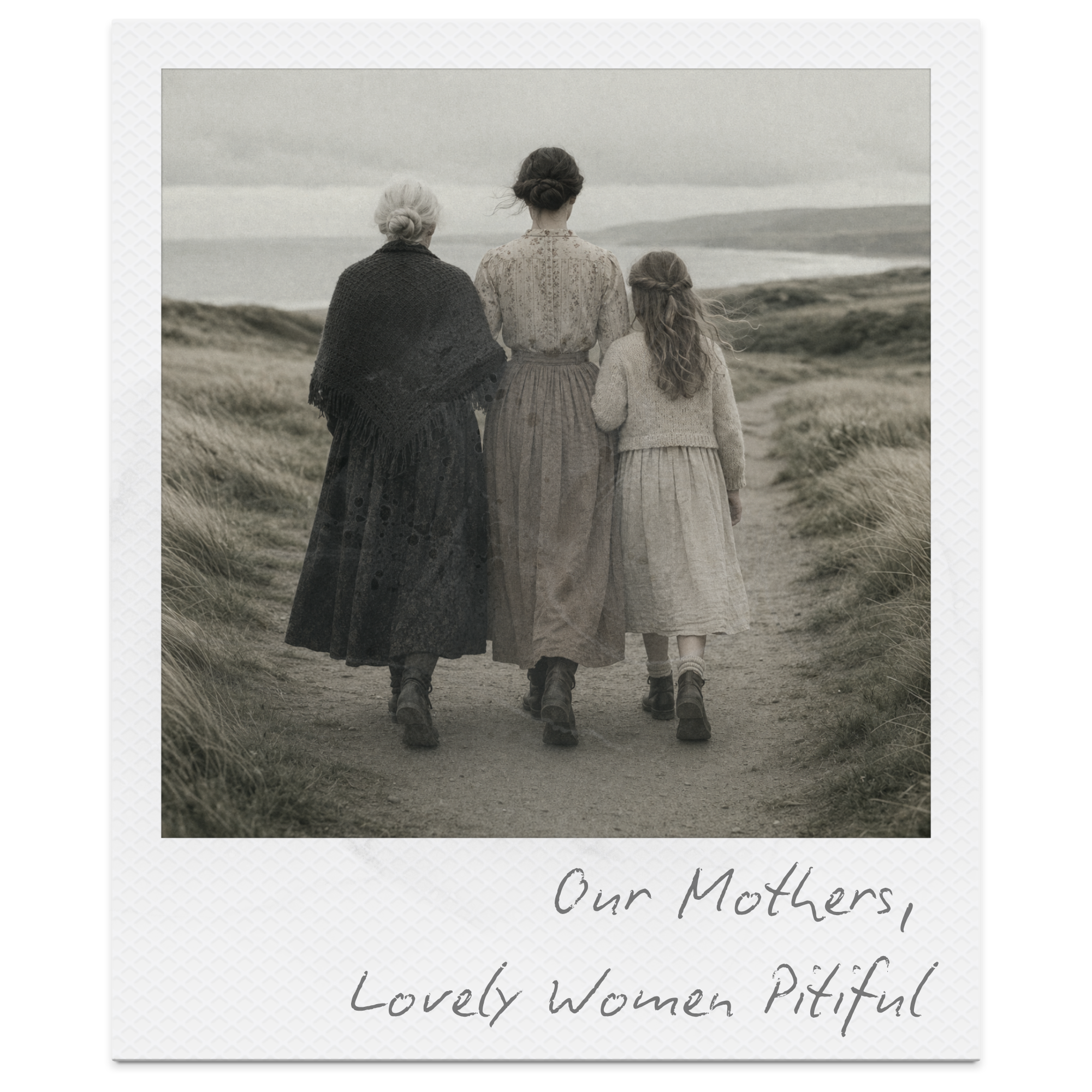
Our Mothers, Lovely Women Pitiful
A reflective sonnet in which the speaker honours past generations of women as sources of moral guidance and spiritual example. Through collective voice, religious language, and a shift from certainty to personal doubt, Rossetti explores themes of memory, faith, inheritance, and the quiet tension between reverence for the past and uncertainty in the present.
P
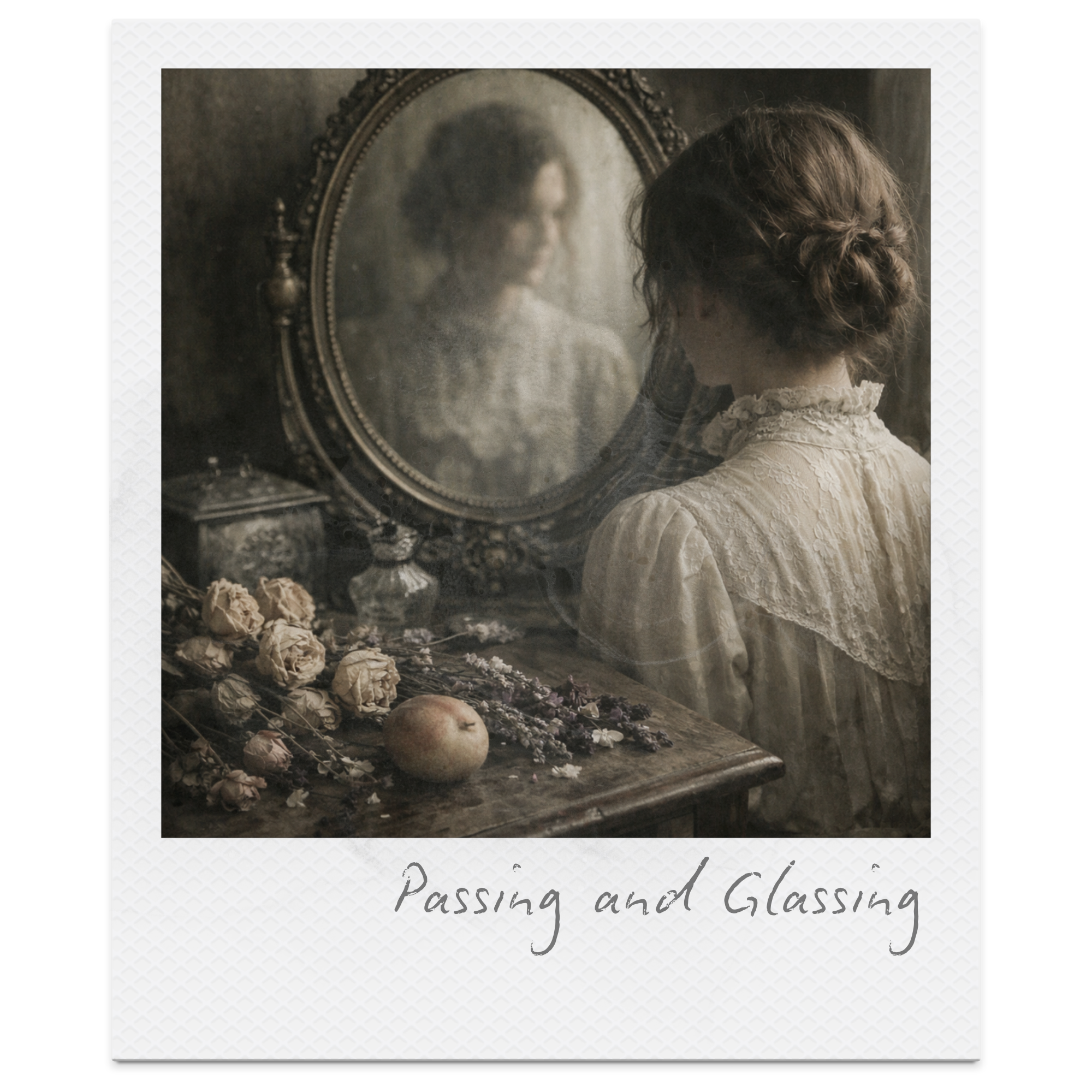
Passing and Glassing
A reflective poem in which the speaker considers the passing of youth and the lessons revealed through time. Using imagery of fading flowers, fallen fruit, and symbolic mirrors, Rossetti explores themes of transience, aging, memory, and the quiet wisdom gained through observing life’s inevitable cycles.
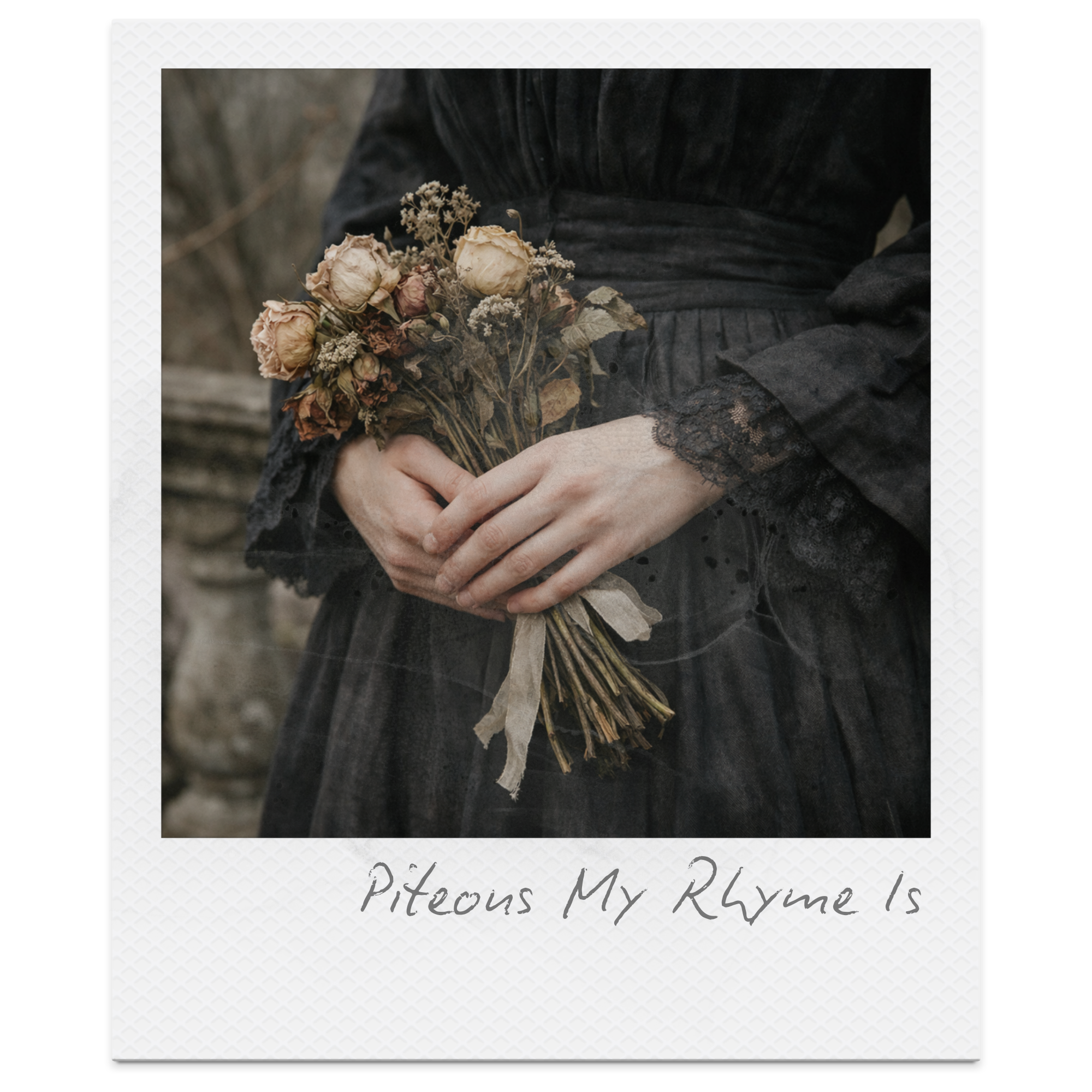
Piteous My Rhyme Is
A reflective lyric in which the speaker contemplates unreturned love, emotional sacrifice, and the endurance of devotion despite suffering. Through mirrored stanzas and repeated questioning, Rossetti contrasts human disappointment with the possibility that love possesses a deeper, lasting significance beyond mortal life.
Q
R
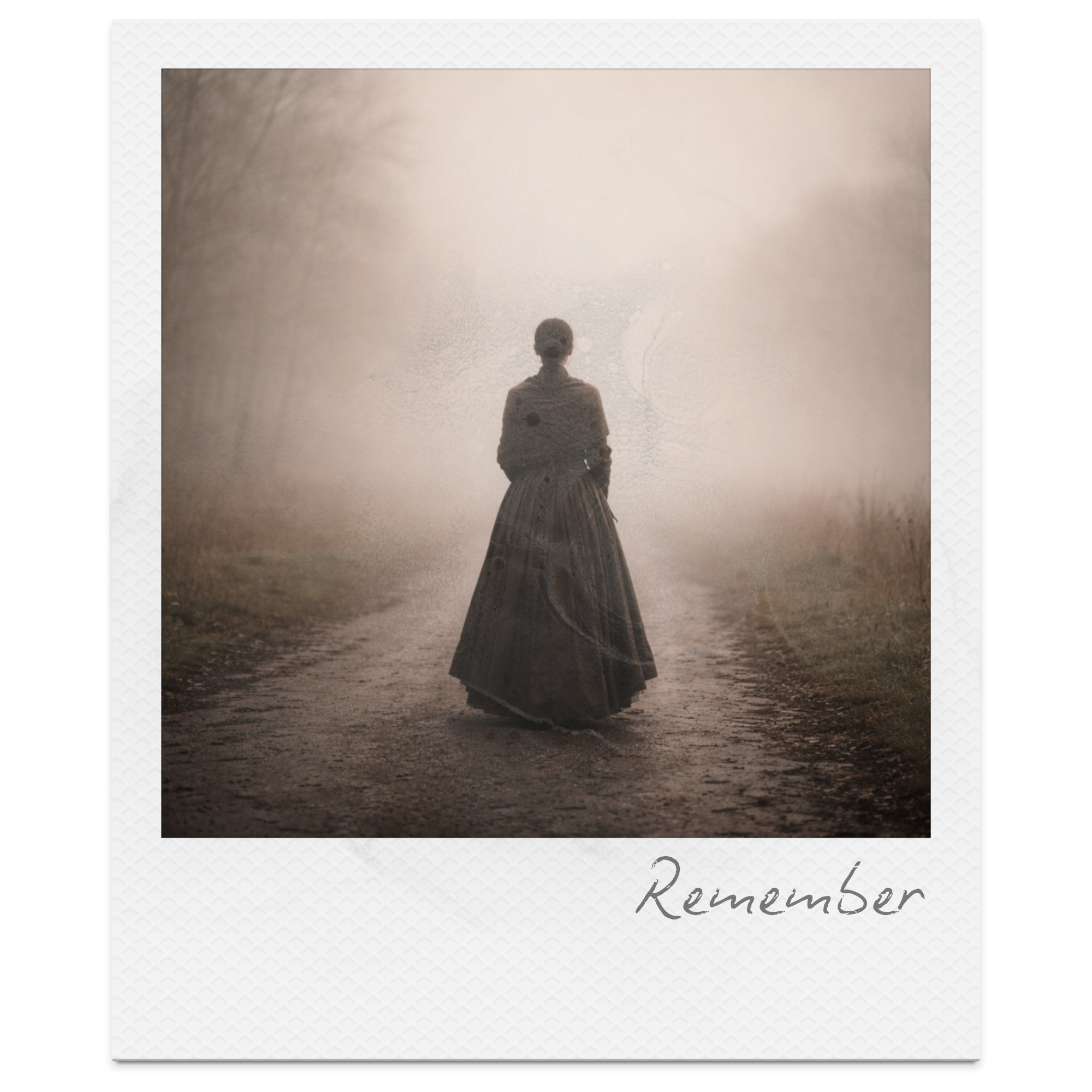
Remember
A Petrarchan sonnet in which the speaker reflects on memory, loss, and selfless love as she considers death and the possibility of being forgotten.
S
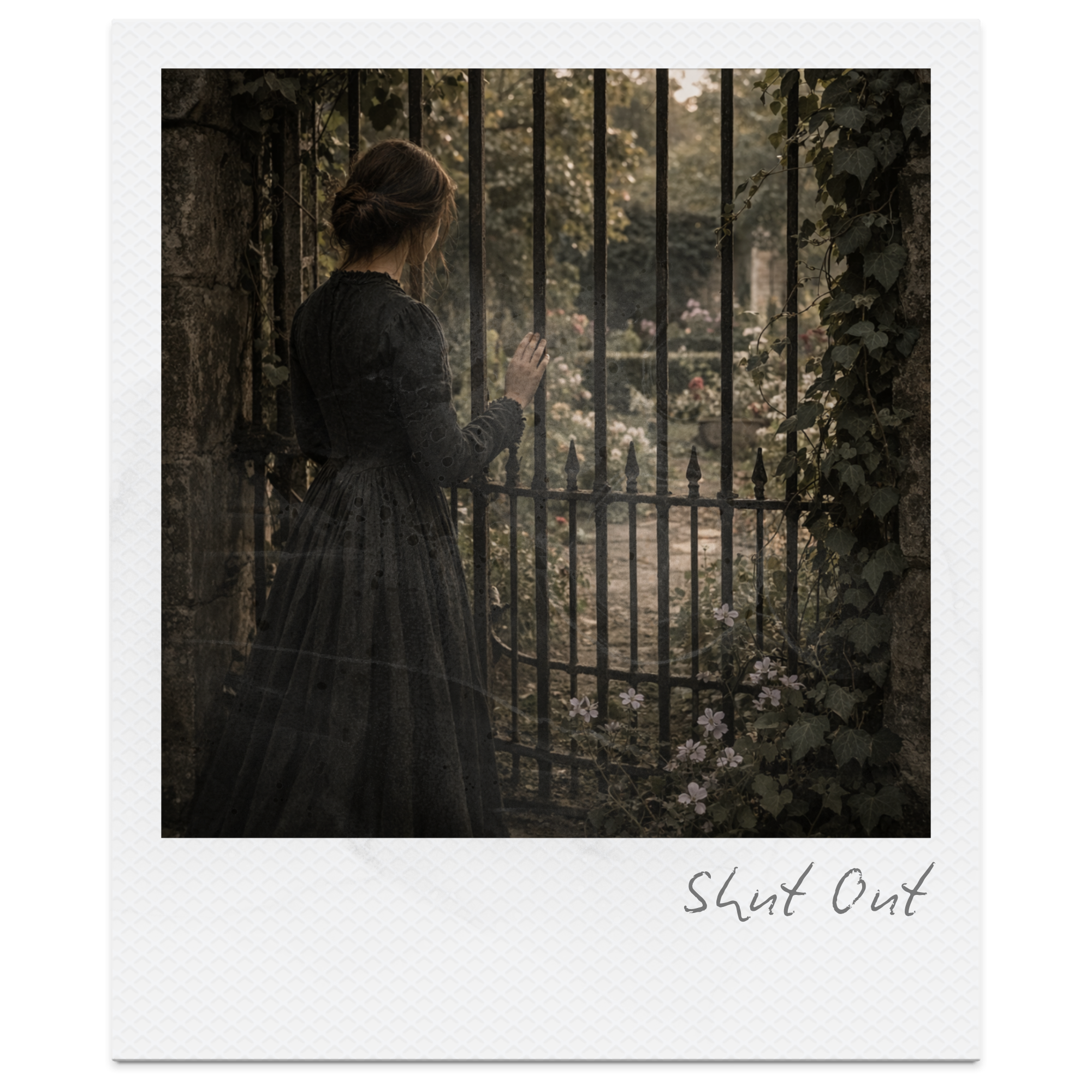
Shut Out
A symbolic poem in which a speaker stands outside a garden that was once their own, separated from it by an iron gate and an impenetrable wall. Through vivid natural imagery and the haunting figure of the silent guardian, Rossetti explores themes of exclusion, spiritual exile, loss of innocence, and the painful longing for a past state of belonging that can never fully be regained.
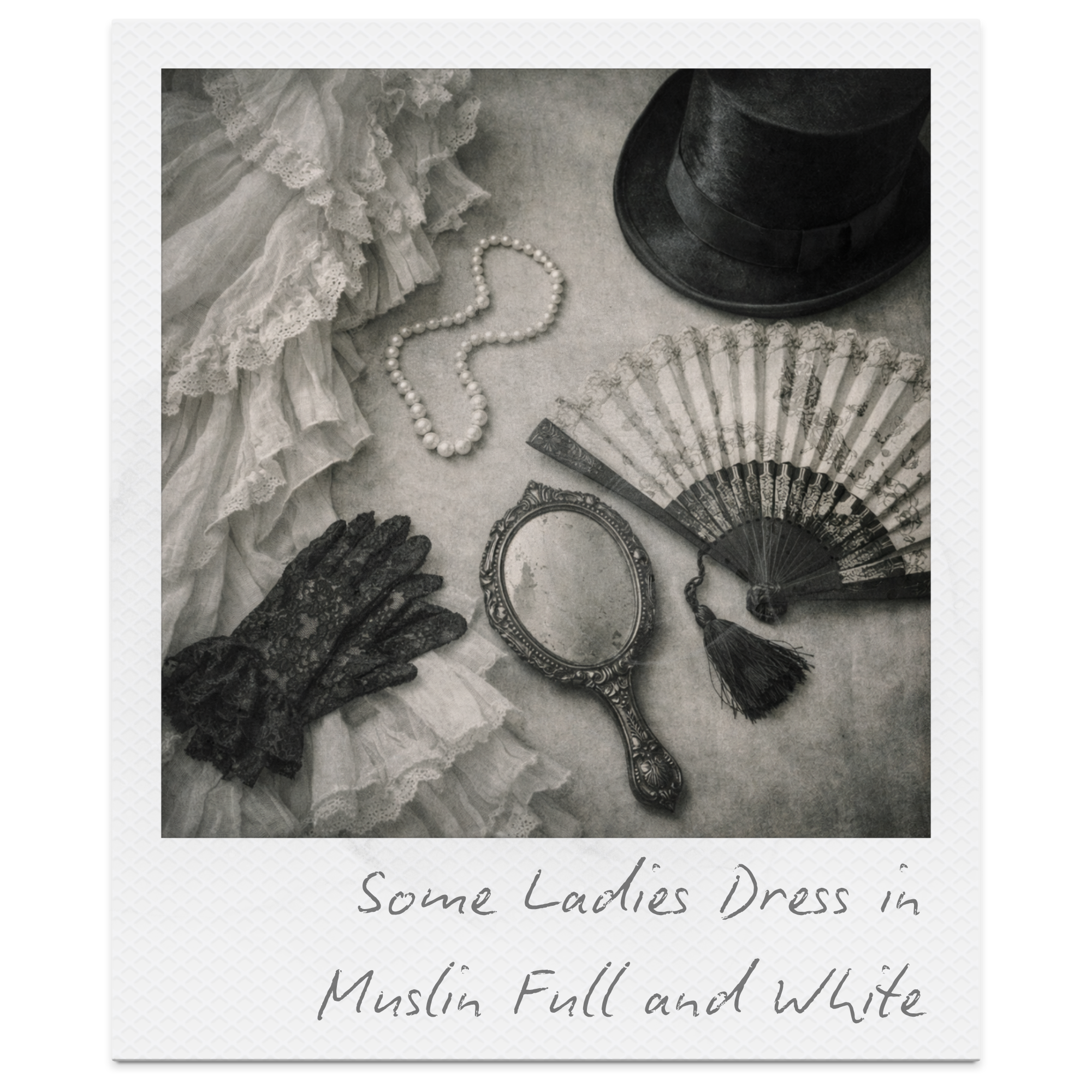
Some Ladies Dress in Muslin Full and White
A satirical sonnet in which Rossetti critiques Victorian society’s obsession with appearance and social display, using exaggerated imagery and sharp humour to expose vanity, judgement, and the gap between outward presentation and inner worth.
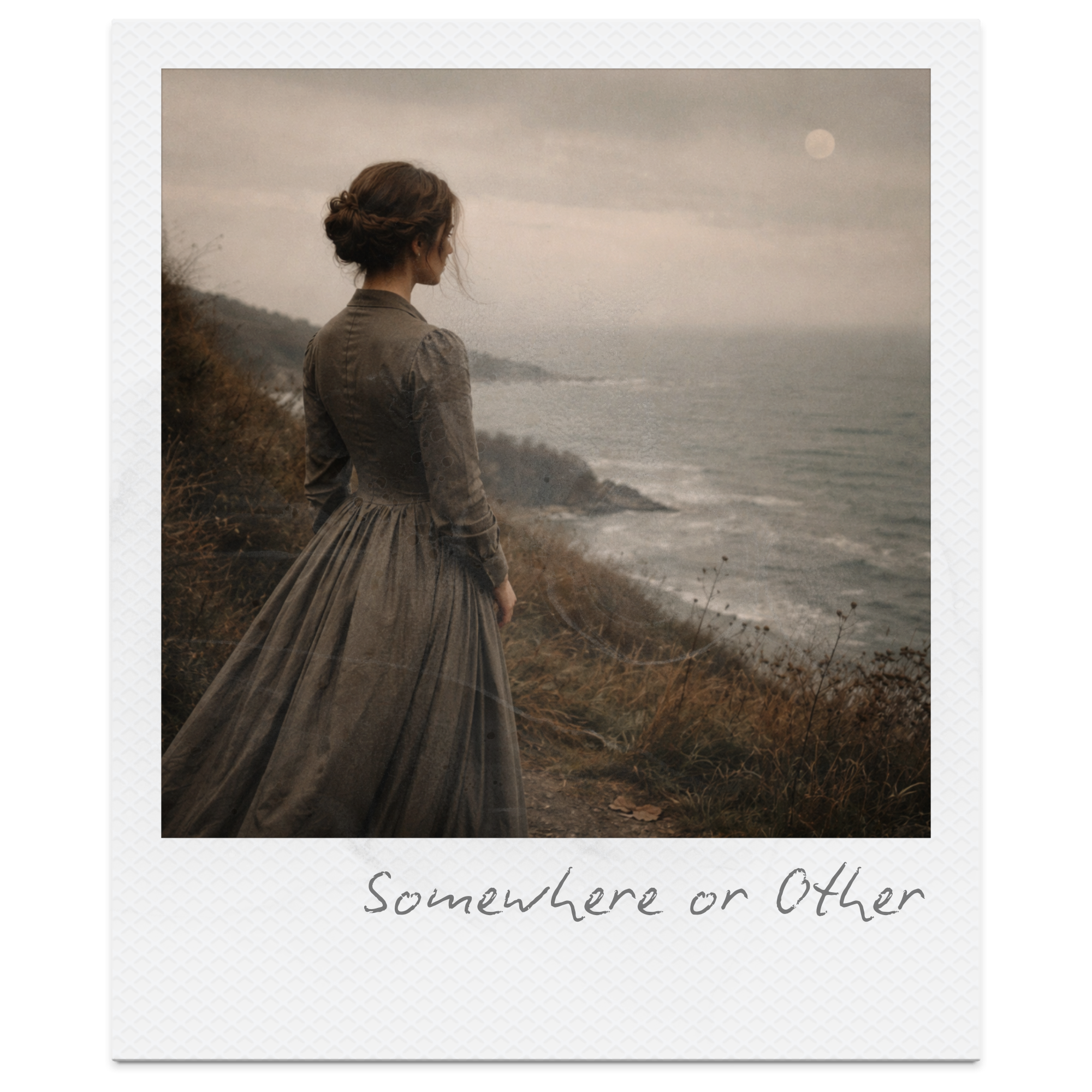
Somewhere or Other
A reflective poem that imagines the possibility of a destined connection waiting somewhere in the world. Through images of distance and nearness, Rossetti explores themes of longing, imagined love, hope, and the belief that somewhere there exists a voice that will finally answer our own.
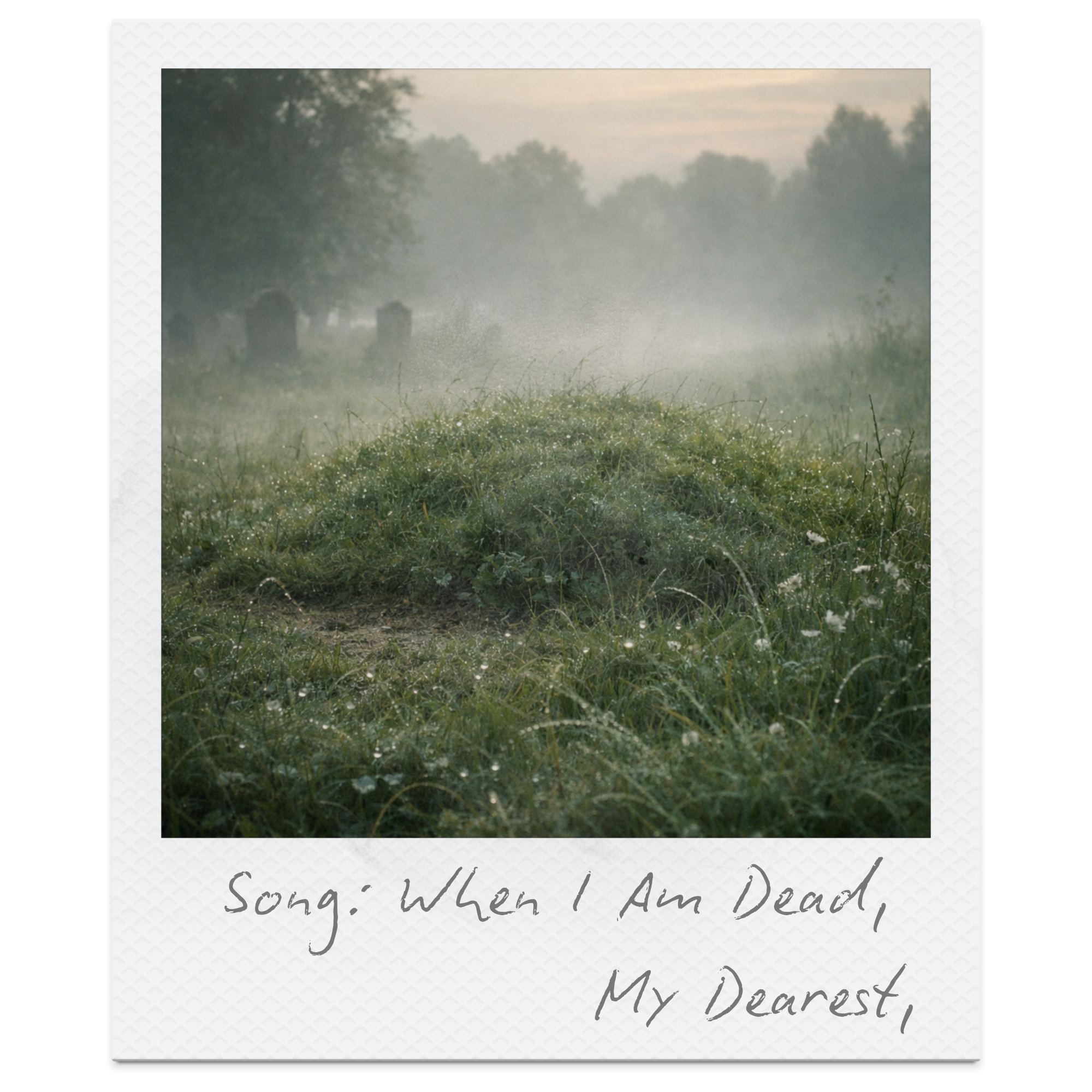
Song: When I Am Dead, My Dearest
A lyrical poem in which the speaker reflects calmly on her own death and the uncertain fate of memory after it. Through simple natural imagery and restrained language, Rossetti explores themes of remembrance and forgetting, emotional detachment, and the limits of mourning, presenting death as a quiet release from earthly attachment.
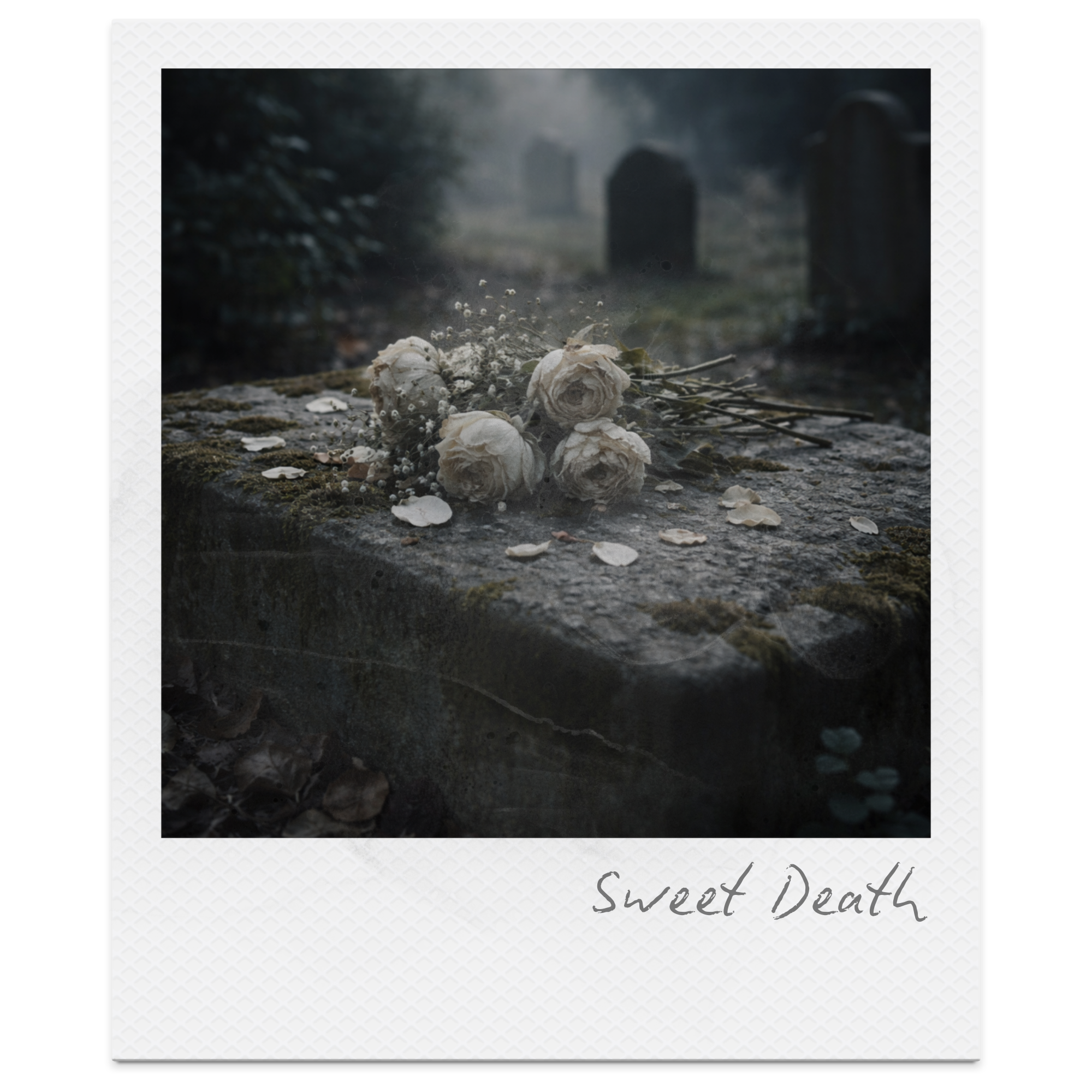
Sweet Death
A contemplative poem in which the speaker observes fading blossoms in a churchyard and reflects on the passing of youth, beauty, and earthly life. Through natural imagery and quiet devotional language, Rossetti explores themes of mortality, spiritual acceptance, and the cycle of decay and renewal, ultimately presenting death not as loss but as a transition toward divine rest and eternal truth.
T
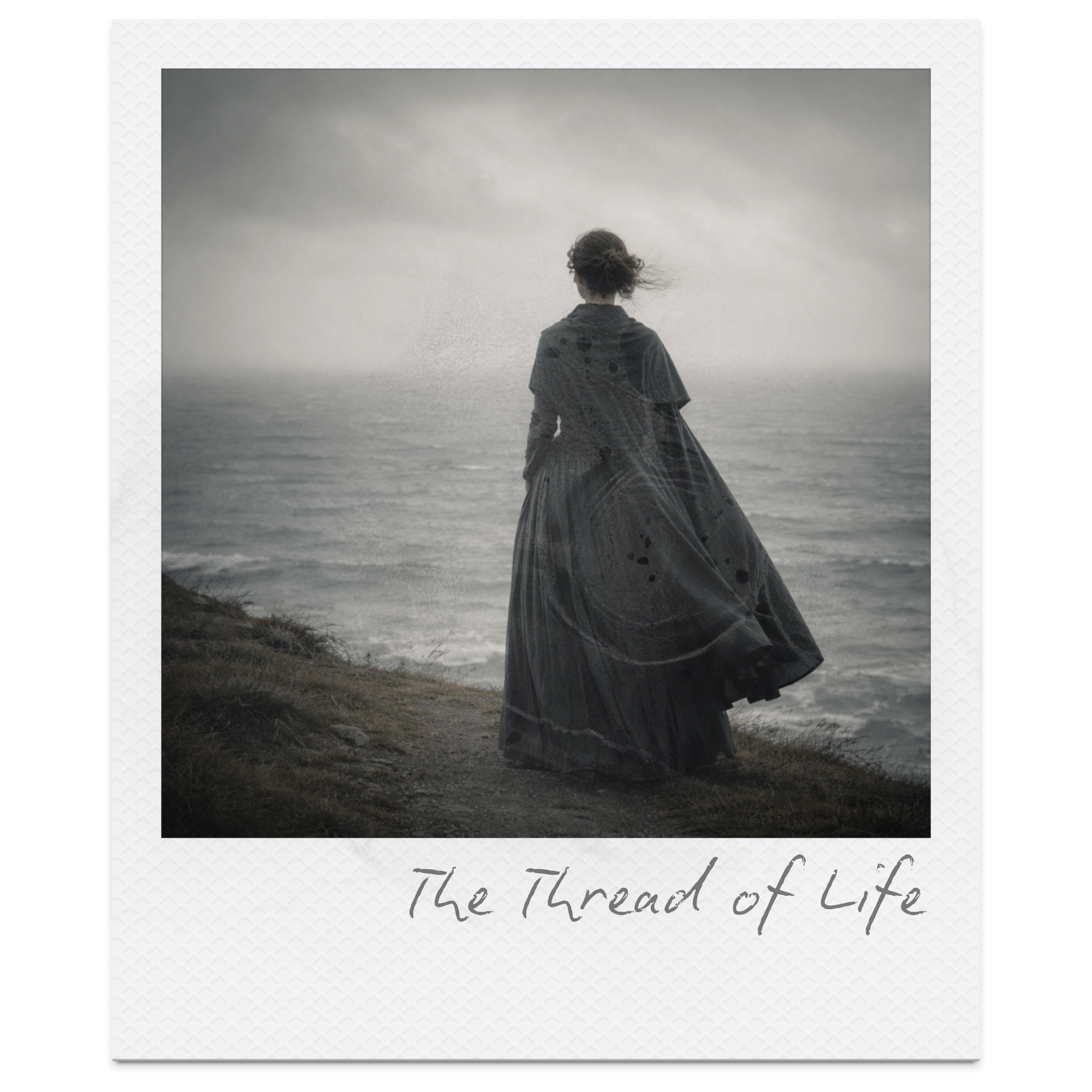
The Thread of Life
A reflective poem that uses the metaphor of a thread to explore the passage of time, fate, and the spiritual journey of human life.
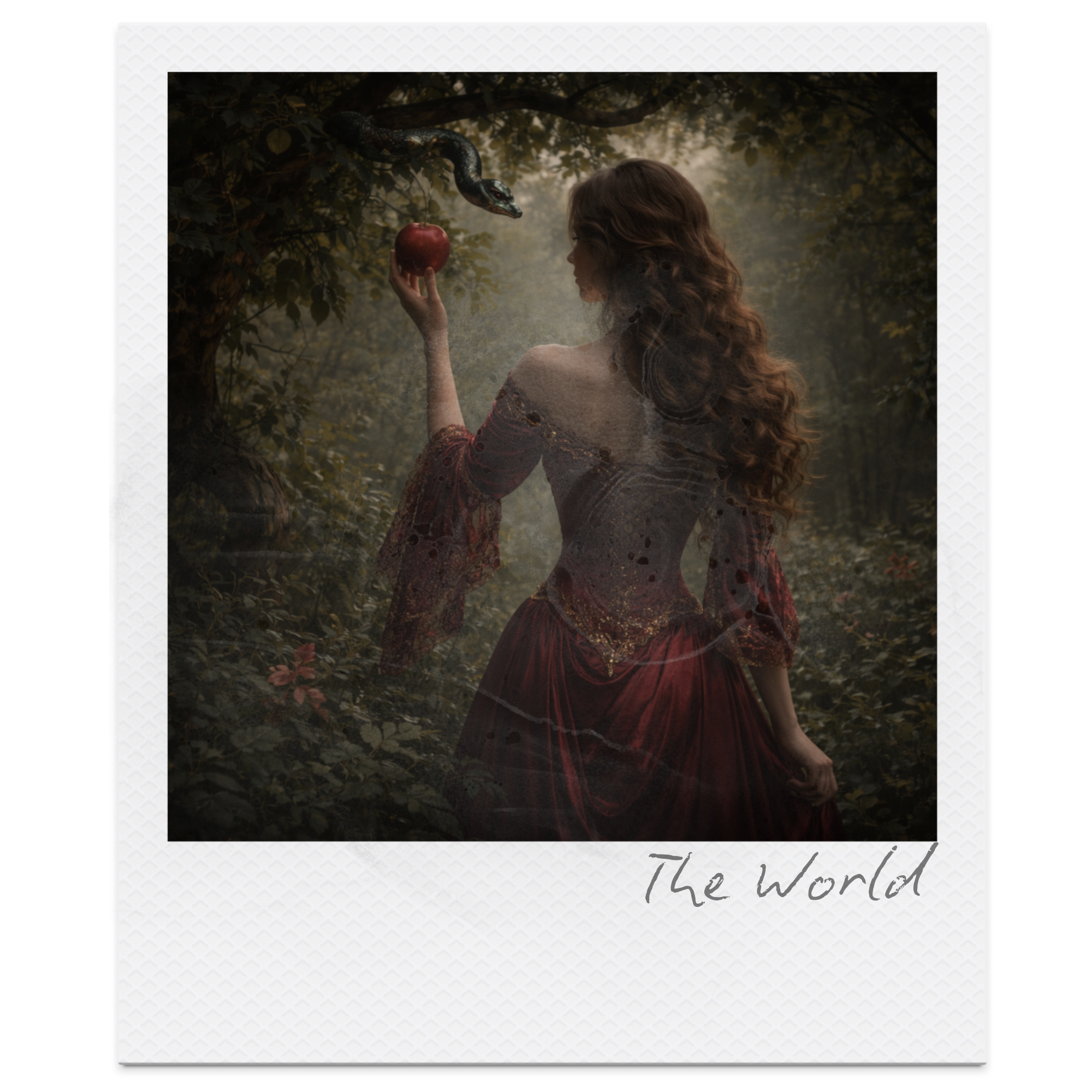
The World
A dramatic sonnet in which Rossetti personifies the world as a seductive yet deceptive figure, exposing the contrast between outward beauty and hidden corruption. Through unsettling imagery and religious symbolism, the poem explores themes of temptation, spiritual conflict, and the danger of sacrificing moral truth for the fleeting pleasures of worldly desire.
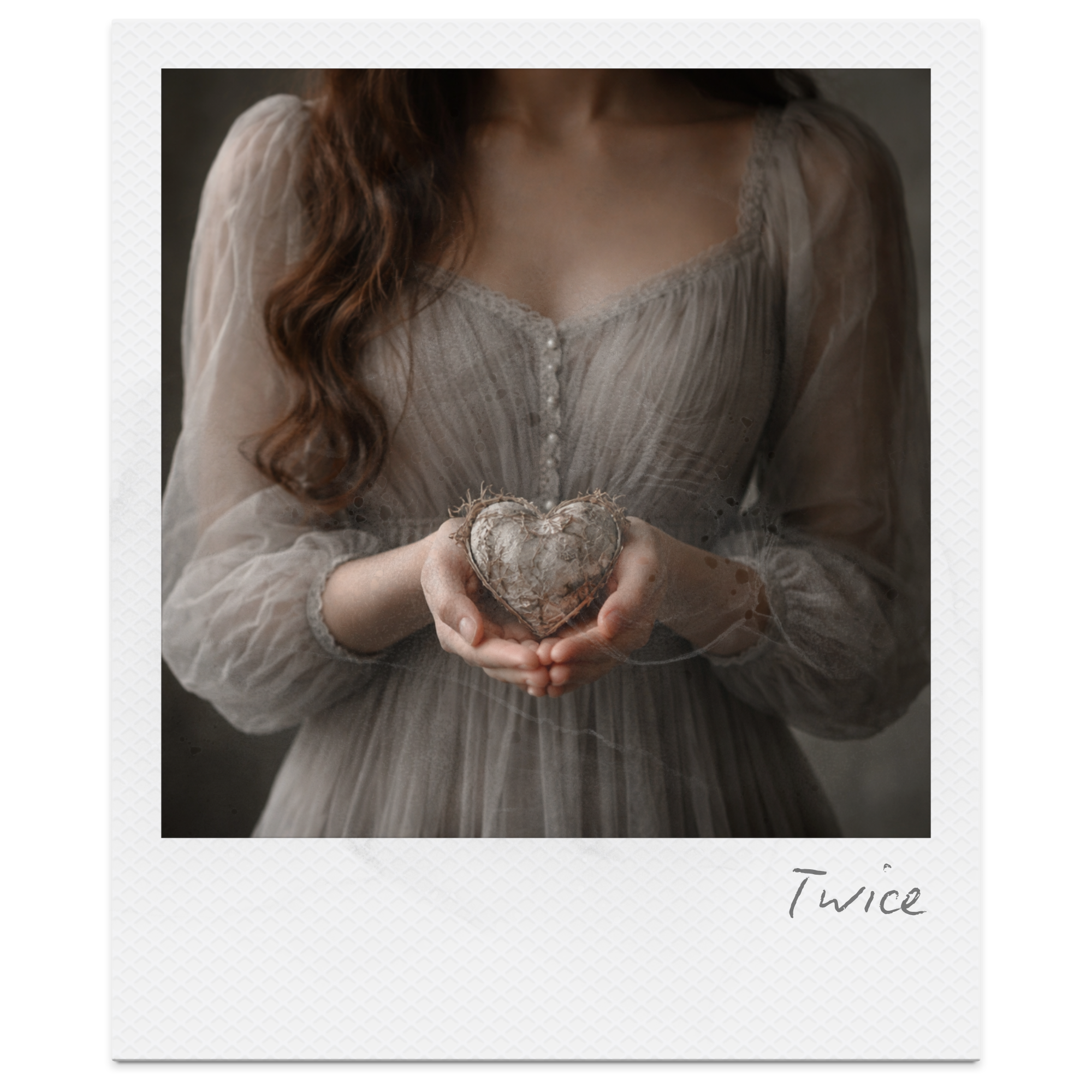
Twice
A reflective poem in which Rossetti explores love, rejection, and spiritual renewal, tracing the speaker’s journey from emotional vulnerability to faith.
U
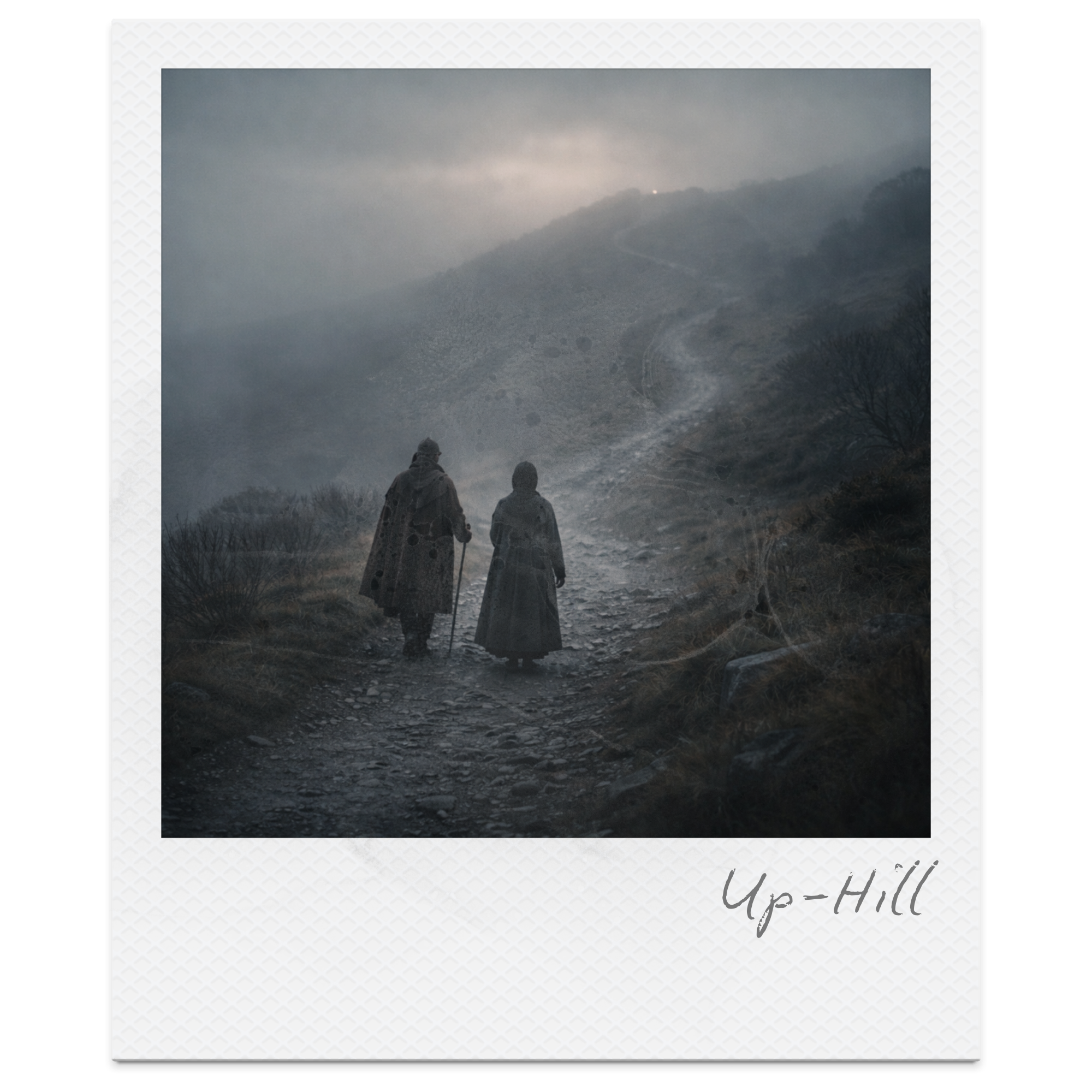
Up-Hill
A symbolic dialogue poem presenting life as a difficult journey that ultimately leads to rest and spiritual reward.
V
W
What Would I Give?
A deeply introspective poem that explores emotional repression, spiritual guilt, and the longing for renewal through a speaker who is unable to feel, speak, or release emotion. The poem reflects the tension between self-awareness and emotional paralysis, revealing the difficulty of change when inner life becomes blocked and inaccessible.
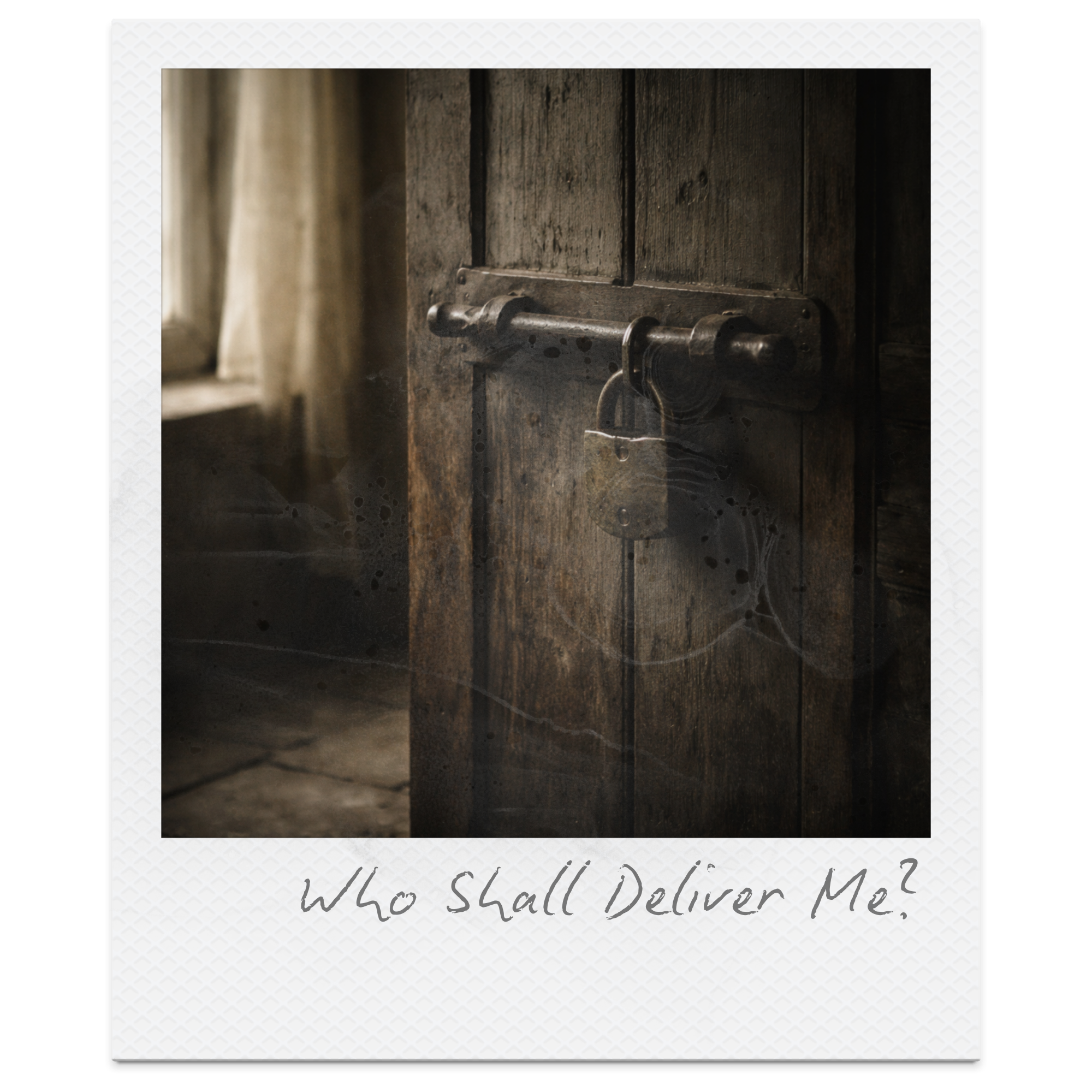
Who Shall Deliver Me?
A reflective devotional poem in which the speaker confronts the burden of the divided self, exploring inner conflict, moral struggle, and the hope of spiritual liberation.
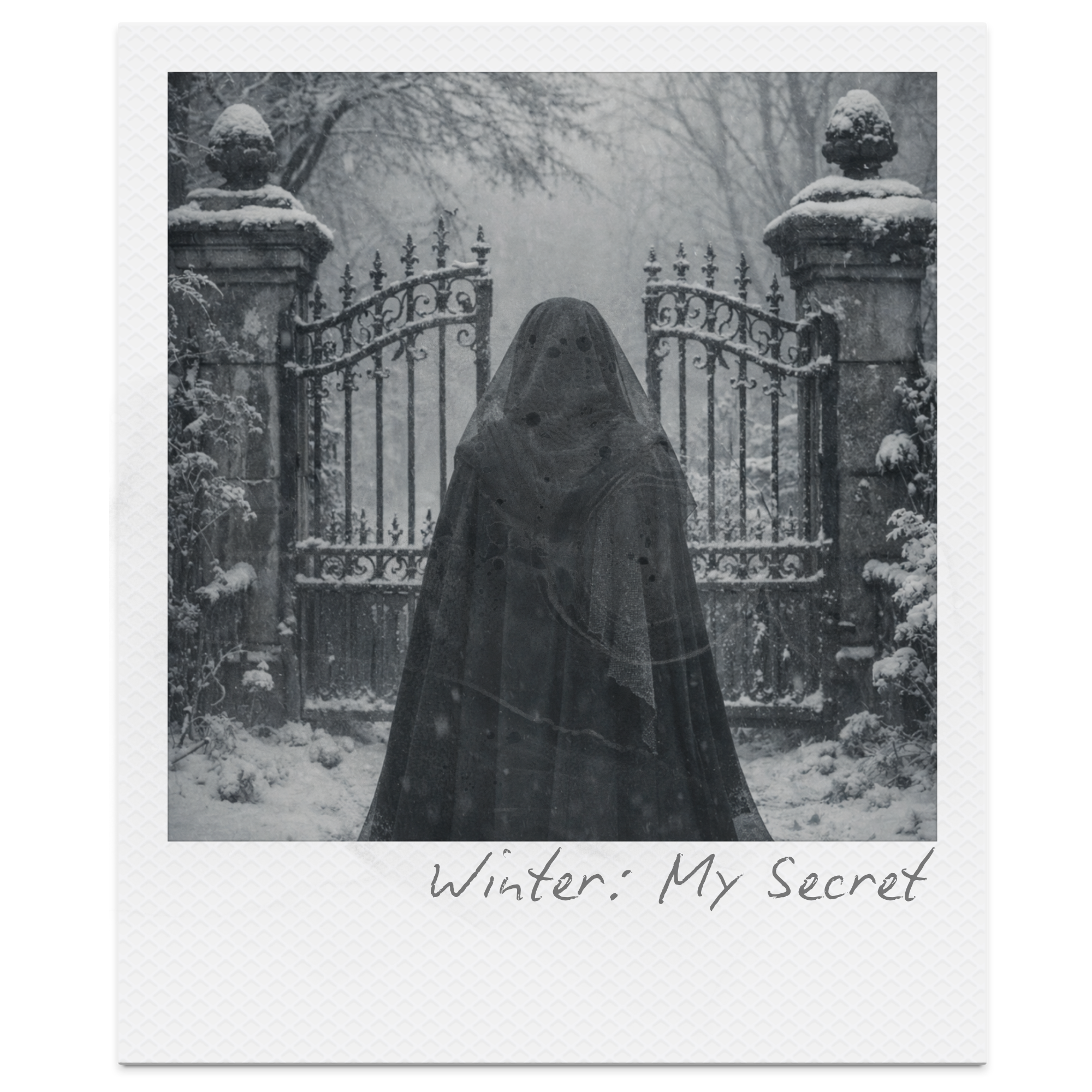
Winter: My Secret
A playful and enigmatic poem in which the speaker teasingly refuses to reveal a mysterious secret, using seasonal imagery and witty deflection to explore themes of privacy, curiosity, and emotional self-protection. Through its shifting tone and evasive voice, the poem reflects on the power of withholding knowledge and the complexities of personal boundaries.
X
Y
Z
This collection of Christina Rossetti’s works will continue to grow as new poem analyses and study guides are added. Check back regularly for additional texts and teaching resources.
Teaching Support and Revision Material
While Christina Rossetti’s poetry is often studied for its lyrical beauty and symbolic imagery, it also offers rich opportunities for classroom discussion, comparative analysis, and exam preparation. Many of her poems explore recurring themes such as faith, memory, loss, identity, and unreturned love, making them particularly well-suited to close reading and thematic study.
The resources below are designed to support both teaching and revision, offering essay questions, comparison ideas, contextual guidance, and analytical support for some of Rossetti’s most widely studied poems. Whether you are preparing lessons, revising key themes, or looking for ways to connect Rossetti’s work with broader Victorian literature, these materials provide structured starting points for deeper exploration of her poetry.
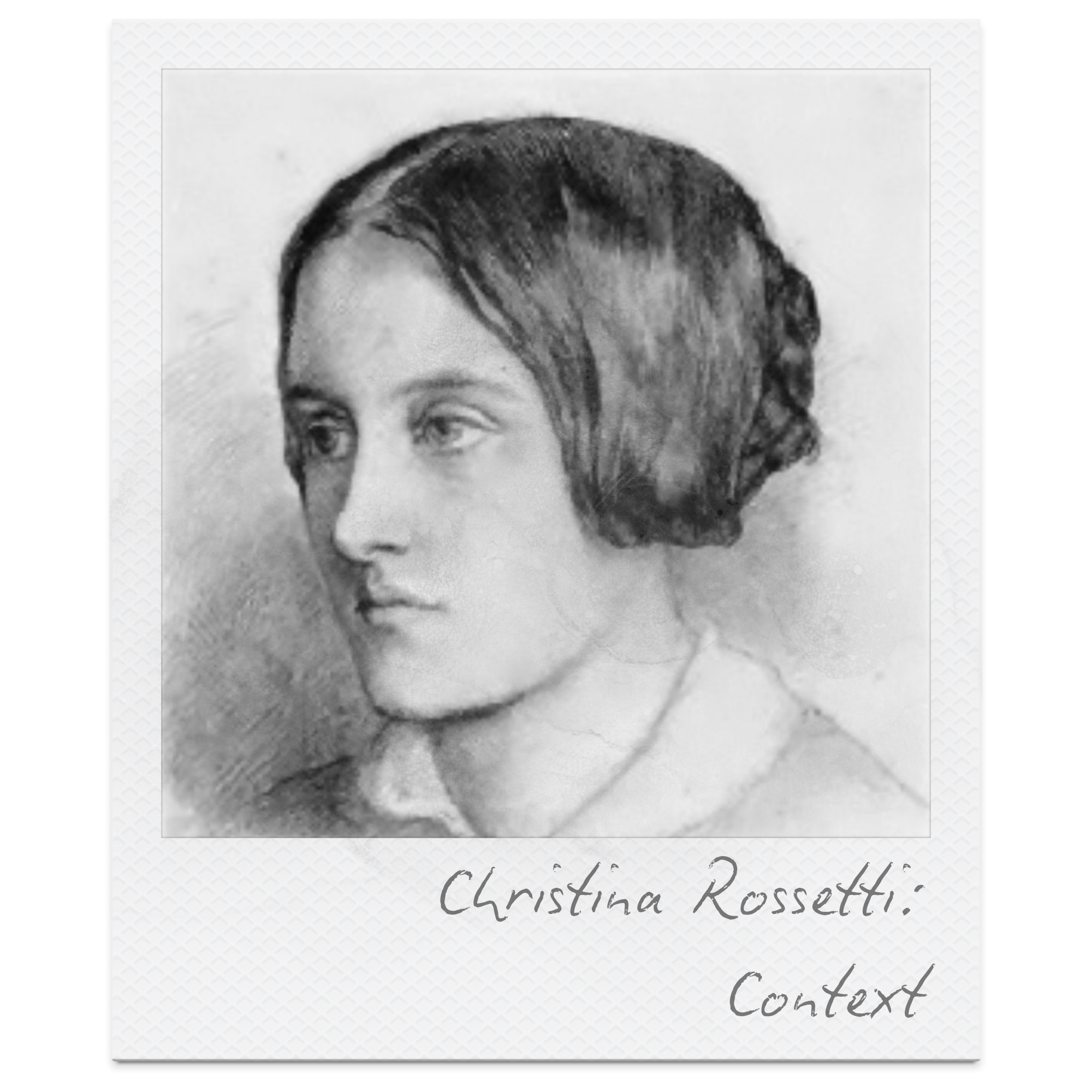
Christina Rossetti Context: Key Victorian influences behind Rossetti’s poetry and themes.
Christina Rossetti Essay Questions for Poetry
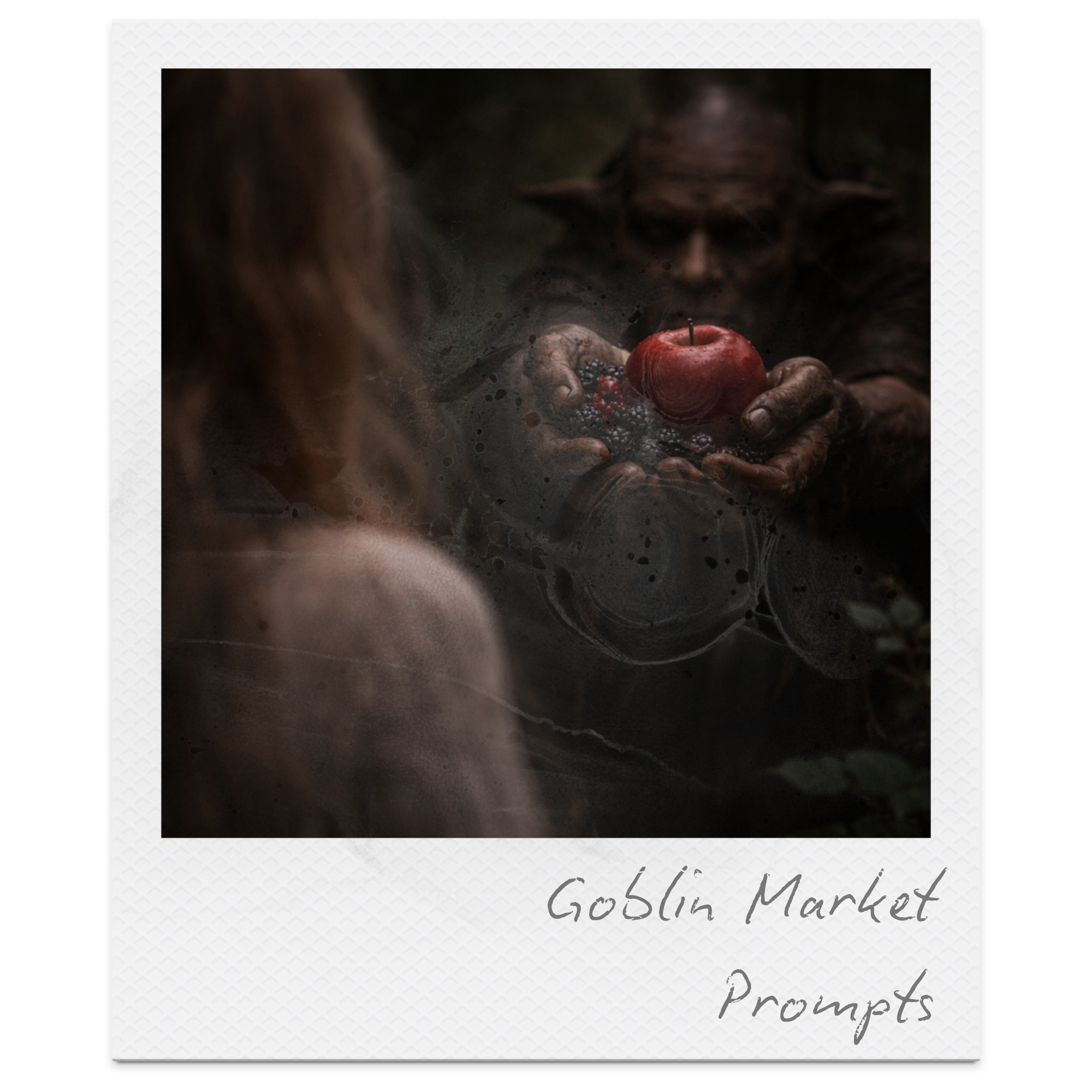
A person holding a red apple in their cupped hands, with another person partially visible in the foreground, outdoors in a dark, moody setting.
FAQs
-
Christina Rossetti was a major Victorian poet known for her lyrical style and exploration of themes such as faith, love, temptation, and sacrifice. Her poetry often combines rich imagery with moral and spiritual reflection, and many of her works are widely studied in schools and universities today.
-
One of Rossetti’s best-known works is Goblin Market, a narrative poem about two sisters confronted by mysterious goblin merchants. The poem is often interpreted as an allegory about temptation, redemption, and the power of sisterly devotion.
-
Common themes in Rossetti’s poetry include:
faith and spiritual devotion
temptation and moral struggle
love and sacrifice
death and remembrance
female experience and identity
These themes appear across poems such as Remember, Dream Land, and Up-Hill.
-
Rossetti was closely connected to the Pre-Raphaelite Brotherhood, partly through her brother, the artist and poet Dante Gabriel Rossetti. The movement valued vivid imagery, symbolism, and emotional intensity, qualities that can also be seen in Rossetti’s poetry.
-
The poetry of Christina Rossetti is widely used in classrooms because her work combines accessible language with rich symbolism and layered themes. Her poems often explore ideas such as faith, temptation, love, sacrifice, and memory, making them ideal for close reading and literary analysis.
Many of Rossetti’s poems are relatively short but offer significant interpretive depth, allowing students to explore imagery, structure, and symbolism while also discussing broader social and moral questions. Poems such as Remember, Dream Land, and Up-Hill are particularly effective for introducing students to poetic analysis.
-
The works of Christina Rossetti can be studied at a wide range of educational levels.
Short lyrical poems such as Remember or Dream Land are often introduced in secondary school literature courses, where students begin to explore poetic form, imagery, and theme.
More complex works, including Goblin Market, are frequently studied at upper secondary or university level because of their rich symbolism, narrative structure, and the wide range of interpretations they invite.
Because her poetry can be approached at different levels of complexity, Rossetti’s work adapts well to a variety of educational stages and literary curricula around the world.