No, Thank You, John by Christina Rossetti: Summary, Themes, Symbolism & Analysis
Christina Rossetti’s No, Thank You, John is a strikingly direct exploration of rejection, emotional autonomy, and the boundaries of love and friendship. Unlike many of Rossetti’s more introspective or mournful poems, this piece adopts a confident, almost conversational tone, as the speaker firmly refuses a persistent suitor. At its core, the poem is driven by a central tension between romantic expectation and personal independence, as the speaker resists pressure to reciprocate feelings she does not share.
Through its sharp voice, repetition, and rhetorical questioning, the poem exposes the imbalance between male persistence and female refusal, challenging assumptions about obligation in relationships. Rossetti presents rejection not as cruelty, but as honesty, suggesting that emotional integrity requires the courage to say no. This analysis will explore how Rossetti uses structure, tone, and language to assert control, redefine relationships, and resist unwanted emotional demands.
For more poetry analysis, explore the Christina Rossetti Poetry Hub and the wider Literature Library.

Context of No, Thank You, John
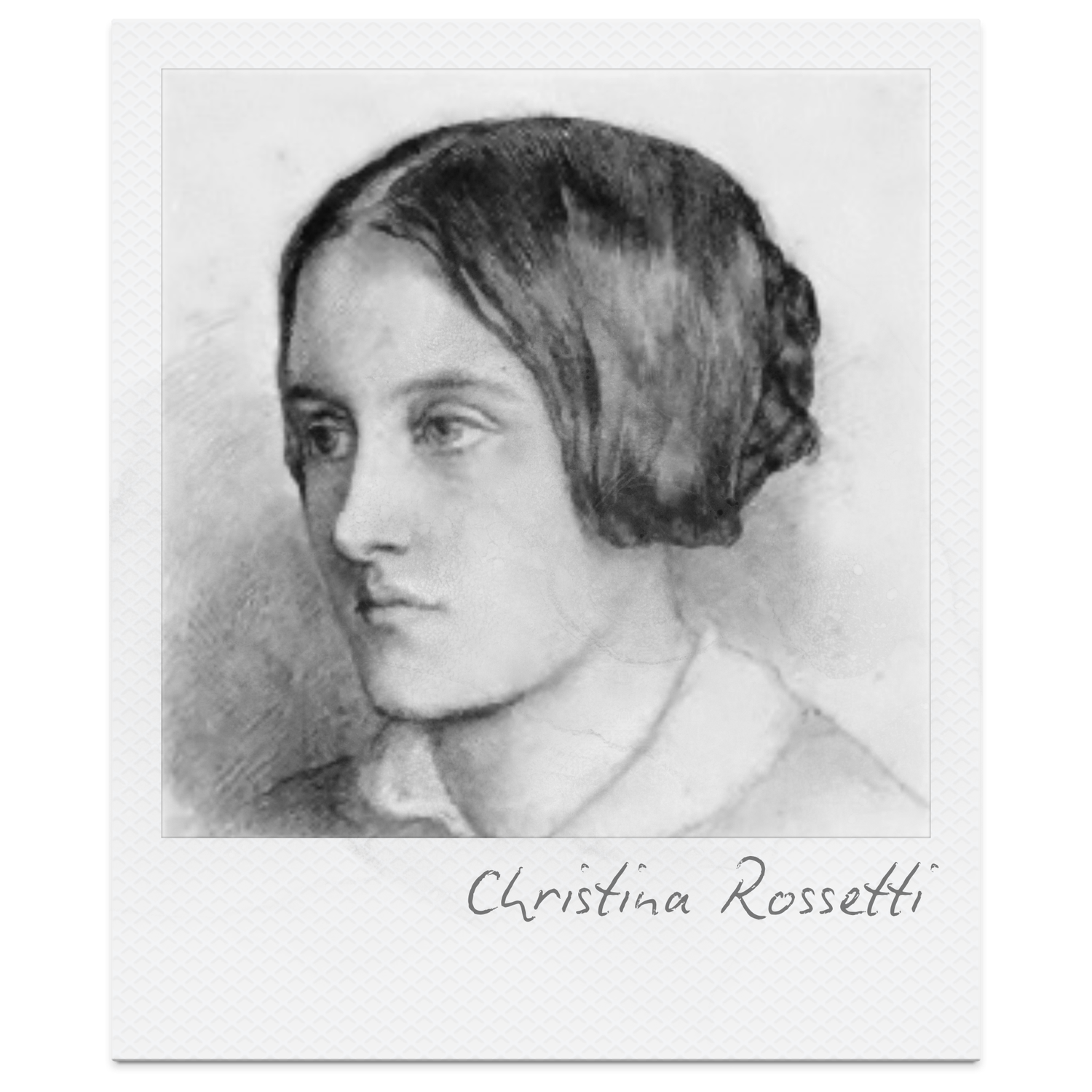
Christina Rossetti’s No, Thank You, John reflects her engagement with Victorian courtship conventions, female autonomy, and the expectations placed on women in romantic relationships. In the nineteenth century, women were often expected to respond passively or gently to male advances, avoiding direct rejection in order to preserve male pride and social harmony. Rossetti disrupts this expectation by giving her speaker a voice that is firm, rational, and unapologetically clear, challenging the idea that women must soften or disguise refusal.
This context is closely tied to Rossetti’s own life. She is known to have refused multiple marriage proposals, often on religious or personal grounds, suggesting a strong commitment to emotional and moral independence. In No, Thank You, John, this independence is expressed through the speaker’s insistence that she cannot give love she does not feel, reinforcing the idea that authenticity should take precedence over social obligation.
The poem also engages with broader Victorian anxieties surrounding female reputation and sincerity. Women who rejected suitors risked being labelled as cold, ungrateful, or deceitful. The speaker directly confronts this, rejecting the accusation of being “false” and asserting that she never encouraged John’s affection. In doing so, Rossetti exposes the unfair emotional burden placed on women, who were often held responsible for managing male expectations.
At the same time, the poem reflects a moral framework rooted in honesty and clarity. Rather than indulging in ambiguity or false hope, the speaker advocates for direct communication and defined boundaries, even if this causes discomfort. This aligns with Rossetti’s wider body of work, where emotional restraint and integrity are often presented as forms of strength.
For a broader exploration of Rossetti’s influences, see the Rossetti Context Post.
No, Thank You, John: At a Glance
Form: Eight quatrains with a regular ballad-like structure
Mood: Firm, assertive, lightly ironic
Central tension: Male persistence vs female refusal and autonomy
Core themes: Rejection and honesty, emotional autonomy, gender expectations, love vs friendship
One-sentence meaning:
The speaker firmly rejects a persistent suitor, asserting her right to emotional honesty and independence while redefining the relationship as friendship rather than love.
Summary of No, Thank You, John
The poem opens with the speaker firmly rejecting John’s assumptions about her feelings, insisting that she has never loved him and questioning why he continues to pursue her. The repeated references to his persistence—“day by day” and “always ‘do’ and ‘pray’”—suggest that his behaviour has become exhausting and intrusive, turning what might have been harmless affection into something burdensome.
In the second and third stanzas, the speaker becomes more direct, challenging John’s emotional pressure and even suggesting that he seek affection elsewhere. By naming other women who might accept him, she reinforces the idea that her refusal is not a universal rejection of love, but a specific lack of feeling toward him. At the same time, she rejects any responsibility for his situation, making it clear that she did not encourage his attachment.
The middle of the poem sharpens this tone further, as the speaker defends herself against accusations of coldness. When she states, “I have no heart?—Perhaps I have not,” she uses irony to undermine the idea that she is at fault, instead exposing the irrationality of expecting love where none exists. Her argument becomes increasingly logical and controlled, emphasising that emotional honesty is preferable to false promises.
In the final stanzas, the speaker attempts to redefine the relationship, proposing friendship instead of romance. She encourages John to let go of past expectations and enjoy the present without misunderstanding her intentions. However, this offer is carefully limited—friendship is only possible if he abandons any “ulterior ends.” The poem closes with a decisive and memorable statement: “No, thank you, John,” reaffirming the speaker’s autonomy and her refusal to compromise her emotional truth.
Title, Form, Structure, and Metre
Christina Rossetti’s No, Thank You, John uses regular structure, conversational rhythm, and controlled variation to reinforce the speaker’s authority and clarity. The poem’s form mirrors its argument: measured, logical, and unwavering, even as it adopts the tone of natural speech.
Title
The title No, Thank You, John immediately establishes the poem’s tone and purpose. It combines politeness with firmness, suggesting a refusal that is both socially appropriate and emotionally decisive. By directly addressing “John,” the title frames the poem as a personal, almost conversational exchange, while also signalling that the speaker will maintain control over the interaction. The phrase itself anticipates the poem’s central idea: rejection without apology or ambiguity.
Form and Structure
The poem takes the form of a dramatic monologue, with the speaker addressing John directly throughout. This creates the impression of a one-sided conversation, allowing the reader to infer John’s behaviour and expectations through the speaker’s responses.
Structurally, the poem is composed of eight quatrains, each following a consistent pattern. The regularity of these stanzas contributes to the sense of control and composure, reflecting the speaker’s rational and measured approach. At the same time, the poem can be understood as divided into two balanced halves. In the first half, the speaker confronts John’s persistent advances and emotional assumptions, while in the second half, she shifts toward offering a clear resolution—friendship, but not love.
This structure loosely echoes the logic of a sonnet, where a problem is introduced and then addressed or resolved. However, Rossetti subverts traditional conventions by reversing typical gender roles. Instead of a male speaker lamenting unrequited love, the poem presents a female speaker resisting unwanted affection, challenging established literary patterns and expectations.
Rhyme Scheme and Poetic Pattern
Each quatrain follows a consistent ABAB rhyme scheme, creating a steady and predictable pattern. This regularity reinforces the speaker’s firmness and consistency, as her refusal remains unchanged throughout the poem.
The alternating rhyme also contributes to a sense of dialogue, as each line seems to respond to the one before it. This mirrors the poem’s conversational tone, even though only one voice is heard. The simplicity of the rhyme scheme adds a light, almost playful quality, which complements the speaker’s controlled irony and understated humour.
At the same time, the unbroken regularity of the rhyme reflects the speaker’s unwavering position. Just as the rhyme does not deviate, neither does her refusal.
Metre and Rhythmic Movement
The poem primarily uses iambic rhythms, which closely resemble natural speech patterns. This makes the speaker’s voice feel direct, conversational, and grounded, reinforcing the impression of a real exchange rather than a highly stylised lyric.
Within each stanza, Rossetti varies line length to create a dynamic rhythm. Typically, the first two lines move with a steady, moderate pace, followed by a longer third line that allows for more developed expression, and a shorter fourth line that delivers a concise or pointed conclusion. This pattern mirrors the speaker’s argumentative style, where she builds her point and then resolves it clearly.
For example:
I NEV- | er SAID | I LOVED | you, JOHN
WHY will | you TEASE | me, DAY | by DAY
The rising rhythm gives the lines a natural flow, while occasional variations—such as trochaic openings or additional stresses—draw attention to key moments of emphasis. These disruptions often coincide with points of irritation or insistence, reinforcing the speaker’s emotional clarity.
The poem’s most striking metrical shift occurs in the final line:
NO, THANK | you, JOHN
The shortened length and strong stresses create a decisive, emphatic ending, cutting through any ambiguity. After the more expansive lines that precede it, this brevity feels final and unarguable, embodying the speaker’s ultimate refusal.
Overall, Rossetti’s metrical control allows the poem to feel both natural and deliberate, balancing conversational ease with rhetorical precision.
The Speaker of No, Thank You, John
The speaker of No, Thank You, John is an unnamed woman addressing a persistent suitor directly, establishing a voice that is confident, controlled, and emotionally self-aware. From the opening line, she asserts that she has never loved John, immediately rejecting any suggestion that she has encouraged his feelings. This positions her as a speaker who prioritises clarity and honesty over social politeness or emotional ambiguity.
Her tone throughout is notably firm yet measured, blending rational argument with moments of light irony. She does not respond with cruelty, but neither does she soften her refusal to protect John’s feelings. Instead, she consistently emphasises that she cannot give what she does not possess, reinforcing the idea that love cannot be performed or manufactured. This logical approach strengthens her authority, presenting her as someone who is not swayed by emotional pressure or accusation.
At the same time, the speaker demonstrates an awareness of how she may be perceived. When she acknowledges the accusation that she has “no heart,” she engages with it directly, using a controlled, almost ironic response to expose its unfairness. This suggests that she is navigating not only John’s expectations, but also broader assumptions about how women should behave in situations of rejection.
The speaker also attempts to redefine the relationship on her own terms, offering friendship as a clear and limited alternative. However, this offer is conditional, requiring John to abandon any “ulterior ends.” This reinforces her insistence on boundaries and mutual understanding, rather than allowing the relationship to remain ambiguous or emotionally manipulative.
Ultimately, the speaker is defined by her consistency and independence. She does not waver, apologise, or compromise her position, and the poem’s final line—“No, thank you, John”—confirms her complete control over the situation. In this way, Rossetti presents a voice that challenges expectations of female passivity, asserting instead a model of self-possession and emotional integrity.
Stanza-by-Stanza Analysis of No, Thank You, John
A close reading of No, Thank You, John reveals how Rossetti develops the speaker’s argument with increasing clarity, control, and rhetorical precision. The poem moves from firm denial, through defence and justification, to a final redefinition of the relationship, maintaining a consistent refusal throughout. Each stanza builds on the last, not by changing the speaker’s position, but by reinforcing and refining it, creating a cumulative sense of certainty and authority.
Stanza 1: Firm Denial and Growing Frustration
The opening stanza establishes the speaker’s position with immediate clarity: “I never said I loved you, John.” This declarative statement sets the tone for the entire poem, asserting that there has been no misunderstanding or encouragement on her part. By beginning with this denial, the speaker places responsibility firmly on John, suggesting that his expectations are self-imposed rather than justified.
The rhetorical question “Why will you tease me, day by day” introduces a note of irritation, framing John’s persistence as both unwelcome and exhausting. The phrase “day by day” emphasises repetition, suggesting that his behaviour is not a single misstep but a continuous pressure. The verb “tease” is particularly revealing—it diminishes his actions, implying that what he may perceive as romantic persistence is, from her perspective, tiresome and inappropriate.
Rossetti develops this frustration further through the phrase “wax a weariness to think upon,” where the verb “wax” suggests something that grows or intensifies over time. John’s advances are not merely irritating in the moment; they accumulate, becoming increasingly burdensome. This sense of escalation reinforces the speaker’s need to address the situation directly.
The stanza closes with “With always ‘do’ and ‘pray’?”, which subtly mocks John’s language of persuasion. The quotation marks isolate his repeated appeals, reducing them to formulaic expressions rather than genuine emotion. This suggests that his insistence lacks authenticity, further justifying the speaker’s refusal.
Overall, the first stanza establishes the central dynamic of the poem: a speaker asserting emotional truth and autonomy against a backdrop of persistent, unwelcome pressure.
Stanza 2: Rejecting Blame and Framing Persistence as Haunting
In the second stanza, the speaker reinforces her earlier denial with greater emphasis: “You know I never loved you, John.” The shift from “I never said” to “You know” suggests that John is not merely mistaken, but wilfully ignoring the truth. This intensifies the speaker’s frustration, as his persistence now appears less like misunderstanding and more like refusal to accept reality.
The line “No fault of mine made me your toast” directly rejects any suggestion that she encouraged his affection. The phrase “your toast” implies admiration or idealisation, positioning John as someone who has elevated her without justification. By denying responsibility, the speaker asserts her right to emotional independence, making it clear that she is not accountable for feelings she did not inspire.
Rossetti then introduces a striking tonal shift through the question: “Why will you haunt me with a face as wan / As shows an hour-old ghost?” The verb “haunt” transforms John’s presence into something intrusive and unsettling, aligning him with ghostly imagery. This is both ironic and significant—rather than the speaker being haunted by memory (as in poems like Echo), she is haunted by the living persistence of John himself.
The simile “as wan / As shows an hour-old ghost” reinforces this unsettling effect. The image of an “hour-old ghost” suggests something newly dead, pale, and unnatural, casting John’s emotional display as excessive and performative. His visible suffering becomes almost theatrical, undermining any claim to genuine pathos and further justifying the speaker’s resistance.
Overall, the stanza sharpens the speaker’s argument by rejecting blame and reframing John’s behaviour as not romantic, but unwelcome, exaggerated, and even oppressive.
Stanza 3: Redirecting Desire and Reinforcing Boundaries
In the third stanza, the speaker adopts a more pragmatic and lightly ironic tone, suggesting alternative solutions to John’s situation. By naming “Meg or Moll”, she introduces other potential partners, implying that his desire is not unique or irreplaceable. This diminishes the exclusivity of his attachment and reframes it as something that could be redirected rather than endured.
The phrase “Pity upon you” subtly undercuts John’s position. Rather than presenting him as a romantic figure, the speaker reduces his situation to one that might inspire sympathy rather than admiration. This shift challenges traditional ideas of male pursuit as noble, instead portraying it as somewhat pathetic or misguided.
The line “And pray don't remain single for my sake” further reinforces the speaker’s refusal to accept responsibility for John’s choices. The verb “pray” echoes earlier references to his persistent appeals, but here it is turned back on him, suggesting that he should act sensibly rather than sentimentally. The speaker refuses to become the reason for his continued emotional attachment.
The final line, “Who can't perform that task,” is particularly significant. By describing love as a “task,” the speaker rejects the idea that it can be willed into existence or performed out of obligation. This reinforces one of the poem’s central arguments: that love must be genuine, not constructed to satisfy another’s expectations.
Overall, this stanza marks a shift from defence to practical resolution, as the speaker not only refuses John’s advances but actively redirects him elsewhere, reinforcing her boundaries with clarity and control.
Stanza 4: Irony, Logic, and Reversal of Accusation
In the fourth stanza, the speaker directly confronts John’s accusation that she is heartless, beginning with the ironic concession: “I have no heart?—Perhaps I have not;”. This apparent agreement is not genuine, but strategic. By momentarily accepting his claim, the speaker exposes its absurdity, suggesting that even if it were true, it would not justify his expectations.
The use of the dash creates a pause, signalling a shift from irony to argument. The speaker immediately follows with “But then you're mad to take offence”, turning the accusation back on John. The word “mad” is particularly pointed, implying that his reaction is not only unreasonable, but irrational and excessive. This marks a clear reversal of power, as the speaker moves from being judged to actively judging his behaviour.
The central logic of the stanza is expressed in the line “That I don't give you what I have not got:”. Here, the speaker reduces the situation to a simple, undeniable truth: love cannot be given if it does not exist. The phrasing is deliberately straightforward, reinforcing the clarity of her position and stripping away any emotional manipulation.
The final line, “Use your common sense,” delivers a blunt and decisive conclusion. The imperative tone underscores the speaker’s authority, while also suggesting that the issue is not emotional complexity, but basic reasoning. This shifts the focus from feeling to logic, presenting the speaker’s refusal as not only justified, but entirely rational.
Overall, this stanza strengthens the speaker’s position by combining irony, clarity, and intellectual control, dismantling John’s accusations and reasserting her right to emotional autonomy.
Stanza 5: Final Rejection and Assertion of Emotional Integrity
In the fifth stanza, the speaker moves decisively toward closure, opening with the phrase “Let bygones be bygones:”. This suggests a desire to end the conflict and move forward, but it is immediately clear that this resolution depends on John accepting her position. The colon signals that what follows will clarify the terms of this closure.
The line “Don't call me false, who owed not to be true:” directly addresses a potential accusation of insincerity. The speaker rejects the idea that she has deceived John, arguing that she was never obligated to return his feelings. This reinforces her central claim: that emotional honesty does not equate to betrayal, and that she cannot be faulted for refusing a love she never promised.
The third line, “I'd rather answer ‘No’ to fifty Johns”, introduces a moment of hyperbole that strengthens the speaker’s stance. By multiplying John into “fifty Johns,” she generalises the situation, suggesting that her refusal is not personal but principled. It reflects a broader commitment to truth over social expectation, even if that means repeated rejection.
The final line, “Than answer ‘Yes’ to you,” delivers a sharp and emphatic conclusion. The contrast between “No” and “Yes” is stark and absolute, leaving no room for ambiguity. The placement of “you” at the end of the line adds a pointed emphasis, reinforcing the specificity of her refusal while maintaining its wider implication.
Overall, this stanza crystallises the speaker’s position: she values honesty, autonomy, and emotional clarity over appeasement, and is entirely unwilling to compromise, even under pressure.
Stanza 6: Reframing the Present and Controlled Leniency
In the sixth stanza, the speaker shifts toward a more conciliatory tone, suggesting a way forward that avoids continued tension. The opening line, “Let’s mar our pleasant days no more,” implies that John’s persistence has begun to damage what could otherwise be a harmonious relationship. The inclusive “Let’s” softens the tone slightly, but still places responsibility on both parties to move beyond conflict.
The phrase “Song-birds of passage, days of youth:” introduces a metaphor that emphasises the temporary and fleeting nature of youth and happiness. By comparing their situation to passing songbirds, the speaker suggests that time should be enjoyed rather than burdened by unresolved emotional expectations. This reinforces a broader idea: that clinging to unreturned love risks wasting something inherently transient.
The imperative “Catch at to-day, forget the days before:” continues this focus on the present. The speaker encourages John to abandon his fixation on past hopes or imagined promises, instead embracing what is currently possible. This reflects her ongoing emphasis on practicality and emotional clarity, rather than nostalgia or persistence.
The final line, “I’ll wink at your untruth,” introduces a subtle but significant shift. The phrase suggests that the speaker is willing to overlook John’s misinterpretations or exaggerations, provided he moves forward. However, this leniency is conditional—she acknowledges his “untruth,” but does not validate it. Instead, she offers a controlled tolerance, reinforcing her authority while allowing for a more peaceful resolution.
Overall, this stanza reframes the situation by prioritising present harmony over past misunderstanding, while maintaining the speaker’s clear boundaries and refusal.
Stanza 7: Conditional Friendship and Assertion of Boundaries
In the seventh stanza, the speaker moves toward a clear and structured resolution, proposing a relationship defined on her own terms. The phrase “Let us strike hands as hearty friends” suggests agreement and mutual understanding, evoking the image of a handshake as a symbol of equality and closure. This marks a shift from rejection to negotiation, but only within strictly defined limits.
The following line, “No more, no less: and friendship's good:”, reinforces this boundary with careful precision. The repetition of “no more, no less” emphasises balance and restriction, making it clear that the relationship cannot extend beyond what she permits. The statement “friendship’s good” acknowledges value in this alternative, but it is deliberately framed as sufficient, not inferior, rejecting the idea that romantic love is necessary for fulfilment.
However, the speaker immediately introduces a condition: “Only don't keep in view ulterior ends,”. This phrase is crucial, as it exposes the underlying issue in John’s behaviour—his inability to accept friendship without expecting it to develop into something more. By naming these “ulterior ends,” the speaker identifies and rejects hidden motives and emotional manipulation, insisting on transparency.
The final line, “And points not understood”, suggests that much of the conflict has arisen from misinterpretation and assumption. The speaker calls for clarity, implying that any continued relationship must be based on explicit agreement rather than imagined possibilities.
Overall, this stanza formalises the speaker’s position: she offers friendship as a clear, equal, and bounded alternative, but only if John abandons his romantic expectations entirely.
Stanza 8: Final Terms and Decisive Closure
In the final stanza, the speaker formalises her position with language that evokes negotiation and agreement, beginning with “In open treaty.” This phrase suggests transparency and clarity, reinforcing her insistence that the relationship must be defined without ambiguity or hidden expectation. It also elevates the exchange, framing it as a rational settlement rather than an emotional dispute.
The command “Rise above / Quibbles and shuffling off and on:” urges John to abandon evasiveness and inconsistency. Words like “quibbles” and “shuffling” imply petty argument and emotional indecision, positioning his behaviour as immature in contrast to the speaker’s measured clarity. The imperative tone reinforces her authority, as she directs the terms on which the interaction can continue.
The line “Here’s friendship for you if you like; but love,—” offers a final, clearly defined choice. The phrasing suggests generosity—friendship is available—but also control, as the speaker determines its limits. The dash creates a pause that heightens anticipation, preparing for the decisive conclusion.
The poem ends with the emphatic statement: “No, thank you, John.” The brevity and firmness of this final line cut through any remaining ambiguity. After the longer, more developed arguments of previous stanzas, this concise refusal feels absolute and unchallengeable. The inclusion of “thank you” maintains a surface politeness, but the overall effect is one of complete and final rejection.
Ultimately, this closing stanza consolidates the speaker’s position: she offers clarity, honesty, and defined boundaries, but refuses to compromise. The poem ends not with emotional uncertainty, but with decisive autonomy and control.
Key Quotes from No, Thank You, John
These key quotations highlight how Rossetti constructs a poem centred on rejection, autonomy, and emotional clarity. Through direct address, irony, and controlled rhetoric, the speaker asserts her independence while challenging expectations around love, obligation, and sincerity.
“I never said I loved you, John”
◆ Establishes immediate denial and clarity, rejecting any suggestion of encouragement
◆ Positions the speaker as honest and direct, countering assumptions of ambiguity
◆ Sets the foundation for the poem’s central conflict
“Why will you tease me, day by day”
◆ Repetition of time emphasises persistence and pressure
◆ “Tease” diminishes John’s actions, reframing them as irritating rather than romantic
◆ Suggests the emotional toll of ongoing unwanted attention
“No fault of mine made me your toast”
◆ Rejects responsibility for John’s feelings
◆ “Toast” implies admiration or idealisation, highlighting his one-sided perception
◆ Reinforces the theme of emotional autonomy
“Why will you haunt me with a face as wan / As shows an hour-old ghost?”
◆ Gothic imagery presents John’s presence as intrusive and unsettling
◆ “Haunt” suggests persistence that feels oppressive rather than affectionate
◆ Undermines traditional romantic suffering by making it appear exaggerated
“I have no heart?—Perhaps I have not;”
◆ Uses irony to engage with accusations of coldness
◆ The pause (caesura) reflects a controlled, thoughtful response
◆ Exposes the unfairness of emotional expectations
“That I don't give you what I have not got”
◆ Central logical argument of the poem
◆ Reinforces that love cannot be forced or performed
◆ Highlights the speaker’s rational, grounded perspective
“I'd rather answer ‘No’ to fifty Johns”
◆ Hyperbole strengthens the speaker’s refusal
◆ Generalises the situation, suggesting a broader principle
◆ Emphasises commitment to truth over social pressure
“Catch at to-day, forget the days before”
◆ Encourages focus on the present rather than past expectations
◆ Reflects a practical approach to emotional conflict
◆ Suggests the need to move forward rather than persist
“Only don't keep in view ulterior ends”
◆ Identifies hidden motives behind John’s persistence
◆ Reinforces the importance of clear boundaries and honesty
◆ Suggests friendship must be free from romantic expectation
“No, thank you, John”
◆ Final, decisive rejection
◆ Combines politeness with firmness, maintaining social decorum
◆ Leaves no ambiguity, reinforcing the speaker’s complete autonomy
Key Techniques in No, Thank You, John
Rossetti’s No, Thank You, John relies on voice, rhetorical control, and subtle imagery to construct a speaker who is both emotionally clear and intellectually authoritative. The poem’s techniques work together to transform what could be a simple rejection into a structured argument about autonomy, honesty, and boundaries.
◆ Dramatic Monologue and Direct Address – The poem is framed as a one-sided conversation, allowing the speaker to control the narrative entirely. By addressing “John” directly, Rossetti creates immediacy while also revealing his behaviour indirectly through the speaker’s responses. This reinforces her authority and perspective, positioning her as the dominant voice.
◆ Rhetorical Questions – Questions such as “Why will you tease me, day by day” are not genuine inquiries, but expressions of frustration and challenge. They expose the illogical nature of John’s persistence, encouraging the reader to align with the speaker’s reasoning rather than his emotion.
◆ Imagery (Ghostly and Temporal) – Although the poem is not heavily descriptive, Rossetti uses imagery strategically for impact. The description of John as something that “haunt[s]” the speaker, with a face “wan” like an “hour-old ghost,” recasts romantic pursuit as unsettling and intrusive. This subverts traditional romantic imagery, presenting persistence as unwelcome and even disturbing. In contrast, the image of “song-birds of passage” and “days of youth” introduces a fleeting, almost pastoral image, emphasising the transience of time and reinforcing the speaker’s call to move forward.
◆ Irony – The speaker frequently adopts an ironic tone, particularly in lines such as “I have no heart?—Perhaps I have not;”. This apparent concession actually undermines John’s accusation, exposing its absurdity and emotional exaggeration. Irony allows the speaker to maintain control while subtly criticising his perspective.
◆ Logical Reasoning and Declarative Statements – The poem is driven by clear, rational assertions such as “That I don't give you what I have not got.” These statements reduce the situation to simple, undeniable truths, shifting the poem away from emotional persuasion toward intellectual clarity. This reinforces the speaker’s composure and authority.
◆ Hyperbole – The exaggeration in “I'd rather answer ‘No’ to fifty Johns” strengthens the speaker’s refusal by broadening it into a principle. This technique emphasises her commitment to honesty over appeasement, suggesting that her response is not situational but fundamental.
◆ Repetition – The repeated use of “John” and the recurring structure of refusal reinforce the speaker’s consistency and determination. Each return to his name personalises the rejection, while also emphasising that her position does not change.
◆ Caesura and Pauses – Interruptions within lines, such as “I have no heart?—Perhaps I have not;”, create moments of controlled reflection. These pauses slow the rhythm, suggesting that the speaker is measured and deliberate, rather than reactive.
◆ Conversational Tone and Natural Rhythm – The poem’s iambic base and varied line lengths mimic the patterns of natural speech. This makes the argument feel authentic and grounded, while also allowing shifts in emphasis that reflect the speaker’s changing tone—from irritation to irony to resolution.
◆ Antithesis (Love vs Friendship) – The contrast between “friendship” and “love” is central to the poem’s structure. By clearly separating these two states, Rossetti reinforces the speaker’s insistence on defined boundaries, rejecting ambiguity and emotional overlap.
Together, these techniques create a poem that is not only expressive, but persuasive and controlled, where language becomes a tool for asserting independence and resisting expectation.
Themes in No, Thank You, John
Christina Rossetti’s No, Thank You, John explores a range of interrelated themes centred on truth, independence, and the negotiation of relationships. The poem challenges conventional expectations by presenting rejection not as cruelty, but as a form of clarity and integrity, reshaping how love and obligation are understood.
Rejection and Honesty
At its core, the poem presents rejection as an act of honesty rather than harm. The speaker repeatedly insists that she never loved John, emphasising that her refusal is not a betrayal but a truthful response. Rossetti challenges the idea that rejecting someone is inherently unkind, suggesting instead that false acceptance would be the greater cruelty. The speaker’s clarity becomes a moral stance, valuing truth over emotional appeasement.
Emotional Autonomy
The poem strongly asserts the speaker’s right to control her own feelings and decisions. She refuses to be pressured into reciprocating affection, making it clear that love cannot be forced, performed, or negotiated. This emphasis on autonomy positions the speaker as independent and self-possessed, resisting both emotional manipulation and social expectation.
Gender Expectations
Rossetti engages directly with Victorian ideas about how women should behave in romantic situations. Women were often expected to be passive, accommodating, and gentle in refusal, prioritising male feelings over their own. The speaker disrupts this by adopting a tone that is direct, logical, and unapologetic, challenging traditional gender roles. The poem exposes the imbalance in expectations, where women are held responsible for managing male desire.
Love vs Friendship
A central tension in the poem lies in the distinction between romantic love and platonic friendship. The speaker clearly separates the two, offering friendship as a valid and sufficient relationship while rejecting any romantic involvement. This challenges the idea that friendship is a lesser or transitional state, instead presenting it as something that must be respected and clearly defined.
Responsibility and Blame
The poem repeatedly addresses the question of who is responsible for unrequited love. The speaker firmly rejects any blame, insisting that she did not encourage John’s feelings. This highlights the unfair tendency to hold individuals accountable for emotions they did not create, reinforcing the importance of personal responsibility in relationships.
Rationality vs Emotional Excess
Rossetti contrasts the speaker’s calm, logical reasoning with John’s more emotional and persistent behaviour. The speaker frames her argument in terms of clarity and common sense, suggesting that her refusal is grounded in reason, while his reaction appears irrational or excessive. This reinforces her authority and further justifies her position.
Time and Moving Forward
The poem also engages with the idea of time as something that should not be wasted on unfulfilled desire. The speaker encourages John to focus on the present and move beyond past expectations, emphasising the importance of letting go rather than clinging to unattainable outcomes.
Power and Control in Relationships
Underlying the poem is a subtle exploration of power dynamics. By maintaining control over the conversation and refusing to yield, the speaker asserts dominance over the situation. She defines the terms of the relationship, demonstrating that emotional power lies with the person who is able to set and maintain boundaries.
Together, these themes create a poem that is both personal and socially significant, offering a nuanced exploration of truth, independence, and the ethics of emotional relationships.
Alternative Interpretations of No, Thank You, John
While No, Thank You, John presents a clear and confident rejection, Rossetti’s use of tone, structure, and rhetorical control allows the poem to be read through multiple critical lenses. Each interpretation reveals a different dimension of the speaker’s voice and the social dynamics at play.
Feminist Interpretation: Refusal and Female Autonomy
From a feminist perspective, the poem can be read as a powerful assertion of female autonomy and the right to refuse. The speaker resists the expectation that women should accommodate male desire or soften rejection to protect male feelings. Instead, she prioritises honesty over politeness, challenging the idea that women are responsible for managing emotional outcomes.
The repeated insistence that she cannot give what she does not feel reinforces the principle that consent and emotional authenticity are non-negotiable. In this reading, the poem becomes an early articulation of resistance to gendered expectations of compliance, positioning refusal as a form of strength rather than cruelty.
Contemporary Interpretation: Boundaries, Consent, and Emotional Pressure
A contemporary reading highlights how the poem anticipates modern discussions around boundaries, consent, and emotional labour. John’s persistence can be interpreted as a form of pressure that reframes refusal as something to be overcome, rather than respected.
The speaker’s need to repeatedly justify her “no” reflects a dynamic that remains familiar: the expectation that rejection must be explained, softened, or reconsidered. Rossetti’s portrayal of firm, repeated refusal foregrounds the importance of clear boundaries, suggesting that persistence is not romantic, but potentially intrusive and entitled.
Psychological Interpretation: Persistence, Projection, and Rejection
Psychologically, the poem can be read as an exploration of unreciprocated attachment and emotional projection. John appears to impose his own narrative onto the speaker, interpreting her behaviour as encouragement despite her clear denials.
The speaker’s rational, structured responses contrast with this persistence, positioning her as grounded and self-aware, while John’s behaviour appears increasingly irrational and fixated. The poem thus examines the tension between perception and reality, where desire distorts understanding and prevents acceptance.
Social Context Interpretation: Politeness, Reputation, and Expectation
Within a Victorian context, the poem reflects the complex expectations placed on women to maintain politeness, decorum, and emotional restraint. The speaker navigates this carefully, combining firm refusal with measured language, ensuring that she remains socially acceptable while still asserting her position.
Her concern with not being labelled “false” highlights the risk to female reputation, suggesting that women were often judged not only for their actions, but for how those actions were perceived. The poem reveals the delicate balance between honesty and social expectation, and the difficulty of rejecting someone without incurring criticism.
Satirical Interpretation: Mocking Romantic Persistence
The poem can also be read as subtly satirical, undermining traditional romantic conventions. Rather than presenting John as a tragic figure of unrequited love, the speaker’s tone often reduces him to something overdramatic, persistent, and faintly ridiculous.
Descriptions such as his “wan” face and ghost-like presence, along with the suggestion that other women might take “pity” on him, disrupt the idealised image of the suffering lover. In this sense, Rossetti exposes the self-centredness of romantic persistence, challenging the notion that such behaviour is noble or admirable.
Together, these interpretations reveal No, Thank You, John as a poem that is not only about rejection, but about power, perception, and the right to define one’s own emotional boundaries.
Teaching Ideas for No, Thank You, John
No, Thank You, John offers excellent opportunities to explore voice, argument, and power in relationships, making it ideal for developing analytical writing and interpretive debate. The poem’s clarity and rhetorical structure allow students to engage with tone, perspective, and authorial intention in a focused and meaningful way.
1. Model Paragraph Deconstruction and Development
Provide students with the following analytical paragraph:
Rossetti presents rejection in No, Thank You, John as an act of clarity rather than cruelty. The speaker’s declarative statement, “I never said I loved you, John,” immediately establishes her position, rejecting any suggestion of ambiguity or encouragement. This is reinforced through logical reasoning in “That I don't give you what I have not got,” where the speaker reduces the situation to a simple truth: love cannot be forced. The use of rhetorical questions, such as “Why will you tease me, day by day,” exposes John’s persistence as unreasonable, while also shifting sympathy toward the speaker. As a result, Rossetti reframes rejection as a form of honesty, challenging the expectation that women should soften or disguise refusal.
Students then complete three stages:
First, they generate possible questions that this paragraph could answer. This encourages students to think critically about how arguments are shaped and applied.
Next, students assess the paragraph using a mark scheme or success criteria, focusing on:
clarity of argument
use of textual evidence
integration of terminology
depth of interpretation
Finally, students develop the paragraph further, either by:
introducing an alternative interpretation (e.g. feminist or contemporary)
refining language for precision and control
strengthening links between ideas and wider themes
This task develops analytical independence and evaluative thinking, while reinforcing the importance of clear argumentation. For further practice, students can apply this approach using prompts from the Rossetti Essay Questions post.
2. Tone and Voice Exploration
Students track how the speaker’s tone shifts across the poem, identifying moments of:
firmness
irony
humour
controlled frustration
They then write a paragraph explaining how Rossetti uses tone to maintain authority and control, supporting their ideas with close reference to language.
3. Debate: Is the Speaker Harsh or Fair?
Students respond to the statement:
“The speaker in No, Thank You, John is unnecessarily harsh in her rejection.”
Students must:
select key quotations
consider both sides of the argument
evaluate the speaker’s tone and reasoning
This encourages balanced interpretation and deeper engagement with the poem’s ethical questions.
4. Language Focus: Rhetorical Control
Students analyse how Rossetti uses:
rhetorical questions
repetition
declarative statements
to construct the speaker’s argument.
They then write a short response explaining how language choices reinforce power and persuasion, rather than emotional vulnerability.
5. Rewriting the Perspective
Students rewrite one stanza from John’s perspective, considering:
how he interprets the speaker’s behaviour
whether he views himself as justified
how tone and language would differ
This helps students explore unreliable perspective and interpretation, deepening their understanding of the poem’s dynamics.
6. Structural Argument Mapping
Students map the poem as an argument, identifying:
initial denial
defence against accusation
logical reasoning
final resolution
They then write a paragraph explaining how structure reinforces the speaker’s consistency and authority.
7. Comparative Link Task
Students compare No, Thank You, John with another Rossetti poem (such as Echo or Remember), focusing on:
different presentations of love
emotional control vs emotional longing
how speakers respond to relationships
They then write a comparative paragraph, developing skills in synthesis and cross-textual analysis.
Go Deeper into No, Thank You, John
Rossetti’s No, Thank You, John stands out within her body of work for its clarity, confidence, and refusal, offering a voice that is unusually direct. When read alongside her other poems, it becomes part of a wider exploration of love, autonomy, emotional restraint, and the negotiation of relationships, revealing both parallels and striking contrasts.
◆ Twice – Both poems explore unreciprocated love, but from opposite perspectives. In Twice, the speaker experiences rejection and ultimately redirects her emotional devotion, whereas in No, Thank You, John, the speaker is the one who refuses. This contrast highlights Rossetti’s interest in both sides of emotional vulnerability and control.
◆ Maude Clare – Like No, Thank You, John, this poem features a woman who asserts her voice within a romantic power dynamic. However, Maude Clare presents confrontation in a public, socially charged setting, while No, Thank You, John remains private and conversational. Both poems challenge female passivity, but in different registers.
◆ Cousin Kate – This poem explores the consequences of female reputation and male desire, particularly how women are judged within romantic relationships. While Cousin Kate presents a speaker harmed by social expectations, No, Thank You, John shows a woman actively resisting them, suggesting a spectrum of female agency within Victorian society.
◆ Winter: My Secret – Both poems centre on control over personal truth. In Winter: My Secret, the speaker withholds information playfully, while in No, Thank You, John, the speaker reveals her truth directly. Together, they demonstrate different strategies of self-protection and autonomy.
◆ From the Antique – This poem expresses a desire for emotional detachment and release from the burdens of love. In contrast, No, Thank You, John does not reject love itself, but rather the expectation to feel it where it does not exist. This highlights Rossetti’s nuanced exploration of choice in emotional engagement.
◆ Echo – While Echo presents longing for a lost beloved and a desire to reconnect, No, Thank You, John presents the opposite dynamic: the refusal of connection. Together, they form a compelling contrast between clinging to love and rejecting it, showing Rossetti’s range in depicting emotional relationships.
◆ Remember – In Remember, the speaker encourages acceptance and emotional release, prioritising the other person’s well-being. In No, Thank You, John, the speaker prioritises her own emotional truth, even at the risk of causing discomfort. This contrast reveals different approaches to responsibility within love.
◆ Shut Out – Both poems deal with exclusion and boundaries, but from different angles. Shut Out presents a speaker excluded by external forces, while No, Thank You, John shows a speaker actively setting boundaries. This shift from passive to active exclusion highlights Rossetti’s exploration of control and agency.
◆ The World – This poem critiques superficial appearances and hidden realities. When read alongside No, Thank You, John, it reinforces Rossetti’s concern with truth versus illusion, particularly in emotional relationships, where appearances can mislead.
◆ In an Artist’s Studio – This poem examines objectification and control, particularly how women are shaped by male perception. In contrast, No, Thank You, John presents a speaker who resists being defined by another’s desire, asserting her own identity against imposed expectations.
Together, these comparisons position No, Thank You, John as one of Rossetti’s most assertive poems. While many of her works explore longing, restraint, or spiritual redirection, this poem foregrounds clarity, refusal, and self-definition, offering a voice that actively reshapes the dynamics of love and power.
Final Thoughts
Christina Rossetti’s No, Thank You, John is a powerful assertion of honesty, autonomy, and emotional clarity, presenting rejection not as cruelty, but as integrity. Through its controlled structure and conversational tone, the poem transforms a personal interaction into a broader statement about boundaries, responsibility, and the right to refuse.
What makes the poem particularly striking is its refusal to compromise. The speaker does not soften her position or prioritise social expectation over truth; instead, she maintains a consistent and reasoned stance, challenging assumptions about love, obligation, and gender roles. In doing so, Rossetti presents a voice that is both measured and resolute, offering a model of self-possession that remains relevant beyond its Victorian context.
For more poetry analysis, explore the Christina Rossetti Poetry Hub and the wider Literature Library.
Choose Your Next Text