Notes from the Inkpot
Writing, teaching, creating - one ink-stained idea at a time.


A Married State by Katherine Philips: Summary, Themes & Analysis
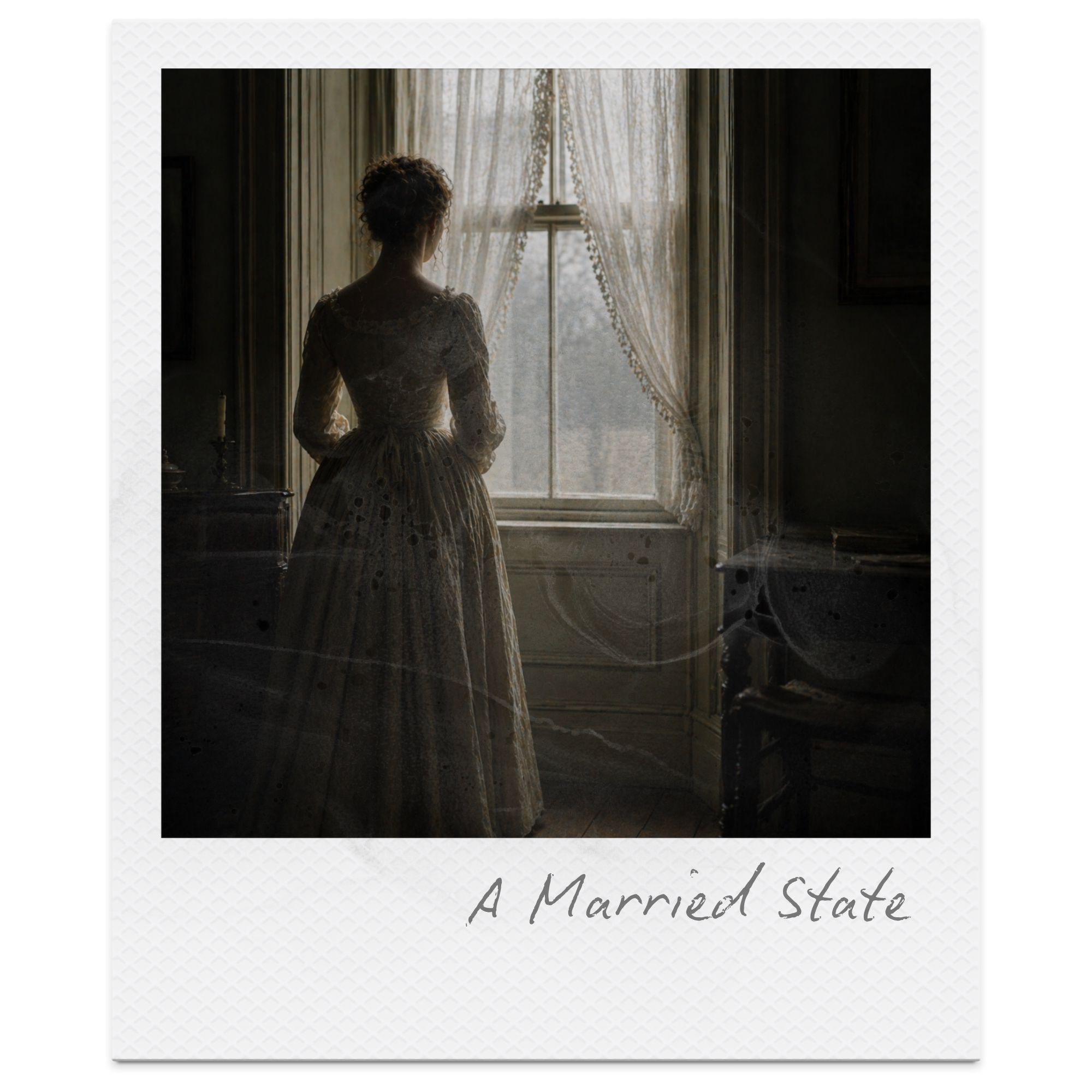
A Married State by Katherine Philips presents a sharp and ironic critique of marriage, challenging the idea that it brings happiness or fulfilment. Through rhyming couplets, controlled structure, and persuasive voice, Philips contrasts the pressures of married life with the freedom of remaining unmarried, exposing the emotional strain, physical burden, and social expectations placed on women. By combining satire, contrast, and direct address, the poem constructs a clear and memorable argument while also leaving room for ambiguity. The idealised “virgin state” and the command to “suppress wild nature” suggest a tension between freedom and desire, encouraging readers to question whether independence is truly simple or shaped by the same societal pressures the poem critiques.
70 Gothic Imprisoned Heroines Writing Prompts: Locked Rooms, Silent Resistance & Story Starters
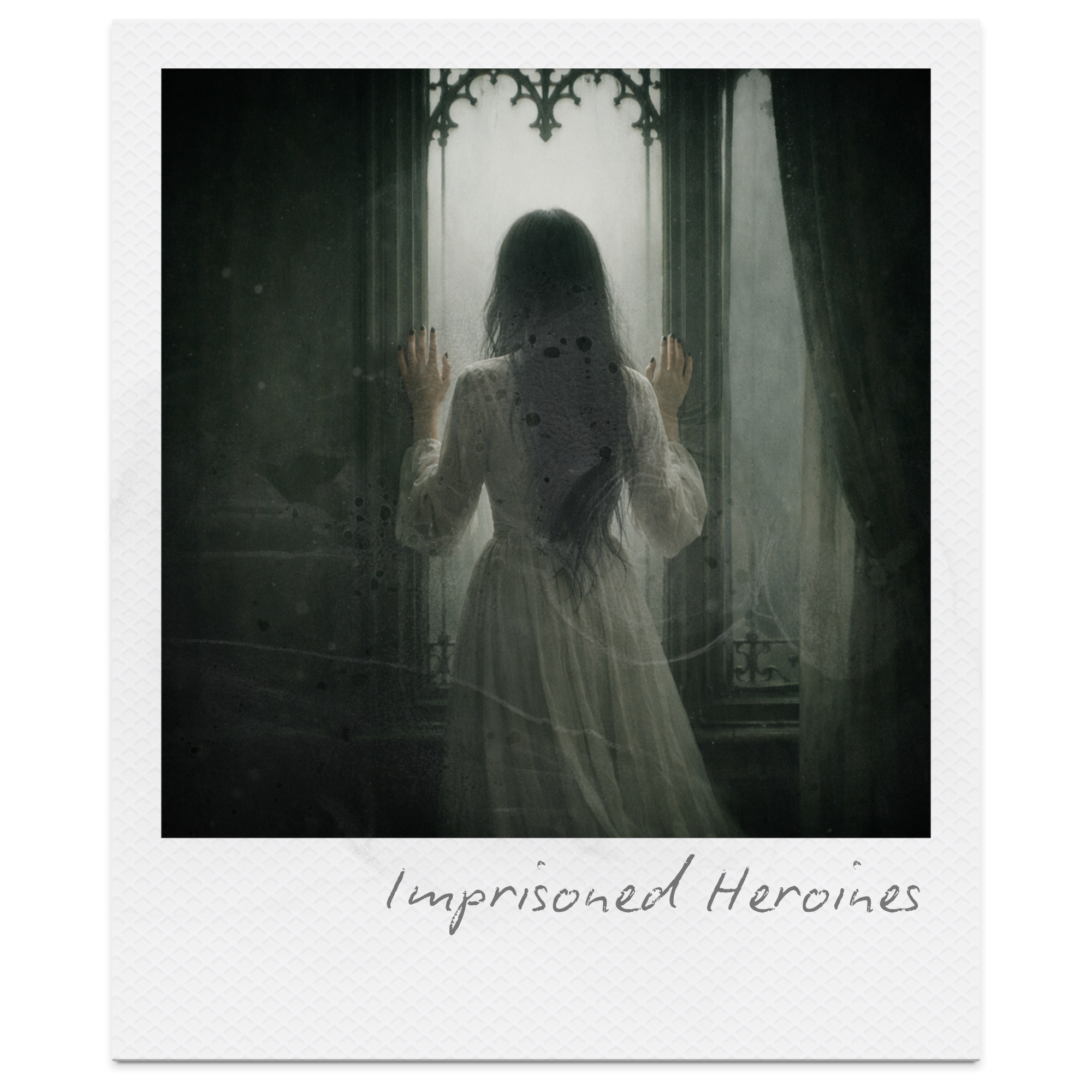
Imprisoned heroines have long defined some of the most haunting narratives in gothic fiction, where confinement is not only physical but deeply psychological. From locked rooms and isolated towers to marriages and expectations that quietly restrict freedom, these stories explore what it means to be watched, controlled, and silenced. Yet gothic heroines are rarely powerless. Within these enclosed spaces, they observe, resist, and begin to question the structures that hold them captive, transforming confinement into a site of tension, defiance, and discovery. This collection of 70 Gothic Imprisoned Heroines Writing Prompts invites writers to explore stories shaped by restriction, secrecy, and subtle rebellion. Through plot hooks, opening lines, character ideas, and atmospheric settings, these prompts encourage narratives where escape is not always straightforward — and where the greatest power may lie in perception, endurance, and reclaiming control. Ideal for classrooms, creative writing, or independent storytelling, this collection offers a structured way to develop gothic fiction that is rich in mood, meaning, and quiet resistance.
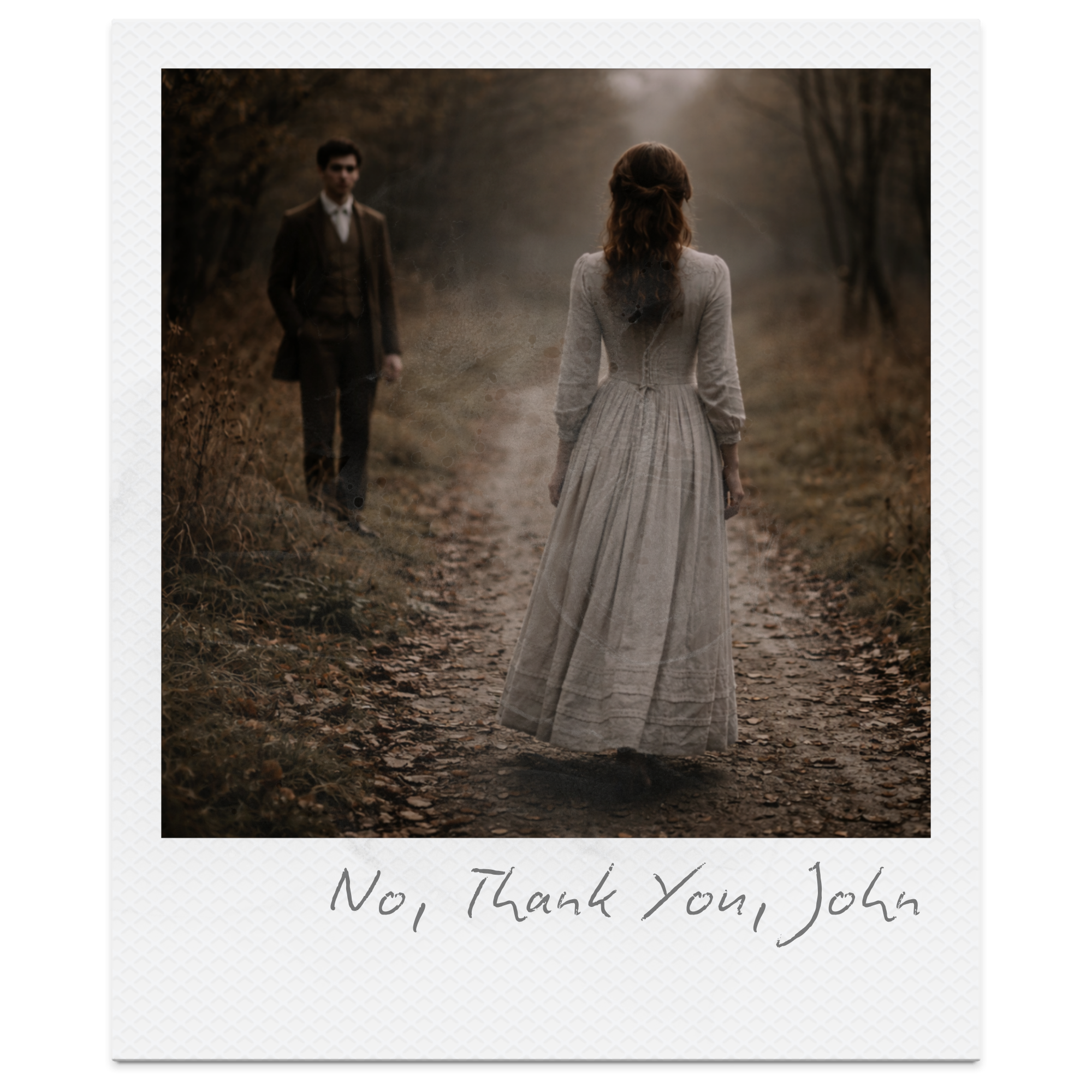
No, Thank You, John by Christina Rossetti: Summary, Themes, Symbolism & Analysis
Christina Rossetti’s No, Thank You, John is a confident and sharply controlled exploration of rejection, emotional honesty, and personal autonomy. Through a direct, conversational voice, the speaker firmly refuses a persistent suitor, challenging the expectation that love must be returned or softened through politeness. The poem redefines rejection as a form of clarity rather than cruelty, exposing the imbalance between romantic persistence and the right to refuse. This analysis of No, Thank You, John explores themes, structure, tone, and key techniques, alongside alternative interpretations and teaching ideas. With close reference to language and form, it reveals how Rossetti constructs a speaker who is both measured and resolute, offering a powerful examination of boundaries, gender expectations, and emotional integrity.
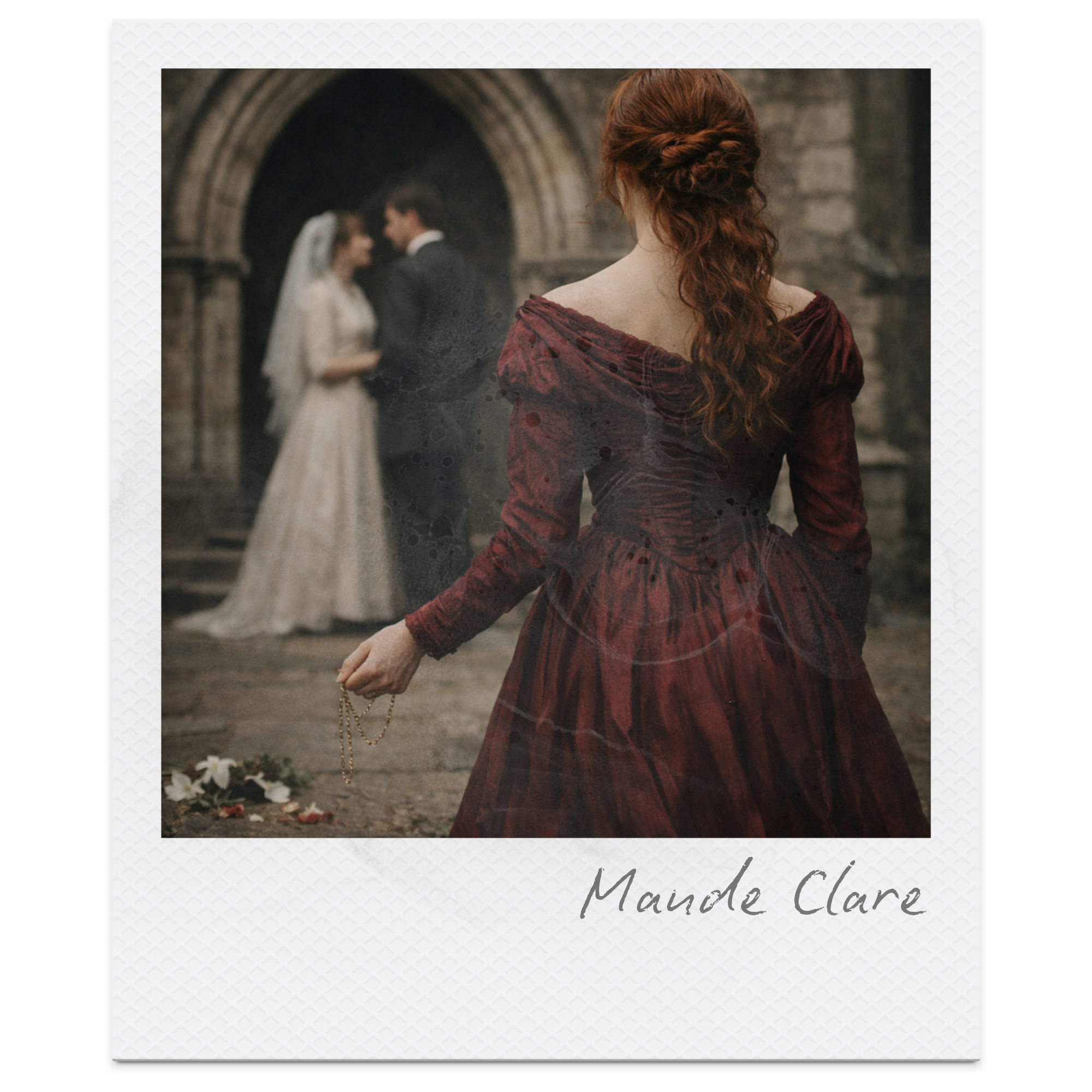
Maude Clare by Christina Rossetti: Summary, Themes, Symbolism & Analysis
Christina Rossetti’s Maude Clare is a dramatic and confrontational poem that explores female agency, love and betrayal, and the pressures of Victorian social expectation. Set against the public backdrop of a wedding, the poem stages a tense emotional conflict between past and present relationships, as Maude Clare interrupts the ceremony to challenge the stability of the marriage. Through sharp contrasts in character and voice, Rossetti reveals how appearances of loyalty and respectability can conceal deeper emotional instability. This analysis explores how Rossetti uses dialogue, symbolism, and shifting power dynamics to construct a poem that is both intimate and publicly charged. By examining the roles of Maude Clare, Nell, and Thomas, readers can see how the poem questions whether love can ever truly be replaced—and whether social approval is enough to sustain it. Perfect for literature study and revision, this guide breaks down key themes, quotes, and techniques in a clear, structured way.
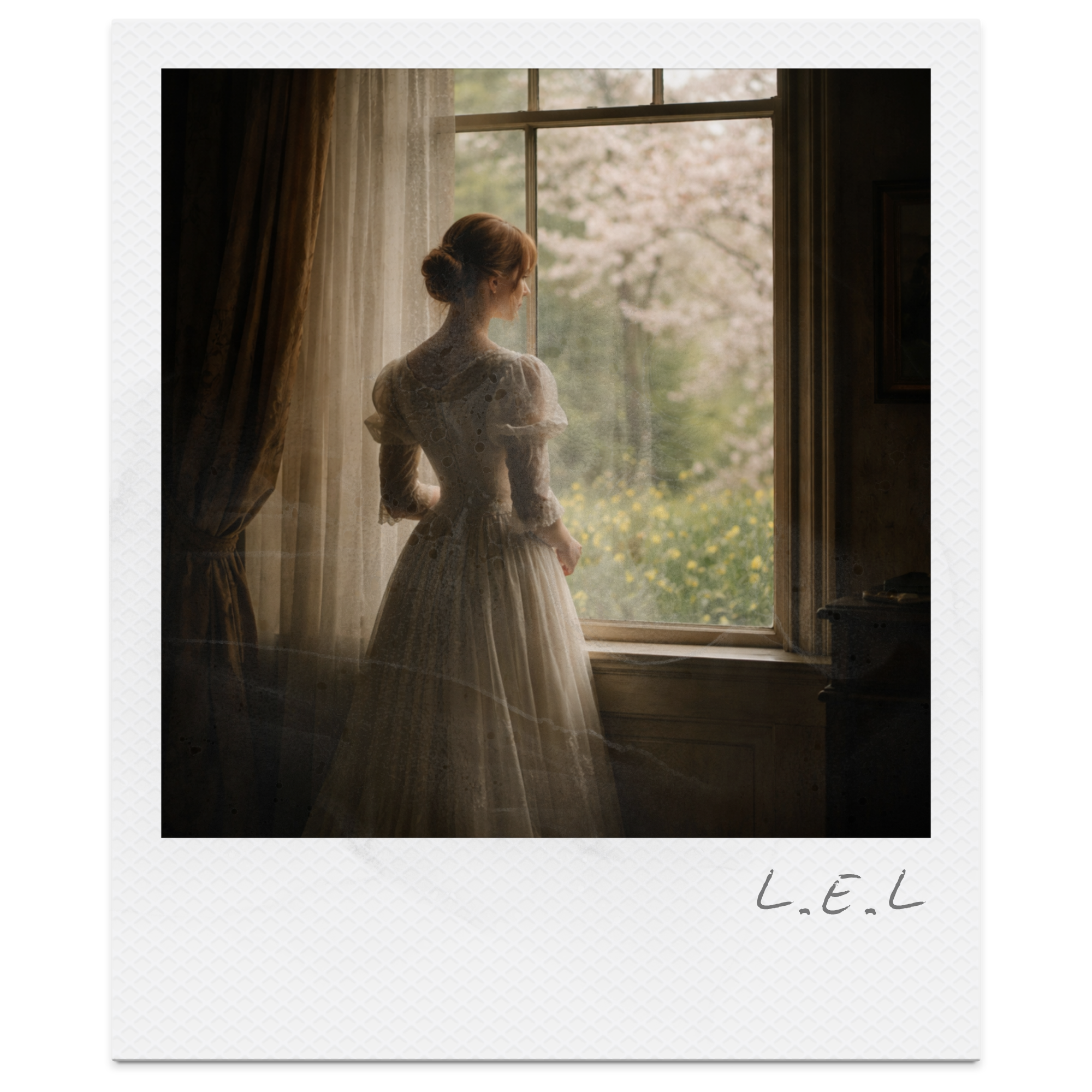
L.E.L. by Christina Rossetti: Summary, Themes, Symbolism & Analysis
Christina Rossetti’s L.E.L. explores unfulfilled love, emotional isolation, and the tension between public performance and private suffering. Through its repeated refrain and vivid spring imagery, the poem contrasts a lively, outward persona with a deeply lonely inner life, revealing how easily pain can remain hidden beneath social appearances. This analysis examines Rossetti’s use of structure, symbolism, and religious imagery to present longing as both a personal and spiritual experience. It considers how the poem moves from quiet despair toward deferred hope, suggesting that love denied in the present may find fulfilment beyond earthly life.
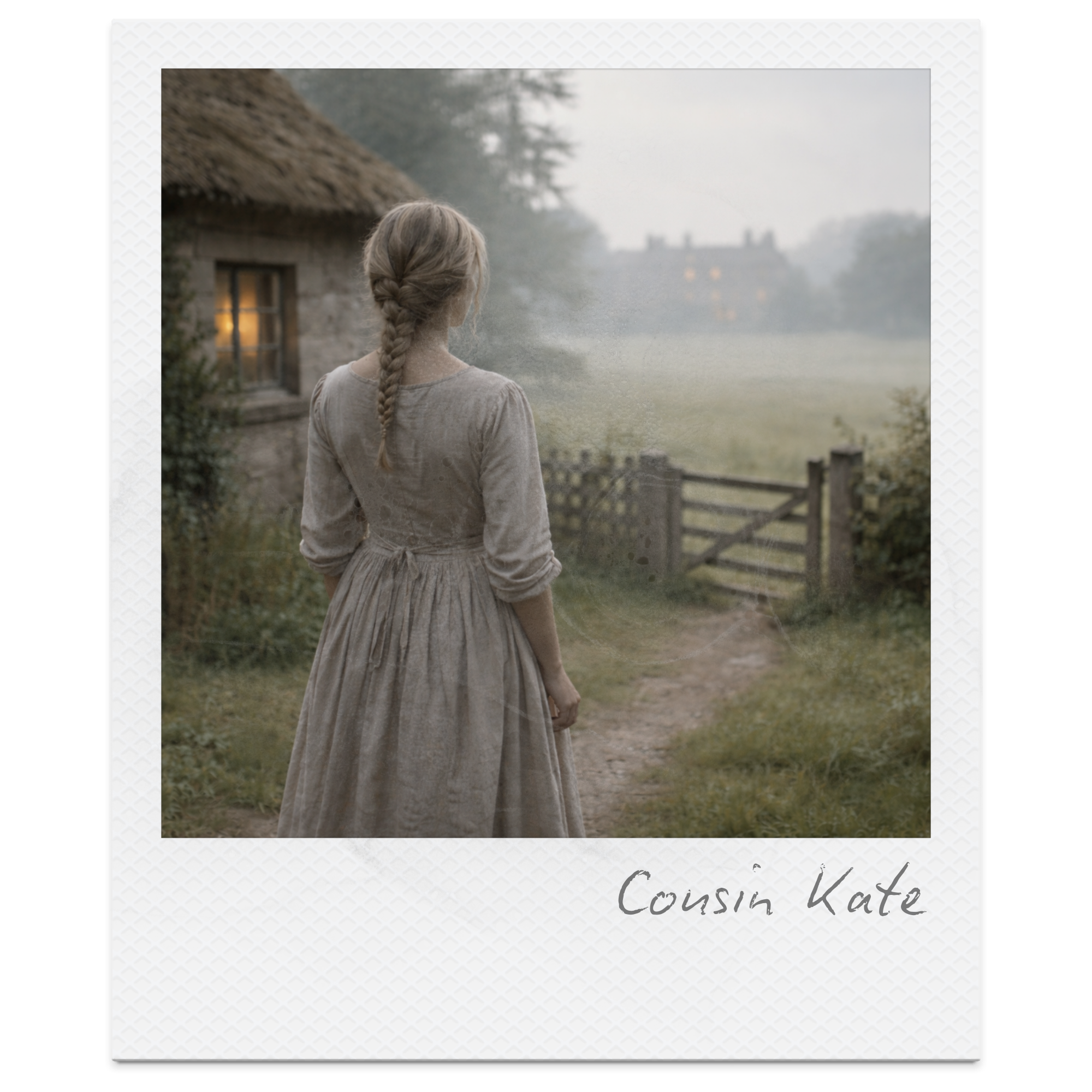
Cousin Kate by Christina Rossetti: Analysis, Themes, Structure & Meaning
Cousin Kate by Christina Rossetti is a dramatic narrative poem that explores female reputation, class power, and sexual double standards in Victorian society. Through the voice of a rural woman seduced and abandoned by a wealthy lord, Rossetti reveals how social judgement falls disproportionately on women while men maintain their status and authority. This analysis explores the poem’s themes, symbolism, and narrative structure, examining how Rossetti critiques Victorian morality while giving the speaker a powerful voice of reflection and resilience. It also considers how the poem’s final twist transforms the speaker’s shame into a form of unexpected power.