70 Gothic Imprisoned Heroines Writing Prompts: Locked Rooms, Silent Resistance & Story Starters
Imprisoned heroines have long been central to gothic fiction, representing both physical confinement and psychological entrapment. From Bertha Mason hidden in the attic in Jane Eyre to the unnamed narrator confined to a single room in The Yellow Wallpaper, gothic literature repeatedly returns to women who are silenced, watched, or restrained. In texts like Rebecca and The Bloody Chamber, imprisonment becomes more subtle — enforced through marriage, social expectation, or psychological control rather than locked doors alone.
Rather than presenting heroines as passive victims, gothic stories often explore how these characters resist confinement, reclaim agency, or reinterpret their surroundings. The imprisoned heroine may be trapped in a tower, a marriage, a memory, or even her own identity — but her perspective reshapes the narrative. These stories draw on gothic tropes of surveillance, secrecy, isolation, and control, where rooms become symbols, silence becomes language, and escape is not always physical.
Gothic imprisoned heroine writing prompts invite teen writers to explore power, control, identity, and resistance through atmospheric storytelling. These prompts encourage narratives where tension builds through restriction — locked doors, hidden corridors, controlling figures, and the quiet defiance of characters who refuse to remain powerless.
This collection of 70 Gothic Imprisoned Heroines Writing Prompts is designed as a complete creative toolkit, combining plot hooks, story titles, opening lines, closing lines, character ideas, setting prompts, and cinematic visual prompts inspired by gothic literature. These prompts work equally well for creative writing lessons, English classrooms, journaling, or longer Gothic stories, offering structured ways to explore confinement and agency.
If you’d like to explore more gothic writing prompts, trope-based storytelling ideas, or atmospheric fiction prompts, you can also visit the Gothic Writing Prompts Hub or browse the Creative Writing Archive.
1. Plot Hooks
Imprisonment in gothic fiction is rarely straightforward. These plot hooks explore heroines trapped in physical, psychological, or social confines — and the subtle ways they begin to resist.
Write about a girl locked in a manor who discovers messages carved into the walls by previous prisoners.
Write about a bride who realises the doors of her new home lock only from the outside.
Write about a teenager confined to her room “for her own good” who begins hearing voices from inside the walls.
Write about a heroine who is told she cannot leave the estate — but no one will explain why.
Write about a girl whose reflection appears freer than she is, moving independently beyond the glass.
Write about a young woman trapped in an arranged marriage who uncovers the fate of the previous wives.
Write about a character who wakes each day in a different locked room within the same house.
Write about a heroine who discovers she has been declared “unwell” to justify her confinement.
Write about a girl hidden away by her family who begins secretly mapping the house to find an escape.
Write about a prisoner who realises she is not alone — but the other presence never reveals itself fully.
2. Title Ideas
Gothic titles centred on imprisoned heroines often emphasise restriction, silence, and hidden truths rather than action.
The Room Without a Key
What the Walls Remember
The Locked Wing
A House That Would Not Let Me Leave
Beneath the Watchful Silence
The Girl in the East Tower
Where No One Comes Looking
The Secret They Buried With Me
A Door That Only Closes
The Silence Behind the Curtains
3. Opening Lines
Gothic openings often establish confinement immediately, drawing readers into a restricted space filled with unease.
They told me the door was locked for my safety.
I stopped counting the days when the windows stopped opening.
No one visits the east wing, though I can hear footsteps there every night.
The key was never meant for me, but I found it anyway.
I was not always alone in this house.
My husband says I imagined the locked door.
The servants pretend not to hear me.
I learned quickly that some rooms are meant to remain closed.
The walls are thinner than they want me to believe.
I realised I was a prisoner the day I stopped asking to leave.
4. Closing Lines
Gothic endings often resist neat resolution, leaving the heroine’s fate uncertain or redefined.
The door is open now, but I am no longer sure I want to leave.
They will say I imagined everything.
I was never meant to escape — only to understand.
Perhaps the house needed me as much as I needed it.
The silence finally belongs to me.
I locked the door behind me this time.
No one will hear them call for help now.
The truth was never outside — it was waiting in the room all along.
I am no longer the one being watched.
And that was the moment I stopped being afraid of the dark.
5. Character Ideas
Imprisoned heroines are often defined not just by confinement, but by how they respond to it.
A girl determined to document every detail of her confinement in secret journals.
A heroine who pretends obedience while quietly planning her escape.
A character who cannot remember how she came to be imprisoned.
A young woman who begins communicating with another unseen prisoner.
A heroine who suspects her captor genuinely believes they are protecting her.
A girl whose dreams offer glimpses of a life beyond her confinement.
A character who slowly realises she has more control than she was led to believe.
A heroine who forms an unexpected alliance with someone within the house.
A girl who begins to question whether she was ever meant to leave.
A character who must decide whether escape is worth what she will lose.
6. Setting Ideas
Settings in imprisoned heroine narratives are often characters in themselves — shaping and enforcing confinement.
A sprawling manor with entire wings permanently sealed off.
A tower room overlooking a landscape the heroine cannot reach.
A countryside estate isolated by fog and distance.
A decaying house where doors appear and disappear overnight.
A convent where certain rooms are forbidden without explanation.
A seaside mansion where the tide controls access to the outside world.
A hidden underground chamber beneath a grand house.
A boarding school where one student is never allowed to leave.
A historic estate filled with portraits that seem to watch the heroine’s every move.
A room lined with mirrors that reflect different versions of reality.
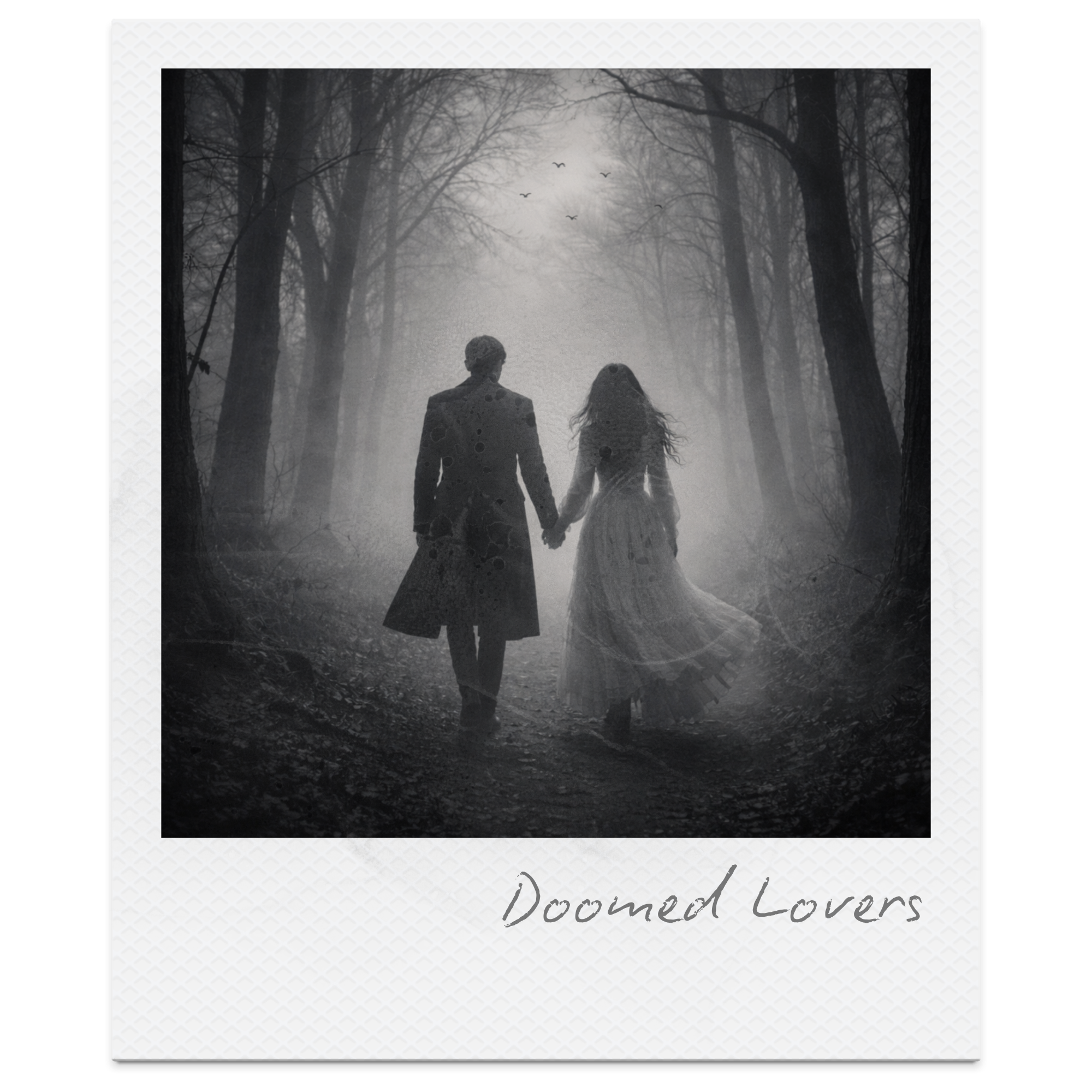
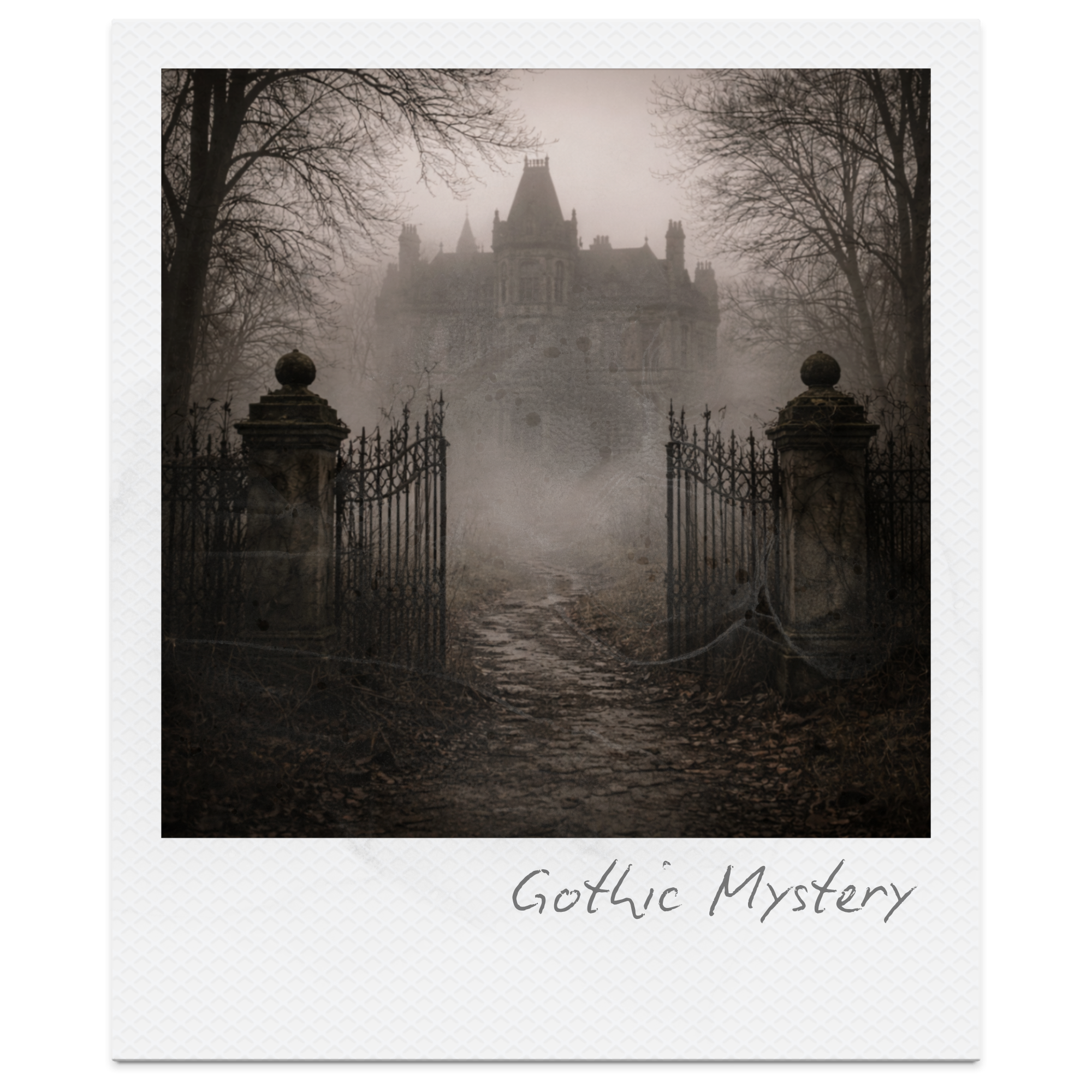
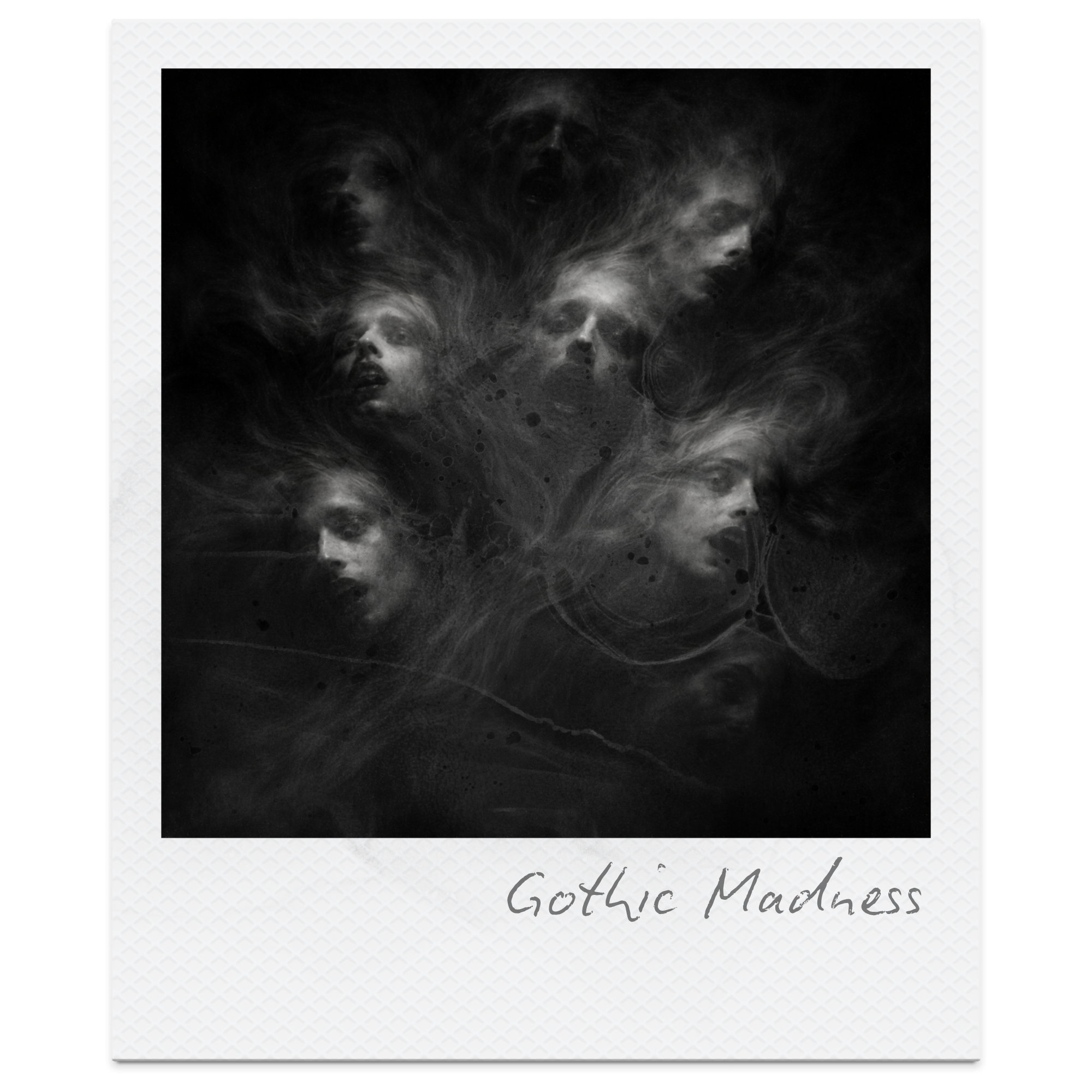
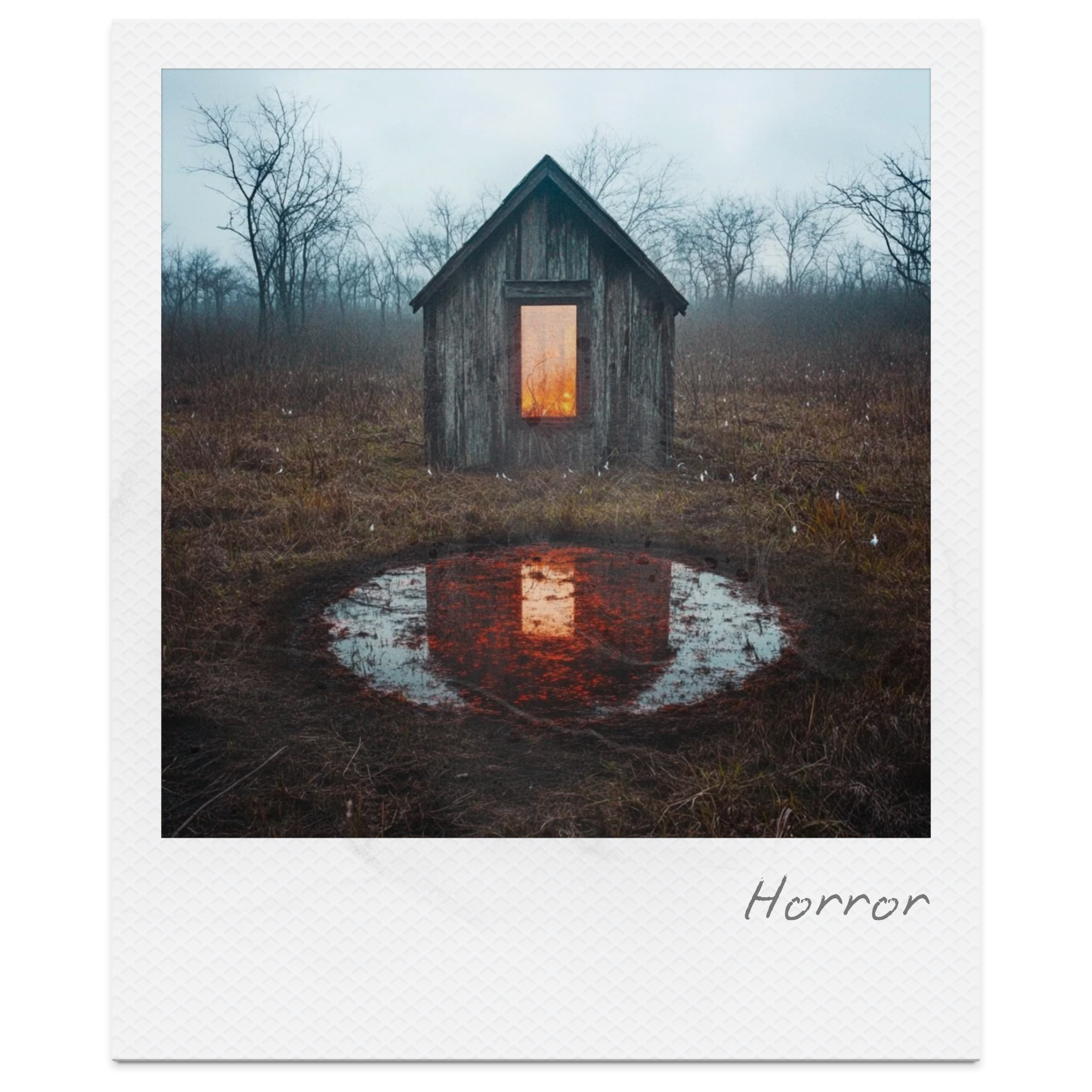
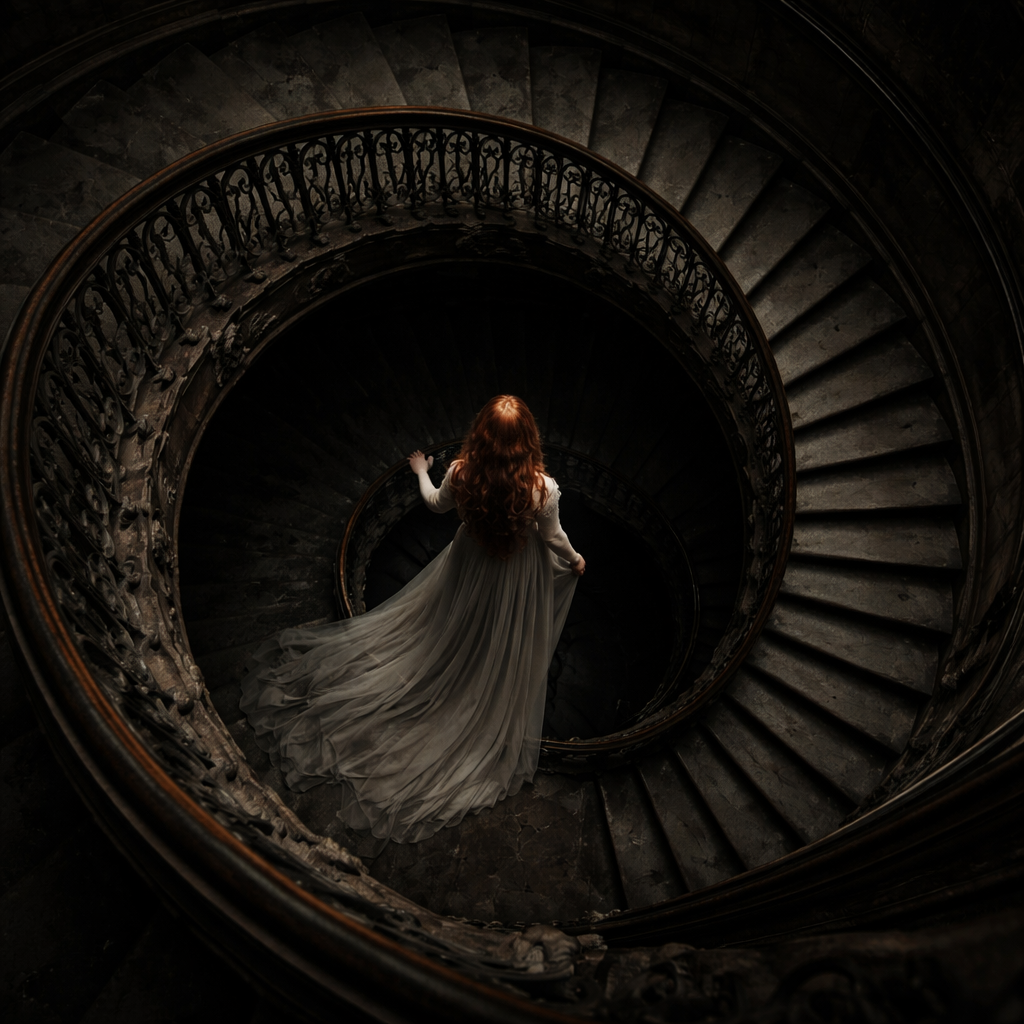
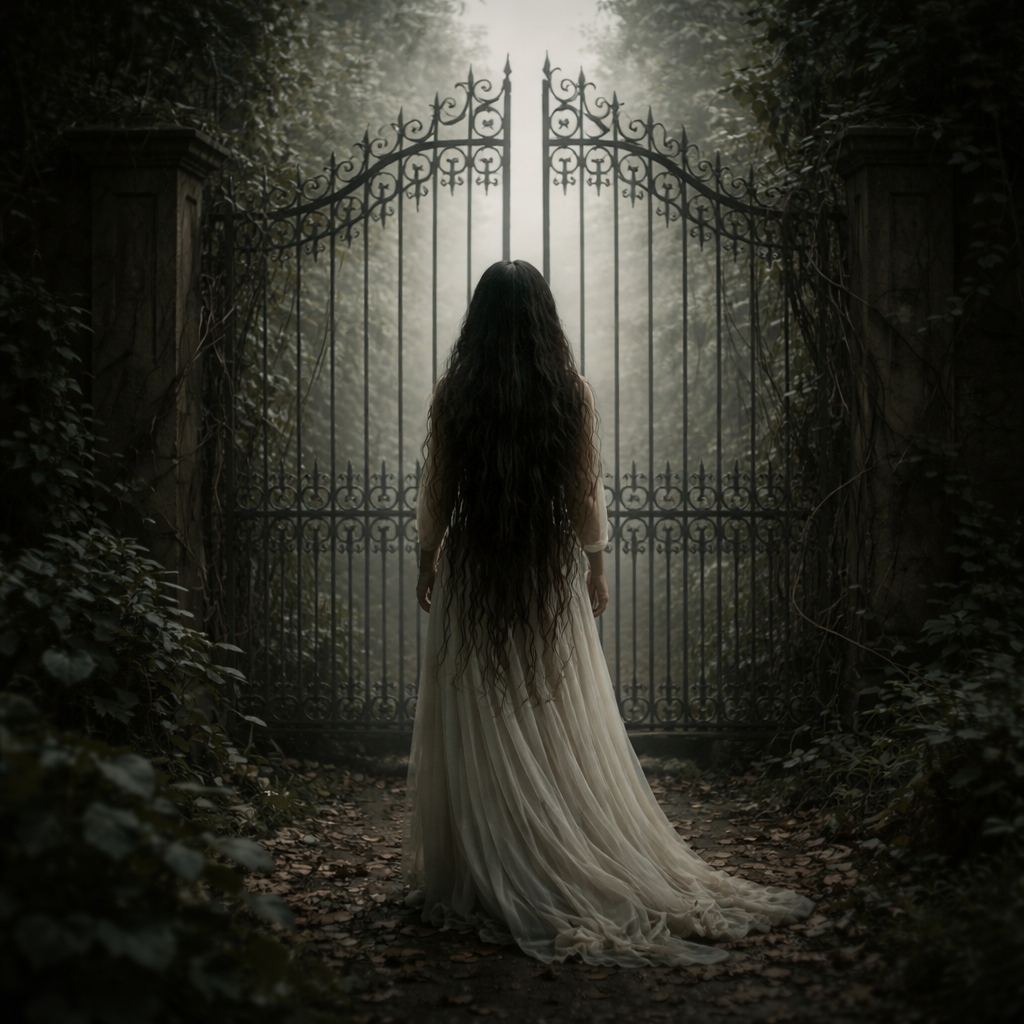
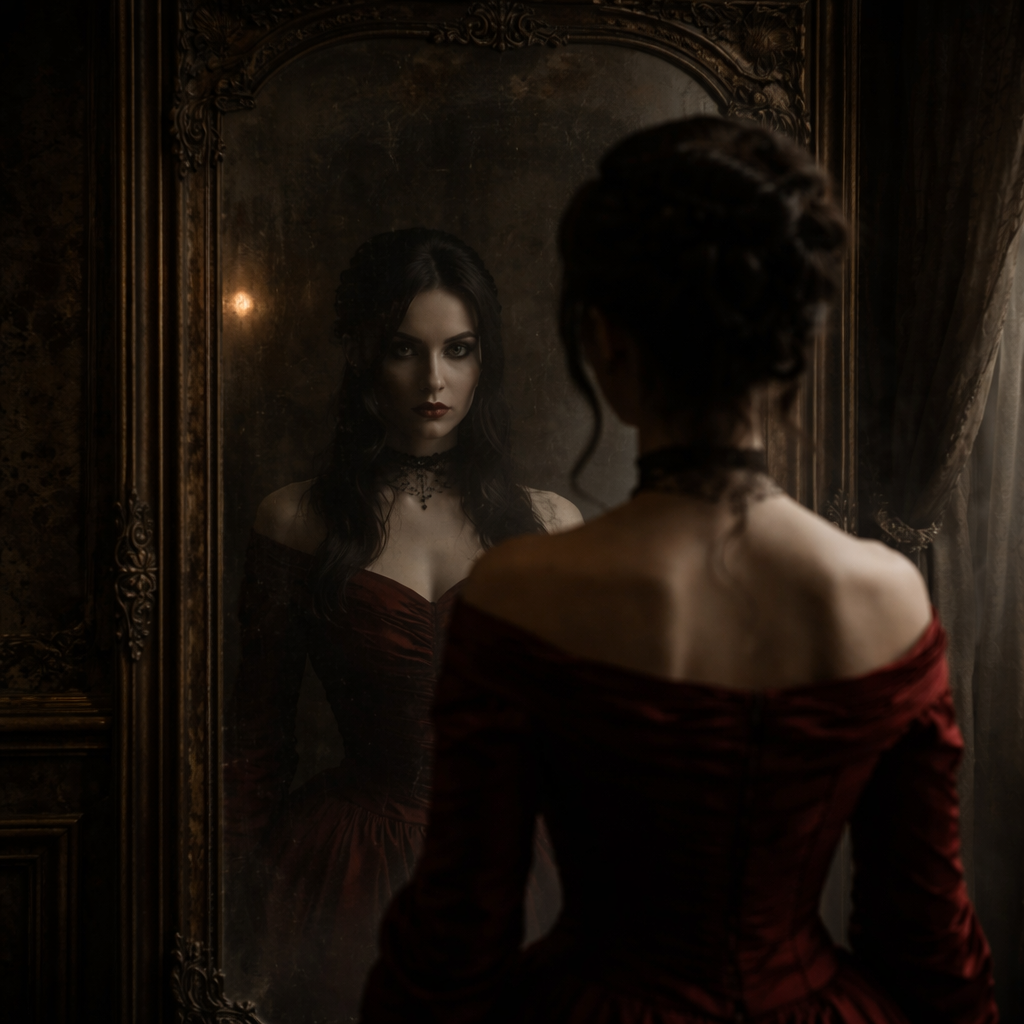
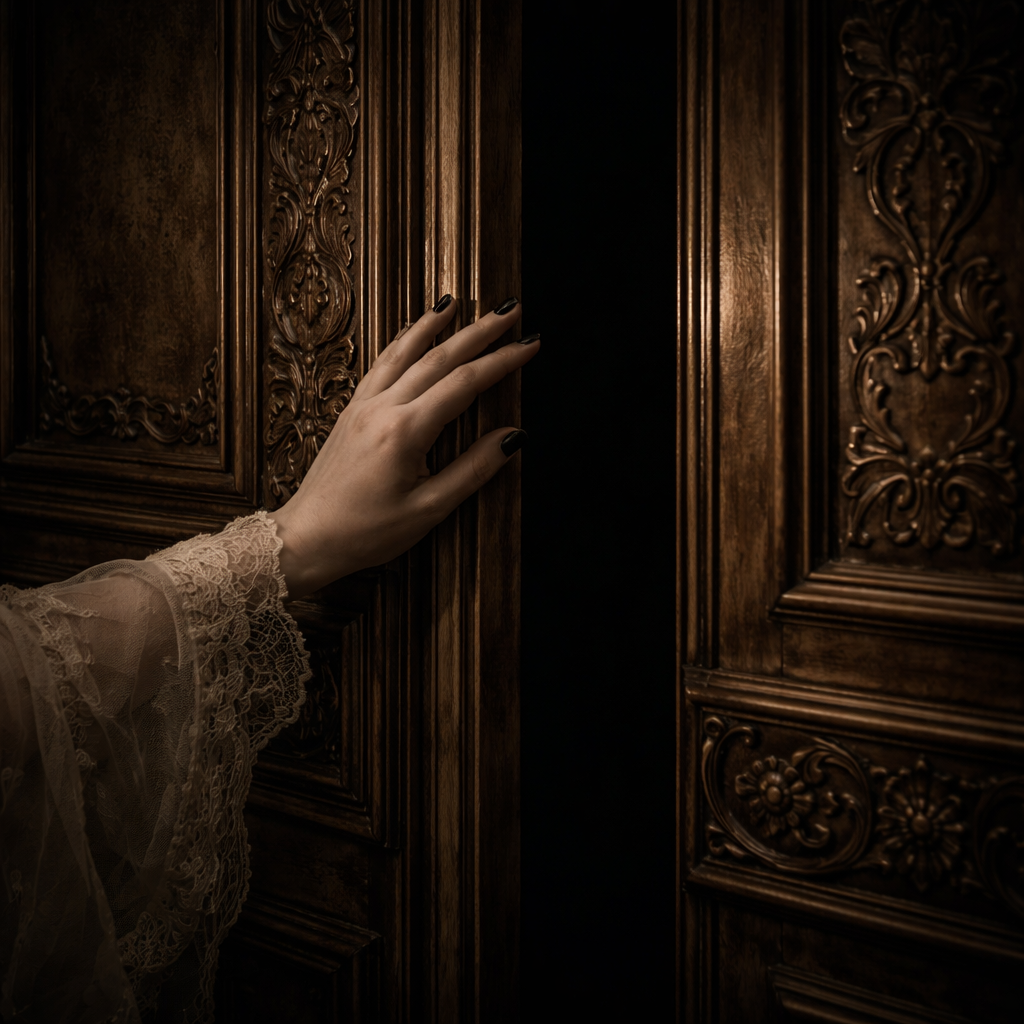
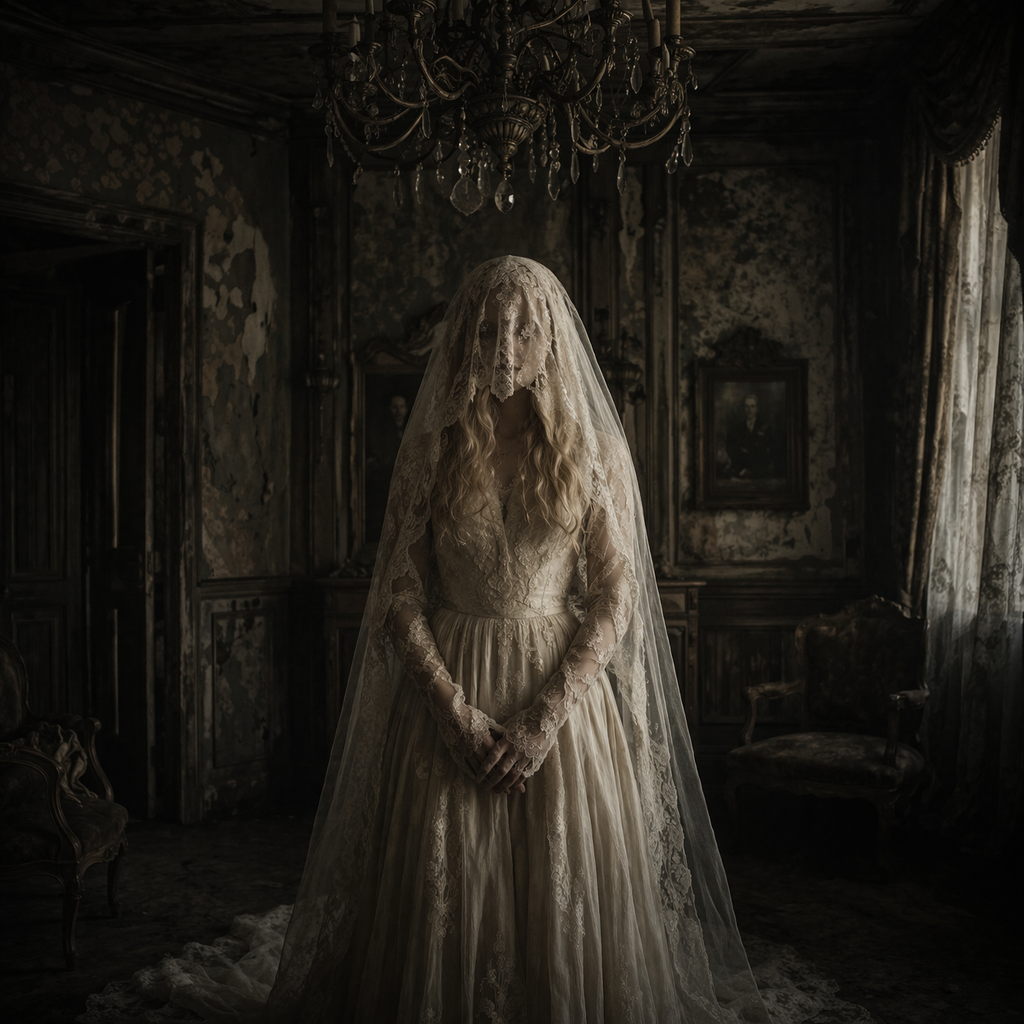
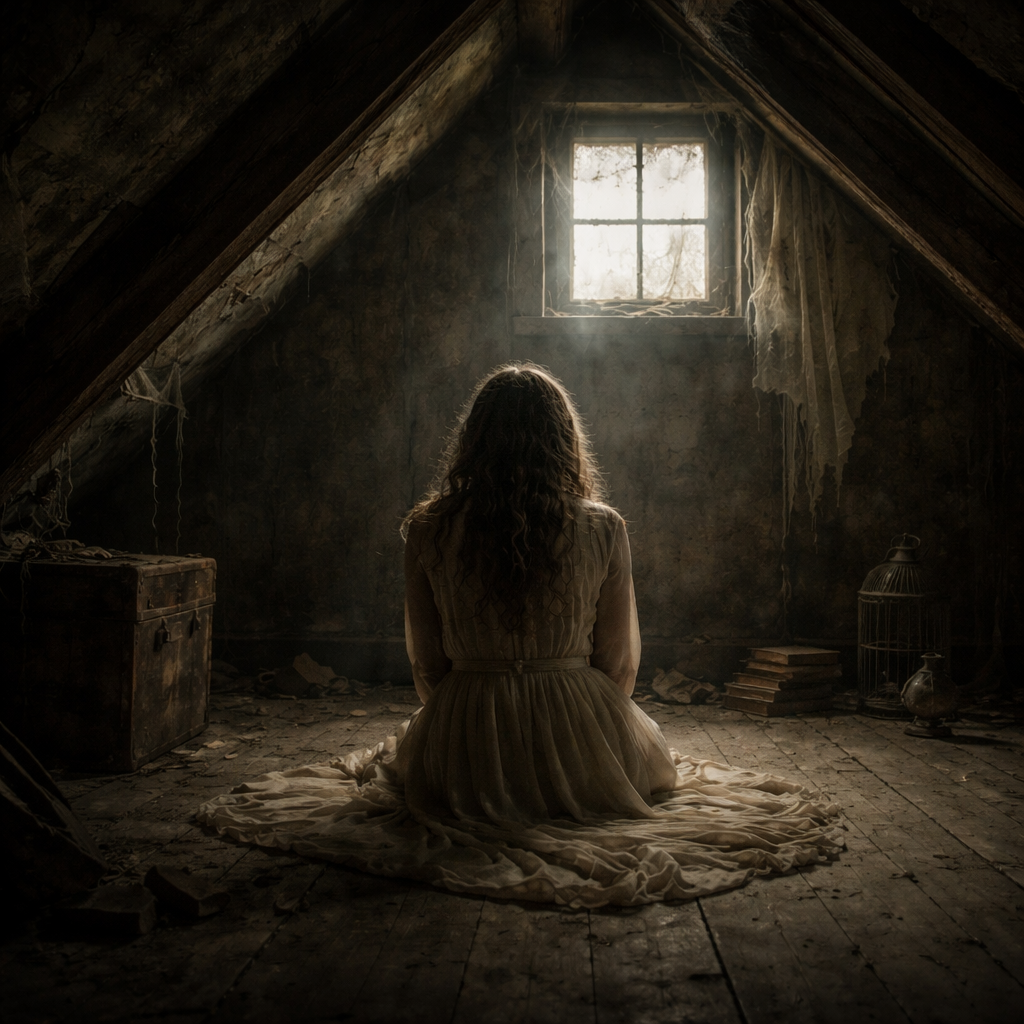
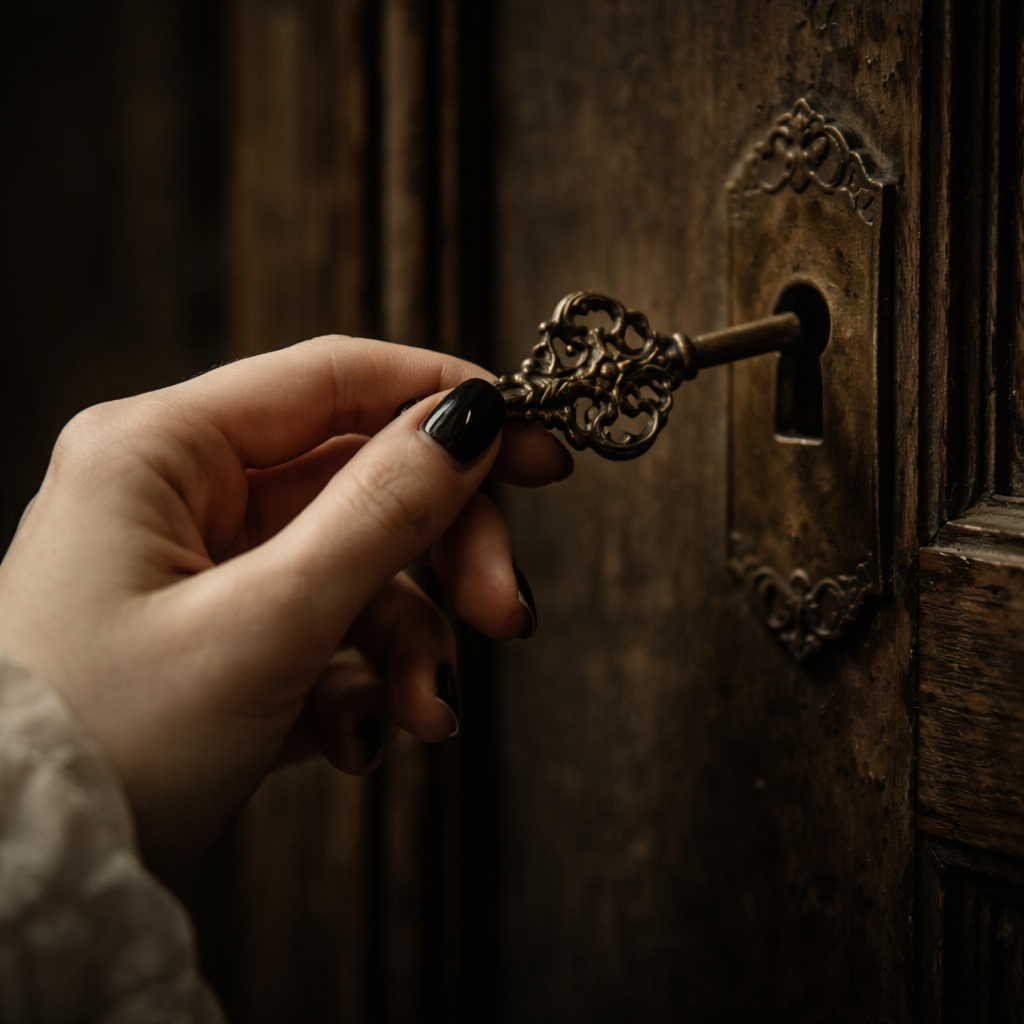
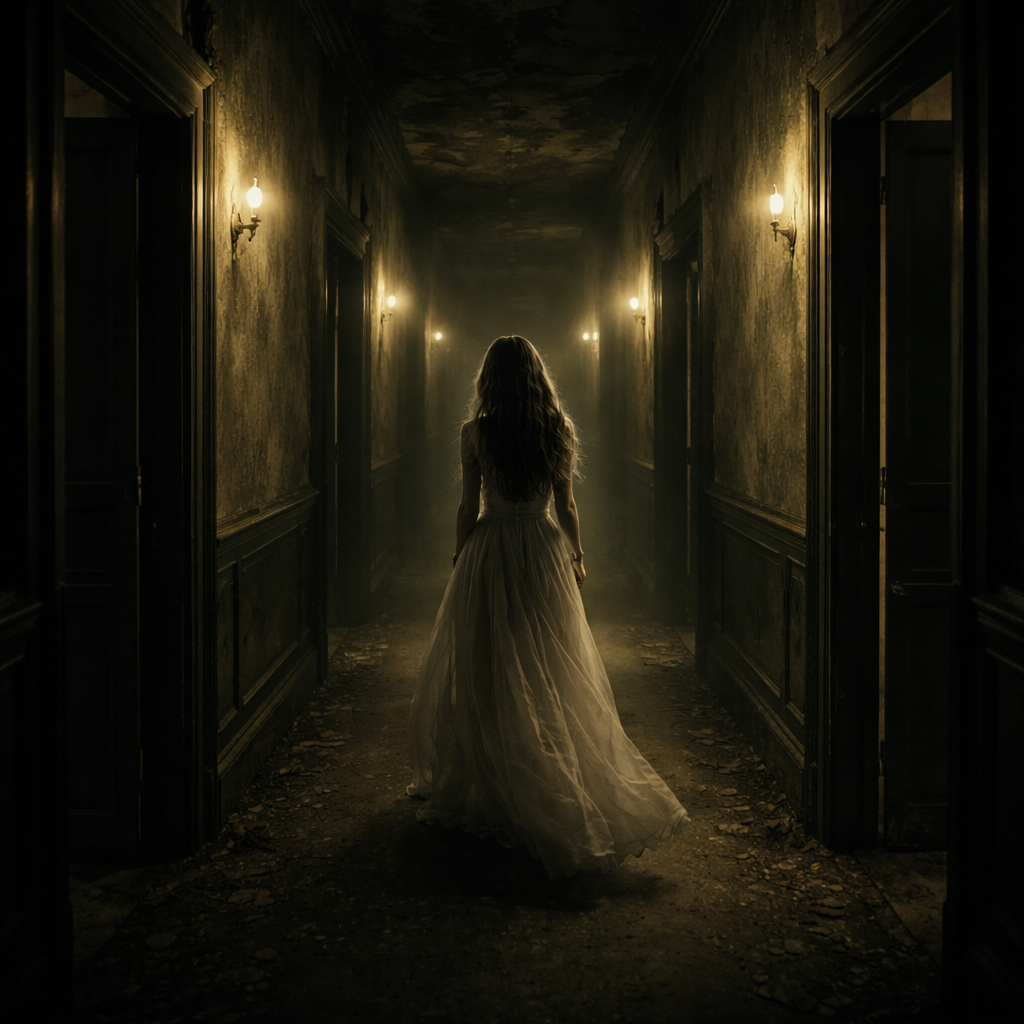
7. Picture Prompts
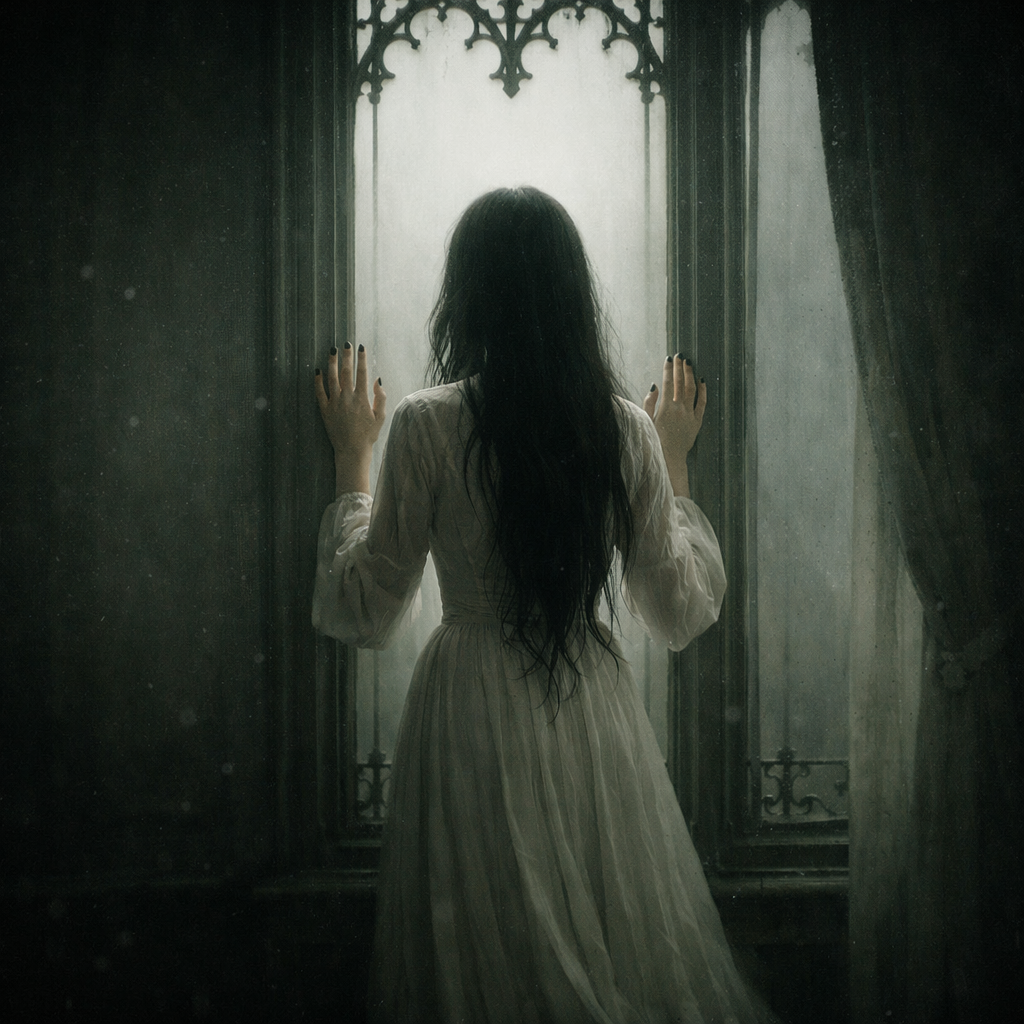
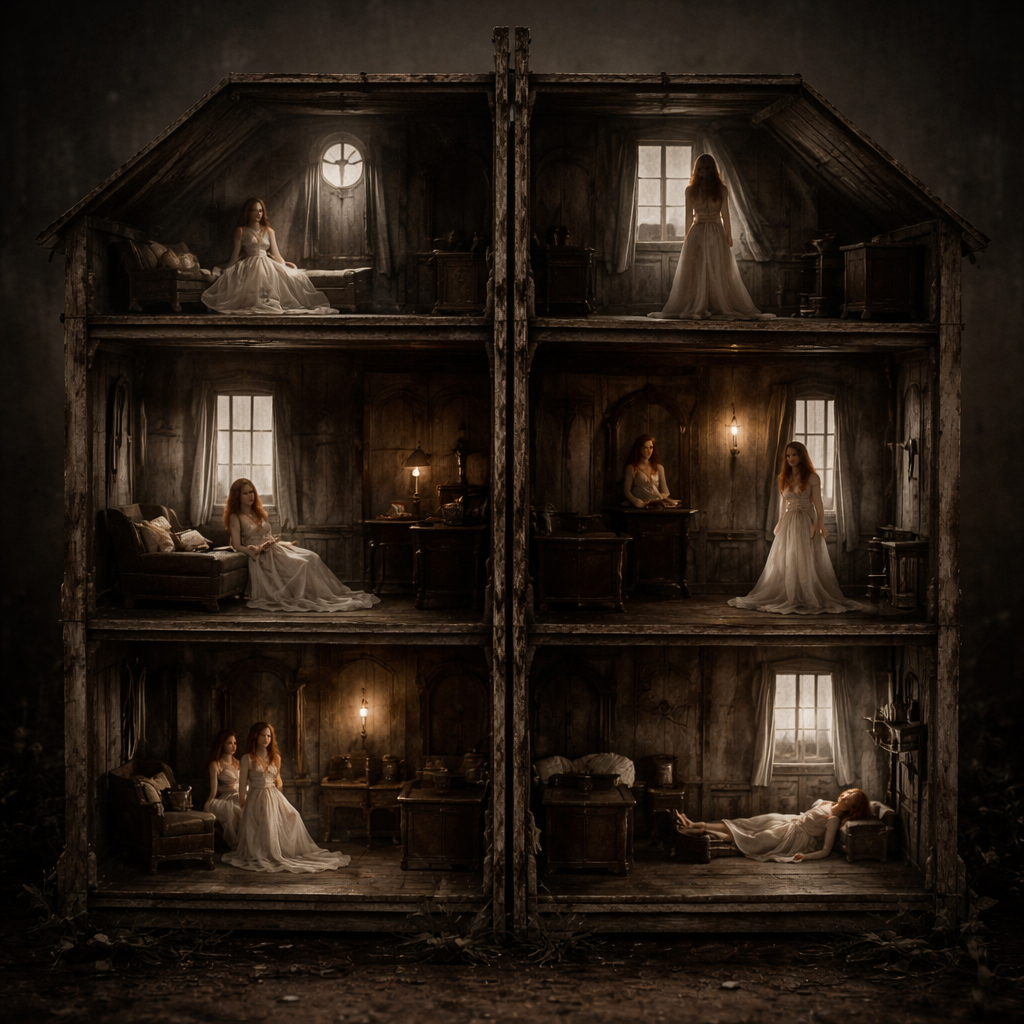
Visual prompts help writers imagine the atmosphere of confinement, secrecy, and quiet resistance that defines the imprisoned heroine trope.
Go Deeper into Imprisoned Heroines in Gothic Writing
To develop stronger imprisoned heroine narratives, focus on tension, perspective, and subtle resistance rather than simple escape plots.
◆ Explore different forms of imprisonment. Not all confinement is physical — consider social, emotional, or psychological restriction.
◆ Use space symbolically. Rooms, doors, windows, and corridors can reflect power and control.
◆ Develop quiet resistance. Small acts — writing, observing, remembering — can become powerful forms of defiance.
◆ Blur the line between protection and control. Ask whether the heroine is being kept safe or deliberately silenced.
Some stories are best left buried.
But this one has surfaced.
Hidden inside a dust-covered box of forgotten papers lies the remains of a mystery. A child's drawing. A missing persons report. A letter never sent. Photographs with names scratched from the back. Newspaper clippings that seem to contradict one another.
Individually, they reveal very little.
Together, they suggest something far stranger.
The Victoriana Collection is an immersive archive inspired by gothic fiction, Victorian spiritualism, forgotten histories, and the mysteries that linger long after the people involved have vanished. Inside you'll discover letters, diary entries, photographs, reports, spiritualist notes, newspaper clippings, and personal mementoes that hint at a story hidden beneath layers of silence and time.
Some documents feel ordinary.
Others seem determined to be remembered.
Who disappeared?
Who was searching for them?
And why do so many pieces of the story appear to be missing?
There are no answers waiting at the end.
Only fragments.
What's Inside?
◆ 50+ printable documents and artefacts from the world of The Victoriana Collection
◆ Letters, diary entries, photographs, missing persons reports, spiritualist notes, newspaper clippings, personal mementoes, and more
◆ A printable prompt card to inspire exploration and storytelling
◆ Instant digital download in PDF format
Who Is It For?
Perfect for:
◆ Writers and worldbuilders
◆ Lovers of gothic fiction and Victorian mystery
◆ Mystery enthusiasts and curious minds
◆ Teachers and students
◆ Anyone fascinated by forgotten histories, spiritualism, and unexplained disappearances
What Makes This Different?
This isn't a guided story or a mystery with a solution.
It's an archive.
Every document reveals part of a larger narrative, but none reveal the whole truth.
Some pieces fit together neatly. Others raise more questions than they answer.
The story hidden inside these papers depends on what you notice, what you question, and what connections you choose to make.
Every reader uncovers a different mystery.
Find the Story the Official Records Left Out: The Victoriana Collection
In Gothic fiction, imprisoning a woman doesn't always require a locked door.
Sometimes it takes a doctor's diagnosis, a husband's authority, a family's reputation or an official record that everyone believes more readily than the woman herself.
Once her version of events has been dismissed, who gets to decide what the truth was?
The Victoriana Collection lets you explore that question through the fragments of a mysterious Victorian past.
Instead of receiving a finished story, you are handed letters, diary pages, photographs, asylum records, missing-person reports, personal documents and other pieces of surviving evidence. Together, they appear to preserve what happened.
But records are created by people — and people have motives.
An official document might describe someone as unstable while her own writing tells a very different story. A missing-person report could record the disappearance of a woman without explaining why she wanted to leave. A photograph might preserve someone exactly as society expected her to appear while concealing everything happening beyond the frame.
And somewhere amongst those contradictions may be the voice nobody listened to at the time.
There is no official solution and no single correct interpretation. You decide whose account deserves to be believed, what might have been deliberately omitted and whether the surviving records reveal the truth — or helped to hide it.
Follow one woman through the archive and reconstruct her story. Write the secret journal nobody discovered. Retell an event from the perspective missing from the official account. Imagine the letter she was prevented from sending, or create an entirely new Gothic heroine whose greatest act of resistance is ensuring that her own version of events survives.
For writers drawn to imprisoned heroines, secret diaries, controlling families, Victorian asylums, silenced women, unreliable authority, psychological confinement and quiet acts of resistance, Victoriana offers something more powerful than another locked-room story.
It lets you ask who held the key — and who was allowed to write down what happened.
The official record tells one story. The woman inside it may have told another.
→ Uncover The Victoriana Collection
Final Thoughts
The imprisoned heroine remains one of the most enduring figures in gothic fiction because she embodies both vulnerability and strength. Through confinement, these characters reveal hidden power — observing, resisting, and ultimately redefining the spaces that attempt to contain them.
These 70 Gothic Imprisoned Heroines Writing Prompts are designed to help young writers explore agency, control, and identity within atmospheric gothic storytelling. Whether used for classroom writing, creative warm-ups, or longer fiction projects, the prompts encourage writers to move beyond passive narratives and create heroines who challenge the boundaries placed around them.
If you’d like to discover more gothic writing prompts, trope collections, or genre-inspired story starters, you can explore the Gothic Writing Prompts Hub or browse the full Creative Writing Archive for more inspiration.
Choose Your Next Adventure