Notes from the Inkpot
Writing, teaching, creating - one ink-stained idea at a time.

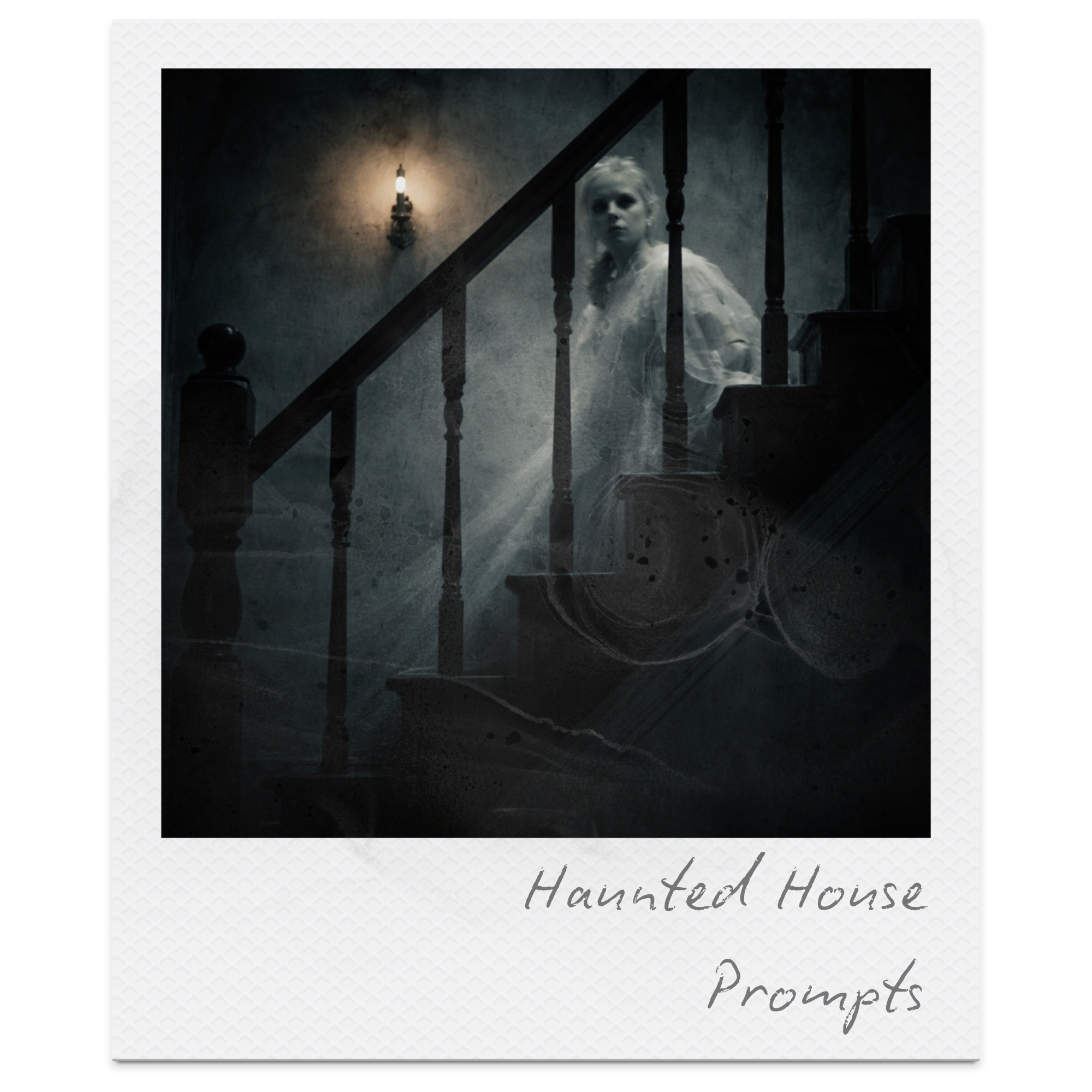
Haunted House Writing Prompts: Ideas for Atmospheric and Unsettling Stories
Haunted houses have long been central to gothic storytelling, creating spaces where memory, fear and the unknown begin to overlap. More than simple settings, these houses feel shaped by the lives once lived within them, holding traces of grief, secrecy and unfinished stories. From decaying mansions to quiet family homes, they create an atmosphere where something feels slightly wrong, even before anything is seen or heard. This collection of haunted house writing prompts explores eerie settings, psychological tension and the lingering presence of the past. With plot ideas, opening lines, character prompts and atmospheric images, these ideas are designed to help you craft unsettling stories where the house itself becomes a powerful and unsettling force within the narrative.
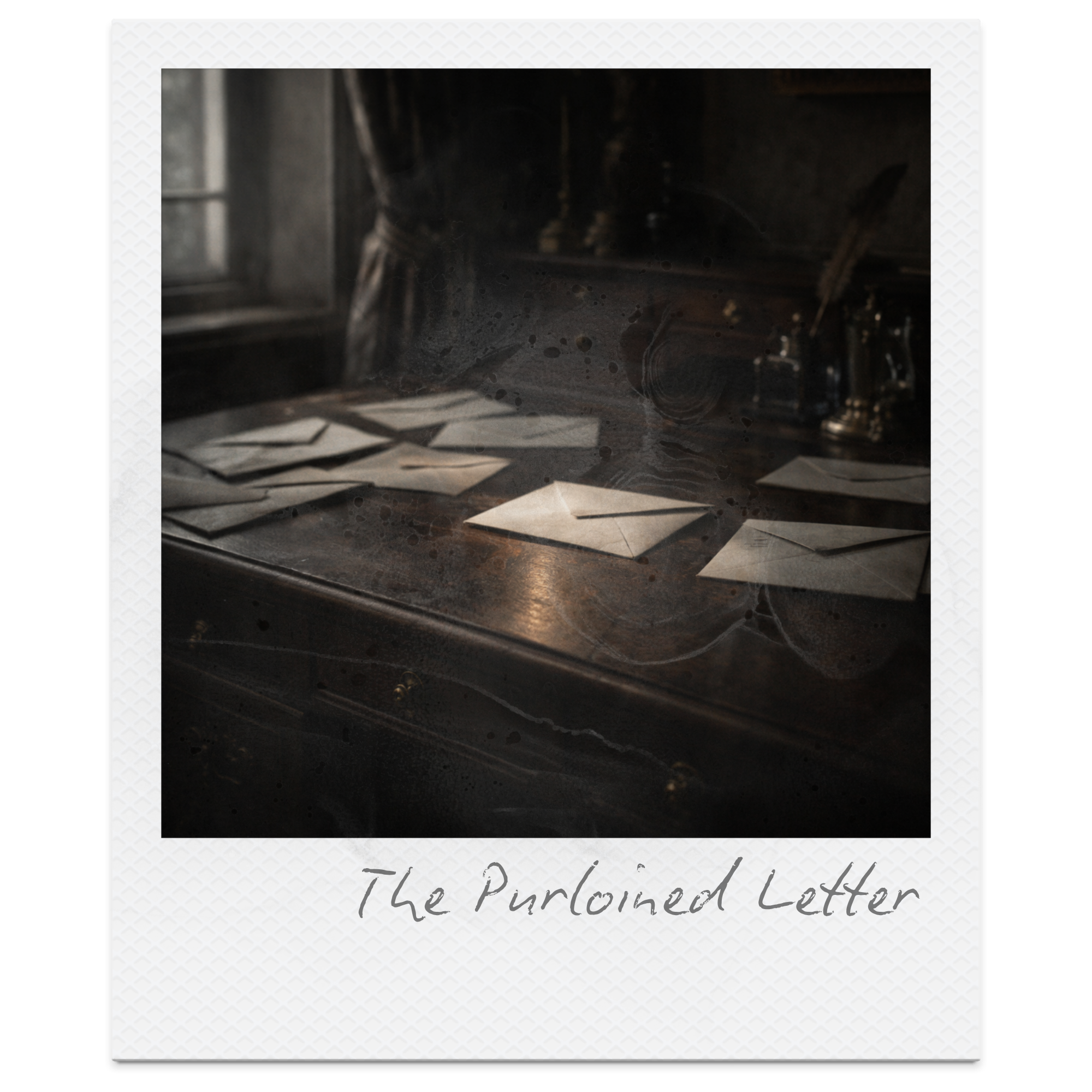
The Purloined Letter by Edgar Allan Poe: Summary, Themes, Symbolism & Analysis
The Purloined Letter is a clever and thought-provoking detective story that challenges the idea that mysteries are always complex. Instead, Edgar Allan Poe presents a case where the solution is hidden in plain sight, revealing how assumptions and rigid thinking can prevent us from seeing the obvious. Through the character of Dupin, Poe explores how true intelligence lies in understanding how others think, rather than simply relying on method or procedure. As the investigation unfolds, the story shifts from a traditional search for hidden clues to a deeper exploration of perception, power, and psychological strategy. The stolen letter becomes more than just an object—it represents control, secrecy, and vulnerability, showing how knowledge can be used as a form of influence. Ultimately, the story leaves readers questioning not just the mystery itself, but the way human reasoning shapes what we see—and what we miss.
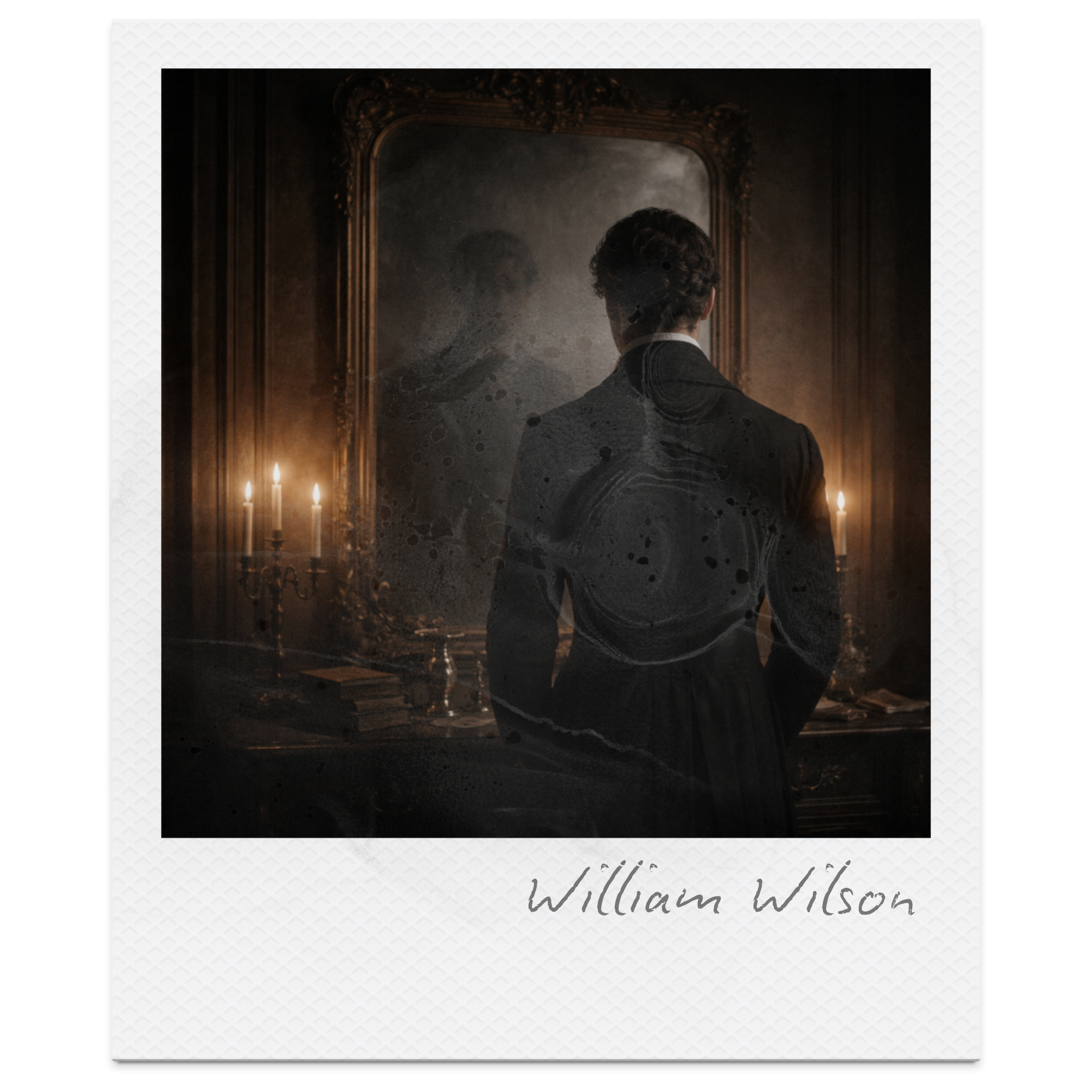
William Wilson by Edgar Allan Poe: Summary, Themes, Symbolism & Analysis
William Wilson by Edgar Allan Poe is a haunting work of gothic fiction that explores identity, conscience, and duality through the disturbing presence of a mysterious double. As the narrator recounts his descent into vice and corruption, he is repeatedly confronted by a figure who mirrors his every move, blurring the line between external threat and internal conflict. Poe uses this doubling to create a tense, psychologically charged narrative where the self becomes both protagonist and antagonist. At its core, the story examines the consequences of denying conscience and rejecting moral restraint, raising unsettling questions about self-awareness, responsibility, and the nature of identity. Through its unreliable narrator and symbolic use of setting and structure, William Wilson reveals how the attempt to escape oneself leads not to freedom, but to self-destruction.
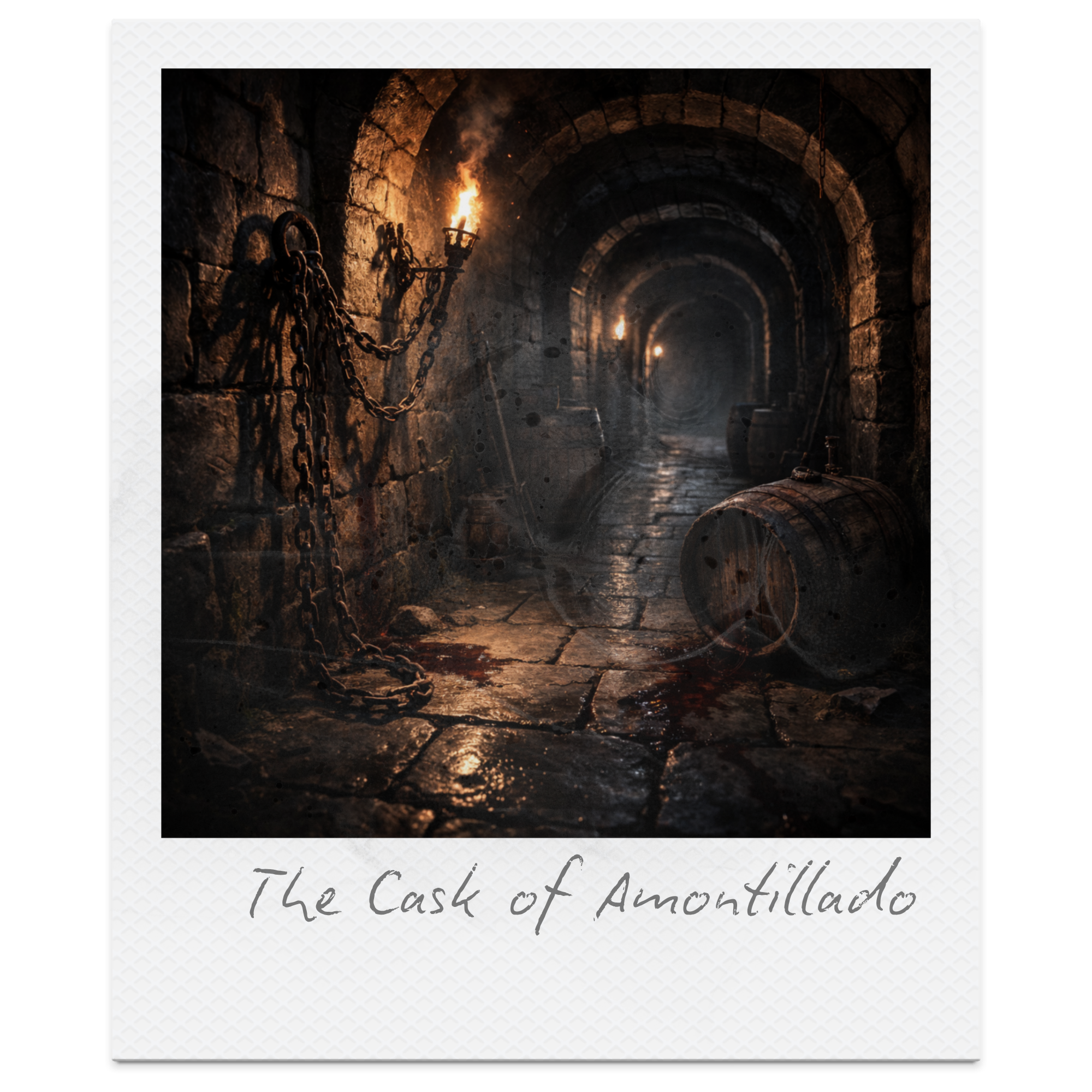
The Cask of Amontillado by Edgar Allan Poe: Summary, Themes, Symbolism & Analysis
The Cask of Amontillado by Edgar Allan Poe is a chilling work of gothic fiction that explores revenge, pride, and psychological manipulation through one of literature’s most disturbingly controlled narrators. Set against the deceptive brightness of carnival and the suffocating darkness of the catacombs, the story follows Montresor as he carefully lures Fortunato toward a fate that feels both inevitable and horrifying. Poe’s use of irony, symbolism, and setting creates a narrative where every detail contributes to a growing sense of tension and unease. At its core, the story examines how power and deception can operate beneath the surface of civility, raising unsettling questions about justice, morality, and human psychology. With its unreliable narrator and claustrophobic setting, The Cask of Amontillado invites readers to question what is true, what is justified, and how easily violence can be hidden behind a mask of reason.
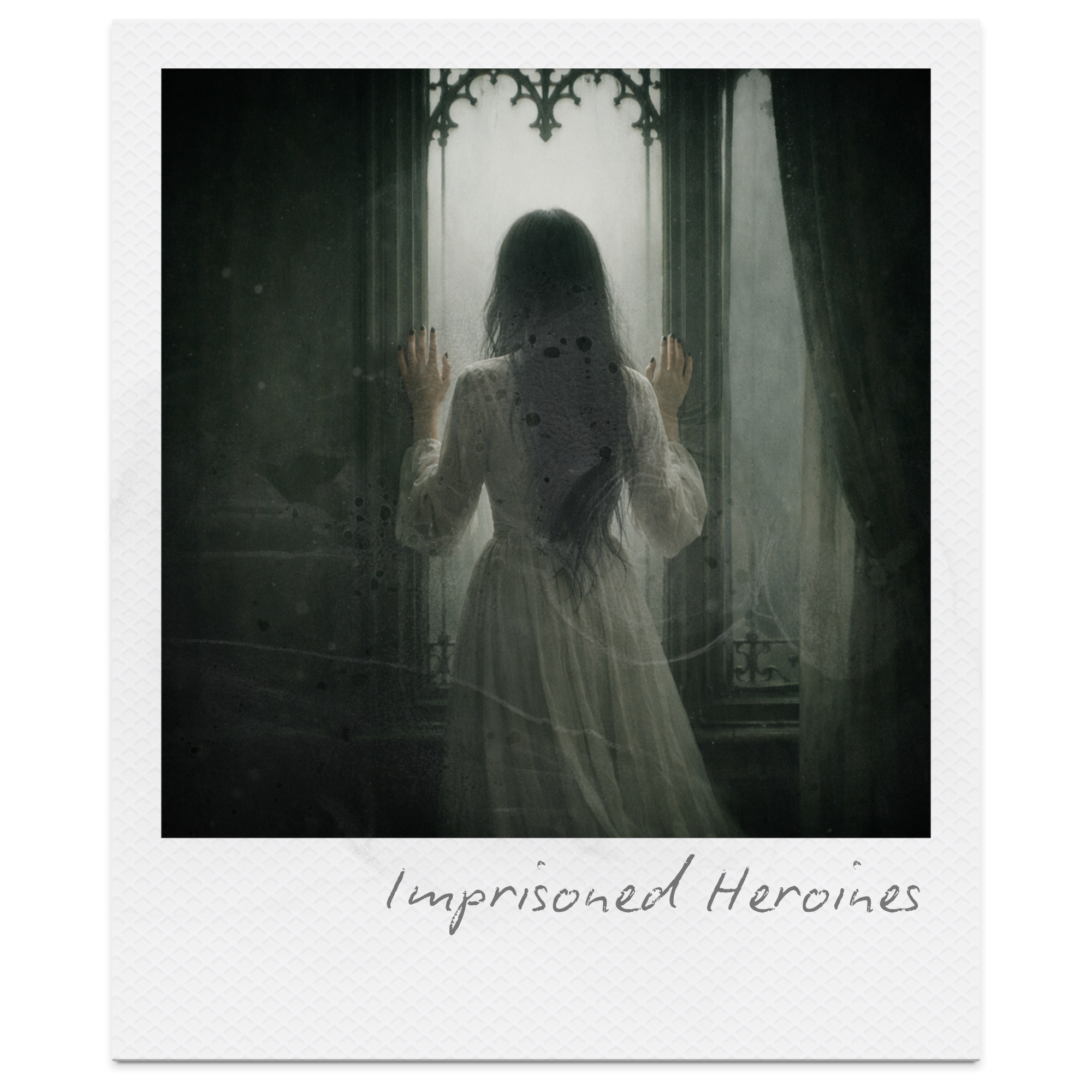
70 Gothic Imprisoned Heroines Writing Prompts: Locked Rooms, Silent Resistance & Story Starters
Imprisoned heroines have long defined some of the most haunting narratives in gothic fiction, where confinement is not only physical but deeply psychological. From locked rooms and isolated towers to marriages and expectations that quietly restrict freedom, these stories explore what it means to be watched, controlled, and silenced. Yet gothic heroines are rarely powerless. Within these enclosed spaces, they observe, resist, and begin to question the structures that hold them captive, transforming confinement into a site of tension, defiance, and discovery. This collection of 70 Gothic Imprisoned Heroines Writing Prompts invites writers to explore stories shaped by restriction, secrecy, and subtle rebellion. Through plot hooks, opening lines, character ideas, and atmospheric settings, these prompts encourage narratives where escape is not always straightforward — and where the greatest power may lie in perception, endurance, and reclaiming control. Ideal for classrooms, creative writing, or independent storytelling, this collection offers a structured way to develop gothic fiction that is rich in mood, meaning, and quiet resistance.