70 Haunted House Writing Prompts: Ideas for Atmospheric and Unsettling Stories
Haunted houses have long been at the centre of gothic storytelling, offering a setting where memory, fear and the unknown collide. These spaces are rarely just buildings; they are shaped by the lives once lived within them, holding traces of grief, secrecy and unfinished stories. From abandoned mansions to quiet family homes, haunted houses create an atmosphere where something feels slightly wrong, even before anything is seen or heard.
Some of the most enduring works of gothic literature are defined by the houses at their centre. The decaying mansion in The Fall of the House of Usher reflects the collapse of both family and mind, while the isolated estate in The Turn of the Screw blurs the line between supernatural presence and psychological fear. In Rebecca, the grand house of Manderley becomes a space shaped by memory, absence and control, where the past continues to influence the present.
At their most powerful, haunted house stories explore more than fear. They reveal how the past lingers, how environments shape perception, and how characters respond when confronted with something they cannot fully understand. Whether the threat is supernatural or psychological, the house itself becomes an active force within the narrative. The prompts below are designed to help you create stories filled with tension, atmosphere and the slow realisation that something is not as it seems.
If you are looking for more Gothic Writing inspiration, then check out the Paranormal Writing Hub, the Horror Writing Hub, the Gothic Writing Hub or the Creative Writing Archive for prompts for a wide range of other genres and tropes.
Plot Ideas
Haunted house stories are often driven by discovery, where characters gradually uncover the truth behind a place that refuses to remain silent.
A family moves into a house where every room appears slightly different each morning.
A character begins renovating an abandoned property and discovers objects that seem to have been recently used.
A house is inherited, but the will includes strict rules about which rooms must remain locked.
A group of friends spends the night in a house where time does not seem to pass normally.
A character hears footsteps in the house, but they never occur in the same place twice.
A neighbour insists the house has been empty for years, despite clear signs of someone living inside.
A character begins mapping the house and realises the layout does not make sense.
A storm traps a group of people inside a house where something begins to move between rooms.
A character discovers recordings that capture events that have not yet happened.
A house begins to replicate memories from the people inside it.
Title Ideas
Titles for haunted house stories often suggest atmosphere, memory or something hidden beneath the surface.
The House That Remembered
Rooms That Do Not Stay
The Silence Inside the Walls
The Last Occupant
Where the Lights Stay On
The Locked Corridor
The Shape of the House
Beneath the Floorboards
A Place That Waits
The House Without a Past
Opening Lines
Strong openings establish unease immediately, often through a small detail that feels slightly wrong.
The house looked ordinary until I stepped inside.
No one mentioned the locked door at the end of the corridor.
The lights were already on when we arrived.
I had the keys, but the door was already open.
The estate agent avoided answering my questions about the previous owners.
The first night was quiet, which somehow made it worse.
I woke up certain that someone had been standing in the doorway.
The floorboards creaked in a pattern that did not belong to me.
The house did not appear on any map.
It felt as though the house had been waiting.
Closing Lines
Endings in haunted house stories often leave a lingering sense of unease, suggesting that the story is not truly over.
The door closed behind me, and this time it locked.
When I turned back, the house was gone — but the key was still in my hand.
The lights went out, and something inside the house moved closer.
I realised I was no longer trying to leave.
The house was quiet again, just as it had been before we arrived.
I recognised my reflection, but I was not alone in it.
The map no longer showed a way out.
I understood then that the house had never been empty.
The voice I had been hearing was my own.
The house settled, as though it had been waiting for me.
Character Ideas
Characters bring emotional depth to haunted house stories, shaping how the events are experienced and interpreted.
A sceptic determined to prove there is nothing supernatural about the house
A grieving character drawn to the house for reasons they do not fully understand
A historian researching the house’s past who begins to experience it firsthand
A child who seems to understand the house better than the adults
A caretaker who refuses to leave, despite everything that happens
A character who believes the house is trying to communicate with them
A visitor who begins to feel as though they have been there before
A couple whose relationship begins to fracture under the strain of the house
A writer using the house as inspiration, only to lose control of the narrative
A character who slowly realises they may be part of the house’s history
Setting Ideas
In haunted house stories, setting is central to atmosphere, shaping both mood and meaning.
A decaying mansion where entire sections have been sealed off
A modern home where subtle changes suggest something is not quite right
A countryside house surrounded by empty land and no nearby neighbours
A townhouse where sounds travel between walls that should be solid
A house filled with mirrors that never reflect quite the same image
A property where certain rooms are always colder than others
A house where doors open onto spaces that should not exist
A once-grand estate now falling into ruin
A house where objects are frequently moved but never lost
A home that feels more inhabited at night than during the day
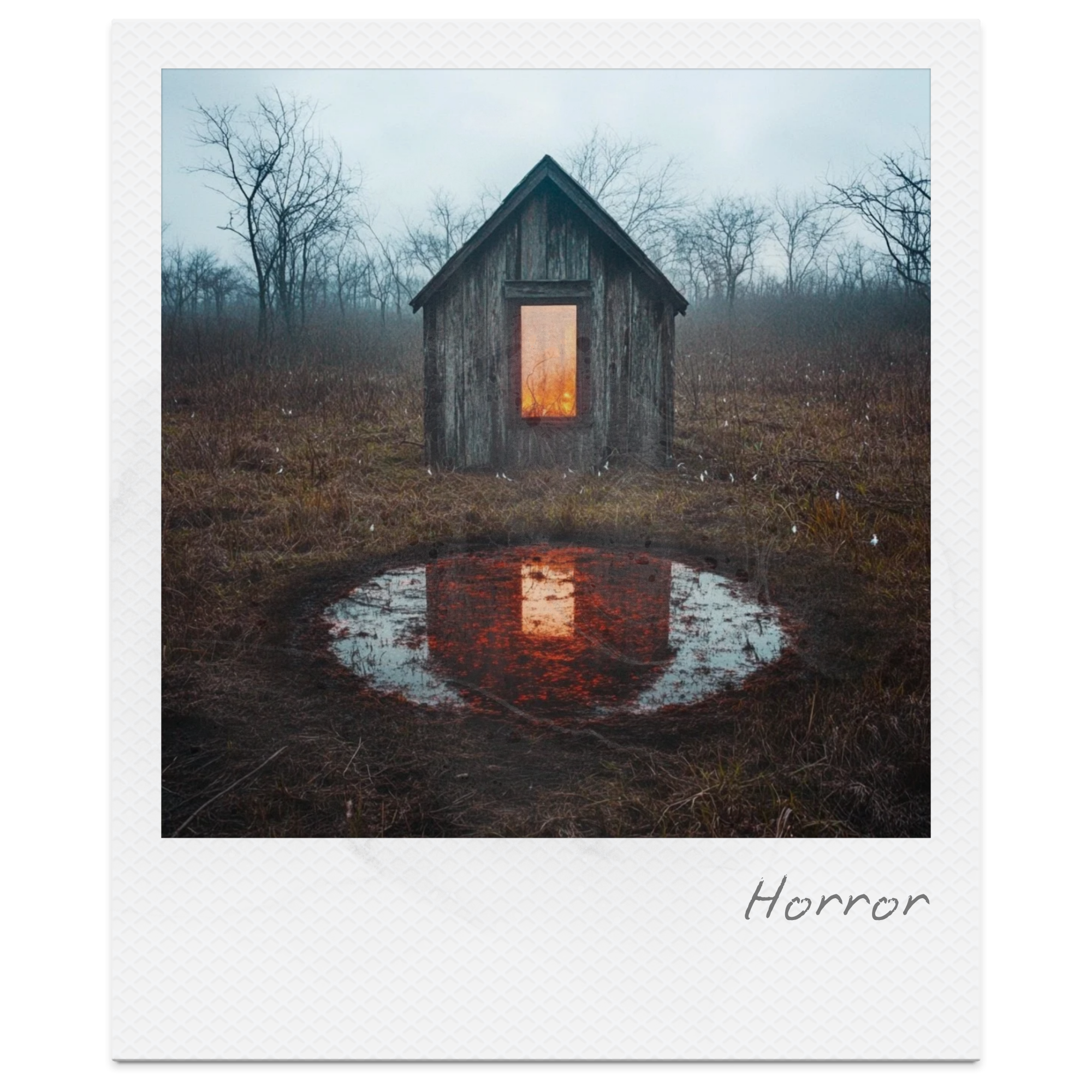
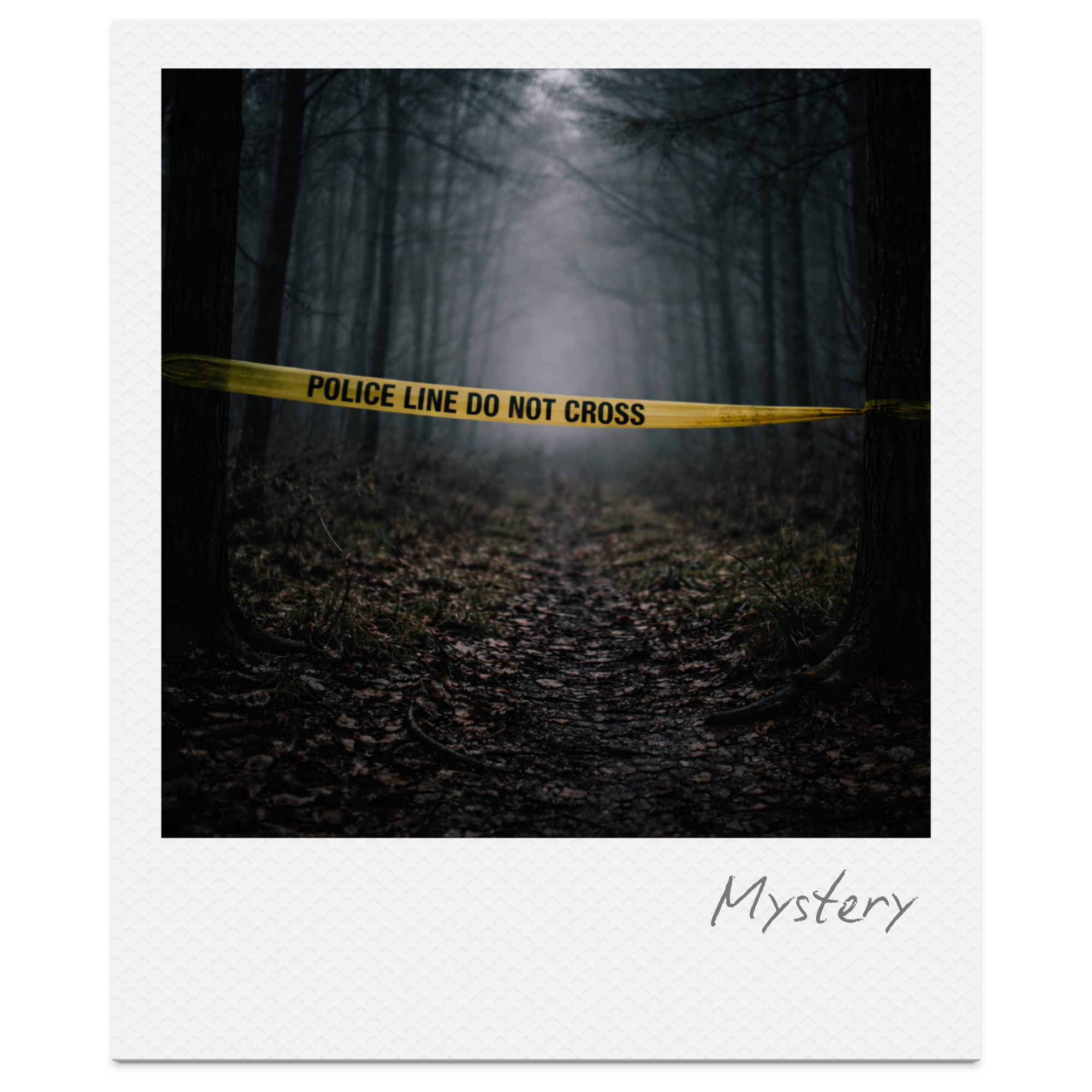
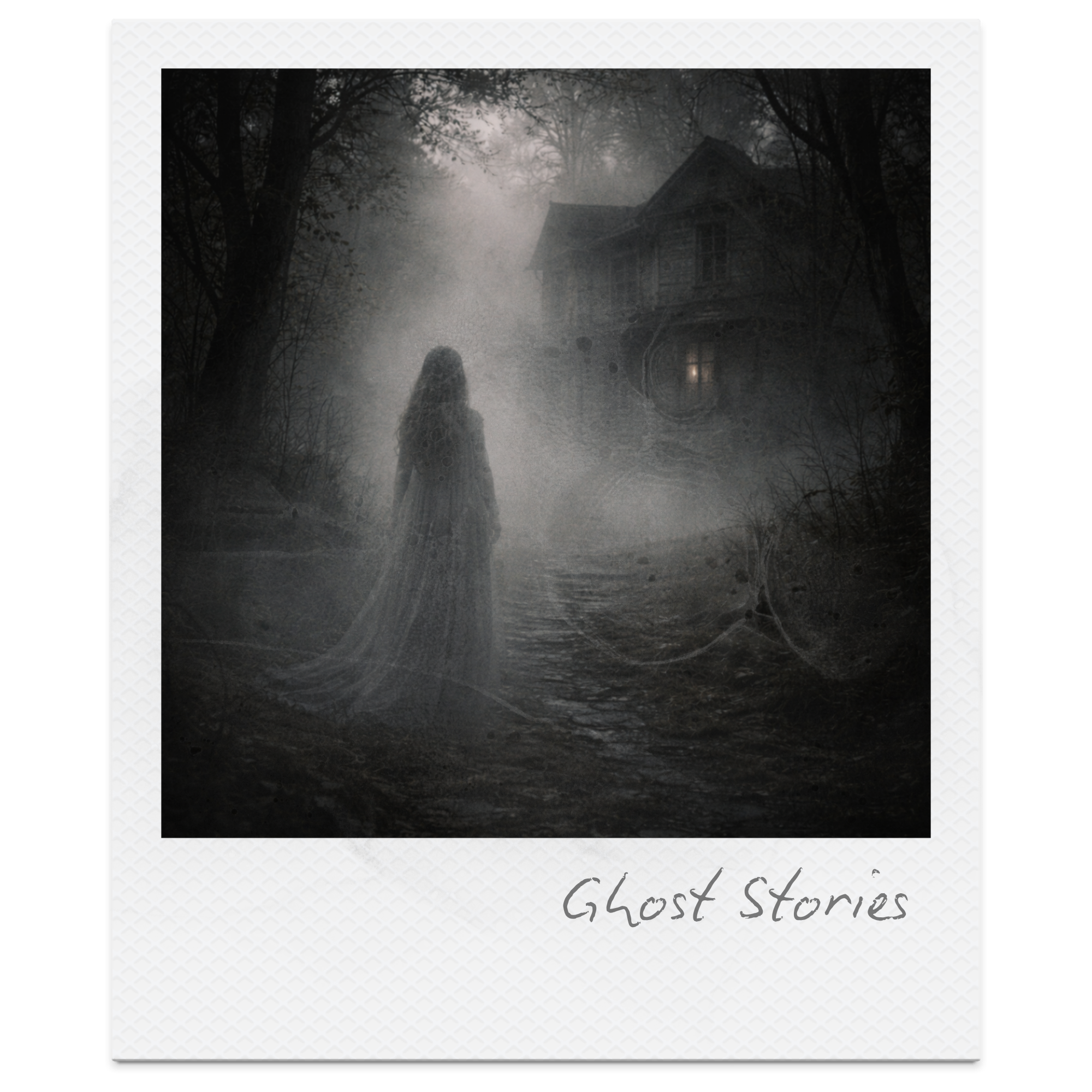
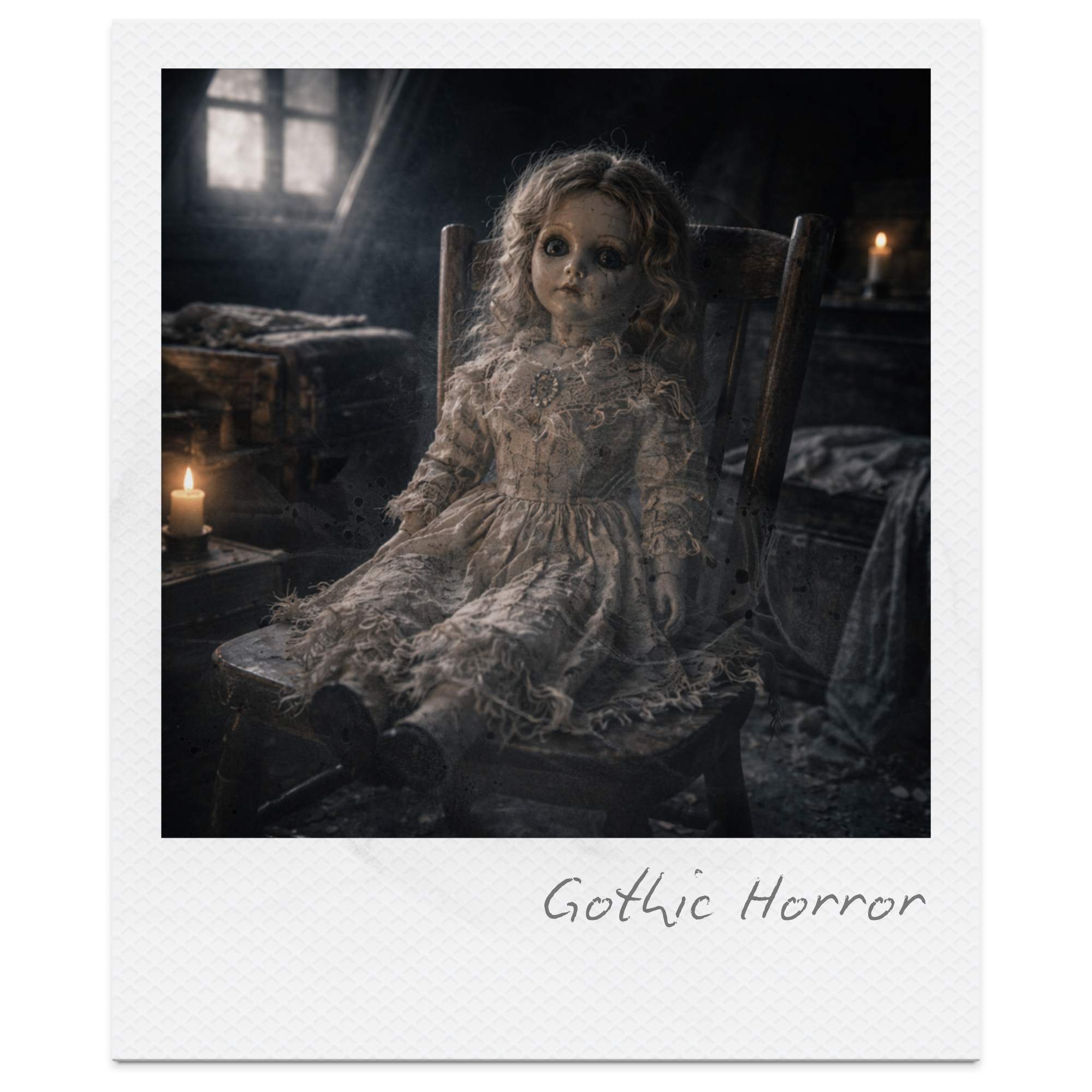
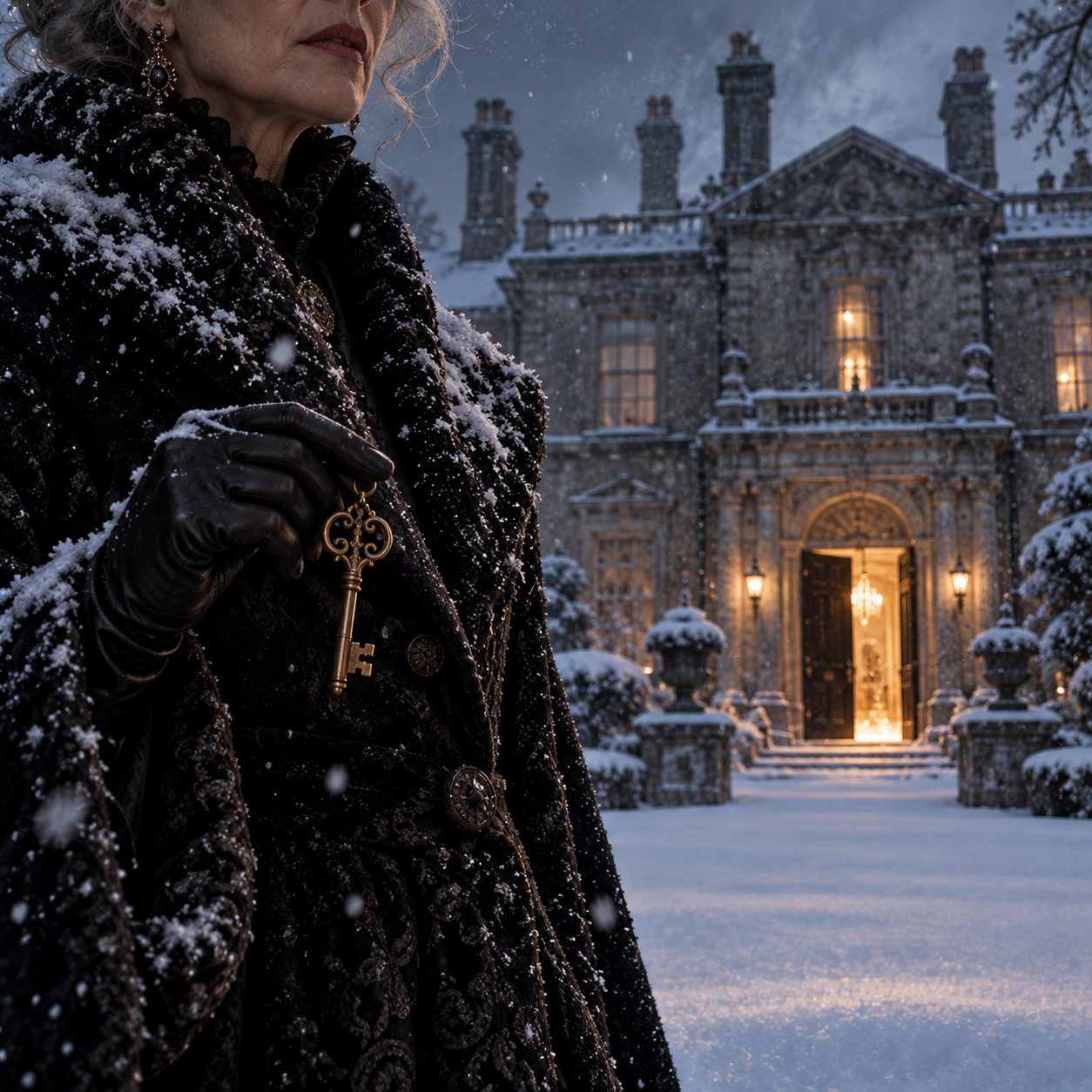
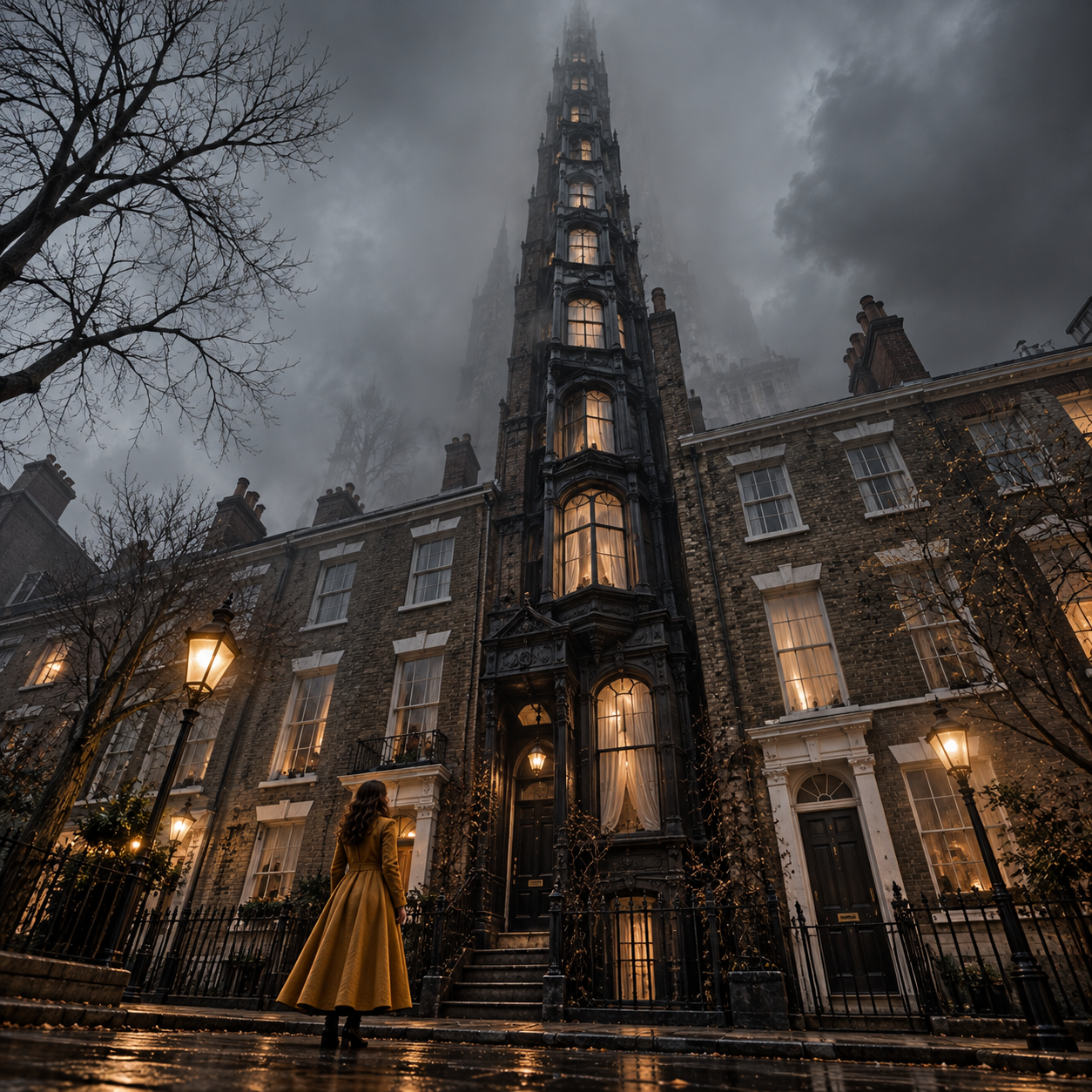
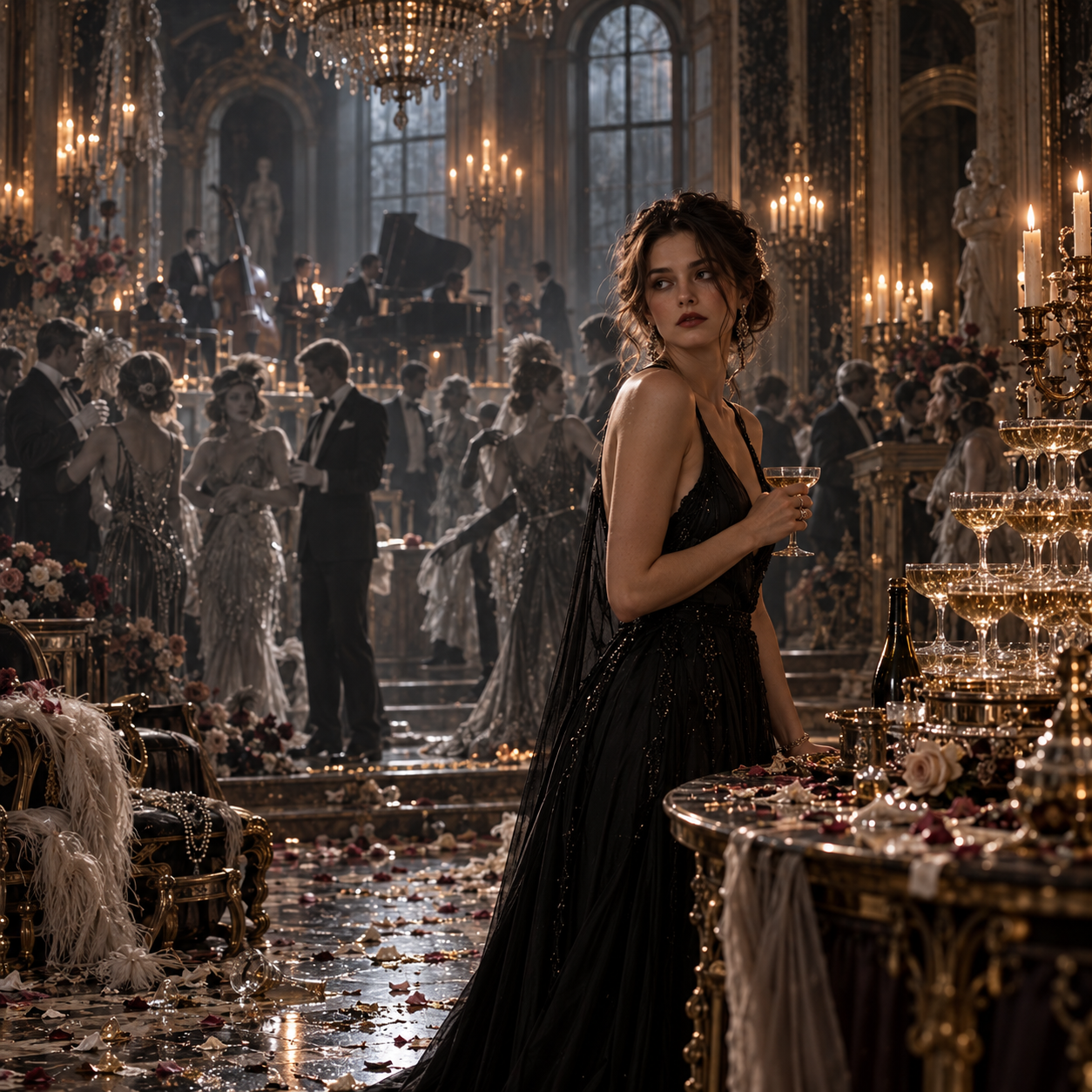
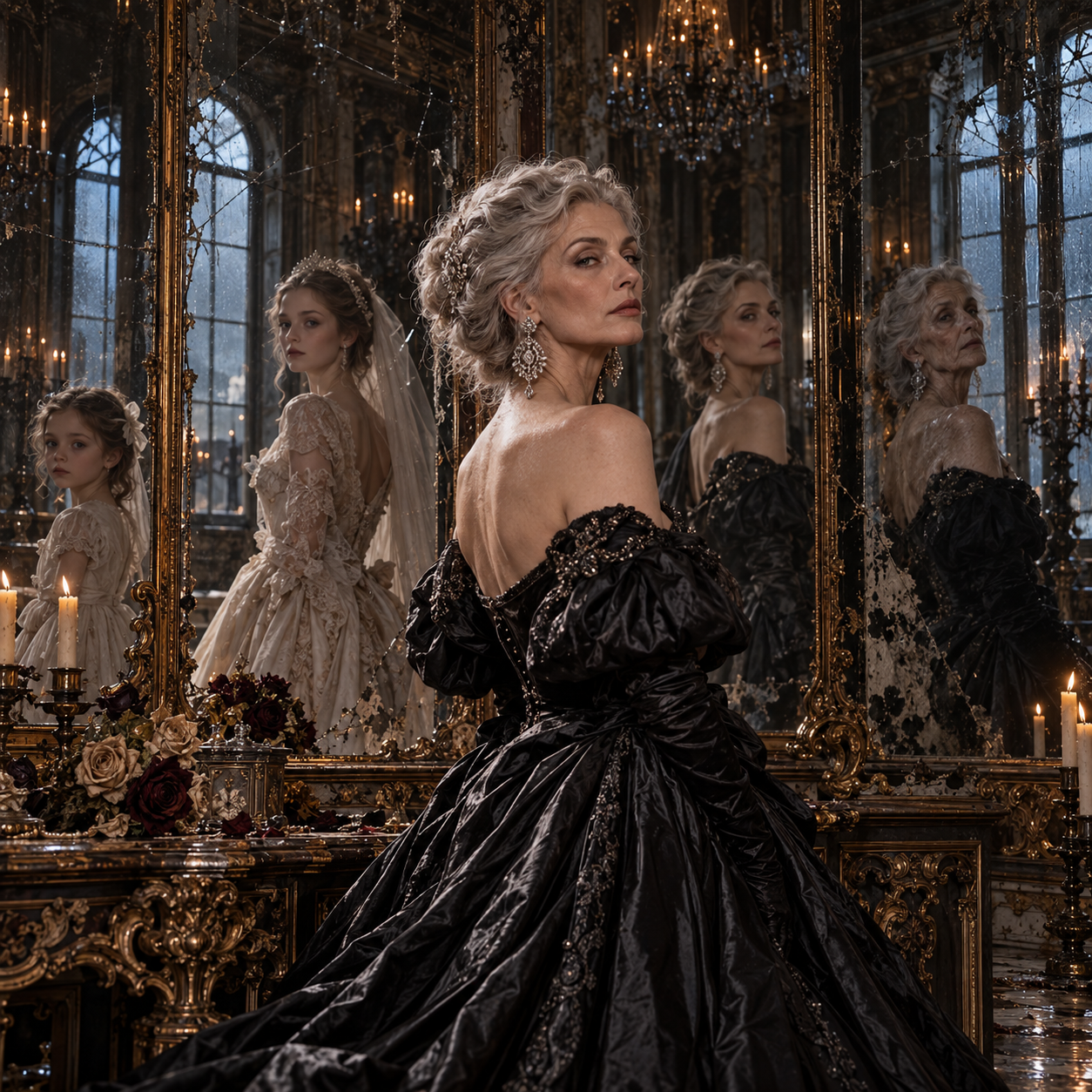
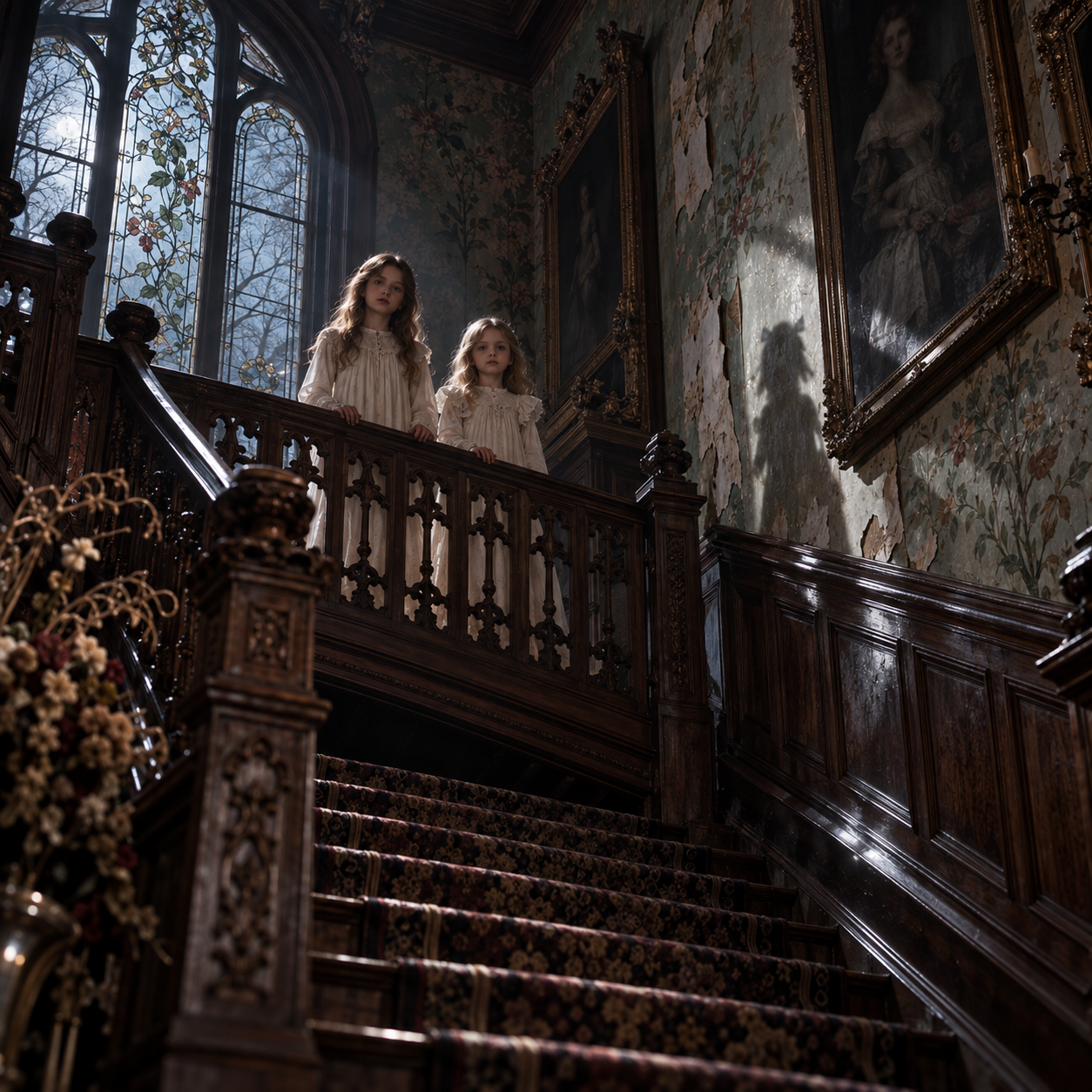
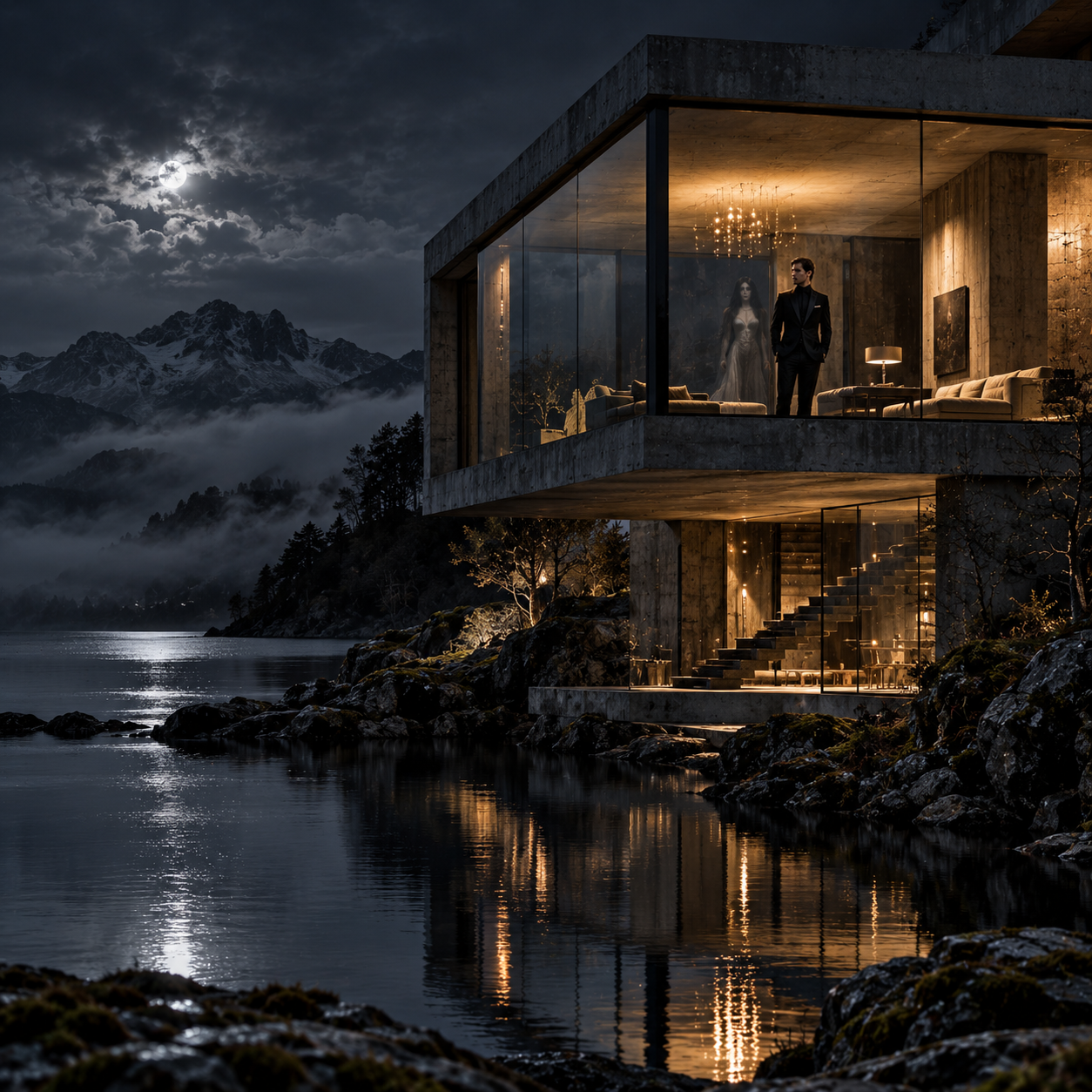
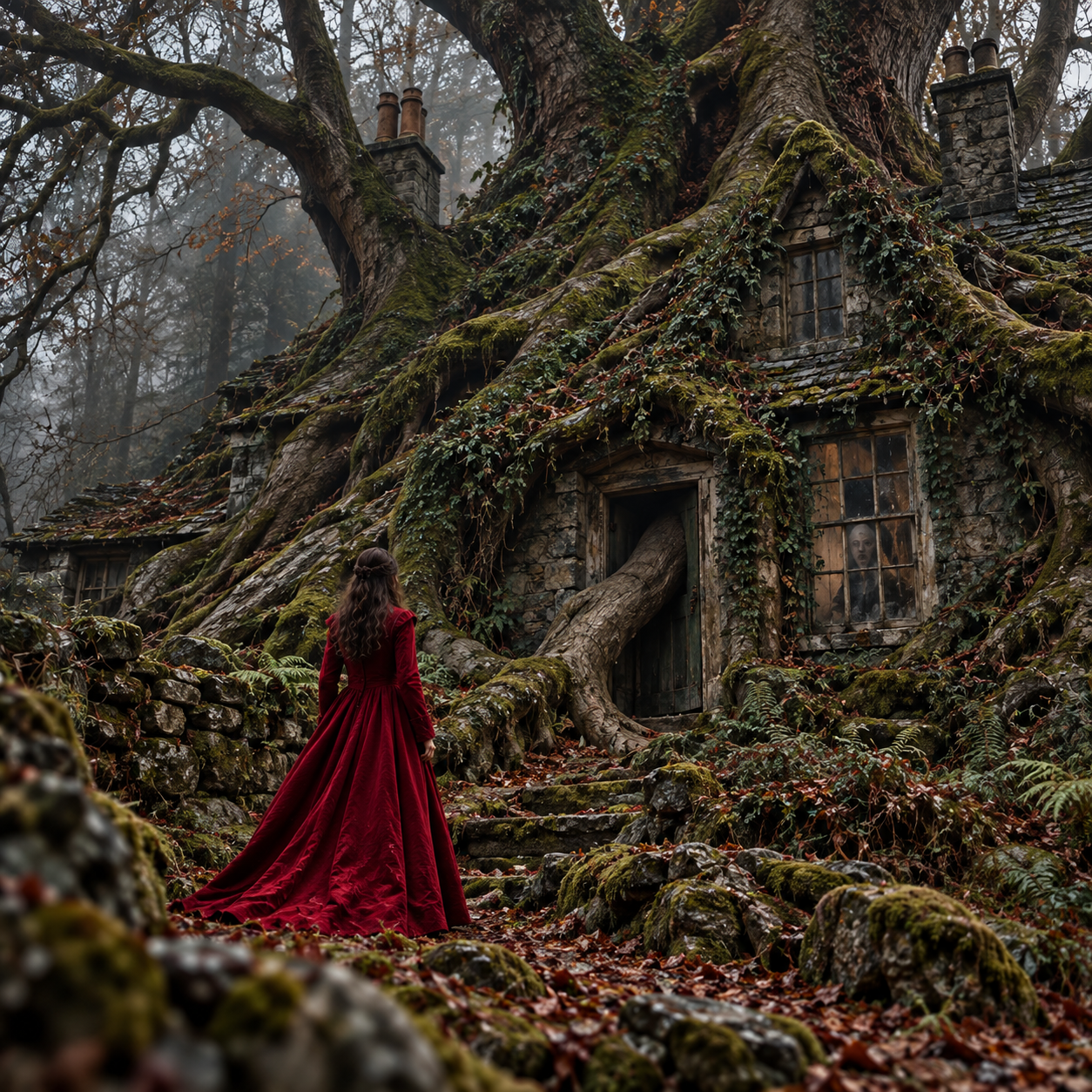
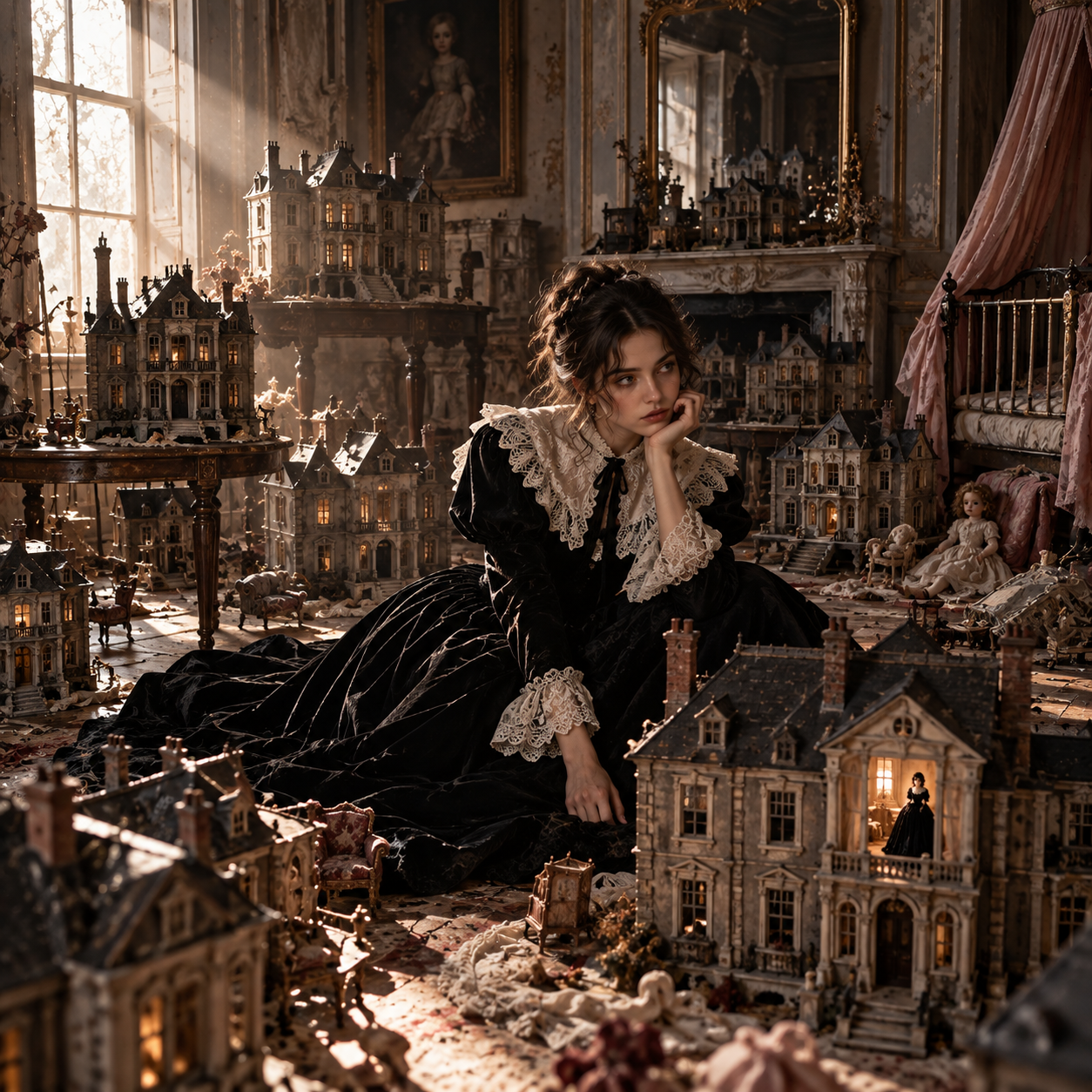
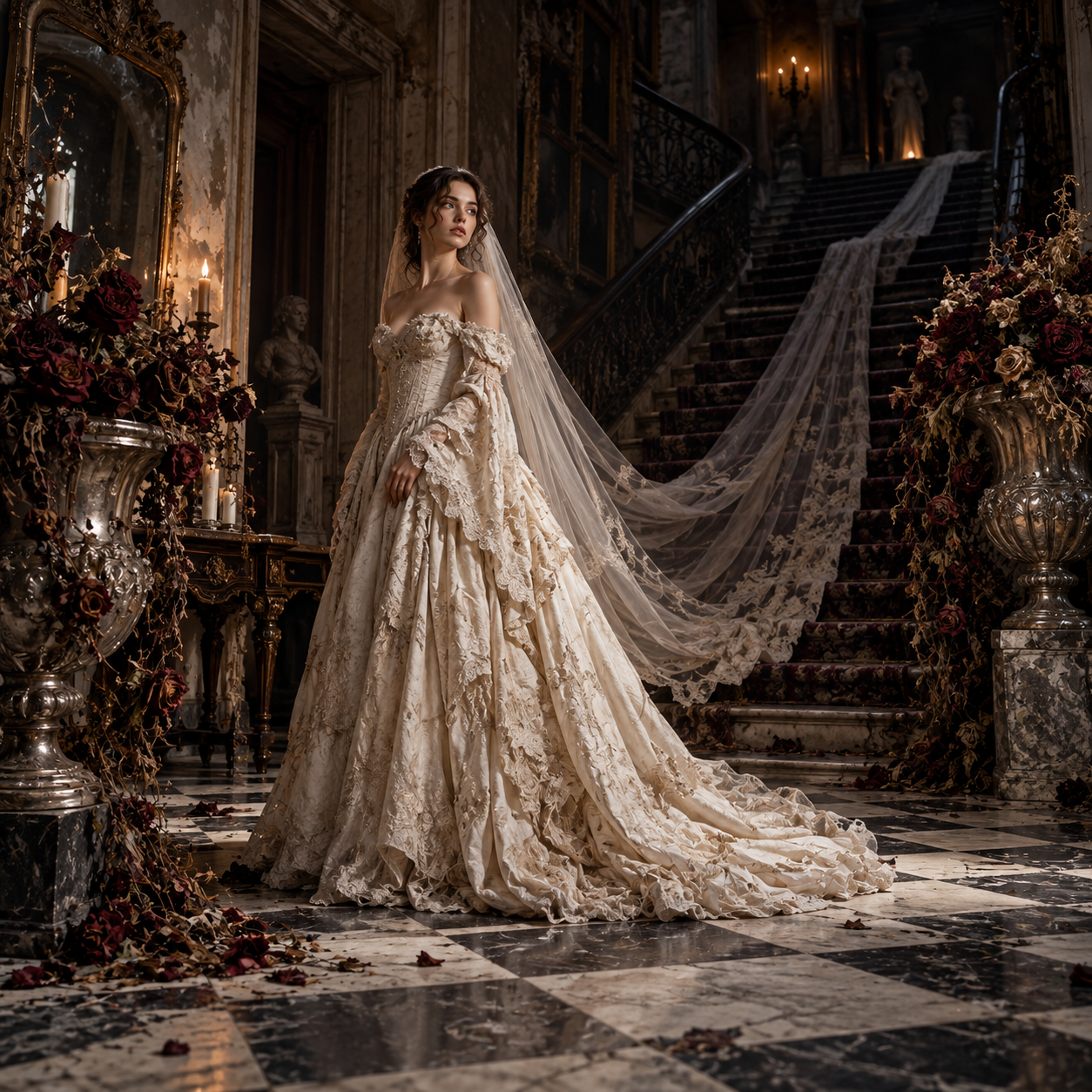
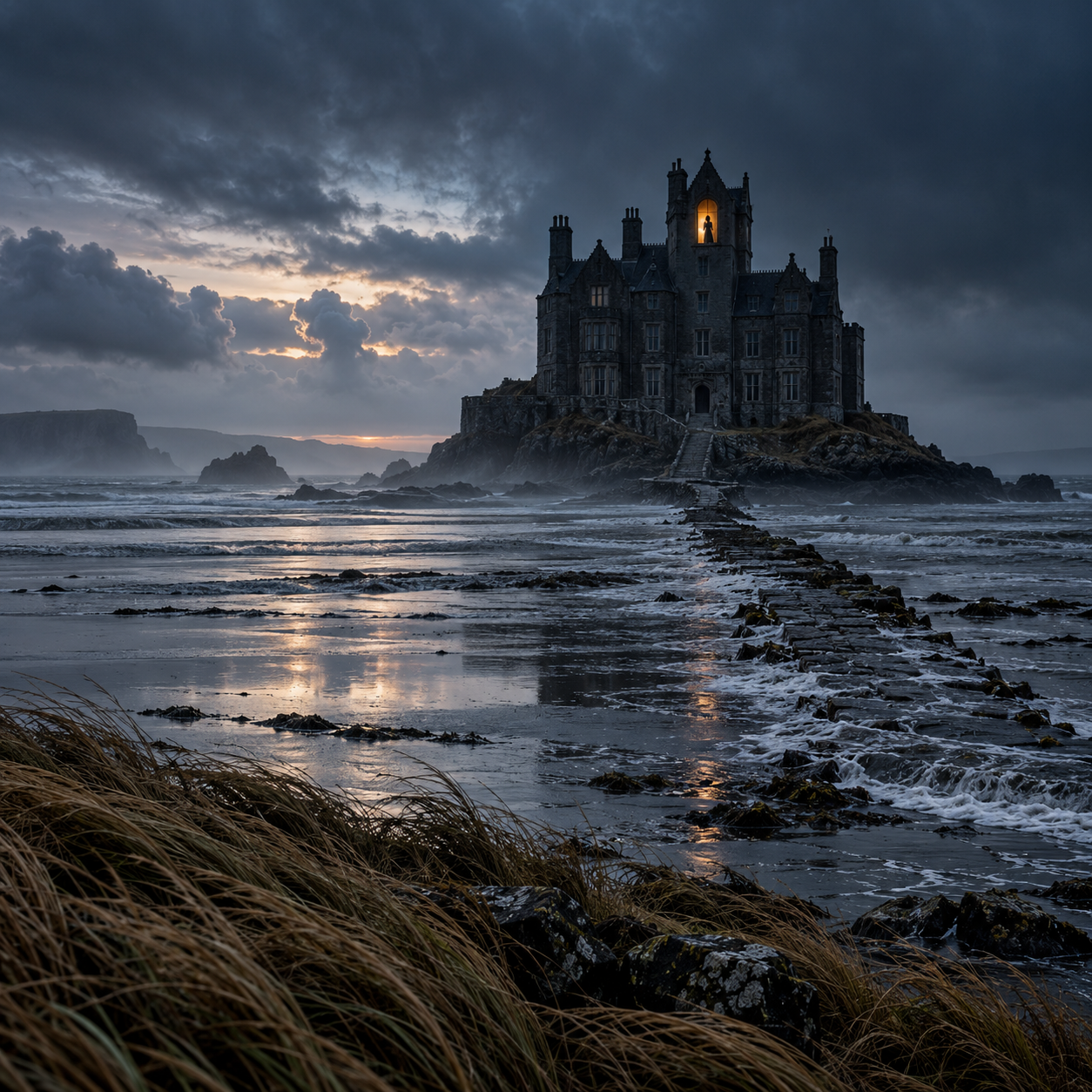
Picture Prompts
These prompts focus on visual and sensory details to help build atmosphere and tension.
Go Deeper into Haunted House Stories
The most effective haunted house stories rely on atmosphere and tension rather than constant action. Fear builds gradually, often beginning with small, almost insignificant details that become increasingly difficult to ignore. Allow the house to reveal itself slowly, giving characters — and readers — time to question what is real.
Think about the relationship between the house and the characters. Is the house reacting to them, or are they uncovering something that was already there? Consider whether the haunting is external or psychological. In many gothic stories, the true horror lies not in what is seen, but in what is suggested or left unresolved.
You can also use the house symbolically. It may represent memory, guilt, repression or the weight of the past. Rooms, objects and spaces can reflect emotional states, creating a connection between environment and character that deepens the story.
Some stories are best left buried.
But this one has surfaced.
Hidden inside a dust-covered box of forgotten papers lies the remains of a mystery. A child's drawing. A missing persons report. A letter never sent. Photographs with names scratched from the back. Newspaper clippings that seem to contradict one another.
Individually, they reveal very little.
Together, they suggest something far stranger.
The Victoriana Collection is an immersive archive inspired by gothic fiction, Victorian spiritualism, forgotten histories, and the mysteries that linger long after the people involved have vanished. Inside you'll discover letters, diary entries, photographs, reports, spiritualist notes, newspaper clippings, and personal mementoes that hint at a story hidden beneath layers of silence and time.
Some documents feel ordinary.
Others seem determined to be remembered.
Who disappeared?
Who was searching for them?
And why do so many pieces of the story appear to be missing?
There are no answers waiting at the end.
Only fragments.
What's Inside?
◆ 50+ printable documents and artefacts from the world of The Victoriana Collection
◆ Letters, diary entries, photographs, missing persons reports, spiritualist notes, newspaper clippings, personal mementoes, and more
◆ A printable prompt card to inspire exploration and storytelling
◆ Instant digital download in PDF format
Who Is It For?
Perfect for:
◆ Writers and worldbuilders
◆ Lovers of gothic fiction and Victorian mystery
◆ Mystery enthusiasts and curious minds
◆ Teachers and students
◆ Anyone fascinated by forgotten histories, spiritualism, and unexplained disappearances
What Makes This Different?
This isn't a guided story or a mystery with a solution.
It's an archive.
Every document reveals part of a larger narrative, but none reveal the whole truth.
Some pieces fit together neatly. Others raise more questions than they answer.
The story hidden inside these papers depends on what you notice, what you question, and what connections you choose to make.
Every reader uncovers a different mystery.
Discover What the House Left Behind: The Victoriana Collection
Every haunted house has a history.
Before the footsteps in the corridor, the locked room or the face glimpsed at an upstairs window, there were people who lived there. They wrote letters. Took photographs. Kept diaries. Bought train tickets. Filed reports. Lost things. Hid things.
And eventually, they left something behind.
The Victoriana Collection lets you begin your Gothic story with those remnants.
Instead of receiving another conventional writing prompt, you open a fictional Victorian archive filled with old photographs, letters, diary pages, missing-person reports, séance material, personal documents and other fragments of lives that have already unfolded.
Imagine finding them inside the house you're writing about.
Perhaps an old photograph shows someone standing in a room that has supposedly been sealed for decades. A diary describes noises inside the walls long before your protagonist arrived. A missing-person report contains the name written beneath an upstairs portrait, while a séance invitation suggests that a previous resident was already trying to contact someone who had died.
Suddenly, the haunting has a history.
But the archive never tells you exactly what that history is.
There is no official solution and no single correct interpretation. You decide which fragments belong together, which accounts can be trusted and whether the evidence points towards a supernatural haunting, a forgotten tragedy, a concealed crime or something nobody has considered before.
Choose one photograph and imagine where it once hung. Reconstruct the life of a former resident. Write the diary discovered beneath the floorboards. Follow a disappearance through the surviving records, or use the entire collection to build the history of a house that has accumulated secrets across generations.
For writers drawn to haunted mansions, abandoned estates, locked rooms, former residents, family secrets, Victorian ghosts, hidden documents and houses where the past still feels strangely present, Victoriana gives you more than a setting.
It gives you the things the people who lived there forgot to take with them.
The house isn't empty. Its history is still inside.
→ Open The Victoriana Collection
Final Thoughts
Haunted house stories remain powerful because they place characters within a space that feels both familiar and deeply unsettling. By focusing on atmosphere, character and the slow uncovering of hidden truths, you can create stories that linger long after they are finished.
For further inspiration, explore gothic tropes such as cursed families and doomed lovers, or experiment with settings like coastal gothic landscapes and isolated environments, then check out the Horror Writing Hub and the Gothic Writing Hub. You can also browse the Creative Writing Archive to discover a wide range of prompts designed for classrooms, writing clubs and independent practice.
Choose Your Next Adventure