The April Witch by Ray Bradbury: Summary, Themes, Symbolism & Analysis
Ray Bradbury’s The April Witch explores longing, identity, and the desire for connection through a lyrical piece of speculative fiction that blends fantasy with emotional realism. The story follows Cecy, a young girl with the magical ability to inhabit other living beings, who uses this power to experience love through another person’s body, revealing both the wonder and the limits of her unusual existence.
At its core, the story examines unfulfilled desire, illusion versus reality, and the emotional cost of living at a distance from others. Bradbury presents love not as something easily accessed, but as something shaped by restriction, sacrifice, and misalignment between self and experience. Through Cecy’s journey, the story raises questions about identity, embodiment, and what it truly means to feel something for oneself. For more stories exploring these ideas, visit the Ray Bradbury Hub or explore wider themes in the Literature Library.

Context of The April Witch
Written in 1952, The April Witch reflects Ray Bradbury’s ongoing interest in imagination, identity, and the emotional limits of human experience, themes that run throughout his work. As a writer of speculative fiction, Bradbury often uses fantastical premises—such as Cecy’s ability to inhabit other beings—not to escape reality, but to explore deeply human concerns like love, loneliness, and the desire to belong. His stories frequently blur the line between the magical and the emotional, suggesting that even extraordinary abilities cannot resolve the fundamental challenges of human connection. (For a broader exploration of these ideas, see the Ray Bradbury Context Post.)
In this story, Cecy’s power to “travel” becomes both a gift and a limitation. While it allows her to experience the world in ways others cannot, it also prevents her from forming genuine, embodied relationships, forcing her to live life at a distance. This reflects Bradbury’s wider concern with the tension between experience and authenticity, suggesting that observing or borrowing emotion is not the same as truly living it. The context, therefore, shapes the story’s meaning: that connection requires presence, and without it, even the most extraordinary experiences can feel incomplete.
The April Witch: At a Glance
Form: Short story (speculative fiction with fantasy elements)
Mood: Dreamlike, wistful, melancholic
Central tension: The conflict between desire for love and the inability to experience it authentically
Core themes: Longing for connection; identity and embodiment; illusion versus reality; restriction and freedom; emotional distance
One-sentence meaning: The story suggests that experiencing life through others cannot replace genuine connection, and that true love requires presence, vulnerability, and sacrifice
Quick Summary of The April Witch
Seventeen-year-old Cecy, a girl with the magical ability to inhabit other living beings, longs to experience love despite her family’s warning that she must never form relationships with ordinary people. On a spring night, driven by desire, she leaves her body behind and travels across the landscape, eventually entering the body of a young woman named Ann Leary.
Through Ann, Cecy experiences the world with new intensity—sensation, beauty, and human connection—and meets Tom, a man who begins to fall in love with the version of Ann that Cecy controls. Cecy uses Ann’s body to dance, speak, and interact, creating moments of intimacy, yet this connection is unstable, as Ann resists and Tom senses that something is not quite right.
As the night ends, Cecy realises that the love Tom feels is not truly for her, but for the version of Ann she has shaped. Before leaving, she gives Tom her own name and address, hoping he might one day find her. However, she returns to her own life unchanged, left with the painful understanding that experiencing love through another person is not the same as truly being loved herself.
Title of The April Witch
Bradbury’s titles often do more than simply label a story; they establish tone, suggest conflict, and introduce symbolism that deepens meaning. In The April Witch, the title immediately evokes a sense of seasonal magic, transformation, and fleeting beauty, while also hinting at something slightly uncanny or unnatural beneath the surface.
At first, the phrase “April Witch” suggests something light and almost whimsical, associated with spring, renewal, and possibility. April is traditionally linked to new beginnings, growth, and emotional awakening, which reflects Cecy’s desire to experience love for the first time. However, the word “witch” complicates this image, introducing ideas of otherness, secrecy, and separation from ordinary human life.
As the story develops, the title takes on deeper symbolic meaning. Cecy is not a witch in a traditional sense, but her ability to inhabit others makes her both powerful and isolated, reinforcing her position as someone who exists outside normal human experience. The title, therefore, captures the tension between freedom and limitation—she can enter any life, yet cannot truly live her own.
There is also an element of irony in the title. While April suggests renewal and possibility, Cecy’s experience ultimately leads not to fulfilment, but to emotional disappointment and continued separation. Her moment of connection is brief and borrowed, making it as temporary as the season itself.
Ultimately, The April Witch resonates as a title that reflects both beauty and transience, capturing the story’s central idea that longing for connection can be intense and transformative, but also fleeting and incomplete.
Structure of The April Witch
The structure of The April Witch reflects the story’s emotional arc of desire, experience, and loss, moving fluidly between wonder and quiet melancholy. Bradbury uses a dreamlike progression, combined with moments of tension and interruption, to mirror Cecy’s temporary and unstable experience of love.
Opening (Exposition)
The story begins with Cecy moving freely through the natural world, inhabiting animals and elements, establishing both her extraordinary power and her distance from human life. This opening creates a sense of freedom and possibility, while also introducing the central conflict through her simple declaration: “I want to be in love.”
Rising Action
Tension builds as Cecy enters Ann Leary’s body and begins to experience human sensation and interaction. The encounter with Tom introduces emotional stakes, as Cecy attempts to create a connection that is not truly her own. The instability of this arrangement becomes clear through Ann’s resistance and Tom’s growing unease, creating a sense of fragile illusion.
Turning Point / Climax
The climax occurs during the more intimate moments between Ann (controlled by Cecy) and Tom, particularly when he senses that “part of you’s here… and part of you’s not.” This moment exposes the central conflict: the connection Cecy is creating is fundamentally inauthentic and cannot be sustained.
Falling Action
As the night ends, the emotional tension begins to resolve. Cecy’s control weakens, and she prepares to leave Ann’s body. In this phase, her desire intensifies into desperation, as she realises the connection she has experienced cannot continue.
Ending (Resolution)
The story concludes with Cecy returning to her own life, separated once again from the world she briefly inhabited. Her final act—giving Tom her name and hoping he will find her—introduces a fragile sense of possibility, but the dominant feeling is one of quiet loss and unresolved longing.
Overall, the structure moves from freedom to illusion to emotional realisation, reinforcing the idea that experiences gained without true presence cannot lead to lasting fulfilment.
Setting of The April Witch
The setting of The April Witch shapes the story’s dreamlike atmosphere and reinforces its exploration of longing, distance, and emotional transience. Bradbury presents a world that is both richly sensory and strangely detached, reflecting Cecy’s ability to move through life without fully belonging to it.
The story opens in a vast, fluid natural landscape, where Cecy moves “over the valleys, under the stars, above a river, a pond, a road,” immediately establishing a sense of freedom and boundlessness. She is described as “invisible as new spring winds” and “fresh as the breath of clover,” linking her existence to the ephemeral qualities of spring. This setting reflects both possibility and instability—she can be everywhere, yet is anchored nowhere.
Spring itself is central to the setting’s symbolic meaning. It is described through images of “new April grasses,” “twilight fields,” and “warm spring lights of cottages,” creating an atmosphere of renewal and awakening. This aligns with Cecy’s emotional desire to experience love, suggesting that the world around her is ripe with connection, even if she cannot fully access it. The repeated emphasis on spring highlights the temporary and fleeting nature of her experience.
In contrast, Cecy’s own physical environment is confined and static. She lies in her “high bedroom,” in a “four-poster” bed, separated from the world she explores. This creates a sharp contrast between physical limitation and mental freedom, reinforcing the idea that her experiences, though vivid, are ultimately detached from reality.
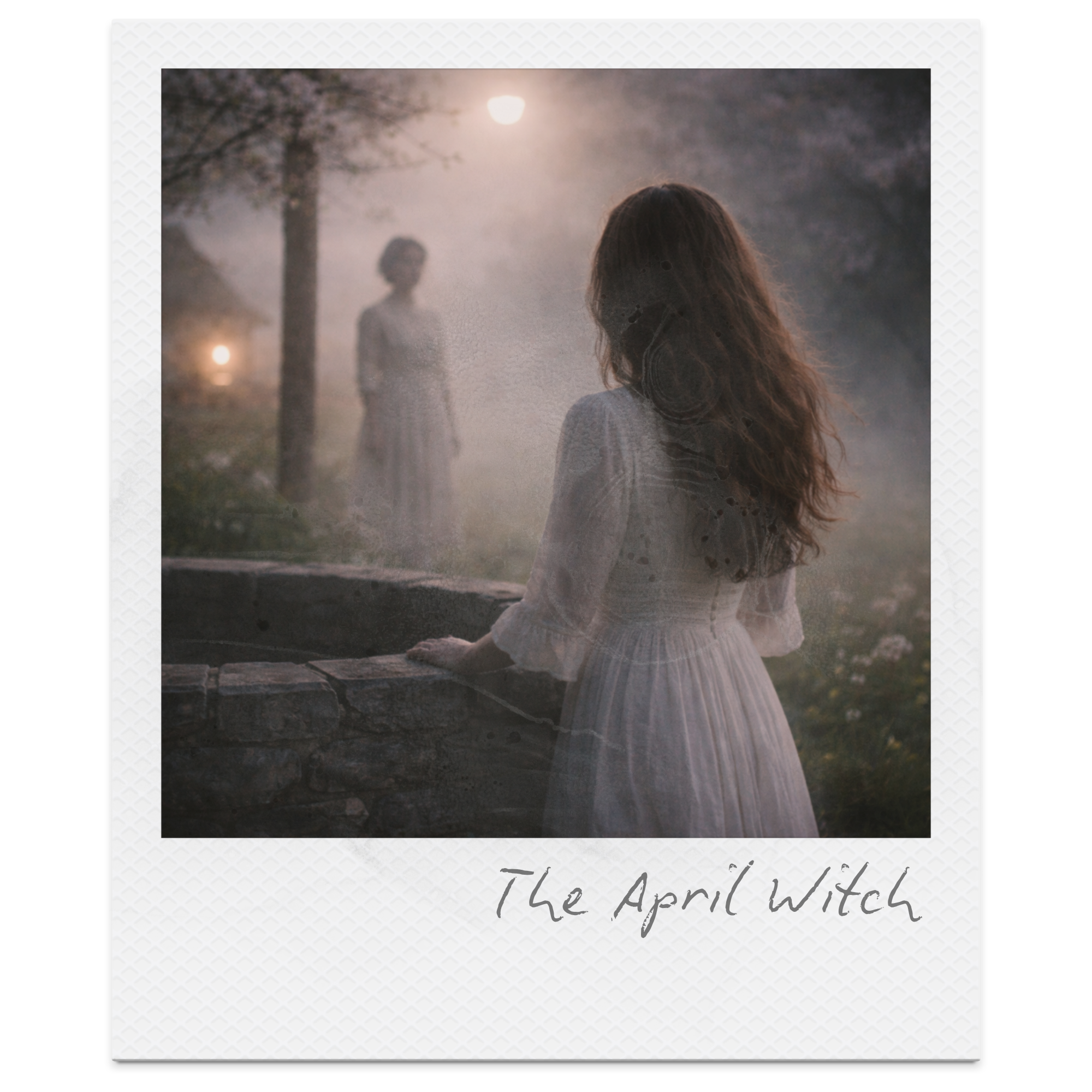
When Cecy inhabits Ann, the setting becomes more grounded and intimate. The farmhouse is filled with sensory detail—the “deep stone well,” the “warm spring night,” and the “rooms… jumping to life” as preparations for the dance begin. These domestic spaces represent human life, routine, and connection, things Cecy can observe and manipulate but not truly own.
The dance hall further intensifies this contrast. It is described as a place of movement and colour, “a room full of softly dancing pigeons… a room full of rainbow eyes and lights,” creating a vivid, almost surreal atmosphere. This setting embodies joy, intimacy, and social connection, yet Cecy’s presence within it remains artificial, reinforcing the theme of illusion versus reality.
Finally, the night landscape at the end of the story returns to a quieter, more reflective tone. Cecy drifts across “fields of wild mustard” and “moon-haunted” spaces, observing the world from a distance once more. The setting becomes expansive again, but now it carries a sense of loneliness and emotional separation, as she realises that her brief experience of love cannot be sustained.
Through these shifting settings, Bradbury creates a world that is sensory, beautiful, and constantly in motion, yet ultimately defined by distance and impermanence, mirroring Cecy’s own emotional journey.
Narrative Voice in The April Witch
The narrative voice in The April Witch shapes the reader’s experience by blending lyrical description with emotional intimacy, creating a tone that is both dreamlike and reflective. Bradbury uses a third-person perspective that closely follows Cecy, allowing the reader to access her thoughts and desires while maintaining a slight distance that reinforces her separation from the world she inhabits.
This perspective is fluid and almost weightless, mirroring Cecy’s ability to move between bodies and environments. The narration often shifts seamlessly between external description and internal thought, as seen when Cecy declares, “I want to be in love.” This direct access to her inner voice creates empathy, encouraging the reader to understand her longing even as her actions become increasingly intrusive and ethically complex.
The tone is highly sensory and poetic, filled with rich imagery that reflects Cecy’s heightened perception of the world. Descriptions of movement, touch, and atmosphere create a sense of immersion, yet this immersion is always slightly detached. Even when Cecy inhabits Ann, the narration reminds us that the experience is borrowed rather than authentic, reinforcing the theme of emotional distance.
Bradbury also uses narrative voice to create subtle unease and ambiguity. While Cecy’s actions are driven by innocent desire, the act of controlling another person introduces a layer of discomfort. Moments such as Ann’s resistance—when she feels something is wrong but cannot fully articulate it—highlight the tension between control and autonomy, prompting the reader to question the morality of Cecy’s actions.
The voice shifts slightly in tone as the story progresses. Early sections emphasise wonder and possibility, reflecting Cecy’s excitement as she explores the world. However, as the limitations of her experience become clear, the narration takes on a more melancholic and reflective quality, particularly in the closing moments, where her longing remains unresolved.
Overall, Bradbury’s narrative voice creates a balance between intimacy and distance, allowing the reader to feel Cecy’s emotions while also recognising the limitations of her experience. This dual perspective reinforces the story’s central idea: that experiencing life from the outside is not the same as truly living it.
The Purpose and Impact of The April Witch
The purpose of The April Witch is to explore the emotional consequences of longing for experiences that cannot truly be possessed, using Cecy’s magical ability as a lens through which to examine love, identity, and authenticity. Bradbury is not simply telling a story about supernatural power; he is questioning whether it is possible to truly feel something if it is not fully your own.
One of the story’s central purposes is to highlight the difference between experiencing and belonging. Cecy can enter another person’s body and feel everything they feel, yet she remains fundamentally separate. Her ability allows her access to sensation, beauty, and intimacy, but not to genuine emotional connection. This suggests that proximity to experience is not the same as ownership of it, reinforcing the idea that true connection requires presence and vulnerability.
Emotionally, the story creates a sense of wistful longing rather than dramatic tragedy. Cecy’s experience is not entirely negative—she dances, feels, and briefly participates in human connection—but it is ultimately incomplete. The reader is left with a quiet awareness that her moment of happiness is borrowed and temporary, making it more poignant than if it had ended in overt loss.
The story also raises subtle moral unease. Cecy’s actions, though driven by innocence, involve taking control of another person’s body, overriding Ann’s autonomy. This creates a tension between desire and ethical boundaries, prompting the reader to question whether the pursuit of personal fulfilment can justify such intrusion.
Intellectually, the story invites reflection on identity and embodiment. It challenges the idea that identity is purely mental or emotional, instead suggesting that physical presence matters in shaping experience. Cecy’s inability to be loved directly, despite fully inhabiting another person, highlights the limits of detached existence.
The lasting impact of The April Witch lies in its quiet after-effect. Cecy’s hope that Tom might one day find her introduces a fragile possibility, but it is overshadowed by the reality that her connection with him was never truly her own. The story lingers because it captures a deeply human truth: that longing for connection is powerful, but without authenticity, it remains unfulfilled.
Characters in The April Witch
Bradbury’s characters in The April Witch function as more than individuals; they act as embodiments of desire, resistance, and emotional distance, allowing the story to explore the complexity of identity and connection through contrasting perspectives.
Cecy
Cecy represents longing, curiosity, and emotional restlessness, driven by her desire to experience a life she cannot fully live. From the beginning, her simple declaration—“I want to be in love”—establishes her central motivation. Despite possessing extraordinary abilities, she is limited by her inability to form genuine relationships, creating a tension between power and isolation.
Bradbury presents Cecy through highly sensory language, reflecting her fluid, almost intangible existence. She moves “over the valleys, under the stars” and inhabits “every living thing in the world tonight,” suggesting both freedom and lack of grounding. Her ability to enter other beings allows her to experience life vividly, yet this experience is always indirect and temporary.
As she inhabits Ann, Cecy becomes increasingly emotionally invested, attempting to shape events to create a genuine connection with Tom. Her whispered insistence—“This is me kissing you”—reveals her desperation to be recognised as an individual, not just a presence within another body. Cecy ultimately represents the pain of wanting to be seen and loved for who you truly are, rather than through a constructed or borrowed identity.
Ann Leary
Ann Leary functions as a symbol of physical reality, autonomy, and resistance. She is described in rich, idealised terms, with “cheeks… like small fires” and a body that moves with effortless grace, making her an embodiment of the human experience Cecy desires.
However, Ann is not merely a passive vessel. Throughout the story, she resists Cecy’s control, questioning her own actions and expressing confusion: “I’ve gone mad!” and “Something made me.” These moments highlight the tension between self and control, as Ann becomes aware that her body is being used without her full consent.
Ann’s resistance reinforces the ethical dimension of the story, showing that Cecy’s pursuit of experience comes at the cost of another person’s agency. She represents the idea that authentic identity cannot be fully overridden, even when external forces attempt to control it.
Tom
Tom represents human connection, emotional sincerity, and instinctive awareness. Initially, he is grounded and cautious, wary of Ann’s inconsistency, but he becomes increasingly drawn to the version of her that Cecy creates. His observation that “part of you’s here… and part of you’s not” reveals his sensitivity to emotional authenticity, even if he cannot fully understand what is happening.
Bradbury uses Tom to highlight the difference between genuine and artificial connection. He responds to the emotional openness that Cecy brings into Ann, falling in love not with Ann as she truly is, but with the altered version shaped by Cecy’s desires. This creates a subtle tension, as his feelings are real, but their foundation is unstable and incomplete.
In the final moments, Tom’s reaction suggests a lingering awareness of something deeper. When he holds the piece of paper with Cecy’s name, even unconsciously, it hints at the possibility of recognition, yet also reinforces the uncertainty of whether true connection can ever be realised.
Cecy’s Family
Cecy’s parents and family represent restriction, tradition, and the boundaries imposed on identity. Their warning—“We can’t mix or marry with ordinary folk”—establishes the rules that govern Cecy’s life, emphasising the cost of maintaining their magical abilities.
They function as a collective force that limits Cecy’s choices, reinforcing the idea that her isolation is not only emotional but also socially enforced. Their presence highlights the conflict between individual desire and inherited expectation, suggesting that Cecy’s longing for connection is shaped as much by restriction as by her own nature.
Through these characters, Bradbury creates a layered exploration of selfhood, control, and emotional truth, revealing how the desire for connection can be shaped, complicated, and ultimately limited by the boundaries between self and other.
Key Themes in The April Witch
The major themes in The April Witch centre on longing, identity, and the limits of experience, developed through Bradbury’s use of fantasy, sensory imagery, and emotional contrast. These themes reveal the tension between freedom and restriction, and between experiencing life and truly living it.
Isolation
Isolation shapes Cecy’s existence despite her extraordinary abilities. Although she can move “over the valleys, under the stars” and inhabit countless forms, she remains fundamentally separate from human connection. Her physical body lies alone, while her mind travels elsewhere, reinforcing the idea that movement is not the same as belonging.
This isolation is not only personal but enforced by her family, who insist “we can’t mix or marry with ordinary folk,” creating a boundary that prevents genuine relationships. Cecy’s freedom therefore becomes a paradox: she can go anywhere, but cannot truly be with anyone.
Longing for Connection
Cecy’s desire for love is the emotional core of the story, expressed simply in her declaration: “I want to be in love.” This longing drives her to inhabit Ann, allowing her to experience intimacy and affection, even if only temporarily.
However, this connection is incomplete. Cecy must rely on another body to access it, and the love she experiences is not directed toward her true self. This reinforces the idea that longing alone cannot create authentic connection, especially when identity is obscured.
Illusion versus Reality
The relationship between Cecy, Ann, and Tom highlights the tension between illusion and reality. Tom falls in love with the version of Ann shaped by Cecy, creating a connection based on misunderstanding and projection. His observation that “part of you’s here… and part of you’s not” reveals an intuitive awareness that something is not real.
Cecy herself recognises this illusion, insisting “This is me kissing you,” yet knowing that her presence is hidden. The story suggests that experiences built on illusion may feel real in the moment, but cannot be sustained or fulfilled.
The Passage of Time
Time in the story is fleeting and concentrated within a single night, reflecting the temporary nature of Cecy’s experience. The spring setting, with its emphasis on renewal and change, reinforces the idea that moments of beauty and connection are often brief and transient.
Cecy’s powers are also time-limited—she can only remain in another body for a short period—emphasising the fragility of her experience. This creates a sense that meaningful moments are both precious and unstable, shaped by time’s inevitable movement.
The Fragility of Belonging
Belonging in the story is shown to be delicate and easily disrupted. Cecy briefly feels as though she belongs within Ann’s life, dancing and interacting as if she were truly present. However, this sense of belonging collapses as soon as her control weakens and Ann begins to resist.
Her final hope—that Tom might one day find her—remains uncertain, reinforcing the idea that belonging is not guaranteed, but dependent on recognition, authenticity, and mutual understanding.
Identity and Embodiment
Bradbury explores the relationship between identity and physical presence, suggesting that who we are cannot be separated from the body we inhabit. Cecy can think, feel, and act through Ann, but she is never fully recognised as herself.
This highlights the limitation of her power: she can borrow identity, but cannot own it or be seen for it. The story suggests that true identity requires both internal experience and external recognition, something Cecy is denied.
Freedom versus Restriction
Cecy’s abilities suggest limitless freedom, yet her life is defined by strict rules and boundaries. Her family’s warning emphasises the cost of crossing these boundaries, forcing her to choose between power and connection.
This tension reflects a broader idea that freedom without emotional fulfilment can feel empty, while restriction can intensify desire. Cecy’s experience shows that having access to everything does not guarantee happiness or belonging.
Together, these themes create a story that explores the complexity of wanting, experiencing, and losing connection, revealing that true fulfilment depends not on access or ability, but on authentic presence and mutual recognition.
Symbolism in The April Witch
Bradbury uses symbolism throughout The April Witch to deepen its exploration of longing, identity, and emotional distance, transforming natural elements and magical abilities into representations of Cecy’s internal experience.
Cecy’s “Travel” Ability
Cecy’s power to inhabit other beings symbolises detached experience and the illusion of freedom. While it allows her to enter “anything at all—a pebble, a crocus, or a praying mantis,” this ability ultimately highlights her inability to form genuine, embodied connections.
Her movement between bodies reflects a form of emotional displacement, where she can feel everything but cannot be recognised as herself. This symbol reinforces the idea that experiencing life from the outside cannot replace truly living it.
Ann’s Body
Ann’s body represents authentic human experience and physical identity, everything Cecy desires but cannot possess. It is described in rich, sensory detail, making it a symbol of warmth, beauty, and belonging—“like basking in a hearth fire.”
However, Ann’s body also becomes a site of tension, as Cecy controls it while Ann resists. This transforms it into a symbol of conflicted identity, highlighting the ethical and emotional consequences of Cecy’s actions. It represents the idea that true experience cannot be borrowed without cost.
Spring
Spring is a central symbol of renewal, awakening, and fleeting possibility. Cecy moves through “new April grasses” and “twilight fields,” suggesting a world full of life and emotional potential. This seasonal setting reflects her desire to experience love and transformation.
However, spring is also temporary, reinforcing the transience of Cecy’s experience. Just as the season will pass, so too will her moment of connection, making spring a symbol of brief beauty and inevitable loss.
The Dance
The dance symbolises human connection, intimacy, and shared experience. It is described as a vibrant, almost surreal space—“a room full of rainbow eyes and lights”—representing the emotional world Cecy longs to enter.
Yet this experience is artificial for Cecy. She participates through Ann, not as herself, making the dance a symbol of illusion. It highlights the difference between being present and merely appearing to be present, reinforcing the story’s central tension.
The Written Address
The piece of paper with Cecy’s name—“Cecy Elliott, 12 Willow Street”—symbolises hope, identity, and the possibility of future connection. It is the only tangible link between Cecy and Tom that exists outside the illusion of Ann’s body.
However, this symbol is fragile. Tom initially dismisses it, and its significance depends entirely on whether he chooses to act on it. The paper therefore represents the uncertainty of recognition and the fragile nature of hope.
The Night Journey
Cecy’s movement through the night symbolises freedom without belonging. She travels vast distances, inhabiting different forms, yet remains emotionally unfulfilled. The night itself becomes a space of possibility and isolation, where experiences can occur but not be sustained.
Her final drifting—moving from creature to creature—returns her to this state, reinforcing the idea that her existence is one of constant movement without connection.
Through these symbols, Bradbury creates a layered narrative where magical elements and natural imagery reflect deeper emotional truths, revealing that the desire for connection, when experienced indirectly, remains powerful but ultimately incomplete.
Key Techniques in The April Witch
Bradbury uses a range of language and structural techniques to create a lyrical, immersive narrative that captures longing, emotional distance, and the tension between experience and reality.
◆ Imagery — Rich sensory imagery such as “fresh as the breath of clover” and “a room full of rainbow eyes and lights” creates a vivid, almost dreamlike atmosphere, immersing the reader in Cecy’s heightened perception of the world
◆ Metaphor — Cecy’s experiences are described through layered metaphors, such as Ann’s body being “like basking in a hearth fire,” emphasising warmth, intimacy, and the contrast with Cecy’s usual detachment
◆ Simile — Frequent similes, including “invisible as new spring winds,” reinforce Cecy’s intangible nature and her lack of physical presence
◆ Personification — The natural world is given life and motion, with landscapes that seem to breathe and respond, reflecting Cecy’s emotional state and connection to her surroundings
◆ Repetition — Repeated phrases like “I want to be in love” emphasise Cecy’s central desire, reinforcing the emotional focus of the story
◆ Contrast — Bradbury contrasts freedom and restriction, movement and stillness, and illusion and reality, particularly through Cecy’s limitless travel versus her inability to form real relationships
◆ Symbolic language — Everyday elements such as spring, the dance, and the night journey are elevated into symbols of transience, desire, and emotional distance
◆ Foreshadowing — Early warnings from Cecy’s family that she must “be careful” hint at the consequences of her actions, creating tension around her pursuit of love
◆ Narrative contrast — The joyful, vibrant scenes of the dance are contrasted with the quiet, reflective ending, emphasising the shift from illusion to emotional realisation
◆ Sentence patterning — Flowing, rhythmic sentences mirror Cecy’s movement through space and bodies, creating a sense of continuity and fluidity
◆ Irony — Cecy’s power allows her to experience love, yet prevents her from being truly loved, highlighting the gap between ability and fulfilment
◆ Tone shifts — The tone moves from wonder and excitement to melancholy and quiet loss, reflecting Cecy’s emotional journey
These techniques combine to create a story that is both beautiful and unsettling, capturing the emotional complexity of longing for something that cannot be fully possessed.
Important Quotes from The April Witch
The story’s quotations reveal character, reinforce themes, and deepen the emotional and symbolic impact of Bradbury’s writing. Through carefully chosen language, these moments highlight longing, identity, illusion, and emotional distance.
Quotes on Longing and Desire
“I want to be in love.”
◆ Establishes Cecy’s central motivation and emotional drive
◆ Simple, direct language emphasises the intensity and sincerity of her desire
◆ Frames the entire narrative around longing for connection
“If I can’t be in love, myself… then I’ll be in love through someone else.”
◆ Reveals Cecy’s willingness to accept indirect experience
◆ Highlights the theme of substitution and emotional displacement
◆ Suggests an early acceptance of illusion over reality
Quotes on Identity and Embodiment
“I can live in anything at all—a pebble, a crocus, or a praying mantis.”
◆ Demonstrates Cecy’s extraordinary ability and apparent freedom
◆ Contrasts with her emotional limitation, reinforcing power versus restriction
◆ Suggests a fragmented sense of identity, spread across multiple forms
“This is me kissing you.”
◆ Emphasises Cecy’s need to be recognised as an individual
◆ Highlights the tension between presence and invisibility
◆ Reinforces the theme that identity cannot be fully separated from the body
Quotes on Illusion and Reality
“Part of you’s here… and part of you’s not.”
◆ Tom’s observation captures the central conflict of incomplete presence
◆ Suggests intuitive awareness of something unnatural or fragmented
◆ Reinforces the instability of the connection between Cecy and Tom
“Something made me.”
◆ Reflects Ann’s loss of control and growing awareness
◆ Highlights the ethical tension between agency and manipulation
◆ Suggests that reality is being disrupted by unseen forces
Quotes on Love and Connection
“I’m in love with you again.”
◆ Demonstrates Tom’s emotional sincerity, despite the illusion
◆ Highlights the tragedy that his love is directed toward a constructed version of Ann
◆ Reinforces the theme of misdirected connection
“I’d love you with all my heart!” (implied through Cecy’s thoughts)
◆ Reveals Cecy’s depth of feeling and emotional sincerity
◆ Contrasts with her inability to express this directly
◆ Emphasises the gap between feeling and recognition
Quotes on Time and Transience
“It’s spring.”
◆ Repeated throughout the story to emphasise renewal and fleeting beauty
◆ Symbolises the temporary nature of Cecy’s experience
◆ Links emotional awakening to seasonal change
“I’ve only the power to stay a few hours out like this in the night.”
◆ Highlights the time-limited nature of Cecy’s experience
◆ Reinforces the fragility and impermanence of her connection
◆ Suggests that meaningful moments are brief and unstable
Quotes on Ending and Emotional Impact
“Will you know me then?”
◆ Expresses Cecy’s hope for future recognition and connection
◆ Highlights uncertainty and the fragility of her identity
◆ Reinforces the theme of unfulfilled longing
“Slowly, slowly… his fingers closed down upon and held it tightly.”
◆ Symbolises a possible lingering connection or subconscious recognition
◆ Suggests that the experience has had a deeper impact than Tom realises
◆ Leaves the ending open, balancing hope and ambiguity
Through these quotations, Bradbury builds a narrative that captures the tension between desire and reality, revealing how deeply felt emotions can exist even when they are not fully recognised or returned.
Alternative Interpretations of The April Witch
Bradbury’s story remains open to multiple interpretations, allowing readers to explore its meaning through different conceptual lenses. Each perspective reveals new dimensions of identity, longing, and emotional experience, highlighting the story’s complexity.
Psychological Interpretation: Desire and Emotional Projection
From a psychological perspective, Cecy represents the experience of unfulfilled desire and emotional projection. Unable to form relationships directly, she creates a version of love through Ann, projecting her feelings onto a situation she partially controls. This suggests that longing can lead individuals to construct substitute experiences that feel real but lack true reciprocity.
The tension between Cecy and Ann also reflects an internal conflict between impulse and restraint, where desire overrides ethical awareness. Cecy’s actions can be read as a manifestation of suppressed emotional needs seeking expression, even at the cost of authentic connection.
Existential Interpretation: Identity and Authentic Experience
An existential reading focuses on the idea that experience must be lived directly to have meaning. Cecy’s ability to inhabit others challenges the notion of identity, yet ultimately reinforces it—she can feel everything, but cannot truly be the one who is loved.
This suggests that identity is not transferable, and that meaning is tied to embodiment and presence. Cecy’s final isolation reflects the existential idea that individuals must confront the limits of their own existence, unable to escape into others completely.
Moral Interpretation: The Ethics of Control
The story can also be interpreted as a moral exploration of control and consent. Cecy’s actions, though driven by innocent longing, involve overriding Ann’s autonomy, raising questions about the ethics of using others as a means to fulfil personal desire.
Ann’s resistance—her sense that “something made me”—highlights the violation of agency, suggesting that even well-intentioned actions can have harmful consequences. In this reading, the story becomes a warning about the importance of respecting individual identity and freedom.
Romantic Interpretation: Love and Misrecognition
From a romantic perspective, the story explores the idea of misrecognised love. Tom falls in love with a version of Ann shaped by Cecy, while Cecy falls in love with Tom without being seen as herself. This creates a network of misaligned emotions, where no relationship is fully authentic.
Cecy’s insistence—“This is me kissing you”—reveals her desire to be recognised, yet this recognition never occurs. The story suggests that love requires not just feeling, but mutual awareness and truth, without which it remains incomplete.
Contemporary Interpretation: Identity and Digital Distance
A modern reading can view Cecy’s experience as a metaphor for mediated identity in a digital world. Her ability to inhabit another person parallels how individuals present curated versions of themselves through social media or online spaces, creating connections that may feel real but are ultimately constructed and distanced from true identity.
This interpretation highlights the continued relevance of the story, suggesting that the tension between self, representation, and connection remains a defining feature of modern life.
Each of these interpretations reinforces the story’s central complexity, showing how The April Witch can be understood as a reflection on desire, identity, ethics, and the fragile nature of human connection.
Why The April Witch Still Matters
The April Witch remains relevant because it speaks to the enduring human experience of wanting connection while feeling fundamentally separate from others. Cecy’s ability to experience life through someone else mirrors modern anxieties about living at a distance from our own lives, where we observe, imitate, or curate experiences rather than fully inhabiting them.
The story resonates strongly in a world shaped by digital identity and mediated relationships. Like Cecy, people can present versions of themselves, step into different roles, and form connections that feel real, yet may lack authentic presence and recognition. The idea that someone can be seen, admired, or even loved without being truly known reflects a deeply modern tension between visibility and identity.
It also raises important questions about consent, control, and emotional responsibility. Cecy’s use of Ann’s body highlights how easily personal desire can override another person’s autonomy, making the story relevant to discussions about boundaries and ethical relationships. What begins as innocent longing becomes a subtle exploration of how connection should be formed—with mutual awareness and respect.
Additionally, the story captures the fragility of belonging and emotional fulfilment. Cecy’s brief experience of love is intense but fleeting, reinforcing the idea that meaningful connection cannot be sustained without genuine presence. This reflects a universal fear: that even when we feel close to others, that connection may be temporary, misunderstood, or incomplete.
Ultimately, The April Witch still matters because it explores a timeless truth: that the desire to be seen, loved, and understood is powerful and universal, but without authenticity, it remains just out of reach.
Teaching Ideas for The April Witch
This section offers practical, classroom-ready activities to support analytical thinking, discussion, and creative engagement, helping students explore the story’s themes of identity, longing, and illusion.
1. Discussion Questions
These questions encourage interpretation and debate, pushing students to explore the emotional and ethical complexity of the story.
Why does Cecy choose to experience love through someone else rather than remain in her own body?
Is Cecy presented as sympathetic, or do her actions raise ethical concerns?
How does Bradbury explore the idea of identity and embodiment?
Why does Tom sense that “something is not right”?
Does the ending suggest hope or continued isolation?
2. Model Paragraph Task (Analysis + Development)
This task develops students’ ability to write, assess, and improve analytical paragraphs, moving from model to independent refinement.
Model Paragraph:
Bradbury presents Cecy’s desire for love as both powerful and ultimately unfulfilling, highlighting the theme of illusion versus reality. Cecy’s declaration “I want to be in love” establishes her emotional motivation, while her decision to experience love through Ann reveals her willingness to accept a substitute for genuine connection. The contrast between Cecy’s intense feelings and her lack of physical presence is reinforced when she insists, “This is me kissing you,” emphasising her need to be recognised as an individual. However, Tom’s observation that “part of you’s here… and part of you’s not” exposes the instability of this illusion, suggesting that true connection cannot exist without authentic identity and presence. Through this, Bradbury suggests that while desire can create the appearance of connection, it cannot sustain real emotional fulfilment.
Task 1: Write the Question
Students create a question that this paragraph answers.
Examples:
How does Bradbury present illusion versus reality in The April Witch?
How is Cecy’s desire for love explored in the story?
Task 2: Mark the Paragraph (Success Criteria)
Students assess the paragraph using clear criteria:
Clear topic sentence addressing the question
Embedded quotation used effectively
Analysis of language or method
Link to theme or meaning
Clear, developed explanation
Task 3: Improve the Paragraph
Students refine the paragraph by:
Adding a second quotation to deepen analysis
Zooming in on a key word (e.g. “want” or “part”)
Strengthening the conceptual link to Bradbury’s purpose
Improving the final sentence to create a more developed argument
3. Essay Angles
These prompts support extended analytical writing:
How does Bradbury explore identity and embodiment in The April Witch?
To what extent is the story about illusion versus reality?
How is longing for connection presented in the story?
Does Cecy’s power represent freedom or limitation?
4. Symbolism Focus
This activity develops students’ ability to track and analyse symbolic meaning across a text.
Students choose one symbol (e.g. spring, Ann’s body, the dance, Cecy’s travelling) and:
Identify key moments where it appears
Track how its meaning changes
Explain what it represents by the end
Link it to one or more core themes
5. Creative Writing Extension
This task encourages students to apply Bradbury’s ideas through imaginative writing, reinforcing understanding of voice, identity, and emotional tone.
Students write a short story where:
A character can inhabit or control another person or body
They attempt to experience something they cannot access in their own life
The experience leads to unexpected emotional consequences
Encourage students to focus on sensory description, internal conflict, and shifting identity, mirroring Bradbury’s style.
For further inspiration, explore the Creative Writing Archive, where students can find a huge range of prompts for a wide range of genres and tropes.
Go Deeper into The April Witch
The meaning of The April Witch becomes richer when read alongside other texts that explore identity, longing, and the tension between appearance and reality. Bradbury’s story connects strongly to wider literary ideas about embodiment, emotional distance, and the search for authentic connection.
For further exploration, see Best Bradbury for the Classroom and Using Black Mirror to Teach Bradbury.
◆ The Veldt by Ray Bradbury — explores emotional disconnection and illusion, where constructed experiences replace genuine human relationships
◆ Marionettes, Inc. by Ray Bradbury — examines substituted identity and artificial presence, linking closely to Cecy’s use of another body
◆ The Last Night of the World by Ray Bradbury — reflects on intimacy and emotional truth, contrasting with Cecy’s indirect experience of love
◆ The Great Gatsby by F. Scott Fitzgerald — explores idealised love and illusion, where desire is directed toward a constructed version of reality
◆ Frankenstein by Mary Shelley — examines identity, creation, and isolation, particularly the desire to be recognised and loved
◆ Never Let Me Go by Kazuo Ishiguro — presents quiet longing and emotional restraint, highlighting the pain of incomplete or constrained relationships
These comparisons help students explore how different texts present identity, illusion, and the complexities of human connection across genres and time periods.
Final Thoughts
The April Witch is a beautifully crafted exploration of longing, identity, and the limits of experience, using a fantastical premise to reveal deeply human truths. Through Cecy’s journey, Bradbury shows that the ability to observe or even inhabit another life cannot replace the need to be seen, recognised, and loved as oneself.
The story lingers because of its quiet emotional impact. Cecy’s brief encounter with love is both intense and incomplete, leaving her suspended between hope and loss. It serves as a subtle warning that connection built on illusion cannot endure, and that true belonging requires authentic presence and mutual recognition. For more stories like this, explore the Ray Bradbury Hub and the Literature Library.
Choose Your Next Text