Notes from the Inkpot
Writing, teaching, creating - one ink-stained idea at a time.




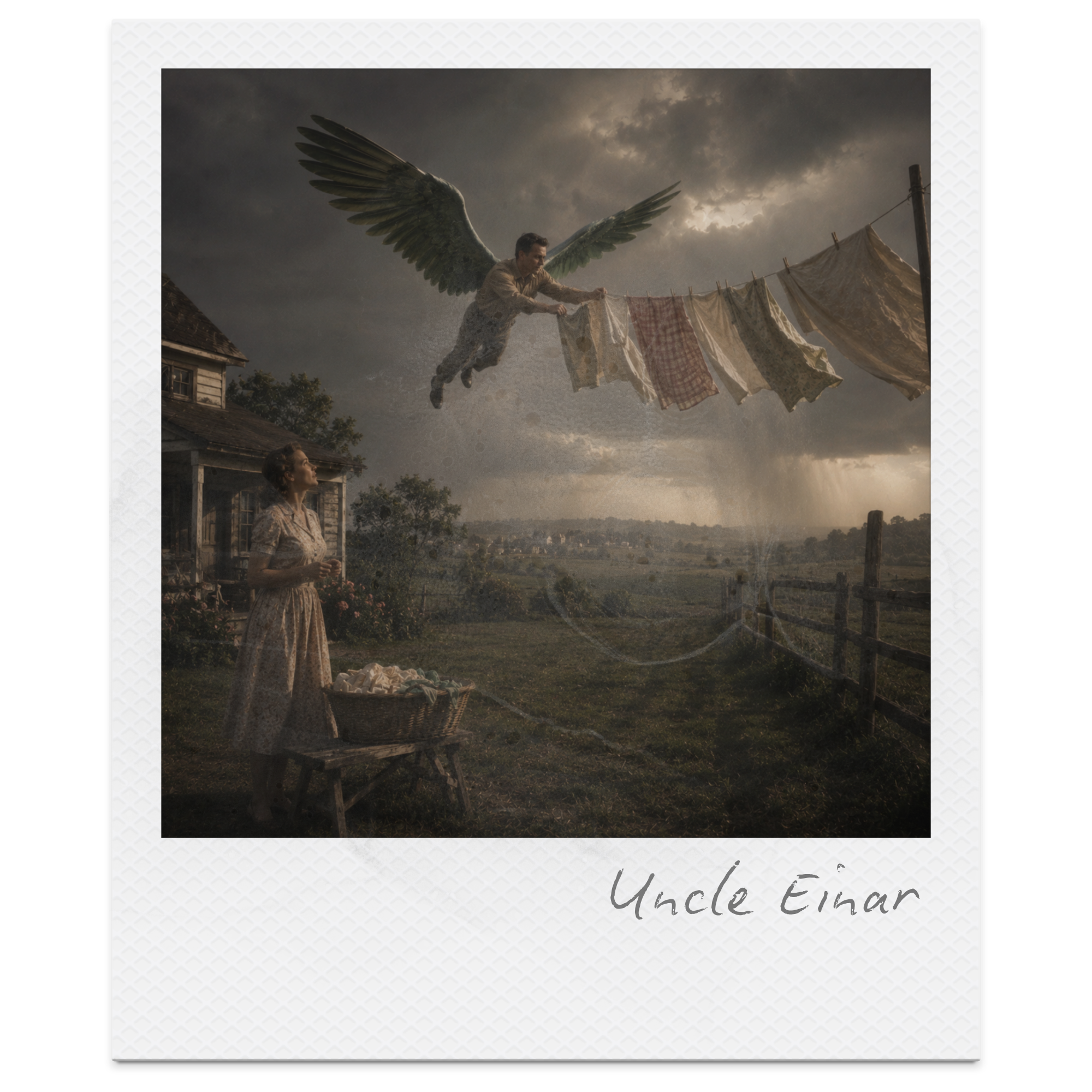
Uncle Einar by Ray Bradbury: Summary, Themes, Meaning & Analysis
Discover our complete analysis of Uncle Einar by Ray Bradbury, including a clear summary, detailed exploration of its themes, symbolism, characters, structure, setting, narrative voice, and important quotes. Explore how Bradbury uses the story of a winged man to examine identity, belonging, family, love, adaptation, and resilience, showing that true freedom comes not from reclaiming the past but from finding new ways to embrace the future. You'll also find alternative interpretations, classroom teaching ideas, essay inspiration, and further reading to deepen your understanding of one of Bradbury's most uplifting and imaginative short stories.

A Walk to the Jetty by Jamaica Kincaid: Summary, Themes & Analysis
Jamaica Kincaid’s A Walk to the Jetty is a deeply reflective short story exploring identity, separation, motherhood, migration, and the emotional conflict of leaving home. Through Annie John’s final journey from Antigua to the ship that will carry her to England, Kincaid examines the painful transition between childhood and adulthood, revealing how independence can feel both liberating and devastating at the same time. This detailed analysis explores the story’s themes, symbolism, structure, narrative voice, key quotes, alternative interpretations, and exam-focused insights for CIE IGCSE English Literature (0475 & 0922).
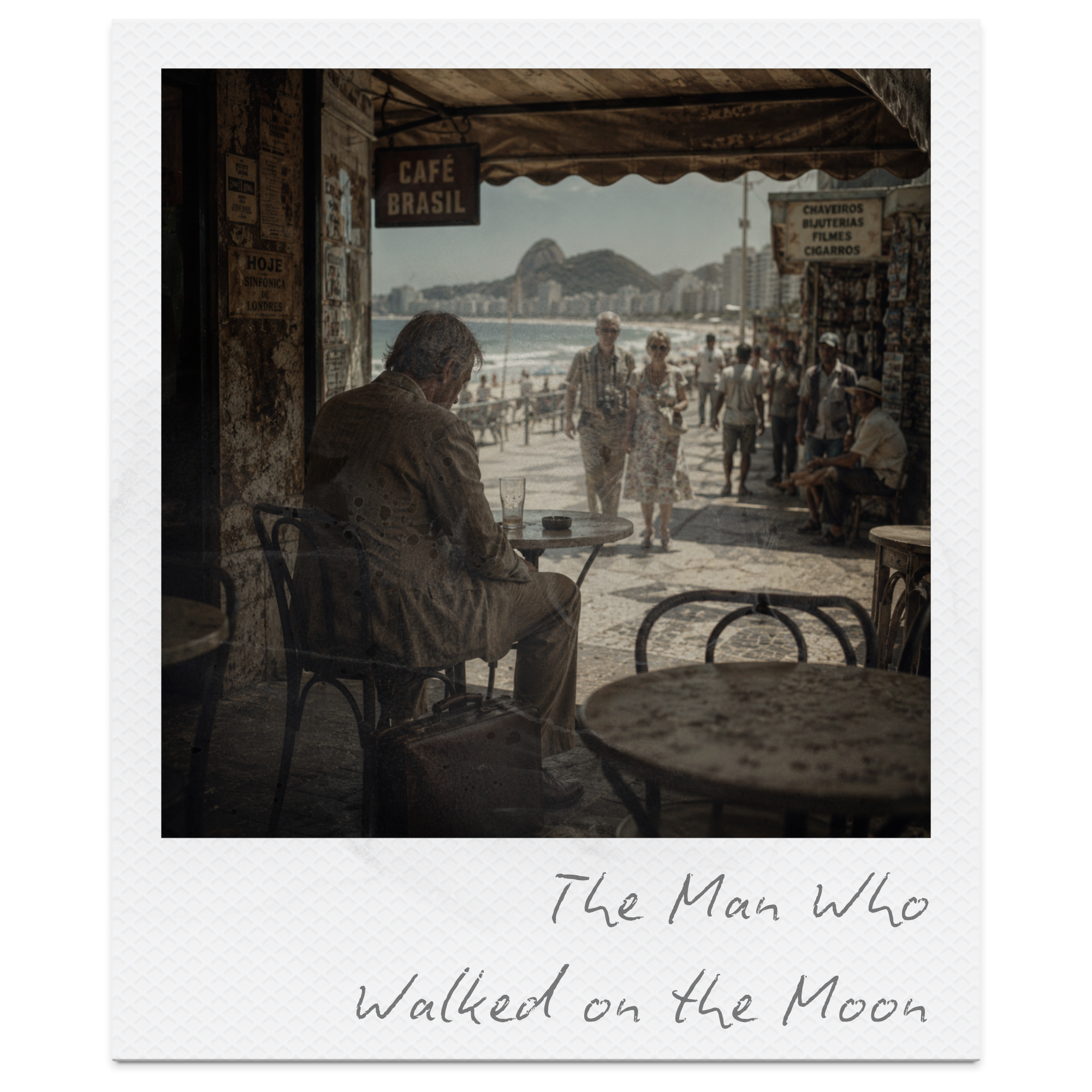
The Man Who Walked on the Moon by J.G. Ballard: Summary, Themes & Analysis
J.G. Ballard’s The Man Who Walked on the Moon is a psychologically unsettling short story exploring alienation, identity, loneliness, and the blurred boundary between fantasy and reality. Through the relationship between the unnamed narrator and Scranton — a failed American who falsely claims to have been an astronaut — Ballard examines how emotional isolation can gradually reshape a person’s understanding of truth, society, and selfhood. This detailed analysis explores the story’s themes, symbolism, structure, narrative voice, key quotes, alternative interpretations, and exam-focused insights for CIE IGCSE English Literature (0475 & 0922).
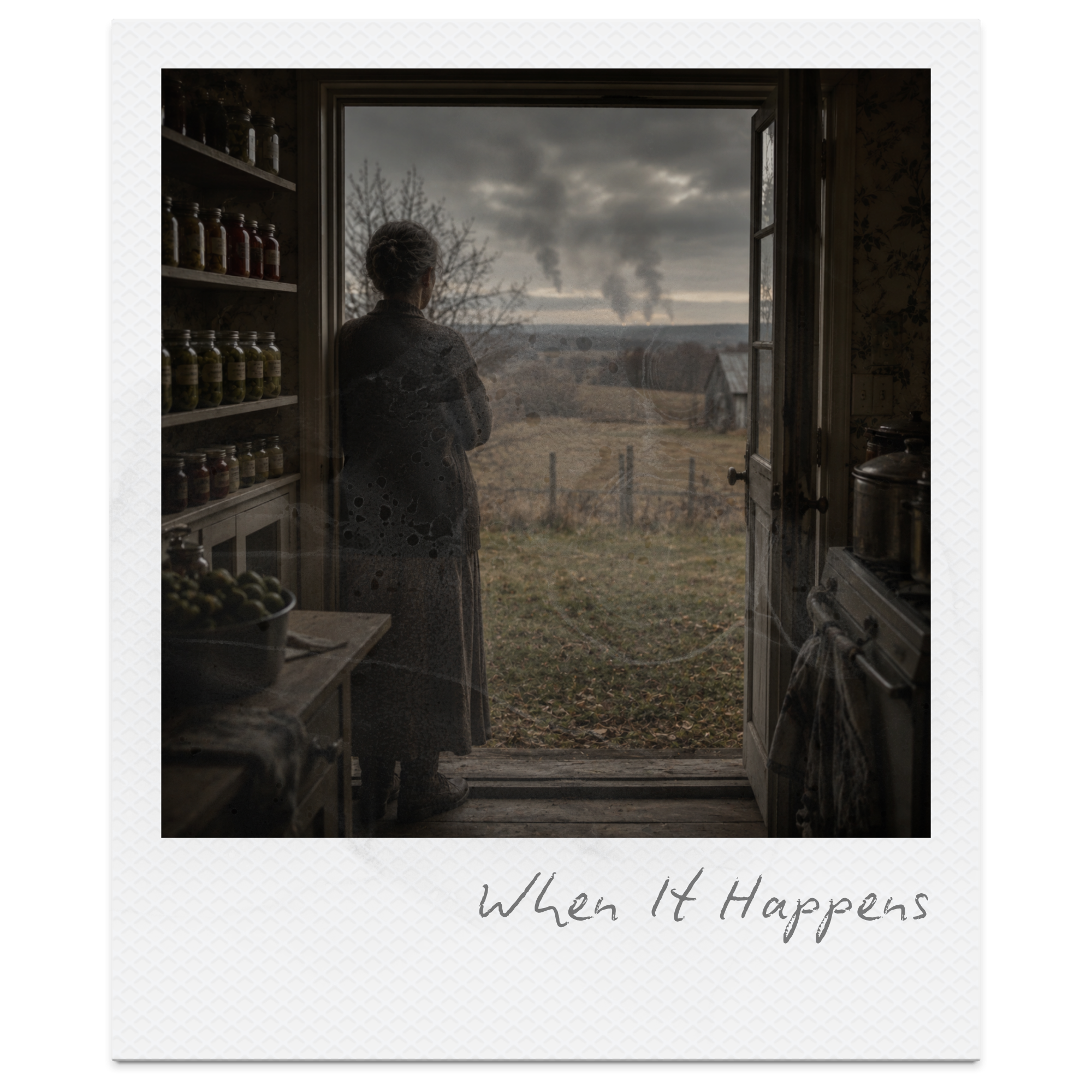
When It Happens by Margaret Atwood: Summary, Themes & Analysis
Margaret Atwood’s When It Happens is a haunting and psychologically tense short story exploring fear, survival, uncertainty, and the quiet collapse of ordinary life. Through the perspective of Mrs. Burridge, Atwood transforms domestic routines such as preserving food, writing shopping lists, and organising supplies into symbols of preparation and anxiety, gradually revealing a world overshadowed by the expectation of disaster. This detailed analysis explores the story’s themes, symbolism, structure, narrative voice, key quotes, and exam-focused interpretations for CIE IGCSE English Literature (0475 & 0922).
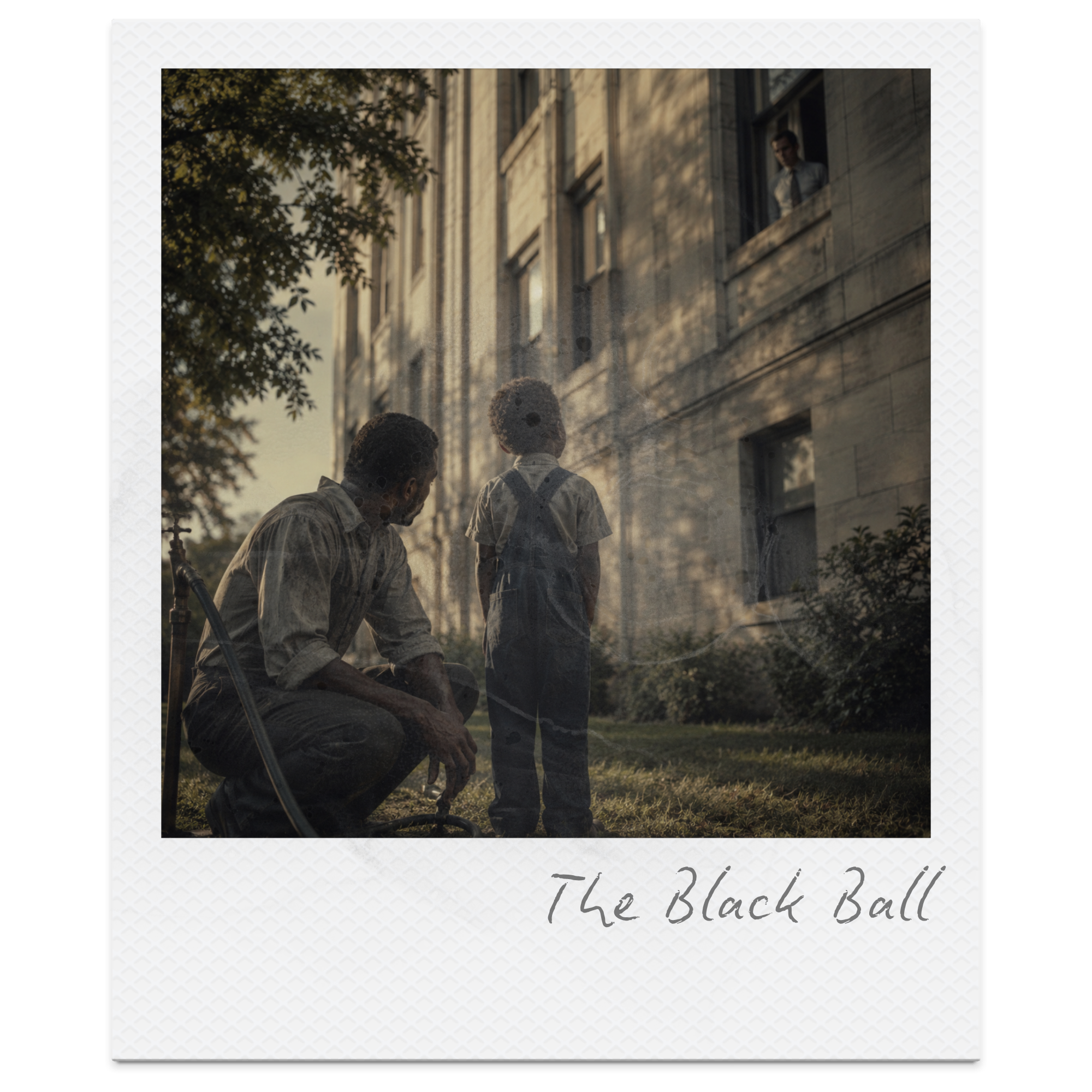
The Black Ball by Ralph Ellison: Summary, Themes & Analysis
Ralph Ellison’s The Black Ball is a powerful short story exploring racism, identity, fatherhood, and the painful loss of innocence within a deeply unequal society. Through the experiences of John and his young son, Ellison reveals how prejudice shapes ordinary daily life, using symbolism, dramatic irony, and reflective narration to expose the emotional pressure created by social inequality. This detailed analysis explores the story’s themes, characters, symbolism, structure, key quotes, and exam-focused interpretations for CIE IGCSE English Literature (0475 & 0922).
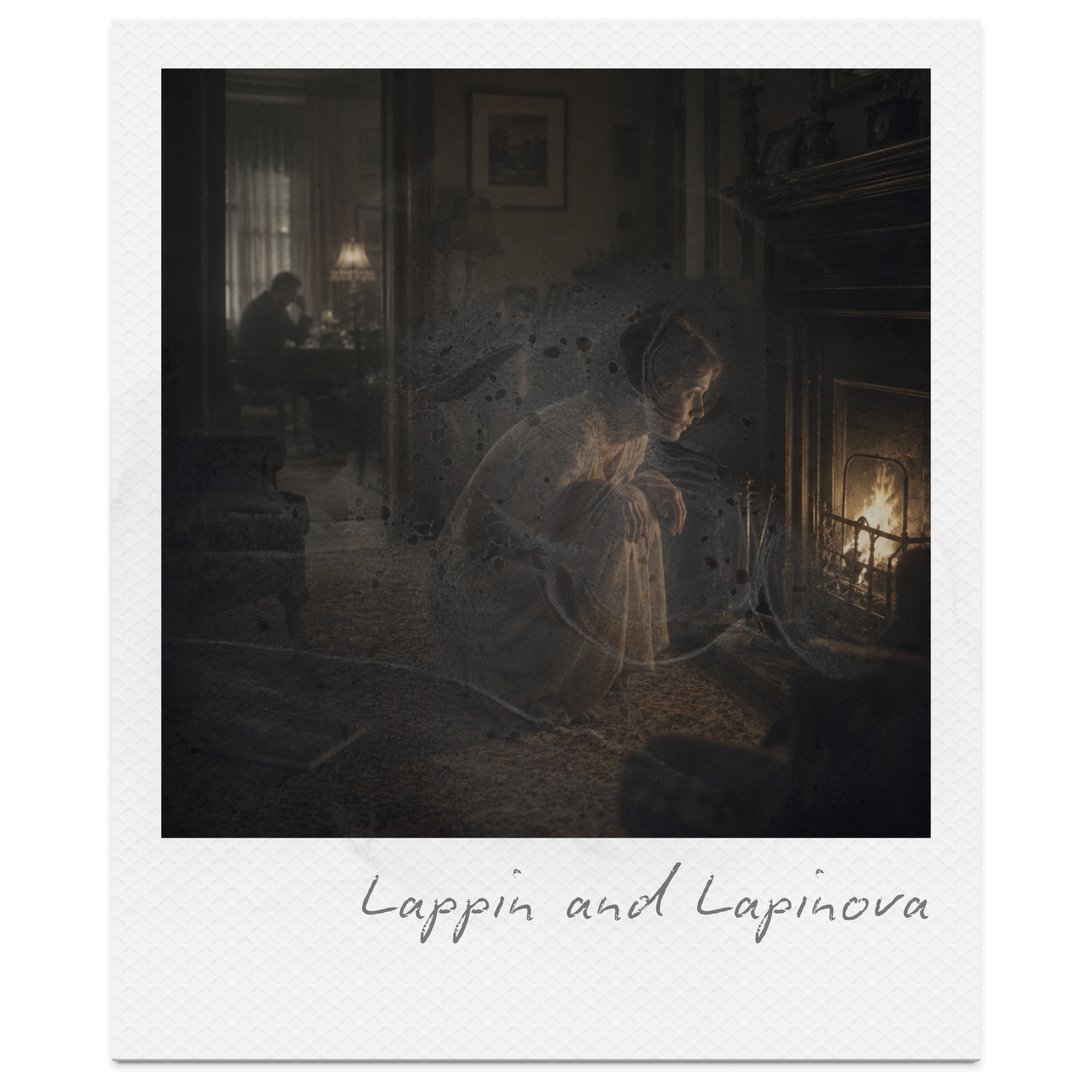
Lappin and Lapinova by Virginia Woolf: Summary, Themes & Analysis
Virginia Woolf’s Lappin and Lapinova is a psychologically rich short story exploring marriage, identity, imagination, and emotional isolation through symbolism, shifting atmosphere, and modernist narration. The story follows Rosalind and Ernest Thorburn as they create a private fantasy world in which they become King Lappin and Queen Lapinova — symbolic rabbit identities that allow them to escape ordinary domestic reality and form an intimate emotional language of their own. This detailed analysis for CIE IGCSE World Literature (0408) explores the story’s themes, symbolism, structure, narrative voice, and key quotations, while examining how Woolf uses rabbit imagery, psychological perspective, and the gradual collapse of fantasy to reveal the fragility of intimacy and the fear of losing identity within marriage. The guide also includes alternative interpretations, exam-ready insights, and classroom-focused teaching ideas designed to support deeper literary analysis and discussion.
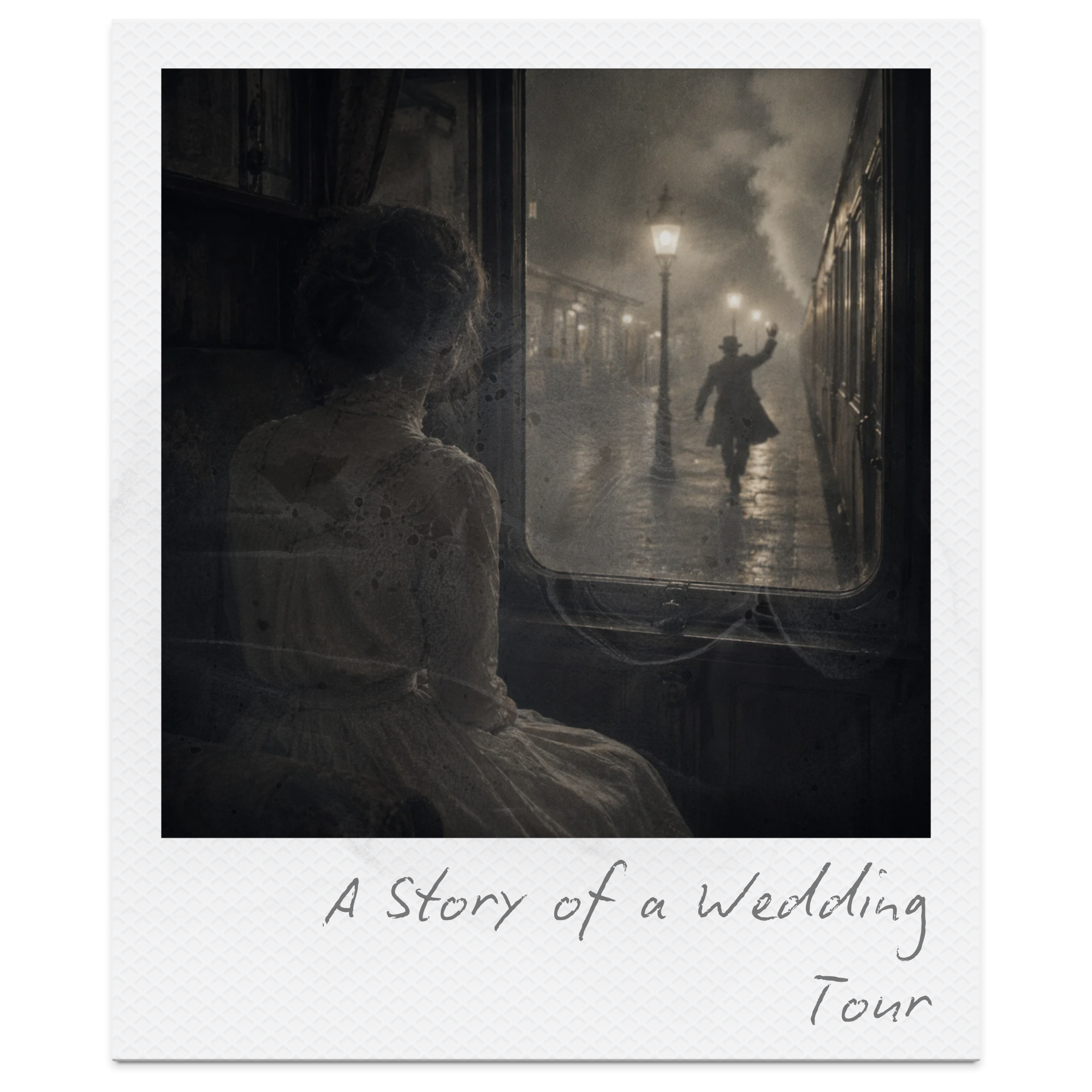
A Story of a Wedding-Tour by Margaret Oliphant: Summary, Themes & Analysis
Margaret Oliphant’s A Story of a Wedding-Tour is a psychologically complex Victorian short story exploring marriage, female autonomy, freedom, identity, and moral ambiguity through the story of Janey, a young bride who impulsively abandons her husband during their honeymoon journey through France. Combining emotional realism with powerful symbolism, Oliphant examines the suffocating realities hidden beneath romantic expectations while exploring the emotional consequences of escape and reinvention. This analysis explores the story’s themes, structure, symbolism, narrative voice, and key quotations, while examining how Oliphant uses trains, movement, and shifting settings to reflect Janey’s psychological transformation. Ideal for students studying Stories of Ourselves Volume 2 for CIE IGCSE World Literature (0408), the guide also includes exam-ready insights, alternative interpretations, and classroom-focused teaching ideas.
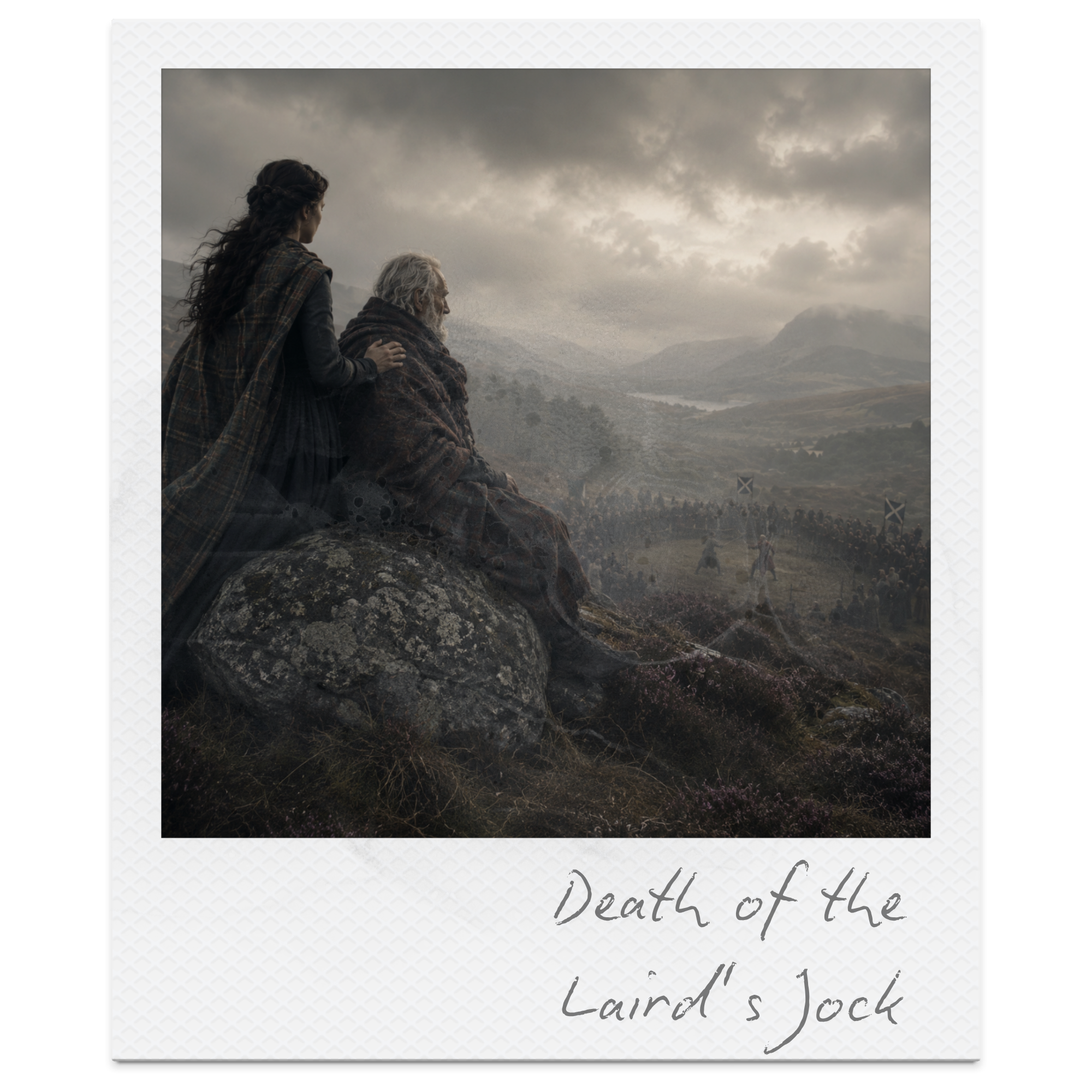
Death of the Laird’s Jock by Walter Scott: Summary, Themes & Analysis
Walter Scott’s Death of the Laird’s Jock is a dramatic historical short story from Stories of Ourselves Volume 2 which explores honour, masculinity, national identity, violence, and emotional collapse. Set in the Scottish Borders, the story follows the once-feared warrior known as the Laird’s Jock as he witnesses his son’s defeat in a public duel against an English champion. Through symbolism, dramatic imagery, and tragic contrast, Scott examines how identities built upon reputation and martial pride can become psychologically destructive. This analysis explores the story’s themes, symbolism, structure, narrative voice, and key quotations while focusing closely on Scott’s methods and their emotional impact. Designed for CIE IGCSE World Literature (0408) students and teachers, this guide offers revision-focused insights, analytical commentary, and classroom-ready interpretations to support deeper understanding of the text.
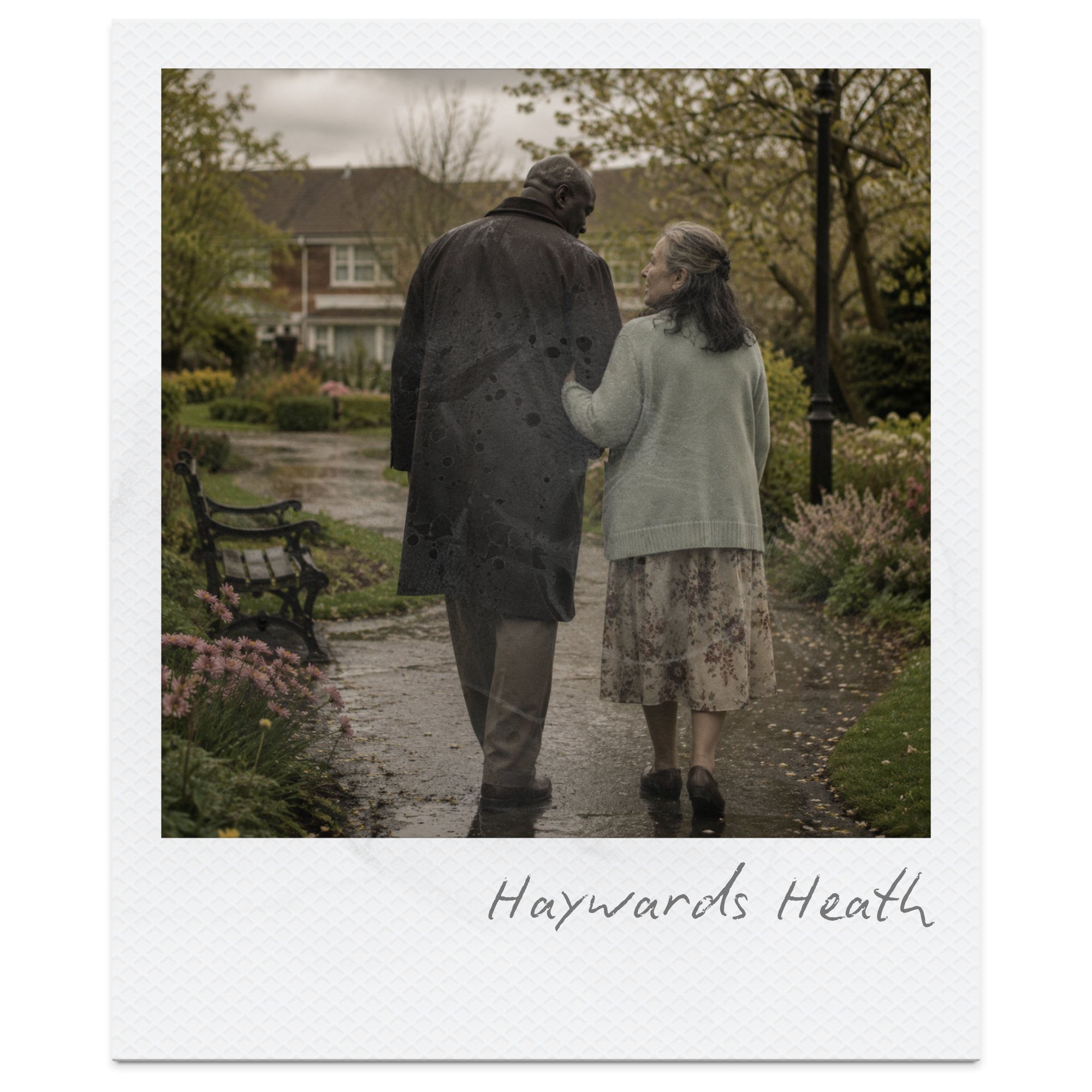
Haywards Heath by Aminatta Forna: Summary, Themes & Analysis
Explore Haywards Heath by Aminatta Forna with this detailed analysis for CIE IGCSE English Literature (0475 & 0922, 2027 syllabus). This post examines the story’s exploration of memory, aging, regret, love, and emotional displacement, alongside Forna’s use of restrained narration, symbolism, repetition, and fragmented structure. Perfect for revision and classroom study, this guide analyses key themes, characters, setting, narrative voice, symbolism, important quotations, and writer’s methods, while also offering alternative interpretations, exam-ready insights, and teaching ideas designed to support deeper conceptual analysis.

The Gold Watch by Mulk Raj Anand: Summary, Themes & Analysis
Mulk Raj Anand’s The Gold Watch is a quietly devastating short story exploring colonial power, workplace hierarchy, economic insecurity, and human dignity. Through the experiences of the ageing dispatch clerk Sharma, Anand exposes how institutional systems disguise emotional cruelty beneath politeness, routine, and formal gestures of appreciation. This analysis explores the story’s themes, symbolism, narrative voice, and psychological tension, examining how Anand uses irony, restraint, and symbolism to critique systems that value workers only while they remain useful. Ideal for students studying CIE IGCSE English Literature (0475 & 0922) and anyone exploring postcolonial short fiction.
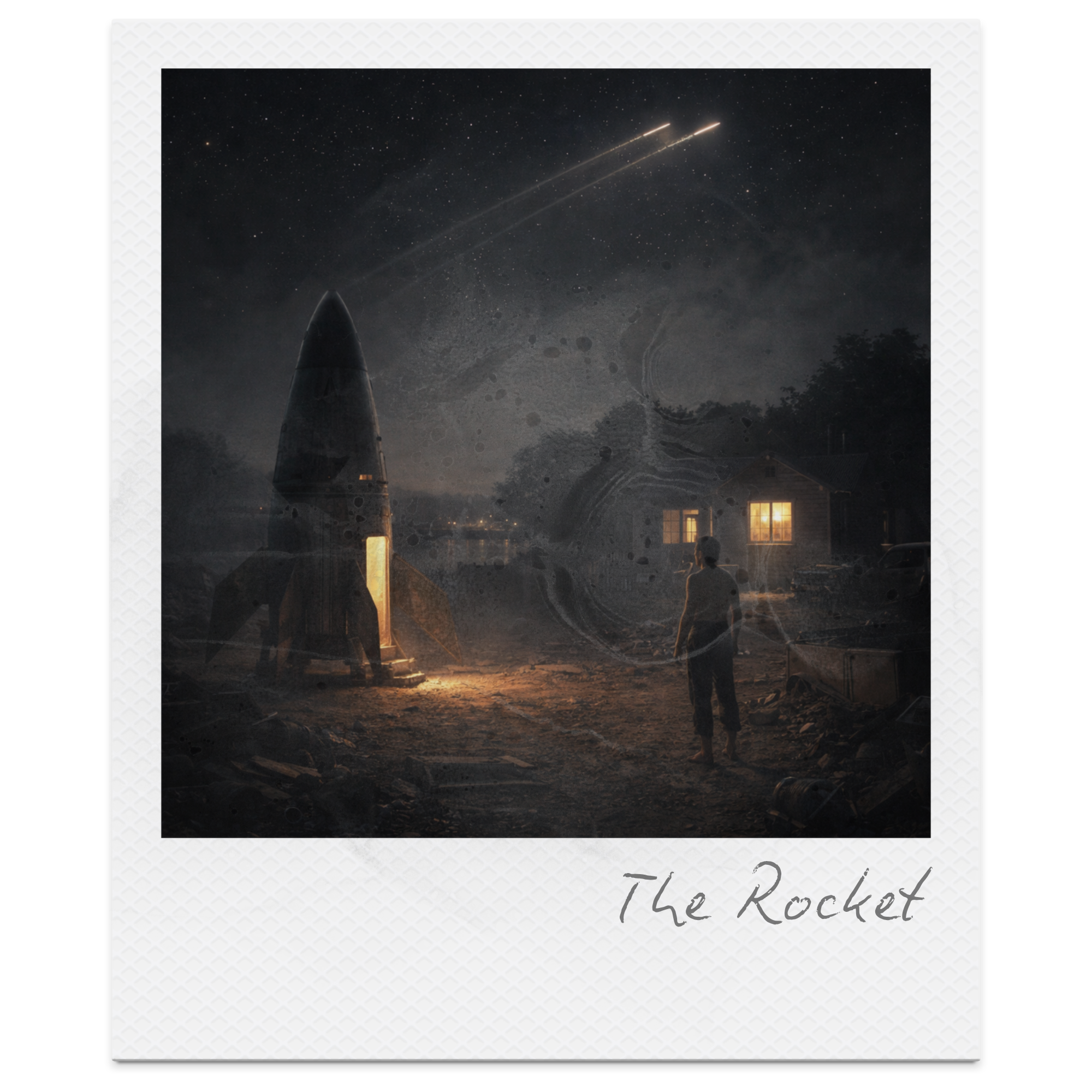
The Rocket by Ray Bradbury: Summary, Themes, Meaning & Analysis
The Rocket by Ray Bradbury is a quietly powerful piece of speculative fiction that explores aspiration, inequality, and the emotional weight of unattainable dreams. Through the character of Fiorello Bodoni, Bradbury presents a world where space travel exists—but only for the wealthy—forcing ordinary people to confront the painful distance between possibility and access. As Bodoni listens to rockets “sighing in the dark sky,” the story establishes a deep sense of longing, framing space not as a destination, but as a symbol of everything just out of reach. As the narrative unfolds, Bradbury shifts the focus from physical reality to emotional truth, revealing that the journey itself is an illusion. Yet this illusion becomes profoundly meaningful, as Bodoni creates an experience his children will “remember… for always.” In doing so, the story challenges the idea that reality is inherently more valuable than imagination, suggesting instead that shared experience, memory, and love can hold greater significance than material achievement.
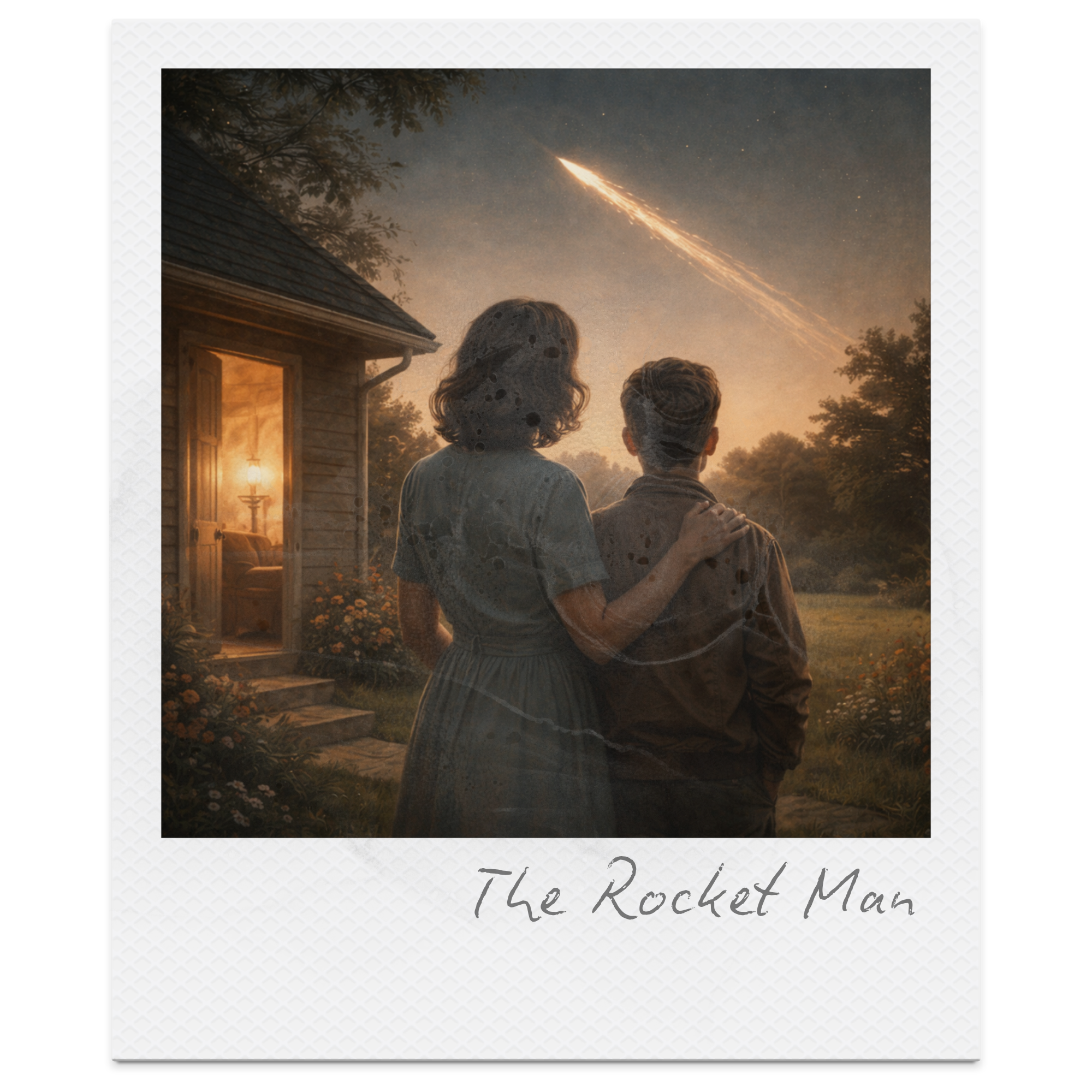
The Rocket Man by Ray Bradbury: Summary, Themes, Symbolism & Analysis
The Rocket Man by Ray Bradbury is a deeply emotional science fiction story exploring family, absence, and the cost of ambition. Told through the eyes of a young boy, the narrative follows a father who is torn between his life on Earth and his work in space, creating a cycle of return and departure that shapes the family’s entire existence. Bradbury presents space travel not as heroic, but as something that quietly disrupts relationships and emotional stability. As the story unfolds, the tension between presence and absence becomes increasingly painful, particularly through the mother’s coping strategy of treating her husband as if he is already dead. When the father’s final journey ends in tragedy, the emotional impact is devastating, leaving the family to navigate a world permanently altered by loss. Through its restrained style and symbolic imagery, the story reveals how ambition, love, and grief can coexist in ways that are both powerful and deeply unsettling.
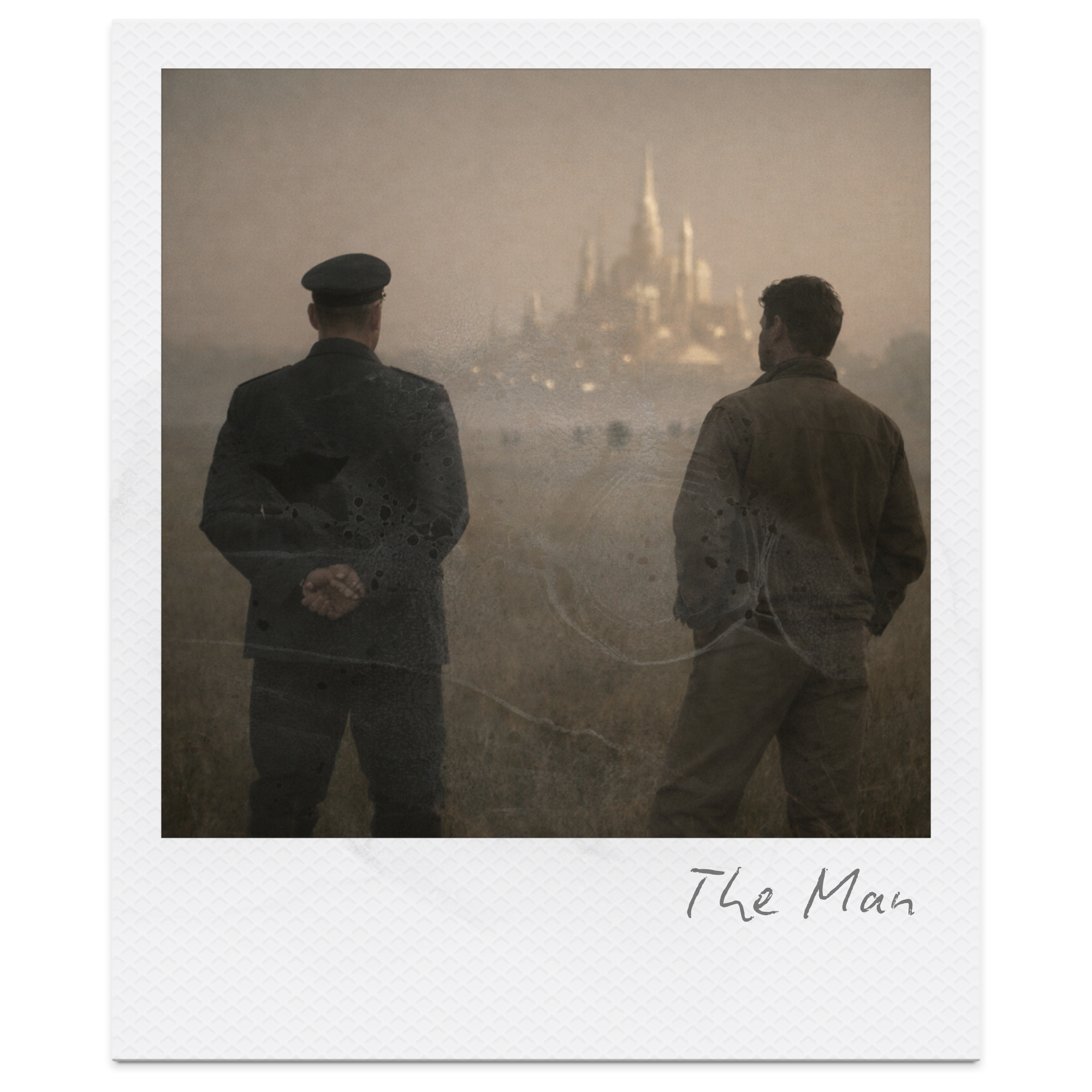
The Man by Ray Bradbury: Summary, Themes, Symbolism & Analysis
The Man by Ray Bradbury is a powerful work of science fiction that explores faith, belief, and the limits of human understanding. When Captain Hart and his crew land on a distant planet expecting recognition for their achievement, they are met with complete indifference. Instead, they discover that something far more significant has already taken place—a mysterious visitor who healed the sick and inspired quiet, unwavering belief among the inhabitants. As Hart clings to logic and proof, refusing to accept what he cannot explain, his lieutenant Martin begins to recognise that they have just missed something extraordinary. The story becomes a subtle but striking exploration of ego, skepticism, and the search for meaning, raising a central question: what happens when truth appears, but we are unwilling—or unable—to see it?
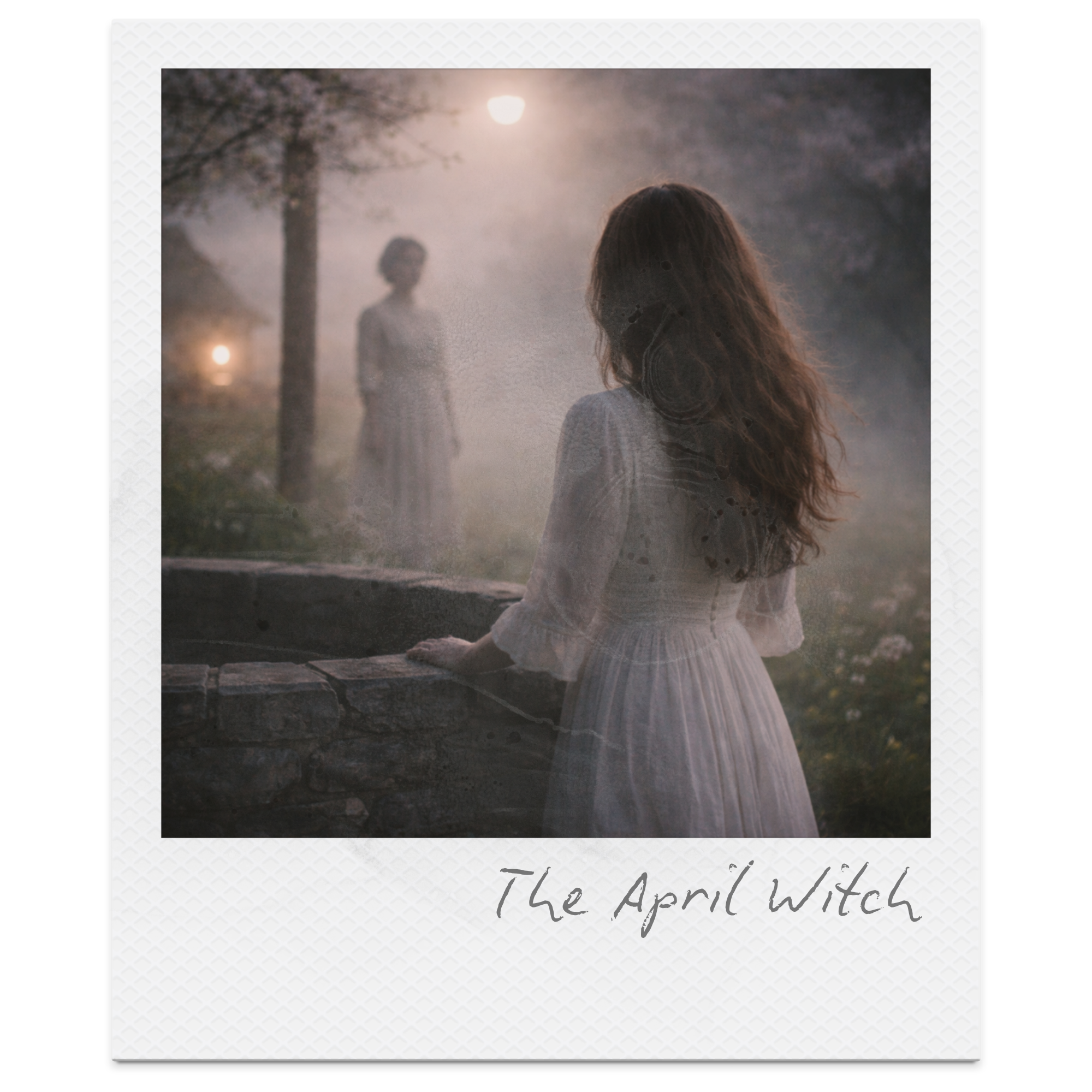
The April Witch by Ray Bradbury: Summary, Themes, Symbolism & Analysis
Ray Bradbury’s The April Witch is a lyrical piece of speculative fiction that explores longing, identity, and the desire for connection through a magical yet emotionally grounded premise. The story follows Cecy, a young girl who can inhabit other living beings, as she seeks to experience love by entering another person’s body, revealing both the beauty and the limitations of her extraordinary ability. At its heart, the story examines illusion versus reality, the fragility of belonging, and the emotional cost of distance, showing that borrowed experiences cannot replace genuine connection. Through rich imagery and a dreamlike tone, Bradbury creates a haunting reflection on what it truly means to be present, loved, and understood.
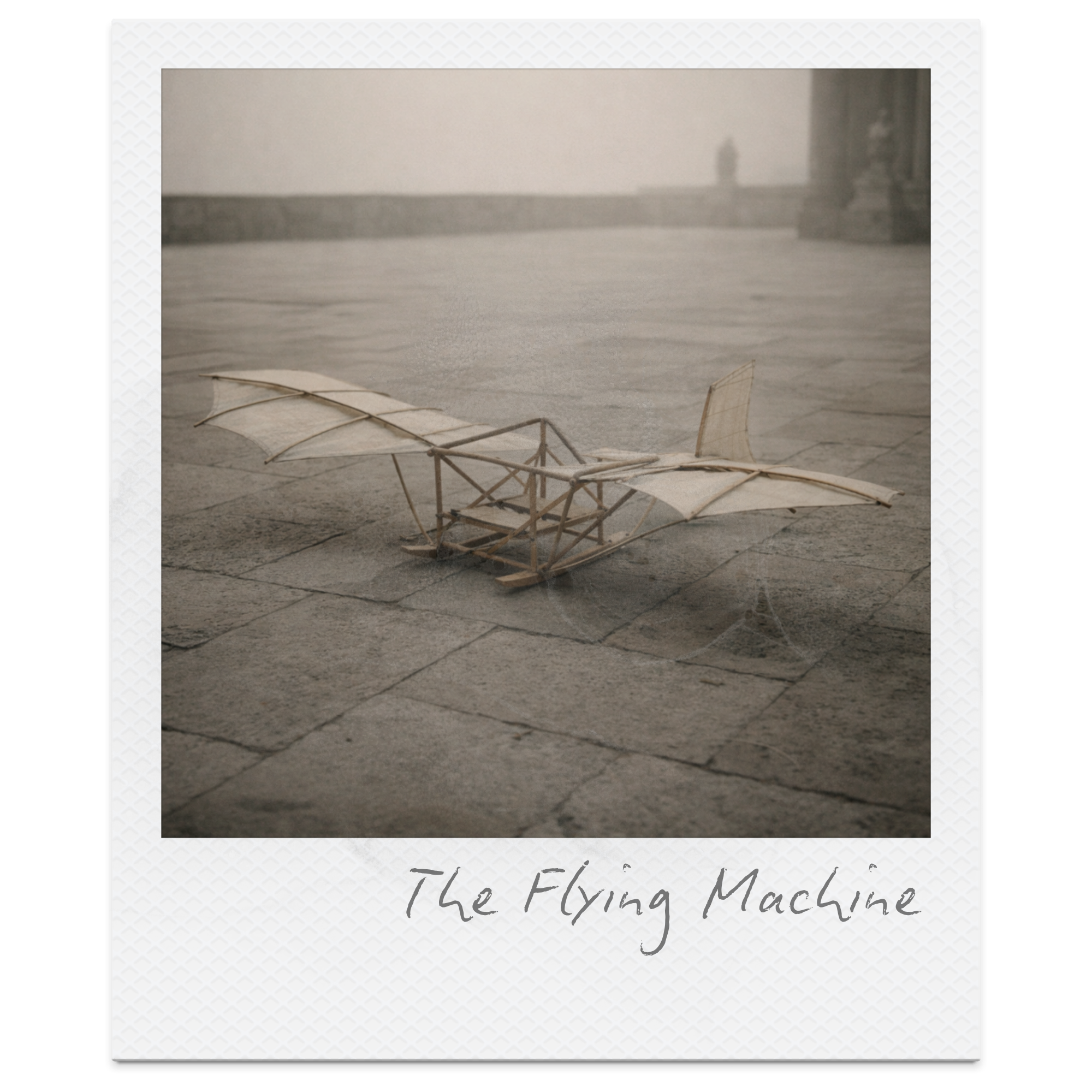
The Flying Machine by Ray Bradbury: Summary, Themes, Symbolism & Analysis
Ray Bradbury’s The Flying Machine explores the uneasy relationship between innovation and fear, presenting a world where beauty and progress are not always welcomed. Set in ancient China, the story follows an inventor who achieves the impossible—human flight—only to face the Emperor’s growing concern about what such a discovery might become. Through this encounter, Bradbury examines the fragile balance between creativity and control, raising questions about whether all knowledge should be allowed to exist. At its core, the story reflects a deeper anxiety about the consequences of progress, particularly when invention can be replicated and misused. The Emperor’s decision to destroy both the machine and its creator reveals a chilling logic: that protecting the future may require the sacrifice of something extraordinary in the present. Blending speculative fiction with philosophical insight, The Flying Machine leaves readers questioning whether humanity can truly be trusted with its own creations—and what might be lost when fear takes precedence over wonder.
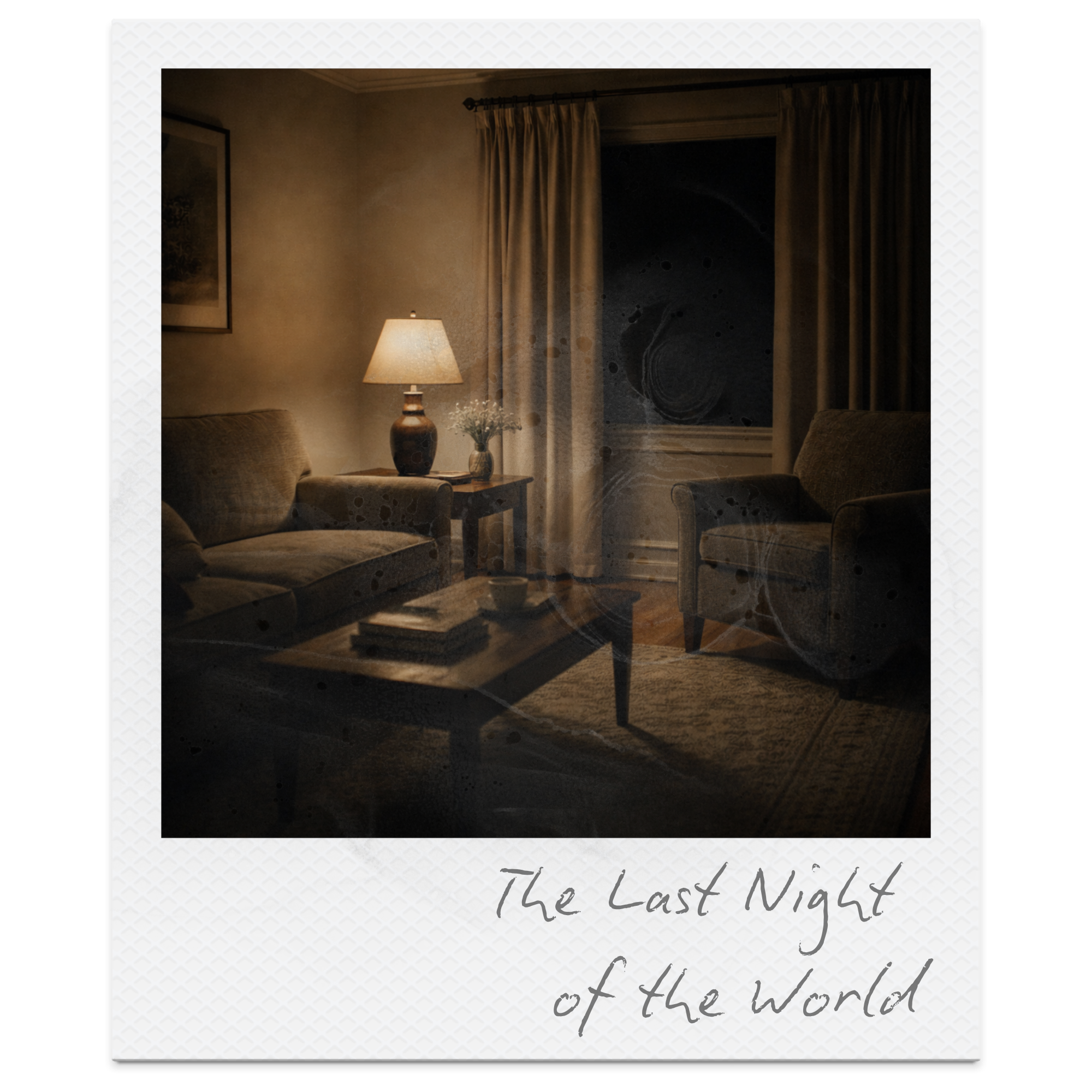
The Last Night of the World by Ray Bradbury: Summary, Themes, Symbolism & Analysis
Bradbury’s The Last Night of the World presents an unsettlingly calm vision of apocalypse, where the end does not arrive through chaos or destruction, but through quiet, shared certainty. As a husband and wife realise—through identical dreams experienced across the world—that existence will end that very night, their response is not panic, but routine. They drink coffee, put their children to bed, and carry on as usual, creating a striking contrast between the enormity of the event and the simplicity of their actions. This quiet acceptance lies at the heart of the story’s power. Rather than asking how the world ends, Bradbury asks how people respond when they know it will—and his answer is both comforting and deeply unsettling. Through its focus on inevitability, human nature, and routine, the story suggests that even in the face of extinction, what matters most is not survival, but connection, normality, and the small rituals that define everyday life.
70 The Wizard of Oz Inspired Writing Prompts: Journey, Identity & The Search for Home
Step into a world of colour, illusion, and transformation with these 70 Wizard of Oz writing prompts, designed to spark imagination and support creative storytelling. Inspired by one of the most iconic journeys in literature, this collection explores themes of identity, courage, friendship, and the search for home, inviting writers to reimagine magical worlds where nothing is quite as it seems. From mysterious roads and deceptive rulers to unexpected companions and shifting landscapes, each prompt encourages rich, character-driven storytelling. This collection provides a complete creative toolkit, including plot hooks, title ideas, opening and closing lines, character concepts, and vivid setting inspiration. Whether used for short stories or longer narratives, these prompts help writers explore illusion vs reality, personal growth, and the idea that what we seek may already be within us, making it a powerful resource for both independent writing and structured activities.
70 Realistic Fiction Writing Prompts for Teens: Story Starters, Characters, Settings & Visual Ideas
Realistic fiction writing prompts for teens designed to explore ordinary moments with emotional depth and authenticity. This collection includes story starters, opening and closing lines, character ideas, settings, and picture prompts that focus on believable conflict, quiet change, and character-driven storytelling—ideal for creative writing lessons, classrooms, or independent writing practice. Perfect for secondary English students and teen writers, these prompts support realistic narratives grounded in everyday life while linking into a wider Creative Writing Archive of genre-based prompts and ongoing Daily Writing Prompts to encourage consistent, thoughtful writing all year round.
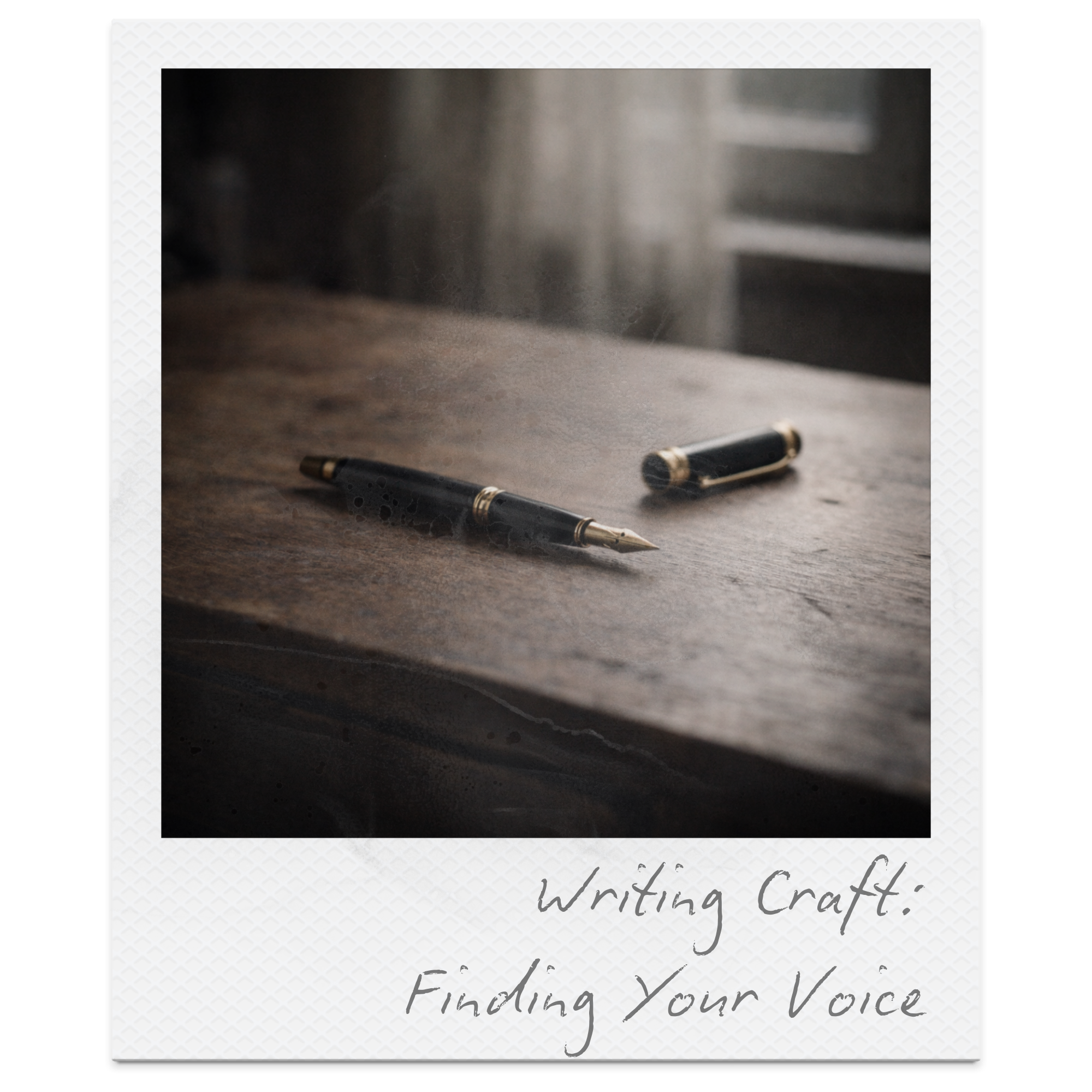
Getting Started with Writing Fiction: Finding Your Voice as a Beginner Writer
Getting started with writing fiction can feel overwhelming, especially when you’re unsure how to find your writing voice. This beginner-friendly guide breaks the process down into manageable steps, exploring what writing voice really means, where inspiration comes from, and how to start writing without a full story idea. Designed for writers of any age, this post offers practical advice, simple exercises, and reassurance for those at the beginning of their fiction journey. From short scenes and flash fiction to atmosphere-driven writing and prompts, it provides a calm, supportive starting point for developing confidence and voice over time.
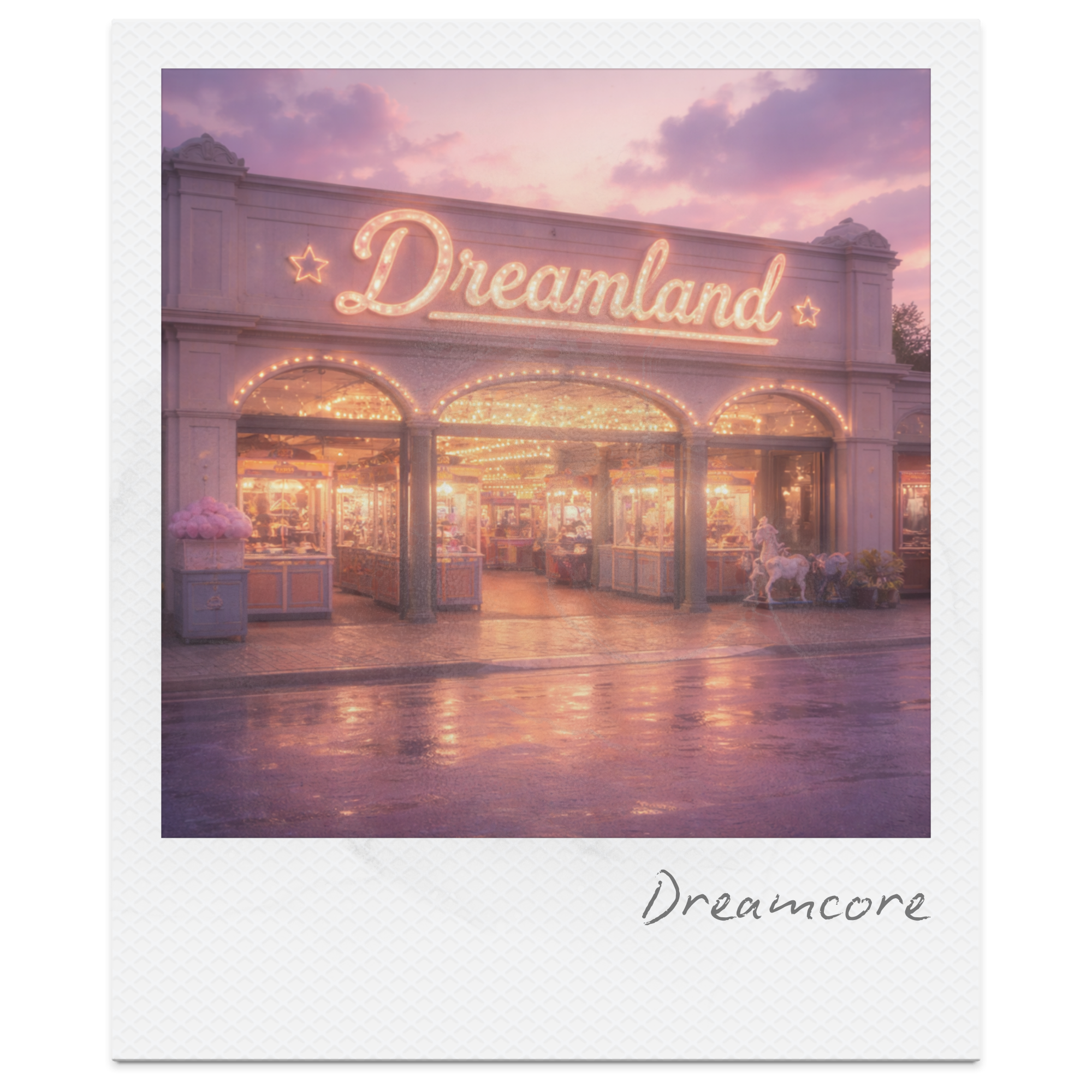
70 Dreamlike Writing Prompts for Teens: Surreal Story Starters, Characters, Settings & Visual Ideas
Explore 70 dreamlike writing prompts for teens inspired by surreal imagery, liminal spaces, and soft, otherworldly aesthetics. This collection blends story starters, plot hooks, character ideas, settings, opening and closing lines, and visual prompts to help young writers create atmospheric, emotion-led stories that feel like stepping into a dream. Ideal for creative writing lessons, writing clubs, journaling, or YA projects, these prompts encourage imagination, mood-driven storytelling, and confident experimentation beyond realism.