70 Personal Narrative Writing Prompts (With Images & Story Starters)
Personal narrative writing sits in a strange space in the classroom. Students are often told to “write about a real experience”, but very rarely shown how to shape lived moments into meaningful stories. The result is usually either vague journaling or surface-level recounts that never quite get beneath the event itself. These personal narrative writing prompts are designed to bridge that gap — offering structure without stripping away honesty, and craft without forcing fiction.
This collection of 70 personal narrative writing prompts treats real experience as something that can be crafted, not just recorded. Each prompt includes a title, a focused narrative hook, an opening line, a reflective closing line, a clear setting, important people, and a picture prompt to anchor memory and emotion. Together, they guide writers toward moments of tension, change, silence, and recognition — the places where personal writing becomes purposeful rather than confessional.
These prompts work equally well for students, teachers, and creative writers exploring memoir-style writing, personal essays, or fictionalised autobiography. They are classroom-safe, flexible, and deliberately restrained — encouraging reflection, clarity, and emotional precision without demanding disclosure. Whether you’re teaching personal narrative writing as part of a creative writing unit, an exam task, or independent writing time, this set is designed to help writers turn real moments into stories that actually mean something.
If you’re looking for more structured ideas like this, you can browse all of my creative writing prompts in the Creative Writing Prompts Archive, which brings together genre-based, thematic, and classroom-ready writing prompts in one place.
1. Narrative Focus
Personal narrative writing often centres on moments of realisation, change, silence, or emotional tension. These narrative focuses invite writers to explore meaningful experiences by identifying the moment, question, or shift that shaped them.
Write about a moment when you realised something had changed, even though no one said it out loud.
Write about a time you stayed silent when you wanted to speak, and what that silence cost you.
Write about the first moment you realised you no longer belonged somewhere you once felt at home.
Write about a small decision that quietly changed the direction of your life.
Write about a moment you felt proud of yourself but didn’t tell anyone else.
Write about a time you misunderstood someone, and only realised it much later.
Write about an ending that never had a clear goodbye.
Write about a moment when you acted with courage despite feeling afraid.
Write about a time you saw yourself differently for the first time.
Write about a memory that returns unexpectedly and interrupts the present.
2. Title Ideas
Personal narrative titles are often simple and direct, signalling reflection rather than fiction. These titles focus on memory, experience, and personal insight, giving writers a clear starting point without over-determining the story.
My Worst Memory
A Moment That Changed Me
The Day Everything Shifted
What I Learned the Hard Way
A Time I Regret
When I Felt Out of Place
A Choice I’ll Always Remember
Something I Never Said
A Time I Was Braver Than I Felt
Looking Back Now
3. Opening Lines
Effective personal narratives often begin by placing the writer in a moment, memory, or realisation. These opening lines are intentionally open-ended, allowing writers to shape their own experiences while establishing reflection, tension, or change.
“I still remember the moment when…”
“At the time, I didn’t realise that…”
“It started as an ordinary day, but…”
“Looking back now, I can see that…”
“There was a point when everything seemed to change…”
“I never thought much about it until…”
“For a long time, I believed that…”
“I didn’t understand what was happening until…”
“At first, it didn’t feel important…”
“Even now, I find myself thinking about…”
4. Closing Lines
Personal narratives often end with reflection rather than closure. These closing lines encourage writers to consider what remains, what has changed, or what they understand now — without forcing a neat ending.
“…and that’s something I still think about.”
“…and I understand it differently now.”
“…but it stayed with me longer than I expected.”
“…and it changed the way I see things.”
“…even though I didn’t realise it at the time.”
“…and I still don’t have a clear answer.”
“…but it taught me something important.”
“…and that moment hasn’t left me.”
“…looking back, it makes more sense now.”
“…and it shaped who I am today.”
5. Important People
Personal narratives are shaped by the people connected to our memories, whether they appear briefly or leave a lasting impression. These ideas help writers identify who mattered in the moment — and why.
A childhood best friend you no longer speak to
A teacher who believed in you when you didn’t believe in yourself
Someone you admired from a distance
A family member who influenced the way you see the world
A friend who challenged you or changed your perspective
An adult you trusted at an important moment
Someone you disappointed — or who disappointed you
A classmate who played a bigger role than you realised at the time
A person you wish you’d understood better
Someone who helped you through a difficult period
6. Setting Ideas
In personal narrative writing, setting often holds memory as much as place. These settings invite writers to explore locations connected to emotion, habit, or change.
A place you remember clearly from childhood
A room where you spent a lot of time growing up
A favourite place you returned to often
A location tied to an important conversation
A place you associate with comfort or safety
Somewhere you waited for news or answers
A journey or route you travelled regularly
A place you no longer visit, but still remember vividly
A setting connected to change or transition
A place that feels different now than it once did
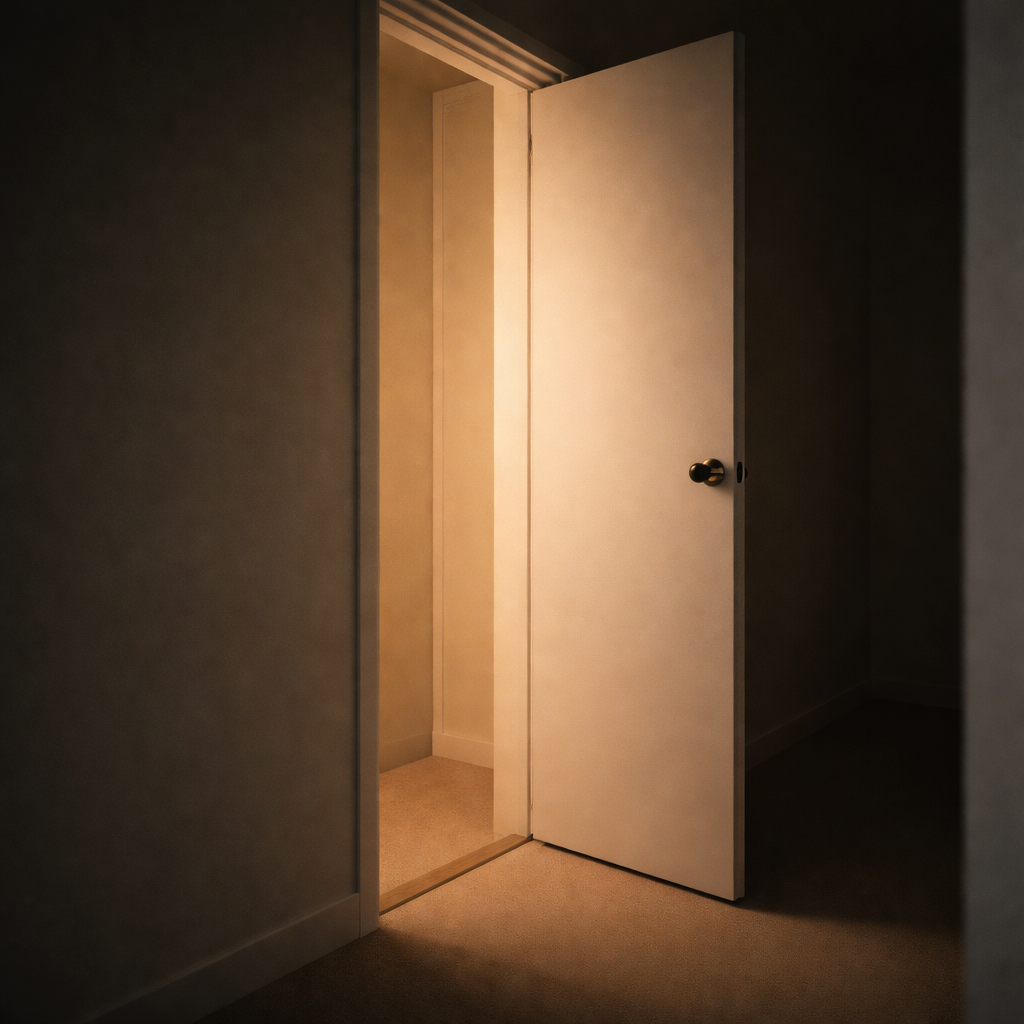
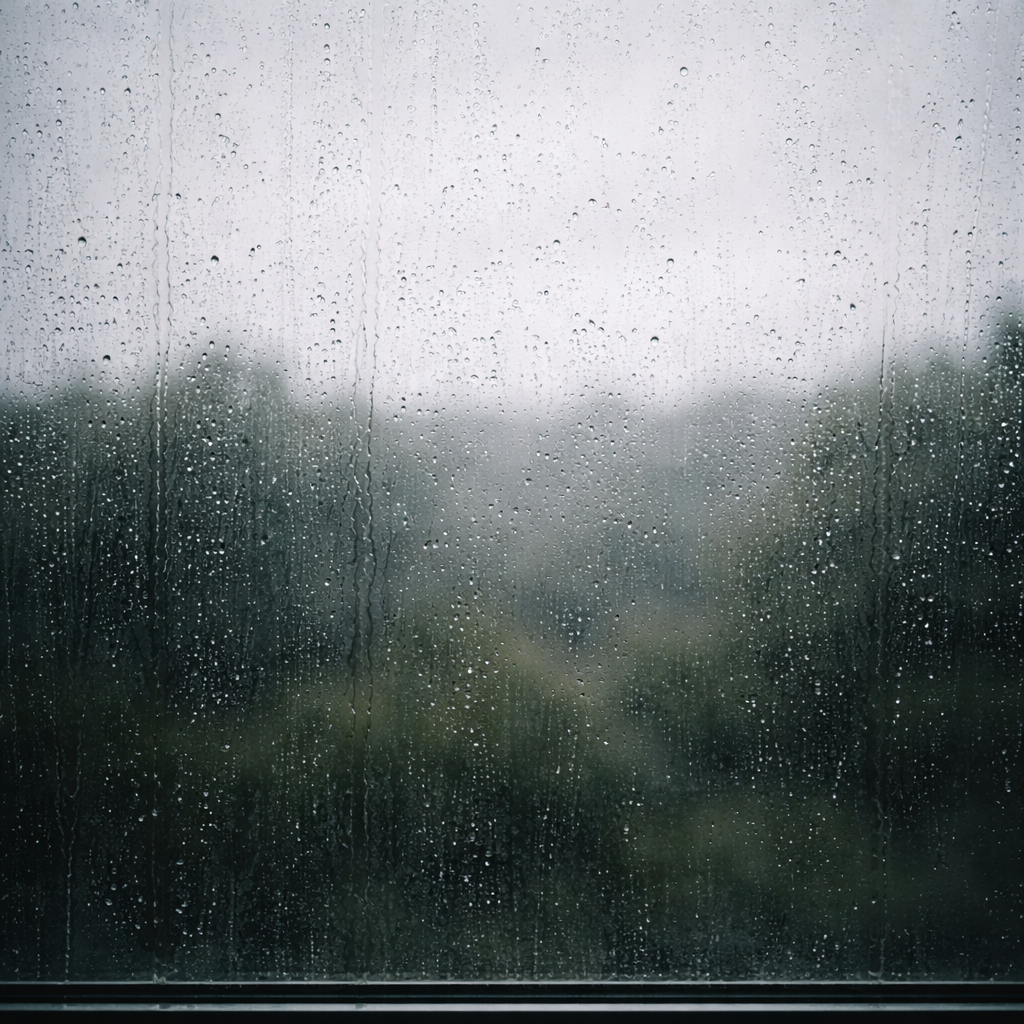
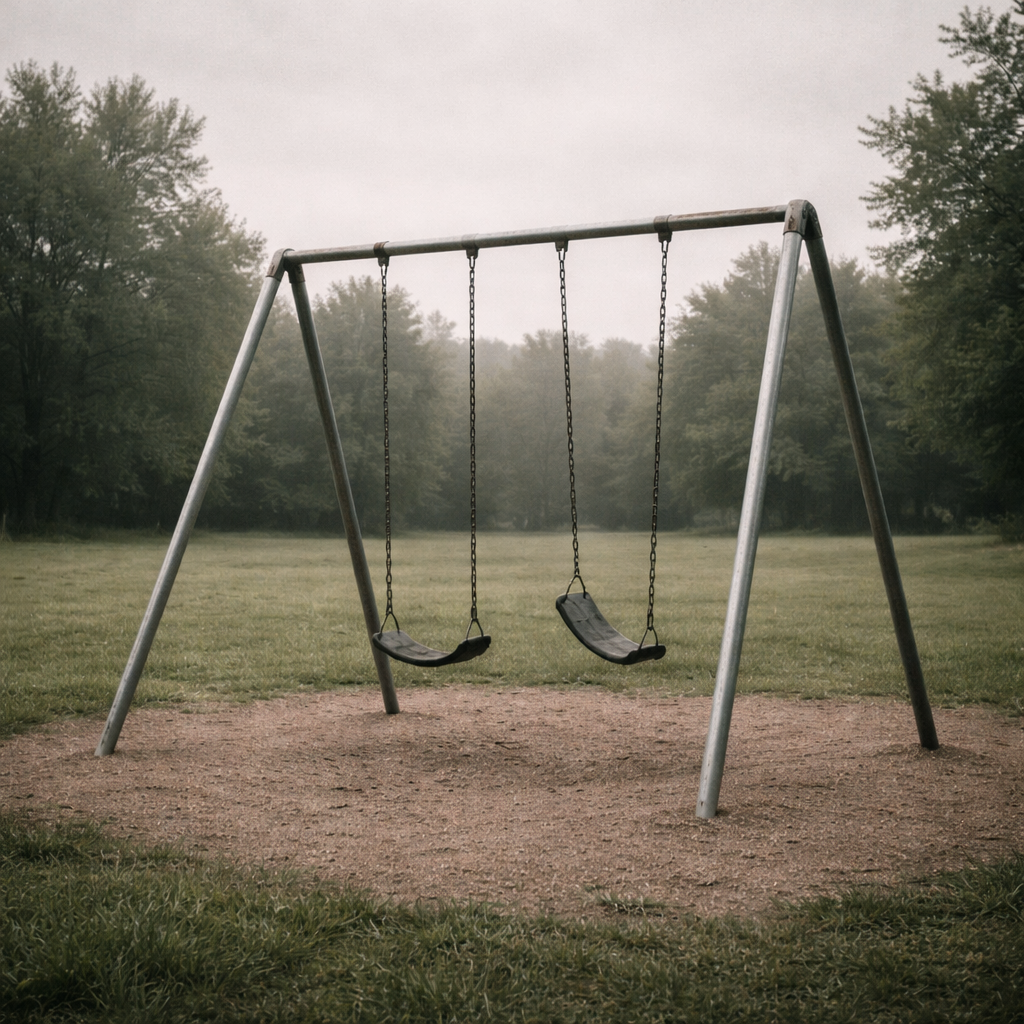
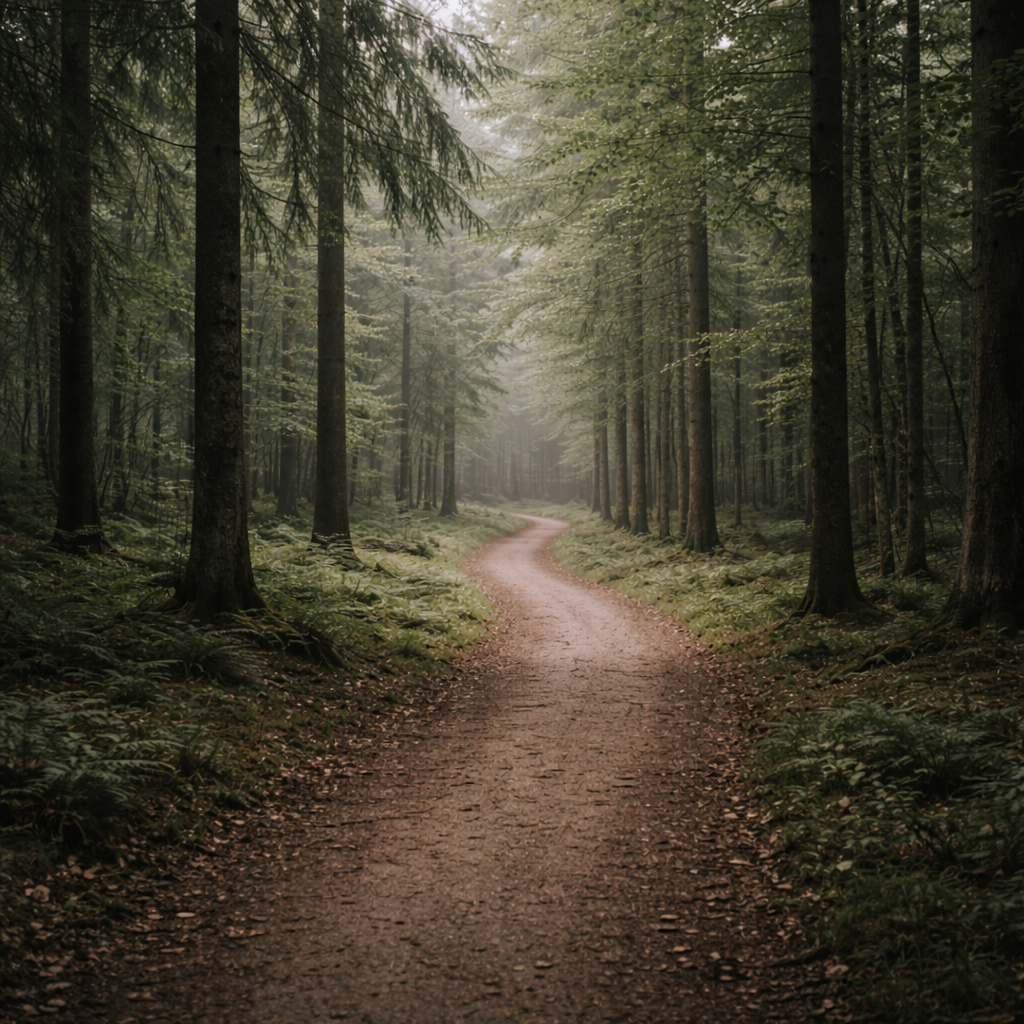
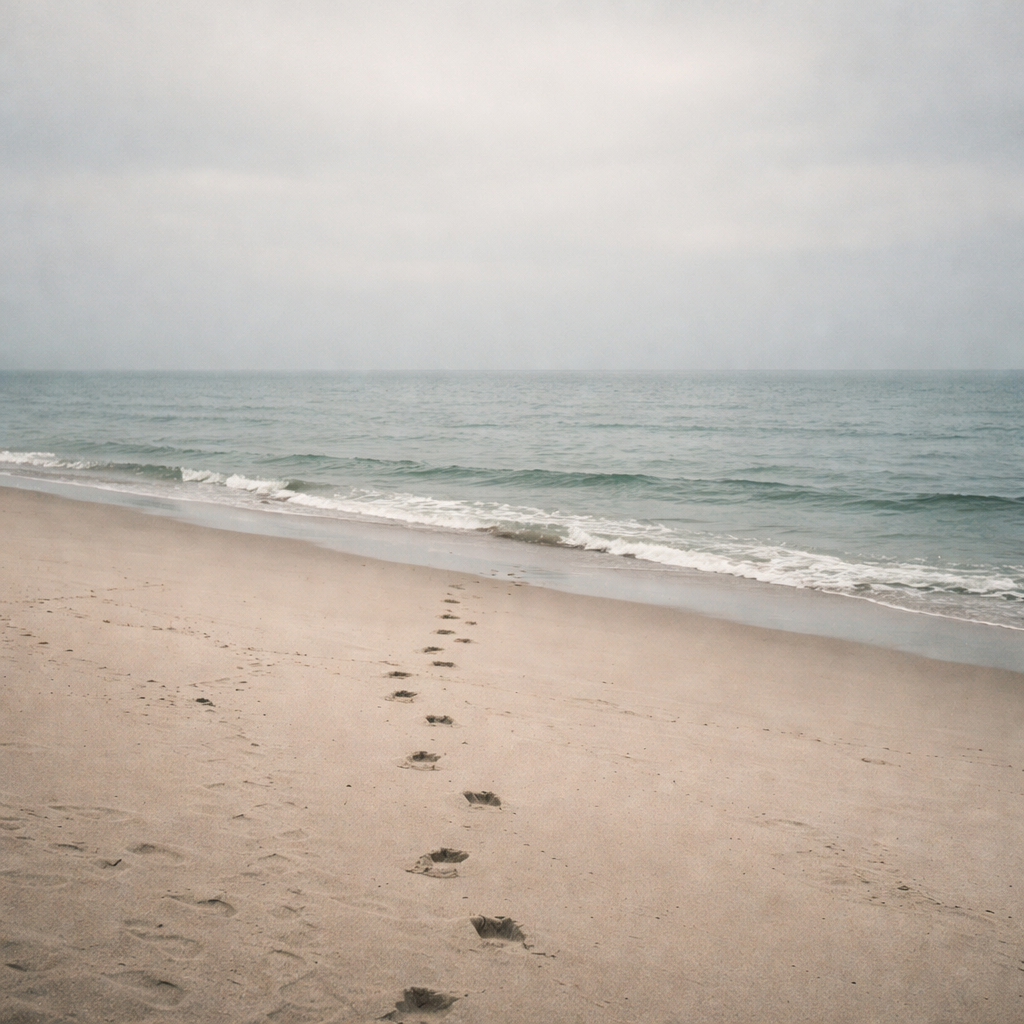
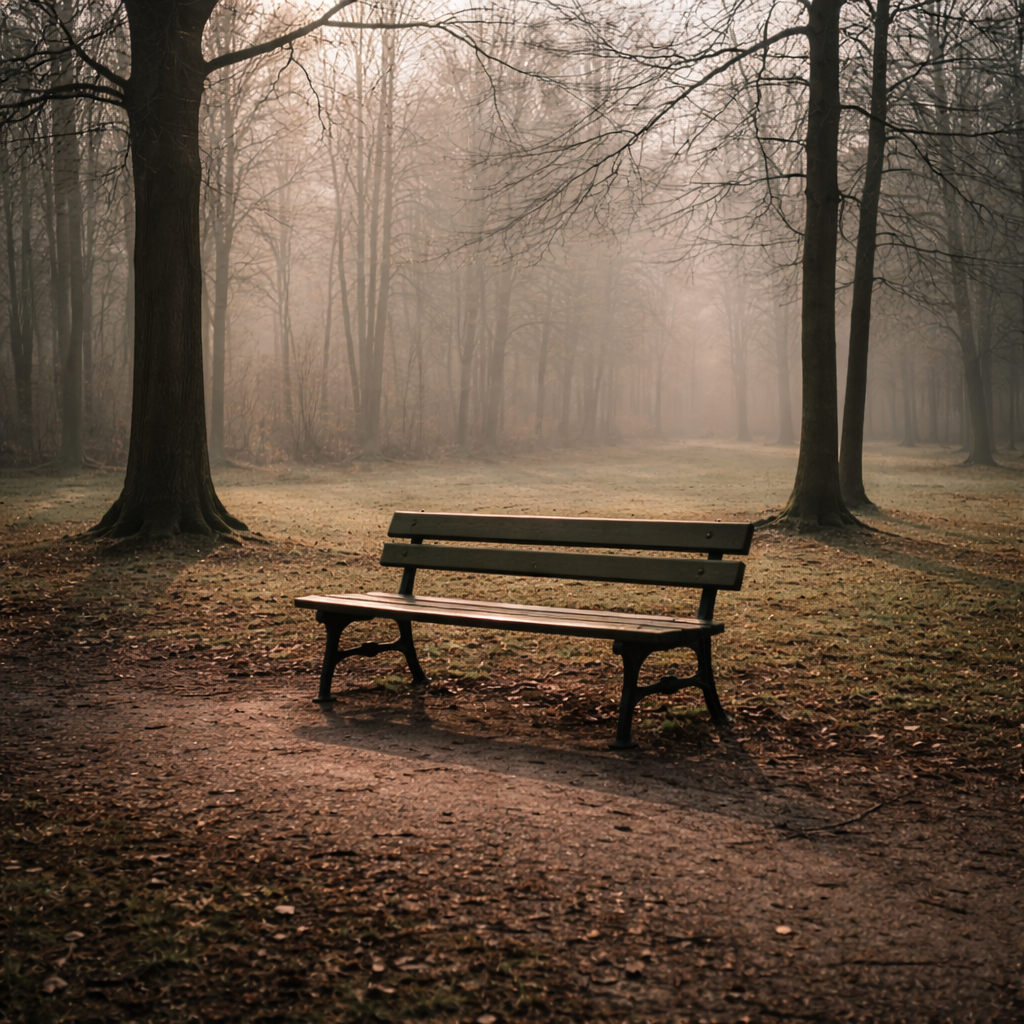
7. Picture Prompt Ideas
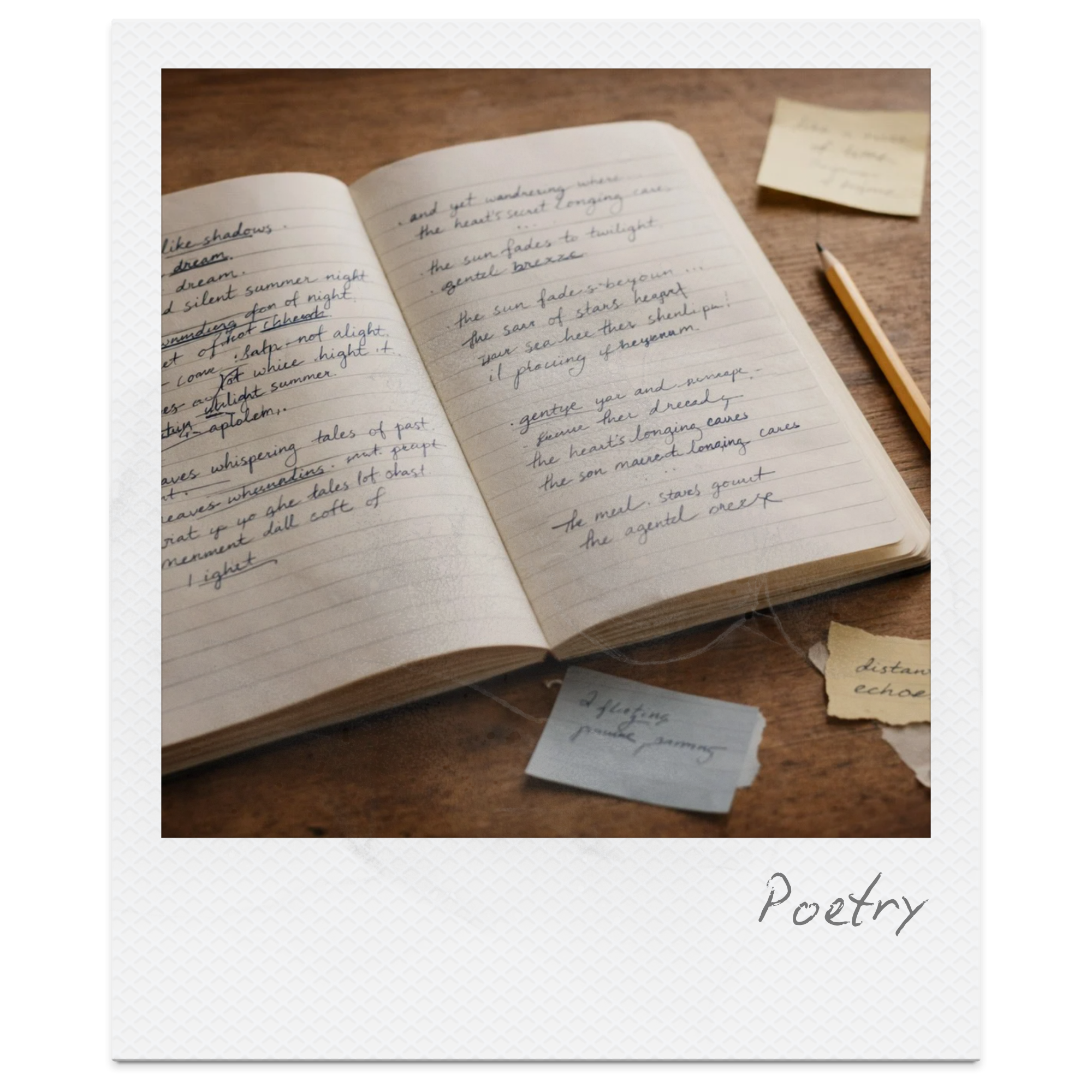
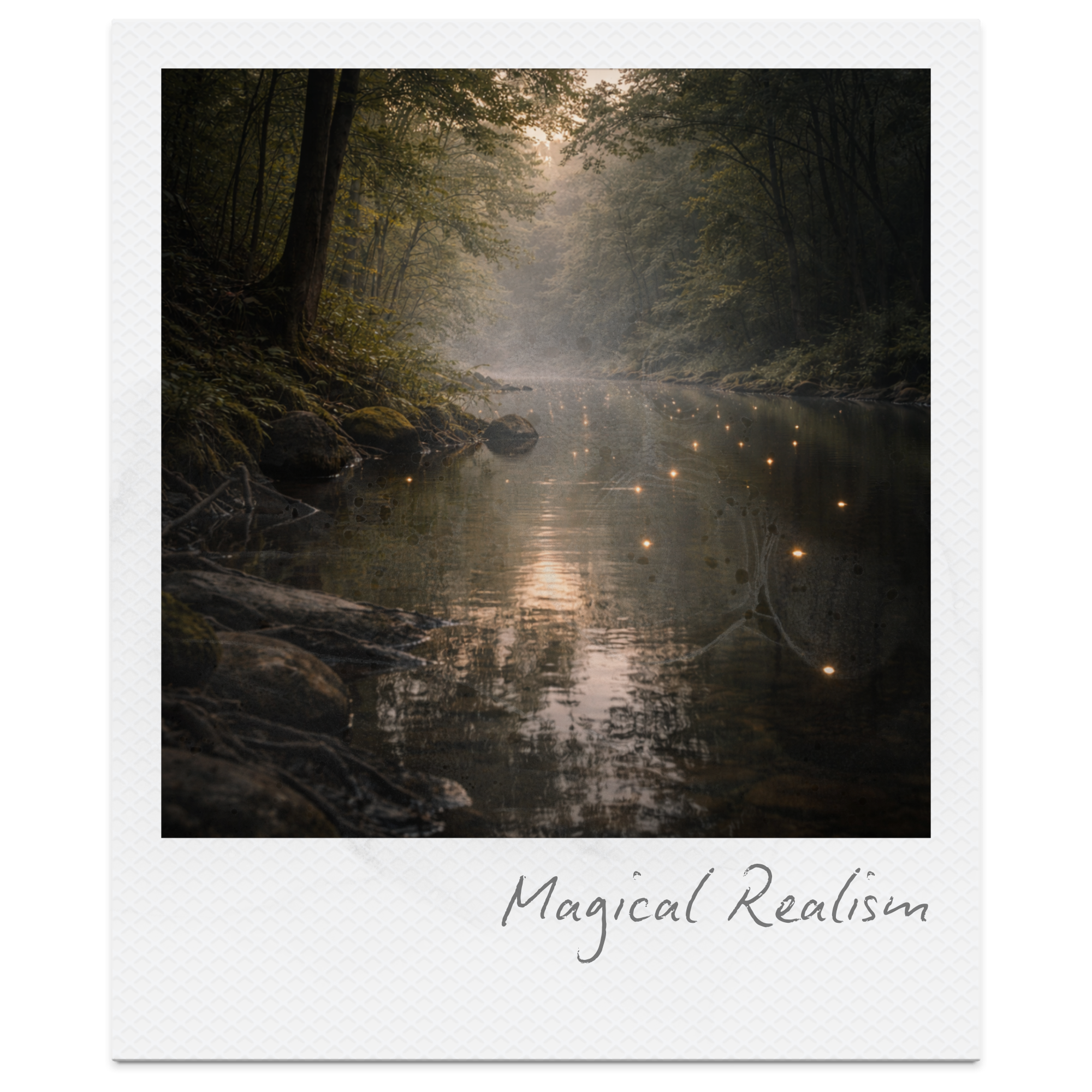
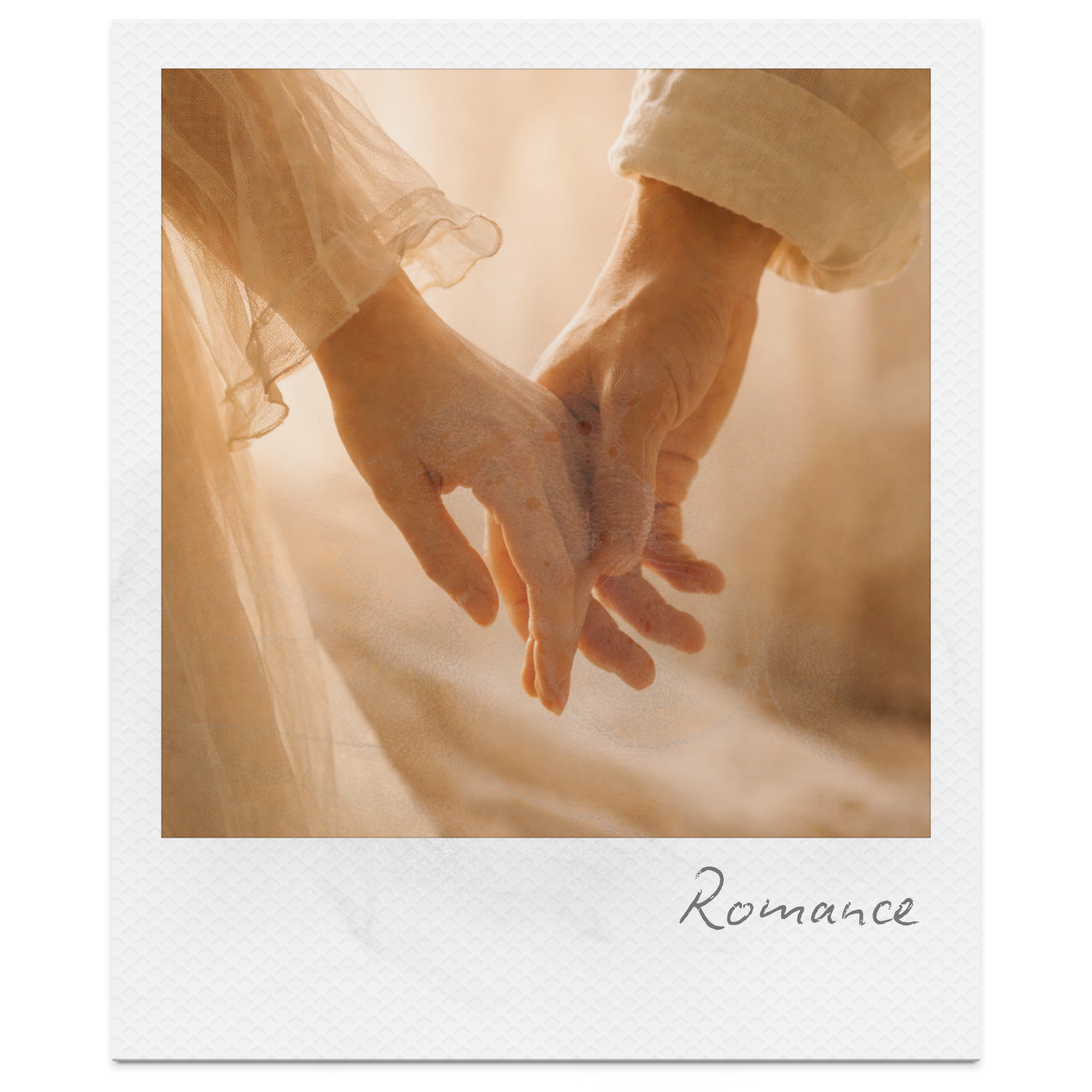
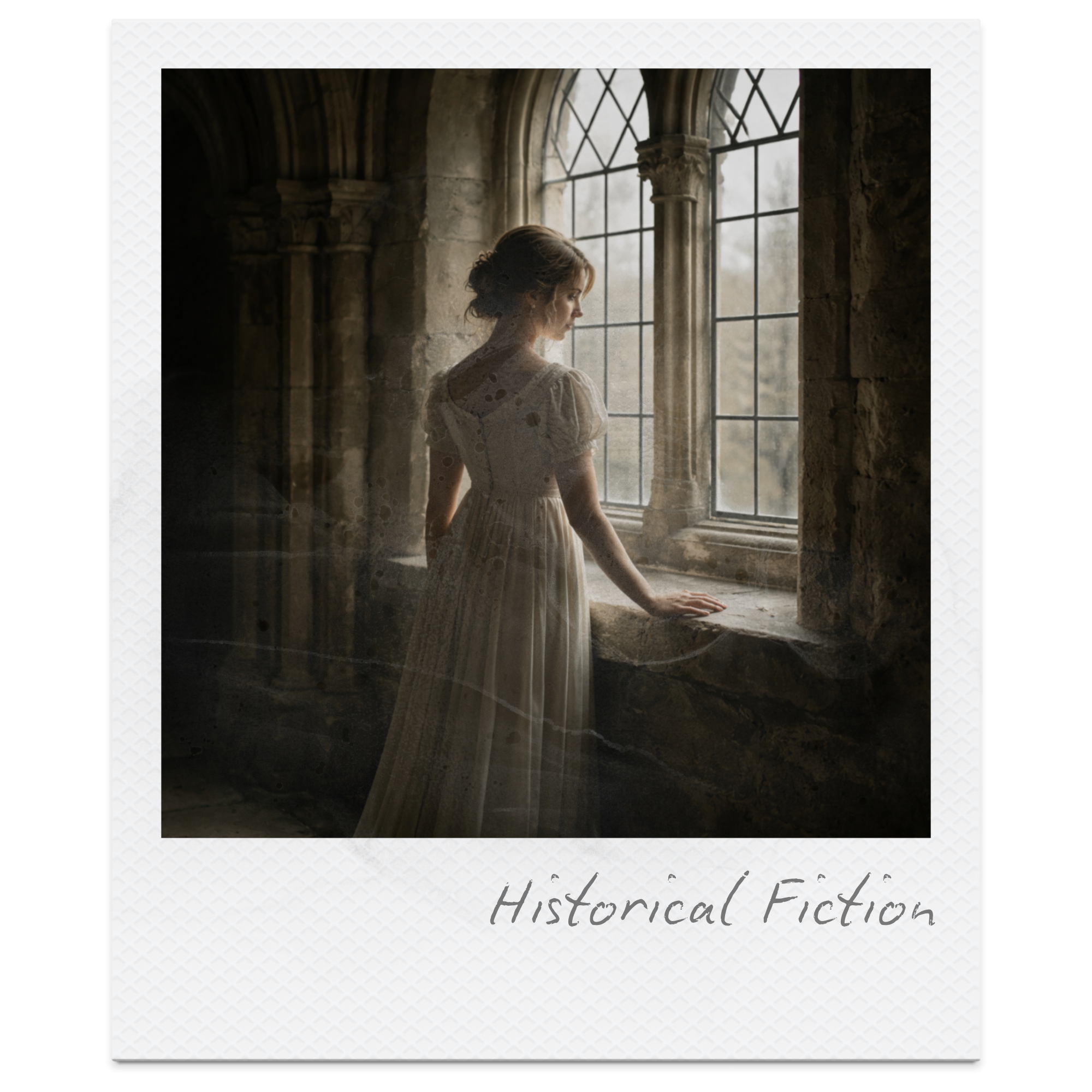
Personal narrative picture prompts use familiar, everyday imagery to help writers access memory, emotion, and reflection. Rather than illustrating a specific event, these images act as quiet anchors — suggesting moments before or after something significant happened. They are designed to support recall, interpretation, and choice, allowing writers to shape their own experiences without being led toward a single story.




Go Deeper into Personal Narrative Writing
Personal narrative writing is not just about recounting events — it’s about shaping experience, selecting meaning, and reflecting with intention. Once writers have chosen a focus, these approaches can help deepen clarity, insight, and craft without forcing emotional exposure.
◆ Rewrite the narrative twice — once focusing on what happened, and once focusing on what it meant, noticing how emphasis changes tone and purpose.
◆ Shift the point of reflection by writing the piece as if it were being remembered years later, allowing distance to shape insight and voice.
◆ Experiment with selective detail by removing unnecessary description and keeping only the moments, objects, or lines of dialogue that carry emotional weight.
◆ Rewrite a key moment using restraint, avoiding explanation and allowing implication, silence, or understatement to do the work instead.
◆ Try fictionalising one element — a setting, a timeline, or an important person — to explore how truth can be shaped without being distorted.
◆ Focus on voice rather than event, paying attention to sentence length, rhythm, and reflection to convey mood and perspective.
◆ Write two endings: one that offers resolution, and one that leaves the narrative open, then reflect on which feels more honest and why.
For teachers looking for a ready-to-use classroom resource, my Personal Narrative Writing Prompts pack offers 30 structured prompts designed for middle and high school students, with individual planning handouts and a hyperlinked master list — ideal for bell ringers, free writing, extension tasks, and low-prep lessons.
Final Thoughts
Personal narrative writing gives students space to explore memory, identity, and experience while developing control over voice, structure, and reflection. Rather than asking writers to simply recount what happened, effective personal writing encourages them to consider why a moment matters, how it is remembered, and what understanding comes with distance.
These personal narrative writing prompts are designed to support thoughtful, classroom-safe reflection while offering enough structure to prevent uncertainty or overwhelm. Whether used for creative writing lessons, exam preparation, independent writing time, or low-stakes reflection, the prompts allow writers to shape real experiences with clarity and intention.
If you’re looking to explore more genres, themes, and structured ideas, you can also browse the full Creative Writing Prompts Archive, which brings together all of my creative writing prompts in one place.
Choose Your Next Adventure