Notes from the Inkpot
Writing, teaching, creating - one ink-stained idea at a time.

Ode to a Pot Noodle by Romalyn Ante: Summary, Themes & Analysis
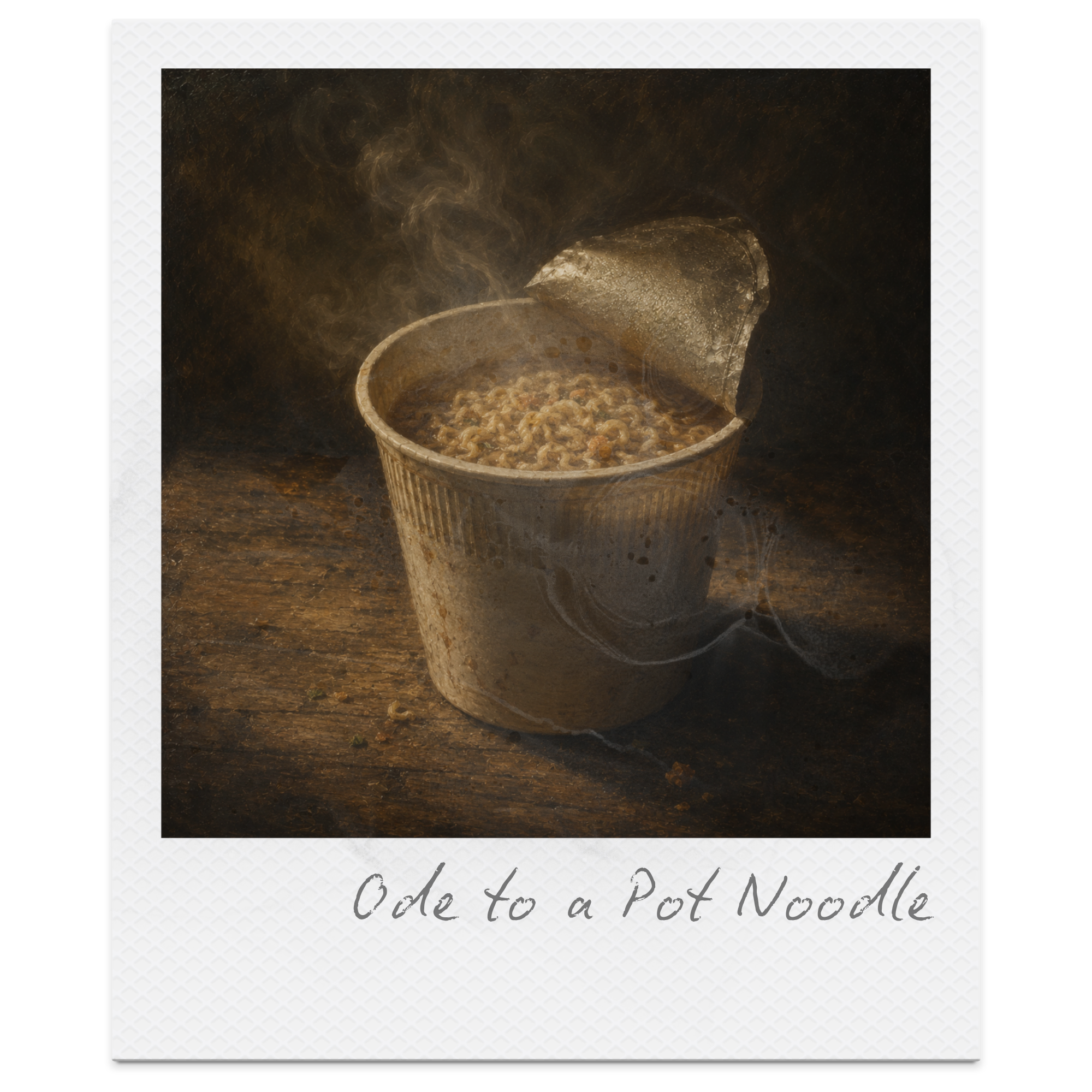
Romalyn Ante's Ode to a Pot Noodle is a poignant exploration of memory, migration, family, and belonging, showing how an ordinary instant meal can unlock powerful memories of home. Through vivid sensory imagery, domestic symbolism, and a gradual structural shift, Ante reveals that food nourishes not only the body but also identity, cultural heritage, and the enduring bonds of family. This analysis explores the poem's summary, themes, stanza-by-stanza analysis, key quotations, literary techniques, and form and structure, revealing how Ante transforms a humble Pot Noodle into a moving meditation on home, nostalgia, and the emotional power of memory.
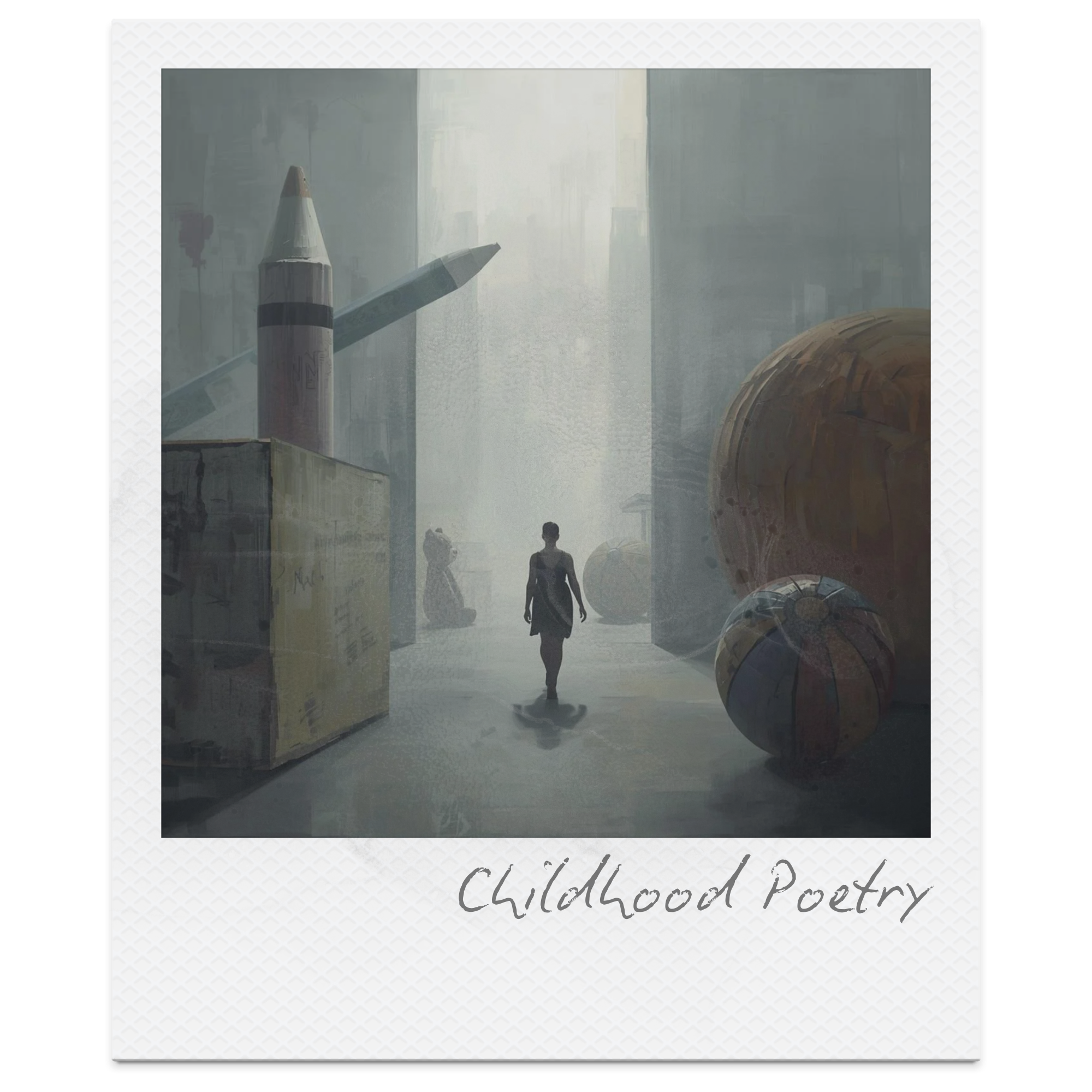
10 Childhood Poetry Prompts for Teens & Adults: Memory, Distance, and the Unreliable Past
Childhood poetry explores early experience not through nostalgia, but through reflection, distance, and restraint. These childhood poetry prompts for teens and adults encourage writers to examine formative moments, misunderstandings, and everyday details using craft-focused techniques, suggested opening lines, and image-led inspiration. Designed for classrooms and independent writers, this collection supports thoughtful poetry about childhood rooted in observation rather than retelling.
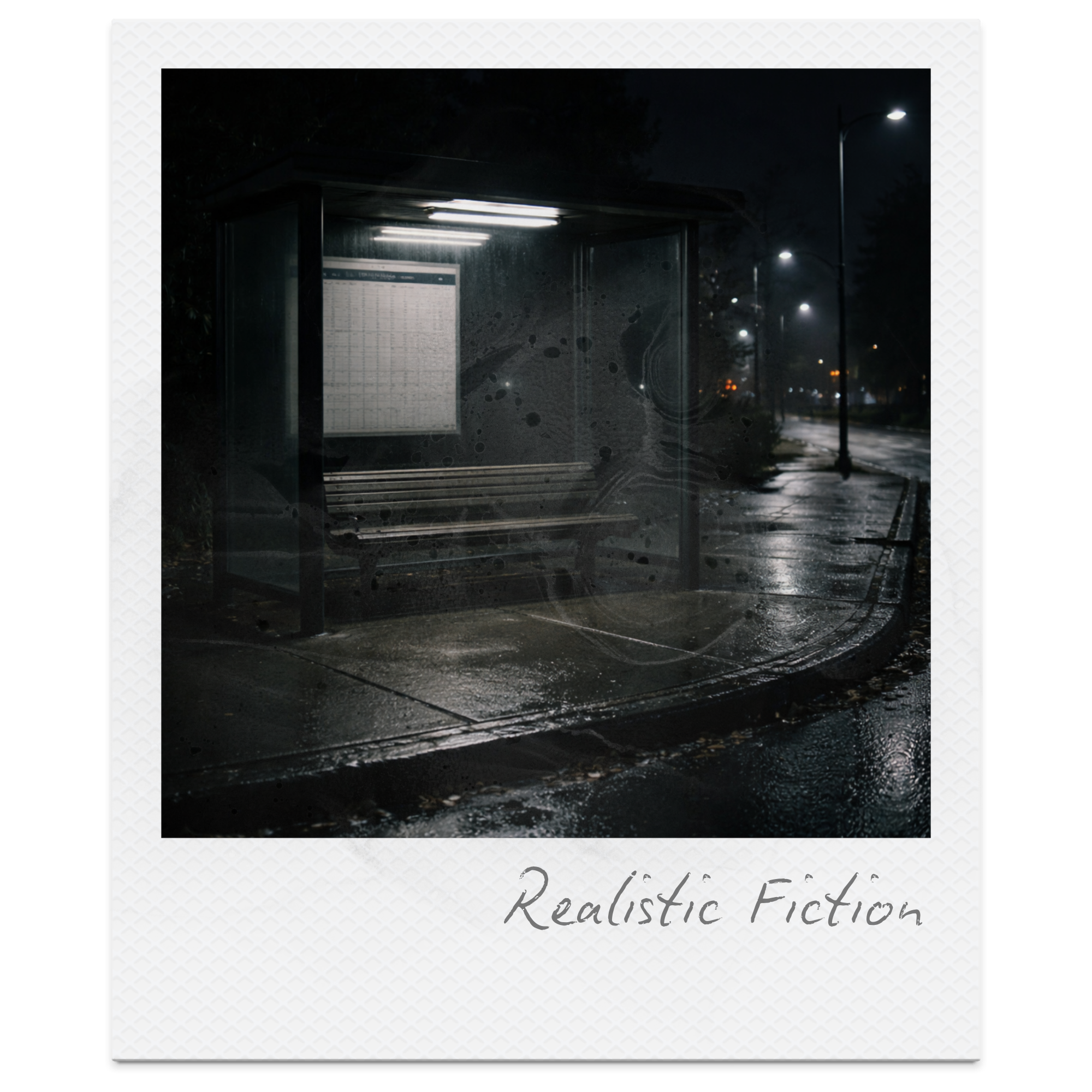
70 Realistic Fiction Writing Prompts for Teens: Story Starters, Characters, Settings & Visual Ideas
Realistic fiction writing prompts for teens designed to explore ordinary moments with emotional depth and authenticity. This collection includes story starters, opening and closing lines, character ideas, settings, and picture prompts that focus on believable conflict, quiet change, and character-driven storytelling—ideal for creative writing lessons, classrooms, or independent writing practice. Perfect for secondary English students and teen writers, these prompts support realistic narratives grounded in everyday life while linking into a wider Creative Writing Archive of genre-based prompts and ongoing Daily Writing Prompts to encourage consistent, thoughtful writing all year round.
Getting Started with Writing Fiction: Finding Your Voice as a Beginner Writer
Getting started with writing fiction can feel overwhelming, especially when you’re unsure how to find your writing voice. This beginner-friendly guide breaks the process down into manageable steps, exploring what writing voice really means, where inspiration comes from, and how to start writing without a full story idea. Designed for writers of any age, this post offers practical advice, simple exercises, and reassurance for those at the beginning of their fiction journey. From short scenes and flash fiction to atmosphere-driven writing and prompts, it provides a calm, supportive starting point for developing confidence and voice over time.
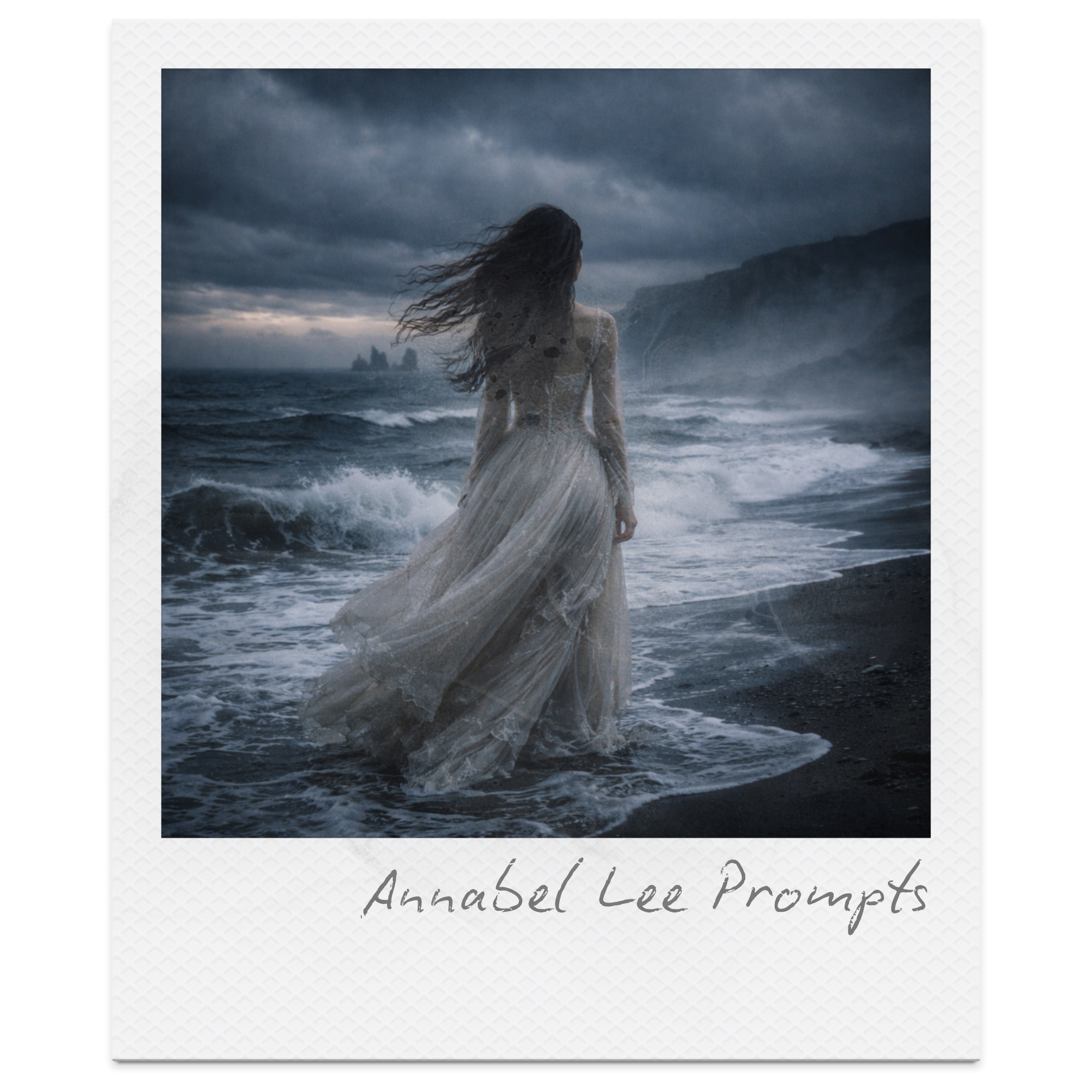
70 Creative Writing Prompts Inspired by Annabel Lee: Plot Hooks, Opening Lines, Characters & Visual Ideas
These 70 creative writing prompts inspired by Edgar Allan Poe’s Annabel Lee are designed to help young writers explore emotion, memory, and atmosphere through original storytelling. Rather than retelling the poem, the prompts draw on its mood, imagery, and central ideas, encouraging students to experiment with voice, setting, and feeling while developing confidence in expressive writing. Suitable for classroom use, writing clubs, and independent practice, this collection supports creative engagement with literature across a range of age groups. The prompts can be used as short writing starters, extended creative tasks, or inspiration for reflective pieces that connect literary study with imagination and personal response.
Ekphrastic Writing for the Classroom: Art, Photo & Science Prompts for English Teachers
This comprehensive guide to ekphrastic writing in the classroom brings together image-based writing prompts using art, photography, sculpture, science imagery, and AI-generated visuals. Designed for secondary English teachers, the post includes practical ways to use ekphrasis across poetry, prose, monologue, and creative nonfiction, alongside adaptable classroom activities and cross-curricular ideas. Whether you’re planning a poetry unit, setting low-prep bell-ringers, or encouraging close observation and voice-driven writing, these ekphrastic writing prompts for students support inference, imagery, and creative confidence. With clear guidance, differentiated approaches, and links to ongoing writing resources, this post is built for real classroom use.
70 Personal Narrative Writing Prompts (With Images & Story Starters)
These personal narrative writing prompts are designed to help students shape real experiences into meaningful, reflective writing. Rather than focusing on journaling or simple recounts, this collection of 70 personal narrative prompts provides structured support through titles, opening lines, closing lines, settings, important people, and picture prompts, guiding writers toward clarity, purpose, and thoughtful reflection. Suitable for middle and high school students, as well as classroom use across KS3–KS5, these personal narrative writing prompts work well for creative writing lessons, exam-style tasks, bell ringers, and independent writing time. The prompts are flexible, classroom-safe, and designed to help writers develop voice, reflection, and narrative control while exploring memory, identity, and lived experience.
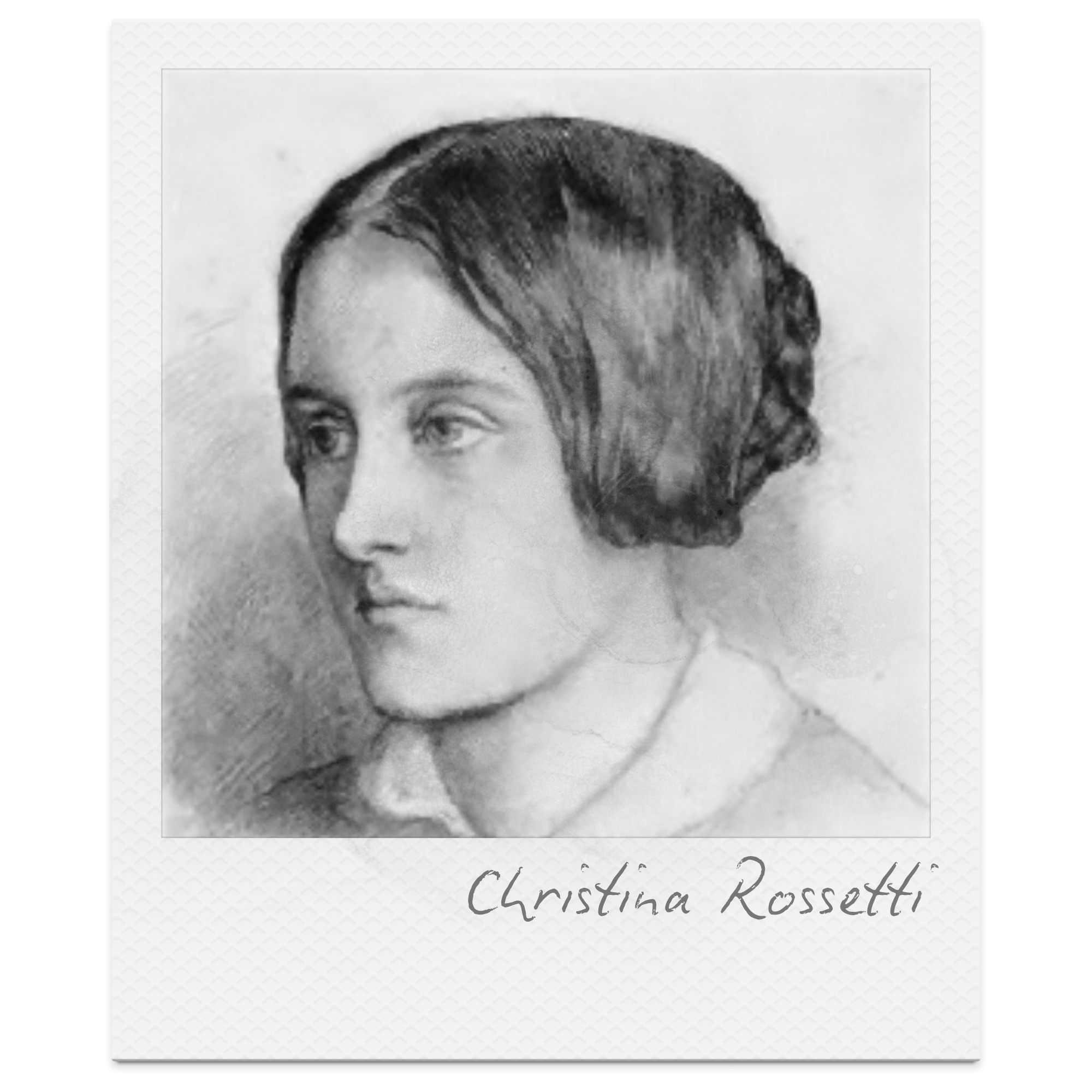
Christina Rossetti: Context, Themes, and Literary Significance
Christina Rossetti’s poetry is shaped by religious discipline, emotional restraint, and sustained psychological conflict. Writing within the pressures of Victorian gender norms and devotional expectation, Rossetti explores what happens when desire must be suppressed, faith demands self-surveillance, and feeling is carefully managed rather than released. Her poems rarely offer resolution, instead lingering in states of waiting, silence, and endurance, where emotional tension is contained beneath deceptively simple forms. Reading Rossetti in context reveals how her work engages with mental health, spiritual doubt, and the governance of emotion in nineteenth-century literature. Through repetition, restraint, and withheld voice, Rossetti constructs lyric speakers who negotiate authority internally, making her poetry particularly rich for close reading and thematic interpretation. This contextual overview provides a foundation for exploring Rossetti’s enduring significance across Victorian poetry, psychological realism, and modern critical debate.