Notes from the Inkpot
Writing, teaching, creating - one ink-stained idea at a time.

The Rocket Man by Ray Bradbury: Summary, Themes, Symbolism & Analysis
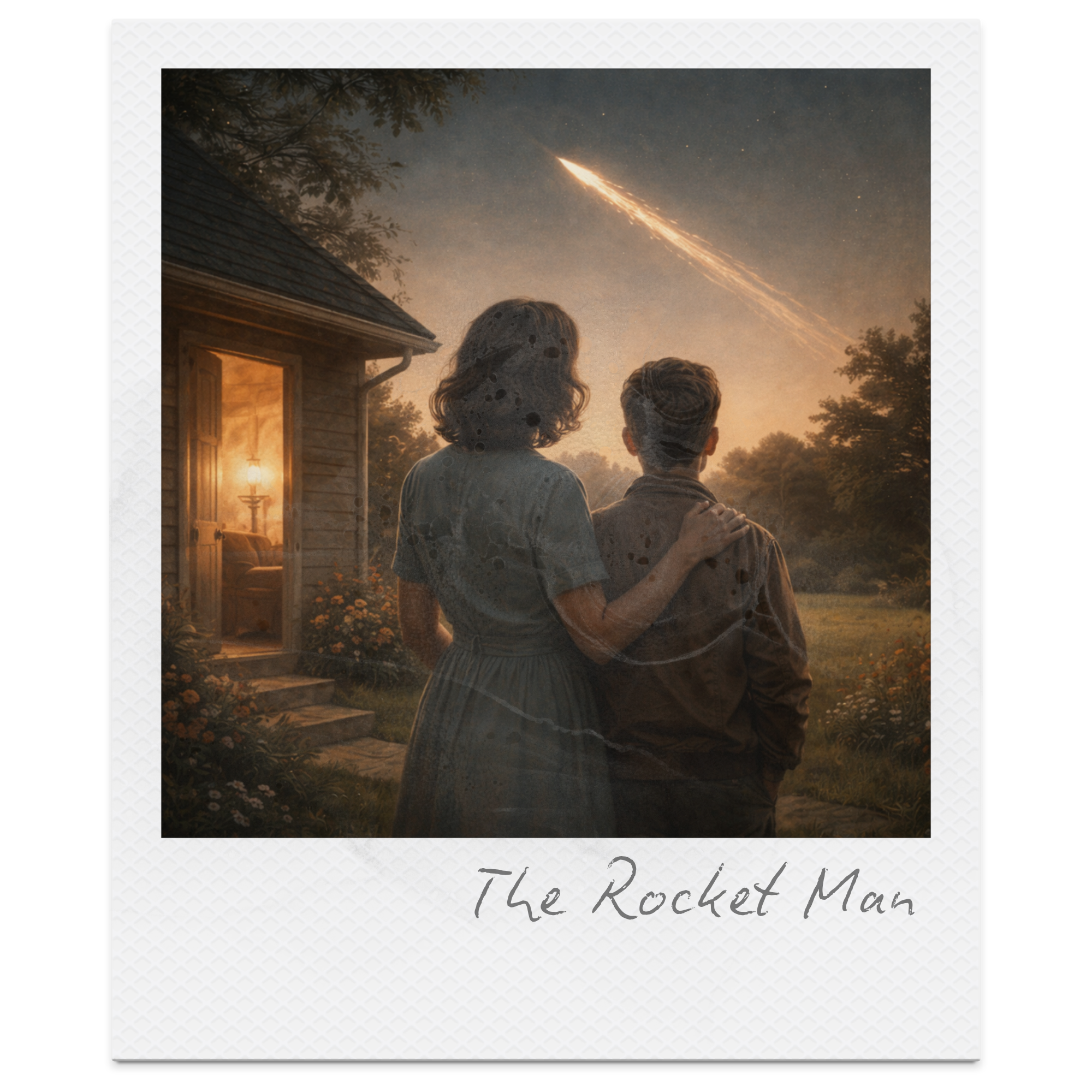
The Rocket Man by Ray Bradbury is a deeply emotional science fiction story exploring family, absence, and the cost of ambition. Told through the eyes of a young boy, the narrative follows a father who is torn between his life on Earth and his work in space, creating a cycle of return and departure that shapes the family’s entire existence. Bradbury presents space travel not as heroic, but as something that quietly disrupts relationships and emotional stability. As the story unfolds, the tension between presence and absence becomes increasingly painful, particularly through the mother’s coping strategy of treating her husband as if he is already dead. When the father’s final journey ends in tragedy, the emotional impact is devastating, leaving the family to navigate a world permanently altered by loss. Through its restrained style and symbolic imagery, the story reveals how ambition, love, and grief can coexist in ways that are both powerful and deeply unsettling.
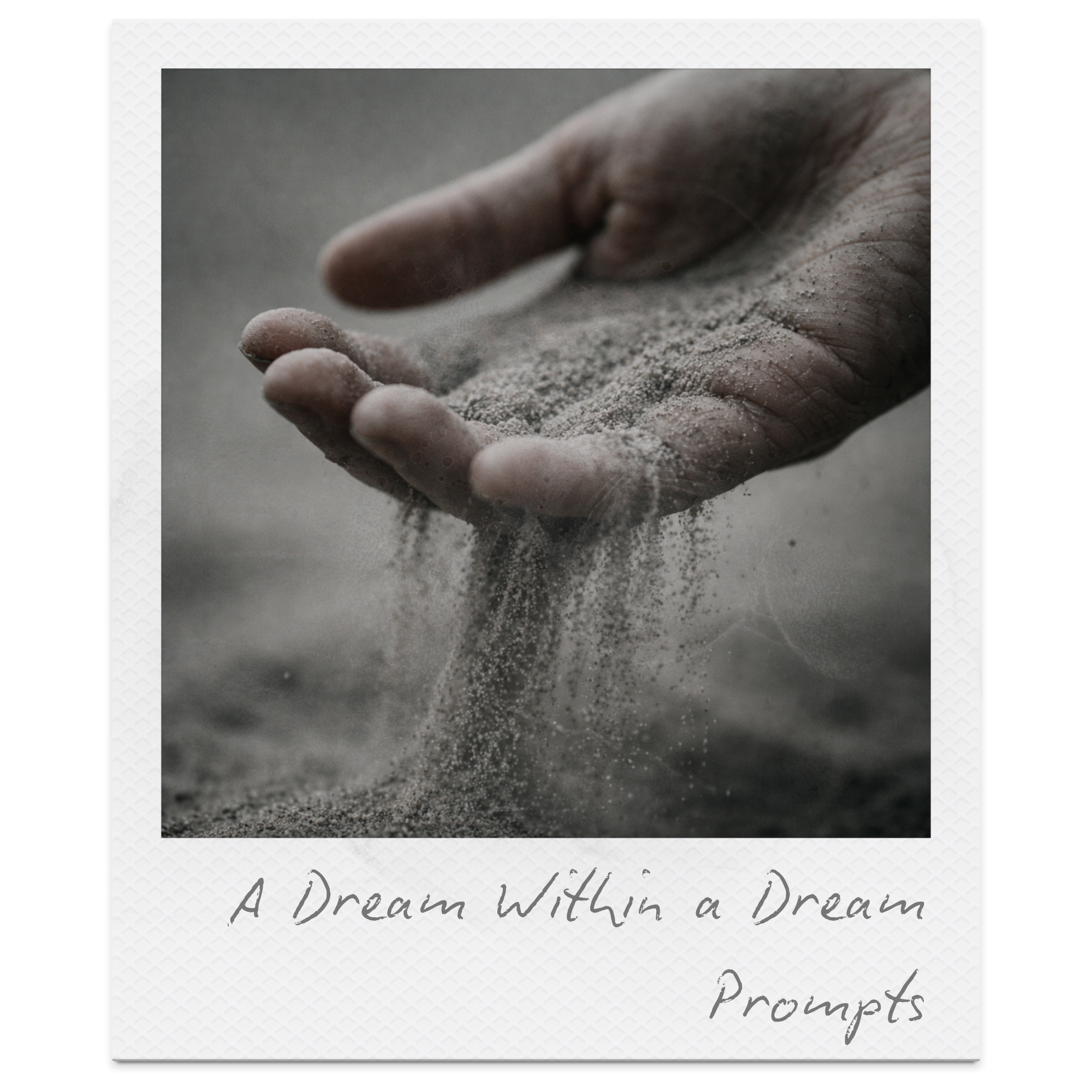
70 A Dream Within a Dream Writing Prompts: Reality, Time, Loss & Illusion
These A Dream Within a Dream writing prompts invite students to explore one of literature’s most unsettling questions: what if reality itself is uncertain? Inspired by A Dream Within a Dream, this collection focuses on illusion, time, memory, and the human desire to hold onto moments that are already slipping away. Rather than retelling the poem, these prompts encourage original storytelling shaped by atmosphere, symbolism, and emotional tension. Perfect for classrooms, writing clubs, or independent practice, these prompts help students experiment with reflective narration, dreamlike settings, and philosophical ideas about truth and perception. They can be used as quick starters or developed into longer pieces, making them a flexible tool for engaging with literature while building confidence in creative writing.
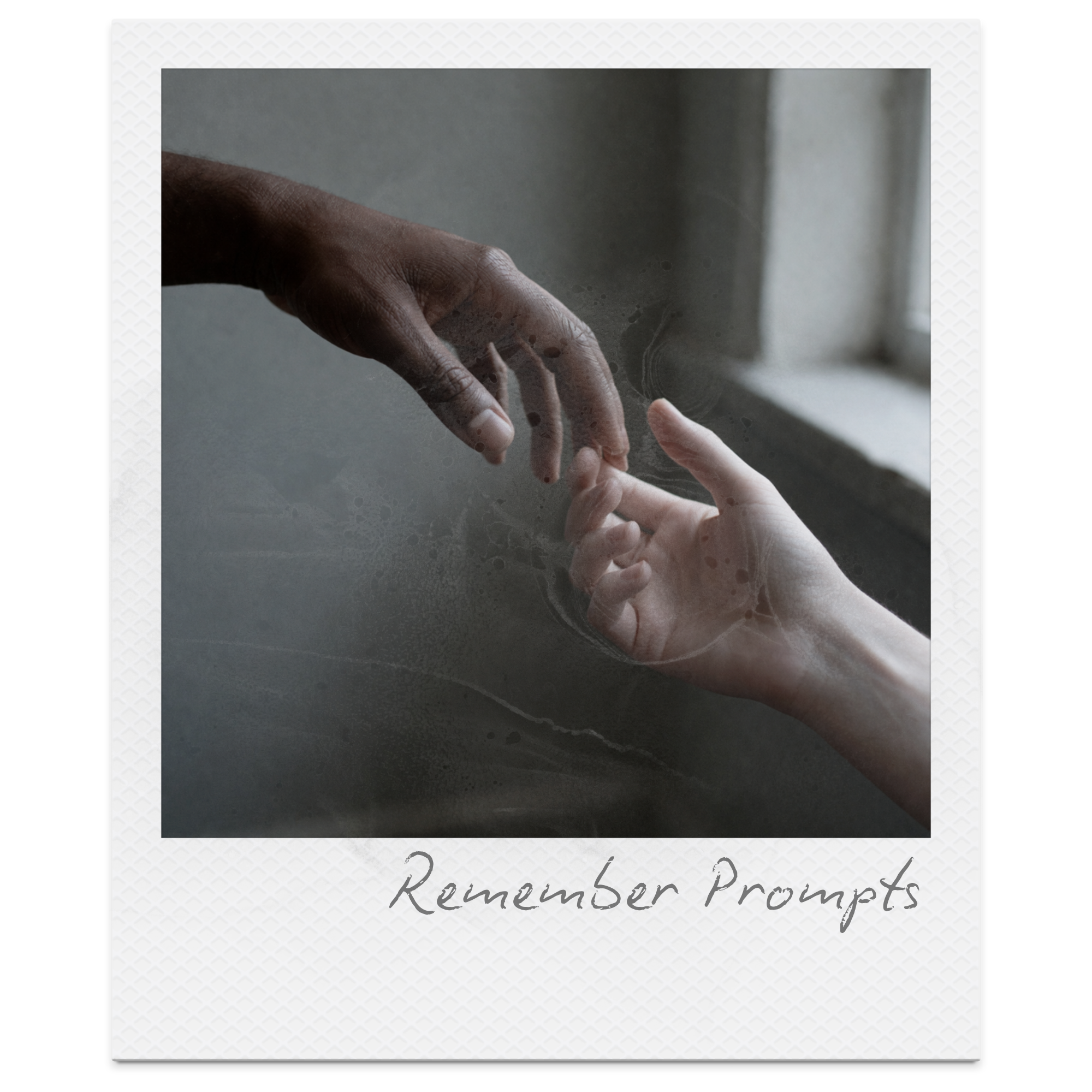
70 Writing Prompts Inspired by Christina Rossetti’s Remember: Memory, Absence & Quiet Love
Christina Rossetti’s Remember is a quiet yet powerful exploration of memory, loss, and the complexity of letting go. Unlike many poems that cling to remembrance as a form of love, Remember shifts its perspective, suggesting that true care may lie in release rather than attachment. Through its restrained voice and reflective tone, the poem invites readers to consider whether holding on always honours the past — or whether, sometimes, forgetting can be a gentler act. This collection of 70 writing prompts inspired by Remember encourages writers to explore grief, absence, and emotional distance through both creative and reflective storytelling. From quiet farewells to unfinished conversations, these prompts offer a structured way to engage with themes of love, memory, and selfless letting go, making them ideal for classroom use, personal narrative writing, or deeper literary exploration.
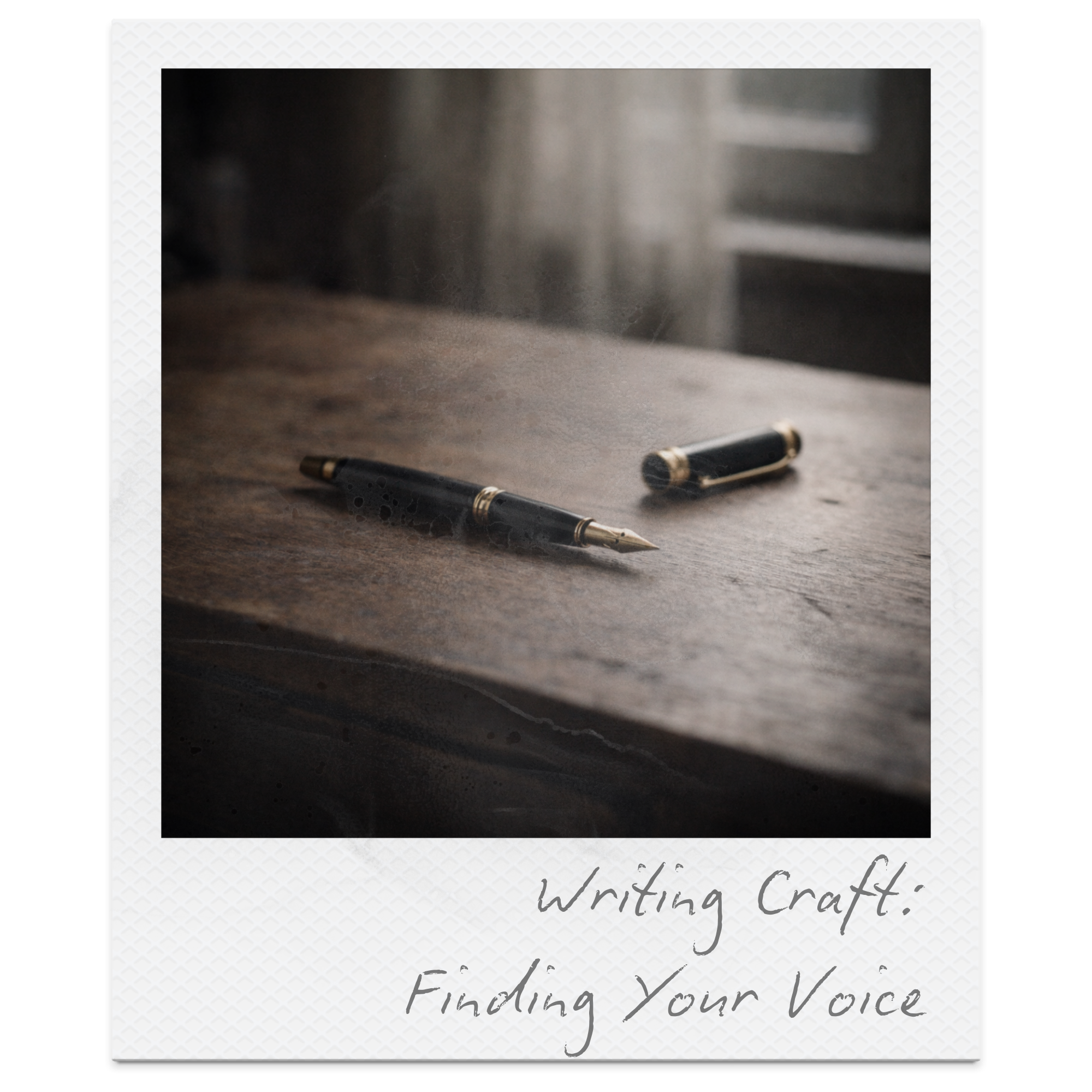
Getting Started with Writing Fiction: Finding Your Voice as a Beginner Writer
Getting started with writing fiction can feel overwhelming, especially when you’re unsure how to find your writing voice. This beginner-friendly guide breaks the process down into manageable steps, exploring what writing voice really means, where inspiration comes from, and how to start writing without a full story idea. Designed for writers of any age, this post offers practical advice, simple exercises, and reassurance for those at the beginning of their fiction journey. From short scenes and flash fiction to atmosphere-driven writing and prompts, it provides a calm, supportive starting point for developing confidence and voice over time.
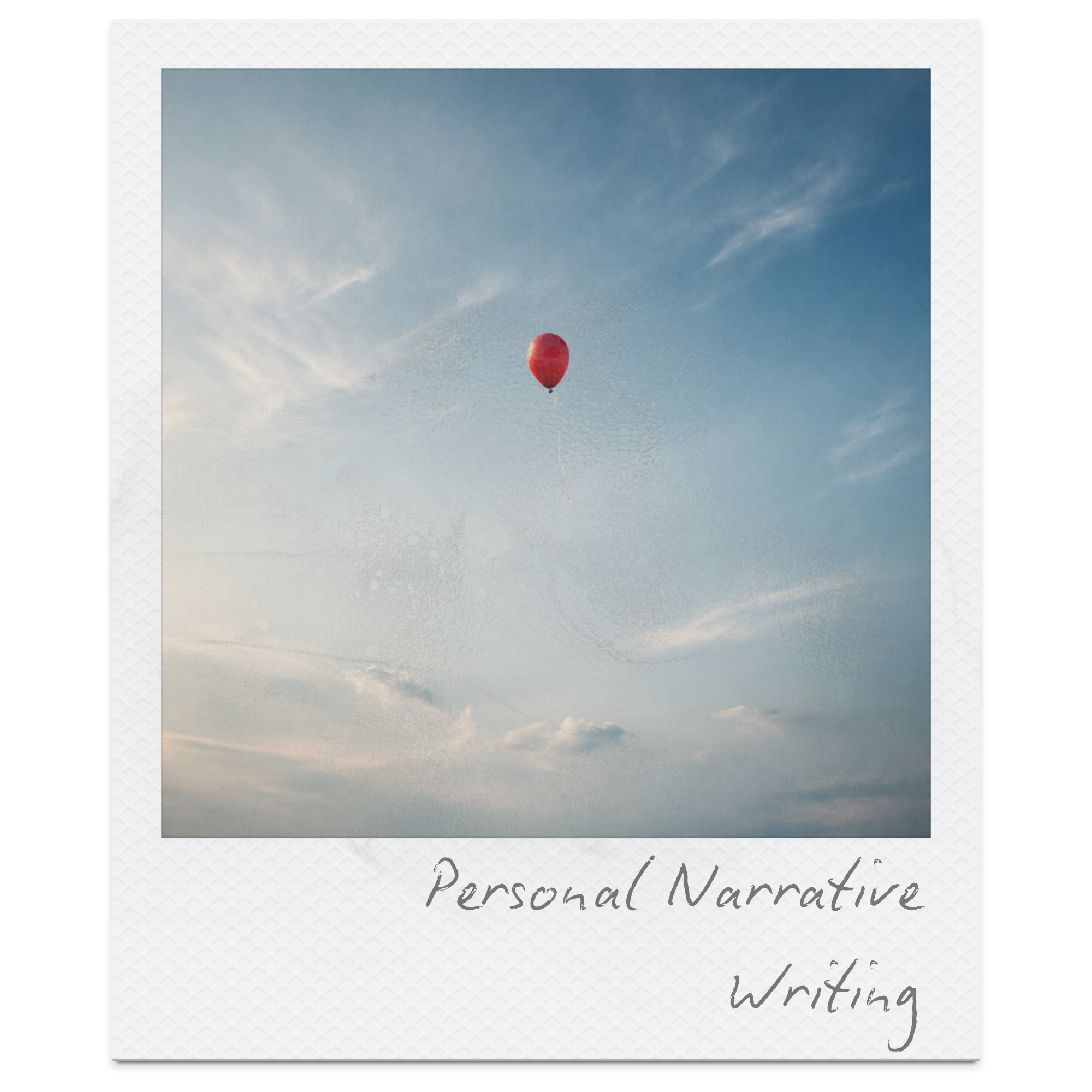
70 Personal Narrative Writing Prompts (With Images & Story Starters)
These personal narrative writing prompts are designed to help students shape real experiences into meaningful, reflective writing. Rather than focusing on journaling or simple recounts, this collection of 70 personal narrative prompts provides structured support through titles, opening lines, closing lines, settings, important people, and picture prompts, guiding writers toward clarity, purpose, and thoughtful reflection. Suitable for middle and high school students, as well as classroom use across KS3–KS5, these personal narrative writing prompts work well for creative writing lessons, exam-style tasks, bell ringers, and independent writing time. The prompts are flexible, classroom-safe, and designed to help writers develop voice, reflection, and narrative control while exploring memory, identity, and lived experience.
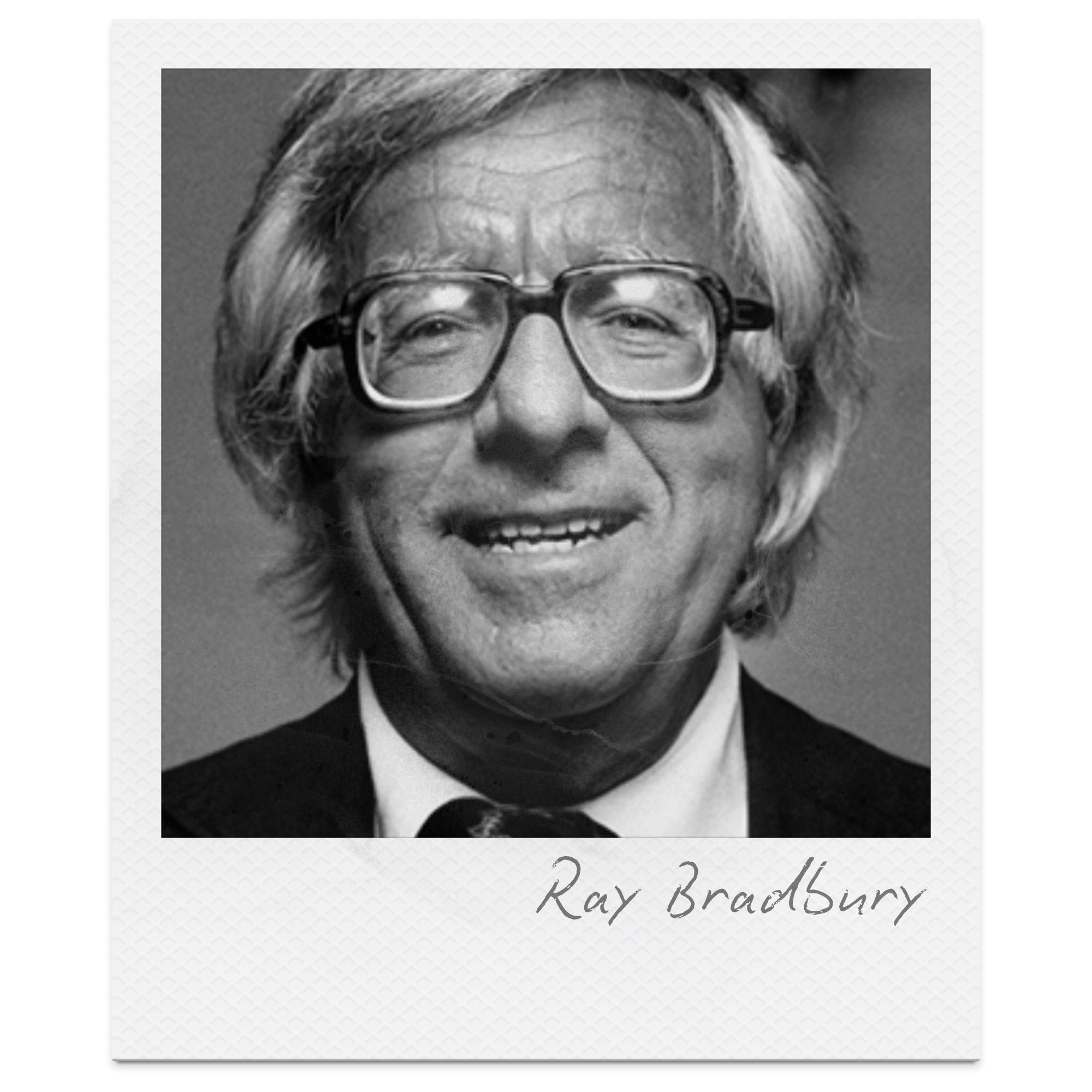
Ray Bradbury: Context, Themes, Works & Literary Significance
Ray Bradbury’s fiction is often associated with dystopian futures and speculative technologies, but his work is best understood through the historical and cultural context in which it was written. Emerging in mid-twentieth-century America, Bradbury wrote during a period shaped by war, Cold War paranoia, mass media expansion, and growing anxieties about conformity and control. His stories use speculative settings not to predict the future, but to expose how fear, censorship, and emotional detachment operate within ordinary domestic and social spaces. This context-focused overview explores the key themes that define Ray Bradbury’s work, including technology versus humanity, media and passive living, parental responsibility, childhood and power, and moral failure. Rather than offering close analysis of individual texts, it provides a broader framework for understanding how Bradbury uses speculative fiction to examine human behaviour, ethical responsibility, and the consequences of choosing comfort over connection.