Notes from the Inkpot
Writing, teaching, creating - one ink-stained idea at a time.


100 Meet-Cute Ideas (With Story Ideas and Romance Tropes)
Discover 100 meet-cute ideas for romance writers. From airport delays and workplace encounters to magical accidents, family gatherings, small-town romances, and chance meetings, these story ideas will help you create memorable first encounters, romantic chemistry, and unforgettable love stories.
70 Small Town Romance Writing Prompts: Secrets, Second Chances & Slow-Burn Love
Small town romance offers the perfect setting for emotionally driven love stories, where history, reputation, and community shape every relationship. These stories thrive on second chances, slow-burn romance, and unresolved pasts, placing characters in environments where they cannot easily escape each other — or their feelings. From returning home to reconnecting with a past love to navigating gossip in a close-knit town, the setting itself becomes central to the story. In this collection of 70 Small Town Romance Writing Prompts, you’ll find plot hooks, opening lines, character ideas, and more designed to help you build layered, character-driven narratives. Whether you’re exploring themes of belonging, identity, or romantic tension, these prompts offer a structured starting point for creating stories rooted in connection, memory, and emotional growth.
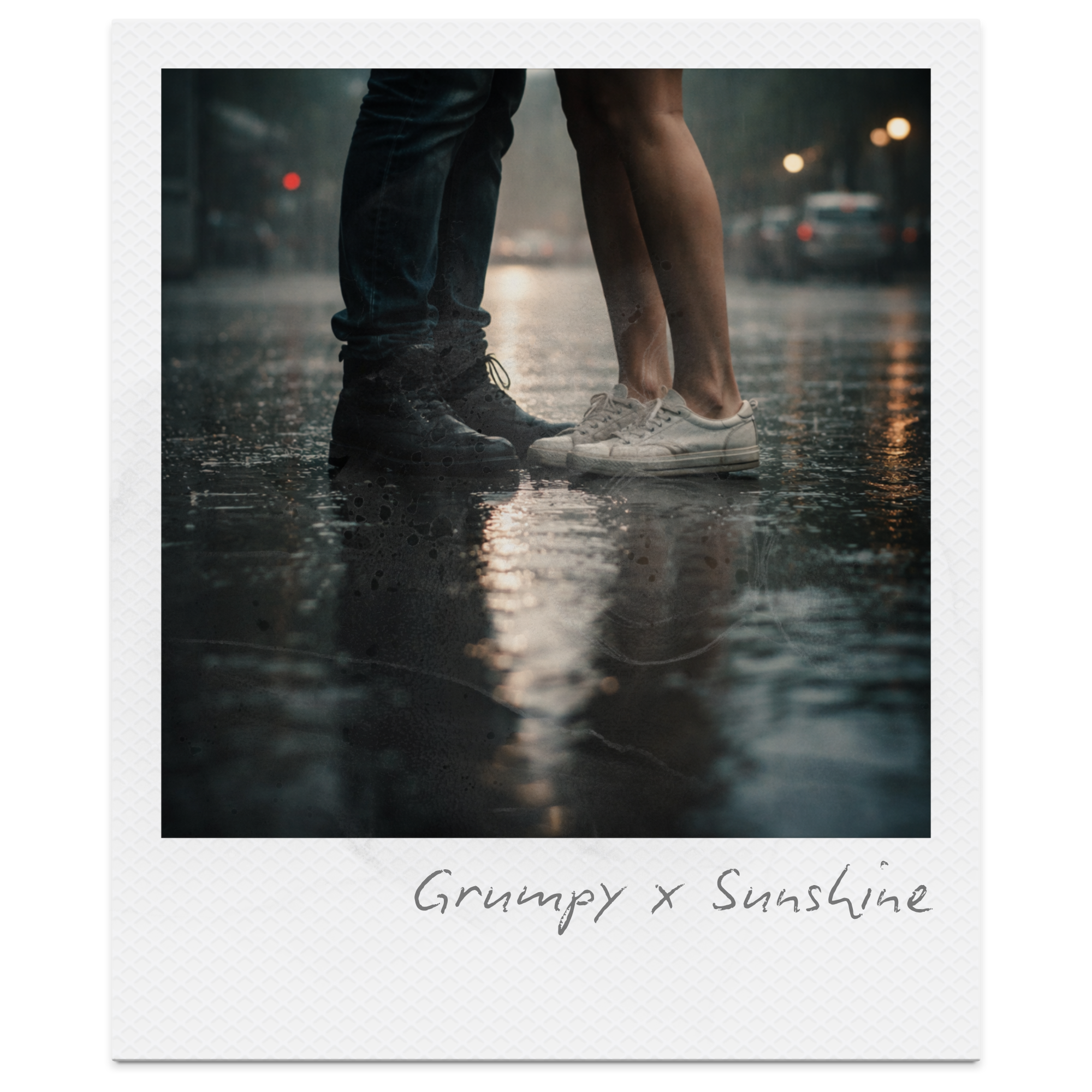
70 Grumpy × Sunshine Romance Writing Prompts: Opposites, Tension & Unexpected Love
The grumpy × sunshine dynamic is one of the most compelling and emotionally satisfying pairings in romance, bringing together two characters who see the world in completely different ways. Where one is guarded, cynical, or emotionally distant, the other is open, optimistic, and persistent — creating a natural tension that drives both conflict and connection. This contrast allows writers to explore how vulnerability develops over time, as emotional walls are challenged rather than instantly broken. In this collection of 70 Grumpy × Sunshine Romance Writing Prompts, you’ll find a complete mix of plot hooks, title ideas, opening lines, closing lines, character concepts, and setting inspiration designed to help you build layered, character-driven love stories. Whether you’re writing slow-burn tension, forced proximity, or emotional healing arcs, these prompts offer a structured starting point for exploring relationships shaped by contrast, growth, and unexpected connection.
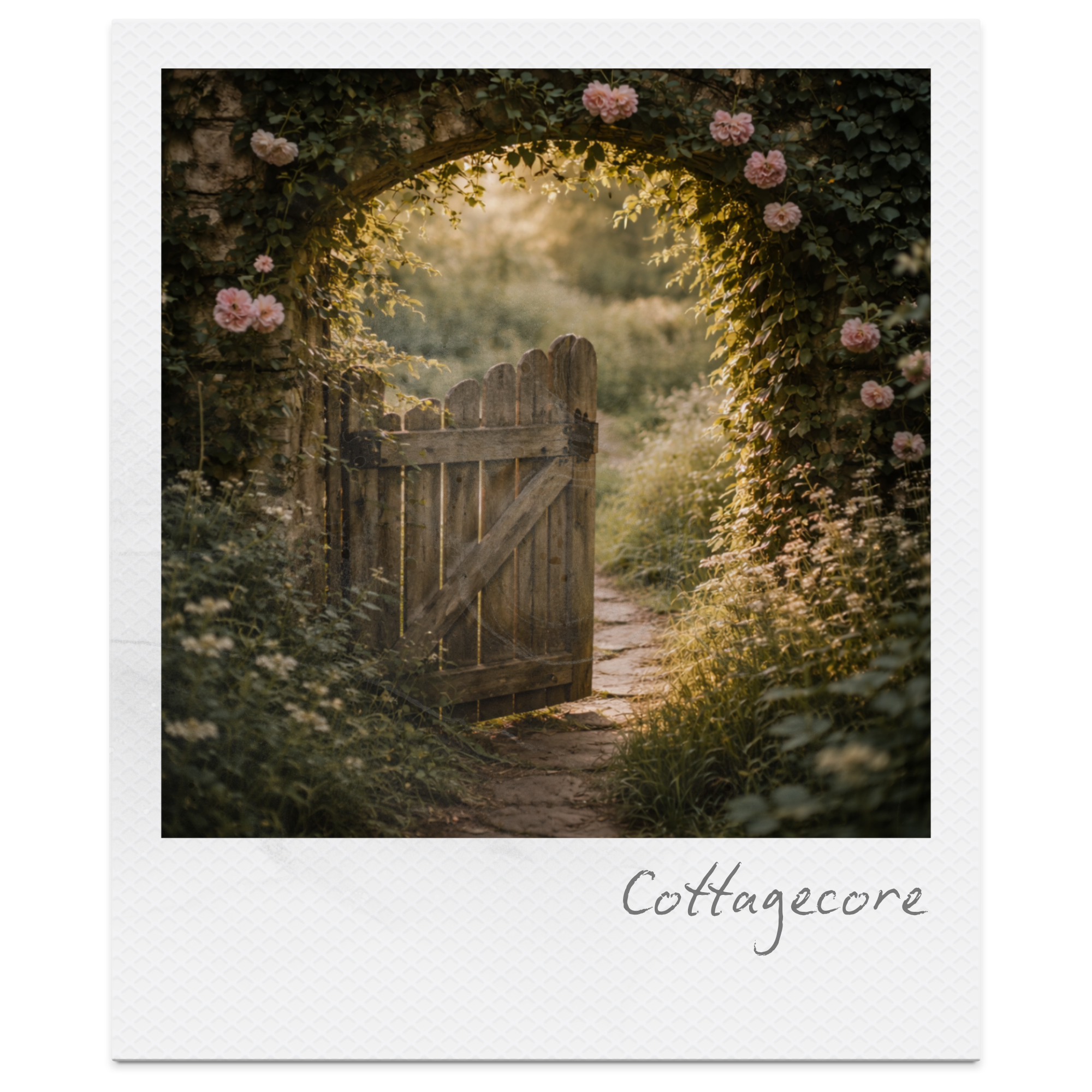
70 Cottagecore Writing Prompts: Simplicity, Nature & Quiet Magic
Cottagecore storytelling captures a quiet, enduring longing for simplicity, connection, and life lived close to the land. Rooted in pastoral traditions and fairytale sensibilities, these narratives focus on small, meaningful moments — tending a garden, baking bread, walking familiar paths — while hinting at something deeper beneath the surface. Often, the magic in cottagecore stories is not dramatic or overt, but subtle, woven into seasonal rhythms, memory, and the quiet transformation of place. These 70 Cottagecore Writing Prompts are designed to help writers explore that gentle, atmospheric world through plot ideas, openings, characters, and visual inspiration. Whether you are writing in the classroom or developing your own creative practice, these prompts offer a starting point for stories shaped by nature, routine, and the soft tension between stillness and change.
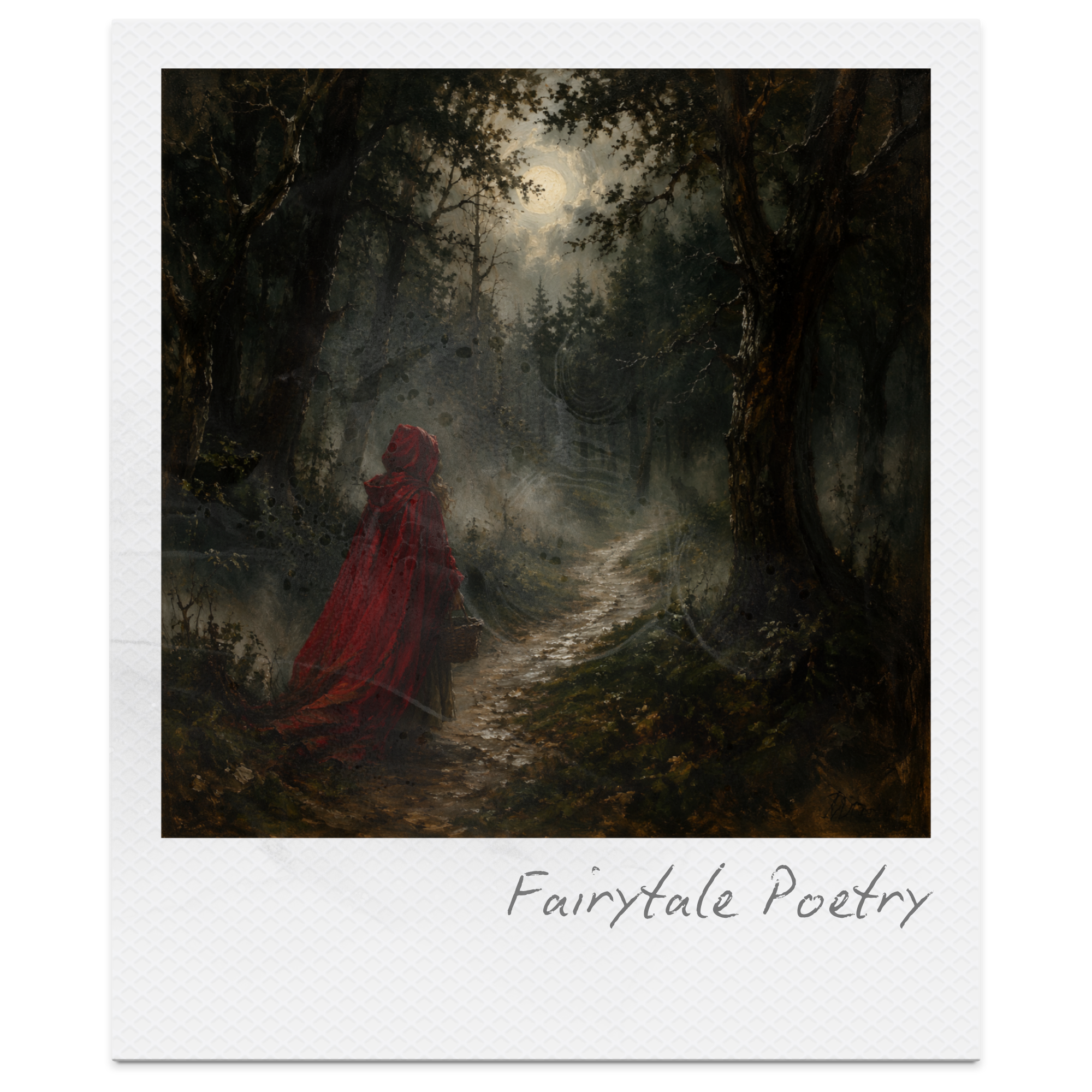
10 Fairytale Poetry Prompts for Teens & Adults: Transformation, Desire, and the Uncanny
Fairytales are often remembered as simple, moral stories — but beneath their surface lie themes of desire, transformation, and quiet unease. These fairytale poetry prompts invite writers to move beyond retelling and instead focus on atmosphere, voice, and symbolic detail, exploring the moments that traditional narratives leave unresolved. From objects that refuse to behave as they should to characters lingering after the story has ended, each prompt encourages a more reflective, craft-focused approach to poetic writing. Designed for teens, adults, and classroom use, these prompts emphasise restraint, imagery, and structure over plot. With suggested opening lines and clear craft techniques — including enjambment, repetition, and white space — writers are guided to experiment with form while maintaining emotional precision. Whether used for teaching, independent writing, or creative exploration, this collection offers a thoughtful way into fairytale-inspired poetry that feels controlled, atmospheric, and open to interpretation.
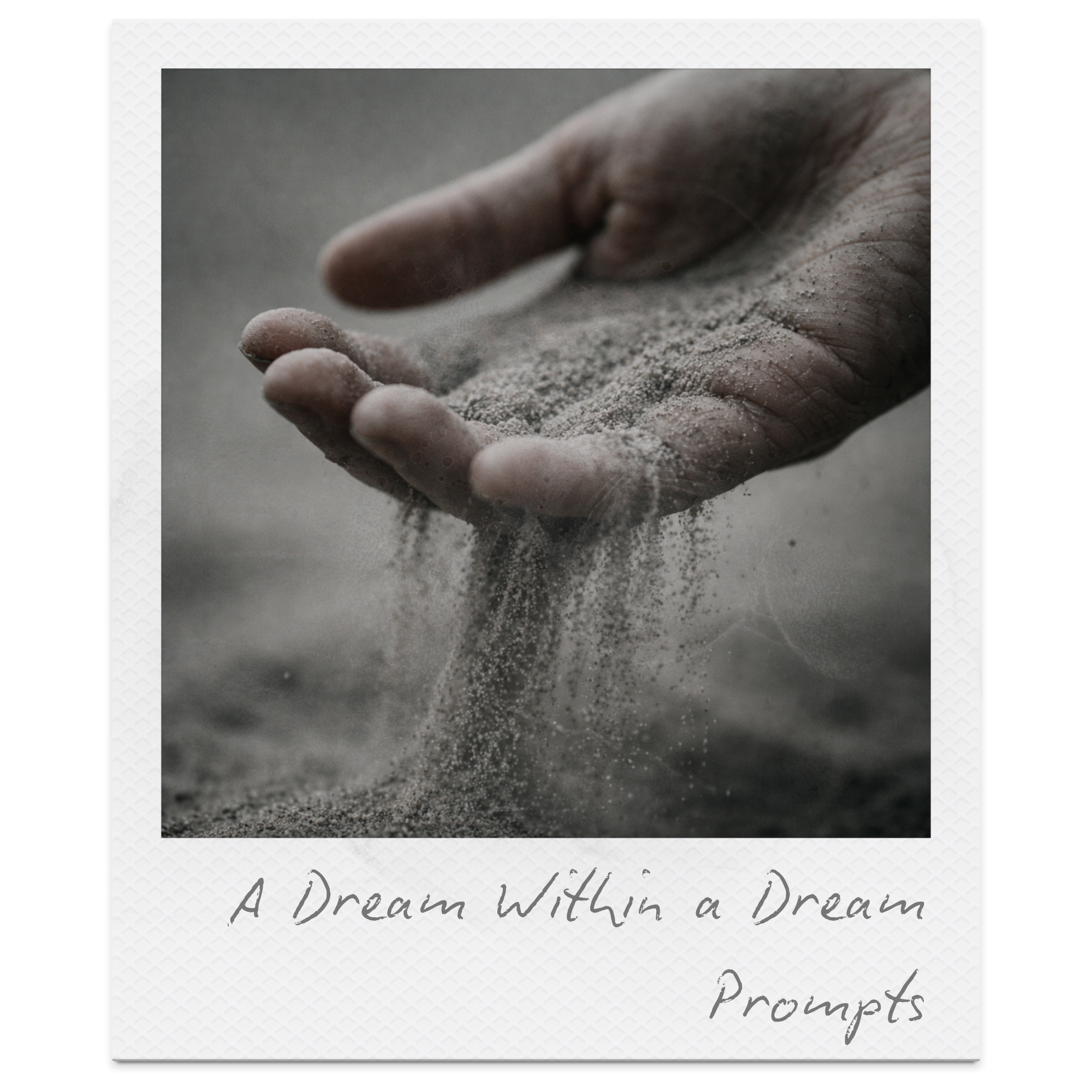
70 A Dream Within a Dream Writing Prompts: Reality, Time, Loss & Illusion
These A Dream Within a Dream writing prompts invite students to explore one of literature’s most unsettling questions: what if reality itself is uncertain? Inspired by A Dream Within a Dream, this collection focuses on illusion, time, memory, and the human desire to hold onto moments that are already slipping away. Rather than retelling the poem, these prompts encourage original storytelling shaped by atmosphere, symbolism, and emotional tension. Perfect for classrooms, writing clubs, or independent practice, these prompts help students experiment with reflective narration, dreamlike settings, and philosophical ideas about truth and perception. They can be used as quick starters or developed into longer pieces, making them a flexible tool for engaging with literature while building confidence in creative writing.
70 Writing Prompts Inspired by Christina Rossetti’s Remember: Memory, Absence & Quiet Love
Christina Rossetti’s Remember is a quiet yet powerful exploration of memory, loss, and the complexity of letting go. Unlike many poems that cling to remembrance as a form of love, Remember shifts its perspective, suggesting that true care may lie in release rather than attachment. Through its restrained voice and reflective tone, the poem invites readers to consider whether holding on always honours the past — or whether, sometimes, forgetting can be a gentler act. This collection of 70 writing prompts inspired by Remember encourages writers to explore grief, absence, and emotional distance through both creative and reflective storytelling. From quiet farewells to unfinished conversations, these prompts offer a structured way to engage with themes of love, memory, and selfless letting go, making them ideal for classroom use, personal narrative writing, or deeper literary exploration.
70 Creative Writing Prompts Inspired by Frankenstein: Creation, Isolation and the Consequences of Ambition
Mary Shelley’s Frankenstein remains one of the most influential gothic novels ever written, exploring ambition, scientific discovery and the moral consequences of creating life. These creative writing prompts draw inspiration from the novel’s atmosphere, characters and philosophical questions, encouraging writers to explore themes such as responsibility, isolation, obsession and the dangers of pushing knowledge too far. This collection of 70 Frankenstein-inspired writing prompts includes plot hooks, opening lines, closing lines, character ideas, settings and visual prompts designed to spark original storytelling. Perfect for classroom use or independent writing practice, the prompts invite writers to experiment with perspective, voice and atmosphere while engaging with the gothic tension and moral complexity that make Frankenstein such a powerful literary work.
70 Doomed Lovers Writing Prompts: Tragic Romance, Forbidden Love & Fate
Doomed lovers are one of the most enduring storytelling tropes, appearing in Gothic fiction, tragic romance, and classic literature where love collides with fate, family expectations, or impossible circumstances. These 70 doomed lovers writing prompts explore forbidden relationships, emotional conflict, and the tension between devotion and consequence. From atmospheric plot hooks and evocative opening lines to character ideas, settings, and visual prompts, this collection helps writers create tragic love stories shaped by secrecy, destiny, and loss. Perfect for creative writing lessons, English classrooms, journaling, and longer fiction projects, these prompts encourage writers to explore how relationships are shaped by the pressures surrounding them. Whether you are writing about forbidden love, rival families, supernatural bonds, or relationships doomed by circumstance, these prompts provide a structured toolkit for crafting powerful tragic romance narratives.
An Apple-Gathering by Christina Rossetti: Summary, Themes, and Detailed Analysis
Christina Rossetti’s An Apple-Gathering explores themes of lost opportunities, romantic regret, and emotional maturity through the powerful metaphor of an apple harvest. In this detailed analysis, we examine how Rossetti uses symbolism, structure, rhyme, and imagery to show how acting too quickly in love can prevent deeper fulfilment later in life. This guide includes a clear summary, stanza-by-stanza analysis, key quotations, themes, literary techniques, and teaching ideas, making it ideal for students studying poetry at GCSE or A-Level and teachers planning lessons on Rossetti’s work.
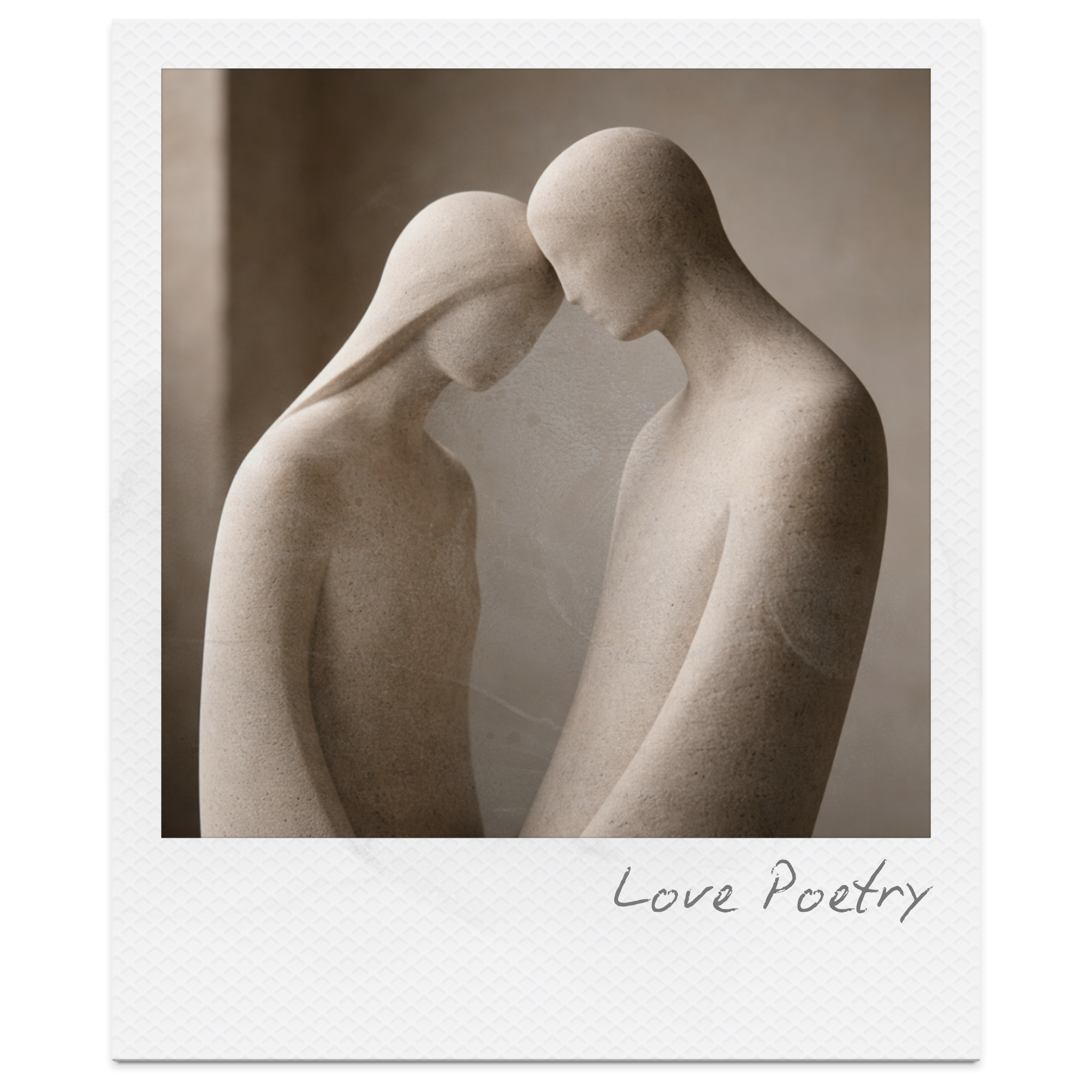
10 Love Poetry Prompts for Teens & Adults: Connection, Longing, and Devotion
Love poetry explores connection, devotion, and longing through voice, imagery, and attention to detail. Rather than relying on grand declarations or cliché, effective love poems focus on small moments, shared habits, and quiet acts of care. This post introduces love poetry as a craft-driven form, showing how emotion is shaped through structure, restraint, and observation. These love poetry prompts for teens and adults offer practical starting points for writing sincere, controlled love poems. With writing techniques, model texts, and image-led inspiration, the post supports classroom teaching and independent writing, helping poets move beyond surface romance into thoughtful, emotionally grounded work.
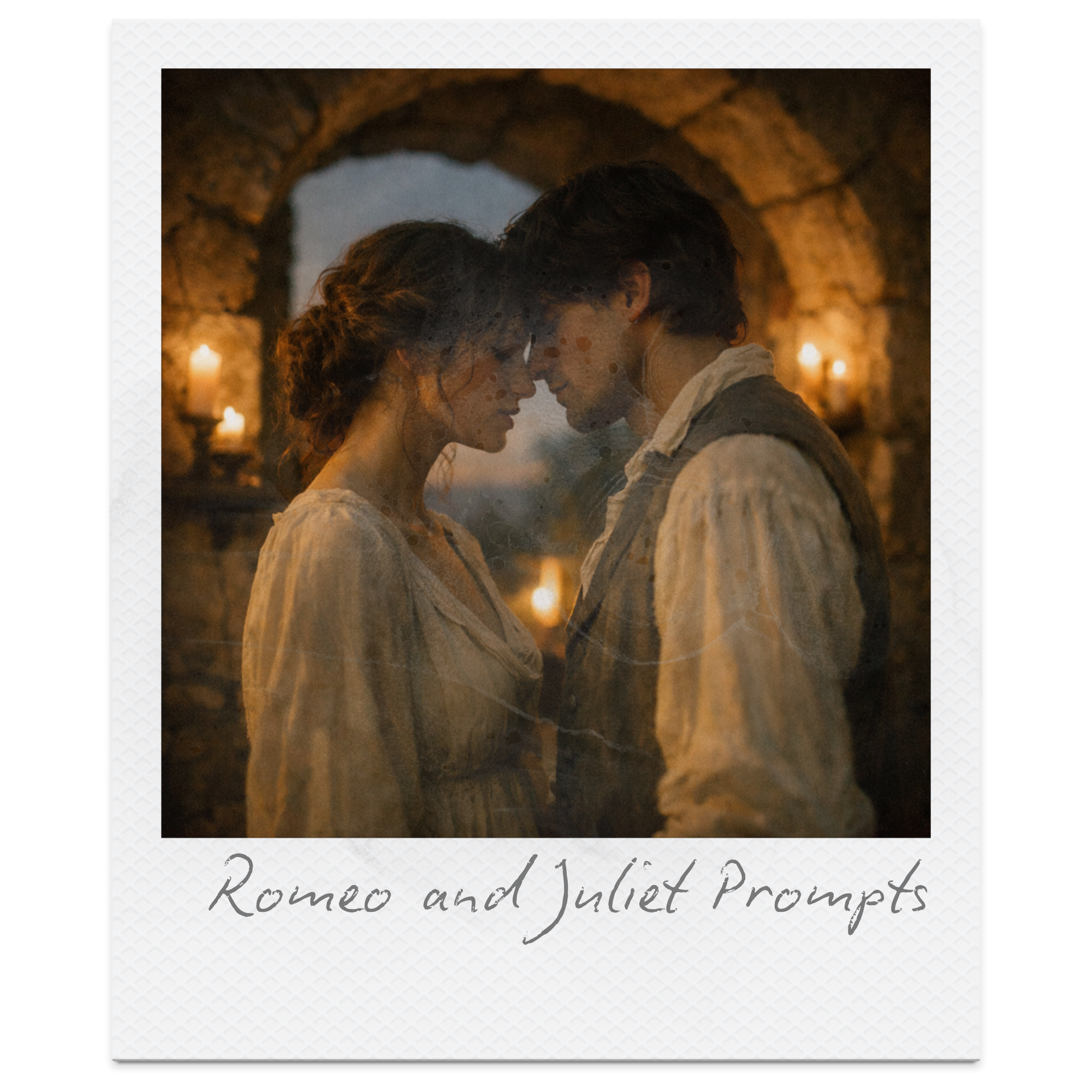
70 Creative Writing Prompts Inspired by Romeo and Juliet: Plot Hooks, Opening Lines, Characters & Visual Ideas
William Shakespeare’s Romeo and Juliet is more than a tragic love story — it is a play shaped by forbidden love, secrecy, and the dangerous speed of youthful decision-making. This collection of creative writing prompts inspired by Romeo and Juliet invites teen writers to explore impulsiveness, family conflict, and choice under pressure through original fiction and poetry, rather than retelling the plot. Designed for classroom use, writing clubs, and independent practice, these Romeo and Juliet–inspired writing prompts focus on atmosphere, voice, and moral tension. By working with character-driven ideas rooted in secrecy, loyalty, and consequence, students can engage with Shakespeare’s themes in a way that feels creative, accessible, and deeply connected to the play.
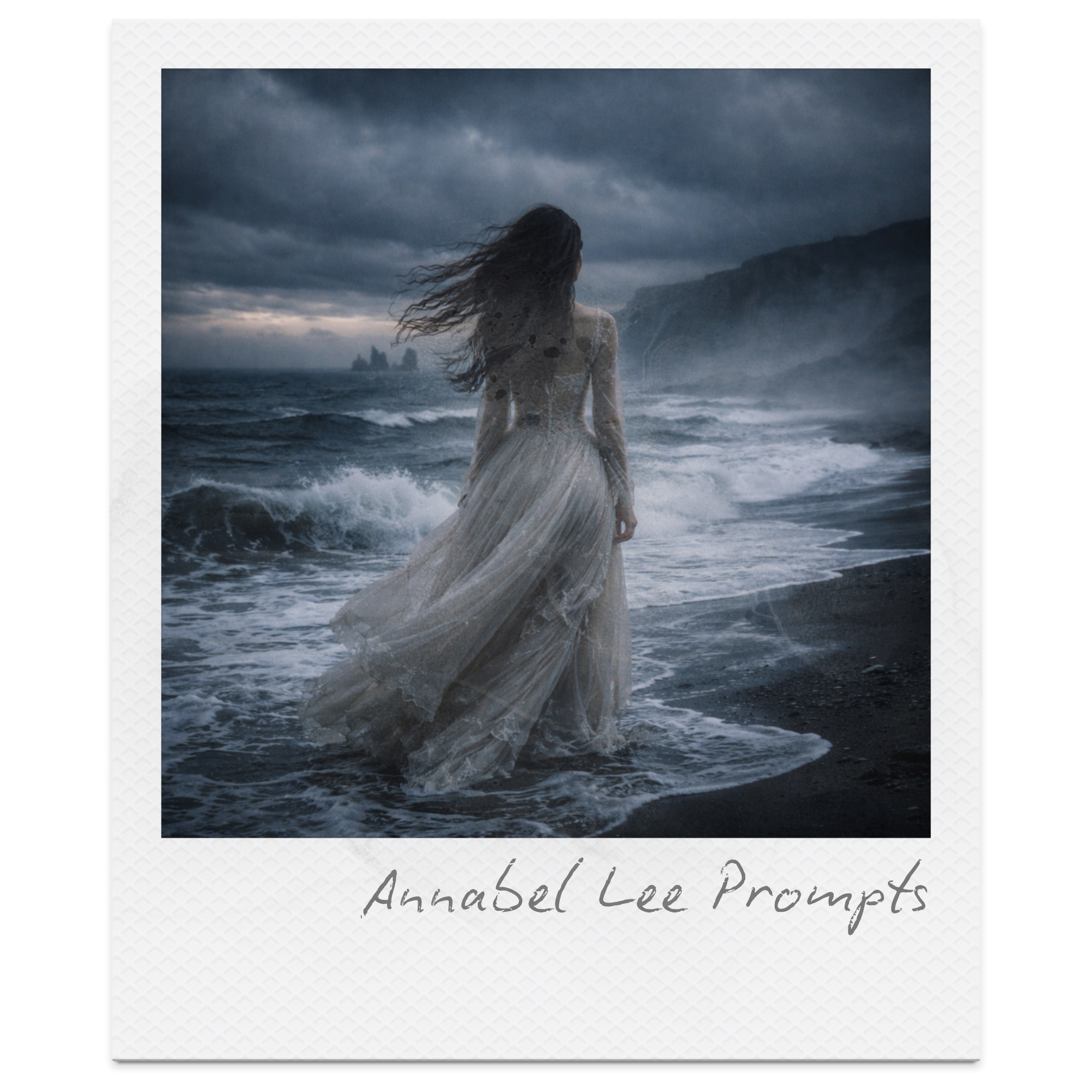
70 Creative Writing Prompts Inspired by Annabel Lee: Plot Hooks, Opening Lines, Characters & Visual Ideas
These 70 creative writing prompts inspired by Edgar Allan Poe’s Annabel Lee are designed to help young writers explore emotion, memory, and atmosphere through original storytelling. Rather than retelling the poem, the prompts draw on its mood, imagery, and central ideas, encouraging students to experiment with voice, setting, and feeling while developing confidence in expressive writing. Suitable for classroom use, writing clubs, and independent practice, this collection supports creative engagement with literature across a range of age groups. The prompts can be used as short writing starters, extended creative tasks, or inspiration for reflective pieces that connect literary study with imagination and personal response.
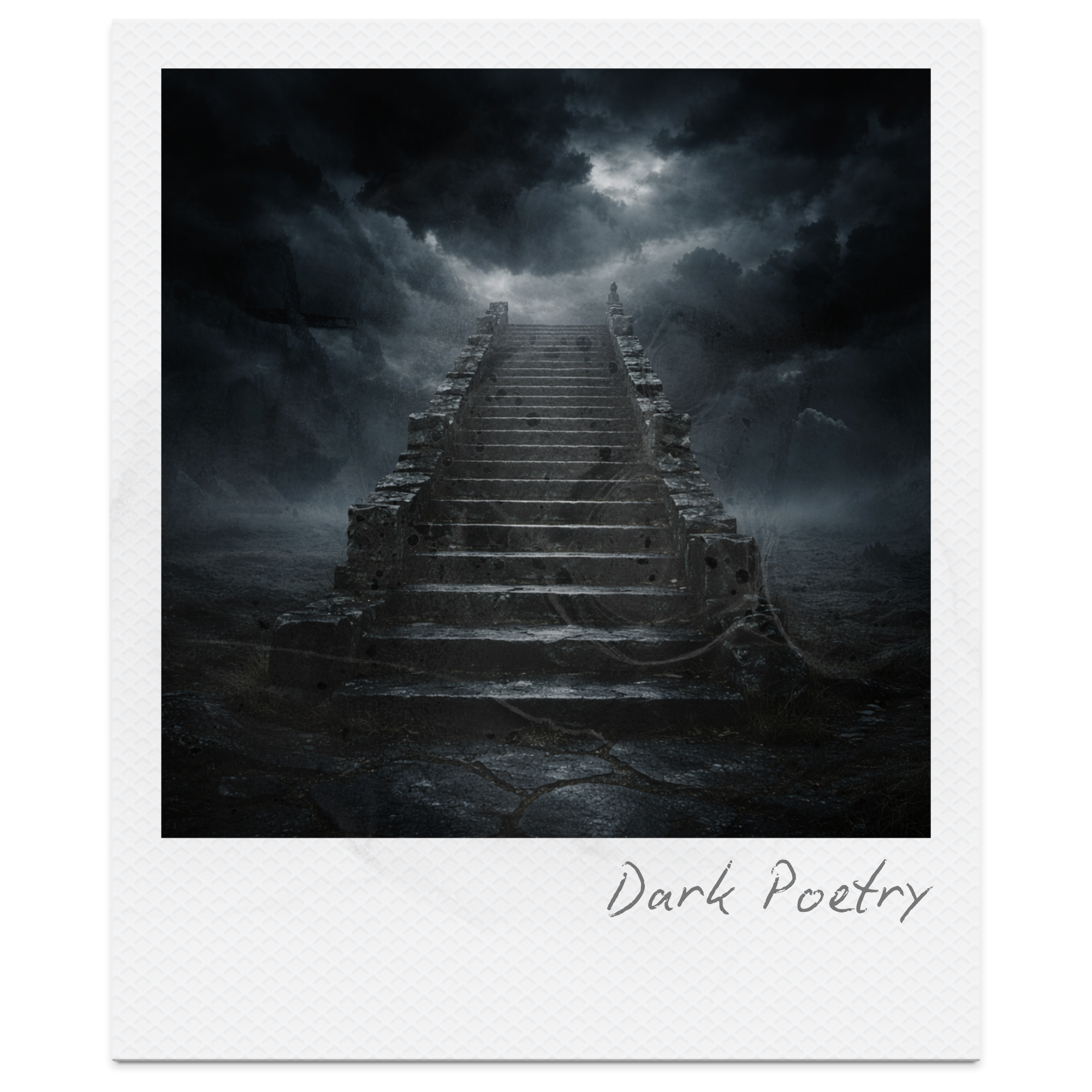
10 Dark Poetry Prompts for Teens & Adults: Exploring Shadow, Silence, and Emotion
Dark poetry explores shadow, silence, and the emotions we rarely name out loud. In this collection of dark poetry prompts for teens and adults, you’ll find atmospheric writing ideas designed to encourage restraint, tension, and emotional depth rather than shock or spectacle. Each prompt invites writers to focus on imagery, form, and what remains unsaid. This post includes 10 dark poetry writing prompts, craft techniques such as enjambment and repetition, suggested opening lines, and ekphrastic poetry images inspired by gothic art, surrealism, and classical forms. Whether you’re teaching poetry, writing independently, or exploring darker themes with care and intention, these prompts offer a thoughtful starting point for powerful, atmosphere-driven writing.
70 Paranormal Romance Writing Prompts for Teens: Story Starters, Characters, Settings & Visual Ideas
Explore 70 paranormal romance writing prompts for teens featuring ghosts, witches, vampires, and otherworldly love stories shaped by longing, secrecy, and emotional risk. This collection includes plot hooks, opening and closing lines, character ideas, settings, and cinematic picture prompts—ideal for creative writing lessons, quick writes, writing clubs, or longer YA paranormal romance projects rooted in atmosphere and connection.
70 Romantasy Writing Prompts for Teens: Story Starters, Characters, Settings & Visual Ideas
Romantasy writing prompts blend fantasy worldbuilding with romantic tension, creating stories where magic, power, and emotion collide. This curated collection of 70 romantasy writing prompts for teens explores enemies-to-lovers dynamics, political intrigue, forbidden bonds, and love shaped by consequence rather than destiny. Featuring plot hooks, character concepts, opening and closing lines, immersive settings, and cinematic picture prompts, this post is designed for teachers and teen writers looking to develop high-stakes romantasy stories with depth, atmosphere, and emotional impact.
70 Enemies-to-Lovers Writing Prompts for Teens: Story Starters, Characters, Settings & Visual Ideas
70 Enemies-to-Lovers Writing Prompts for Teens is a premium creative writing collection designed to help young writers explore rivalry, conflict, banter, and slow-burn romance through character-driven storytelling. Featuring story hooks, opening and closing lines, character ideas, high-tension settings, and atmospheric picture prompts, this post shows teen writers how the enemies-to-lovers trope transforms opposition into emotional connection. Perfect for classroom use, creative writing warm-ups, or independent practice, these enemies-to-lovers writing prompts encourage teens to develop complex characters, believable conflict, and emotional arcs while experimenting with one of the most popular tropes in YA fiction.
70 Romance Writing Prompts for Teens: Story Starters, Titles, Characters, Settings & Visual Ideas
Romance writing prompts invite writers to explore emotional connection, tension, and the moments that sit between longing and choice. This collection of romance writing prompts for teens and writers is designed to spark meaningful stories — from first love and heartbreak to slow-burn relationships, quiet intimacy, and unresolved feelings. Whether you’re looking for creative writing inspiration, romance plot ideas, character-driven prompts, or scene writing prompts, these ideas help writers move beyond clichés and write romance with depth, authenticity, and emotional weight. Perfect for classrooms, independent writers, and creative writing warm-ups, these prompts support writing romance, developing characters, and building believable relationships through setting, dialogue, and atmosphere.
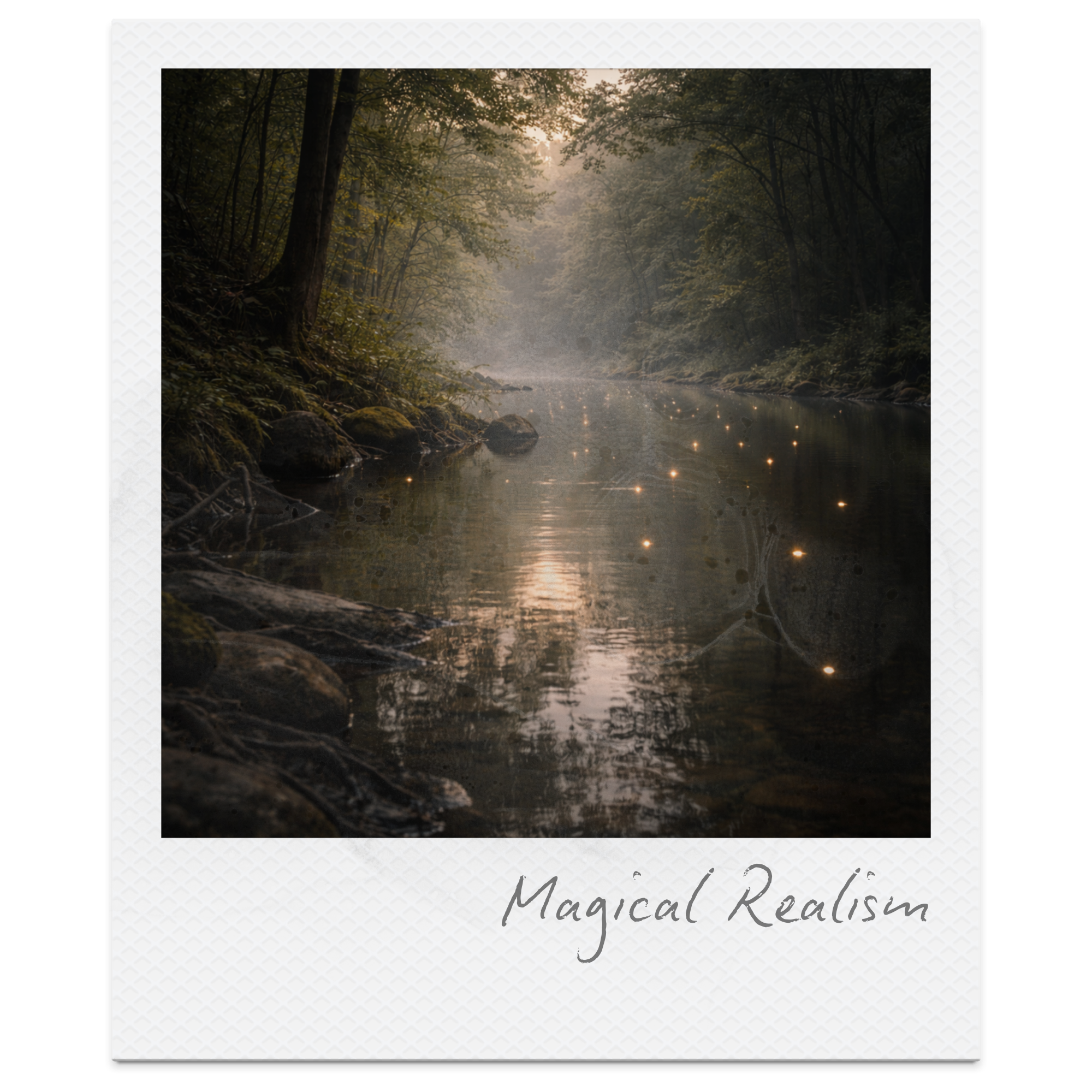
70 Magical Realism Writing Prompts for Teens: Ideas, Openings, and Visual Starters for the English Classroom
Magical realism writing prompts for teens blend the ordinary with the impossible, creating stories that feel grounded, symbolic, and emotionally rich. This curated collection of 70 magical realism writing prompts includes plot hooks, title ideas, opening and closing lines, character concepts, settings, and picture prompts designed for classroom use or independent creative writing. Ideal for KS3–KS4 students, these prompts help teen writers explore memory, identity, loss, and belonging through subtle magic and familiar worlds.
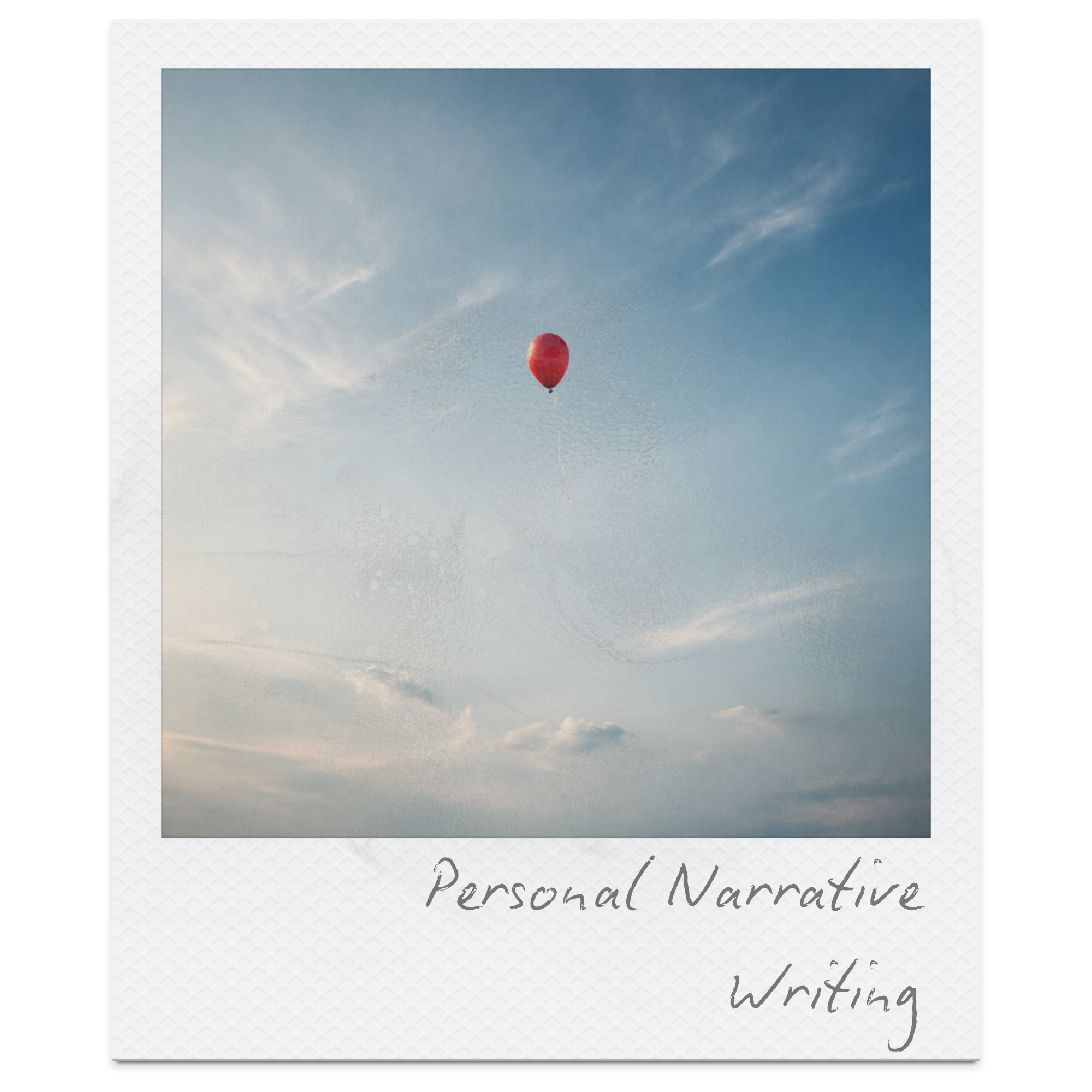
70 Personal Narrative Writing Prompts (With Images & Story Starters)
These personal narrative writing prompts are designed to help students shape real experiences into meaningful, reflective writing. Rather than focusing on journaling or simple recounts, this collection of 70 personal narrative prompts provides structured support through titles, opening lines, closing lines, settings, important people, and picture prompts, guiding writers toward clarity, purpose, and thoughtful reflection. Suitable for middle and high school students, as well as classroom use across KS3–KS5, these personal narrative writing prompts work well for creative writing lessons, exam-style tasks, bell ringers, and independent writing time. The prompts are flexible, classroom-safe, and designed to help writers develop voice, reflection, and narrative control while exploring memory, identity, and lived experience.