70 Romantasy Writing Prompts for Teens: Story Starters, Characters, Settings & Visual Ideas
Romantasy writing prompts sit at the intersection of fantasy storytelling and romantic tension, blending high-stakes worlds with emotionally charged relationships. In the best romantasy stories, romance isn’t a side plot — it’s woven into the politics, magic systems, and moral dilemmas of the world itself. Think stolen glances across war room tables, magical contracts that blur into desire, alliances formed out of necessity, and slow-burn connections unfolding beneath moonlit forests or within cursed castles.
At its core, romantasy for teens explores power, loyalty, betrayal, prophecy, and the impossible choices that arise when saving the world conflicts with saving the person you care about most. These stories thrive on tension: enemies-to-lovers dynamics, forbidden attraction, found family bonds, and the quiet devotion that develops in dangerous places.
Strong teen romantasy writing works best when worldbuilding and relationships grow together. Whether a story is set in a magical academy, a kingdom on the brink of war, a fae court built on bargains and deception, or a floating library guarded by ancient runes, romantasy allows young writers to explore identity, agency, and emotional risk inside expansive speculative worlds.
This collection of 70 romantasy writing prompts for teens is designed as a full creative toolkit. Inside, you’ll find plot hooks, character archetypes, story titles, opening and closing lines, settings, and cinematic picture prompts inspired by magic, myth, alliances, enemies-to-lovers tension, and love shaped by consequence rather than destiny.
If you’d like to explore more fantasy prompts, worldbuilding ideas, and genre-based writing inspiration, visit the Fantasy Writing Hub, the Romance Writing Hub,or browse the Creative Writing Archive for a wider collection of prompts organised by theme, style, and storytelling focus.
1. Plot Hooks
The most compelling romantasy plot hooks place emotional desire inside political, magical, or moral conflict. Love is never neutral in these worlds — it shifts alliances, destabilises power, and complicates prophecy. These scenarios are designed to create immediate narrative momentum by forcing characters to choose between loyalty, survival, and connection.
A powerful mage is cursed to slowly lose their magic unless they form a binding spell with the one person sworn to destroy them — an enemy whose survival is just as uncertain.
A runaway royal hides among a reclusive order of magical scholars, only to fall for someone whose research could expose their true identity and collapse the kingdom they fled.
A reluctant dragon rider is assigned to escort a diplomat from a rival realm, discovering that the political treaty depends on cooperation neither of them wants — or trusts.
A gifted healer can absorb the injuries of others through touch, but each wound taken leaves a permanent mark. When the person they love is targeted, healing becomes an act of sacrifice rather than mercy.
Two rivals are forced into an uneasy partnership when an enchanted artefact they both seek will only reveal its power to those who share mutual trust.
A sworn guardian is tasked with protecting the last surviving heir of a rival house, only to realise that the heir’s death would secure peace — and their survival could reignite war.
A student at a magical academy discovers their soulmate mark belongs not to another student, but to a dangerous fae bound by laws the human world barely understands.
A covert spy infiltrates a magical court under false pretences, manipulating alliances and secrets — until they fall for the one person they are actively betraying.
A witch bargains with a feared monster for power, protection, or knowledge, slowly realising that the monster’s reputation was crafted by others — and that their gentleness may be the real danger.
A knight cursed to feel no fear becomes invaluable on the battlefield, until love awakens emotion and vulnerability — threatening both their strength and their survival.
2. Title Ideas
Romantasy titles tend to be atmospheric, symbolic, and emotionally charged, balancing intimacy with power, danger, and myth. These titles are designed to sound at home on book covers, web serials, or high-concept short fiction — suggestive rather than explanatory.
What the Treaty Cost Us
Where Oaths Begin to Burn
The Shape of Magic Between Us
A Kingdom That Loved Too Late
The Curse That Chose Us Both
Ash, Bone, and the Things We Promised
To Rule Is to Risk the Heart
The Night the Bond Was Broken
Gold on the Tongue, Blood on the Hands
After the Crown Refused Me
3. Opening Lines
Strong romantasy opening lines drop readers into moments where magic, power, and emotion collide — often before the characters fully understand the cost. These openings are designed to create immediate tension, whether political, magical, or deeply personal.
The bond burned beneath my skin the moment the enemy delegation crossed the threshold.
The royal summons arrived at dawn, sealed in black wax and written in a hand that assumed obedience.
I met them on a battlefield where neither of us was meant to survive.
Magic usually tasted like metal on my tongue; that morning, it tasted like fear and something dangerously close to hope.
The prophecy accounted for one survivor — and I was not the one standing in front of the court.
I bowed too late, and the silence that followed was far more threatening than any insult.
The spell should have ended our lives, but instead it rewrote the rules we were meant to obey.
They called them a monster, which made it inconvenient when they were the only one willing to save me.
The first time I saw them, their sword was already at my throat — and the room was watching to see how I would respond.
Love was forbidden to people like me, but the law had never anticipated magic that could choose for itself.
4. Closing Lines
Romantasy stories rarely end with certainty. More often, they close on choice, cost, and unresolved devotion — moments that suggest the future without securing it. These closing lines leave space for consequence rather than comfort.
We crossed the border knowing the world would remember the choice long after it forgave us.
The curse lifted at last, leaving us to face the damage it had already done.
The kingdoms would recover or they wouldn’t — but what we’d broken between us could not be undone.
The prophecy had never been wrong; it had simply misunderstood what survival would cost.
When the war drums fell silent, I realised peace required more courage than battle ever had.
I still didn’t know if they loved me, but they stayed — and for now, that was enough.
The treaty was signed in ink instead of blood, and the court did not know how to react.
The monster bowed first, and in that moment the story changed hands.
I lost the crown, but I left the chamber knowing exactly who I was.
We did not promise forever — only the next choice, and then the one after that.
5. Character Ideas
In strong romantasy, characters are never neutral. They are political pieces, emotional vulnerabilities, and moral pressure points all at once. These archetypes are designed to generate conflict the moment they enter the story — through divided loyalties, dangerous desires, and impossible roles.
A reluctant heir raised for peace in a system that only rewards conquest, forced to choose between personal conviction and inherited power.
A magical scholar whose pursuit of forbidden knowledge threatens to expose truths powerful institutions have buried for centuries.
A fae emissary trained in diplomacy and deception, whose survival depends on never revealing which promises are lies — or which ones matter.
A dragon rider bound by an unforgiving code of honour, sworn to obey orders that increasingly conflict with their conscience.
A healer whose rare abilities draw attention from rulers, cults, and enemies alike, turning every act of mercy into a political statement.
A knight whose loyalty has outlived the cause it was sworn to, forcing them to decide whether duty still deserves obedience.
A witch who refuses to kneel to any court, council, or crown, and is therefore treated as both a threat and a bargaining chip.
A shapeshifter who uses wit and performance to mask profound isolation, aware that no one truly knows them — or ever could.
A cursed immortal who has survived long enough to fear permanence more than death, desperate for connection in a world that always changes.
A royal spy who trades in secrets rather than loyalty, navigating romance as another potential liability in a career built on betrayal.
6. Setting Ideas
Romantasy thrives in settings that are beautiful, dangerous, and symbolic — places that apply pressure long before characters make their first choice. These settings are designed to shape behaviour, control power, and turn romance into a liability.
A floating library bound by ancient runes, where forbidden knowledge is accessible only through personal sacrifice, and every reader is quietly watched.
A cursed forest that remembers names, whispering them back to those who have something to lose — or something to hide.
A winter court carved from ice and starlight, where political alliances are as fragile as the architecture and warmth is treated as a form of currency.
A fortress built inside the ribcage of a long-dead dragon, its very walls infused with magic that responds unpredictably to emotion and intent.
A magical academy divided into rival houses, where loyalty is cultivated through competition and friendships are quietly weaponised.
A sprawling enchanted marketplace, where every trinket carries a hidden cost and every bargain binds more than it reveals.
A moonlit bridge used for ancient rituals, where soulmate marks are said to awaken — and where crossing together can permanently alter fate.
A former battlefield left untouched after a magical war, littered with relics that still hum with power and unresolved grief.
A secluded garden cultivated to preserve memories, where emotions can be grown, altered, or erased — but never without consequence.
A walled city protected by sentient gargoyles, whose loyalty is conditional and whose judgments cannot be appealed.
7. Picture Prompts
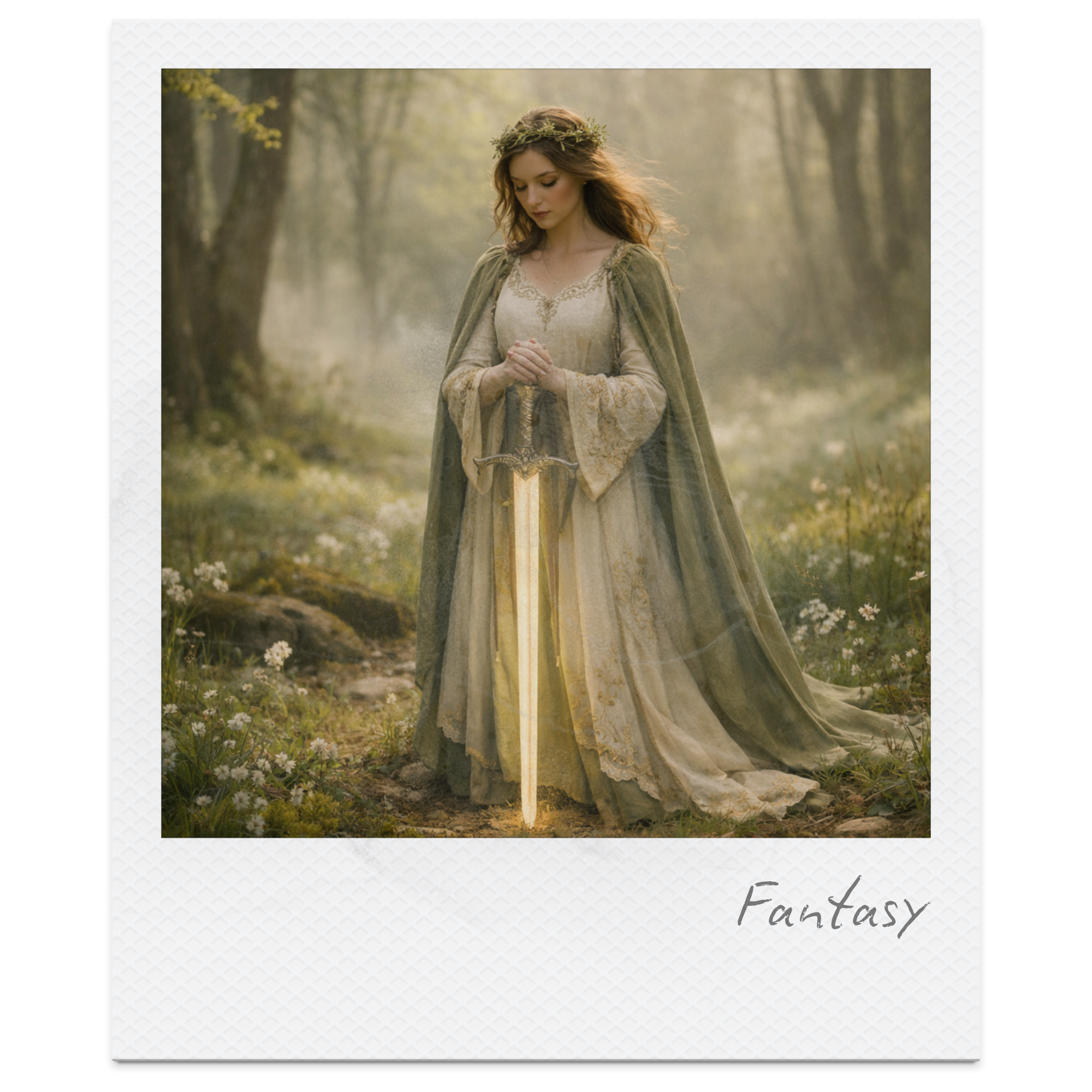
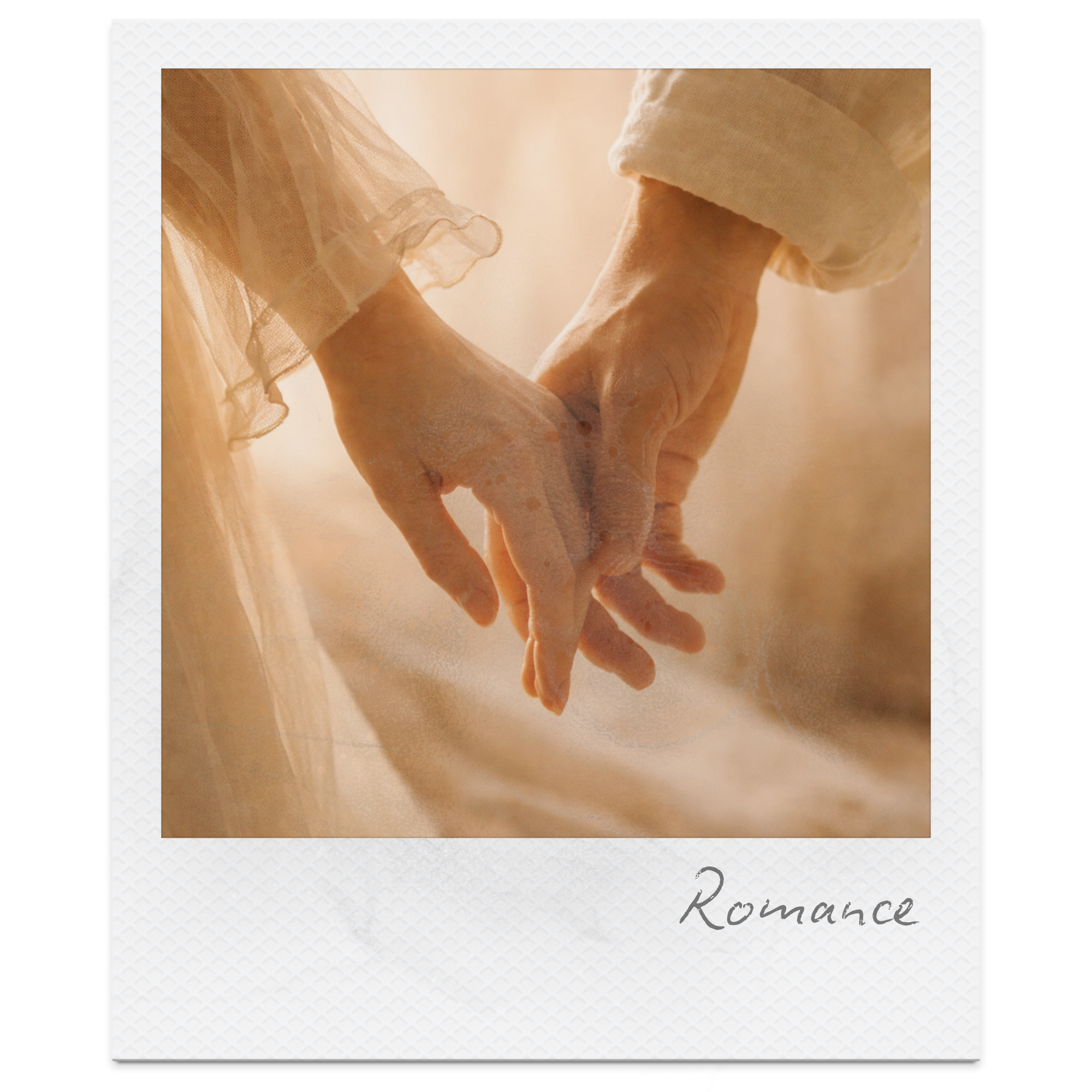
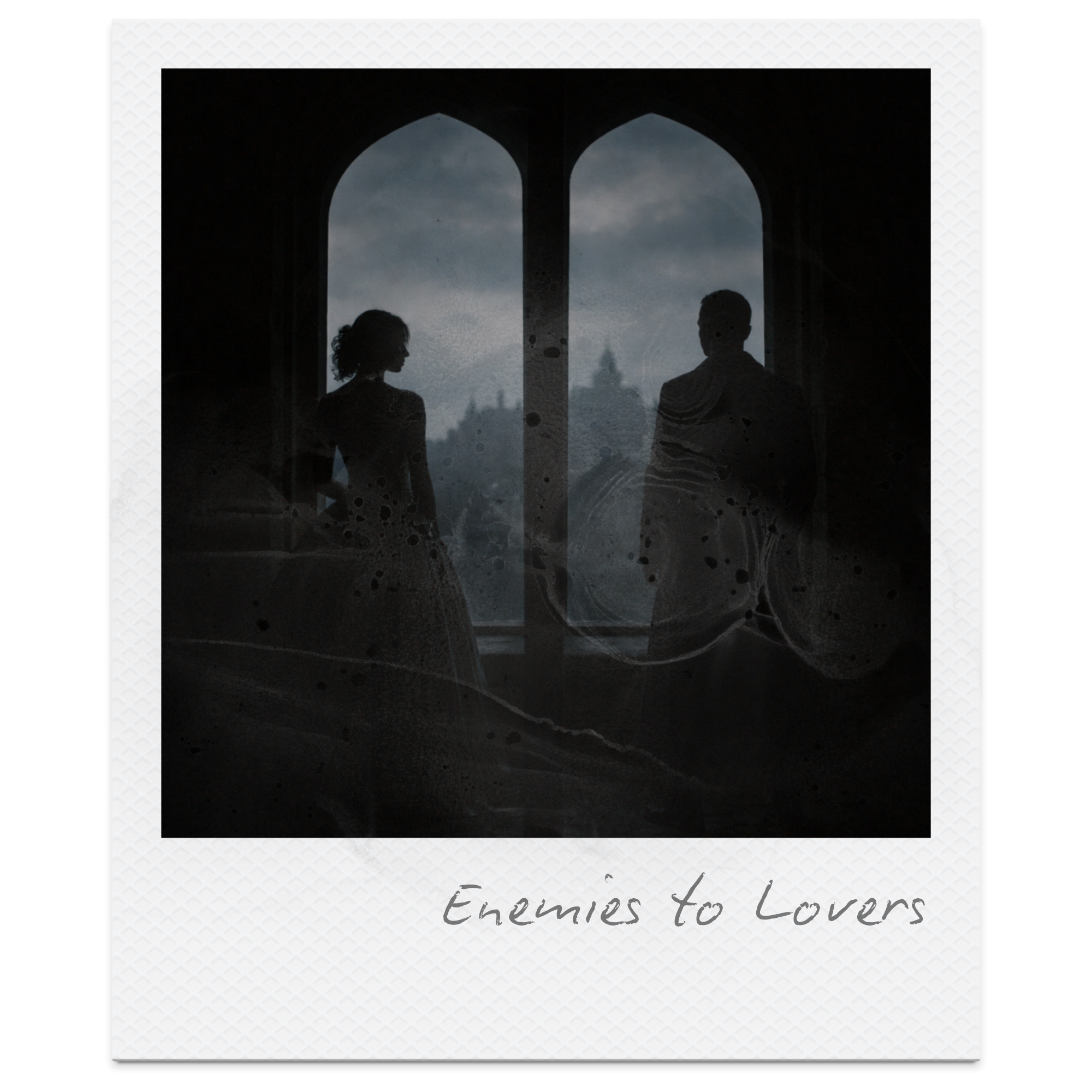
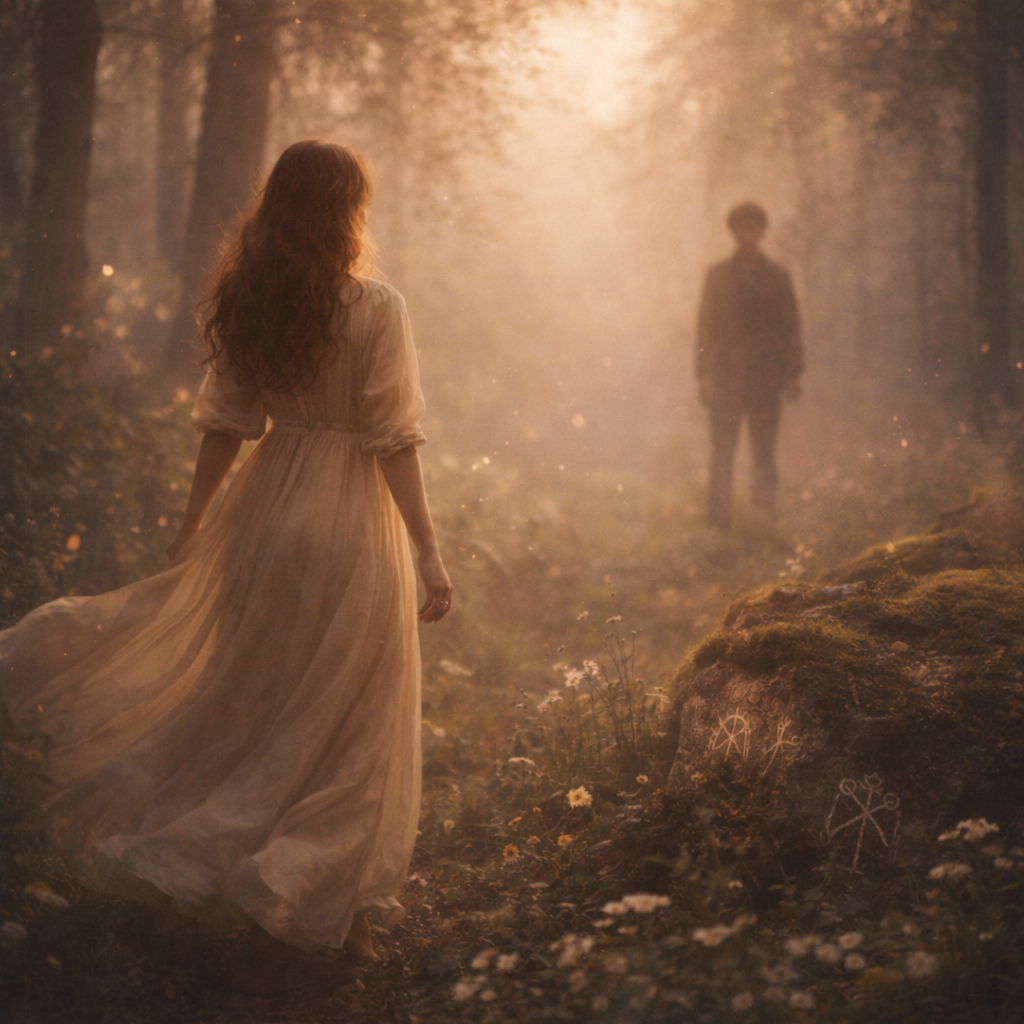
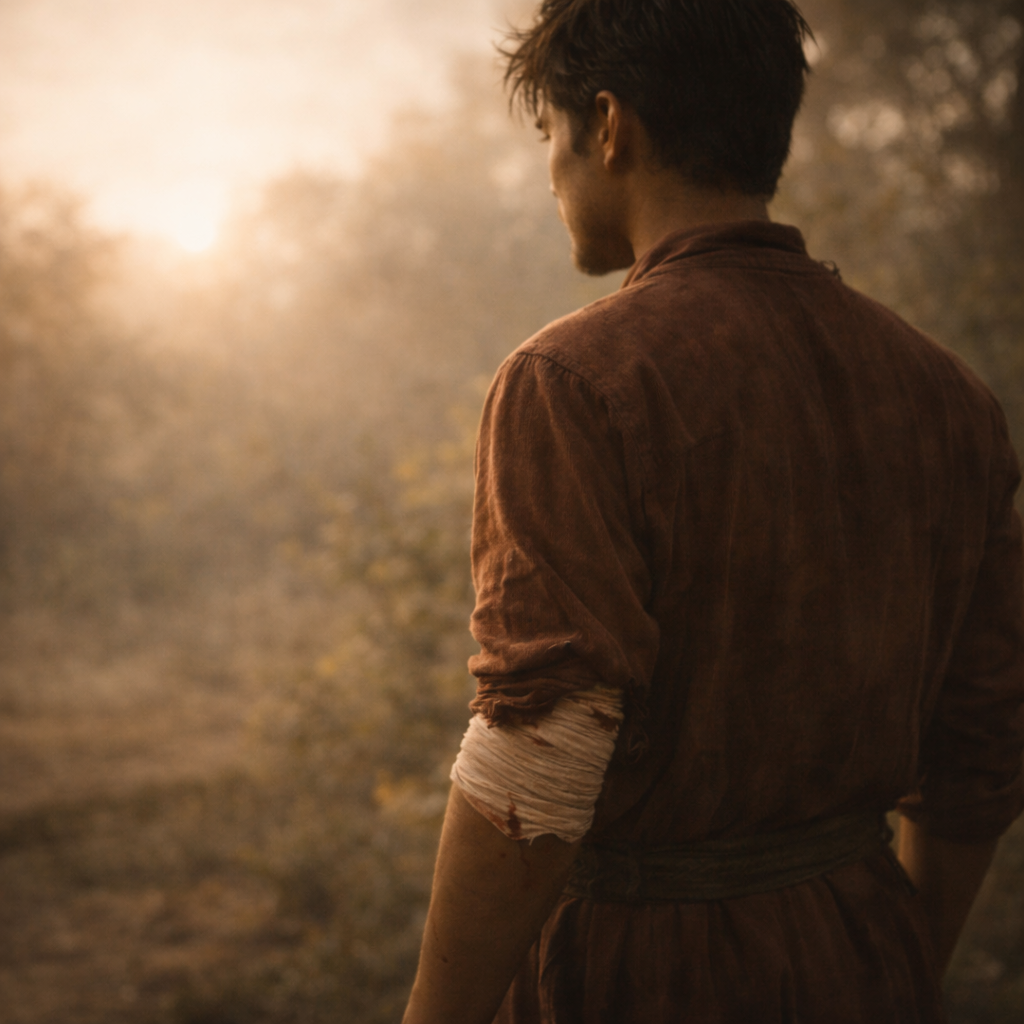
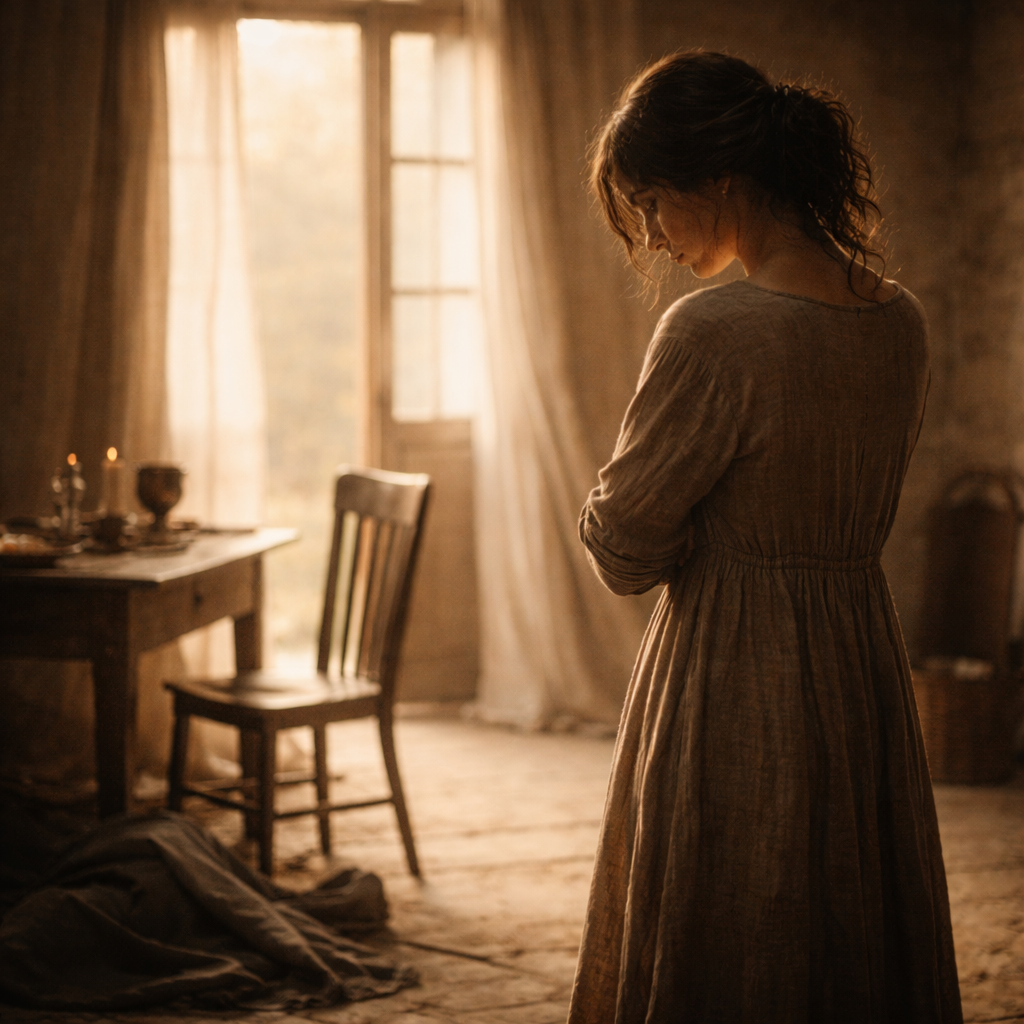
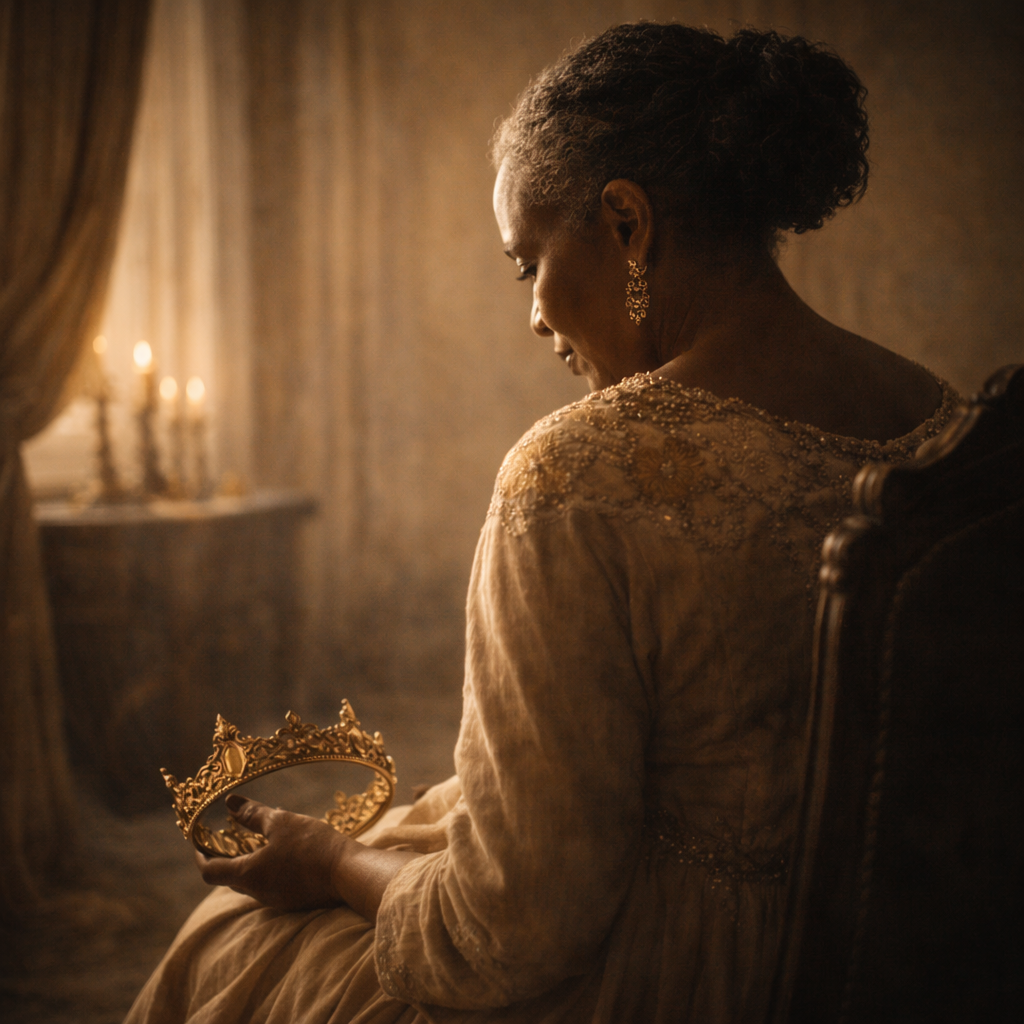
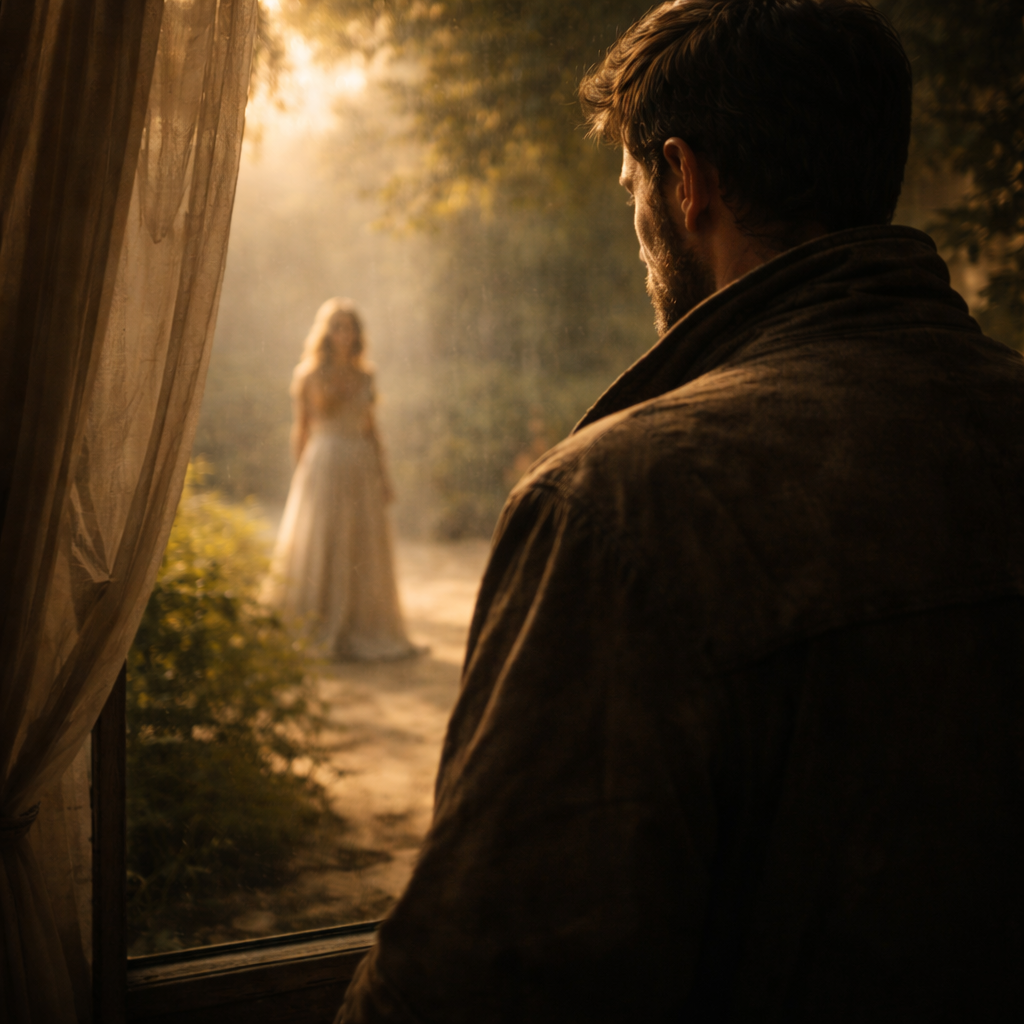
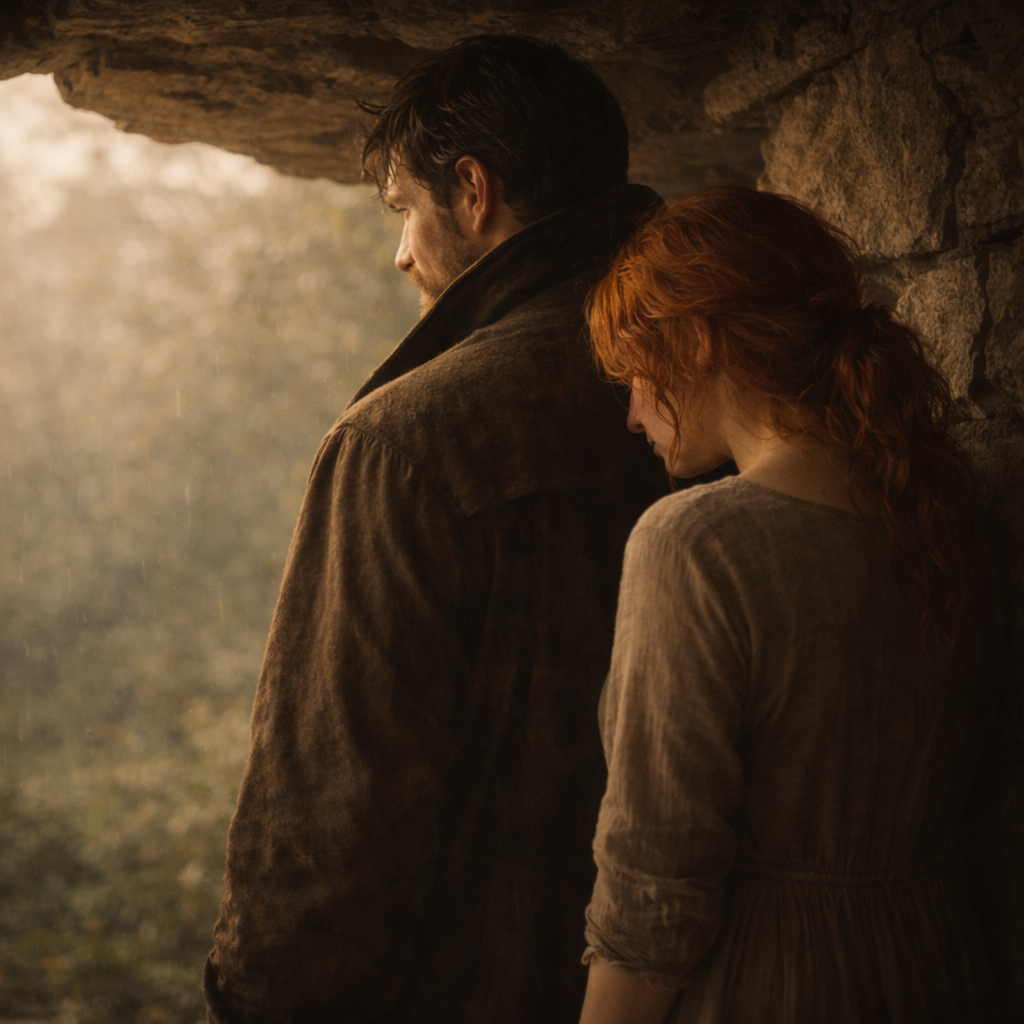
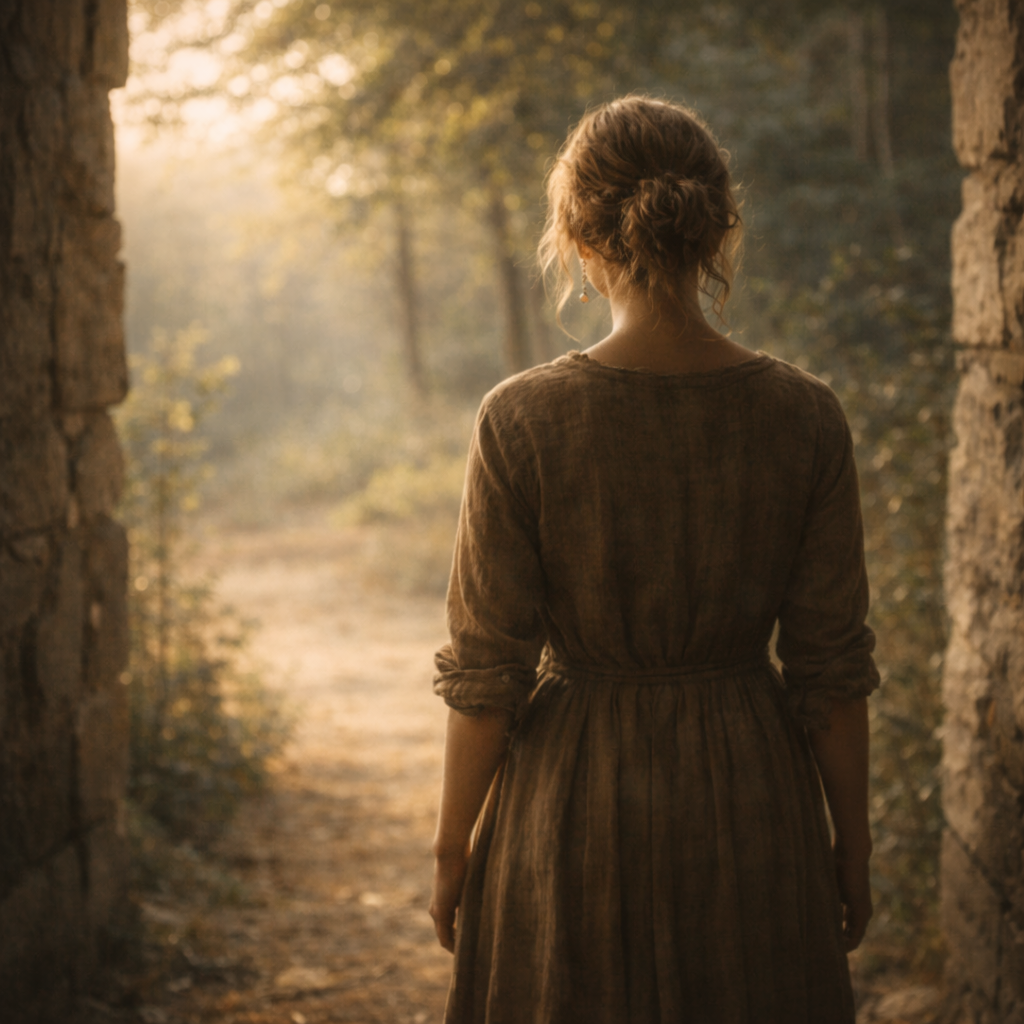
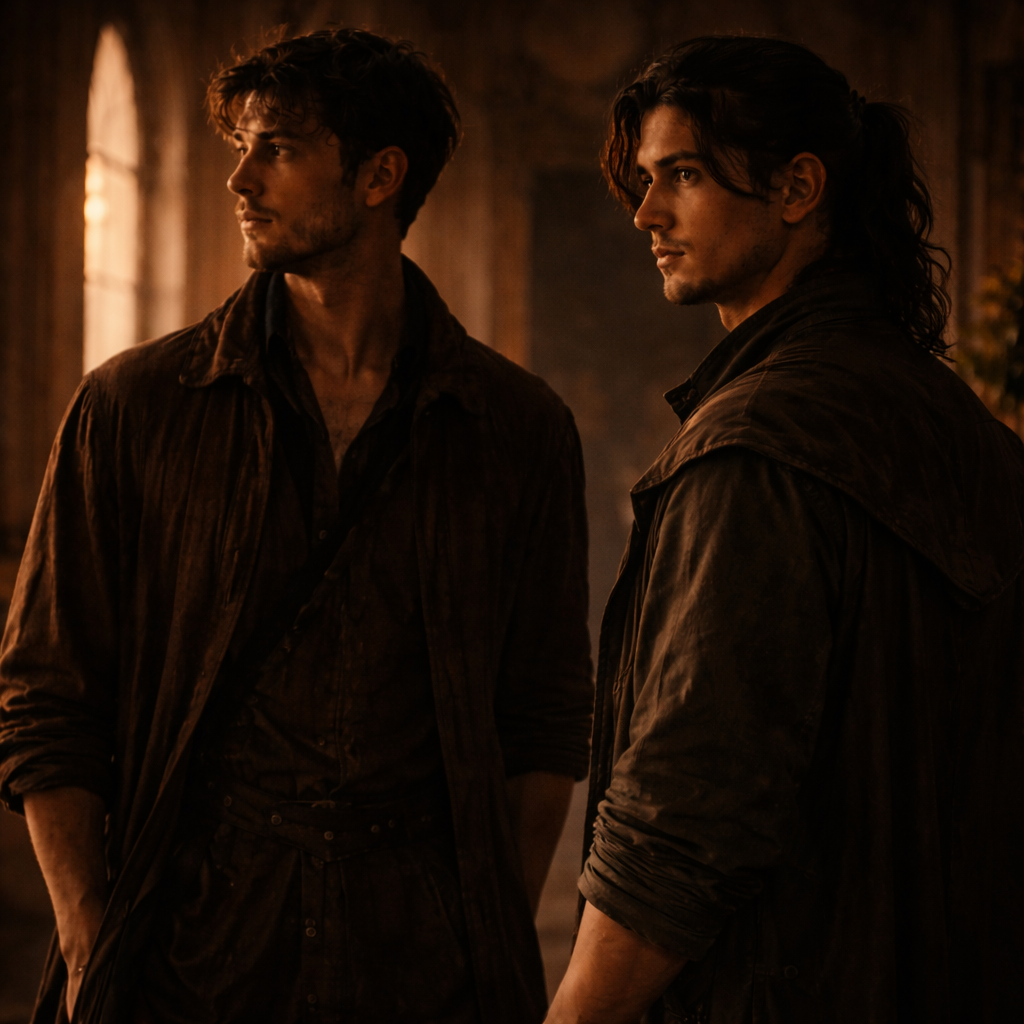
Visual prompts are a powerful tool in romantasy writing, helping writers shape worldbuilding, atmosphere, and emotional tension before the first line is written. In romantasy especially, mood and relationship dynamics are often communicated through light, distance, and setting rather than dialogue.
Each of the following picture prompts is designed to anchor a different romantasy scenario. For clarity and creative focus, every prompt includes specific guidance on colour palette, lighting, and composition, allowing writers to visualise both the world and the emotional stakes at play.


Go Deeper into Romantasy Writing
To develop these romantasy writing prompts beyond surface-level tropes, focus on how romance, power, and consequence interact on the page. Romantasy works best when emotional stakes and worldbuilding pressure each other — when love complicates loyalty, and intimacy carries risk.
Try these approaches to deepen tension, character complexity, and thematic weight:
◆ Rewrite a prompt by shifting the power dynamic between the characters. Ask who holds political authority, magical leverage, or social status — and how attraction destabilises that balance.
◆ Let romance create a liability. Identify one moment where emotional attachment directly endangers a mission, treaty, spell, or alliance, and write into that discomfort rather than resolving it.
◆ Treat magic as a system with costs. Instead of using magic to solve problems, explore what it demands in return — secrecy, sacrifice, obedience, or loss of autonomy.
◆ Experiment with choice over destiny. Rewrite a scene where prophecy, fate, or magical bonds exist, but allow the characters to resist, reinterpret, or deliberately break them.
◆ Focus on aftermath rather than climax. Write the scene after the spell is cast, the treaty is signed, or the battle ends, and explore how intimacy survives — or fractures — under consequence.
These techniques help writers move from familiar romantasy beats into stories that feel intentional, emotionally grounded, and structurally strong.
Final Thoughts
Romantasy is not simply romance set in a fantasy world — it is a genre built on tension between desire and duty, intimacy and power, choice and consequence. The most compelling romantasy stories ask difficult questions: What does love cost in a world ruled by magic? Who pays the price when personal devotion disrupts political order? And what happens when connection becomes an act of rebellion?
These 70 romantasy writing prompts are designed to give teen writers space to explore those questions through plot, character, setting, and atmosphere. Whether used for short stories, creative warm-ups, or longer projects, the prompts encourage writers to treat romance as a narrative force — one that reshapes worlds as much as it reshapes hearts.
If you’d like to explore more fantasy prompts, worldbuilding ideas, and genre-based writing inspiration, visit the Fantasy Writing Hub or browse the Creative Writing Archive for a wider collection of prompts organised by theme, style, and storytelling focus.
Choose Your Next Adventure