Notes from the Inkpot
Writing, teaching, creating - one ink-stained idea at a time.

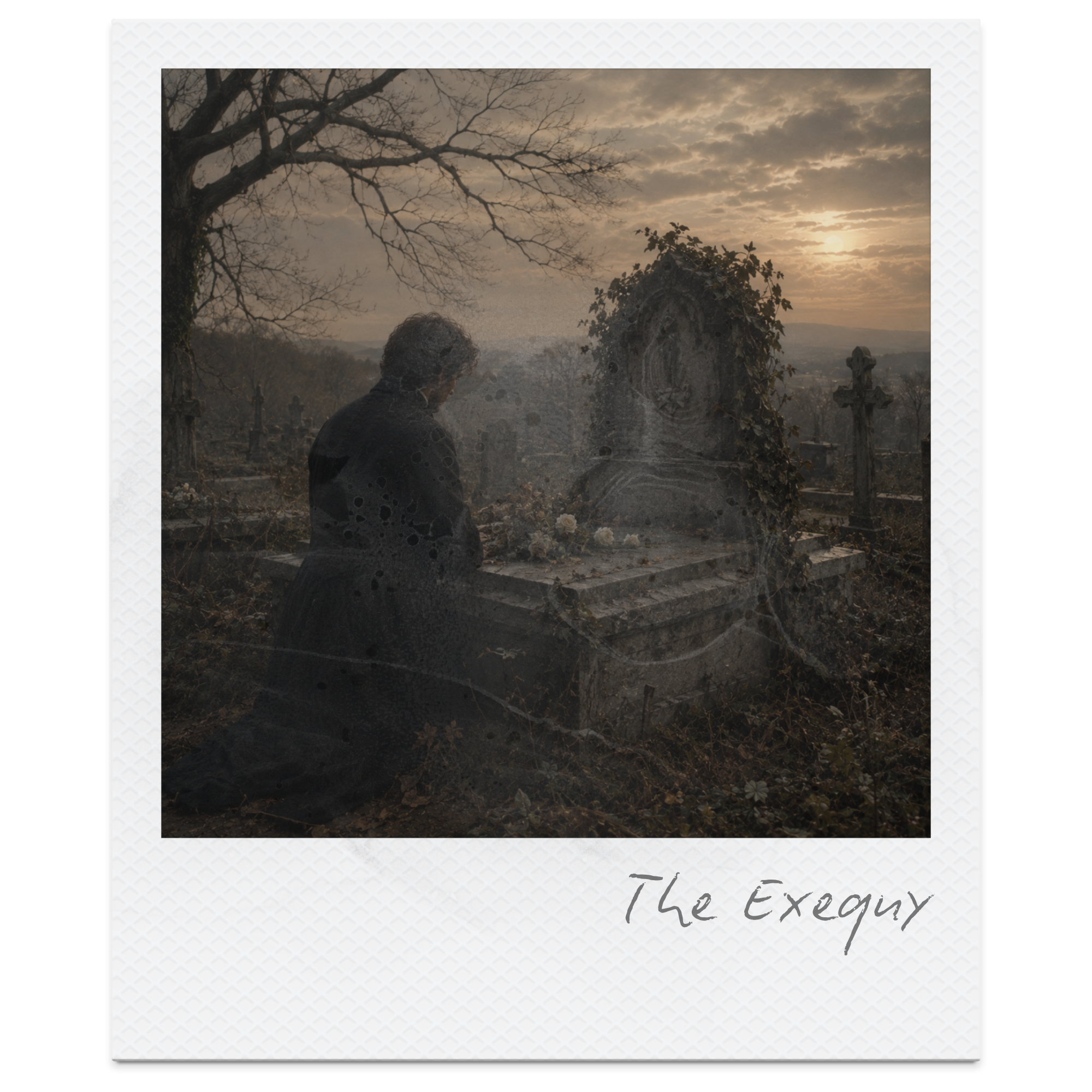
The Exequy by Henry King: Love, Loss, and the Hope of Reunion
The Exequy by Henry King is a powerful seventeenth-century elegy that explores grief, love, mortality, and the hope of reunion after death. Written following the loss of King's wife, the poem combines deeply personal mourning with Christian beliefs about resurrection and eternal life. Through rich symbolism, metaphysical conceits, celestial imagery, and reflections on memory and devotion, King transforms bereavement into a moving meditation on enduring love and spiritual consolation. This analysis explores the poem's themes, structure, imagery, symbolism, and emotional impact for students studying Songs of Ourselves Volume 2.
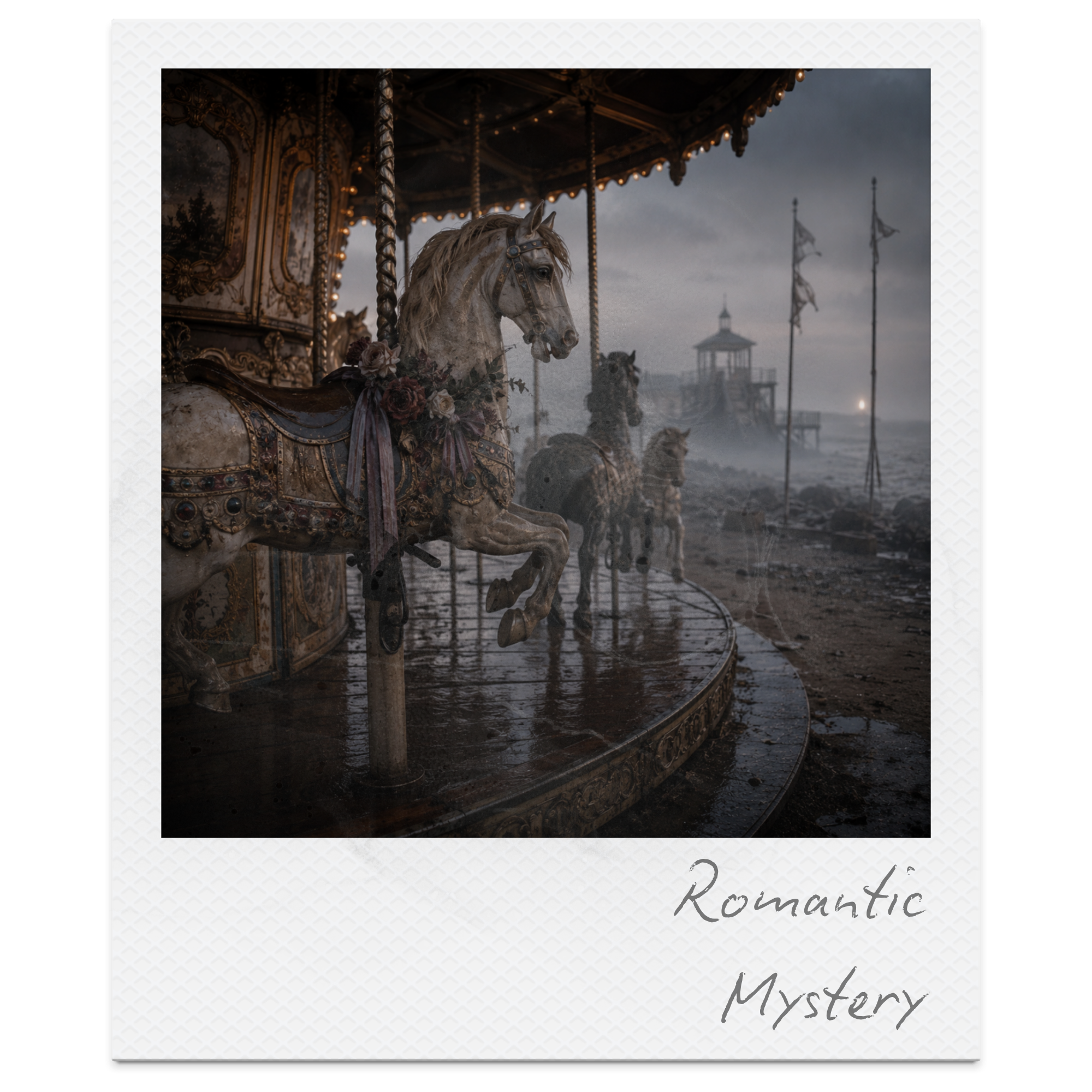
70 Romantic Mystery Writing Prompts: Secrets, Suspense & Unfinished Love Stories
Explore 70 romantic mystery writing prompts featuring missing persons, secret correspondence, mysterious inheritances, hidden identities, family secrets, unsolved disappearances, and suspenseful love stories. Perfect for writers looking to combine romance, intrigue, and unforgettable twists.

100 Meet-Cute Ideas (With Story Ideas and Romance Tropes)
Discover 100 meet-cute ideas for romance writers. From airport delays and workplace encounters to magical accidents, family gatherings, small-town romances, and chance meetings, these story ideas will help you create memorable first encounters, romantic chemistry, and unforgettable love stories.
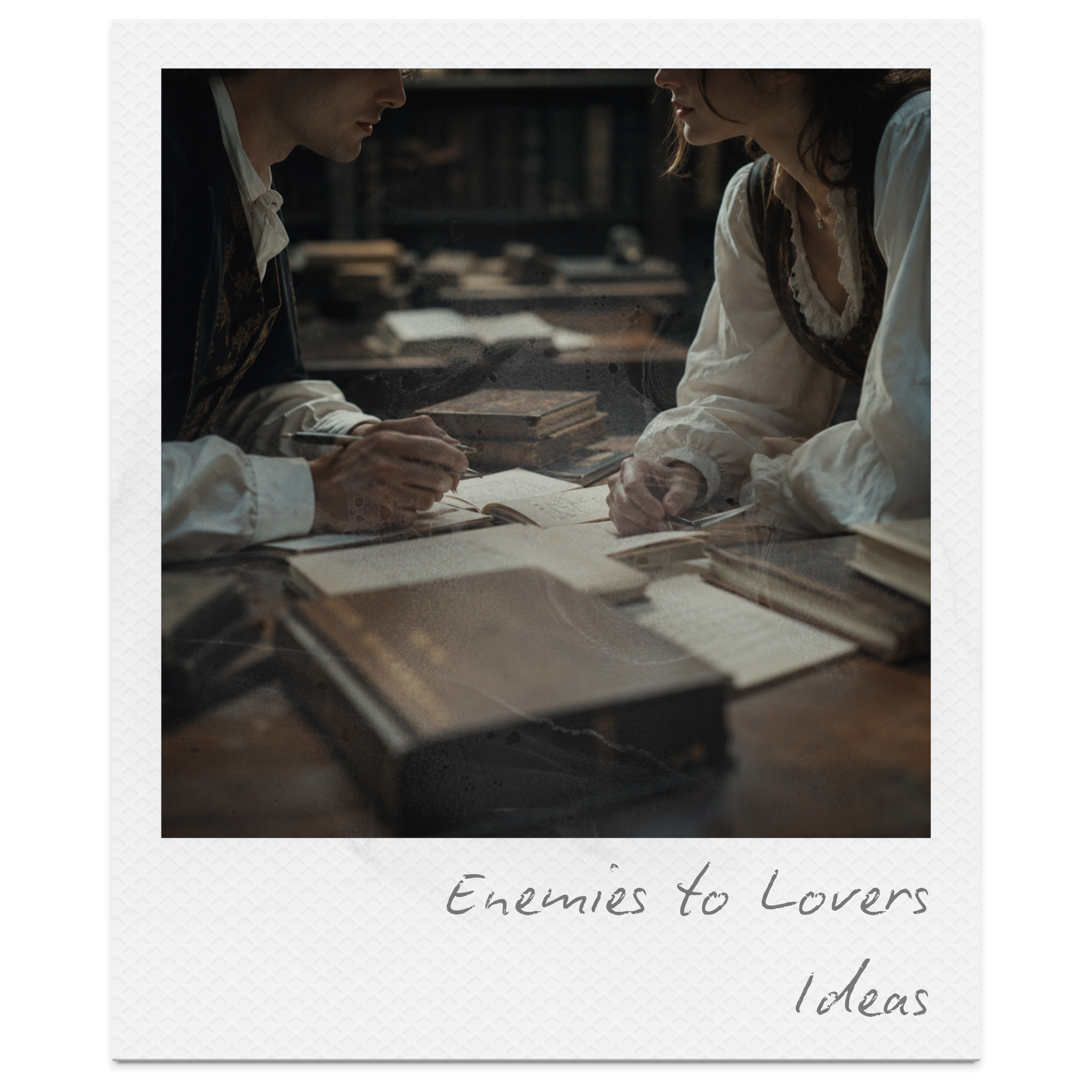
100 Enemies-to-Lovers Ideas (With Story Ideas and Romance Tropes)
Discover 100 enemies-to-lovers ideas with story concepts, romance tropes, and character dynamics. From rival heirs and competing detectives to workplace enemies, fake dating schemes, family feuds, and supernatural rivals, these ideas will help you create compelling romance stories filled with tension, conflict, and unforgettable chemistry.
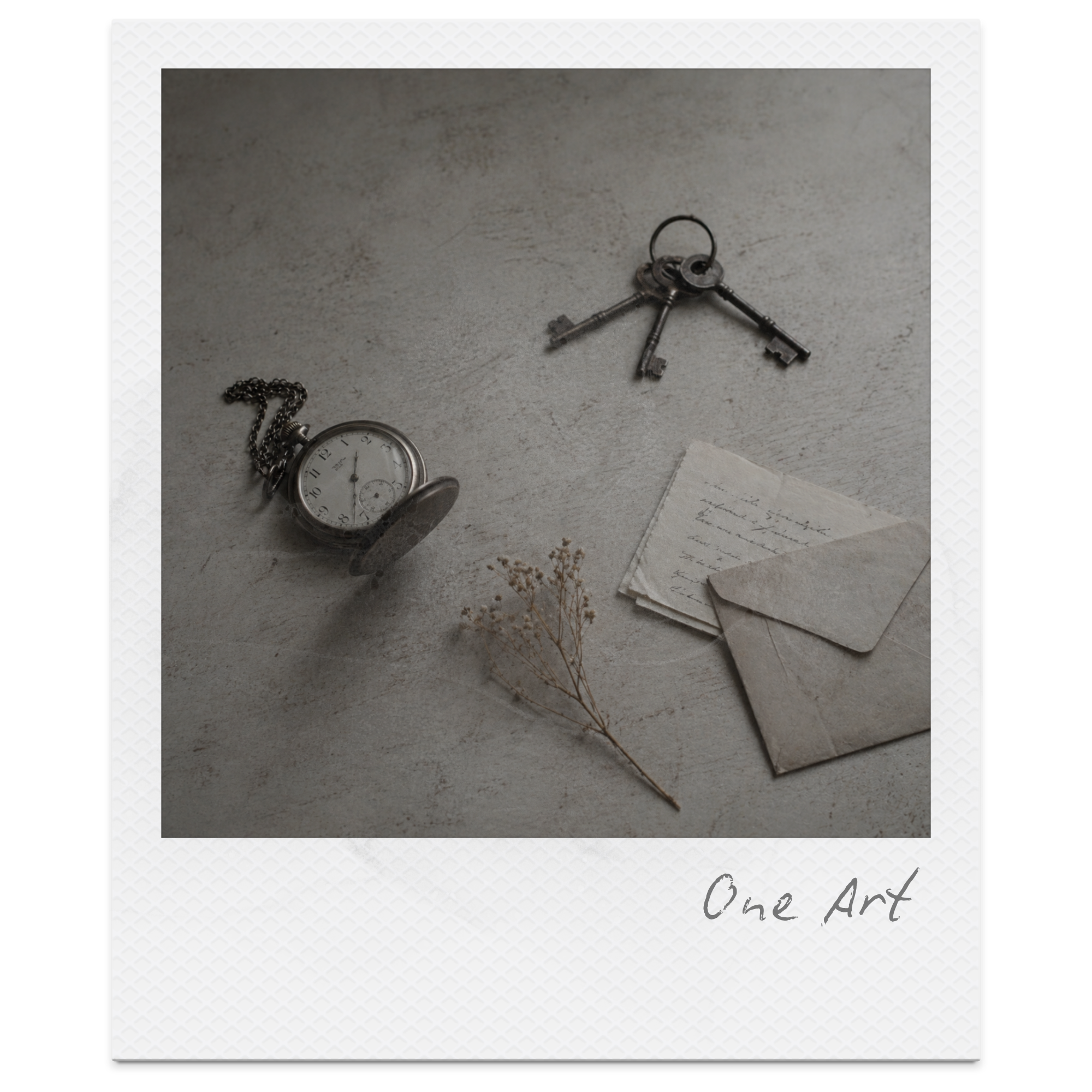
One Art by Elizabeth Bishop: Summary, Themes & Analysis
Elizabeth Bishop’s One Art explores loss and emotional control through a tightly structured villanelle, presenting the idea that losing can be learned and mastered. Through repetition and an authoritative, instructional voice, the poem initially suggests that loss is manageable, using everyday examples to create a sense of calm and control. However, as the poem progresses, the scale of loss becomes more personal and emotionally significant, revealing cracks in this composure. Subtle shifts in tone and structure expose the tension between the speaker’s claims and her true feelings, ultimately suggesting that loss cannot be fully mastered, no matter how carefully it is framed.
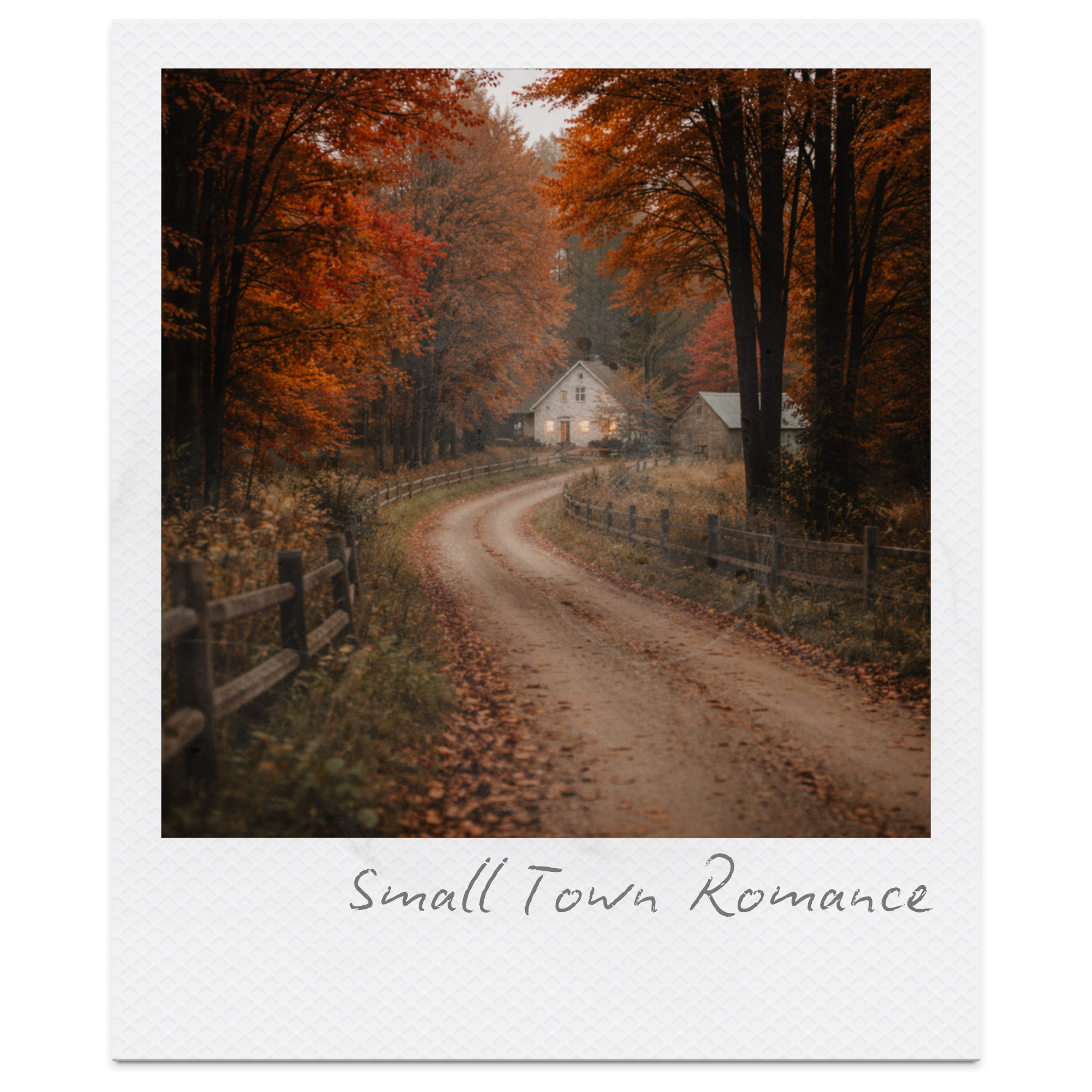
70 Small Town Romance Writing Prompts: Secrets, Second Chances & Slow-Burn Love
Small town romance offers the perfect setting for emotionally driven love stories, where history, reputation, and community shape every relationship. These stories thrive on second chances, slow-burn romance, and unresolved pasts, placing characters in environments where they cannot easily escape each other — or their feelings. From returning home to reconnecting with a past love to navigating gossip in a close-knit town, the setting itself becomes central to the story. In this collection of 70 Small Town Romance Writing Prompts, you’ll find plot hooks, opening lines, character ideas, and more designed to help you build layered, character-driven narratives. Whether you’re exploring themes of belonging, identity, or romantic tension, these prompts offer a structured starting point for creating stories rooted in connection, memory, and emotional growth.
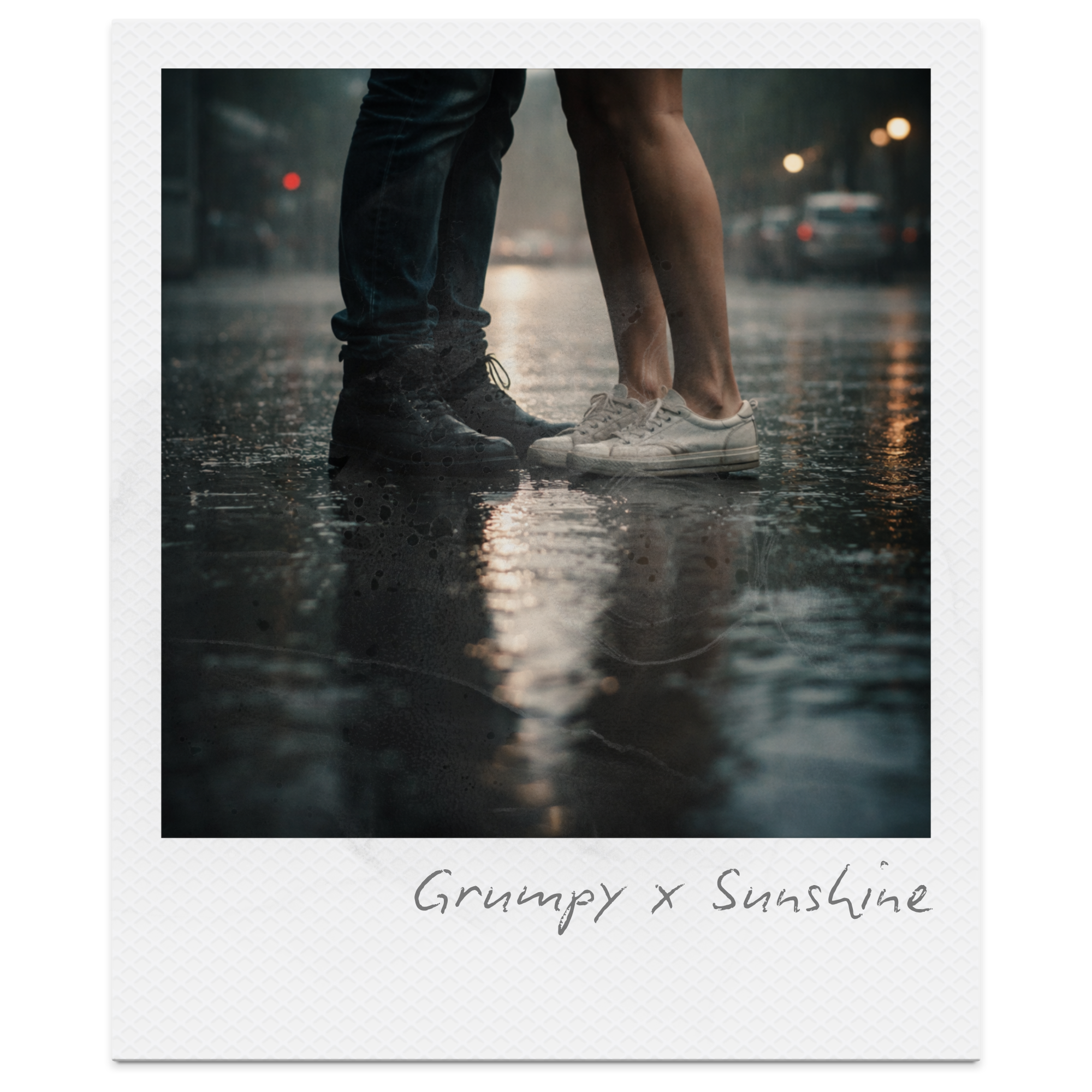
70 Grumpy × Sunshine Romance Writing Prompts: Opposites, Tension & Unexpected Love
The grumpy × sunshine dynamic is one of the most compelling and emotionally satisfying pairings in romance, bringing together two characters who see the world in completely different ways. Where one is guarded, cynical, or emotionally distant, the other is open, optimistic, and persistent — creating a natural tension that drives both conflict and connection. This contrast allows writers to explore how vulnerability develops over time, as emotional walls are challenged rather than instantly broken. In this collection of 70 Grumpy × Sunshine Romance Writing Prompts, you’ll find a complete mix of plot hooks, title ideas, opening lines, closing lines, character concepts, and setting inspiration designed to help you build layered, character-driven love stories. Whether you’re writing slow-burn tension, forced proximity, or emotional healing arcs, these prompts offer a structured starting point for exploring relationships shaped by contrast, growth, and unexpected connection.
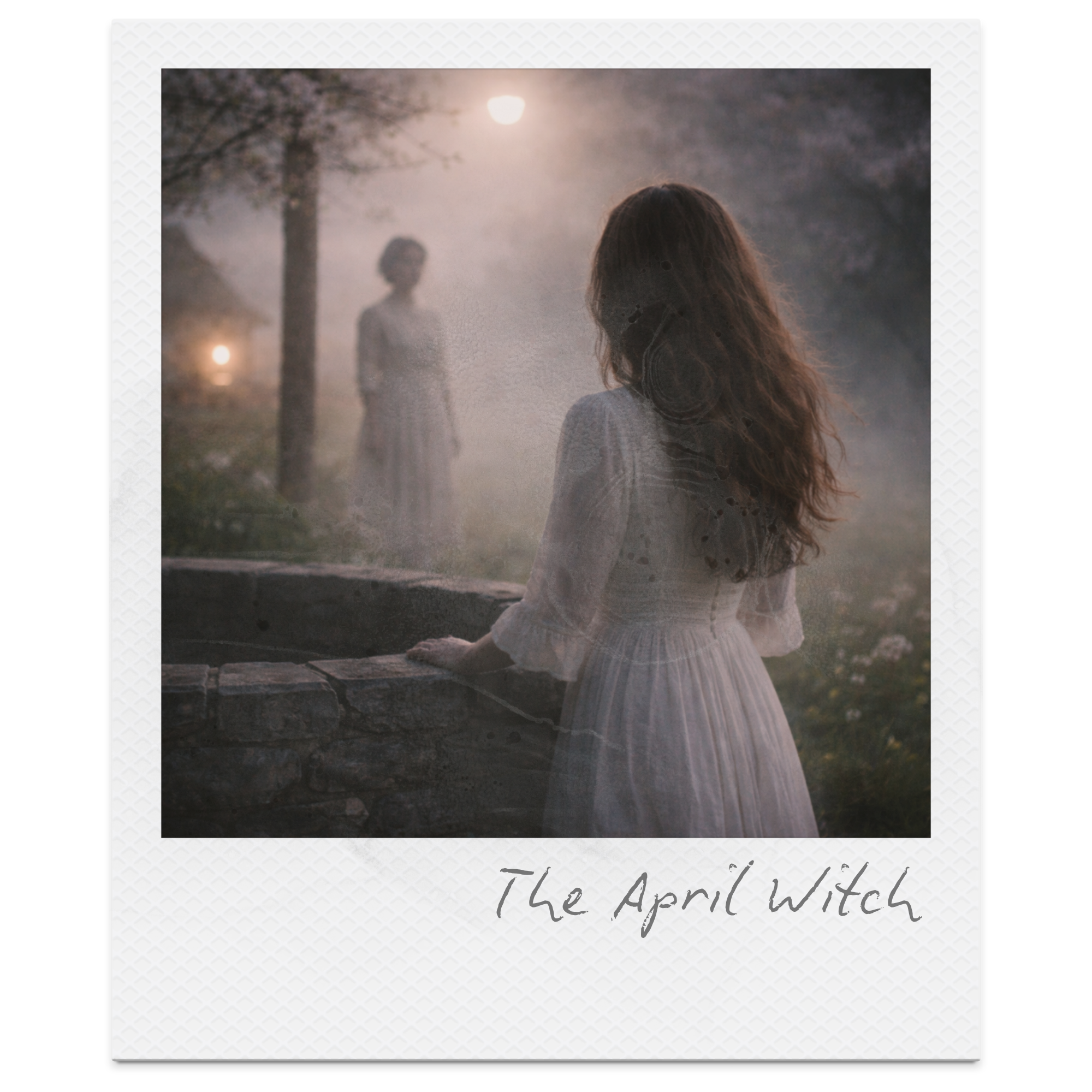
The April Witch by Ray Bradbury: Summary, Themes, Symbolism & Analysis
Ray Bradbury’s The April Witch is a lyrical piece of speculative fiction that explores longing, identity, and the desire for connection through a magical yet emotionally grounded premise. The story follows Cecy, a young girl who can inhabit other living beings, as she seeks to experience love by entering another person’s body, revealing both the beauty and the limitations of her extraordinary ability. At its heart, the story examines illusion versus reality, the fragility of belonging, and the emotional cost of distance, showing that borrowed experiences cannot replace genuine connection. Through rich imagery and a dreamlike tone, Bradbury creates a haunting reflection on what it truly means to be present, loved, and understood.
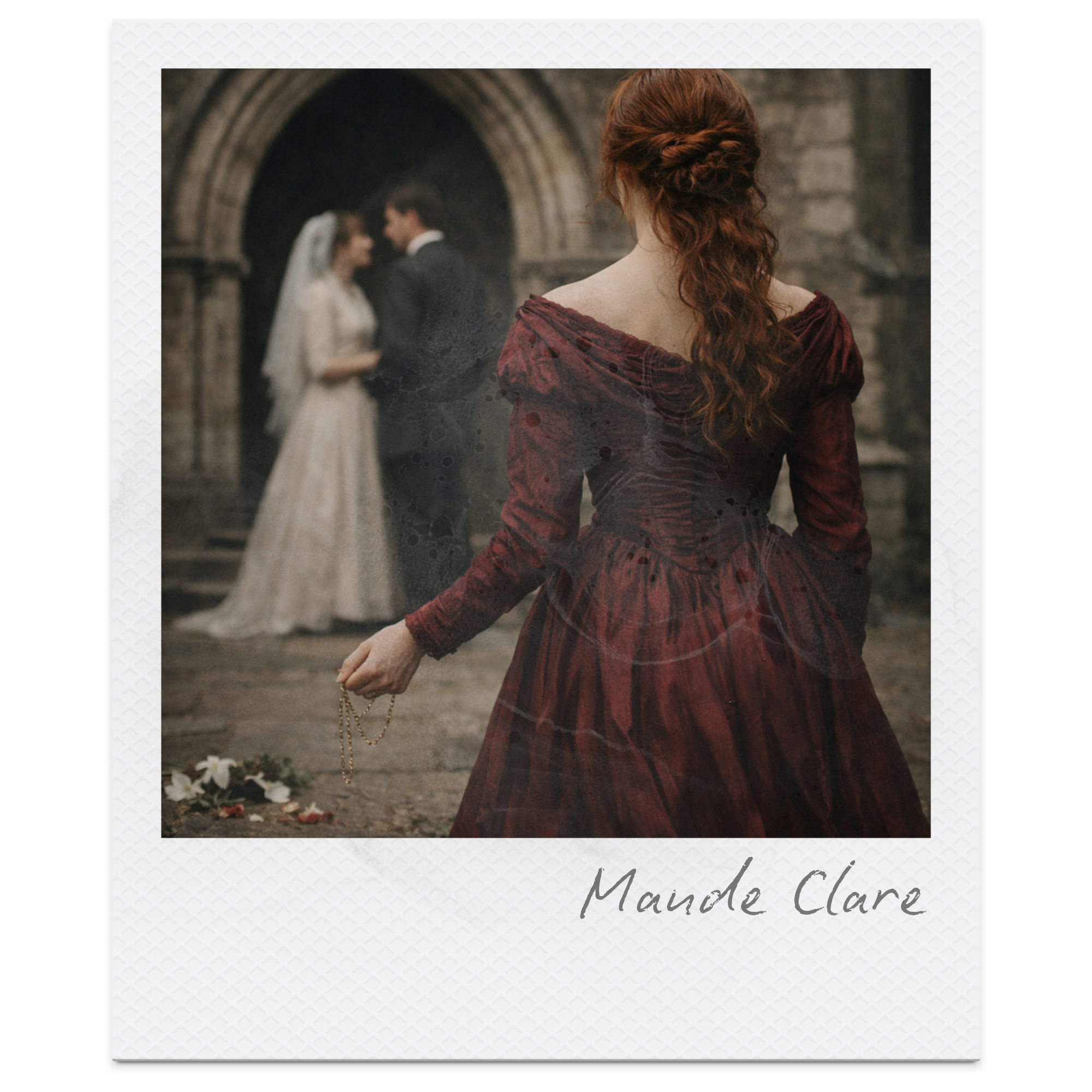
Maude Clare by Christina Rossetti: Summary, Themes, Symbolism & Analysis
Christina Rossetti’s Maude Clare is a dramatic and confrontational poem that explores female agency, love and betrayal, and the pressures of Victorian social expectation. Set against the public backdrop of a wedding, the poem stages a tense emotional conflict between past and present relationships, as Maude Clare interrupts the ceremony to challenge the stability of the marriage. Through sharp contrasts in character and voice, Rossetti reveals how appearances of loyalty and respectability can conceal deeper emotional instability. This analysis explores how Rossetti uses dialogue, symbolism, and shifting power dynamics to construct a poem that is both intimate and publicly charged. By examining the roles of Maude Clare, Nell, and Thomas, readers can see how the poem questions whether love can ever truly be replaced—and whether social approval is enough to sustain it. Perfect for literature study and revision, this guide breaks down key themes, quotes, and techniques in a clear, structured way.
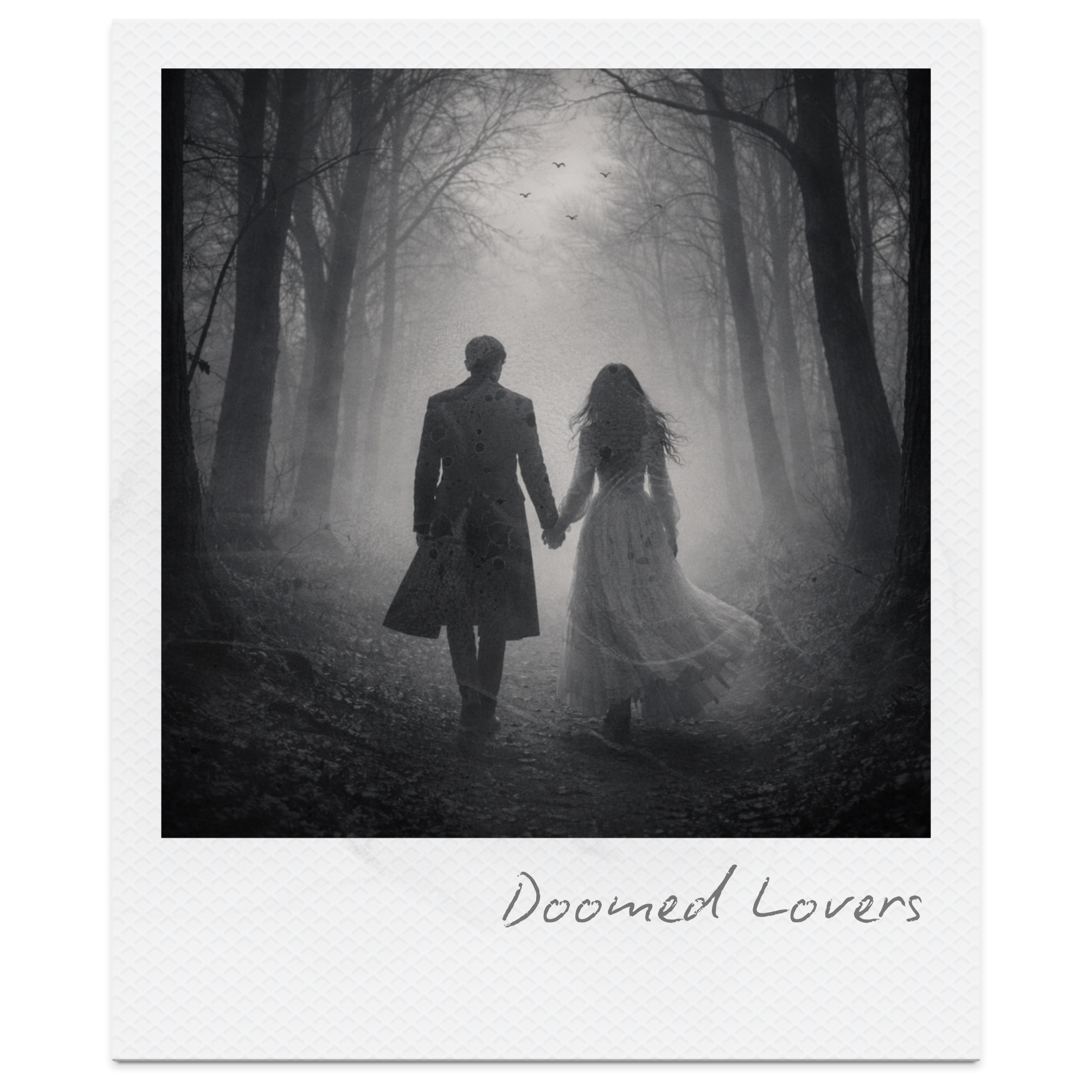
70 Doomed Lovers Writing Prompts: Tragic Romance, Forbidden Love & Fate
Doomed lovers are one of the most enduring storytelling tropes, appearing in Gothic fiction, tragic romance, and classic literature where love collides with fate, family expectations, or impossible circumstances. These 70 doomed lovers writing prompts explore forbidden relationships, emotional conflict, and the tension between devotion and consequence. From atmospheric plot hooks and evocative opening lines to character ideas, settings, and visual prompts, this collection helps writers create tragic love stories shaped by secrecy, destiny, and loss. Perfect for creative writing lessons, English classrooms, journaling, and longer fiction projects, these prompts encourage writers to explore how relationships are shaped by the pressures surrounding them. Whether you are writing about forbidden love, rival families, supernatural bonds, or relationships doomed by circumstance, these prompts provide a structured toolkit for crafting powerful tragic romance narratives.
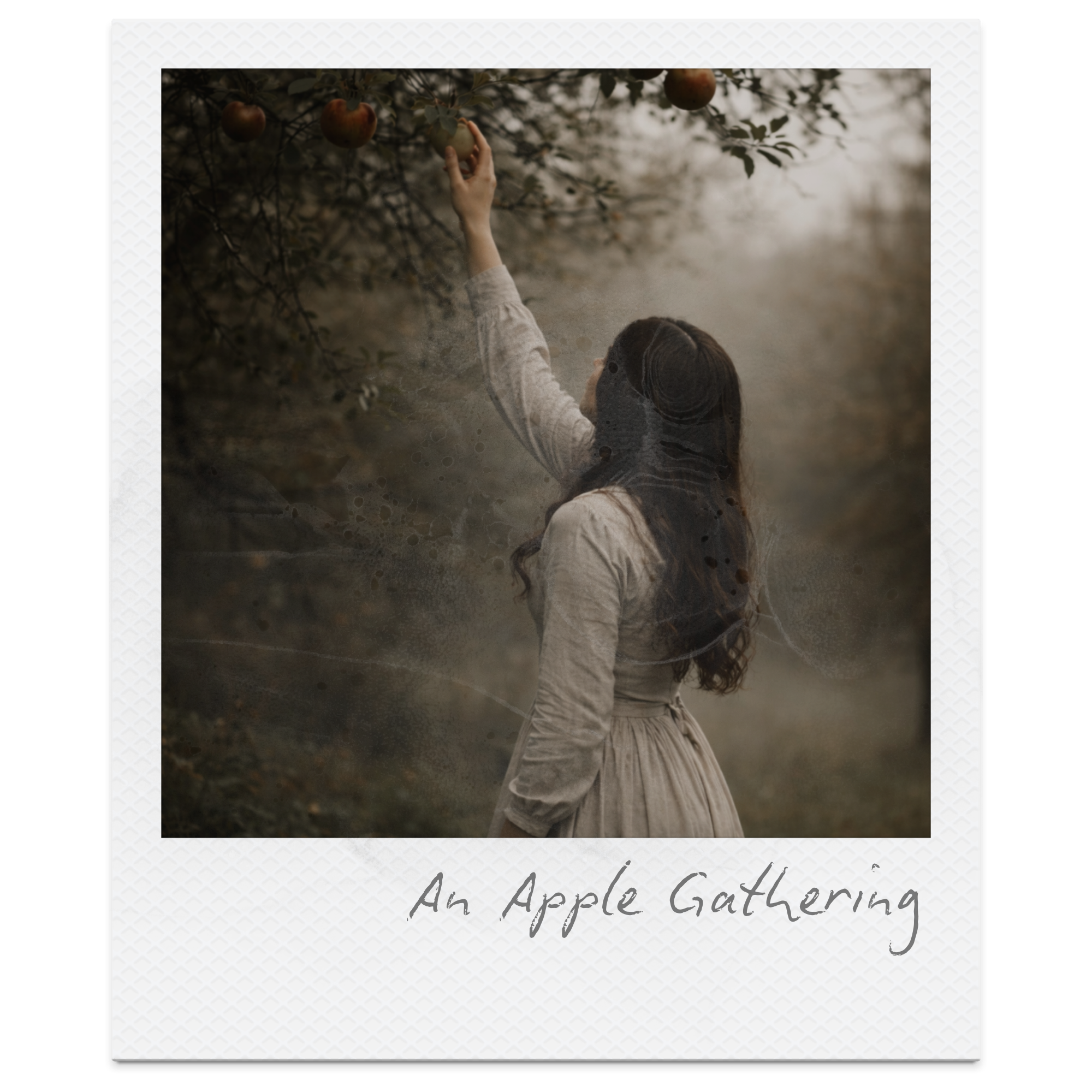
An Apple-Gathering by Christina Rossetti: Summary, Themes, and Detailed Analysis
Christina Rossetti’s An Apple-Gathering explores themes of lost opportunities, romantic regret, and emotional maturity through the powerful metaphor of an apple harvest. In this detailed analysis, we examine how Rossetti uses symbolism, structure, rhyme, and imagery to show how acting too quickly in love can prevent deeper fulfilment later in life. This guide includes a clear summary, stanza-by-stanza analysis, key quotations, themes, literary techniques, and teaching ideas, making it ideal for students studying poetry at GCSE or A-Level and teachers planning lessons on Rossetti’s work.
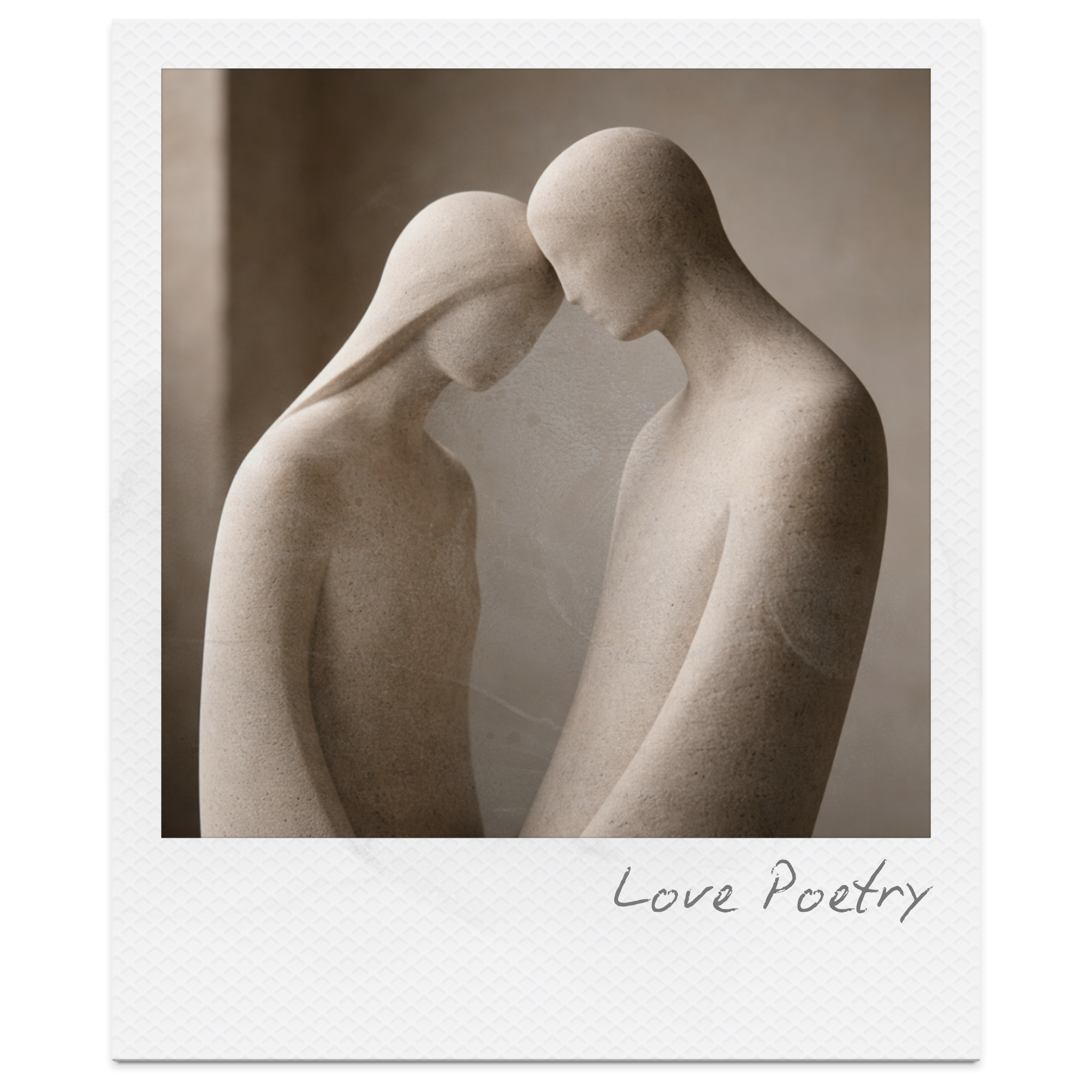
10 Love Poetry Prompts for Teens & Adults: Connection, Longing, and Devotion
Love poetry explores connection, devotion, and longing through voice, imagery, and attention to detail. Rather than relying on grand declarations or cliché, effective love poems focus on small moments, shared habits, and quiet acts of care. This post introduces love poetry as a craft-driven form, showing how emotion is shaped through structure, restraint, and observation. These love poetry prompts for teens and adults offer practical starting points for writing sincere, controlled love poems. With writing techniques, model texts, and image-led inspiration, the post supports classroom teaching and independent writing, helping poets move beyond surface romance into thoughtful, emotionally grounded work.
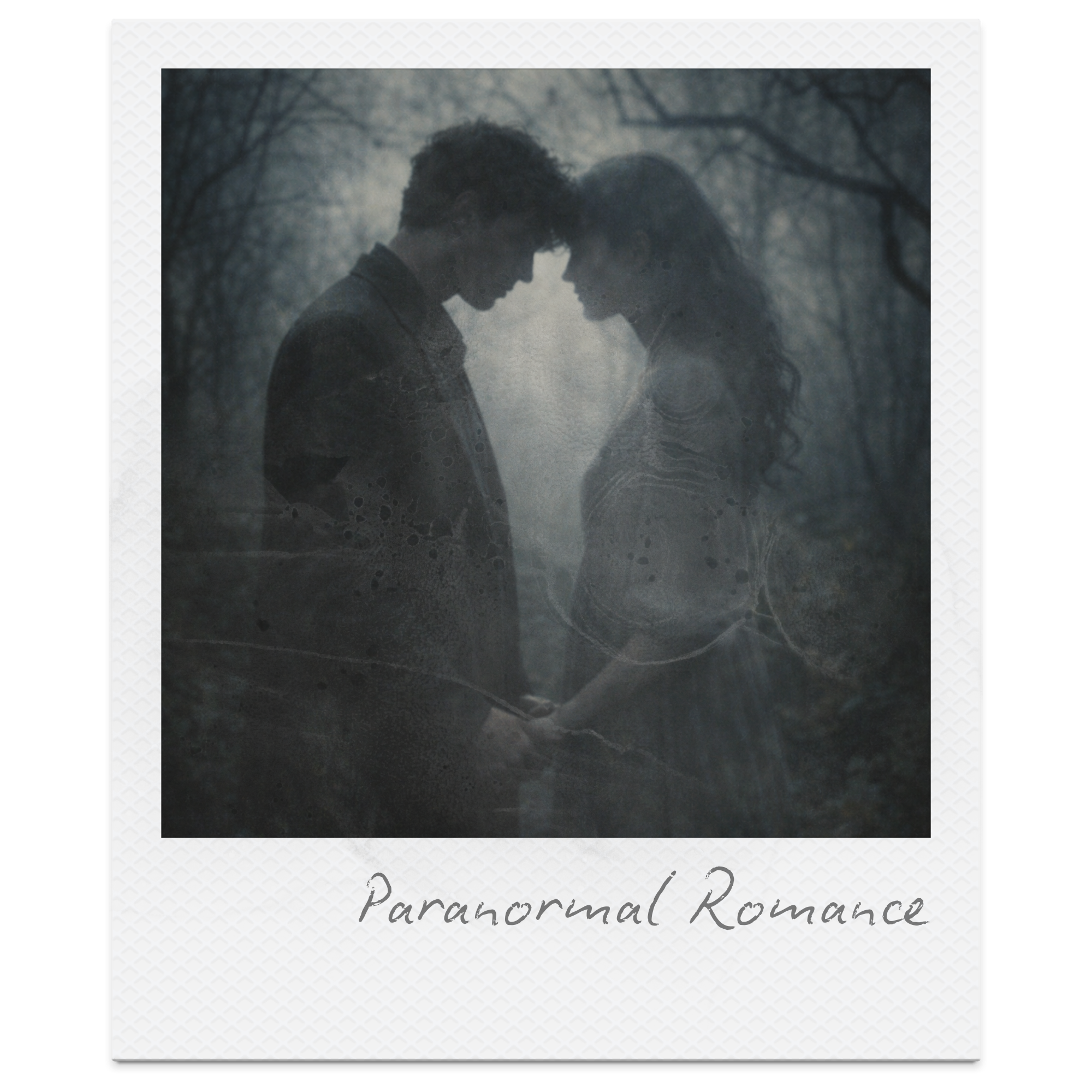
70 Paranormal Romance Writing Prompts for Teens: Story Starters, Characters, Settings & Visual Ideas
Explore 70 paranormal romance writing prompts for teens featuring ghosts, witches, vampires, and otherworldly love stories shaped by longing, secrecy, and emotional risk. This collection includes plot hooks, opening and closing lines, character ideas, settings, and cinematic picture prompts—ideal for creative writing lessons, quick writes, writing clubs, or longer YA paranormal romance projects rooted in atmosphere and connection.
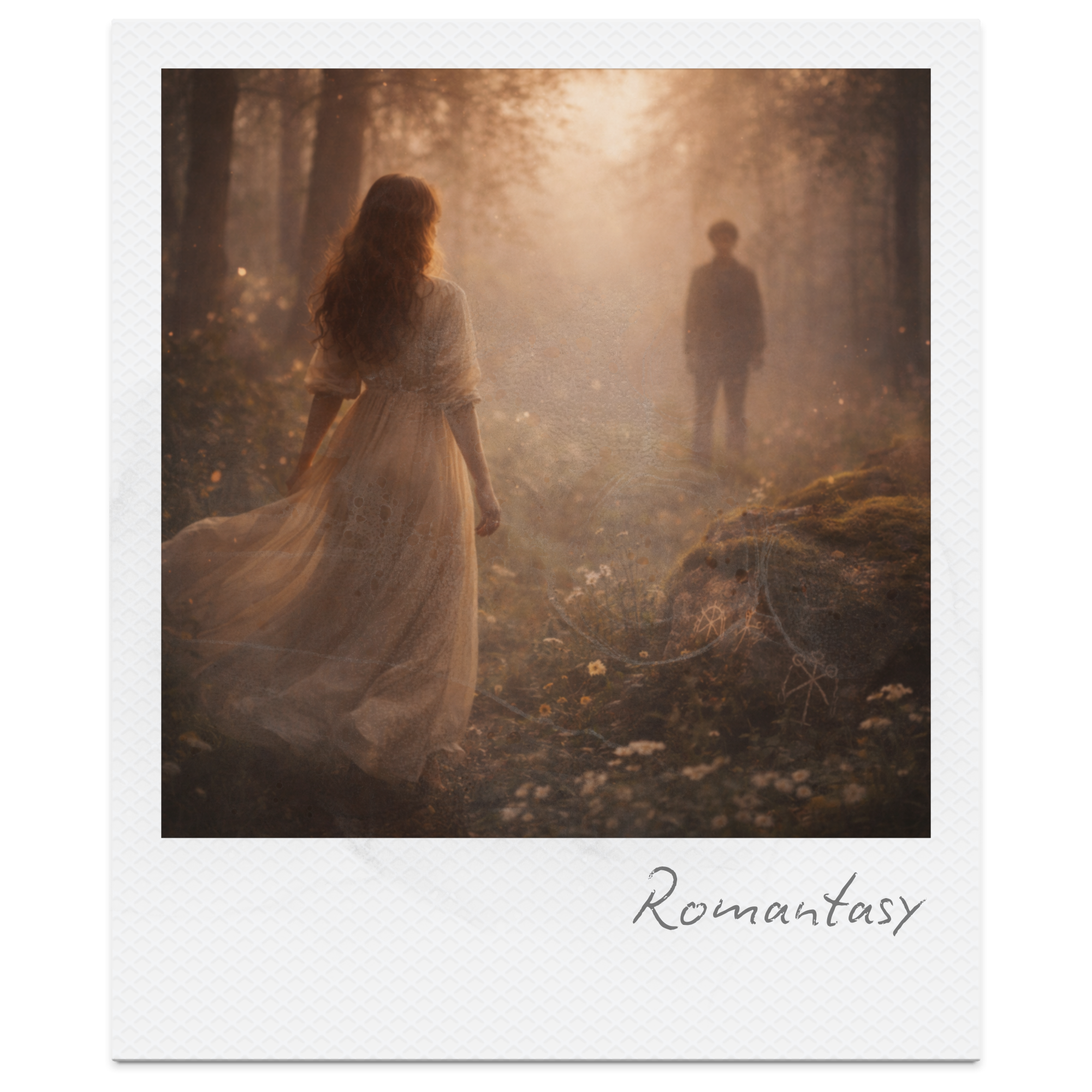
70 Romantasy Writing Prompts for Teens: Story Starters, Characters, Settings & Visual Ideas
Romantasy writing prompts blend fantasy worldbuilding with romantic tension, creating stories where magic, power, and emotion collide. This curated collection of 70 romantasy writing prompts for teens explores enemies-to-lovers dynamics, political intrigue, forbidden bonds, and love shaped by consequence rather than destiny. Featuring plot hooks, character concepts, opening and closing lines, immersive settings, and cinematic picture prompts, this post is designed for teachers and teen writers looking to develop high-stakes romantasy stories with depth, atmosphere, and emotional impact.

70 Romance Writing Prompts for Teens: Story Starters, Titles, Characters, Settings & Visual Ideas
Romance writing prompts invite writers to explore emotional connection, tension, and the moments that sit between longing and choice. This collection of romance writing prompts for teens and writers is designed to spark meaningful stories — from first love and heartbreak to slow-burn relationships, quiet intimacy, and unresolved feelings. Whether you’re looking for creative writing inspiration, romance plot ideas, character-driven prompts, or scene writing prompts, these ideas help writers move beyond clichés and write romance with depth, authenticity, and emotional weight. Perfect for classrooms, independent writers, and creative writing warm-ups, these prompts support writing romance, developing characters, and building believable relationships through setting, dialogue, and atmosphere.
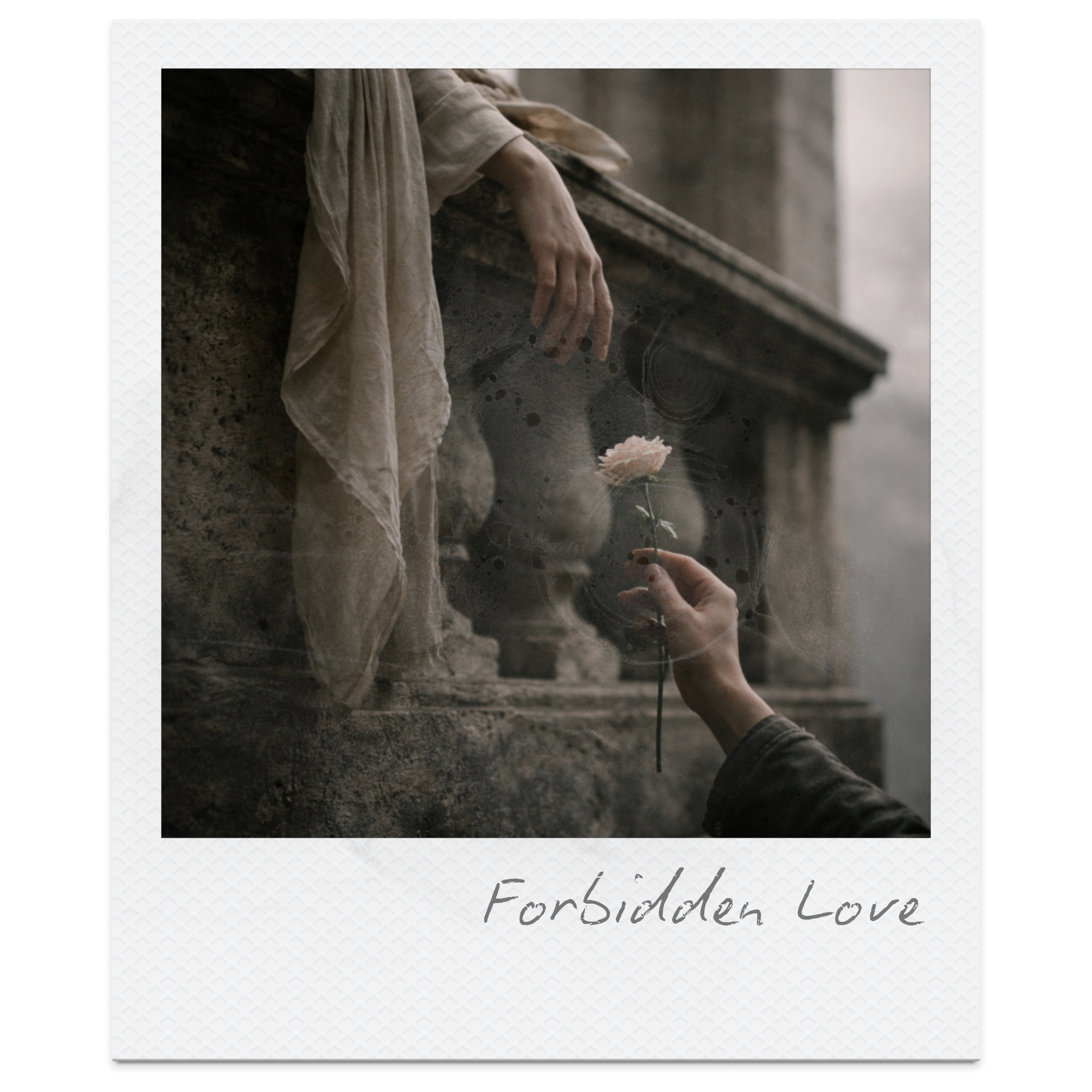
70 Forbidden Love Writing Prompts for Teens: Secret Relationships, Impossible Choices & Hidden Desire
Forbidden love stories explore what happens when desire collides with rules, expectations, or loyalty. Found throughout myth, folklore, and classic literature, this trope focuses less on romance itself and more on tension, secrecy, and consequence. Whether love is forbidden by family, duty, social boundaries, or unspoken rules, these narratives are shaped by restraint — what cannot be said, shown, or chosen without cost. This collection of 70 Forbidden Love Writing Prompts for Teens offers a structured set of story starters designed for classroom use, creative writing lessons, and independent writing. Combining plot hooks, opening and closing lines, character ideas, settings, and visual prompts, the collection encourages students to explore emotionally complex storytelling while remaining appropriate, thoughtful, and grounded in literary tradition.
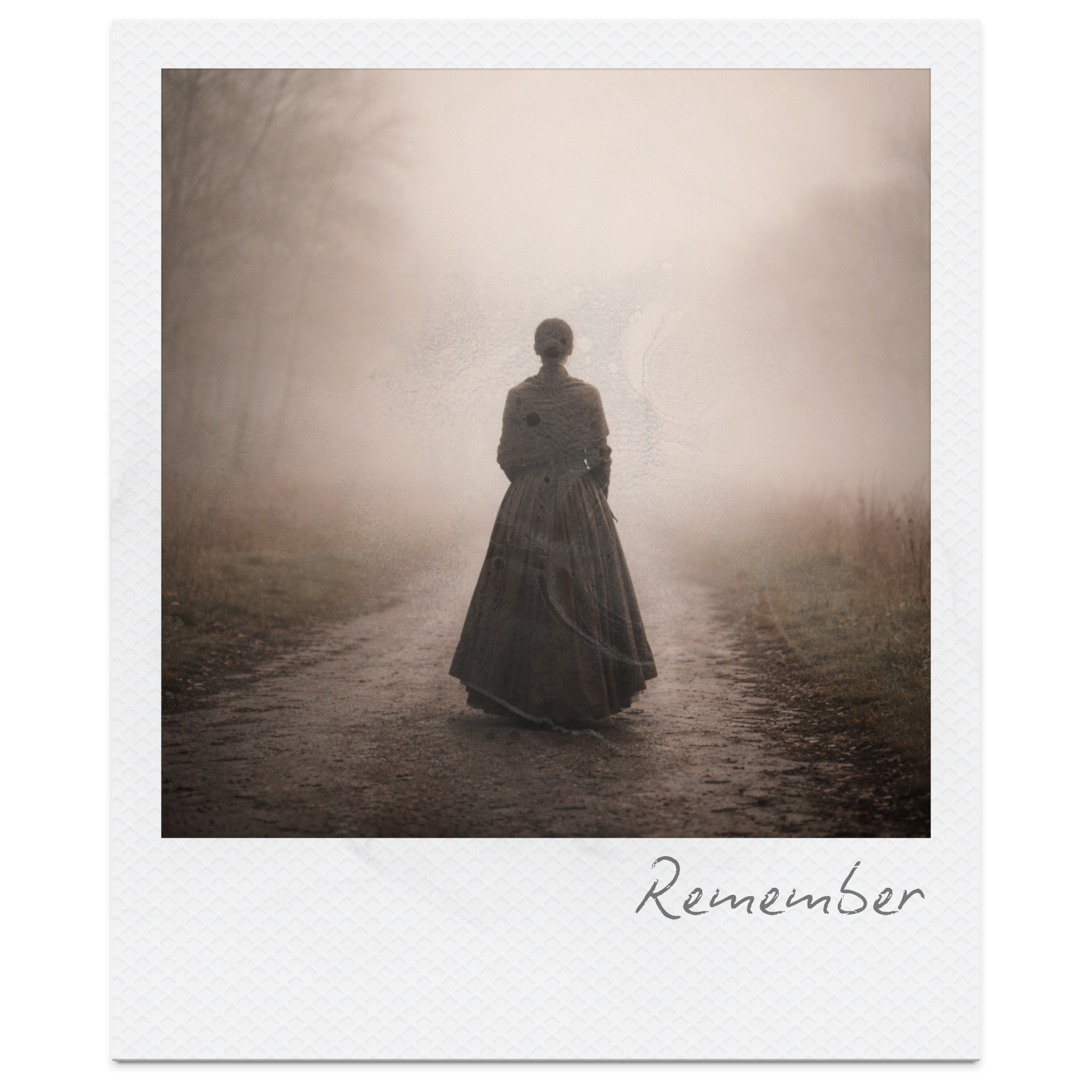
Remember by Christina Rossetti: Summary, Meaning & Critical Analysis
“Remember” by Christina Rossetti is a poem frequently taught at GCSE, AS, and A Level, yet its emotional restraint and moral complexity are often underestimated. At first glance, the poem appears to present a speaker asking to be remembered after death. However, as this Petrarchan sonnet unfolds, Rossetti complicates that request, transforming it into a meditation on love, memory, and loss that prioritises emotional responsibility over personal desire. Rather than offering consolation, the poem quietly interrogates whether remembrance is always an act of kindness. Written with careful control of form, tone, and structure, Remember traces a shift from quiet insistence to deliberate self-denial. Through subtle changes in voice and imagery, Rossetti reframes forgetting as a potential expression of love rather than betrayal. This critical analysis of “Remember” by Christina Rossetti explores the poem’s meaning, its treatment of death and remembrance, and the literary methods that make it one of Rossetti’s most ethically complex and quietly radical sonnets. If you’re teaching Remember in the classroom, keep scrolling for free essay questions on “Remember” by Christina Rossetti, along with discussion ideas and close-reading activities.