10 Love Poetry Prompts for Teens & Adults: Connection, Longing, and Devotion
Love poetry has endured because it speaks to a universal human experience: connection. Across centuries and cultures, poets have returned to love not simply as romance, but as commitment, longing, intimacy, and shared meaning. At its strongest, love poetry is not exaggerated or sentimental, but precise — rooted in voice, image, and emotional attention.
Rather than relying on grand gestures or abstract declarations, effective love poems focus on how love is felt, noticed, and sustained. They explore closeness through detail, devotion through repetition, and longing through restraint. Whether written in sonnet form or free verse, love poetry often reveals its power through what is chosen, repeated, or quietly held back.
These love poetry prompts for teens and adults are designed to support thoughtful, craft-focused poetry writing in classrooms, writing groups, and independent practice. Each prompt encourages writers to explore love through imagery, voice, and structure, offering ways into love poetry that feel sincere, controlled, and emotionally grounded rather than clichéd or performative.
You can explore more romance prompts and storytelling ideas in the Romance Writing Hub, Poetry Writing Hub, or browse the Creative Writing Archive for a wider range of genres and inspiration.
Short on time?
Scroll down for the 10 love poetry prompts, or keep reading for writing techniques and examples to support writing love poetry with clarity and intention.
How to Approach Love Poetry
Writing love poetry begins with attention. Rather than starting with how love feels in general, start with how it appears in a specific moment: a shared habit, a remembered gesture, a private thought. Love in poetry often becomes meaningful through detail, not declaration.
Voice matters. Some love poems speak directly to a beloved, while others observe love from a distance, through memory or reflection. Decide early whether the poem addresses someone, remembers them, or holds them quietly in mind. Each choice shapes tone and intimacy.
Imagery is central to love poetry writing. Poets frequently turn to natural images, physical closeness, or shared spaces to express connection. The strongest images feel personal rather than ornamental — chosen because they belong to this relationship, not because they are conventionally romantic.
Structure also plays a role. Sonnets, with their tight form and volta, often mirror emotional progression or resolution. Free verse allows for softness, accumulation, and pause. In both cases, line breaks, repetition, and pace help shape emotional movement.
Above all, avoid rushing toward intensity. Love poetry does not need to persuade the reader. When the poem trusts its own specificity, sincerity follows naturally.
Techniques to Try in Love Poetry
Love poetry benefits from clarity and restraint. These techniques help writers move beyond vague emotion and into poems that feel intentional, controlled, and emotionally credible. Rather than amplifying feeling, each technique focuses on how love is shaped on the page through voice, structure, and detail.
Try one or two techniques at a time, paying attention to how form and language guide meaning.
◆ Direct Address
Direct address involves speaking to the beloved using second person (“you”). This technique creates intimacy by narrowing the emotional focus, but it works best when paired with specificity. Rather than praising or declaring, let the address centre on a particular habit, gesture, or moment. In love poetry, direct address feels strongest when it sounds private rather than performative.
◆ Accumulation
Accumulation builds emotional weight through repetition or listing. Instead of stating love outright, the poem gathers meaning by returning to small details — actions, memories, shared routines. Each return adds pressure, allowing emotion to deepen gradually. This technique mirrors how love often develops through familiarity rather than intensity.
◆ Metaphor with Limits
Metaphor is common in love poetry, but it is most effective when controlled. Choose one central image or comparison and allow it to develop, rather than introducing multiple metaphors that compete for attention. A limited metaphor creates coherence and helps the poem feel focused rather than decorative.
◆ Temporal Movement
Many love poems gain depth by moving across time — between past, present, and imagined future. This technique allows writers to show how love endures, changes, or is remembered. Temporal movement does not require explanation; subtle shifts in tense, image, or perspective are often enough to suggest growth or distance.
◆ Physical Detail
Anchoring love in the physical world helps prevent abstraction. Touch, proximity, posture, and movement often communicate affection more effectively than emotional language. By focusing on what bodies do rather than what hearts feel, the poem allows love to emerge through observation.
◆ Restraint
Restraint involves resisting heightened language or dramatic declaration. In love poetry, understatement often carries more emotional weight than intensity. Allow the poem to remain calm on the surface, trusting readers to sense what lies beneath through implication and detail.
◆ Form as Meaning
Form is not neutral. Sonnets, with their structure and volta, often suggest devotion, order, or resolution. Free verse allows for softness, pause, and accumulation. Choosing a form deliberately helps shape how love is experienced in the poem, rather than treating structure as an afterthought.
◆ Ending with Continuation
Strong love poems often avoid final declarations. Instead, they end on an image, gesture, or thought that continues beyond the page — a routine that repeats, a presence that remains. This mirrors how love exists not as a conclusion, but as an ongoing state.
Read for Inspiration: Love in Poetry
Reading established love poems helps writers see how connection, devotion, and longing are shaped through craft rather than cliché. The poems below offer a range of voices and forms, united by sincerity and control.
◆ William Shakespeare – Sonnet 116
A declaration of love as constancy and commitment. The poem’s certainty and extended metaphor make it a strong model for love as endurance.
◆ Elizabeth Barrett Browning – Sonnet 43 (“How Do I Love Thee?”)
A famous expression of devotion that demonstrates repetition and accumulation. Useful for exploring emotional scope and direct address.
◆ Pablo Neruda – “Sonnet XVII”
A quiet, intimate love poem that rejects showiness in favour of closeness and shared existence. Ideal for discussing intimacy and tone.
◆ E. E. Cummings – “i carry your heart with me”
A modern-feeling poem that explores love through rhythm and simplicity. Effective for teaching voice and emotional clarity.
◆ Christina Rossetti – “I Loved You First”
A restrained expression of love shaped by selflessness and release. A strong example of emotional maturity and controlled tone.
Choose one or two poems to read closely before writing. Notice how love is conveyed through imagery, repetition, and voice rather than explanation.
Love Poetry Writing Prompts
The prompts below are designed to help writers explore love poetry through sincerity, specificity, and craft. Each prompt focuses on a different aspect of connection, allowing meaning to emerge gradually.
You can work through the prompts in order or choose one that resonates.
Love Poetry Prompt 1: A Small Habit
Write a poem about a small, repeated habit that represents love more clearly than a grand gesture.
Possible opening line:
We do this without thinking.
Craft focus:
Accumulation and restraint.
Love Poetry Prompt 2: Speaking Across Time
Write to someone you loved in the past, acknowledging distance without regret.
Possible opening line:
I still remember how you stood.
Craft focus:
Temporal movement and tone.
Love Poetry Prompt 3: Love Without Naming It
Write a poem about love without using the word love.
Possible opening line:
Everything important happened quietly.
Craft focus:
Implication and imagery.
Love Poetry Prompt 4: The Moment You Knew
Write about the moment love became clear, but focus on the surrounding detail rather than the realisation itself.
Possible opening line:
Nothing changed, except the air.
Craft focus:
Observation over explanation.
Love Poetry Prompt 5: Addressing the Beloved
Write directly to the person you love, focusing on one specific quality or action.
Possible opening line:
You never notice when you do this.
Craft focus:
Direct address and physical detail.
Love Poetry Prompt 6: Love and Distance
Write about loving someone who is not physically present.
Possible opening line:
I measure days differently now.
Craft focus:
Metaphor and pacing.
Love Poetry Prompt 7: Love as Choice
Write a poem that frames love as a decision rather than a feeling.
Possible opening line:
I stay.
Craft focus:
Minimalism and line breaks.
Love Poetry Prompt 8: A Shared Place
Write about a location that holds meaning because of shared experience.
Possible opening line:
The room learned us.
Craft focus:
Place-based imagery.
Love Poetry Prompt 9: Love and Vulnerability
Write about what is risked in loving someone.
Possible opening line:
I did not know this would be the cost.
Craft focus:
Understatement and tone.
Love Poetry Prompt 10: Love That Endures
Write a poem imagining love continuing beyond a specific moment — into routine, age, or change.
Possible opening line:
We will still be here.
Craft focus:
Ending with continuation.
Ekphrastic Love Poetry: Writing from Images
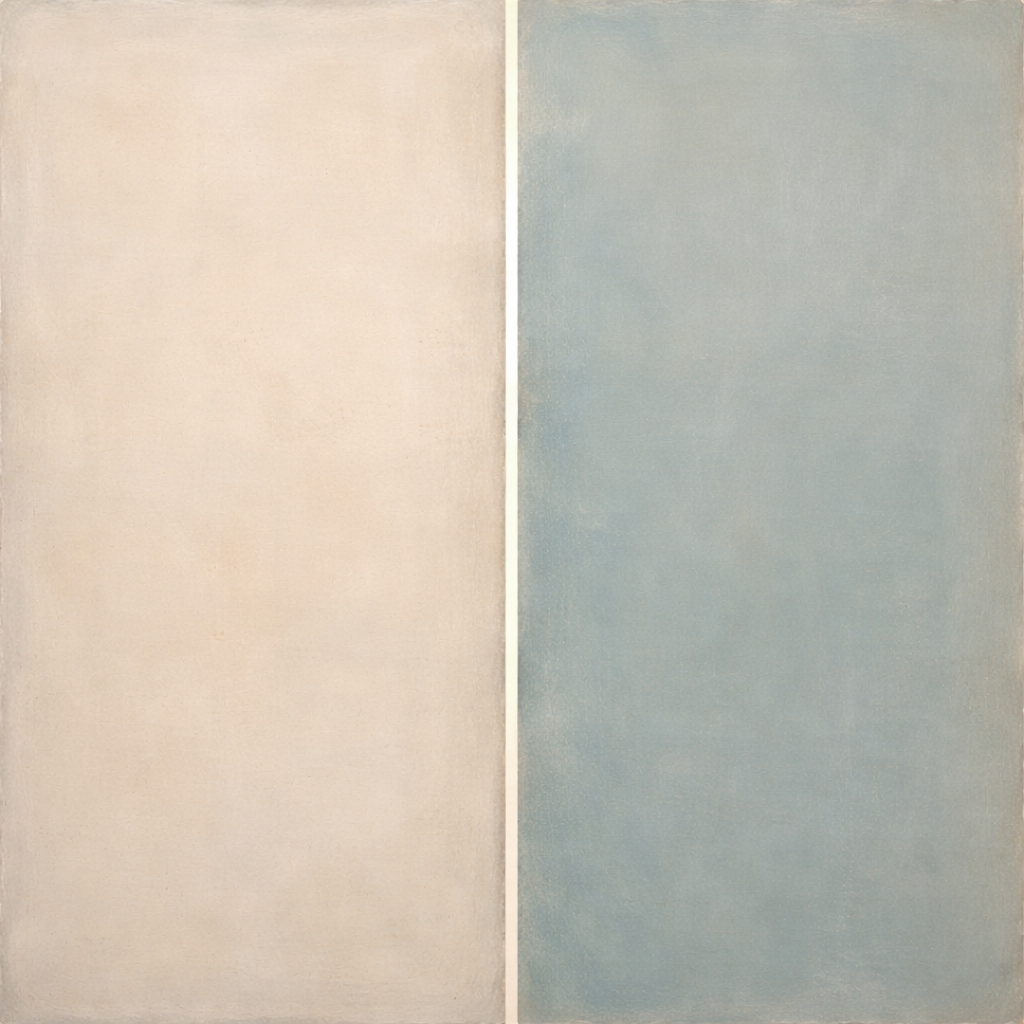
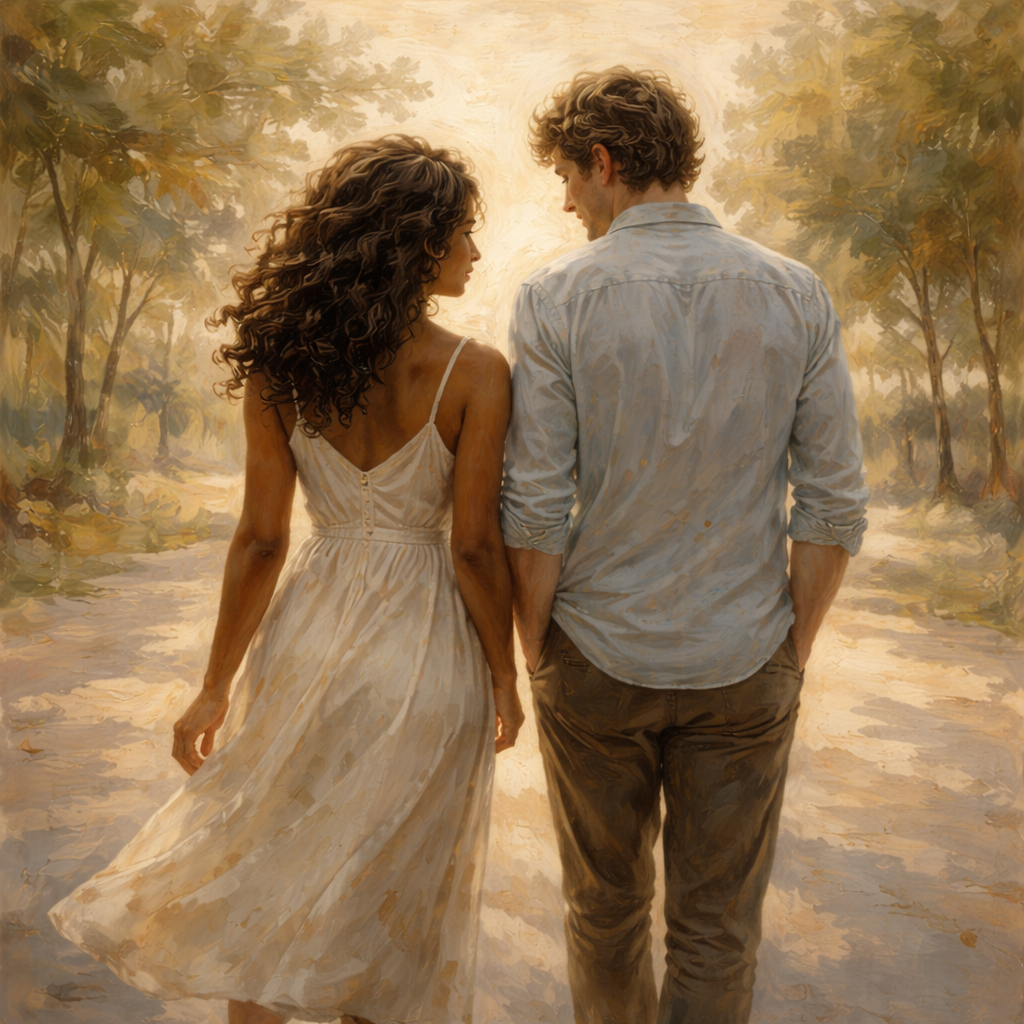
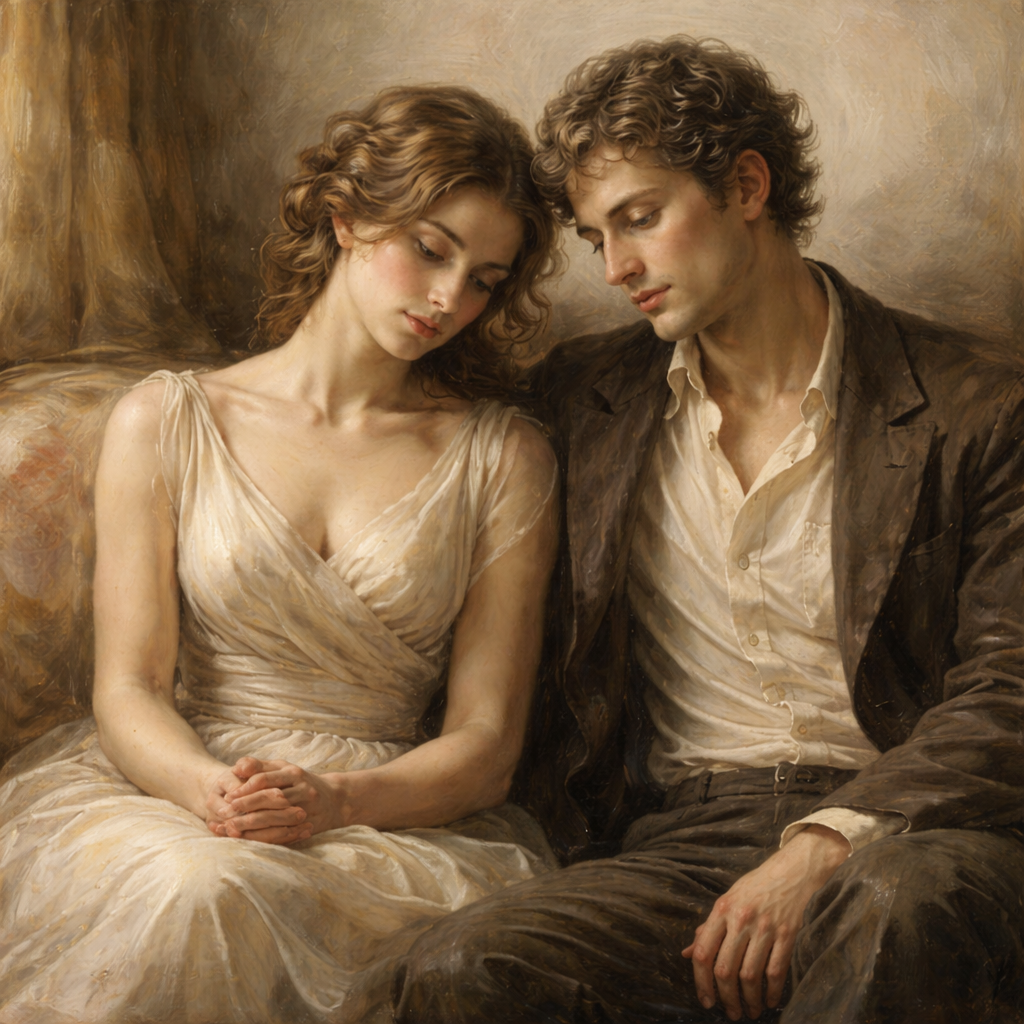
Ekphrastic poetry offers a way into love poetry that avoids autobiography by beginning with observation. Images of couples, interiors, objects, or shared spaces can provide emotional entry points without requiring direct confession.
When writing ekphrastic love poetry, focus on what the image suggests rather than what it shows. Love often appears through proximity, repetition, or attention rather than overt gesture.
You might try:
◆ Writing from the perspective of what surrounds the lovers rather than the lovers themselves
◆ Focusing on stillness rather than action
◆ Letting light, distance, or composition suggest connection
◆ Using silence and white space to mirror intimacy
The image is not the subject of the poem — it is the starting point.


Go Deeper into Love Poetry
If these love poetry prompts resonated, you may want to extend this work by experimenting with sequence and variation. Writing several love poems around the same relationship or theme allows writers to explore love from different angles — devotion, doubt, habit, and endurance.
You might try:
◆ Writing three poems about the same person from different moments in time
◆ Rewriting a poem from memory, then from the present
◆ Exploring love through place, routine, or shared silence
◆ Comparing a formal love poem with a free verse version of the same idea
Approached thoughtfully, love poetry rewards patience. Meaning deepens through repetition and reflection rather than intensity.
Final Thoughts
Love poetry does not need to persuade or perform. It works best when it observes carefully and speaks honestly.
Write less than you think you should.
Choose one image and stay with it.
Let love appear through what is noticed, remembered, and repeated.
You can explore more romance prompts and poetry ideas in the Romance Writing Hub, Poetry Writing Hub, or browse the Creative Writing Archive for a wider range of genres and inspiration.
Love poetry endures not because it is loud, but because it pays attention — and trusts that attention to be enough.
