Notes from the Inkpot
Writing, teaching, creating - one ink-stained idea at a time.


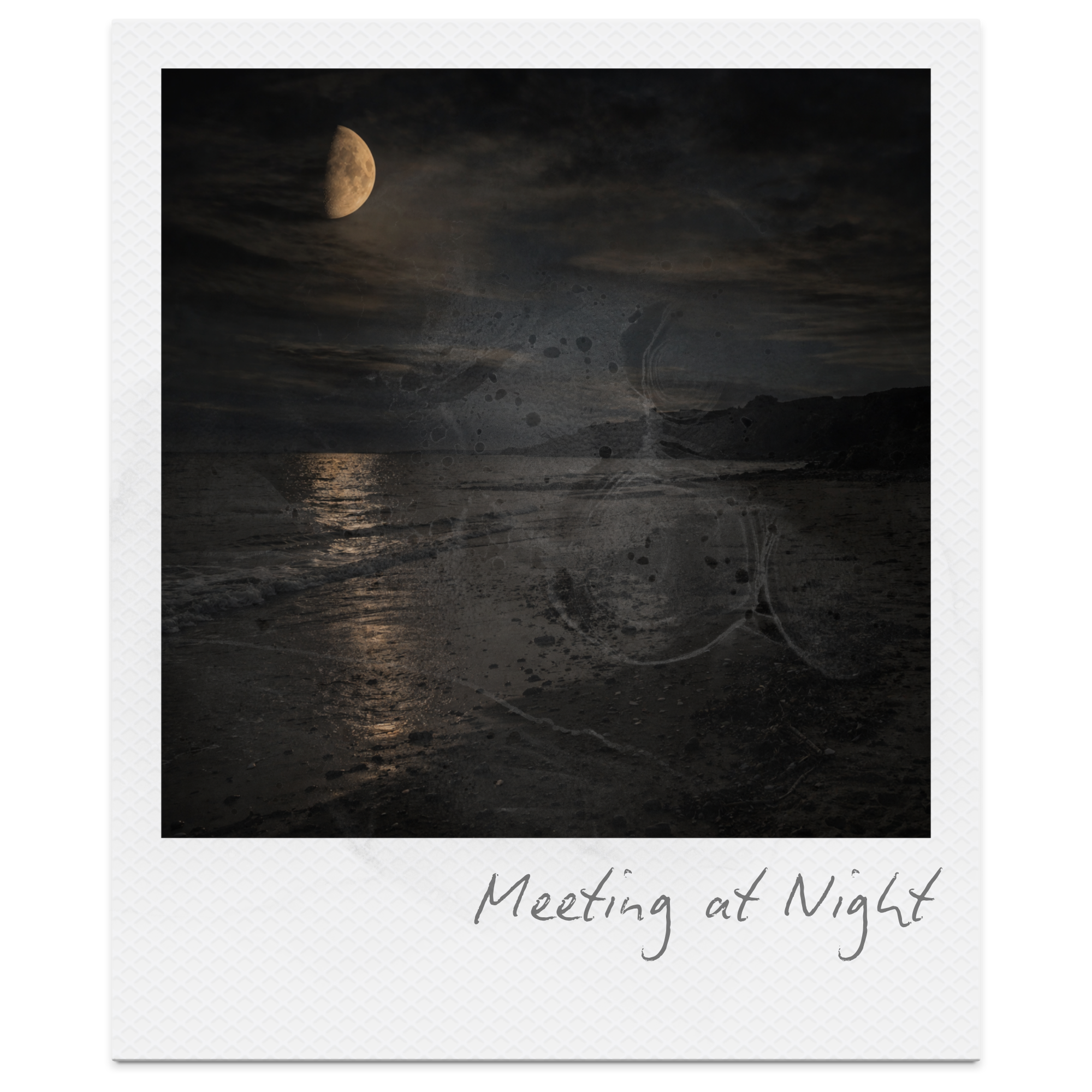
Meeting at Night by Robert Browning: Summary, Themes, Meaning & Analysis
Robert Browning’s Meeting at Night explores romantic desire, anticipation, and secrecy, presenting a speaker driven across a dark landscape to reach a moment of intimate connection. Through vivid sensory imagery, rhythmic variation, and a carefully structured progression from distance to closeness, the poem transforms a physical journey into a powerful expression of emotional urgency. This analysis examines how Browning uses language, form, and sound to create meaning and impact, showing how each stage of the journey intensifies the speaker’s focus and desire. With a clear emphasis on method → purpose → effect, this guide supports IGCSE World Literature (0408) students in developing precise, high-level analytical responses.
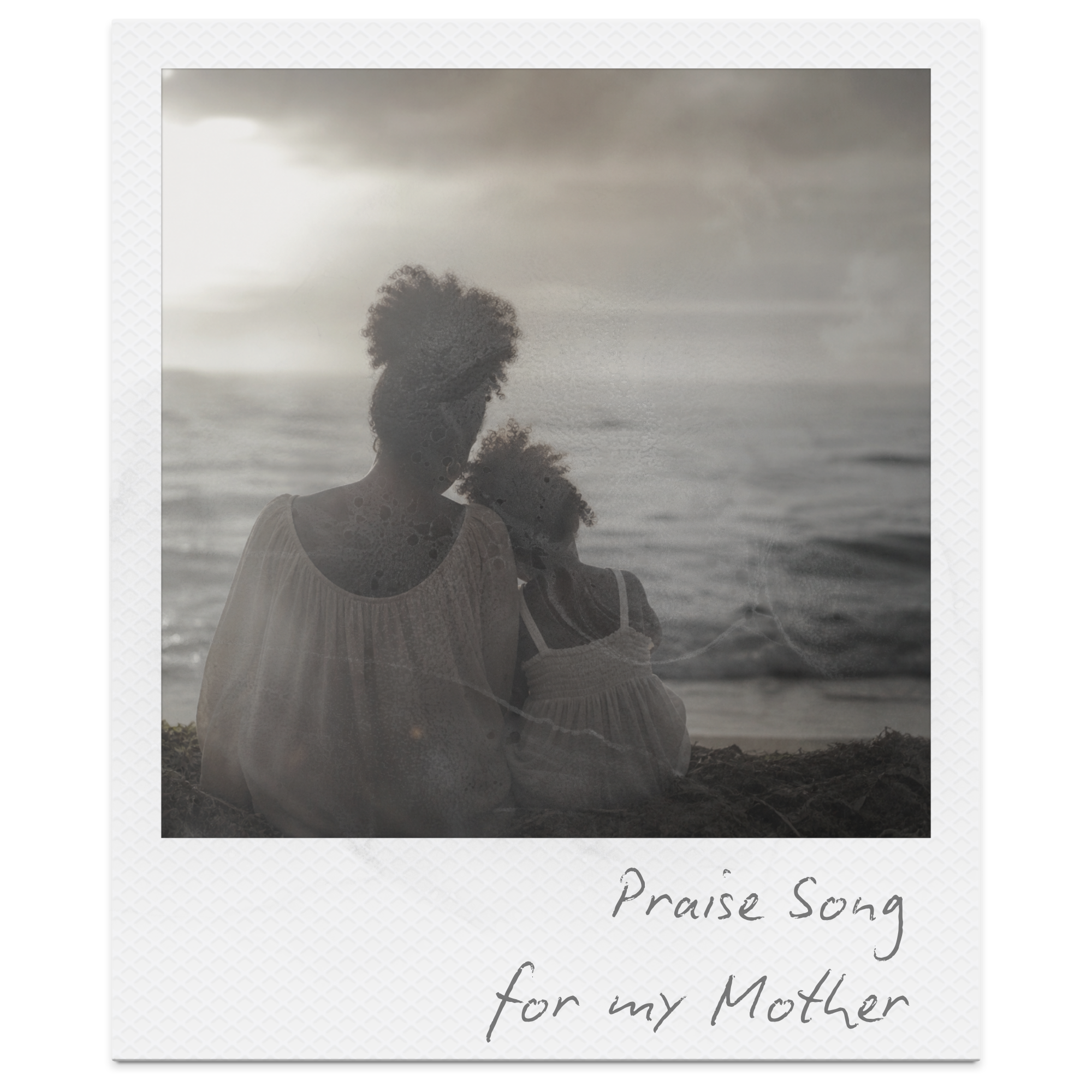
Praise Song for My Mother by Grace Nichols: Summary, Themes & Analysis
Praise Song for My Mother by Grace Nichols explores motherhood, nurture, and identity through a sequence of extended metaphors, repetition, and sensory imagery, presenting the mother as a sustaining, life-giving force. The poem moves through images of water, the moon, and sunrise, each representing different forms of care, while the repeated structure “You were” creates a rhythmic, cumulative pattern that mirrors the ongoing nature of maternal influence. As the poem develops, the imagery shifts from elemental and universal to more specific, culturally grounded detail, particularly in the final stanza, where references to food and environment highlight the importance of heritage and lived experience. The repetition of “replenishing” reinforces the idea of continuous nourishment, suggesting that the mother’s influence does not end, but remains present in shaping identity. Through its controlled voice and patterned structure, the poem presents nurture as both foundational and enduring.
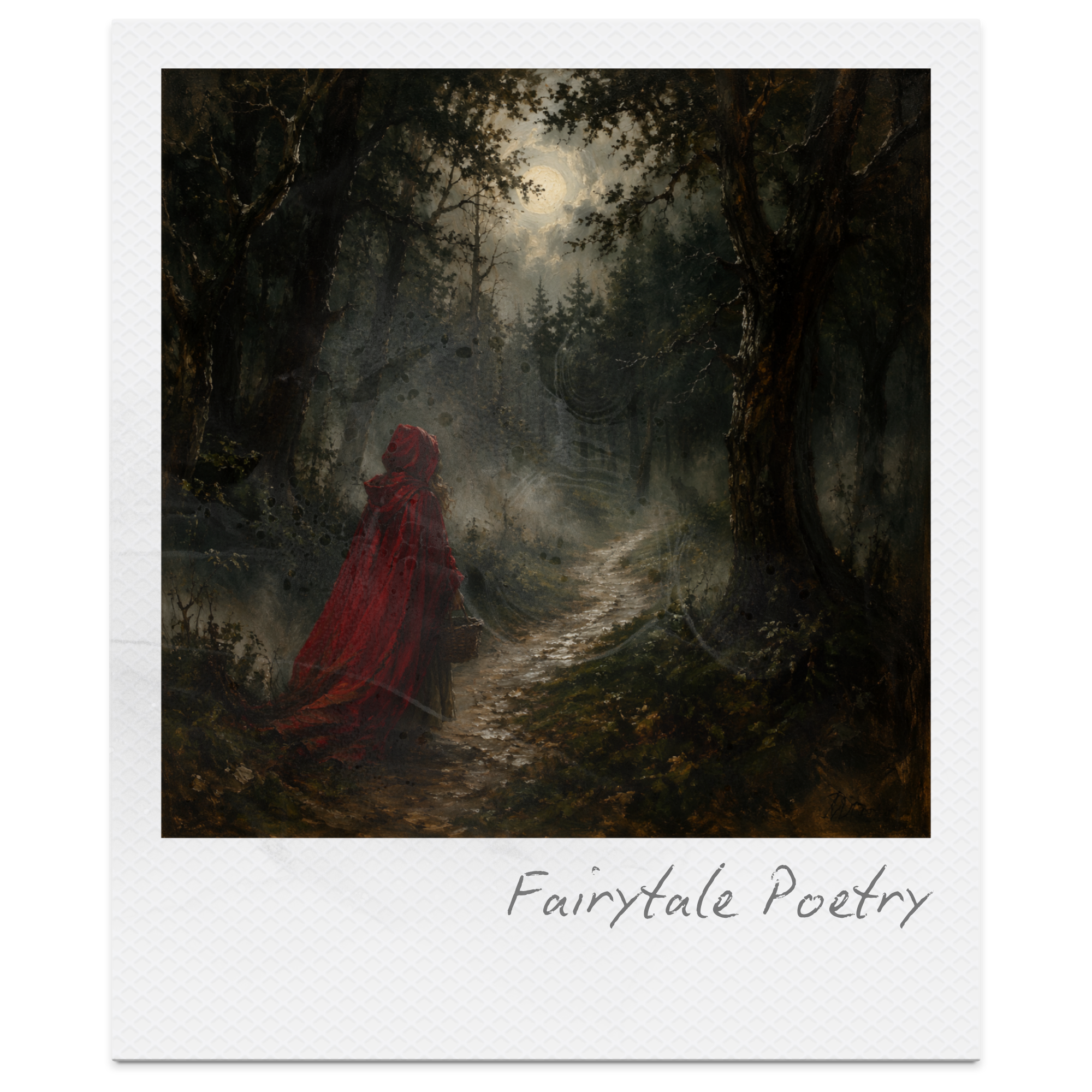
10 Fairytale Poetry Prompts for Teens & Adults: Transformation, Desire, and the Uncanny
Fairytales are often remembered as simple, moral stories — but beneath their surface lie themes of desire, transformation, and quiet unease. These fairytale poetry prompts invite writers to move beyond retelling and instead focus on atmosphere, voice, and symbolic detail, exploring the moments that traditional narratives leave unresolved. From objects that refuse to behave as they should to characters lingering after the story has ended, each prompt encourages a more reflective, craft-focused approach to poetic writing. Designed for teens, adults, and classroom use, these prompts emphasise restraint, imagery, and structure over plot. With suggested opening lines and clear craft techniques — including enjambment, repetition, and white space — writers are guided to experiment with form while maintaining emotional precision. Whether used for teaching, independent writing, or creative exploration, this collection offers a thoughtful way into fairytale-inspired poetry that feels controlled, atmospheric, and open to interpretation.
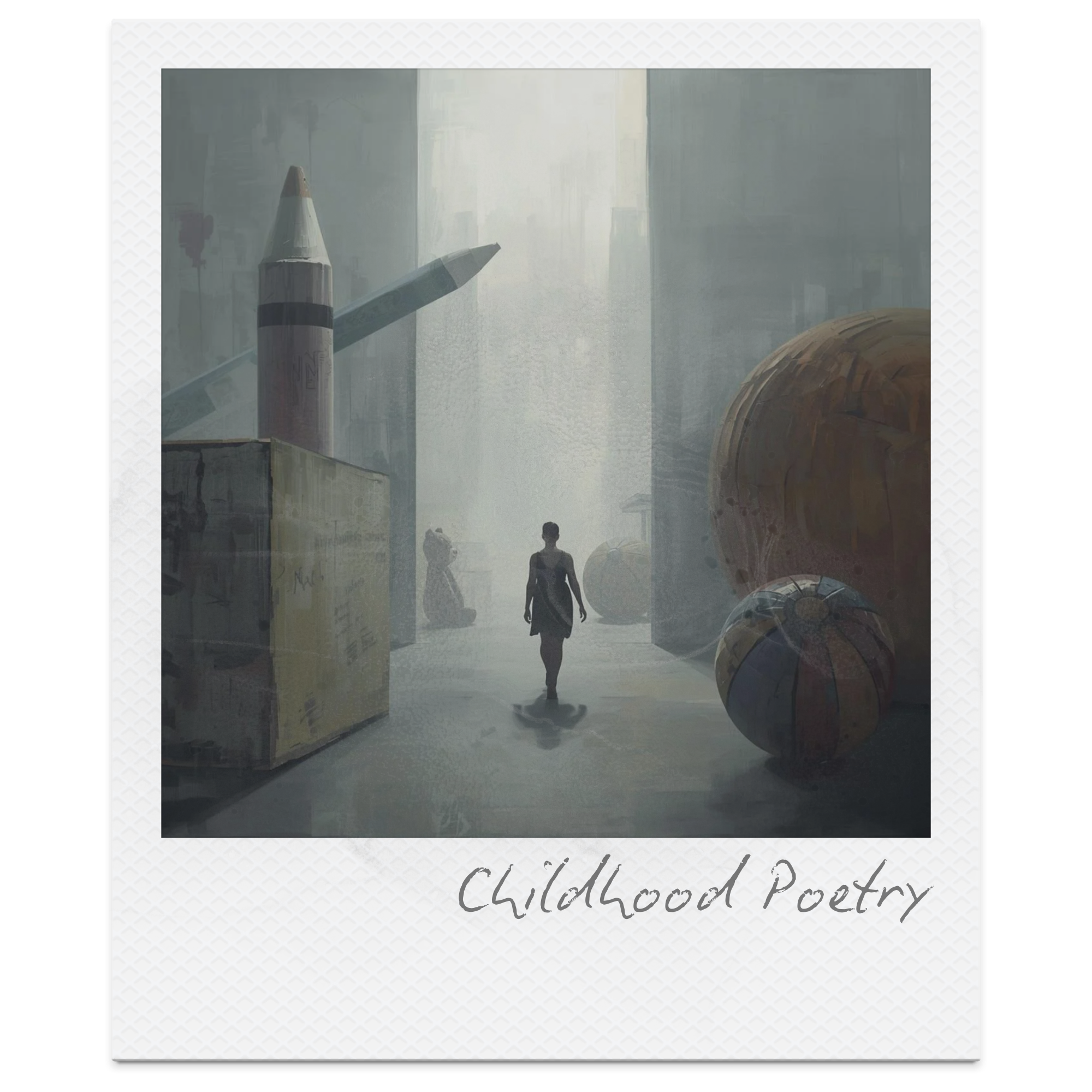
10 Childhood Poetry Prompts for Teens & Adults: Memory, Distance, and the Unreliable Past
Childhood poetry explores early experience not through nostalgia, but through reflection, distance, and restraint. These childhood poetry prompts for teens and adults encourage writers to examine formative moments, misunderstandings, and everyday details using craft-focused techniques, suggested opening lines, and image-led inspiration. Designed for classrooms and independent writers, this collection supports thoughtful poetry about childhood rooted in observation rather than retelling.
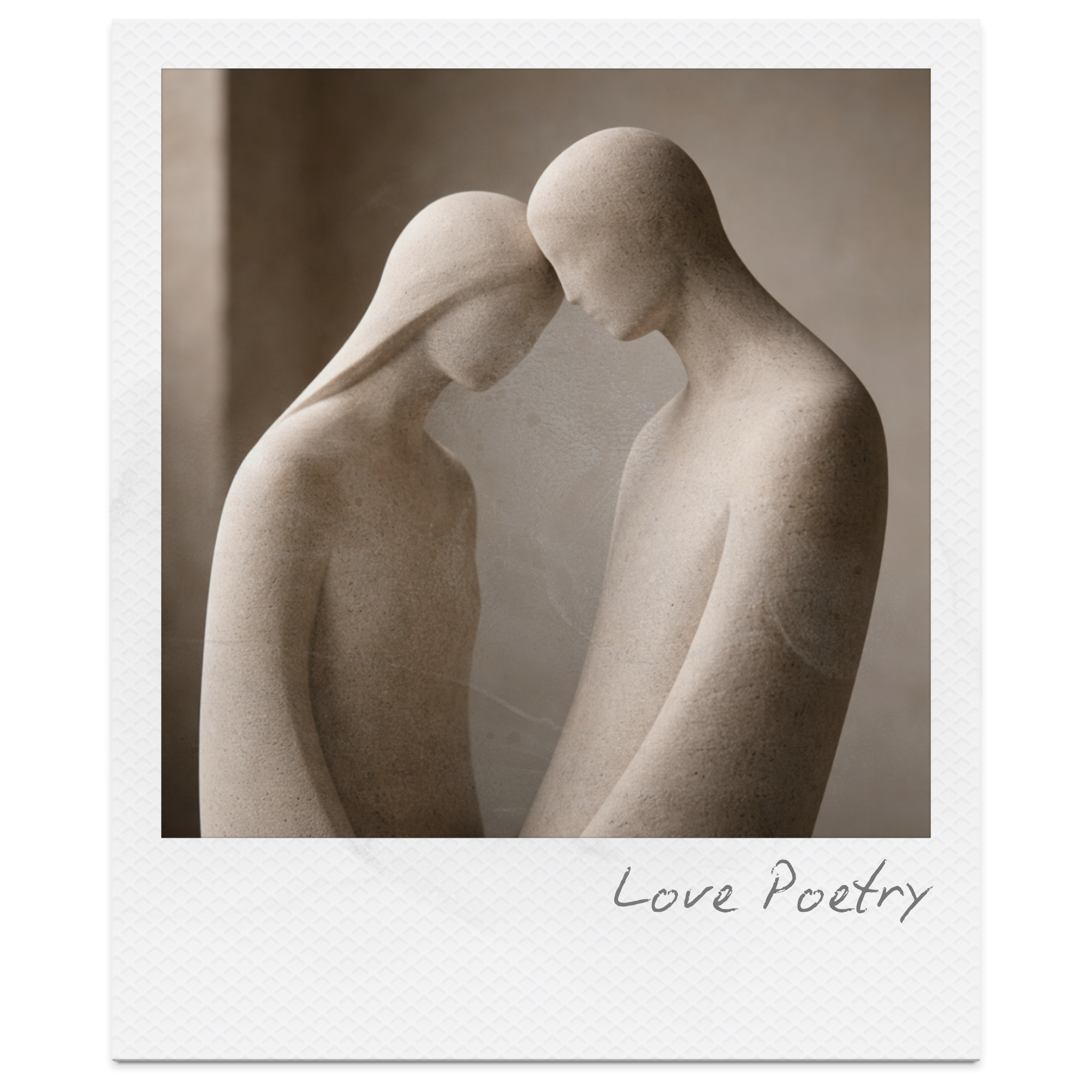
10 Love Poetry Prompts for Teens & Adults: Connection, Longing, and Devotion
Love poetry explores connection, devotion, and longing through voice, imagery, and attention to detail. Rather than relying on grand declarations or cliché, effective love poems focus on small moments, shared habits, and quiet acts of care. This post introduces love poetry as a craft-driven form, showing how emotion is shaped through structure, restraint, and observation. These love poetry prompts for teens and adults offer practical starting points for writing sincere, controlled love poems. With writing techniques, model texts, and image-led inspiration, the post supports classroom teaching and independent writing, helping poets move beyond surface romance into thoughtful, emotionally grounded work.
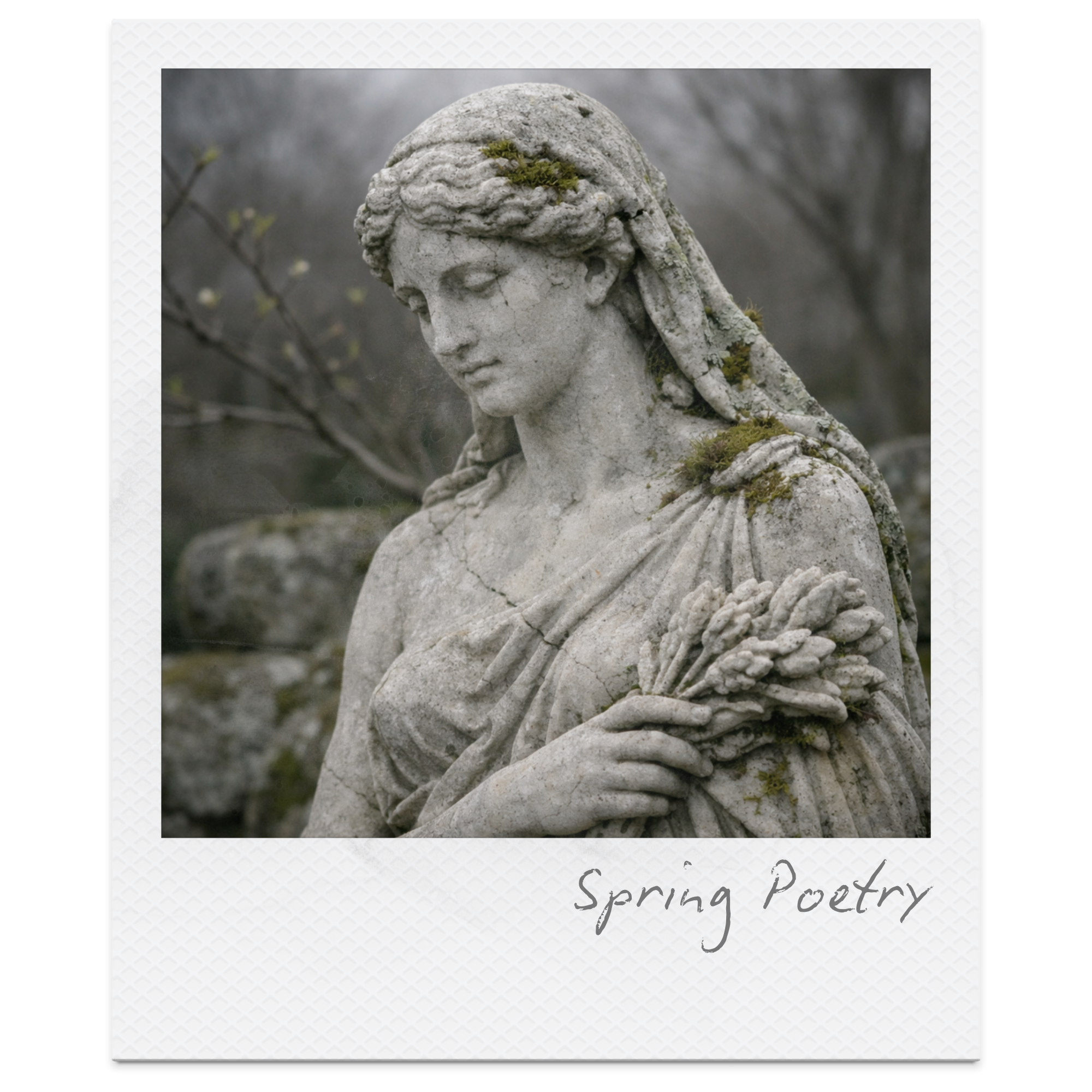
10 Spring Poetry Prompts for Teens & Adults: Writing About Change, Light, and Renewal
Spring poetry is often associated with easy symbolism and tidy ideas of renewal, but the season itself is rarely that simple. In poetry, spring is a time of transition, exposure, and uneven change — moments where light returns gradually, growth feels uncertain, and what has been buried begins to surface. These spring poetry prompts for teens and adults invite writers to explore that complexity through imagery, atmosphere, and poetic craft rather than cliché. Designed for classroom use, writing groups, and independent practice, this collection of spring poetry writing prompts focuses on observation, restraint, and emergence. With suggested opening lines, craft focuses, and ekphrastic approaches, the prompts support thoughtful poetry writing that captures spring as it happens — unsettled, partial, and still in progress.
10 Dark Poetry Prompts for Teens & Adults: Exploring Shadow, Silence, and Emotion
Dark poetry explores shadow, silence, and the emotions we rarely name out loud. In this collection of dark poetry prompts for teens and adults, you’ll find atmospheric writing ideas designed to encourage restraint, tension, and emotional depth rather than shock or spectacle. Each prompt invites writers to focus on imagery, form, and what remains unsaid. This post includes 10 dark poetry writing prompts, craft techniques such as enjambment and repetition, suggested opening lines, and ekphrastic poetry images inspired by gothic art, surrealism, and classical forms. Whether you’re teaching poetry, writing independently, or exploring darker themes with care and intention, these prompts offer a thoughtful starting point for powerful, atmosphere-driven writing.
Pre-Reading Poetry Activities for Secondary English (Before Analysis Begins)
Poetry often becomes difficult in classrooms not because the poems themselves are inaccessible, but because students are asked to analyse them before they have had time to encounter them as readers. When lessons begin with context, terminology, and line-by-line breakdowns, many students assume there is a correct interpretation they are meant to find — and that poetry is something to decode rather than experience. Pre-reading and pre-analysis poetry activities slow that process down. They give students space to hear a poem, react to it, and form instincts before analysis begins. By focusing on first impressions, emotional response, and pattern-spotting, these approaches help students build confidence and curiosity — making later close reading more meaningful, purposeful, and far less mechanical.
Ekphrastic Writing for the Classroom: Art, Photo & Science Prompts for English Teachers
This comprehensive guide to ekphrastic writing in the classroom brings together image-based writing prompts using art, photography, sculpture, science imagery, and AI-generated visuals. Designed for secondary English teachers, the post includes practical ways to use ekphrasis across poetry, prose, monologue, and creative nonfiction, alongside adaptable classroom activities and cross-curricular ideas. Whether you’re planning a poetry unit, setting low-prep bell-ringers, or encouraging close observation and voice-driven writing, these ekphrastic writing prompts for students support inference, imagery, and creative confidence. With clear guidance, differentiated approaches, and links to ongoing writing resources, this post is built for real classroom use.
100 Poetry Prompts for the Classroom: Teen-Friendly and Teacher-Tested
Explore 100 poetry writing prompts designed for teens, classrooms, and creative practice. This collection includes imagery-driven prompts, identity and memory poems, surreal writing ideas, social and political poetry, and form-based exercises to help students develop voice, imagery, and poetic language. Ideal for National Poetry Month, creative writing units, journaling, and daily poetry practice.
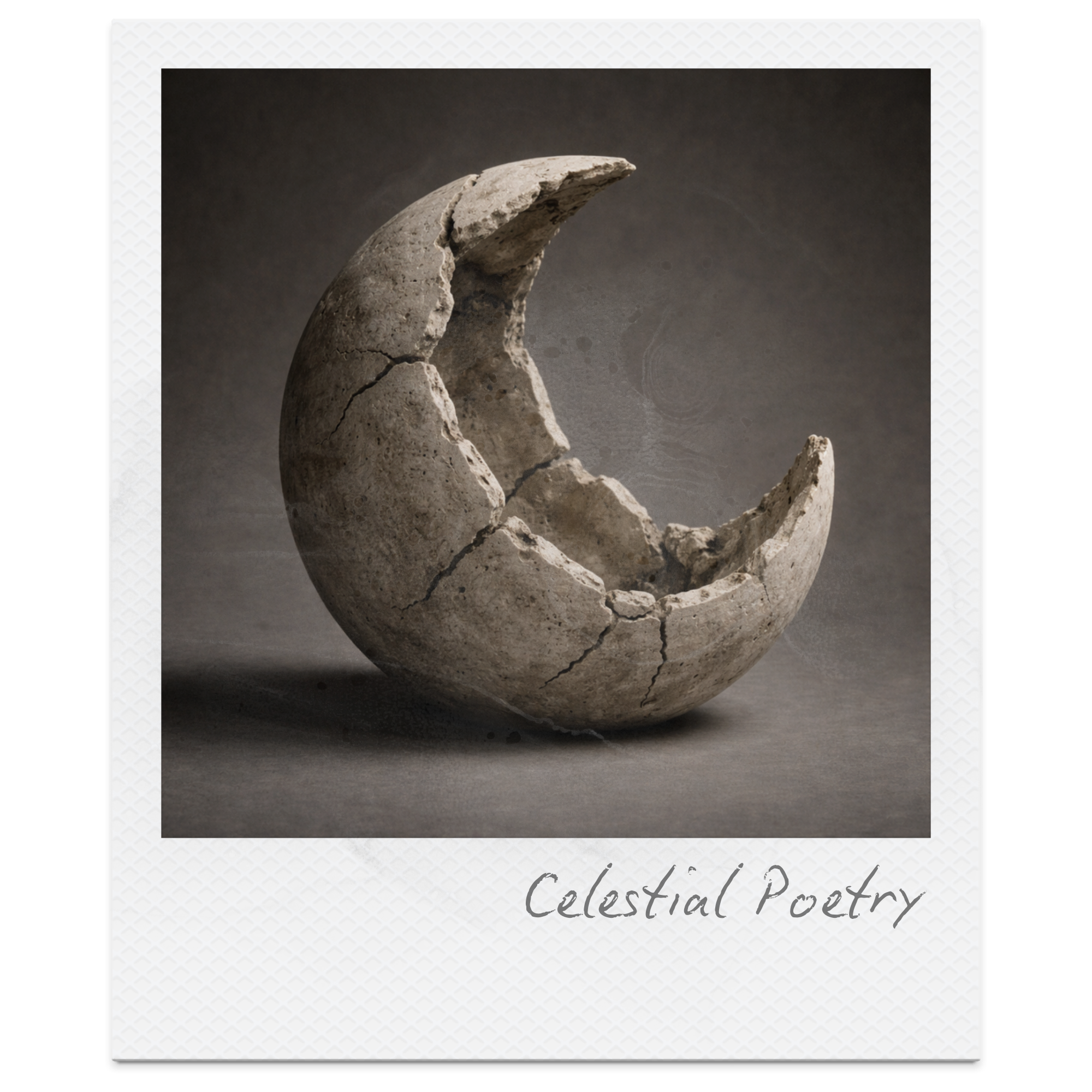
10 Celestial Poetry Prompts for Teens & Adults: Exploring Stars, Silence, and Scale
Celestial poetry uses stars, light, and distance to explore perspective, time, and quiet emotion. Rather than focusing on scientific detail, celestial poems draw on observation and restraint — using the night sky to reflect on small human moments set against vast scale. These celestial poetry prompts for teens and adults invite writers to work with atmosphere, silence, and imagery rather than narrative or explanation. This collection of 10 Celestial Poetry Prompts includes guided writing ideas, suggested opening lines, craft techniques, and ekphrastic image prompts inspired by the night sky. Designed for classrooms, writing groups, and independent practice, the prompts support thoughtful, craft-focused poetry writing that encourages reflection, curiosity, and emotional precision.