10 Spring Poetry Prompts for Teens & Adults: Writing About Change, Light, and Renewal
Spring poetry is often framed as gentle, hopeful, and full of easy symbolism — flowers opening, light returning, growth without resistance. But at its most interesting, spring is more complicated than that. It is a season of exposure, transition, and imbalance. Things resurface before they are ready. Light arrives unevenly. Growth happens alongside disruption, loss, and uncertainty.
These spring poetry prompts for teens and adults are designed to explore that tension. Rather than celebrating renewal outright, they invite writers to work with change as a process — hesitant, fragile, and sometimes unsettling. The prompts focus on imagery, atmosphere, and poetic craft, encouraging writers to sit with moments of emergence, thaw, and emotional shift without forcing resolution or optimism.
Suitable for classroom use, writing groups, and independent practice, each prompt supports thoughtful, restrained writing. Alongside the prompts, you’ll find suggested opening lines, craft focuses, and optional ekphrastic poetry images to help overcome the blank page and encourage poetry rooted in observation rather than narrative.
Whether you’re teaching poetry, developing your own voice, or looking for spring writing prompts that move beyond cliché, this collection approaches the season with care, precision, and attention to what change really feels like while it’s happening.
For even more inspiration, explore the Poetry Writing Hub or visit the Creative Writing Archive, where hundreds of additional prompts, picture prompts, story ideas, character collections, and writing resources are waiting to be discovered.
Short on time?
Scroll down for the 10 spring poetry prompts, or keep reading for writing techniques and examples to support thoughtful, craft-focused poetry writing.
How to Approach Spring Poetry
Writing spring poetry doesn’t require optimism, brightness, or easy metaphors. At its most compelling, spring is a season of instability — light returning unevenly, ground thawing in patches, and growth emerging before conditions feel settled. Approaching spring poetry with care means paying attention to those moments of transition rather than rushing toward resolution.
Begin with observation. Spring offers small, charged details: damp earth, half-light, sudden warmth followed by cold, things reappearing unexpectedly. Let these concrete details carry emotional weight without explanation. As with all effective poetry, imagery and atmosphere should do more of the work than statement or summary.
Consider how change behaves in your poem. Does it arrive gradually, intrusively, or reluctantly? Use line breaks, pacing, and white space to mirror that movement. Short lines can suggest hesitation or fragility, while enjambment can create a sense of imbalance or forward pull, reflecting the unsettled nature of the season.
Resist tidy conclusions. Spring is not an ending; it is a process. Many strong spring poems stop in the middle of change rather than after it. Allow uncertainty to remain, and let the poem end at the moment where something has shifted but not yet resolved.
Finally, avoid seasonal shorthand. Flowers, birds, and sunlight can work, but only when treated with precision and restraint. Focus instead on what spring reveals — what surfaces, what returns altered, and what cannot be put back once it has been exposed. Spring poetry works best when it captures change as it is happening, not after it has been explained.
Techniques to Try in Spring Poetry
Spring poetry is shaped by movement rather than stillness. These techniques help writers capture transition, exposure, and emotional shift without relying on seasonal clichés. Used selectively, they allow poetic form, pacing, and imagery to reflect the uneven nature of change — growth that hesitates, returns, or arrives before it feels secure.
Try one or two techniques at a time, focusing on how structure and sound can carry meaning alongside imagery.
◆ Enjambment (Running a Line On)
Enjambment occurs when a line of poetry continues onto the next line without punctuation. In spring poetry, enjambment can create momentum or imbalance, suggesting growth pushing forward, thoughts outpacing certainty, or change that refuses to pause neatly at the end of a line.
◆ Line Length Variation
Varying line length — mixing short and long lines — helps reflect fluctuation and instability. Short lines can suggest hesitation or fragility, while longer lines may feel expansive or unsettled, mirroring the uneven rhythm of the season.
◆ Temporal Slippage (Shifts in Time)
Temporal slippage allows a poem to move between past, present, and anticipation without clear transitions. This technique reflects how spring often holds memory and expectation at once, creating a sense of emotional and temporal overlap.
◆ Partial Revelation
Rather than revealing meaning all at once, allow images and ideas to surface gradually. Partial revelation mirrors the way spring uncovers what has been buried, offering exposure without full clarity or resolution.
◆ Concrete Seasonal Detail
Ground the poem in specific, understated details — damp earth, thinning frost, softening branches. Concrete imagery anchors abstract feeling in physical experience, allowing emotion to emerge through observation rather than explanation.
◆ Sound: Assonance and Sibilance
Assonance is the repetition of vowel sounds, while sibilance is the repetition of soft ‘s’ or ‘sh’ sounds. Both can create a sense of flow, thaw, or quiet movement, reinforcing the feeling of gradual change without drawing attention away from meaning.
◆ Repetition With Progression
Repeating a word, phrase, or image while allowing it to shift slightly each time can suggest development rather than fixation. In spring poetry, repetition often reflects change taking place rather than something being stuck.
◆ Threshold Imagery
Focus on in-between spaces such as doorways, windows, or boundaries between indoors and outdoors. Threshold imagery supports poems about transition, exposure, and becoming.
◆ Unfinished Endings
End the poem while change is still underway. Rather than resolving meaning, allow the poem to stop at a moment of emergence, leaving space for interpretation.
◆ Restraint Over Celebration
Avoid announcing transformation directly. Let imagery, pacing, and structure show change in progress instead of stating it outright.
Read for Inspiration: Spring Poetry
Reading established poems that engage with spring as a season of change, exposure, and uncertainty can help writers move beyond cliché and sentimentality. The poems below approach spring through restraint, observation, and emotional precision, showing how renewal can feel tentative, disruptive, or unresolved rather than purely celebratory.
Read these poems closely, paying attention to imagery, line breaks, sound, and where each poem resists neat resolution.
◆ Emily Dickinson – “A Light exists in Spring”
This poem captures spring as something fleeting and unsettling rather than comforting. Dickinson’s focus on light as a temporary, almost painful presence makes it an excellent model for poems that explore change without permanence and beauty that cannot be held.
◆ Seamus Heaney – “The Seed Cutters”
Heaney presents spring labour as deliberate, careful, and weighted with responsibility. The poem balances growth with restraint, showing how renewal requires patience and control, making it a strong example of grounded seasonal imagery.
◆ Ted Hughes – “Thrushes”
Although often read as a poem about violence, Thrushes is rooted in spring energy and instinct. Hughes’s sharp imagery and controlled aggression demonstrate how spring can feel raw and unsettling, driven by survival rather than softness.
◆ Sylvia Plath – “Tulips”
Plath’s tulips are intrusive rather than beautiful, forcing colour, life, and presence into a space that resists it. This poem is particularly useful for exploring spring imagery that feels overwhelming or unwanted.
◆ Philip Larkin – “The Trees”
Larkin’s restrained meditation on trees coming into leaf resists easy optimism. The poem acknowledges renewal while questioning its meaning, making it ideal for writers interested in spring as repetition rather than progress.
◆ Louise Glück – “Snowdrops”
Glück uses early spring flowers not as symbols of joy, but as quiet, unsettling signs of persistence after damage. The poem handles emergence and survival with emotional restraint and clarity.
◆ Christina Rossetti – “A Bird Song”
Rossetti’s poem balances seasonal joy with underlying fragility. Its careful structure and tonal restraint make it useful for examining how spring can hold lightness without excess.
◆ D. H. Lawrence – “Bavarian Gentians”
Although often associated with autumn, this poem’s intense focus on colour, growth, and descent provides a useful contrast when teaching seasonal symbolism. It demonstrates how plant imagery can carry emotional and psychological depth beyond surface meaning.
Spring Poetry Writing Prompts
The prompts below are designed to help writers explore spring as a season of transition rather than celebration. Each prompt focuses on observation, restraint, and poetic craft, encouraging writers to work with emergence, exposure, and change without forcing resolution or optimism.
You can approach the prompts in order or choose one that resonates. Focus on a single moment or image, and allow meaning to develop through imagery, line breaks, and pacing rather than explanation.
Spring Poetry Prompt 1: Pushing Through the Soil
Write a poem about a plant breaking through the surface of the soil. Focus not on beauty or success, but on resistance — the pressure, darkness, and effort involved in emergence. Let the act of growing feel strained rather than celebratory.
Possible opening line:
Something presses upward before it knows why.
Craft focus:
Use enjambment and uneven line breaks to mirror physical strain. Allow the movement of the lines to suggest effort rather than ease.
Spring Poetry Prompt 2: April Rain That Interrupts
Write about an April rain shower that feels intrusive rather than refreshing. It arrives suddenly, alters plans, soaks through clothing, or forces stillness. Let the rain act as an interruption, not a comfort.
Possible opening line:
The rain arrives without asking.
Craft focus:
Experiment with sound devices such as assonance or sibilance to echo falling rain. Keep imagery concrete and avoid symbolic explanation.
Spring Poetry Prompt 3: Colour Returning Unevenly
Write a poem that focuses on colour returning in fragments — green in patches, brightness against lingering grey. Avoid describing full transformation. Let imbalance and partial change carry the poem’s meaning.
Possible opening line:
Green appears, but not everywhere.
Craft focus:
Use selective imagery, limiting colour references to one or two details. Allow contrast to do the emotional work.
Spring Poetry Prompt 4: New Life Observed From a Distance
Write about new life — a birth, bud, hatchling, or beginning — that the speaker witnesses indirectly. This could be through glass, memory, or second-hand description. Keep emotional distance intact.
Possible opening line:
I don’t touch it.
Craft focus:
Maintain emotional restraint through controlled diction. Let separation shape the tone rather than explicit feeling.
Spring Poetry Prompt 5: The First Warm Day That Feels Wrong
Write about the first warm day of the year arriving too early. Clothes feel wrong. Skin feels exposed. The warmth creates discomfort rather than relief.
Possible opening line:
The heat arrives before I’m ready.
Craft focus:
Use short lines and abrupt pacing to reflect unease. Avoid metaphor that turns warmth into comfort.
Spring Poetry Prompt 6: What Thaws and What Doesn’t
Write a poem that contrasts something beginning to thaw with something that remains frozen — physically, emotionally, or relationally. Let the contrast remain unresolved.
Possible opening line:
Some things loosen. Others don’t.
Craft focus:
Structure the poem around contrast, using parallel imagery or repeated phrasing to highlight difference without explanation.
Spring Poetry Prompt 7: Things Reappearing That Weren’t Missed
Write about something that resurfaces with the season — an object, memory, habit, or presence — that the speaker did not want returned. Avoid nostalgia.
Possible opening line:
I didn’t call it back.
Craft focus:
Use concrete detail and understatement. Let unease emerge through what is noticed rather than how it is judged.
Spring Poetry Prompt 8: Light That Lasts Too Long
Write about evenings stretching longer as spring advances. Treat light as exposure rather than comfort — something that reveals, extends, or refuses concealment.
Possible opening line:
The light stays after I want it gone.
Craft focus:
Experiment with line length variation to mirror the slow extension of daylight. Allow pacing to shape meaning.
Spring Poetry Prompt 9: The Moment Between Seasons
Write a poem set in the in-between — frost in the morning, softness by afternoon. Avoid naming the season directly. Focus on instability and suspension.
Possible opening line:
The day can’t decide what it is.
Craft focus:
Use temporal slippage, allowing the poem to move between moments without clear transitions.
Spring Poetry Prompt 10: Growth That Isn’t Celebrated
Write about growth that feels unwelcome — weeds, cracks widening, mould spreading, habits returning. Let growth exist without approval or triumph.
Possible opening line:
Something is growing where it shouldn’t.
Craft focus:
End with an unfinished or unresolved line, allowing growth to remain ongoing rather than explained.
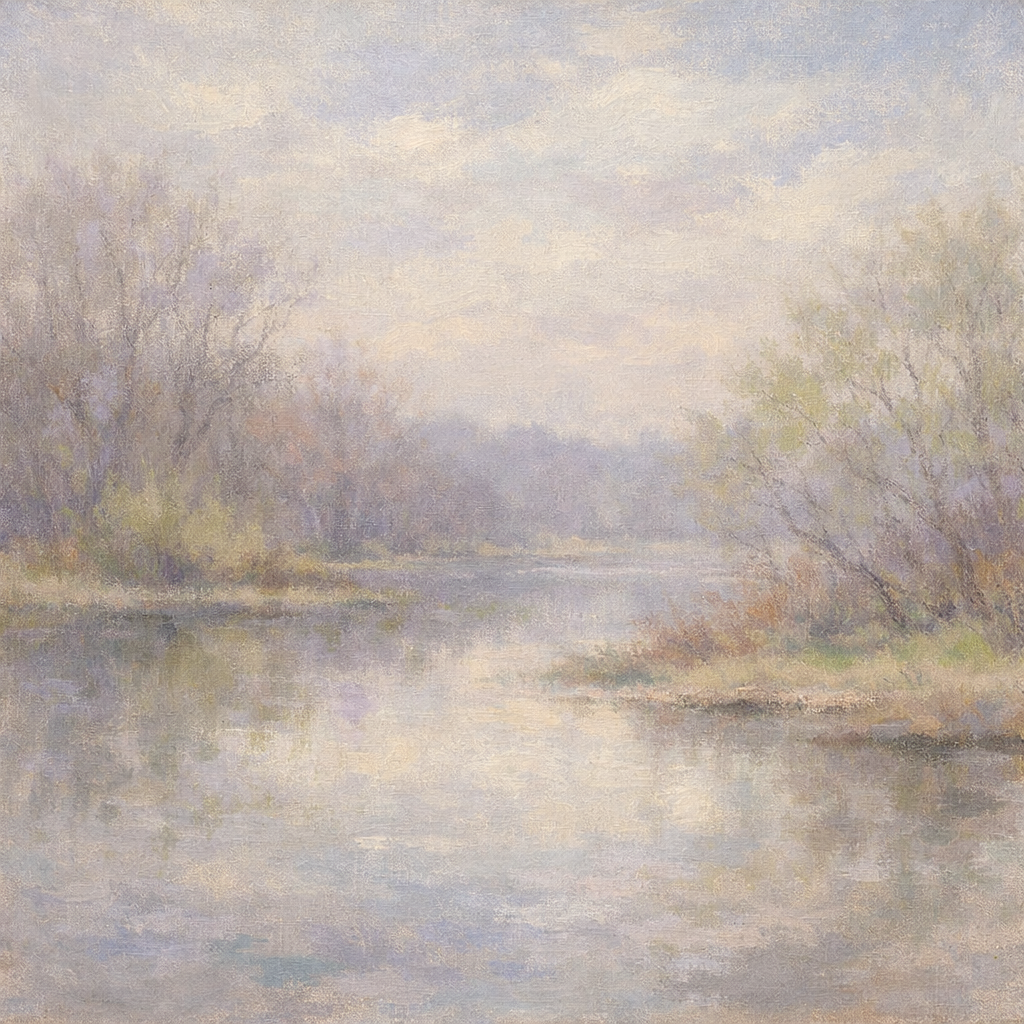
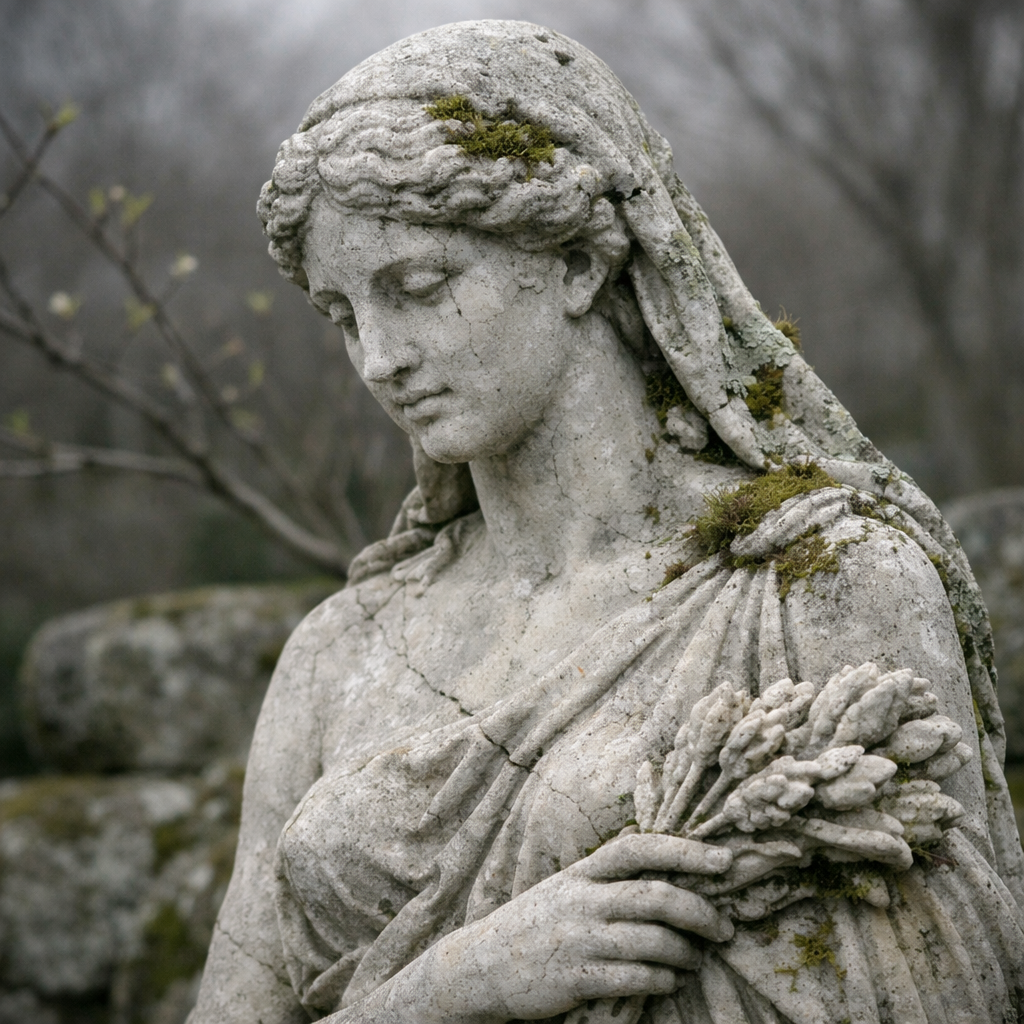
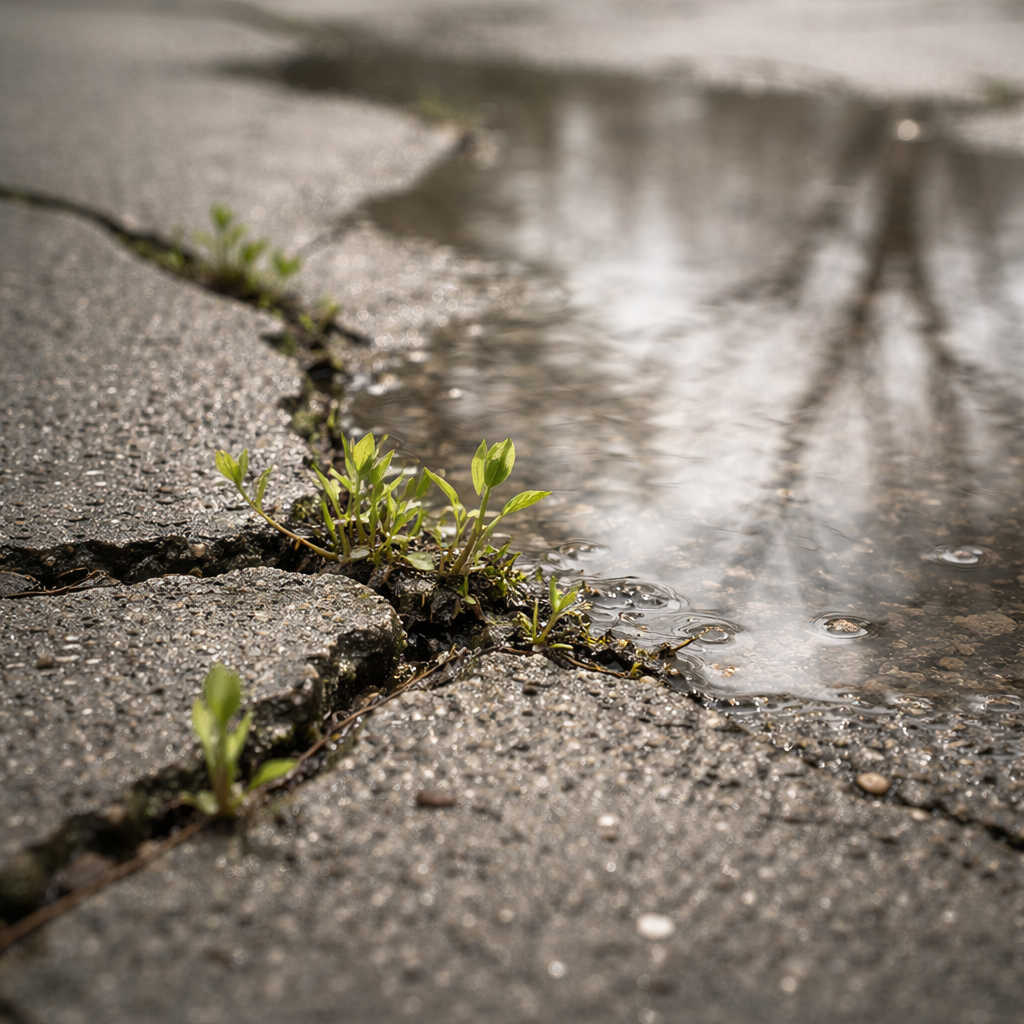
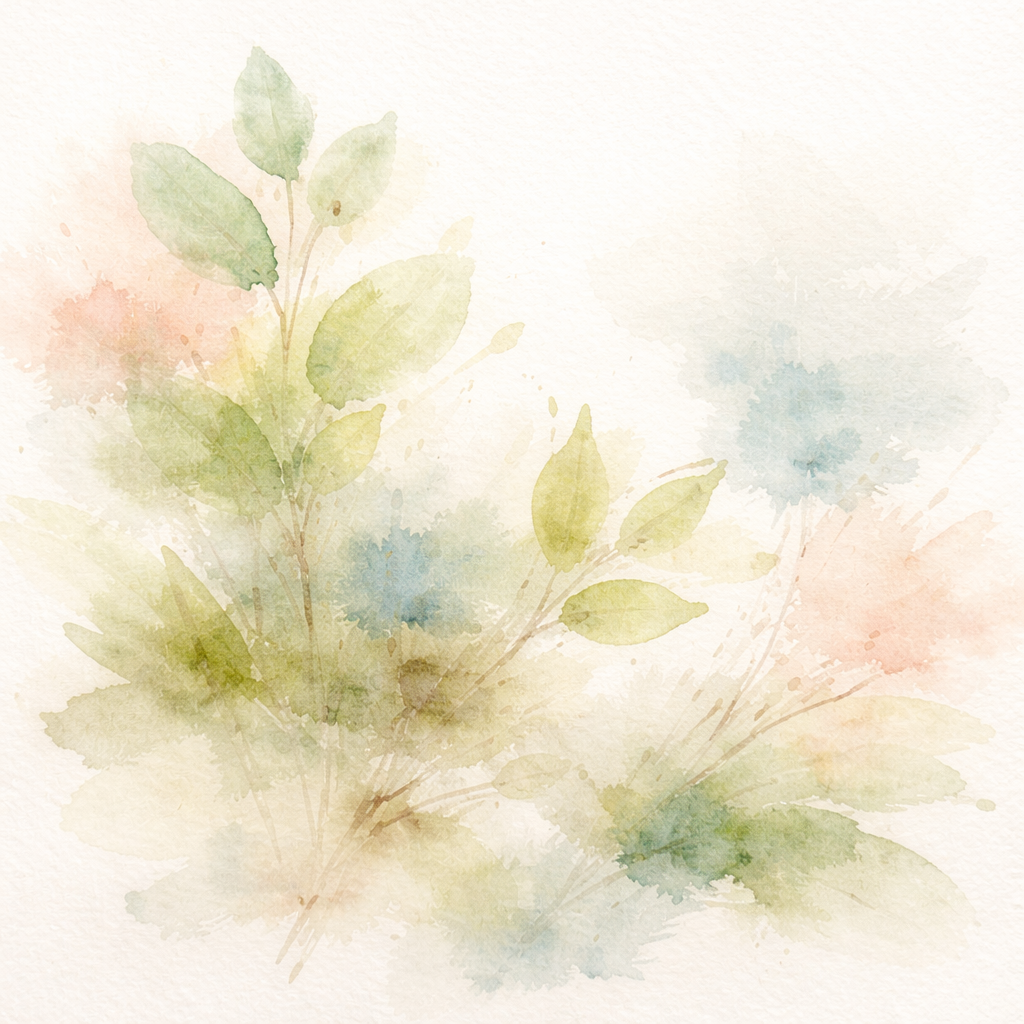
Ekphrastic Poetry: Writing From Spring Images
Ekphrastic poetry uses visual images as a starting point for writing, focusing less on description and more on emotional response, atmosphere, and interpretation. In spring poetry, images are especially useful for exploring transition, emergence, and exposure without relying on familiar seasonal symbols or narrative explanation.
The images below are chosen to support poems about change in progress — moments where something is beginning, shifting, or revealing itself unevenly rather than arriving fully formed.
When working with these images, try one or more of the following approaches:
◆ Focus on a single detail rather than the whole image — a shadow, a crack in soil, a patch of colour, a reflection
◆ Write what the image suggests, not what it literally shows
◆ Treat the image as a moment just before or just after something has changed
◆ Let the image trigger a physical sensation rather than a story
◆ Use white space and line breaks to mirror light, movement, or instability in the image
◆ Allow the poem to stop before meaning settles — avoid explanation or resolution
There is no requirement to describe the image directly. The goal is to let the visual prompt open a moment, then follow where the poem leads.
Approach each image with restraint. Spring ekphrastic poetry works best when it captures what is changing, not what has already arrived.

Go Deeper into Spring Poetry Writing
If these spring poetry prompts resonated, you may want to extend your writing beyond a single moment and explore how transition, emergence, and exposure can be sustained across longer or more experimental forms. Spring poetry often benefits from fragmentation, restraint, and returning to the same image from different angles.
You might explore this further by:
◆ Revisiting one prompt across multiple drafts, focusing on line breaks, pacing, and white space rather than adding content
◆ Writing a sequence of short poems that trace change in stages rather than resolving it in one piece
◆ Rewriting a poem from a different moment — just before or just after the central image — allowing meaning to shift without explanation
◆ Letting setting act as a presence, shaping tone and emotion rather than driving narrative
◆ Experimenting with partial forms such as fragments, notes, or observations, allowing gaps to carry meaning
◆ Returning to the same image weeks later to see how time and distance alter its emotional weight
For writers drawn to atmosphere-led work and restrained imagery, seasonal poetry can act as a bridge between lyric and narrative writing, offering space to experiment without pressure to resolve meaning too neatly.
Final Thoughts
Spring poetry does not need to announce renewal or arrive with certainty. Often, its power lies in hesitation and transition — in what emerges unevenly, what remains unresolved, and what is revealed before it is fully understood.
You may return to these spring poetry prompts more than once. A line that feels unfinished now may open later. An image may shift as the season moves on. That is part of the work. Poetry shaped by change and emergence rarely settles all at once.
Approach spring writing with attention rather than urgency, and restraint rather than explanation. Let the poem stop before meaning is complete, allowing space for interpretation to linger.
Write slowly. Notice what changes — and what doesn’t.
Let the poem remain in progress.
For even more inspiration, explore the Poetry Writing Hub or visit the Creative Writing Archive, where hundreds of additional prompts, picture prompts, story ideas, character collections, and writing resources are waiting to be discovered.
Choose Your Next Theme