Notes from the Inkpot
Writing, teaching, creating - one ink-stained idea at a time.



The Trees by Philip Larkin: Summary, Themes & Analysis
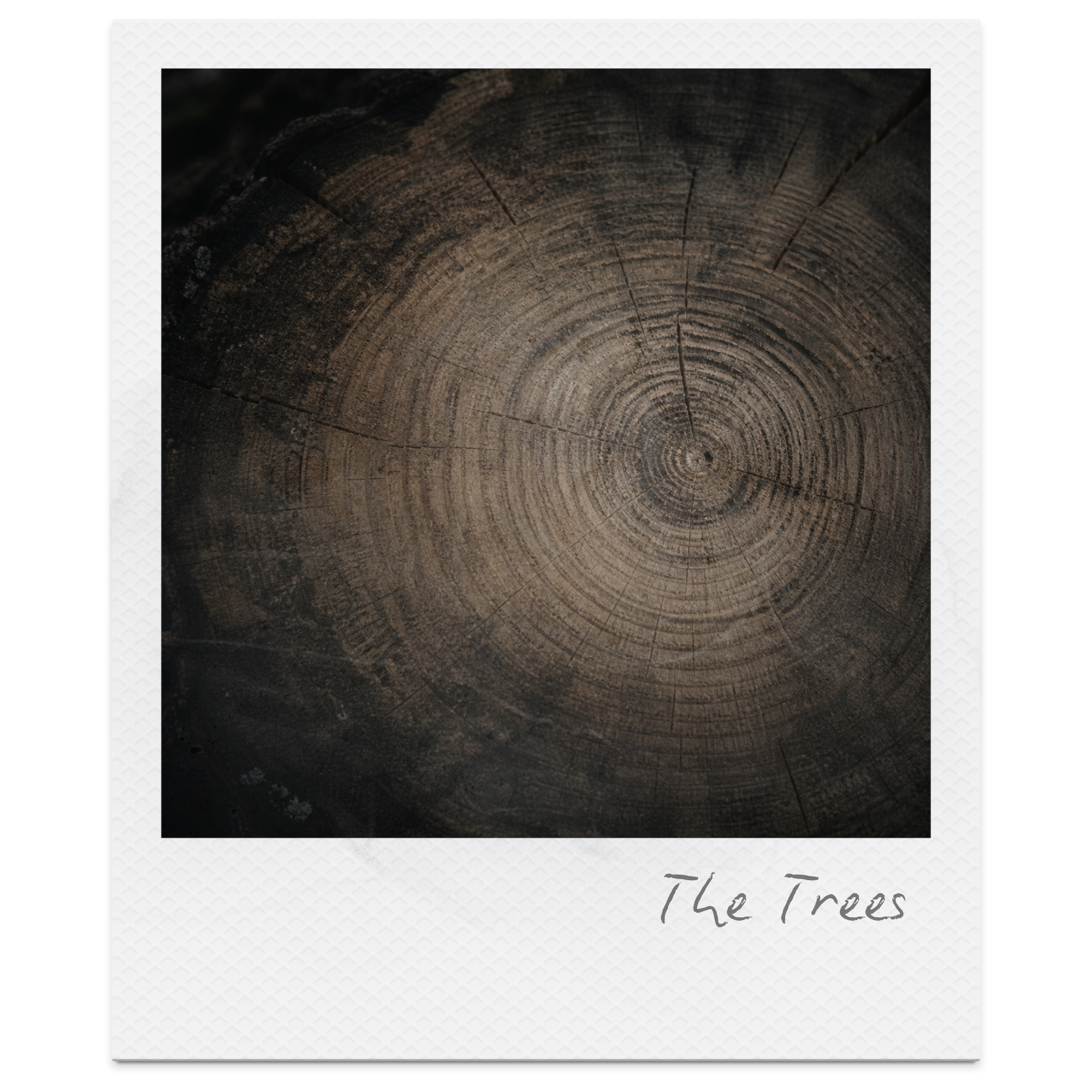
Philip Larkin’s The Trees explores the tension between renewal and mortality, using the natural cycle of spring to question whether fresh beginnings are ever truly possible. Through juxtaposition, controlled structure, and subtle tonal shifts, the poem presents the trees as symbols of apparent rebirth while revealing the underlying reality of ageing and continuity, challenging the reader’s assumptions about nature and time. As the poem develops, Larkin moves from quiet observation to a more unsettled recognition that the trees’ “yearly trick of looking new” conceals an ongoing process of change and decline. The repeated call to “begin afresh” feels both hopeful and fragile, leaving the reader with an unresolved tension between appearance and reality and reinforcing the idea that renewal may be more complex—and less reassuring—than it first appears.
L.E.L. by Christina Rossetti: Summary, Themes, Symbolism & Analysis
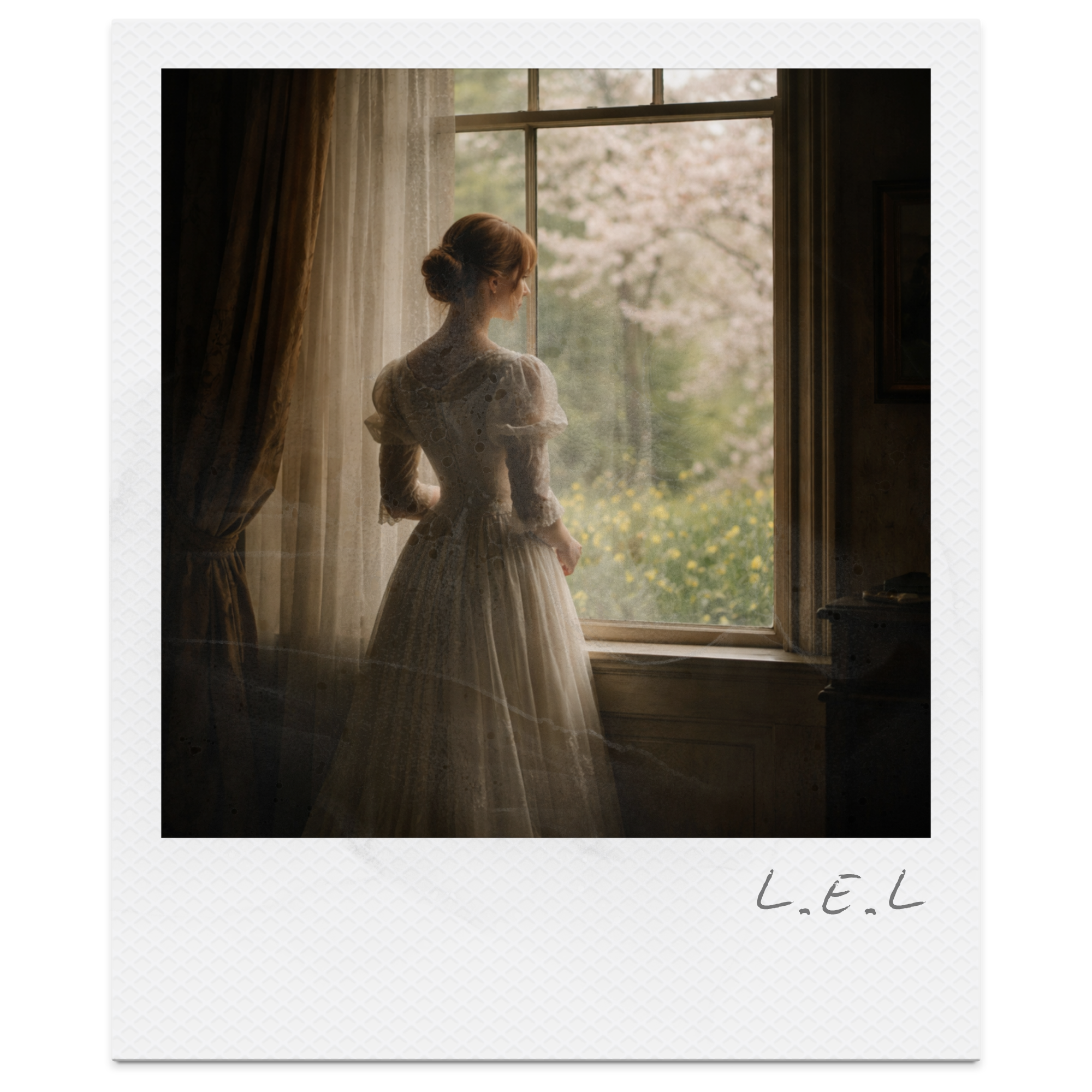
Christina Rossetti’s L.E.L. explores unfulfilled love, emotional isolation, and the tension between public performance and private suffering. Through its repeated refrain and vivid spring imagery, the poem contrasts a lively, outward persona with a deeply lonely inner life, revealing how easily pain can remain hidden beneath social appearances. This analysis examines Rossetti’s use of structure, symbolism, and religious imagery to present longing as both a personal and spiritual experience. It considers how the poem moves from quiet despair toward deferred hope, suggesting that love denied in the present may find fulfilment beyond earthly life.
10 Spring Poetry Prompts for Teens & Adults: Writing About Change, Light, and Renewal
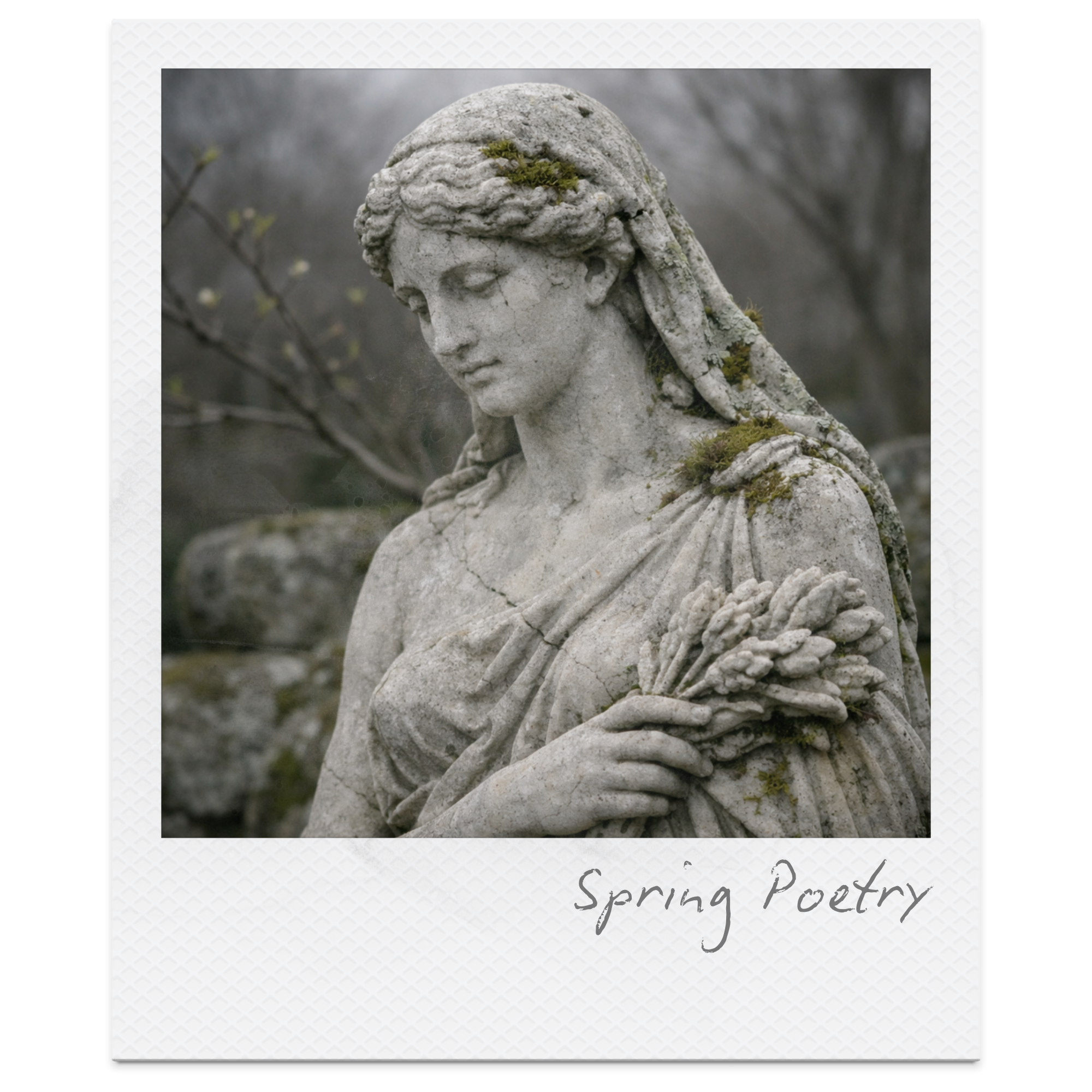
Spring poetry is often associated with easy symbolism and tidy ideas of renewal, but the season itself is rarely that simple. In poetry, spring is a time of transition, exposure, and uneven change — moments where light returns gradually, growth feels uncertain, and what has been buried begins to surface. These spring poetry prompts for teens and adults invite writers to explore that complexity through imagery, atmosphere, and poetic craft rather than cliché. Designed for classroom use, writing groups, and independent practice, this collection of spring poetry writing prompts focuses on observation, restraint, and emergence. With suggested opening lines, craft focuses, and ekphrastic approaches, the prompts support thoughtful poetry writing that captures spring as it happens — unsettled, partial, and still in progress.