Notes from the Inkpot
Writing, teaching, creating - one ink-stained idea at a time.


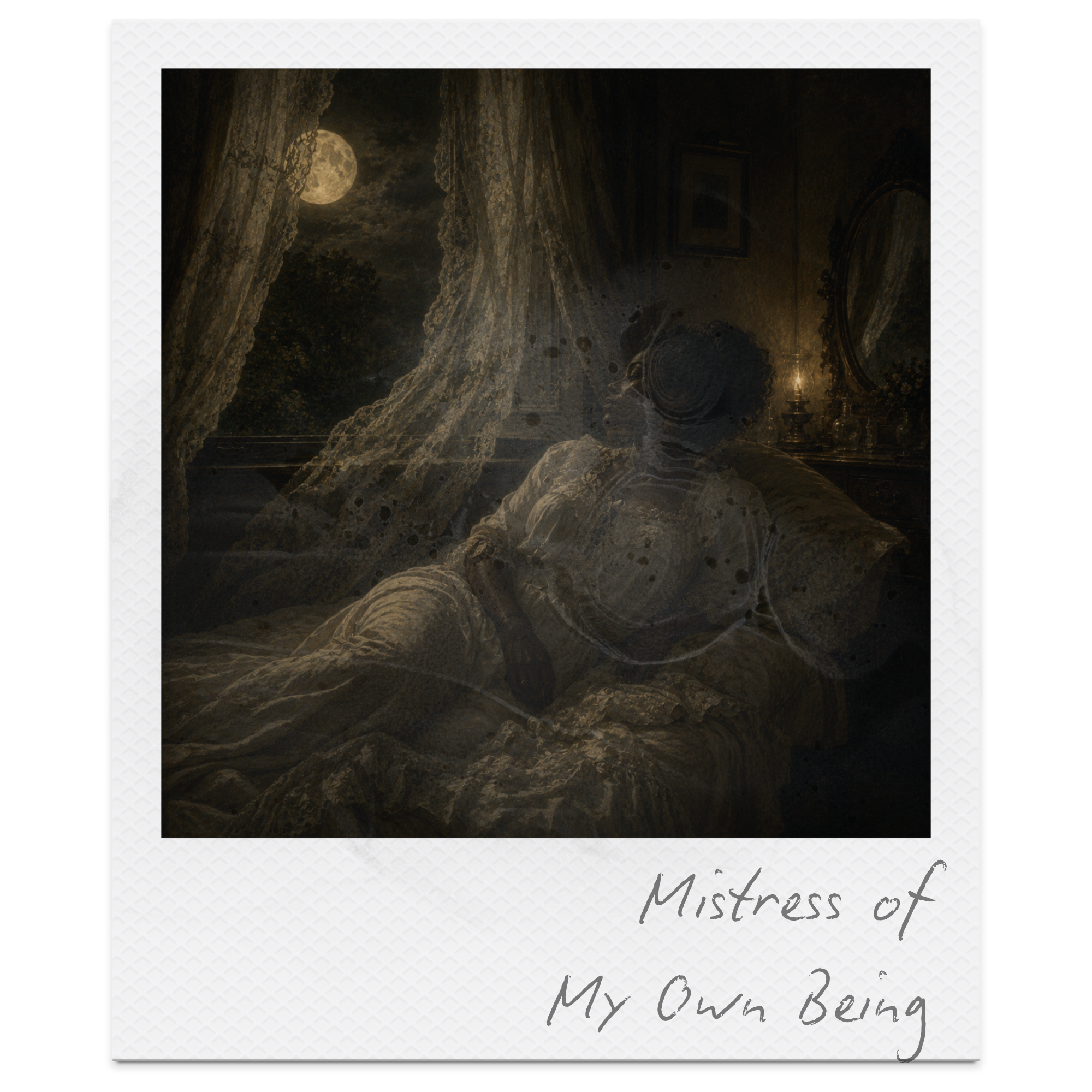
Mistress of My Own Being by Ifi Amadiume: Summary, Themes & Analysis
Mistress of My Own Being by Ifi Amadiume is a powerful meditation on selfhood, female autonomy, inner peace, and emotional freedom. Through rich sensory imagery, symbolism, personification, and free verse, Amadiume presents a speaker who finds complete fulfilment within herself, rejecting dependence on the past, on relationships, and on external validation. This detailed analysis explores the poem's summary, themes, stanza-by-stanza analysis, key quotations, literary techniques, and form and structure, examining how Amadiume celebrates self-possession, spiritual fulfilment, and the liberating power of becoming the "Mistress of my own being."
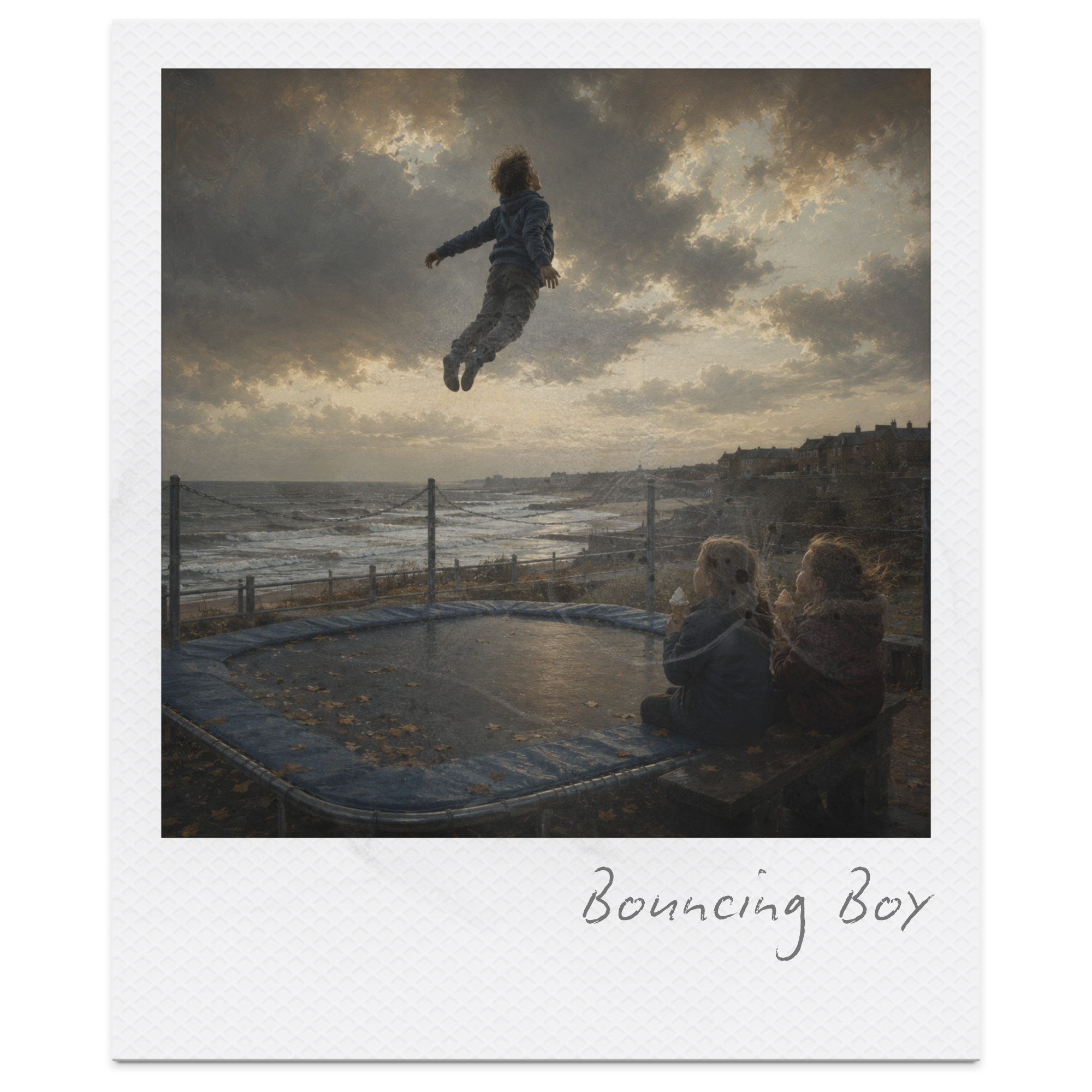
Bouncing Boy by Helen Dunmore: Summary, Themes & Analysis
Explore Bouncing Boy by Helen Dunmore with a detailed summary, stanza-by-stanza analysis, key quotations, themes, literary techniques, and exam-ready insights. Discover how Dunmore uses symbolism, imagery, and ambiguity to transform an ordinary childhood scene into a poignant exploration of memory, grief, love, and the enduring presence of those we have lost.
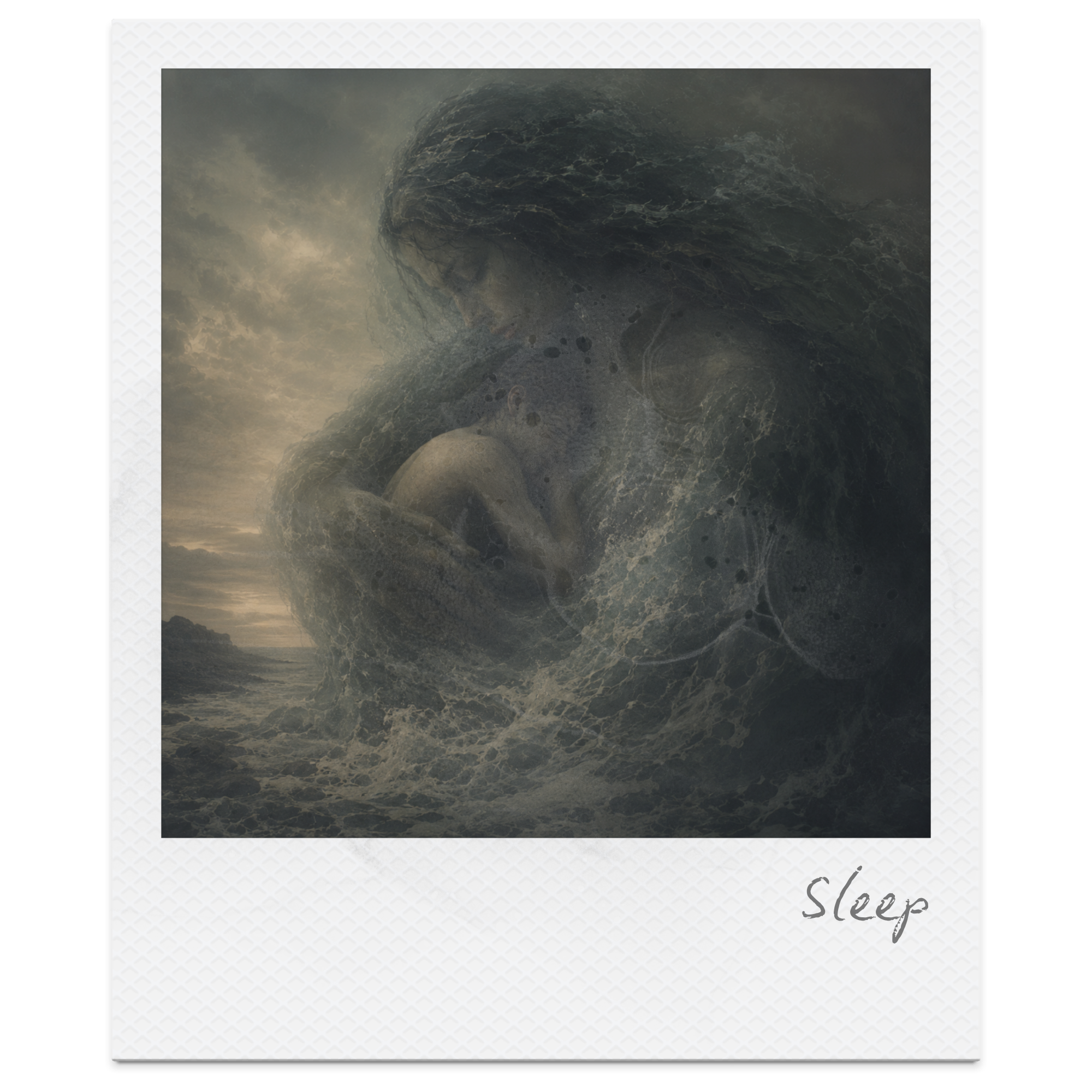
Sleep by Kenneth Slessor: Analysis of Death, Rebirth and Surrender
Kenneth Slessor's Sleep is a richly symbolic poem exploring mortality, rebirth, the unconscious, surrender, and the cyclical nature of human existence. Through the personification of Sleep as a powerful speaking presence, Slessor transforms an everyday experience into a profound meditation on death, renewal, and the temporary dissolution of identity. Using imagery of burial, water, gestation, and childbirth, the poem blurs the boundaries between life and death, safety and vulnerability, comfort and annihilation. This analysis explores the poem's themes, structure, symbolism, literary techniques, key quotations, and alternative interpretations while examining how Slessor presents sleep as a paradoxical state that resembles both death and rebirth. Ideal for students studying CIE AS & A Level Literature (9695) Songs of Ourselves Volume 2.
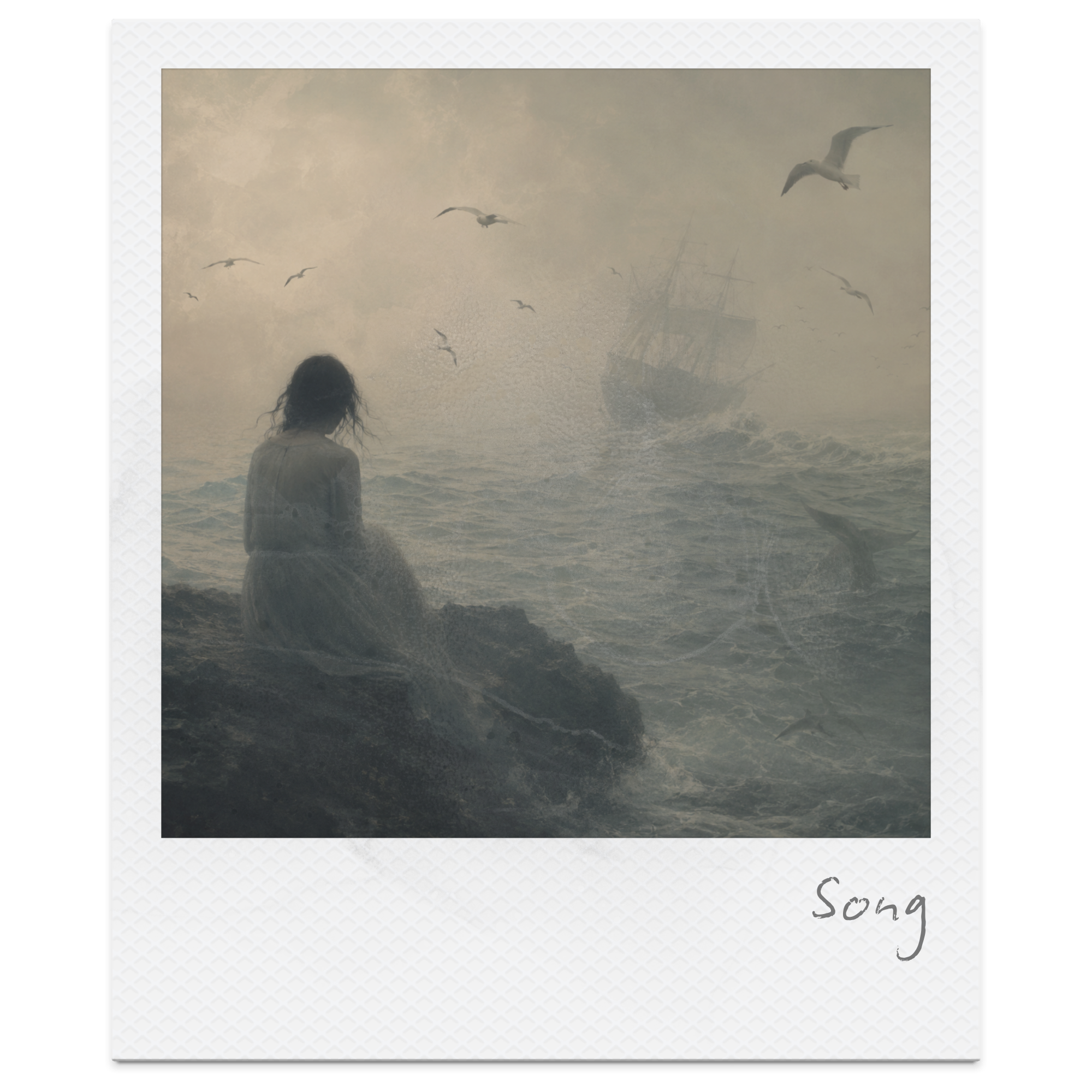
Song by Alun Lewis: Summary, Themes & Analysis
Alun Lewis's Song is a moving elegy that explores grief, love, absence, and the lasting psychological effects of loss. Written from the perspective of a woman mourning a lover lost at sea, the poem traces the gradual progression of bereavement through vivid maritime imagery, natural symbolism, and haunting reflections on memory. In this analysis, we explore the poem's themes, structure, symbolism, key quotations, and deeper meanings while examining how Lewis presents mourning as a force that reshapes both identity and the relationship between the living and the dead.
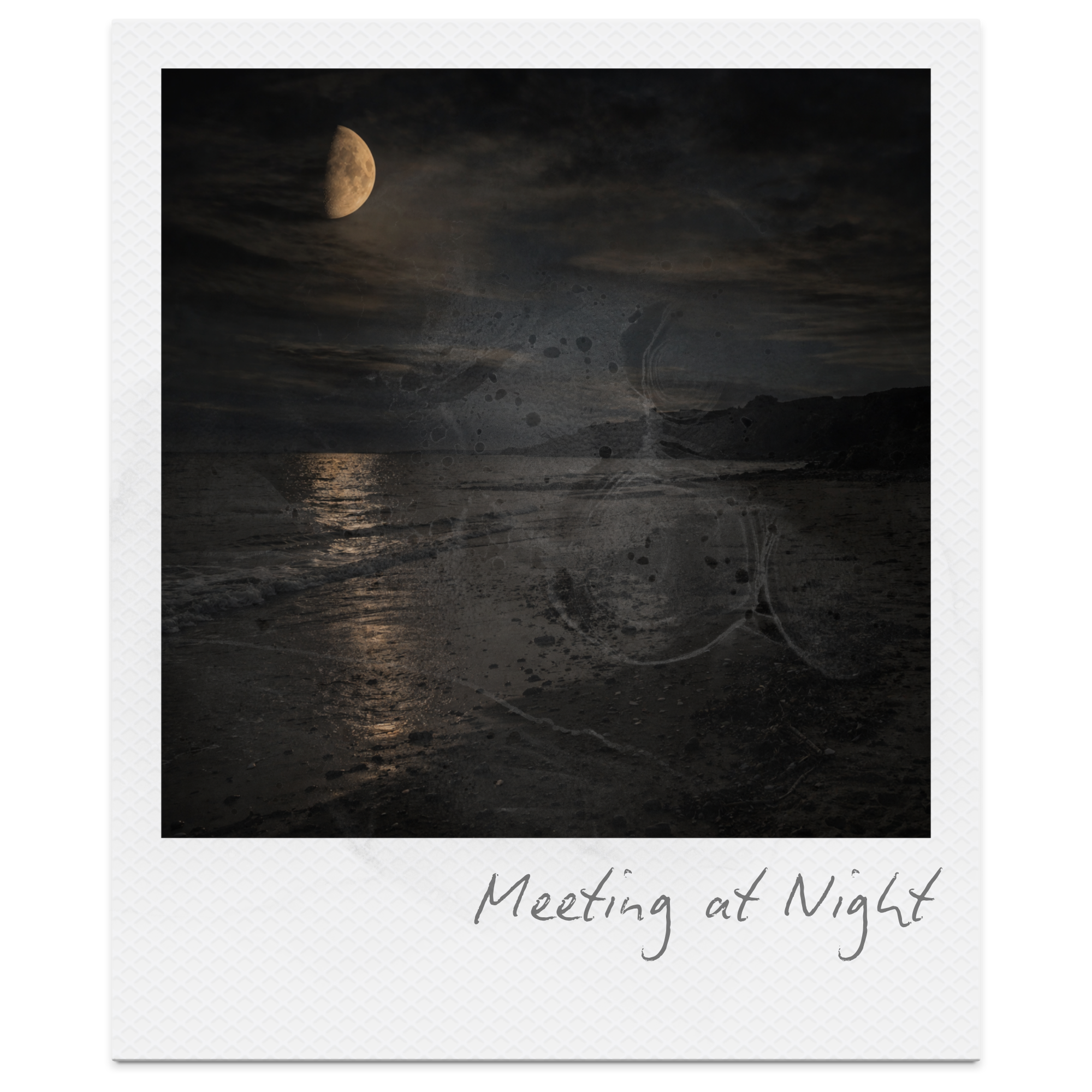
Meeting at Night by Robert Browning: Summary, Themes, Meaning & Analysis
Robert Browning’s Meeting at Night explores romantic desire, anticipation, and secrecy, presenting a speaker driven across a dark landscape to reach a moment of intimate connection. Through vivid sensory imagery, rhythmic variation, and a carefully structured progression from distance to closeness, the poem transforms a physical journey into a powerful expression of emotional urgency. This analysis examines how Browning uses language, form, and sound to create meaning and impact, showing how each stage of the journey intensifies the speaker’s focus and desire. With a clear emphasis on method → purpose → effect, this guide supports IGCSE World Literature (0408) students in developing precise, high-level analytical responses.
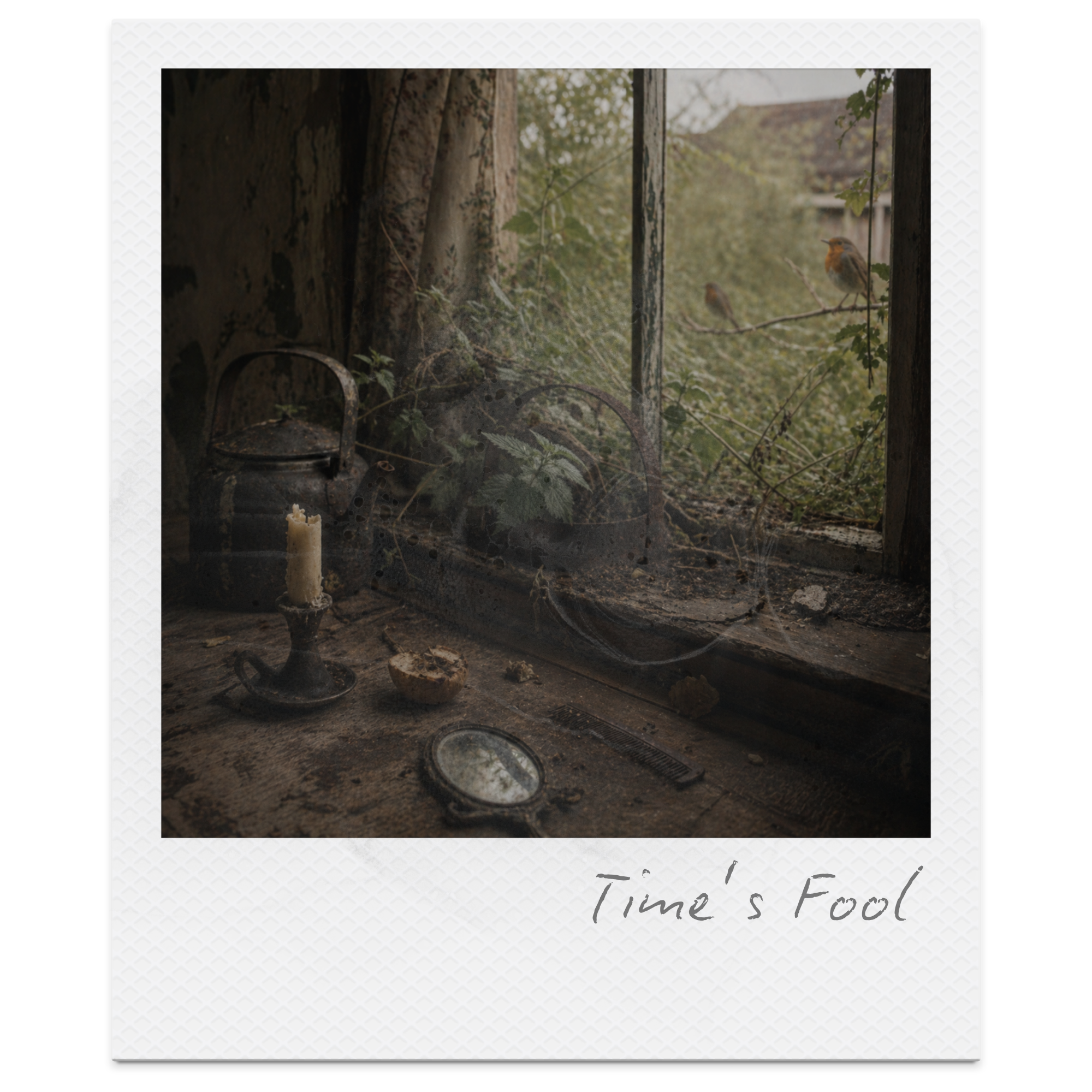
Time’s Fool by Ruth Pitter: Summary, Themes & Analysis
Ruth Pitter’s Time’s Fool reflects on how time reshapes our understanding of the past, transforming experiences that once seemed ordinary or insignificant into sources of deep emotional value. Through nostalgic imagery, paradox, and a reflective tone, the poem explores the contrast between material poverty and inner richness, revealing how memory redefines what truly matters. As the speaker revisits a life of simple comforts and natural surroundings, the poem shifts from a sense of loss to quiet acceptance, suggesting that fulfilment lies not in possessions but in experience, connection, and perspective. In doing so, Pitter presents a nuanced view of time—not just as a force of change, but as something that gives meaning to what has been left behind.
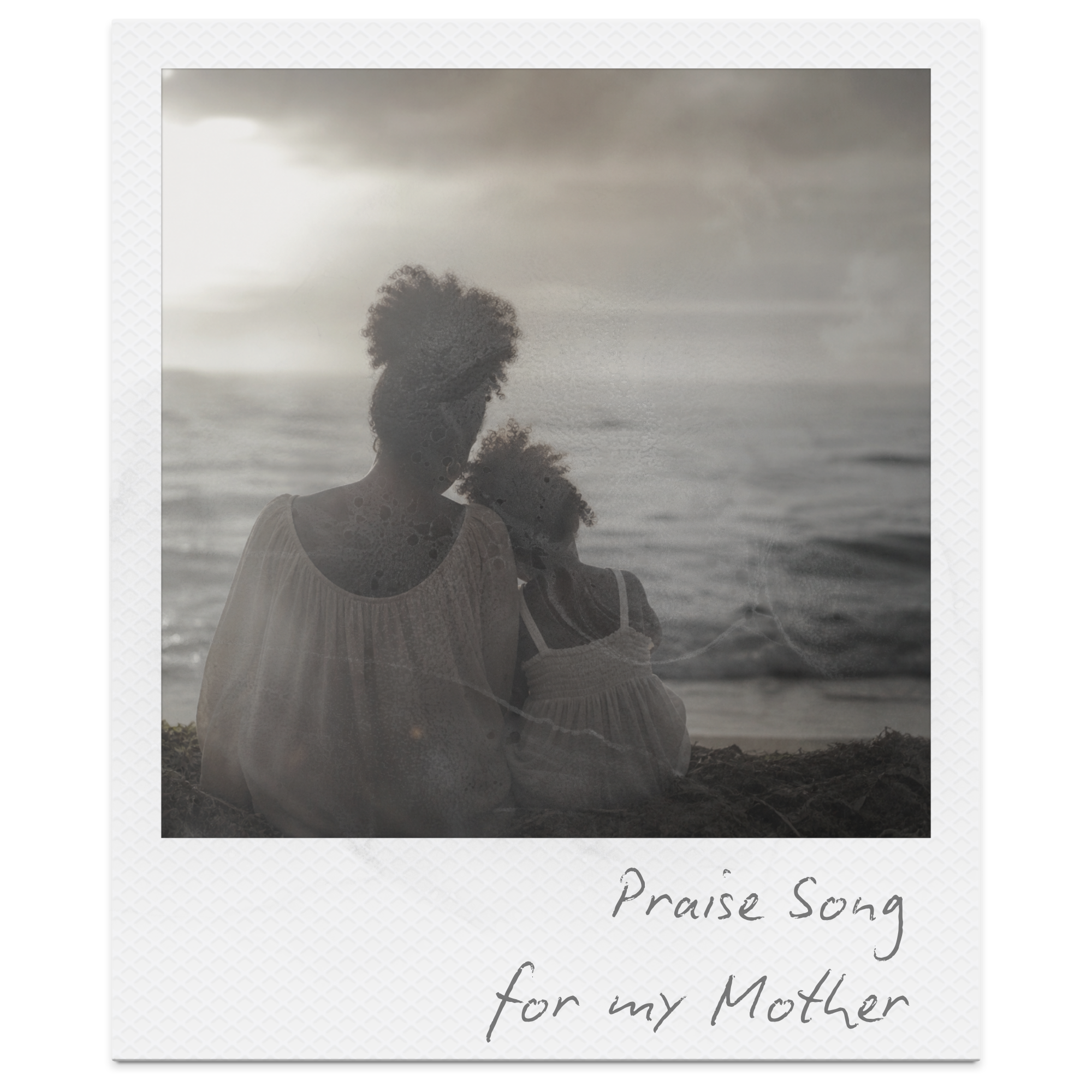
Praise Song for My Mother by Grace Nichols: Summary, Themes & Analysis
Praise Song for My Mother by Grace Nichols explores motherhood, nurture, and identity through a sequence of extended metaphors, repetition, and sensory imagery, presenting the mother as a sustaining, life-giving force. The poem moves through images of water, the moon, and sunrise, each representing different forms of care, while the repeated structure “You were” creates a rhythmic, cumulative pattern that mirrors the ongoing nature of maternal influence. As the poem develops, the imagery shifts from elemental and universal to more specific, culturally grounded detail, particularly in the final stanza, where references to food and environment highlight the importance of heritage and lived experience. The repetition of “replenishing” reinforces the idea of continuous nourishment, suggesting that the mother’s influence does not end, but remains present in shaping identity. Through its controlled voice and patterned structure, the poem presents nurture as both foundational and enduring.

For Heidi With Blue Hair by Fleur Adcock: Summary, Themes & Analysis
Fleur Adcock’s For Heidi With Blue Hair explores individuality, authority, and conformity through a seemingly minor conflict that reveals deeper tensions between self-expression and institutional control. Through a conversational voice, irony, and narrative progression, the poem presents the school’s response as rigid and inconsistent, exposing how rules are interpreted to enforce conformity rather than fairness. The detailed imagery of Heidi’s hair emphasises deliberate self-expression, while the use of dialogue allows competing perspectives to emerge. As the poem develops, a subtle shift introduces emotional depth, as the reference to the mother’s death “shimmer[s] behind the arguments,” suggesting that the conflict is shaped by unspoken grief as well as institutional pressure. The resolution, marked by an act of solidarity, reframes the situation as one where authority is quietly undermined rather than directly confronted. This movement from surface conflict to deeper meaning reveals how identity, emotion, and power interact, giving the poem its lasting impact.
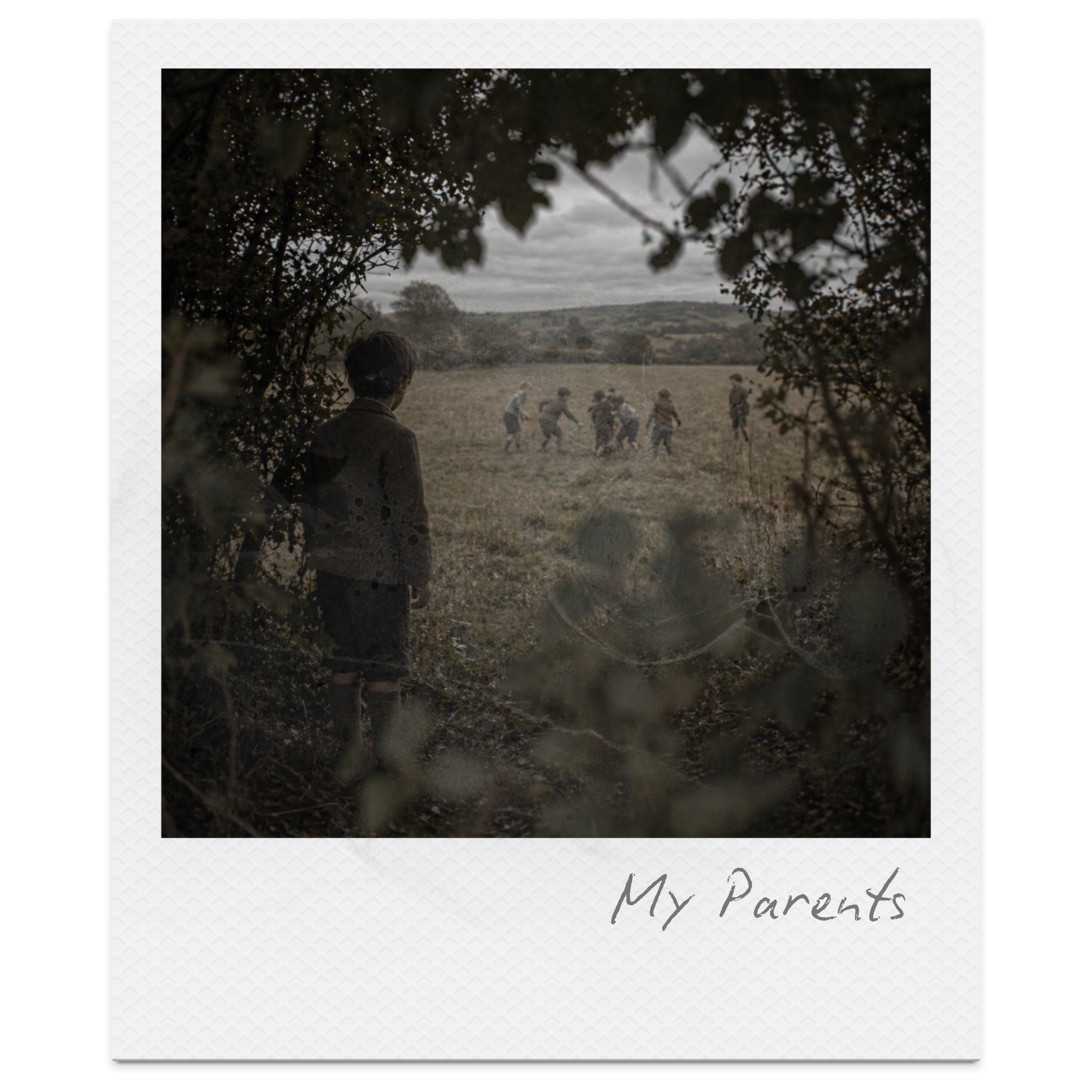
My Parents by Stephen Spender: Summary, Themes & Analysis
Stephen Spender’s My Parents explores childhood fear, class division, and social conditioning through a speaker who is both protected and isolated, shaped by the boundaries imposed on him. Through simile, animalistic imagery, and a reflective narrative voice, the poem presents the “rough” children as threatening and unpredictable, revealing how perception is constructed through upbringing rather than objective reality. The speaker’s fear is intensified by both physical imagery and social humiliation, particularly in moments where language becomes a form of attack. As the poem develops, a shift toward self-awareness and regret reframes the speaker’s experience, revealing that his fear was shaped as much by parental influence as by direct interaction. The final lines introduce a sense of missed empathy, suggesting that the speaker now recognises the limitations of his earlier perspective. This movement from fear to reflection transforms the poem into a powerful exploration of how memory, class division, and upbringing shape both experience and understanding.
Tears, Idle Tears by Alfred, Lord Tennyson: Summary, Themes & Analysis
Alfred, Lord Tennyson’s Tears, Idle Tears explores memory, loss, and emotional longing, capturing the powerful and often inexplicable nature of nostalgia. Through repetition, extended similes, and shifting imagery, the poem presents a speaker overwhelmed by emotion triggered not by a specific event, but by reflection on “the days that are no more.” Tennyson shows how memory can make the past feel vividly present while simultaneously reinforcing its irretrievable loss. As the poem develops, contrasting images of life and death, arrival and departure, and joy and sorrow deepen this emotional tension. The recurring refrain anchors the poem’s cyclical structure, while the final paradox, “O Death in Life,” reveals the central idea: that living with memory creates a constant awareness of absence. Rather than resolving this tension, Tennyson leaves the reader in a state of reflection, suggesting that the experience of memory is not something to be explained, but something to be felt.
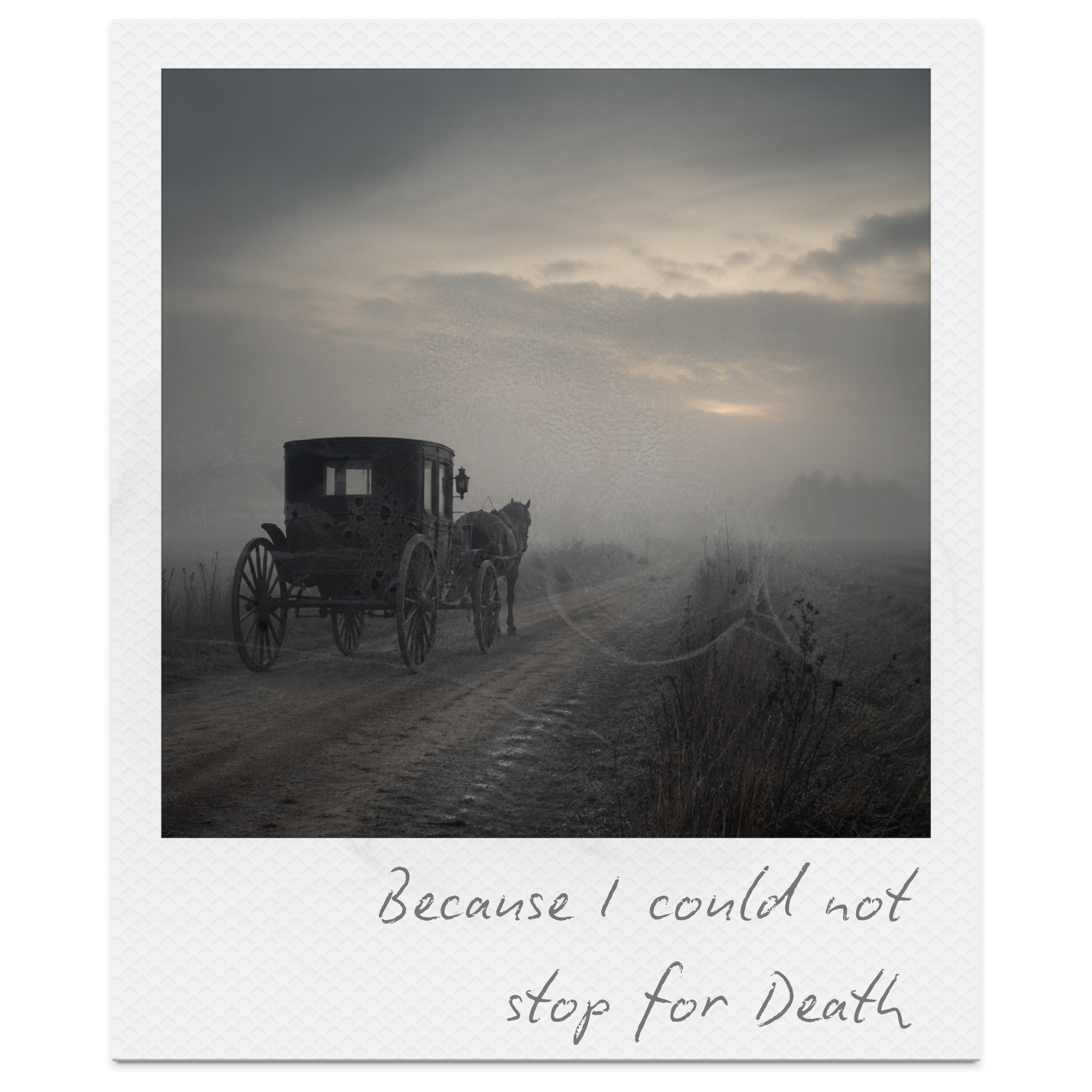
Because I could not stop for Death by Emily Dickinson: Summary, Themes & Analysis
Emily Dickinson’s Because I could not stop for Death presents death as a calm, deliberate journey, using personification and symbolism to transform a typically feared concept into something controlled and almost reassuring. Through the image of a carriage ride, the poem moves steadily through the stages of life, suggesting that death is not a sudden end but a process leading toward eternity. However, beneath this calm surface lies a deeper sense of uncertainty, as shifts in perspective and imagery reveal the limits of human understanding. The progression from familiar scenes to the final realisation of eternity highlights how time and control break down beyond life, leaving the reader with a quiet but unsettling reflection on what lies beyond death.

Childhood by Frances Cornford: Summary, Themes & Analysis
Frances Cornford’s Childhood explores innocence, perception, and the sudden recognition of human vulnerability, as a child’s confident assumptions about adulthood are quietly dismantled. Through contrast, imagery, and a reflective first-person voice, the poem captures the moment when a child realises that ageing is not chosen or controlled, but something inevitable and unsettling. By structuring the poem around a shift from belief to observation, Cornford reveals that both youth and old age are defined by helplessness, creating a balanced but uncomfortable insight into the human condition. This transformation is made particularly powerful through the symbolic image of the unstrung beads, which represents the collapse of order and control, leaving a lasting impression on both the speaker and the reader.

A Married State by Katherine Philips: Summary, Themes & Analysis
A Married State by Katherine Philips presents a sharp and ironic critique of marriage, challenging the idea that it brings happiness or fulfilment. Through rhyming couplets, controlled structure, and persuasive voice, Philips contrasts the pressures of married life with the freedom of remaining unmarried, exposing the emotional strain, physical burden, and social expectations placed on women. By combining satire, contrast, and direct address, the poem constructs a clear and memorable argument while also leaving room for ambiguity. The idealised “virgin state” and the command to “suppress wild nature” suggest a tension between freedom and desire, encouraging readers to question whether independence is truly simple or shaped by the same societal pressures the poem critiques.
Storyteller by Liz Lochhead: Summary, Meaning, Themes & Analysis
Liz Lochhead’s Storyteller explores the power of oral storytelling, showing how stories are shaped through voice, memory, and everyday labour. Set within a domestic, communal environment, the poem presents storytelling as both practical work and a form of creative expression, revealing how stories are created, shared, and carried forward across generations. This analysis breaks down key themes, methods, and structural shifts, focusing on how Lochhead uses imagery, metaphor, and voice to create meaning. Ideal for IGCSE Literature, it helps students develop clear, method-focused responses, build confident interpretations, and prepare for high-level exam answers.

The Cockroach by Kevin Halligan: Summary, Themes & Analysis
Kevin Halligan’s The Cockroach explores identity, restlessness, and the unsettling nature of self-recognition through a close observation of an insect’s movement. The poem begins with a detached, almost clinical tone, as the speaker describes the cockroach’s behaviour in precise detail. At first, its movement appears controlled and purposeful, creating an illusion of order and direction. However, as the poem develops, this sense of control breaks down into increasingly erratic and circular motion, reflecting a deeper psychological unease. By the final line, the speaker recognises himself in the cockroach’s behaviour, transforming the poem into a reflection on human identity and uncertainty. This shift from observation to self-awareness creates a subtle but powerful sense of discomfort, leaving the reader questioning the nature of purpose and control.
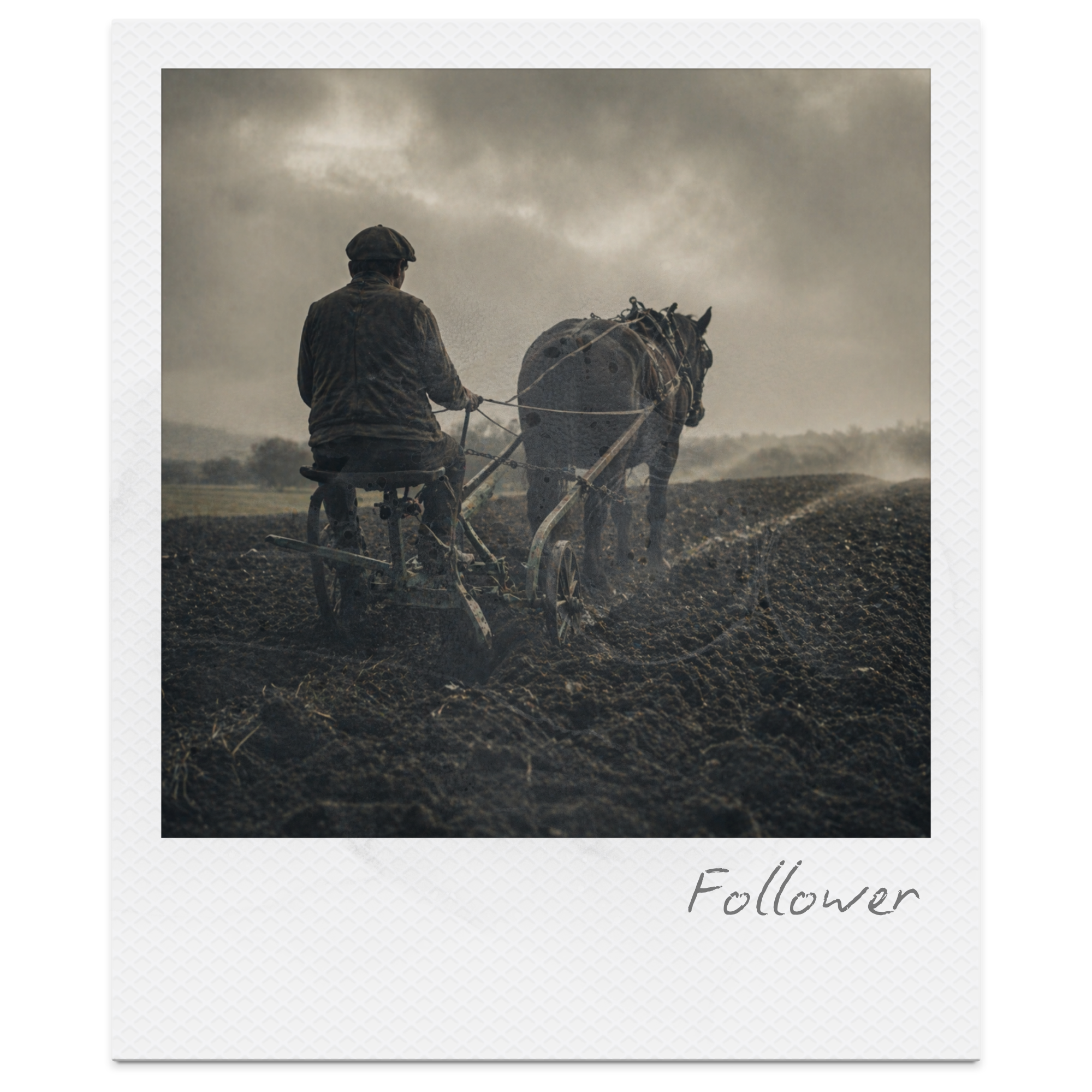
Follower by Seamus Heaney: Summary, Themes & Analysis
Seamus Heaney’s Follower explores admiration, identity, and the changing nature of family relationships through a reflective first-person voice. The poem presents the speaker’s father as a figure of strength, precision, and authority, using vivid imagery and controlled structure to elevate his skill as a ploughman. In contrast, the young speaker is portrayed as clumsy and dependent, creating a clear imbalance that reflects childhood hero-worship and the desire to imitate a parent. However, the poem’s meaning shifts in the final stanza, where Heaney introduces a subtle but powerful role reversal, revealing the father as the one who now “stumbles” behind the speaker. This transformation turns the poem into a reflection on time, ageing, and emotional complexity, as admiration gives way to a more unsettled awareness of changing roles. Through this contrast, Follower captures the tension between inheritance and independence, leaving the reader with a lasting sense of how relationships evolve over time.
May by Christina Rossetti: Summary, Themes, Symbolism & Analysis
Christina Rossetti’s May reflects on the fleeting nature of youth and happiness through the lens of memory. The speaker recalls a bright spring day but admits they cannot fully explain what happened during that moment. Instead of describing the event itself, the poem focuses on the surrounding natural imagery—flowers not yet blooming, eggs waiting to hatch, and birds still paired with their mates. These details evoke a world poised at the beginning of growth, symbolising a time of youthful possibility and emotional promise. However, the second stanza reveals that the moment has already passed. The speaker reflects that the experience disappeared “with sunny May,” suggesting that joy and vitality fade as naturally as the seasons change. The poem ends with a stark contrast between the warmth of remembered spring and the speaker’s present state of being “old, and cold, and gray.” Through this movement from vivid recollection to reflective distance, Rossetti captures the bittersweet awareness that life’s sweetest moments often become most powerful only after they have already slipped away.
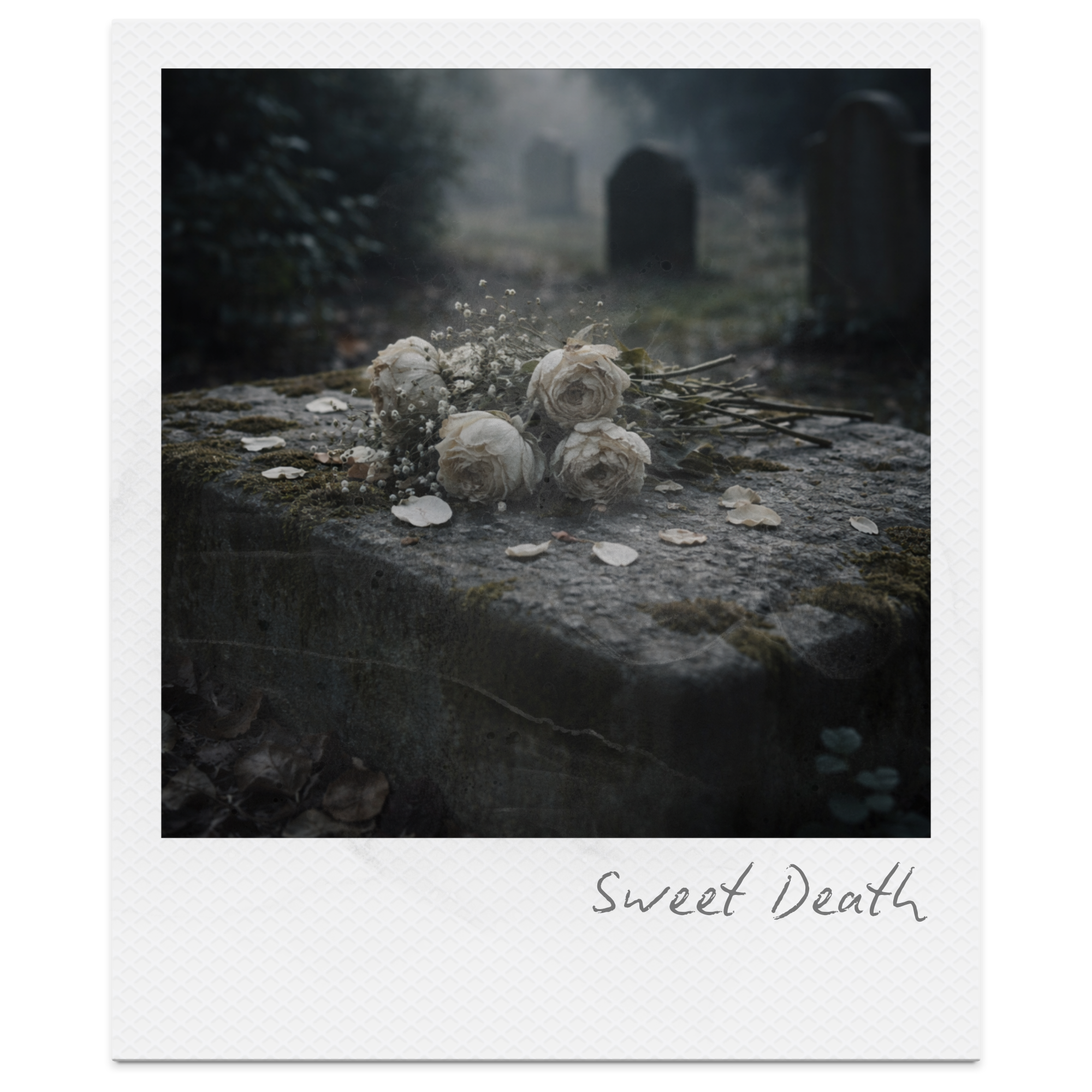
Sweet Death by Christina Rossetti: Summary, Themes, Symbolism & Analysis
Christina Rossetti’s Sweet Death is a reflective poem that explores mortality, the passing of youth and beauty, and the promise of spiritual rest. Through vivid imagery drawn from nature, Rossetti observes how blossoms fall, colours fade, and life gradually returns to the earth. These natural processes become a metaphor for human life, suggesting that death is not simply an ending but part of a larger cycle of transformation and renewal. As the poem develops, Rossetti moves beyond the natural world to consider a deeper spiritual perspective. The fading of earthly beauty is contrasted with the enduring presence of God, saints, and divine rest, implying that true permanence lies beyond human life. In this way, Sweet Death encourages readers to view mortality not with fear, but with a sense of acceptance, presenting death as a transition toward lasting peace rather than a final loss.
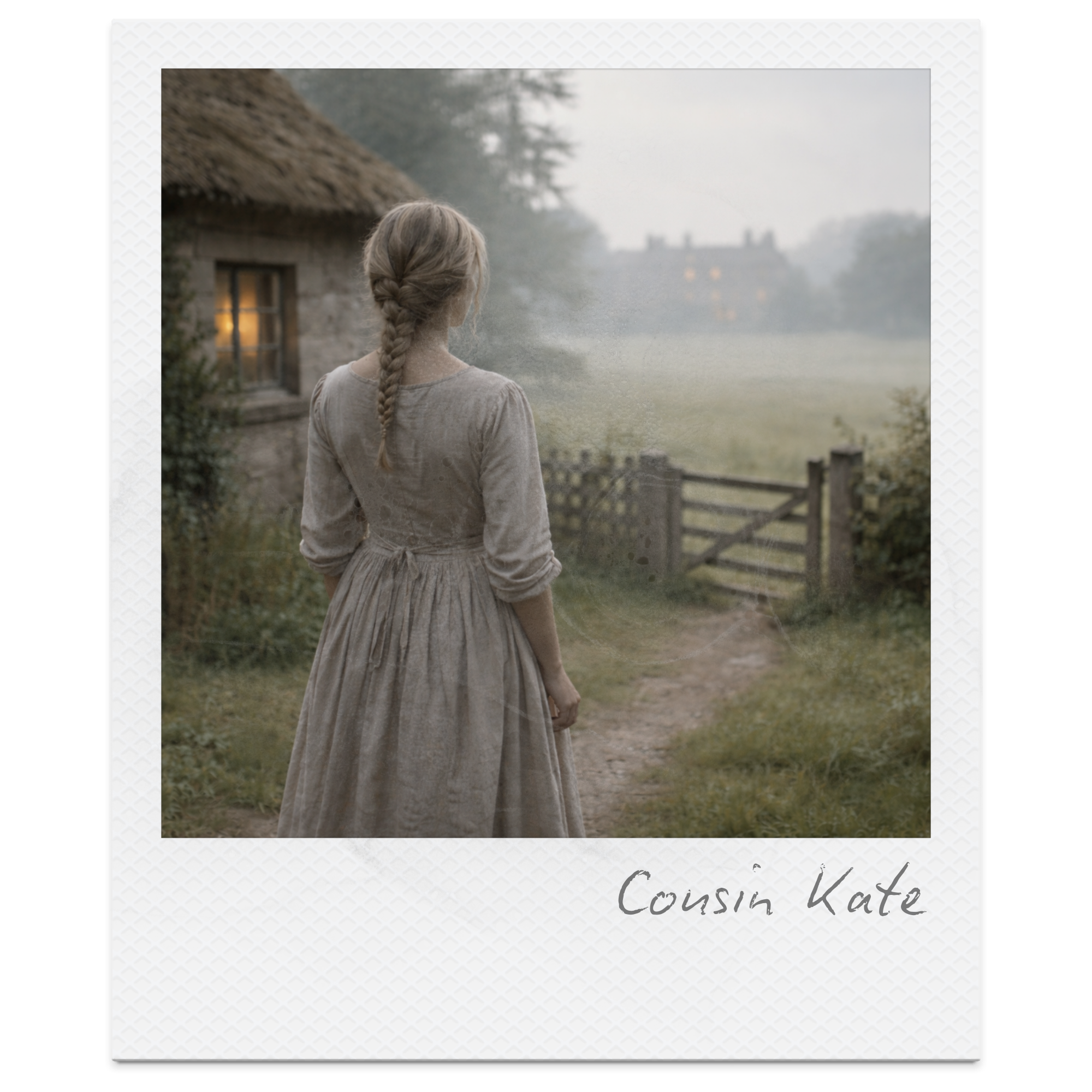
Cousin Kate by Christina Rossetti: Analysis, Themes, Structure & Meaning
Cousin Kate by Christina Rossetti is a dramatic narrative poem that explores female reputation, class power, and sexual double standards in Victorian society. Through the voice of a rural woman seduced and abandoned by a wealthy lord, Rossetti reveals how social judgement falls disproportionately on women while men maintain their status and authority. This analysis explores the poem’s themes, symbolism, and narrative structure, examining how Rossetti critiques Victorian morality while giving the speaker a powerful voice of reflection and resilience. It also considers how the poem’s final twist transforms the speaker’s shame into a form of unexpected power.