Shut Out by Christina Rossetti: Summary, Themes, Symbolism & Analysis
Christina Rossetti’s poem Shut Out explores the painful experience of exclusion, loss, and longing for something that can no longer be reached. The speaker stands outside a once-beloved garden, looking through iron bars at a place that was once their own but is now permanently closed to them. Through this striking image, the poem reflects on spiritual separation, emotional exile, and the distance between past happiness and present reality.
As the poem unfolds, the speaker attempts to regain even the smallest connection to this lost place, asking first for flowers and then for a single twig. Each request is silently denied, and the barrier between the speaker and the garden grows stronger. The poem ultimately becomes a meditation on irreversible loss and the painful awareness that some forms of belonging cannot be restored.
Shut Out forms part of Rossetti’s wider exploration of spiritual struggle, memory, and emotional endurance, themes that appear throughout her poetry. You can explore more poems and analysis in the Christina Rossetti poetry hub, or browse the Literature Library for further poetry guides and teaching resources.

Context of Shut Out
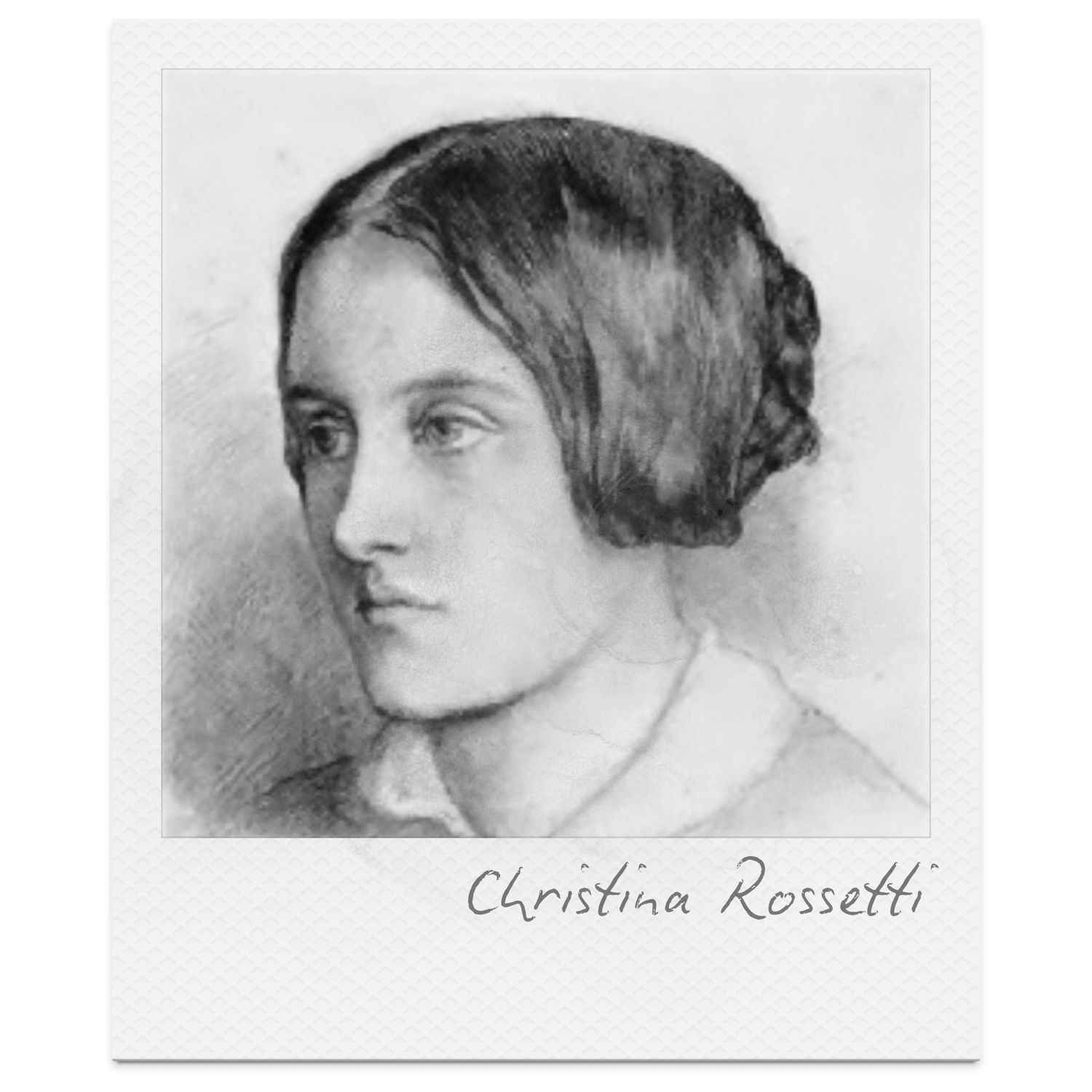
Shut Out reflects Rossetti’s recurring interest in themes of spiritual exile, loss of innocence, and separation from a once-cherished state of belonging. The central image of the closed garden strongly recalls the biblical story of Eden, where humanity is expelled from paradise and prevented from returning. Victorian readers would have recognised the powerful symbolism of the locked gate and guarded garden, both of which suggest a barrier between the speaker and a place of former harmony.
The silent spirit guarding the entrance reinforces this idea of irreversible separation. Rather than responding with anger or punishment, the spirit simply enforces the boundary, creating a sense of quiet but absolute authority. This restraint reflects Rossetti’s frequent exploration of spiritual discipline and divine judgement, where separation from grace is presented not as dramatic conflict but as a solemn and unavoidable reality.
At the same time, the poem’s imagery also allows for a more personal interpretation. The lost garden may represent a past relationship, lost faith, childhood innocence, or a former state of emotional happiness. Rossetti often used religious symbolism to explore deeply personal feelings, allowing the poem to operate on both spiritual and psychological levels.
For a deeper exploration of the religious and cultural influences shaping Rossetti’s poetry, see the Christina Rossetti context post.
Shut Out: At a Glance
Form: narrative lyric poem
Mood: mournful, reflective, quietly desolate
Central tension: the speaker is excluded from a once-beloved garden and cannot return
Core themes: exclusion, loss of innocence, spiritual exile, longing for the past
One-sentence meaning:
The poem follows a speaker who is shut out of a garden that once belonged to them, forced to watch it from outside while a silent spirit guards the gate, revealing the emotional and spiritual pain of being permanently separated from something that once represented belonging, beauty, and happiness.
Quick Summary of Shut Out
The poem begins with the speaker standing outside a locked gate, looking through its iron bars at a beautiful garden that once belonged to them. The garden is full of flowers, birds, and life, emphasising its richness and vitality. Although the speaker can still see it clearly, they can no longer enter, creating an immediate sense of exclusion and loss.
As the poem continues, the speaker notices a silent spirit guarding the entrance. The speaker first asks for a few buds from the garden to comfort their “outcast state,” and then requests a single twig so that the garden might still remember them. These small requests highlight the speaker’s growing awareness that they cannot return and must settle for even the smallest connection to what has been lost.
Instead of responding, the spirit quietly builds a solid wall that completely blocks the speaker’s view of the garden. The speaker is left alone, blinded by tears and unable to see the place that once brought them joy. Although a new violet bed grows nearby, the speaker recognises that it cannot replace the garden they lost, revealing the poem’s final reflection on irreplaceable loss and the enduring power of memory.
Title, Form, Structure, and Metre of Shut Out
The formal structure of Shut Out plays a crucial role in shaping the poem’s emotional atmosphere. Rossetti uses a tightly controlled stanza form and a repeating rhyme pattern that creates a sense of enclosure and return. This formal restraint mirrors the poem’s central experience of exclusion, repetition, and emotional fixation on a lost place.
Title
The title Shut Out immediately introduces the poem’s central condition of exclusion and separation. The phrase is stark and absolute, suggesting not merely distance but active rejection from a place that once belonged to the speaker. Because the title offers no explanation for this exclusion, it establishes a sense of mystery and unresolved loss that shapes the entire poem.
Form and Structure
The poem is composed of seven quatrains, each containing four lines. This regular stanza pattern creates a calm, almost restrained narrative structure that contrasts with the speaker’s emotional distress. The orderly form reinforces the sense that the speaker’s grief is not chaotic but quietly sustained and contemplative.
Rossetti’s choice of stanza form also recalls the famous stanza used by Alfred, Lord Tennyson in In Memoriam A.H.H., an influential Victorian elegy. Like Tennyson’s poem, Shut Out explores themes of mourning and irrecoverable loss, and the echo of this form reinforces the poem’s elegiac tone.
Rhyme Scheme and Poetic Pattern
Each stanza follows a strict ABBA rhyme scheme. This pattern creates a sense of enclosure, as the first and fourth lines rhyme with each other while the middle lines form a contained pair.
This circular rhyme structure mirrors the speaker’s mental state. Just as the rhyme returns to its starting sound, the speaker’s thoughts repeatedly return to the lost garden and the barrier that now separates them from it. The pattern therefore reinforces the poem’s themes of fixation, memory, and emotional entrapment.
Metre and Rhythmic Movement
The poem is written primarily in iambic tetrameter, meaning each line contains four iambs — pairs of unstressed and stressed syllables that produce a steady da-DUM rhythm. For example:
So NOW | I SIT | here QUITE | aLONE
This regular metre creates a measured, almost restrained tone that contrasts with the emotional pain described by the speaker.
However, Rossetti occasionally disrupts this rhythm. When the “shadowless spirit” appears guarding the gate, the rhythm becomes slightly irregular. These metrical variations subtly emphasise the eerie presence of the spirit and introduce a moment of disturbance into the otherwise controlled rhythm of the poem.
Through this careful balance between regular metre and subtle disruption, Rossetti reinforces the poem’s atmosphere of quiet sorrow and unresolved tension.
Speaker in Shut Out
The speaker of Shut Out presents themselves as someone experiencing profound exclusion, grief, and longing for a lost place of belonging. They describe a garden that was once “mine,” emphasising a past state of ownership, intimacy, and connection. Now, however, the speaker stands outside its gate, forced to look through the iron bars at a place that is visible but permanently inaccessible. This perspective immediately establishes the speaker as a figure defined by exile and separation.
The speaker’s voice is reflective rather than angry. Instead of demanding entry, they plead for small reminders of the garden — first asking for buds, and then for “one small twig” so that the garden might still remember them. These requests reveal a speaker who has begun to accept that their former home cannot be regained, but who still longs for some fragile connection to what has been lost.
The presence of the “shadowless spirit” guarding the gate further emphasises the speaker’s helplessness. The spirit never explains the exile or responds to the speaker’s requests, and its silence reinforces the sense that the speaker’s exclusion is absolute. When the spirit builds a wall that blocks the speaker’s view entirely, the separation becomes complete, leaving the speaker isolated with only memory.
Although the poem echoes the biblical story of expulsion from Eden, the speaker never reveals the cause of their exile. Unlike Adam and Eve, who know the reason for their punishment, the speaker is left without explanation. This uncertainty intensifies the poem’s emotional impact, suggesting that the speaker’s loss may represent not only spiritual exile but also the human experience of remembering a happier past that cannot be recovered.
Stanza-by-Stanza Analysis of Shut Out
Rossetti structures Shut Out as a gradual narrative of exclusion and irreversible loss. Each stanza moves the speaker further away from the garden that once belonged to them, shifting from the initial shock of being locked out to the final recognition that the separation is permanent. The poem’s progression is therefore not only physical but emotional, tracing the speaker’s movement from hope and pleading to resignation and grief.
A close reading of each stanza reveals how Rossetti builds this sense of separation through symbolism, imagery, and repetition. The garden, the silent spirit, and the growing barrier between the speaker and the lost space all work together to create a powerful reflection on exile, memory, and the pain of longing for something that can no longer be reached.
Stanza 1: The Shock of Exclusion
The opening stanza establishes the poem’s central situation: the speaker stands outside a closed gate, looking at a garden that once belonged to them. The short opening sentence, “The door was shut,” immediately creates a tone of finality and separation, presenting exclusion as a sudden and undeniable reality.
◆ The blunt statement “The door was shut” creates an abrupt beginning, emphasising the speaker’s immediate awareness of being excluded from the garden.
◆ The image of “iron bars” suggests imprisonment and restriction, implying that the speaker is physically and symbolically separated from a place that once represented freedom and belonging.
◆ The repetition of “My garden, mine” emphasises the speaker’s former sense of ownership and intimacy with the space, making the loss feel deeply personal.
◆ The description of the garden as “pied with all flowers bedewed and green” highlights its richness and vitality. The imagery of dew, colour, and flourishing flowers presents the garden as a place of beauty, life, and renewal.
◆ The contrast between the vivid, living garden and the speaker standing outside its iron bars immediately introduces the poem’s central tension: the painful distance between a lost paradise and the speaker’s present state of exclusion.
Stanza 2: The Living Garden and Irrecoverable Loss
The second stanza deepens the contrast between the speaker and the garden by emphasising the life and movement within the space that the speaker can no longer enter. While the speaker remains outside the gate, the garden itself is full of activity, reinforcing the painful distance between what the garden once represented and the speaker’s present exclusion.
◆ The repeated structure “From bough to bough” and “From flower to flower” creates a sense of gentle movement, suggesting a living ecosystem where birds, moths, and bees move freely through the garden.
◆ These natural images emphasise harmony and vitality, presenting the garden as a flourishing place filled with life.
◆ The reference to “nests and stately trees” reinforces the sense of permanence and stability within the garden, suggesting that it remains a place of shelter and growth even after the speaker has been shut out.
◆ The final line, “It had been mine, and it was lost,” introduces a moment of stark emotional clarity. The shift from the past tense “had been” to the present reality of “was lost” emphasises the permanence of the speaker’s loss.
◆ By ending the stanza with this simple, direct statement, Rossetti transforms the garden into a symbol of something once possessed but now irretrievably gone, reinforcing the poem’s theme of irreplaceable loss.
Stanza 3: The Silent Guardian
The third stanza introduces the mysterious “shadowless spirit” who guards the gate, transforming the speaker’s exclusion into something more ominous and absolute. The presence of this silent figure suggests that the speaker’s separation from the garden is not accidental but actively enforced, deepening the sense of spiritual or symbolic exile.
◆ The description “shadowless spirit” creates an eerie and unnatural image. Because shadows normally accompany physical bodies, the absence of one suggests something otherworldly, ghostly, or supernatural.
◆ The phrase “Blank and unchanging like the grave” reinforces the spirit’s unsettling presence. The simile associates the guardian with death, permanence, and emotional coldness, suggesting that the barrier between the speaker and the garden will not easily be lifted.
◆ The speaker’s request, “Let me have / Some buds to cheer my outcast state,” reveals their growing awareness of exile. By describing themselves as “outcast,” the speaker acknowledges that they no longer belong within the garden.
◆ The request for “buds” symbolises a desire for even the smallest connection to the lost space. Buds represent growth, hope, and new life, making the speaker’s modest request a quiet attempt to preserve a fragile link to what has been lost.
◆ This stanza marks a shift in the poem from observation to pleading, as the speaker moves from simply looking into the garden to actively asking for comfort from the place that once belonged to them.
Stanza 4: The Plea for Remembrance
The fourth stanza intensifies the speaker’s sense of rejection as the spirit remains completely silent. Faced with this refusal to respond, the speaker lowers their request, asking not for flowers but for a single small twig. This shift reveals the speaker’s growing awareness that their connection to the garden is slipping away.
◆ The opening line, “He answered not,” emphasises the spirit’s complete silence. This lack of response reinforces the sense that the speaker’s exclusion is absolute and cannot be negotiated.
◆ The phrase “one small twig” shows the speaker reducing their request to the smallest possible token. This detail highlights both the speaker’s desperation and their willingness to accept even the most fragile reminder of the garden.
◆ The speaker’s request that the garden “remember me” introduces the theme of memory. Because the speaker cannot return, they hope that some symbolic connection between themselves and the garden might still remain.
◆ The line “Until I come to it again” suggests that the speaker still holds onto hope that the separation may not be permanent. This moment of optimism contrasts with the increasingly rigid barrier between the speaker and the garden.
◆ Through this plea, Rossetti deepens the emotional tension of the poem, presenting a speaker who moves from requesting comfort to asking for remembrance, revealing their growing awareness that the garden may be permanently lost.
Stanza 5: The Final Barrier
In the fifth stanza, the spirit responds to the speaker’s plea not with words but with action. Instead of granting even the smallest request, the guardian begins to build a wall, transforming the temporary barrier of the gate into a permanent separation. This moment marks the point where the speaker’s fragile hope of maintaining a connection to the garden is finally destroyed.
◆ The repeated emphasis on the spirit’s silence reinforces its emotional distance and authority. The guardian does not explain or justify the speaker’s exile, making the exclusion feel absolute and unquestionable.
◆ The act of building with “mortar and stone” introduces imagery of permanence and solidity. Unlike the iron bars of the gate, which still allowed the speaker to see the garden, the wall represents a complete and lasting barrier.
◆ The phrase “no loophole great or small” emphasises the totality of the separation. The spirit deliberately removes every possible opening, ensuring that the speaker cannot even glimpse the garden again.
◆ The image of the speaker’s “straining eyes” conveys desperation and longing, suggesting that the speaker is physically and emotionally stretching toward something that is now permanently out of reach.
◆ This stanza represents the poem’s turning point: the speaker moves from hopeful pleading to the recognition that the separation from the garden is now final and irreversible.
Stanza 6: Isolation and Emotional Blindness
In the sixth stanza, the speaker confronts the emotional consequences of the spirit’s actions. With the garden now completely hidden behind the wall, the speaker is left in a state of loneliness and despair, no longer able to see the place that once brought them joy. The tone shifts from pleading to resigned grief, as the speaker accepts the permanence of their loss.
◆ The phrase “So now I sit here quite alone” emphasises the speaker’s isolation. The stillness of sitting contrasts with the earlier movement within the garden, reinforcing the sense that life and activity remain inside while the speaker remains excluded.
◆ The image “Blinded with tears” suggests overwhelming sorrow. However, the speaker quickly insists that they do not grieve for the blindness itself.
◆ The line “nor grieve for that” reveals a deeper emotional shift. The speaker suggests that losing the ability to see clearly no longer matters because there is nothing worth seeing.
◆ The phrase “nought is left worth looking at” shows how completely the speaker’s sense of meaning was tied to the garden. Without it, the surrounding world appears empty and diminished.
◆ By describing the garden as “my delightful land,” the speaker reinforces the idea that it represented a place of beauty, belonging, and happiness. Its loss therefore leaves the speaker emotionally and spiritually displaced.
Stanza 7: The Inadequate Replacement
In the final stanza, the speaker notices signs of new life nearby: a violet bed beginning to bloom and a lark nesting close by. These images suggest that beauty and vitality still exist in the speaker’s present surroundings. However, instead of offering comfort, these details emphasise the emotional distance between what the speaker now has and what has been lost.
◆ The image of a “violet bed” introduces new life and growth, echoing the earlier imagery of flowers within the garden.
◆ The presence of the lark’s nest reinforces this sense of natural vitality, suggesting that the world beyond the wall still contains moments of beauty and renewal.
◆ Despite this, the speaker insists that these things are “good… but not the best.” This comparison reveals that the new surroundings cannot replace the garden that once belonged to them.
◆ The repetition in “dear they are, but not so dear” highlights the lingering emotional attachment to the lost garden. Even though the speaker recognises value in what remains, it cannot match the intensity of what has been lost.
◆ The poem therefore ends not with reconciliation but with a quiet acknowledgement that some losses cannot be replaced, leaving the speaker living beside a world that remains permanently diminished in comparison to the memory of the garden.
Key Quotes from Shut Out
Rossetti’s poem uses striking images of barriers, loss, and memory to express the speaker’s sense of exile from the garden. The following quotations highlight the poem’s most important moments and reveal how Rossetti develops its themes of exclusion, longing, and irrecoverable loss.
“The door was shut.”
◆ The abrupt opening immediately establishes the poem’s central experience of exclusion and finality.
◆ The short sentence creates a tone of sudden separation, suggesting that the speaker’s access to the garden has been decisively ended.
◆ The lack of explanation reinforces the poem’s atmosphere of mysterious and irreversible loss.
“Its iron bars”
◆ The image of iron bars evokes imprisonment and restriction, suggesting that the speaker is physically and symbolically separated from the garden.
◆ This detail transforms the gate into a barrier resembling a prison, reinforcing the theme of enforced exile.
◆ The harshness of iron contrasts with the garden’s natural beauty.
“My garden, mine”
◆ The repetition emphasises the speaker’s former sense of ownership and belonging.
◆ The possessive language makes the loss deeply personal and emotionally painful.
◆ This moment highlights the contrast between the speaker’s past intimacy with the garden and their present exclusion.
“It had been mine, and it was lost.”
◆ The shift from past possession to present loss makes the speaker’s exile explicit.
◆ The simplicity of the statement gives it emotional force, expressing grief without dramatic language.
◆ The line reinforces the poem’s theme of irreversible separation from something once cherished.
“Blank and unchanging like the grave.”
◆ The simile associates the spirit with death and permanence, emphasising the finality of the speaker’s exclusion.
◆ The words “blank” and “unchanging” suggest emotional coldness and absolute authority.
◆ The comparison to the grave reinforces the poem’s atmosphere of solemn and irreversible loss.
“Some buds to cheer my outcast state.”
◆ The speaker’s request for buds symbolises a desire for even the smallest reminder of the garden.
◆ The word “outcast” reveals that the speaker now understands their condition as one of exile.
◆ Buds, which represent growth and hope, highlight the speaker’s attempt to preserve a fragile connection to what has been lost.
“Mortar and stone to build a wall.”
◆ The act of building a wall transforms the temporary barrier of the gate into a permanent separation.
◆ The solid materials emphasise finality and immovability.
◆ This moment marks the poem’s turning point, where hope of reconnecting with the garden disappears.
“Through which my straining eyes might look.”
◆ The phrase “straining eyes” conveys the speaker’s desperate longing to see the garden again.
◆ The image suggests both physical and emotional effort, as the speaker struggles to maintain a connection with the lost space.
◆ This moment emphasises the painful distance between the speaker and the garden.
“Since my delightful land is gone.”
◆ The description of the garden as “delightful land” emphasises its emotional significance to the speaker.
◆ The line reveals how completely the speaker’s happiness was tied to the garden.
◆ Its loss leaves the speaker in a world that feels diminished and empty.
“And dear they are, but not so dear.”
◆ The repetition highlights the speaker’s attempt to accept the new surroundings while acknowledging they cannot replace the lost garden.
◆ This line expresses the poem’s final emotional truth: some losses cannot be replaced.
◆ The quiet tone reinforces the poem’s atmosphere of resigned melancholy.
Key Techniques in Shut Out
Rossetti combines symbolism, biblical imagery, structural patterning, and sound devices to develop the poem’s meditation on exclusion and loss. These techniques work together to transform the simple narrative of a closed garden into a reflection on spiritual exile, memory, and the permanence of separation.
◆ Symbolism – the garden – The garden operates as the poem’s central symbol. On a literal level it represents a place of beauty, belonging, and harmony once possessed by the speaker. On a deeper level it echoes the Garden of Eden, suggesting a lost state of innocence or spiritual fulfilment from which the speaker has been excluded.
◆ Symbolism – the gate and the wall – The gate initially allows the speaker to look into the garden, representing a painful state of partial separation in which the past remains visible but unreachable. When the spirit builds a wall of “mortar and stone,” this barrier becomes permanent, symbolising the complete and irreversible nature of the speaker’s exile.
◆ Biblical allusion – The imagery of a guarded garden strongly recalls the biblical story of humanity’s expulsion from Eden. However, unlike Adam and Eve, the speaker is never told the reason for their exile, making the loss feel more mysterious and psychologically unsettling.
◆ Simile – The description of the guardian as “Blank and unchanging like the grave” uses simile to create a sense of cold permanence. By comparing the spirit to the grave, Rossetti suggests death, finality, and emotional emptiness, reinforcing the impossibility of returning to the garden.
◆ Imagery of nature and vitality – Rossetti fills the garden with images of birds, bees, flowers, and nests, creating a vivid picture of life and fertility. This imagery contrasts sharply with the speaker’s isolation outside the garden, emphasising the divide between vitality and emotional exile.
◆ Parallel phrasing – The final stanza uses parallel constructions in “good they are, but not the best” and “dear they are, but not so dear.” This balanced phrasing reflects the speaker’s attempt to accept the present world while acknowledging that it cannot replace what has been lost.
◆ Controlled metre – The poem is written primarily in iambic tetrameter, which produces a steady and measured rhythm. This controlled metre mirrors the speaker’s restrained tone, suggesting grief that is quiet, reflective, and sustained rather than dramatic.
◆ Enclosed rhyme scheme (ABBA) – Each stanza follows an ABBA rhyme scheme, creating a pattern that returns to its starting sound. This structural enclosure mirrors the poem’s themes of containment and emotional fixation, as the speaker’s thoughts continually return to the lost garden.
Themes in Shut Out
Rossetti’s poem explores the emotional and spiritual consequences of being separated from a place that once represented belonging, innocence, and harmony. Through the image of the closed garden and the silent guardian, the poem reflects on how loss reshapes identity, memory, and the way the speaker perceives the world.
Exclusion
The poem’s central experience is exclusion. From the opening line, “The door was shut,” the speaker is placed outside a space that once belonged to them. The iron bars of the gate create a physical barrier between the speaker and the garden, symbolising the painful separation between the speaker and what was once familiar and meaningful.
This exclusion becomes even more absolute when the spirit builds a wall that removes the speaker’s ability to see the garden at all. The transition from gate to wall reinforces the idea that the speaker’s separation is not temporary but permanent.
Loss of Innocence
The lost garden also suggests a lost state of innocence and harmony. The garden is described as full of flowers, birds, and nests, creating an image of natural abundance and peaceful order. This environment evokes the idea of a protected or ideal world that the speaker once inhabited.
Being shut out of the garden therefore represents a transition from innocence into a more painful awareness of the world. The speaker’s present state contrasts sharply with the beauty of the garden, highlighting how the loss of innocence transforms the way they experience their surroundings.
Spiritual Exile
The imagery of the guarded garden strongly recalls the biblical story of expulsion from Eden, where humanity is forced to leave paradise and cannot return. The “shadowless spirit” guarding the gate reinforces this interpretation, suggesting a supernatural authority that enforces the speaker’s exile.
However, unlike Adam and Eve, the speaker is never told the reason for their exclusion. This lack of explanation intensifies the sense of spiritual displacement, suggesting that the speaker is separated from something sacred without fully understanding why.
Longing for the Past
Throughout the poem, the speaker expresses a deep longing for the past. The repetition of possessive language such as “My garden, mine” emphasises the speaker’s emotional attachment to the lost space.
Even when new life appears nearby in the form of the violet bed and the lark’s nest, the speaker cannot accept these things as replacements. The final lines show that although the present world may still contain beauty, it cannot equal the emotional significance of what has been lost.
Memory and Irreplaceable Loss
Closely connected to the theme of longing is the idea that some losses cannot be replaced. The speaker recognises that the new surroundings are “good… but not the best,” acknowledging their value while also admitting that they cannot restore what has been taken away.
Rossetti therefore presents memory as both comforting and painful. While the speaker continues to remember the garden, those memories only reinforce the awareness that the past cannot be recovered.
Emotional Isolation
As the poem progresses, the speaker becomes increasingly isolated. By the sixth stanza, they sit “quite alone”, blinded by tears and unable to see the garden at all. The loss of the garden therefore leads not only to physical exclusion but also to emotional and psychological isolation, leaving the speaker separated from both the past and the present world around them.
Alternative Interpretations of Shut Out
Although Shut Out presents a simple narrative of a speaker excluded from a garden, the symbolism of the poem allows for multiple interpretations. The garden, the silent spirit, and the growing barrier between the speaker and the lost space can be read through psychological, religious, existential, and memory-based perspectives, each revealing different dimensions of the poem’s exploration of loss, exclusion, and longing.
Psychological Interpretation: Emotional Withdrawal and Depression
From a psychological perspective, the poem can be read as a reflection of emotional isolation and depression. The garden may represent a former state of inner vitality, creativity, or happiness that the speaker once possessed but now feels unable to access. The speaker can still see this world at first, suggesting the painful awareness of a happiness that once existed but now feels unreachable.
The gradual blocking of the garden mirrors the experience of emotional withdrawal. When the spirit builds the wall, the speaker is left “quite alone”, unable to see the source of their former joy. Even when new beauty appears nearby in the form of the violet bed and the lark’s nest, the speaker cannot experience it fully. This reflects a psychological state in which the present world feels diminished compared with memories of past happiness.
Religious Interpretation: Expulsion from Paradise
The poem can also be interpreted through a religious lens, particularly through its strong echoes of the biblical story of Eden. The garden represents a place of harmony, innocence, and spiritual belonging, while the guarded gate suggests humanity’s separation from paradise.
The “shadowless spirit” functions as a figure of divine authority, silently enforcing the speaker’s exclusion. Unlike Adam and Eve, however, the speaker is never told the reason for their exile. This absence of explanation intensifies the poem’s emotional tension, presenting spiritual separation as something mysterious and deeply painful.
Through this interpretation, the poem reflects the experience of spiritual exile, where the speaker longs for a lost state of grace or innocence that can never be regained.
Existential Interpretation: Irreversible Loss and Alienation
An existential reading emphasises the poem’s exploration of irreversible loss and alienation from meaning. The speaker remembers a world that once felt rich, beautiful, and full of life, but the present world no longer carries the same emotional significance.
The building of the wall symbolises the moment when the speaker recognises that the past cannot be restored. Even though new beauty exists nearby, it cannot replace what has been lost. The speaker therefore confronts the unsettling realisation that some experiences of belonging and happiness cannot be recovered.
Through this lens, the poem reflects the human experience of living with the knowledge that the past cannot be reclaimed and that meaning may feel diminished after loss.
Memory Interpretation: The Power and Pain of Nostalgia
The poem can also be read as an exploration of the power of memory and nostalgia. The speaker continues to compare the present world to the remembered garden, measuring everything against what once existed.
This comparison shapes the final stanza, where the speaker acknowledges that the nearby violet bed and lark’s nest are “good… but not the best.” The repetition of this phrasing suggests that memory has elevated the lost garden into something almost idealised.
In this interpretation, the poem reflects the double nature of nostalgia. Memory preserves the beauty of the past, but it also makes the present feel diminished by comparison, leaving the speaker trapped between longing and acceptance.
Teaching Ideas for Shut Out
Rossetti’s Shut Out is particularly effective for classroom study because it combines clear narrative imagery with layered symbolic meaning. The poem allows students to explore how poets use symbolism, structure, and imagery to convey complex ideas about exclusion, memory, and spiritual loss. It also lends itself well to close reading activities that encourage students to move beyond simple description and develop analytical interpretations.
1. Exploring the Symbolism of the Garden
Ask students to begin by identifying what the garden represents within the poem. After reading the poem, students can annotate the first two stanzas and collect details describing the garden’s qualities.
Students should consider:
what images suggest the garden’s beauty and vitality
how the speaker’s relationship with the garden is expressed
what the garden might symbolise beyond a literal place
Students can then discuss possible interpretations, such as the garden representing innocence, spiritual harmony, childhood, or a lost relationship. This activity helps students practise recognising how symbolism operates within a poem’s imagery.
2. Tracking the Poem’s Turning Point
Students can examine how the poem shifts emotionally once the spirit begins to build the wall. Ask them to compare the earlier stanzas, where the speaker can still see the garden, with the later stanzas where the garden disappears completely.
Students should identify:
when the speaker’s hope begins to fade
how the spirit’s actions change the tone of the poem
how the speaker’s language shifts after the wall is built
This activity helps students understand how structural changes within a poem contribute to its emotional development.
3. Writing an Analytical Paragraph
Students can practise constructing an analytical paragraph by focusing on one of the poem’s key symbolic moments.
Prompt:
How does Rossetti present the garden as a symbol of loss in the poem?
Model analytical paragraph:
Rossetti presents the garden as a powerful symbol of lost happiness and belonging. In the opening stanza, the speaker describes it as “My garden, mine,” emphasising the deep personal connection they once had with this place. The repetition of the possessive language highlights how strongly the speaker identifies with the garden, making its loss particularly painful. When the speaker later states that “It had been mine, and it was lost,” the shift from past possession to present loss reinforces the permanence of the separation. Through this symbolism, Rossetti transforms the garden into a representation of something deeply cherished that can no longer be recovered.
Teachers can model how this paragraph works by breaking it down with students. Identify how the paragraph introduces a clear idea, supports it with precise quotation, and explains the significance of the language. Students can then practise writing their own analytical paragraphs using different quotations from the poem.
4. Interpreting the Final Stanza
Students can analyse the poem’s ending by examining the lines:
“And good they are, but not the best;
And dear they are, but not so dear.”
Ask students to discuss why the speaker still values the new surroundings but refuses to accept them as replacements for the lost garden.
Discussion questions may include:
What does this comparison reveal about the speaker’s emotional state?
Does the speaker begin to accept their loss, or remain trapped in memory?
How does the repetition in these lines reinforce the poem’s themes?
This activity encourages students to reflect on how Rossetti uses language and structure to convey the complex emotional consequences of memory and irreversible loss.
Go Deeper into Shut Out
Rossetti often returned to themes of spiritual struggle, loss, and separation from a desired state of belonging. Shut Out can be read alongside several of her other poems that explore exclusion, memory, and the tension between the present world and a lost or desired state of harmony.
◆ A Daughter of Eve – Both poems explore the idea of spiritual exile and human fallenness. While A Daughter of Eve reflects on guilt and the legacy of the biblical Fall, Shut Out presents a speaker who experiences a similar separation from a symbolic paradise.
◆ Who Shall Deliver Me? – This poem also examines the struggle between spiritual aspiration and human limitation. In both poems, the speaker expresses a sense of being trapped outside a state of peace or grace that feels just beyond reach.
◆ Dream Land – Like Shut Out, Dream Land explores the desire to escape from a painful reality into a more peaceful state. However, while Shut Out focuses on exclusion from a lost paradise, Dream Land imagines withdrawal into a quiet, dreamlike refuge.
◆ Remember – Both poems engage with the theme of memory and emotional attachment to the past. In Remember, the speaker reflects on love that continues beyond separation, while Shut Out emphasises the painful awareness that the past cannot be restored.
◆ The World – This poem also explores the tension between spiritual truth and worldly illusion. While The World critiques the seductive but deceptive nature of earthly life, Shut Out focuses on the longing for a lost state of harmony that now exists only in memory.
Final Thoughts
Shut Out offers a powerful meditation on exclusion, loss, and the painful distance between past happiness and present reality. Through the simple but striking image of a garden that can be seen but no longer entered, Rossetti explores the emotional consequences of being separated from a place or state that once represented belonging, innocence, and harmony.
As the poem progresses, the speaker moves from hopeful pleading to quiet resignation. Even when new beauty appears nearby, it cannot replace the garden that has been lost. Rossetti therefore suggests that some experiences of belonging cannot be recreated, leaving the speaker caught between memory and acceptance.
You can explore more poems and detailed analysis in the Christina Rossetti poetry hub, or browse the Literature Library for further poetry guides, context studies, and teaching resources.
Choose Your Next Text