Notes from the Inkpot
Writing, teaching, creating - one ink-stained idea at a time.


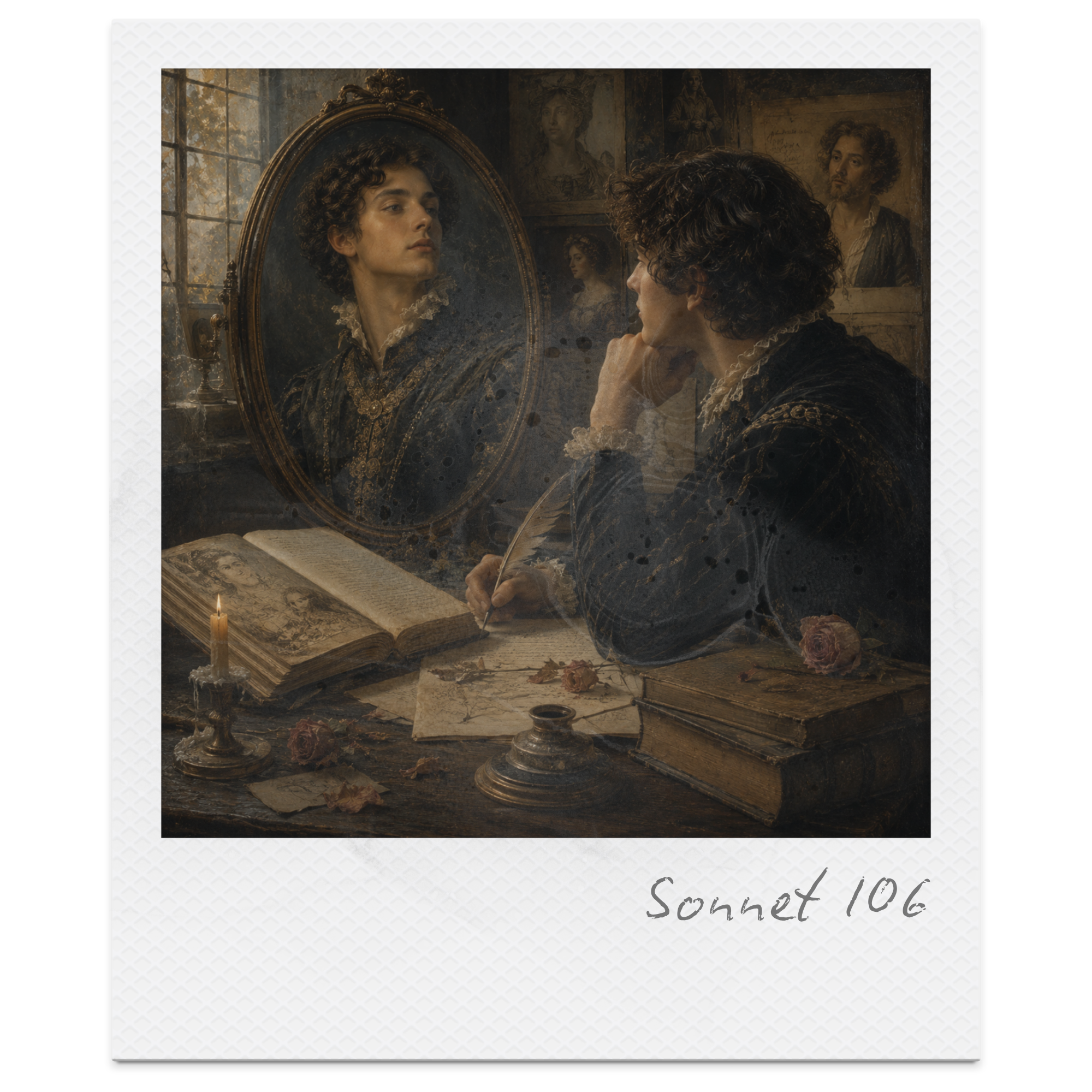
Sonnet 106 by William Shakespeare: Summary, Themes & Analysis of “When in the chronicle of wasted time”
William Shakespeare's Sonnet 106 is a reflective exploration of beauty, time, history, and the power of poetry. Through its elegant sonnet form, historical imagery, and thought-provoking conclusion, Shakespeare considers whether language can ever fully capture extraordinary human beauty or whether some experiences will always remain beyond words. This analysis explores the poem's summary, themes, language, structure, key quotations, and literary techniques, showing how Shakespeare transforms a traditional love sonnet into a profound meditation on artistic expression and the enduring relationship between the past and the present.
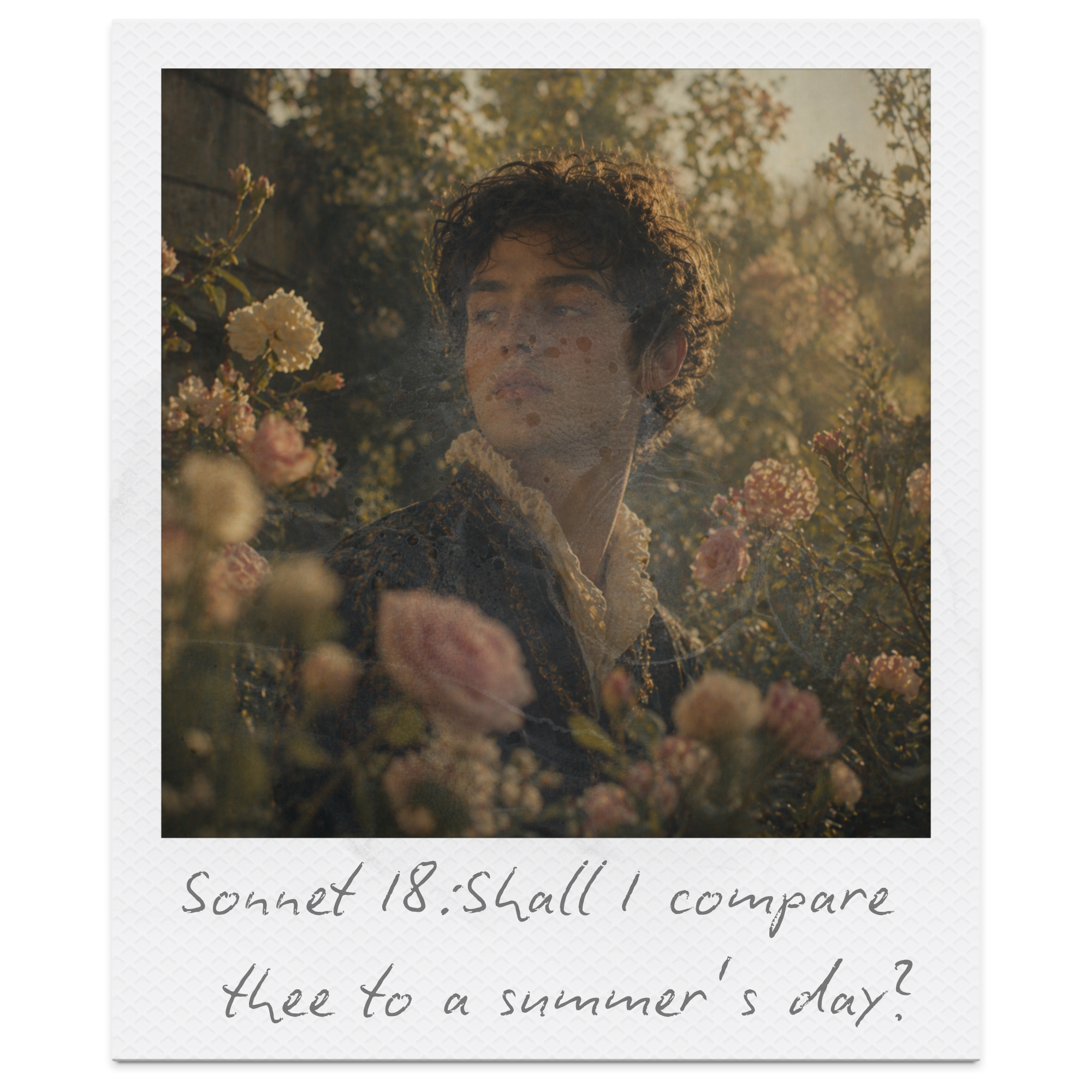
Sonnet 18 by William Shakespeare: Summary, Themes & Analysis of “Shall I compare thee to a summer’s day?”
Sonnet 18 by William Shakespeare explores the contrast between temporary natural beauty and the lasting power of poetry. Through a structured argument and a clear shift in tone, the poem shows how beauty fades in nature but can be preserved through language. This analysis breaks down how Shakespeare uses imagery, structure, and sound to present ideas about time, permanence, and legacy, helping students understand how meaning is created and how to write strong, method-focused responses.
Ulalume by Edgar Allan Poe: Summary, Themes, Meaning & Analysis
Edgar Allan Poe’s Ulalume is a haunting exploration of grief, memory, and the unconscious mind, unfolding through a dreamlike journey into a desolate, symbolic landscape. Following a speaker who unknowingly retraces his steps to the tomb of his lost love, the poem reveals how repressed memory continues to shape perception and behaviour, even when consciously denied. Through its hypnotic rhythm, repetition, and rich Gothic imagery, Poe creates a psychological experience that blurs the boundary between reality and illusion. At its core, Ulalume examines the tension between denial and recognition, as the speaker projects hope onto a mysterious celestial light, only to be led back to the very truth he seeks to avoid. The poem’s cyclical structure and layered symbolism reveal grief as something inescapable and deeply embedded, offering a powerful meditation on how the mind responds to loss. This analysis explores the poem’s structure, key themes, and techniques, providing a clear and insightful guide for students and teachers alike.
Lenore by Edgar Allan Poe: Summary, Themes, Meaning, Death & Defiance Analysis
Lenore by Edgar Allan Poe is a powerful exploration of death, mourning, and the rejection of false grief, offering a striking contrast to more traditional elegies. Rather than presenting sorrow as the only response to loss, Poe introduces a speaker who challenges ritual mourning and social expectation, exposing the hypocrisy of those who claim to grieve while having wronged the dead in life. Through its dramatic structure and shifting voices, the poem becomes both a lament and a moral confrontation, questioning what it truly means to honour the dead. At the same time, Lenore redefines death as a form of spiritual transcendence, where loss is transformed into elevation. The speaker’s refusal to mourn suggests a deeper tension between grief and denial, leaving readers to question whether his response represents devotion or emotional resistance. Rich in religious imagery, symbolism, and sound, the poem invites multiple interpretations while maintaining a powerful focus on love, loss, and the afterlife, making it an ideal text for both classroom analysis and deeper literary study.
In the Bleak Midwinter by Christina Rossetti: Summary, Themes, Symbolism & Analysis
Christina Rossetti’s In the Bleak Midwinter is a devotional lyric that reflects on the Nativity through the stark imagery of a frozen winter landscape. The poem contrasts the vast power of God with the humility of Christ’s birth in a simple stable, using quiet, hymn-like language to explore themes of faith, humility, and divine incarnation. As the poem progresses, Rossetti shifts from describing the sacred scene to asking a deeply personal question: what can an ordinary person offer to the divine? The poem ultimately suggests that material gifts are less important than sincere spiritual devotion, concluding that the most meaningful offering is the gift of the heart.

A Birthday by Christina Rossetti: Summary, Themes, Symbolism & Analysis
Christina Rossetti’s A Birthday celebrates the arrival of love through rich imagery, musical language, and powerful symbolism. In this detailed analysis, the poem is explored through its themes of romantic fulfilment, emotional rebirth, abundance, and devotion, showing how Rossetti transforms a moment of love into a joyful declaration that life itself has begun anew. This guide examines the poem’s structure, imagery, key quotations, techniques, and themes, alongside alternative interpretations and classroom teaching ideas. Ideal for GCSE, IGCSE, and A Level literature study, the analysis helps readers understand how Rossetti uses poetic form and symbolism to present love as a moment of profound emotional transformation.
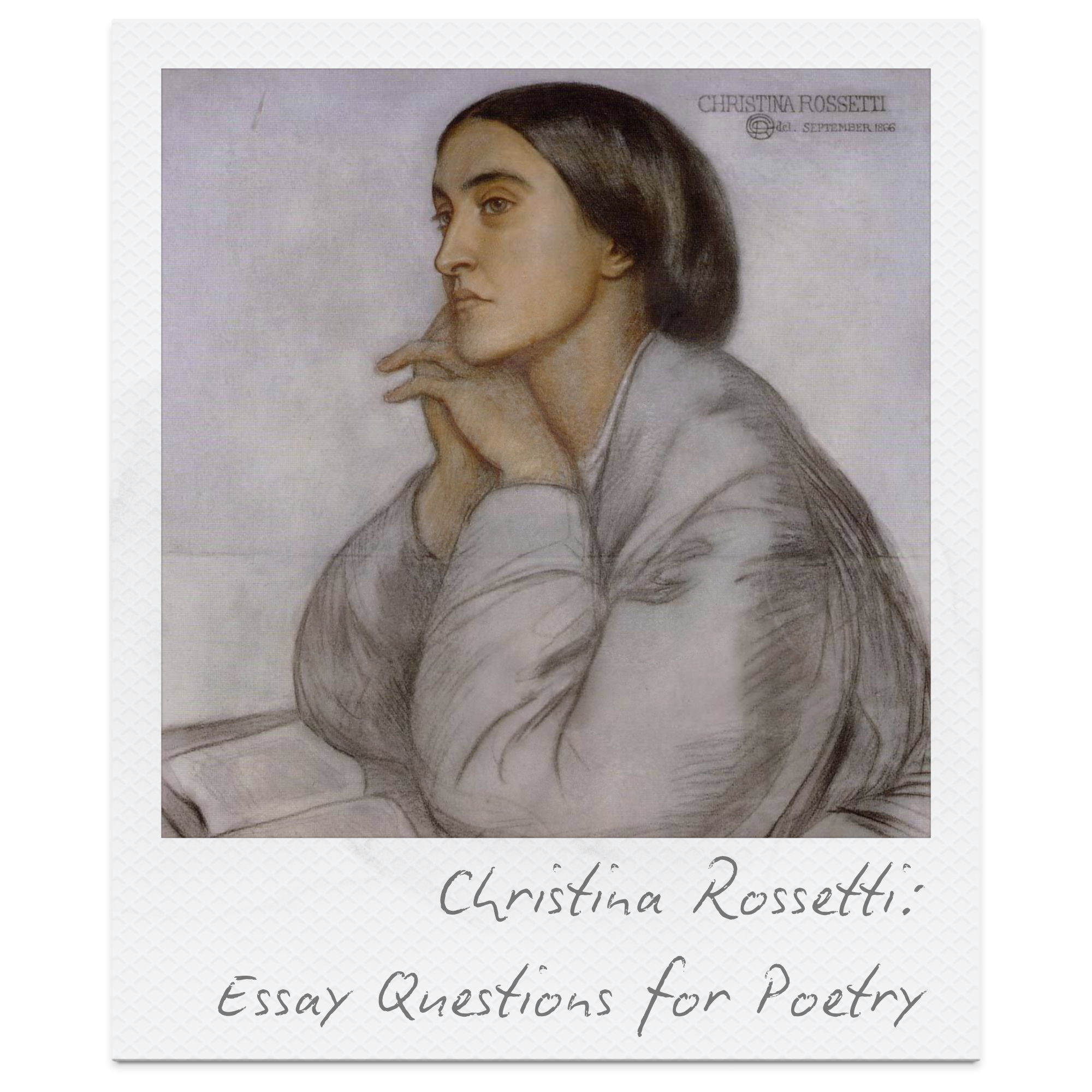
Christina Rossetti Essay Questions for Key Poems: Remember, After Death, Goblin Market & More
This collection of Christina Rossetti essay questions is designed to help students explore the themes, imagery, and ideas that shape Rossetti’s poetry. The questions cover a wide range of poems, encouraging close reading and thoughtful interpretation of topics such as love, faith, memory, temptation, and spiritual struggle. Each section focuses on a specific poem and offers prompts suitable for class discussion, essay planning, and exam preparation. The questions are suitable for GCSE, IGCSE, A Level, and IB literature courses, and can be adapted for different levels of study. Teachers can use them for essay practice, revision activities, silent debates, or shared writing tasks, helping students develop stronger analytical responses to Rossetti’s work while gaining confidence in literary essay writing.

Confluents by Christina Rossetti: Summary, Themes, Symbolism & Analysis
Christina Rossetti’s Confluents explores spiritual longing, devotion, and the desire for union through a series of natural comparisons. Rivers flowing toward the sea, roses opening to sunlight, and dew rising into the air all reflect the speaker’s belief that the soul instinctively seeks connection with something greater than itself. This analysis examines the poem’s imagery, symbolism, structure, and key quotations, showing how Rossetti uses natural processes to represent emotional and spiritual yearning. It also explores the poem’s themes of faith, distance, and hope, offering interpretations and teaching ideas suitable for GCSE, A Level, and secondary English literature study.
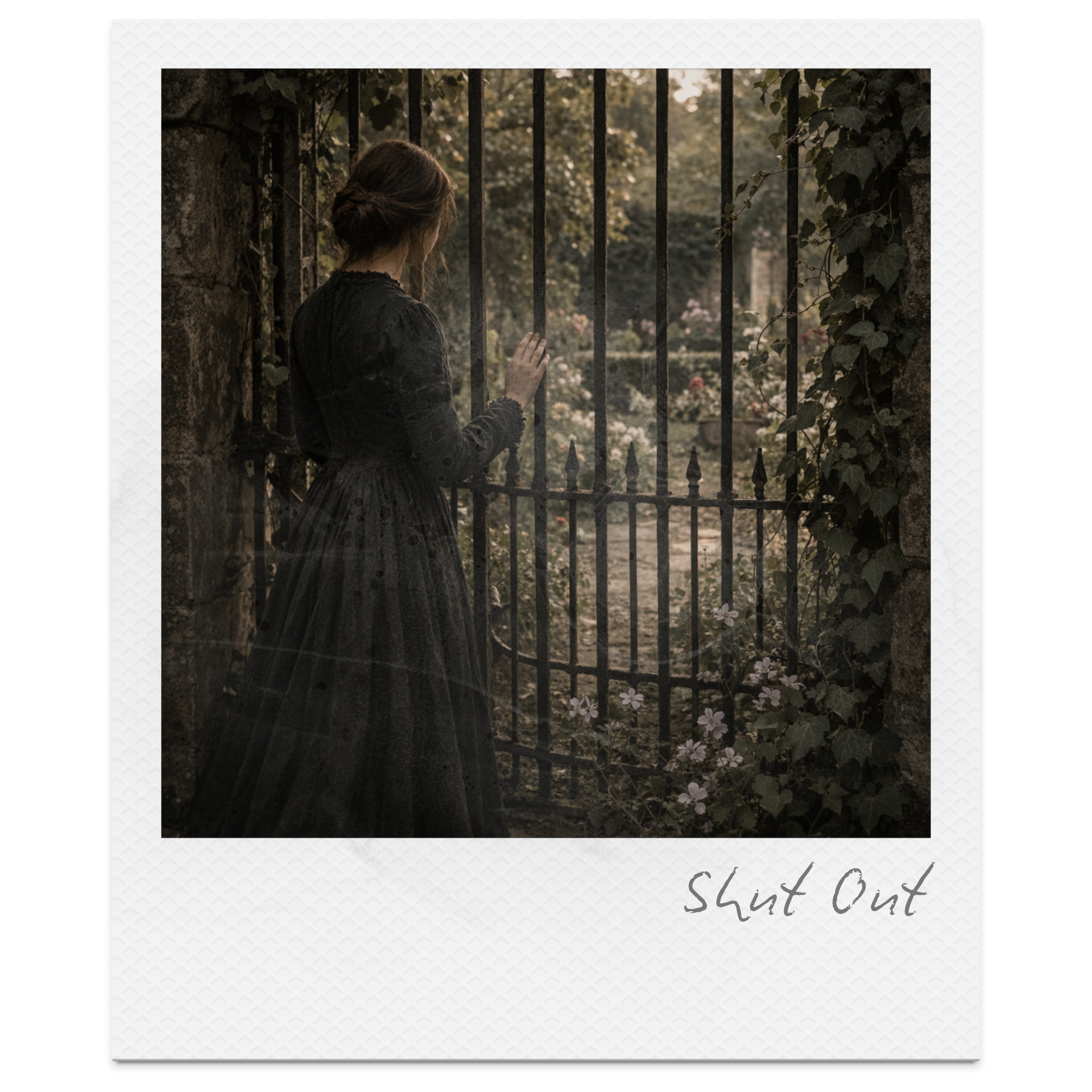
Shut Out by Christina Rossetti: Summary, Themes, Symbolism & Analysis
Shut Out explores the painful experience of being separated from something that once brought joy and belonging. The speaker stands outside a garden that was once their own, looking through iron bars at a place filled with flowers, birds, and life. As the poem unfolds, the speaker’s attempts to regain even the smallest connection to this lost space are denied, and the barrier between the speaker and the garden becomes permanent. Through the powerful symbolism of the closed garden, Rossetti reflects on themes of exclusion, loss of innocence, spiritual exile, and longing for the past. Even when new beauty appears nearby, it cannot replace what has been lost, revealing how memory can make the present world feel diminished in comparison to a cherished past.

I Loved You First: But Afterwards Your Love by Christina Rossetti: Summary, Themes, Symbolism & Analysis
I Loved You First: But Afterwards Your Love explores the complex balance between two lovers as the speaker reflects on who loved first and whose devotion might be greater. What begins as a quiet claim of emotional precedence quickly becomes a deeper meditation on mutual love, emotional reciprocity, and the difficulty of measuring affection between two people. As the sonnet unfolds, the speaker gradually abandons the language of comparison and calculation. Instead, the poem moves toward a philosophical conclusion: genuine love dissolves the boundaries between individuals, replacing ideas of “mine” and “thine” with a shared emotional identity in which both lovers participate equally.
Song: When I Am Dead, My Dearest by Christina Rossetti: Meaning, Themes & Analysis
This guide offers a clear analysis of Song: When I Am Dead, My Dearest by Christina Rossetti, exploring the poem’s themes, structure, imagery, and tone. The article provides a detailed summary alongside stanza-by-stanza analysis, helping readers understand how Rossetti presents death with calm acceptance while questioning the importance of remembrance. You’ll also find explanations of key quotations, literary techniques, and alternative interpretations of the poem, making this guide useful for GCSE and A Level literature study. The analysis explores Rossetti’s ideas about memory, emotional detachment, and the limits of mourning, while linking the poem to wider themes in her poetry.
As Froth on the Face of the Deep by Christina Rossetti: Summary, Themes, Symbolism & Analysis
Christina Rossetti’s As Froth on the Face of the Deep is a reflective poem that explores the fragility and brevity of human life. Through the striking metaphor of foam appearing briefly on the surface of the ocean, the poem presents existence as something temporary and delicate when compared with the vast forces of nature. This analysis examines the poem’s imagery, symbolism, structure, and themes, exploring how Rossetti uses simple natural comparisons to reflect on mortality, impermanence, and spiritual perspective. The poem invites readers to consider the fleeting nature of human existence and the wider philosophical questions that arise from recognising life’s limited span.

Annabel Lee by Edgar Allan Poe: Summary, Themes, Meaning & Analysis
Explore a clear and engaging analysis of Annabel Lee by Edgar Allan Poe, including summary, themes, symbolism, and key quotes. This guide explains the poem’s ideas about love and devotion beyond death, grief and mourning, romantic idealisation, and the persistence of memory, showing how Poe uses repetition, imagery, and ballad form to create one of his most haunting poems. This resource includes stanza-by-stanza analysis, key techniques, discussion ideas, and teaching activities, making it useful for middle and high school literature students and teachers worldwide. It is ideal for studying Poe’s gothic poetry and exploring how the poem presents love, loss, and emotional attachment.
A Dream Within a Dream by Edgar Allan Poe: Summary, Themes, Meaning & Analysis
Explore a clear and accessible analysis of A Dream Within a Dream by Edgar Allan Poe, including a summary, themes, symbolism, and key quotations. This guide explains the poem’s central ideas about reality vs illusion, the passage of time, loss, existential uncertainty, and the limits of human control, showing how Poe uses imagery and symbolism to express the fragility of human experience. This resource includes stanza-by-stanza analysis, key techniques, discussion questions, and creative writing ideas, making it useful for secondary literature students and teachers worldwide. It is particularly suitable for middle and high school poetry study and for readers exploring Poe’s philosophical and gothic poetry.
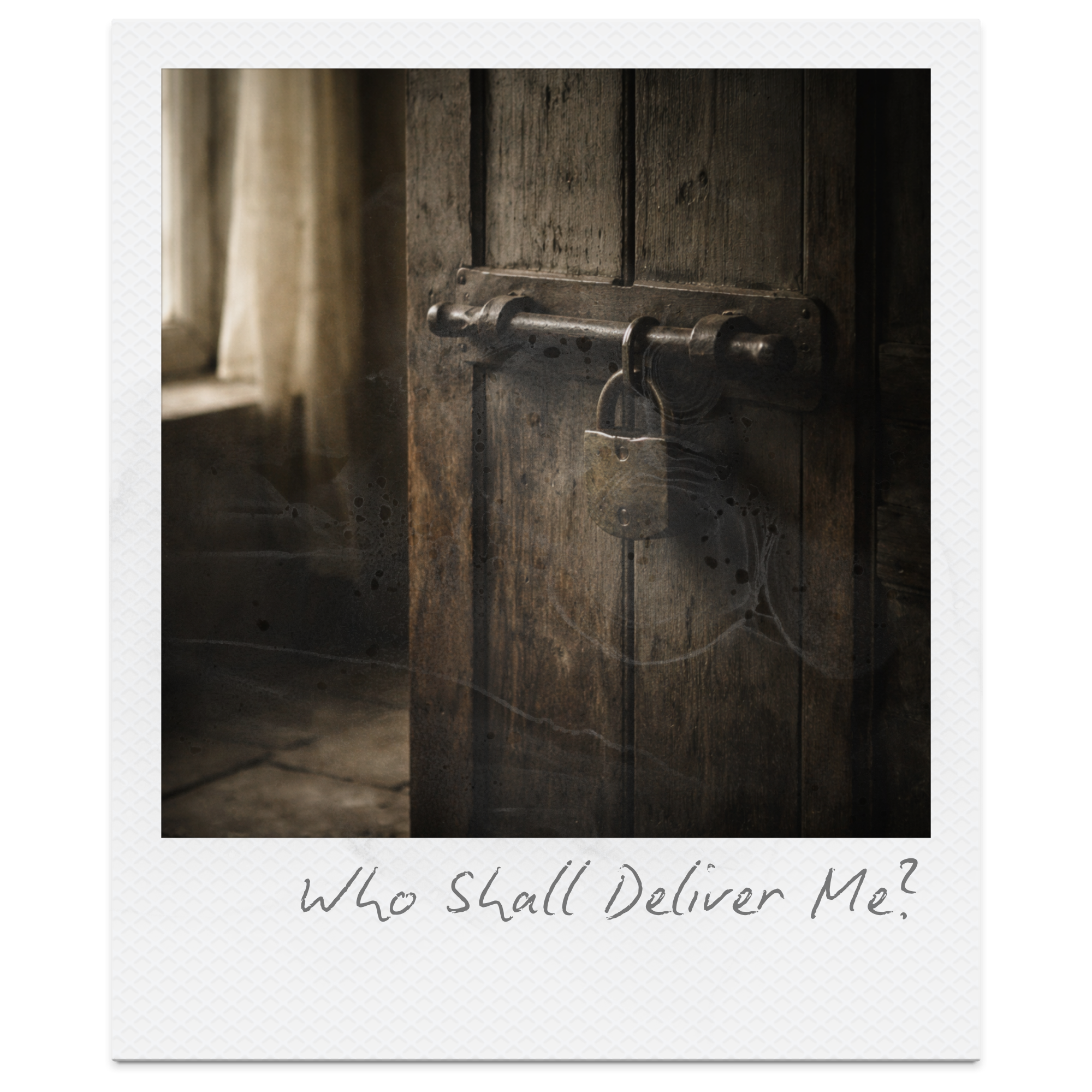
Who Shall Deliver Me? Poem Analysis: Themes, Symbolism, Structure & Meaning
Christina Rossetti’s Who Shall Deliver Me? explores the experience of inner conflict, self-division, and spiritual struggle. In this intense devotional lyric, the speaker presents the self as both burden and adversary, describing the exhausting task of living with one’s own weaknesses and moral failures. Through imagery of weight, confinement, and betrayal, Rossetti reveals how the greatest obstacles to peace may arise from within the self. This analysis explores the poem’s themes, symbolism, structure, and key techniques, with detailed stanza-by-stanza commentary and multiple interpretations. It examines how Rossetti presents the divided self, the demands of moral discipline, and the possibility of redemption through divine intervention.

A Better Resurrection by Christina Rossetti: Summary, Themes, Symbolism & Analysis
Christina Rossetti’s A Better Resurrection is a powerful Victorian poem exploring spiritual exhaustion, faith, redemption, and inner renewal. Through striking imagery of faded leaves, frozen landscapes, and broken vessels, Rossetti presents a speaker who feels emotionally depleted yet continues to hope for transformation. The poem gradually moves from despair toward the possibility of spiritual rebirth and renewal. This analysis explores the poem’s themes, symbolism, structure, and key techniques, including its hymn-like refrain and extended metaphors. With stanza-by-stanza commentary, multiple interpretations, and teaching ideas, this guide helps readers examine how Rossetti presents the journey from spiritual emptiness to hopeful transformation.
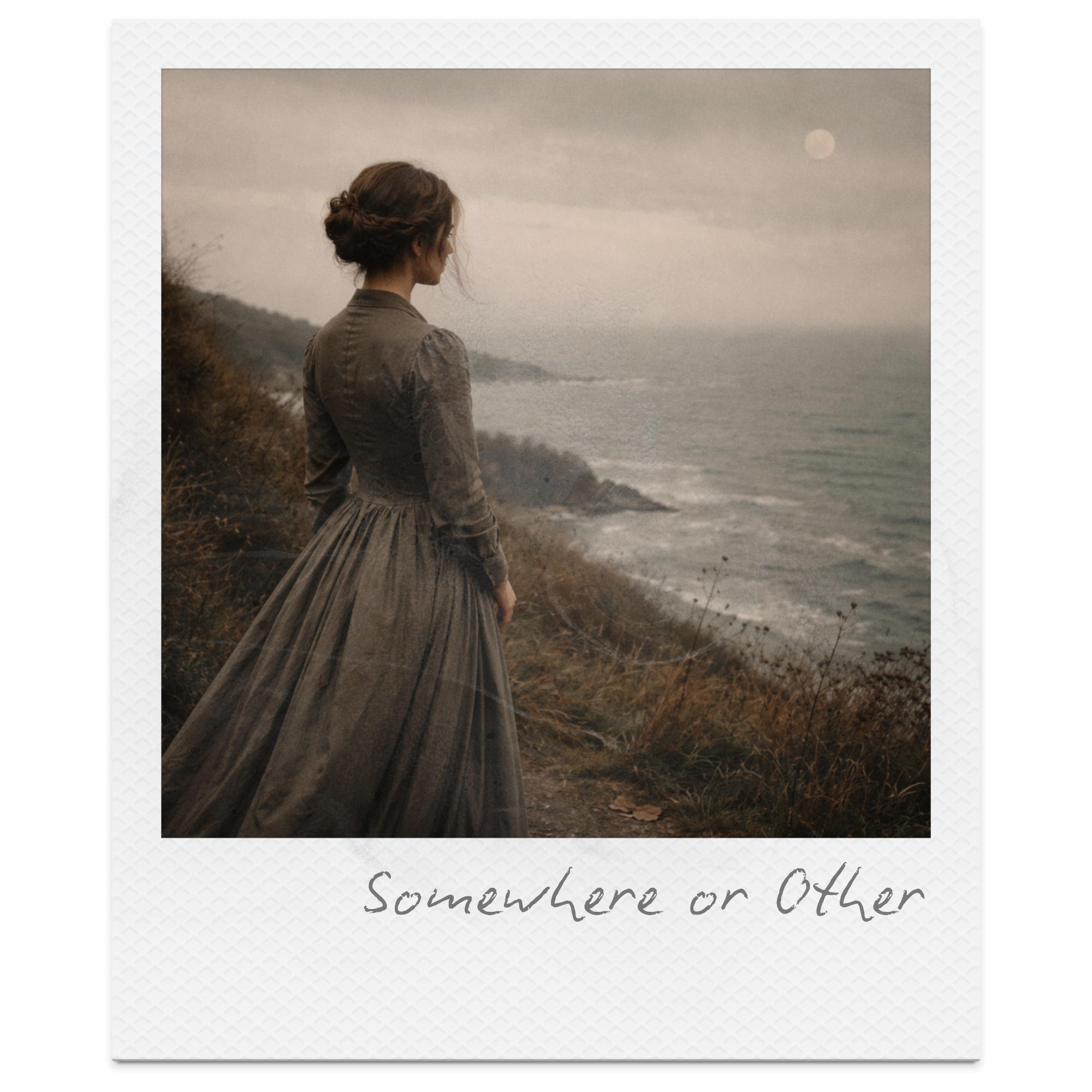
Somewhere or Other by Christina Rossetti: Summary, Themes, Symbolism & Analysis
Christina Rossetti’s Somewhere or Other is a reflective Victorian poem exploring longing, imagined love, destiny, and distance. Through repetition, celestial imagery, and shifting perspectives of scale, Rossetti presents a speaker who believes that somewhere in the world there exists a person destined to answer her words. The poem moves from images of vast distance — land, sea, moon, and stars — to the possibility that this connection may be far closer than expected. This analysis explores the summary, themes, symbolism, structure, and key techniques in Somewhere or Other, offering stanza-by-stanza commentary and multiple interpretations. The guide also includes teaching ideas, essay questions, and classroom discussion prompts, making it useful for students and teachers studying Christina Rossetti’s poetry.
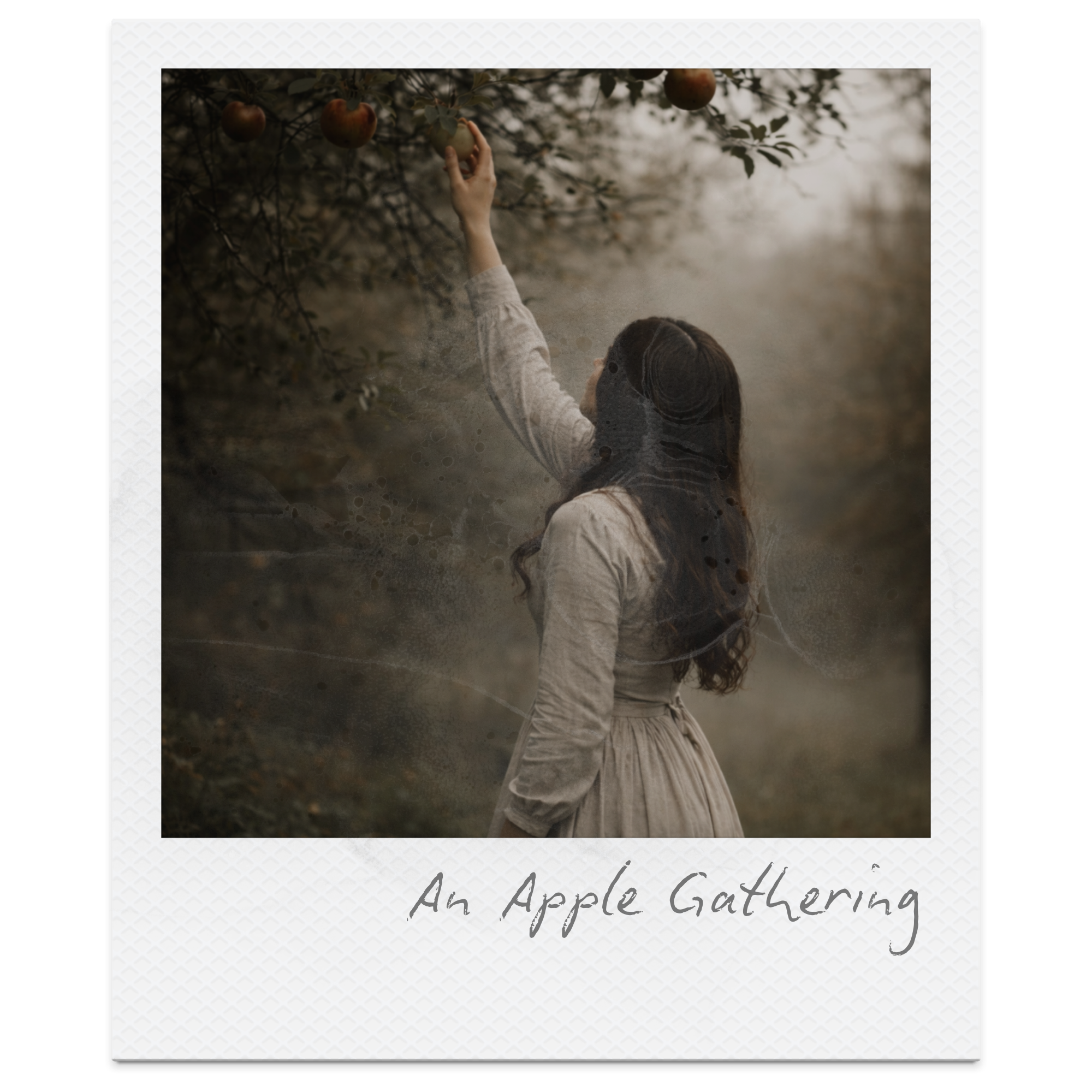
An Apple-Gathering by Christina Rossetti: Summary, Themes, and Detailed Analysis
Christina Rossetti’s An Apple-Gathering explores themes of lost opportunities, romantic regret, and emotional maturity through the powerful metaphor of an apple harvest. In this detailed analysis, we examine how Rossetti uses symbolism, structure, rhyme, and imagery to show how acting too quickly in love can prevent deeper fulfilment later in life. This guide includes a clear summary, stanza-by-stanza analysis, key quotations, themes, literary techniques, and teaching ideas, making it ideal for students studying poetry at GCSE or A-Level and teachers planning lessons on Rossetti’s work.
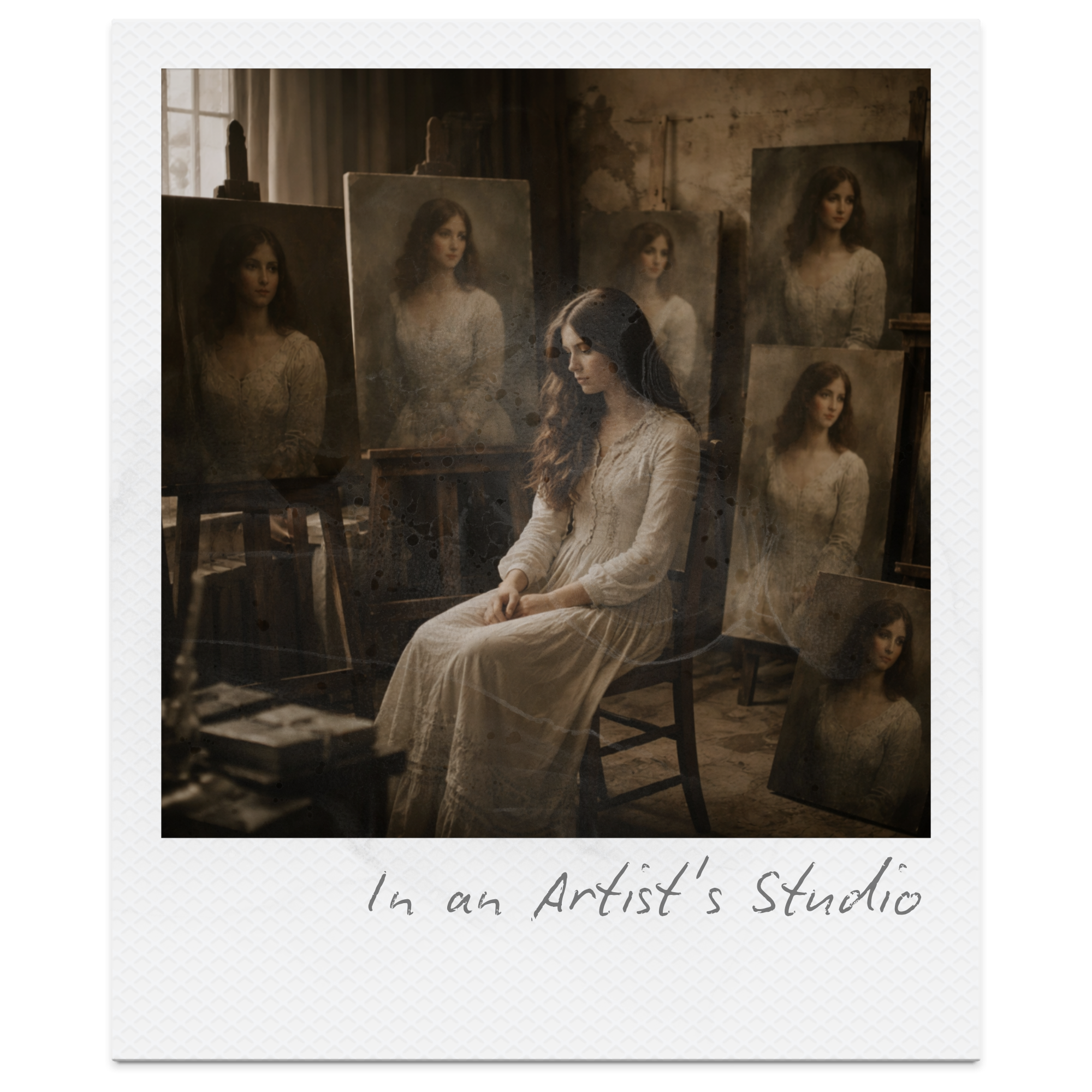
In an Artist’s Studio by Christina Rossetti: Summary, Themes, Symbolism & Analysis
Christina Rossetti’s In an Artist’s Studio explores how artistic representation can transform a real woman into an idealised figure shaped by imagination and desire. This detailed analysis examines how Rossetti uses Petrarchan sonnet form, repetition, symbolism, and imagery to reveal themes of objectification, identity, and the tension between reality and artistic fantasy. The guide includes a clear summary, close analysis of the octave and sestet, key quotes, literary techniques, themes, alternative interpretations, and teaching ideas, making it useful for students, teachers, and readers interested in Victorian poetry and literary analysis.
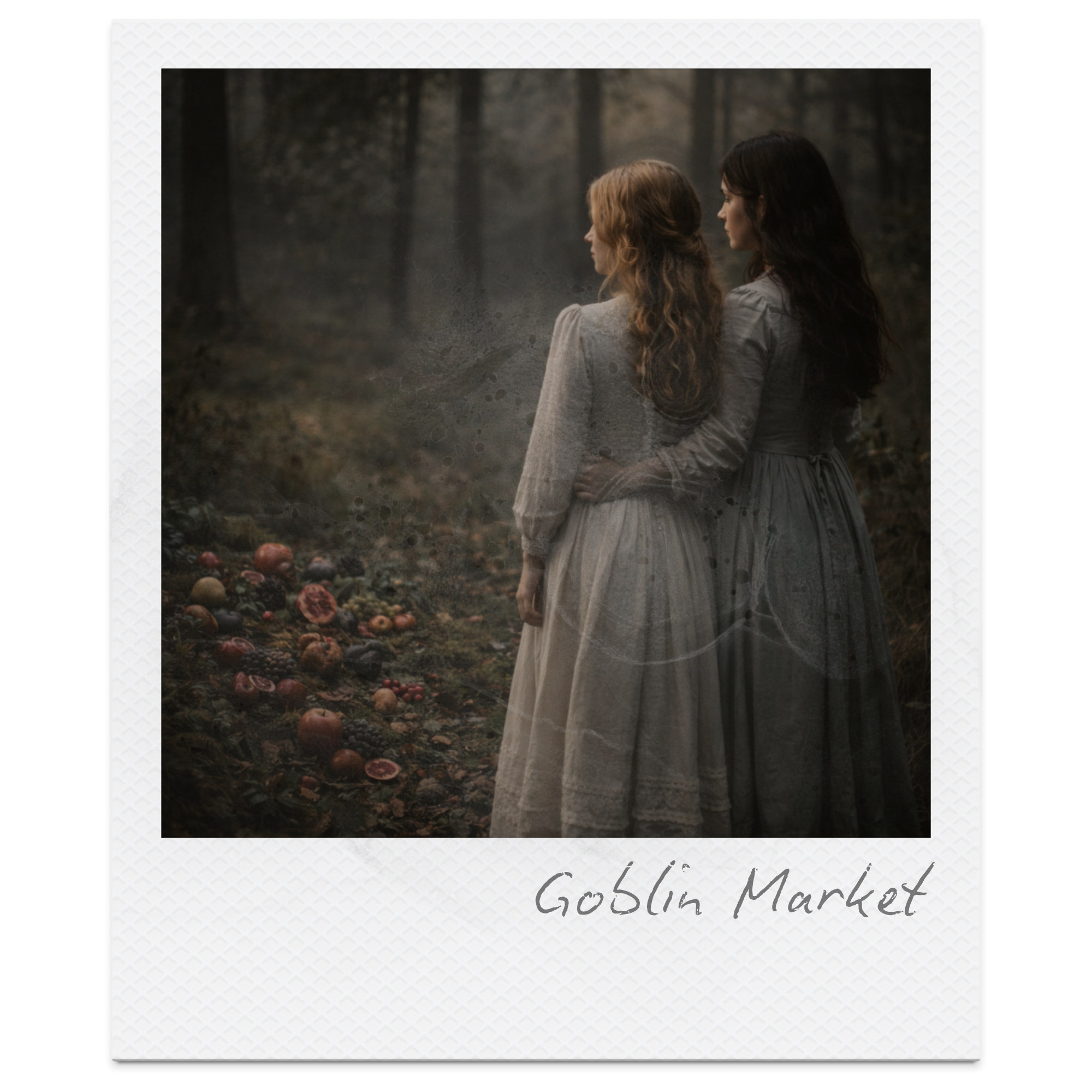
Goblin Market by Christina Rossetti: Summary, Themes, Symbolism & Detailed Analysis
Christina Rossetti’s Goblin Market is one of the most famous and debated Victorian poems, exploring powerful themes of temptation, desire, sisterhood, sacrifice, and redemption. Through the story of Laura and Lizzie and the mysterious goblin fruit merchants, Rossetti creates a richly symbolic narrative filled with sensory imagery, moral tension, and striking symbolism. The poem blends elements of fairy tale, religious allegory, and social commentary, making it one of Rossetti’s most complex works. This guide explores the poem’s summary, key quotations, themes, symbolism, and literary techniques, along with different critical interpretations including feminist, psychological, religious, and existential readings. Whether you are studying Goblin Market for literature courses or exploring Rossetti’s poetry more deeply, this analysis offers a clear and detailed introduction to one of the most enduring poems of the nineteenth century.