In the Bleak Midwinter by Christina Rossetti: Summary, Themes, Symbolism & Analysis
Christina Rossetti’s In the Bleak Midwinter, originally published under the title “A Christmas Carol,” is a reflective devotional poem that contrasts the vastness of divine incarnation with the humble simplicity of human devotion. Framed by a frozen winter landscape, the poem imagines the Nativity with quiet reverence, exploring themes of faith, humility, spiritual wonder, and the limitations of human offerings.
Through its restrained language and vivid imagery, Rossetti highlights the contrast between cosmic majesty and earthly poverty, suggesting that true devotion lies not in grand gestures but in the sincerity of the human heart. This analysis explores the poem’s themes, symbolism, structure, and religious imagery, examining how Rossetti transforms the Nativity story into a meditation on humility, love, and spiritual giving.
You can explore more of Rossetti’s poetry in the Christina Rossetti poetry hub, or browse additional poem analyses and teaching resources in the Literature Library.

Context of In the Bleak Midwinter
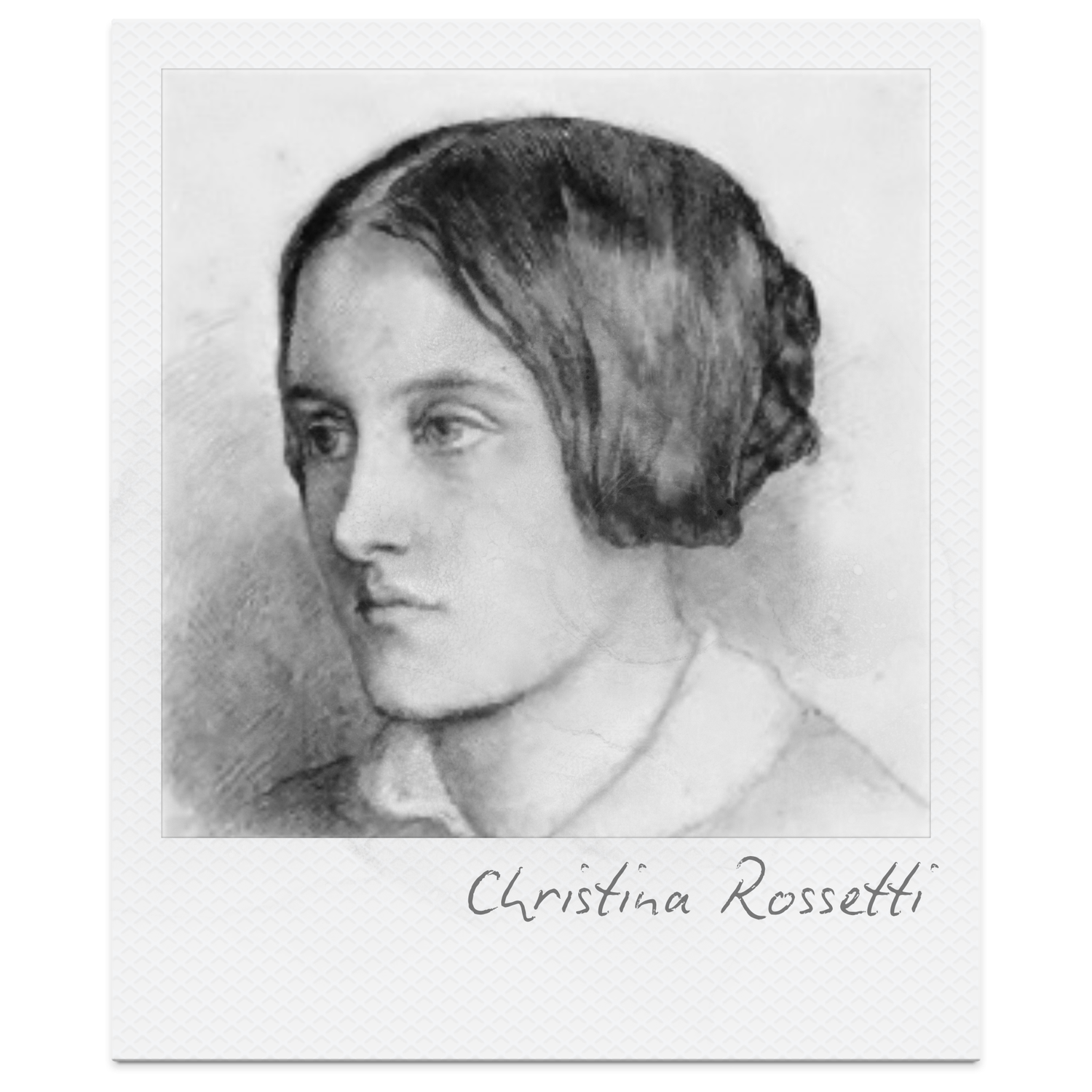
Christina Rossetti wrote In the Bleak Midwinter in the context of Victorian devotional poetry, a literary tradition that sought to express religious faith through reflective lyric writing. The poem was first published in 1872 under the title “A Christmas Carol” in the magazine Scribner’s Monthly. Rossetti was deeply influenced by Anglican spirituality and High Church devotional culture, and much of her poetry reflects a concern with humility, sacrifice, and the relationship between the human soul and divine grace.
The poem reflects the Victorian fascination with the Nativity story, which was widely reimagined in literature, hymn writing, and religious art during the nineteenth century. However, Rossetti’s version is notable for its focus on spiritual humility rather than spectacle. Instead of describing grand celebrations or heavenly glory, the poem emphasises the simplicity and poverty of Christ’s birth, contrasting the immense power of God with the quiet, ordinary setting of the stable.
This tension between cosmic divinity and human limitation is central to Rossetti’s religious worldview. The poem gradually moves from describing the frozen natural landscape to asking what a human being can offer the divine child. Rossetti ultimately suggests that the most meaningful gift is not wealth or grandeur, but personal devotion and the offering of the heart.
For more on Rossetti’s life, beliefs, and the cultural influences that shaped her poetry, see the Christina Rossetti context post.
In the Bleak Midwinter: At a Glance
Form: Devotional lyric often treated as a Christmas carol, with regular stanza structure and hymn-like rhythm
Mood: Reflective, reverent, and quietly contemplative
Central tension: The poem contrasts the infinite majesty of God with the humble circumstances of Christ’s birth, raising the question of what humans can offer in response.
Core themes: humility, faith, divine incarnation, human limitation, spiritual devotion
One-sentence meaning
The poem reflects on the Nativity by contrasting the overwhelming power of God with the simplicity of Christ’s birth, ultimately suggesting that the most meaningful gift a person can offer is the devotion of the heart.
A Quick Summary of In the Bleak Midwinter
The poem opens by describing a harsh, frozen winter landscape, using imagery of snow, frost, and iron-like earth to establish a world of stillness and cold. This bleak setting emphasises the quiet simplicity surrounding the birth of Christ. Rossetti contrasts the vastness of heaven and earth with the humble circumstances of the Nativity, suggesting that the divine presence enters the world not with spectacle but with quiet humility.
The middle stanzas develop this contrast further by emphasising the paradox of the incarnation. Although Christ is described as a figure whose presence could sustain the entire universe, he appears instead as a fragile infant born into poverty. Rossetti highlights this tension between cosmic divinity and earthly vulnerability, portraying the Nativity as both spiritually immense and physically humble.
In the final stanza, the poem shifts from description to personal reflection. The speaker asks what a human being can offer in response to such a profound event. Recognising that material gifts are insufficient, the poem concludes that the most meaningful offering is personal devotion, expressed through the symbolic act of giving one’s heart.
Title, Form, Structure, and Metre
Christina Rossetti structures In the Bleak Midwinter as a devotional lyric with strong hymn-like qualities, combining clear stanza structure, memorable rhyme, and flexible rhythmic movement. These formal features allow the poem to balance theological reflection with emotional simplicity, reinforcing its central meditation on the Nativity and the humility of divine incarnation.
Title
The title In the Bleak Midwinter immediately establishes the poem’s symbolic setting and emotional atmosphere. The word “bleak” suggests harshness, emptiness, and stillness, preparing the reader for the poem’s imagery of snow, frost, and frozen earth. This stark winter landscape contrasts with the miraculous event described in the poem: the birth of Christ.
Winter also functions symbolically. Within Christian imagery, a barren landscape can represent spiritual coldness or human limitation, making the arrival of divine grace appear even more profound. The title therefore frames the poem as both a Nativity meditation and a reflection on renewal emerging from spiritual barrenness.
Form and Structure
The poem consists of five quatrains, each containing four lines. This regular stanza structure gives the poem a calm, balanced rhythm that suits its devotional tone. Each stanza develops a different stage of reflection, gradually moving from description of the natural world to spiritual contemplation.
The first stanza establishes the frozen winter setting. The following stanzas expand the perspective, contrasting the immense power of God with the humble circumstances of Christ’s birth. By the final stanza, the poem shifts from description to personal response, asking what a human being can offer to the divine child.
Because each stanza forms a contained unit of thought, the poem unfolds like a sequence of quiet spiritual reflections, leading the reader toward the final moral insight.
Rhyme Scheme and Poetic Pattern
Rossetti uses a clear and consistent rhyme scheme, most often following an AABB pattern within each stanza. For example:
snow — earth — snow — birth
This pattern creates a gentle sense of closure within each quatrain, reinforcing the poem’s measured, meditative rhythm. The predictable rhyme scheme also contributes to the poem’s musical quality, helping explain why it was later set to music and widely sung as a Christmas carol.
Metre and Rhythmic Movement
The poem’s metre is largely iambic, meaning that many lines follow a pattern in which an unstressed syllable is followed by a stressed one. However, Rossetti allows the rhythm to vary slightly from line to line, producing a natural and flexible cadence.
For example, the opening line can be scanned as:
In the BLEAK midWINter FROSTy WIND made MOAN
This line moves through a sequence of rising stresses, creating a steady rhythm that reflects the slow, heavy atmosphere of winter.
The following line continues the pattern with slightly shorter phrasing:
EARTH stood HARD as IRON, WAter LIKE a STONE
Here the stressed syllables fall heavily on “hard,” “iron,” “water,” and “stone,” reinforcing the imagery of frozen stillness.
Rossetti also frequently shortens the final line of each stanza. For instance:
SNOW had FALLen, SNOW on SNOW
SNOW on SNOW
The compressed rhythm of the final line slows the movement of the stanza and emphasises the image of endless snowfall. This shortening creates a reflective pause, reinforcing the poem’s quiet devotional tone and drawing attention to key ideas at the end of each stanza.
Through this flexible iambic rhythm and controlled stanza structure, Rossetti creates a poem that feels both musical and contemplative, allowing theological reflection to unfold in a calm, meditative voice.
The Speaker of In the Bleak Midwinter
The speaker of In the Bleak Midwinter appears to be a devotional observer reflecting on the Nativity, combining descriptive narration with personal spiritual meditation. Rather than presenting a dramatic character or narrative voice, Rossetti adopts a tone that resembles quiet religious contemplation, allowing the speaker to move between describing the scene of Christ’s birth and reflecting on its spiritual meaning.
In the opening stanzas, the speaker functions almost like a detached narrator, describing the frozen landscape and the humble circumstances surrounding the Nativity. The voice is calm and observational, focusing on imagery such as “frosty wind,” “earth stood hard as iron,” and the repeated motif of falling snow. This descriptive perspective helps establish the poem’s reflective atmosphere.
As the poem progresses, however, the speaker’s voice becomes increasingly meditative and interpretive. The middle stanzas emphasise the paradox of the incarnation, reflecting on how a divine being who cannot be contained by heaven or earth is nevertheless born into human poverty. Here the speaker acts as a theological interpreter, guiding the reader toward understanding the deeper spiritual meaning of the Nativity.
In the final stanza, the voice shifts again, becoming more personal and introspective. The speaker asks what a human being can offer to the divine child, recognising that material gifts are inadequate. The poem concludes with a symbolic gesture of devotion:
Yet what I can I give Him: give my heart.
This moment transforms the speaker from observer to participant. The Nativity is no longer simply a story being described but an event that demands a personal spiritual response, emphasising the poem’s theme of humility and heartfelt devotion.
Stanza-by-Stanza Analysis of In the Bleak Midwinter
A close reading of In the Bleak Midwinter reveals how Christina Rossetti gradually moves from natural description to spiritual reflection. Each stanza develops the poem’s meditation on the Nativity, beginning with the frozen landscape of winter and expanding toward the theological paradox of divine power appearing in humble form. The poem ultimately shifts from observation to personal devotion, asking how human beings can respond to the birth of Christ.
Examining the poem stanza by stanza shows how Rossetti carefully builds this progression. Through imagery, contrast, symbolism, and rhythmic emphasis, each stanza adds another layer of meaning, guiding the reader from the physical setting of the Nativity toward its deeper spiritual significance.
Stanza 1: The Frozen World Before the Nativity
The opening stanza establishes the poem’s harsh winter setting, using vivid natural imagery to create an atmosphere of stillness and severity. Rossetti describes a landscape locked in cold and silence, where the “frosty wind” seems to lament and the earth becomes as rigid as iron. This bleak environment emphasises the humility and quietness of the Nativity, contrasting sharply with the immense significance of the event taking place.
The imagery in this stanza focuses on hardness and repetition, reinforcing the sense of a world frozen in time. Phrases such as “earth stood hard as iron” and “water like a stone” suggest a landscape that has become rigid and unyielding. The repeated phrase “snow on snow, snow on snow” intensifies this image of accumulation and stillness, creating a rhythmic effect that mirrors the steady falling of snow.
By ending the stanza with the phrase “long ago,” Rossetti shifts the poem from simple description into historical reflection. The winter landscape becomes the setting for a sacred memory, inviting the reader to imagine the distant moment of Christ’s birth within this quiet and austere world.
Stanza 2: Divine Power and Humble Incarnation
In the second stanza, Rossetti shifts from describing the frozen natural world to reflecting on the immense power and majesty of God. The stanza opens with a striking theological statement: “Our God, Heaven cannot hold Him, nor earth sustain.” This line emphasises the idea that God is infinite and cannot be contained by the physical universe. Rossetti reinforces this image by suggesting that even heaven and earth will eventually pass away, highlighting the eternal nature of divine power.
This vast cosmic imagery makes the following lines even more striking. Despite the boundless power described in the opening lines, the poem reminds the reader that Christ was born in a humble stable. The phrase “a stable place sufficed” emphasises the simplicity and poverty of the Nativity scene, contrasting sharply with the earlier description of divine magnitude.
The final line names the figure at the centre of this paradox: “The Lord God Almighty, Jesus Christ.” By placing this declaration at the end of the stanza, Rossetti brings together the poem’s central contrast between cosmic divinity and earthly humility. The infinite God who cannot be contained by heaven or earth appears instead as a child born in the most modest of surroundings.
Stanza 3: Heavenly Glory and Earthly Simplicity
In the third stanza, Rossetti continues to develop the poem’s central contrast between divine majesty and humble surroundings. The stanza opens by describing Christ as the figure “whom cherubim worship night and day,” invoking images of heavenly beings who continually praise God. This reference emphasises Christ’s divine status and the reverence He receives in heaven.
Rossetti then contrasts this image of celestial worship with the simplicity of the Nativity scene. Instead of heavenly splendour, Christ is sustained by “breastful of milk, and a mangerful of hay.” These domestic and earthly images highlight the vulnerability of the infant Christ, reinforcing the paradox that the one worshipped by angels is nourished like an ordinary human child.
The final lines extend this contrast further. While angels are described as falling before Christ in reverence, the creatures present at the Nativity are humble animals: “the ox and ass and camel.” These figures emphasise the modest setting of the stable, suggesting that the divine presence is revealed not in grandeur but in simplicity and humility. Through this juxtaposition of heaven and earth, Rossetti deepens the poem’s meditation on the mystery of the incarnation.
Stanza 4: Mary’s Intimate Devotion
In the fourth stanza, Rossetti again contrasts heavenly grandeur with quiet human intimacy. The stanza begins by imagining the possible presence of celestial beings: “Angels and archangels may have gathered there.” The language suggests a vast and awe-inspiring heavenly audience, with “cherubim and seraphim” filling the air around the Nativity. These references to different orders of angels reinforce the idea that Christ’s birth is an event of immense spiritual importance.
However, Rossetti quickly shifts the focus away from this imagined celestial spectacle. Despite the presence of angelic hosts, the poem emphasises that the most meaningful act of worship comes from Mary herself. The phrase “His mother only” isolates her figure within the scene, suggesting a moment of quiet closeness rather than public reverence.
The final line captures this intimacy through the simple image of a kiss. Instead of grand gestures of worship, Mary expresses devotion through maternal affection. In doing so, Rossetti highlights the human dimension of the Nativity, presenting Mary not only as a sacred figure but also as a mother whose love becomes the most profound form of reverence.
Stanza 5: The Personal Response of the Believer
In the final stanza, Rossetti shifts from describing the Nativity scene to inviting a personal, reflective response from the speaker and the reader. The stanza opens with a humble question: “What can I give Him, poor as I am?” This line introduces the idea that ordinary people may feel unable to offer anything worthy of Christ’s divine significance.
Rossetti then imagines two traditional figures associated with the Nativity: the shepherd and the Wise Man. The shepherd would offer a lamb, while the Wise Man would bring a costly gift. These references emphasise the different kinds of offerings people might bring to honour Christ, whether humble or wealthy.
However, the stanza ultimately rejects material gifts as the most meaningful form of devotion. Instead, the speaker concludes that the only true offering she can give is her own heart. The final line — “Yet what I can I give Him: give my heart.” — transforms the poem into a quiet act of spiritual commitment, suggesting that sincere love and devotion are more valuable than any outward gift.
Key Quotes from In the Bleak Midwinter
Rossetti’s poem contains several memorable lines that highlight its central contrasts between divine power and human humility, as well as its emphasis on personal devotion and spiritual reflection. The following quotations capture some of the poem’s most significant ideas and images.
In the bleak midwinter, frosty wind made moan
◆ The opening line immediately establishes the poem’s cold, desolate setting, using personification to suggest the wind itself is lamenting.
◆ The harsh winter imagery reflects the bleakness of the human world into which Christ is born.
◆ This atmospheric opening also creates a sense of stillness and anticipation, preparing the reader for the sacred event that follows.
Earth stood hard as iron, water like a stone
◆ Rossetti uses simile to emphasise the rigidity of the frozen landscape.
◆ The imagery of hardness and immobility reinforces the poem’s mood of silence and severity.
◆ The natural world appears almost lifeless, heightening the contrast with the new life represented by Christ’s birth.
Snow had fallen, snow on snow, snow on snow
◆ The repetition emphasises the depth and persistence of the winter landscape.
◆ This rhythmic accumulation mirrors the steady fall of snow, creating a meditative tone.
◆ The image contributes to the poem’s sense of timeless stillness, as though the world has paused for the Nativity.
Heaven and earth shall flee away when He comes to reign
◆ This line highlights the cosmic power of Christ, referencing biblical ideas about the end of the world.
◆ Rossetti contrasts this immense divine authority with the humble circumstances of Christ’s birth.
◆ The line reinforces the poem’s central paradox: the infant in the stable is also the ruler of eternity.
In the bleak midwinter a stable place sufficed
◆ The simplicity of the stable underscores the humility of the Nativity.
◆ The word “sufficed” suggests that divine greatness does not require earthly grandeur.
◆ Rossetti presents humility as a powerful spiritual value, aligning with Christian ideas of incarnation and sacrifice.
Breastful of milk, and a mangerful of hay
◆ This line combines domestic and pastoral imagery, highlighting the humanity of the infant Christ.
◆ The contrast between heavenly worship and everyday nourishment reinforces the poem’s theme of divinity entering ordinary life.
◆ The simple imagery emphasises the tender vulnerability of the child.
Angels and archangels may have gathered there
◆ Rossetti imagines the Nativity surrounded by celestial spectators, emphasising its sacred significance.
◆ The phrase suggests a vast spiritual audience, reinforcing the poem’s theme of cosmic reverence.
◆ Yet the following lines reveal that the most meaningful devotion is not angelic grandeur but human love.
Worshipped the beloved with a kiss
◆ This line highlights Mary’s maternal tenderness, presenting love as the purest form of worship.
◆ Rossetti contrasts Mary’s quiet gesture with the grandeur of angelic praise.
◆ The image emphasises the poem’s message that intimate devotion can be more powerful than ceremonial worship.
What can I give Him, poor as I am?
◆ The speaker expresses humility and self-reflection, representing the ordinary believer.
◆ The question invites readers to consider their own relationship with faith and devotion.
◆ Rossetti shifts the poem from narrative description toward personal spiritual reflection.
Yet what I can I give Him: give my heart
◆ The poem concludes with a simple but powerful declaration of personal devotion.
◆ The heart symbolises faith, love, and sincere commitment, rather than material offerings.
◆ This final line transforms the poem into a quiet act of spiritual dedication, encouraging readers to respond in the same way.
Key Techniques in In the Bleak Midwinter
Rossetti uses a range of poetic and rhetorical techniques to reinforce the poem’s central contrasts between divine majesty and human humility, while maintaining the quiet, meditative tone typical of devotional poetry.
◆ Imagery – The poem opens with vivid winter imagery such as “Earth stood hard as iron, water like a stone.” These stark descriptions create a frozen, silent landscape that reflects spiritual stillness. The bleak setting also heightens the significance of Christ’s birth, suggesting that divine grace enters a world that appears cold and lifeless.
◆ Simile – Rossetti frequently uses simile to sharpen the sensory detail of the scene. The comparison “water like a stone” emphasises the severity of the cold and the rigidity of the landscape, reinforcing the poem’s atmosphere of stillness and quiet austerity.
◆ Repetition – The phrase “snow on snow, snow on snow” creates a rhythmic layering effect that mirrors the accumulation of snow. This repetition strengthens the poem’s meditative quality and emphasises the sense of a world blanketed in silence.
◆ Contrast (Antithesis) – One of the poem’s most important techniques is the contrast between cosmic divinity and earthly humility. Rossetti juxtaposes lines such as “Heaven cannot hold Him” with the statement that “a stable place sufficed.” This contrast highlights the paradox at the heart of the Nativity: the infinite God appears in the most modest of circumstances.
◆ Biblical Allusion – The poem draws on imagery and ideas from the Bible, particularly references to cherubim, seraphim, and the final reign of Christ. These allusions connect the Nativity scene to broader Christian theology, reminding readers that the child in the stable is also the divine figure central to salvation history.
◆ Symbolism – The natural and domestic elements of the poem carry symbolic weight. The stable, manger, and milk symbolise humility and human vulnerability, while the heart in the final stanza symbolises spiritual devotion and personal faith.
◆ Personification – Rossetti subtly animates the natural world in the line “frosty wind made moan.” This personification gives the landscape an emotional quality, as though nature itself mourns or anticipates the sacred event.
◆ Rhetorical Question – The poem’s final stanza begins with “What can I give Him, poor as I am?” This rhetorical question invites readers to reflect on their own response to Christ’s birth, shifting the poem from narrative description toward personal spiritual contemplation.
◆ Shift in Perspective – Throughout the poem Rossetti gradually moves from cosmic imagery (heaven, angels, divine power) to a personal devotional response. This structural movement allows the poem to progress from description of the Nativity to the believer’s individual act of faith.
◆ Simple, Hymn-like Language – Rossetti deliberately uses clear and accessible diction, reinforcing the poem’s origins as a carol-like devotional lyric. The straightforward language allows the spiritual message to remain clear while still conveying deep theological ideas.
Key Themes in In the Bleak Midwinter
Rossetti’s poem explores several interconnected themes that reflect both Christian theology and personal devotion. Through its imagery and structure, the poem moves from describing the cosmic significance of Christ’s birth to inviting the reader into a humble spiritual response.
Humility
One of the most central themes in the poem is humility. Rossetti repeatedly emphasises the modest circumstances surrounding Christ’s birth. Despite the poem’s recognition of divine majesty — “Heaven cannot hold Him, nor earth sustain” — the child is born in a simple stable and laid in a manger of hay.
This contrast reinforces the Christian idea that divine greatness is revealed not through worldly power or splendour but through humility and simplicity. The stable becomes a symbol of spiritual truth: that the most significant events may occur in the most ordinary settings.
Faith
The poem also explores the theme of faith, particularly the believer’s recognition of Christ’s divine nature. While the landscape and setting appear quiet and unremarkable, Rossetti continually reminds the reader that the child in the manger is “The Lord God Almighty.”
By juxtaposing ordinary earthly scenes with references to angels and divine power, the poem invites readers to recognise the sacred presence hidden within humble circumstances. Faith, therefore, becomes the ability to perceive divine meaning beneath outward simplicity.
Divine Incarnation
The theme of divine incarnation lies at the centre of the poem’s theological reflection. Rossetti emphasises the paradox that the infinite God, who cannot be contained by heaven or earth, becomes an infant dependent on human care.
This contrast between cosmic power and physical vulnerability highlights the mystery of incarnation — the belief that God enters the human world through the birth of Christ. The imagery of milk, hay, and a stable underscores the humanity of this divine presence.
Human Limitation
The final stanza introduces the theme of human limitation. The speaker acknowledges her own poverty and inability to offer grand gifts: “What can I give Him, poor as I am?”
This moment reflects a broader spiritual truth: humans often feel inadequate when confronting divine greatness. Rossetti suggests that material offerings or worldly achievements cannot fully match the significance of the divine.
Spiritual Devotion
In response to this sense of limitation, the poem ultimately presents spiritual devotion as the most meaningful gift. Rather than offering wealth or symbolic objects, the speaker resolves to give her heart.
This gesture emphasises the importance of sincere personal faith. Rossetti suggests that devotion, love, and inner commitment are more valuable than outward displays of reverence.
Cosmic Majesty and Earthly Simplicity
Another important theme in the poem is the contrast between cosmic majesty and earthly simplicity. Rossetti repeatedly juxtaposes images of angels, cherubim, and divine power with the humble details of the stable and the tenderness of Mary’s kiss.
This contrast reinforces the poem’s central message: divine significance often appears in quiet and unexpected forms. Through this interplay between heaven and earth, Rossetti invites readers to recognise the sacred within the ordinary.
Alternative Interpretations of In the Bleak Midwinter
Although often read as a devotional Christmas poem, In the Bleak Midwinter can also be interpreted through several different critical lenses. These perspectives highlight how Rossetti’s imagery, tone, and structure explore broader ideas about faith, humility, human identity, and spiritual response.
Religious Interpretation: The Theology of Incarnation
From a religious or theological perspective, the poem explores the Christian doctrine of the Incarnation—the belief that God enters the human world through the birth of Christ. Rossetti repeatedly emphasises the paradox of divine power contained within human vulnerability.
Lines such as “Heaven cannot hold Him, nor earth sustain” stress the infinite nature of God, while the humble setting of the stable highlights the astonishing humility of the Nativity. From this perspective, the poem becomes a meditation on the mystery of divine love expressed through self-limitation and humility.
Devotional Interpretation: The Believer’s Personal Response
The final stanza invites a devotional interpretation centred on the individual believer’s response to Christ. The speaker’s question—“What can I give Him, poor as I am?”—shifts the poem from narrative description to personal reflection.
From this perspective, the poem models the spiritual journey of a believer who moves from observing sacred history to offering personal faith and devotion. The concluding gesture of giving one’s heart becomes a symbolic act of religious commitment.
Existential Interpretation: Human Smallness and Meaning
The poem can also be read through an existential lens, focusing on the contrast between the immense scale of the universe and the smallness of human life. The frozen landscape and cosmic imagery evoke a vast and indifferent world, where even heaven and earth may eventually pass away.
Within this context, the speaker’s final decision to give her heart becomes an act of meaning-making. Even in a universe that appears overwhelming or impersonal, the individual can still respond with faith, love, and purpose.
Psychological Interpretation: Inner Transformation
A psychological reading focuses on the poem’s movement from external description to inner reflection. The early stanzas describe the natural and divine world, but the final stanza turns inward, asking what the individual can personally offer.
This shift suggests that the poem represents a moment of inner spiritual transformation, where the speaker moves from passive observation toward an active commitment of the self. The act of giving the heart symbolises a deeper alignment between belief and identity.
Feminine Devotion Interpretation
The poem can also be read through the lens of Victorian representations of feminine spirituality. Rossetti often wrote devotional poetry that emphasised humility, emotional sincerity, and personal sacrifice—qualities frequently associated with Victorian ideals of womanhood.
Mary’s quiet act of worship—“worshipped the beloved with a kiss”—presents devotion as intimate and nurturing rather than ceremonial or authoritative. From this perspective, Rossetti elevates gentle, personal devotion as a powerful form of spiritual expression.
Teaching Ideas for In the Bleak Midwinter
Rossetti’s poem works well in the classroom because it combines accessible imagery, clear structure, and complex theological ideas. These activities encourage students to explore the poem through close reading, thematic discussion, and analytical writing.
1. Imagery and Atmosphere Mapping
Ask students to highlight or list the images Rossetti uses to describe the winter landscape in the first stanza.
Students should identify words and phrases such as “frosty wind,” “hard as iron,” and “snow on snow.” After collecting the images, students discuss what kind of atmosphere these descriptions create and why Rossetti might choose such a cold and silent setting for the Nativity.
To extend the activity, students can consider how the bleak winter landscape contrasts with the hope and renewal associated with Christ’s birth.
2. Exploring the Paradox of Incarnation
Divide the class into pairs and ask students to find examples of contrast within the poem.
For example, students might compare:
◆ “Heaven cannot hold Him” with “a stable place sufficed.”
◆ The presence of angels and archangels with the simplicity of a manger and hay.
Students then explain how these contrasts emphasise the poem’s central idea of divine greatness appearing through humility.
3. Analytical Paragraph Activity
Provide students with the following model analytical paragraph and ask them to identify the key features of strong literary analysis before extending it into a longer paragraph.
Model paragraph:
Rossetti emphasises the paradox of Christ’s birth by contrasting divine power with earthly humility. The line “Heaven cannot hold Him, nor earth sustain” highlights the infinite nature of God, suggesting that the universe itself cannot contain divine authority. However, Rossetti immediately follows this statement with the image of a stable, where “a stable place sufficed.” This contrast reinforces the Christian idea of incarnation, presenting Christ as both almighty and vulnerable. By juxtaposing cosmic imagery with humble surroundings, Rossetti encourages readers to recognise the spiritual significance hidden within ordinary circumstances.
Students can then expand the paragraph by adding additional quotations and exploring the poem’s themes of humility and devotion.
4. Devotion and Personal Response Discussion
Focus on the final stanza and ask students why the speaker concludes that the best gift she can offer is her heart.
Students discuss why Rossetti rejects material gifts and instead emphasises personal devotion. This activity encourages students to explore how the poem moves from describing a historical event to inviting a personal spiritual response.
5. Essay Question Practice
To deepen analytical understanding, students can respond to structured essay questions about the poem’s themes, imagery, and structure.
You can use the full set of prompts in my Rossetti poetry essay questions resource, which provides discussion and essay tasks designed for close reading, comparative analysis, and exam-style responses.
These questions help students practise developing evidence-based interpretations while strengthening their analytical writing skills.
Go Deeper into In the Bleak Midwinter
Rossetti frequently explores themes of faith, humility, spiritual longing, and the inner life of devotion across her poetry. Comparing In the Bleak Midwinter with other Rossetti poems helps reveal how she returns to similar ideas through different forms, voices, and imagery.
◆ Up-Hill – Like In the Bleak Midwinter, this poem presents life as a spiritual journey that ultimately leads to divine rest. Both poems use simple language and symbolic imagery to express profound religious ideas, emphasising the promise of spiritual fulfilment.
◆ A Better Resurrection – This devotional poem similarly explores spiritual humility and dependence on divine grace. While In the Bleak Midwinter focuses on the incarnation of Christ, A Better Resurrection presents the believer’s longing for renewal and spiritual restoration.
◆ Confluents – Both poems reflect Rossetti’s interest in devotional longing and the relationship between the human soul and divine presence. Confluents uses natural imagery such as rivers and flowers to represent spiritual union, while In the Bleak Midwinter uses winter imagery to frame the mystery of incarnation.
◆ The Thread of Life – This poem reflects on fate, time, and the spiritual direction of human life, connecting with the reflective tone of the final stanza in In the Bleak Midwinter, where the speaker considers what she can offer to God.
◆ Dream Land – Although more dreamlike in tone, this poem also explores themes of withdrawal, peace, and spiritual stillness. Both poems use quiet, contemplative imagery to evoke a sense of reflection and emotional distance from the ordinary world.
◆ Echo – Echo explores longing and remembrance through haunting imagery and repetition. While In the Bleak Midwinter centres on divine presence, both poems share Rossetti’s interest in spiritual yearning and emotional intensity.
◆ Shut Out – This poem examines themes of spiritual exclusion and loss, contrasting with the hopeful message of In the Bleak Midwinter. While one poem reflects on being separated from a place of belonging, the Nativity poem emphasises the moment when divine presence enters the human world.
◆ From the Antique – Both poems present speakers reflecting on human limitations and emotional vulnerability. Rossetti’s speakers often confront the distance between human desire and spiritual truth.
◆ Winter: My Secret – This poem also uses winter imagery, though in a more playful and enigmatic way. Comparing the two poems reveals how Rossetti can use similar seasonal imagery to explore very different emotional and thematic ideas.
◆ Remember – Like the final stanza of In the Bleak Midwinter, this sonnet focuses on memory, devotion, and emotional sincerity, emphasising the importance of inner feeling rather than outward display.
Final Thoughts
In the Bleak Midwinter remains one of Christina Rossetti’s most enduring and widely recognised poems because of its ability to combine theological depth with striking simplicity. Through its winter imagery, Rossetti creates a quiet and reflective setting that emphasises the humility of the Nativity while also pointing toward the immense significance of Christ’s birth.
The poem’s most powerful idea lies in its contrast between divine greatness and human limitation. The God who cannot be contained by heaven or earth appears in the most modest of circumstances, surrounded not by grandeur but by hay, animals, and the quiet devotion of Mary. This contrast invites readers to reconsider where true spiritual significance lies.
The final stanza transforms the poem from a meditation on the Nativity into a personal act of faith. Rather than offering wealth or symbolic gifts, the speaker concludes that the most meaningful response is the gift of the heart, suggesting that devotion and sincerity matter more than outward displays of reverence.
For more poetry analysis and context, explore the Rossetti poetry hub, where you can find guides to many of Rossetti’s poems, or visit the Literature Library to discover wider resources on Victorian poetry and literary analysis.
Choose Your Next Text