70 Creative Writing Prompts Inspired by Frankenstein: Creation, Isolation and the Consequences of Ambition
Frankenstein remains one of the most influential works of gothic literature, not simply because of the creature at its centre, but because of the unsettling questions the novel raises about knowledge, responsibility and the limits of human ambition. First published in 1818, Mary Shelley’s novel blends scientific curiosity with gothic atmosphere, exploring what happens when the desire to create pushes beyond moral boundaries.
Rather than retelling the events of the novel, the prompts below draw inspiration from its themes of creation, isolation, moral consequence and the dangers of unchecked discovery. Writers are encouraged to imagine experiments that go too far, inventions that alter lives and characters who must confront the results of their own actions.
If you enjoy dark, atmospheric storytelling, you may also want to explore the Horror Writing Hub, the Sci-Fi Writing Hub, or the Gothic Writing Hub, where you’ll find more prompts inspired by gothic literature and darker themes, or browse the wider Creative Writing Archive, which collects hundreds of prompts organised by genre, theme and literary inspiration.
You can also explore our Literature-Inspired Creative Writing Prompts Hub to discover more creative prompts based on classic novels, poems and short stories.
1. Plot Hooks
Stories inspired by Frankenstein often begin with curiosity — a discovery, an experiment or a moment when someone believes they have finally unlocked a forbidden piece of knowledge.
A young scientist announces a breakthrough that could change the boundary between life and death.
A student working late in a laboratory realises their experiment has produced a result no one believed possible.
A remote research station in the Arctic reports that one of its experiments has begun behaving unpredictably.
A doctor attempting to cure a rare disease accidentally creates something that cannot be easily undone.
A brilliant inventor begins hiding their work after realising the world may not be ready for what they have made.
A researcher discovers an abandoned laboratory filled with unfinished experiments.
A creature awakens alone, unsure who created it or why.
A scientific discovery spreads rapidly through society, but its consequences begin appearing years later.
A traveller crossing an icy wilderness encounters someone chasing a mysterious figure across the frozen landscape.
A brilliant student becomes obsessed with proving that death itself can be overcome.
2. Title Ideas
Gothic titles often hint at knowledge, ambition and the dangerous pursuit of something beyond human limits.
The Experiment That Should Not Exist
The Architect of Life
The Unfinished Creation
The Silent Laboratory
The Shadow of the Inventor
The Price of Discovery
The Creature in the Snow
The Man Who Defied Death
The Storm that Brought It to Life
The Maker’s Regret
3. Opening Lines
Strong openings in gothic fiction often place the reader inside an uneasy situation where curiosity and danger already exist side by side.
The night the experiment succeeded, the storm had already begun.
My professor always said ambition was the most dangerous quality a person could possess.
I should have destroyed the notes before anyone else could read them.
The laboratory had been abandoned for years, but the machines were still warm.
I knew the moment the creature opened its eyes that something had gone terribly wrong.
The letters began arriving after the experiment was completed.
No one believed the story until the second incident occurred.
The storm outside made it impossible to hear the footsteps approaching the laboratory door.
I was not meant to discover what my mentor had been working on.
By the time I understood what we had created, it was already too late.
4. Closing Lines
A powerful closing line often leaves readers with lingering unease or the sense that the consequences of discovery are far from over.
Even now, I sometimes wonder whether the experiment truly ended that night.
The laboratory remains locked, though I still hear movement inside.
No one ever discovered what became of the creature.
I destroyed the machine, but the knowledge remains.
The storm returned the following winter.
Somewhere in the distance, footsteps echoed across the ice.
The final page of the journal ended with a single warning.
I realised too late that creation was only the beginning.
The creature looked back once before disappearing into the darkness.
And that is why the laboratory must never be opened again.
5. Character Ideas
Characters inspired by Frankenstein often struggle with ambition, guilt or the consequences of their own choices.
A brilliant but obsessive scientist determined to prove their theories.
A student assistant who begins to question their mentor’s experiments.
A creature struggling to understand the world that rejected it.
A scientist who regrets their discovery but cannot undo it.
A researcher trying to recreate a long-lost experiment.
A witness who saw something escape from a laboratory.
A philosopher fascinated by the ethics of creating life.
A scientist attempting to correct the mistakes of a previous experiment.
A traveller who encounters someone pursuing a mysterious creation.
A person created by science who begins questioning their own identity.
6. Setting Ideas
Setting plays an important role in Frankenstein, often emphasising isolation, harsh landscapes and the quiet tension of scientific discovery.
A laboratory hidden in the attic of an old university building.
A frozen Arctic landscape where survival is uncertain.
A remote mountain village where rumours of strange experiments circulate.
A vast library filled with forbidden scientific texts.
An abandoned research facility deep in the wilderness.
A storm-lashed laboratory overlooking the sea.
A secluded cabin where a scientist works in secret.
A crumbling mansion converted into a private research centre.
A frozen lake where something unusual has been discovered beneath the ice.
A lonely mountain pass where travellers occasionally report seeing a strange figure.
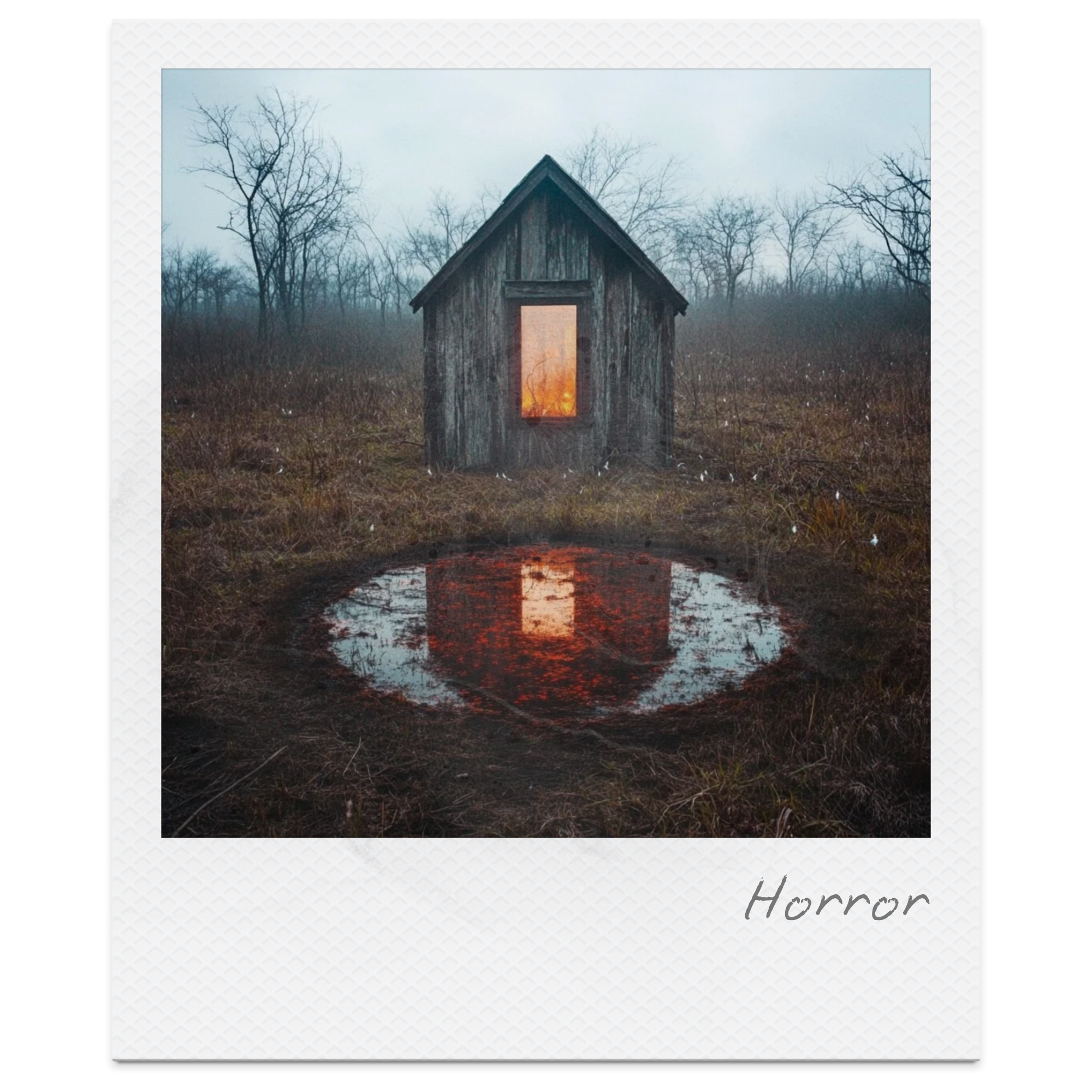
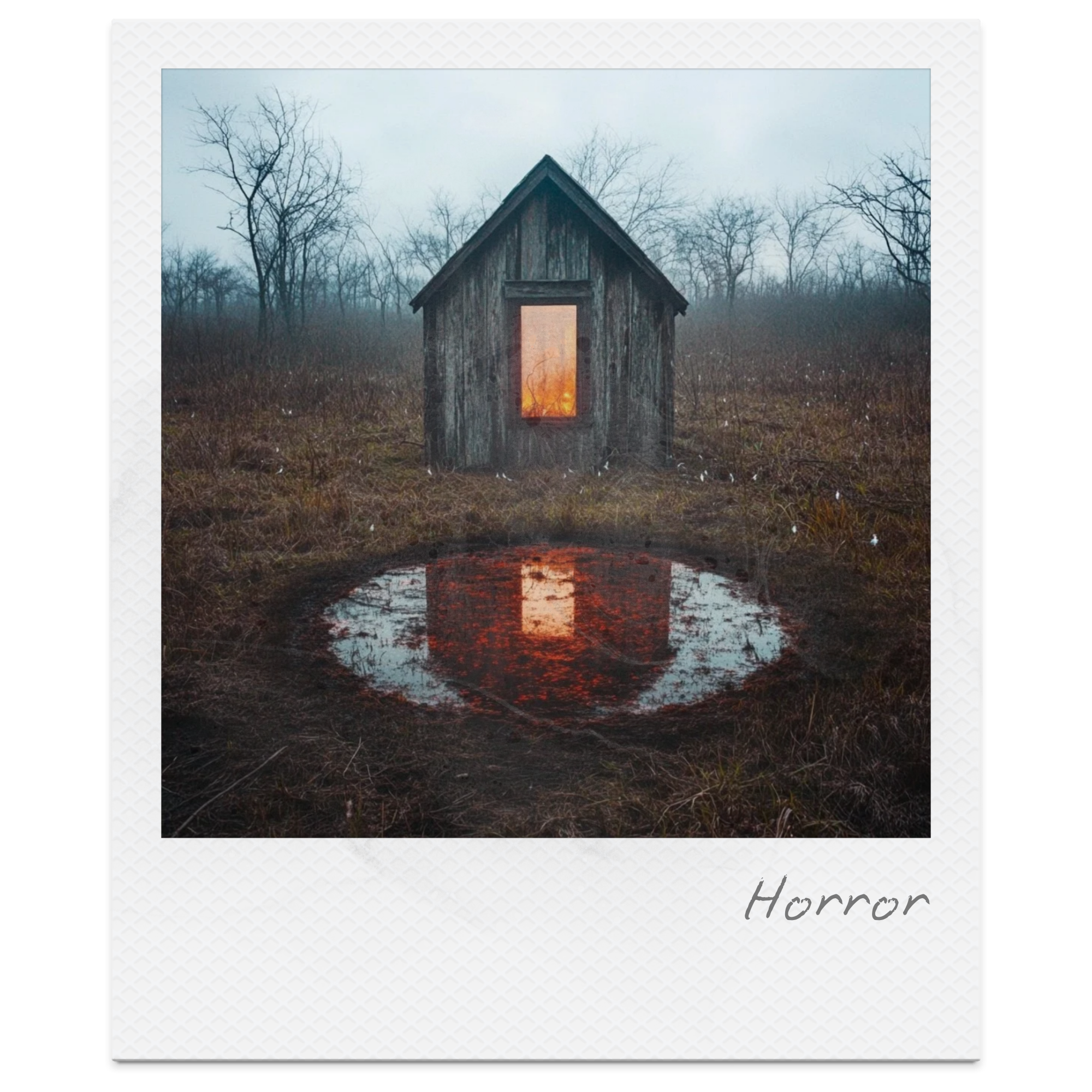
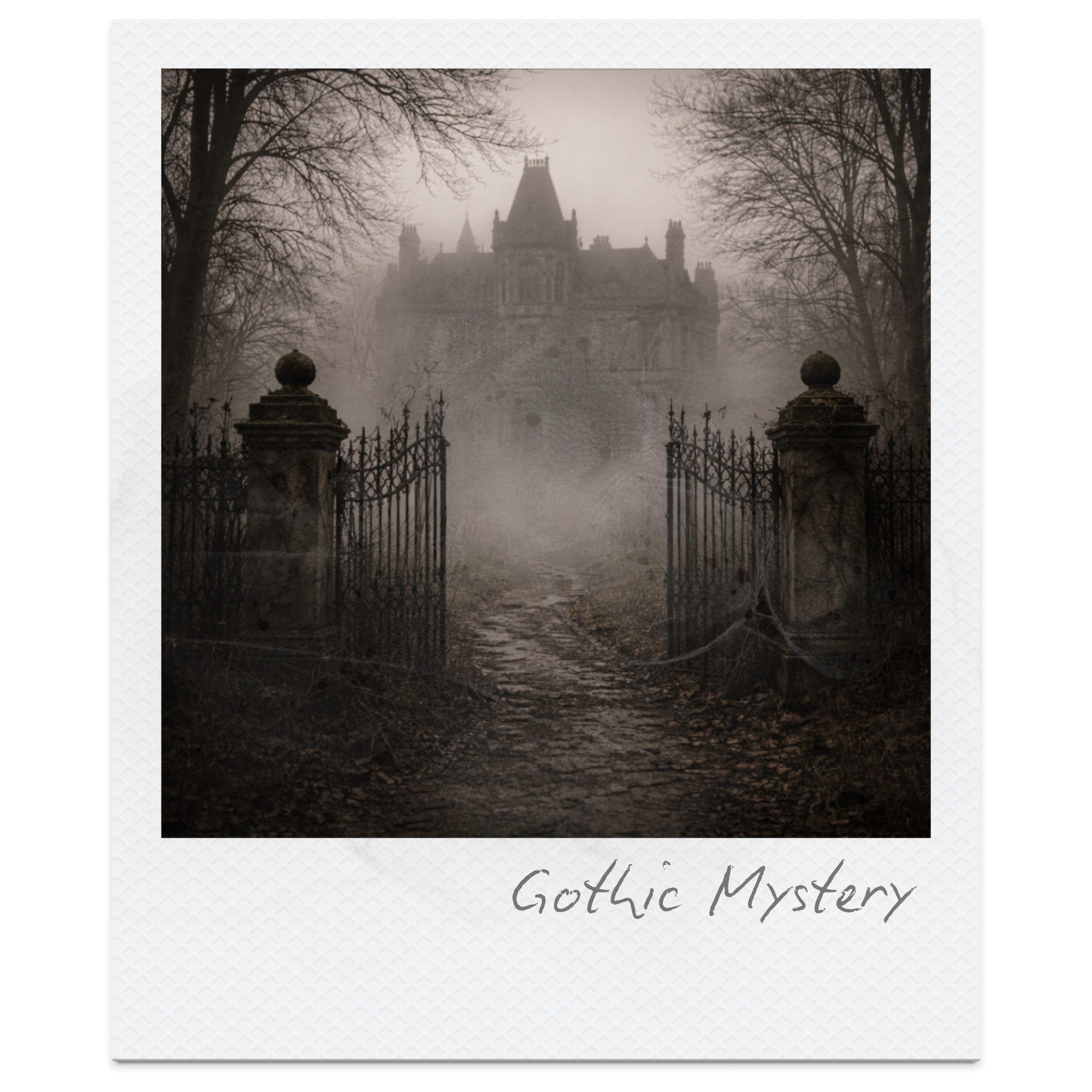
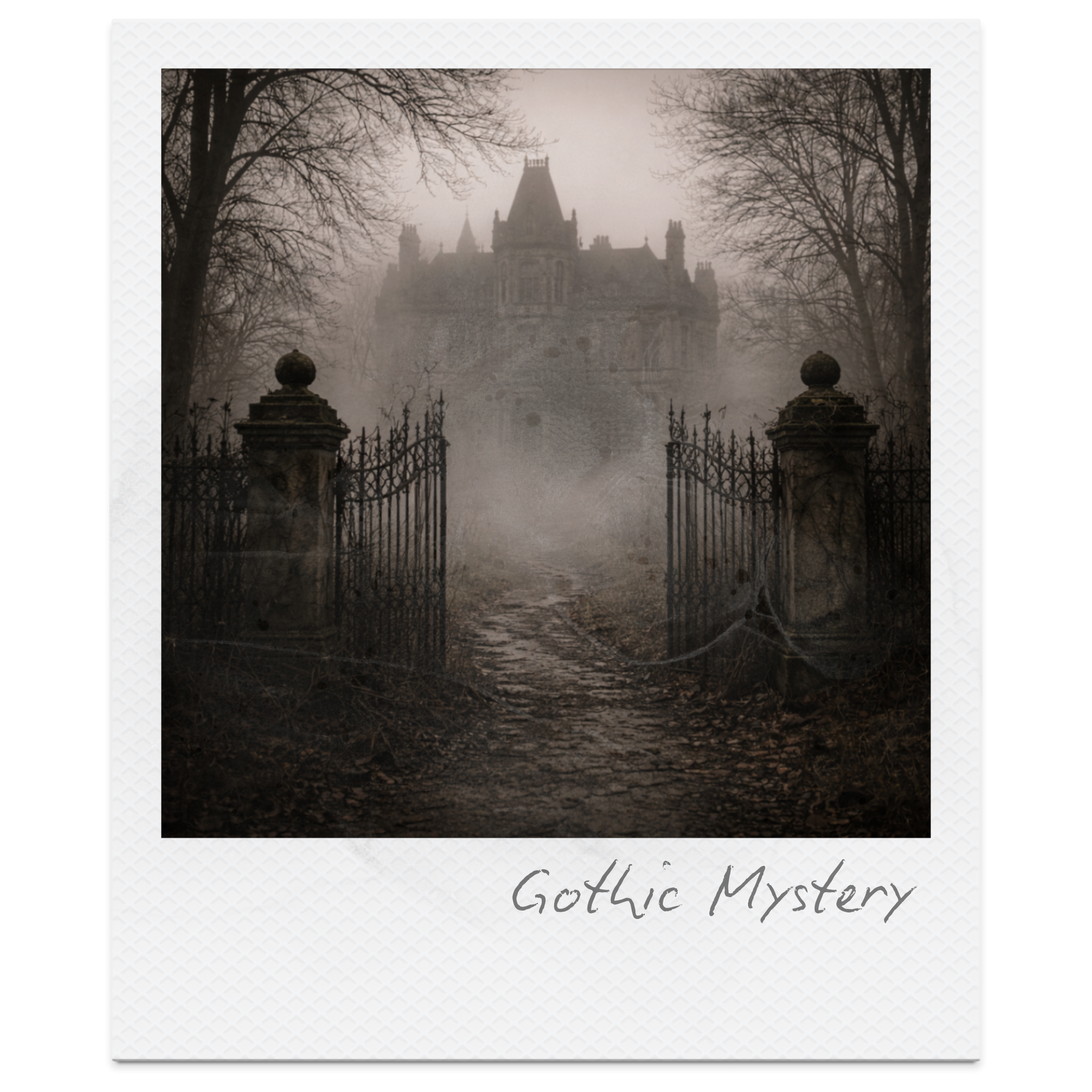
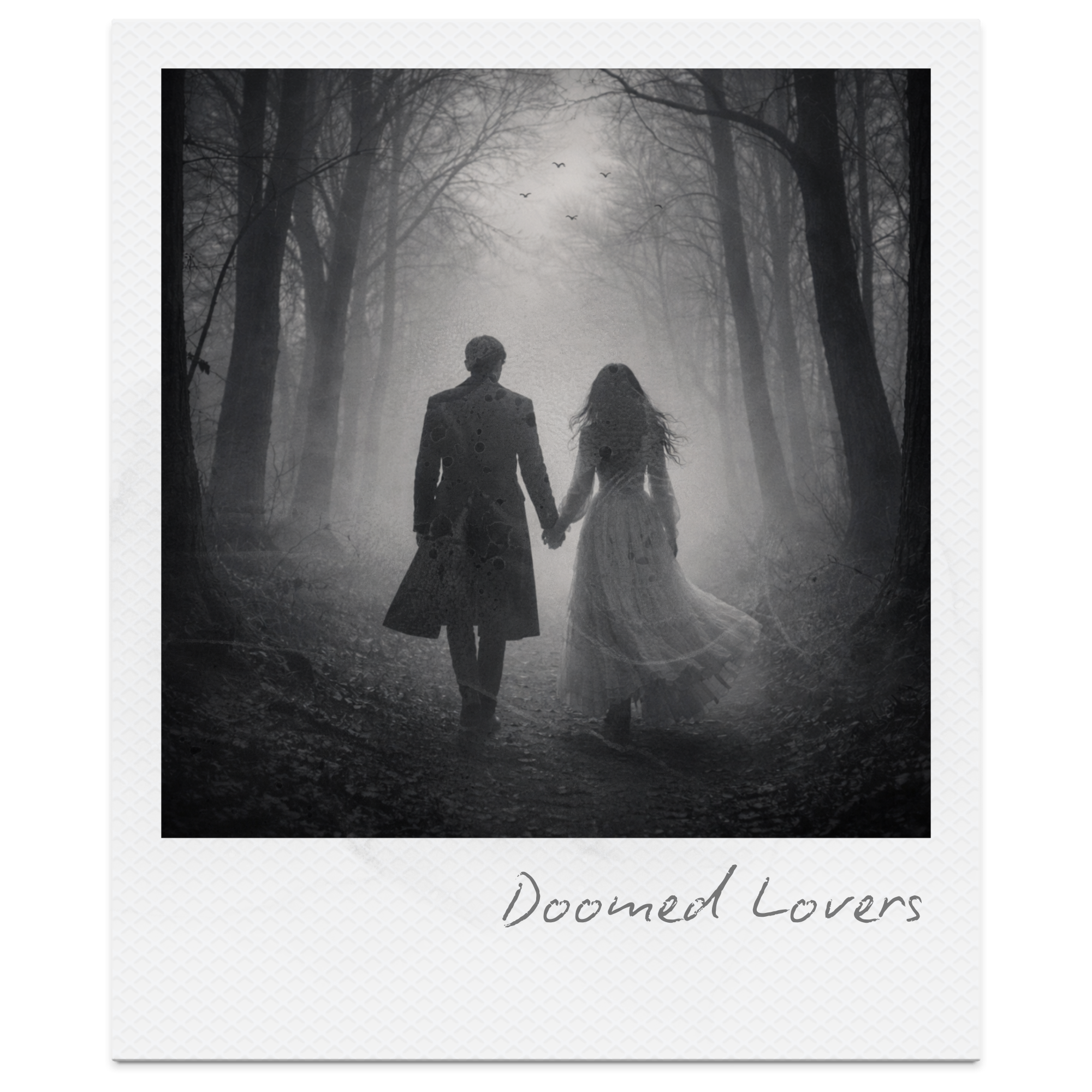
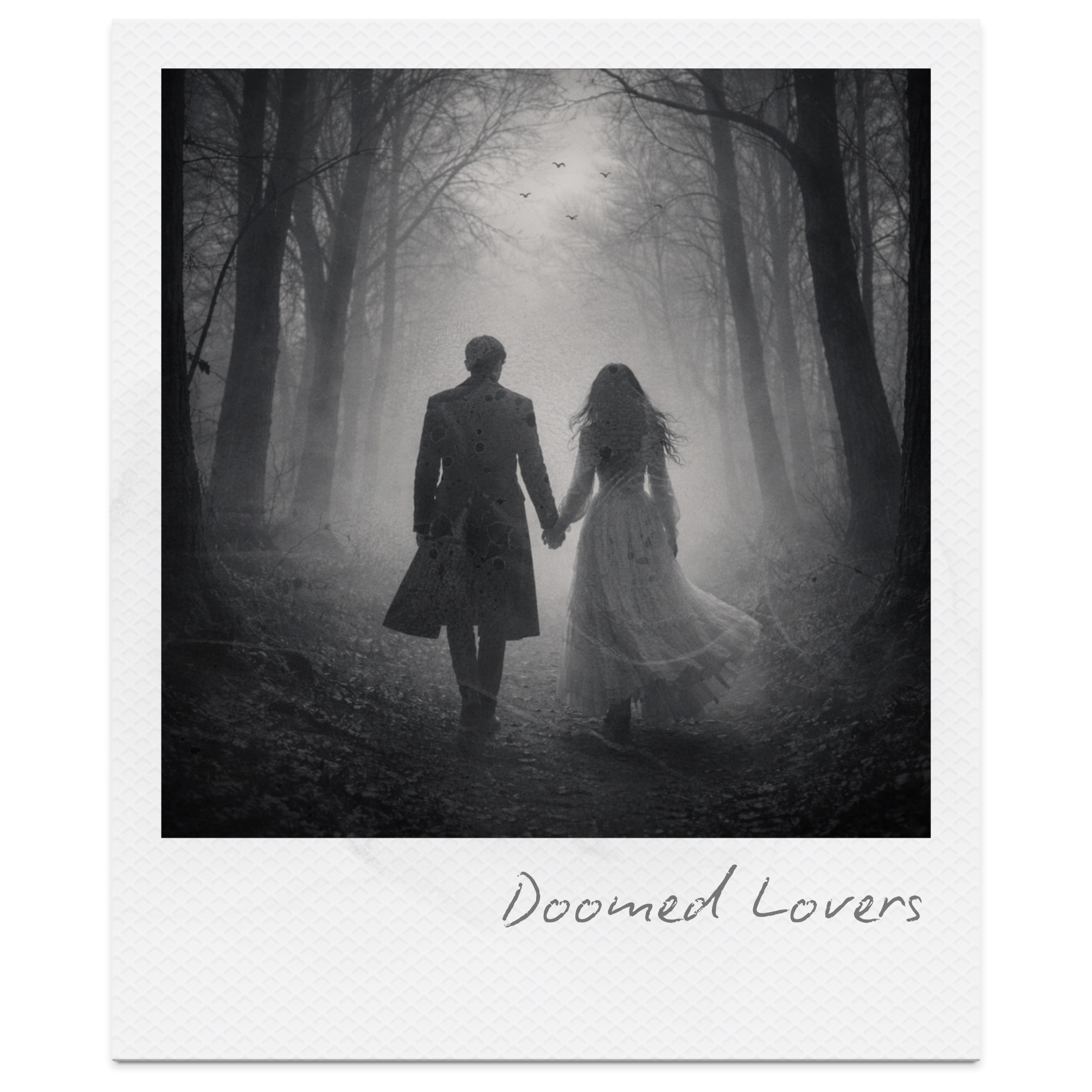
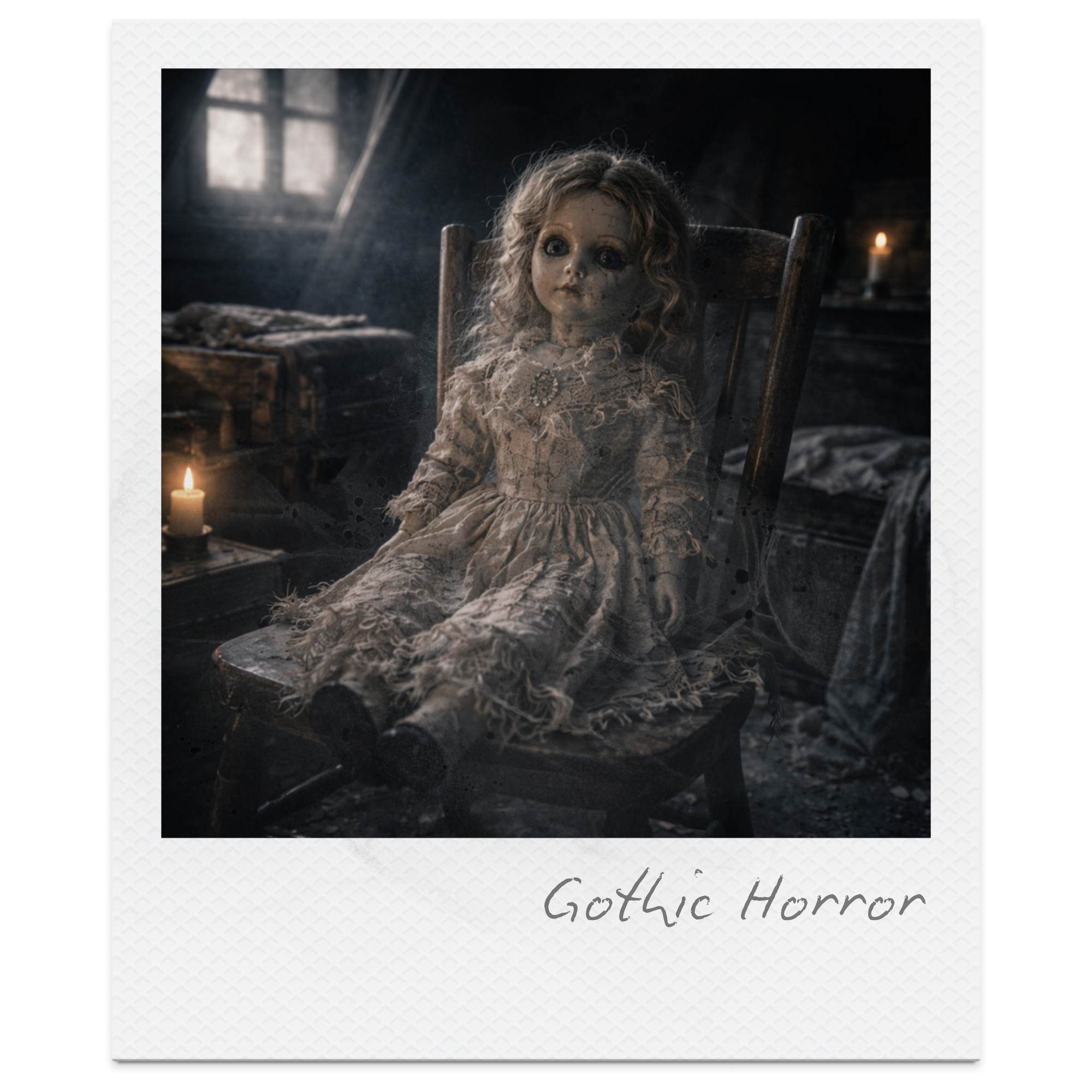
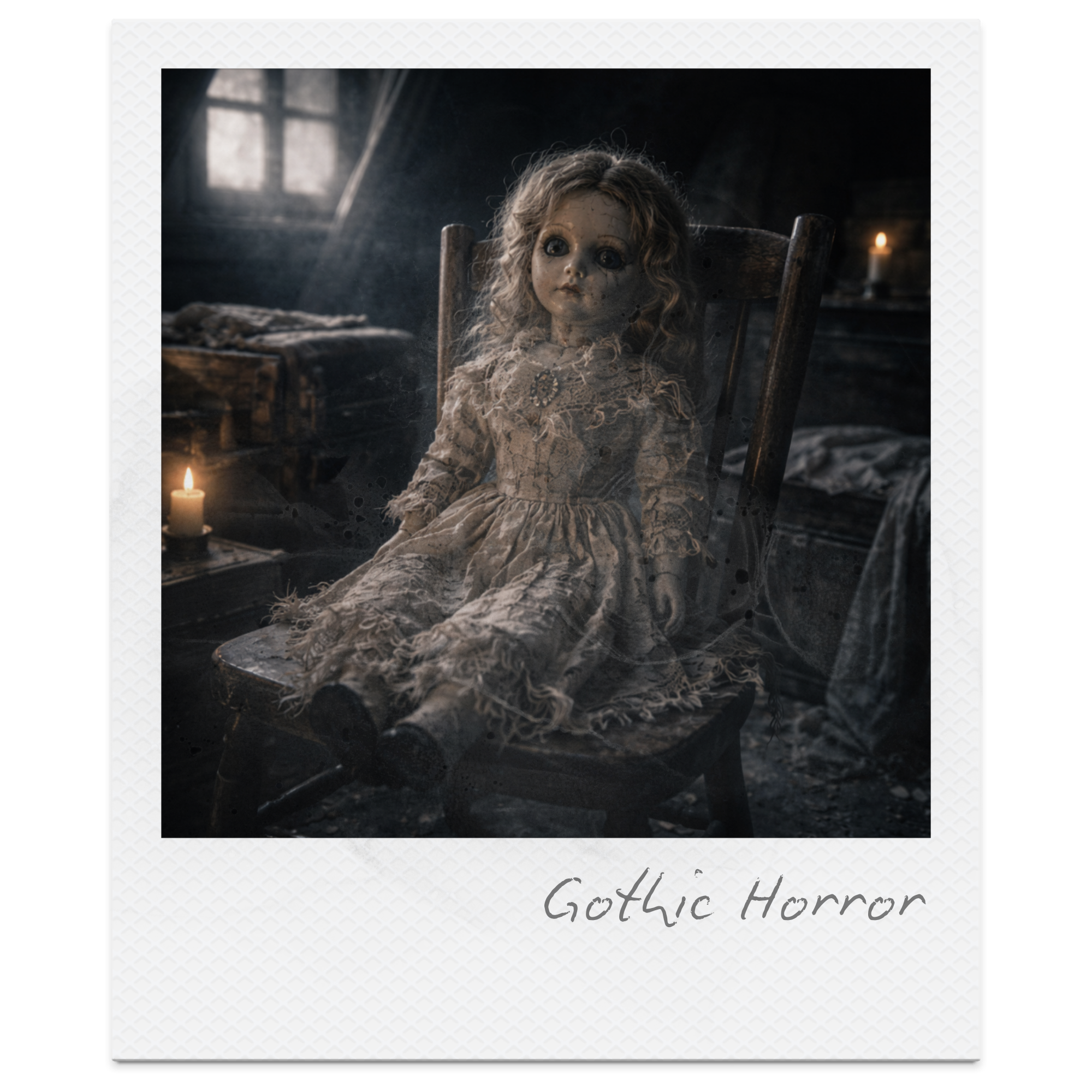
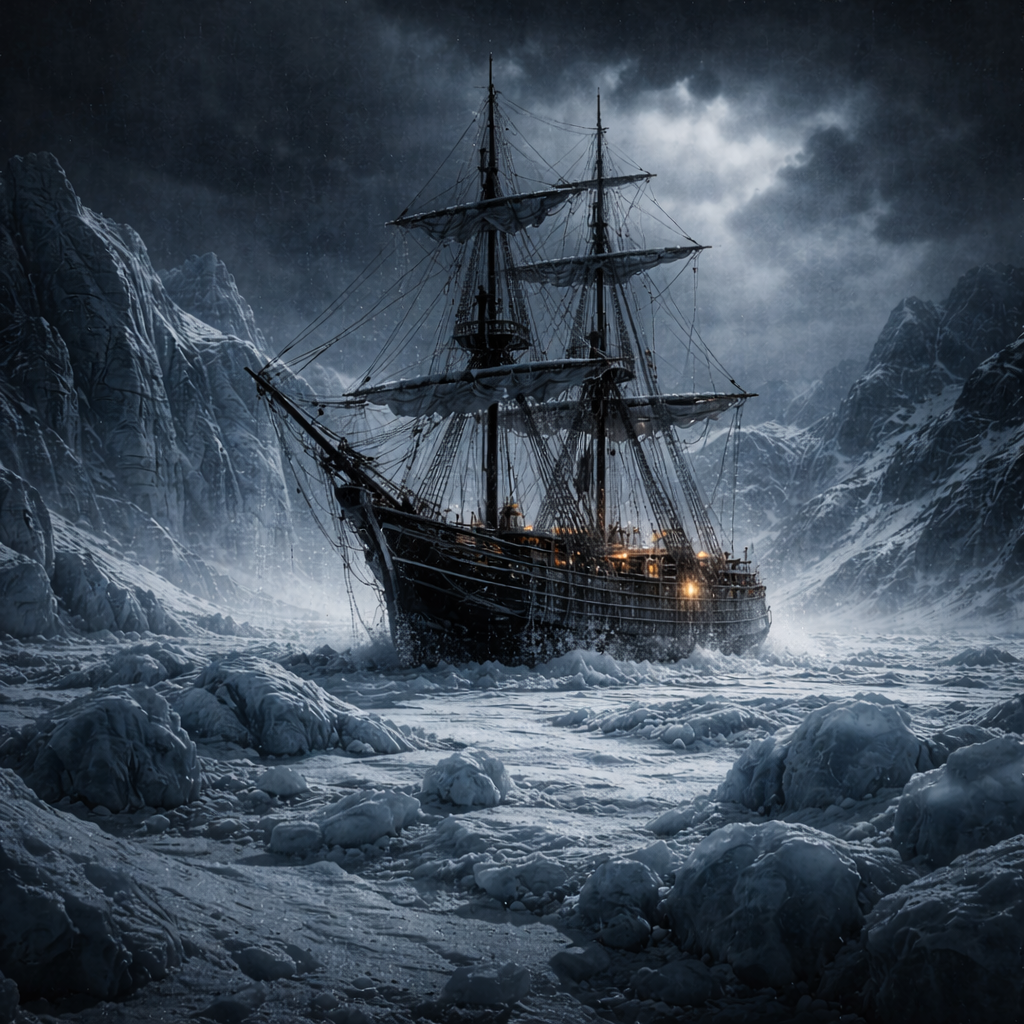
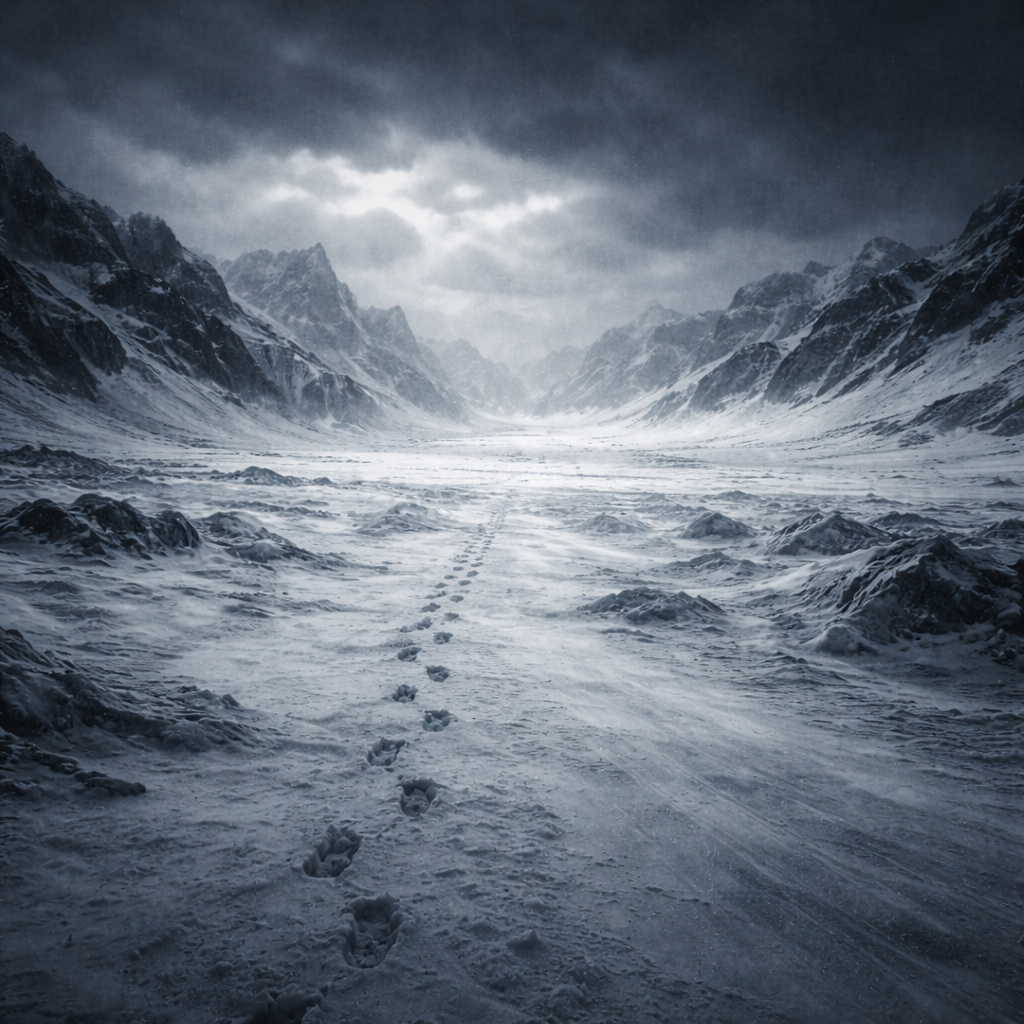
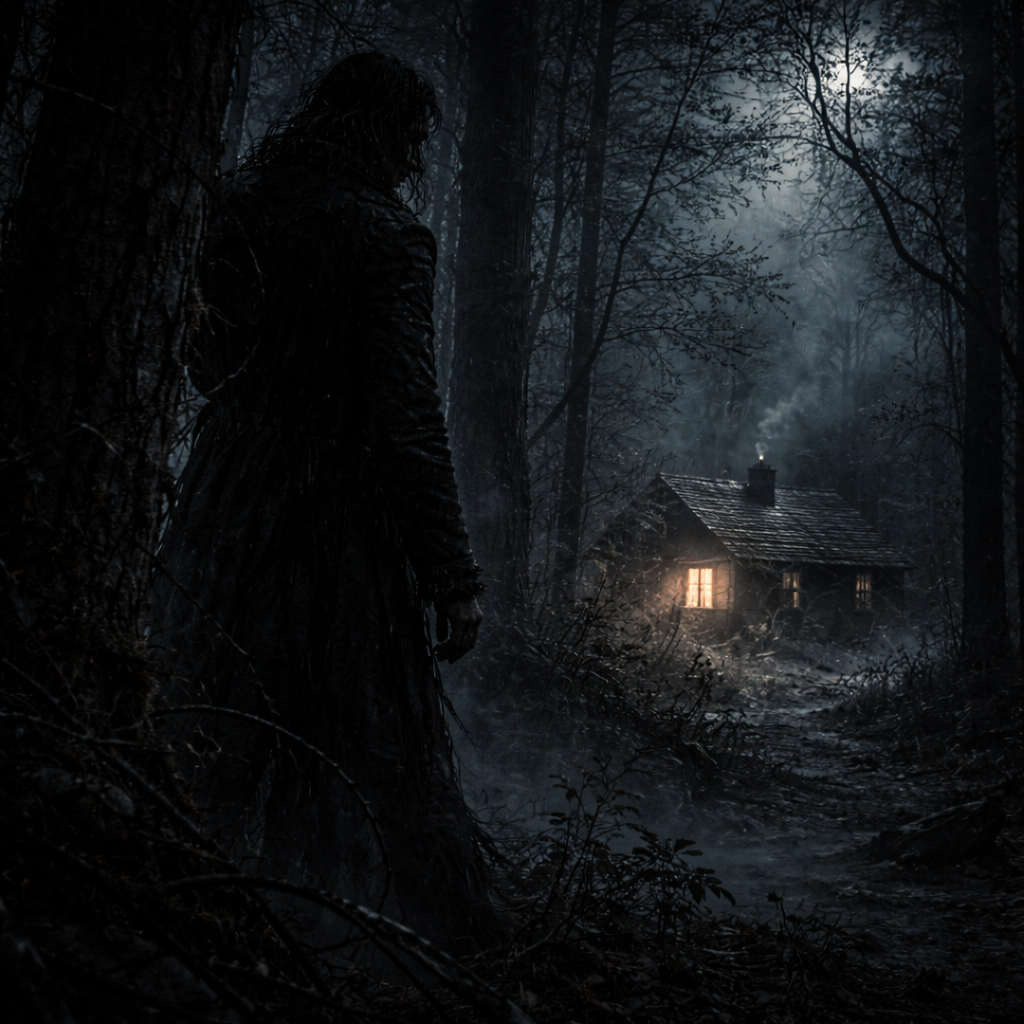
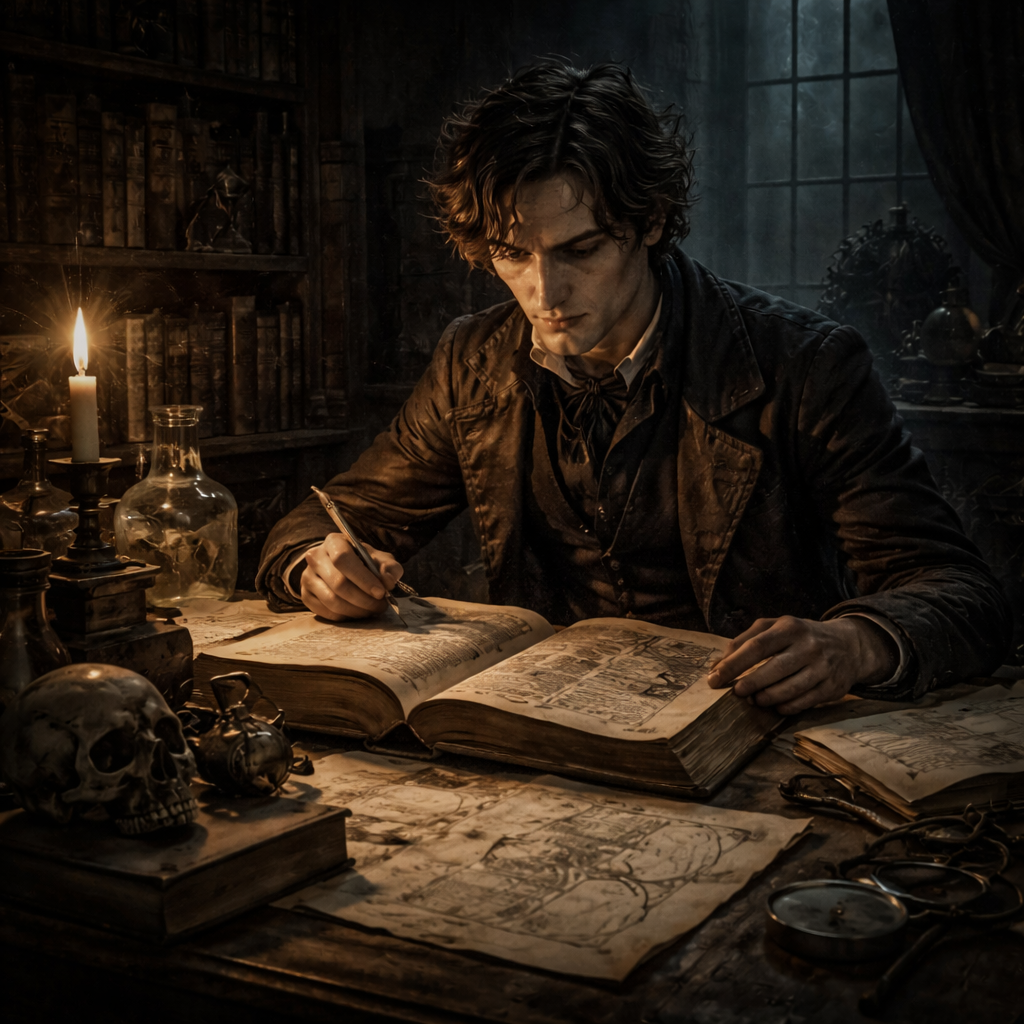
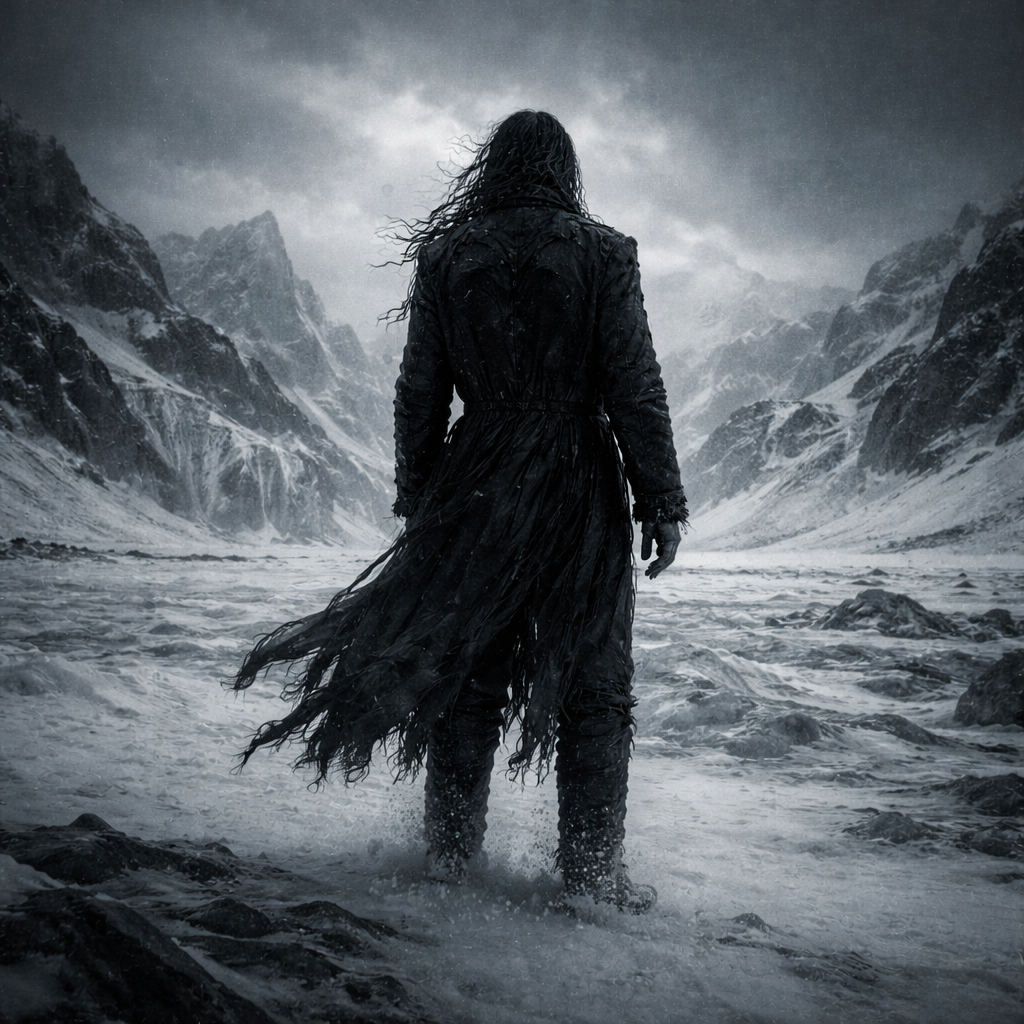
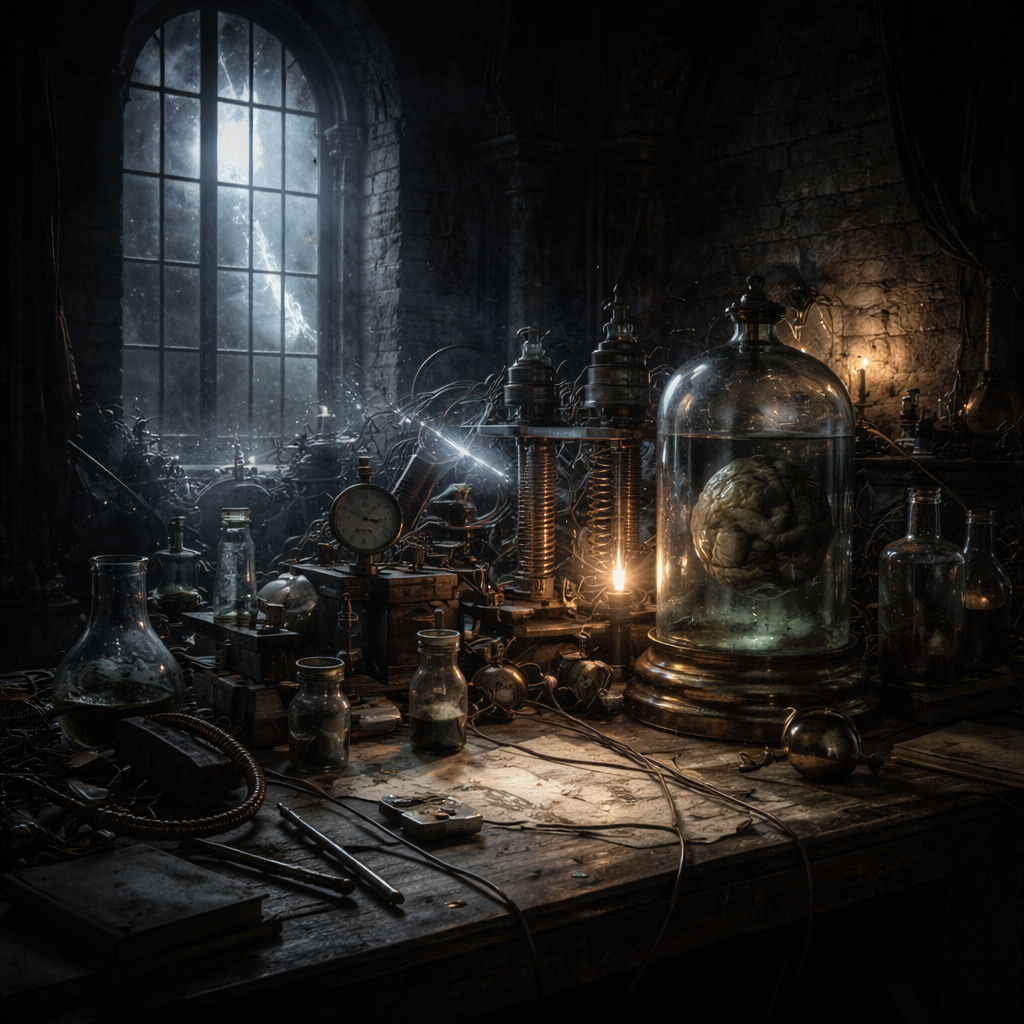
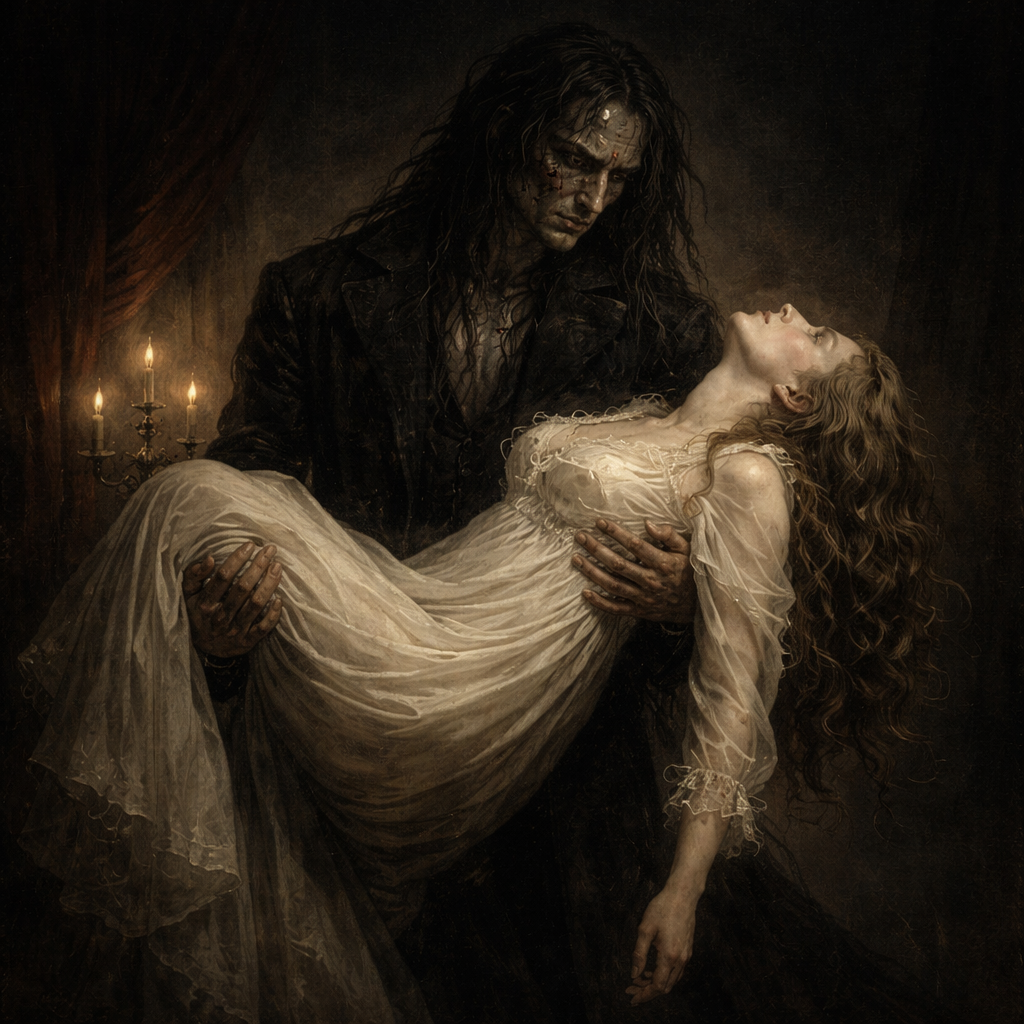
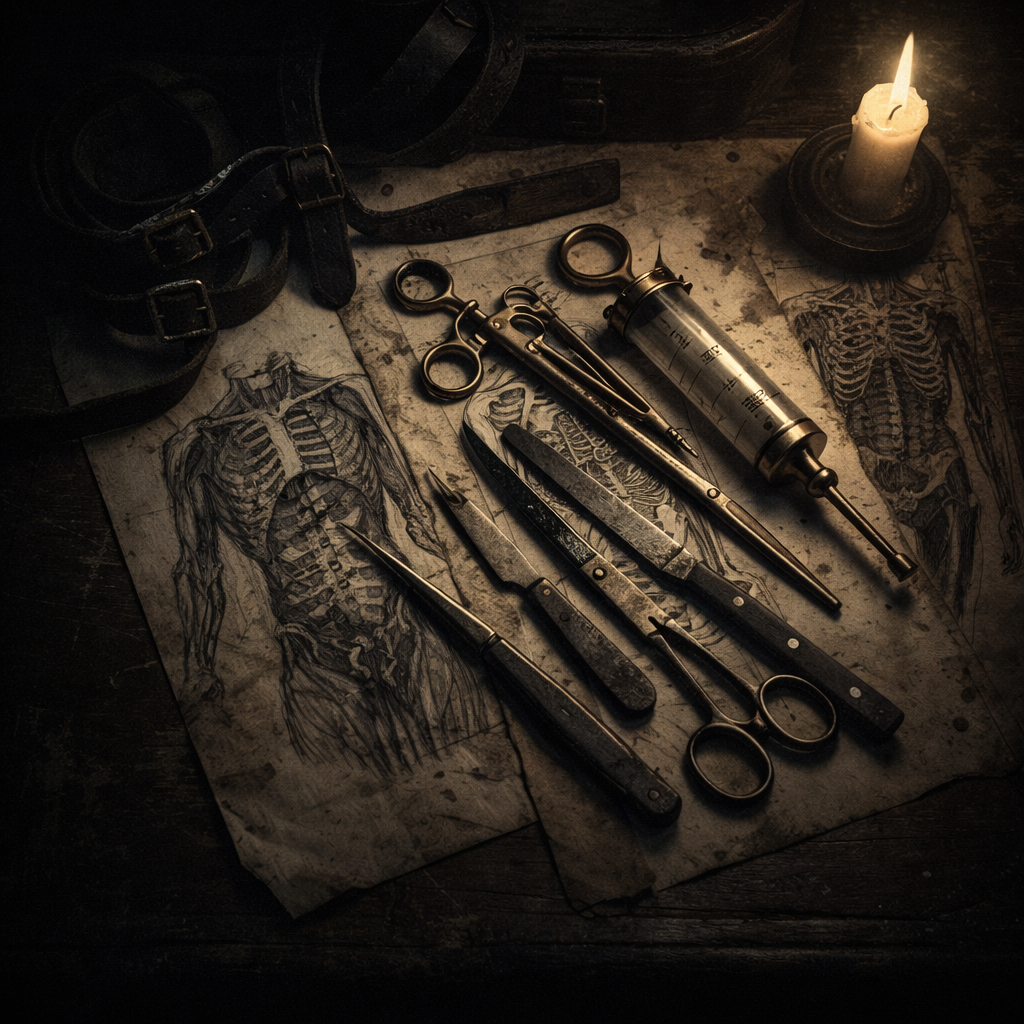
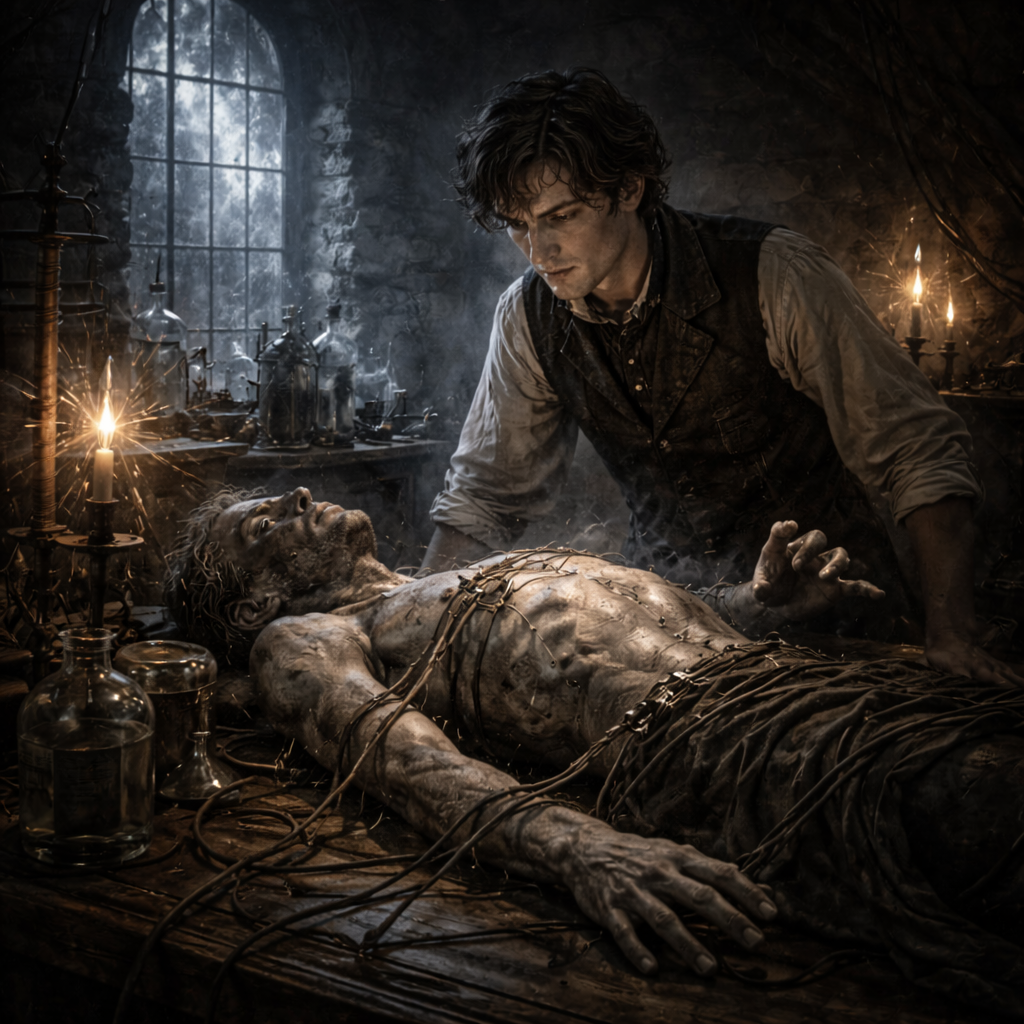
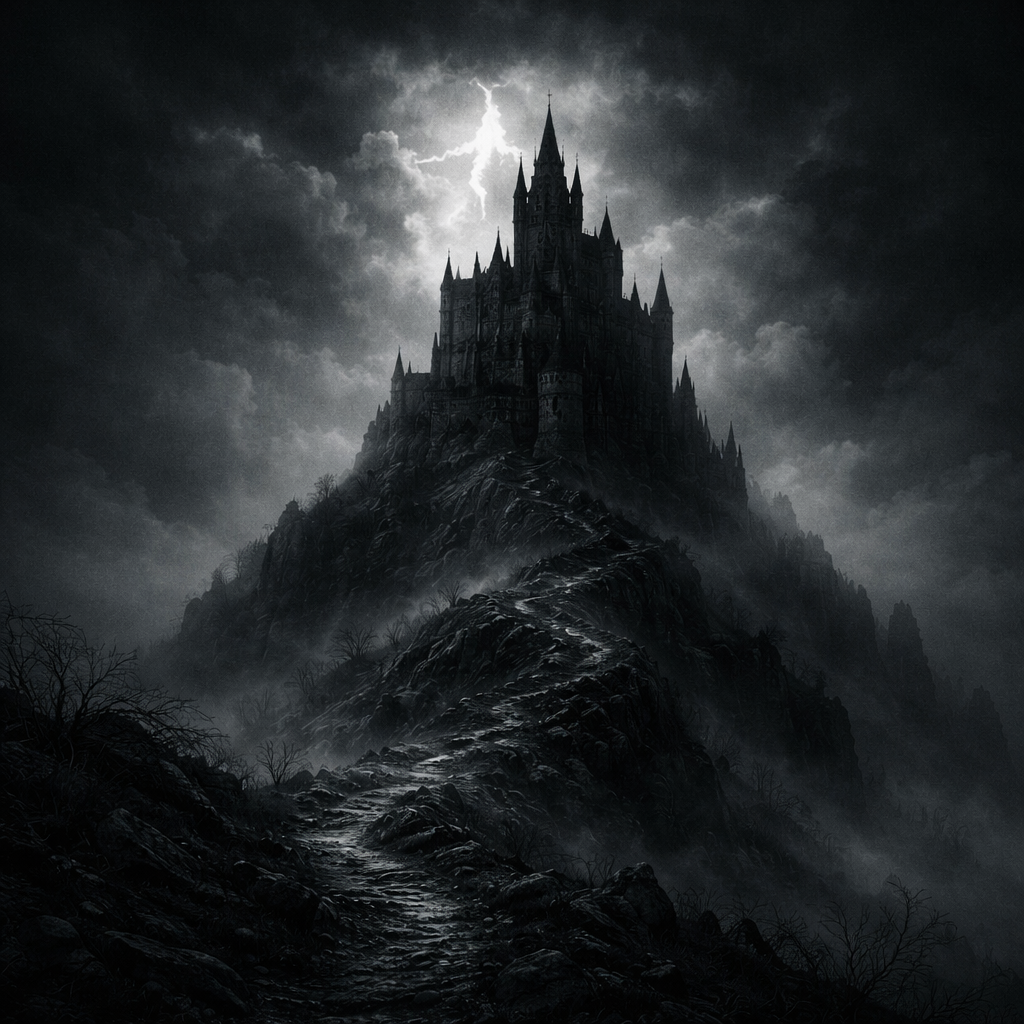
7. Picture Prompts
Visual prompts help writers imagine the atmosphere and tension of gothic storytelling.
Go Deeper into Frankenstein-Inspired Writing
If you want these prompts to feel more connected to the themes of the novel, it helps to focus on the deeper ideas that drive Mary Shelley’s story.
◆ Explore the consequences of ambition. Characters in Frankenstein often pursue knowledge without considering what will happen afterwards.
◆ Think about responsibility. If someone creates something powerful, who is responsible for the results?
◆ Use isolation as a storytelling tool. Remote landscapes, laboratories and lonely environments create strong gothic atmosphere.
◆ Consider writing from multiple perspectives. A story might include the creator, the creation and the people affected by the experiment.
◆ Explore the emotional side of scientific discovery. Curiosity, pride, fear and regret can all shape the narrative.
◆ Allow the experiment or discovery to reveal deeper moral questions rather than simply creating a monster.
◆ Use nature and landscape symbolically, especially storms, mountains and frozen environments.
◆ Write a journal entry from the perspective of the scientist explaining their motivation.
◆ Then rewrite the same event from the perspective of the creation experiencing the world for the first time.
◆ Consider how the story might end if the creator and creation meet again years later.
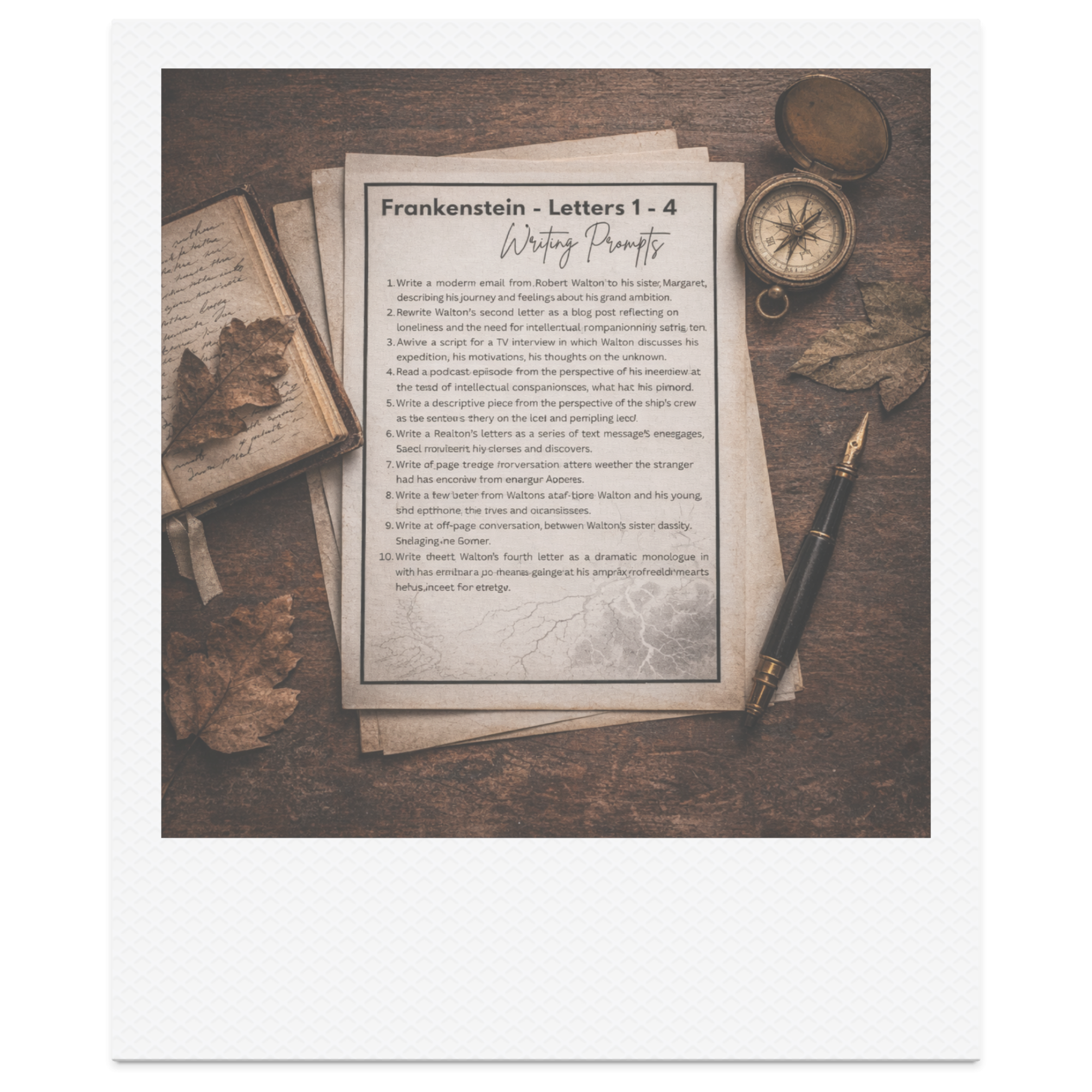
If you are teaching Frankenstein in the classroom, you may also be interested in the Frankenstein Creative Writing Prompts Bundle, a comprehensive resource designed to accompany the entire novel. The bundle includes 26 chapters of creative writing prompts, with 10 prompts for each chapter, allowing students to respond directly to key events, character developments and major themes as they move through the text. Students explore the novel through diary entries, letters, monologues, speeches, alternate perspectives and newspaper reports, helping them connect more deeply with Shelley’s exploration of ambition, responsibility, isolation and the consequences of scientific discovery. These prompts are designed to be flexible and classroom-friendly, making them ideal for bell ringers, warm-ups, homework, discussion starters or full writing tasks. Because the prompts follow the structure of the novel chapter by chapter, they provide a ready-to-use, time-saving resource that supports both creative engagement and literary analysis while encouraging students to think critically about the moral questions at the heart of the story.
Final Thoughts
Frankenstein remains powerful because it asks questions that still feel relevant today. The novel is not only about creating life, but about the consequences of ambition, the loneliness of rejection and the ethical boundaries of knowledge.
These prompts encourage writers to explore similar themes through their own stories, whether they focus on scientific discovery, moral responsibility or the unsettling consequences of creating something that cannot be controlled.
If you’d like more dark and atmospheric story ideas, explorethe Sci-Fi Writing Hub, the Gothic Writing Hub or the Horror Writing Hub, for additional prompts inspired by gothic literature and darker themes, or browse the Creative Writing Archive to discover hundreds of prompts organised by genre, theme and storytelling style.
You can also explore our Literature-Inspired Creative Writing Prompts Hub to discover more creative prompts based on classic novels, poems and short stories.
Choose Your Next Adventure