Notes from the Inkpot
Writing, teaching, creating - one ink-stained idea at a time.


100 YA Gothic Story Ideas for Your Next Dark and Atmospheric Story
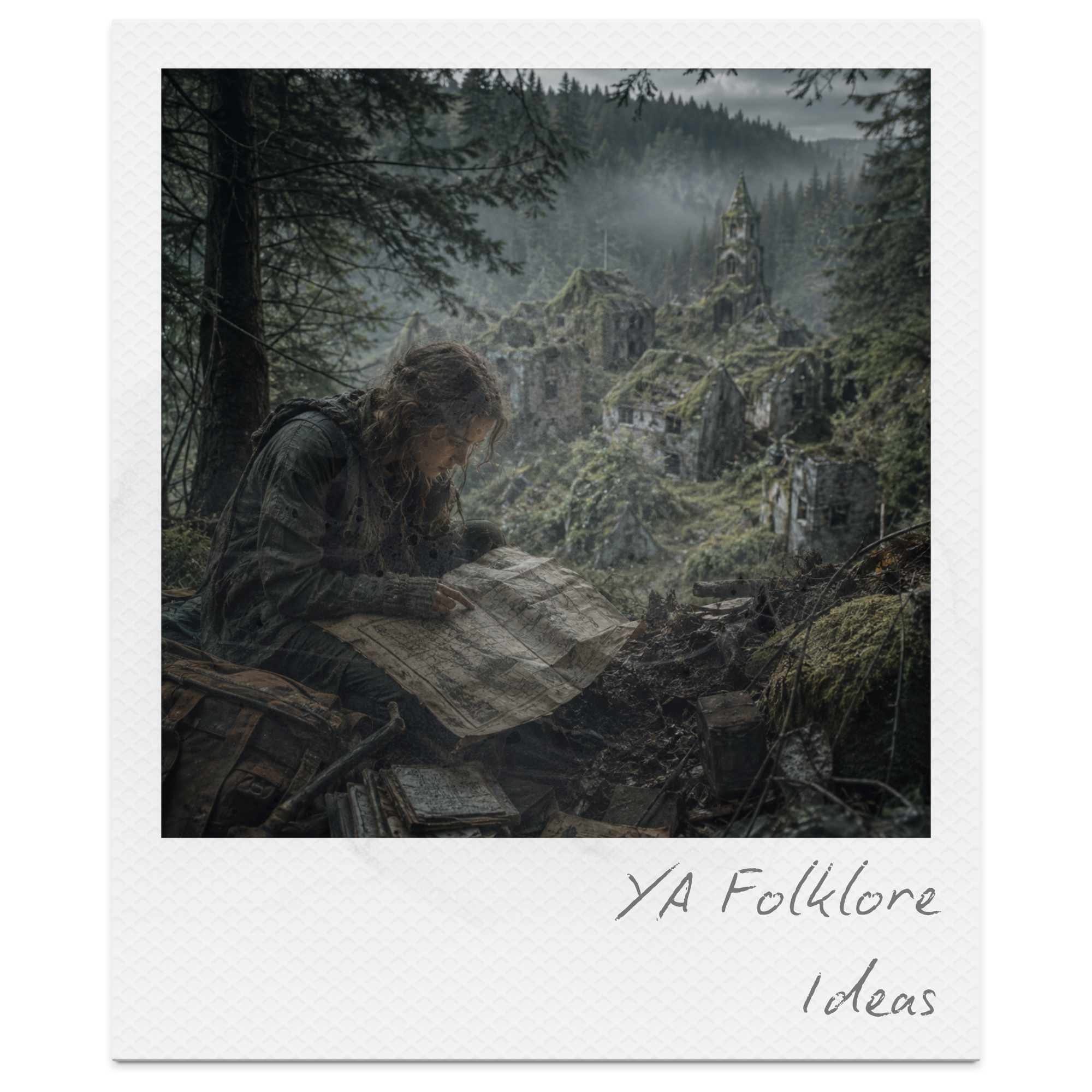
Explore 100 YA Gothic Story Ideas filled with haunted houses, sinister family secrets, isolated schools, restless ghosts, dangerous romances and mysteries that refuse to stay buried. From storm-battered islands and decaying estates to modern hauntings, psychological unease and generational curses, discover dark and atmospheric premises ready to inspire Gothic fantasy, mystery, horror, romance and paranormal YA stories.
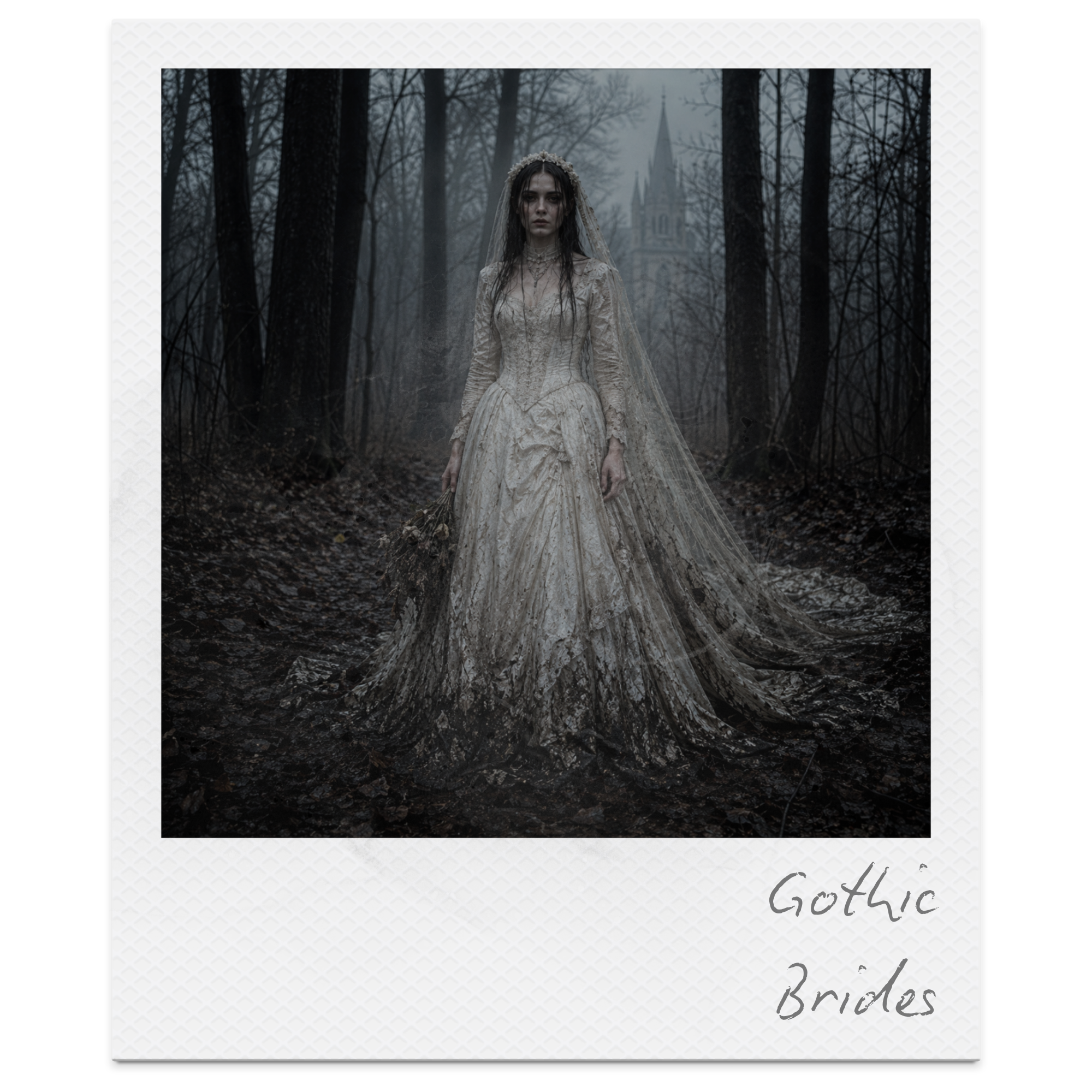
70 Gothic Bride Writing Prompts: Cursed Brides, Dark Romance & Secrets
Explore 70 Gothic Bride Writing Prompts filled with cursed marriages, spectral brides, forbidden romance, ancestral secrets and unsettling wedding traditions. Discover plot ideas, story titles, opening and closing lines, characters, atmospheric settings and picture prompts for haunting Gothic stories.
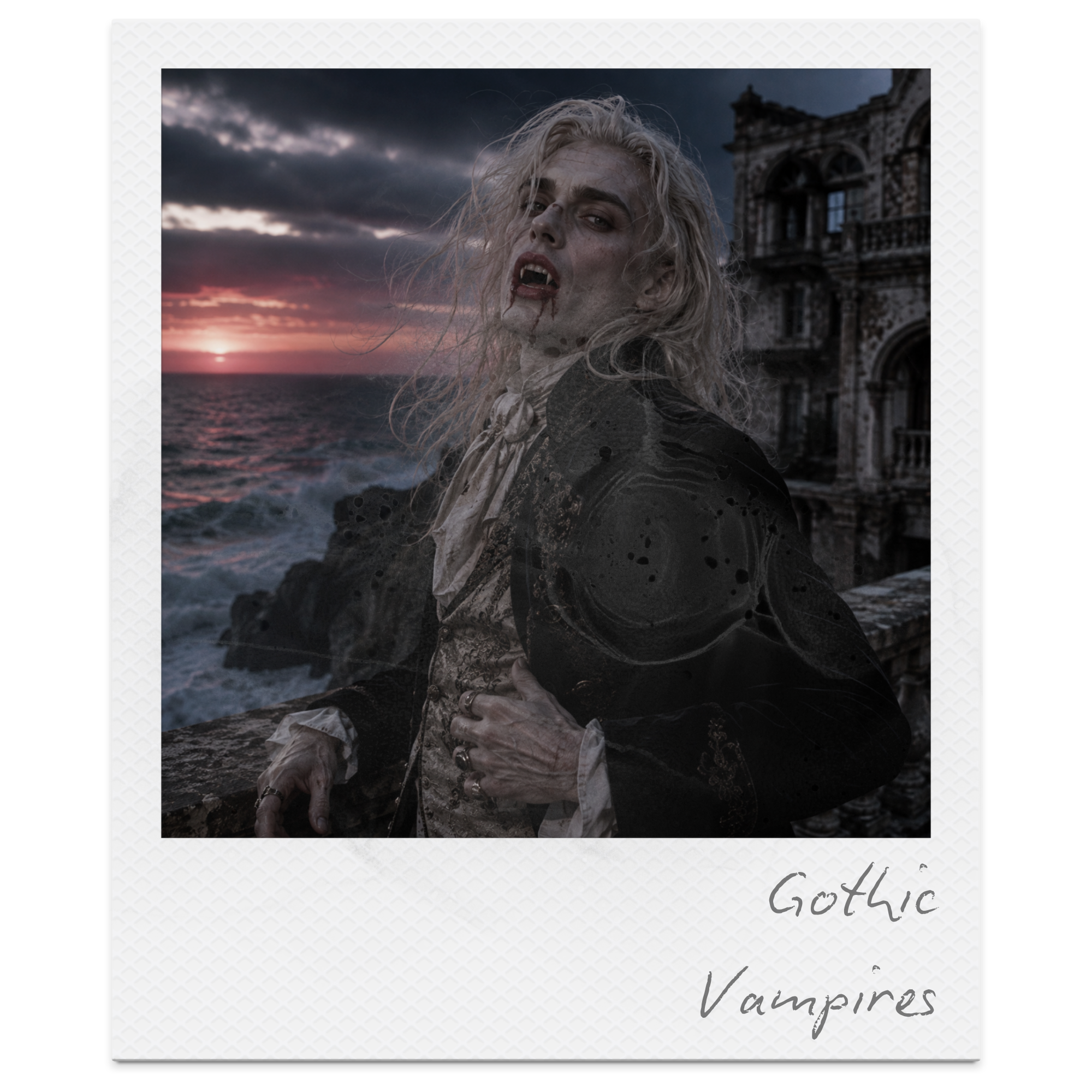
70 Gothic Vampire Writing Prompts: Dark Romance, Blood & Immortality
Explore 70 Gothic Vampire Writing Prompts filled with ancient bloodlines, forbidden desire, crumbling estates, immortal secrets and things that refuse to stay buried. Discover plot ideas, story titles, opening and closing lines, characters, atmospheric settings and picture prompts for dark, haunting vampire stories.
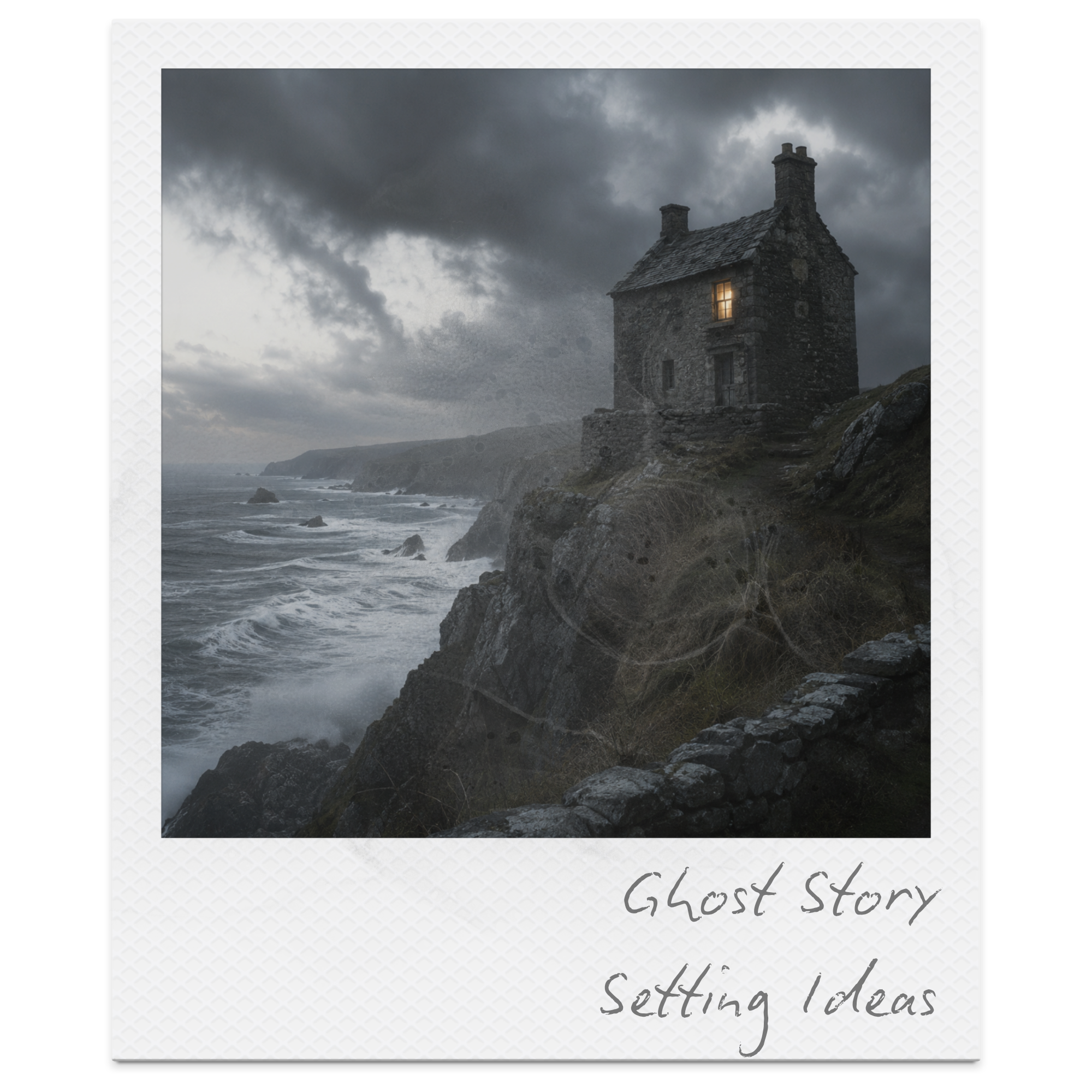
100 Ghost Story Settings to Inspire Your Next Paranormal Tale
Discover 100 ghost story settings to inspire your next paranormal tale, from haunted manors and abandoned asylums to forgotten lighthouses, eerie villages and mysterious liminal spaces. Each atmospheric location includes a detailed description and three ghost story ideas to help writers create unforgettable supernatural fiction.
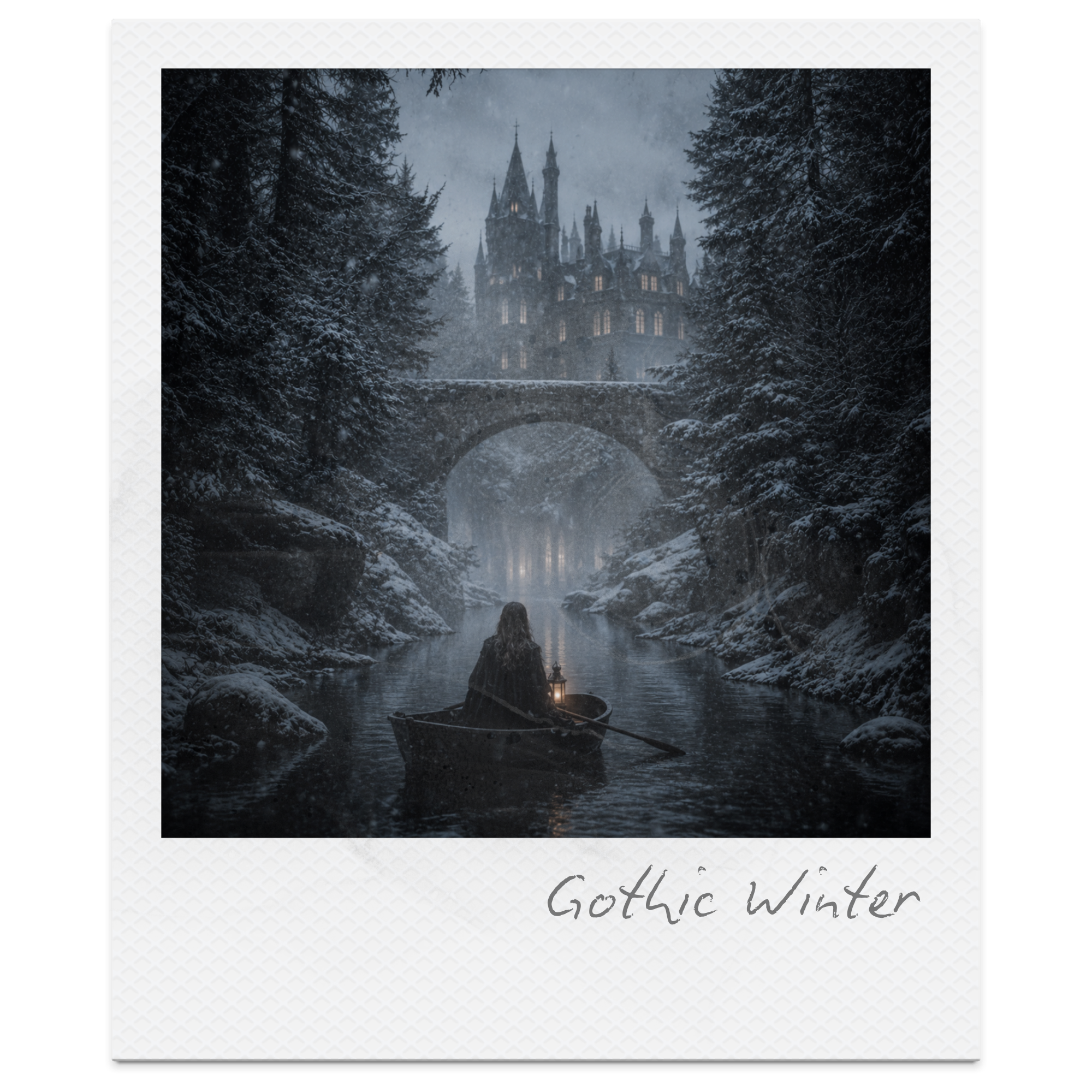
70 Gothic Winter Writing Prompts: Snow, Ice, Frozen Landscapes & Haunted Secrets
Step into the haunting beauty of winter with 70 Gothic Winter Writing Prompts inspired by snowbound manor houses, frozen forests, abandoned villages, ancient monasteries, ghostly legends, and long-buried secrets beneath the ice. Featuring plot prompts, title ideas, opening and closing lines, characters, settings, and atmospheric picture prompts, this collection is perfect for writers of gothic horror, historical fiction, supernatural mystery, dark fantasy, and beautifully eerie winter stories.
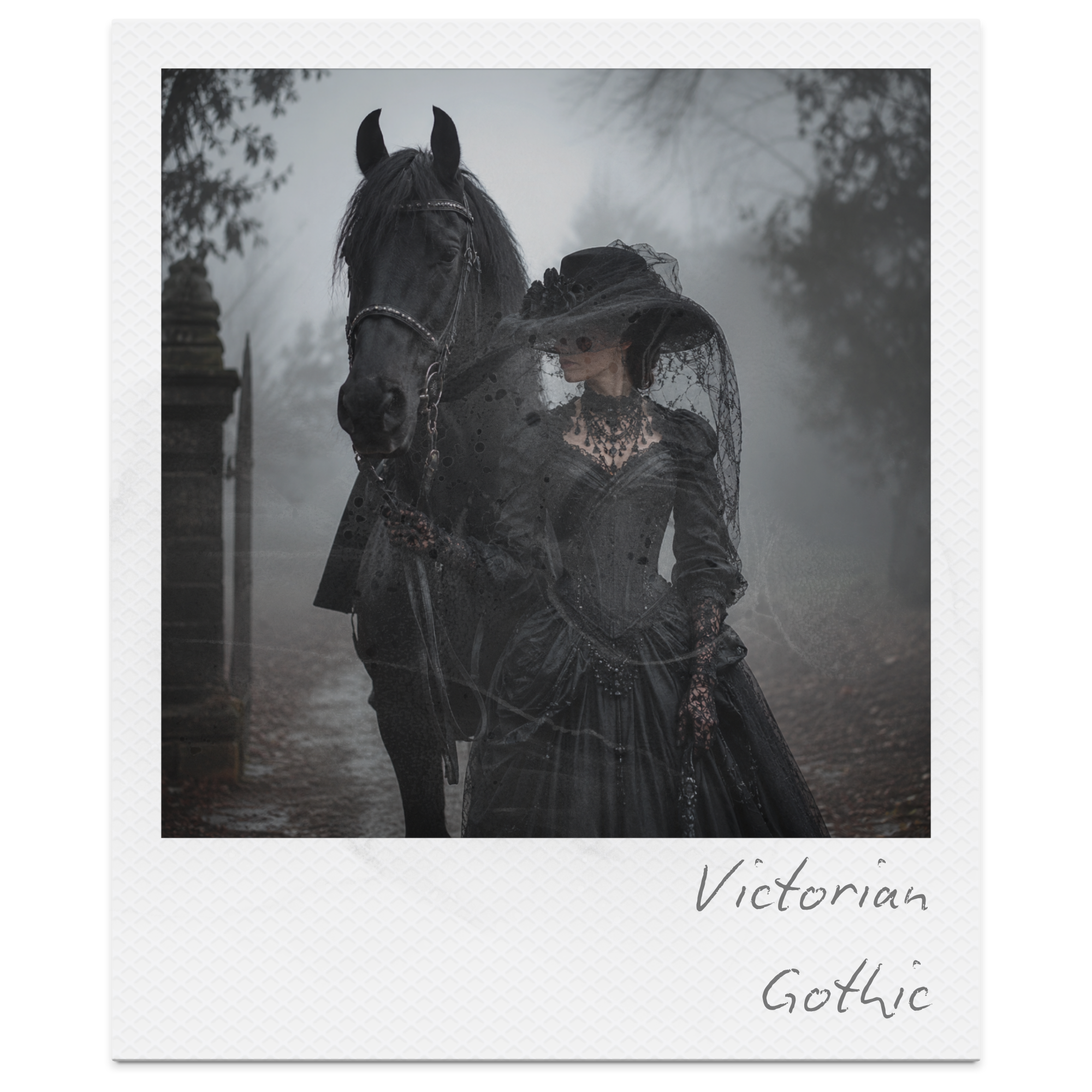
70 Victorian Gothic Writing Prompts: Haunted Manors, Hidden Secrets & Victorian Mysteries
Step into the shadowed world of 70 Victorian Gothic Writing Prompts, inspired by haunted manor houses, fog-filled London streets, forgotten diaries, spiritualist séances, abandoned asylums, family curses, and hidden passages. Featuring plot prompts, title ideas, opening and closing lines, character ideas, settings, and atmospheric picture prompts, this collection is perfect for writers of gothic fiction, historical fiction, mystery, dark romance, and supernatural stories where every secret has the power to haunt generations.
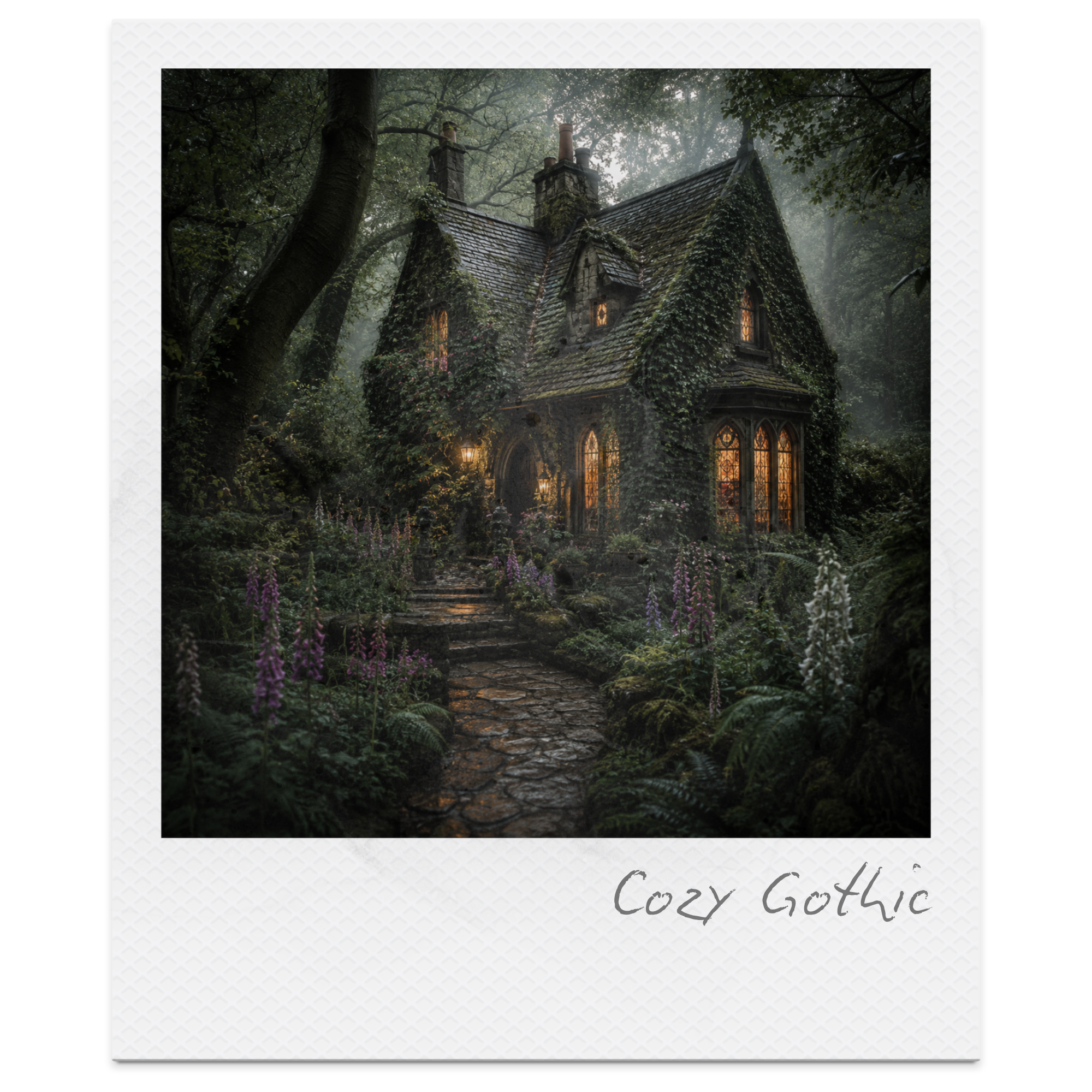
70 Cozy Gothic Writing Prompts: Candlelit Cottages, Haunted Bookshops & Gentle Ghost Stories
Discover the gentler side of Gothic fiction with 70 Cozy Gothic Writing Prompts inspired by candlelit cottages, haunted bookshops, forgotten gardens, hidden libraries, quiet villages, antique treasures, and gentle ghost stories. Featuring plot prompts, title ideas, opening and closing lines, character ideas, settings, and atmospheric picture prompts, this collection is perfect for writers of gothic fiction, magical realism, mystery, fantasy, historical fiction, and beautifully comforting stories filled with warmth, wonder, and quiet mystery.
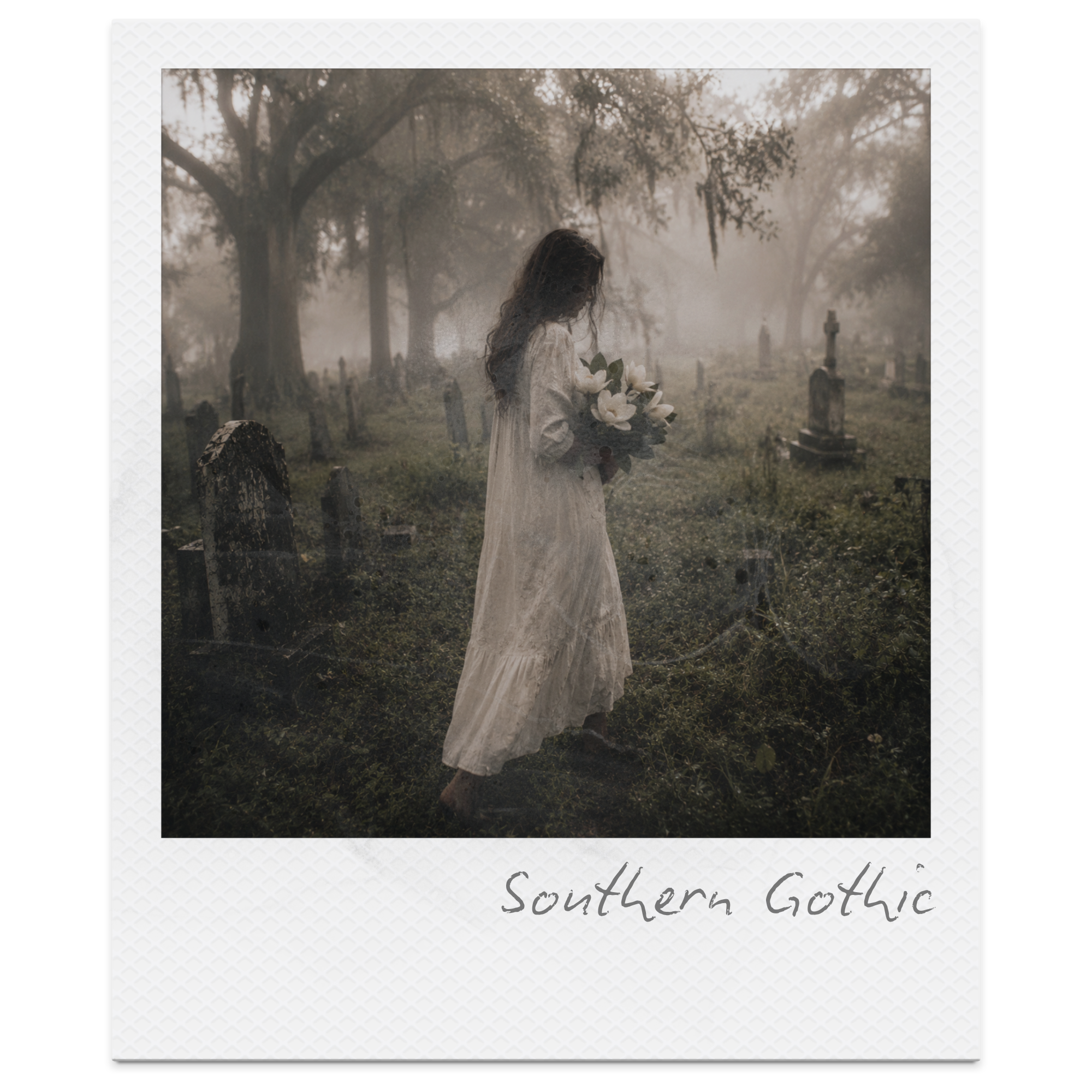
70 Southern Gothic Writing Prompts: Decaying Estates, Family Secrets & Small Town Mysteries
Explore the haunting beauty of the American South with 70 Southern Gothic Writing Prompts inspired by decaying plantation houses, moss-draped oak trees, abandoned churches, forgotten cemeteries, mysterious bayous, family secrets, and small-town legends. Featuring plot prompts, title ideas, opening and closing lines, characters, settings, and atmospheric picture prompts, this collection is perfect for writers of gothic horror, historical fiction, literary fiction, supernatural mystery, and stories where the past never truly stays buried
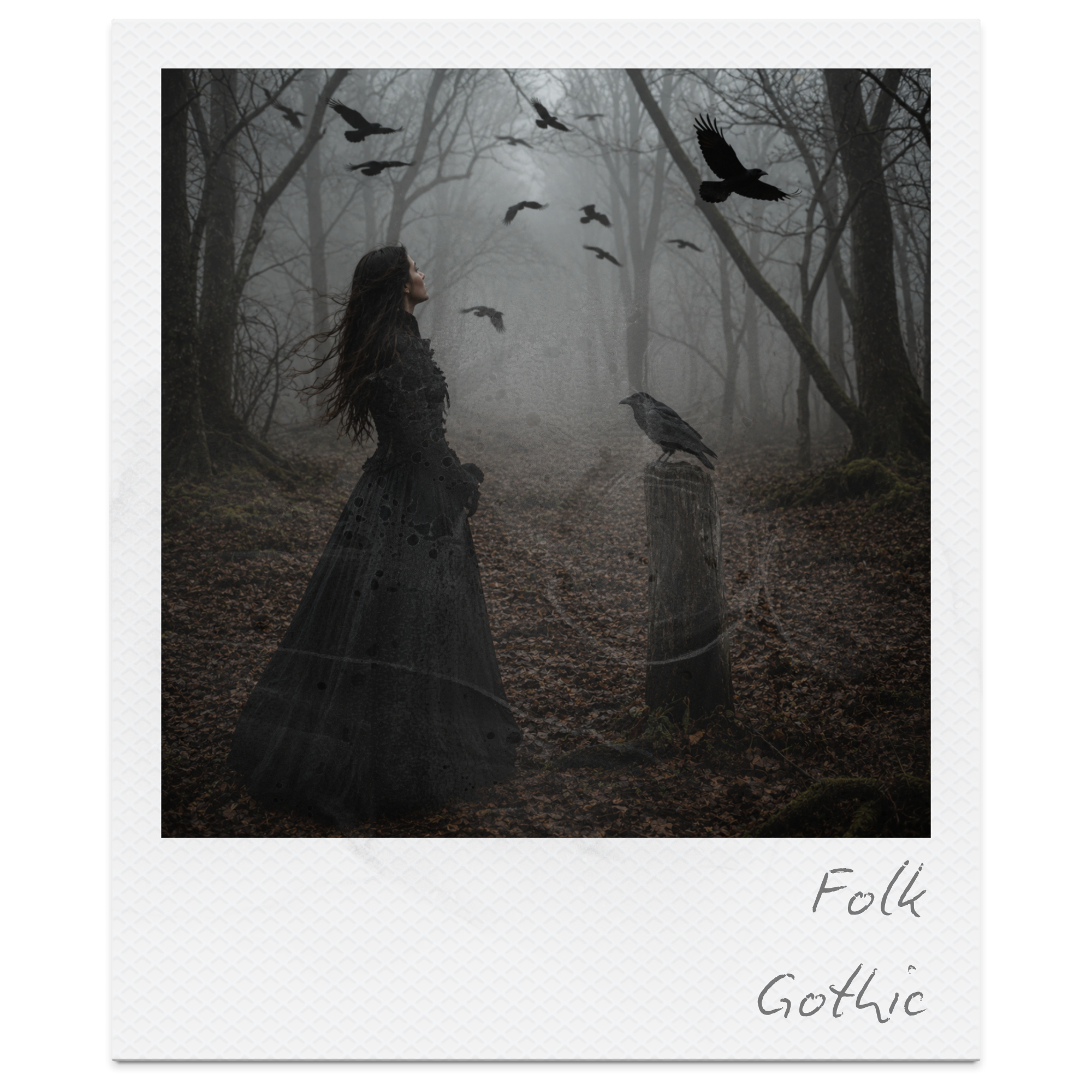
70 Folk Gothic Writing Prompts: Dark Folklore, Ancient Rituals & Rural Mysteries
Step into the haunting world of Folk Gothic with 70 atmospheric writing prompts inspired by forgotten villages, ancient woodlands, sacred shrines, harvest rituals, standing stones, rural folklore, and hidden traditions. Whether you're writing gothic horror, dark fantasy, historical fiction, or supernatural mystery, these plot ideas, characters, settings, opening lines, and visual prompts will help you create beautifully eerie stories where the landscape remembers and old beliefs refuse to die.
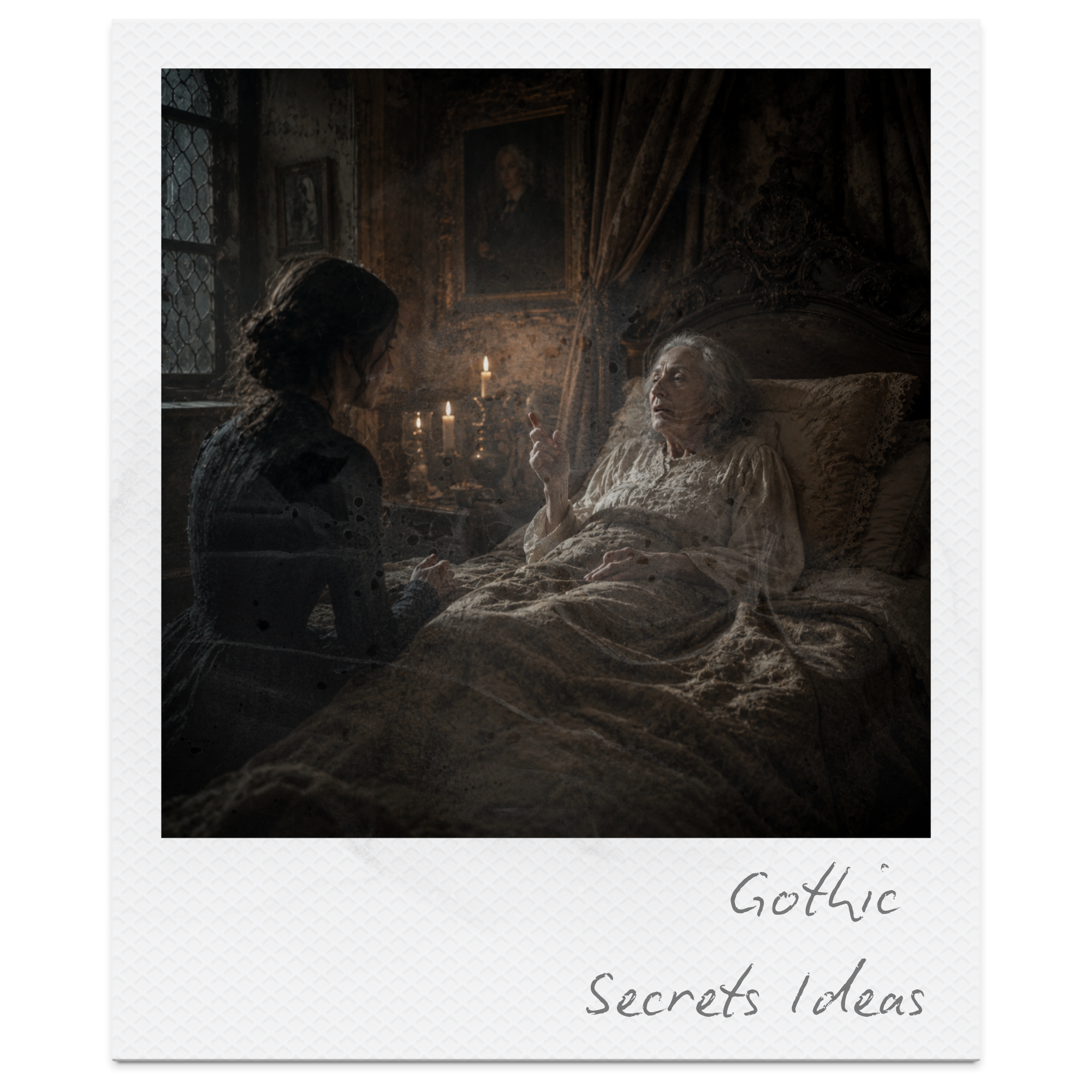
100 Gothic Secrets: Story Ideas for Writers of Gothic Horror, Mystery & Fantasy
Every great Gothic story begins with a secret. Discover 100 Gothic Secrets inspired by haunted manor houses, cursed bloodlines, forgotten rooms, ghostly apparitions, hidden identities, forbidden love, occult mysteries, and long-buried family legacies. Whether you're writing gothic horror, gothic romance, historical gothic, or dark fantasy, these atmospheric story prompts will help you create unforgettable tales filled with suspense, mystery, and haunting revelations.
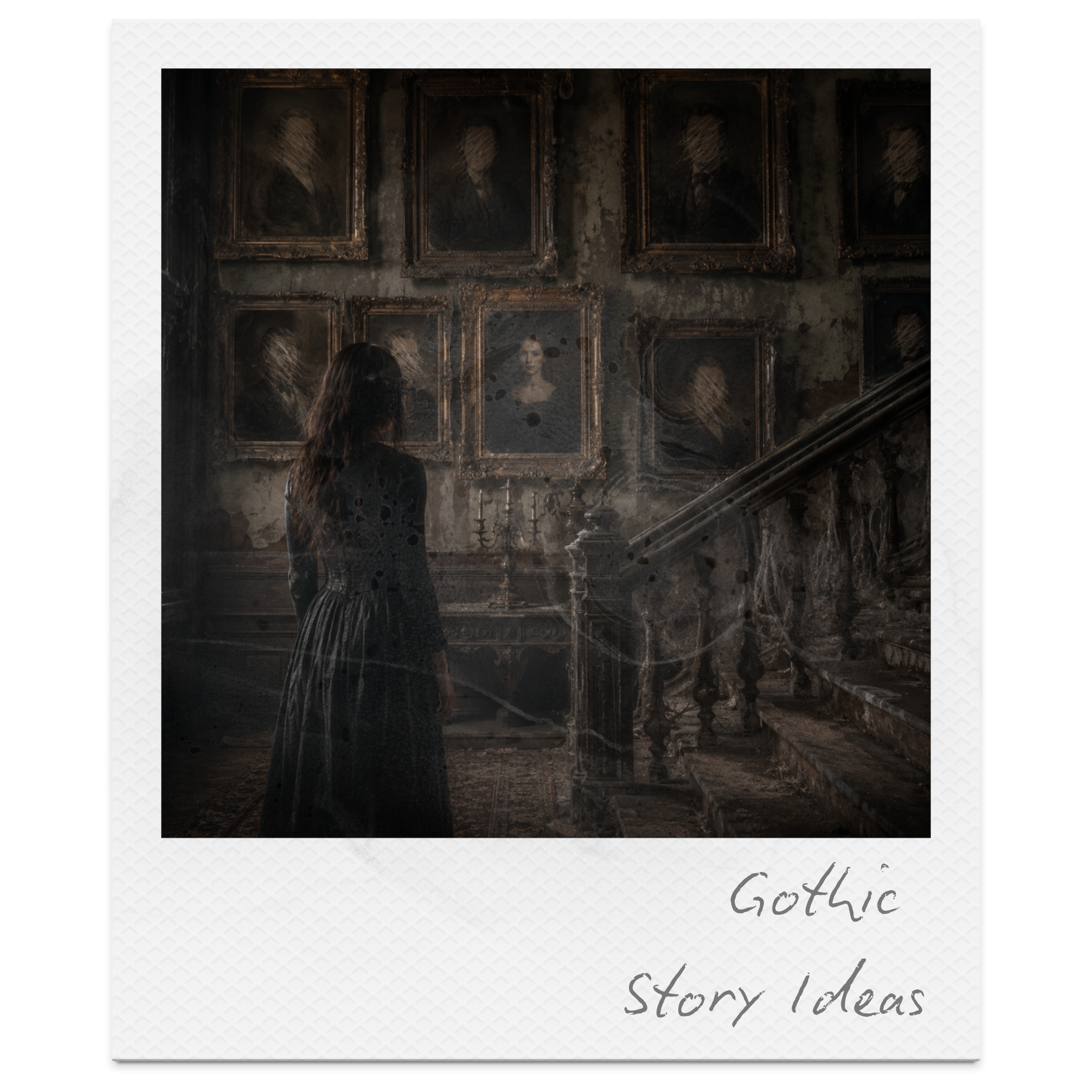
100 Gothic Story Ideas for Writers, Students and Lovers of Dark Fiction
Step into the shadowed world of Gothic fiction with 100 atmospheric story ideas inspired by haunted manor houses, cursed families, ghostly apparitions, forbidden love, forgotten villages, psychological unease, and supernatural mysteries. Whether you're writing gothic horror, gothic romance, historical gothic, or dark fantasy, these creative writing prompts will help you craft haunting stories filled with secrets, suspense, and unforgettable settings.
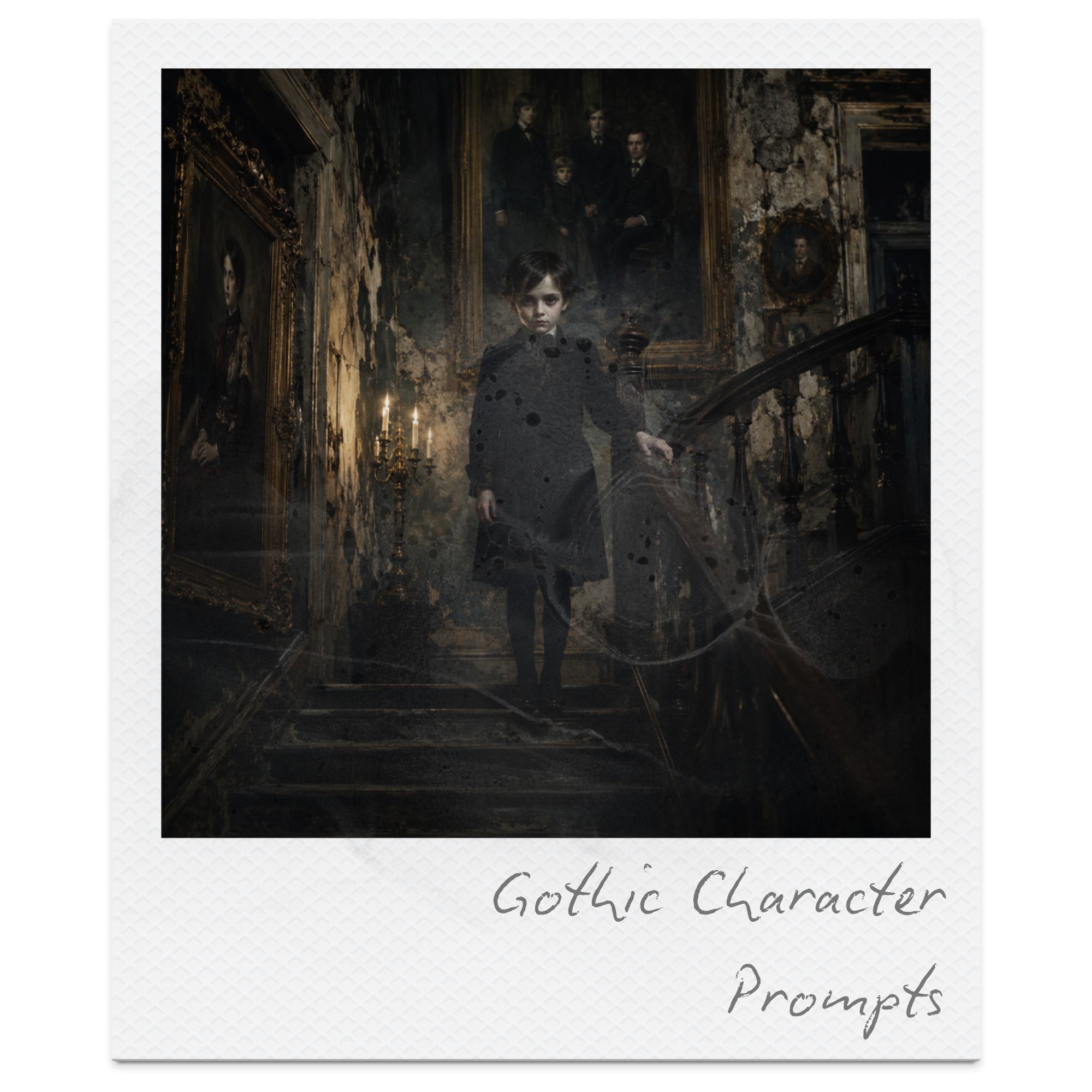
50 Gothic Character Prompts: Haunted Portraits, Family Secrets & Dark Destinies
Discover 50 Gothic Character Prompts designed to inspire haunting protagonists, tragic anti-heroes, mysterious children, eccentric scholars, grieving widows, and dark villains. Explore character portraits, personality traits, backstories, conflicts, Gothic names, and creative writing ideas perfect for classrooms, writers, and Gothic fiction enthusiasts.
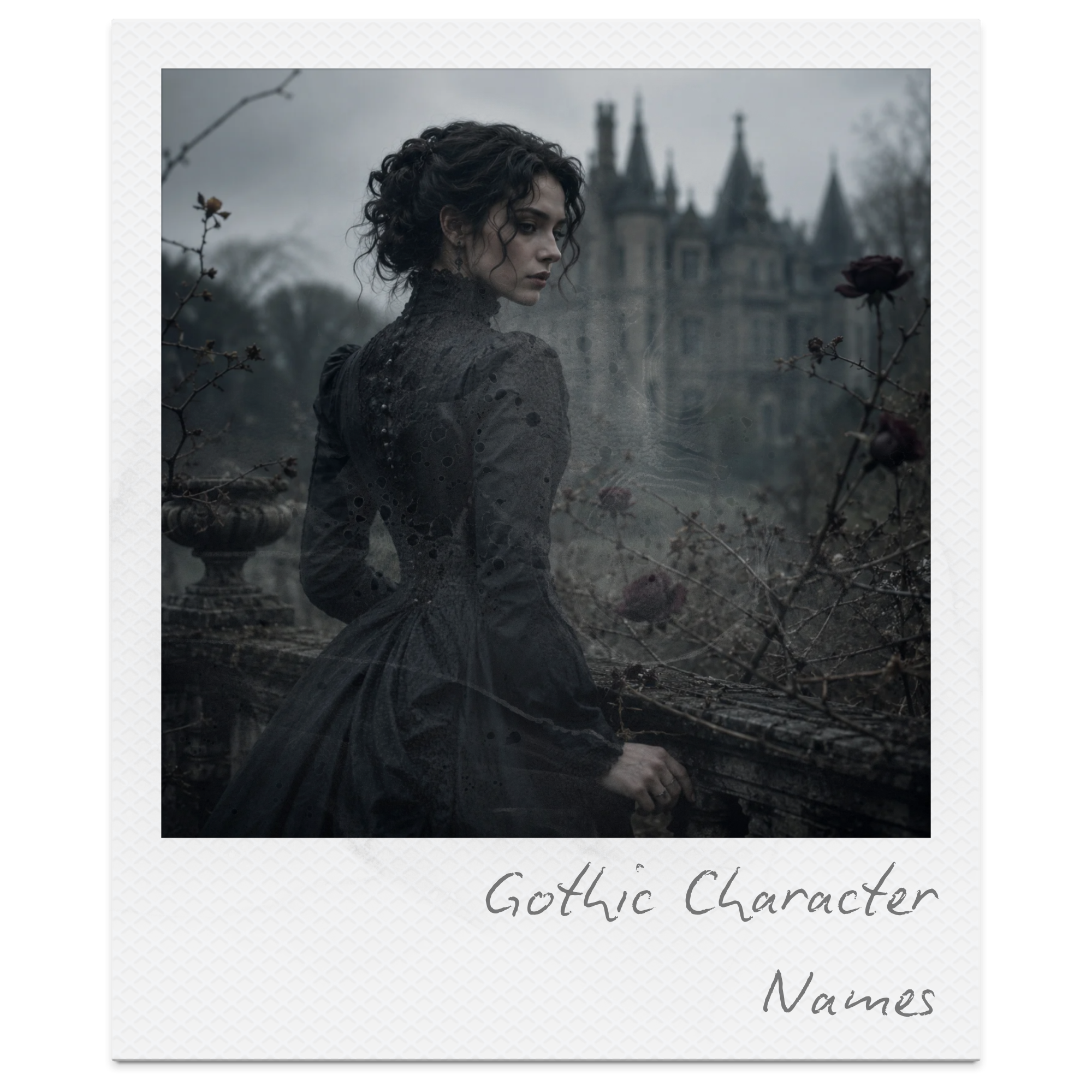
100 Gothic Character Names for Dark, Mysterious and Atmospheric Stories
Discover 100 Gothic character names for aristocrats, heroines, villains, occult practitioners, tragic ghosts, mysterious strangers, and haunted bloodlines. Perfect for Gothic fiction, dark fantasy, ghost stories, Gothic romance, historical fiction, and atmospheric storytelling inspired by crumbling manors, family secrets, and Victorian Gothic literature.
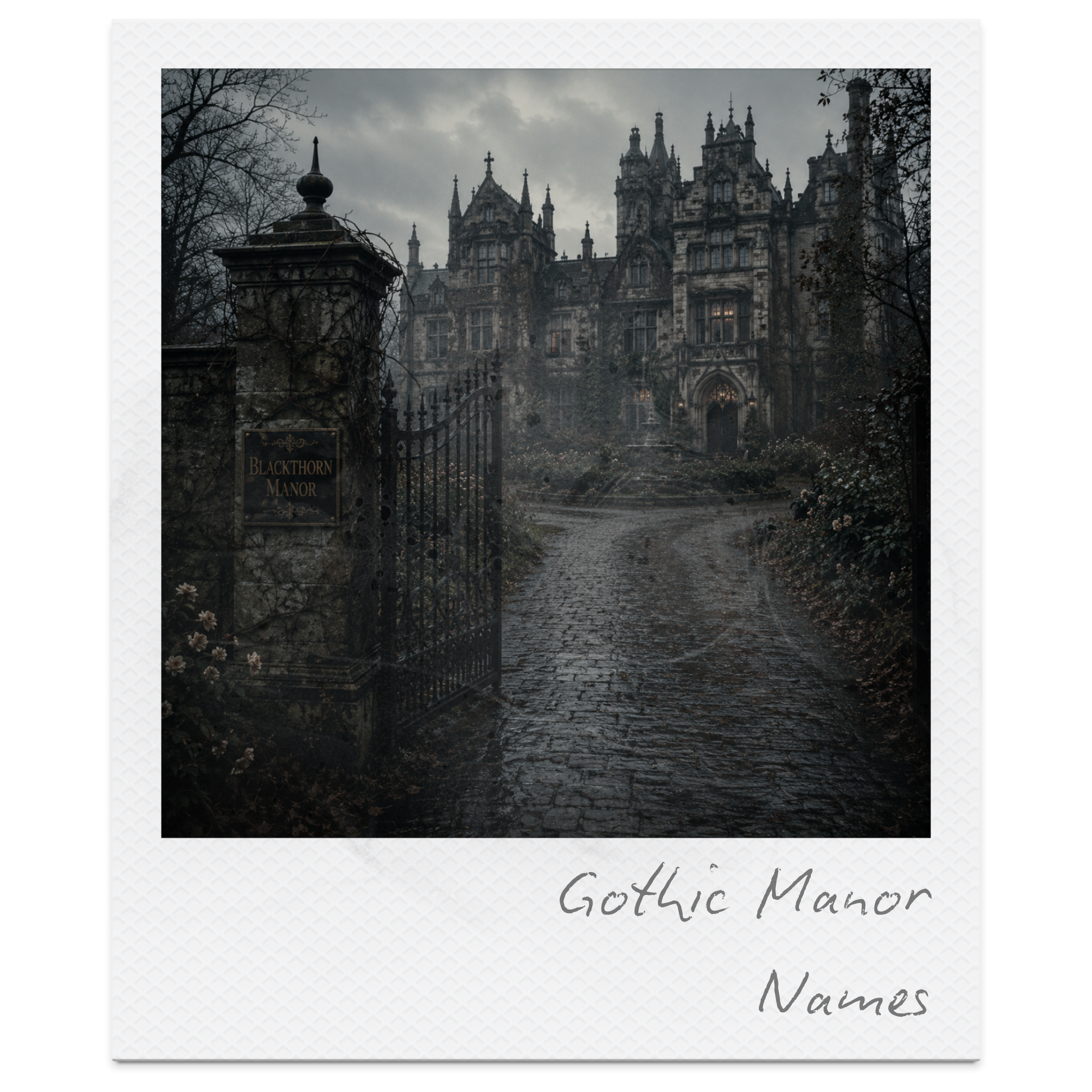
100 Gothic Manor Names (With Meanings, Atmosphere & Story Ideas)
Discover 100 gothic manor names complete with atmosphere, symbolism, and story ideas. Explore windswept coastal estates, ancestral halls, ruined abbeys, isolated manors, dark academia houses, and cursed family properties perfect for gothic fiction, horror, mystery, and historical storytelling.
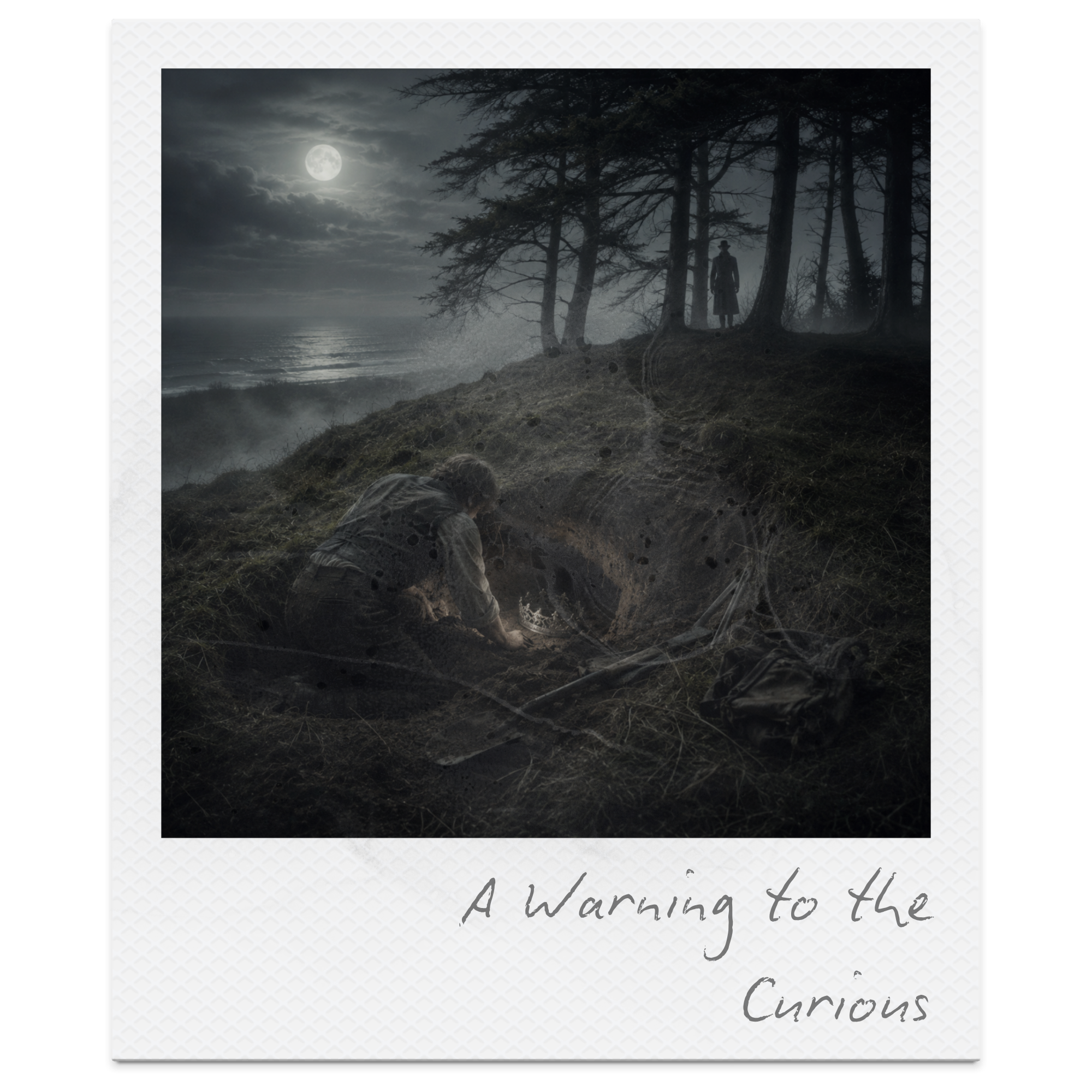
A Warning to the Curious by M.R. James: Summary, Themes & Analysis:::
M.R. James’s A Warning to the Curious is a chilling Gothic ghost story exploring curiosity, fear, historical memory, guilt, and the dangerous consequences of disturbing what should remain hidden. Through the isolated coastal setting of Seaburgh, the mysterious buried crown, and the increasingly terrified figure of Paxton, James gradually transforms scholarly curiosity into psychological horror and supernatural dread. This detailed analysis for CIE IGCSE World Literature (0408) explores the story’s themes, symbolism, structure, narrative voice, and key quotations, while examining how James creates fear through atmosphere, ambiguity, folklore, and Gothic tension. The guide also includes alternative interpretations, exam-ready insights, and classroom-focused teaching ideas designed to support deeper literary analysis and discussion.
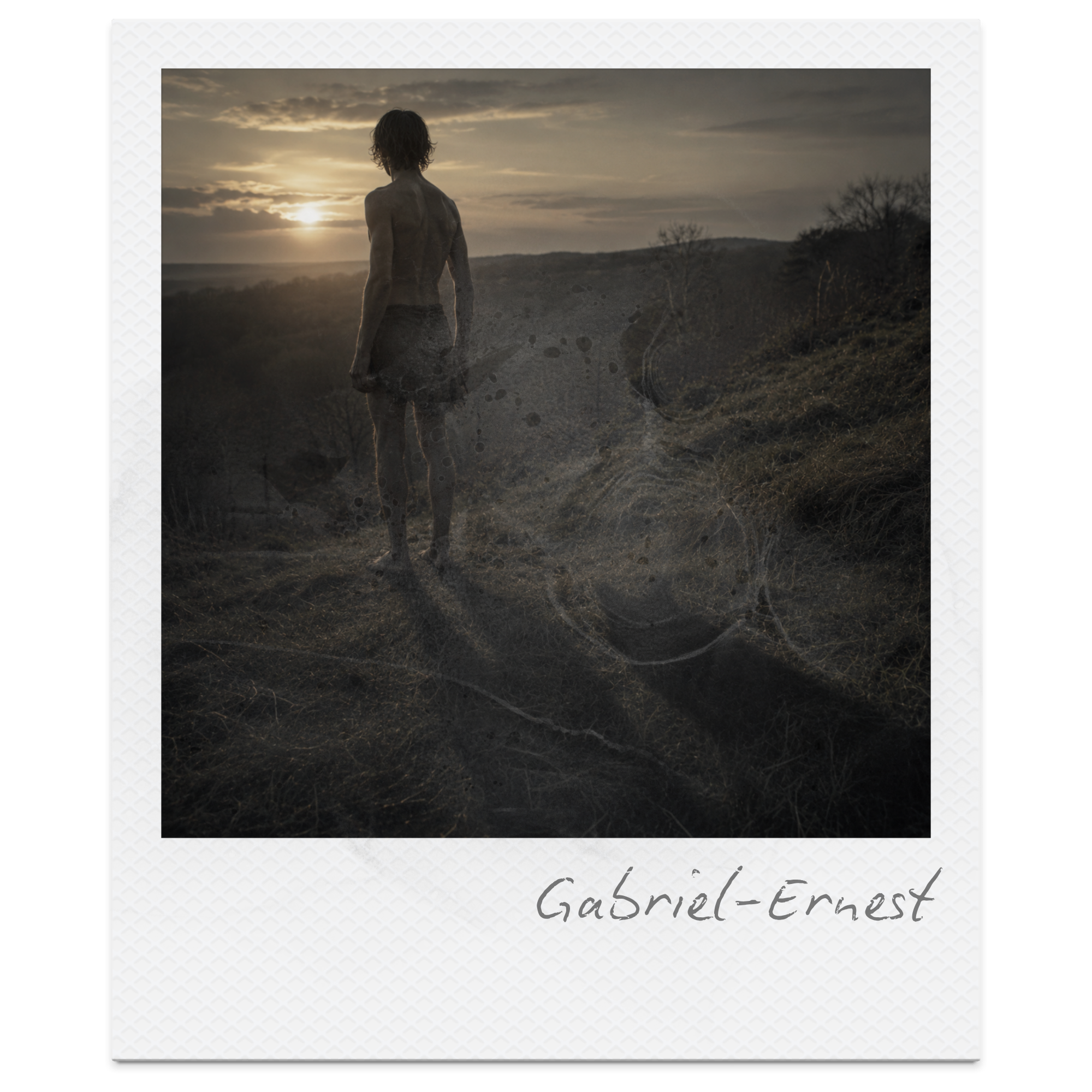
Gabriel-Ernest by Saki: Summary, Themes & Analysis
Saki’s Gabriel-Ernest is a dark and unsettling Gothic short story exploring civilisation versus savagery, hidden violence, fear of the unknown, and the dangerous instincts lurking beneath respectable society. Through the mysterious figure of Gabriel-Ernest, Saki gradually transforms an apparently ordinary rural setting into a landscape filled with supernatural tension, psychological unease, and growing horror. This detailed analysis for CIE IGCSE World Literature (0408) explores the story’s themes, symbolism, narrative voice, structure, and key quotations, while examining how Saki uses animalistic imagery, irony, and ambiguity to create suspense and fear. The guide also includes alternative interpretations, exam-ready insights, and classroom-focused teaching ideas designed to support deeper literary analysis and discussion.
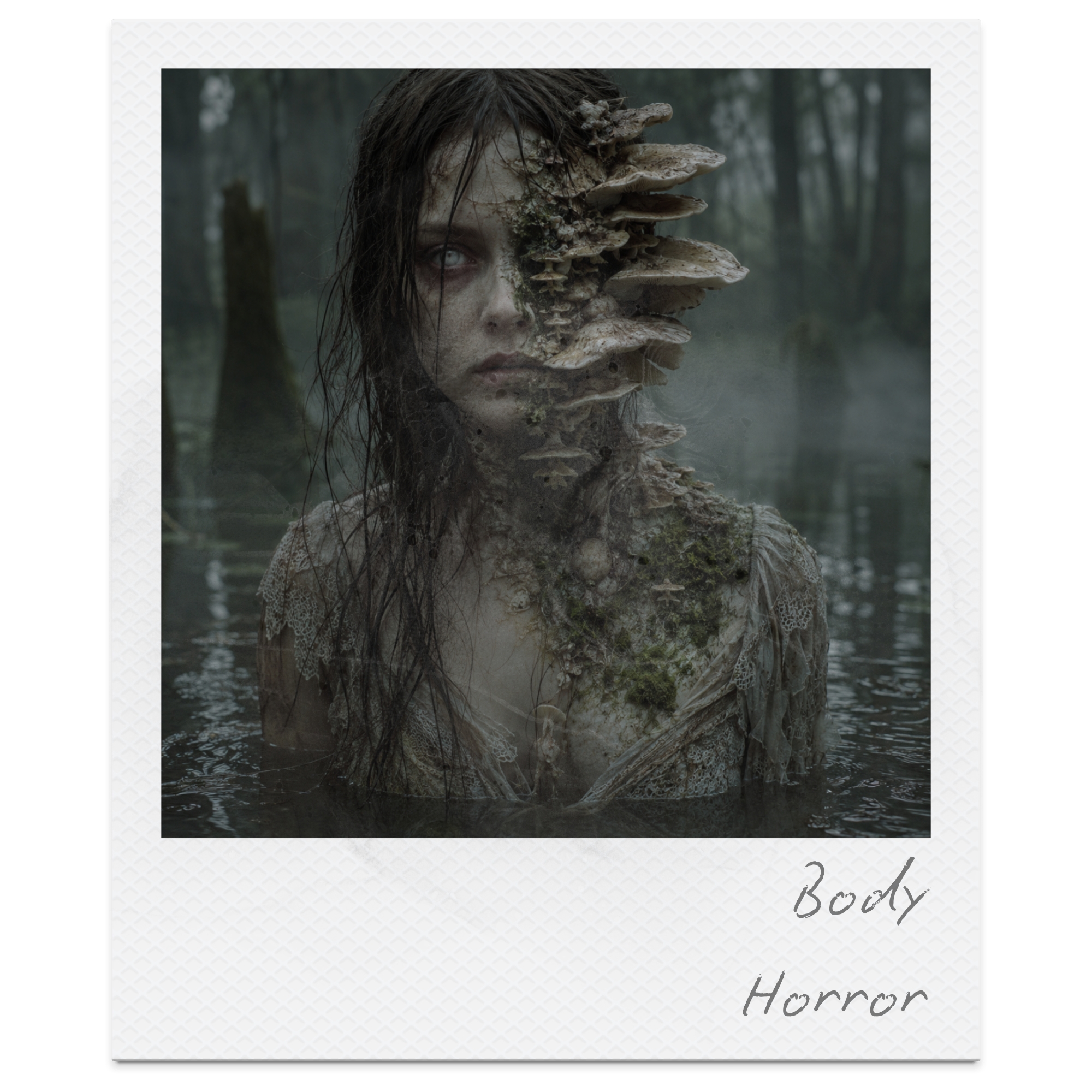
70 Body Horror Writing Prompts: Transformation, Mutation & Physical Terror
Body horror explores fear through physical transformation, mutation, disease, infection, and the terrifying loss of control over the human body. From Frankenstein and The Fly to Annihilation and The Thing, body horror uses flesh, anatomy, and biological corruption to create stories shaped by physical dread and psychological unease. These 70 Body Horror Writing Prompts explore mutation, parasitic infection, surgical horror, experimental science, bodily distortion, and the terrifying collapse of bodily autonomy through plot hooks, title ideas, opening lines, character concepts, settings, and cinematic visual prompts designed for unsettling horror storytelling.
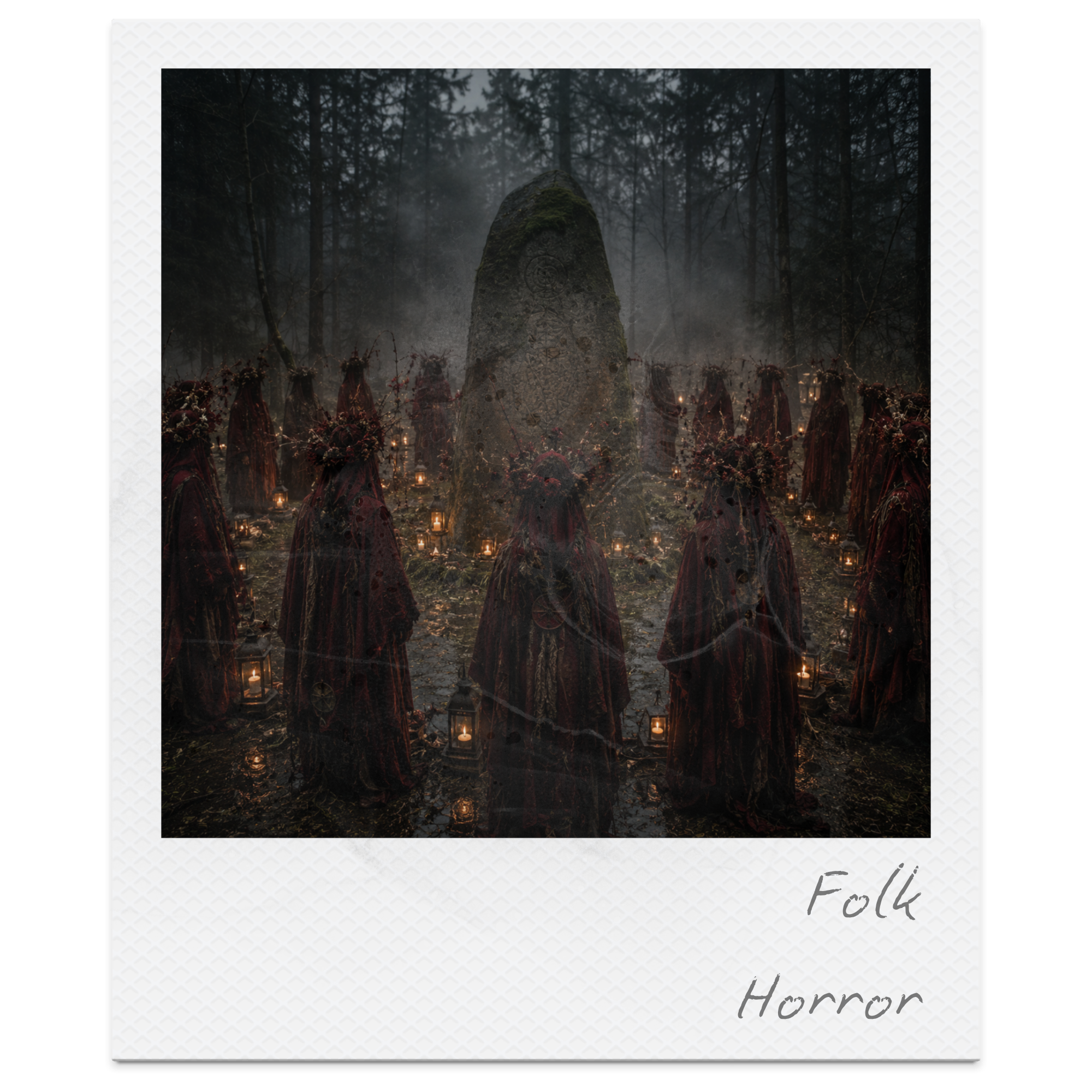
70 Folk Horror Writing Prompts: Rituals, Isolated Villages & Ancient Dread
Folk horror combines folklore, ritual, superstition, isolation, and landscape-driven terror to create stories shaped by ancient fears and collective belief. Unlike fast-paced modern horror, folk horror often unfolds slowly through atmosphere, rural settings, hidden traditions, strange ceremonies, and the growing sense that an isolated community is protecting something ancient and dangerous. These stories frequently explore the tension between modern rationality and older belief systems rooted in nature, sacrifice, seasonal ritual, and inherited violence. This collection of 70 Folk Horror Writing Prompts explores cult rituals, abandoned villages, antlered figures, standing stones, drowned churches, hidden gods, scarecrow effigies, harvest festivals, swamp rituals, and ancient traditions buried deep within isolated landscapes. Designed for atmospheric horror writers, folklore-inspired fiction, and dark speculative storytelling, these prompts combine plot ideas, opening lines, eerie settings, cinematic picture prompts, and unsettling character concepts to inspire haunting stories filled with ritual, dread, and psychological unease.
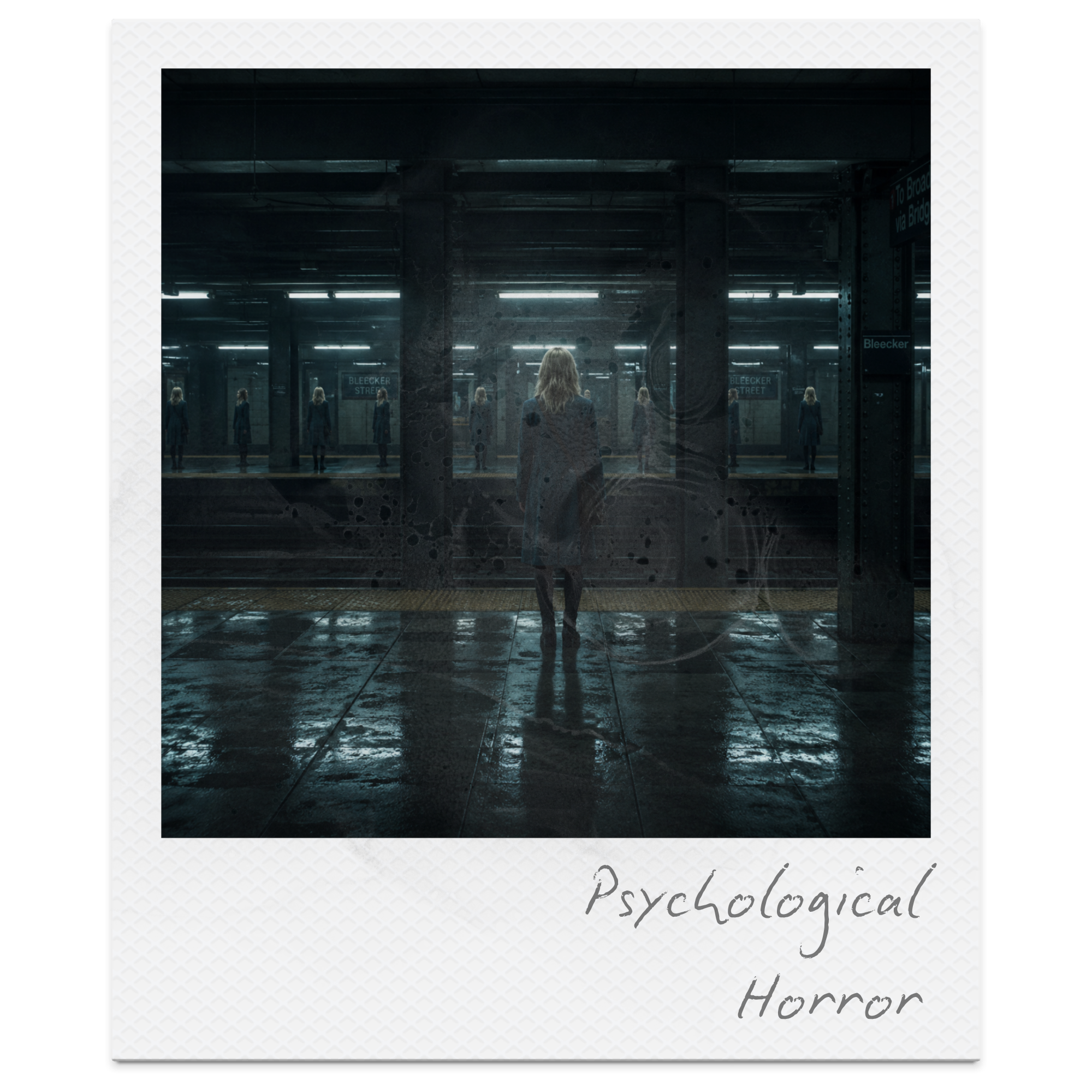
70 Psychological Horror Writing Prompts: Unreliable Minds, Emotional Dread & Quiet Terror
A dark and atmospheric collection of 70 psychological horror writing prompts exploring unreliable narrators, distorted memory, paranoia, emotional manipulation, fractured identity, uncanny repetition, hidden surveillance, and the terrifying instability of perception. This complete creative writing toolkit includes plot hooks, title ideas, opening lines, closing lines, character ideas, eerie settings, and cinematic visual prompts designed to inspire unsettling stories filled with emotional dread, quiet tension, ambiguity, and psychological unease.
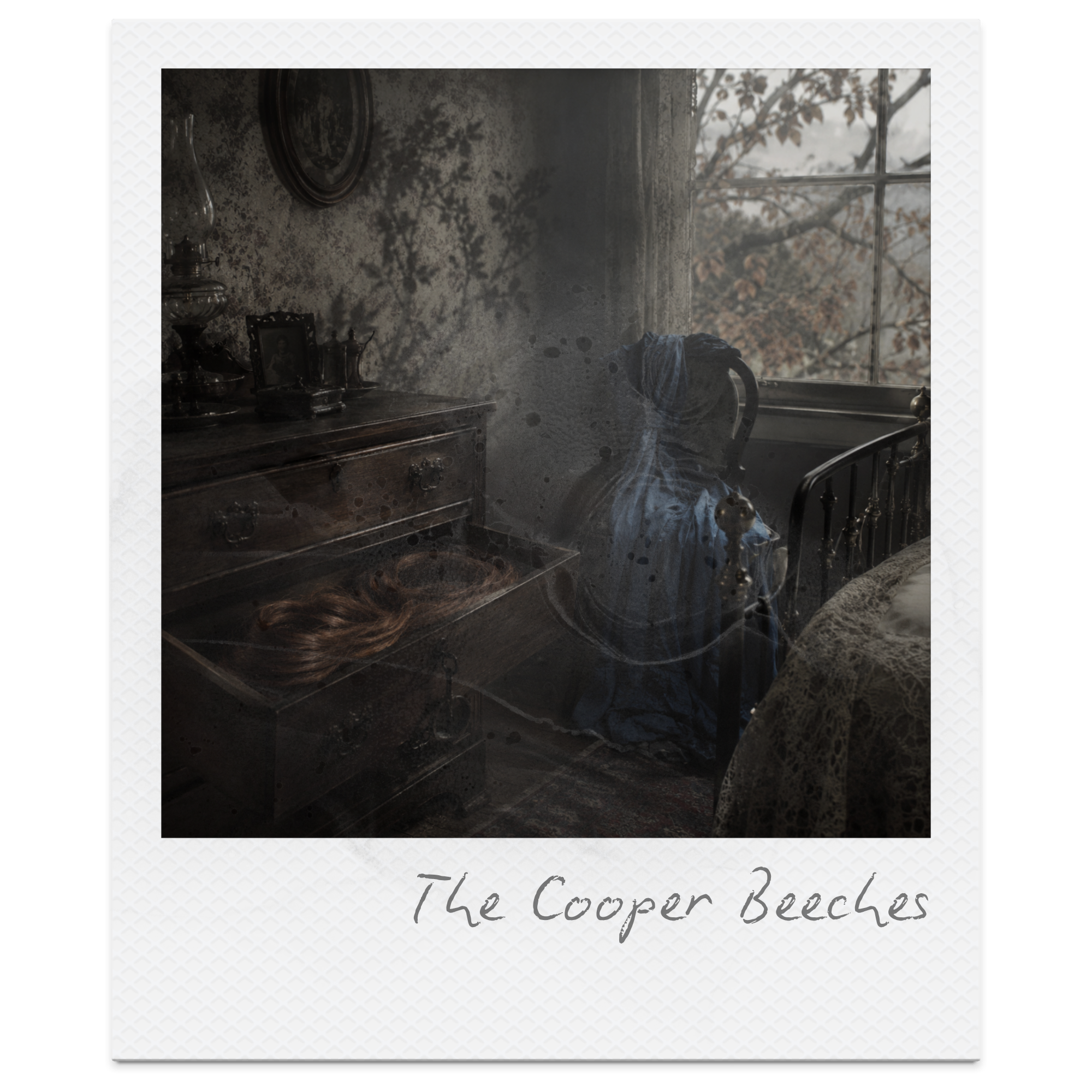
The Copper Beeches by Sir Arthur Conan Doyle: Summary, Themes & Analysis
In this detailed analysis of The Copper Beeches by Sir Arthur Conan Doyle, we explore how Doyle combines detective fiction, Gothic atmosphere, and psychological tension to examine power, imprisonment, deception, gender control, and appearance versus reality. Through the mysterious Copper Beeches house, the unsettling behaviour of the Rucastles, and Sherlock Holmes’s analytical methods, the story gradually reveals hidden cruelty beneath outward respectability. Designed for CIE IGCSE World Literature (0408) and wider secondary literature study, this guide explores structure, symbolism, narrative voice, key quotes, themes, and writer’s methods in a clear, classroom-ready format. Perfect for revision, essay planning, close analysis, and discussion-based learning.