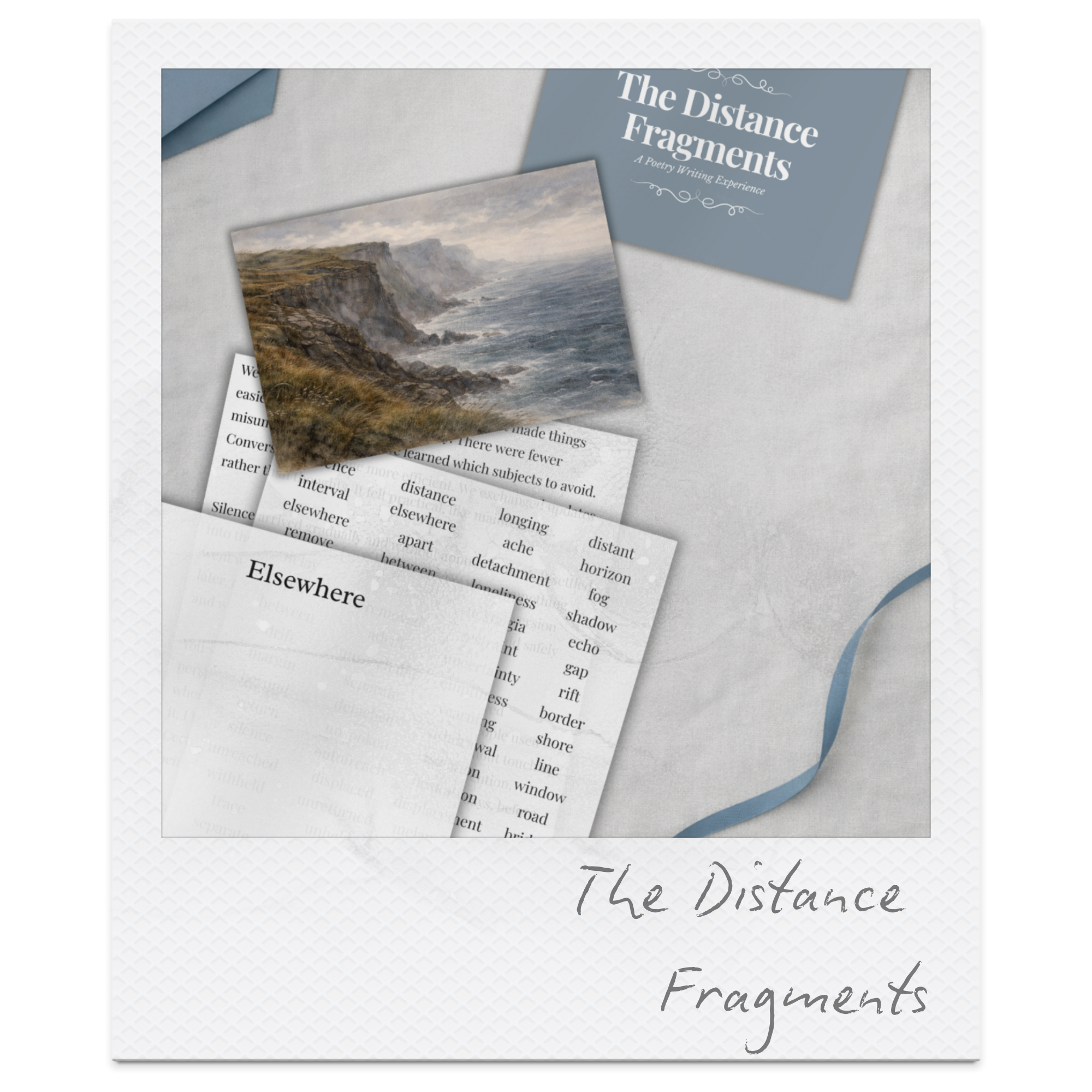
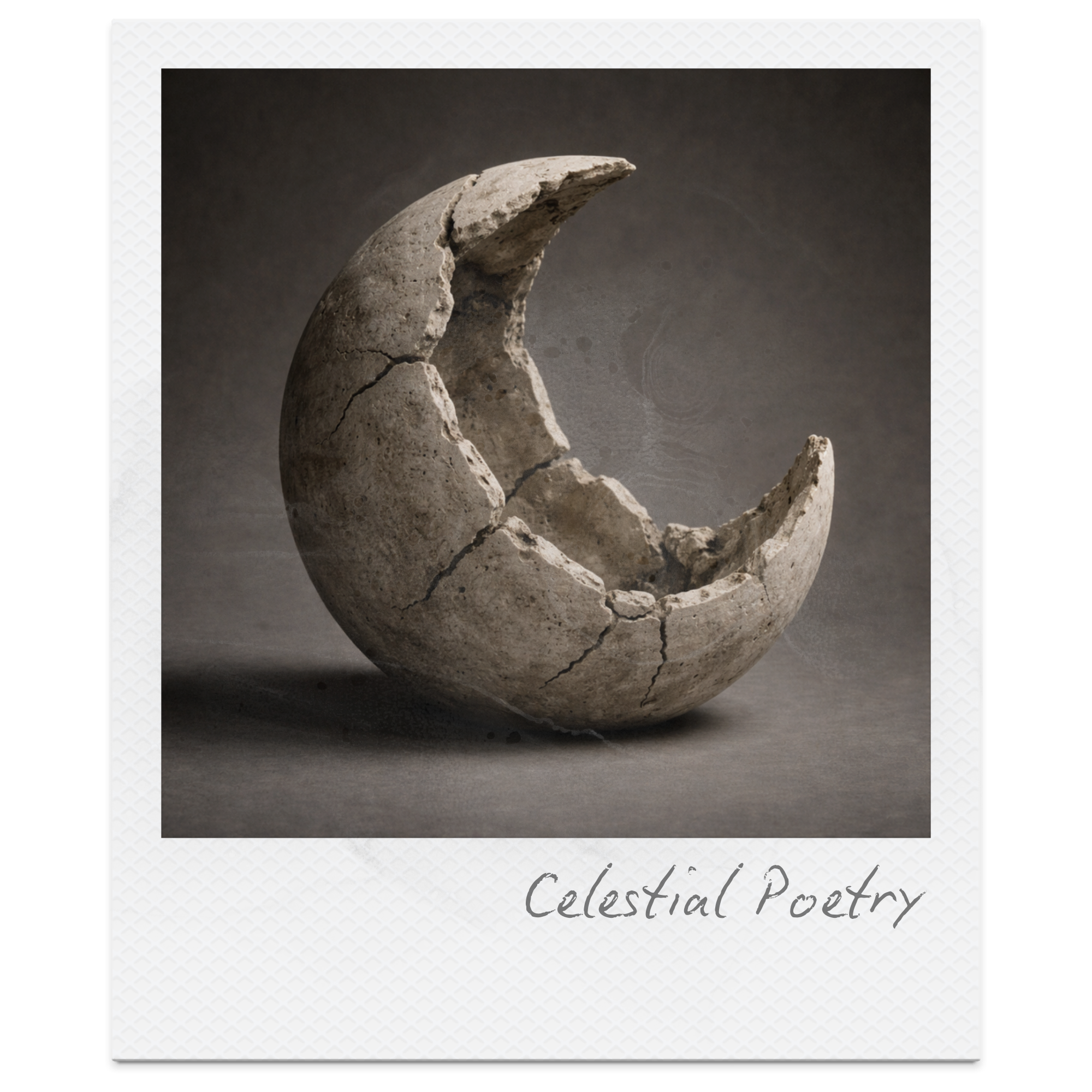
10 Dark Poetry Prompts for Teens & Adults: Exploring Shadow, Silence, and Emotion
Dark poetry isn’t about shock value or cheap bleakness. At its best, it’s precise, restrained, and emotionally charged — built on atmosphere, implication, and what is left unsaid. It explores shadow, silence, and emotion through image, sound, and structure, asking writers to sit with discomfort rather than resolve it too neatly.
These dark poetry prompts for teens and adults are designed to support thoughtful, craft-focused writing in classrooms, writing groups, and independent practice. Each prompt encourages writers to work with imagery, tone, and form, offering space to experiment with line breaks, repetition, and controlled ambiguity. Alongside the prompts, you’ll find writing techniques, suggested opening lines, and ekphrastic poetry images to help overcome the blank page and spark ideas rooted in mood rather than plot.
Whether you’re teaching poetry, developing your own voice, or exploring darker themes with care and intention, these prompts are designed to guide — not overwhelm — the writing process.
If you enjoy exploring darker themes through poetry and storytelling, you can also visit the Horror Writing Hub or the Gothic Writing Hub to discover prompts focused on gothic genres, tropes, characters and settings, or browse the full Creative Writing Archive to explore prompts inspired by literature, genre and aesthetic themes.
Short on time?
Scroll down for the 10 dark poetry prompts, or keep reading for writing techniques and examples to support your work.
How to Approach Dark Poetry
Writing dark poetry isn’t about forcing intensity or piling on heavy themes. It’s about control, restraint, and attention to the smallest details. The most effective dark poems often feel quiet rather than dramatic, allowing meaning to emerge through imagery, sound, and what is left unsaid.
Start by grounding your poem in something concrete. An object, a place, or a physical sensation can carry emotional weight without explanation. Dark poetry works best when emotion is implied through sensory detail — texture, temperature, light, shadow — rather than stated outright.
Consider how line breaks and white space shape the reader’s experience. Short lines can slow the poem and create unease, while enjambment can interrupt rhythm and unsettle expectations. Let the form reflect the emotional tension you’re exploring.
Resist the urge to resolve everything. Dark poetry often ends with ambiguity, allowing questions to linger. A strong ending doesn’t explain; it stops at the right moment, leaving space for the reader to interpret meaning.
Above all, approach dark themes with intention and care. Focus on atmosphere rather than shock, and on emotional precision rather than excess. The goal is not to disturb the reader, but to invite them into a moment they can feel — and sit with — long after the poem ends.
Techniques to Try in Dark Poetry
Dark poetry relies on precision rather than excess. These techniques are not about adding intensity, but about controlling pace, silence, and implication. Used carefully, they help shape atmosphere, guide the reader’s emotional response, and create poems that feel restrained, unsettling, and deliberate rather than dramatic or overstated.
Try one or two techniques at a time, focusing on how form and structure can carry meaning alongside imagery and language.
◆ Enjambment
Break lines unexpectedly to create tension and unease. Enjambment disrupts rhythm, forcing the reader forward and preventing emotional resolution.
◆ Caesura (Pauses Within the Line)
Use punctuation or deliberate spacing to create hesitation, silence, or fracture. Caesuras draw attention to interruption and absence, mirroring emotional instability or suppression.
◆ White Space and Short Lines
Allow space on the page to carry meaning. Short lines and gaps can suggest absence, loss, or emotional distance, creating a restrained, atmospheric effect.
◆ Repetition With Variation
Repeat a word, phrase, or image, but alter it slightly each time. Repetition in dark poetry often feels obsessive or unresolved, building tension rather than comfort.
Common forms of repetition to experiment with include:
◆ Anaphora – repeating a word or phrase at the start of successive lines to create insistence or pressure
◆ Epistrophe – repeating a word or phrase at the end of lines to reinforce fixation or emotional weight
◆ Refrain – returning to a line or image throughout the poem, allowing its meaning to shift as context changes
◆ Incremental repetition – repeating a phrase with small changes to suggest deterioration, doubt, or emotional fracture
Use repetition sparingly. Its power lies in what the poem refuses to release.
◆ Concrete Imagery Over Explanation
Anchor the poem in objects, settings, and physical detail rather than abstract emotion. Let imagery imply meaning instead of stating it directly.
◆ Second Person Address
Using “you” can create discomfort and intimacy, pulling the reader into the poem and blurring the line between observer and participant.
◆ Controlled Metaphor
Limit metaphor rather than layering it. One sustained or recurring image is often more effective in dark poetry than multiple competing ideas.
◆ Muted or Monochrome Imagery
Restrict colour, light, or sensory range. Narrow sensory focus helps maintain tone and prevents the poem from feeling emotionally scattered.
◆ Unresolved Endings
Resist closure. End the poem at a moment of tension or stillness, allowing ambiguity to linger rather than tying meaning up neatly.
Read for Inspiration: Dark Poetry
Reading established examples of dark poetry can help writers understand how atmosphere, restraint, and structure create emotional weight. The poems below explore death, dread, isolation, and psychological tension, often through implication rather than explanation. Read them not as models to copy, but as studies in how darkness can be shaped through voice, imagery, and form.
◆ Edgar Allan Poe – Psychological obsession, decay, and unease. Poems such as “The Raven” and “Annabel Lee” show how sound, repetition, and atmosphere can sustain tension and emotional fixation.
◆ Sylvia Plath – Confrontational voice and controlled intensity. Selected poems explore identity, fear, and inner fracture through sharp imagery and structural control rather than narrative comfort.
◆ Emily Dickinson – Death, silence, and the uncanny. Poems like “Because I could not stop for Death” and “I felt a Funeral, in my Brain” demonstrate how compression, ambiguity, and form can make darkness feel quiet and unsettling rather than dramatic.
◆ Christina Rossetti – Mortality, temptation, and restraint. Her poems often explore darkness through religious imagery and emotional repression, allowing meaning to emerge through tone rather than statement.
◆ Charlotte Mew – Isolation, madness, and fractured voice. Her work offers powerful examples of psychological unease expressed through controlled, often unsettling perspectives.
Choose one or two poems to read closely before writing. Pay attention to sound, line breaks, and where the poem stops short of explanation. Darkness in poetry often lies not in what is described, but in what the poem refuses to resolve.
Dark Poetry Writing Prompts
The prompts below are designed to help writers explore atmosphere, shadow, and emotional tension through observation rather than explanation. Each prompt encourages restraint, allowing meaning to emerge through imagery, form, and silence rather than narrative resolution.
You can approach these prompts in order, or select one that resonates. Focus on crafting a single moment rather than a complete story.
Dark Poetry Prompt 1: The Shadow That Doesn’t Match
Write a poem in which a person notices that their shadow no longer behaves as it should. It may stretch, hesitate, vanish, or move independently. Focus on observation rather than explanation — the unease should come from noticing something is wrong, not from understanding why.
Possible opening line:
My shadow pauses where I don’t.
Craft focus:
Use enjambment and short lines to mirror uncertainty. Let the shadow suggest meaning without ever naming what it represents.
Dark Poetry Prompt 2: Where the Light Stops
Write about a room, corridor, or enclosed space where light fails to reach fully. This can be literal or symbolic. Concentrate on texture, temperature, sound, and stillness, allowing the setting itself to carry emotional weight.
Possible opening line:
The light stops short of the doorway.
Craft focus:
Experiment with white space and caesura to slow the poem and create pauses. Resist explaining why the space feels unsettling.
Dark Poetry Prompt 3: The Dream You Can’t Wake From
Write a poem inspired by a nightmare that doesn’t rely on monsters or violence, but on atmosphere. Focus on repetition, distortion, or a small detail that feels wrong — something that loops or refuses to release the speaker.
Possible opening line:
I wake, but the room doesn’t.
Craft focus:
Use repetition with variation and enjambment to create a sense of looping or entrapment. Avoid explaining the dream’s meaning.
Dark Poetry Prompt 4: The Fear You Don’t Name
Write about a fear that is never stated directly. Instead, let it appear through avoidance, habit, or physical reaction — a door left unlocked, a light left on, a route never taken.
Possible opening line:
I leave the lamp on, even in daylight.
Craft focus:
Rely on concrete imagery and suggestion. Let the reader infer the fear rather than naming it.
Dark Poetry Prompt 5: The Worst Memory That Isn’t the Loudest
Write about a memory that lingers not because it was dramatic, but because it was quiet. A sentence not said. A look. A moment that felt small at the time but refuses to fade.
Possible opening line:
It wasn’t the shouting I remember.
Craft focus:
Use short lines and caesura to slow the poem and create emotional weight through pauses.
Dark Poetry Prompt 6: Speaking to the Dead (Who Don’t Answer)
Write a poem addressed to someone who has died — or to death itself — without expecting a response. The poem should feel one-sided, unresolved, and grounded in the present moment.
Possible opening line:
I still tell you things you can’t hear.
Craft focus:
Try a second-person address and an unresolved ending. Let silence be part of the poem’s meaning.
Dark Poetry Prompt 7: The Place That Forgot You First
Write about a place that once mattered deeply but no longer recognises the speaker. This could be a childhood home, a town, a room, or even a digital space.
Possible opening line:
The street doesn’t know my name anymore.
Craft focus:
Use setting as emotional mirror. Keep description specific and avoid nostalgia tipping into explanation.
Dark Poetry Prompt 8: Being Remembered Incorrectly
Write a poem in which the speaker realises they are remembered wrongly — softened, erased, misunderstood, or reduced. Focus on the tension between who they were and who survives in memory.
Possible opening line:
That’s not how it happened.
Craft focus:
Experiment with controlled repetition or a refrain that slightly shifts in meaning each time it appears.
Dark Poetry Prompt 9: What Remains After the Body Is Gone
Write about what lingers after death that isn’t sentimental — habits, objects, absences, routines, or ordinary things that now feel charged.
Possible opening line:
Your mug is still chipped in the same place.
Craft focus:
Prioritise objects and physical detail over emotion. Let meaning accumulate quietly.
Dark Poetry Prompt 10: The Fear of Being Forgotten
Write a poem that explores the idea of disappearing — not physically, but emotionally or historically. This could be personal, generational, or imagined.
Possible opening line:
One day, no one will say this out loud.
Craft focus:
Use white space, minimal imagery, and an unresolved final line to echo erasure and absence.
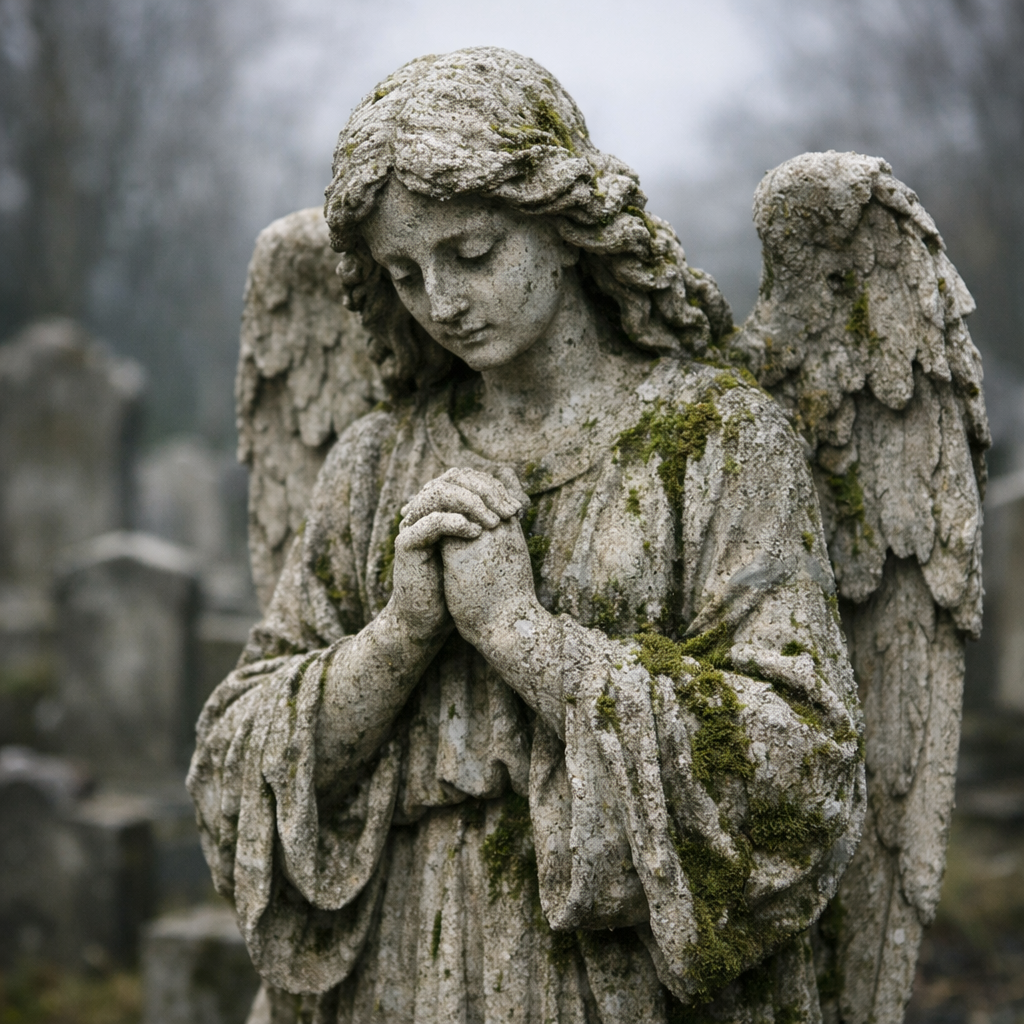
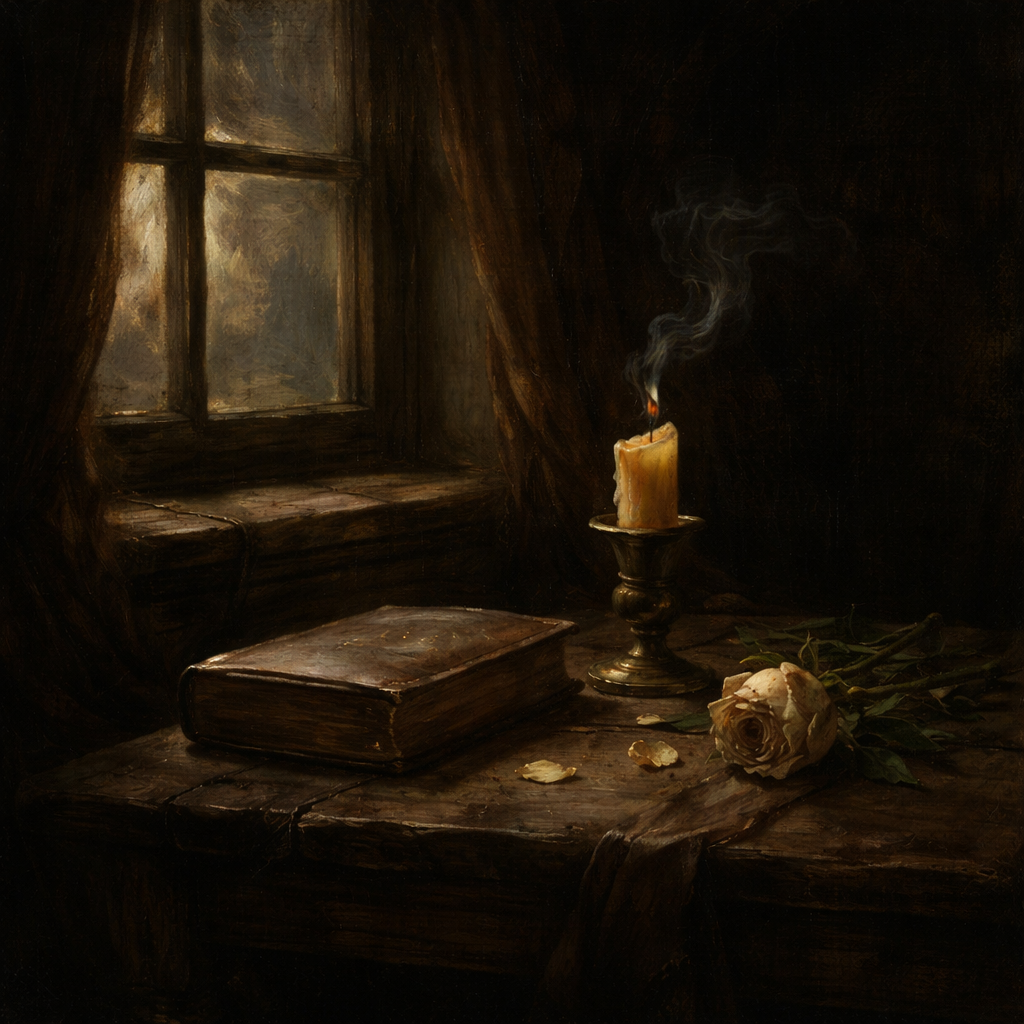
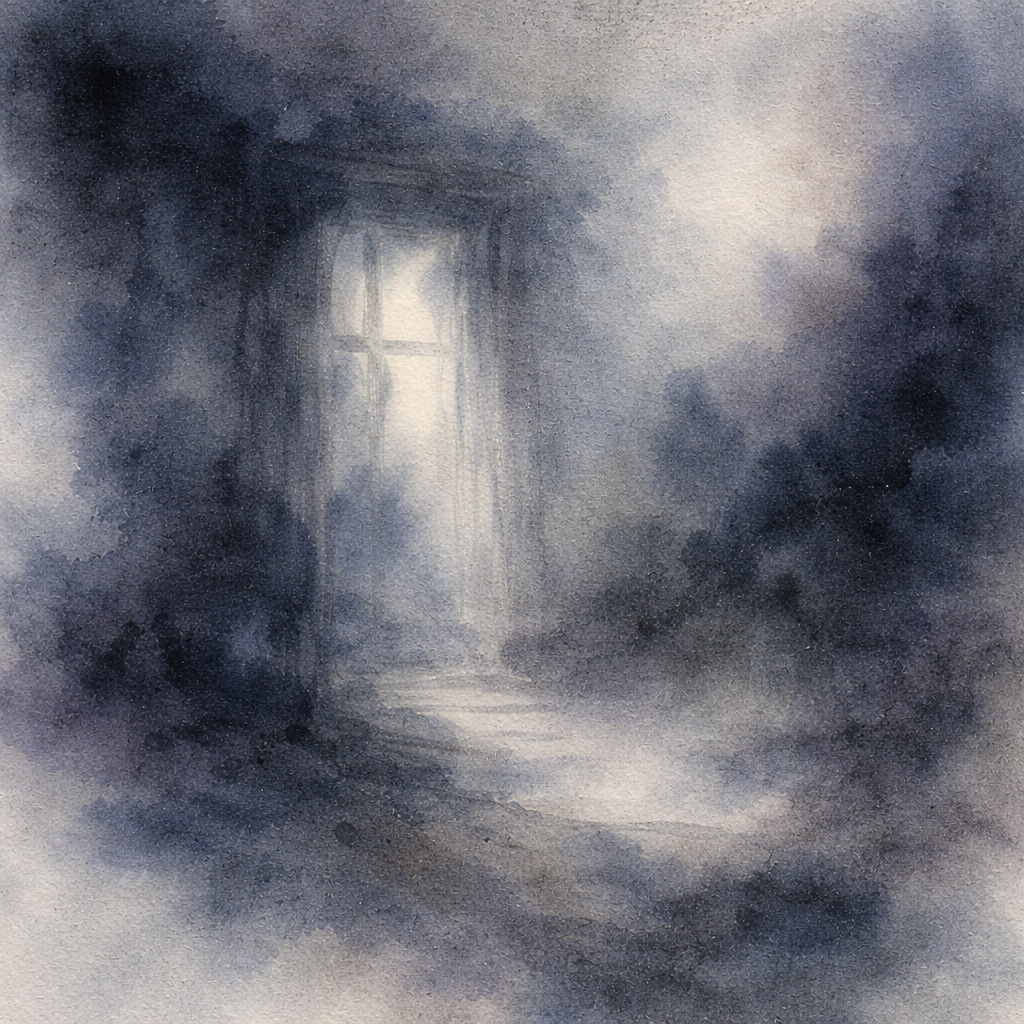
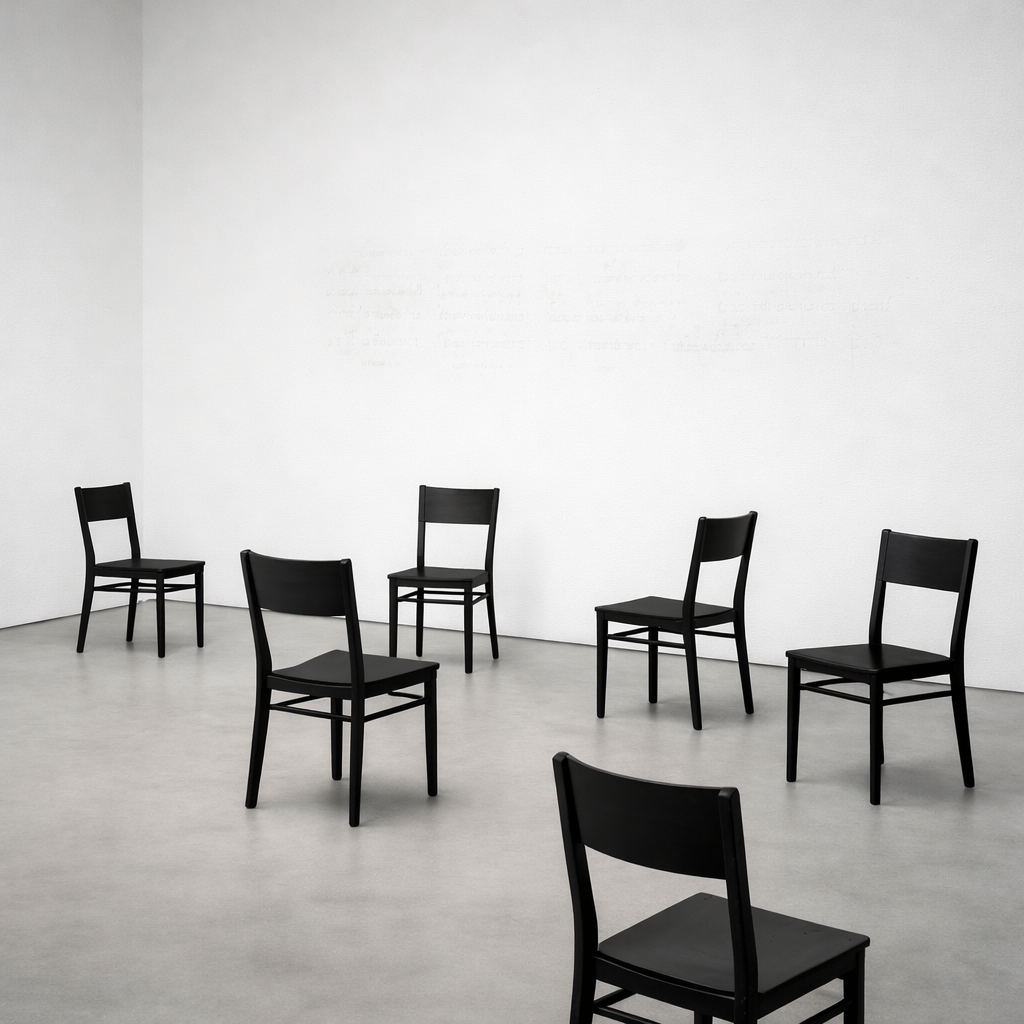
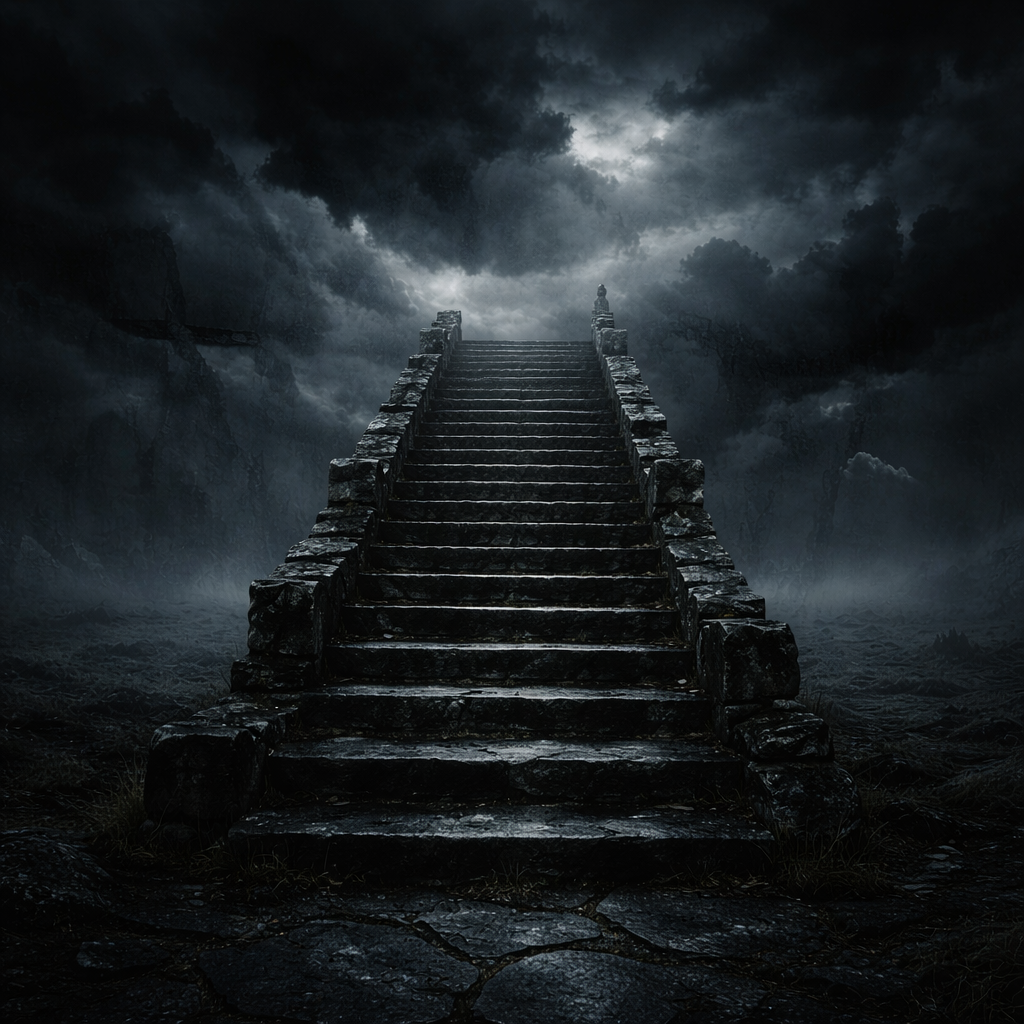
Ekphrastic Poetry: Writing From Images
Ekphrastic poetry uses visual images as a starting point for writing, focusing less on description and more on emotional response, atmosphere, and interpretation. The images below are designed to support dark poetry by encouraging observation, restraint, and imaginative tension rather than literal retelling.
When working with these images, try one or more of the following approaches:
◆ Focus on a single detail rather than the whole image
◆ Write what the image suggests, not what it shows
◆ Use the image as a moment in time — before or after something has happened
◆ Let the image trigger a memory, fear, or unanswered question
◆ Experiment with silence and white space to mirror visual stillness
There is no requirement to describe the image directly. The goal is to let the visual prompt open a door, then follow where the poem leads.
Go Deeper into Dark Poetry Writing
If these dark poetry prompts resonated, you may want to explore longer or more immersive forms of writing that work with the same ideas — silence, memory, absence, and the unsaid. Dark writing often benefits from shifting between poetry and narrative, allowing images, fragments, and voices to speak in different ways.
One way to deepen your work is to experiment with form and perspective:
◆ Rewrite a poem as a fragment — a letter, a report, or a discovered document — allowing gaps and omissions to carry meaning.
◆ Let setting act as a presence, shaping tone and emotion rather than driving plot.
◆ Explore unreliable voices, withheld information, or partial memories to create unease without explanation.
◆ Revisit a poem from the moment before or after its central image, letting atmosphere linger rather than resolve.
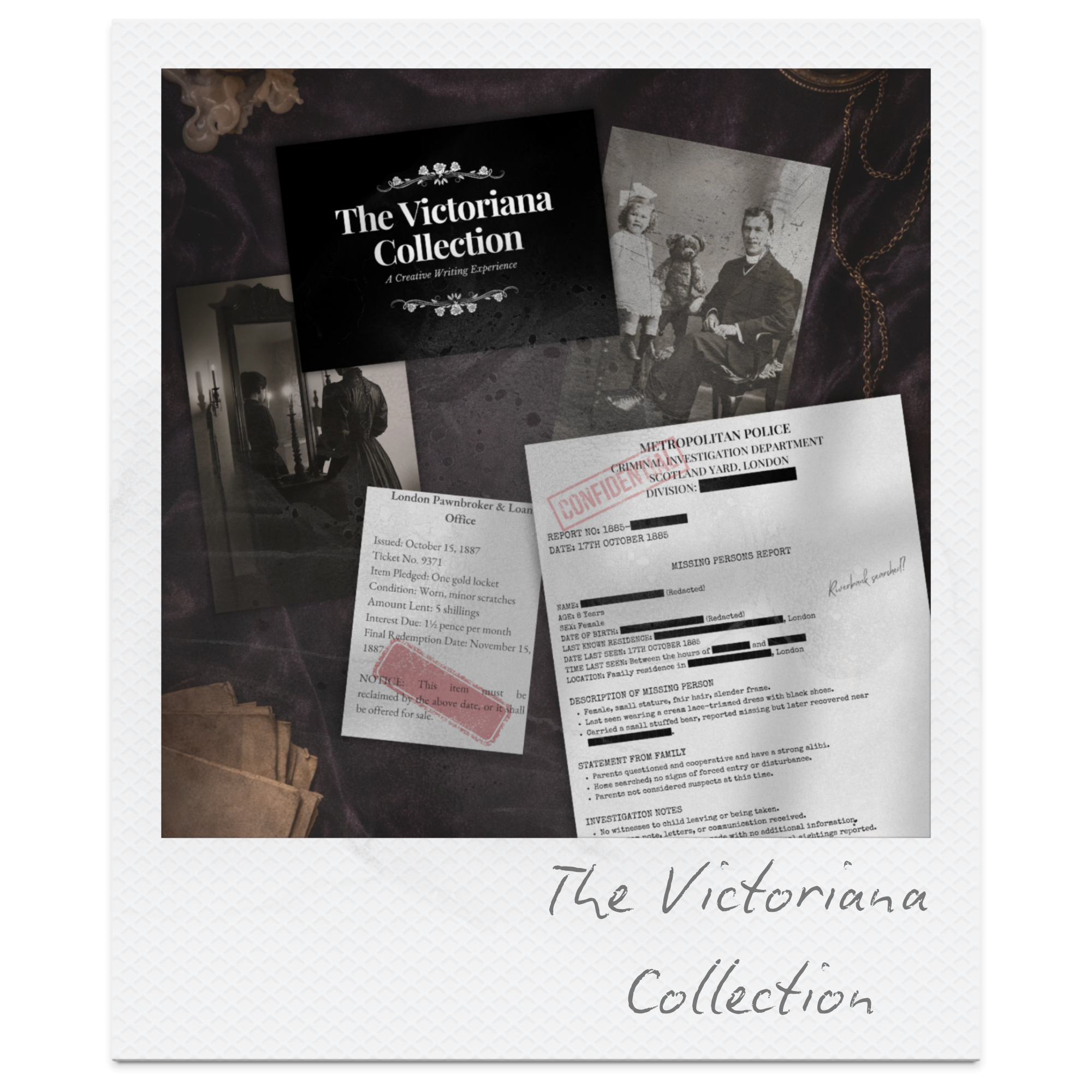
For writers drawn to gothic mood, historical shadows, and layered storytelling, The Victoriana Collection offers a natural next step. Inspired by Victorian gothic fiction and spiritualism, this immersive writing box is built around letters, reports, photographs, and forgotten documents. While designed for narrative writing, many writers use individual artefacts as poetic triggers, crafting poems, monologues, and fragmentary pieces from a single image or document.
If you’d prefer to stay closer to short-form writing, my 70 Gothic Writing Prompts explore similar territory through opening lines, closing lines, images, settings, and characters. These prompts work particularly well alongside dark poetry, offering ways to extend mood and tension while experimenting with different structures and voices.
Final Thoughts
Dark poetry doesn’t need to explain itself. It doesn’t need to shock, resolve, or reveal everything it carries. Often, its power lies in what remains unsaid — the pauses, the absences, the moments that refuse to settle into meaning.
You may return to these prompts more than once. A line that feels empty now may shift later. An image may open differently with time. That’s part of the work. Dark poetry invites patience, attention, and a willingness to sit with uncertainty rather than overcome it.
Write slowly. Stop early. Leave space on the page.
And if something lingers after you’ve finished — a line, an image, a silence — let it. That’s where the poem is still working.
If you enjoy exploring darker themes through poetry and storytelling, you can also visit the Gothic Writing Hub or the Horror Writing Hub, to discover prompts focused on gothic genres, tropes, characters and settings, or browse the full Creative Writing Archive to explore prompts inspired by literature, genre and aesthetic themes.
Choose Your Next Theme