Notes from the Inkpot
Writing, teaching, creating - one ink-stained idea at a time.


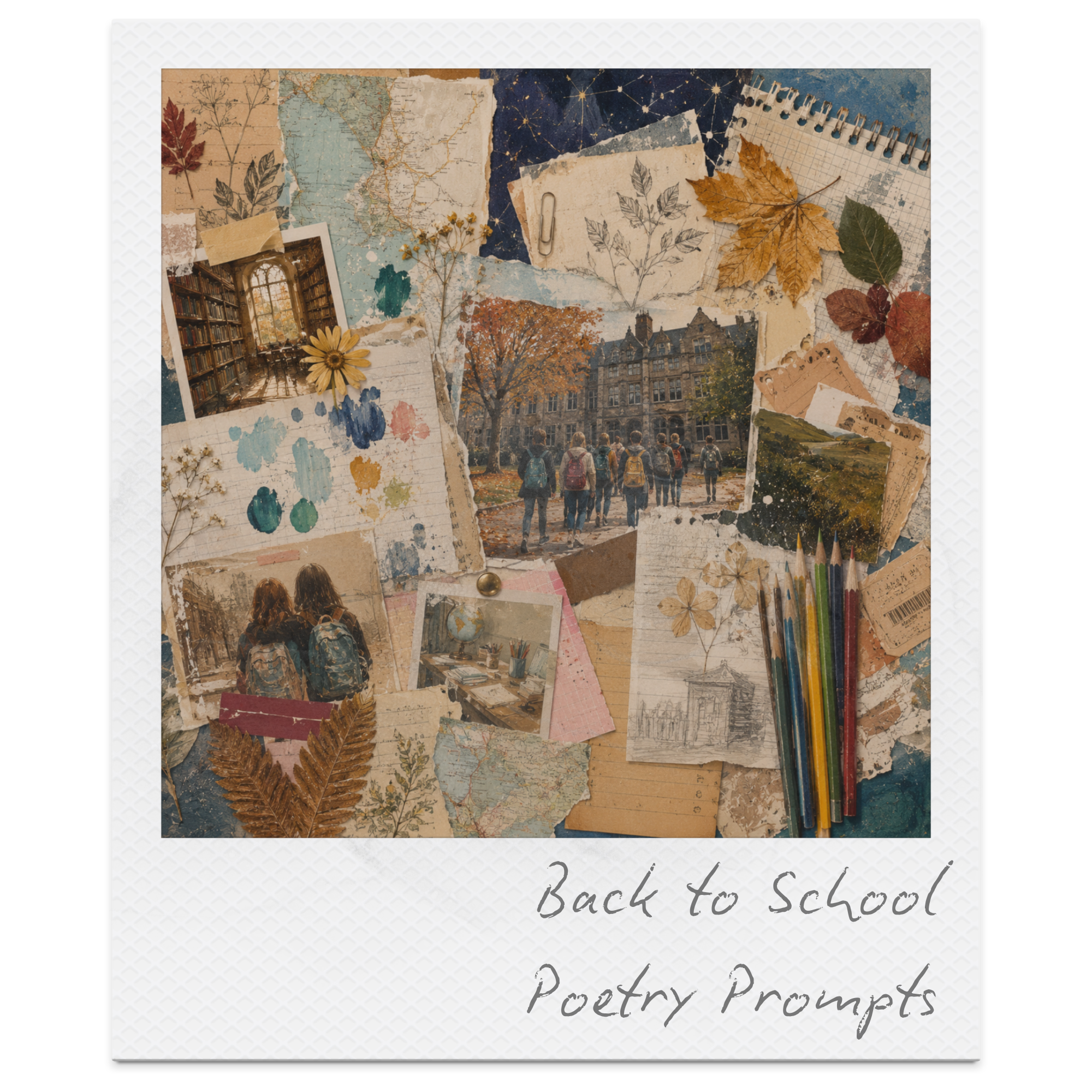
10 Back-to-School Poetry Prompts: New Beginnings, Friendship, and Change
Discover 10 back-to-school poetry prompts that inspire reflection, creativity, and self-expression. Perfect for classrooms, homeschoolers, and independent writers, these prompts explore new beginnings, friendship, change, and the memorable moments that shape every school year.
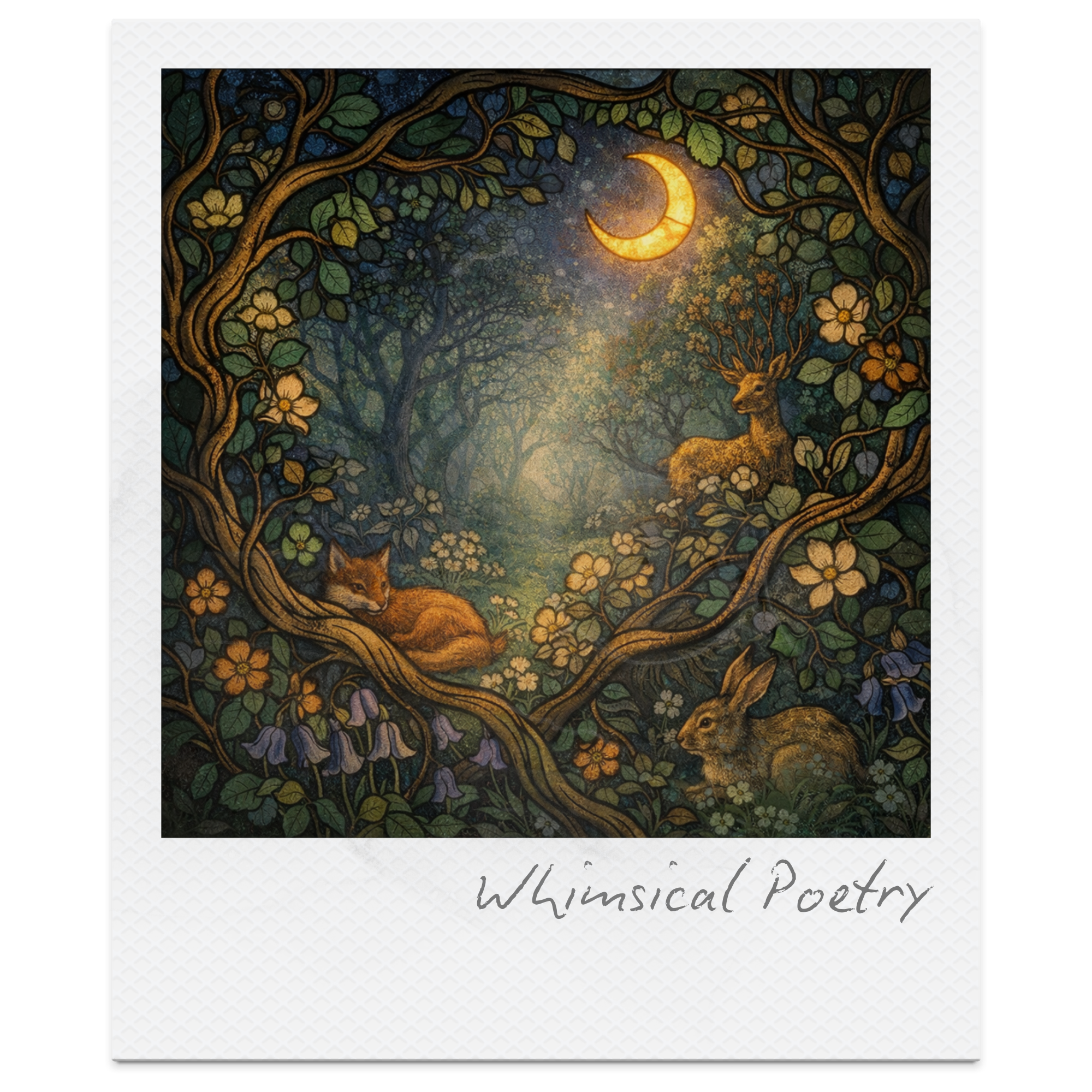
10 Whimsical Poetry Prompts for Teens & Adults: Imagination, Lightness, and Wonder
Whimsical poetry prompts invite writers to explore imagination, curiosity, and playful perspective through carefully crafted imagery and voice. Rather than relying on nonsense or randomness, whimsical poetry transforms ordinary moments into surprising possibilities — giving voice to objects, bending the rules of nature, or observing the world from unexpected angles. These 10 whimsical poetry prompts for teens and adults are designed for classrooms, creative writing practice, and independent writers. Each prompt focuses on craft techniques such as personification, imaginative metaphor, narrative voice, and gentle absurdity, helping writers develop imaginative poems that remain clear, thoughtful, and controlled.
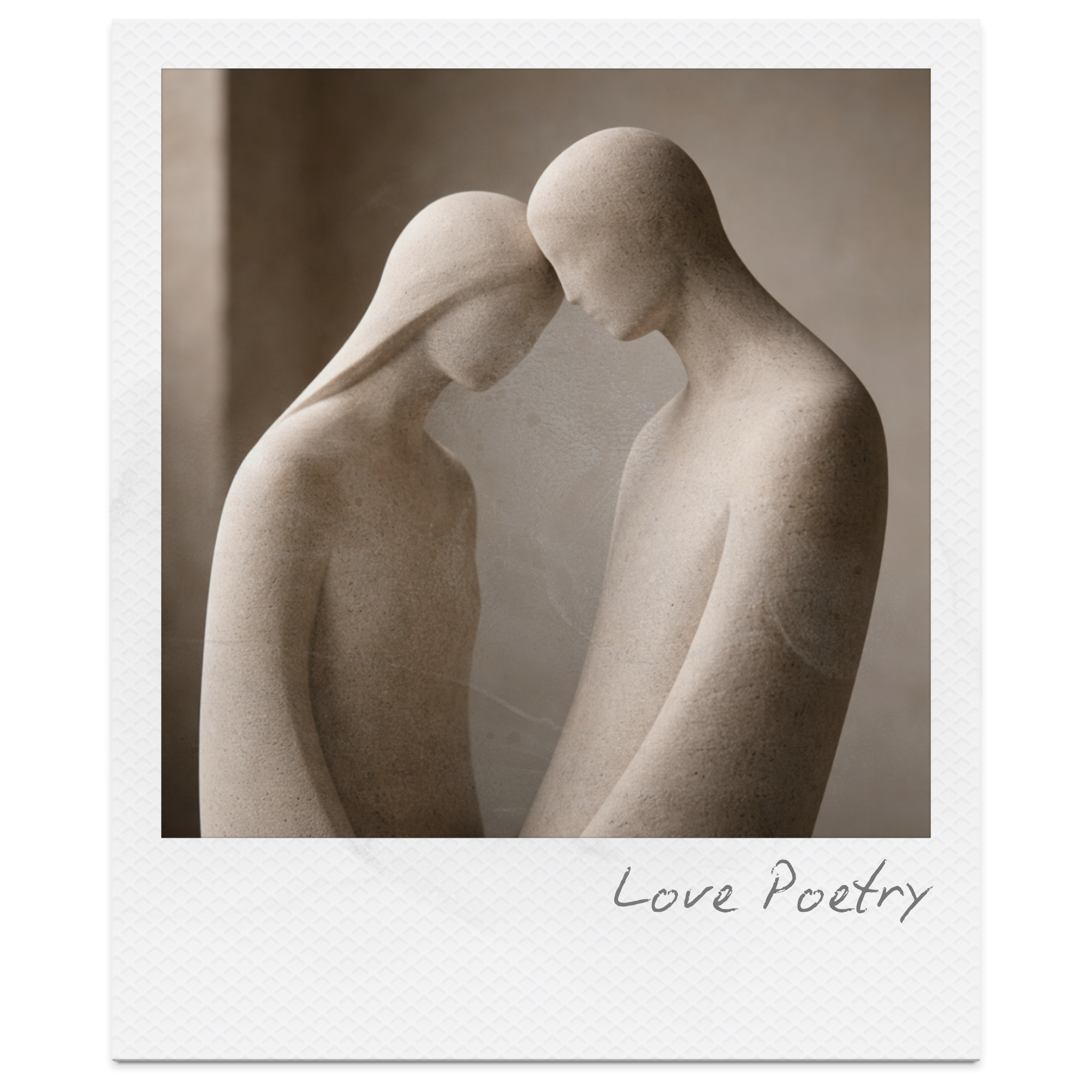
10 Love Poetry Prompts for Teens & Adults: Connection, Longing, and Devotion
Love poetry explores connection, devotion, and longing through voice, imagery, and attention to detail. Rather than relying on grand declarations or cliché, effective love poems focus on small moments, shared habits, and quiet acts of care. This post introduces love poetry as a craft-driven form, showing how emotion is shaped through structure, restraint, and observation. These love poetry prompts for teens and adults offer practical starting points for writing sincere, controlled love poems. With writing techniques, model texts, and image-led inspiration, the post supports classroom teaching and independent writing, helping poets move beyond surface romance into thoughtful, emotionally grounded work.
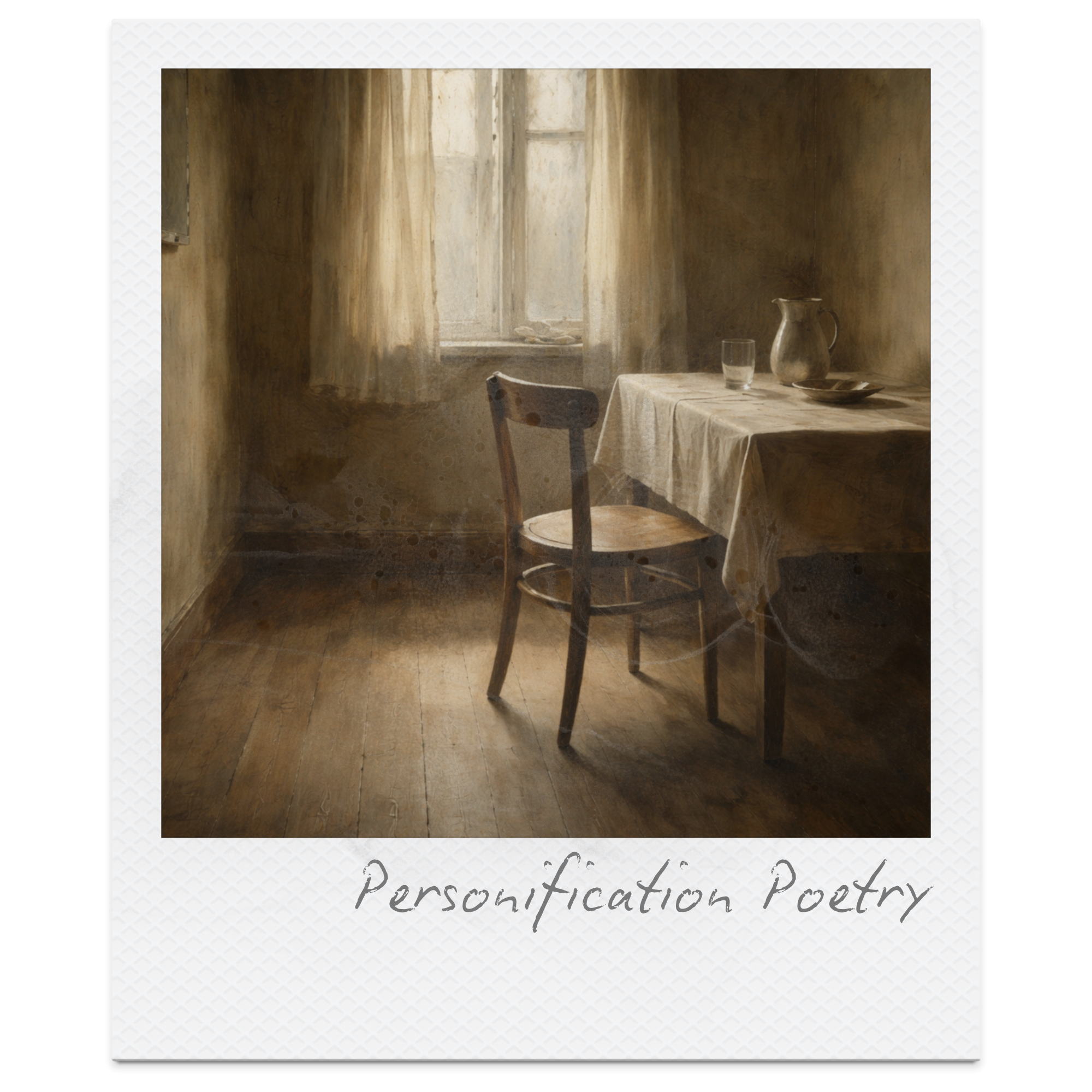
10 Personification Poetry Prompts for Teens & Adults: Voice, Agency, and the Living World
Personification poetry gives voice to objects, spaces, and abstract forces, allowing writers to explore emotion, memory, and power with restraint and precision. Rather than relying on confession or overt symbolism, strong personification poems shift agency away from the human speaker, letting rooms remember, time wait, silence observe, and weather decide. This technique creates distance while deepening meaning, making personification a powerful craft choice in both classroom and creative writing contexts. These personification poetry prompts for teens and adults are designed to support craft-focused poetry writing, offering structured starting points that emphasise voice, agency, and sustained metaphor. With model texts, writing techniques, and image-led approaches, this collection helps writers move beyond surface personification into poems that feel controlled, intentional, and emotionally precise.
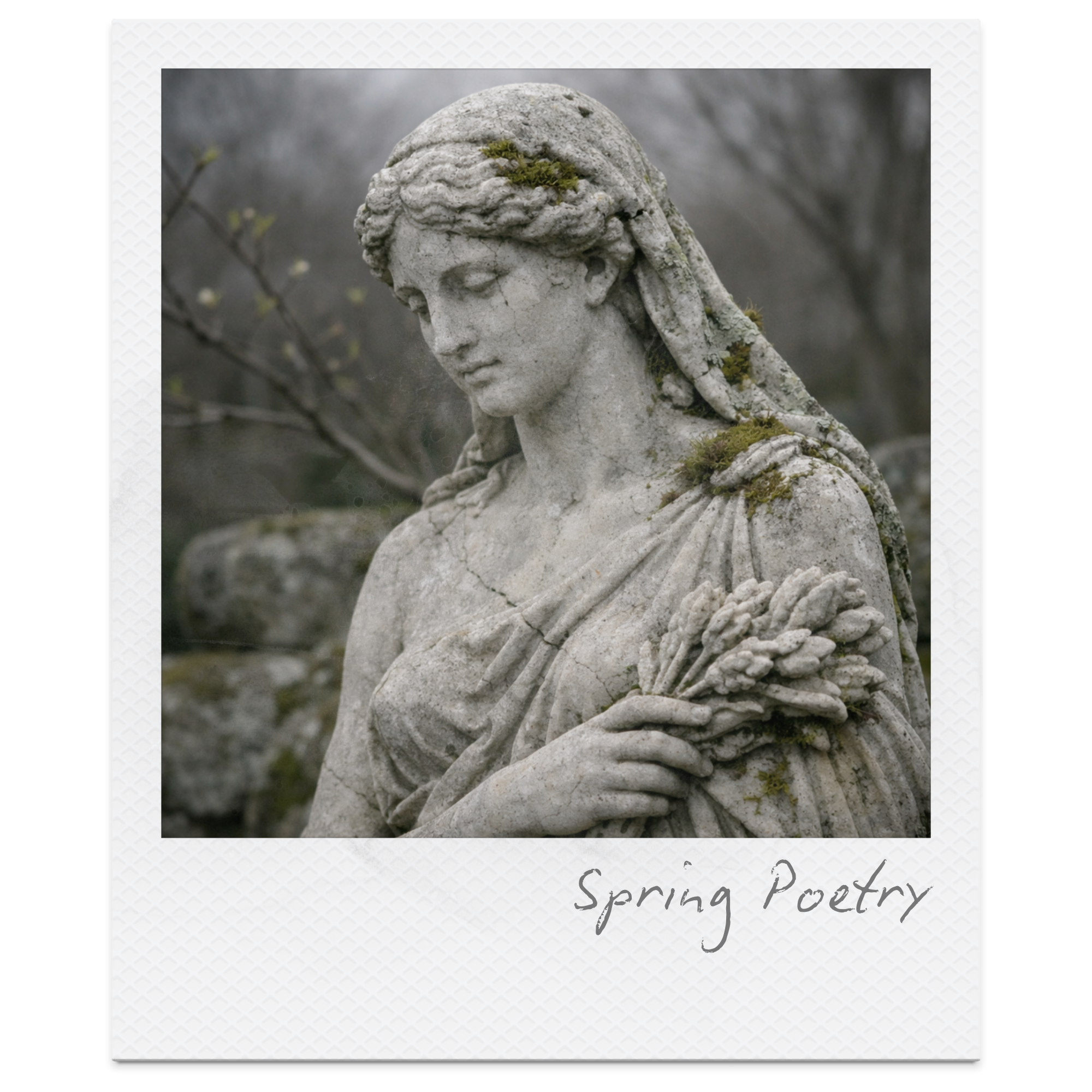
10 Spring Poetry Prompts for Teens & Adults: Writing About Change, Light, and Renewal
Spring poetry is often associated with easy symbolism and tidy ideas of renewal, but the season itself is rarely that simple. In poetry, spring is a time of transition, exposure, and uneven change — moments where light returns gradually, growth feels uncertain, and what has been buried begins to surface. These spring poetry prompts for teens and adults invite writers to explore that complexity through imagery, atmosphere, and poetic craft rather than cliché. Designed for classroom use, writing groups, and independent practice, this collection of spring poetry writing prompts focuses on observation, restraint, and emergence. With suggested opening lines, craft focuses, and ekphrastic approaches, the prompts support thoughtful poetry writing that captures spring as it happens — unsettled, partial, and still in progress.
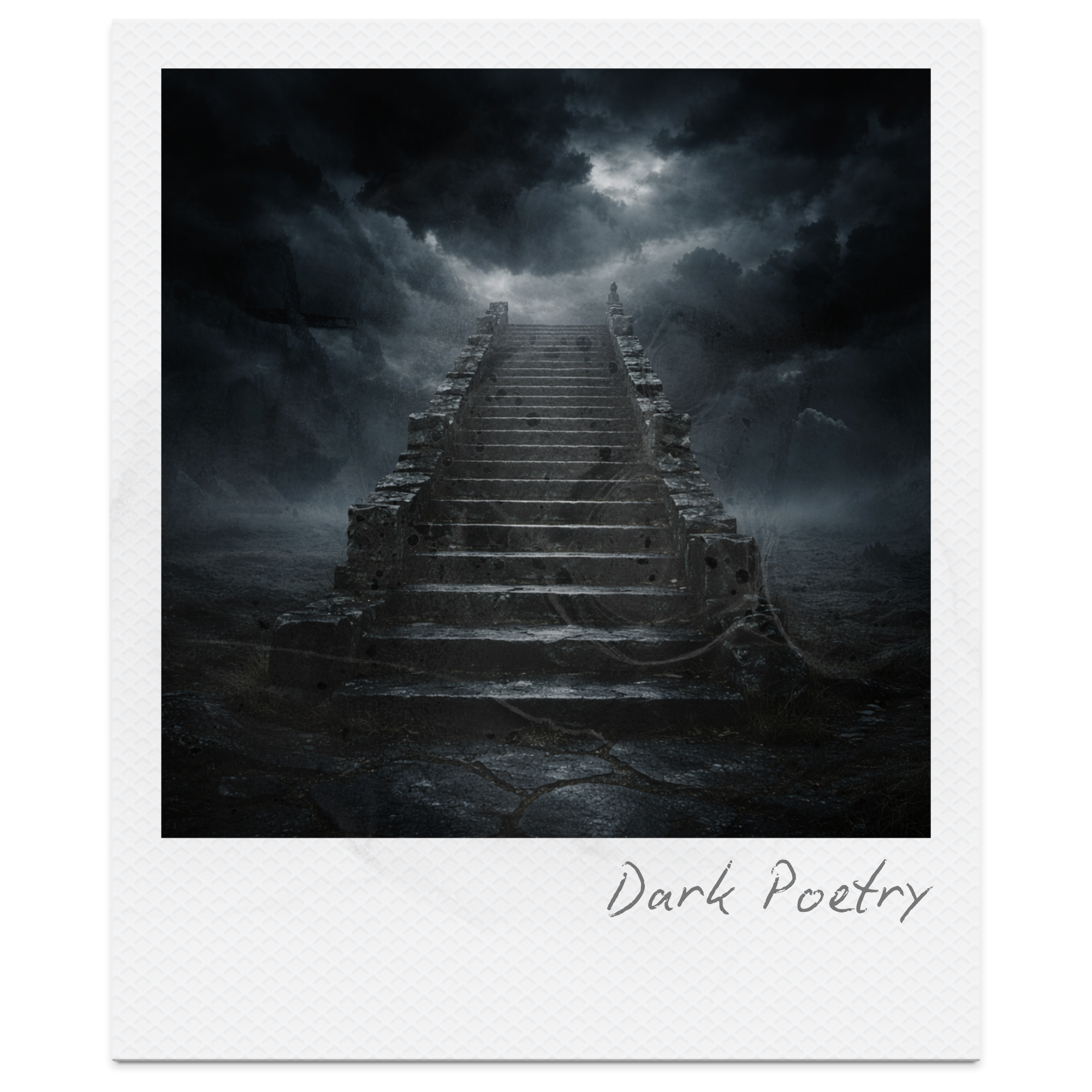
10 Dark Poetry Prompts for Teens & Adults: Exploring Shadow, Silence, and Emotion
Dark poetry explores shadow, silence, and the emotions we rarely name out loud. In this collection of dark poetry prompts for teens and adults, you’ll find atmospheric writing ideas designed to encourage restraint, tension, and emotional depth rather than shock or spectacle. Each prompt invites writers to focus on imagery, form, and what remains unsaid. This post includes 10 dark poetry writing prompts, craft techniques such as enjambment and repetition, suggested opening lines, and ekphrastic poetry images inspired by gothic art, surrealism, and classical forms. Whether you’re teaching poetry, writing independently, or exploring darker themes with care and intention, these prompts offer a thoughtful starting point for powerful, atmosphere-driven writing.
Pre-Reading Poetry Activities for Secondary English (Before Analysis Begins)
Poetry often becomes difficult in classrooms not because the poems themselves are inaccessible, but because students are asked to analyse them before they have had time to encounter them as readers. When lessons begin with context, terminology, and line-by-line breakdowns, many students assume there is a correct interpretation they are meant to find — and that poetry is something to decode rather than experience. Pre-reading and pre-analysis poetry activities slow that process down. They give students space to hear a poem, react to it, and form instincts before analysis begins. By focusing on first impressions, emotional response, and pattern-spotting, these approaches help students build confidence and curiosity — making later close reading more meaningful, purposeful, and far less mechanical.
20 Conflict Poems to Teach: A Timeline from WW1 to Modern Warfare
Looking for conflict poems to teach? This teacher-friendly guide brings together 20 powerful poems about war and conflict, spanning World War One, Vietnam, modern warfare, and media-driven violence. Each poem includes a brief overview and practical classroom ideas, making it easy to dip in and out when planning lessons on ethics, trauma, protest, responsibility, and witnessing conflict from afar.
How and Why to Teach Dulce et Decorum Est: Context, Meaning, and Classroom Approach
Dulce et Decorum Est is one of the most widely taught and frequently misunderstood poems of the First World War. This in-depth guide explores how and why to teach Wilfred Owen’s war poem through historical context, changing attitudes to war, and thoughtful classroom practice. From first encounters with the poem to assessment and common teaching pitfalls, this post offers a clear, purposeful approach to teaching Dulce et Decorum Est as more than an exam text — but as a powerful challenge to the language used to glorify war.
The Ultimate Guide to Ekphrasis (for Secondary Classrooms)
Bring art and writing together with this in-depth guide to ekphrasis — from Homer to high school. Includes examples of famous and classroom-ready poems, student-friendly activities for poetry and prose, and creative ideas for cross-curricular work with Art. Bookmarkable and ready to use.
100 Poetry Prompts for the Classroom: Teen-Friendly and Teacher-Tested
Explore 100 poetry writing prompts designed for teens, classrooms, and creative practice. This collection includes imagery-driven prompts, identity and memory poems, surreal writing ideas, social and political poetry, and form-based exercises to help students develop voice, imagery, and poetic language. Ideal for National Poetry Month, creative writing units, journaling, and daily poetry practice.
Poetry Writing Activities for the Classroom
Bring poetry to life with these 10 creative writing activities for middle and high school students. Low-prep, flexible, and classroom-tested — perfect for National Poetry Month or any time of year.

10 Best Christmas Poems to Teach (And How to Teach Them)
Christmas in the classroom is always a balancing act. You want something seasonal to capture the spirit of December, but it still needs the depth to justify lesson time. Poetry is the perfect answer. From Christina Rossetti’s wintry devotion to T. S. Eliot’s existential Nativity, these ten poems offer rich imagery, layered themes, and plenty of scope for creative writing.
10 Celestial Poetry Prompts for Teens & Adults: Exploring Stars, Silence, and Scale
Celestial poetry uses stars, light, and distance to explore perspective, time, and quiet emotion. Rather than focusing on scientific detail, celestial poems draw on observation and restraint — using the night sky to reflect on small human moments set against vast scale. These celestial poetry prompts for teens and adults invite writers to work with atmosphere, silence, and imagery rather than narrative or explanation. This collection of 10 Celestial Poetry Prompts includes guided writing ideas, suggested opening lines, craft techniques, and ekphrastic image prompts inspired by the night sky. Designed for classrooms, writing groups, and independent practice, the prompts support thoughtful, craft-focused poetry writing that encourages reflection, curiosity, and emotional precision.