50 Spring Poetry Writing Prompts for Teens: Titles, Images, Forms, Voice & Technique
Spring poetry isn’t just about flowers and sunshine. It’s about transition — the tension between what’s ending and what’s beginning, the return of light alongside lingering cold, and the sense that something is shifting before it’s fully understood.
This collection of 50 spring poetry writing prompts for teens is designed to support thoughtful, craft-focused poetry writing in the classroom. The prompts are organised into five clear categories — titles, images, form, voice, and technique — making them easy to use for English lessons, poetry units, creative writing clubs, and independent writing.
If you’d like free poetry writing resources — including blackout poetry, image-led prompts, and fragment-based writing activities — you can sign up here to download them free.
If you’re looking to build these prompts into fuller lessons, you might also find Poetry Writing Activities for the Classroom helpful, or explore The Ultimate Guide to Ekphrasis (for Secondary Classrooms) for structured ways to turn images into meaningful poetry.
If you’re looking for more genres, seasonal collections, or daily inspiration, you can browse the full master list of 2000+ creative writing prompts here.
1. Spring Poetry Titles
These titles can be used as direct poem prompts or starting points for interpretation and symbolism.
Not Quite Spring
After the Frost
The Long Return
What Survived the Winter
Early Light
Between Seasons
Before the Bloom
Things That Come Back
A Softer Morning
When the Ground Changes
2. Form & Structure Prompts
These prompts focus on poetic form and shape, supporting craft development.
Write a free verse poem that avoids rhyme entirely.
Write a sonnet about resisting change.
Write a list poem about what returns in spring.
Write a poem in tercets inspired by March wind.
Write a poem with no punctuation.
Write a poem where each stanza grows longer.
Write a poem shaped like the thing it describes.
Write a haiku focused on transition rather than beauty.
Write a poem that ends before it feels finished.
Write a poem where white space carries meaning.
3. Voice & Perspective Prompts
These prompts encourage students to explore voice, identity, and point of view.
Write from the perspective of the land after winter.
Write a poem spoken by something returning.
Write from the voice of someone watching spring arrive reluctantly.
Write from the perspective of a plant that grows late.
Write a poem addressed directly to the season.
Write from the voice of rain.
Write as someone who doesn’t feel ready for change.
Write from the perspective of something left behind.
Write a poem spoken by light itself.
Write from the voice of the earth remembering winter.
4. Language & Technique Prompts
These prompts focus on poetic devices and language control.
Write a poem built entirely around metaphor.
Write a poem where colour carries symbolic meaning.
Write a poem that uses repetition to suggest growth.
Write a poem driven by sound rather than image.
Write a poem that shifts tense halfway through.
Write a poem where nature mirrors emotion.
Write a poem that avoids naming the season directly.
Write a poem where one word appears in every stanza.
Write a poem that moves from darkness to light.
Write a poem where the final line changes the meaning of what came before.
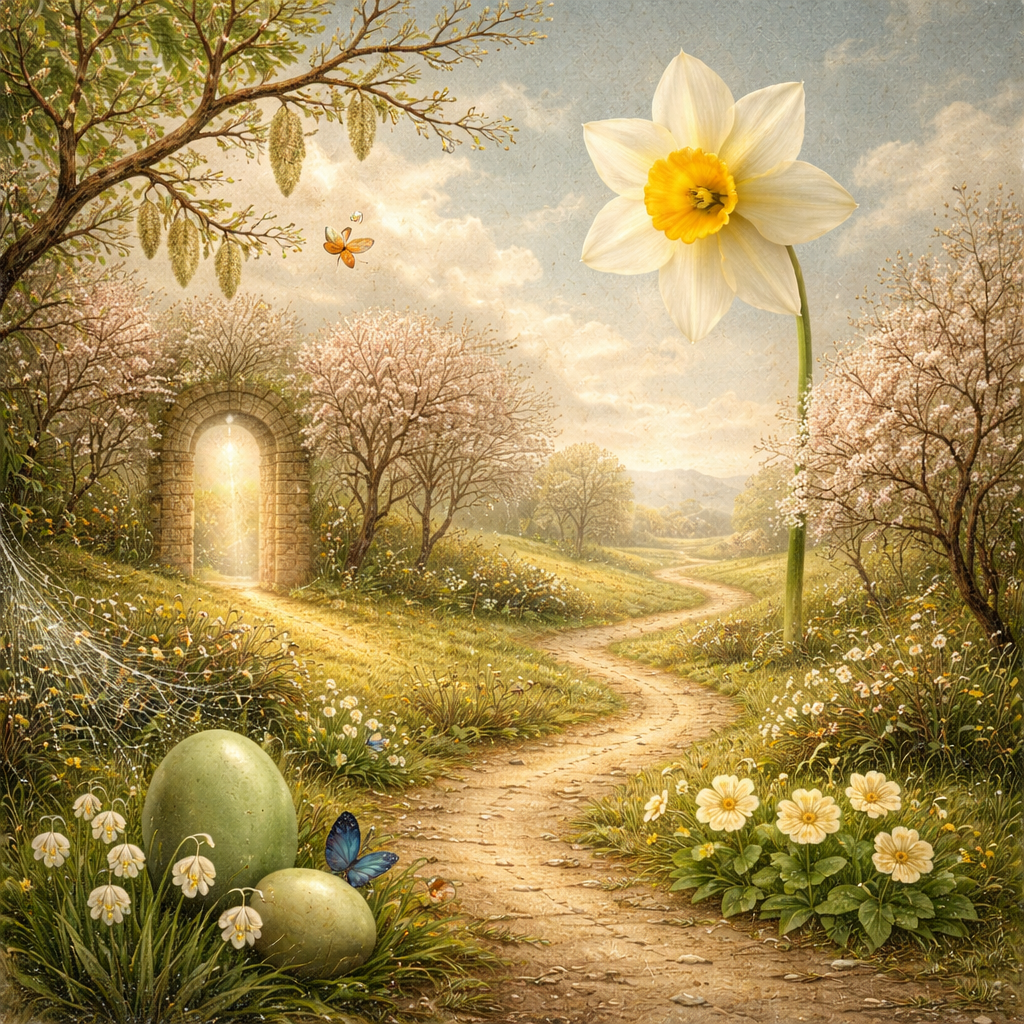
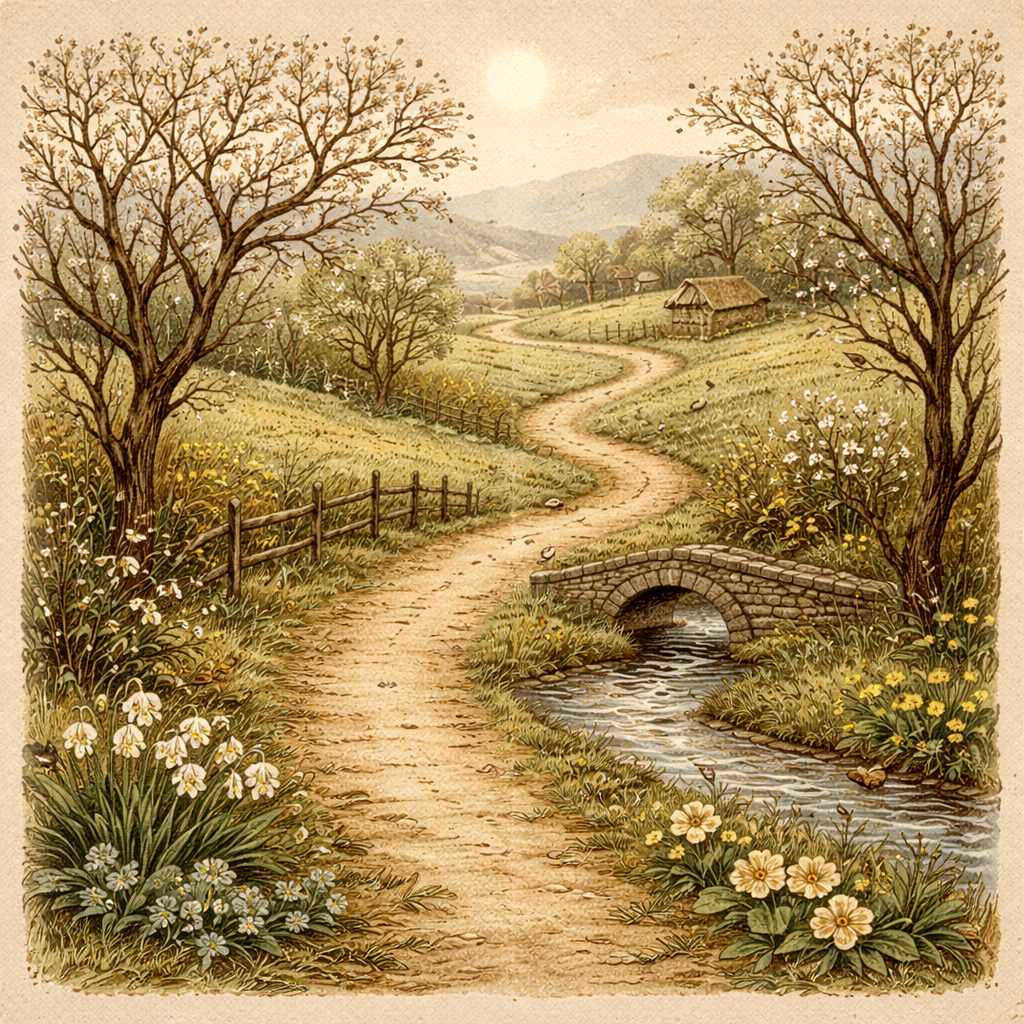
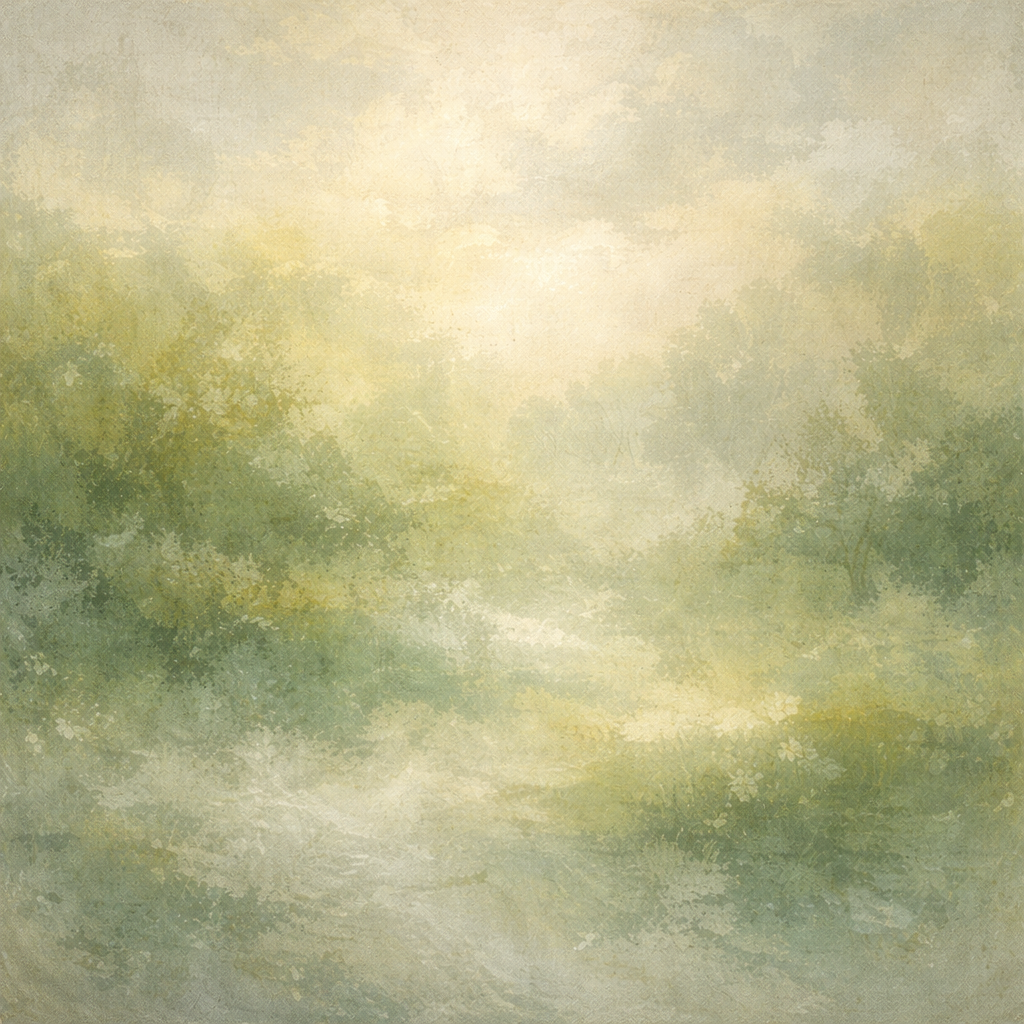
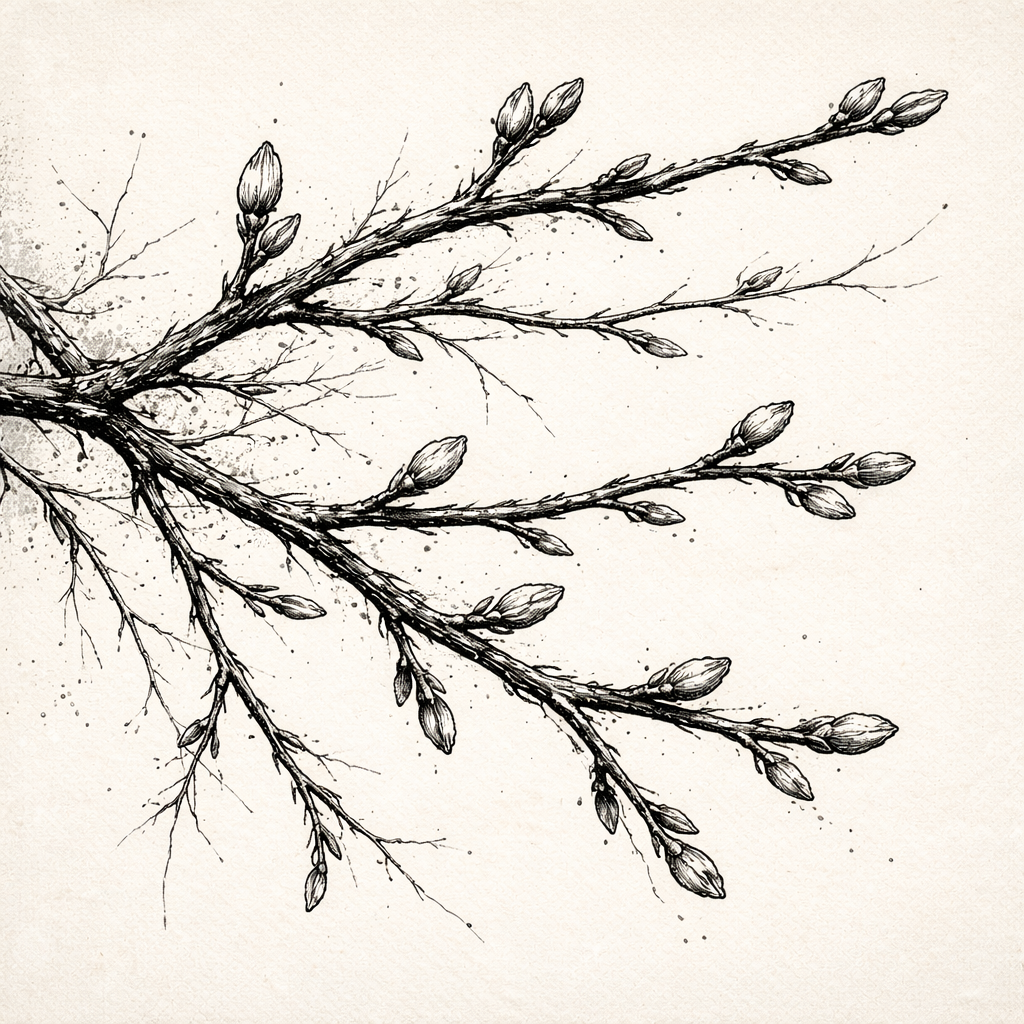
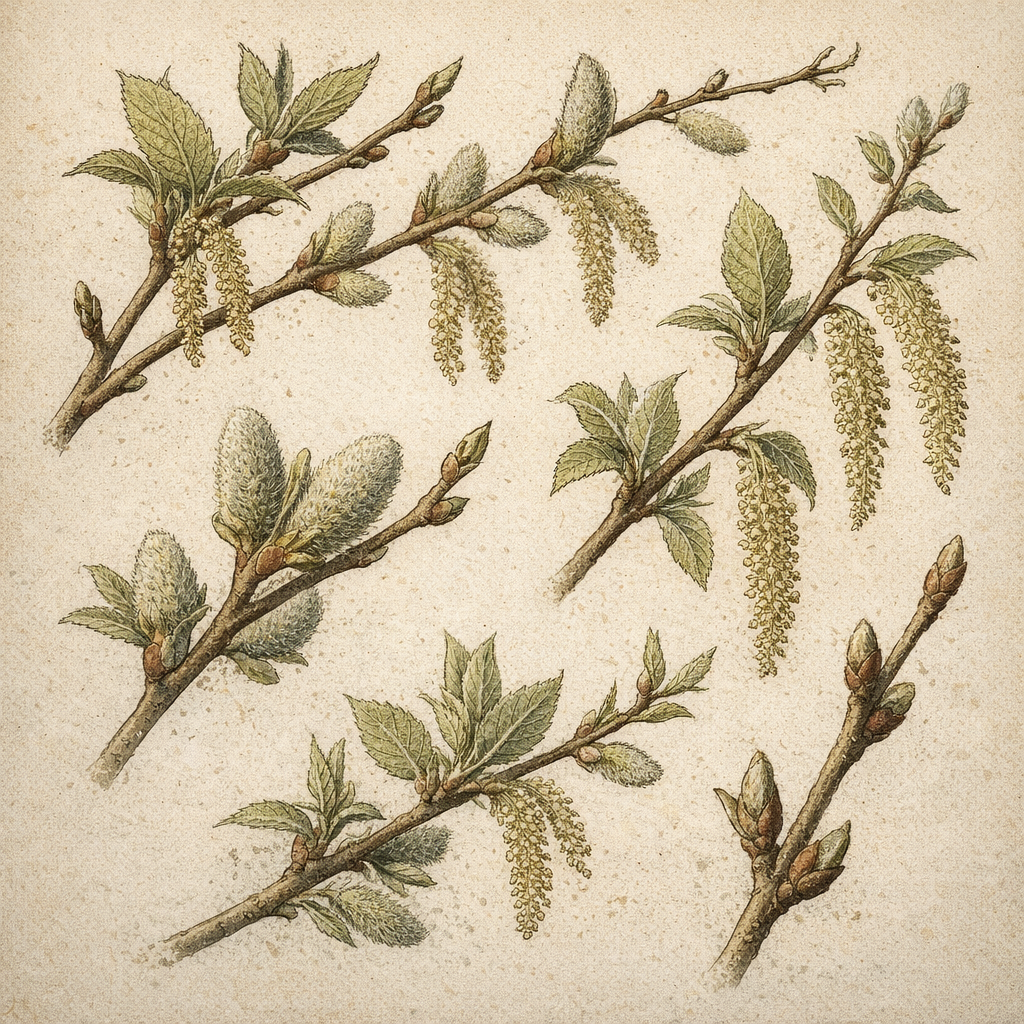
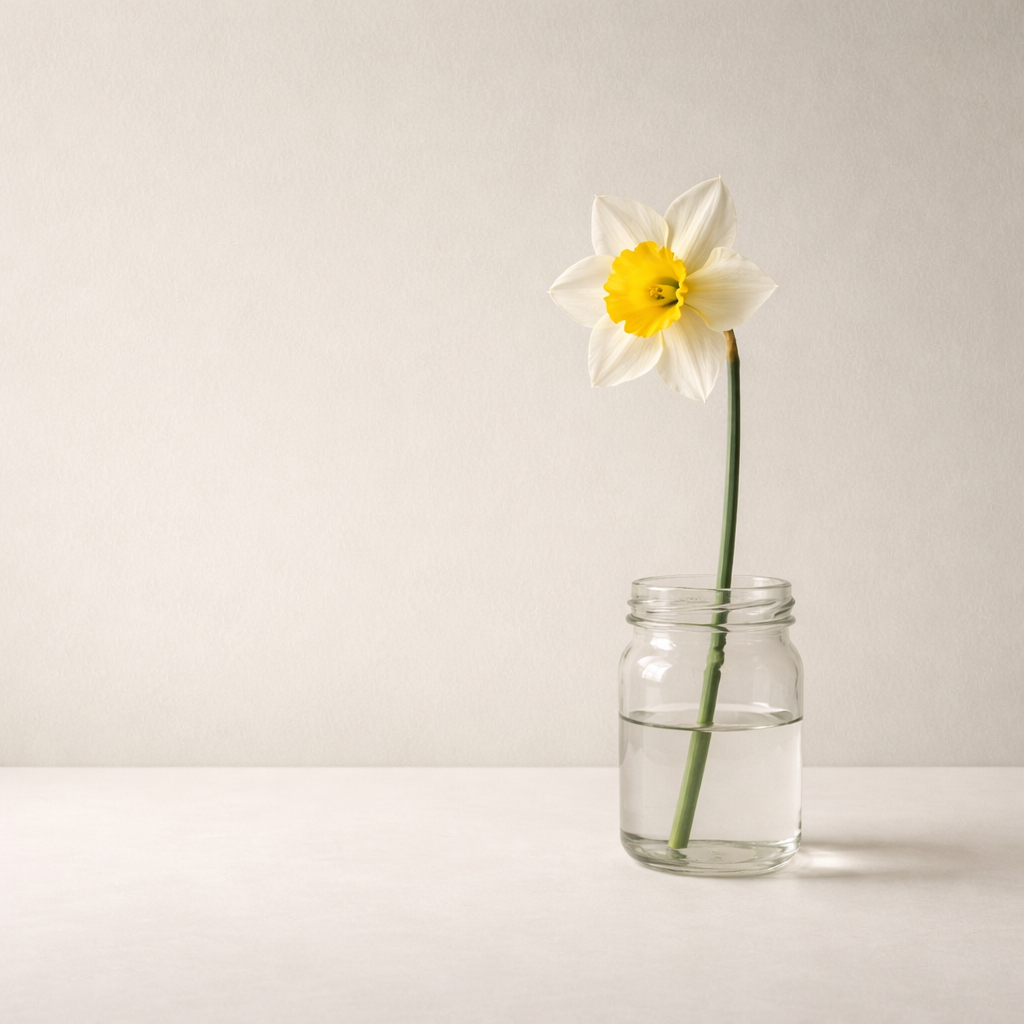
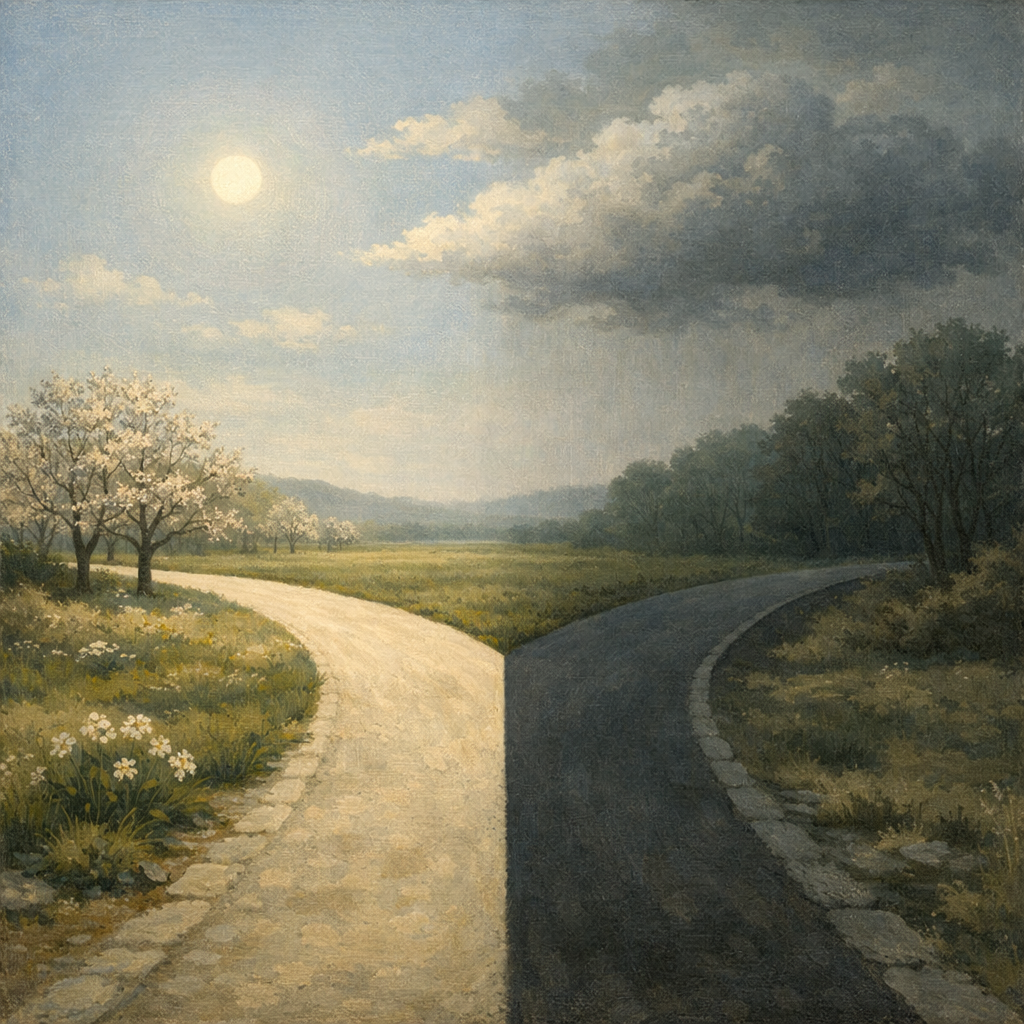
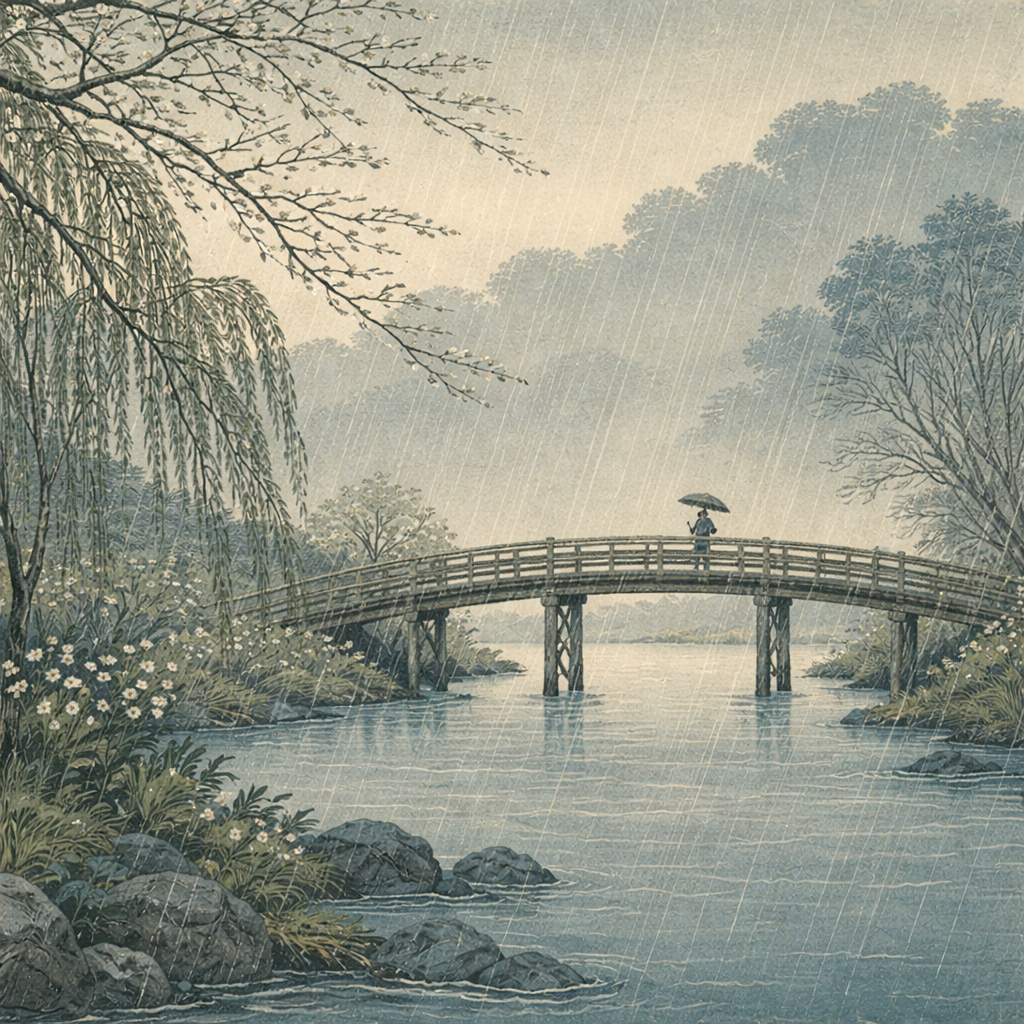
5. Picture Prompts
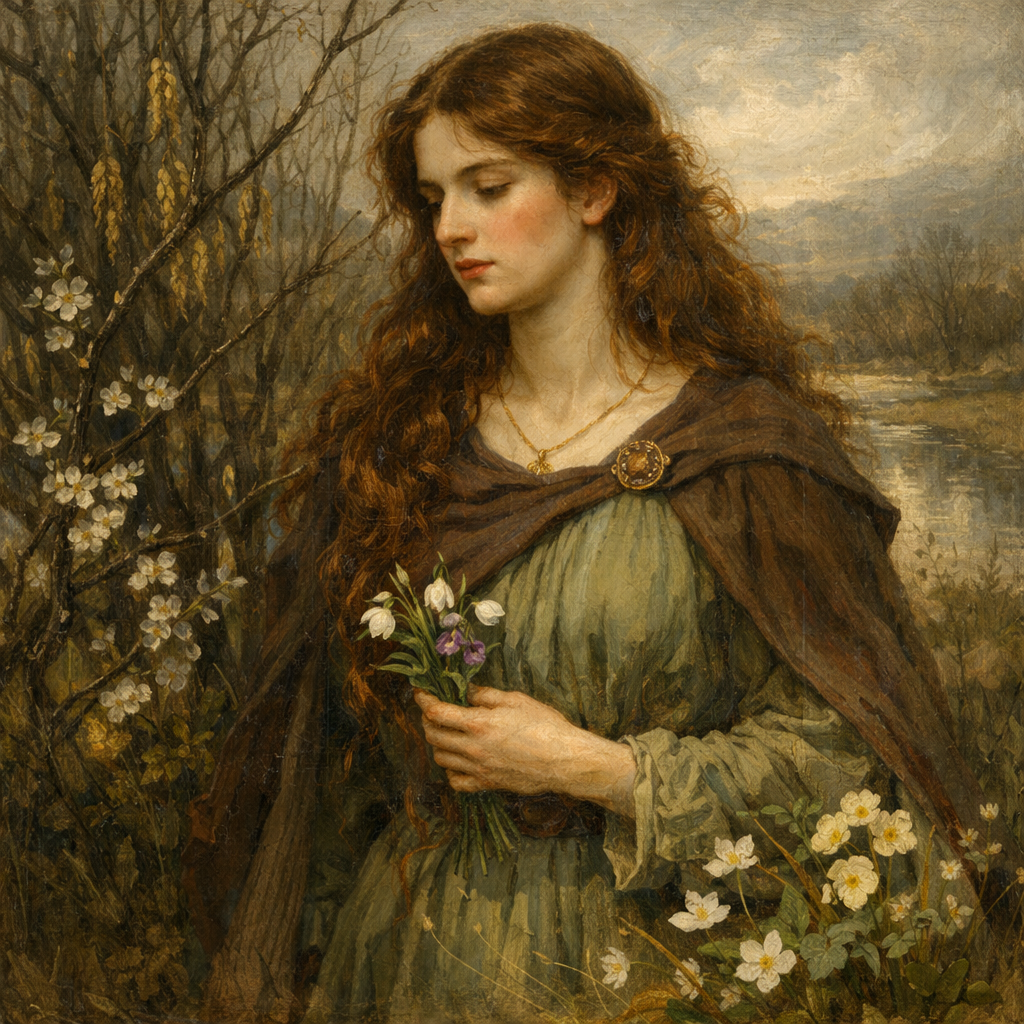
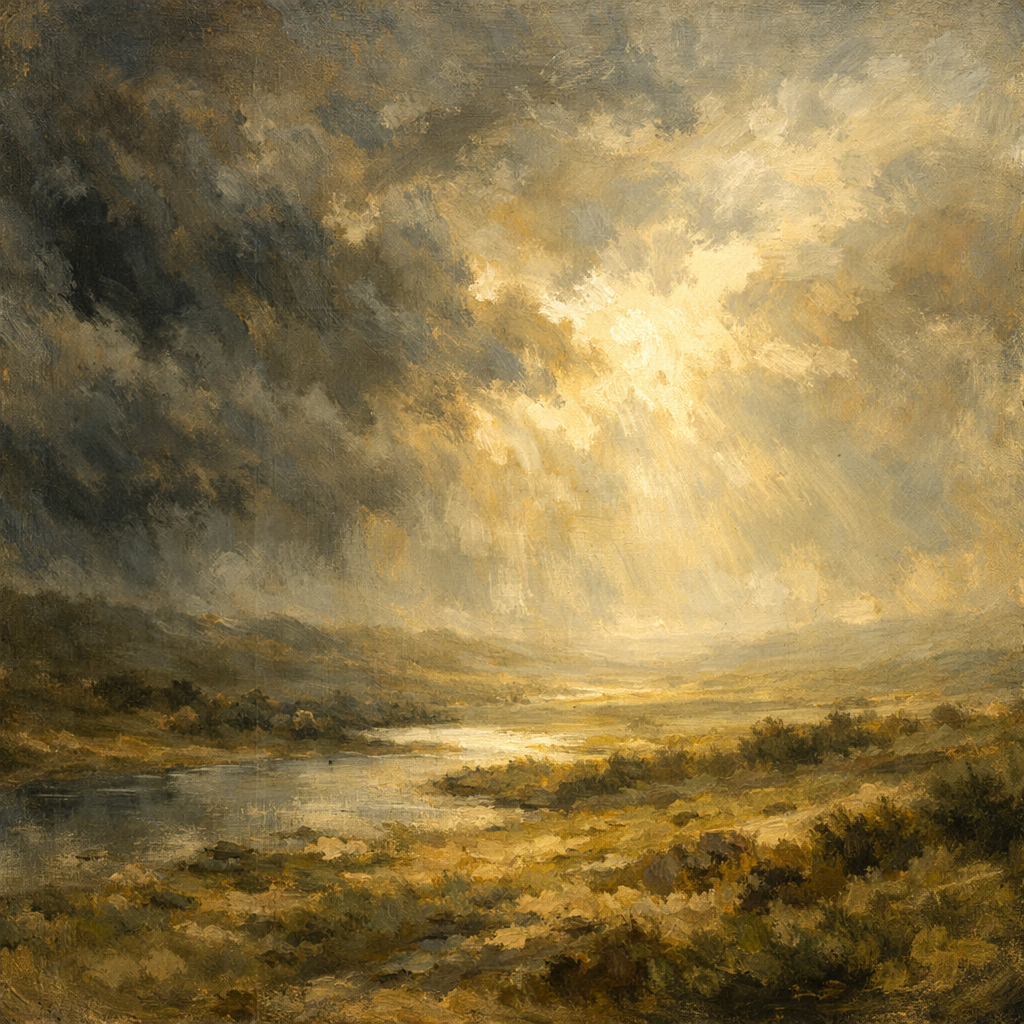
Use these image-based prompts to encourage sensory detail, metaphor, and mood.
Final Thoughts
Spring poetry encourages writers to sit with change rather than rush toward resolution. It rewards observation, restraint, and careful language — skills that strengthen both creative and analytical writing.
These 50 spring poetry writing prompts for teens offer flexible, classroom-ready inspiration for poetry units, seasonal lessons, and independent writing. They work especially well alongside structured approaches such as those in Poetry Writing Activities for the Classroom, or image-led methods explored in The Ultimate Guide to Ekphrasis (for Secondary Classrooms).
If you’d like to go further, you can sign up to download free poetry writing resources, including blackout poetry, image-based prompts, and fragment-led activities you can use straight away in the classroom.
If you’re looking for more genres, seasonal collections, or daily inspiration, you can browse the full master list of 2000+ creative writing prompts here.
For ongoing inspiration, structure, and classroom-ready materials, you can also explore our Daily Writing Prompts, which offer a new prompt every day — complete with images, discussion questions, and optional teacher slides.
