Confluents by Christina Rossetti: Summary, Themes, Symbolism & Analysis
Christina Rossetti’s Confluents is a devotional lyric that explores spiritual longing, distance, and the desire for ultimate union. Through a series of natural comparisons — rivers flowing toward the sea, roses opening to the sun, and dew rising into the air — the poem presents a speaker whose soul continually seeks something greater than itself. These images suggest a powerful movement toward connection, while also highlighting the speaker’s present state of separation and yearning.
At its heart, the poem reflects Rossetti’s recurring exploration of faith, devotion, and the human search for divine closeness. The speaker compares her own spiritual desire to natural processes that instinctively move toward their source or fulfilment. This analysis explores the poem’s imagery, symbolism, structure, and themes, situating it within Rossetti’s wider engagement with religious devotion and emotional introspection. You can explore more of Rossetti’s poetry in the Christina Rossetti hub, or browse additional literary analyses in the Literature Library.

Context of Confluents
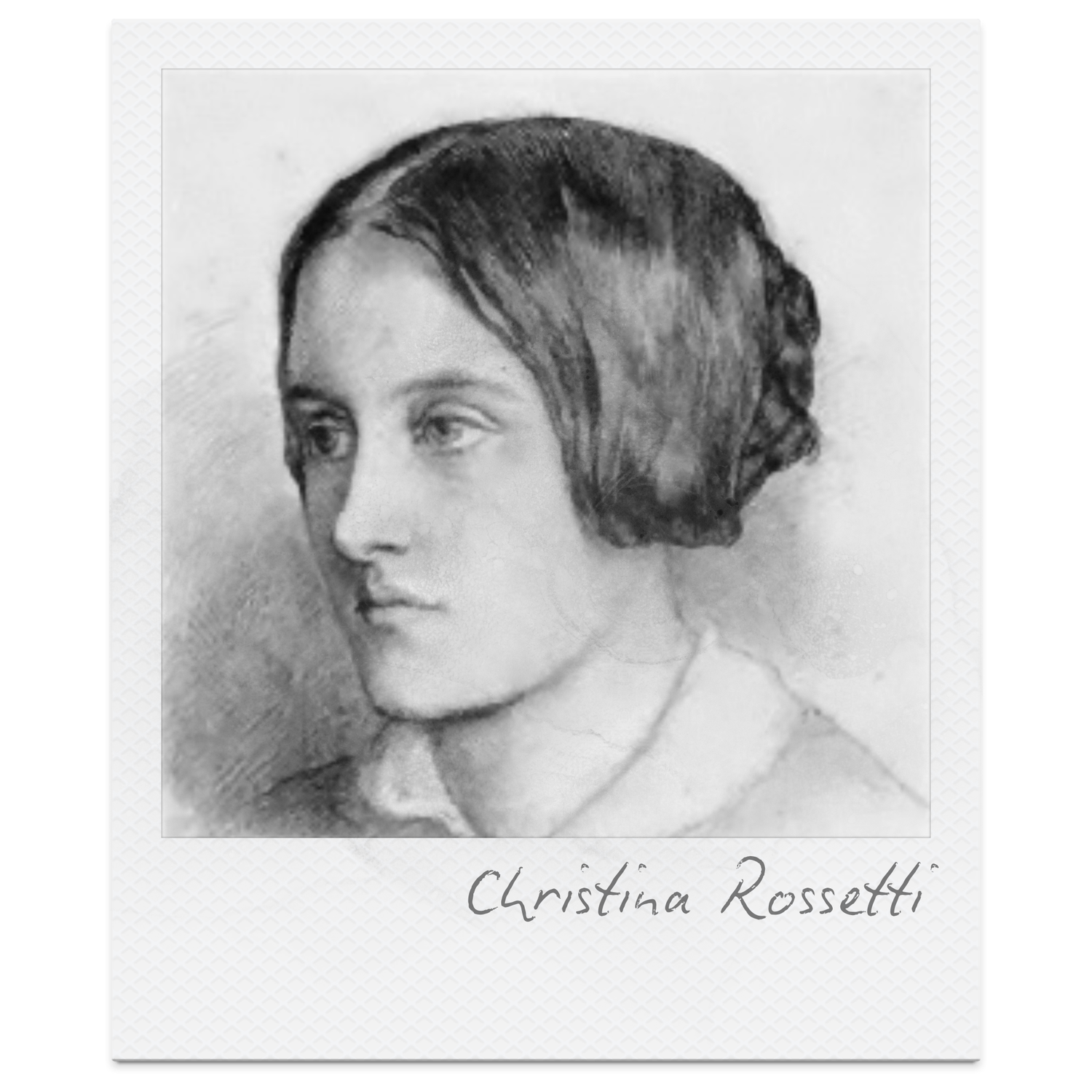
Christina Rossetti’s Confluents reflects many of the religious and devotional concerns that shaped her poetry, particularly her interest in the relationship between human longing and divine connection. Rossetti was deeply influenced by the Anglican faith and by the devotional culture of the Victorian period, which emphasised spiritual self-examination, humility, and the hope of eventual union with God. Many of her poems explore the emotional experience of faith, especially the tension between earthly distance and spiritual desire.
The poem’s imagery draws heavily on natural processes, presenting rivers flowing toward the sea, roses opening toward the sun, and dew rising into the air. These natural movements suggest that all things instinctively move toward their source or fulfilment. By comparing her own soul to these natural phenomena, the speaker expresses a form of spiritual yearning, suggesting that the human soul naturally seeks closeness with the divine.
This devotional perspective was common within Victorian religious poetry, where nature was often interpreted as a reflection of God’s design and spiritual order. Rossetti frequently used such imagery to explore the relationship between human weakness, spiritual longing, and the hope of redemption. For a broader discussion of Rossetti’s life, faith, and literary influences, see the Christina Rossetti context post.
Confluents: At a Glance
Form: Devotional lyric with repeating stanza structure and refrain-like endings
Mood: Longing, reflective, and spiritually yearning
Central tension: The speaker feels separated from the object of her devotion while believing that all things naturally move toward union
Core themes: spiritual longing, divine connection, devotion, distance and separation, faith and hope
One-sentence meaning:
The poem expresses a speaker’s deep spiritual longing by comparing her soul’s desire for union with the divine to natural processes that instinctively move toward their source.
Quick Summary of Confluents
The poem begins with the speaker comparing her own longing to rivers flowing toward the sea. Just as rivers naturally seek the ocean, the speaker’s soul seeks the beloved figure addressed in the poem. However, while rivers move with purpose toward their destination, the speaker feels separated and alone, emphasised by the repeated image of moaning rivers travelling on their solitary course.
In the second stanza, the imagery shifts from water to flowers and sunlight. The speaker compares herself to a rose opening to the sun, suggesting a moment of emotional or spiritual exposure. Her heart unfolds completely toward the one she seeks, revealing a state of total vulnerability and devotion. The repetition of “utterly” reinforces the idea that this emotional offering is complete and without reservation.
The third stanza introduces the image of morning dew rising into the air, symbolising something delicate and fleeting. As dew evaporates under sunlight, the speaker suggests that her own spirit seems to fade in its longing. The image that the dew leaves “not a trace” on the earth deepens the poem’s sense of fragility and impermanence.
In the final stanza, the speaker reflects on the certainty of nature’s patterns. Rivers eventually reach the sea, dew finds its path, and roses are warmed by sunlight. Yet the speaker remains uncertain whether she will experience the same fulfilment. The poem ends with a hopeful but unresolved question, as she wonders whether she will “find thee at the last,” revealing a mixture of faith, longing, and spiritual uncertainty.
Title, Form, Structure, and Metre of Confluents
Rossetti’s formal choices in Confluents reinforce the poem’s atmosphere of devotional longing and emotional intensity. The patterned stanza structure, recurring rhyme, and shifting rhythm create a musical quality that mirrors the poem’s imagery of movement toward union. These formal elements help shape the speaker’s expression of spiritual yearning and emotional vulnerability.
Title
The title Confluents refers to the meeting point of rivers or streams as they merge into a single flow. This idea of convergence and union reflects the poem’s central imagery of rivers moving toward the sea. Symbolically, the title suggests the speaker’s desire for spiritual or emotional reunion, reinforcing the poem’s exploration of longing for connection with the figure she addresses.
Form and Structure
The poem is arranged in four octaves, meaning each stanza contains eight lines. Within each stanza, the opening lines introduce an image drawn from the natural world, while the closing lines shift toward the speaker’s own emotional experience. This repeated pattern allows Rossetti to develop a series of extended natural comparisons, linking the behaviour of rivers, flowers, and dew to the speaker’s longing.
The structure also places increasing emphasis on the speaker’s isolation. While the natural images suggest purposeful movement toward fulfilment, the final lines of each stanza return to the speaker’s personal state of distance, solitude, and yearning.
Rhyme Scheme and Poetic Pattern
Each stanza follows a consistent ABABCCCC rhyme scheme. The alternating rhymes in the opening lines create a sense of motion and balance, while the repeated rhyme in the final four lines brings the stanza to a more concentrated and reflective conclusion.
Rossetti also introduces subtle sound echoes within the lines themselves. For example, in the first stanza the sounds of “deep” and “thee” produce a gentle internal resonance that contributes to the poem’s lyrical quality. These sound patterns reinforce the sense of flow and continuity, echoing the movement of water that appears throughout the poem.
Metre and Rhythmic Movement
Rossetti varies the rhythm across the poem, creating a flowing cadence that reflects the imagery of natural movement and spiritual pursuit. Many of the longer lines lean toward iambic trimeter, producing a rising rhythm that suggests forward motion.
For instance, the opening line can be scanned as:
as RI | vers SEEK | the SEA
Similarly, the line:
much MORE | DEEP THAN | they
maintains the same rising pattern, giving the poem a sense of steady movement that mirrors the flow of rivers toward the sea.
Rossetti also introduces shorter lines that interrupt this rhythm and create moments of emotional emphasis. For example:
so I | MOAN
LEFT a | LONE
The abrupt brevity of these lines isolates the speaker’s emotion both visually and rhythmically, reinforcing her sense of loneliness and separation.
This variation between longer flowing lines and shorter fragmented ones reflects the poem’s central tension. While the natural imagery suggests that all things move inevitably toward fulfilment, the speaker’s broken rhythm reveals a more uncertain emotional journey shaped by spiritual longing and distance.
Speaker of Confluents
The speaker of Confluents presents a deeply introspective and devotional voice, expressing a powerful sense of longing for connection with the figure she addresses. The poem is written in the first person, which creates an intimate tone and allows the reader to experience the speaker’s emotional and spiritual yearning directly.
Throughout the poem, the speaker compares her inner life to natural processes that move instinctively toward fulfilment. Rivers flow toward the sea, roses open to the sun, and dew rises into the air. These comparisons suggest that the speaker believes her own soul is naturally drawn toward the one she seeks, reinforcing the poem’s theme of spiritual devotion and desire for union.
At the same time, the speaker repeatedly emphasises her sense of distance and solitude. Phrases such as “I moan / Left alone” highlight the emotional isolation she experiences while separated from the object of her devotion. This contrast between nature’s purposeful movement and the speaker’s lingering separation creates the poem’s central tension.
The identity of the figure addressed as “thee” remains ambiguous. In a religious reading, the speaker may be expressing longing for divine union with God, which aligns with Rossetti’s devotional themes. However, the language of emotional openness and vulnerability could also suggest romantic or personal longing. This ambiguity allows the poem to operate on both spiritual and emotional levels, reflecting Rossetti’s frequent blending of religious devotion and human desire.
Stanza-by-Stanza Analysis of Confluents
A close reading of Confluents reveals how Rossetti develops the poem’s ideas through extended natural imagery, repetition, and rhythmic variation. Each stanza introduces a comparison between the speaker’s emotional state and a natural process, suggesting that longing and movement toward union are embedded within the natural world itself.
Examining the poem stanza by stanza allows us to see how Rossetti builds this pattern of comparison. Rivers flowing toward the sea, roses opening to sunlight, and dew rising into the air all reflect the speaker’s spiritual yearning and emotional vulnerability. As the poem progresses, these images deepen the sense that while nature instinctively moves toward fulfilment, the speaker remains caught in a state of distance, longing, and uncertain hope.
Stanza 1: Spiritual Longing and Isolation
The opening stanza introduces the poem’s central comparison between natural movement and emotional longing. The image of rivers seeking the sea suggests an instinctive and inevitable process, as water naturally flows toward a larger body. By describing the sea as “much more deep than they,” Rossetti emphasises the idea of something greater and more powerful drawing the rivers forward. This image establishes the foundation for the speaker’s spiritual metaphor.
The speaker immediately applies this natural movement to her own experience. Just as rivers seek the sea, her soul seeks “thee.” The use of the second-person address creates a sense of direct yearning, while the phrase “far away” highlights the emotional and spiritual distance between the speaker and the figure she longs for. The comparison suggests that the speaker’s desire is not random but inherent and unavoidable, much like the natural flow of water.
In the second half of the stanza, the tone becomes more personal and mournful. The image of “running rivers moan / On their course alone” introduces the idea that movement toward fulfilment may still involve loneliness and struggle. The repetition of “moan” reinforces the emotional intensity of the speaker’s longing, while the short concluding lines — “So I moan / Left alone” — isolate the speaker’s grief both visually and rhythmically. These brief lines emphasise her sense of solitude and emotional separation, establishing the poem’s central tension between natural movement toward union and the speaker’s present isolation.
Stanza 2: Emotional Vulnerability and Devotional Openness
In the second stanza, Rossetti shifts from water imagery to the image of a rose opening to the sun, continuing the poem’s pattern of natural comparison. The “delicate rose” responds instinctively to the “sun’s sweet strength,” unfolding itself completely in response to warmth and light. This image suggests both natural attraction and trust, as the rose opens without resistance.
The speaker then applies this image to her own emotional state. Just as the rose unfolds in sunlight, her heart spreads toward the one she addresses, revealing a moment of complete emotional exposure. The phrase “unveiled utterly” suggests total openness, implying that the speaker hides nothing from the figure she longs for. This language conveys a powerful sense of devotional sincerity and vulnerability.
The stanza concludes with the repeated word “utterly,” which emphasises the completeness of the speaker’s emotional offering. The repetition reinforces the intensity of her devotion while also highlighting her dependence on the response of the one she addresses. Although the rose image suggests warmth and growth, the speaker’s vulnerability also carries a sense of risk, as she exposes her heart entirely while remaining uncertain whether her longing will be fulfilled.
Stanza 3: Fragility and the Fear of Being Forgotten
In the third stanza, Rossetti introduces the image of morning dew rising toward the sun, continuing the poem’s pattern of natural comparisons. Dew is delicate and short-lived, appearing briefly before it evaporates under sunlight. By describing the dew as “exhal[ing] / Sunwards pure and free,” Rossetti suggests a gentle upward movement toward light, reinforcing the idea that natural elements instinctively move toward their source.
The speaker then applies this image to her own experience, explaining that her “spirit fails / After thee.” The verb “fails” suggests emotional exhaustion as well as intense longing, implying that the speaker’s devotion leaves her weakened. While the earlier stanza emphasised openness and vulnerability, this moment introduces a stronger sense of fragility and emotional strain.
The final lines deepen the speaker’s anxiety. Just as dew disappears without leaving any mark on the earth, the speaker fears that she herself may leave “no trace” on the face of the one she addresses. This comparison introduces a painful possibility: that her devotion may be unnoticed or unreturned. The repetition of “no trace” intensifies this fear, highlighting the speaker’s concern that her longing might ultimately be invisible or forgotten.
Stanza 4: Hope and Uncertain Fulfilment
In the final stanza, the speaker returns to the natural images introduced earlier in the poem. Rivers reach the sea, dewdrops find their path, and the rose receives the warmth of sunlight. Each of these images reinforces the idea that elements in nature move toward their intended fulfilment. Rivers achieve their destination, dew rises toward light, and flowers respond to the sun’s life-giving power.
However, the speaker’s situation remains uncertain. While the natural world appears guided by an instinctive order, the speaker does not know whether her own longing will reach the same resolution. This uncertainty appears in the questioning tone of the final lines, as she asks whether she too will eventually “find thee at the last.”
The repetition of “sorrow past” and “thee at last” expresses both hope and hesitation. On one level, the speaker imagines a future in which her suffering has ended and reunion is possible. Yet the phrasing remains speculative, emphasised by the question that closes the poem. Rather than providing a clear resolution, Rossetti leaves the poem suspended between faith and uncertainty, reflecting the speaker’s continued longing for a union that she believes may come only at the end of her sorrow.
Key Quotes from Confluents
Rossetti’s Confluents uses natural imagery, repetition, and devotional language to express the speaker’s longing for connection. The following quotations highlight the poem’s central ideas of spiritual yearning, vulnerability, and the hope of eventual union.
As rivers seek the sea
◆ This opening comparison introduces the poem’s central metaphor of natural movement toward fulfilment.
◆ Rivers instinctively flow toward the sea, suggesting that the speaker’s longing is inevitable and deeply rooted.
◆ The image establishes the poem’s pattern of linking natural processes with emotional or spiritual desire.
So my soul seeks thee
◆ The speaker directly compares her inner life to the movement of rivers.
◆ The phrase suggests devotional longing, which may be interpreted as either spiritual or emotional attachment.
◆ The use of “soul” emphasises the depth and sincerity of the speaker’s desire.
As running rivers moan
◆ The verb “moan” personifies the rivers, giving the natural imagery an emotional quality.
◆ This sound imagery reflects the speaker’s own sense of loneliness and sorrow.
◆ It suggests that the journey toward fulfilment may involve difficulty and isolation.
Left alone
◆ These short closing words isolate the speaker’s emotional state.
◆ The brevity of the line visually reinforces the feeling of solitude and abandonment.
◆ This moment highlights the poem’s tension between natural movement toward union and personal isolation.
As the delicate rose
◆ The rose symbolises beauty, vulnerability, and emotional openness.
◆ Its relationship with the sun introduces an image of trust and natural response to warmth.
◆ The comparison prepares for the speaker’s confession of complete emotional exposure.
Unveiled utterly
◆ This phrase suggests total emotional openness and complete vulnerability.
◆ The speaker reveals her heart without concealment, emphasising the depth of her devotion.
◆ The repetition of “utterly” intensifies the sense of absolute sincerity and surrender.
As morning dew exhales
◆ The image of dew rising toward the sun conveys fragility and transience.
◆ Dew evaporates quickly, suggesting the fleeting nature of emotional or spiritual states.
◆ The upward movement continues the poem’s theme of seeking something higher or greater.
I, no trace
◆ The speaker fears that her devotion may leave no lasting mark.
◆ This moment introduces anxiety about being forgotten or unnoticed.
◆ The line intensifies the poem’s exploration of vulnerability and emotional invisibility.
Find thee at the last?
◆ The poem concludes with a question rather than a certainty.
◆ The speaker hopes that her longing will eventually lead to reunion and fulfilment.
◆ This unresolved ending reflects the poem’s balance between faith, hope, and uncertainty.
Key Techniques in Confluents
Rossetti employs a range of poetic techniques to reinforce the poem’s themes of spiritual longing, vulnerability, and the search for union. Through sound patterns, repetition, and imagery drawn from nature, the poem develops a musical quality that reflects the speaker’s persistent devotional yearning.
◆ Extended Natural Metaphor – The poem is structured around a sequence of comparisons between the speaker’s emotions and processes found in nature. Rivers flowing toward the sea, roses opening to the sun, and dew rising into the air all symbolise the speaker’s instinctive movement toward the one she longs for. This extended metaphor suggests that her desire is as natural and inevitable as the patterns of the natural world.
◆ Sibilance – Rossetti frequently repeats soft “s” sounds, which produce a gentle, flowing effect that mirrors the imagery of water and breath. For instance, in the phrase “So my soul seeks,” the repeated consonant creates a smooth, whispering sound that reflects the speaker’s quiet yet persistent longing.
◆ Alliteration – The repetition of initial consonant sounds appears throughout the poem, adding to its musical rhythm. The phrase “running rivers” strengthens the sense of movement and continuity, while also echoing the flowing motion described in the image itself.
◆ Enjambment – Rossetti often allows sentences to run across line breaks rather than ending them with punctuation. For example, the movement between “So my soul seeks thee / Far away” continues the thought across two lines. This technique helps maintain a sense of flow and progression, mirroring the natural motion of rivers or rising dew.
◆ Repetition – Certain words and phrases recur at key moments in the poem, particularly “utterly,” “no trace,” and “at the last.” These repeated expressions emphasise the speaker’s emotional intensity and reinforce her fixation on the themes of devotion, absence, and hope for reunion.
◆ Parallel Structure – Each stanza begins with a natural image followed by a comparison to the speaker’s own feelings. This repeated structural pattern strengthens the poem’s central idea that human longing reflects larger patterns within nature.
◆ Personification – Rossetti gives natural elements human qualities, such as describing “running rivers” that “moan.” This personification creates an emotional connection between the speaker and the natural imagery, suggesting that nature itself seems to echo her sorrow.
◆ Sound Patterning and Musicality – The consistent rhyme scheme and recurring internal sound echoes contribute to the poem’s lyrical quality. These sound patterns help create a rhythm that feels both flowing and contemplative, reinforcing the devotional tone of the poem.
◆ Imagery – Rossetti relies heavily on visual and sensory imagery drawn from nature. Rivers, roses, sunlight, and dew create vivid pictures that symbolise the speaker’s emotional and spiritual state, allowing abstract feelings of longing and devotion to be expressed through concrete natural images.
Themes in Confluents
Rossetti’s Confluents explores themes of spiritual yearning, emotional vulnerability, and the desire for union through imagery drawn from the natural world. Rivers flowing toward the sea, roses opening to the sun, and dew rising into the air all suggest that longing for connection is part of a wider pattern within nature. These images allow Rossetti to explore the tension between distance and fulfilment, as the speaker believes in the possibility of union while still experiencing separation.
Spiritual Longing
A central theme of the poem is spiritual longing, expressed through the repeated comparisons between the speaker’s soul and natural elements that move instinctively toward their destination. The opening image of rivers seeking the sea establishes the idea that the speaker’s desire is deep and inevitable, suggesting that the soul naturally seeks something greater than itself.
This longing is not presented as a fleeting emotion but as a persistent and defining force within the speaker’s identity. The repeated address to “thee” emphasises the focus of this desire, reinforcing the poem’s atmosphere of devotional yearning.
Divine Connection
The poem can be read as an expression of the human desire for connection with the divine. In religious interpretations, the figure addressed as “thee” represents God, and the speaker’s longing reflects the spiritual belief that the soul ultimately seeks reunion with its creator.
The natural imagery strengthens this interpretation. Just as rivers eventually reach the sea and flowers respond to sunlight, the poem suggests that spiritual fulfilment is part of a larger natural order.
Devotion
The theme of devotion appears most clearly in the stanza describing the rose opening to the sun. The speaker compares her own emotional state to the flower’s response to sunlight, presenting an image of complete openness and surrender.
The phrase “unveiled utterly” highlights the speaker’s willingness to expose her inner self without reservation. This moment reveals the intensity of her devotion and the depth of her trust in the one she seeks.
Distance and Separation
Despite the speaker’s devotion, the poem repeatedly emphasises distance and separation. The phrase “far away” establishes the emotional gap between the speaker and the figure she addresses, while the image of rivers “moan[ing] / On their course alone” reinforces the sense of solitude.
This distance creates the poem’s central tension. While the natural world appears to move confidently toward fulfilment, the speaker experiences her journey as one marked by loneliness and uncertainty.
Faith and Hope
Although the poem expresses longing and isolation, it also contains an undercurrent of faith and hope. The natural comparisons suggest that movement toward fulfilment is ultimately part of a larger pattern.
The poem’s final question — asking whether the speaker will “find thee at the last” — expresses hope that reunion is possible, even if it remains uncertain. Rather than offering a definitive resolution, Rossetti ends the poem with a moment of faithful anticipation, leaving open the possibility that the speaker’s longing will eventually be fulfilled.
Vulnerability and Emotional Exposure
Another important theme is emotional vulnerability. When the speaker compares herself to a rose opening to the sun, she describes her heart as spreading toward the beloved figure “unveiled utterly.” This image conveys a complete willingness to reveal her inner self.
At the same time, this openness carries risk. The speaker fears that her devotion may leave “no trace”, suggesting anxiety about being unnoticed or forgotten. Through this tension, the poem explores the emotional courage required to express devotion and longing without certainty of response.
Alternative Interpretations of Confluents
Rossetti’s poetry often blends religious symbolism, emotional introspection, and natural imagery, allowing her work to support multiple interpretations. While Confluents clearly draws on devotional language, the poem can also be understood through psychological, emotional, and philosophical perspectives.
Religious Interpretation: The Soul Seeking God
A religious reading interprets the poem as a description of the soul’s longing for union with God. The comparisons between rivers reaching the sea, roses opening to the sun, and dew rising into the air all suggest that natural elements instinctively move toward their source.
In this interpretation, the speaker’s “soul seeks thee” represents the believer’s desire for closeness with the divine. The final question — “Find thee at the last?” — may therefore refer to the hope of spiritual fulfilment after death, reflecting Rossetti’s broader interest in Christian ideas about faith and redemption.
Psychological Interpretation: The Fear of Being Unseen
From a psychological perspective, the poem can be read as an exploration of emotional vulnerability and the fear of being unnoticed. The speaker repeatedly reveals her devotion while remaining uncertain whether it will be recognised.
This anxiety appears most clearly in the line “I, no trace / On thy face,” where the speaker worries that her presence may leave no impression. The poem therefore reflects a deeper psychological concern: the human fear that one’s feelings or identity may fail to matter to the person one longs for.
Romantic Interpretation: Longing for Human Love
Although the poem can be interpreted religiously, the language of emotional openness and vulnerability also allows it to be read as a poem about romantic love. In this interpretation, the figure addressed as “thee” represents a beloved person rather than a divine presence.
The image of the rose opening to the sun suggests trust and emotional exposure within a relationship, while the repeated expressions of longing reveal a speaker who offers her heart completely. The uncertainty expressed in the final stanza may therefore reflect the fear that love may not be returned.
Existential Interpretation: Uncertainty About Fulfilment
An existential reading focuses on the poem’s exploration of uncertainty and unanswered longing. Throughout the poem, natural processes move confidently toward their goal: rivers reach the sea, dew rises toward sunlight, and flowers respond to warmth.
The speaker, however, remains unsure whether her own search will reach the same resolution. The closing question — “Find thee at the last?” — highlights the possibility that human longing may remain unresolved. From this perspective, the poem reflects the broader existential concern that meaning and fulfilment are hoped for but never guaranteed.
Teaching Ideas for Confluents
Confluents works particularly well in the classroom because it combines clear symbolic imagery, devotional language, and structural patterning. The poem allows students to explore how Rossetti develops meaning through extended metaphor, repetition, and natural imagery, while also encouraging discussion about interpretation and emotional perspective.
1. Extended Metaphor Investigation
Ask students to identify the three key natural comparisons used in the poem: rivers seeking the sea, roses opening to the sun, and dew rising into the air. Students then explore what each image suggests about the speaker’s emotional or spiritual state.
Working in small groups, students can analyse how each natural image reflects a different aspect of the speaker’s longing. They should consider questions such as what the image represents, how it develops the poem’s meaning, and whether the comparison emphasises hope, vulnerability, or uncertainty.
Groups can then present their findings, allowing the class to see how Rossetti builds the poem’s central theme through repeated symbolic structures.
2. Structure and Pattern Mapping
Students map the poem’s structural pattern by identifying how each stanza begins with a natural image before shifting toward the speaker’s own feelings.
This helps students recognise how Rossetti constructs a consistent pattern across the poem:
natural process → emotional comparison → personal reflection.
By analysing this structure, students can see how the poem gradually builds the speaker’s sense of longing and uncertainty, while maintaining a lyrical rhythm.
3. Analytical Paragraph Lesson
This activity helps students practise interpreting poetry and developing essay arguments. Provide students with the analytical paragraph below but remove the essay question. Their task is to read the paragraph and decide what question it might answer. Students then continue the essay by writing additional paragraphs that expand the argument.
Model analytical paragraph:
Rossetti uses natural imagery to emphasise the speaker’s deep spiritual longing. The opening comparison between rivers and the sea suggests that the speaker’s desire is instinctive and unavoidable. Rivers naturally flow toward the ocean, just as the speaker’s “soul seeks thee.” This metaphor presents longing as a natural force rather than a temporary emotion. At the same time, the description of “running rivers” that “moan / On their course alone” introduces the idea that this journey toward fulfilment may involve loneliness. Through this comparison, Rossetti shows that the speaker’s devotion is both powerful and painful, combining hope for union with a sense of present separation.
Students must then decide which question the paragraph answers, such as:
• How does Rossetti present longing in Confluents?
• How does Rossetti use imagery to convey emotional experience?
• How does Rossetti explore spiritual devotion in the poem?
After identifying the question, students write an introduction and continue the essay by analysing additional imagery from the poem. This exercise helps them understand how analytical arguments develop from textual evidence while encouraging deeper engagement with the poem’s imagery and themes.
Go Deeper into Confluents
Many of Christina Rossetti’s poems explore themes of spiritual yearning, emotional vulnerability, and the search for fulfilment. Reading Confluents alongside other Rossetti works reveals how frequently she uses symbolic imagery and devotional language to examine the tension between distance and union.
◆ Up-Hill – Both poems explore the idea of a journey toward eventual fulfilment. While Confluents uses natural imagery to express spiritual longing, Up-Hill presents life itself as a difficult journey that ultimately leads to rest and resolution.
◆ A Better Resurrection – In both poems, the speaker expresses deep spiritual yearning. However, while the speaker in Confluents compares her longing to natural processes that move toward fulfilment, the speaker in A Better Resurrection openly pleads for spiritual renewal and transformation.
◆ Echo – Both poems explore longing for a distant presence. In Echo, the speaker calls for the return of a lost voice or memory, while Confluents expresses the desire for union with the figure addressed as “thee.” Each poem conveys the emotional intensity of longing for something beyond reach.
◆ Shut Out – Both poems use imagery drawn from nature to represent distance and separation. In Shut Out, the speaker is excluded from a garden that symbolises belonging and fulfilment, while in Confluents the speaker remains separated from the one she longs to reach.
◆ A Daughter of Eve – Both poems reflect on the experience of distance from fulfilment, though in different ways. A Daughter of Eve focuses on regret and the consequences of past choices, whereas Confluents emphasises persistent longing and the hope that eventual reunion may still occur.
◆ An Apple-Gathering – This poem also uses natural imagery and seasonal symbolism to explore emotional consequences and isolation. Like Confluents, it reflects on vulnerability and the risks involved in revealing one’s inner self.
Final Thoughts
Confluents is a lyrical meditation on spiritual longing, devotion, and the hope of eventual union. Through a sequence of natural images — rivers seeking the sea, roses opening to the sun, and dew rising toward light — Rossetti presents longing as something deeply embedded in the natural order. These comparisons suggest that the human soul instinctively moves toward fulfilment, even when that fulfilment feels distant.
At the same time, the poem captures the tension between faith and uncertainty. While the natural world appears guided toward its destination, the speaker remains unsure whether her own longing will reach the same resolution. The poem’s final question leaves the reader with a sense of hopeful anticipation, reflecting Rossetti’s recurring exploration of devotion, vulnerability, and the search for connection.
If you would like to explore more of Rossetti’s poetry, visit the Christina Rossetti hub, where you can find detailed analyses of her major works. You can also browse the Literature Library to discover more guides to poetry, prose, and literary themes for classroom study and independent reading.
Choose Your Next Text