Notes from the Inkpot
Writing, teaching, creating - one ink-stained idea at a time.


Fair Weather by Dorothy Parker: Summary, Themes & Analysis
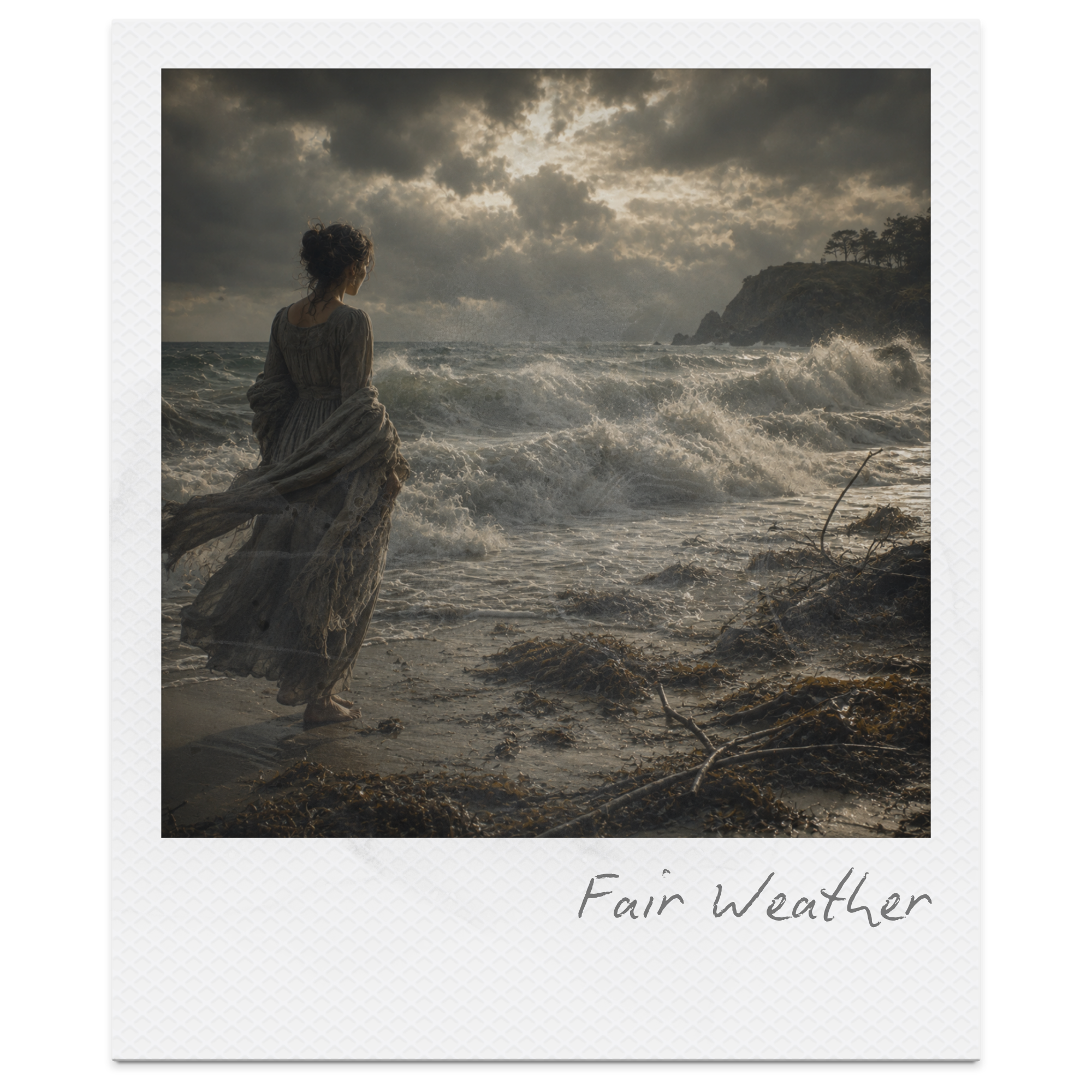
Explore Fair Weather by Dorothy Parker with this in-depth poetry analysis covering context, summary, stanza-by-stanza analysis, key quotes, literary techniques, themes, alternative interpretations, and exam-ready insights. Discover how Parker uses an extended sea metaphor to explore passionate love, emotional intensity, desire, self-awareness, and the conflict between security and excitement. Through contrasting images of calm waters and violent storms, Parker presents a speaker who knowingly chooses risk, turbulence, and the possibility of heartbreak over emotional tranquillity, raising complex questions about why people may continue to desire experiences they know can cause pain.

The Panther by Rainer Maria Rilke: Summary, Themes & Analysis
Discover a complete analysis of The Panther by Rainer Maria Rilke, including a clear summary, contextual background, stanza-by-stanza analysis, key quotations, literary techniques, themes, symbolism, alternative interpretations, and exam-ready insights. Explore how Rilke uses vivid imagery, controlled structure, and powerful symbolism to transform the image of a caged panther into a profound meditation on captivity, identity, and the psychological cost of lost freedom.
Sonnet 106 by William Shakespeare: Summary, Themes & Analysis of “When in the chronicle of wasted time”
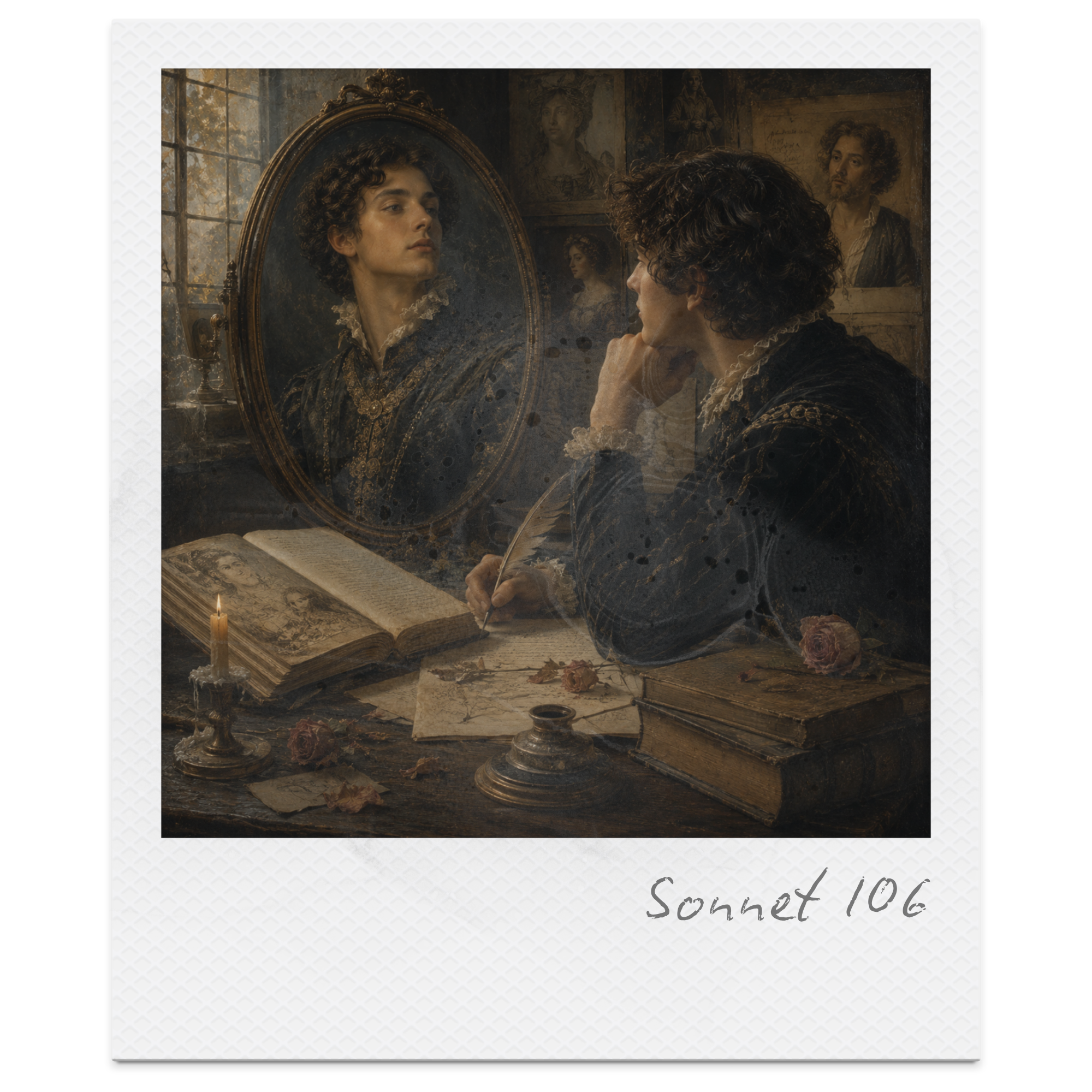
William Shakespeare's Sonnet 106 is a reflective exploration of beauty, time, history, and the power of poetry. Through its elegant sonnet form, historical imagery, and thought-provoking conclusion, Shakespeare considers whether language can ever fully capture extraordinary human beauty or whether some experiences will always remain beyond words. This analysis explores the poem's summary, themes, language, structure, key quotations, and literary techniques, showing how Shakespeare transforms a traditional love sonnet into a profound meditation on artistic expression and the enduring relationship between the past and the present.
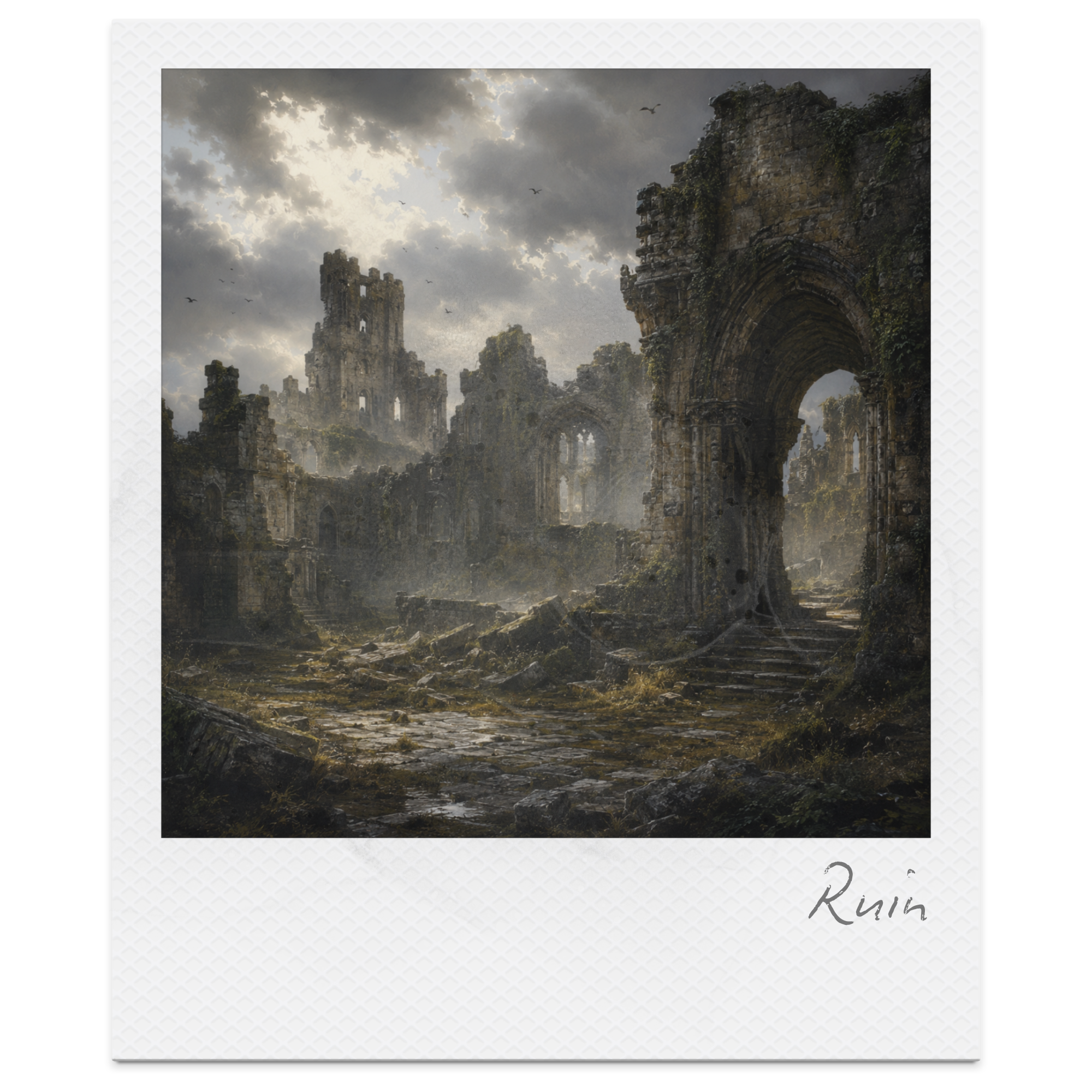
Ruin by Jacob Polley: Summary, Themes & Analysis
Explore Ruin by Jacob Polley with a detailed summary, line-by-line analysis, key quotations, themes, literary techniques, and alternative interpretations. Discover how Polley reimagines the Anglo-Saxon elegy to explore time, memory, civilisation, human achievement, and the inevitable passage of history through vivid imagery, symbolism, and powerful contrasts between past and present.

My Aunts Don't Want to Move by Moniza Alvi: Summary, Themes & Analysis
Explore My Aunts Don't Want to Move by Moniza Alvi with a detailed summary, stanza-by-stanza analysis, key quotes, themes, literary techniques, and alternative interpretations. Discover how Alvi uses symbolism, domestic imagery, and structure to explore home, identity, cultural heritage, tradition, and the complex meaning of belonging.

Deep in the Hills by Ruth Dallas: Summary, Themes & Analysis
Explore Deep in the Hills by Ruth Dallas with a detailed summary, stanza-by-stanza analysis, key quotes, themes, literary techniques, and alternative interpretations. Discover how Dallas uses metaphor, imagery, contrast, and structural reversal to explore identity, belonging, memory, and humanity's enduring relationship with the natural world.

Fox by Alice Oswald: Summary, Themes & Analysis
Discover Fox by Alice Oswald through a clear summary, exploration of its key themes, important quotations, literary techniques, and alternative interpretations. Learn how Oswald uses extended metaphor, symbolism, personification, and dreamlike imagery to explore creativity, imagination, identity, motherhood, and the mysterious relationship between humans and the natural world.
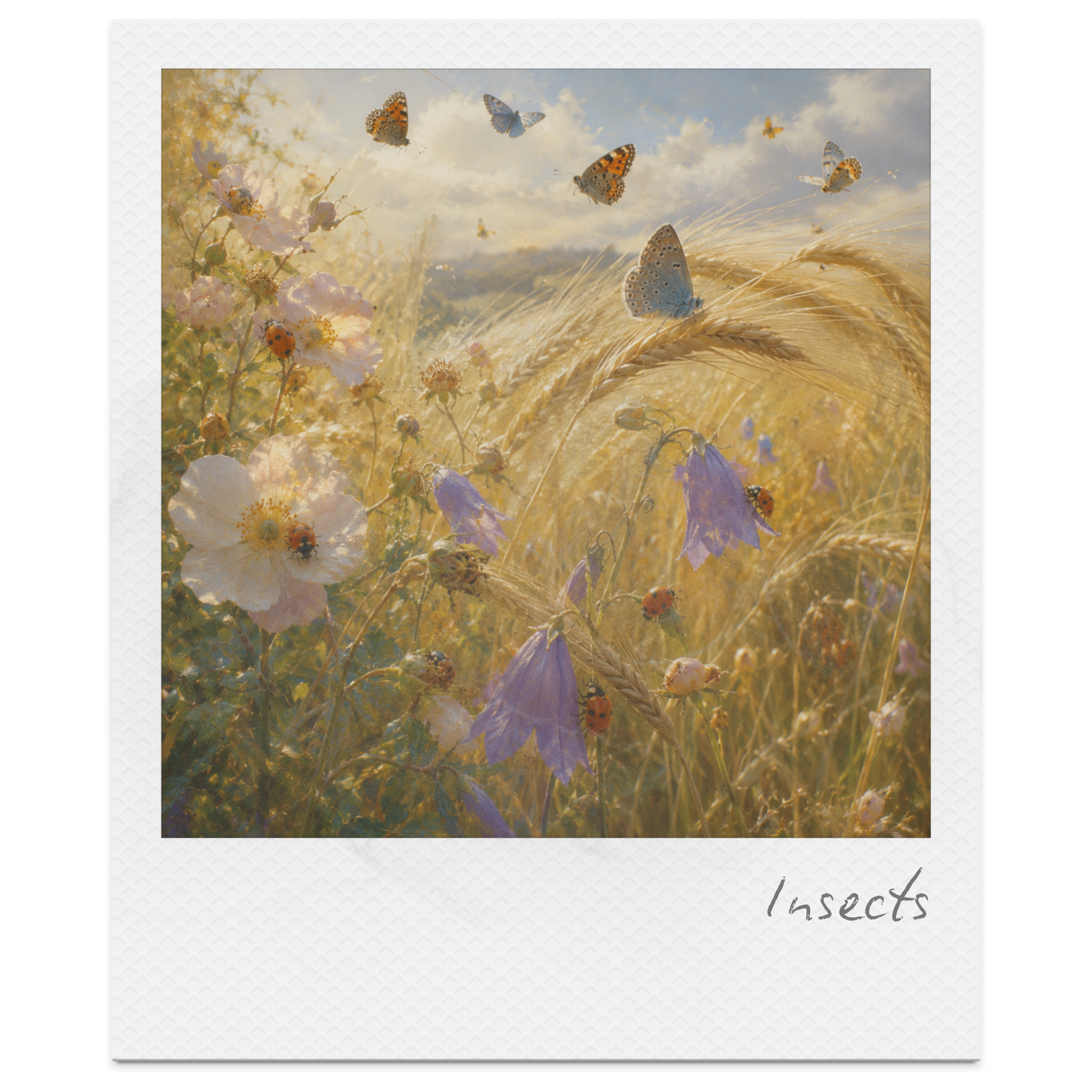
Insects by John Clare: Summary, Themes & Analysis
Discover Insects by John Clare through a clear summary, exploration of its key themes, important quotations, literary techniques, and alternative interpretations. Learn how Clare uses vivid imagery, personification, and symbolism to transform ordinary insects into powerful symbols of beauty, freedom, imagination, and the wonder of the natural world.
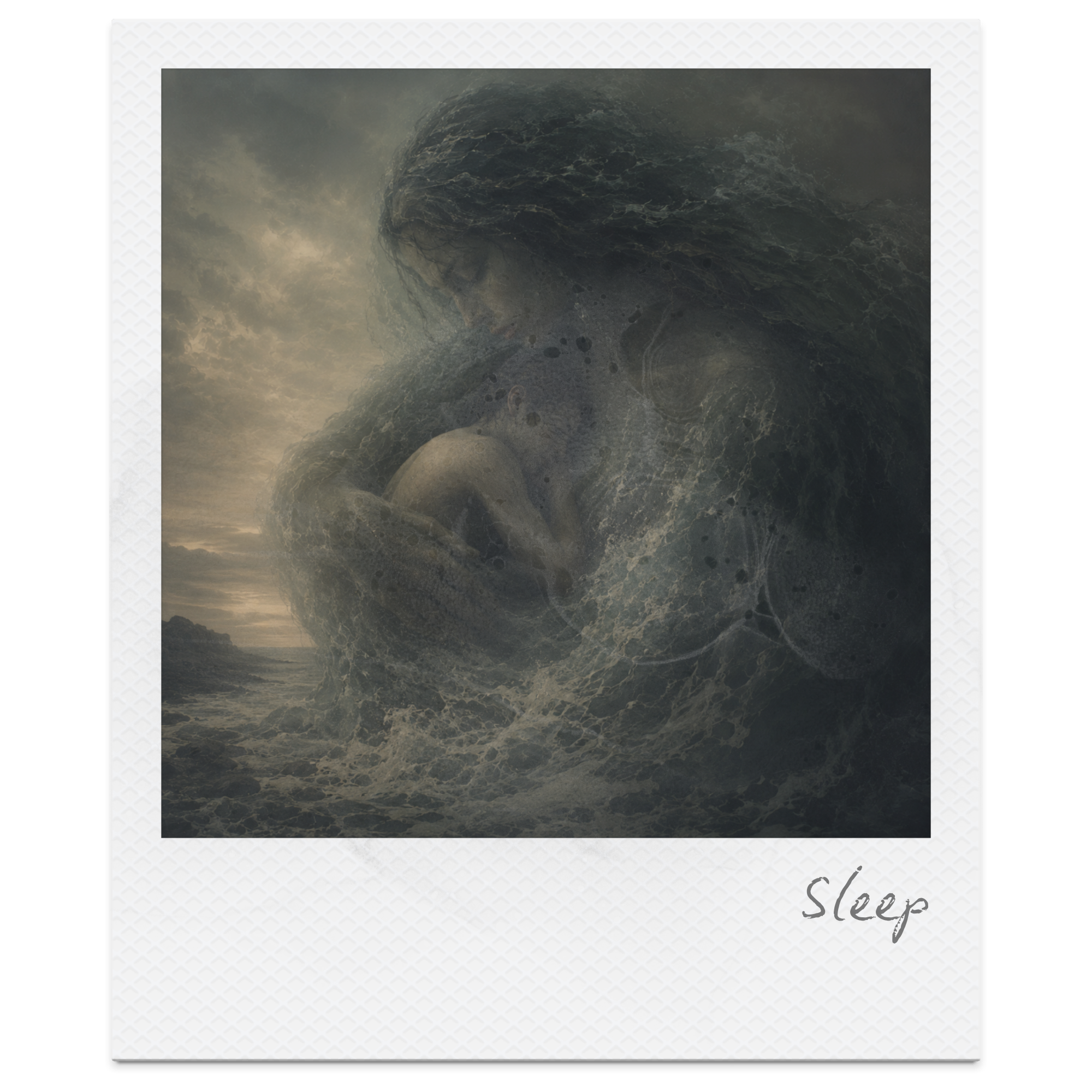
Sleep by Kenneth Slessor: Analysis of Death, Rebirth and Surrender
Kenneth Slessor's Sleep is a richly symbolic poem exploring mortality, rebirth, the unconscious, surrender, and the cyclical nature of human existence. Through the personification of Sleep as a powerful speaking presence, Slessor transforms an everyday experience into a profound meditation on death, renewal, and the temporary dissolution of identity. Using imagery of burial, water, gestation, and childbirth, the poem blurs the boundaries between life and death, safety and vulnerability, comfort and annihilation. This analysis explores the poem's themes, structure, symbolism, literary techniques, key quotations, and alternative interpretations while examining how Slessor presents sleep as a paradoxical state that resembles both death and rebirth. Ideal for students studying CIE AS & A Level Literature (9695) Songs of Ourselves Volume 2.
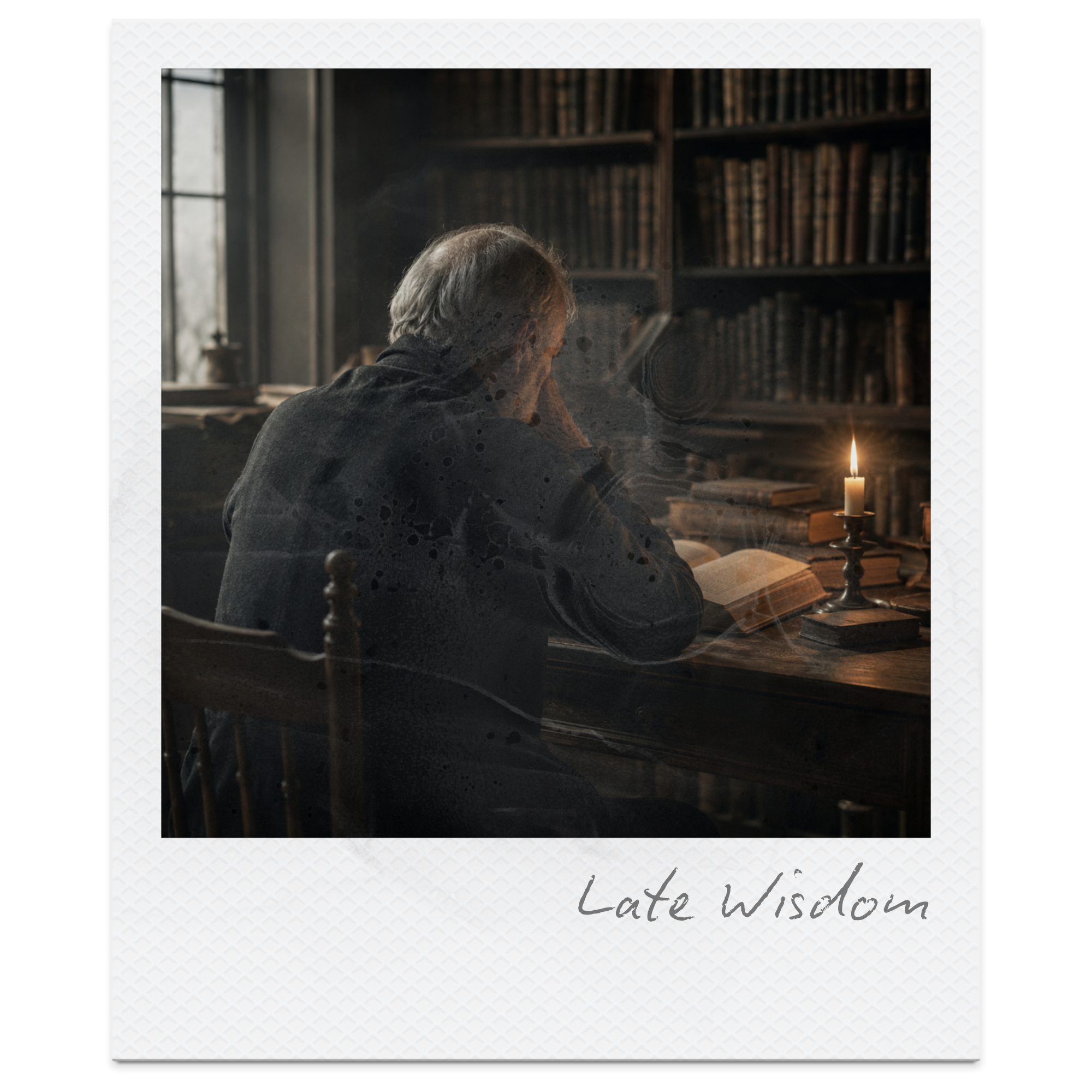
Late Wisdom by George Crabbe: Meaning, Mortality and the Limits of Experience
Late Wisdom by George Crabbe is a thoughtful exploration of ageing, experience, hindsight, and self-knowledge. Through the powerful symbolism of a "maze of error" and a "torch of truth," Crabbe examines the uncomfortable reality that wisdom often arrives only after life's most important mistakes and opportunities have passed. This analysis explores the poem's themes, symbolism, structure, literary techniques, key quotes, and exam-ready insights, revealing how Crabbe transforms a reflection on old age into a deeper meditation on human limitation and the true value of understanding.
The Exequy by Henry King: Love, Loss, and the Hope of Reunion
The Exequy by Henry King is a powerful seventeenth-century elegy that explores grief, love, mortality, and the hope of reunion after death. Written following the loss of King's wife, the poem combines deeply personal mourning with Christian beliefs about resurrection and eternal life. Through rich symbolism, metaphysical conceits, celestial imagery, and reflections on memory and devotion, King transforms bereavement into a moving meditation on enduring love and spiritual consolation. This analysis explores the poem's themes, structure, imagery, symbolism, and emotional impact for students studying Songs of Ourselves Volume 2.
Afternoon with Irish Cows by Billy Collins: Analysis of Identity, Wonder and the Extraordinary Ordinary
Billy Collins' Afternoon with Irish Cows is a thoughtful exploration of identity, selfhood, perception, and the hidden significance of everyday life. What begins as a seemingly simple observation of cattle grazing in a field gradually develops into a meditation on authenticity, consciousness, and humanity's relationship with the natural world. Through conversational language, humour, vivid imagery, and symbolic moments of revelation, Collins challenges readers to look beyond first impressions and recognise the complexity that exists within even the most ordinary experiences. This detailed analysis explores the poem's themes, literary techniques, symbolism, key quotations, alternative interpretations, anthology comparisons, and exam insights for Cambridge International AS & A Level Literature in English (9695).

The Poplar-Field by William Cowper: Time, Mortality and Loss
William Cowper's The Poplar-Field explores mortality, time, memory, and the impermanence of human happiness through the destruction of a beloved grove of trees. What begins as a lament for a changed landscape gradually develops into a philosophical reflection on the fragility of both life and the pleasures that give it meaning. Through vivid natural imagery, symbolism, and an elegiac tone, Cowper transforms a local act of loss into a universal meditation on change, reminding readers that neither landscapes nor human lives can escape the passage of time.

Upon a Wasp Chilled with Cold by Edward Taylor: Analysis of Nature, Faith and Divine Design
Edward Taylor's Upon a Wasp Chilled with Cold is a richly symbolic meditation on nature, faith, and divine design. Beginning with the detailed observation of a wasp recovering from the cold, the poem gradually develops into a reflection on God's presence within creation, exploring how even the smallest creatures can reveal profound spiritual truths. Through personification, extended metaphor, religious symbolism, and vivid natural imagery, Taylor transforms an ordinary encounter into an act of worship. This detailed analysis explores the poem's themes, symbolism, structure, key quotations, literary techniques, alternative interpretations, and anthology comparisons. Examining ideas such as creation as revelation, gratitude, spiritual growth, and observation as a pathway to understanding, the article reveals how Taylor uses a tiny insect to explore humanity's relationship with the divine and the hidden wisdom embedded within the natural world.

In Praise of Creation by Elizabeth Jennings: Analysis of Nature, Instinct and the Order of Creation
Elizabeth Jennings' In Praise of Creation is a contemplative exploration of nature, instinct, order, and humanity's place within the wider world. Through vivid images of birds, stars, the moon, and a tiger responding to the rhythms of desire and renewal, Jennings presents creation as a system governed by recurring patterns and interconnected cycles. Yet beneath its celebration of the natural world lies a deeper philosophical question: what can human beings learn from a creation that appears so instinctively certain of its purpose? This detailed analysis explores the poem's themes of nature and instinct, order and design, creation and renewal, desire, consciousness, and wonder. Through stanza-by-stanza commentary, key quotations, symbolism, literary techniques, alternative interpretations, anthology comparisons, and exam-focused insights, the article examines how Jennings transforms careful observation into a meditation on meaning, curiosity, and the enduring mysteries of existence.

Heart and Mind by Edith Sitwell: Analysis of Love, Mortality and the Conflict Between Heart and Mind
Edith Sitwell's Heart and Mind is a richly symbolic exploration of love, mortality, desire, and the enduring conflict between emotion and reason. Through a sequence of dramatic voices—including a Lion, a Skeleton, the Sun, and the Moon—Sitwell transforms an abstract philosophical debate into a vivid allegorical drama. Recurring images of fire, dust, gold, and celestial bodies create a poem that continually questions what gives human life meaning and whether passion or intellect ultimately holds greater power. This detailed analysis of Heart and Mind explores the poem's structure, symbolism, themes, literary techniques, and alternative interpretations. It includes stanza-by-stanza analysis, key quotations, anthology comparisons, and exam-focused insights, examining how Sitwell uses paradox, mythological imagery, and dramatic dialogue to present the heart and mind as powerful yet fundamentally irreconcilable forces.

Lion Heart by Amanda Chong: Analysis of Identity, Nationhood and Transformation
Amanda Chong's Lion Heart is a rich and ambitious exploration of national identity, cultural memory, and transformation. Drawing upon Singapore's founding myths, maritime history, and modern development, Chong presents the nation as a living being whose journey from sea to skyscraper reflects both remarkable progress and an enduring connection to its origins. Through powerful symbolism, vivid natural imagery, and an extended metaphor centred on the lion, the poem celebrates resilience, growth, and collective identity while questioning what must be preserved as a nation evolves. This detailed analysis of Lion Heart explores the poem's structure, voice, symbolism, themes, and literary techniques, alongside its treatment of history, belonging, and nationhood. It includes stanza-by-stanza analysis, key quotations, alternative interpretations, anthology comparisons, and exam-ready insights.

To My Dear and Loving Husband by Anne Bradstreet: Analysis of Love, Devotion and Spiritual Unity
Explore To My Dear and Loving Husband by Anne Bradstreet through this detailed AS Level analysis of love, spiritual unity, mortality, and emotional devotion. This in-depth guide examines Bradstreet’s use of hyperbole, religious symbolism, structure, and imagery to present marital love as emotionally fulfilling and spiritually transcendent. Includes line-by-line analysis, key quotes, techniques, alternative interpretations, anthology comparisons, exam-ready insights, and teaching ideas for CIE Literature in English (9695).
The Bargain by Sir Philip Sidney: Analysis of Love, Exchange and Emotional Equality
Explore The Bargain by Sir Philip Sidney through detailed analysis of love, emotional reciprocity, identity, and psychological vulnerability. This in-depth guide examines the poem’s structure, symbolism, exchange imagery, emotional tensions, and layered presentation of intimacy, revealing how Sidney transforms a seemingly balanced love lyric into a more complex exploration of dependence and shared suffering. Perfect for CIE AS Level Literature in English (9695), this analysis includes line-by-line commentary, key quotes and techniques, alternative interpretations, anthology comparisons, exam-ready insights, and teaching ideas designed to support advanced literary discussion and revision.

Last Sonnet by John Keats: Themes, Meaning and Analysis
Explore Last Sonnet by John Keats — widely known by its opening line, “Bright star, would I were stedfast as thou art” — through detailed analysis of love, mortality, permanence, and emotional vulnerability. This in-depth guide examines the poem’s imagery, symbolism, structure, sound, and shifting emotional tensions, while exploring how Keats contrasts eternal constancy with fragile human intimacy. Perfect for CIE AS Level Literature in English (9695), this analysis also includes close line-by-line commentary, key quotes and techniques, alternative interpretations, anthology comparisons, exam-ready insights, and teaching ideas designed to support advanced literary discussion and revision.