The Panther by Rainer Maria Rilke: Summary, Themes & Analysis
The Panther by Rainer Maria Rilke is a powerful meditation on captivity, freedom, psychological confinement, and the loss of instinctive vitality. Through vivid visual imagery, symbolism, and a tightly controlled structure, Rilke transforms the image of a caged panther into a moving exploration of how imprisonment can erode both the body and the spirit. Rather than simply describing an animal in a zoo, the poem invites readers to consider the devastating effects of confinement on identity, perception, and hope. If you are studying or teaching Songs of Ourselves Volume 3 for CIE World Literature (0408) Paper 2 (2028–2030), explore all the poems in depth in our Songs of Ourselves Volume 3 Hub, or discover a wider range of texts in the Literature Library.

Context of The Panther
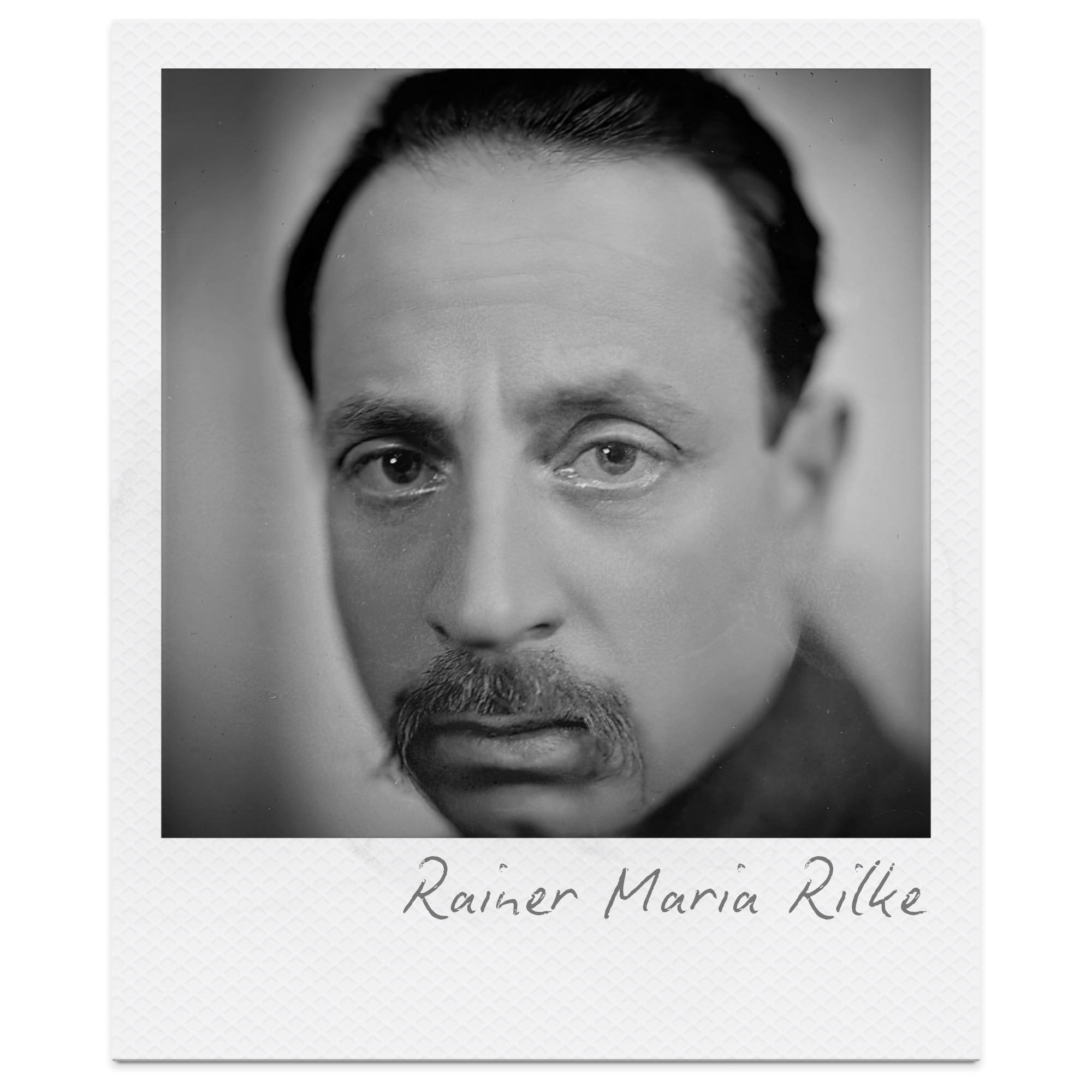
Rainer Maria Rilke (1875–1926) was an Austrian poet widely regarded as one of the most influential European writers of the early twentieth century. Written in 1907 and published in his collection Neue Gedichte (New Poems), The Panther belongs to a period when Rilke was moving away from Romantic self-expression towards a more Modernist, observational style. During this time, he had been profoundly influenced by his work as Auguste Rodin's secretary, adopting the sculptor's belief that careful, sustained observation could reveal deeper truths. Rather than describing emotion directly, Rilke increasingly used physical objects and animals to explore psychological and existential experience.
The poem was inspired by a visit to the Jardin des Plantes in Paris, where Rilke observed a captive panther pacing endlessly behind the bars of its enclosure. Although rooted in a real encounter, the animal becomes a powerful symbol of spiritual paralysis, suggesting how prolonged confinement can imprison not only the body but also perception, identity, and the will itself. These ideas reflect wider Modernist concerns with alienation, isolation, and the search for meaning in an increasingly fragmented world.
The version studied in Songs of Ourselves Volume 3 is Len Krisak's 2015 translation. An award-winning American poet and translator, Krisak sought to remain as faithful as possible to the formal qualities of Rilke's original German, preserving its rhyme, rhythm, and carefully controlled movement while producing natural, modern English. His translation allows English-speaking readers to experience not only Rilke's imagery and symbolism but also the disciplined poetic form that reinforces the panther's emotional and psychological confinement.
The Panther: At a Glance
Form: Three tightly structured quatrains with a regular rhyme scheme, creating a sense of order that contrasts with the panther's psychological imprisonment.
Mood:Melancholic, claustrophobic, restrained, and quietly devastating, with moments of fleeting hope quickly extinguished.
Central tension: The conflict between the panther's immense physical power and its complete psychological and spiritual confinement within captivity.
Core themes: Captivity and freedom, loss of identity, psychological paralysis, the destructive effects of confinement, perception, memory, and the enduring instinct for freedom.
One-sentence meaning:Through the image of a caged panther, Rilke explores how prolonged confinement gradually erodes perception, identity, and the will to live, revealing that true imprisonment affects the mind as profoundly as the body.
Quick Summary of The Panther
The poem opens by describing a panther whose constant exposure to the bars of its cage has left its gaze exhausted and unresponsive. The world beyond the enclosure has effectively disappeared, as the endless repetition of the bars has become the only reality the animal can perceive. Rilke then focuses on the panther's repetitive pacing, presenting its powerful movements as a circular dance that reveals immense strength held in check by an invisible force, leaving its once fierce will trapped and motionless.
In the final stanza, the poem briefly suggests the possibility of escape as the panther's pupils momentarily open to the outside world and a single image enters its consciousness. However, this glimpse of life beyond captivity quickly fades as it passes through the animal's tense body before dying within its heart. The poem ends on a deeply poignant note, emphasising that the panther's imprisonment has become not only physical but also psychological, extinguishing its capacity to respond to the world beyond its cage.
Title, Form, Structure, and Metre
Rilke's formal choices are inseparable from the poem's meaning. The title, carefully controlled form, regular rhyme scheme, and measured rhythm all reinforce the contrast between the panther's immense physical strength and the rigid confinement that has reduced it to a life of repetitive motion. Rather than creating freedom or movement, the poem's disciplined structure mirrors the restrictions imposed upon the animal.
Title
The title, The Panther, immediately directs attention towards the animal itself rather than its surroundings. Panthers are traditionally associated with power, speed, freedom, and untamed wilderness, leading readers to expect a celebration of strength or the natural world. Instead, Rilke subverts these expectations by presenting a creature whose defining qualities have been stripped away by captivity.
As the poem develops, the title comes to represent more than an individual zoo animal. The panther becomes a symbol for any individual whose physical or psychological freedom has been restricted. Because the title remains so simple and universal, readers are encouraged to move beyond the literal scene and consider wider ideas about oppression, alienation, and the gradual erosion of identity.
Form and Structure
The Panther consists of three quatrains (four-line stanzas), creating a compact and highly controlled structure. The poem unfolds as a gradual psychological portrait rather than a narrative, with each stanza developing a different stage of the panther's experience.
The first stanza focuses on perception. Rather than describing the cage itself, Rilke shows its effects through the panther's exhausted gaze, suggesting that captivity has fundamentally altered the way it experiences reality. The repeated emphasis on the bars establishes both the physical setting and the animal's mental imprisonment.
The second stanza shifts to movement, describing the panther's endless pacing in circles. Although its body remains powerful, its motion has become repetitive and purposeless. The image of "a dance of strength around some center" creates a striking paradox: enormous physical energy exists, yet the "great will" at its centre is "paralyzed." Structurally, the poem moves from seeing to moving, demonstrating that both perception and action have been damaged by confinement.
The final stanza introduces the poem's only real moment of change. The word "Only" signals a shift, suggesting that something different occasionally occurs. For a brief instant, an image from the outside world enters the panther's consciousness. However, this possibility of renewal immediately disappears as the image "dies deep in the heart made fast." The ending offers no resolution or escape, instead reinforcing the permanence of the animal's psychological imprisonment.
This clear progression—from perception, to movement, to inner consciousness—deepens the reader's understanding of captivity. Rather than simply trapping the panther physically, the poem demonstrates how confinement gradually destroys every aspect of its being.
Rhyme Scheme and Poetic Pattern
The poem follows a consistent ABAB CDCD EFEF rhyme scheme:
numb (A)
hold (B)
become (A)
world (B)
canter (C)
sized (D)
center (C)
paralyzed (D)
sometimes (E)
past (F)
limbs (E)
fast (F)
The regular alternation of the rhyme creates a strong sense of order, control, and containment. Unlike many poems that use irregular rhyme to express emotional instability, Rilke's consistent pattern reinforces the panther's inability to escape its repetitive existence. Every line returns predictably to its partner, just as every circuit of the cage returns the animal to the same point.
The rhyme never breaks dramatically, reflecting the fact that the panther's captivity is complete and uninterrupted. Even the final stanza, where the animal briefly reconnects with the outside world, maintains the same formal pattern, suggesting that the possibility of freedom exists only momentarily before the structure of imprisonment reasserts itself.
Metre and Rhythmic Movement
Krisak's translation largely maintains a regular iambic movement, although it is not rigidly mechanical. The rhythm is sufficiently controlled to create a measured, repetitive pace that echoes the panther's endless circling.
The opening line demonstrates the dominant pattern:
scanNING | the BARS | his GAZE | is GROWN | so NUMB
Represented as unstressed (x) and stressed (/) syllables, the rhythm is roughly:
x / | x / | x / | x / | x /
Similarly, the opening of the second stanza continues this controlled movement:
the PAD | ding PACE | that THREAT | ens LOPE | or CAN | ter
Although the line contains slight variations and an extra unstressed syllable at the end (a feminine ending), the overall effect remains measured rather than dramatic. The rhythm never accelerates into the freedom that might be expected from such a powerful animal.
The poem also uses enjambment to reinforce meaning. For example:
Scanning the bars, his gaze is grown so numb
that there is nothing left that it can hold.
The sentence flows across the line break, mirroring the panther's continuous pacing around the enclosure. However, this movement is repeatedly checked by the regular metre and stanza boundaries, creating a tension between apparent motion and actual confinement.
Overall, the poem's rhythm is deliberately restrained. Rather than celebrating the panther's strength through energetic or unpredictable metre, Rilke uses controlled rhythm, regular rhyme, and balanced quatrains to embody the repetitive routines of captivity. The disciplined poetic form becomes another set of invisible bars, allowing readers to experience the panther's confinement through the poem's very structure.
The Speaker in The Panther
The speaker is an observant third-person narrator who watches the panther with remarkable attentiveness and emotional restraint. Rather than speaking as the animal or addressing it directly, the speaker interprets its physical behaviour to reveal its hidden psychological and emotional condition. The detached perspective creates an impression of careful observation, reflecting Rilke's belief that close attention to the external world can uncover profound inner truths. Although the tone remains calm and objective throughout, subtle word choices such as "numb," "paralyzed," and "dies deep in the heart" reveal deep sympathy for the panther's suffering. By combining precise description with quiet compassion, the speaker encourages readers to look beyond the animal's repetitive movements and recognise the devastating effects of prolonged captivity on both the mind and the spirit.
Stanza-by-Stanza Analysis of The Panther
A close reading of The Panther reveals how Rainer Maria Rilke carefully develops meaning through imagery, symbolism, structure, sound, and shifts in perspective. Rather than simply describing a captive animal, each stanza builds a deeper understanding of the panther's physical and psychological imprisonment. As the poem progresses, the focus moves from the panther's outward appearance to its repetitive movements and finally to its inner consciousness, demonstrating how method and structure work together to create an increasingly poignant exploration of captivity, identity, and the gradual loss of freedom.
Stanza 1: A World Reduced to Bars
The opening stanza immediately immerses readers in the panther's psychological imprisonment, revealing that captivity has altered not only its surroundings but also the way it perceives reality. Rather than beginning with the animal's physical appearance, Rilke focuses on its gaze, suggesting that the deepest consequences of confinement are mental rather than bodily. The opening participle, "Scanning," implies an action that is both continuous and habitual, indicating that the panther endlessly searches its surroundings despite no longer expecting to find anything new. This repetitive action establishes the monotonous routine that dominates its existence.
The striking description of the panther's gaze as "grown so numb" employs metaphor to suggest that its senses have become desensitised through years of confinement. Eyes are normally associated with awareness, curiosity, and connection with the outside world, yet here they have lost their ability to engage with reality. The phrase "there is nothing left that it can hold" extends this metaphor, implying that the panther can no longer mentally or emotionally grasp the world beyond the cage. The verb "hold" carries connotations of both seeing and understanding, suggesting that captivity has gradually eroded the animal's capacity to process experience itself.
Rilke reinforces this psychological deterioration through the powerful repetition of "bars" in the third line: "Behind the thousand bars these bars become." The repeated noun mimics the overwhelming visual experience of the cage, while the hyperbolic phrase "thousand bars" does not describe a literal number but conveys the endless, indistinguishable obstacles filling the panther's field of vision. The repetition also creates a sense of monotony, reflecting the repetitive cycles of captivity that have become inescapable. Instead of seeing beyond the enclosure, the panther sees only more bars, emphasising how physical confinement has narrowed its entire perception of reality.
The stanza concludes with the devastating statement that "there is no world." Although readers know the outside world continues to exist, the careful qualification "to him, it seems" reminds us that the poem explores the panther's subjective experience rather than objective reality. This moment illustrates one of the poem's central ideas: prolonged captivity has not merely imprisoned the panther's body but has fundamentally reshaped its consciousness. By ending the stanza with the word "world," Rilke highlights the scale of this loss. The panther has not simply lost its freedom—it has lost its ability to imagine a reality beyond the confines of its cage, making its imprisonment complete both physically and psychologically.
Stanza 2: Strength Trapped in Endless Repetition
Having established the panther's altered perception, the second stanza shifts its focus to movement, revealing that even the animal's extraordinary physical power has been rendered meaningless by captivity. Rather than depicting the graceful freedom usually associated with a panther, Rilke presents movement that is repetitive, restricted, and ultimately futile. The stanza demonstrates that the cage has not weakened the panther's body; instead, it has severed the connection between its physical strength and its instinctive purpose.
The phrase "The padding pace" immediately creates a sense of quiet, repetitive motion through alliteration. The repeated plosive 'p' sounds mimic the soft but relentless rhythm of the panther's footsteps as it circles the enclosure. The verb "padding" suggests stealth and natural elegance, reminding readers of the animal's predatory instincts, while "pace" implies habitual, restless movement rather than purposeful action. This contrast highlights one of the poem's central paradoxes: the panther still possesses all the physical qualities of a hunter, yet it has nothing left to hunt.
Rilke deepens this tension through the phrase "threatens lope or canter." The verb "threatens" is particularly striking because it suggests the possibility of greater speed and freedom without allowing it to happen. Both "lope" and "canter" evoke fluid, expansive movement, yet they remain unrealised possibilities rather than actual actions. The diction therefore captures the painful gap between the panther's natural capabilities and the restricted reality imposed by the cage.
The description of the panther "turning in circles ever-smaller-sized" employs imagery and symbolism to emphasise the futility of its existence. The circular motion suggests endless repetition with no destination or progress, while the comparative phrase "ever-smaller" implies that the animal's physical world—and perhaps its mental world—is gradually contracting. The image symbolises how captivity narrows not only physical space but also hope, imagination, and identity. Instead of exploring an open landscape, the panther is condemned to retrace the same path endlessly.
At the heart of the stanza lies one of the poem's most memorable extended metaphors: "a dance of strength around some center." The noun "dance" usually suggests freedom, beauty, and creative expression, yet here it becomes deeply ironic. The panther's movements appear graceful, but they are entirely dictated by the limitations of the cage. Likewise, "strength" remains visible, but it has become performative rather than purposeful. The metaphor transforms the panther's pacing into a tragic performance in which immense power is displayed without ever being fulfilled.
The final line delivers the stanza's central insight through the powerful paradox "a great will stands still, paralyzed." Rilke personifies the panther's "will," presenting it as something separate from the body itself. Although the animal continues to move physically, its inner drive has become completely immobilised. The oxymoronic image of a "will" that "stands still" captures the devastating psychological effects of prolonged captivity, while the adjective "great" reminds readers of everything the panther has lost. The concluding word "paralyzed" extends the poem's recurring imagery of numbness from the first stanza, suggesting that imprisonment has spread beyond perception to destroy the very force that once defined the animal's identity. Through this progression, Rilke shows that the greatest tragedy of captivity is not the loss of freedom alone, but the gradual paralysis of the mind, instinct, and spirit.
Stanza 3: A Fleeting Glimpse of Freedom
The final stanza offers the poem's only moment of apparent hope before immediately extinguishing it, bringing Rilke's exploration of psychological captivity to its devastating conclusion. Although the panther briefly reconnects with the outside world, the experience proves too fragile to restore its lost vitality. Instead, the stanza demonstrates that captivity has become so deeply internalised that even moments of awareness cannot overcome the paralysis that has taken hold of the animal's mind and spirit.
The stanza begins with the single word "Only," which signals an important structural shift. After the certainty and permanence of the previous stanzas, this adverb introduces a rare exception to the panther's emotional numbness. However, the inclusion of "sometimes" immediately limits this possibility, emphasising that such moments are both brief and unpredictable. Rather than suggesting genuine recovery, the opening creates a fragile sense of hope that readers instinctively recognise is unlikely to last.
Rilke develops this moment through the striking metaphor of "the pupils' curtain lifts." Comparing the panther's eyelids to a theatre curtain suggests that the outside world briefly comes into view, as though a performance is about to begin. At the same time, the metaphor implies that the panther's vision has previously been closed off, not only by the physical bars of the cage but also by its own psychological withdrawal. The curtain does not remain open; it merely "lifts sometimes," reinforcing the temporary nature of the experience.
The phrase "in silence, and an image rushes past" combines contrast and personification to heighten the emotional impact. The stillness created by "in silence" makes the sudden movement of "an image" feel vivid and almost startling. Significantly, Rilke does not specify what the image is. Its ambiguity allows it to represent anything associated with freedom—a memory of the wild, a passing visitor, or simply the wider world beyond the cage. The verb "rushes" suggests speed and vitality, qualities that the panther itself can no longer possess. Instead of actively engaging with the world, it can only experience fleeting impressions that disappear almost as quickly as they arrive.
The following line, "then down the tensing stillness of the limbs," presents another powerful paradox. The oxymoronic phrase "tensing stillness" captures the contradiction at the heart of the panther's condition. Its body instinctively responds to the passing image, momentarily preparing for movement, yet it remains physically and psychologically incapable of acting. The tension reflects instincts that have not entirely disappeared, even though they can no longer be fulfilled. This image links back to the previous stanza's "great will", suggesting that the panther's natural impulses survive only as involuntary reactions rather than purposeful action.
The poem reaches its emotional climax in the final line: "and dies deep in the heart made fast." The verb "dies" is deliberately stark, transforming the passing image into something living that is extinguished upon entering the panther's inner being. Rather than inspiring hope or awakening freedom, the outside world is absorbed and destroyed. The metaphor suggests that captivity has become so complete that even moments of beauty or possibility cannot survive within the panther's consciousness.
The closing phrase "heart made fast" carries multiple meanings. Literally, "fast" suggests something fixed, bound, or securely restrained, echoing the physical reality of the cage. Figuratively, it implies that the panther's emotions and instincts have become locked away, unable to respond to the outside world. By ending the poem with the heart rather than the bars, Rilke reveals the true nature of imprisonment. The greatest barrier is no longer the cage itself but the internal psychological confinement that has silenced the panther's capacity to hope, desire, and live freely. The poem therefore concludes by showing that physical captivity has evolved into spiritual captivity, leaving readers with a haunting meditation on the destructive power of prolonged oppression.
Key Quotes and Methods in The Panther
The following quotations highlight the most significant moments in The Panther. Each one demonstrates how Rainer Maria Rilke uses language, imagery, and structure to explore the devastating effects of captivity, psychological paralysis, and the gradual loss of freedom.
"his gaze is grown so numb"
◆ Technique:Metaphor, emotive language, visual imagery.
◆ Meaning: The panther's constant exposure to the bars of its cage has dulled its senses, leaving it unable to engage with or respond to the world around it.
◆ Purpose: Rilke establishes from the very beginning that captivity has affected the panther psychologically as well as physically.
◆ Impact: Readers immediately sympathise with the animal, recognising that its imprisonment has damaged its perception and identity rather than simply restricting its movement.
"there is nothing left that it can hold"
◆ Technique:Metaphor, abstract language.
◆ Meaning: The panther's gaze can no longer grasp or process the outside world, suggesting that its mind has become disconnected from reality.
◆ Purpose: Rilke illustrates the long-term effects of confinement, showing how captivity gradually erodes awareness and consciousness.
◆ Impact: The quotation encourages readers to understand imprisonment as a psychological condition rather than merely a physical one.
"Behind the thousand bars"
◆ Technique:Hyperbole, symbolism, repetition.
◆ Meaning: The exaggerated number of bars conveys the overwhelming nature of the cage, while the bars themselves symbolise restriction and oppression.
◆ Purpose: Rilke emphasises that the panther's world has become entirely defined by confinement.
◆ Impact: Readers experience the suffocating monotony of the enclosure and appreciate how impossible escape has become.
"there is no world"
◆ Technique:Hyperbole, symbolism, concise declarative statement.
◆ Meaning: From the panther's perspective, the outside world has effectively ceased to exist because it can no longer perceive or imagine it.
◆ Purpose: Rilke demonstrates that prolonged captivity destroys not only freedom but also hope and perception.
◆ Impact: The line highlights the devastating psychological consequences of isolation and encourages readers to reflect on the nature of freedom itself.
"The padding pace"
◆ Technique:Alliteration, auditory imagery.
◆ Meaning: The repeated soft 'p' sounds imitate the quiet, repetitive footsteps of the pacing panther.
◆ Purpose: Rilke recreates the rhythm of the animal's endless movement around its enclosure.
◆ Impact: Readers can almost hear the monotonous pacing, reinforcing the repetitive routine that defines the panther's existence.
"turning in circles"
◆ Technique:Symbolism, visual imagery.
◆ Meaning: The circular movement represents endless repetition without progress or escape.
◆ Purpose: Rilke shows that the panther's immense strength has become purposeless within the confines of the cage.
◆ Impact: The image creates a powerful sense of futility, emphasising the hopelessness of the panther's condition.
"a dance of strength"
◆ Technique:Metaphor, paradox.
◆ Meaning: The panther's pacing appears graceful and powerful, yet its movement serves no meaningful purpose.
◆ Purpose: Rilke contrasts the animal's natural elegance with the tragic reality of captivity.
◆ Impact: Readers recognise the painful irony that strength has become a performance rather than an expression of freedom.
"a great will stands still, paralyzed"
◆ Technique:Personification, paradox, emotive language.
◆ Meaning: Although the panther continues to move physically, its inner determination and instinct have been completely immobilised.
◆ Purpose: Rilke reveals that the deepest effects of captivity occur within the mind and spirit.
◆ Impact: The quotation encapsulates the poem's central message that psychological imprisonment can be more devastating than physical restraint.
"the pupils' curtain lifts sometimes"
◆ Technique:Metaphor, personification.
◆ Meaning: The panther briefly reconnects with the outside world as its eyes momentarily become receptive once again.
◆ Purpose: Rilke introduces a fleeting possibility of awareness before showing how quickly it disappears.
◆ Impact: Readers experience a brief sense of hope that makes the poem's ending even more poignant.
"an image rushes past"
◆ Technique:Personification, dynamic verb, visual imagery.
◆ Meaning: A glimpse of the outside world enters the panther's consciousness but remains temporary and elusive.
◆ Purpose: Rilke illustrates that freedom can still be sensed, even if it can no longer be fully experienced.
◆ Impact: The quotation reinforces the tragic contrast between the vitality of the outside world and the panther's inability to reach it.
"dies deep in the heart made fast"
◆ Technique:Metaphor, symbolism, emotive language.
◆ Meaning: The brief image of freedom cannot survive within the panther, whose heart has become emotionally and psychologically imprisoned.
◆ Purpose: Rilke concludes the poem by showing that captivity has extinguished the panther's capacity for hope and renewal.
◆ Impact: The final image leaves readers with a haunting sense that the greatest prison is no longer the cage itself but the panther's transformed inner world.
Key Techniques in The Panther
Rainer Maria Rilke combines language, structure, imagery, and sound to transform the description of a captive animal into a profound exploration of psychological imprisonment, identity, and the loss of freedom. Rather than relying on dramatic events, he creates meaning through carefully controlled poetic techniques that mirror the panther's physical and emotional confinement.
◆ Symbolism – The panther symbolises not only a captive animal but also anyone whose freedom, identity, or spirit has been restricted. Likewise, the bars become symbols of both physical imprisonment and the invisible psychological barriers created by prolonged confinement.
◆ Extended Metaphor – Throughout the poem, the panther's captivity functions as an extended metaphor for emotional, psychological, and existential paralysis. Rilke uses the animal's experience to explore universal questions about freedom, identity, and the effects of oppression.
◆ Visual Imagery – Rich visual descriptions such as "Behind the thousand bars" and "the pupils' curtain lifts" allow readers to experience the panther's restricted perception while emphasising the contrast between confinement and the wider world.
◆ Metaphor – Rilke repeatedly uses metaphor to reveal the panther's inner condition. Describing the gaze as "grown so numb" and the movement as "a dance of strength" communicates psychological suffering that cannot be observed directly.
◆ Personification – Abstract qualities are given human characteristics, most notably in "a great will stands still, paralyzed." By personifying the panther's will, Rilke separates its inner spirit from its physical body, emphasising the destruction of its instinctive drive.
◆ Paradox – The poem frequently presents contradictory ideas, including "tensing stillness" and "a dance of strength." These paradoxes reflect the contradiction at the heart of captivity: the panther remains physically powerful while becoming mentally and emotionally powerless.
◆ Repetition – The repeated reference to "bars" reinforces the monotony of captivity and mirrors the repetitive experience of constantly seeing the same physical barriers. This repetition contributes to the poem's claustrophobic atmosphere.
◆ Hyperbole – The phrase "the thousand bars" exaggerates the number of bars surrounding the panther, conveying how completely they dominate its vision and suggesting that captivity has become its entire reality.
◆ Alliteration – Soft alliteration in phrases such as "padding pace" imitates the quiet rhythm of the panther's footsteps, reinforcing the endless repetition of its circling movements.
◆ Enjambment – Sentences frequently continue across line breaks, creating the impression of continuous movement. However, this flowing syntax is contained within the regular stanza structure, mirroring the illusion of movement within inescapable confinement.
◆ Regular Rhyme Scheme – The consistent ABAB CDCD EFEF rhyme scheme creates a sense of order and control that reflects the rigid routine of captivity. Unlike irregular rhyme, its predictability reinforces the panther's inability to break free from its repetitive existence.
◆ Controlled Rhythm – The poem's predominantly iambic movement produces a measured, repetitive pace that echoes the panther's endless circling. The restrained rhythm reinforces the emotional control and psychological stagnation that characterise the animal's experience.
◆ Structural Progression – The poem moves systematically from the panther's perception, to its physical movement, and finally to its inner consciousness. This progression reveals that captivity affects every aspect of its existence, culminating in the destruction of hope itself.
◆ Contrast – Rilke repeatedly contrasts strength and helplessness, movement and stillness, freedom and confinement, and momentary awareness and permanent imprisonment. These oppositions deepen the poem's exploration of psychological suffering and make the panther's condition increasingly tragic.
How the Writer Creates Meaning and Impact in The Panther
Rainer Maria Rilke creates meaning in The Panther by combining powerful imagery, carefully controlled structure, restrained language, and subtle sound patterns. Every poetic choice contributes to the central idea that prolonged captivity destroys not only physical freedom but also identity, perception, and the will to live. Rather than presenting the panther as a victim through emotional language alone, Rilke allows readers to experience its gradual psychological decline through the poem's methods.
◆ Language: Imagery, symbolism, and precise diction – Rilke's language is deliberately restrained yet highly evocative. Images such as "the thousand bars,""grown so numb," and "the pupils' curtain" transform ordinary observations into symbols of psychological imprisonment. His carefully chosen diction avoids sentimentality, encouraging readers to recognise the panther's suffering through its altered perception and behaviour rather than through direct emotional description. This subtle approach makes the poem's message more powerful and universal.
◆ Structure: Gradual psychological progression – The poem follows a clear progression from seeing, to moving, to feeling. The first stanza explores the panther's damaged perception, the second its repetitive physical movement, and the third its inner consciousness. This carefully organised structure mirrors the gradual effects of captivity, demonstrating that imprisonment first changes how the panther sees the world before ultimately extinguishing its inner life. The final stanza's brief moment of hope, followed immediately by disappointment, leaves readers with a lasting sense of tragedy.
◆ Voice and Tone: Detached observation with underlying compassion – The speaker adopts an objective, third-person perspective, observing the panther without overt judgement or emotional commentary. However, beneath this restraint lies profound compassion, revealed through words such as "numb," "paralyzed," and "dies." This balance between emotional distance and quiet sympathy allows readers to reach their own conclusions while deepening the emotional impact of the poem. The observational voice also reflects Rilke's belief that careful attention to external reality can reveal profound inner truths.
◆ Sound and Rhythm: Repetition reflecting captivity – The poem's regular rhyme scheme, controlled rhythm, and subtle alliteration reinforce its central ideas. Soft sounds in phrases such as "padding pace" imitate the panther's repetitive footsteps, while the consistent poetic pattern mirrors the unchanging routine of life inside the cage. Rather than creating excitement or freedom, the measured rhythm reinforces the sense of endless repetition, allowing readers to experience the monotony and confinement that define the panther's existence.
◆ Method, Purpose, and Reader Impact – By combining symbolism, metaphor, paradox, regular structure, and restrained language, Rilke transforms the image of a single captive animal into a universal reflection on freedom, oppression, and psychological survival. Readers are encouraged to move beyond the literal setting of the zoo and consider how confinement—whether physical, emotional, or social—can gradually erode identity and hope. The poem's quiet, controlled style ultimately makes its conclusion even more devastating, leaving readers with the enduring impression that the greatest prison is the one that exists within the mind.
Themes in The Panther
Through the image of a captive panther, Rainer Maria Rilke explores a range of interconnected themes that extend beyond the literal experience of a zoo animal. His use of symbolism, imagery, structure, and contrast encourages readers to reflect on the psychological and emotional consequences of confinement, making the poem a powerful meditation on both individual suffering and the universal human desire for freedom.
Captivity and Freedom
The central theme of The Panther is the tension between captivity and freedom. Although the panther remains physically alive, its imprisonment has stripped away the very qualities that define its existence. The recurring image of the bars symbolises not only the physical cage but also the invisible barriers that prevent the panther from engaging with the world. By contrasting the animal's natural strength with its restricted environment, Rilke demonstrates that freedom is essential not simply for movement but for maintaining identity, purpose, and vitality.
Loss of Identity
As the poem progresses, the panther gradually loses the characteristics that make it a wild predator. The metaphor of its gaze becoming "grown so numb" suggests that captivity has eroded its instincts, while its repetitive pacing replaces the purposeful movement of a hunter. Rather than describing physical decline, Rilke presents the gradual disappearance of the panther's identity. The animal still exists, but it no longer fully recognises or expresses its true nature.
Psychological Paralysis
One of the poem's most powerful ideas is that captivity produces psychological paralysis long before it destroys the body. The paradoxical image of "a great will stands still, paralyzed" shows that the panther's inner drive has become immobilised even though it continues to move. Through personification and paradox, Rilke suggests that the deepest form of imprisonment occurs within the mind, where hope, instinct, and determination slowly disappear.
The Destructive Effects of Confinement
Rilke presents confinement as a force that gradually damages every aspect of the panther's existence. The poem's structural progression moves from altered perception, to repetitive behaviour, and finally to emotional emptiness, illustrating how imprisonment affects both the body and the spirit. Rather than depicting sudden suffering, Rilke emphasises the cumulative effects of long-term confinement, showing how constant restriction slowly erodes the ability to think, feel, and respond to the world.
Perception
The poem repeatedly explores the relationship between seeing and understanding. The panther's "gaze" no longer holds anything because the endless repetition of the bars has overwhelmed its senses. Through visual imagery and symbolism, Rilke suggests that perception is shaped by experience. As captivity narrows the panther's physical world, it also narrows its mental world, until the possibility of life beyond the cage becomes almost unimaginable.
Memory
Although the poem never explicitly mentions memory, it implies that the panther's connection with its former life is gradually fading. The brief moment when "an image rushes past" suggests that traces of the outside world still survive within its consciousness, yet these memories cannot endure. The image quickly "dies deep in the heart," implying that captivity has weakened the panther's ability to preserve or respond to memories of freedom. Rilke therefore presents memory as something fragile that can be diminished through prolonged isolation.
The Enduring Instinct for Freedom
Despite the poem's overwhelmingly bleak tone, Rilke suggests that the instinct for freedom is never completely extinguished. The lifting of the "pupils' curtain" and the body's instinctive response to the passing image reveal that some part of the panther continues to recognise the existence of another world. However, this instinct is no longer powerful enough to overcome the psychological damage caused by captivity. The poem therefore presents freedom as both an enduring natural impulse and a painful reminder of everything that has been lost, making the final image all the more tragic.
Alternative Interpretations of The Panther
Although The Panther can be read as a poem about a captive animal, its rich symbolism and psychological depth allow for multiple interpretations. Rilke deliberately avoids giving the panther a specific identity or explaining the causes of its imprisonment, encouraging readers to apply the poem to wider questions about human experience, society, and existence.
Psychological Interpretation: The Prison of the Mind
From a psychological perspective, the panther represents a mind trapped by trauma, depression, anxiety, or emotional suffering. The physical cage becomes a metaphor for internal barriers that prevent an individual from engaging fully with the world. Images such as "his gaze is grown so numb" and "a great will stands still, paralyzed" suggest emotional exhaustion and the gradual loss of motivation, while the fleeting image that "dies deep in the heart" reflects how moments of hope or happiness can disappear before they are fully experienced. From this perspective, the poem explores how psychological suffering can become so overwhelming that it reshapes perception, identity, and the capacity for joy.
Social Interpretation: The Effects of Oppression and Confinement
The poem can also be interpreted as a critique of social, political, or institutional oppression. The panther symbolises individuals whose freedom has been restricted by forces beyond their control, whether through imprisonment, authoritarian rule, discrimination, or systems that deny personal agency. The recurring bars become symbols of any structure that limits opportunity and self-expression, while the panther's repetitive pacing reflects lives constrained by routines or circumstances that offer little possibility of change. In this reading, Rilke suggests that oppression damages not only physical freedom but also an individual's sense of identity, dignity, and hope.
Philosophical and Existential Interpretation: The Human Search for Meaning
From an existential perspective, the panther symbolises the human condition itself. The cage represents the limitations that all people face, including mortality, isolation, and the boundaries of human understanding. The panther's inability to see beyond the bars reflects humanity's struggle to perceive meaning beyond the limits of its own experience, while the image that briefly enters its consciousness before "dies deep in the heart" suggests the fleeting nature of insight, beauty, or transcendence. Rather than offering escape, the poem presents existence as a tension between the desire for freedom and the unavoidable constraints of life, encouraging readers to reflect on what it truly means to live freely.
Artistic Interpretation: Creativity Restrained
The poem may also be read as a reflection on the nature of artistic creativity. The panther possesses immense strength and potential, yet those qualities remain trapped within an environment that prevents authentic expression. The image of "a dance of strength" suggests creativity that has become performance rather than genuine freedom, while the "great will" that is "paralyzed" mirrors the experience of inspiration blocked by external limitations or internal doubt. Given Rilke's belief that art emerged from deep observation and inner truth, the poem can be interpreted as a meditation on what happens when imagination and creative instinct are denied the freedom they need to flourish.
Exam-Ready Insight for The Panther
Success in an examination response depends on analysing how Rilke creates meaning rather than simply explaining what happens in the poem. The strongest essays remain closely focused on the question, selecting quotations that directly support an interpretation while exploring the effects of language, structure, imagery, voice, and sound. Rather than treating techniques as isolated features, effective responses explain how they work together to shape the reader's understanding of the panther's physical and psychological confinement.
Strong responses typically:
◆ Develop a clear argument that is maintained throughout the essay rather than listing separate observations.
◆ Analyse methods closely, explaining how individual words, images, structural choices, and sound patterns contribute to meaning.
◆ Link every quotation to the writer's purpose, showing why Rilke presents the panther in this way rather than simply identifying techniques.
◆ Comment on the poem's progression, exploring how the movement from perception, to repetitive motion, to psychological paralysis deepens its central message.
◆ Consider the wider symbolism of the panther and its cage, recognising that they represent broader ideas about freedom, identity, and oppression rather than functioning only as literal descriptions.
Strong Thesis Statement
In The Panther, Rainer Maria Rilke uses vivid symbolism, carefully controlled structure, and restrained yet powerful imagery to transform the description of a captive animal into a profound exploration of psychological imprisonment, showing that the greatest loss caused by captivity is not physical freedom but the gradual destruction of identity, perception, and the will to live.
Model Analytical Paragraph
Rilke presents captivity as a force that destroys the panther's inner life long before it weakens its body. This is most clearly conveyed in the description of "a great will stands still, paralyzed," where personification and paradox separate the panther's physical movement from its psychological state. Although the animal continues to pace endlessly around its enclosure, its "will" has become immobilised, suggesting that its instinct, purpose, and desire for freedom have been extinguished. The adjective "great" reminds readers that the panther still possesses immense natural strength, making its paralysis all the more tragic because its power can no longer be expressed. By contrasting the body's repetitive movement with the stillness of its inner spirit, Rilke demonstrates that captivity has become internalised, transforming the panther into a symbol of psychological imprisonment rather than merely physical confinement. As a result, readers recognise that the greatest damage inflicted by the cage is not the loss of freedom itself but the gradual erosion of identity, hope, and the will to live.
Teaching Ideas for The Panther
These activities encourage students to explore how Rainer Maria Rilke creates meaning through language, structure, and symbolism, while developing the analytical skills needed for CIE World Literature (0408) Paper 2. The focus should always remain on explaining how the poem achieves its effects rather than simply identifying literary techniques.
1. Close Analytical Discussion
Use these questions to encourage students to support their ideas with precise textual evidence and detailed analysis of Rilke's methods.
Discussion Questions:
How does Rilke transform the panther from a literal zoo animal into a universal symbol of psychological imprisonment? Consider his use of imagery, symbolism, and the progression of the poem.
How do the poem's structure and controlled rhythm reinforce the panther's captivity? Explore how the regular form, repetitive movement, and final stanza contribute to the reader's understanding of confinement.
2. Comparative Thinking
These questions help students prepare for comparison by encouraging them to connect ideas across poems and texts.
Discussion Questions:
Compare the presentation of freedom or confinement in The Panther and another poem from Songs of Ourselves Volume 3. How do the writers use different methods to communicate similar ideas?
How do different writers use animals or nature to explore human emotions or society? Support your discussion with evidence from The Panther and another text you have studied.
3. Exam Skills
These tasks develop the close-reading and analytical writing skills required for Paper 2.
Tasks:
Write a PETAL paragraph analysing the significance of the quotation "a great will stands still, paralyzed," explaining how Rilke uses language to present the effects of captivity.
Annotate the final stanza, identifying three methods that contribute to the poem's emotional ending. For each method, explain its purpose and the effect it creates for the reader.
4. Creative Writing Task
Creative responses encourage students to engage more deeply with the panther's experience while reinforcing their understanding of the poem's themes and symbolism.
Creative Writing Tasks:
Write a dramatic monologue from the panther's perspective after the poem ends, revealing the thoughts and memories that remain hidden beneath Rilke's restrained narration.
Write a descriptive scene showing the panther in its natural habitat before captivity. Use imagery that deliberately contrasts with Rilke's descriptions of the cage to highlight what has been lost.
Looking for more creative writing inspiration?Explore the Creative Writing Archive for imaginative prompts, descriptive writing activities, and storytelling resources designed to strengthen analytical reading through creative practice.
Go Deeper into The Panther
If The Panther has sparked your interest, these poems, plays, and prose texts explore similar ideas about captivity, freedom, identity, and psychological isolation. Reading beyond the anthology can deepen your appreciation of Rilke's methods, introduce different literary perspectives, and provide valuable inspiration for wider study and teaching.
◆ The Tyger – William Blake – Blake presents a powerful wild predator as a symbol of awe-inspiring creative energy, offering an intriguing contrast to Rilke's portrayal of strength diminished by captivity.
◆ Caged Bird – Maya Angelou – Angelou explores oppression, resilience, and the enduring desire for freedom through the image of a bird confined to a cage. Her poem offers a hopeful counterpoint to Rilke's bleaker vision of psychological imprisonment.
◆ The Metamorphosis – Franz Kafka – Kafka examines alienation, identity, and isolation through Gregor Samsa's extraordinary transformation, raising profound questions about what it means to remain fully human.
◆ The Hunger Artist – Franz Kafka – This haunting short story explores confinement, spectatorship, and emotional isolation, examining how separation from society can erode both identity and purpose.
◆ The Zoo Story – Edward Albee – Albee uses the symbolism of captivity and the behaviour of animals to explore loneliness, communication, and the hidden struggles of modern life.
◆ Life of Pi – Yann Martel – Martel explores the relationship between humans, wild animals, survival, and captivity, encouraging readers to consider the complex boundaries between civilisation, freedom, and instinct.
Final Thoughts
The Panther is far more than a description of a captive animal. Through symbolism, precise imagery, controlled structure, and a deeply restrained narrative voice, Rainer Maria Rilke explores how prolonged confinement can gradually erode perception, identity, and the will to live. By focusing on the panther's inner experience rather than the physical details of its cage, the poem transforms a single moment of observation into a timeless reflection on freedom, oppression, and the resilience—and vulnerability—of the human spirit.
Although the poem ends without offering escape, its emotional power lies in the quiet way it reveals the lasting effects of psychological imprisonment. The panther remains physically strong, yet its instincts and hopes have been silenced, reminding readers that the deepest forms of captivity are often invisible. Whether read as an observation of a zoo animal, a meditation on the human condition, or a broader symbol of oppression, The Panther continues to challenge readers to consider what it truly means to be free.
Continue exploring the anthology in the Songs of Ourselves Volume 3 Hub, or browse the Literature Library for more in-depth analyses of poetry, novels, plays, and short stories from a wide range of literary traditions.
Choose Your Next Text