Frog by Marilène Phipps: Summary, Themes & Analysis
Frog by Marilène Phipps invites readers to imagine the world through the body and senses of a frog before ending with a surprising reversal that challenges assumptions about human identity, nature, transformation, perspective, and love. Through vivid sensory imagery, reflective questioning, and a carefully structured shift in viewpoint, Phipps encourages us to reconsider what it means to be human and whether our understanding of the natural world is limited by our own perspective. If you are studying or teaching Songs of Ourselves Volume 3 for CIE Literature in English (0475) Paper 2 (2028–2030), explore all the poems in depth in our Songs of Ourselves Volume 3 Hub, or discover a wider range of texts in the Literature Library.

Context of Frog
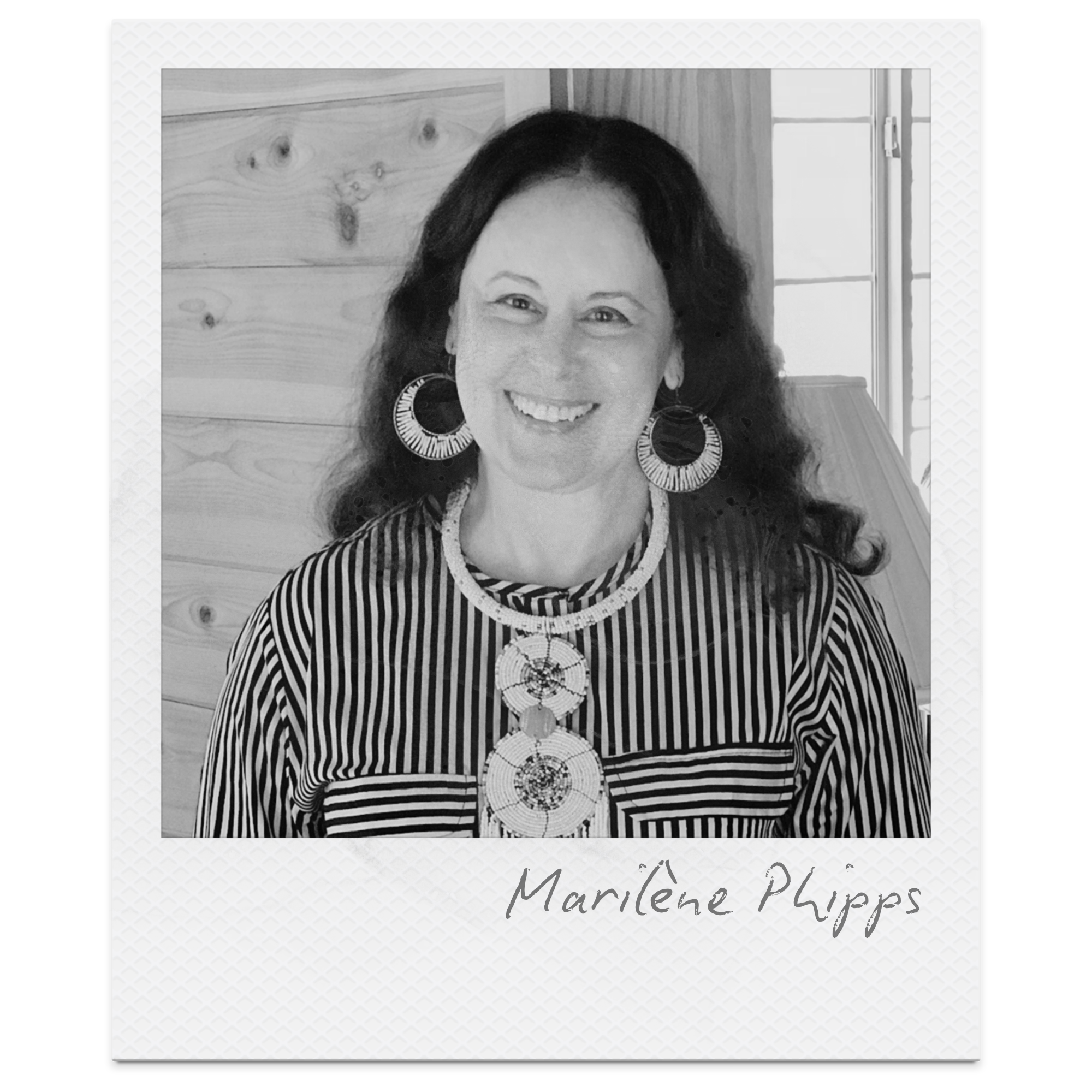
Published in 2007, Frog reflects many of the ideas that run throughout Marilène Phipps' poetry: a fascination with nature, transformation, identity, spirituality, and the interconnectedness of all living things. Born in Haiti, raised partly in France, and later living in the United States, Phipps brings together influences from Caribbean, European, and American cultures. Her background gives her writing a broad perspective, encouraging readers to question familiar assumptions and see the world through different ways of thinking.
Phipps is also an accomplished painter, novelist, and short story writer, and her poetry often reflects a visual artist's attention to colour, texture, movement, and sensory detail. In Frog, readers are invited to imagine not simply what a frog looks like, but what it feels like to inhabit its body and experience its environment. This rich sensory imagery encourages empathy and asks us to consider how different forms of life perceive the world in ways humans cannot.
Her academic background in anthropology is also significant. Anthropology explores how people understand different cultures, beliefs, and ways of living, and this interest in looking beyond one's own perspective can be seen throughout the poem. Rather than presenting humans as the centre of existence, Frog asks readers to imagine another creature's experience before ending with a striking reversal that questions whether becoming human would truly be an improvement. The poem therefore challenges ideas of human superiority, inviting readers to recognise the value and wonder of the natural world.
Although Frog is not tied to one specific historical event, it reflects broader environmental and philosophical concerns that became increasingly prominent during the early twenty-first century. By encouraging readers to imagine life from a non-human perspective, Phipps explores themes of empathy, consciousness, love, and humanity's relationship with nature, suggesting that understanding another living creature may ultimately help us better understand ourselves.
Frog: At a Glance
Form: Free verse lyric poem with a series of extended rhetorical questions that gradually build towards a thought-provoking reversal.
Mood: Reflective, contemplative, sensuous, and ultimately philosophical, with a sense of quiet wonder and curiosity.
Central tension: Whether human life is truly superior to the natural world, or whether another way of experiencing existence might offer a deeper understanding of freedom, perception, and love.
Core themes: Nature and humanity, identity, transformation, perspective, empathy, the senses, love, consciousness, and the interconnectedness of life.
One-sentence meaning: Through an imaginative invitation to inhabit the life of a frog, Phipps challenges readers to reconsider human assumptions about identity and fulfilment, suggesting that understanding another creature's experience may reveal profound truths about what it means to be human.
Quick Summary of Frog
The poem opens by inviting readers to imagine what it would be like to become a frog, asking them to consider whether they would willingly exchange their human body for a completely different way of experiencing the world. The speaker vividly describes the frog's physical form and heightened senses, from its delicate skin and powerful leaps to its ability to float effortlessly in water and absorb every detail of its surroundings. Rather than presenting the transformation as a loss, the poem celebrates the richness and immediacy of this alternative existence.
As the poem progresses, the frog's experience becomes increasingly expansive, moving from the surface of the water to its seemingly infinite depths. In the closing lines, however, the poem introduces a striking reversal: after asking readers whether they would choose to become a frog, the speaker instead imagines the frog being offered the chance to become "Man" or "woman." By suggesting that the frog would only make this exchange "if it meant you would know love," Phipps challenges assumptions about human superiority and leaves readers reflecting on what truly defines a meaningful life.
Title, Form, Structure, and Metre
The meaning of Frog is shaped not only by its vivid imagery but also by its carefully controlled free verse, gradual structural development, and reflective voice. Rather than relying on fixed poetic conventions, Marilène Phipps allows the poem's form to mirror the freedom, fluidity, and expansiveness of the frog's world. These formal choices encourage readers to slow down, imagine an alternative way of experiencing life, and engage with the poem's philosophical questions.
The Title
The title, Frog, initially appears simple and direct, suggesting that the poem will describe an ordinary animal or celebrate the natural world. However, readers soon discover that the frog is not merely the poem's subject but also its central perspective. Rather than observing the creature from a distance, Phipps invites readers to imagine inhabiting its body and experiencing the world through its senses.
As the poem develops, the title becomes increasingly symbolic. The frog comes to represent a different way of existing—one that is deeply connected to nature, sensory awareness, and the present moment. By the final stanza, the title encourages readers to question whether humanity is necessarily the highest form of existence, transforming the frog from a familiar creature into a powerful vehicle for exploring identity, empathy, and fulfilment.
Form and Structure
Frog is written in free verse, giving Phipps the freedom to explore ideas without the restrictions of regular rhyme or metre. This open form reflects the poem's central concern with possibility, transformation, and freedom. Just as the frog moves effortlessly between land and water, the poem itself moves naturally between physical description, sensory experience, and philosophical reflection.
The poem is organised into five uneven stanzas, each developing the central thought experiment further. The opening stanza introduces the frog's body and asks readers whether they would willingly undergo such a transformation. The middle stanzas gradually widen the perspective, moving from the frog's physical characteristics to its experience of water, movement, and the natural world. This steady expansion mirrors the reader's growing understanding of the frog's existence, encouraging them to see beyond purely human experience.
One of the poem's most significant structural features is its repeated use of conditional phrases such as "If it could be done" and "If it meant...". Rather than making direct statements, Phipps continually frames the poem as a series of possibilities. This repeated conditional structure draws readers into the speaker's imaginative experiment while creating a gentle, conversational tone. Each new condition builds upon the previous one, gradually shifting the poem from curiosity about physical transformation towards deeper questions about consciousness, fulfilment, and what it means to live well.
The poem also uses gradual progression to build its ideas. It begins with the frog's body, moves to its ability to navigate water and perceive the natural world, then explores the seemingly infinite depths beneath the water's surface before ending with an unexpected philosophical reversal. This carefully controlled development ensures that the final question feels earned rather than abrupt.
The closing stanza provides the poem's most significant structural shift. Throughout the poem, readers naturally assume the central question is whether a human would choose to become a frog. However, the perspective suddenly reverses with the question "would you come, / to be born a Man? Or even, woman?". This ending forces readers to reinterpret everything that has come before. Instead of judging the frog's life against human existence, the poem asks whether humanity is itself desirable, suggesting that the ability to "know love" may be the only reason such a transformation would be worthwhile. Ending with an unanswered question rather than a conclusion encourages readers to continue reflecting long after the poem has finished.
Phipps also makes effective use of enjambment, allowing ideas to flow naturally across line breaks. For example, "round eyes absorbing the world / through greenish inner screens that draw / towards and within you" carries the sentence across three lines without reaching a complete grammatical pause. This continuous movement reflects the frog's uninterrupted sensory experience while encouraging readers to move smoothly through the description, mirroring the creature's immersion in its environment.
Rhyme Scheme and Poetic Pattern
Frog has no regular rhyme scheme, making it an example of unrhymed free verse. Rather than creating musicality through predictable end rhyme, Phipps relies on repetition, sound patterns, and carefully controlled syntax to create cohesion.
The absence of rhyme allows the poem to sound thoughtful and conversational, as though the speaker is guiding readers through an imaginative exploration rather than delivering fixed conclusions. This openness reflects the poem's invitation to question assumptions rather than accept simple answers.
Instead of using end rhyme, Phipps creates unity through repeated grammatical structures. The recurring openings "If it could be done" and "If it meant" act almost like refrains, providing rhythm and coherence while reinforcing the poem's hypothetical nature. Similarly, lexical repetition such as "down, down" slows the pace and emphasises the seemingly endless depth of the underwater world.
The poem also relies heavily on alliteration, sibilance, and assonance to create subtle musical effects. The phrase "soft slithering silk of the water's surface", for example, combines repeated s sounds with long, flowing vowels to imitate the gentle movement of water. These sound patterns create harmony without the need for a traditional rhyme scheme, allowing the poem's music to emerge naturally from its imagery.
Metre and Rhythmic Movement
Like its rhyme scheme, the poem's metre is irregular, with no consistent pattern such as iambic pentameter or trochaic tetrameter. This flexible rhythm reflects both natural speech and the unpredictable movements of the frog, allowing meaning to shape rhythm rather than forcing language into a rigid pattern.
Many lines contain moments of loosely iambic movement, where an unstressed syllable is followed by a stressed one, before the rhythm naturally shifts with conversational speech. For example:
if it COULD | be DONE | would YOU | WANT
The opening moves with a broadly iambic pulse, creating a calm and inviting rhythm that reflects the speaker's gentle questioning. However, the final stressed "WANT" breaks the regularity slightly, drawing attention to the reader's own choice and involvement in the thought experiment.
Elsewhere, rhythm becomes much more emphatic when Phipps wishes to highlight key ideas. Consider the repeated phrase:
GO down | DOWN to | where there | is NO | BOT-tom
The repeated stresses on "GO," "DOWN," "NO," and "BOT-" create a heavy downward movement that echoes the frog's descent into seemingly endless water. Rather than producing a smooth, predictable rhythm, these shifting stresses encourage readers to feel the physical movement described by the poem.
The closing question also gains emotional force through its rhythm:
KNOW LOVE | would YOU | COME
The concentration of stressed syllables on "KNOW" and "LOVE" gives these words particular weight, emphasising that love—not intelligence, power, or civilisation—is presented as the defining quality of humanity. By allowing important ideas to determine rhythmic emphasis, Phipps ensures that the poem's emotional climax feels both natural and memorable.
Overall, the poem's free verse, flexible rhythm, absence of regular rhyme, and carefully controlled structural progression all reinforce its central message. Rather than imposing order through traditional poetic forms, Phipps creates a poem that moves with the same openness, curiosity, and fluidity that characterise the frog's experience of the natural world, encouraging readers to question whether another way of seeing might also reveal another way of being.
The Speaker in Frog
The speaker in Frog is an inquisitive and reflective voice who guides readers through an imaginative thought experiment rather than telling a personal story. Addressing the reader directly through the repeated use of the second-person pronoun "you", the speaker invites us to consider what it would feel like to inhabit the body and consciousness of a frog. This direct address creates an intimate, conversational tone, encouraging readers to engage actively with the poem's central questions instead of remaining detached observers. The speaker never presents definitive answers, instead using a series of rhetorical questions to provoke reflection and challenge assumptions. Their tone remains curious, contemplative, and quietly philosophical, becoming increasingly profound as the poem progresses from physical transformation to deeper questions about identity, perception, and love. By withholding judgement and ending with an unresolved question, the speaker encourages readers to reconsider humanity's relationship with the natural world and decide for themselves what truly makes life meaningful.
Stanza-by-Stanza Analysis of Frog
Marilène Phipps develops Frog through a carefully structured progression of ideas, with each stanza expanding the reader's understanding of what it means to experience the world from a frog's perspective. Rather than simply describing an animal, the poem gradually moves from physical transformation to sensory perception, before culminating in a profound philosophical reflection on humanity, identity, and love. Analysing the poem stanza by stanza reveals how Phipps combines imagery, structure, sound, and rhetorical questioning to challenge readers' assumptions and deepen the poem's emotional and intellectual impact.
Stanza 1: Imagining a Different Existence
The opening stanza immediately establishes the poem as a thought experiment, inviting readers to imagine an entirely different way of existing through the repeated conditional question, "If it could be done, would you want / to be made into a frog?" Rather than making a statement, Phipps uses a rhetorical question to involve the reader directly, encouraging active participation rather than passive observation. The repeated conditional phrase "If" also creates a speculative tone, signalling that the poem is less interested in fantasy than in exploring philosophical possibilities.
Phipps begins by focusing on the frog's physical body, presenting it in vivid, tactile detail. The description of a "thin-boned spine" and "gray-green humid skin" appeals to both visual and tactile senses, creating an image that feels unfamiliar and slightly uncomfortable. The adjective "humid" reminds readers that the frog's skin is constantly moist, emphasising its close relationship with water and its dependence on the natural environment. Rather than idealising the transformation, Phipps presents the frog's body honestly, encouraging readers to consider both its vulnerabilities and its unique adaptations.
The phrase "skin that feels / the sting of any slight insect" highlights the frog's heightened sensitivity. The verb "feels" places sensory experience at the centre of the poem, while the noun "sting" suggests that even the smallest encounters are experienced intensely. This emphasis on touch encourages readers to imagine inhabiting a body that is far more exposed to the natural world than their own. At the same time, the reminder that the insect might otherwise be "gobble[d] and swallow[ed]" introduces a subtle paradox: the frog is both vulnerable to its environment and perfectly adapted to survive within it.
The frog's posture is described as "sit the world apart / in a wide, four-legged sweaty squat," combining physical observation with symbolic meaning. The unusual phrase "the world apart" suggests separation from ordinary human life, implying that becoming a frog would involve adopting an entirely different perspective rather than simply changing appearance. Meanwhile, the alliterative "wide...sweaty squat" slows the rhythm and reinforces the grounded, physical nature of the frog's existence. Instead of presenting elegance or grace, Phipps celebrates a body that is functional, instinctive, and deeply connected to the earth.
One of the stanza's most striking images is "the beating of your heart showing in your throat." This vivid visual detail draws attention to the frog's visible vulnerability, as its heartbeat is exposed rather than hidden. Symbolically, the image suggests openness and immediacy, reminding readers that the frog's life is lived without the emotional or psychological barriers often associated with human existence. The visible heartbeat also foreshadows the poem's later exploration of love, subtly linking physical life with emotional experience.
Despite these apparent limitations, the stanza ends by celebrating the frog's extraordinary ability to "leap / a distance many times your own measure." The verb "leap" introduces a sudden sense of energy and freedom that contrasts with the earlier emphasis on stillness and vulnerability. This ending challenges readers to reconsider what strength and capability look like, suggesting that although the frog's body may appear fragile or unfamiliar, it possesses remarkable abilities that humans cannot match. By concluding on this uplifting image, Phipps begins to undermine assumptions that human existence is automatically superior, preparing readers for the increasingly philosophical reflections that follow.
Stanza 2: Immersion in the Natural World
The second stanza shifts from the frog's physical appearance to its sensory experience, expanding the poem's focus from what the frog is to how it perceives the world. Once again, Phipps begins with the repeated conditional phrase "If it meant", maintaining the poem's cumulative structure and encouraging readers to continue imagining this alternative existence. Each new condition deepens the thought experiment, gradually revealing that becoming a frog involves adopting an entirely different relationship with nature rather than simply inhabiting a different body.
The opening image of entering "water / more vast than your body can ever swim through" immediately emphasises both the frog's smallness and the immense scale of its environment. The adjective "vast" evokes feelings of awe, suggesting that the frog exists within a world that is far greater than itself. However, rather than presenting this as frightening, Phipps contrasts the overwhelming size of the water with the reassuring adverb "nevertheless," showing that the frog remains completely at ease despite its apparent insignificance. This contrast challenges the human tendency to associate power with size or control, suggesting instead that fulfilment comes through harmony with the natural world.
The simile "like a molecule afloat" is particularly striking because it combines scientific and poetic language. A molecule is one of the smallest building blocks of matter, emphasising the frog's tiny place within the wider universe. Yet molecules are also essential to all forms of life, implying that even the smallest living beings possess significance. The image therefore encourages readers to view existence on a different scale, where being part of something larger is presented as a source of connection rather than weakness.
Phipps continues to foreground perception through the image of the frog's "round eyes absorbing the world." The verb "absorbing" suggests far more than simply looking. It implies complete openness to experience, as though the frog effortlessly draws its surroundings into itself without judgement or resistance. This contrasts with the analytical way humans often perceive the world, reinforcing the poem's suggestion that the frog experiences nature with immediacy and acceptance.
The description of seeing through "greenish inner screens" introduces a subtle metaphor that reminds readers that every creature experiences reality differently. Rather than presenting human perception as the objective standard, Phipps suggests that the frog's vision is equally valid, filtered through its own unique biological perspective. This image reinforces one of the poem's central ideas: our understanding of the world is always shaped by the body through which we experience it.
The stanza concludes with one of the poem's most memorable examples of sibilance: "the soft slithering silk of the water's surface." The repeated s sounds create a gentle, whispering rhythm that imitates the smooth movement of water, allowing the poem's sound to reflect its subject. At the same time, the tactile noun "silk" transforms the water into something luxurious and comforting, emphasising the frog's intimate connection with its environment. Rather than merely existing within nature, the frog becomes completely immersed in it, presenting the natural world as a place of beauty, tranquillity, and belonging.
Stanza 3: A World of Wonder and Fearlessness
Although much shorter than the surrounding stanzas, the third stanza significantly broadens the poem's perspective, moving beyond the frog's immediate surroundings to encompass the wider natural world. Having explored life beneath and upon the water's surface, Phipps now directs the reader's attention upwards, suggesting that the frog's experience is not confined to a single environment but embraces the richness and interconnectedness of the landscape. This shift reinforces the poem's growing sense of freedom and expands the reader's understanding of what the frog is capable of perceiving.
The phrase "the slosh and sway of high palm leaves" combines onomatopoeia and alliteration to create a vivid sensory experience. The word "slosh" evokes the movement of water while "sway" suggests the gentle motion of leaves in the wind, blending different elements of the natural world into a single flowing image. This combination reflects the poem's recurring emphasis on interconnectedness, presenting water, air, and vegetation as parts of one harmonious environment rather than separate landscapes.
Phipps then introduces "defiant birds gathered in the immense blue," expanding the scale of the imagery even further. The adjective "immense" emphasises the vastness of the sky, reinforcing the idea that the frog exists within a world that is both beautiful and boundless. Meanwhile, the personification of the birds as "defiant" suggests confidence and resilience, implying that the natural world is filled with creatures that embrace rather than fear their environment. The frog is therefore presented as part of a living ecosystem where every creature occupies its own place.
The stanza reaches its climax with the unexpected image of being able to "stare at the sun." Traditionally, looking directly at the sun symbolises seeking truth, enlightenment, or confronting overwhelming power. Here, the image suggests fearlessness and complete openness to experience. The phrase "even then" highlights this achievement, implying that despite the immense scale of the world surrounding the frog, it remains capable of meeting it without hesitation. Rather than being intimidated by nature, the frog exists in complete harmony with it.
Structurally, the brevity of this stanza is significant. After the expansive descriptions of the previous stanza, these three lines create a moment of pause and reflection before the poem moves into its deepest philosophical ideas. The concise structure allows each image to carry greater weight, while the progression from water, to sky, to the sun mirrors the continual widening of the poem's imaginative scope. In doing so, Phipps suggests that the frog's experience of the world is characterised not by limitation but by wonder, reinforcing the poem's challenge to human assumptions about what it means to live fully.
Stanza 4: Descending into the Infinite
The fourth stanza marks a shift from observing the natural world to contemplating its mystery and immensity. While the previous stanzas celebrate the frog's physical abilities and heightened perception, this section explores the idea of venturing into places that lie beyond ordinary human experience. The repeated conditional opening, "And if it also meant...", continues the poem's cumulative structure, suggesting that each imagined possibility adds another layer to the reader's understanding of what it means to inhabit the frog's world.
The image of diving "deep in the far depth of the water" immediately conveys a sense of limitless exploration. The repetition of the root word "deep" reinforces the vastness of the underwater world, while the adjective "far" suggests that this journey extends beyond familiar boundaries. Water, which has already been presented as a place of comfort and freedom, now becomes a symbol of the unknown, inviting readers to imagine a realm that cannot be fully understood from a human perspective.
Phipps intensifies this impression through the repetition "go down, down". This lexical repetition slows the rhythm of the line, encouraging readers to linger over the descent and almost experience it themselves. The repeated movement creates a hypnotic quality, mirroring the continuous sinking motion and reinforcing the idea that there is always something further to discover beneath the surface.
The phrase "where there is no bottom, none to feel or reach" uses hyperbole to suggest infinite depth rather than a literal physical location. By emphasising that there is "no bottom," Phipps removes any sense of limit or certainty, presenting the underwater world as a space that cannot be measured or controlled. The verbs "feel" and "reach" are particularly significant because they describe two fundamental ways humans understand their surroundings. Here, both are denied, suggesting that this experience exists beyond the normal boundaries of human perception and comprehension.
The stanza concludes with the striking image of "an infinity of movement that requires no breath." The abstract noun "infinity" expands the poem from a description of nature into a philosophical meditation on existence itself. Rather than simply describing endless water, Phipps presents movement as limitless and continuous, evoking a sense of complete freedom from physical constraint. The phrase "requires no breath" is equally significant. Breathing is one of the most basic requirements of human life, yet for the frog in this imagined state, movement through this immense space appears effortless. Symbolically, this suggests liberation from ordinary human limitations, reinforcing the poem's invitation to imagine a form of existence that is unrestricted by fear, exhaustion, or physical boundaries.
Structurally, this stanza builds towards the poem's final revelation by shifting attention away from external description and towards increasingly abstract ideas. The movement from depth, to bottomlessness, to infinity reflects a widening intellectual and spiritual journey, preparing readers for the closing stanza, where the poem moves beyond the natural world to ask what truly gives human life its value.
Stanza 5: Reversing the Human Perspective
The final stanza delivers the poem's most significant structural and philosophical shift, transforming everything that has come before. Throughout the poem, readers are encouraged to imagine whether they would choose to become a frog. However, Phipps suddenly reverses this perspective with the familiar conditional phrase "If it could be done", asking instead whether the frog would choose to become human. This unexpected reversal forces readers to reconsider the assumptions that have shaped their interpretation of the poem and challenges the idea that human life is naturally superior to every other form of existence.
The poem's most powerful revelation lies in the condition attached to this transformation: "it meant you would / know love." Throughout the poem, the frog's life has been presented as rich, expansive, and deeply connected to the natural world. Yet Phipps suggests that one experience may lie beyond this existence—love. The verb "know" is particularly significant because it implies far more than simply feeling an emotion. It suggests deep understanding, experience, and consciousness, presenting love as something profound enough to justify abandoning an otherwise fulfilling existence. At the same time, the poem leaves the nature of this love deliberately undefined. It could refer to romantic love, familial affection, human compassion, or a broader emotional awareness, allowing readers to bring their own interpretations to the closing question.
The final question, "would you come, / to be born a Man? Or even, woman?", deliberately overturns conventional expectations. Instead of assuming that becoming human is an obvious improvement, the poem presents it as a genuine choice that requires careful consideration. This inversion encourages readers to question ideas of human exceptionalism, suggesting that qualities such as intelligence or civilisation may not automatically make human life more meaningful than life in the natural world.
The distinction between "Man" and "woman" is also noteworthy. The capitalised "Man" initially appears to represent humanity as a whole, echoing older literary conventions in which the word was often used to mean humankind. However, the addition of "Or even, woman?" disrupts that convention, drawing attention to gender and reminding readers that humanity is not a single, uniform experience. The unexpected phrasing encourages readers to pause over the final words, adding another layer of complexity to the poem's closing reflection and resisting any simple or universal definition of what it means to be human.
Structurally, ending the poem with an unanswered rhetorical question is highly significant. Rather than resolving the poem's central ideas, Phipps leaves the decision entirely with the reader. This open ending ensures that the poem continues beyond its final line, inviting ongoing reflection about identity, fulfilment, love, and humanity's place within the natural world. By refusing to provide a definitive answer, Phipps reinforces the poem's central message: that understanding another way of experiencing life may fundamentally change how we understand our own.
Key Quotes and Methods in Frog
Marilène Phipps uses sensory imagery, rhetorical questioning, symbolism, repetition, and carefully crafted sound patterns to encourage readers to see the natural world from a new perspective. The following quotations demonstrate how her methods shape the poem's meaning and emotional impact.
"If it could be done, would you want"
◆ Technique: Rhetorical question; direct address; conditional opening.
◆ Meaning: The poem begins by inviting readers to imagine an alternative form of existence rather than presenting a fixed viewpoint.
◆ Purpose: Phipps immediately involves the reader in the poem's philosophical thought experiment, encouraging active participation and reflection.
◆ Impact: Readers begin questioning their own assumptions about humanity and the natural world from the very first line.
"gray-green humid skin that feels the sting"
◆ Technique: Sensory imagery; tactile imagery; visual imagery; descriptive adjectives.
◆ Meaning: The frog's body is presented as highly sensitive and closely connected to its environment, experiencing the world through touch as well as sight.
◆ Purpose: Phipps encourages readers to imagine life within a completely different body, emphasising vulnerability alongside adaptation.
◆ Impact: The vivid description creates empathy for the frog while challenging conventional ideas of beauty and comfort.
"the beating of your heart showing in your throat"
◆ Technique: Visual imagery; symbolism; anatomical detail.
◆ Meaning: The visible heartbeat symbolises both the frog's vulnerability and its closeness to the rhythms of life.
◆ Purpose: Phipps suggests that openness and fragility are natural aspects of existence rather than signs of weakness.
◆ Impact: Readers are encouraged to reconsider their understanding of strength, resilience, and emotional exposure.
"leap a distance many times your own measure"
◆ Technique: Dynamic verb; hyperbole; contrast.
◆ Meaning: Despite its small size, the frog possesses extraordinary physical ability.
◆ Purpose: Phipps overturns assumptions that appearance determines capability, highlighting the remarkable qualities found in nature.
◆ Impact: The image inspires admiration and encourages readers to value perspectives beyond human standards.
"like a molecule afloat"
◆ Technique: Simile; scientific imagery.
◆ Meaning: The comparison emphasises both the frog's tiny scale and its place within the vast interconnected universe.
◆ Purpose: By blending scientific and poetic language, Phipps encourages readers to think about existence from a broader perspective.
◆ Impact: Readers gain a greater appreciation of humility, connection, and humanity's place within the natural world.
"round eyes absorbing the world through greenish"
◆ Technique: Metaphor; visual imagery; sensory language.
◆ Meaning: The frog experiences the world with complete openness, taking in its surroundings rather than simply observing them.
◆ Purpose: Phipps highlights that every living creature perceives reality differently, challenging readers to move beyond a purely human perspective.
◆ Impact: The image encourages empathy while reinforcing one of the poem's central ideas about perception and understanding.
"the soft slithering silk of the water's surface"
◆ Technique: Sibilance; alliteration; tactile imagery; metaphor.
◆ Meaning: The flowing sounds mirror the gentle movement of water, presenting the frog's environment as calm, beautiful, and inviting.
◆ Purpose: Phipps creates harmony between the poem's sound and imagery, immersing readers in the frog's sensory experience.
◆ Impact: The musical language creates a soothing atmosphere, reinforcing the frog's deep connection with nature.
"go down, down to where there is no bottom"
◆ Technique: Lexical repetition; hyperbole; symbolism.
◆ Meaning: The repeated descent suggests limitless exploration and the mystery of the unknown.
◆ Purpose: Phipps expands the poem from physical description into a meditation on infinity and existence beyond human limits.
◆ Impact: Readers experience a sense of awe while reflecting on the vastness of the natural world.
"an infinity of movement that requires no breath"
◆ Technique: Hyperbole; abstract noun; symbolism.
◆ Meaning: Endless movement symbolises complete freedom from physical and emotional constraints.
◆ Purpose: Phipps presents the frog's world as one of effortless harmony, contrasting with the limitations often associated with human life.
◆ Impact: The image leaves readers contemplating alternative ways of existing and what true freedom might mean.
"it meant you would know love, would you come"
◆ Technique: Structural reversal; rhetorical question; symbolism.
◆ Meaning: The poem's final question suggests that love may be the defining quality of human existence, while leaving its value open to interpretation.
◆ Purpose: Phipps overturns the reader's expectations by asking whether becoming human would be desirable, rather than assuming it is.
◆ Impact: The unresolved ending encourages readers to continue reflecting on identity, fulfilment, and humanity's relationship with the natural world long after the poem has ended.
Key Techniques in Frog
Marilène Phipps combines imagery, sound, structure, and philosophical questioning to transform a simple thought experiment into a profound reflection on humanity's relationship with the natural world. Rather than relying on elaborate poetic forms, she uses carefully chosen techniques to encourage readers to experience the world through a completely different perspective.
Rhetorical Questions
The poem is built around a series of rhetorical questions, beginning with "If it could be done, would you want" and ending with "would you come, / to be born a Man? Or even, woman?". Rather than providing answers, these questions invite readers to participate in the poem's philosophical exploration. This technique encourages self-reflection and challenges assumptions about identity, fulfilment, and what it means to be human.
Sensory Imagery
Phipps appeals to sight, touch, movement, and texture to immerse readers in the frog's experience. Descriptions such as "gray-green humid skin", "the soft slithering silk of the water's surface", and "the beating of your heart showing in your throat" allow readers to imagine inhabiting another body. This rich sensory language creates empathy while reinforcing the poem's celebration of the natural world.
Symbolism
Many of the poem's images function symbolically. The frog represents an alternative way of experiencing life that is closely connected to nature and the present moment, while water symbolises freedom, mystery, and limitless possibility. The poem's final reference to love becomes a symbol of humanity's unique emotional capacity, prompting readers to question whether this alone distinguishes human existence from other forms of life.
Free Verse
The poem's free verse reflects its themes of freedom, exploration, and possibility. Without the restrictions of a regular rhyme scheme or fixed metre, the ideas unfold naturally, mirroring the frog's effortless movement through its environment. The conversational rhythm also makes the poem's philosophical questions feel thoughtful and accessible rather than didactic.
Repetition
Phipps uses lexical repetition to reinforce important ideas and create rhythm. The repeated conditional phrases "If it could be done" and "If it meant" gradually build the poem's thought experiment, while the repeated movement in "down, down" slows the pace and emphasises the seemingly endless descent into the depths of the water. This repetition creates cohesion while highlighting the poem's expanding perspective.
Simile
The simile "like a molecule afloat" introduces scientific imagery to emphasise both the frog's smallness and its place within the wider universe. By comparing the frog to one of the smallest building blocks of matter, Phipps reminds readers that even the smallest forms of life are essential parts of a much larger interconnected system.
Sibilance and Sound Patterning
Sound plays an important role throughout the poem, particularly in the phrase "the soft slithering silk of the water's surface." The repeated s sounds create sibilance, echoing the smooth movement of water and reinforcing the calm atmosphere. Rather than relying on end rhyme, Phipps creates musicality through subtle sound patterns that complement the poem's imagery.
Structural Progression
The poem follows a clear structural progression, beginning with the frog's physical body before moving through its sensory experiences, expanding into vast natural landscapes, and finally arriving at a philosophical question about humanity. This gradual widening of perspective mirrors the reader's own journey, making the final reversal feel both surprising and inevitable.
Structural Reversal
The poem's closing lines contain its most significant structural technique. After encouraging readers to imagine becoming a frog, Phipps unexpectedly asks whether the frog would choose to become human. This reversal of perspective forces readers to reinterpret the entire poem, challenging assumptions about human superiority and leaving the central question deliberately unresolved.
Enjambment
Phipps frequently uses enjambment to carry ideas smoothly across line breaks, reflecting the continuous movement of the natural world. For example, "round eyes absorbing the world / through greenish inner screens that draw / towards and within you" flows across several lines without a complete pause, mirroring the frog's uninterrupted perception of its surroundings. This technique creates a sense of immersion while reinforcing the poem's fluid, exploratory movement.
How the Writer Creates Meaning and Impact in Frog
Marilène Phipps creates meaning in Frog by combining vivid sensory imagery, free verse, philosophical questioning, and an unexpected structural reversal. Rather than presenting the frog simply as an animal, she transforms it into a way of exploring identity, perception, humanity, and the relationship between people and the natural world. Each literary method encourages readers not only to imagine a different existence but also to question the assumptions they bring to their own.
Sensory Language and Imagery
One of the poem's most striking features is its rich sensory imagery, which immerses readers in the frog's physical experience of the world. Descriptions such as "gray-green humid skin that feels the sting", "the soft slithering silk of the water's surface", and "the beating of your heart showing in your throat" appeal to multiple senses, allowing readers to imagine inhabiting a body that experiences the world very differently from their own. Rather than describing nature from a distance, Phipps encourages readers to feel part of it, creating empathy for the frog and reinforcing the poem's challenge to human-centred thinking.
Symbolism and Extended Metaphor
Throughout the poem, the frog functions as an extended metaphor for an alternative way of living. Rather than symbolising something negative or primitive, the frog represents a life that is deeply connected to nature, sensory awareness, and the present moment. Other symbols reinforce this idea. Water becomes a symbol of freedom, possibility, and mystery, while the image of "an infinity of movement that requires no breath" expands the poem beyond physical description into a meditation on limitless existence. By ending with the idea of love, Phipps introduces a final symbol that encourages readers to reflect on what truly distinguishes humanity from other living creatures.
Structure and Development of Ideas
Phipps carefully structures the poem so that each stanza broadens the reader's perspective. The opening focuses on the frog's physical body before gradually exploring its senses, its environment, and the immense underwater world it inhabits. This steady expansion mirrors the reader's own journey, moving from curiosity about physical transformation to increasingly profound philosophical questions. The cumulative use of conditional phrases such as "If it could be done" and "If it meant" ensures that every new image builds naturally upon the last, creating a sense of continuous discovery.
The poem's most powerful structural feature is its final reversal. Readers spend most of the poem assuming the central question is whether they would choose to become a frog. However, the closing question asks whether the frog would choose to become human "if it meant you would know love." This sudden shift forces readers to reinterpret everything that has come before, transforming the poem from an imaginative exercise into a profound reflection on humanity's place within the natural world.
Voice and Tone
The speaker's calm, reflective voice creates an atmosphere of curiosity rather than persuasion. By addressing readers directly through the repeated use of "you", Phipps encourages them to participate personally in the poem's thought experiment. The tone remains gentle and contemplative throughout, avoiding judgement or certainty. Instead of telling readers what to think, the poem encourages them to reach their own conclusions, making its philosophical ideas feel more engaging and memorable.
Sound and Rhythm
Although Frog has no regular rhyme scheme or fixed metre, its language is carefully crafted to create subtle musicality. Phipps uses sibilance, particularly in "the soft slithering silk of the water's surface," to imitate the gentle movement of water, while lexical repetition in "down, down" slows the rhythm and mirrors the frog's gradual descent into deeper water. The flexible rhythm of the free verse allows the poem to flow naturally like conversation, while also reflecting the freedom and fluid movement that characterise the frog's existence.
Challenging Human Assumptions
Perhaps the poem's greatest achievement is the way it quietly overturns readers' expectations. Rather than presenting humanity as the obvious pinnacle of existence, Phipps encourages readers to admire the frog's world before questioning whether becoming human would necessarily be an improvement. By ending with an unresolved rhetorical question, she refuses to provide easy answers, ensuring that readers continue reflecting on the poem's ideas long after they have finished reading. The result is a poem that uses language, structure, voice, and symbolism not simply to describe nature, but to transform the way readers think about themselves and the living world around them.
Themes in Frog
Through an imaginative thought experiment, Marilène Phipps explores humanity's relationship with the natural world, encouraging readers to question assumptions about identity, fulfilment, and what it means to live well. Rather than presenting straightforward answers, the poem uses imagery, symbolism, sensory language, and philosophical questioning to examine ideas that remain deliberately open to interpretation.
Nature and Humanity
A central theme of Frog is the relationship between humans and the natural world. Rather than presenting humanity as separate from or superior to nature, Phipps asks readers to imagine experiencing life as another living creature. Rich sensory imagery, such as "gray-green humid skin" and "the soft slithering silk of the water's surface," immerses readers in the frog's environment, encouraging appreciation rather than judgement. The poem's final reversal challenges the assumption that becoming human would automatically be an improvement, inviting readers to reconsider humanity's place within the wider ecosystem.
Identity
The poem explores identity by asking what truly defines who we are. Is identity determined by our physical body, our thoughts, our emotions, or the way we experience the world? Through the repeated question "If it could be done," Phipps encourages readers to imagine inhabiting another form of life without losing their sense of self. By blurring the boundaries between human and animal experience, the poem suggests that identity is more complex and fluid than it first appears.
Transformation
Transformation drives the poem's central thought experiment. Rather than presenting transformation as magical or dramatic, Phipps explores it as a change in perspective and experience. Each stanza reveals another aspect of what becoming a frog might involve, gradually expanding from physical differences to philosophical questions about existence itself. The final transformation—asking whether the frog would choose to become human—reverses readers' expectations and encourages them to question whether transformation always represents progress.
Perspective
The poem continually challenges readers to adopt a different perspective. Instead of observing the frog from the outside, readers are invited to imagine seeing, feeling, and moving through the world as the creature does. Images such as "round eyes absorbing the world" emphasise that every living being experiences reality differently. By shifting perspective in the final stanza, Phipps reminds readers that their own viewpoint is not the only valid way of understanding the world.
Empathy
Closely linked to perspective is the theme of empathy. The poem asks readers not simply to learn about a frog but to imagine living as one. This imaginative act encourages compassion and understanding for forms of life that are often overlooked or misunderstood. Rather than encouraging sympathy from a distance, Phipps invites readers to cross the boundary between species, suggesting that empathy begins by recognising experiences beyond our own.
The Senses
Phipps places the senses at the heart of the poem. Visual, tactile, and auditory imagery allow readers to experience the frog's environment in vivid detail, from its "gray-green humid skin" to "the slosh and sway of high palm leaves." The emphasis on sensory perception suggests that understanding the world is not purely intellectual but deeply physical. By foregrounding touch, movement, and sight, the poem celebrates a direct and immediate relationship with nature.
Love
The final stanza introduces love as the poem's most surprising and thought-provoking theme. After celebrating the frog's rich and fulfilling existence, Phipps suggests that becoming human might only be worthwhile "if it meant you would know love." The poem deliberately leaves the meaning of love undefined, allowing it to represent romantic love, family, compassion, or emotional connection more broadly. This ambiguity encourages readers to reflect on whether love is humanity's greatest gift or simply one aspect of a meaningful life.
Consciousness
The poem explores consciousness by imagining what it might feel like to experience reality through a completely different mind and body. Rather than presenting the frog as an instinctive or unintelligent creature, Phipps portrays it as deeply aware of its surroundings, capable of "absorbing the world" through its senses. The poem suggests that consciousness may take many forms, challenging the belief that human awareness is uniquely valuable or complete.
The Interconnectedness of Life
Throughout Frog, Phipps presents all living things as part of a shared natural world. Water, insects, birds, palm leaves, and the frog itself are woven together through flowing imagery and continuous movement, creating a sense of harmony rather than hierarchy. Even the simile "like a molecule afloat" reminds readers that every living creature, no matter how small, forms part of a much larger whole. By emphasising these connections, the poem suggests that understanding other forms of life can ultimately deepen our understanding of ourselves.
Alternative Interpretations of Frog
Although Frog appears to celebrate the natural world, Marilène Phipps deliberately leaves many of its ideas open to interpretation. The poem can be read as a meditation on identity, perception, humanity, and fulfilment, allowing readers to approach it from psychological, social, or philosophical perspectives. These interpretations are not mutually exclusive; instead, they highlight the richness and ambiguity of the poem.
Psychological Interpretation: Escaping the Human Mind
From a psychological perspective, Frog can be interpreted as an exploration of the desire to escape the pressures of human consciousness. The frog's existence is presented as immediate and instinctive, centred on sensation rather than anxiety, memory, or expectation. Images such as "an infinity of movement that requires no breath" suggest a state of freedom that contrasts with the emotional and psychological burdens often associated with human life. In this reading, the frog symbolises a simpler, more mindful existence in which life is experienced through the present moment rather than shaped by worry or self-consciousness. The poem's closing reference to love complicates this interpretation, however, implying that although human life may be psychologically more difficult, it also offers emotional experiences unavailable elsewhere.
Social Interpretation: Challenging Human Superiority
The poem can also be read as a critique of human exceptionalism—the belief that humans are inherently superior to all other living creatures. Rather than portraying the frog as primitive or inferior, Phipps presents its life as rich, beautiful, and deeply connected to its environment. The final reversal, in which the frog is invited to become human, overturns conventional expectations and suggests that humanity is not necessarily the highest or most desirable form of existence. This interpretation encourages readers to reflect on society's tendency to place humans above the natural world and invites greater respect for the value of non-human life.
Philosophical / Existential Interpretation: What Makes Life Meaningful?
From a philosophical perspective, Frog asks one of literature's oldest questions: what gives life meaning? Throughout the poem, the frog experiences freedom, beauty, sensory richness, and harmony with nature, yet the final stanza introduces the possibility that only humanity can "know love." Phipps deliberately leaves this idea unresolved, inviting readers to decide whether love is sufficient to justify the complexities and limitations of human existence. Rather than offering a clear answer, the poem suggests that meaning cannot be measured through intelligence, power, or physical ability alone. Instead, it encourages readers to reflect on whether fulfilment comes from emotional connection, sensory experience, harmony with nature, or some combination of all three. By refusing to resolve this question, Phipps ensures that the poem remains open to multiple interpretations, making its final lines both thought-provoking and enduring.
Exam-Ready Insight for Frog
Strong responses to Frog move beyond describing the imagined experience of becoming a frog and instead explore how Marilène Phipps uses this thought experiment to challenge ideas about human identity, perception, and humanity's relationship with the natural world. The strongest essays remain closely focused on the question, selecting carefully chosen quotations and explaining how Phipps' methods shape both meaning and the reader's response.
Strong responses typically:
◆ Develop a clear interpretation that explores the poem's philosophical ideas rather than simply describing the frog's experiences.
◆ Analyse the writer's methods, explaining how rhetorical questions, sensory imagery, symbolism, free verse, and structural progression work together to create meaning.
◆ Explore the poem's development, showing how Phipps gradually moves from physical transformation to increasingly profound reflections on consciousness, identity, and love.
◆ Examine the significance of the final structural reversal, considering how the closing question challenges assumptions about human superiority and encourages multiple interpretations.
◆ Support every point with precise textual evidence, ensuring quotations are analysed in detail and linked to their effects on the reader.
Strong Thesis Statement
In Frog, Marilène Phipps uses rich sensory imagery, philosophical questioning, free verse, and a striking structural reversal to challenge human-centred assumptions, encouraging readers to reconsider identity, perception, and what truly gives life meaning.
Model Analytical Paragraph
Phipps presents the frog's experience as both unfamiliar and deeply fulfilling, encouraging readers to question their assumptions about human superiority. This is evident in the description of the frog's "round eyes absorbing the world," where the metaphor suggests that the creature experiences nature with complete openness rather than simply observing it. The verb "absorbing" implies total immersion, presenting perception as an active and enriching experience instead of a detached act of looking. By inviting readers to imagine seeing the world through the frog's senses, Phipps challenges the belief that human consciousness offers the only meaningful way of understanding reality. This perspective becomes even more significant in the final stanza, where the poem unexpectedly asks whether the frog would choose to become human, encouraging readers to reconsider whether fulfilment lies in intelligence and civilisation or in a deeper connection with the natural world.
Teaching Ideas for Frog
These activities encourage students to explore how Marilène Phipps creates meaning through imagery, symbolism, structure, and philosophical questioning, while developing the analytical skills required for Cambridge IGCSE World Literature (0408) Paper 2. The focus should remain on explaining how the poem achieves its effects rather than simply identifying literary techniques.
1. Close Analytical Discussion
Use these questions to encourage students to support their ideas with detailed textual evidence and thoughtful analysis of Phipps' methods.
Discussion Questions:
How does Phipps encourage readers to experience the world from the frog's perspective? Consider her use of sensory imagery, direct address, and rhetorical questions.
How does the poem develop from a simple thought experiment into a philosophical reflection on humanity? Explore how structure, symbolism, and the final reversal shape the reader's interpretation.
2. Exploring Themes and Interpretation
These questions encourage students to consider the poem's wider ideas while recognising that multiple interpretations can be supported by the text.
Discussion Questions:
Does Frog celebrate the natural world, or does it ultimately suggest that human life is more meaningful because of love? Support your ideas with evidence from the poem.
How does Phipps challenge ideas about human superiority? Consider the presentation of the frog's experiences and the significance of the poem's final question.
3. Exam Skills
These activities develop the close-reading and analytical writing skills needed for Paper 2.
Tasks:
Write a PETAL paragraph analysing how Phipps uses sensory imagery to immerse readers in the frog's experience of the natural world. Focus on the writer's methods as well as their effects.
Annotate the final stanza, identifying three literary methods that contribute to the poem's structural reversal. Explain how each method influences the reader's understanding of the poem's central ideas.
4. Creative Writing Task
Creative responses encourage students to engage more deeply with the poem's themes while developing their own descriptive and reflective writing.
Creative Writing Tasks:
Write a descriptive piece from the perspective of an animal, focusing on how it experiences the world through its senses. Use rich imagery to create an immersive point of view without explaining human thoughts or emotions.
Write a reflective piece beginning with the prompt "If it could be done..." in which the narrator imagines experiencing life from a completely different perspective. Focus on how this transformation changes their understanding of identity, nature, or humanity.
Looking for more creative writing inspiration? Explore the Creative Writing Archive for imaginative prompts, descriptive writing activities, and storytelling resources that help students develop richer observation, reflection, and narrative voice.
Go Deeper into Frog
If Frog has sparked your interest, these poems, novels, and works of non-fiction explore similar ideas about nature, transformation, identity, perception, and humanity's relationship with the living world. Reading beyond the anthology can deepen your understanding of Phipps' philosophical ideas while strengthening your ability to make thoughtful literary comparisons.
◆ The Fish – Elizabeth Bishop – Bishop's detailed observation of a single fish gradually develops into a meditation on empathy, respect, and humanity's relationship with the natural world. Like Frog, the poem encourages readers to look beyond first impressions and appreciate another living creature's unique existence.
◆ Metamorphosis – Franz Kafka – Kafka's novella explores physical transformation and the question of what truly defines identity. Although far darker in tone than Frog, both texts challenge readers to consider how changing the body can reshape relationships, perception, and the meaning of being human.
◆ The Peace of Wild Things – Wendell Berry – Berry reflects on the comfort and perspective that can be found in the natural world during times of anxiety and uncertainty. Both writers present nature as offering an alternative way of experiencing life, encouraging readers to step outside the pressures of modern human existence.
◆ The Overstory – Richard Powers – This contemporary novel explores the interconnected lives of people and trees, challenging human-centred perspectives and encouraging readers to recognise humanity as one part of a much larger living ecosystem. Like Frog, it asks readers to rethink humanity's place within nature.
◆ Braiding Sweetgrass – Robin Wall Kimmerer – Combining memoir, science, and Indigenous knowledge, Kimmerer explores reciprocity, empathy, and the interconnectedness of all living things. Her reflections complement Phipps' invitation to see the natural world as something to experience alongside rather than dominate.
◆ The Windhover – Gerard Manley Hopkins – Hopkins transforms the observation of a bird in flight into a celebration of beauty, wonder, and the extraordinary qualities found within the natural world. Like Frog, the poem uses close observation of an animal to inspire deeper philosophical and spiritual reflection.
Final Thoughts
Frog demonstrates how a simple imaginative question can develop into a profound exploration of identity, perception, and humanity's relationship with the natural world. Through sensory imagery, free verse, symbolism, rhetorical questioning, and a carefully structured progression, Marilène Phipps encourages readers to step beyond a purely human perspective and consider the richness of another living creature's experience. Rather than presenting nature as something separate from humanity, the poem suggests that understanding other forms of life may ultimately deepen our understanding of ourselves.
The poem's lasting impact lies in its unexpected reversal. By asking whether a frog would choose to become human only "if it meant you would know love," Phipps overturns assumptions about human superiority and leaves readers with a question rather than an answer. This ambiguity invites multiple interpretations, ensuring that the poem continues to provoke reflection long after its final lines. Ultimately, Frog reminds us that literature has the power to transform perspective, encouraging empathy, curiosity, and a greater appreciation of the interconnectedness of all life.
Continue exploring the anthology in the Songs of Ourselves Volume 3 Hub, or browse the Literature Library for more in-depth analyses of poetry, novels, plays, and short stories from a wide range of literary traditions.
Choose Your Next Text