#ExtinctionRebellion by Pascale Petit: Summary, Themes & Analysis
In #ExtinctionRebellion, Pascale Petit imagines a future in which nature, technology, environmental activism, and human connection become inseparable. Through extended metaphor, symbolism, vivid imagery, and contemporary digital language, the poem reimagines the internet as a living ecological network, suggesting that humanity's survival depends upon reconnecting with the natural world rather than continuing to exploit it. Rather than presenting environmental crisis through despair alone, Petit offers a hopeful vision of resistance, regeneration, and collective action. If you are studying or teaching Songs of Ourselves Volume 3 for Cambridge IGCSE World Literature (0408) Paper 2, explore all the poems in depth in the Songs of Ourselves Volume 3 Hub, or browse the Literature Library for detailed analyses of poetry, novels, plays, and short stories from around the world.

Context of #ExtinctionRebellion
Published in 2020, #ExtinctionRebellion reflects growing global concern about the climate crisis, biodiversity loss, and environmental activism. The title references Extinction Rebellion, the international environmental movement founded in 2018, which campaigns for urgent action on climate change through non-violent civil disobedience. Rather than focusing on protest itself, however, Petit imagines a future in which human technology and the natural world become deeply interconnected.
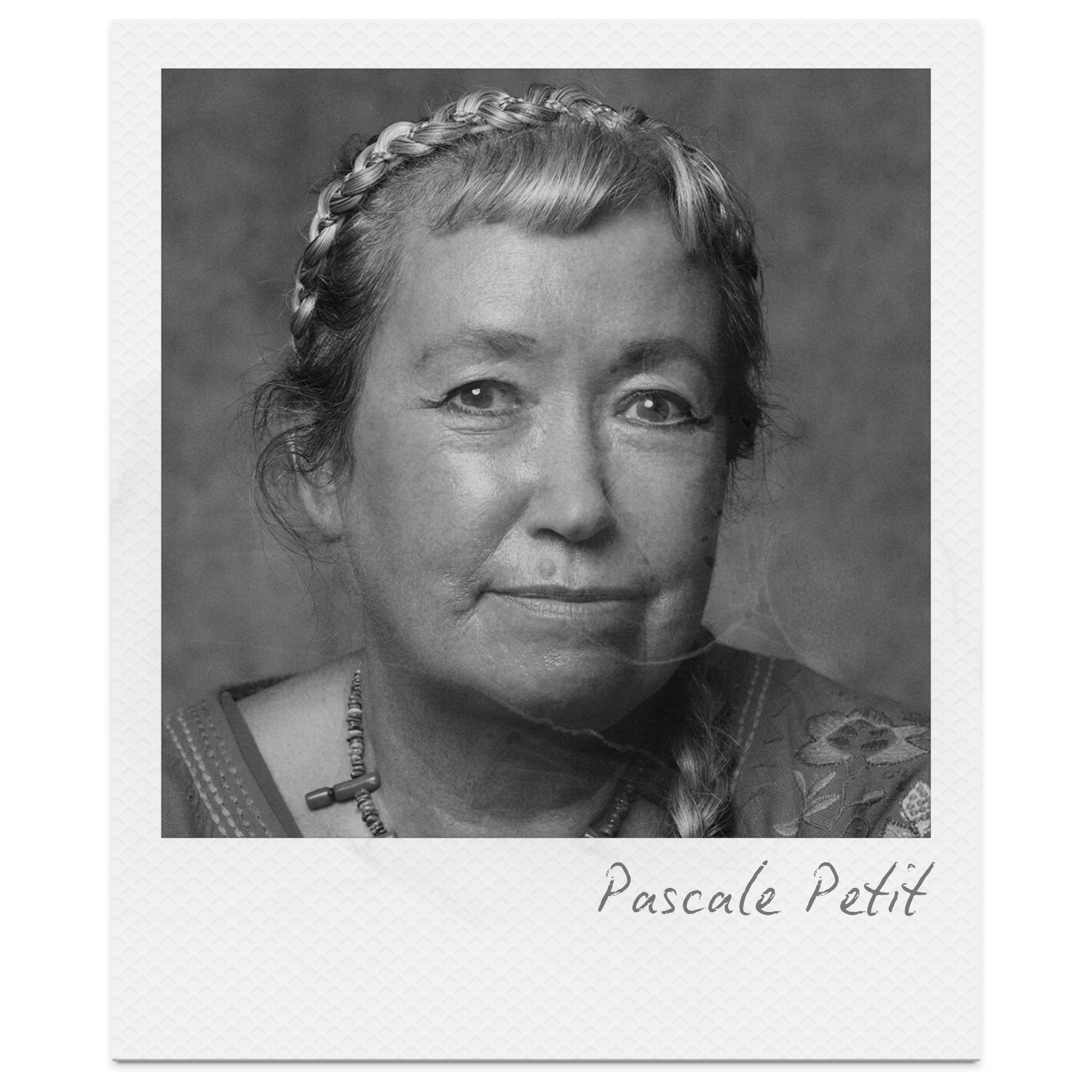
Pascale Petit is a contemporary British poet whose work frequently explores ecology, identity, memory, mythology, and humanity's relationship with the natural world. Her poetry often blends scientific knowledge with vivid imagination, creating richly symbolic landscapes that challenge readers to reconsider the boundaries between people, plants, animals, and technology. In #ExtinctionRebellion, these influences combine to present nature not as something separate from modern life, but as an intelligent, interconnected network capable of inspiring renewal, resistance, and hope.
#ExtinctionRebellion: At a Glance
Form: Free verse with irregular stanzas
Mood: Hopeful, visionary, and quietly defiant
Central tension: The conflict between environmental destruction and the possibility of renewal through reconnecting with nature
Core themes: Climate change, environmental activism, technology and nature, interconnection, resistance, biodiversity, hope, and regeneration
One-sentence meaning: Through an imaginative fusion of digital technology and the natural world, Pascale Petit suggests that humanity's future depends upon embracing ecological interconnectedness and working collectively to restore the environment.
Quick Summary of #ExtinctionRebellion
The poem begins by imagining a future in which the human world has been transformed by nature. Newspapers no longer report human events but instead tell the stories of birds before returning to the trees from which they came. As the speaker's vision develops, modern technology gradually merges with the natural world: ants communicate like text messages, phones glow with chlorophyll, orchids function like hyperlinks, and leaves become living alternatives to smartphones. Through these striking transformations, Petit creates a world where digital culture has evolved into something organic and environmentally connected.
In the final section, the speaker declares that this natural network is their true "homepage" and introduces the idea of the "wood wide web," comparing underground fungal networks to the internet. The poem ends beneath the surface of the earth, where fungi continue their unseen work of supporting life and resisting destruction. Rather than concluding with environmental collapse, Petit leaves readers with a vision of hope, collective resistance, and ecological renewal, suggesting that nature already possesses the interconnected systems humanity needs to learn from.
Title, Form, Structure, and Metre of #ExtinctionRebellion
Petit uses free verse, fluid structure, and contemporary digital language to mirror the interconnected systems at the heart of the poem. Its loose organisation reflects the unpredictable growth of the natural world while reinforcing the idea that everything—people, plants, technology, and ecosystems—is linked through invisible networks.
Title
The title immediately evokes the global environmental movement Extinction Rebellion, preparing readers for a poem concerned with climate change and ecological activism. However, the addition of the hashtag transforms the title into something more than a political reference. It connects environmental protest with the language of social media, introducing one of the poem's central ideas: that digital communication and natural communication can become part of the same interconnected system. As the poem progresses, the title gains further significance, suggesting that genuine rebellion involves not only protesting environmental destruction but also reimagining humanity's relationship with the natural world.
Form and Structure
The poem is written in free verse, allowing ideas to develop organically rather than following a rigid poetic pattern. Its short, uneven stanzas create the impression of individual thoughts, digital notifications, or fragments of conversation, reflecting the constant flow of information within both technological and ecological networks.
The poem progresses through a series of increasingly imaginative transformations. It begins by replacing familiar human systems with natural ones before gradually merging technology and ecology into a single living network. The repeated movement from one image to another creates a cumulative effect, demonstrating how every element of nature contributes to a much larger interconnected whole. The final shift underground redirects attention away from the visible world towards the hidden fungal networks that quietly sustain life, ending the poem with a powerful image of unseen resistance and renewal.
Rhyme Scheme and Poetic Pattern
There is no regular rhyme scheme, reflecting the poem's rejection of rigid boundaries between the natural and technological worlds. Instead, Petit relies on repeated images, recurring digital vocabulary, and thematic echoes to create coherence. Words associated with communication, connection, and networks repeatedly appear throughout the poem, producing subtle patterns that reinforce its vision of ecological interconnectedness.
Metre and Rhythmic Movement
The poem has no fixed metre, and its rhythm remains conversational and flexible throughout. Frequent enjambment allows ideas to flow naturally across line breaks, mirroring the movement of information through roots, fungal networks, and digital systems. Occasional short, isolated lines slow the reader's pace and draw attention to key moments of reflection, particularly in the closing section, where the poem descends "Underground" before revealing the hidden work of resistance taking place beneath the surface. The varied rhythm therefore reflects the living, evolving networks that form the poem's central metaphor while creating a sense of continuous growth and connection.
The Speaker in #ExtinctionRebellion
The speaker adopts the voice of a visionary observer who imagines a future transformed by ecological renewal rather than environmental collapse. Speaking confidently in the first person, they guide readers through an increasingly imaginative world where technology and nature coexist in harmony, creating a tone that is hopeful, reflective, and quietly defiant. Rather than simply describing this future, the speaker actively participates within it, culminating in the declaration that "This is my homepage, where I belong." This personal statement reinforces the poem's central message that humanity's true place lies within the interconnected systems of the natural world, encouraging readers to reconsider their own relationship with the environment.
Stanza-by-Stanza Analysis of #ExtinctionRebellion
Pascale Petit develops her environmental message through a series of imaginative transformations that gradually dissolve the boundaries between technology and nature. Each section introduces new metaphors and symbolic connections, encouraging readers to rethink familiar digital systems through the language of ecology. As the poem progresses, these images build towards a hopeful vision in which resistance and renewal are already taking place beneath the surface of the natural world.
Stanzas 1–3: Rewriting the Human World
The opening of the poem immediately projects readers into an imagined future with the prophetic statement "The day will come." This confident declaration establishes a visionary tone, suggesting that environmental change is not simply possible but inevitable. Petit then overturns familiar expectations by imagining newspapers that tell "leaf-stories" instead of human news, while birds replace political headlines with their own "quarrels." These playful yet symbolic images challenge the assumption that human affairs should always dominate public attention, instead placing nature at the centre of the world's narrative.
The transformation continues as newspapers literally become trees again and tabloids evolve into birds singing "earth anthems." Through this extended metaphor, Petit reverses the process of industrialisation, allowing manufactured objects to return to their natural origins. Rather than presenting technology and nature as opposites, she begins imagining a world in which human systems are absorbed back into living ecosystems, creating an atmosphere of hope rather than environmental collapse.
Stanzas 4–6: Nature Becomes a Living Network
The speaker now enters this transformed world, settling into the "buttress root" of an armchair before watching ants communicate through the language of modern technology. By describing insects that "text" messages and send "emojis" of extinct species, Petit fuses digital communication with ecological processes. This unexpected combination makes nature appear intelligent, interconnected, and capable of preserving memories that humanity has neglected.
The references to "phones" glowing with "chlorophyll" and an "apiary of apps" continue this extended metaphor. Familiar technology is no longer powered by electricity but by the natural processes that sustain life. These images suggest that nature already possesses sophisticated communication networks, encouraging readers to recognise ecosystems as complex systems worthy of admiration rather than exploitation.
Stanzas 7–9: Reimagining Communication
The poem continues by transforming plants into interactive forms of technology. The vanda orchid opens "easily as hypertext," while leaves replace smartphones as objects people hold attentively. Through these metaphors, Petit questions society's dependence on digital devices by suggesting that nature itself offers richer, more meaningful forms of communication.
The image of leaves "retweeting birdsong / from archives" blends contemporary social media vocabulary with the timeless rhythms of the natural world. Rather than rejecting technology outright, Petit appropriates its language to celebrate ecological knowledge, implying that nature stores histories and voices which modern society has forgotten or ignored.
Stanzas 10–12: The Wood Wide Web
The declaration "This is my homepage, where I belong" marks an important turning point in the poem. The speaker identifies not with the digital world but with the "wood wide web," adapting the scientific term for underground fungal networks into a powerful metaphor for belonging and ecological connection. This moment shifts the poem from imaginative speculation towards a deeply personal statement about identity and humanity's place within nature.
The image of "rootlets sparking towards rootlets" continues the comparison between plant life and digital networks. The verb "sparking" evokes both electrical signals and biological communication, suggesting that forests possess their own invisible systems of information exchange. Petit therefore challenges readers to reconsider intelligence, proposing that nature communicates through intricate networks that humans are only beginning to understand.
Stanzas 13–14: Hidden Resistance
The final section moves decisively "Underground," directing attention away from the visible world towards the hidden fungal networks beneath the soil. The repetition of the word creates a deliberate pause, emphasising the importance of what cannot immediately be seen. By describing "fungal friends working in darkness," Petit personifies fungi as quiet collaborators whose unseen labour sustains life.
The closing image of "their windows blacked out" deliberately echoes the language of secrecy and resistance. Rather than presenting environmental activism as loud or confrontational, Petit concludes by celebrating the patient, collective work already taking place beneath the surface. The poem therefore ends with a message of hope, resilience, and ecological solidarity, suggesting that meaningful change often begins quietly before emerging into the light.
Key Quotes and Methods in #ExtinctionRebellion
Pascale Petit fills #ExtinctionRebellion with striking images that blend the language of technology, ecology, and environmental activism. These carefully chosen quotations reveal how she uses metaphor, symbolism, and contemporary digital vocabulary to encourage readers to rethink humanity's relationship with the natural world.
"The day will come"
◆ Technique: Prophetic declarative statement
◆ Meaning: Opens the poem by presenting the speaker's vision of the future with confidence and certainty.
◆ Purpose: Establishes that environmental change is both possible and necessary, immediately drawing readers into the poem's imagined world.
◆ Impact: Creates a hopeful yet urgent tone, encouraging readers to consider the future as something that can still be shaped.
"leaf-stories"
◆ Technique: Compound metaphor
◆ Meaning: Replaces human-centred news with stories rooted in the natural world.
◆ Purpose: Challenges the idea that human affairs should dominate public attention, instead placing nature at the centre of society.
◆ Impact: Encourages readers to value the voices and experiences of the natural world alongside their own.
"Their pages will roll back into trees"
◆ Technique: Extended metaphor
◆ Meaning: Imagines manufactured newspapers returning to their natural origins.
◆ Purpose: Symbolises restoration and renewal, suggesting that human industry can be reabsorbed into nature.
◆ Impact: Creates a hopeful vision of environmental recovery while reminding readers of humanity's dependence on natural resources.
"text me secrets from the soil"
◆ Technique: Personification and technological metaphor
◆ Meaning: Ants are imagined communicating through text messages.
◆ Purpose: Blends digital language with ecological processes to suggest that nature possesses its own sophisticated forms of communication.
◆ Impact: Encourages readers to reconsider ecosystems as intelligent, interconnected networks rather than passive landscapes.
"emojis / of all our lost species"
◆ Technique: Symbolism and contemporary imagery
◆ Meaning: Extinct species become digital symbols shared through nature's communication network.
◆ Purpose: Connects modern technology with environmental loss, making extinction feel immediate and personal.
◆ Impact: Evokes both sadness and responsibility, reminding readers of the irreversible consequences of biodiversity loss.
"phones / that light up with chlorophyll"
◆ Technique: Extended metaphor
◆ Meaning: Technology becomes powered by the life-giving processes of plants.
◆ Purpose: Reimagines innovation as something that works in harmony with nature rather than exploiting it.
◆ Impact: Challenges readers to imagine more sustainable relationships between technology and the environment.
"an apiary of apps"
◆ Technique: Alliteration and metaphor
◆ Meaning: Compares digital applications to a beehive working collectively.
◆ Purpose: Highlights cooperation, communication, and interconnectedness within both natural and technological systems.
◆ Impact: Reinforces the poem's vision of collective effort as essential for environmental survival.
"This is my homepage, where I belong"
◆ Technique: Metaphor and first-person declaration
◆ Meaning: The speaker identifies the natural world as their true home.
◆ Purpose: Redefines belonging by replacing digital spaces with ecological ones.
◆ Impact: Encourages readers to reconsider where genuine connection and identity can be found.
"This is my wood wide web"
◆ Technique: Extended metaphor and wordplay
◆ Meaning: Compares underground fungal networks to the World Wide Web.
◆ Purpose: Highlights the extraordinary communication systems that already exist within forests.
◆ Impact: Demonstrates that nature possesses complex forms of intelligence worthy of admiration and protection.
"fungal friends working in darkness"
◆ Technique: Personification and alliteration
◆ Meaning: Fungi are presented as quiet collaborators sustaining life beneath the surface.
◆ Purpose: Celebrates unseen ecological processes while symbolising collective resistance and resilience.
◆ Impact: Leaves readers with a hopeful image of renewal, suggesting that meaningful environmental change often begins invisibly before becoming visible.
Key Techniques in #ExtinctionRebellion
Pascale Petit combines environmental imagery, digital vocabulary, and extended symbolism to imagine a future in which technology and the natural world are no longer separate. Her techniques encourage readers to rethink communication, belonging, and environmental responsibility while highlighting the resilience of nature in the face of ecological crisis.
◆ Extended metaphor – Petit sustains the comparison between digital technology and natural ecosystems throughout the poem, suggesting that forests, fungi, plants, and animals form their own intelligent communication network.
◆ Symbolism – Natural elements such as trees, fungi, birds, orchids, and roots become symbols of renewal, resilience, and interconnectedness, while technology symbolises humanity's desire to communicate and connect.
◆ Imagery – Rich visual imagery transforms familiar objects into imaginative ecological equivalents, helping readers envision a future where nature has reclaimed and reshaped the human world.
◆ Personification – Ants, leaves, fungi, and newspapers are given human or technological qualities, emphasising the intelligence and agency of the natural world.
◆ Contemporary digital lexis – Words such as "homepage," "hypertext," "retweet," "apps," and "emojis" merge the language of technology with nature, making environmental ideas feel immediate and relevant to modern readers.
◆ Wordplay – The phrase "wood wide web" cleverly adapts the familiar term "World Wide Web," highlighting the sophisticated communication systems that already exist within forests.
◆ Juxtaposition – Petit repeatedly places technology alongside nature, encouraging readers to question the assumption that progress and ecology are opposing forces.
◆ Allusion – The title's reference to Extinction Rebellion connects the poem to contemporary climate activism, grounding its imaginative vision within real environmental concerns.
◆ Free verse – The absence of a fixed poetic structure reflects the organic growth and fluid interconnectedness of natural systems.
◆ Enjambment – Frequent enjambment allows ideas to flow naturally between lines, mirroring the continuous movement of information through both digital and ecological networks.
◆ Repetition – Repeated references to communication, networks, and connection reinforce the poem's central message that everything in nature is interdependent.
◆ First-person narration – The speaker's personal voice creates intimacy and demonstrates that environmental responsibility begins with individual attitudes and choices.
◆ Semantic field of technology – Digital vocabulary is woven throughout the poem to show that modern communication can be reimagined through ecological principles rather than separated from them.
◆ Semantic field of nature – References to trees, birds, roots, fungi, orchids, ants, chlorophyll, and soil immerse readers in the living world and reinforce the poem's ecological focus.
◆ Structural progression – The poem moves from imagining a transformed future to revealing the hidden "wood wide web" beneath the ground, reflecting an increasing understanding of nature's invisible connections.
◆ Hopeful ending – Rather than concluding with environmental catastrophe, Petit ends by celebrating the quiet work of "fungal friends", leaving readers with a sense of resilience, collective action, and optimism for the future.
How the Writer Creates Meaning and Impact in #ExtinctionRebellion
Pascale Petit creates meaning by blending the familiar language of digital technology with the living systems of the natural world, encouraging readers to rethink the relationship between humanity and the environment. Rather than presenting nature as something separate from modern life, she imagines an interconnected future where ecological networks become the model for communication, community, and survival. Through extended metaphor, vivid imagery, symbolism, and structural progression, the poem moves from environmental concern towards a hopeful vision of collective renewal.
The poem's language is rich in metaphor and contemporary digital vocabulary. Words such as "homepage," "hypertext," "retweet," and "apps" are transformed into ecological images, creating an extended metaphor that compares forests and fungal networks to the internet. This unexpected combination makes familiar technology seem temporary while presenting nature as the original communication system. By describing ants that "text" and leaves that function like smartphones, Petit encourages readers to see intelligence, cooperation, and connection as qualities that already exist within the natural world.
Imagery and symbolism reinforce this vision of interconnectedness. Newspapers becoming trees, phones glowing with chlorophyll, and orchids opening like hyperlinks all symbolise a future in which human inventions have been reimagined through ecological principles. These imaginative transformations celebrate the resilience of nature while suggesting that environmental recovery depends upon humanity learning from, rather than controlling, natural systems. The recurring symbolism of roots, leaves, fungi, and birds also reminds readers that every living organism forms part of a larger network of mutual support.
The poem's structure mirrors the gradual expansion of the speaker's vision. It begins with familiar objects before steadily introducing increasingly ambitious transformations that blur the boundaries between technology and ecology. This progression leads naturally to the speaker's declaration that the "wood wide web" is their true homepage, before concluding beneath the surface of the earth where fungal networks quietly sustain life. The movement from the visible world to the hidden underground reflects the poem's central idea that the most important systems are often those we cannot immediately see.
Petit also creates meaning through the poem's voice and tone. The confident first-person narration and repeated future tense establish an atmosphere that is visionary, optimistic, and quietly defiant. Rather than warning readers through fear or despair, the speaker imagines a hopeful alternative future in which environmental destruction has been replaced by cooperation and renewal. This positive tone encourages readers to view ecological change as both desirable and achievable.
Finally, the poem's rhythm and free verse contribute to its organic quality. The absence of a fixed rhyme scheme allows ideas to develop naturally, while frequent enjambment mirrors the uninterrupted movement of information through roots, fungi, and living ecosystems. This flowing rhythm reinforces the poem's celebration of interconnectedness and leaves readers with a lasting impression of nature as a dynamic, resilient network capable of sustaining both life and hope.
Themes in #ExtinctionRebellion
Pascale Petit explores a range of interconnected themes that encourage readers to rethink humanity's relationship with the natural world. Rather than presenting environmental crisis as inevitable, the poem imagines a future built upon interconnection, regeneration, and collective action, suggesting that nature itself offers a model for resilience and hope.
Environmental Responsibility
The poem encourages readers to consider humanity's responsibility for the natural world. References to "our lost species" acknowledge the consequences of environmental destruction, while the poem's hopeful vision suggests that change is still possible if people learn to respect and work alongside nature rather than exploiting it.
Nature and Technology
One of the poem's central ideas is that nature and technology do not have to exist in opposition. By blending digital vocabulary with natural imagery, Petit imagines a future where ecological systems become the model for communication and connection. This challenges readers to rethink conventional ideas of progress and recognise the intelligence already present within the natural world.
Interconnection
Throughout the poem, Petit emphasises that all living things form part of a vast interconnected network. Images of roots, fungi, ants, birds, and leaves demonstrate that communication and cooperation extend far beyond human society. This theme reinforces the idea that environmental wellbeing depends upon recognising the relationships that connect every part of an ecosystem.
Resistance and Activism
Inspired by the environmental movement referenced in the title, the poem presents resistance as both political and ecological. Rather than focusing on public protest, Petit highlights the quiet resilience of fungal networks "working in darkness," suggesting that meaningful change often begins beneath the surface through cooperation, persistence, and collective effort.
Hope and Renewal
Although the poem acknowledges biodiversity loss and environmental damage, it refuses to end in despair. Instead, Petit imagines nature reclaiming human systems and creating new forms of communication and community. This optimistic vision suggests that regeneration remains possible when people choose to reconnect with the living world.
Belonging
The speaker's declaration that "This is my homepage, where I belong" transforms belonging from a digital or social concept into an ecological one. The poem suggests that humanity's true home is not within technology alone but within the wider networks of nature that sustain all life.
Memory and Extinction
The poem reflects on the lasting impact of species loss by imagining extinct animals preserved through nature's own forms of communication. The image of "emojis / of all our lost species" symbolises both remembrance and warning, encouraging readers to acknowledge what has already been lost while recognising the importance of protecting what remains.
The Power of Imagination
Rather than offering a realistic prediction of the future, Petit uses imagination as a form of environmental activism. Her visionary transformations encourage readers to think differently about the relationship between humans and nature, suggesting that new ways of imagining the world are the first step towards creating meaningful change.
Alternative Interpretations of #ExtinctionRebellion
Although #ExtinctionRebellion presents a hopeful vision of environmental renewal, its symbolism, contemporary imagery, and imaginative transformations invite multiple interpretations. The poem can be read as an ecological manifesto, a reflection on modern society, or a celebration of the hidden systems that sustain life.
Environmental Interpretation: Nature as the Model for the Future
The poem can be read as an optimistic vision of environmental recovery, suggesting that humanity's future depends upon learning from nature rather than continuing to exploit it. By transforming digital technology into living ecological networks, Petit argues that the natural world already possesses the cooperation, resilience, and interconnectedness needed to address the climate crisis.
Social Interpretation: Reimagining Modern Society
Petit also critiques the values of contemporary society by replacing newspapers, smartphones, and social media with natural alternatives. This transformation questions humanity's dependence on technology and consumer culture, encouraging readers to imagine communities built upon cooperation, sustainability, and genuine connection rather than constant digital communication.
Philosophical Interpretation: Everything is Interconnected
From a philosophical perspective, the poem explores the idea that no living thing exists in isolation. The recurring imagery of roots, fungi, birds, and communication networks suggests that every organism forms part of a larger system, challenging individualistic ways of thinking and presenting interconnectedness as the foundation of life itself.
Symbolic Interpretation: Hope Through Quiet Resistance
The poem's final movement underground suggests that meaningful change often begins unseen. The fungal networks symbolise collective action, resilience, and hope, demonstrating that transformation does not always occur through dramatic events but through countless small acts of cooperation working beneath the surface.
Exam-Ready Insight for #ExtinctionRebellion
Success in responding to #ExtinctionRebellion depends on analysing how Pascale Petit develops her environmental message through language, structure, and symbolism rather than simply identifying the poem's themes. The strongest responses explore how her imaginative fusion of digital technology and the natural world shapes readers' understanding of interconnection, environmental responsibility, hope, and resistance.
What strong responses do:
◆ Focus closely on the question, ensuring every paragraph develops a clear and relevant argument.
◆ Analyse methods, not just ideas, exploring how Petit uses extended metaphor, symbolism, contemporary digital lexis, and vivid imagery to create meaning.
◆ Explain how effects are created, considering why the writer combines technological and ecological language and how this influences the reader.
◆ Explore tone, structure, and shifts, particularly the progression from imagining a transformed future to revealing the hidden networks of resistance beneath the ground.
◆ Use well-selected quotations that are embedded naturally into analytical discussion and linked directly to the question.
Strong Thesis Statement
Pascale Petit presents nature as a sophisticated and interconnected communication network, using extended metaphor, symbolism, digital imagery, and structural progression to challenge humanity's relationship with the environment and ultimately suggest that hope, renewal, and collective resistance lie in reconnecting with the natural world.
Model Analytical Paragraph
Petit presents nature as a powerful communication network that rivals modern technology, encouraging readers to rethink where genuine connection can be found. This is evident when the speaker declares, "This is my wood wide web," adapting the familiar phrase "World Wide Web" into an extended metaphor for the underground fungal networks that connect forests. The clever wordplay links digital communication with ecological systems, suggesting that nature possesses its own complex forms of intelligence and cooperation. By placing this declaration near the end of the poem, Petit reveals that the speaker's true sense of belonging lies within the natural world rather than the digital one, reinforcing the poem's wider message that humanity's future depends upon recognising and valuing the interconnected systems that sustain life.
Teaching Ideas for #ExtinctionRebellion
These activities encourage students to explore how Pascale Petit creates meaning through language, structure, symbolism, and contemporary imagery, while developing the close analytical reading skills needed to respond thoughtfully to poetry. The focus should always remain on explaining how the poem achieves its effects rather than simply identifying literary techniques.
1. Close Analytical Discussion
Use these questions to encourage students to support their ideas with precise textual evidence and detailed analysis of Petit's methods.
Discussion Questions:
How does Petit combine the language of technology and nature to create a hopeful vision of the future? Consider her use of metaphor, symbolism, and contemporary digital imagery.
How does the poem's structure develop from familiar everyday objects to the hidden "wood wide web"? Explore how this progression shapes the poem's message about interconnectedness and environmental renewal.
2. Comparative Thinking
These questions encourage students to make wider literary connections by exploring recurring ideas and methods across different texts.
Discussion Questions:
Compare how #ExtinctionRebellion and another poem use the natural world to comment on modern society. How do the writers use different methods to communicate their ideas?
How do different writers transform ordinary objects or experiences into symbols with deeper meanings? Support your discussion with evidence from #ExtinctionRebellion and another text you have studied.
3. Analytical Skills
These tasks develop students' ability to analyse language, structure, and symbolism while constructing thoughtful literary responses.
Tasks:
Write a PETAL paragraph analysing the significance of the phrase "This is my wood wide web," explaining how Petit uses metaphor and wordplay to explore belonging and interconnectedness.
Annotate the final section of the poem, identifying three methods that contribute to its hopeful ending. For each method, explain how it helps communicate the poem's message about resilience and environmental renewal.
4. Creative Writing Task
Creative responses encourage students to engage more deeply with the poem's imaginative vision while reinforcing their understanding of its themes and symbolism.
Creative Writing Tasks:
Write a poem imagining another aspect of everyday modern life transformed by the natural world. Use extended metaphor and vivid imagery to explore how this new relationship changes the way people live.
Write a descriptive scene set in the future world imagined by Petit, focusing on how people communicate, travel, or learn from nature. Use sensory imagery and symbolism to develop the atmosphere of ecological harmony.
Looking for more creative writing inspiration? Explore the Creative Writing Archive for imaginative prompts, descriptive writing activities, and storytelling resources designed to strengthen analytical reading through creative practice.
Go Deeper into #ExtinctionRebellion
If #ExtinctionRebellion has sparked your interest, these poems, novels, and non-fiction texts explore similar ideas about environmental responsibility, humanity's relationship with nature, activism, interconnectedness, and ecological renewal. Reading beyond the anthology can deepen your appreciation of Petit's methods, introduce different literary perspectives, and provide valuable inspiration for wider study and teaching.
◆ The Peace of Wild Things – Wendell Berry – Berry explores how the natural world offers comfort, healing, and perspective during times of human anxiety, presenting nature as a source of hope and restoration.
◆ Wild Geese – Mary Oliver – Oliver celebrates humanity's place within the natural world, encouraging readers to recognise that belonging comes through accepting our connection with the wider living landscape.
◆ No Ordinary Sun – Hone Tuwhare – Tuwhare reflects on environmental destruction and humanity's impact upon nature, using powerful symbolism to explore both ecological loss and resilience.
◆ Braiding Sweetgrass – Robin Wall Kimmerer – Combining Indigenous knowledge with scientific understanding, Kimmerer explores reciprocity, ecological interconnectedness, and the importance of learning from the natural world rather than dominating it.
◆ Silent Spring – Rachel Carson – Carson's influential environmental work exposed the devastating impact of pesticides on ecosystems, helping to inspire the modern environmental movement that forms the backdrop to Petit's poem.
◆ The Overstory – Richard Powers – Powers weaves together multiple human stories through the lives of trees, exploring communication, environmental activism, and the hidden networks that connect forests, people, and the future of the planet.
Final Thoughts
#ExtinctionRebellion is far more than a poem about climate change or environmental activism. Through extended metaphor, vivid imagery, contemporary digital language, and organic free verse, Pascale Petit imagines a future in which the boundaries between technology and nature dissolve, revealing the extraordinary intelligence and interconnectedness of the living world. By transforming familiar digital concepts into ecological networks, she challenges readers to reconsider where communication, community, and belonging truly exist, suggesting that nature itself offers a model for resilience, cooperation, and renewal.
Although the poem acknowledges the realities of extinction, biodiversity loss, and environmental crisis, it ultimately refuses to surrender to despair. Instead, Petit presents hope as something that grows quietly beneath the surface, embodied by the hidden fungal networks that continue their patient work of sustaining life. Whether read as an environmental manifesto, a celebration of ecological interconnectedness, or a reimagining of humanity's relationship with technology, #ExtinctionRebellion encourages readers to recognise that meaningful change begins by understanding that every living thing forms part of the same fragile, interconnected world.
Continue exploring the anthology in the Songs of Ourselves Volume 3 Hub, or browse the Literature Library for more in-depth analyses of poetry, novels, plays, and short stories from a wide range of literary traditions.
Choose Your Next Text