Songs of Ourselves Volume 3: Study Guides, Analysis and Teaching Resources
Songs of Ourselves Volume 3 is the prescribed poetry anthology for Cambridge IGCSE Literature in English (0475), bringing together a diverse selection of poets, cultures, historical periods, and literary styles. The anthology explores a wide range of themes, including identity, belonging, conflict, memory, love, family, nature, injustice, hope, power, loss, and the complexities of human experience through both traditional and contemporary poetry.
At IGCSE level, students are encouraged to analyse how poets use language, structure, form, imagery, symbolism, tone, and literary techniques to shape meaning and create emotional impact. Success in the examination depends on close textual analysis, confident interpretation, and the ability to support ideas with well-selected evidence from the poems.
This page brings together detailed poem analysis, study guides, thematic explorations, comparison ideas, revision resources, and teaching materials for every poem in the anthology. Whether you're studying independently, preparing for examinations, or planning lessons, these resources are designed to move beyond basic comprehension and help develop confident, analytical, and perceptive literary responses.
For more poetry analysis, literature guides, and teaching resources, explore the Literature Library.
Scroll down to find resources for:
◆ Cambridge IGCSE Literature in English (0475)
◆ Cambridge World Literature (0408)
IGCSE Literature in English (0475)
The following poems from Songs of Ourselves Volume 3 are prescribed for Cambridge IGCSE Literature in English (0475) Paper 1 for the 2028–2030 examination series. The anthology introduces students to a diverse range of poetic voices, cultures, forms, and literary perspectives, exploring themes such as identity, memory, conflict, love, family, belonging, power, nature, injustice, hope, and the complexities of human experience through both classic and contemporary poetry.
At IGCSE level, students are expected to develop close analytical reading skills, exploring how poets use language, structure, form, imagery, symbolism, sound, and tone to create meaning and shape readers' responses. Success in the examination requires thoughtful interpretation, detailed textual evidence, and the ability to analyse literary methods with confidence while constructing clear, well-supported arguments.
Each poem below links to a comprehensive study guide featuring contextual background, line-by-line analysis, literary techniques, symbolism, key quotations, thematic exploration, comparison ideas, and exam-focused insights designed to support both classroom teaching and independent revision.
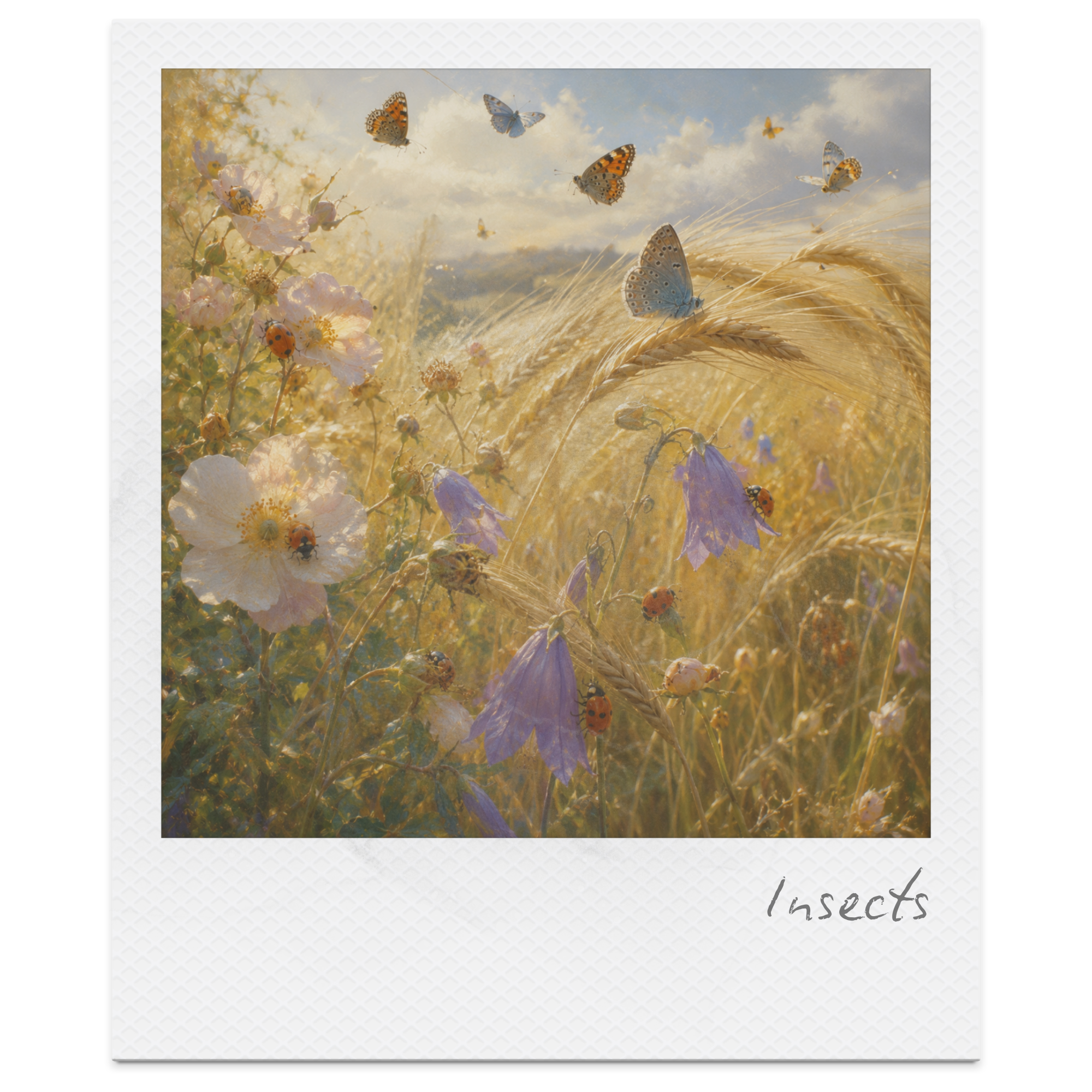
Insects – John Clare
A joyful celebration of the natural world that transforms tiny, overlooked insects into symbols of freedom, wonder, and imagination, revealing how careful observation, vivid imagery, and affectionate personification encourage readers to discover extraordinary beauty within ordinary life.
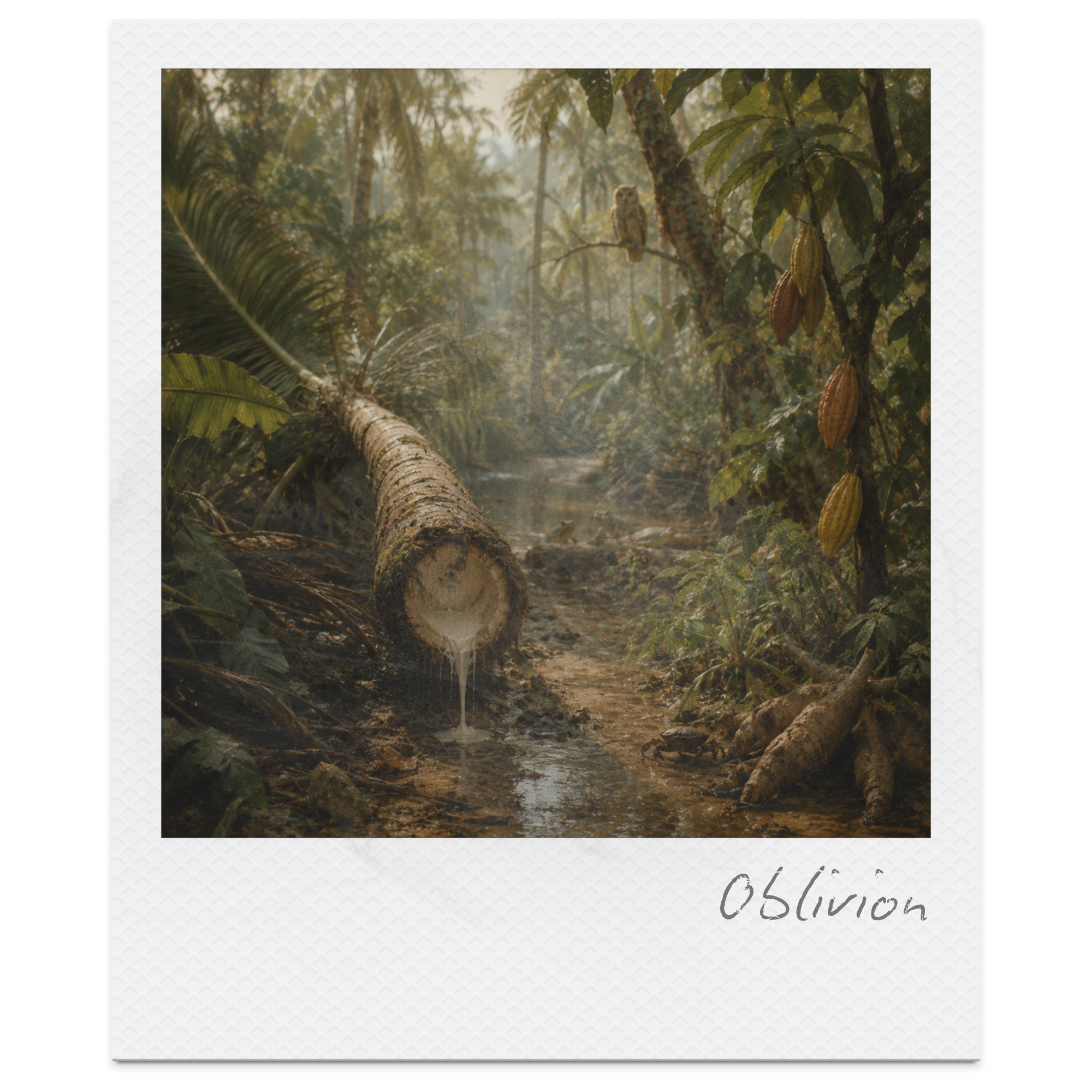
Oblivion – Ellis Ayitey Komey
A poignant exploration of memory, identity, and the natural world, revealing how vivid imagery, symbolism, and repetition preserve landscapes, cultural heritage, and personal experience while reflecting on loss, mortality, and humanity's enduring connection to place.
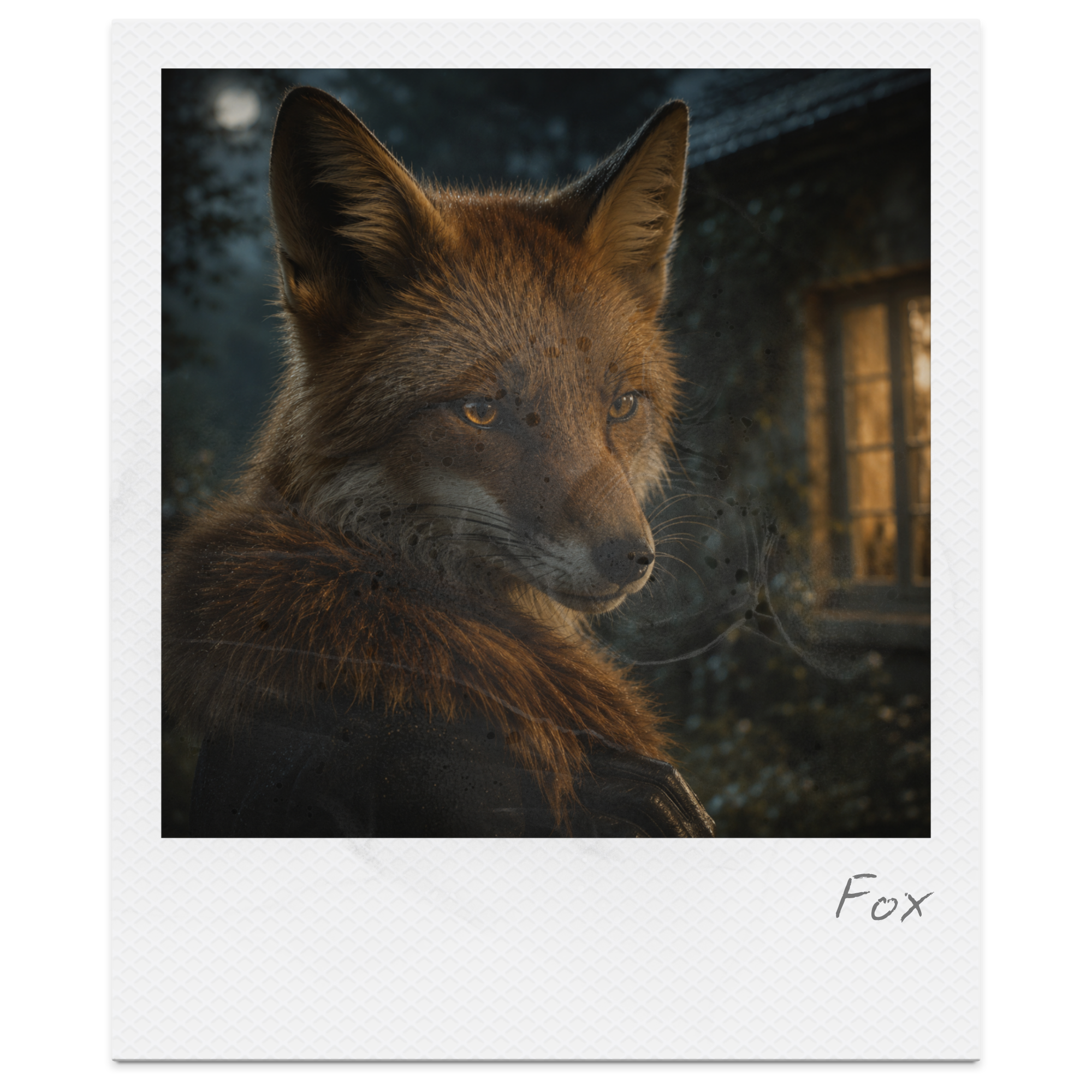
Fox – Alice Oswald
A dreamlike exploration of creativity, imagination, and identity, revealing how symbolism, personification, and rich natural imagery transform a mysterious encounter with a fox into a meditation on artistic inspiration, motherhood, and the enduring relationship between humans and the natural world.
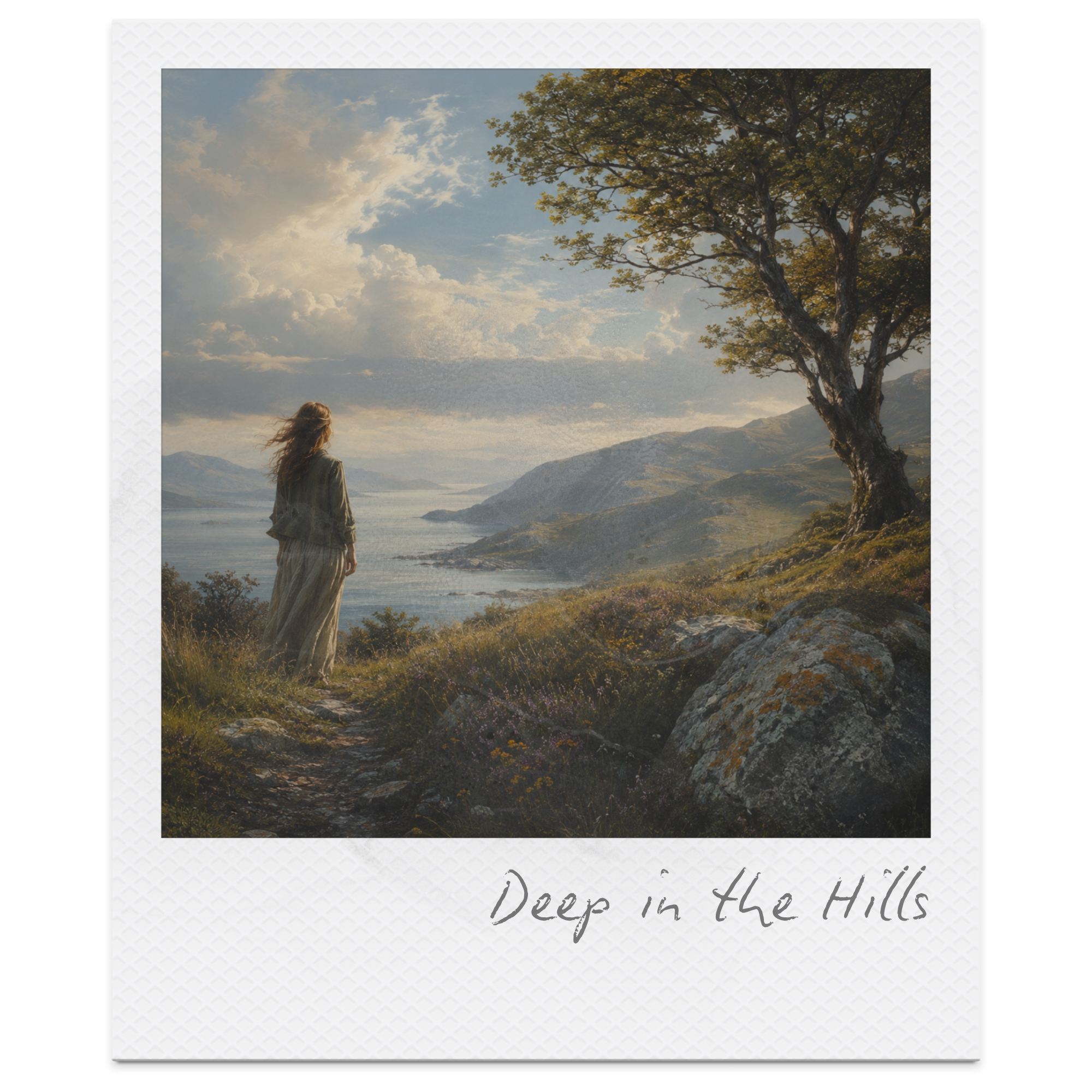
Deep in the Hills – Ruth Dallas
A reflective exploration of identity, belonging, and the enduring relationship between humanity and the natural world, revealing how metaphor, natural imagery, and structural reversal transform a personal meditation on memory into a profound celebration of place, humility, and the landscapes that shape who we are.
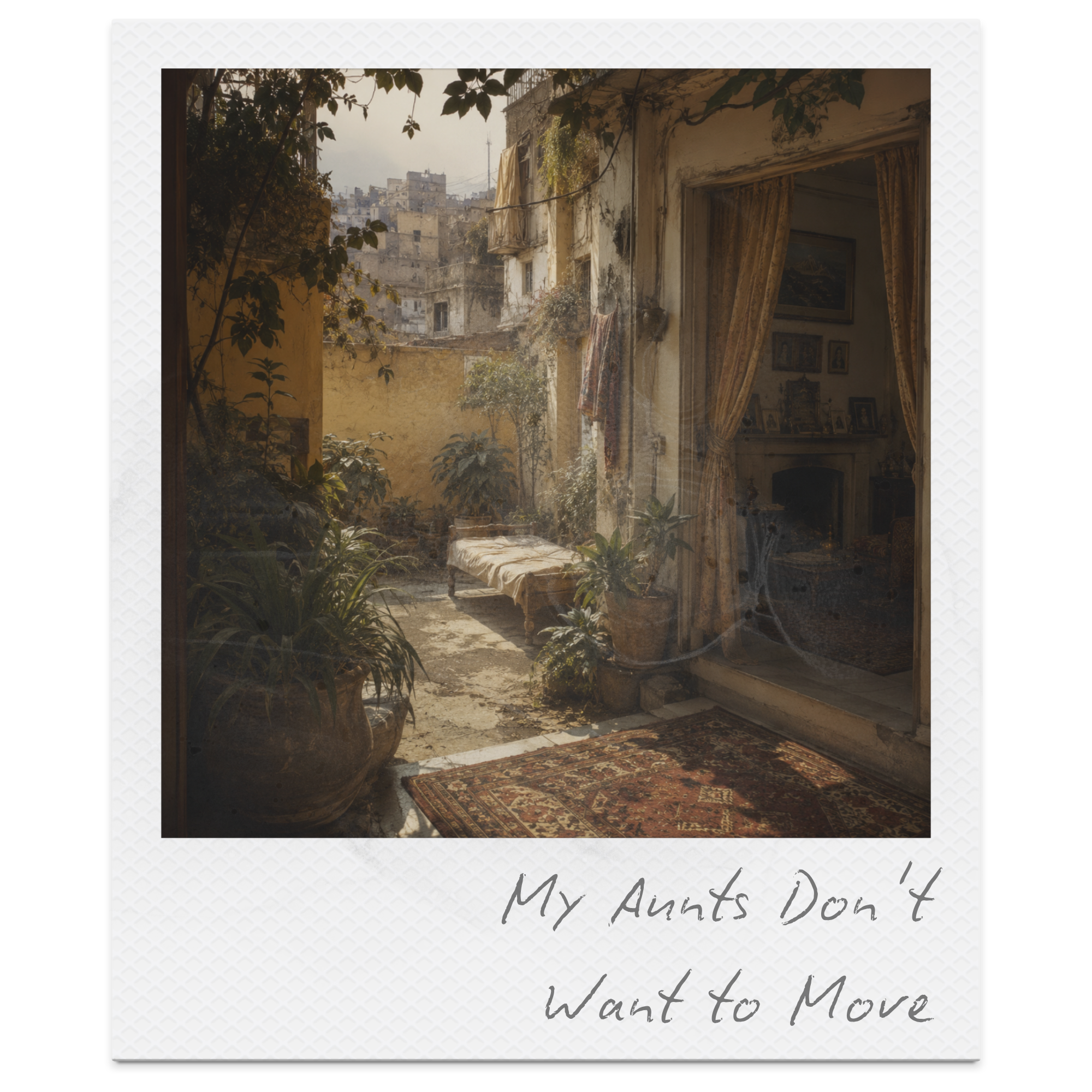
My Aunts Don't Want to Move – Moniza Alvi
A thoughtful exploration of home, identity, and cultural heritage, revealing how symbolism, domestic imagery, repetition, and structure present the family home as both a sanctuary and a boundary. Alvi examines belonging, tradition, gender roles, and the delicate balance between preserving the past and embracing change, encouraging readers to reflect on the complex meaning of home.
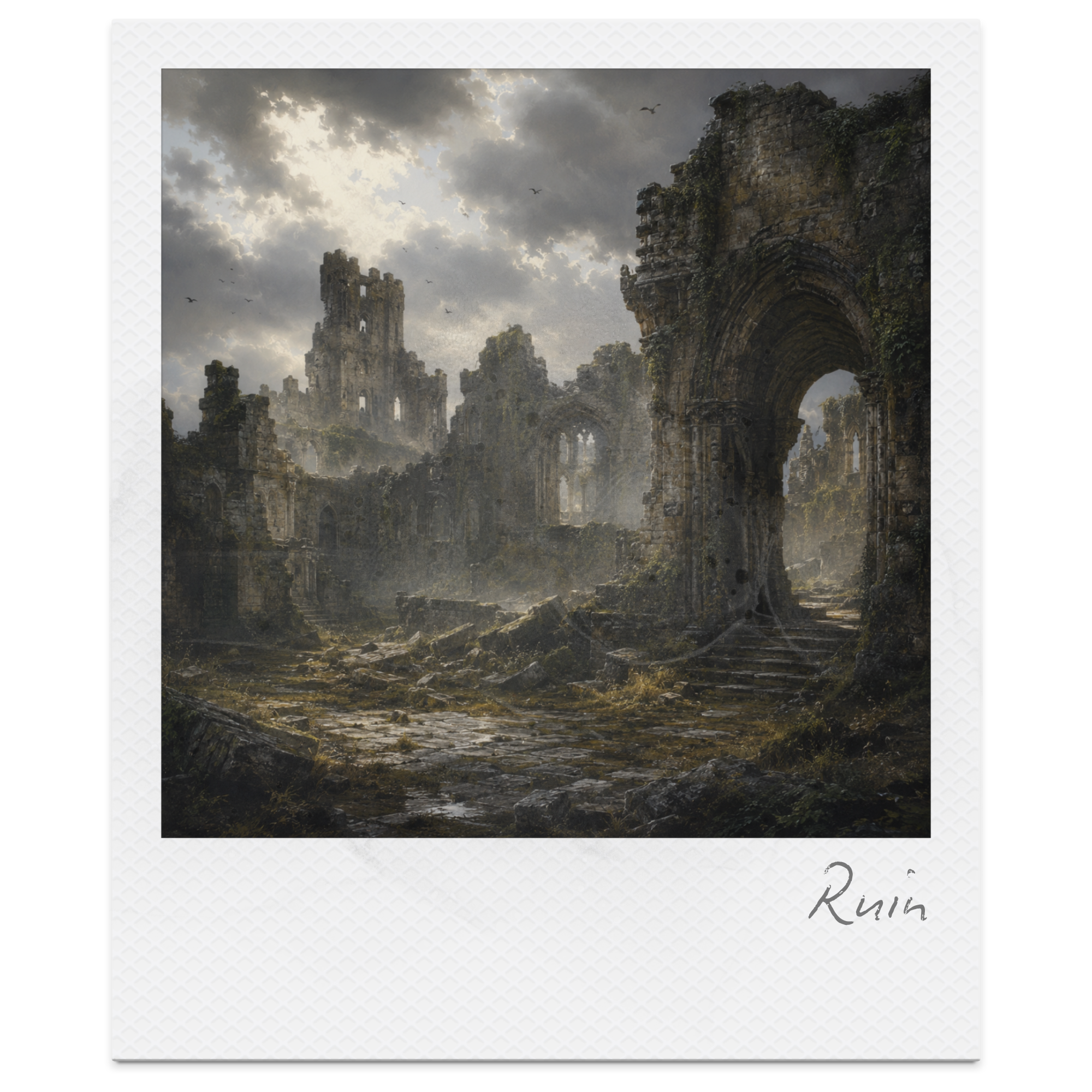
Ruin – Jacob Polley
A thoughtful exploration of time, memory, and the fragility of civilisation, revealing how vivid imagery, symbolism, allusion, and echoes of the Anglo-Saxon elegiac tradition transform ancient ruins into a meditation on human achievement and loss. Polley contrasts past splendour with present decay to examine impermanence, the endurance of nature, and the way poetry preserves history long after empires have fallen.
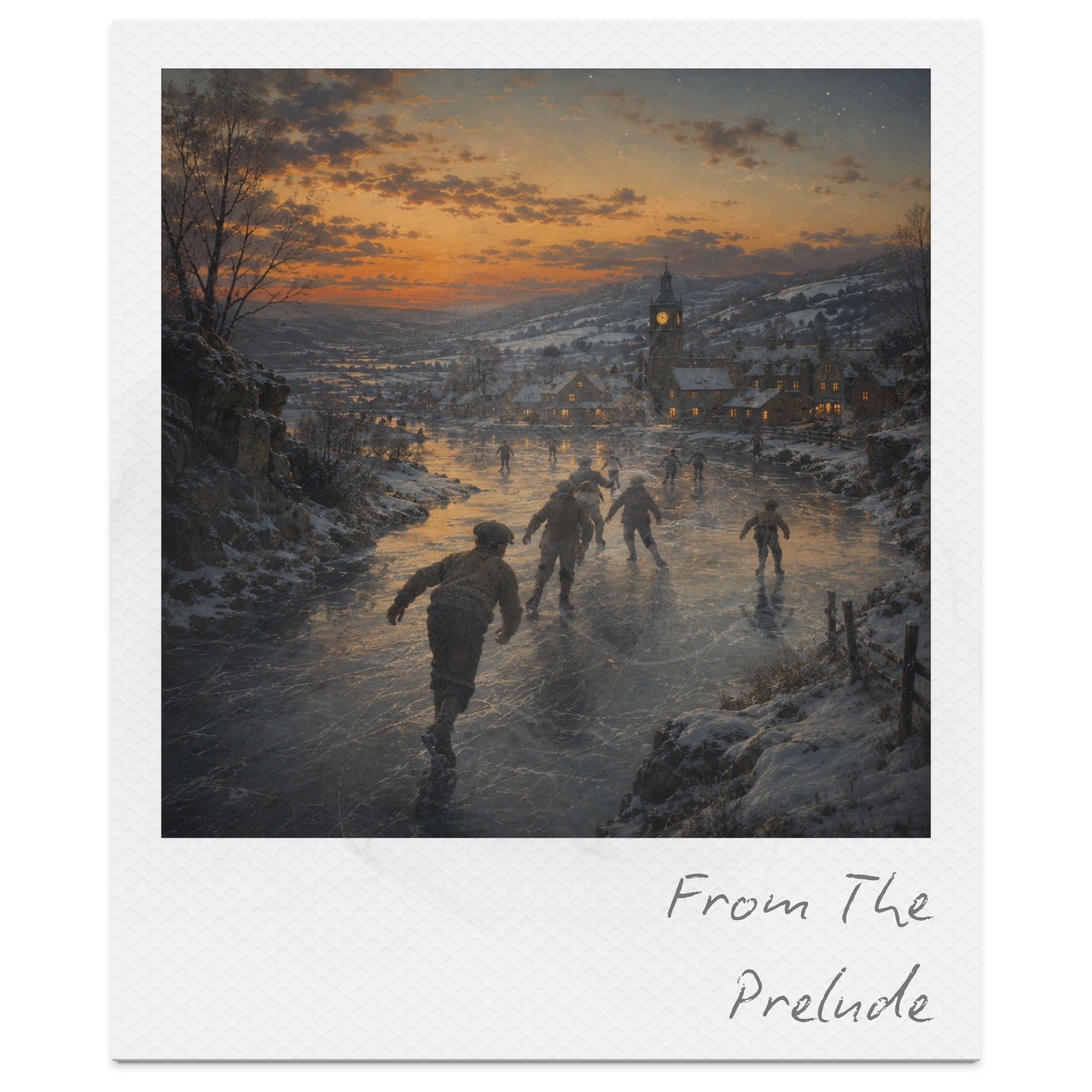
From The Prelude – William Wordsworth
A vivid celebration of childhood, nature, and memory, revealing how sensory imagery, blank verse, personification, and shifting perspective transform a joyful skating scene into a profound meditation on imagination and personal growth. Wordsworth contrasts youthful exhilaration with the quiet grandeur of the natural world, exploring how formative experiences shape identity and demonstrating the Romantic belief that nature is both a lifelong teacher and a source of enduring wonder.
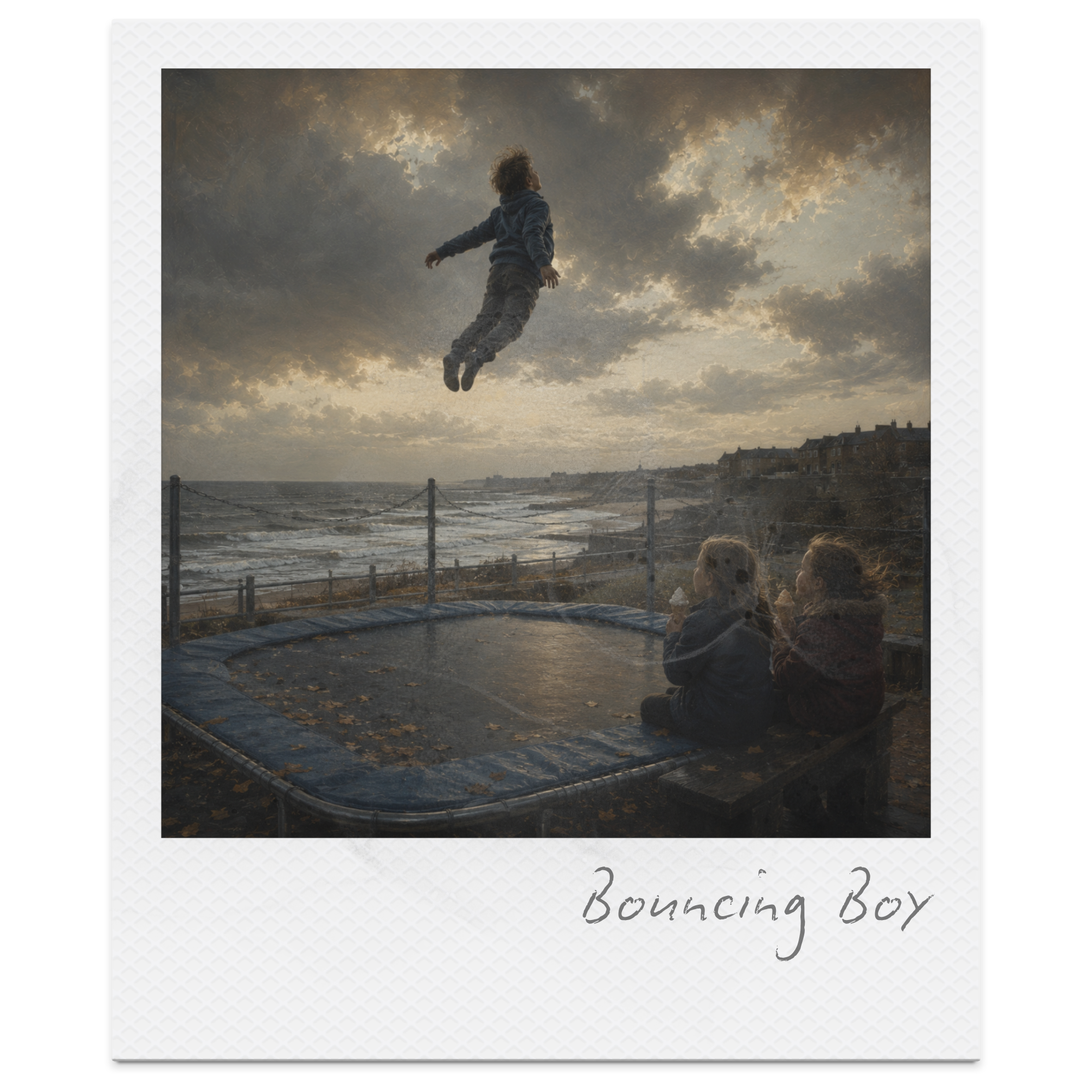
Bouncing Boy – Helen Dunmore
A poignant exploration of childhood, memory, and grief, revealing how extended metaphor, symbolism, personification, and ambiguous imagery transform an ordinary playground scene into a moving meditation on love and loss. Dunmore contrasts the innocence of childhood with the permanence of remembrance, suggesting that those we have lost continue to live on through memory, imagination, and the enduring emotional bonds that outlast physical absence.
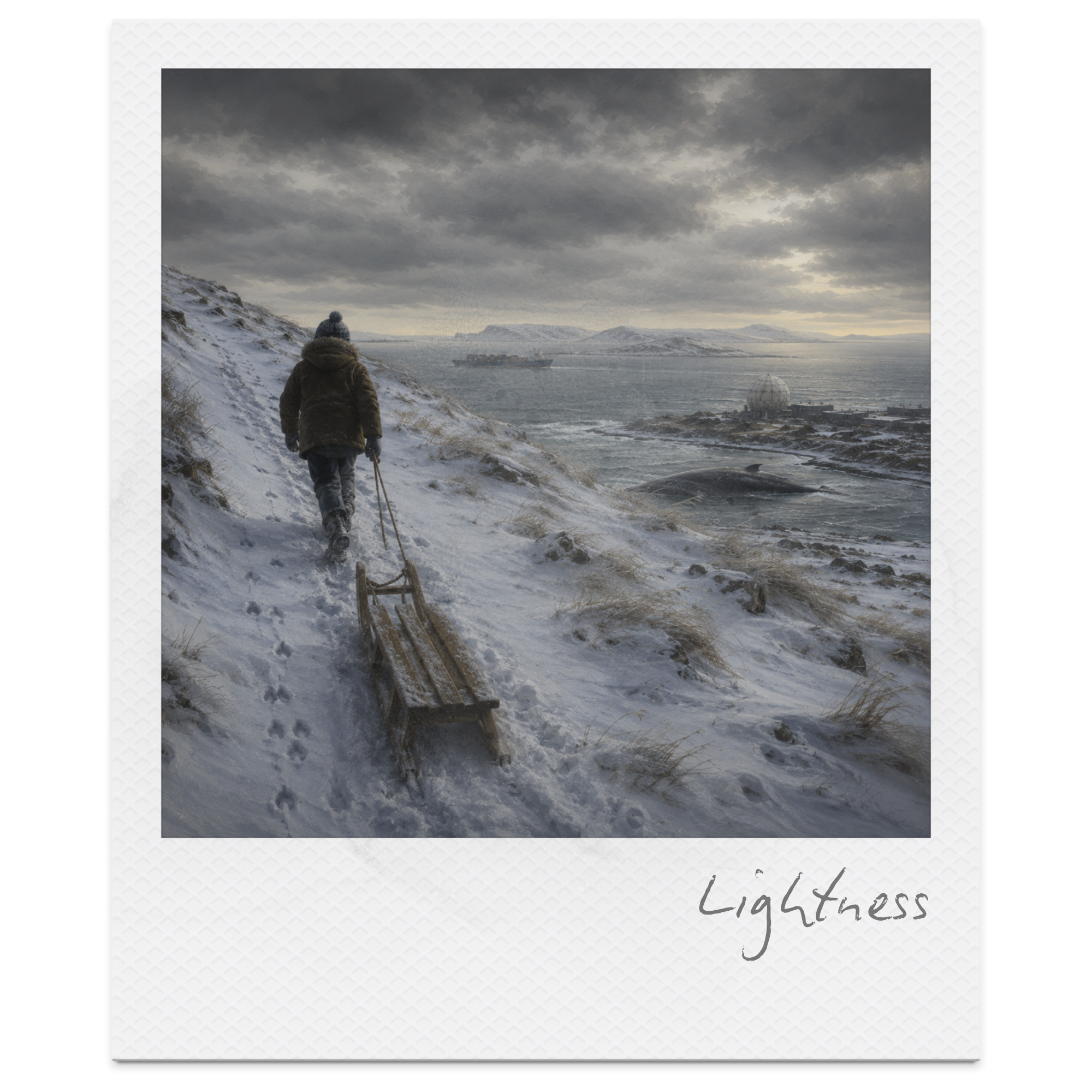
Lightness – Yvonne Gray
A thoughtful exploration of nature, perseverance, and the search for meaning, revealing how Yvonne Gray uses the disciplined villanelle form, recurring symbolism, vivid winter imagery, and subtle structural variation to transform a snowy Scottish landscape into a meditation on resilience, hope, and the quiet determination to continue even when the path ahead becomes uncertain.
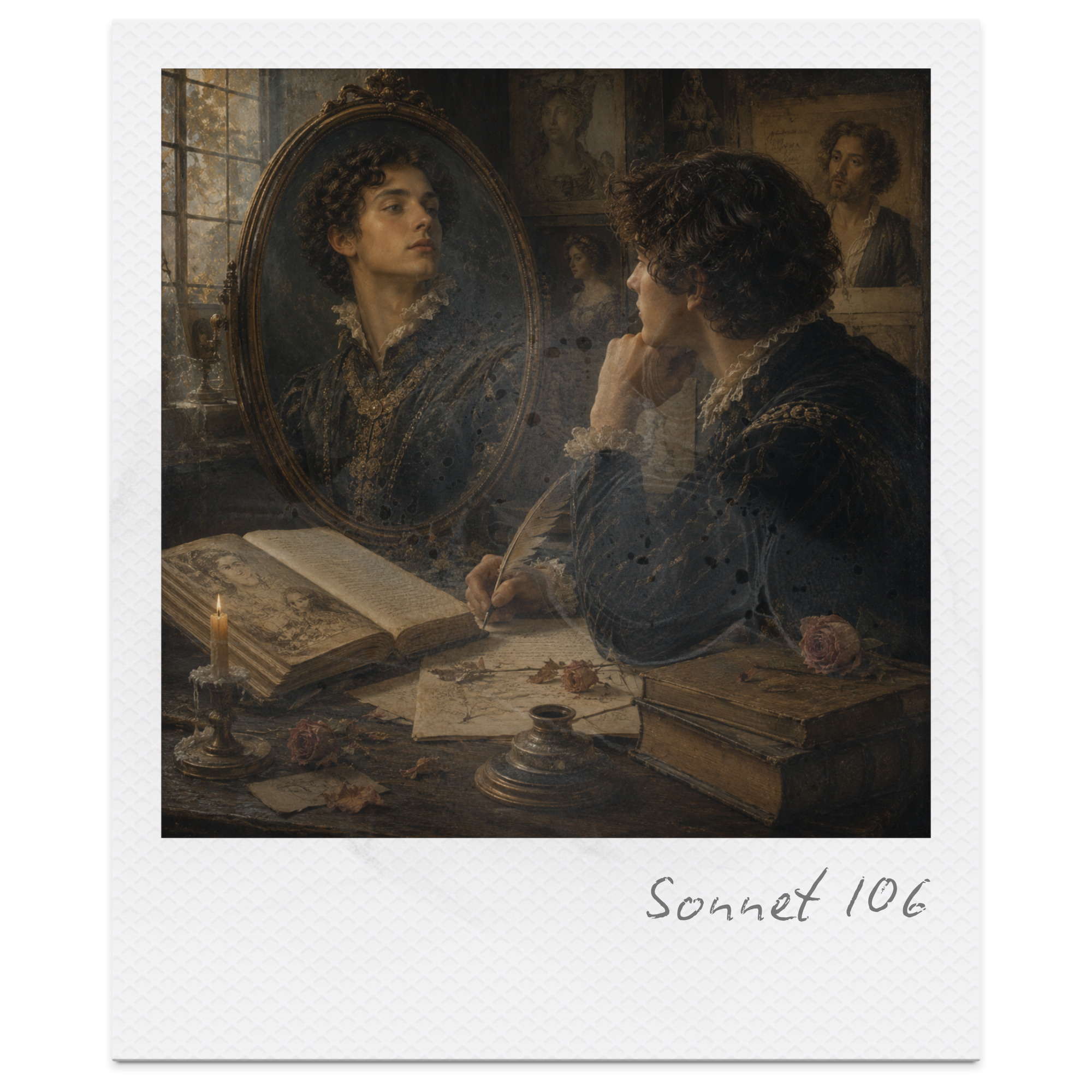
Sonnet 106 – William Shakespeare
A reflective Shakespearean sonnet that explores beauty, time, history, and the enduring power of poetry, revealing how the achievements of past writers shape the present while questioning whether language can ever fully express extraordinary human beauty. Through historical allusion, rich symbolism, and masterful sonnet form, Shakespeare transforms a love poem into a profound meditation on artistic expression and the relationship between the past and the present.
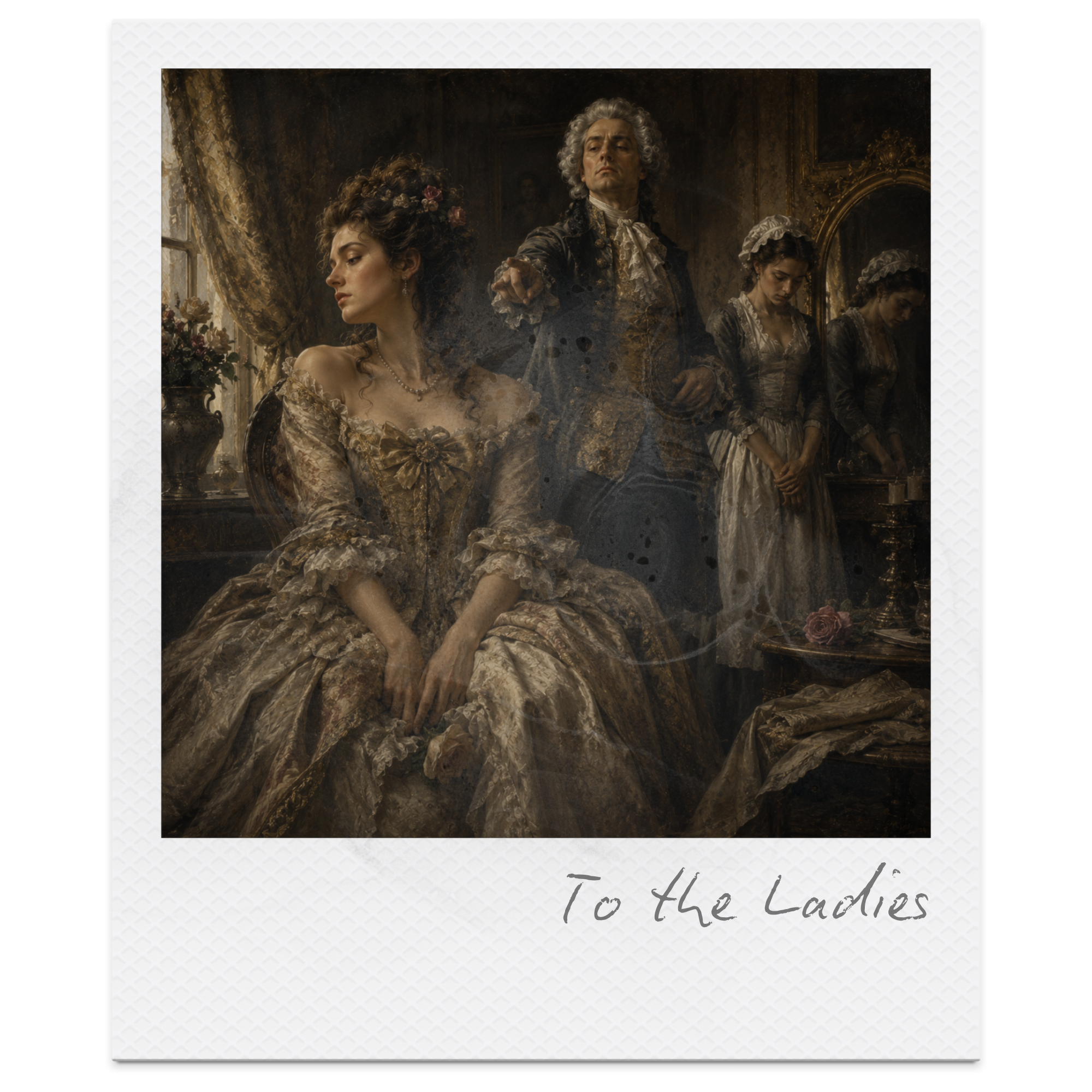
To the Ladies – Lady Mary Chudleigh
A powerful early feminist poem that challenges marriage, patriarchal power, and gender inequality, exposing how legal and social systems restrict female autonomy while encouraging women to recognise their own worth. Through direct address, biting satire, persuasive rhetoric, and controlled heroic couplets, Chudleigh transforms a personal warning into a bold critique of authority, obedience, and the expectations placed upon women in eighteenth-century society.
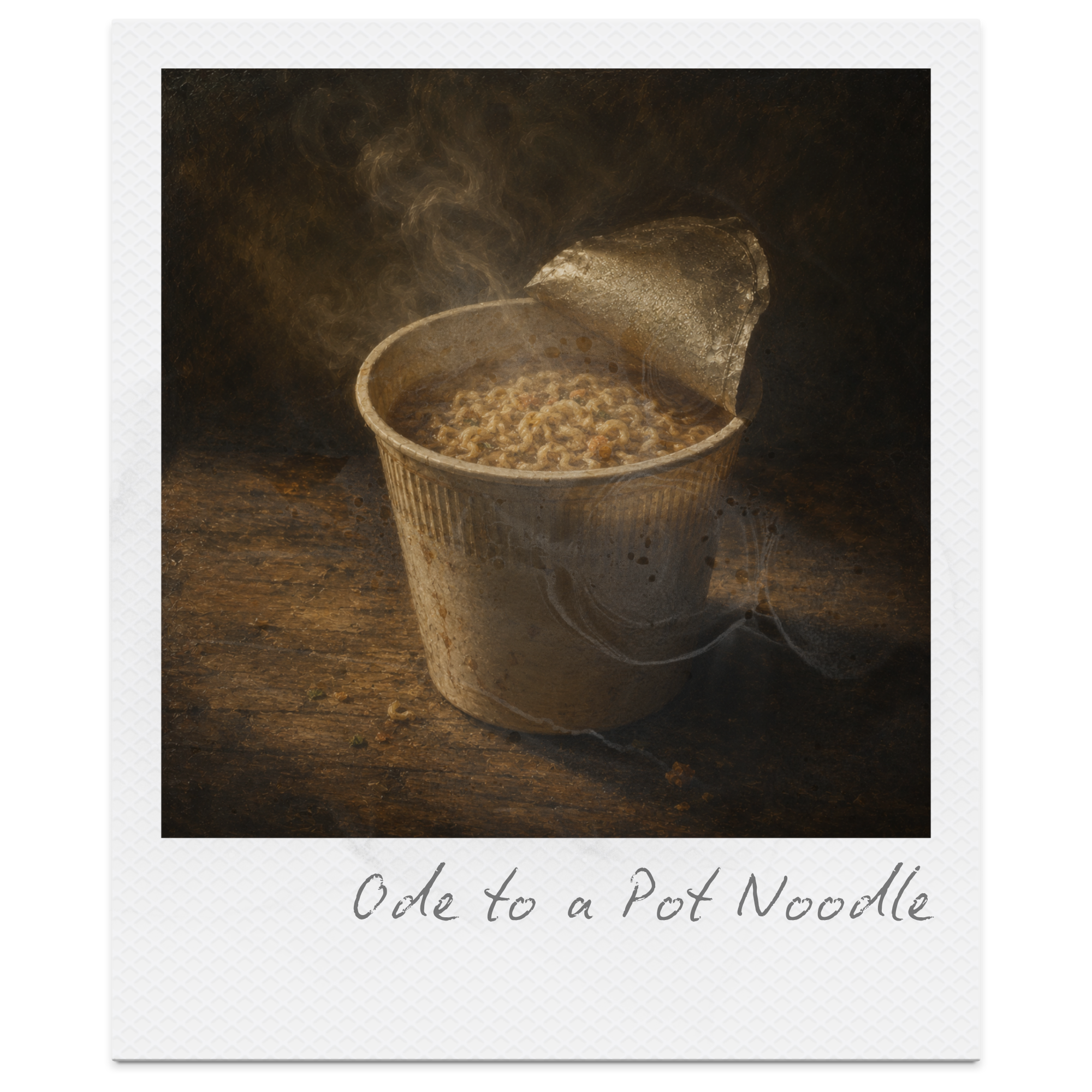
Ode to a Pot Noodle – Romalyn Ante
A moving exploration of migration, family, memory, belonging, cultural identity, and home, Ode to a Pot Noodle transforms an ordinary instant meal into a powerful symbol of nostalgia and connection. Through vivid sensory imagery, food symbolism, free verse, and shifting perspectives, Romalyn Ante shows how taste and smell can preserve family traditions, evoke childhood memories, and sustain identity across distance, demonstrating that the deepest forms of nourishment come from the people and places we carry within us.
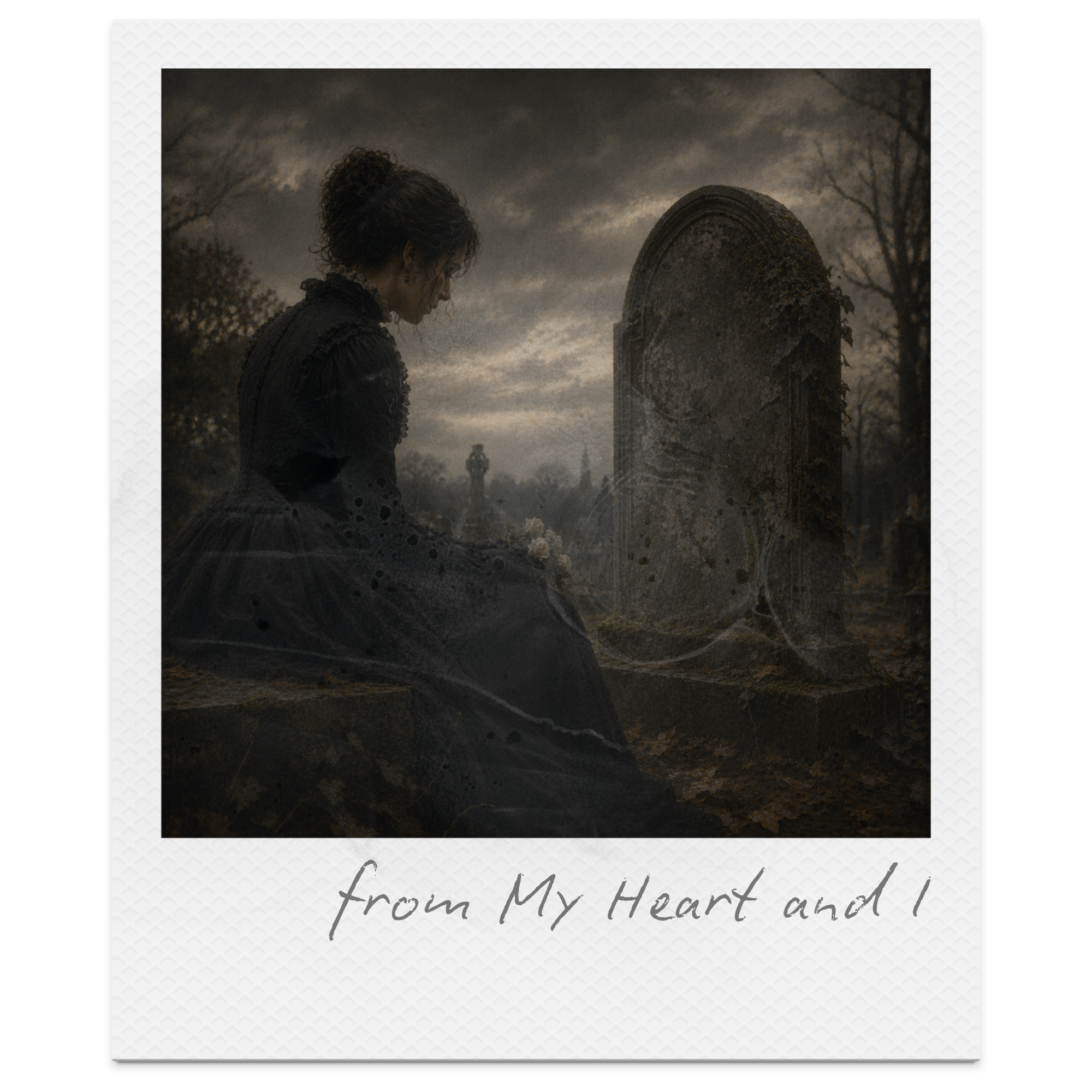
from My Heart and I – Elizabeth Barrett Browning
A deeply reflective Victorian poem exploring emotional exhaustion, mortality, identity, purpose, artistic expression, and resilience, as the speaker enters into an intimate dialogue with her own heart to confront disappointment, isolation, and the search for meaning. Through extended personification, powerful symbolism, repetition, and lyrical structure, Barrett Browning transforms personal despair into a universal meditation on creativity, love, and the enduring struggle to find hope in the face of disillusionment.
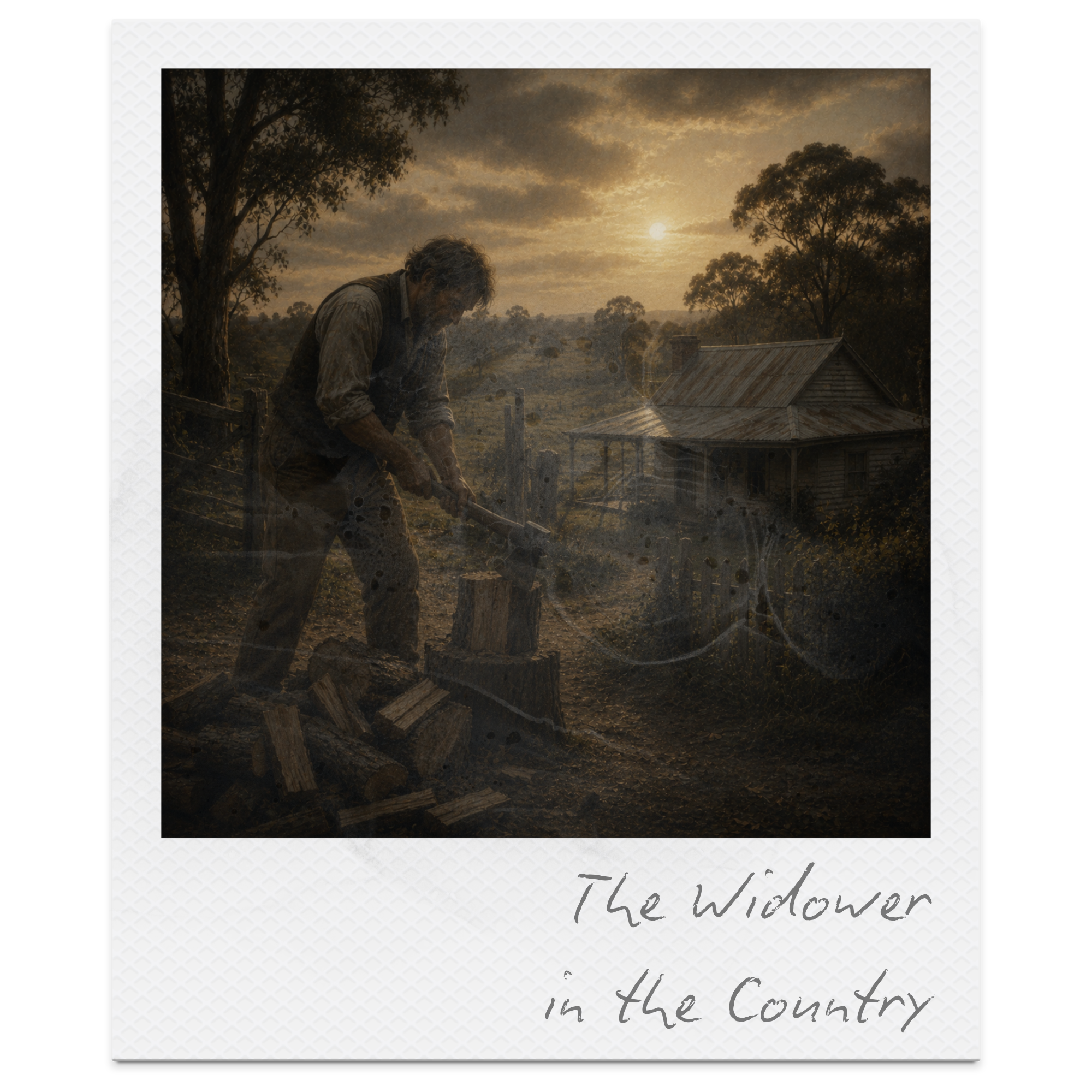
The Widower in the Country - Les Murray
A poignant meditation on grief, bereavement, loneliness, and resilience, exploring how ordinary routines become acts of endurance after profound loss. Through understated narration, vivid Australian rural imagery, symbolism, and free verse, Murray reveals how memory, time, and the natural world shape the widower's experience, creating a powerful reflection on the quiet persistence of life after loss.
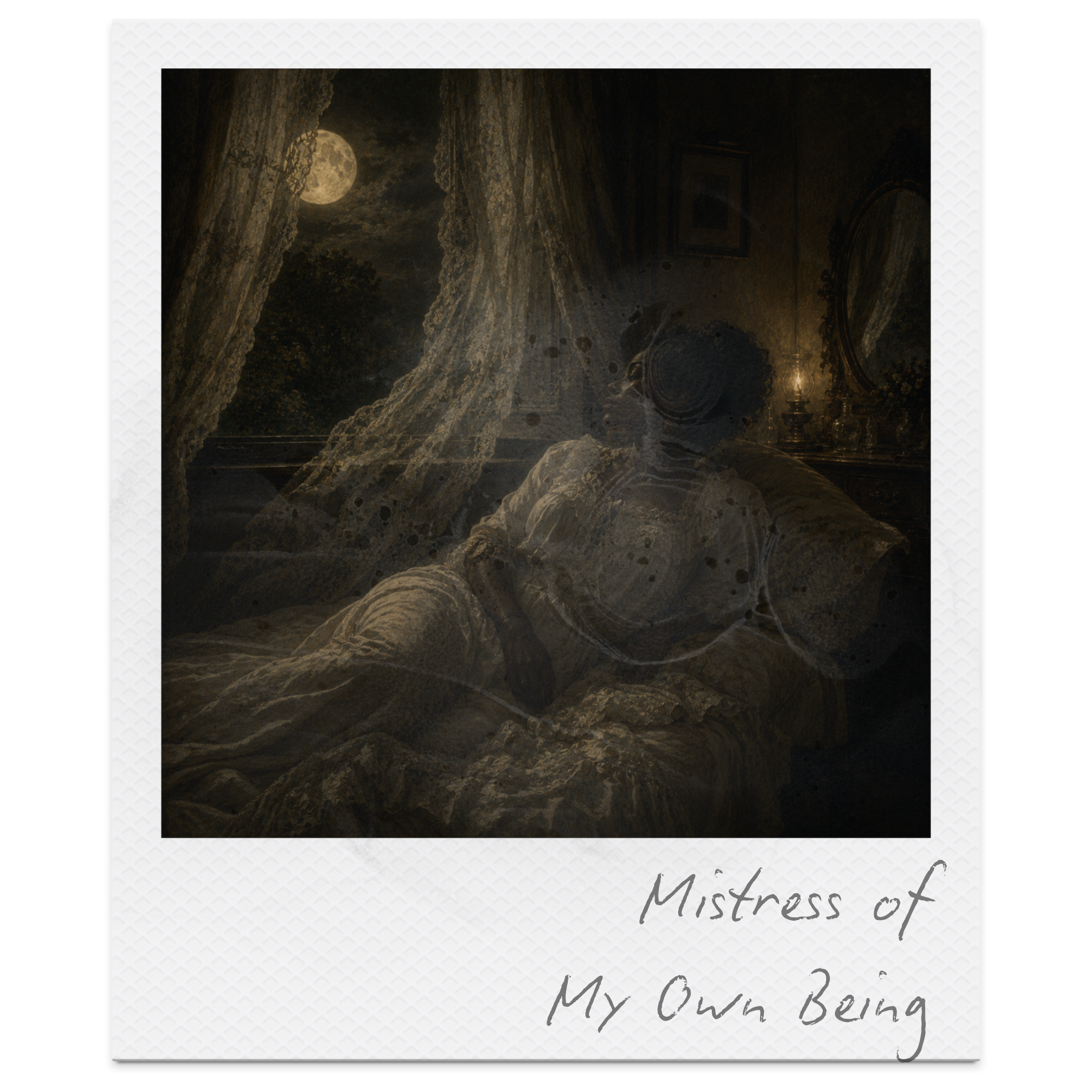
Mistress of My Own Being – Ifi Amadiume
A reflective and empowering poem that celebrates selfhood, female autonomy, inner peace, and emotional freedom, revealing how true fulfilment comes from releasing the burdens of the past and embracing complete self-possession. Through rich symbolism, sensual imagery, personification, free verse, and a calm first-person voice, Amadiume transforms a private moment of contemplation into a profound meditation on identity, spiritual fulfilment, self-acceptance, and the liberating power of becoming the mistress of one's own being.
CIE World Literature (0408)
The following poems from Songs of Ourselves Volume 3 are prescribed for Cambridge IGCSE World Literature (0408) Paper 2 for the 2028–2030 examination series. The anthology introduces students to a rich variety of poetic voices, cultures, historical contexts, and literary traditions, exploring themes such as identity, freedom, memory, conflict, love, loss, nature, power, belonging, justice, and the complexities of the human experience through both classic and contemporary poetry.
At IGCSE level, students are expected to read each poem closely, exploring how writers create meaning through language, structure, form, imagery, symbolism, sound, voice, and tone. Success in the examination depends on developing a clear interpretation of the poem, selecting relevant textual evidence, and analysing the effects of the writer's methods while constructing thoughtful, well-supported arguments in response to the question.
Each poem below links to a comprehensive study guide featuring contextual background, summaries, stanza-by-stanza analysis, literary techniques, symbolism, key quotations, thematic exploration, alternative interpretations, teaching ideas, and exam-focused insights designed to support both classroom teaching and independent study.
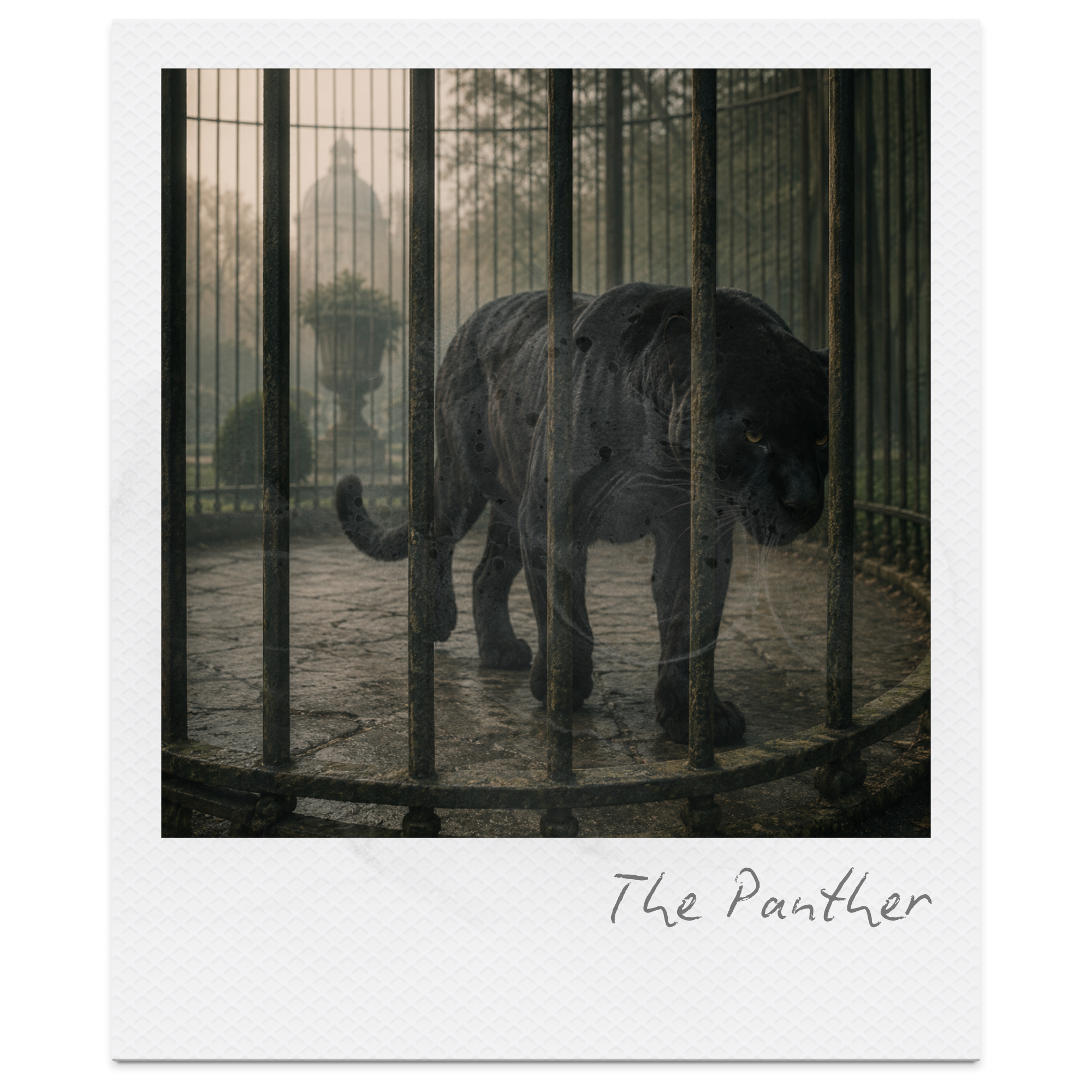
The Panther – Rainer Maria Rilke
A haunting meditation on captivity, psychological imprisonment, and the gradual erosion of identity that transforms a caged panther into a powerful symbol of lost freedom, revealing how symbolism, restrained imagery, and carefully controlled structure expose the devastating effects of confinement on both the mind and the spirit.
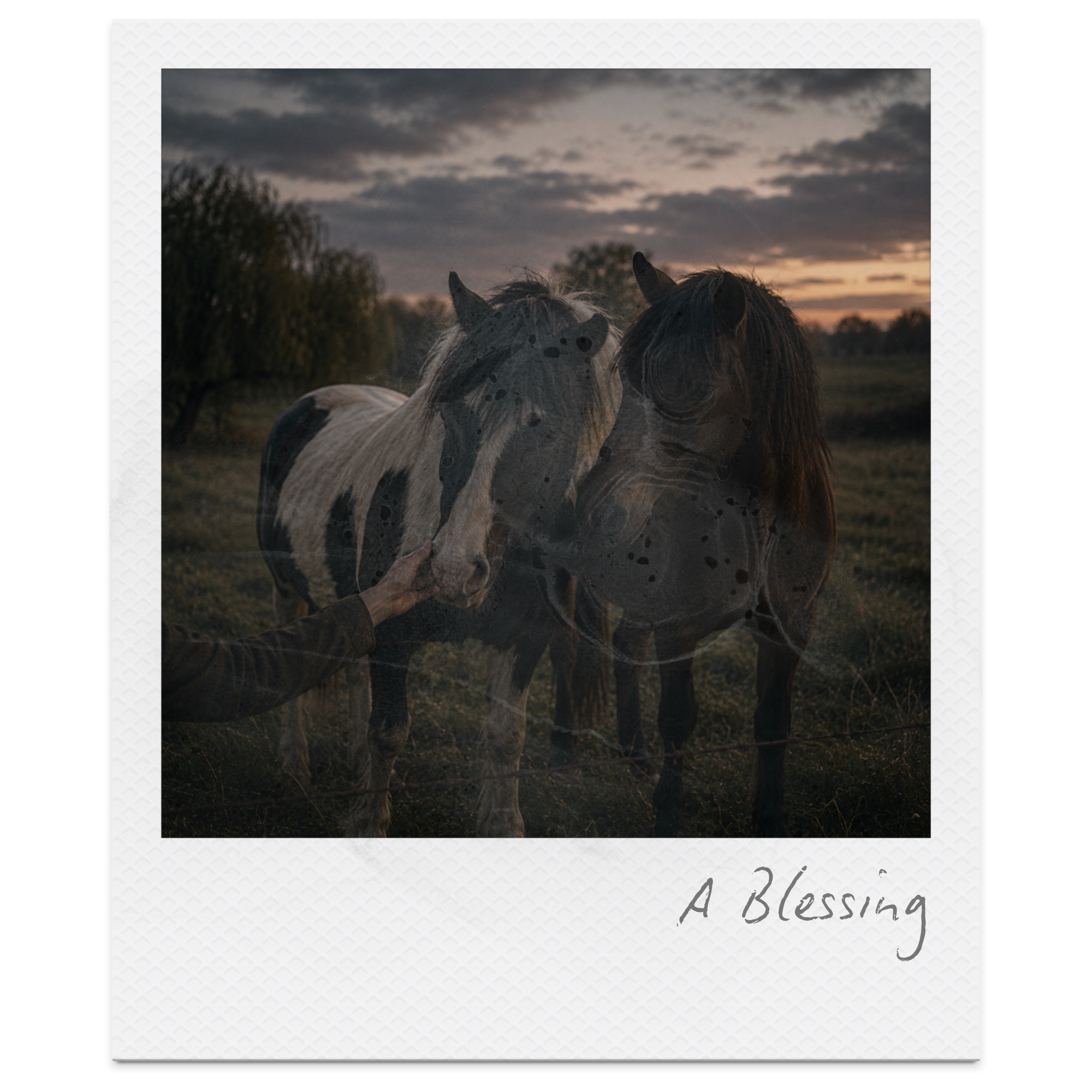
A Blessing – James Wright
A reflective nature poem in which a chance encounter with two ponies becomes a moment of profound spiritual awakening. Through vivid imagery, free verse, gentle symbolism, and a deeply contemplative voice, Wright explores human-animal connection, compassion, belonging, and the transformative power of finding wonder within ordinary experiences.
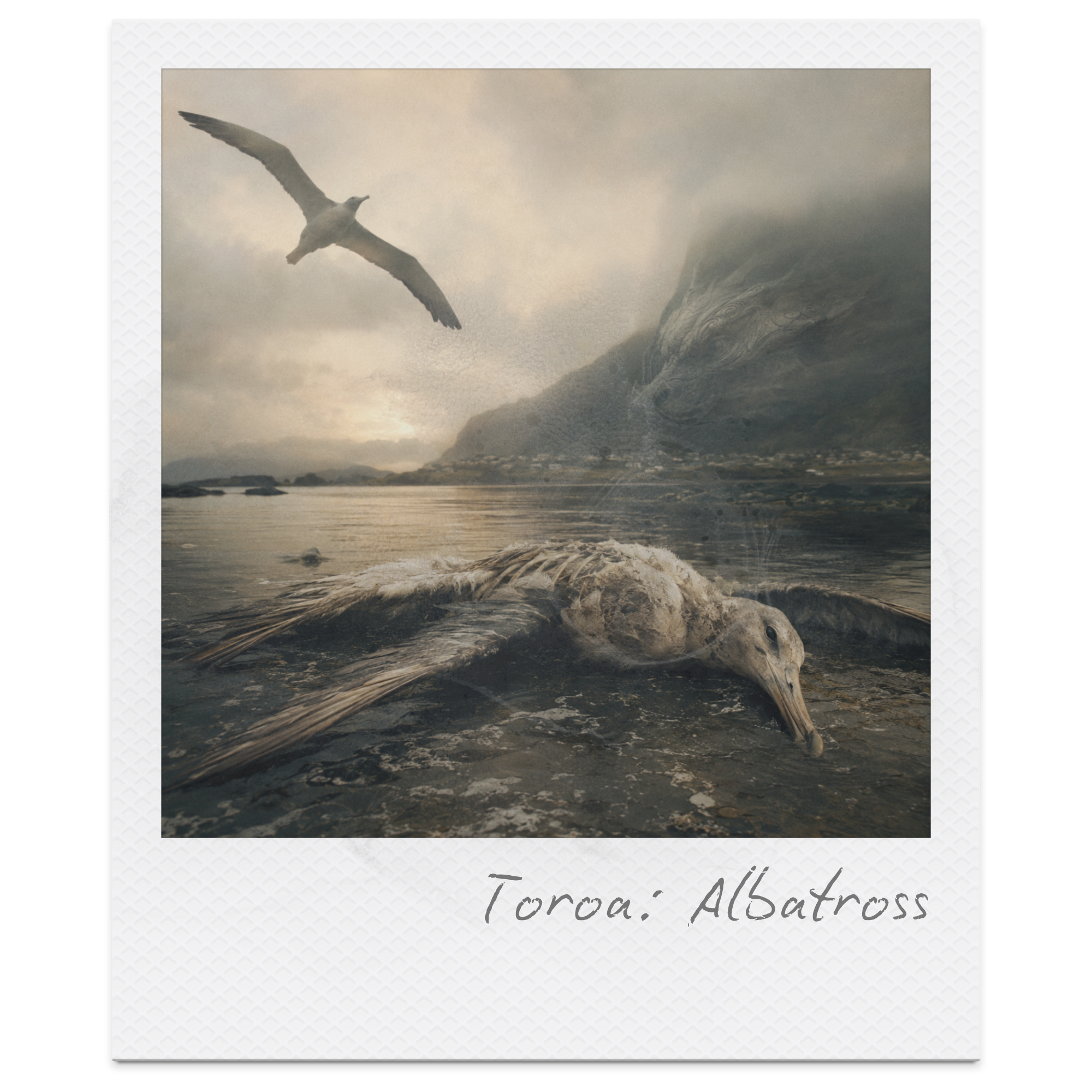
Toroa: Albatross – Hone Tuwhare
A moving exploration of belonging, environmental responsibility, and spiritual homecoming that transforms the journey of an injured albatross into a powerful meditation on humanity's relationship with nature, revealing how vivid imagery, Māori cultural symbolism, and shifting structure celebrate compassion, resilience, and the enduring search for home.
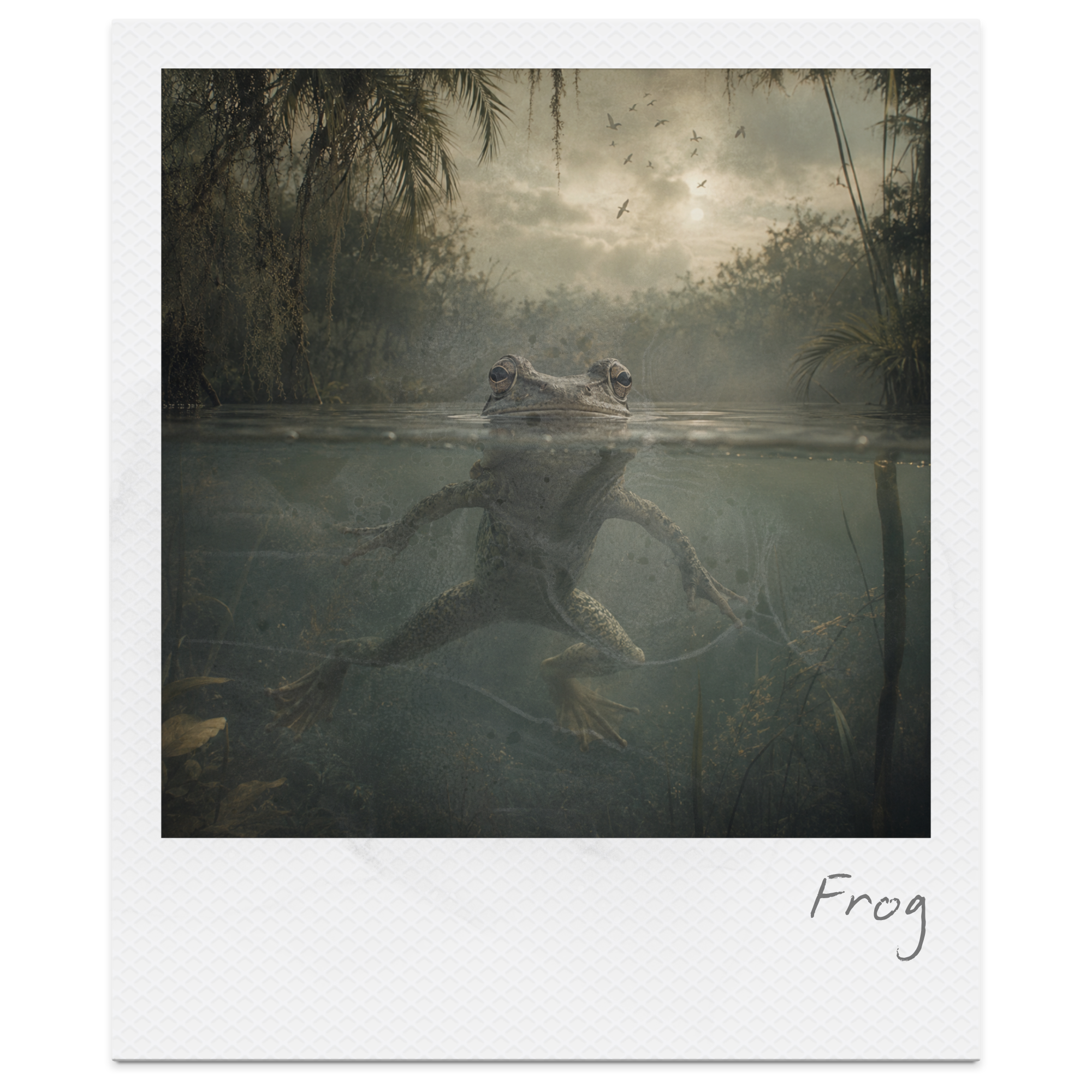
Frog – Marilène Phipps
A thought-provoking exploration of identity, nature, perception, and humanity that invites readers to experience the world through the senses of a frog before overturning expectations with a profound philosophical question. Through sensory imagery, symbolism, rhetorical questioning, and free verse, Phipps challenges human-centred assumptions, encouraging readers to reconsider consciousness, empathy, love, and the interconnectedness of all living things.
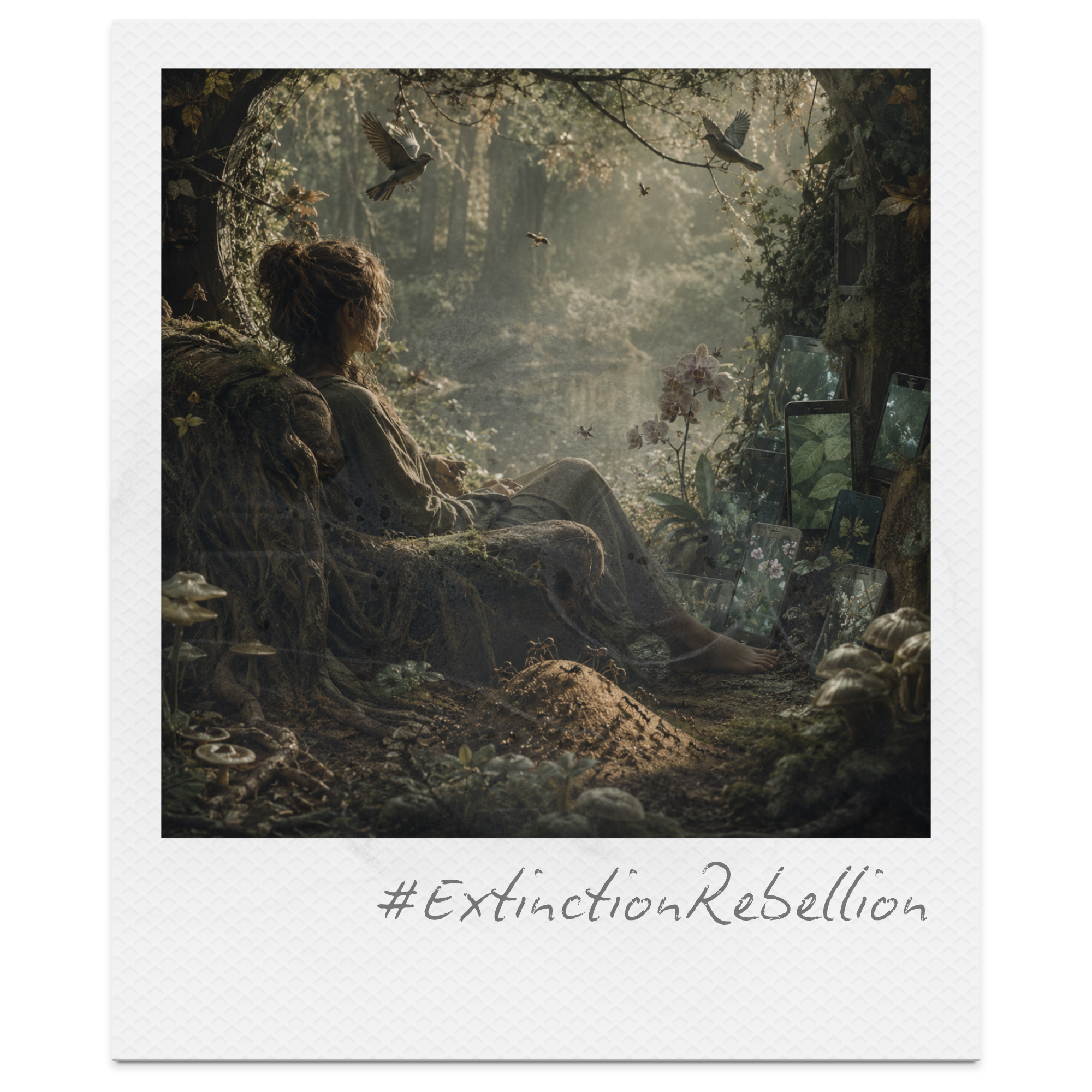
#ExtinctionRebellion – Pascale Petit
A hopeful and imaginative exploration of environmental activism, ecological interconnectedness, and humanity's relationship with nature that transforms digital technology into a living natural network. Through extended metaphor, symbolism, contemporary imagery, and organic free verse, Pascale Petit reimagines communication, belonging, and resistance, suggesting that hope for the future lies in learning from the resilience and hidden intelligence of the natural world.
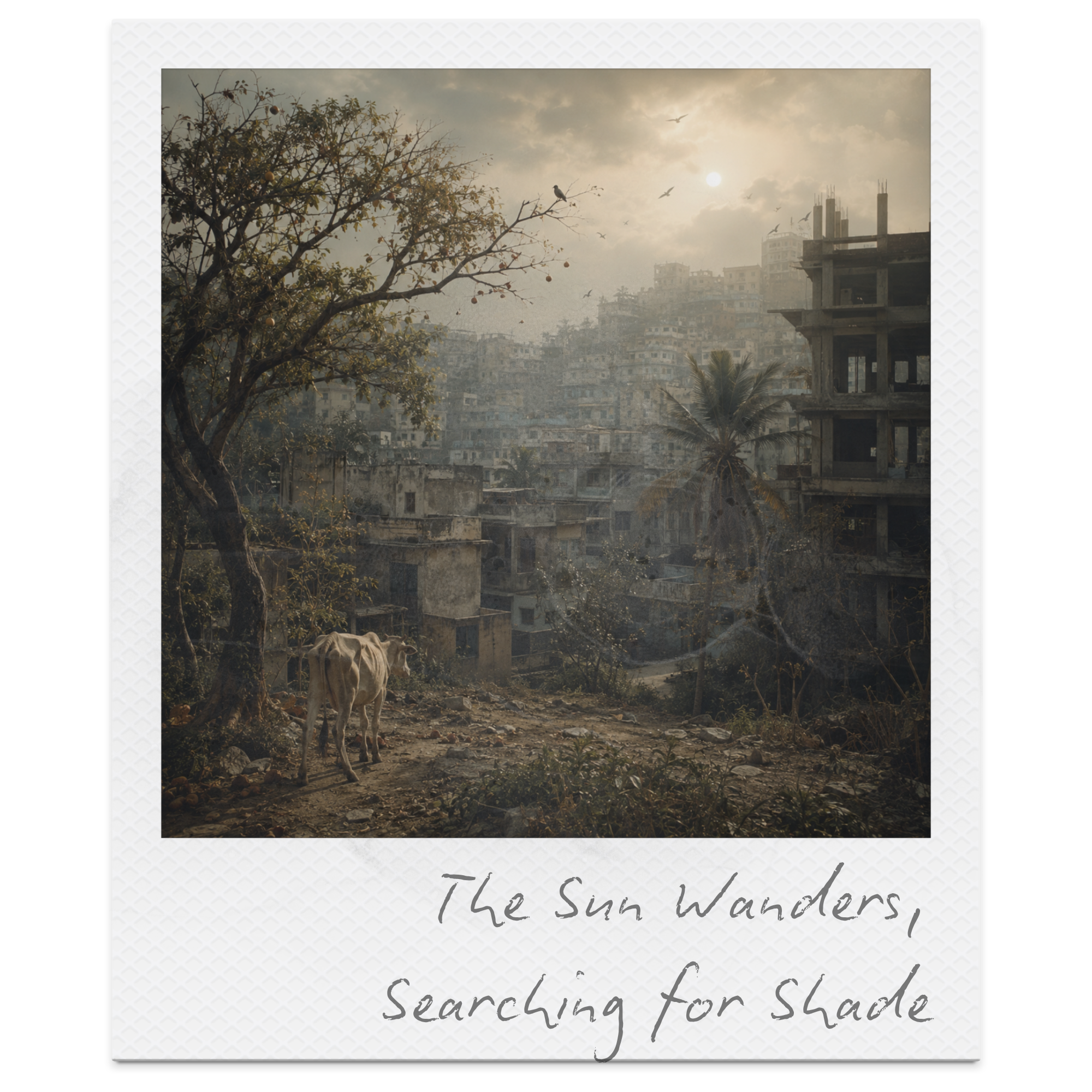
The Sun Wanders, Searching for Shade – Alari
A poignant meditation on urbanisation, environmental destruction, and ecological imbalance that transforms a changing village into a powerful symbol of humanity's fractured relationship with nature, revealing how extended metaphor, personification, vivid natural imagery, and symbolism expose the devastating consequences of unchecked development on biodiversity, cultural identity, and the fragile balance of the natural world.
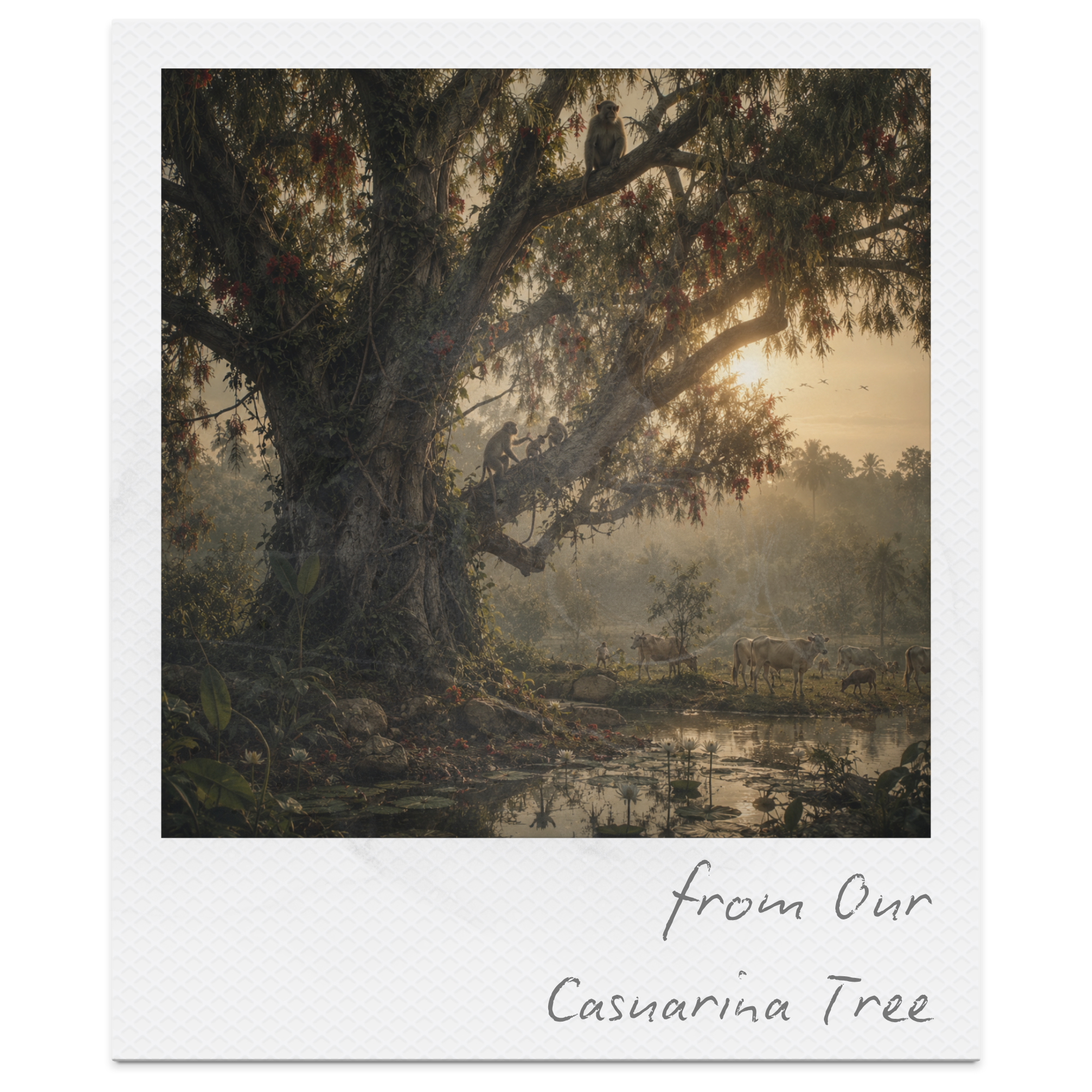
from Our Casuarina Tree – Toru Dutt
A deeply moving meditation on nature, memory, sibling love, grief, and belonging that transforms the casuarina tree into a living monument to childhood and lost loved ones, using rich imagery, symbolism, and an increasingly elegiac voice to explore how memory and poetry can preserve what time, distance, and death threaten to erase.
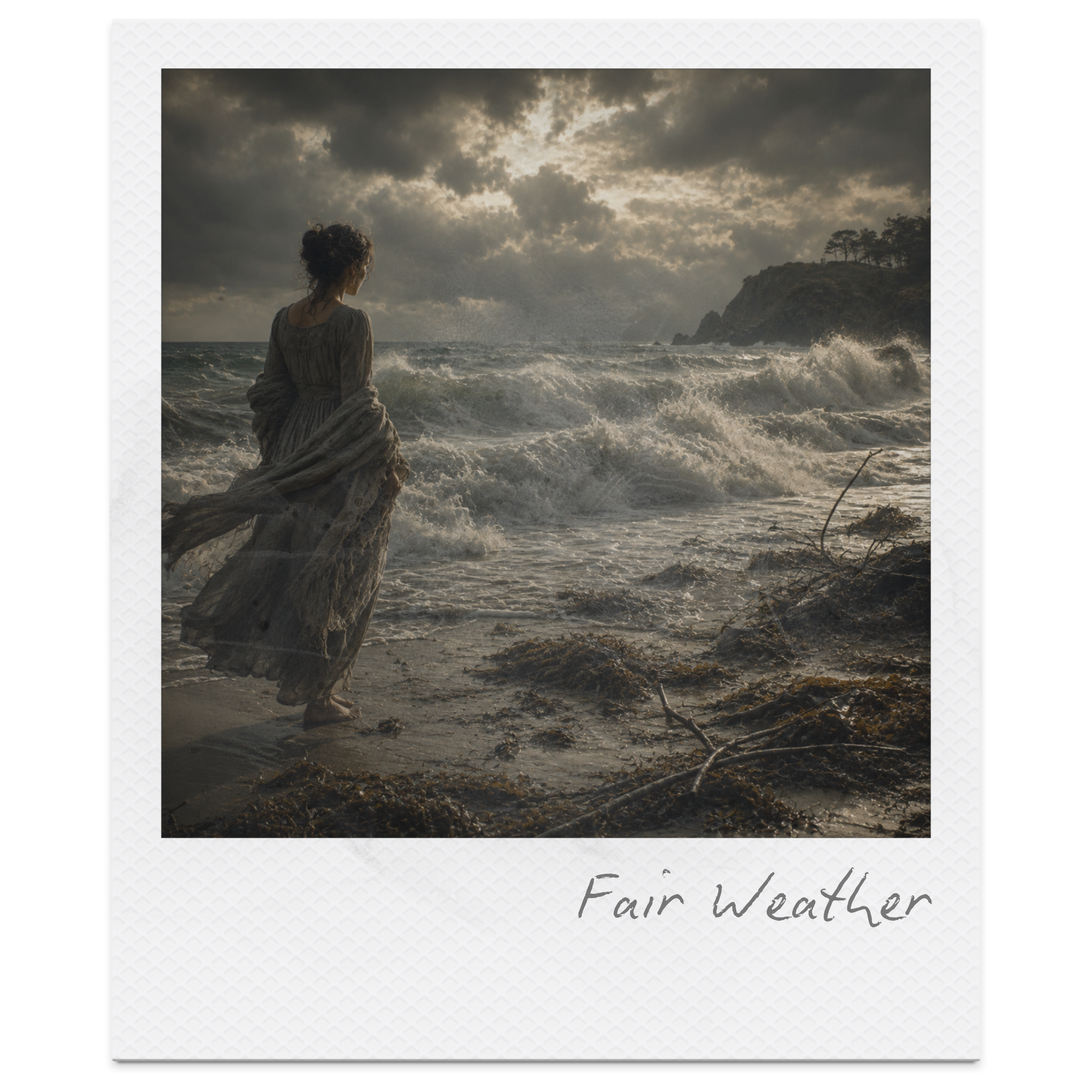
Fair Weather – Dorothy Parker
A psychologically complex exploration of love, passion, emotional intensity, and the attraction of danger, in which Parker uses an extended sea metaphor, contrasting images of calm and storm, and tightly controlled form to examine why someone might knowingly choose turbulent, potentially destructive love over emotional security.
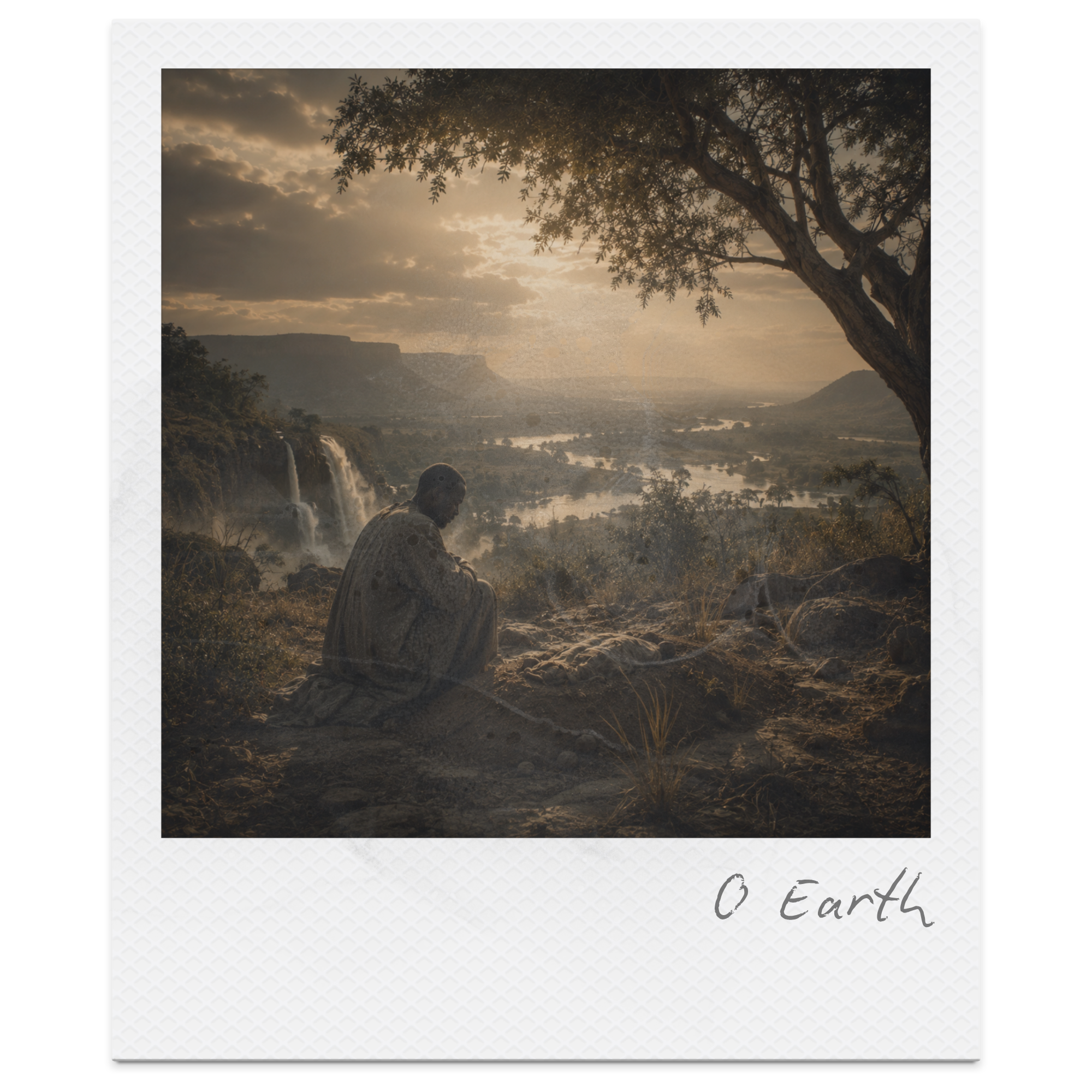
O Earth – Siriman Cissoko
A moving exploration of grief, brotherhood, sacrifice, liberty, and remembrance, in which Cissoko uses maternal personification of the earth, West African musical imagery, spiritual resonances, and the contrast between death and life to honour those who have died for freedom while questioning whether their sacrifice will ultimately bring the liberty they hoped for.
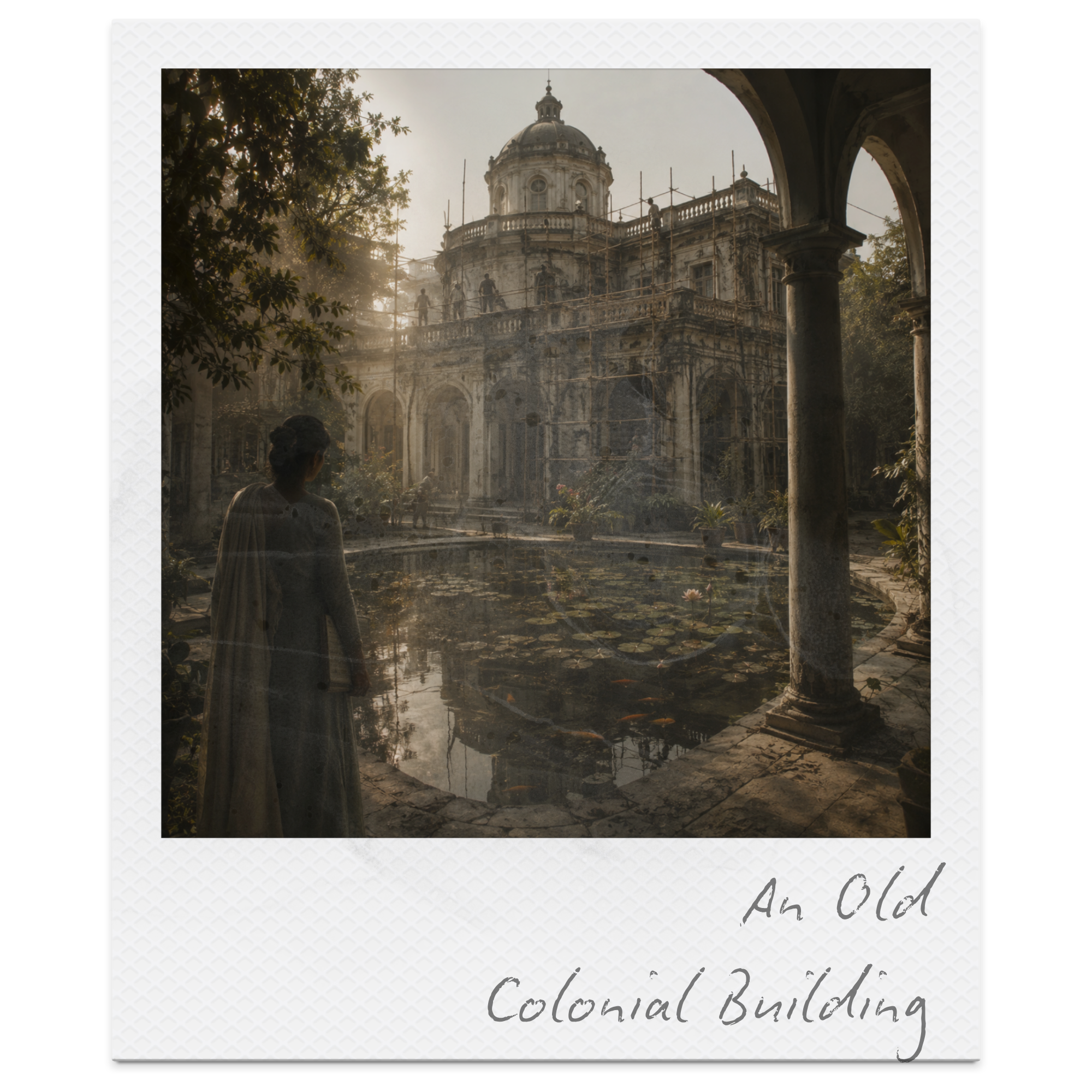
An Old Colonial Building – Leung Ping-Kwan
A thought-provoking exploration of colonialism, identity, history, political power, belonging, and cultural change that transforms an old colonial building and its shifting reflection into symbols of Hong Kong's complicated inheritance, revealing through architectural imagery, fragmentation, contrasts, and moving water how the past continues to shape the present while identity remains fluid, uncertain, and open to reconstruction.
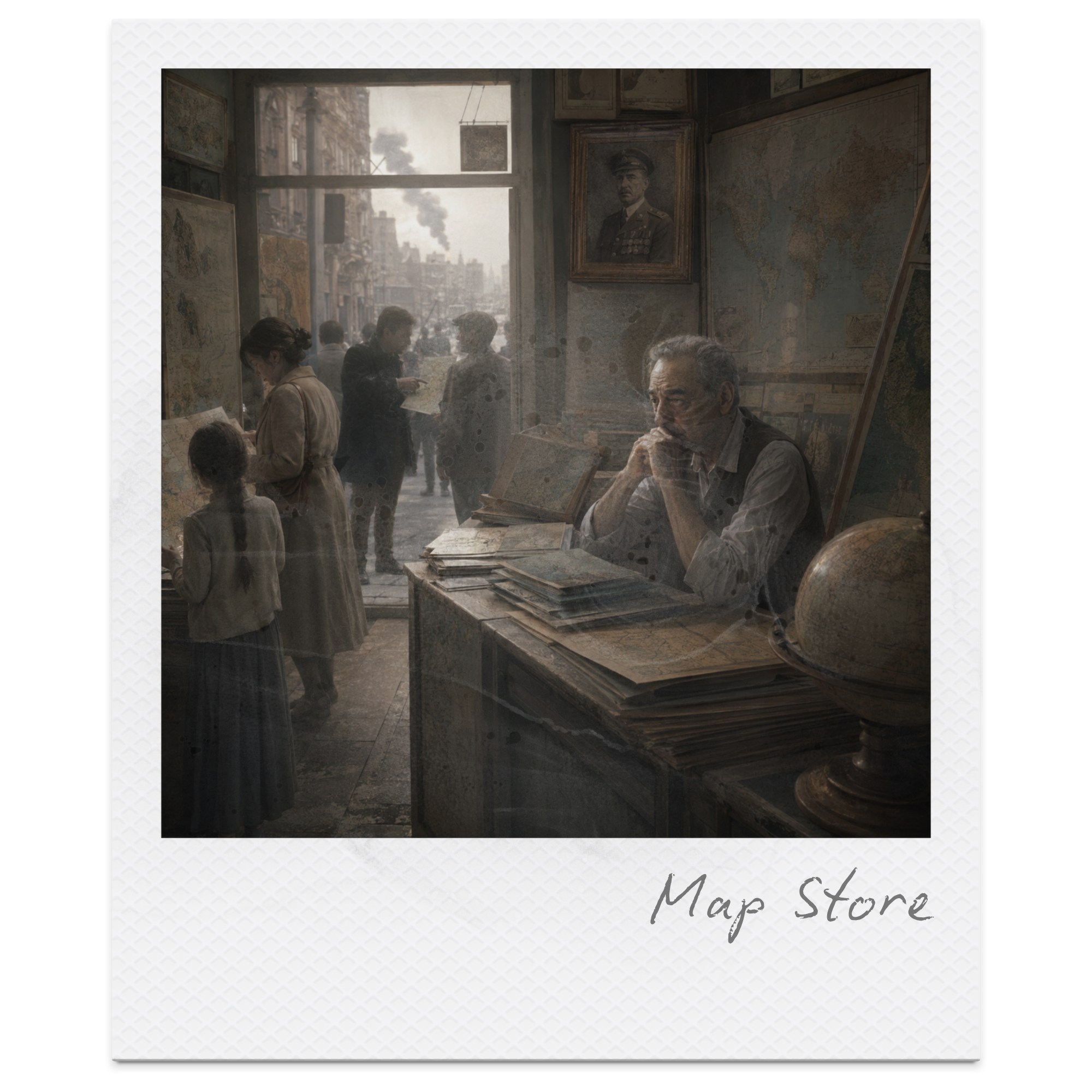
Map Store – Iman Mersal
A haunting exploration of war, displacement, geography, memory and belonging, in which Mersal uses maps, distant landscapes, fragmented histories and a Manhattan map store to examine the gap between representation and lived experience, questioning whether distance can ever truly separate people from violence, loss and the places they call home.
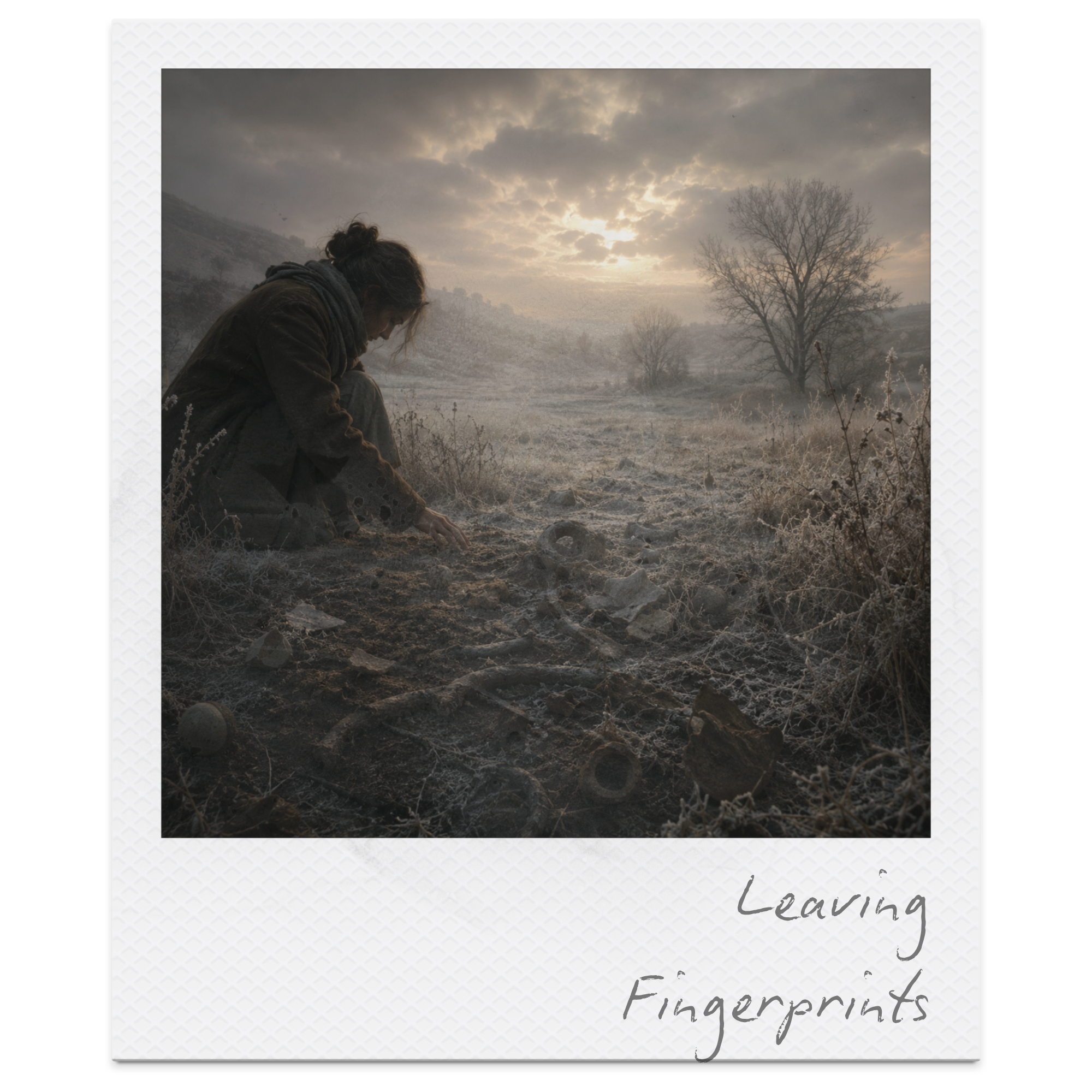
Leaving Fingerprints – Imtiaz Dharker
A reflective exploration of history, memory, identity, human transience and the traces ordinary lives leave behind, in which Dharker uses buried artefacts, extended writing imagery, personification of nature and the recurring symbol of fingerprints to examine how people can disappear from recorded history while their presence remains embedded within the landscape.
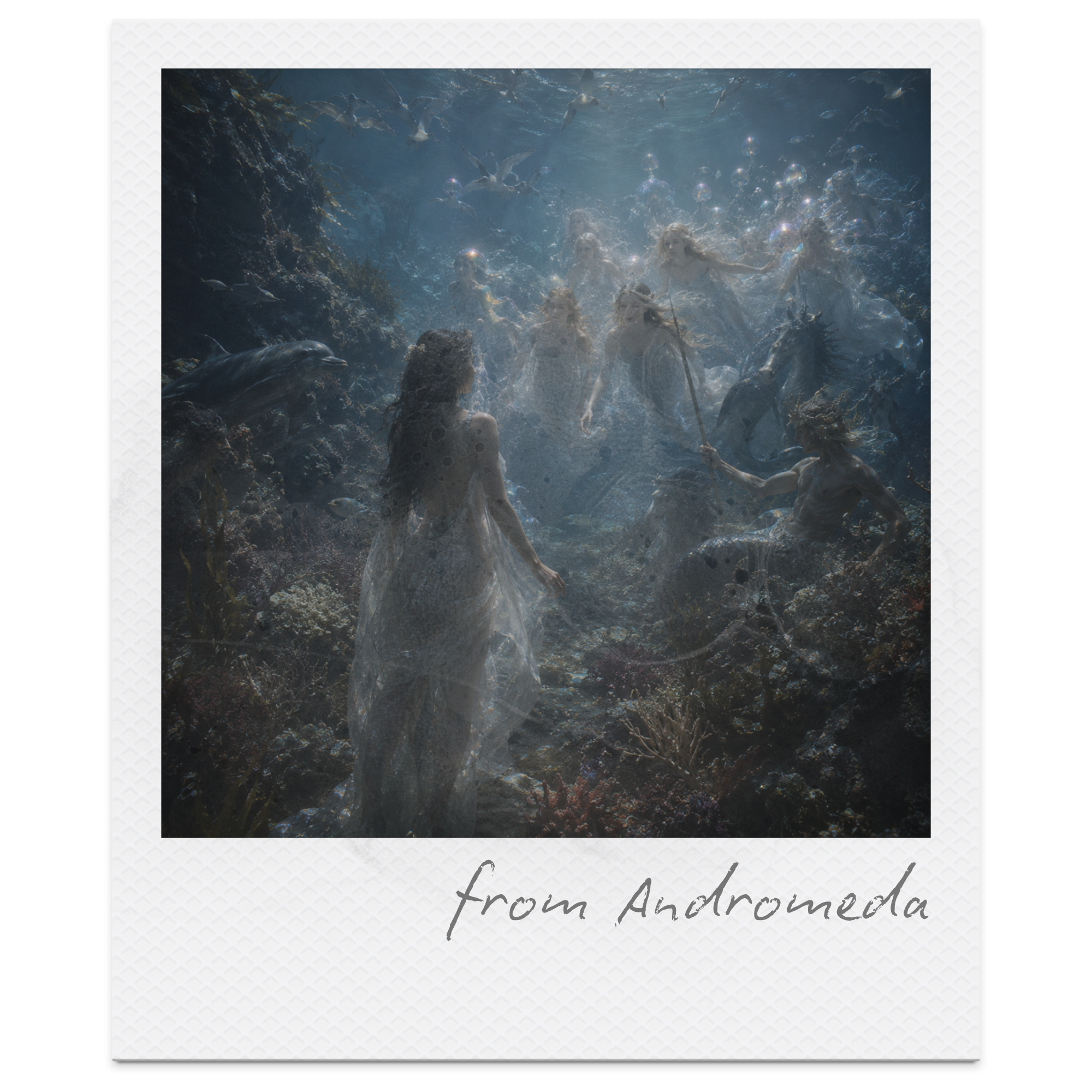
from Andromeda – Charles Kingsley
A vivid exploration of divine beauty, immortality, nature, supernatural wonder and human vulnerability, in which Kingsley uses classical epic style, English hexameter, luminous colour imagery, repetition, personification and striking contrasts between movement and stillness, fire and water, and mortal and divine existence to create an extraordinary vision of the sea-maids’ joyous procession.
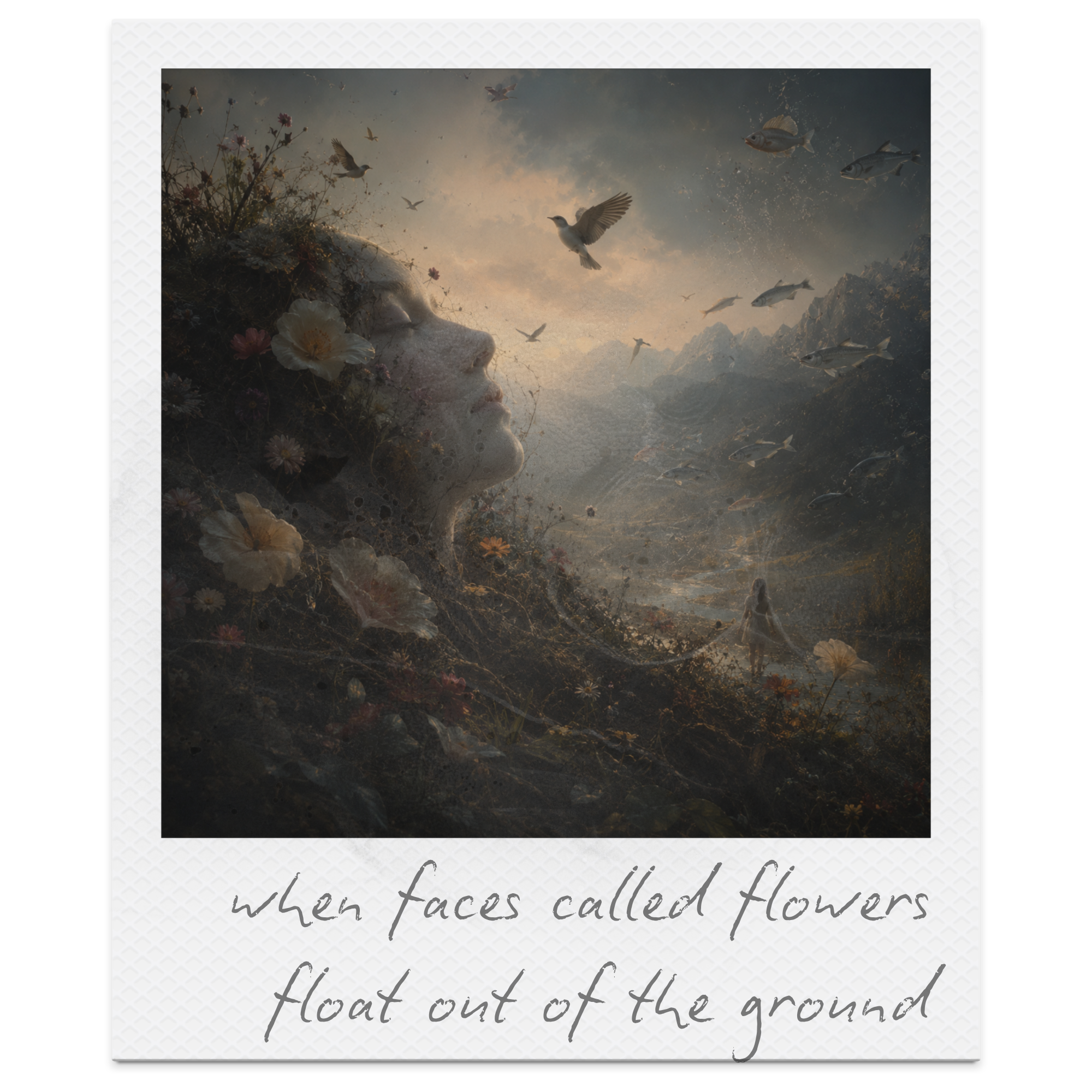
when faces called flowers float out of the ground – E. E. Cummings
A joyful exploration of spring, renewal, love, nature, freedom, generosity and the exhilaration of being alive, in which Cummings uses personification, repetition, unconventional punctuation, playful syntax, structural progression and surreal natural imagery to contrast the openness of giving and living with the restriction of keeping, darkness and winter.
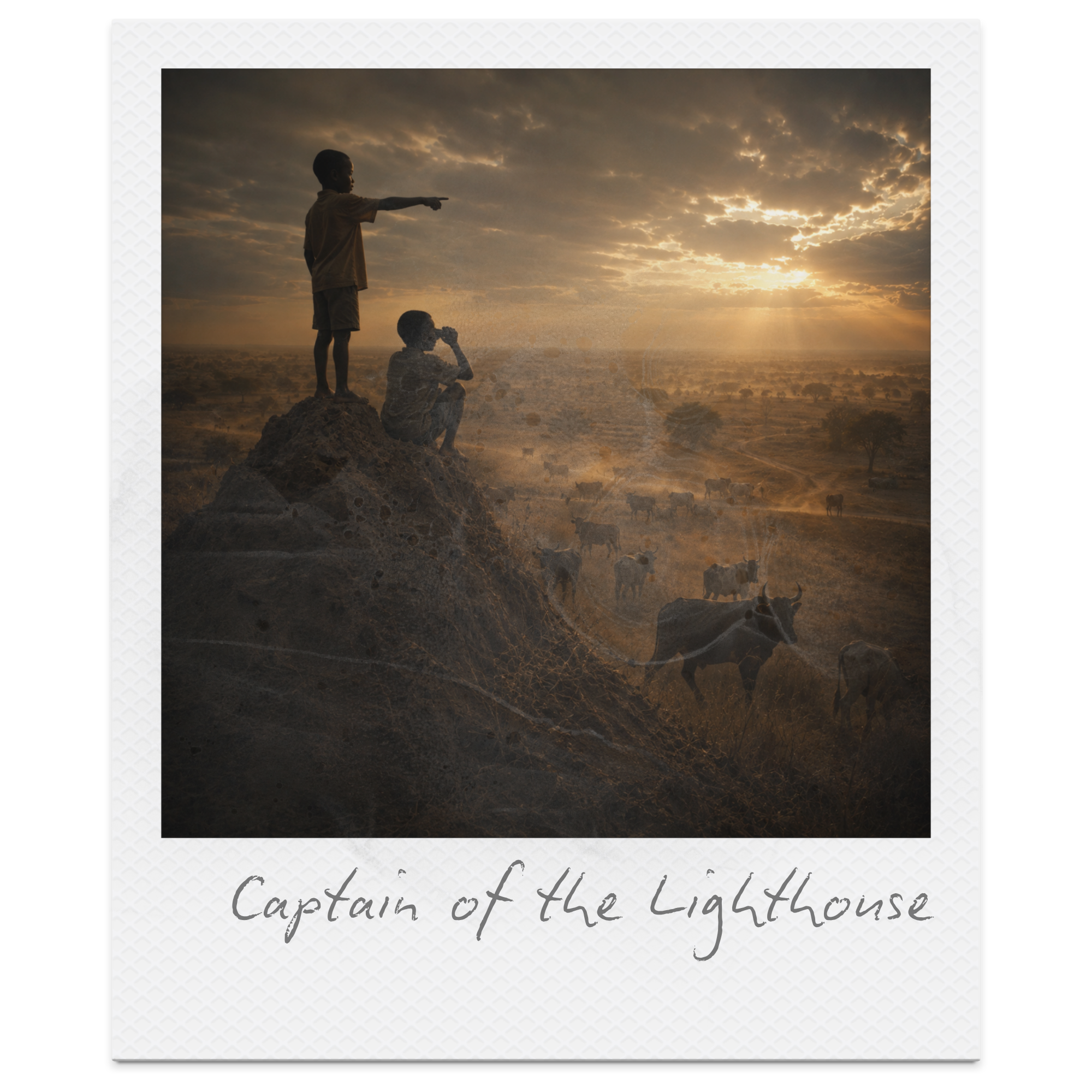
Captain of the Lighthouse – Togara Muzanenhamo
A moving exploration of childhood imagination, brotherhood, memory, grief and loss, in which Muzanenhamo transforms a rural landscape into an imagined seascape before returning to the same imagery after the speaker’s brother has died, using extended maritime metaphor, shifts in time and tone, direct speech and recurring images to show how memory preserves love while loss transforms the meaning of the past.
Choose Your Next Author or Collection
Looking for your next text? Explore other authors and literature collections, with clear analysis, study guides, and teaching resources to support revision and deeper understanding.