Insects by John Clare: Summary, Themes & Analysis
John Clare's Insects is a joyful celebration of the natural world, capturing the carefree lives of tiny creatures as they play beneath the warmth of the summer sun. Through vivid imagery, personification, symbolism, and an affectionate narrative voice, Clare transforms ordinary insects into figures of wonder, inviting readers to see nature as a place of beauty, freedom, and quiet mystery. If you are studying or teaching Songs of Ourselves Volume 3 for CIE IGCSE Literature in English (0475) Paper 1 (2028–2030), explore every poem in depth in the Songs of Ourselves Volume 3 Hub, or discover a wider range of texts in the Literature Library.

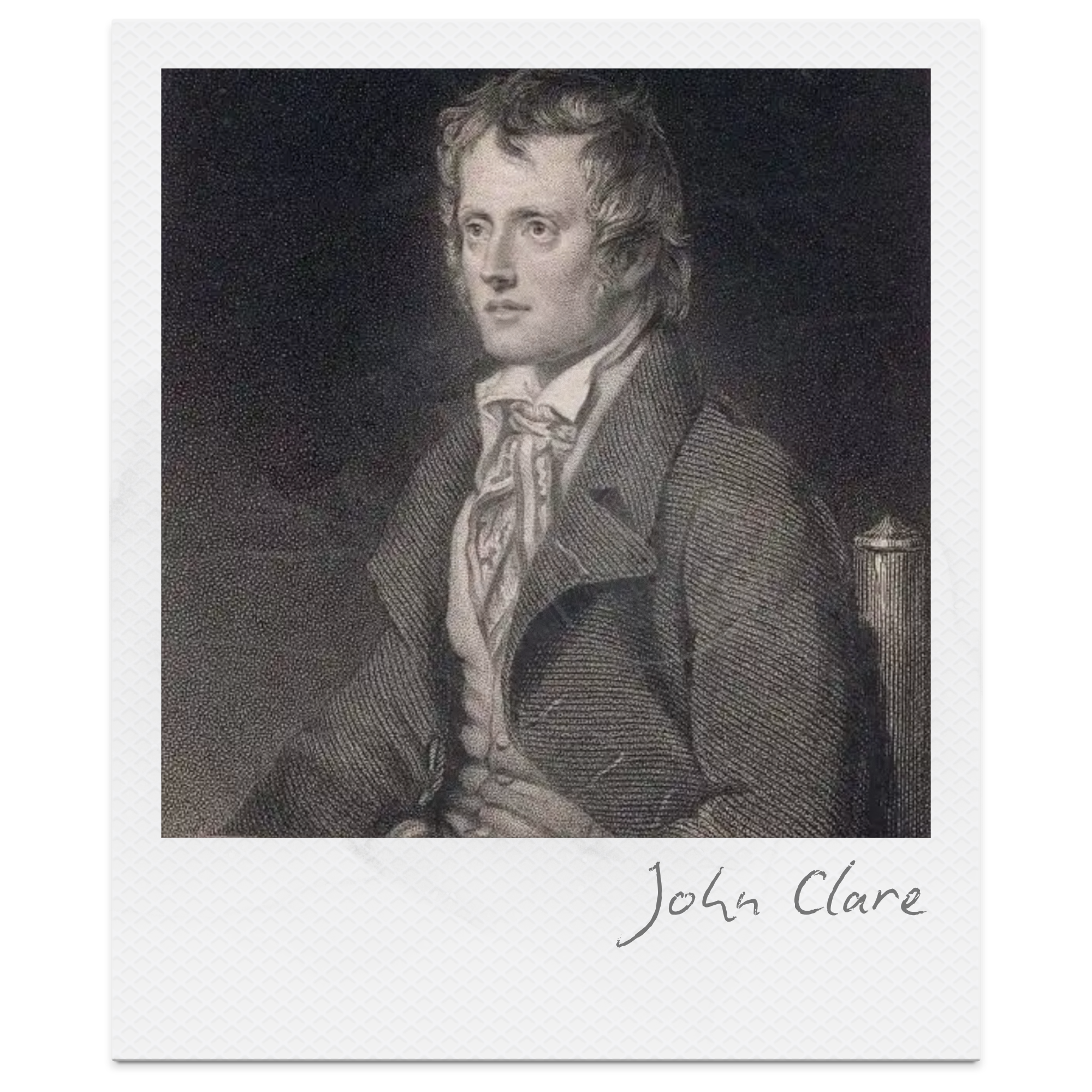
Context of Insects
John Clare (1793–1864) was an English Romantic poet whose work was deeply shaped by his rural upbringing in the Northamptonshire village of Helpston. Unlike many Romantic writers, Clare came from a working-class farming background, giving him an unusually intimate knowledge of the countryside and its wildlife. His poetry often celebrates the beauty of ordinary landscapes, seasonal change, and the small creatures that were frequently overlooked by others.
Written during the early nineteenth century, Insects reflects the Romantic movement's fascination with nature, imagination, and the emotional power of the natural world. Rather than presenting insects as insignificant, Clare elevates them through rich personification and fairy-tale imagery, encouraging readers to appreciate their hidden lives and quiet joys. The poem reflects Clare's belief that even the smallest parts of nature possess beauty, mystery, and value, challenging readers to look more closely at the world around them.
Insects: At a Glance
Form: A lyrical nature poem that combines close observation with imaginative description, celebrating the hidden lives of insects through an affectionate, reflective voice.
Mood: Joyful, playful, admiring, and quietly magical, with an underlying sense of peace and wonder.
Central tension: The poem contrasts the freedom, innocence, and mystery of the insects' lives with the world of human labour and ordinary experience, encouraging readers to value the overlooked beauty of nature.
Core themes: Nature, freedom, the beauty of ordinary life, imagination, the natural world, childlike wonder, and the relationship between humans and nature.
One-sentence meaning: Through vivid imagery, personification, and fairy-tale symbolism, John Clare transforms tiny insects into extraordinary creatures, revealing that even the smallest parts of the natural world deserve admiration, curiosity, and respect.
Quick Summary of Insects
At the beginning of the poem, the speaker observes a tiny insect resting among the barley before widening his focus to include its many companions. He describes the insects as carefree creatures that spend their days playing, flying, and basking in the warmth of summer, seemingly untouched by work or hardship. Their colourful appearance and constant movement create a vivid picture of a joyful natural world filled with life and energy.
As the poem develops, the speaker imagines where the insects rest at night, describing the inside of heath bells as luxurious bedrooms fit for royalty. In the final lines, the insects become almost supernatural as they are compared to fairy folk disguised among humans, preserving the mystery of their secret lives. The poem ends by celebrating the imagination as well as the natural world, suggesting that even the smallest creatures possess a beauty and wonder that often go unnoticed.
Title, Form, Structure, and Metre
John Clare carefully combines title, form, structure, and rhythm to transform a seemingly ordinary subject into something extraordinary. His formal choices encourage readers to slow down, observe the natural world closely, and appreciate the beauty and mystery hidden within everyday life.
Title
The title, Insects, is deliberately simple and understated. Readers might expect a factual or scientific description of small creatures, yet the poem quickly moves beyond observation into a celebration of imagination and wonder. By choosing such an ordinary title, Clare highlights one of the poem's central ideas: even the smallest and most overlooked parts of nature deserve admiration.
As the poem develops, the meaning of the title expands. The insects are no longer presented as insignificant creatures but as joyful companions, playful adventurers, and even mysterious beings resembling "fairy folk in splendid masquerade." The ordinary title therefore contrasts with the extraordinary way the insects are portrayed, encouraging readers to reconsider their own assumptions about the natural world.
Form and Structure
Insects is a lyric poem, using a single continuous movement of description and reflection rather than telling a complete narrative. The speaker observes the insects before gradually allowing imagination to shape the poem, blending careful natural observation with fantasy.
The poem follows a largely chronological structure that mirrors the passage of a summer day. It begins with the insects enjoying the warmth of daylight, follows them through their playful activities, and ends as they settle into sleep before revealing the speaker's imaginative interpretation of their hidden identities. This gentle progression gives the poem a calm, natural rhythm that reflects the daily cycle of life.
Although the poem does not contain dramatic shifts in mood or conflict, there is a gradual development in perspective. Early stanzas focus on physical behaviour, describing how the insects "creep & run & flye." Later, Clare imagines them sleeping "like to princes" before finally suggesting they may actually be "fairy folk in splendid masquerade." This movement from observation to imagination demonstrates how careful attention to nature can inspire wonder and creativity.
The ending avoids providing certainty. Instead of confirming whether the insects really are magical, Clare leaves readers with an image of mystery, suggesting that nature still contains secrets beyond human understanding. This open ending reinforces the poem's sense of enchantment.
Rhyme Scheme and Poetic Pattern
The poem is written predominantly in rhyming couplets (AA BB CC DD...), creating a smooth, musical flow that reflects the effortless movement of the insects themselves.
For example:
beard (A)
herd (A)
followed by
brings (B)
wings (B)
and later
flye (C)
drudgery (C, near rhyme through Clare's pronunciation and spelling)
These paired rhymes give the poem a sense of harmony and balance, reinforcing the peaceful relationship between the insects and their environment. The regular pattern also creates the impression of continuous movement, echoing the insects' constant flying, crawling, and playing throughout the day.
Occasionally, Clare allows the rhyme to feel slightly looser or conversational, reflecting his preference for preserving the natural rhythms of spoken language rather than forcing perfect poetic regularity. This contributes to the poem's authentic and unpretentious voice.
Metre and Rhythmic Movement
Rather than following a perfectly regular metrical pattern, Insects uses a rhythm that often resembles iambic movement, while allowing natural variations that imitate everyday speech. This flexibility reflects Clare's characteristic style, making the poem sound conversational while still maintaining a pleasing musical quality.
For example, the opening line:
thou TIney LOIterer on the BARleys BEARD
contains a generally alternating rhythm but avoids rigid regularity. Similarly,
how MERrily they CREEP and RUN and FLYE
uses a sequence of strong stressed verbs to create a lively, energetic pace that mirrors the insects' rapid movements.
The rhythm frequently becomes lighter when Clare describes the insects at play, before slowing slightly during the evening scenes as they settle into their "silken beds." This subtle change in pace reflects the natural transition from energetic daytime activity to peaceful rest.
Rather than drawing attention to technical precision, Clare uses rhythm to support meaning. The poem's flowing movement mirrors the effortless freedom of the insects, while its gentle irregularities make the speaker's admiration feel spontaneous and sincere, as though he is sharing observations directly from the countryside rather than delivering a carefully controlled performance.
The Speaker in Insects
The speaker in Insects appears to be a thoughtful observer who delights in the natural world and finds beauty in even its smallest creatures. Although the speaker is not explicitly identified as John Clare, the voice closely reflects the poet's deep appreciation of rural life and his ability to combine careful observation with imaginative interpretation. Rather than describing the insects from a detached or scientific perspective, the speaker addresses them with warmth and admiration, suggesting a personal connection to the landscape.
The speaker's tone is joyful, affectionate, and increasingly wonder-filled as the poem develops. What begins as an observation of insects moving through fields and flowers gradually becomes a meditation on the magic hidden within everyday nature. By imagining the insects as princes and later as "fairy folk in splendid masquerade," the speaker encourages readers to see the natural world through a lens of curiosity and imagination. This perspective shapes the poem's overall message, suggesting that close attention and an open mind can reveal extraordinary beauty in the most ordinary aspects of life.
Line-by-Line Analysis of Insects
John Clare develops the poem through a series of closely connected observations that gradually move from realistic descriptions of insects to increasingly imaginative interpretations. As the poem progresses, careful natural observation blends with personification, symbolism, and fairy-tale imagery, encouraging readers to see the natural world as both beautiful and mysterious.
Lines 1–2: Introducing the Tiny Traveller
The poem opens by directly addressing a single insect as "Thou tiney loiterer," immediately creating an intimate and affectionate tone. The archaic pronoun "Thou" gives the insect dignity and importance, elevating a tiny creature that many people might overlook. The word "loiterer" suggests leisurely wandering rather than purposeful work, introducing one of the poem's central ideas: these insects live free from human responsibilities.
Clare also uses the metaphor of the barley's "beard" to personify the landscape, making the natural world feel alive and interconnected. Although the insect is described individually, it is also a "happy unit of a numerous herd," balancing individuality with community and suggesting harmony within nature.
Lines 3–4: Summer as a Time of Joy
The insects become part of a much larger celebration as they are described as "playfellows the laughing summer brings." Here, summer itself is personified as if it actively introduces companions into the landscape, reinforcing the season's vitality and abundance.
The image of insects "Mocking the sunshine in their glittering wings" creates vivid visual imagery. Their shining wings appear to rival or imitate the brilliance of the sun, suggesting that even tiny creatures possess their own beauty. The verb "mocking" implies playful confidence rather than disrespect, reinforcing the carefree atmosphere established at the beginning of the poem.
Lines 5–6: Freedom from Human Labour
The energetic sequence "creep & run & flye" uses a tricolon to capture the insects' constant movement and liveliness. The accumulation of verbs creates momentum, allowing readers to imagine insects darting effortlessly through the countryside.
This freedom is immediately contrasted with human experience through the declaration that they bear "No kin...to labours drudgery." Clare introduces a subtle contrast between the joyful natural world and the repetitive demands of human work. The insects symbolise a form of existence untouched by obligation, making them figures of freedom and innocence.
Lines 7–8: Mystery Within Nature
As the insects move among the flowers, Clare describes them "Smoothing the velvet of the pale hedge rose." The tactile image of "velvet" appeals to the senses while personifying the flower as something soft and luxurious. Nature becomes a place of elegance rather than wilderness.
The speaker then admits uncertainty: "where they flye for dinner no one knows." This acknowledgement of mystery is significant because it reminds readers that even familiar creatures possess hidden lives beyond human understanding. Rather than pretending to explain everything, Clare celebrates nature's unanswered questions.
Lines 9–10: Nature's Magical Nourishment
Clare rejects ordinary explanations by stating that "The dewdrops feed them not." Instead, he imagines the insects drawing nourishment from sunlight itself.
The metaphor of "golden wine" transforms sunlight into something rich, precious, and almost magical. Rather than describing insects scientifically, Clare presents them through imaginative symbolism, suggesting that nature provides its own enchanting forms of sustenance. The warm golden imagery also reinforces the richness and abundance of summer.
Lines 11–12: Innocence and the Passing of Time
The insects spend "All day...playing in their sunday dress," extending the poem's playful personification. The phrase "Sunday dress" suggests special clothing worn for celebration, making the insects appear elegant and joyful rather than ordinary.
The transition to night is gentle rather than dramatic. Instead of darkness representing danger, sleep arrives naturally as "night goes sleep." This peaceful shift reflects the harmonious rhythms of nature, where rest follows activity without conflict or fear.
Lines 13–16: A Royal Resting Place
The description of the insects sleeping inside "the heath bells silken hood" transforms an ordinary flower into a luxurious bedroom. Through extended metaphor, Clare presents the natural world as a place of comfort and protection.
The comparison "like to princes in their slumber lie" elevates the insects even further. Although they are physically tiny, they are imagined with royal dignity, suggesting that greatness is not determined by size or status. Images such as "silken beds" and "roomy painted hall" continue this fairy-tale atmosphere, turning flowers into magnificent palaces.
Lines 17–18: A Life of Simple Happiness
The speaker reflects that the insects "So happily...spend their summer day," reinforcing the poem's celebration of carefree existence. Their movement between "the cornfields" and "the new mown hay" places them firmly within the English countryside that Clare knew so intimately.
These familiar rural settings emphasise that extraordinary beauty exists within ordinary landscapes. The happiness of the insects depends not on wealth or achievement but simply on living freely within nature.
Lines 19–20: Imagination Takes Flight
The speaker begins to move beyond observation with the phrase "One almost fancys." This signals a shift from factual description to imaginative speculation, inviting readers to share in the speaker's wonder.
The insects' "coloured hoods" and "richly burnished wings" create striking visual imagery that makes them appear almost ceremonial or magical. The detailed descriptions encourage readers to look more carefully at creatures they might otherwise ignore.
Lines 21–22: Fairies in Disguise
The poem reaches its most imaginative moment when the insects become "fairy folk in splendid masquerade." This metaphor blurs the boundary between reality and folklore, suggesting that nature itself possesses hidden magic.
The idea that they are "Disguised through fear of mortal folk" reverses the usual relationship between humans and nature. Rather than humans discovering magical creatures, the magical creatures hide themselves from human beings, implying that people often fail to appreciate or understand the natural world.
Lines 23–24: Preserving Nature's Mystery
The closing lines maintain this sense of enchantment as the insects continue "Keeping their merry pranks a mystery still." The word "pranks" suggests playful secrecy, reinforcing their childlike innocence while preserving the poem's atmosphere of wonder.
The final warning that "glaring day should do their secrets ill" leaves readers with an enduring sense of mystery. Clare deliberately refuses to explain everything, suggesting that the greatest beauty of nature lies not only in what humans can observe, but also in what remains hidden. The poem therefore ends by celebrating both the imagination and the enduring mysteries of the natural world.
Key Quotes and Methods in Insects
John Clare's Insects is rich in imagery, personification, and symbolism, using carefully chosen language to transform ordinary insects into remarkable creatures. The following quotations highlight the poem's most important methods and explain how they contribute to its overall meaning and impact.
"Thou tiney loiterer"
◆ Technique: Direct address; archaic pronoun; affectionate diction
◆ Meaning: The speaker speaks directly to a single insect, immediately establishing a close and personal relationship.
◆ Purpose: Clare elevates an ordinary insect by treating it as worthy of individual attention and respect.
◆ Impact: Readers are encouraged to value even the smallest creatures and approach nature with curiosity rather than indifference.
"happy unit of a numerous herd"
◆ Technique: Juxtaposition; collective imagery
◆ Meaning: The insect is presented as both an individual and part of a thriving natural community.
◆ Purpose: Clare emphasises the harmony and interconnectedness of the natural world.
◆ Impact: Readers appreciate nature as a balanced ecosystem where every living creature has significance.
"the laughing summer brings"
◆ Technique: Personification
◆ Meaning: Summer is given the human ability to laugh and introduce the insects into the landscape.
◆ Purpose: This creates a lively, joyful atmosphere and suggests that nature itself is full of life.
◆ Impact: The countryside feels vibrant and welcoming, reinforcing the poem's celebration of summer.
"Mocking the sunshine in their glittering wings"
◆ Technique: Visual imagery; personification
◆ Meaning: The insects' shimmering wings appear to rival the brightness of the sun.
◆ Purpose: Clare highlights the unexpected beauty of tiny creatures that might otherwise be ignored.
◆ Impact: Readers are encouraged to notice the extraordinary qualities hidden within ordinary nature.
"How merrily they creep & run & flye"
◆ Technique: Tricolon; dynamic verbs
◆ Meaning: The sequence of actions captures the insects' constant movement and energy.
◆ Purpose: Clare creates a vivid sense of freedom and liveliness.
◆ Impact: The insects appear joyful and full of vitality, reinforcing the poem's optimistic tone.
"No kin they bear to labours drudgery"
◆ Technique: Contrast
◆ Meaning: The insects live free from the burdens and responsibilities of human work.
◆ Purpose: Clare contrasts the simplicity of nature with the pressures of human society.
◆ Impact: Readers may admire the insects' carefree existence and reflect on humanity's separation from nature.
"The dewdrops feed them not... golden wine"
◆ Technique: Symbolism; metaphor
◆ Meaning: The insects are imagined as being nourished by sunlight rather than ordinary food.
◆ Purpose: Clare transforms a realistic scene into something magical and imaginative.
◆ Impact: Nature becomes a place of wonder where everyday experiences take on an almost enchanted quality.
"playing in their sunday dress"
◆ Technique: Extended personification
◆ Meaning: The insects are compared to people wearing their finest clothes for a special occasion.
◆ Purpose: Clare gives the insects personality and dignity while reinforcing the poem's playful mood.
◆ Impact: Readers see the insects as joyful characters rather than insignificant creatures.
"like to princes in their slumber lie"
◆ Technique: Simile
◆ Meaning: Sleeping insects are compared to royalty resting in luxurious surroundings.
◆ Purpose: Clare elevates humble insects, suggesting that greatness is not determined by size or status.
◆ Impact: The comparison encourages readers to rethink the value of the natural world.
"fairy folk in splendid masquerade"
◆ Technique: Metaphor; fairy-tale imagery
◆ Meaning: The insects are imagined as magical beings disguised among humans.
◆ Purpose: Clare blurs the boundary between reality and imagination, making nature appear mysterious and enchanting.
◆ Impact: Readers are left with a lasting sense of wonder and are encouraged to view the natural world with greater imagination.
"Keeping their merry pranks a mystery still"
◆ Technique: Personification; mystery motif
◆ Meaning: The insects are imagined as deliberately hiding their playful secrets.
◆ Purpose: Clare preserves the mystery of nature rather than explaining everything rationally.
◆ Impact: The poem ends with a sense of enchantment, reminding readers that some aspects of the natural world remain beyond human understanding.
Key Techniques in Insects
John Clare combines language, imagery, structure, and sound to transform tiny insects into symbols of freedom, beauty, and mystery. Rather than simply describing nature, he uses a range of poetic techniques to encourage readers to observe the natural world with greater attention and imagination.
◆ Imagery – Clare fills the poem with rich visual, tactile, and sensory imagery, allowing readers to picture the insects' colourful world in vivid detail. Descriptions such as "glittering wings,""the velvet of the pale hedge rose," and "silken beds" create a landscape that feels beautiful, luxurious, and alive. These images encourage readers to appreciate the richness of even the smallest details in nature.
◆ Personification – Throughout the poem, both the insects and the natural world are given human qualities. The insects "play," wear "their sunday dress," sleep "like to princes," and even appear capable of keeping secrets. Summer itself is described as "laughing," making nature feel active and joyful rather than passive. This personification creates an emotional connection between readers and the natural world.
◆ Symbolism – The insects symbolise freedom, innocence, and the overlooked beauty of the natural world. Because they live without "labours drudgery," they become symbols of a simpler existence that contrasts with human responsibility. Their carefree lifestyle also represents the value of living in harmony with nature rather than controlling it.
◆ Metaphor – Clare repeatedly transforms ordinary natural objects into something more magical. The insects are imagined drinking "golden wine," while flowers become "silken beds" and "roomy painted hall[s]." These metaphors elevate everyday countryside scenes into places of luxury and enchantment, reflecting the speaker's imaginative perspective.
◆ Simile – The comparison "like to princes in their slumber lie" elevates the insects by comparing their peaceful sleep to that of royalty. This simile challenges assumptions about importance and status, suggesting that every living creature deserves admiration regardless of its size.
◆ Fairy-tale Imagery – The description of the insects as "fairy folk in splendid masquerade" introduces elements of folklore and fantasy. This technique blurs the boundary between reality and imagination, suggesting that nature contains hidden mysteries which cannot always be explained through observation alone.
◆ Contrast – Clare contrasts the carefree lives of the insects with "labours drudgery," highlighting the difference between the freedom of the natural world and the demands of human society. This contrast strengthens the poem's admiration for nature and invites readers to question modern ideas of work, success, and productivity.
◆ Diction – Clare's carefully chosen vocabulary contributes to the poem's gentle and celebratory tone. Words such as "merrily,""happy,""glittering,""silken," and "golden" create consistently positive connotations, reinforcing the sense that nature is a place of joy, beauty, and abundance.
◆ Rhyming Couplets – The poem is built around mostly regular rhyming couplets, creating a smooth, musical flow that reflects the effortless movement of the insects. The predictable rhyme pattern contributes to the poem's sense of harmony and mirrors the balance found within the natural world.
◆ Natural Progression of Time – The poem follows the insects from daylight activity to peaceful sleep before ending with imaginative reflection. This structural progression mirrors the rhythms of a summer's day while allowing Clare to gradually shift from realistic observation to magical interpretation, leaving readers with a lasting sense of wonder.
How the Writer Creates Meaning and Impact in Insects
John Clare creates meaning in Insects by combining careful observation with imaginative description, encouraging readers to see the natural world as both beautiful and mysterious. Through his use of language, structure, voice, and sound, Clare elevates tiny, often overlooked creatures into symbols of joy, freedom, and wonder.
◆ Language: Celebrating the Beauty of the Ordinary – Clare's descriptive language transforms everyday insects into remarkable creatures. Positive diction such as "happy,""merrily,""glittering," and "golden" creates an atmosphere of warmth and delight, while rich sensory imagery encourages readers to appreciate the colour, movement, and texture of the natural world. By describing flowers as "velvet" and sunlight as "golden wine," Clare turns familiar countryside scenes into something magical and extraordinary.
◆ Personification and Symbolism: Elevating Nature – Throughout the poem, insects behave like people as they play, wear "their sunday dress," and sleep "like to princes." This extended personification encourages readers to empathise with creatures they might normally ignore. At the same time, the insects become symbols of freedom, innocence, and a life untouched by "labours drudgery," presenting nature as an appealing alternative to the pressures of human society.
◆ Structure: From Observation to Imagination – The poem develops in a gradual and carefully controlled progression. It begins with realistic observations of insects moving through fields before expanding into increasingly imaginative descriptions. By the final lines, the insects have become "fairy folk in splendid masquerade," demonstrating how close attention to nature can inspire creativity and wonder. This structural shift encourages readers to move beyond simple observation and embrace the mysteries of the natural world.
◆ Voice and Tone: Admiration and Wonder – The speaker's affectionate voice shapes the reader's response from the opening line. Addressing the insect directly as "Thou tiney loiterer" creates an immediate sense of intimacy, while the consistently joyful tone reinforces the poem's celebration of nature. Rather than adopting a scientific or detached perspective, Clare presents himself as someone who delights in discovering beauty in the smallest details of the countryside.
◆ Sound and Rhythm: Reflecting Natural Movement – The poem's largely regular rhyming couplets create a smooth, flowing rhythm that mirrors the effortless movement of the insects as they "creep & run & flye." The musical quality of the rhyme reflects the harmony of the natural world, while Clare's flexible rhythm allows the poem to feel conversational and spontaneous. This balance between structure and natural speech reinforces the authenticity of the speaker's observations.
◆ Blending Reality with Fantasy – One of Clare's most effective methods is his ability to combine accurate natural observation with elements of folklore and imagination. The insects remain recognisable creatures throughout the poem, yet they are also imagined as princes and fairy folk living secret lives beyond human understanding. This blending of realism and fantasy encourages readers to view the natural world with greater curiosity, suggesting that even familiar landscapes contain hidden wonders waiting to be discovered.
Themes in Insects
Although Insects celebrates tiny creatures on a summer's day, the poem explores much larger ideas about nature, freedom, imagination, and humanity's relationship with the world around it. Through vivid imagery, personification, and symbolism, John Clare encourages readers to look beyond the ordinary and appreciate the beauty and mystery that exist within everyday life.
Nature
Nature is the poem's central focus, with Clare presenting the countryside as a place of beauty, harmony, and abundance. Rather than treating insects as insignificant, he carefully observes their movements and surroundings, using detailed imagery such as "the velvet of the pale hedge rose" and "the heath bells silken hood." By celebrating even the smallest creatures, Clare suggests that every part of the natural world deserves admiration and respect.
Freedom
The insects represent a life free from human responsibilities and constraints. Their ability to "creep & run & flye" wherever they choose reflects complete freedom, while the statement that they bear "No kin...to labours drudgery" directly contrasts their carefree existence with the demands of human work. Clare uses this contrast to present nature as a symbol of independence and joyful simplicity.
The Beauty of Ordinary Life
One of Clare's key messages is that extraordinary beauty can be found within ordinary experiences. The poem focuses on common insects living among fields and flowers, yet through rich imagery, metaphor, and personification, these everyday creatures become almost magical. Clare encourages readers to look more closely at the familiar world around them and recognise the wonder hidden within seemingly insignificant details.
Imagination
As the poem progresses, observation gradually gives way to imagination. What begins as a realistic description develops into a vision of insects sleeping "like to princes" before finally becoming "fairy folk in splendid masquerade." Clare shows that imagination does not replace reality but deepens our understanding of it, allowing readers to appreciate the hidden possibilities within the natural world.
The Natural World
Throughout the poem, the natural world is presented as a place that operates according to its own rhythms and mysteries. The insects move effortlessly through fields, flowers, and sunlight before finding peaceful shelter at night, creating a complete cycle that reflects the harmony of nature. Clare suggests that humans cannot fully understand every aspect of this world, as shown when he admits "where they flye for dinner no one knows." This acceptance of mystery makes nature even more fascinating.
Childlike Wonder
The poem invites readers to approach nature with curiosity and delight rather than scientific certainty. The speaker delights in imagining insects drinking "golden wine" and secretly living as magical beings, reflecting a childlike willingness to embrace fantasy. This sense of wonder encourages readers to rediscover the excitement of observing the natural world with fresh eyes.
The Relationship Between Humans and Nature
Clare presents humans as observers rather than masters of nature. Although the speaker watches the insects closely, he never claims complete knowledge of their lives, instead acknowledging their hidden mysteries and secret behaviours. By ending with the suggestion that the insects may be "fairy folk" protecting themselves from "mortal folk," Clare subtly reverses the usual relationship between humans and nature, implying that it is people—not insects—who are outsiders to the natural world's deeper truths.
Alternative Interpretations of Insects
Although Insects celebrates the beauty of the natural world, John Clare's rich imagery, personification, and symbolism allow the poem to be interpreted in several different ways. Depending on the reader's perspective, it can be viewed as a celebration of imagination, a challenge to human attitudes towards nature, or a reflection on finding happiness in simplicity.
Psychological Interpretation: Seeing the World Through Wonder
From a psychological perspective, the poem explores how the human mind transforms ordinary experiences into something extraordinary. The speaker does not simply observe insects but imagines them drinking "golden wine," sleeping "like to princes," and living as "fairy folk in splendid masquerade." This suggests that imagination enriches perception, allowing people to experience greater joy and appreciation in the everyday world. Clare implies that wonder is not found only in fantasy but can emerge through careful observation of reality.
Ecocritical Interpretation: Every Living Creature Has Value
An ecocritical reading focuses on the poem's respect for the natural world and its smallest inhabitants. Rather than presenting insects as insignificant or unpleasant, Clare treats them with dignity, admiration, and affection. Through personification and careful observation, he challenges human-centred thinking and suggests that every living creature has its own importance within nature. The poem encourages readers to value biodiversity and recognise that humans are only one part of a much larger natural world.
Philosophical Interpretation: Happiness Lies in Simplicity
The insects' carefree existence can be interpreted as a reflection on the nature of happiness. Free from "labours drudgery," they spend their days moving effortlessly through fields and flowers before resting peacefully at night. Clare contrasts this simple way of life with the burdens often associated with human society, suggesting that contentment may come not from wealth, ambition, or status but from living in harmony with the rhythms of nature. The poem invites readers to reconsider what it truly means to live well.
These three feel more distinctive and are likely to produce stronger IGCSE responses because they move beyond obvious "social" or "psychological" labels while still being fully supported by the text. I think Ecocritical Interpretation is especially valuable for Clare, as it reflects one of the defining features of his poetry and gives students a more sophisticated critical perspective.
Exam-Ready Insight for Insects
Strong responses to Insects move beyond identifying techniques and instead explain how John Clare's methods create meaning and shape the reader's response. The strongest essays remain closely focused on the wording of the question, selecting well-chosen quotations and analysing how language, structure, imagery, and tone work together to present the poem's ideas.
What Strong Responses Do
◆ Focus closely on the question rather than writing everything they know about the poem.
◆ Analyse methods rather than simply identifying them, explaining how Clare's choices influence the reader.
◆ Explore the effects of language, considering imagery, symbolism, personification, diction, and comparisons.
◆ Comment on structural development, showing how the poem moves from careful observation to imaginative interpretation.
◆ Analyse shifts in tone, particularly the movement from realistic description towards the fairy-tale ending.
◆ Support ideas with carefully selected quotations that are embedded naturally into the discussion.
◆ Link every analytical point back to Clare's overall message about nature, imagination, or the value of the ordinary.
Common Mistakes to Avoid
◆ Retelling what happens instead of analysing how Clare presents his ideas.
◆ Identifying techniques without explaining their effect on the reader.
◆ Ignoring the poem's gradual shift from realistic observation to imaginative fantasy.
◆ Using long quotations instead of selecting precise words and phrases for close analysis.
◆ Making broad statements about nature without supporting them with evidence from the poem.
Strong Thesis Statement
In Insects, John Clare combines vivid imagery, personification, and a gradual shift from realistic observation to imaginative fantasy to celebrate the beauty, freedom, and mystery of the natural world, encouraging readers to recognise wonder in even the smallest living creatures.
Model Analytical Paragraph
Clare presents the insects as symbols of freedom by contrasting their carefree lives with the burdens of human existence. He explains that they bear "No kin...to labours drudgery," using contrast to separate the insects from the responsibilities that dominate human life. The noun "drudgery" carries negative connotations of repetitive and exhausting work, making the insects' joyful movements seem even more enviable. This contrast encourages readers to admire the simplicity of the natural world and to question whether happiness depends on achievement or instead on living freely within one's surroundings. Through this comparison, Clare suggests that nature offers an alternative vision of fulfilment based on harmony, playfulness, and contentment rather than labour or ambition.
Teaching Ideas for Insects
These classroom activities are designed to help students move beyond identifying techniques and towards analysing how John Clare creates meaning and effects. Each task encourages close reading, discussion, and analytical writing while supporting the skills required for CIE IGCSE Literature in English (0475).
1. Collaborative Analytical Paragraph
Working in pairs, students select one quotation from the poem and develop it into a detailed analytical paragraph. Encourage them to focus on explaining how Clare's language shapes the reader's understanding rather than simply identifying techniques.
How does Clare use language to make the insects seem extraordinary?
Which single quotation best conveys the poem's sense of wonder, and why?
How does your chosen quotation contribute to the poem's overall message about nature?
2. Structured Group Close Analysis
Divide the class into small groups and assign each group a different section of the poem. Students should explore how Clare develops ideas across their allocated lines before sharing their findings with the class to build a complete interpretation of the poem.
How does Clare's presentation of the insects change throughout the poem?
Which methods are most effective in your section, and what do they achieve?
How does your section contribute to the poem's movement from observation to imagination?
3. Silent Debate
Students respond in writing to a discussion statement before reading and replying to the ideas of their classmates without speaking. This encourages thoughtful engagement with different interpretations and supports analytical discussion using textual evidence. You can find more on how to run an effective Silent Debate in this post.
The poem is more about the power of imagination than it is about insects. To what extent do you agree?
Clare presents nature as more joyful than human life. How far is this true?
The ending is the most important part of the poem. Do you agree? Explain your reasoning using evidence from the text.
4. Creative Writing Task
After studying Clare's descriptive techniques, students apply similar methods in their own writing by transforming an ordinary aspect of nature into something extraordinary. Encourage them to borrow Clare's use of imagery, personification, and imaginative comparisons while developing their own original voice. For more inspiration, explore the Creative Writing Archive.
Write a descriptive poem or paragraph that celebrates a small creature or plant using vivid imagery and personification.
Choose an everyday object or place and describe it as though it belongs in a fairy tale.
Write from the perspective of one of Clare's insects, describing a single summer day from its point of view.
Go Deeper into Insects
If you have enjoyed studying Insects, exploring other poems by John Clare and texts that celebrate the natural world can deepen your understanding of how writers use imagery, symbolism, and personification to present nature. Comparing different perspectives also helps develop the analytical skills needed for top-band IGCSE responses.
◆ The Yellowhammer's Nest – John Clare – Another detailed celebration of the countryside that demonstrates Clare's remarkable observational skills and his deep respect for ordinary aspects of the natural world.
◆ The Nightingale's Nest – John Clare – Explores humanity's relationship with nature through careful description and admiration for wildlife, making it an excellent comparison for Clare's use of imagery and tone.
◆ To Autumn – John Keats – Like Insects, this Romantic poem celebrates the richness and abundance of nature through vivid sensory imagery and personification, although Keats places greater emphasis on seasonal change and the passage of time.
◆ I Wandered Lonely as a Cloud – William Wordsworth – Presents nature as a powerful source of joy and emotional renewal. Comparing Wordsworth's reflective voice with Clare's close observation highlights different Romantic approaches to the natural world.
◆ The Tyger – William Blake – Offers a striking contrast by presenting nature as mysterious, powerful, and potentially frightening. Comparing Blake's awe with Clare's affectionate admiration reveals how different poets explore the complexity of the natural world.
◆ The Trees – Philip Larkin– Although written in a very different period, Larkin also reflects on the natural world to explore wider ideas. Comparing the poems highlights contrasting attitudes towards renewal, hope, and humanity's place within nature.
Final Thoughts
John Clare's Insects reminds readers that the greatest wonders are often found in the smallest corners of the natural world. Through vivid imagery, personification, symbolism, and an affectionate narrative voice, Clare transforms ordinary insects into creatures of beauty, freedom, and mystery. The poem encourages readers to look beyond first impressions and recognise that even the most familiar aspects of nature can inspire imagination and delight.
Although the poem appears simple on the surface, its careful blend of realistic observation and fairy-tale imagination offers a rich exploration of nature, freedom, childlike wonder, and the relationship between humans and the natural world. By leaving the insects' true identities unresolved, Clare preserves the mystery at the heart of the poem, suggesting that some of nature's greatest treasures lie not in what can be explained, but in what can still be imagined.
If you're revising Songs of Ourselves Volume 3, be sure to explore the Songs of Ourselves Volume 3 Hub for detailed analyses of every poem in the anthology. You can also discover more poetry, prose, and drama resources in the Literature Library
Choose Your Next Text