My Aunts Don't Want to Move by Moniza Alvi: Summary, Themes & Analysis
My Aunts Don't Want to Move by Moniza Alvi explores identity, home, tradition, cultural belonging, and the tension between change and continuity. Through vivid domestic imagery, symbolism, contrast, and carefully crafted repetition, Alvi presents a household that acts as both a sanctuary and a boundary, revealing how memory, family traditions, and cultural identity can provide comfort while also creating isolation from the outside world. The poem encourages readers to consider the emotional complexity of migration and belonging, questioning whether home is defined by a physical place or by the customs and relationships people carry with them. If you are studying or teaching Songs of Ourselves Volume 3 for CIE IGCSE Literature in English (0475) Paper 1 (2028–2030), explore every poem in depth in the Songs of Ourselves Volume 3 Hub, or discover a wider range of texts in the Literature Library.

Context of My Aunts Don't Want to Move
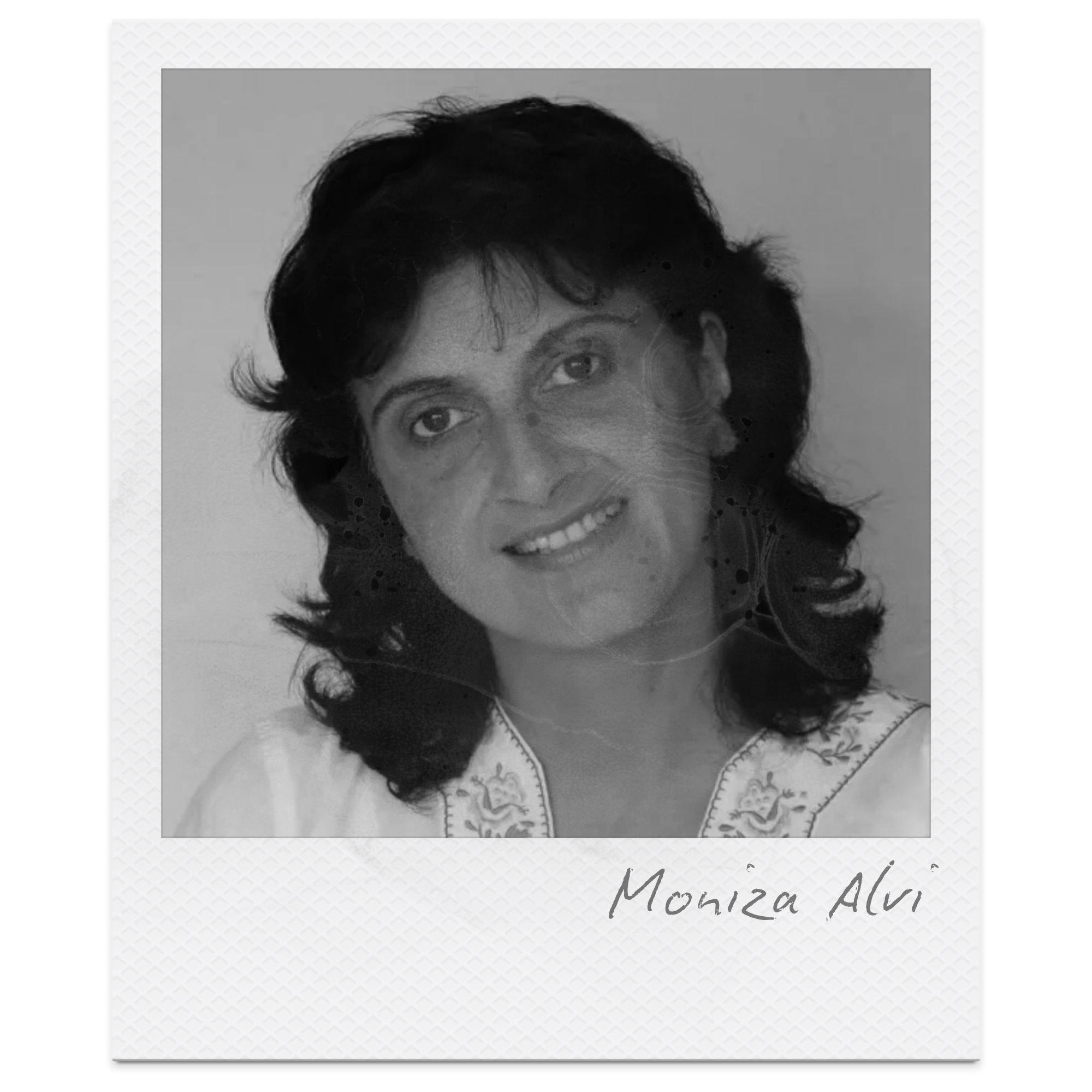
Moniza Alvi (born 1954) is a British poet of Pakistani and English heritage, whose work frequently explores identity, migration, cultural heritage, and the experience of living between different cultures. Growing up in England while maintaining strong connections to her Pakistani family, Alvi often writes about the tensions between inherited traditions and modern Western life, using domestic objects and everyday experiences to examine larger questions of belonging and selfhood.
Published in 1993 as part of her first collection, The Country at My Shoulder, My Aunts Don't Want to Move reflects many of Alvi's recurring concerns. The collection explores how memories, family customs, and cultural practices continue to shape identity even after migration, often presenting home as both a physical place and an emotional or cultural space that people carry with them.
The poem is thought to be inspired by Alvi's visits to relatives in Pakistan, where she observed the close-knit domestic lives of members of her extended family. Rather than criticising their reluctance to move, Alvi presents their home with warmth and complexity, showing how familiar surroundings preserve family traditions while also creating boundaries between the household and the outside world.
Understanding Alvi's bicultural perspective is particularly valuable when reading this poem. Her position between British and Pakistani cultures allows her to appreciate both the comfort and security that tradition offers and the limitations it can sometimes impose. As a result, My Aunts Don't Want to Move explores not simply resistance to change, but the deep emotional connection between home, culture, family, and identity.
My Aunts Don't Want to Move: At a Glance
Form: A free verse lyric poem in three six-line stanzas, using repetition and cyclical structure to reflect the aunts' enclosed and unchanging way of life.
Mood: Intimate, affectionate, reflective, and quietly melancholic.
Central tension: The poem explores the conflict between the security of tradition and home and the possibility of change, movement, and engagement with the wider world.
Core themes: Identity, home, family, cultural heritage, tradition, belonging, migration, gender roles, and change versus continuity.
One-sentence meaning: Through domestic imagery, symbolism, repetition, and contrast, Moniza Alvi presents the family home as both a sanctuary that preserves cultural identity and a space that quietly resists change, revealing the complex relationship between belonging, tradition, and personal freedom.
Quick Summary of My Aunts Don't Want to Move
The poem opens by introducing the speaker's aunts, who remain deeply attached to their home despite living in a "deafening city." They move quickly through their enclosed household, which is presented as a private refuge filled with familiar sights, routines, and memories. The speaker describes the physical details of the house, from its yellow courtyard and waxy plants to its hidden rooms, creating the impression of a self-contained world that protects the family from the unfamiliar outside environment.
As the poem develops, the house becomes a symbol of the family's cultural traditions and established way of life. The speaker observes the roles of different family members, the customs that shape daily life, and the treasured domestic objects that preserve the family's identity. In the final stanza, the home seems almost alive as it "turns itself inside out," revealing its rich traditions through food, jewellery, and everyday rituals. The poem concludes with the image of these possessions existing "just visible on the brink of the world," suggesting that while the family remains connected to a wider society, they choose to preserve their own cultural identity within the protective boundaries of home.
Title, Form, Structure, and Metre
Moniza Alvi uses title, form, structure, and rhythmic variation to reinforce the poem's exploration of home, identity, tradition, and cultural belonging. The poem's free-flowing form mirrors everyday domestic life, while its carefully organised stanzas reveal both the comfort and the constraints of the enclosed household.
Title
The title, My Aunts Don't Want to Move, immediately introduces both the central figures and the poem's central conflict. The use of the possessive pronoun "My" creates an intimate, personal perspective, suggesting that the speaker has a close emotional connection with the women she describes. Rather than presenting them as anonymous figures, Alvi frames the poem as an affectionate observation of family life.
The phrase "Don't Want to Move" initially appears straightforward, implying a simple reluctance to relocate. As the poem develops, however, readers realise that "move" carries both literal and symbolic meanings. It refers not only to leaving the family home but also to resisting cultural change, preserving traditions, and maintaining an established way of life. The title therefore introduces the poem's exploration of the tension between continuity and transformation before the first line is read.
Form and Structure
The poem is written in free verse, allowing Alvi to create the natural rhythms of observation and conversation rather than following a rigid poetic pattern. This conversational quality makes the speaker's reflections feel personal and authentic, while also reflecting the ordinary routines of domestic life.
The poem is organised into three six-line stanzas, each exploring a different aspect of the aunts' relationship with their home. The first stanza introduces the physical house and its enclosed environment. The second shifts towards family relationships, traditions, and social customs within the household. The final stanza broadens the focus to the cultural objects and routines that preserve identity, suggesting that the home itself has become a living expression of heritage.
Each stanza begins with a parallel construction:
"They hug their house around them"
"Their house contracts and holds them."
"They revolve their house before them."
This deliberate repetition creates a cyclical structure that mirrors the repetitive routines of domestic life. It also emphasises the increasingly complex relationship between the women and their home. Initially they embrace the house, then the house appears to embrace them, and finally both people and house seem inseparable as they move together. This gradual shift subtly suggests that home is not merely a building but an extension of personal and cultural identity.
The poem concludes without offering resolution or change. Instead, the final image leaves the household "just visible on the brink of the world," reinforcing the idea that the family continues to exist on the boundary between tradition and modernity. The open ending encourages readers to decide whether this separation represents security, isolation, or both simultaneously.
Rhyme Scheme and Poetic Pattern
Alvi employs free verse with no regular rhyme scheme, avoiding predictable musical patterns. This absence of formal rhyme contributes to the conversational tone and allows the poem to feel like a series of carefully observed memories rather than a highly structured narrative.
Instead of rhyme, cohesion is created through repetition, parallel syntax, and recurring domestic imagery. The repeated references to the house provide structural unity, while subtle sound patterns such as alliteration and consonance create gentle musicality without drawing attention away from the poem's reflective content. This restrained approach reflects the quiet rhythms of everyday family life.
Metre and Rhythmic Movement
The poem does not follow a regular metrical pattern, instead allowing its rhythm to emerge naturally through the flow of speech. This flexible rhythm mirrors the movements of the aunts as they carry out familiar daily routines and contributes to the sense of authenticity that characterises the speaker's observations.
Many lines are heavily enjambed, allowing descriptions to flow across line breaks without interruption. This continuous movement reflects both the interconnected spaces of the house and the uninterrupted routines that define the family's life. For example, descriptions of the courtyard, rooms, and household objects unfold gradually, encouraging readers to move through the house alongside the speaker.
Alvi occasionally slows the rhythm by listing carefully observed details, such as "The ancient wiring, knee-high stoves, / continuous stream of delicacies," inviting readers to pause over the richness of the domestic environment. These lingering moments reinforce the emotional significance of everyday objects, suggesting that they preserve memory, tradition, and cultural identity. Rather than relying on strict metre, Alvi uses rhythmic variation to mirror the lived experience of the household and the quiet continuity of family life.
The Speaker in My Aunts Don't Want to Move
The speaker in My Aunts Don't Want to Move is a reflective family member who observes her aunts with both affection and curiosity. Although the speaker is not explicitly identified as Moniza Alvi, the first-person perspective and intimate knowledge of the household suggest someone who belongs to the family while also maintaining enough distance to reflect critically on its customs. This dual perspective allows the speaker to appreciate the warmth and security of the home while recognising its physical and cultural boundaries.
The speaker's tone is observant, respectful, and gently contemplative rather than judgemental. Rich descriptions of the house and its contents reveal admiration for the family's traditions, yet the recurring emphasis on enclosed spaces, gender roles, and reluctance to embrace change suggests an awareness of the limitations these traditions can create. Because the speaker stands between insider and outsider, the voice reflects Moniza Alvi's broader exploration of bicultural identity, inviting readers to see the home as both a cherished sanctuary and a space shaped by inherited customs. Rather than criticising her aunts' choices, the speaker presents them with empathy, encouraging readers to consider the complex relationship between home, culture, identity, and belonging.
Stanza-by-Stanza Analysis of My Aunts Don't Want to Move
Moniza Alvi carefully structures My Aunts Don't Want to Move so that each stanza gradually reveals the complex relationship between home, identity, and cultural tradition. Through domestic imagery, symbolism, repetition, and contrast, the poem moves beyond a simple description of family life to explore how physical spaces preserve memory, shape behaviour, and define belonging. As the poem progresses, the house becomes more than a building—it becomes a living symbol of cultural identity, simultaneously offering protection, continuity, and quiet isolation.
Stanza 1: Home as Sanctuary and Enclosure
The opening stanza immediately presents the house as far more than a physical building. Through the striking metaphor "They hug their house around them," Alvi suggests that the home functions as a source of protection, comfort, and identity. The unusual phrasing reverses the expected image of people living inside a house; instead, it appears as though the women actively wrap themselves in it, emphasising how inseparable they have become from their domestic world. The verb "hug" conveys warmth, security, and affection, while also hinting at an unwillingness to let go.
The description of the house as "half-underground in a deafening city" immediately establishes a contrast between the calm interior and the overwhelming outside world. The adjective "deafening" creates powerful auditory imagery, suggesting that the city is chaotic, intrusive, and potentially threatening. By contrast, the partially hidden house appears sheltered from this noise, reinforcing the idea that it serves as a refuge where family traditions can survive despite the pressures of modern urban life.
Alvi continues to develop the enclosed atmosphere as the aunts "hurry across the yellow courtyard." The verb "hurry" implies purposeful, habitual movement rather than freedom or exploration. Their lives appear largely confined within the boundaries of the home, suggesting routines that have become deeply ingrained over time. The colour "yellow" introduces warmth and vitality, preventing the setting from feeling oppressive and reminding readers that the speaker views the household with affection as well as curiosity.
The courtyard's "waxy plants and coverless bed" create subtly ambiguous imagery. The adjective "waxy" suggests plants that are carefully preserved yet strangely artificial or static, reflecting a household that resists change. Meanwhile, the "coverless bed" hints at discomfort and the realities of a hot climate, while also suggesting exposure and vulnerability beneath the home's carefully maintained exterior. These details make the domestic setting feel lived-in rather than idealised.
The line "where no one sleeps, sweats and turns" introduces an understated sense of unease. The sensory detail of "sweats and turns" evokes restless nights, suggesting that life within the house is not entirely peaceful despite its protective qualities. This moment complicates the image of home as a perfect sanctuary, hinting that security may also come with physical or emotional constraints.
The stanza ends with the evocative image of "doors to secret, sombre rooms." Through alliteration and sibilance, the phrase creates an atmosphere of quiet mystery and privacy. The adjectives "secret" and "sombre" imply spaces hidden from outsiders, symbolising the family's traditions, memories, and private lives. At the same time, they introduce a subtle sense of isolation, suggesting that while the house preserves cultural identity, it also separates its inhabitants from the wider world. Dallas—rather, Alvi—therefore establishes the poem's central tension from the opening stanza: the home is simultaneously a place of comfort, belonging, and quiet enclosure.
Stanza 2: Tradition, Family, and Gender Roles
The second stanza shifts the focus from the physical structure of the house to the family relationships and social customs that exist within it. While the opening stanza emphasised the aunts' attachment to their home, this stanza reveals how the house itself shapes behaviour and preserves traditional roles. Through personification, symbolism, and carefully chosen domestic details, Alvi presents the home as both a place of security and a space governed by long-established cultural expectations.
The opening statement, "Their house contracts and holds them," gives the building almost human qualities. The personification of the house suggests that it actively embraces and protects its inhabitants. However, the verb "contracts" is deliberately ambiguous. It implies comfort and closeness, but it also suggests shrinking, restriction, and confinement. Alvi therefore introduces the possibility that the same house which preserves family identity may also limit personal freedom.
The description of the "simple brocade sitting-room" reflects this tension between modesty and cultural richness. The adjective "simple" conveys humility, while "brocade", a richly patterned fabric traditionally associated with South Asian textiles, symbolises heritage, craftsmanship, and cultural continuity. The room becomes a physical expression of family identity, blending everyday domestic life with traditions that have been carefully preserved across generations.
Family hierarchy is introduced through the line "where uncle, father, brother preside." The verb "preside" suggests authority, leadership, and control, implying that the male members of the household occupy positions of visible power. Their presence reflects traditional patriarchal family structures in which men are the public figures within the home. Alvi presents this arrangement matter-of-factly rather than critically, allowing readers to consider its significance for themselves.
The following line, "they face each other on the mantelshelf," introduces subtle symbolism. The men appear almost like ornaments or framed photographs displayed on the mantelpiece, suggesting permanence and continuity. At the same time, the image hints that these family roles have become fixed and ceremonial, preserved like treasured objects within the home itself.
The final two lines introduce one of the poem's clearest examples of gendered space. The "dividing curtain / women draw when unknown men appear" symbolises both protection and separation. Literally, the curtain preserves privacy in accordance with cultural customs surrounding modesty. Symbolically, it represents the boundaries that shape women's lives, separating the domestic sphere from the outside world. The verb "draw" implies that this action is habitual and expected, reinforcing how tradition governs everyday behaviour.
The seemingly unrelated "Alpine picture" also carries symbolic significance. Hanging within a Pakistani household, the European mountain scene introduces a quiet reminder of the wider world beyond the house. Yet it remains only a picture—an image viewed from inside rather than a destination to be experienced. Positioned beside the "dividing curtain," it subtly reinforces the poem's central tension between openness and enclosure, suggesting that while the outside world is visible, it remains distant from the carefully protected domestic space.
Stanza 3: Preserving Culture on the Edge of the Wider World
The final stanza presents the house as a living embodiment of the family's cultural identity, revealing how traditions, memories, and everyday objects continue to shape the lives of its inhabitants. Through personification, listing, and symbolic domestic imagery, Alvi broadens the poem's focus from the physical building to the culture it preserves, while leaving readers to consider whether this preservation represents security, isolation, or both.
The opening line, "They revolve their house before them," develops the repeated pattern that begins each stanza. The verb "revolve" suggests continuous circular movement, implying routines that are repeated generation after generation. Unlike physical movement into the outside world, this movement remains centred on the home itself, reinforcing the idea that the family's identity revolves around domestic life and inherited traditions.
This image becomes even more striking with the personification "It turns itself inside out." The house appears almost alive, actively revealing its contents. Symbolically, this suggests that the family's culture is expressed through the ordinary objects and rituals of daily life rather than through grand public displays. The house becomes an outward expression of identity, carrying the family's history and traditions within its walls.
Alvi then presents a carefully crafted list of household details: "The ancient wiring, knee-high stoves, / continuous stream of delicacies." The adjective "ancient" conveys longevity and continuity, suggesting that the house has preserved generations of family life. The practical details of the "wiring" and "stoves" root the poem in everyday domestic experience, while the "continuous stream of delicacies" introduces food as a powerful symbol of hospitality, cultural heritage, and family tradition. The adjective "continuous" implies abundance but also continuity, reinforcing the idea that these customs are sustained across time.
The image of "the bruising bangles waiting in the drawer" is one of the poem's most evocative symbols. Bangles are traditionally associated with femininity, marriage, and cultural identity, making them powerful representations of the women's lives. The adjective "bruising" introduces deliberate ambiguity. On one level, it refers to the physical marks jewellery can leave on the skin through everyday wear. More symbolically, however, it hints that cultural traditions, while precious, may also carry emotional weight or personal sacrifice. The participle "waiting" further suggests suspended lives or traditions patiently preserved until they are needed again, emphasising continuity across generations.
The poem concludes with the memorable phrase "just visible on the brink of the world." This final image leaves the family's home poised between visibility and obscurity. The metaphorical "brink" suggests an edge or threshold where two worlds meet: the private domestic sphere and the wider modern world beyond. The house has not disappeared from society, but neither has it fully entered it. Alvi deliberately leaves this ending open to interpretation. Readers may see the family's position as one of proud cultural preservation, gentle isolation, or a delicate balance between maintaining tradition and existing within an increasingly interconnected world. The ambiguity of the conclusion reinforces the poem's refusal to present home as either wholly liberating or wholly restrictive, instead recognising the complex realities of belonging and cultural identity.
Key Quotes and Methods in My Aunts Don't Want to Move
Moniza Alvi uses symbolism, domestic imagery, personification, contrast, and repetition to explore the complex relationship between home, cultural identity, tradition, and change. These key quotations reveal how the house functions as both a place of belonging and a space that separates its inhabitants from the outside world.
"They hug their house around them"
◆ Technique: Metaphor
◆ Meaning: The house becomes something the aunts wrap around themselves for comfort and protection.
◆ Purpose: Alvi immediately establishes the home as an emotional refuge rather than simply a physical building.
◆ Impact: Readers understand the depth of the women's attachment to their domestic and cultural world.
"half-underground in a deafening city"
◆ Technique: Contrast; auditory imagery
◆ Meaning: The sheltered home is contrasted with the noisy, overwhelming city beyond.
◆ Purpose: Alvi highlights the separation between the family's private world and the modern urban environment.
◆ Impact: Readers sense both the security and isolation of the household.
"secret, sombre rooms"
◆ Technique: Alliteration; symbolism
◆ Meaning: The hidden rooms suggest privacy, mystery, and traditions preserved from outsiders.
◆ Purpose: Alvi reinforces the house as a protected cultural space with its own customs and memories.
◆ Impact: The image creates an atmosphere of intimacy while hinting at emotional and social enclosure.
"Their house contracts and holds them"
◆ Technique: Personification
◆ Meaning: The house appears to physically embrace its inhabitants.
◆ Purpose: Alvi shows that home nurtures and protects the family, while the verb "contracts" also suggests confinement.
◆ Impact: Readers recognise the poem's central ambiguity: home offers both comfort and limitation.
"uncle, father, brother preside"
◆ Technique: Listing; patriarchal imagery
◆ Meaning: Male relatives occupy positions of authority within the household.
◆ Purpose: Alvi presents traditional family hierarchies as an accepted part of domestic life.
◆ Impact: Readers consider how cultural traditions shape family roles and expectations.
"the dividing curtain"
◆ Technique: Symbolism
◆ Meaning: The curtain separates women from unfamiliar men and from the outside world.
◆ Purpose: Alvi symbolises cultural customs surrounding modesty, privacy, and gender roles.
◆ Impact: The image encourages readers to consider whether these traditions provide protection, restriction, or both.
"They revolve their house before them"
◆ Technique: Metaphor
◆ Meaning: The family's life continually centres on the home and its traditions.
◆ Purpose: Alvi suggests that identity is organised around familiar domestic routines.
◆ Impact: Readers appreciate the cyclical, unchanging nature of the family's existence.
"It turns itself inside out"
◆ Technique: Personification
◆ Meaning: The house seems alive, revealing its traditions and memories through its contents.
◆ Purpose: Alvi presents the home as a living expression of cultural identity.
◆ Impact: Readers see the house as much more than a building—it becomes a symbol of heritage itself.
"continuous stream of delicacies"
◆ Technique: Sensory imagery; symbolism
◆ Meaning: Food represents generosity, hospitality, and the continuation of family traditions.
◆ Purpose: Alvi demonstrates how everyday rituals preserve cultural identity across generations.
◆ Impact: The domestic atmosphere feels warm, abundant, and deeply rooted in family life.
"the bruising bangles waiting in the drawer"
◆ Technique: Symbolism; tactile imagery
◆ Meaning: The bangles symbolise femininity, cultural identity, and inherited traditions, while "bruising" introduces the possibility that these traditions may also carry emotional or personal burdens.
◆ Purpose: Alvi presents cultural customs as simultaneously beautiful, valuable, and sometimes restrictive.
◆ Impact: Readers are encouraged to recognise the complexity of tradition rather than viewing it as wholly positive or negative.
"just visible on the brink of the world"
◆ Technique: Metaphor
◆ Meaning: The family occupies a position between private tradition and the wider modern world.
◆ Purpose: Alvi leaves the poem's ending deliberately ambiguous, suggesting that cultural preservation exists alongside a degree of separation from society.
◆ Impact: The final image lingers with readers, prompting reflection on whether the household's isolation represents security, resilience, or quiet marginalisation.
Key Techniques in My Aunts Don't Want to Move
Moniza Alvi combines extended symbolism, domestic imagery, personification, and structural repetition to explore the complex relationship between home, identity, tradition, and cultural belonging. Rather than presenting the family house as a simple setting, she transforms it into a powerful symbol of both protection and limitation, encouraging readers to consider how cultural identity is preserved across generations.
◆ Extended Symbolism – The house functions as the poem's central symbol. It represents not only a physical home but also family history, cultural identity, tradition, and emotional security. As the poem progresses, the house becomes almost inseparable from the people who inhabit it, symbolising the way identity is rooted in place and custom.
◆ Domestic Imagery – Alvi fills the poem with carefully observed domestic details, including the courtyard, brocade sitting-room, knee-high stoves, delicacies, and bangles. These everyday objects ground the poem in ordinary family life while revealing how seemingly simple possessions preserve memory, heritage, and cultural continuity.
◆ Personification – The house is repeatedly given human qualities through phrases such as "Their house contracts and holds them" and "It turns itself inside out." This personification suggests that the home actively protects, shapes, and even controls the lives of its inhabitants, reinforcing its symbolic importance throughout the poem.
◆ Structural Repetition – Each stanza begins with a similar grammatical pattern:
"They hug their house around them."
"Their house contracts and holds them."
"They revolve their house before them."
This repeated structure creates a cyclical rhythm that mirrors the family's repetitive routines and emphasises the enduring relationship between the women and their home. Each repetition also subtly changes the relationship between people and house, suggesting increasing interdependence.
◆ Contrast – Throughout the poem, Alvi contrasts the private domestic world with the outside city. The "deafening city" is set against the enclosed house, while the concluding image of being "on the brink of the world" reinforces the tension between cultural preservation and engagement with wider society. These contrasts highlight the poem's central conflict between security and isolation.
◆ Semantic Field of Home and Domestic Life – The poem develops a sustained semantic field through words such as "house," "courtyard," "rooms," "sitting-room," "mantelshelf," "stoves," "drawer," and "delicacies." This vocabulary continually reinforces the importance of domestic space as the centre of family life, suggesting that identity is shaped through everyday routines and shared traditions.
◆ Symbolic Objects – Individual objects carry meanings beyond their literal function. The brocade symbolises cultural heritage, the dividing curtain represents both modesty and separation, the bangles symbolise femininity and inherited tradition, and the Alpine picture hints at a wider world that remains visible but distant. These symbols enrich the poem's exploration of belonging and cultural identity.
◆ Sensory Imagery – Alvi appeals to multiple senses through descriptions such as the "deafening city," "yellow courtyard," "waxy plants," and "continuous stream of delicacies." This rich sensory detail immerses readers in the household while making its customs and routines feel vivid and authentic.
◆ Enjambment – Frequent enjambment allows descriptions to flow naturally across line breaks, reflecting the continuous rhythms of domestic life and the interconnectedness of the family's routines. The flowing syntax also mirrors the speaker's observational style, as though readers are gradually moving through the house alongside her.
◆ Ambiguity – Alvi deliberately avoids judging her aunts' lifestyle. Images such as the "dividing curtain," "contracts and holds," and "bruising bangles" can be interpreted as either protective or restrictive. This ambiguity is one of the poem's greatest strengths, encouraging readers to consider multiple perspectives on home, tradition, gender, and cultural belonging rather than arriving at a single definitive interpretation.
How the Writer Creates Meaning and Impact in My Aunts Don't Want to Move
Moniza Alvi creates meaning in My Aunts Don't Want to Move by combining symbolism, domestic imagery, personification, repetition, and contrast to present the family home as both a place of comfort and a space of quiet confinement. Rather than judging her aunts' way of life, Alvi explores the emotional complexity of preserving cultural identity, showing that tradition can provide belonging while also creating boundaries between individuals and the wider world.
◆ Language: Presenting Home as Both Protective and Restrictive – Alvi's carefully chosen verbs shape the reader's understanding of the house. Words such as "hug," "holds," and "revolve" suggest warmth, intimacy, and emotional security, while verbs like "contracts" introduce subtle suggestions of restriction. This deliberate ambiguity prevents readers from viewing the home as either entirely positive or entirely limiting, reflecting the complex realities of family life and cultural tradition.
◆ Symbolism: The House as an Extension of Identity – The house develops into the poem's central symbol. It represents far more than a physical building, becoming a repository for family history, cultural heritage, and shared memory. As the relationship between the women and the house becomes increasingly intertwined, Alvi suggests that identity is shaped by the spaces we inhabit and the traditions we preserve within them.
◆ Domestic Imagery: Revealing Culture Through Everyday Objects – Rather than relying on abstract discussion, Alvi uses ordinary household details such as the brocade sitting-room, knee-high stoves, delicacies, and bangles to reveal the richness of family life. These domestic images demonstrate that cultural identity is maintained through everyday rituals and possessions, allowing readers to understand how traditions are quietly passed from one generation to the next.
◆ Structure: Deepening the Relationship Between Family and Home – The poem's three stanzas gradually shift the reader's focus from the physical house to the family relationships within it before finally exploring the symbolic importance of its objects and customs. The repeated opening lines create a cyclical structure that mirrors the repetitive rhythms of domestic life, reinforcing the sense of continuity that defines the household.
◆ Contrast: Home and the Outside World – Throughout the poem, Alvi contrasts the enclosed family home with the "deafening city" beyond its walls. The peaceful domestic environment stands in opposition to the noise and uncertainty of the outside world, suggesting why the aunts are reluctant to leave. At the same time, this contrast raises questions about whether security comes at the cost of isolation, encouraging readers to consider both perspectives.
◆ Gender and Space: Tradition Shaping Daily Life – Through images such as "uncle, father, brother preside" and "the dividing curtain / women draw when unknown men appear," Alvi demonstrates how domestic space is organised by cultural expectations and traditional gender roles. Rather than openly criticising these customs, she presents them as an accepted part of everyday life, allowing readers to reflect on the balance between cultural continuity and personal freedom.
◆ The Ending: Existing on the Brink of Two Worlds – The final image of the house being "just visible on the brink of the world" leaves the poem deliberately unresolved. The metaphorical "brink" suggests a threshold between tradition and modernity, visibility and isolation, belonging and separation. By refusing to offer a clear judgement, Alvi encourages readers to appreciate the emotional complexity of maintaining cultural identity in a changing world. The ending therefore reinforces the poem's central message: home is not simply a place where people live, but a living expression of memory, family, culture, and belonging that exists in constant negotiation with the wider world.
Themes in My Aunts Don't Want to Move
In My Aunts Don't Want to Move, Moniza Alvi explores how home, family, and cultural traditions shape personal identity. Through domestic imagery, symbolism, repetition, and contrast, she presents the family home as both a sanctuary that preserves heritage and a space that quietly resists change. Rather than offering simple answers, Alvi encourages readers to consider the complexities of belonging, migration, and maintaining cultural identity in a changing world.
Identity
Identity is one of the poem's central concerns. Alvi suggests that identity is not formed solely through individual experience but through family, culture, and place. The repeated focus on the house demonstrates how the aunts' sense of self has become inseparable from their domestic environment. Through the central symbol of the house, Alvi presents identity as something carefully preserved through everyday routines, relationships, and traditions rather than something that exists independently.
Home
The house functions as far more than a physical setting; it becomes a symbol of security, memory, and cultural continuity. Images such as "They hug their house around them" and "Their house contracts and holds them" suggest that home offers warmth and protection while also shaping the lives of those within it. Alvi deliberately presents home as emotionally complex, allowing it to represent both comfort and enclosure.
Family
Family relationships structure almost every aspect of the poem. The references to "uncle, father, brother" establish a close-knit household where different generations and family members share traditions and responsibilities. Meanwhile, the repeated use of "they" emphasises collective identity rather than individual experience. Alvi suggests that family provides stability and belonging, while also reinforcing established customs that continue across generations.
Cultural Heritage
The poem celebrates the preservation of cultural heritage through ordinary domestic life. Rather than discussing culture in abstract terms, Alvi uses symbols such as the brocade sitting-room, delicacies, bangles, and dividing curtain to demonstrate how traditions are woven into everyday routines. These familiar objects become powerful reminders that heritage is often maintained through daily practices rather than grand public ceremonies.
Tradition
Tradition is presented as a source of continuity and reassurance throughout the poem. The cyclical repetition that opens each stanza mirrors the repetitive rhythms of family life, suggesting customs that have remained unchanged over time. However, Alvi avoids presenting tradition as either wholly positive or restrictive. Instead, she acknowledges its ability to preserve identity while subtly questioning whether it may also discourage change and personal freedom.
Belonging
Belonging is closely connected to the idea of home. The aunts appear deeply rooted within their domestic world, finding comfort in familiar surroundings and shared cultural practices. The final image of the house existing "on the brink of the world" suggests that belonging does not necessarily require participation in the wider society. Instead, Alvi proposes that belonging can be created through family, memory, and shared traditions, even when these exist at the margins of the outside world.
Migration
Although migration is never directly described, it forms an important context for the poem. The family's determination to preserve familiar customs suggests an awareness of cultural displacement and the importance of maintaining connections with inherited traditions. Through the speaker's bicultural perspective, Alvi explores how migrant communities often recreate a sense of home within domestic spaces, allowing cultural identity to survive across generations despite living in a different environment.
Gender Roles
Traditional gender roles are quietly embedded throughout the household. The men "preside" in the sitting room, while the women draw "the dividing curtain / when unknown men appear." These details reveal how cultural expectations shape behaviour within the home. Rather than openly criticising these customs, Alvi presents them with nuance, encouraging readers to consider both the protection and the limitations that traditional gender roles may provide.
Change Versus Continuity
The poem continually explores the tension between preserving tradition and embracing change. The title itself introduces resistance to movement, while the repeated focus on the house reinforces continuity and stability. Yet images such as the "deafening city" and the final position "on the brink of the world" remind readers that change exists just beyond the household's boundaries. Alvi deliberately leaves this tension unresolved, suggesting that cultural identity is sustained through a careful balance between honouring the past and negotiating the realities of the present.
Alternative Interpretations of My Aunts Don't Want to Move
Although My Aunts Don't Want to Move appears to be a simple portrait of domestic family life, Moniza Alvi leaves the poem open to a range of interpretations. Through symbolism, domestic imagery, personification, and structural repetition, the poem can be read as an exploration of cultural identity, migration, gender, and the complex relationship between security and freedom.
Postcolonial Interpretation: Preserving Identity in a Changing World
From a postcolonial perspective, the poem explores how migrant or diasporic communities preserve their cultural identity while living alongside a dominant culture. The house becomes a symbolic space where traditions, language, customs, and family values are protected from the pressures of assimilation. Images such as the brocade sitting-room, dividing curtain, and continuous stream of delicacies suggest that culture survives through everyday rituals rather than public declarations. The final image of the house existing "on the brink of the world" may symbolise the experience of living between two cultures—visible within wider society yet remaining firmly rooted in one's own heritage.
Feminist Interpretation: Domestic Space as Protection and Constraint
A feminist reading focuses on the experiences of the women within the household. The poem repeatedly places the aunts inside enclosed domestic spaces, while male relatives "preside" and women draw "the dividing curtain / when unknown men appear." These details reflect traditional gender roles in which women's lives are closely associated with the home. However, Alvi avoids presenting the women as powerless victims. Instead, the house can also be interpreted as a place of female community, continuity, and cultural authority. The poem therefore invites readers to question whether domestic life represents confinement, empowerment, or a complex combination of both.
Psychological Interpretation: Home as Emotional Security
From a psychological perspective, the house represents emotional stability and the human desire for familiarity. The repeated images of embracing, holding, and revolving around the house suggest that the aunts find comfort in routines that provide certainty in an unpredictable world. Their reluctance to move may therefore reflect a universal fear of change rather than simply cultural conservatism. The poem suggests that familiar surroundings become part of personal identity, making the prospect of leaving them feel like losing a part of oneself.
Cultural Interpretation: Home as a Living Archive
The poem can also be read as a celebration of cultural continuity. Rather than presenting the house as old-fashioned or isolated, Alvi portrays it as a living archive where traditions are actively preserved through food, clothing, family rituals, and shared memories. Everyday objects such as the bangles, stoves, and brocade become repositories of history and identity. In this interpretation, the house symbolises resilience, demonstrating how culture is sustained not through monuments or institutions but through ordinary domestic life and the quiet continuity of family traditions.
Exam-Ready Insight for My Aunts Don't Want to Move
Strong responses to My Aunts Don't Want to Move recognise that the poem is not simply about relatives who refuse to leave their home. Instead, Moniza Alvi uses the house as an extended symbol for identity, cultural heritage, and belonging, while exploring the tensions between tradition and change, security and isolation, and private and public life. The strongest essays analyse how these ideas are created through language, imagery, structure, and symbolism rather than simply describing the family's lifestyle.
What Strong Responses Do
◆ Develop a clear interpretation of the house as both a physical setting and a symbolic representation of culture and identity.
◆ Analyse Alvi's methods closely, particularly her use of symbolism, domestic imagery, personification, and repetition.
◆ Explore the structural progression across the three stanzas, showing how the poem moves from describing the house, to examining family relationships, to revealing the cultural objects that preserve identity.
◆ Discuss the poem's deliberate ambiguity, recognising that the house is presented as both protective and restrictive.
◆ Comment on gender roles, analysing how details such as "uncle, father, brother preside" and the "dividing curtain" reveal traditional family structures without reducing the poem to a simple criticism of them.
◆ Select concise quotations and explore individual words in detail rather than relying on lengthy quotation or paraphrase.
Common Mistakes to Avoid
◆ Treating the poem as simply being about refusing to move house.
◆ Assuming Alvi criticises her aunts or their traditions.
◆ Ignoring the symbolic significance of the house and focusing only on its physical description.
◆ Describing cultural customs without analysing how Alvi presents them through imagery and symbolism.
◆ Listing literary techniques without explaining their contribution to meaning and reader response.
Strong Thesis Statement
In My Aunts Don't Want to Move, Moniza Alvi uses symbolism, domestic imagery, personification, and structural repetition to present the family home as both a sanctuary that preserves cultural identity and a space that quietly resists change, revealing the complex relationship between belonging, tradition, and personal freedom.
Model Analytical Paragraph
Alvi presents the house as both a place of comfort and a symbol of cultural identity through the opening metaphor, "They hug their house around them." The verb "hug" immediately suggests warmth, affection, and emotional security, implying that the aunts find protection within the familiar surroundings of their home. However, the unusual phrasing also blurs the distinction between the women and the house, suggesting that their identities have become inseparable from the domestic space they inhabit. This idea develops later when the house "contracts and holds them," where the personification makes the building appear almost alive. While "holds" conveys safety and belonging, "contracts" introduces a subtle sense of confinement, suggesting that the same traditions which preserve cultural identity may also limit personal freedom. By presenting the house through these deliberately ambiguous images, Alvi avoids judging her aunts' lifestyle. Instead, she encourages readers to recognise that home can simultaneously represent security, heritage, and continuity, while also creating boundaries that separate individuals from the wider world. Through this extended symbolism, the poem suggests that cultural identity is sustained through everyday domestic life, even as it negotiates the tensions between preserving tradition and embracing change.
Teaching Ideas for My Aunts Don't Want to Move
These classroom activities help students explore how Moniza Alvi uses symbolism, domestic imagery, structure, and voice to examine home, identity, cultural heritage, and belonging. Each activity encourages close textual analysis while developing the evaluative skills required for success in CIE IGCSE Literature in English (0475).
1. Collaborative Analytical Paragraph
Working in pairs, students choose one quotation that best represents the relationship between the aunts and their house. They should write a detailed analytical paragraph explaining how Alvi uses language and symbolism to present the home as both protective and restrictive.
How does your quotation reveal the poem's central ideas?
Which words are most significant, and why?
What effect does Alvi create for the reader?
2. Structured Group Close Analysis
Divide the class into three groups, assigning each group one stanza. Students should explore how their stanza develops the poem's presentation of home, family, and cultural identity before sharing their findings with the class. Together, students can trace how the poem progresses from describing the physical house to exploring its symbolic significance.
What new ideas are introduced in your stanza?
Which literary methods are most important?
How does your stanza contribute to the poem's overall message?
3. Symbol Tracking Activity
Ask students to identify the poem's most significant symbols, including the house, dividing curtain, brocade, bangles, and Alpine picture. Students should explain both the literal and symbolic meanings of each object before discussing how these symbols develop the poem's exploration of identity and cultural heritage. This activity encourages close reading while helping students move beyond simple feature spotting.
Which symbol do you think is the most important, and why?
How do the symbols work together to create the poem's message?
Do any symbols have more than one possible interpretation?
4. Creative Writing Task
Invite students to write a descriptive piece or poem about a room, building, or object that represents an important part of their own identity or family history. Encourage them to use symbolism, sensory imagery, and carefully chosen domestic details to show how ordinary places and possessions can hold powerful emotional meaning. For more creative writing ideas and classroom activities, visit the Creative Writing Archive.
Write about a home that reveals the people who live there without directly describing them.
Describe an everyday object that represents your family's history or traditions.
Write from the perspective of a house observing the generations that have lived within it.
Go Deeper into My Aunts Don't Want to Move
If you found My Aunts Don't Want to Move thought-provoking, exploring other texts that examine home, identity, cultural heritage, and belonging will deepen your understanding of Alvi's ideas. Many writers use domestic spaces and family relationships to explore the complexities of migration, tradition, and personal identity. Comparing these texts will strengthen your ability to discuss language, structure, symbolism, and different perspectives in comparative essays.
◆ Presents from my Aunts in Pakistan – Moniza Alvi – Perhaps the strongest comparison. Both poems explore bicultural identity and the pull between British and Pakistani cultures. While Presents from my Aunts in Pakistan focuses on the speaker's internal conflict between two identities, My Aunts Don't Want to Move examines relatives who find security in preserving tradition within the home. Both poems use everyday objects as powerful symbols of culture and belonging.
◆ Search for My Tongue – Sujata Bhatt – Both poets explore cultural identity and the challenge of living between different cultures. Bhatt uses the metaphor of language to represent heritage and belonging, while Alvi uses the family home and its domestic objects. Together, the poems explore how identity can be preserved even when people live far from their cultural roots.
◆ Half-caste – John Agard – Like Alvi, Agard challenges assumptions about identity and cultural belonging. While Agard directly confronts prejudice and stereotypes through humour and dialect, Alvi takes a quieter, more reflective approach. Comparing the two reveals different ways poets celebrate complex cultural identities and question simplistic views of heritage.
◆ Piano – D. H. Lawrence – Both poems show how memories of home shape identity through sensory detail. Lawrence's speaker is transported back to childhood through music, while Alvi's aunts preserve memory through domestic objects, food, and familiar routines. Both poets demonstrate that home is as much an emotional experience as a physical place.
◆ The Necklace – Guy de Maupassant – Although written in a different form, both texts explore how everyday objects carry symbolic significance. Alvi's bangles, brocade, and curtain reveal cultural identity and family tradition, while Maupassant uses the necklace to explore appearance, social status, and aspiration. Comparing the symbolism in both texts offers rich opportunities for analysing how ordinary possessions reveal deeper truths.
◆ The Emigrée – Carol Rumens – Both poems examine the emotional relationship between people and place, but from contrasting perspectives. Rumens idealises a homeland remembered from afar, while Alvi explores people who preserve their homeland through the domestic space they have created. Both poems ask what it means to belong to a place when identity is shaped by memory, culture, and experience.
◆ Nothing's Changed – Tatamkhulu Afrika – Both poets investigate the relationship between people and place, but from very different social and political perspectives. Afrika presents a landscape transformed by apartheid and exclusion, whereas Alvi explores a private household that preserves continuity and cultural identity. Comparing the significance of place in both poems highlights how environments shape personal identity and belonging.
◆ The Border Builder – Carol Rumens – Both poems consider the boundaries that separate people, although in different ways. Rumens explores physical and political borders, while Alvi focuses on the quieter boundaries created by family traditions, gender roles, and domestic space. Together, the poems encourage readers to think about both visible and invisible forms of division, and how they influence identity and belonging.
Final Thoughts
Moniza Alvi's My Aunts Don't Want to Move is a nuanced exploration of home, identity, and cultural belonging, revealing how the spaces we inhabit become deeply intertwined with who we are. Through symbolism, domestic imagery, personification, and structural repetition, Alvi transforms an ordinary family house into a powerful representation of heritage, memory, and tradition. Rather than presenting the home as either wholly comforting or restrictive, she embraces its complexity, showing that the same traditions which preserve identity can also create boundaries between the household and the wider world.
The poem ultimately resists easy judgement. Instead, it encourages readers to appreciate the emotional significance of familiar places, family rituals, and inherited customs, while reflecting on the tensions between continuity and change, security and freedom, and private identity and public life. By ending with the house "just visible on the brink of the world," Alvi leaves readers with an image that is both hopeful and uncertain, reminding us that belonging is rarely simple. It is often shaped by the delicate balance between preserving the past and engaging with an ever-changing present.
If you're revising Songs of Ourselves Volume 3, explore the Songs of Ourselves Volume 3 Hub for detailed analyses of every poem in the anthology. You can also discover more poetry, prose, and drama resources in the Literature Library to strengthen your literary understanding and build confident, perceptive exam responses.
Choose Your Next Text