70 Gothic Halloween Writing Prompts: Haunted Houses, Cursed Legends & Dark Autumn Nights
As autumn nights grow longer and mist settles over quiet villages, Gothic Halloween stories invite us into worlds where beauty and terror exist side by side. Ancient manor houses hide long-buried secrets, forgotten cemeteries awaken beneath the full moon, and lonely forests seem to whisper warnings to anyone brave enough to enter. Combining the rich atmosphere of Gothic fiction with the eerie traditions of Halloween creates the perfect setting for stories filled with mystery, suspense, supernatural encounters, and unforgettable characters.
Classic Gothic literature has shaped our fascination with haunted places and the unknown for centuries. Novels such as Dracula by Bram Stoker, Frankenstein by Mary Shelley, The Castle of Otranto by Horace Walpole, and the ghostly tales of Edgar Allan Poe all explore themes of fear, isolation, obsession, and the supernatural. These timeless works continue to influence modern Halloween storytelling, inspiring everything from haunted house novels and supernatural mysteries to gothic romance and dark fantasy.
Whether your story follows a curious teenager exploring an abandoned manor, a witch uncovering an ancient family curse, a ghost seeking justice after centuries of silence, or a village preparing for a Halloween ritual that should never have been revived, Gothic Halloween fiction thrives on atmosphere as much as plot. Fog-covered graveyards, flickering candlelight, crumbling castles, forgotten churches, cursed forests, and harvest festivals all provide rich settings where every shadow hints at another secret waiting to be uncovered.
This collection of 70 Gothic Halloween Writing Prompts is designed as a complete creative toolkit, featuring plot hooks, title ideas, opening lines, closing lines, character ideas, setting prompts, and cinematic visual inspiration. From haunted mansions and cursed relics to mysterious strangers, forgotten folklore, and moonlit forests, these prompts will help you craft stories that capture both the haunting elegance of Gothic fiction and the chilling excitement of Halloween.
If you're looking for even more dark and atmospheric inspiration, explore the Gothic Writing Hub or browse the Creative Writing Archive, where you'll find hundreds of creative writing prompts, story ideas, character inspiration, and seasonal resources to spark your next tale.

1. Plot Hooks
Great Gothic Halloween stories often begin with an unsettling discovery, an old tradition returning, or a place where something feels quietly wrong. These prompts are designed to inspire eerie mysteries, haunted landscapes, supernatural encounters, and dark tales where every shadow hides another secret.
Write about a family who moves into an abandoned manor just before Halloween, only to discover every portrait changes after sunset.
Write about a village where no one is allowed to leave their home once the church bell rings on Halloween night.
Write about a young historian who uncovers a forgotten diary describing a ritual due to be performed again this Halloween.
Write about a scarecrow that appears in a different location every morning, always watching the same person.
Write about a mysterious masked guest who arrives at an annual Halloween masquerade despite having died decades earlier.
Write about a cemetery where every gravestone begins displaying tomorrow's date.
Write about an ancient oak tree that grants visitors one conversation with the dead—but always demands something in return.
Write about a candlelit procession through the woods that only appears once every hundred years on Halloween.
Write about a child who discovers their new imaginary friend is the ghost of the manor's last owner.
Write about a forgotten harvest festival that accidentally awakens something buried beneath the village.
2. Title Ideas
A memorable Gothic Halloween title should evoke mystery, atmosphere, and a sense of creeping dread before the story even begins. These titles can be used as they are or adapted to inspire your own dark tales.
The Last Harvest Moon
Beneath Black Briar Manor
The Hollow Bell
When the Ravens Gather
The House That Remembered
Candlelight at Ash Hollow
The Thirteenth Invitation
The Cemetery Beyond the Mist
The Widow's Orchard
Shadows Before Midnight
3. Opening Lines
A strong opening immediately establishes mood, drawing readers into a world where ordinary places conceal extraordinary horrors. These opening lines hint at ancient secrets, supernatural events, and unsettling mysteries.
The first raven arrived three days before Halloween, carrying a key no one recognised.
Everyone in Blackwood knew the old manor should remain empty after dark.
The invitation was written in handwriting that belonged to my grandmother, who had been dead for thirty years.
The church clock stopped at midnight every Halloween, but this year it never started again.
I wasn't afraid of the cemetery until someone waved at me from inside it.
Every pumpkin on the village green was carved with the same unfamiliar face.
The fog rolled in before sunset and never lifted.
The house had stood abandoned for generations, yet smoke curled from its chimney on Halloween morning.
We thought the footsteps belonged to trick-or-treaters until they continued long after dawn.
The scarecrow turned its head the moment I looked away.
4. Closing Lines
Many Gothic Halloween stories end with lingering uncertainty rather than simple resolution. These closing lines leave readers wondering whether the darkness has truly disappeared—or merely gone back to sleep.
The manor stood empty once more, waiting patiently for next Halloween.
When the first frost arrived, every trace of the village had vanished.
Some doors should never be opened twice.
The bell rang one final time, though no one remained to hear it.
The ravens circled overhead as another invitation appeared on the doorstep.
By sunrise, every pumpkin had rotted except one.
The portrait smiled long after everyone else had left.
Whatever answered our ritual was still watching from the trees.
The old legend had been true all along.
Next Halloween, someone else would hear the whisper calling their name.
5. Character Ideas
Compelling Gothic Halloween stories are driven by flawed, curious, and often haunted characters. Whether hero, villain, or something in between, these figures carry secrets that shape the darkness surrounding them.
A reclusive groundskeeper who has secretly protected an ancient cemetery for decades.
A sceptical journalist determined to expose a haunted village as a hoax.
A witch whose family has guarded the same Halloween ritual for centuries.
A grieving widow convinced her late husband returns every Halloween.
A librarian who discovers forbidden folklore hidden inside ordinary books.
A child who can see ghosts but believes everyone else can too.
An antique collector unknowingly assembling the pieces of a cursed relic.
A village priest struggling to hide the truth behind generations of disappearances.
A travelling fortune teller whose predictions become frighteningly accurate each Halloween.
A ghost trapped inside an abandoned theatre, desperate to finish one final performance.
6. Setting Ideas
Atmosphere lies at the heart of Gothic Halloween fiction. These settings combine autumn landscapes, decaying architecture, and supernatural history to create unforgettable places where every corner holds another mystery.
A crumbling manor surrounded by an overgrown hedge maze.
A forgotten cemetery hidden beneath twisting woodland paths.
A Victorian village celebrating an unsettling harvest festival.
An abandoned abbey overlooking windswept cliffs and a restless sea.
A forest where lanterns appear every Halloween despite no one living nearby.
A hilltop church with a bell that rings without human hands.
A ruined greenhouse filled with poisonous flowers that bloom only at midnight.
A quiet town where every house displays identical carved pumpkins each October.
An isolated boarding school preparing for its annual Halloween ball.
A mist-covered lake where abandoned boats drift without passengers.
7. Picture Prompts
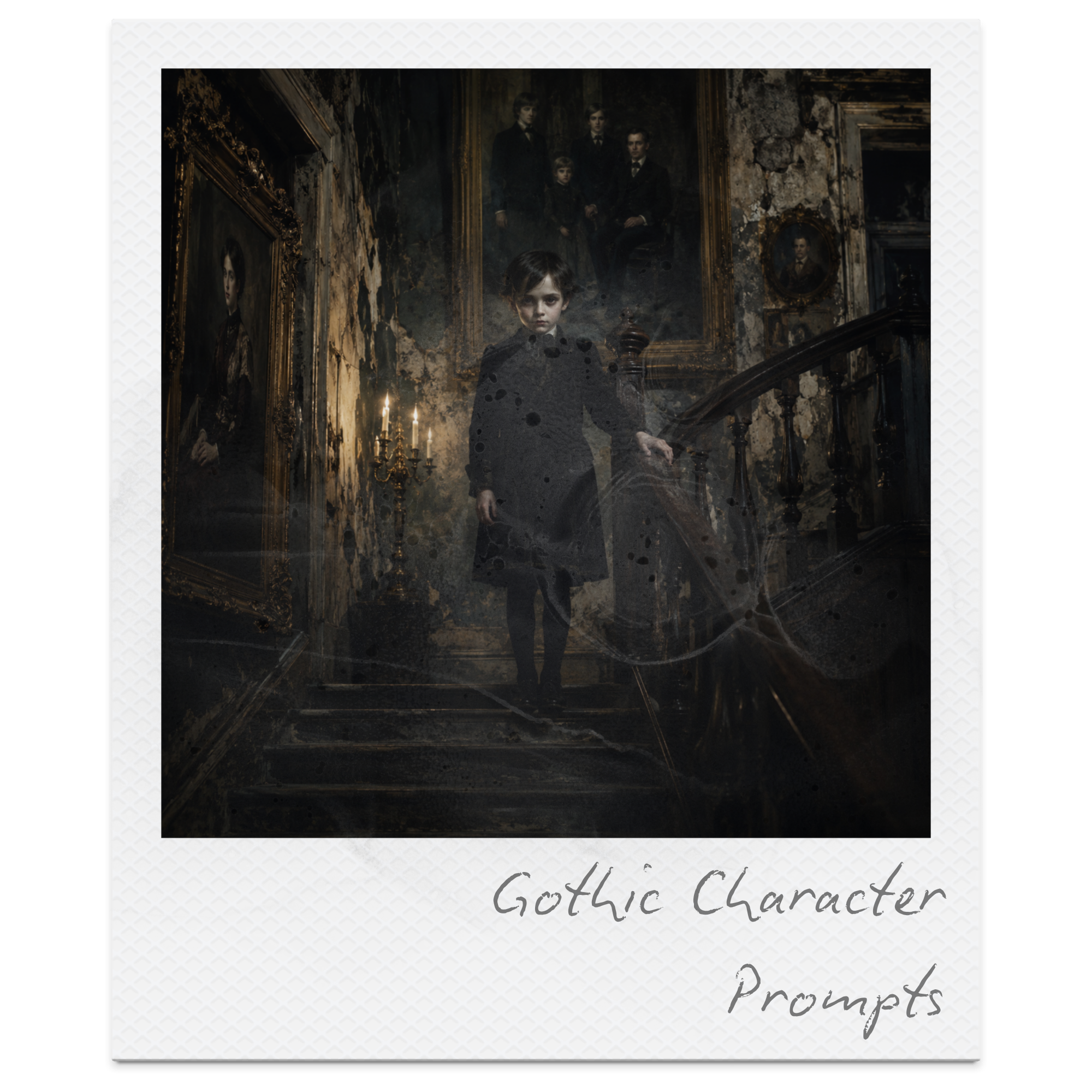
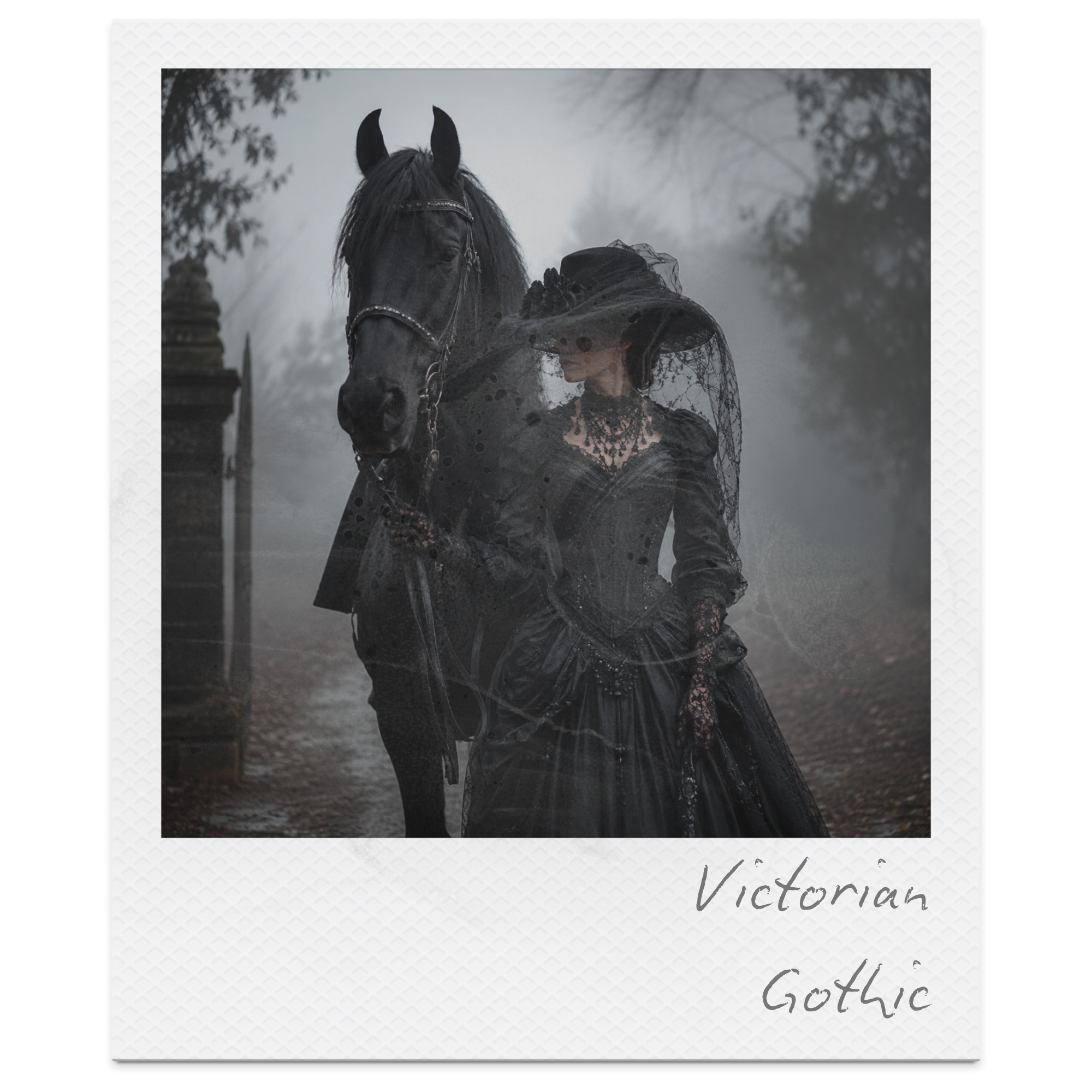
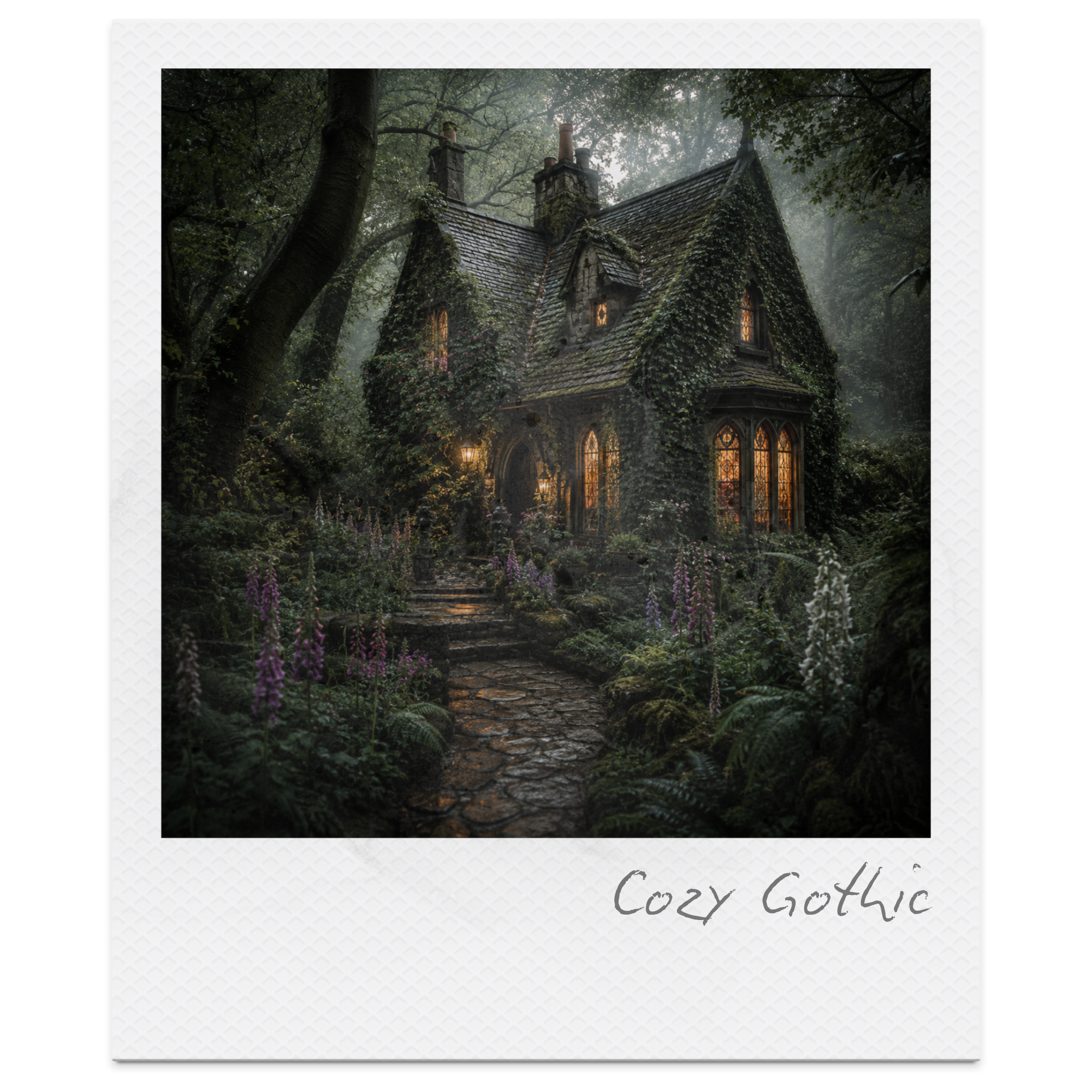
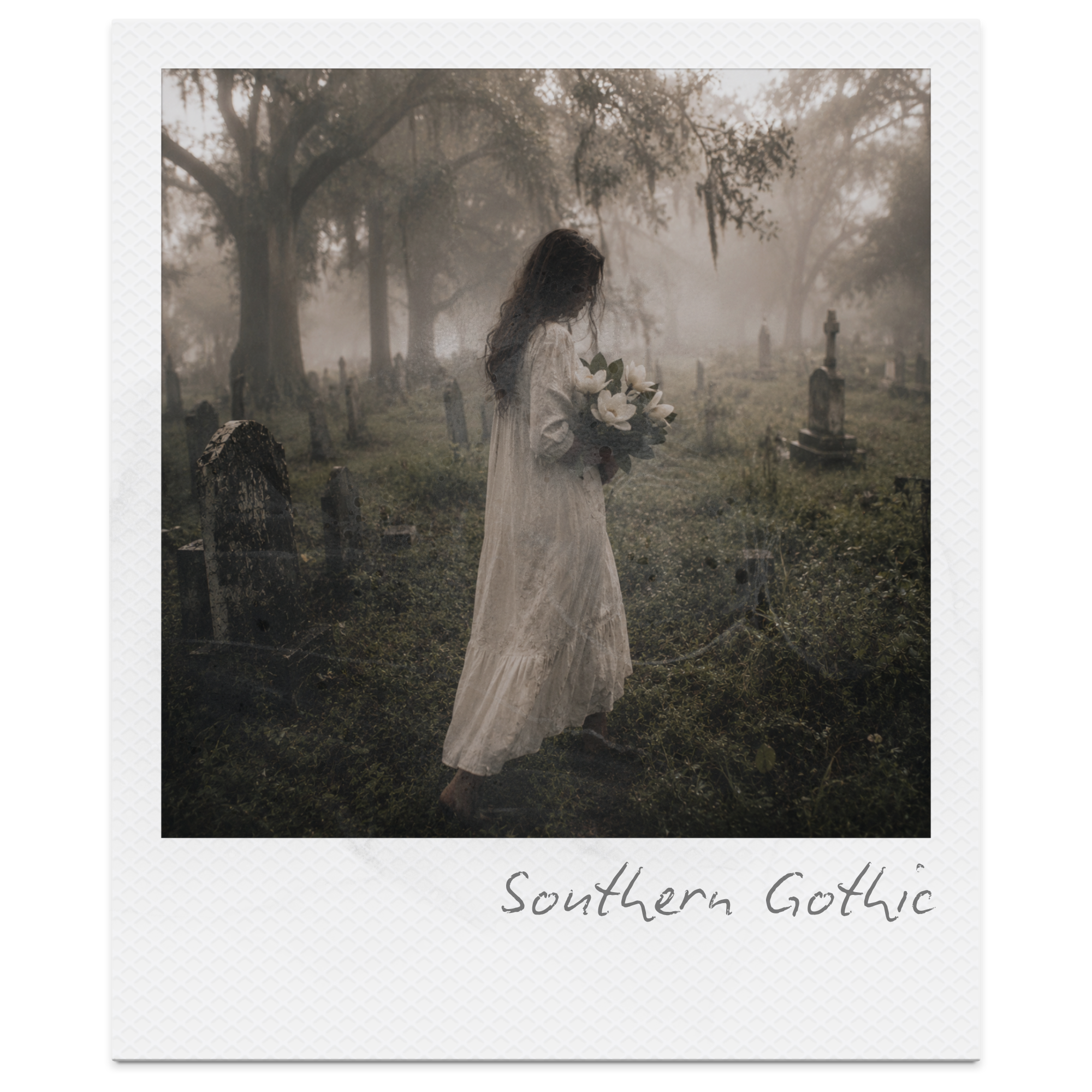
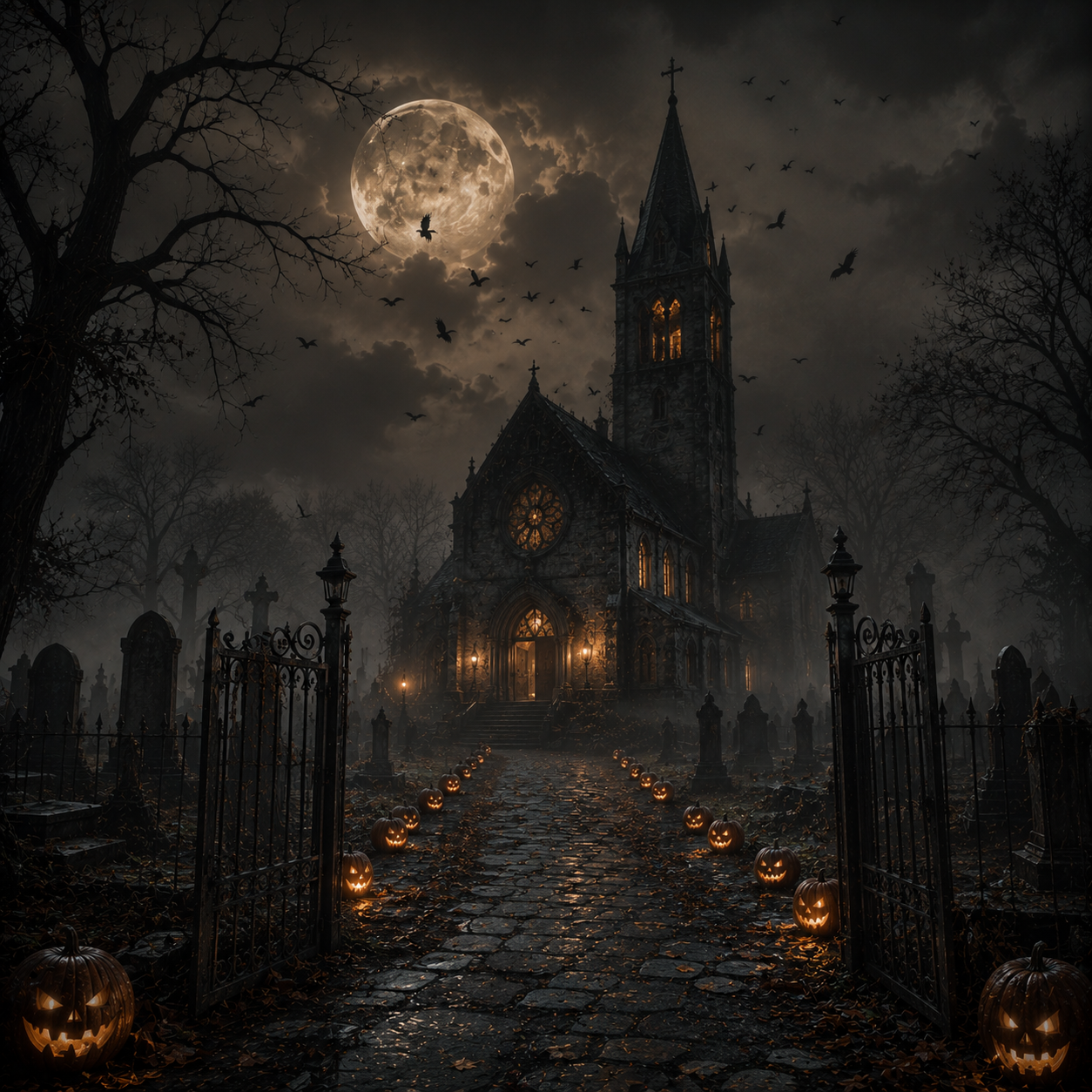
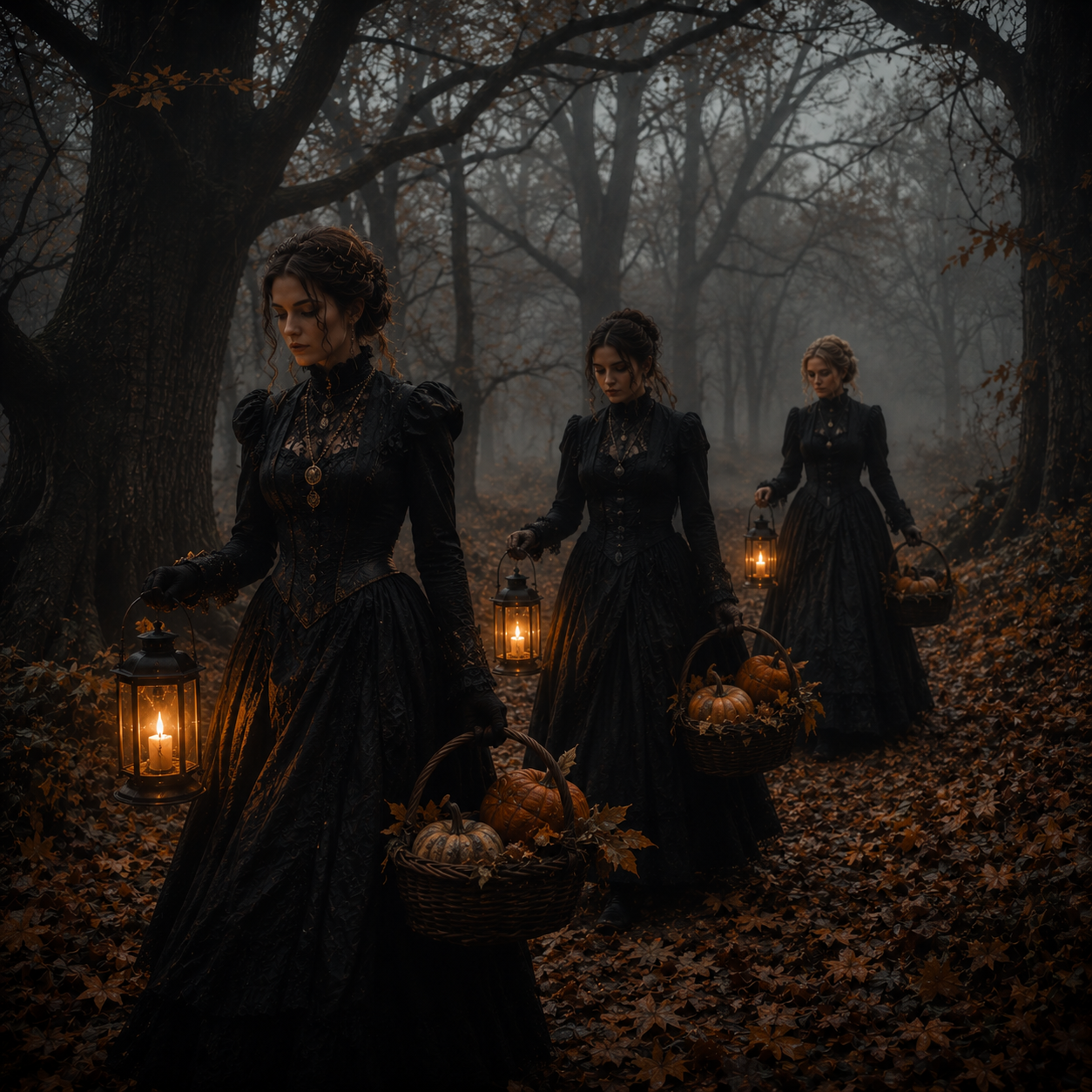
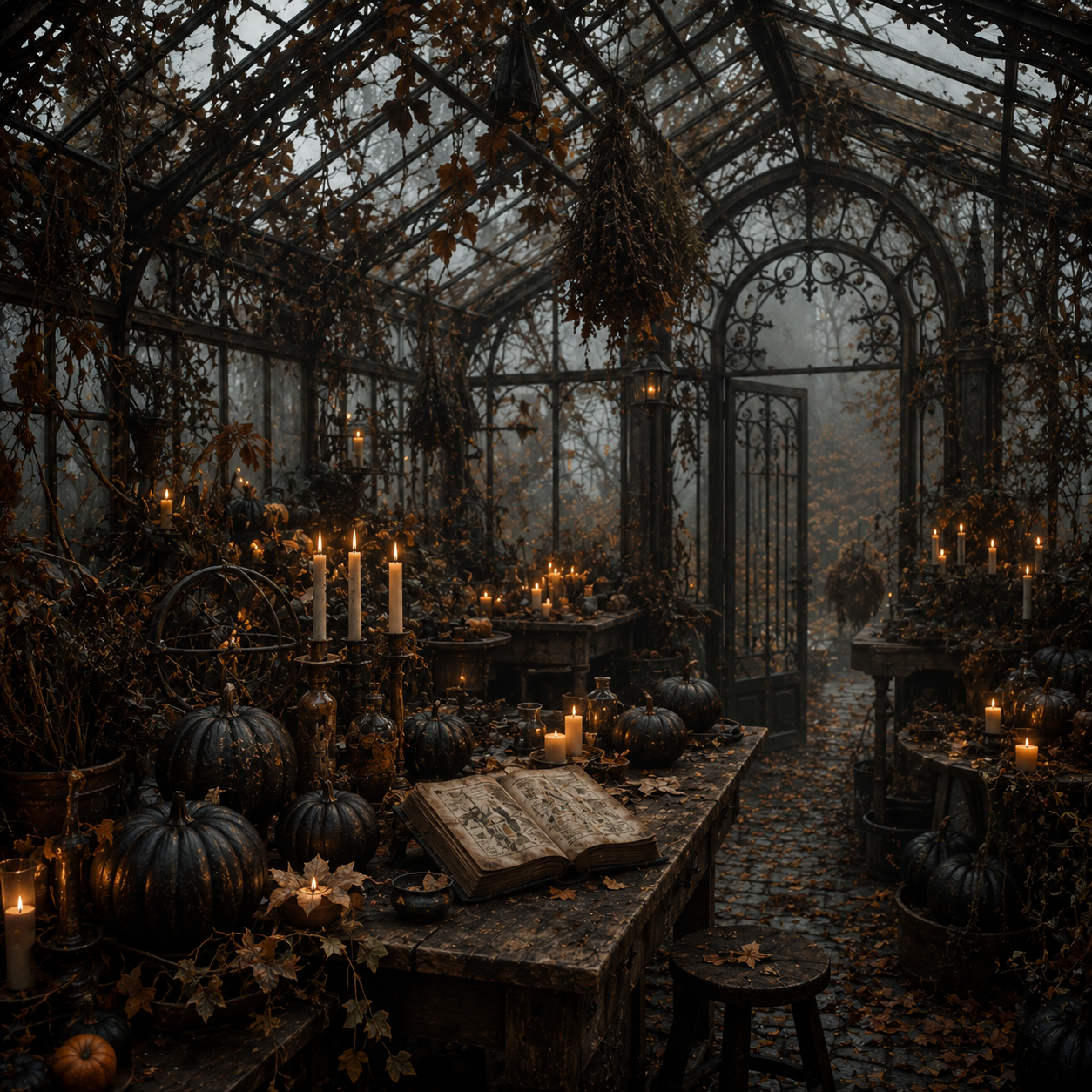
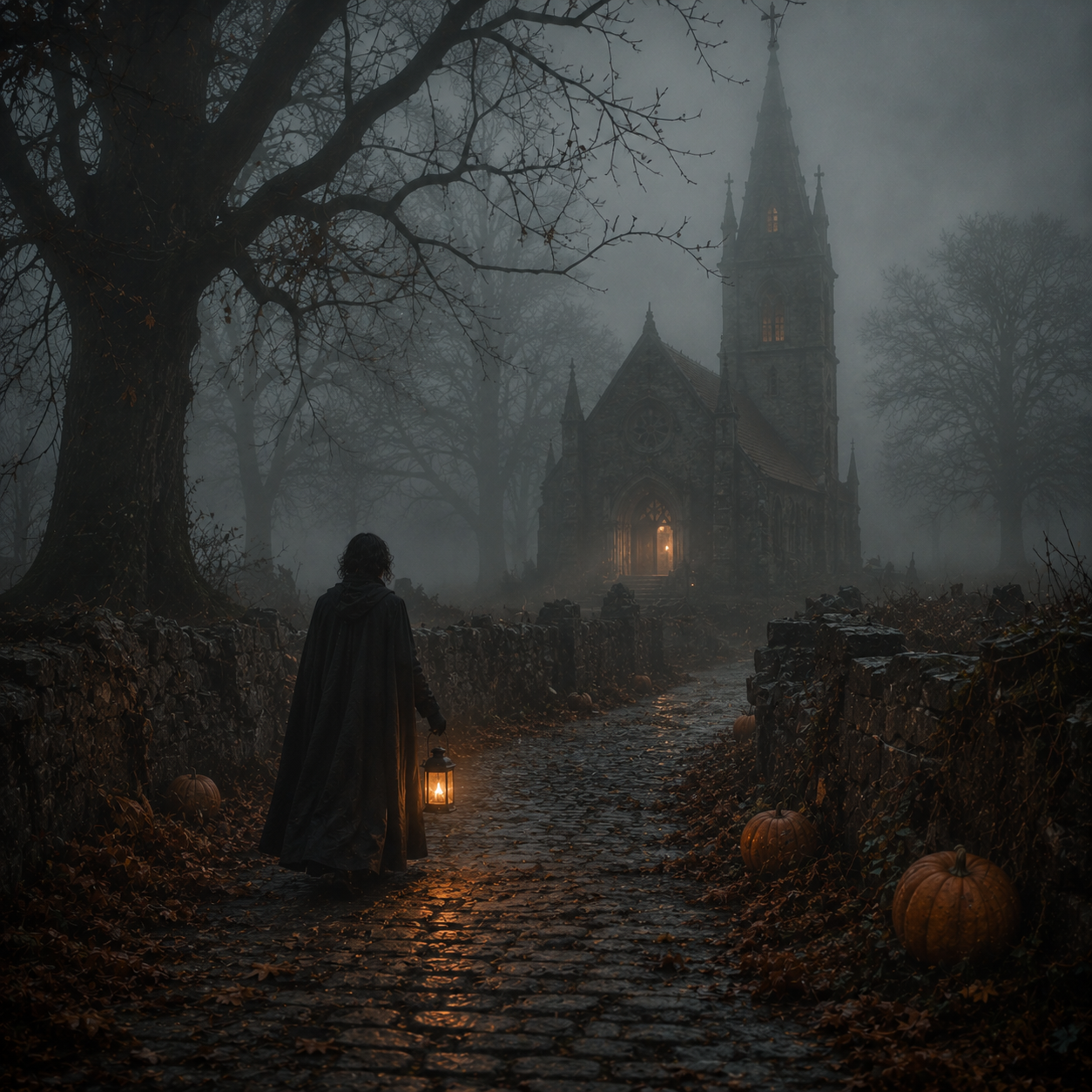
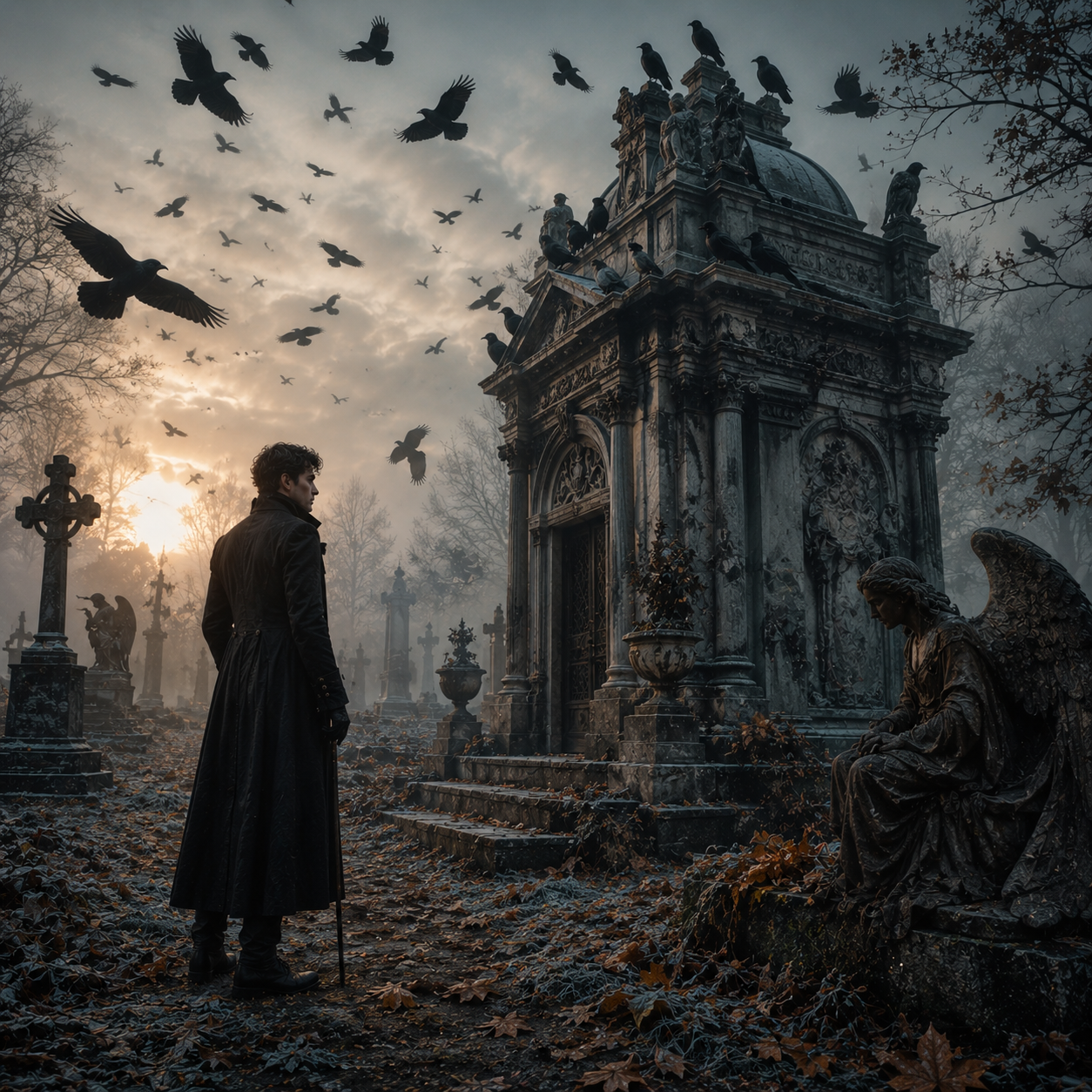
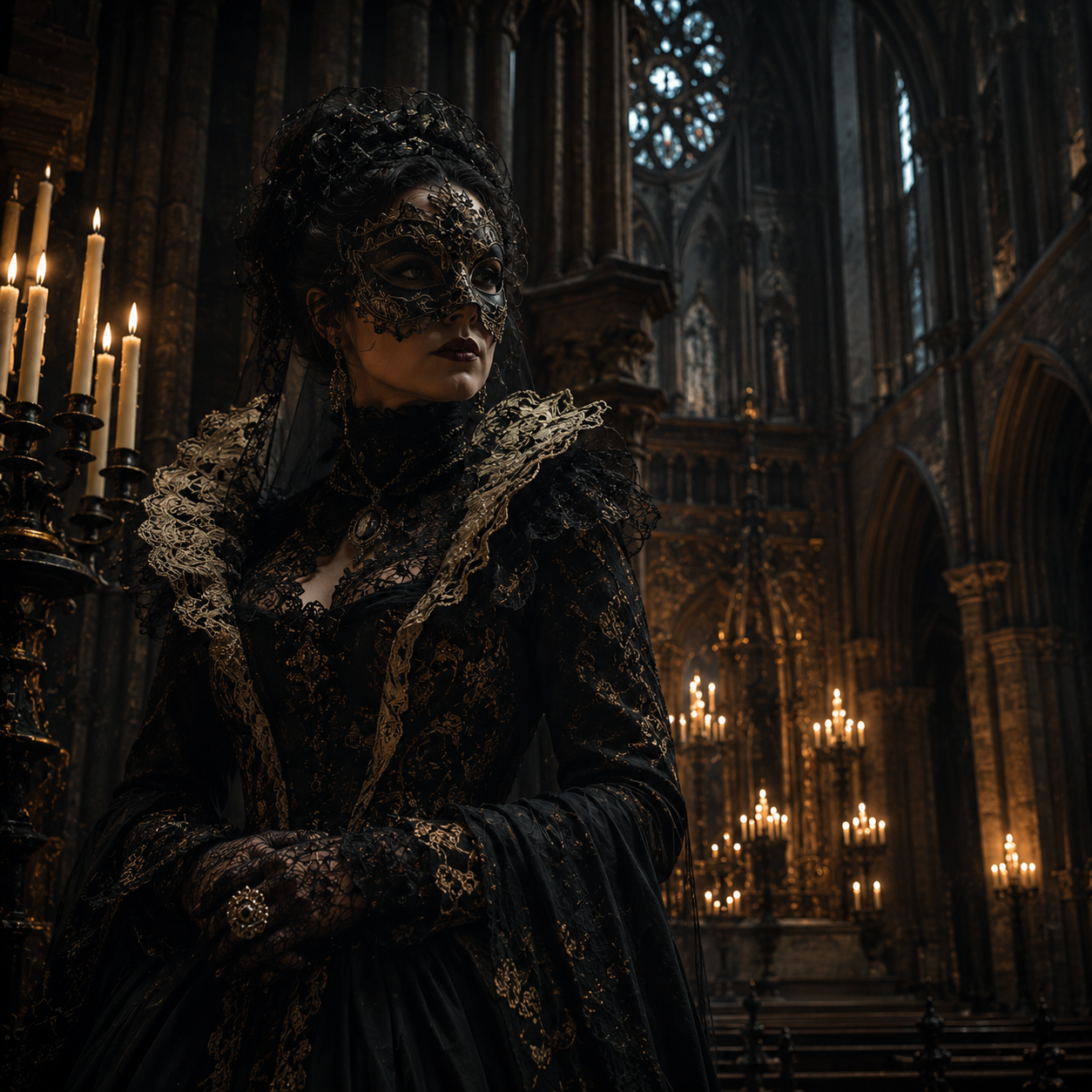
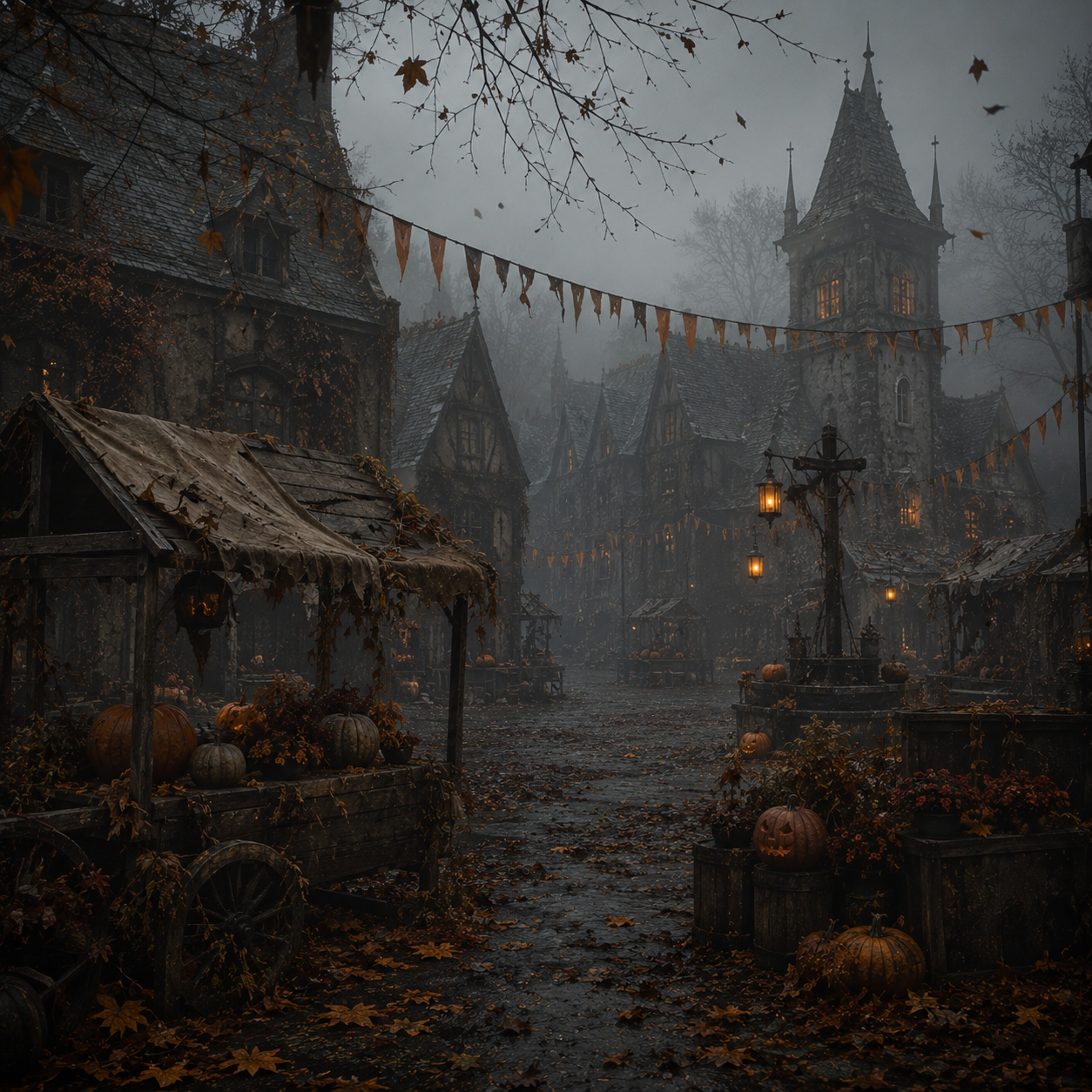
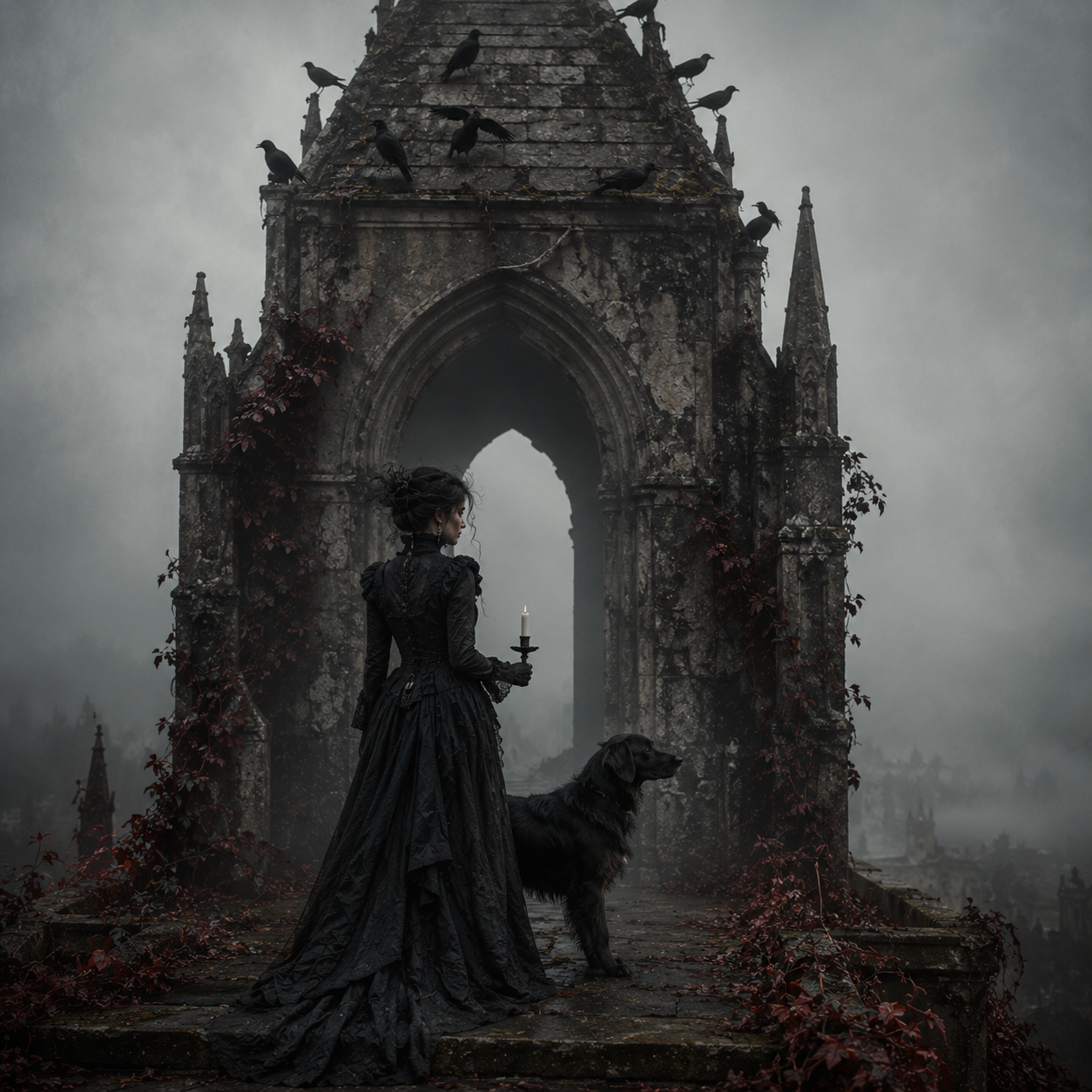
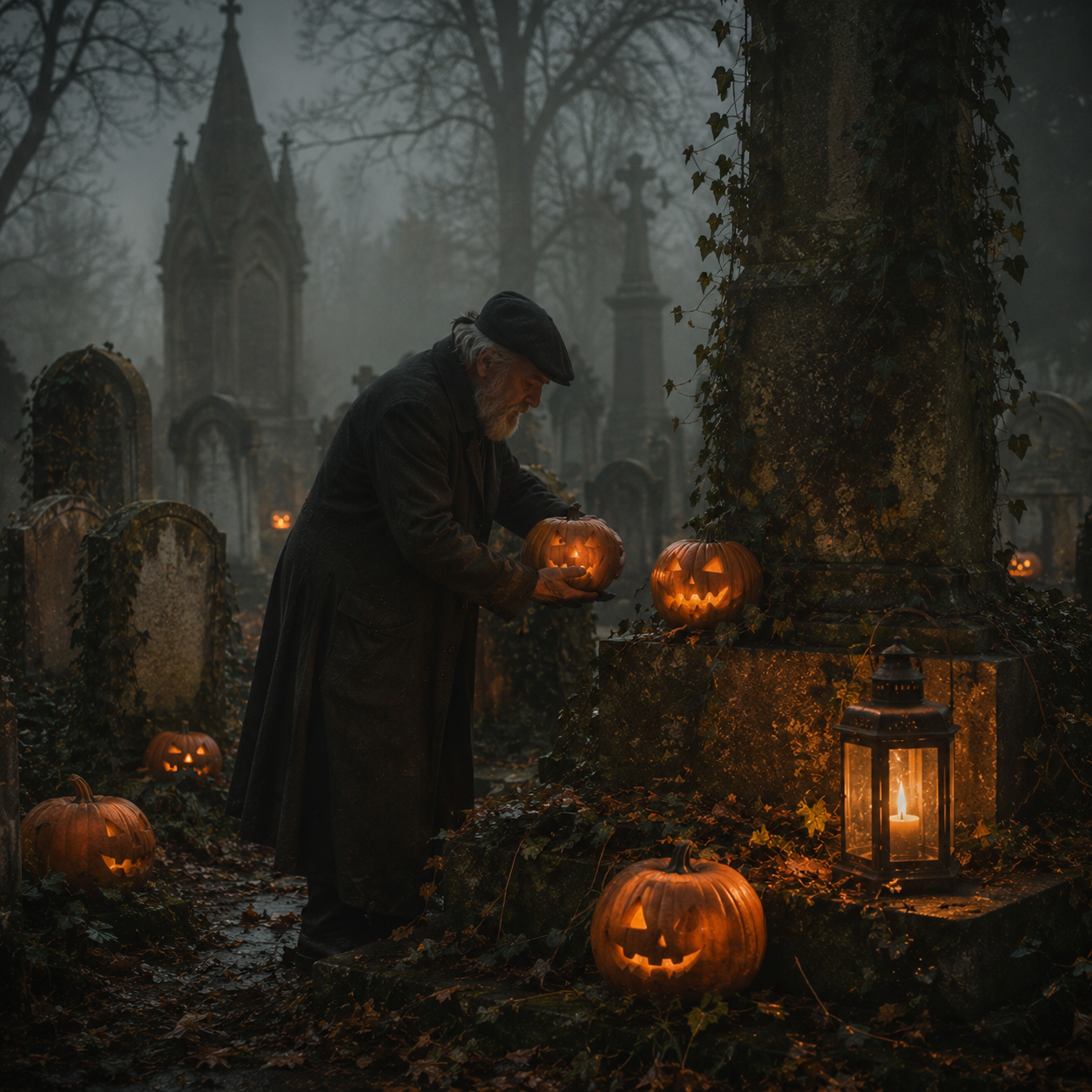
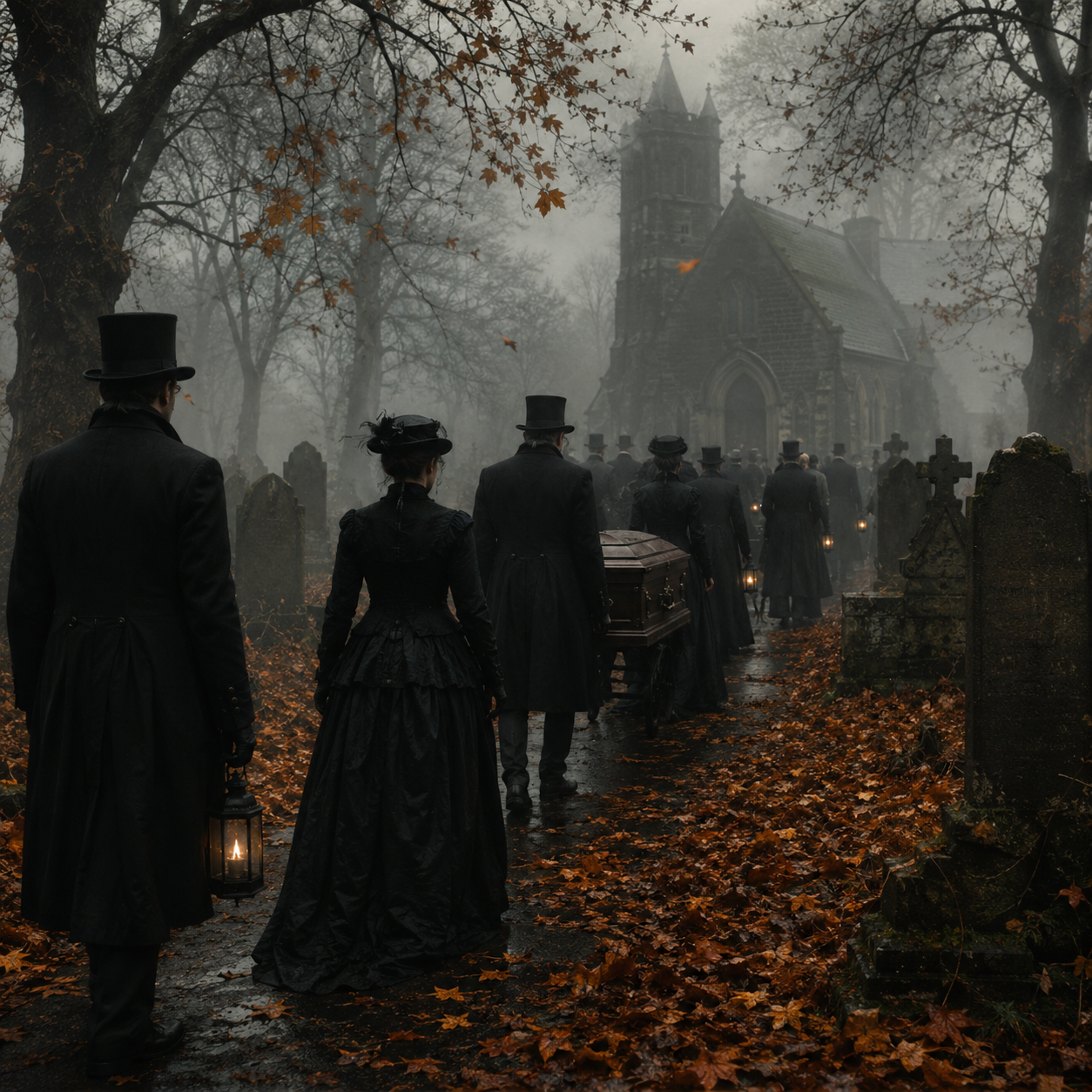
Gothic Halloween stories are built on atmosphere as much as action. These visual prompts encourage you to look closely at abandoned buildings, autumn landscapes, eerie characters, candlelit interiors, forgotten rituals, and supernatural encounters. Study each image carefully, paying attention to colour, lighting, architecture, weather, and the emotions it evokes. Then imagine the stories hidden just beyond the frame.
Go Deeper into Gothic Halloween Writing
The most memorable Gothic Halloween stories linger in the reader's mind long after the final page because they rely on more than sudden scares or supernatural creatures. Gothic fiction builds unease gradually, allowing atmosphere, mystery, and emotion to become as important as the plot itself. Halloween provides the perfect backdrop for these stories, with its traditions of ghosts, folklore, harvest rituals, fading daylight, and the feeling that the boundary between the ordinary world and something darker has become dangerously thin.
As you develop your ideas, think beyond haunted houses and monsters. Consider why your ghosts remain, what your cursed objects symbolise, or how your setting reflects the fears of your characters. The strongest Gothic Halloween stories often explore themes such as grief, guilt, obsession, family secrets, memory, isolation, and the passage of time, allowing the supernatural to amplify deeply human emotions rather than replace them.
◆ Build suspense through atmosphere instead of constant action. Fog, silence, abandoned buildings, flickering candlelight, distant bells, and changing weather can create far more lasting tension than frequent jump scares.
◆ Use Halloween traditions in unexpected ways. Bonfires, carved pumpkins, masquerade balls, harvest festivals, trick-or-treating, fortune telling, and ancient rituals can all become central to your story when viewed through a Gothic lens.
◆ Let your setting become a character. A crumbling manor, forgotten church, overgrown cemetery, or mist-covered forest should shape your story, influence your characters, and hide secrets that slowly reveal themselves over time.
◆ Embrace uncertainty. Not every mystery requires a complete explanation. Sometimes the unanswered question, the shadow at the edge of the woods, or the whisper heard only once creates a more powerful ending than revealing every secret.
Final Thoughts
Gothic Halloween stories continue to captivate readers because they combine timeless fears with beautiful, atmospheric settings. Whether your tale centres on haunted manors, cursed villages, ancient folklore, restless spirits, or forgotten rituals, the genre offers endless opportunities to explore suspense, mystery, and the supernatural while uncovering the emotions that lie beneath them.
These 70 Gothic Halloween Writing Prompts are designed to help you create stories filled with eerie landscapes, unforgettable characters, unsettling legends, and haunting twists. Use them as starting points, combine multiple prompts into larger narratives, or adapt them into novels, short stories, scripts, or creative writing exercises that capture the magic and mystery of Halloween.
When you're ready for more dark inspiration, explore the Gothic Writing Hub for even more atmospheric prompts and storytelling resources, or browse the Creative Writing Archive to discover hundreds of ideas spanning fantasy, horror, mystery, romance, science fiction, folklore, and beyond. Happy writing—and don't forget to leave a candle burning until morning.
Choose Your Next Adventure