50 Gothic Character Prompts: Haunted Portraits, Family Secrets & Dark Destinies
Gothic fiction is filled with unforgettable characters. From isolated heirs and grieving widows to eccentric scholars, mysterious children, fallen aristocrats, and figures haunted by family secrets, Gothic stories often explore what happens when ordinary lives collide with obsession, guilt, superstition, tragedy, and the unknown.
Many of the most compelling Gothic characters exist between opposing forces. They are drawn towards forbidden knowledge while fearing its consequences. They long for belonging yet remain isolated from society. They inherit grand houses, ancient legacies, and family fortunes while carrying burdens that threaten to destroy them. Whether set within crumbling manors, mist-covered moors, forgotten villages, or decaying cities, Gothic stories often use character to explore themes of identity, power, mortality, madness, memory, and the past's lingering influence upon the present.
This collection of 50 Gothic Character Prompts is designed as a creative writing resource for students, classrooms, aspiring writers, and Gothic storytellers looking to develop protagonists, villains, anti-heroes, tragic figures, and unsettling narrators. These prompts explore hidden histories, family curses, social expectations, haunted landscapes, moral ambiguity, and the secrets people keep buried for generations.
If you would like to explore more dark storytelling, atmospheric settings, mysterious characters, and eerie ideas, you can browse the Creative Writing Archive or discover haunted houses, tragic heroes, supernatural mysteries, and unsettling worlds inside the Gothic Writing Hub.
1. Character Portrait Prompts
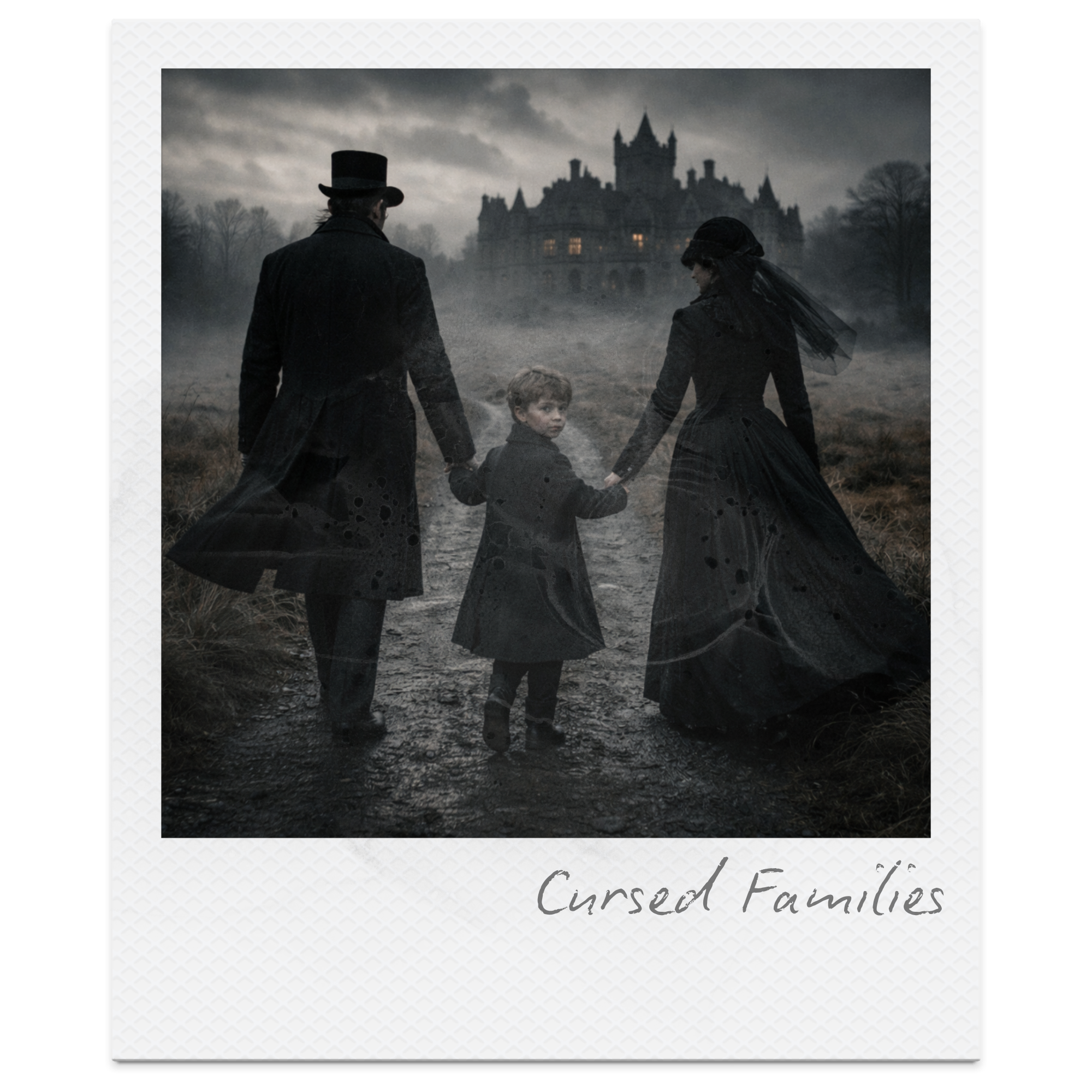
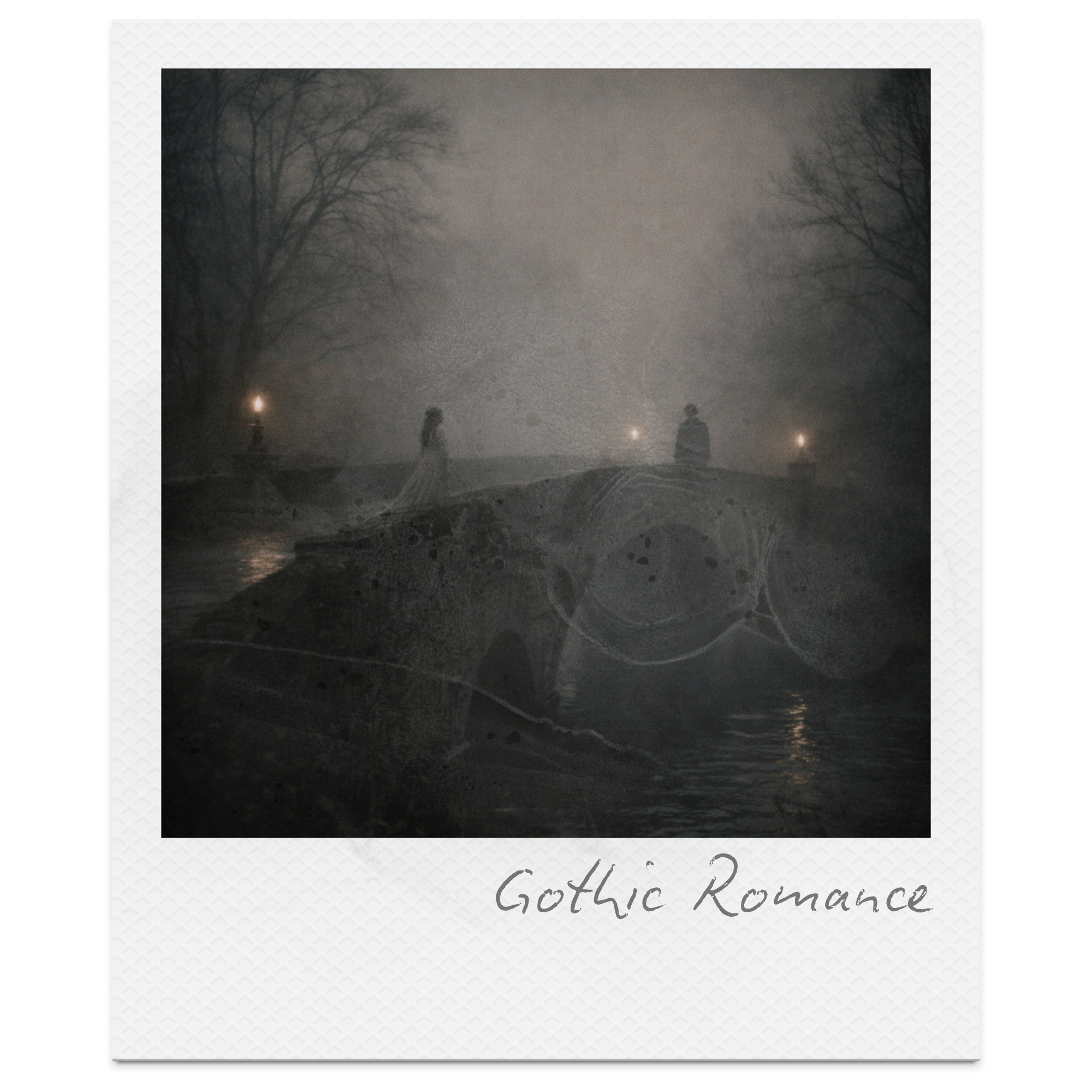
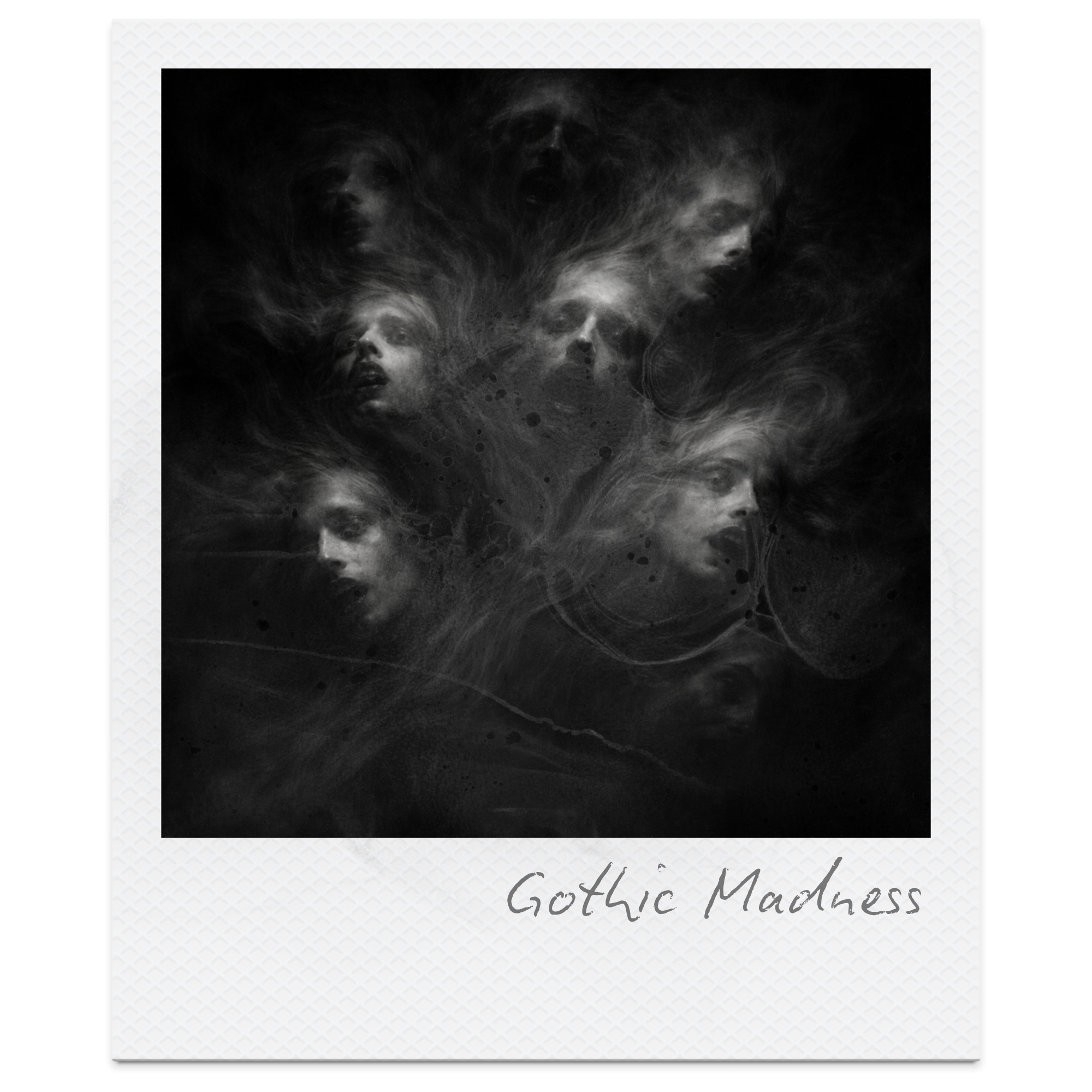
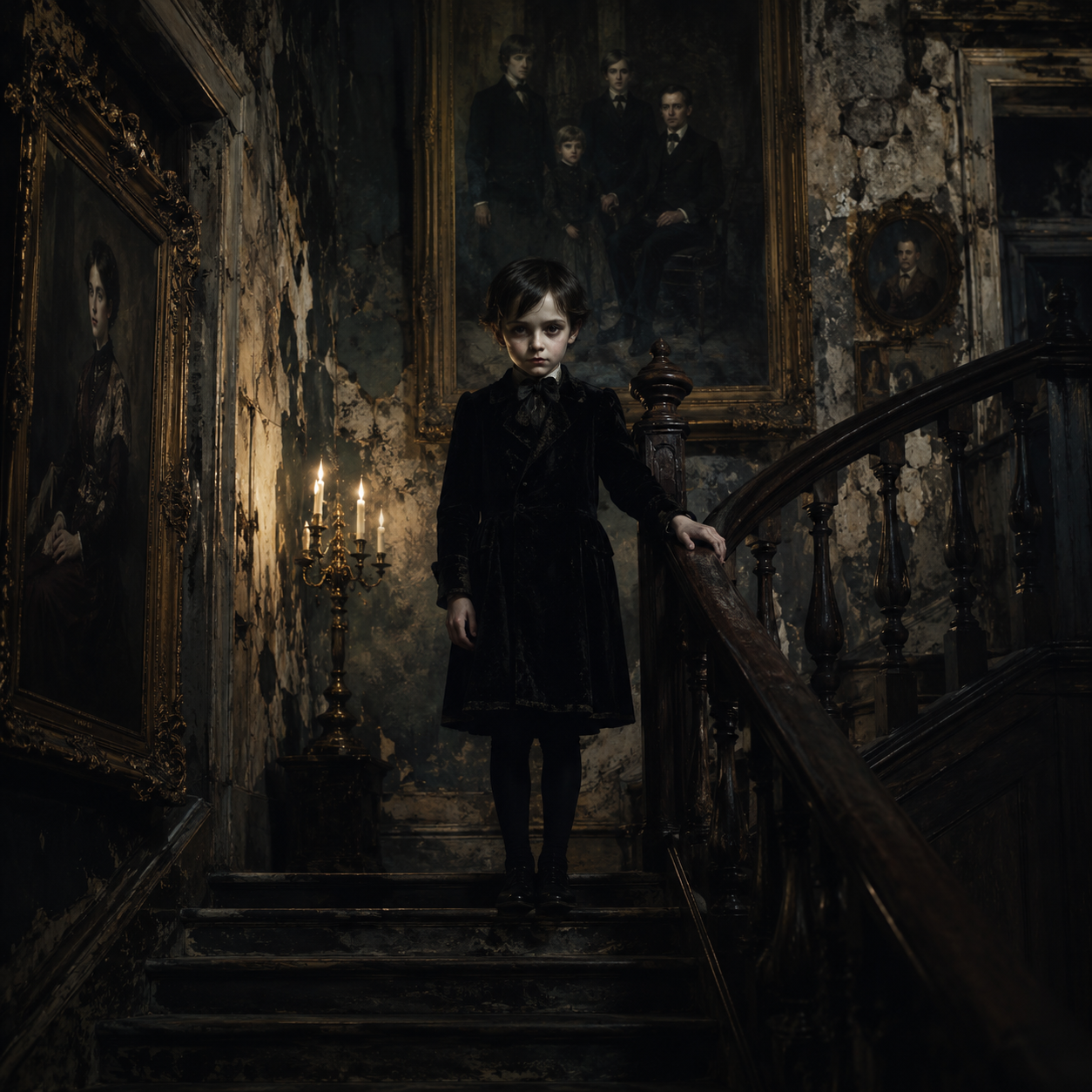
Some Gothic stories begin with a face, a room, a piece of clothing, or an expression that refuses to be forgotten. Browse the gallery below and choose a character that captures your imagination. Consider what secrets they may be hiding, what tragedies shaped them, and what role they might play within a Gothic tale.
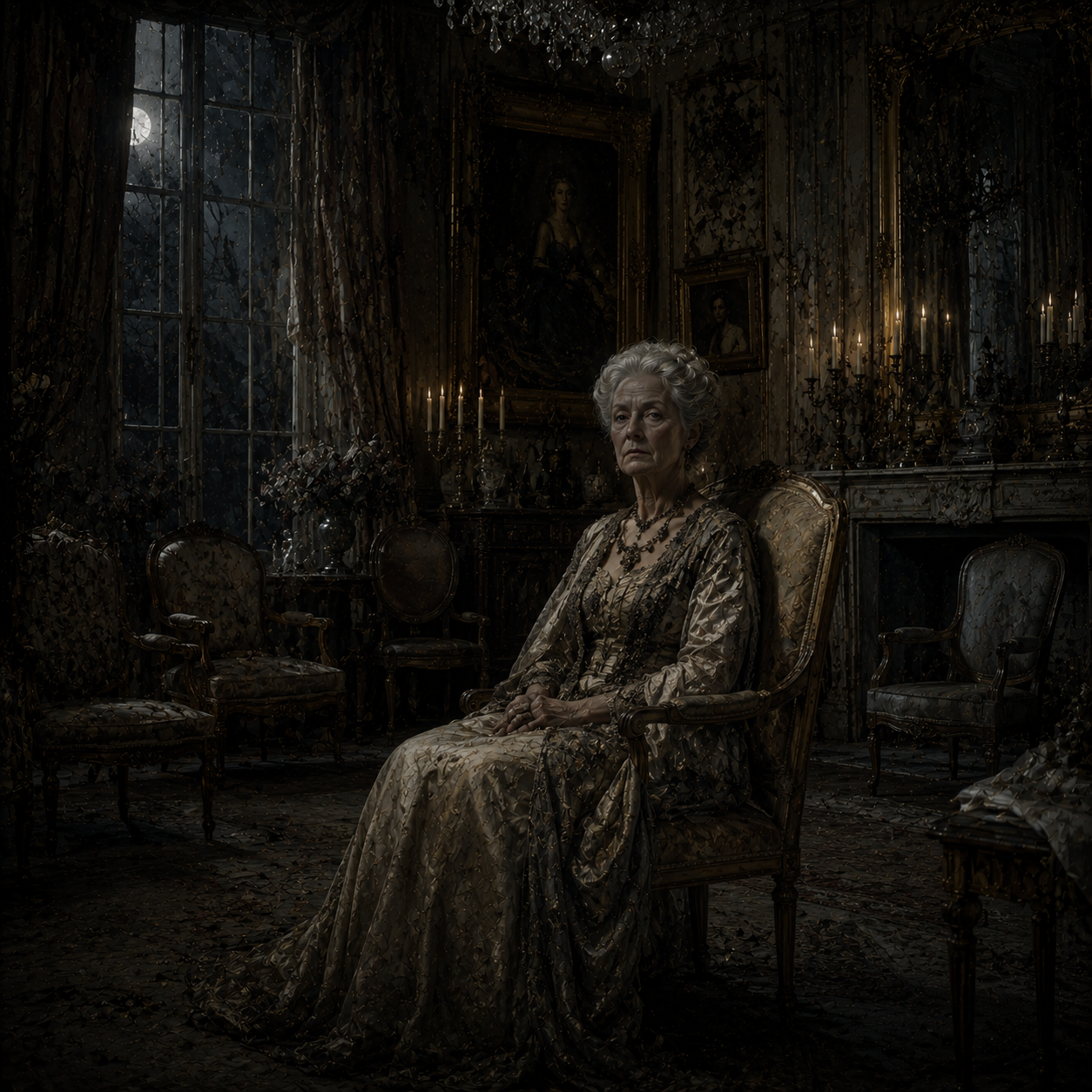
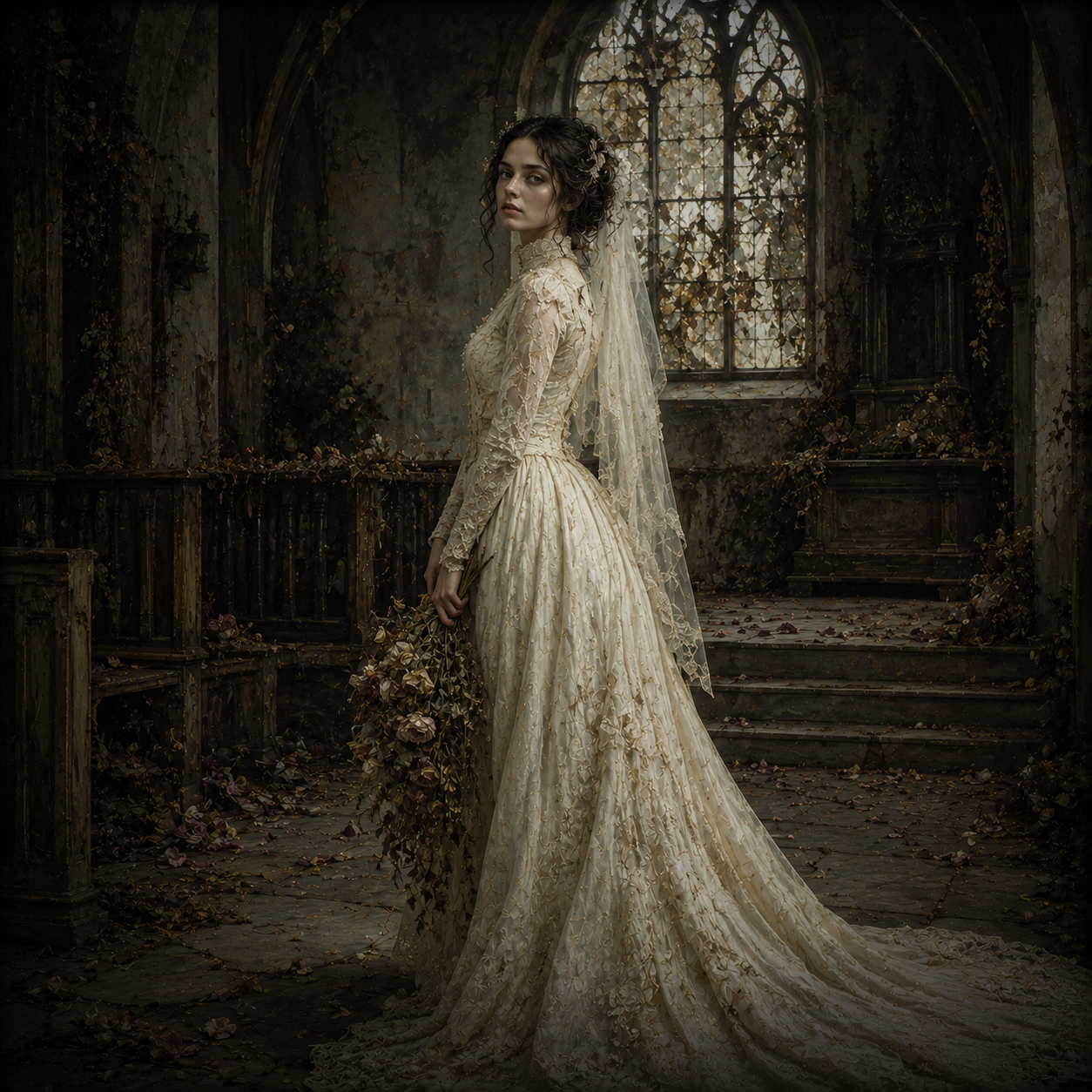
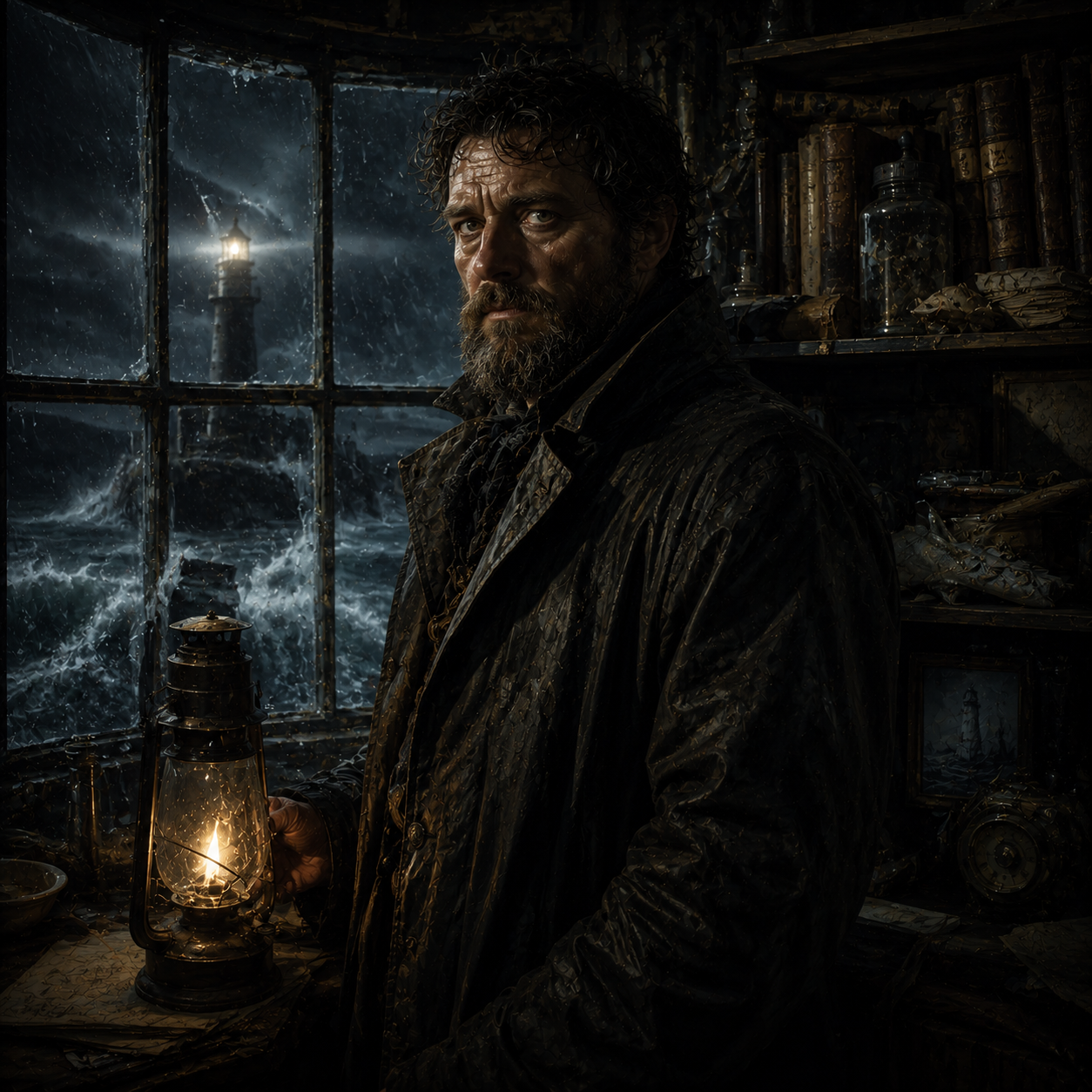
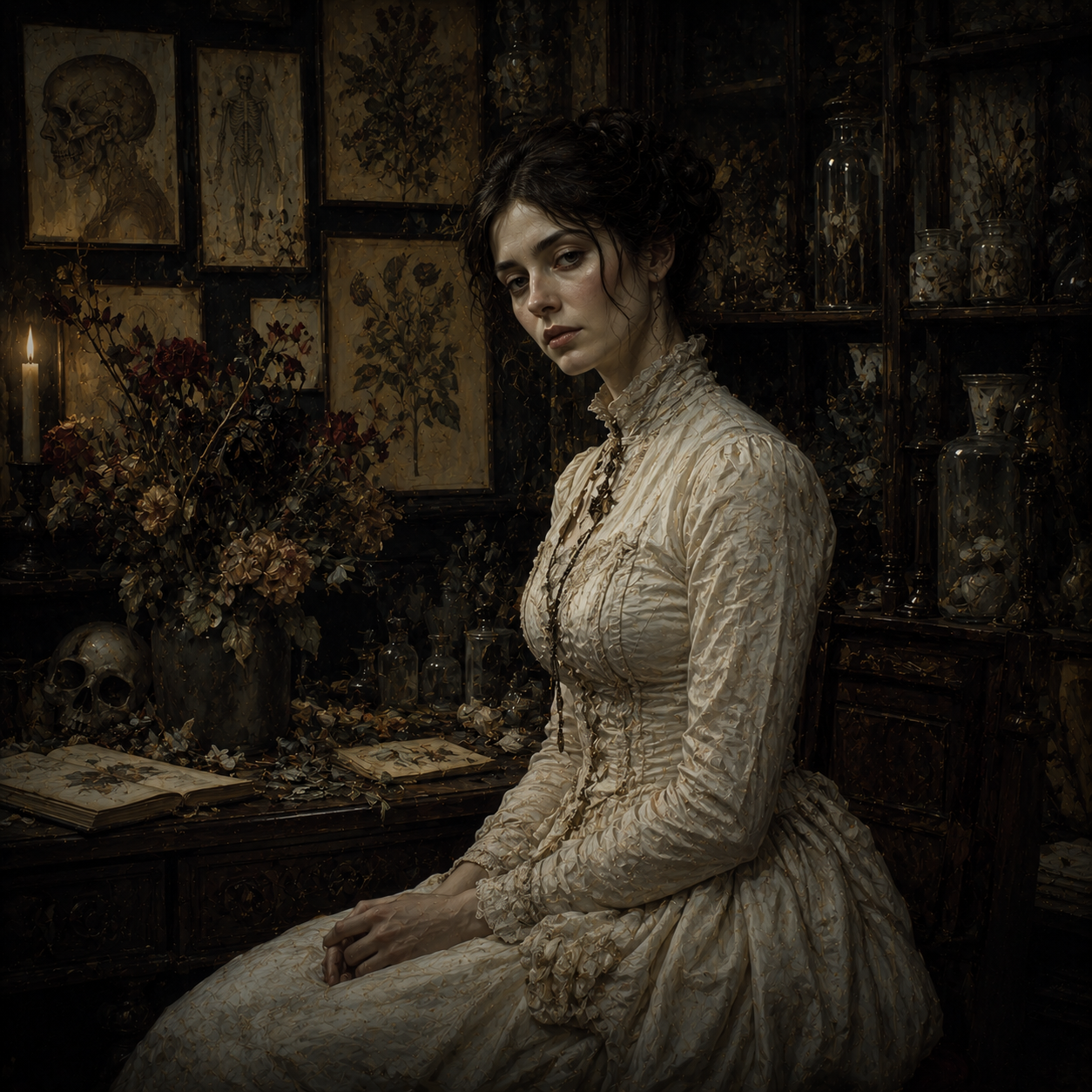
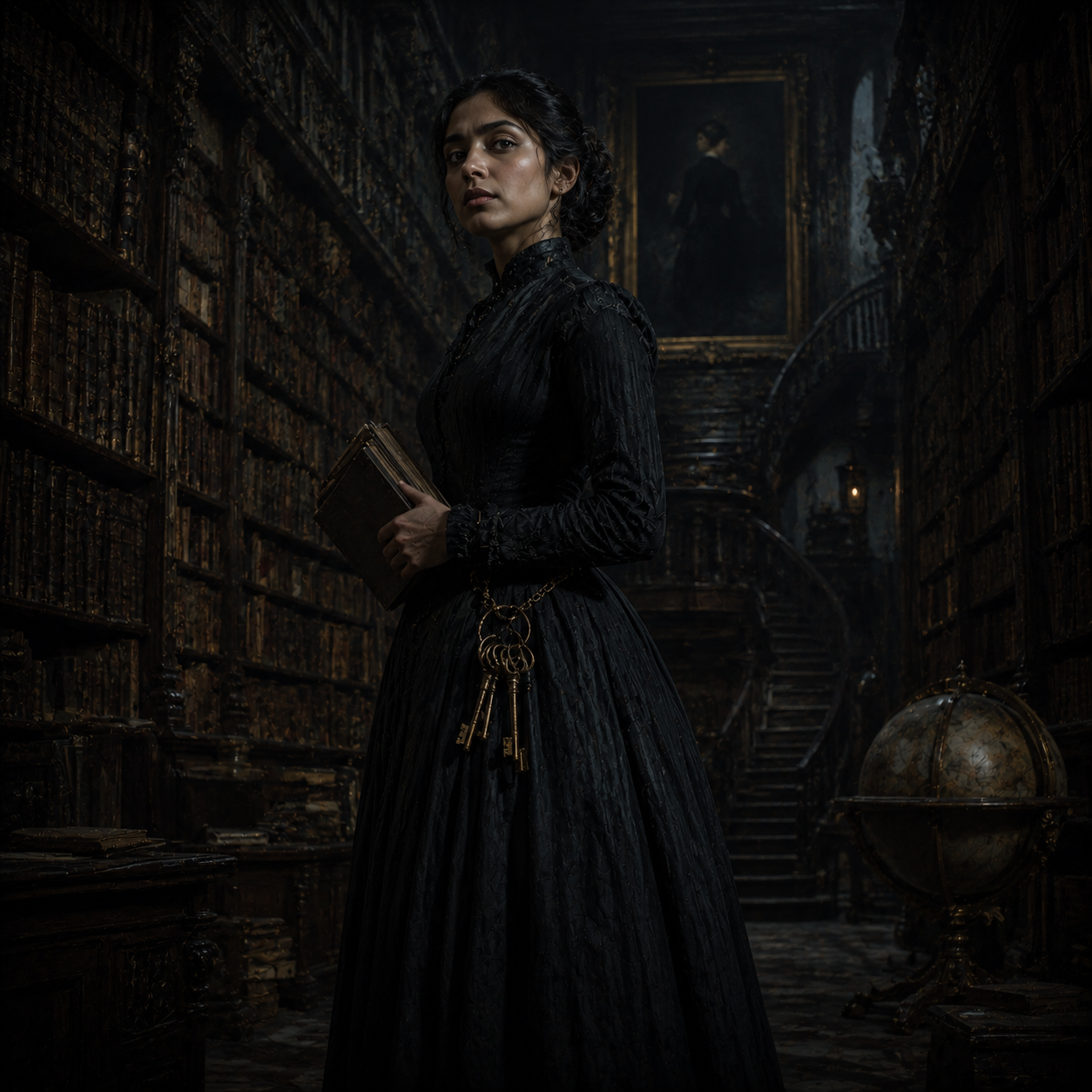

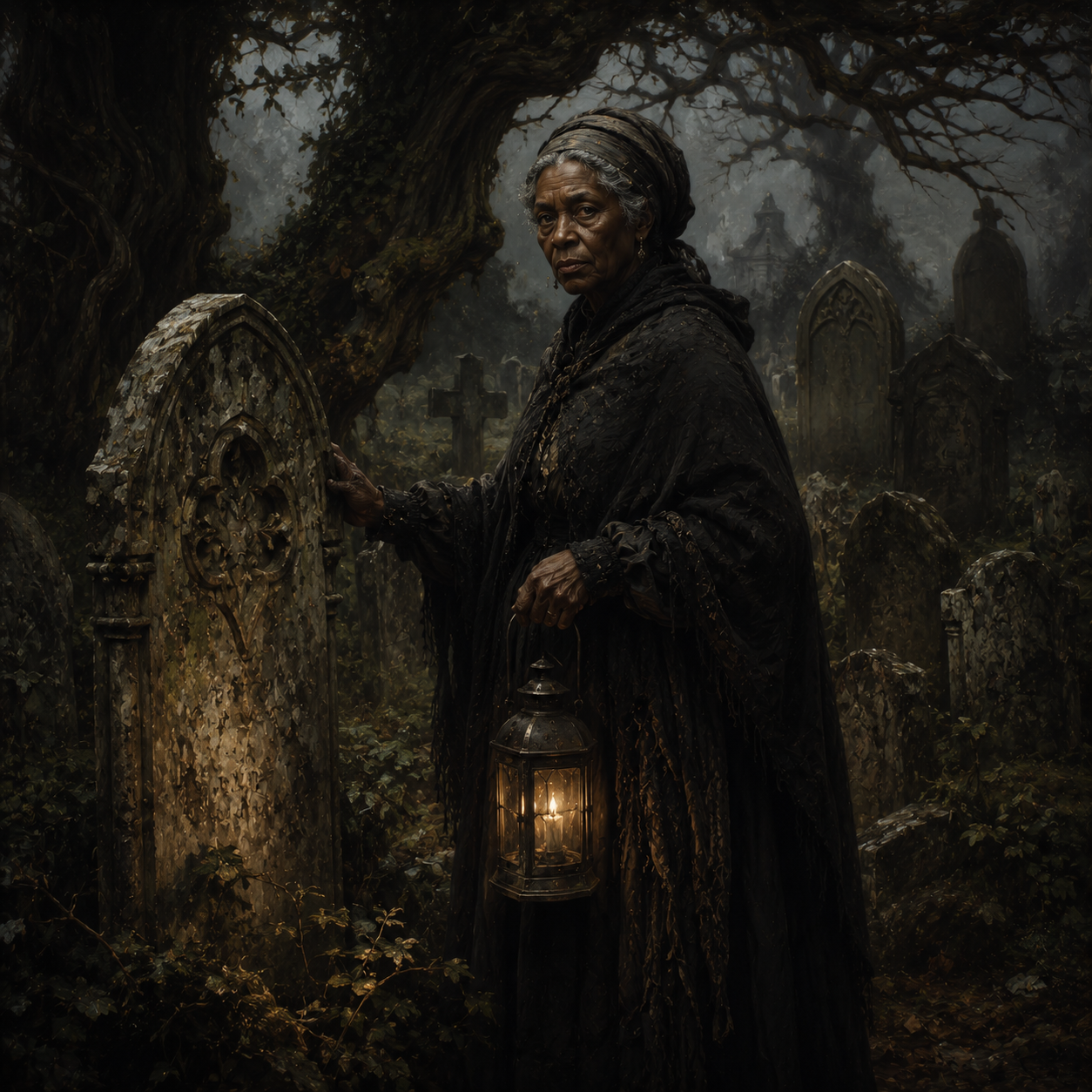
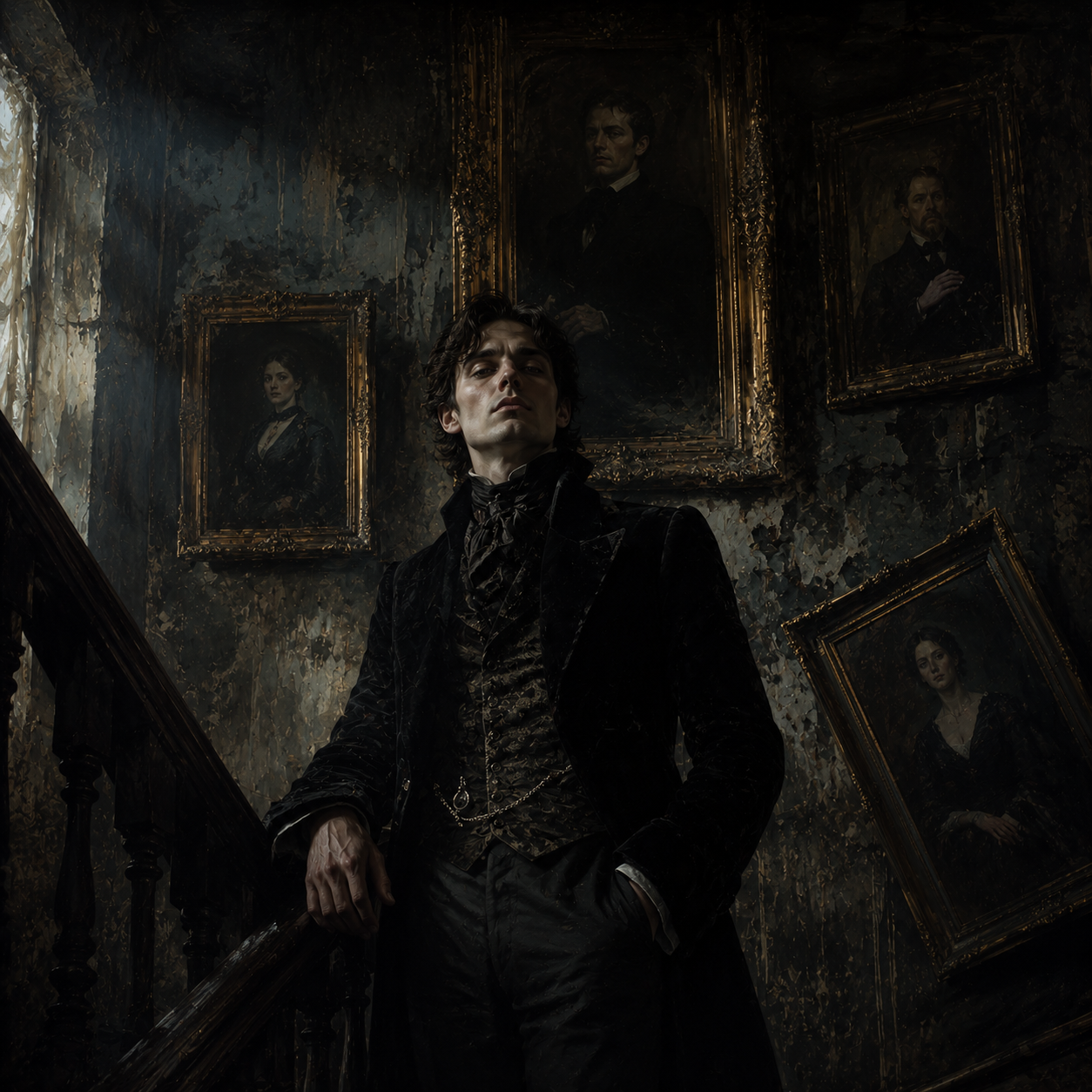
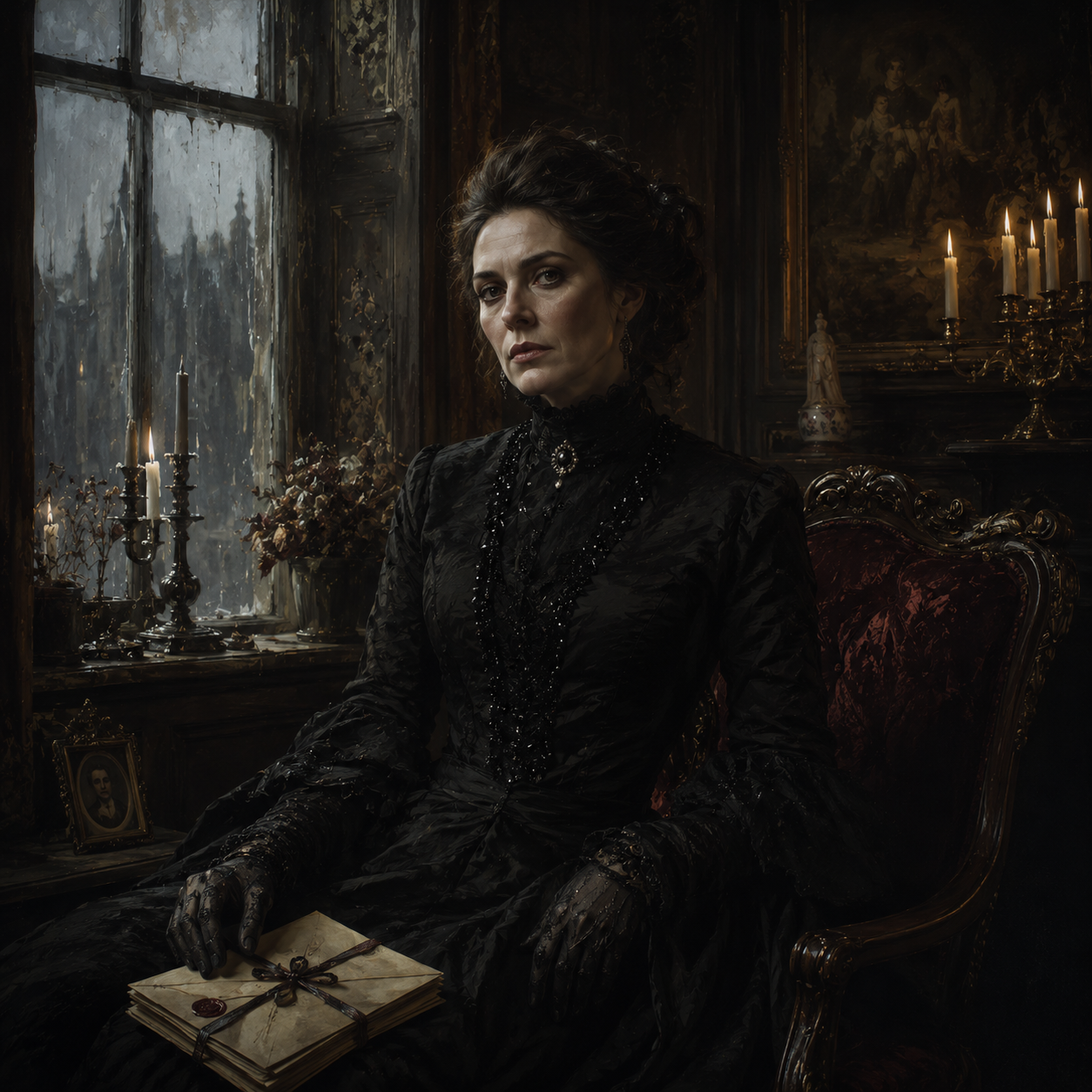
Character Development Questions
Browse the gallery and choose a character that captures your imagination. Then use the questions below to explore their appearance, background, fears, relationships, secrets, and motivations. By the end, you may have the beginnings of a tragic hero, mysterious outsider, haunted aristocrat, unreliable narrator, or Gothic villain ready to step into your story.
What is this character's name, age, and place within society?
Describe their appearance. What details stand out most about them, and what might these details reveal about their past, personality, or hidden struggles?
Where do they live? How has their home shaped who they are?
What event from their past continues to haunt them?
What secret are they desperately trying to conceal?
What rumour, superstition, or legend surrounds them?
Describe the most important relationship in their life. How has this person influenced who they have become?
What do they fear most, and why does this fear hold such power over them?
What do they want more than anything, and what stands in the way of achieving it?
How might this character change by the end of their story? Will they find redemption, descend into ruin, uncover the truth, or become part of the darkness they fear?
2. Personality Prompts
Memorable Gothic characters are often shaped by contradictions. They may appear respectable while hiding dangerous secrets, seem cold while carrying deep grief, or pursue noble goals through questionable means. These prompts explore fears, flaws, obsessions, loyalties, and desires that help create complex Gothic personalities.
A wealthy heir who is terrified of inheriting their family's reputation.
A kind and compassionate person who becomes increasingly obsessed with revenge.
A scholar who values knowledge more than their own safety.
A deeply religious character whose faith is beginning to fracture.
A lonely child who seems to know things they should not know.
A charismatic socialite who carefully conceals a darker side.
A doctor whose desire to help others leads them into dangerous territory.
A sceptic who refuses to believe in the supernatural despite mounting evidence.
A devoted servant who knows every secret hidden within the house.
A character whose greatest strength gradually becomes their downfall.
3. Backstory Prompts
Backstory often explains why a Gothic character fears certain places, clings to particular beliefs, or becomes consumed by secrets and obsessions. These prompts explore family histories, personal tragedies, inherited burdens, and life-changing events that continue to cast shadows over the present.
They inherited a grand estate but discovered that generations of their family vanished under mysterious circumstances.
They were the sole survivor of a fire that destroyed their childhood home.
They grew up believing a family curse would one day claim them.
They discovered a hidden collection of letters that completely changed their understanding of their parents.
They spent years searching for a relative who disappeared without explanation.
They were raised in isolation and know almost nothing about the outside world.
They witnessed something as a child that nobody else believes happened.
They inherited a fortune from a stranger whose name they had never heard before.
They made a promise many years ago and are still paying the price for it.
They uncovered a long-buried secret that should have remained hidden.
4. Conflict Prompts
Conflict drives Gothic stories by forcing characters to confront uncomfortable truths, impossible choices, and long-buried secrets. These prompts place characters in situations where their fears, loyalties, beliefs, and ambitions are tested.
They discover that a deceased relative has been secretly communicating with someone for years after their death.
They inherit a house on the condition that they never enter a particular room.
They uncover evidence suggesting that their family fortune was built upon a terrible crime.
A person they believed dead suddenly returns with a very different version of the past.
They begin receiving letters written in handwriting that should not exist.
The portrait of a family ancestor appears to change each time they look at it.
They realise that someone within the household has been deliberately hiding the truth from them.
A stranger arrives claiming to know the secret behind a generations-old family tragedy.
The supernatural explanation is becoming more believable than the rational one.
The truth about their identity threatens everything they thought they knew about themselves.
5. Gothic Names and Meanings
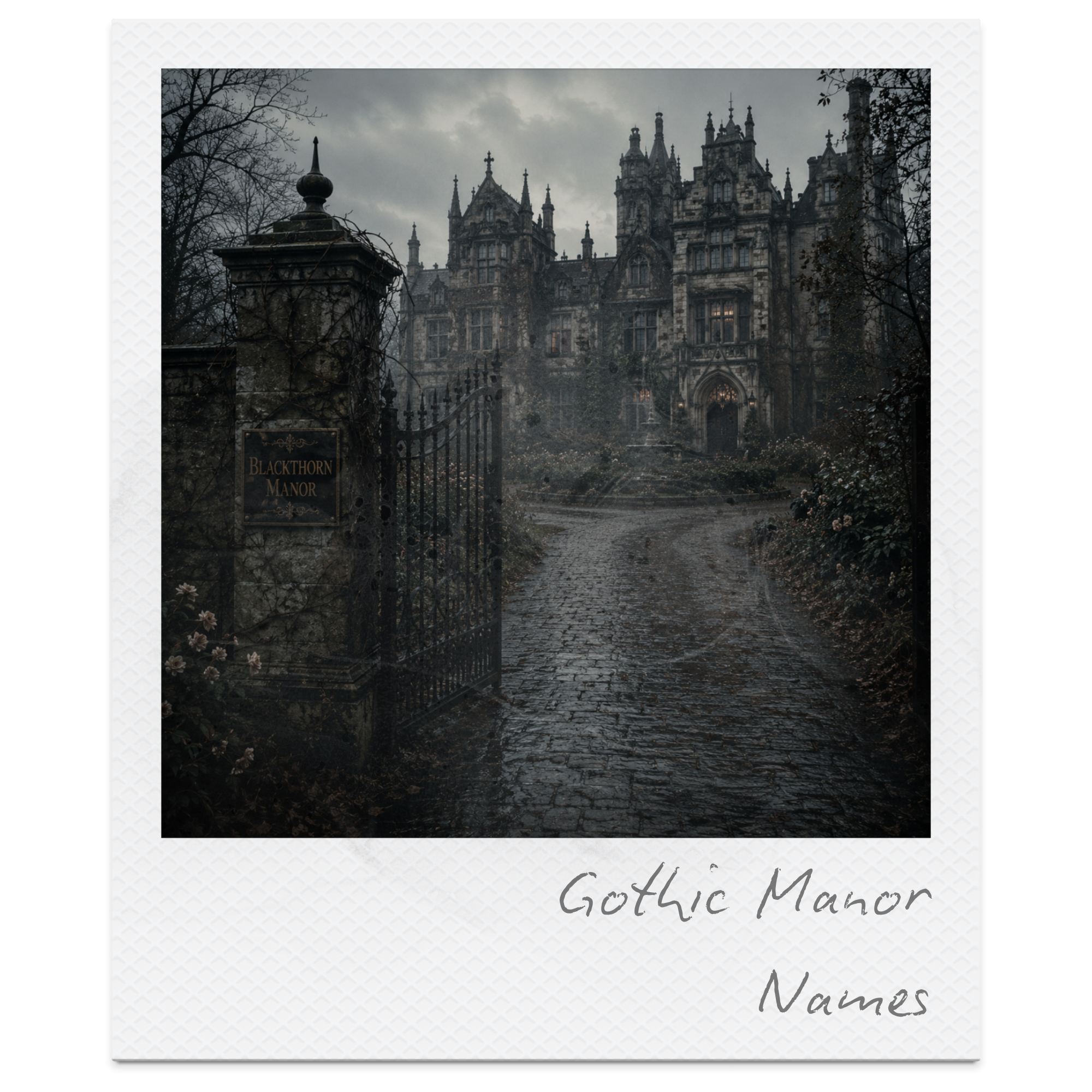
Choosing the right name can help establish atmosphere, symbolism, and character. These names draw inspiration from Victorian Gothic fiction, folklore, decaying estates, family secrets, superstition, and the darker side of human nature.
Lucien Blackthorne
◆ Lucien derives from the Latin word for light, creating an interesting contrast with Gothic darkness.
◆ Blackthorne evokes thorny hedges, old estates, and hidden dangers.
◆ This name may suit a brooding heir, scholar, or tragic protagonist.
Eleanor Ravenshaw
◆ Eleanor carries a timeless elegance often associated with Gothic heroines.
◆ Ravenshaw suggests ravens, omens, and long-forgotten family secrets.
◆ This name may suit a determined young woman uncovering a mystery.
Silas Grimwood
◆ Silas evokes solitude, age, and quiet intensity.
◆ Grimwood suggests dark forests, isolation, and unsettling folklore.
◆ This name may suit a recluse, physician, or unreliable narrator.
Arabella Vale
◆ Arabella carries aristocratic and romantic associations.
◆ Vale evokes hidden valleys, mist-covered landscapes, and seclusion.
◆ This name may suit a mysterious heiress or tragic Gothic heroine.
Elias Ashcroft
◆ Elias has biblical and historical associations that feel timeless.
◆ Ashcroft suggests decay, loss, and the remnants of former grandeur.
◆ This name may suit a scholar, investigator, or haunted protagonist.
Ophelia Crowe
◆ Ophelia evokes tragedy, beauty, and vulnerability.
◆ Crowe suggests omens, intelligence, and the supernatural.
◆ This name may suit a character connected to family secrets or ghostly mysteries.
Theodore Holloway
◆ Theodore conveys education, refinement, and respectability.
◆ Holloway suggests emptiness, hidden places, and forgotten histories.
◆ This name may suit a doctor, academic, or estate owner.
Isadora Whitlock
◆ Isadora carries an elegant, dramatic quality suited to Gothic fiction.
◆ Whitlock evokes locked doors, hidden rooms, and concealed truths.
◆ This name may suit a determined heroine investigating the past.
Sebastian Thorne
◆ Sebastian has strong literary and aristocratic associations.
◆ Thorne suggests beauty combined with danger and suffering.
◆ This name may suit a Byronic hero, fallen nobleman, or tragic anti-hero.
Evangeline Mourning
◆ Evangeline evokes grace, devotion, and old-world romance.
◆ Mourning immediately suggests grief, loss, and remembrance.
◆ This name may suit a widow, ghostly figure, or character haunted by the past.
Explore More Atmospheric Gothic Settings
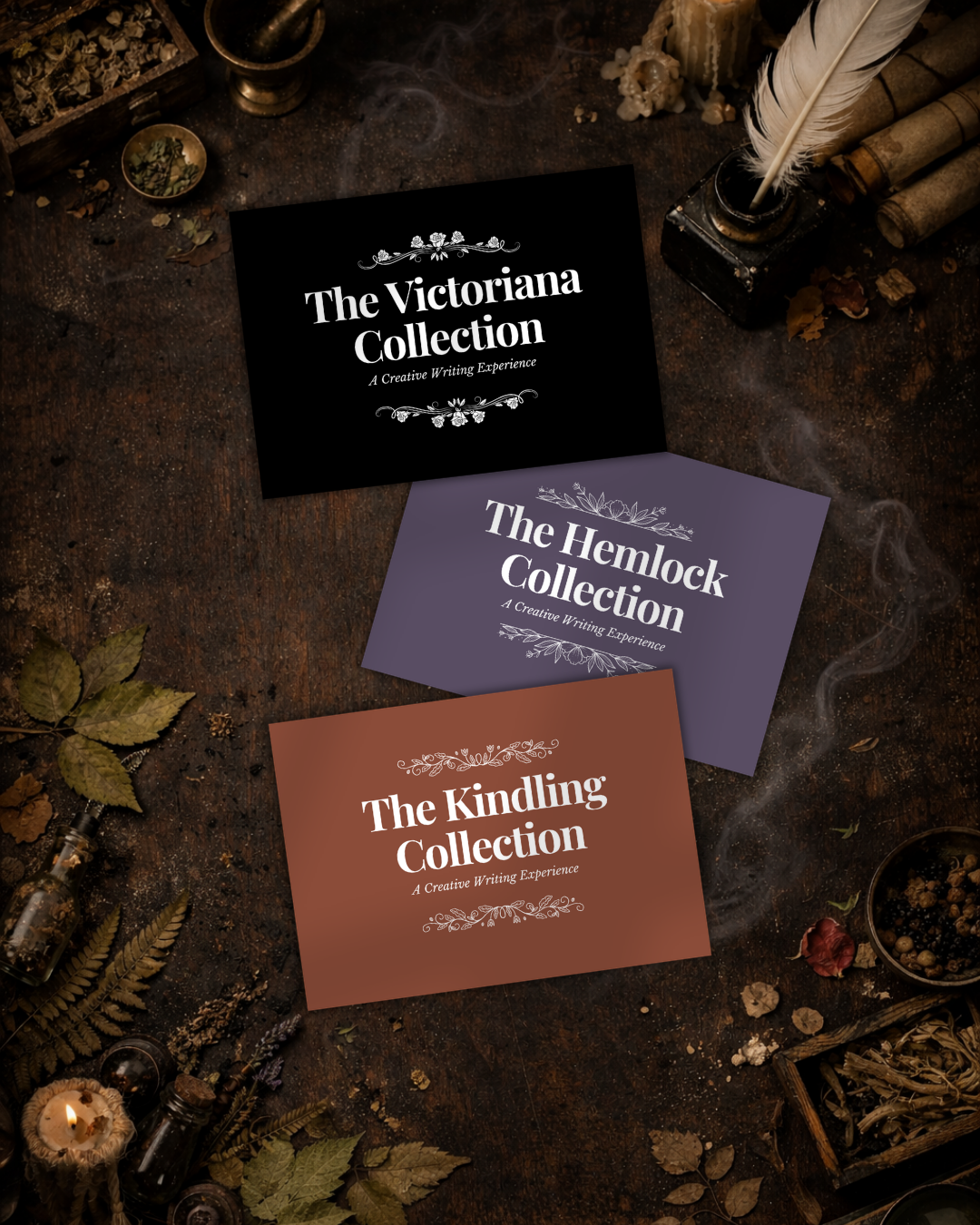
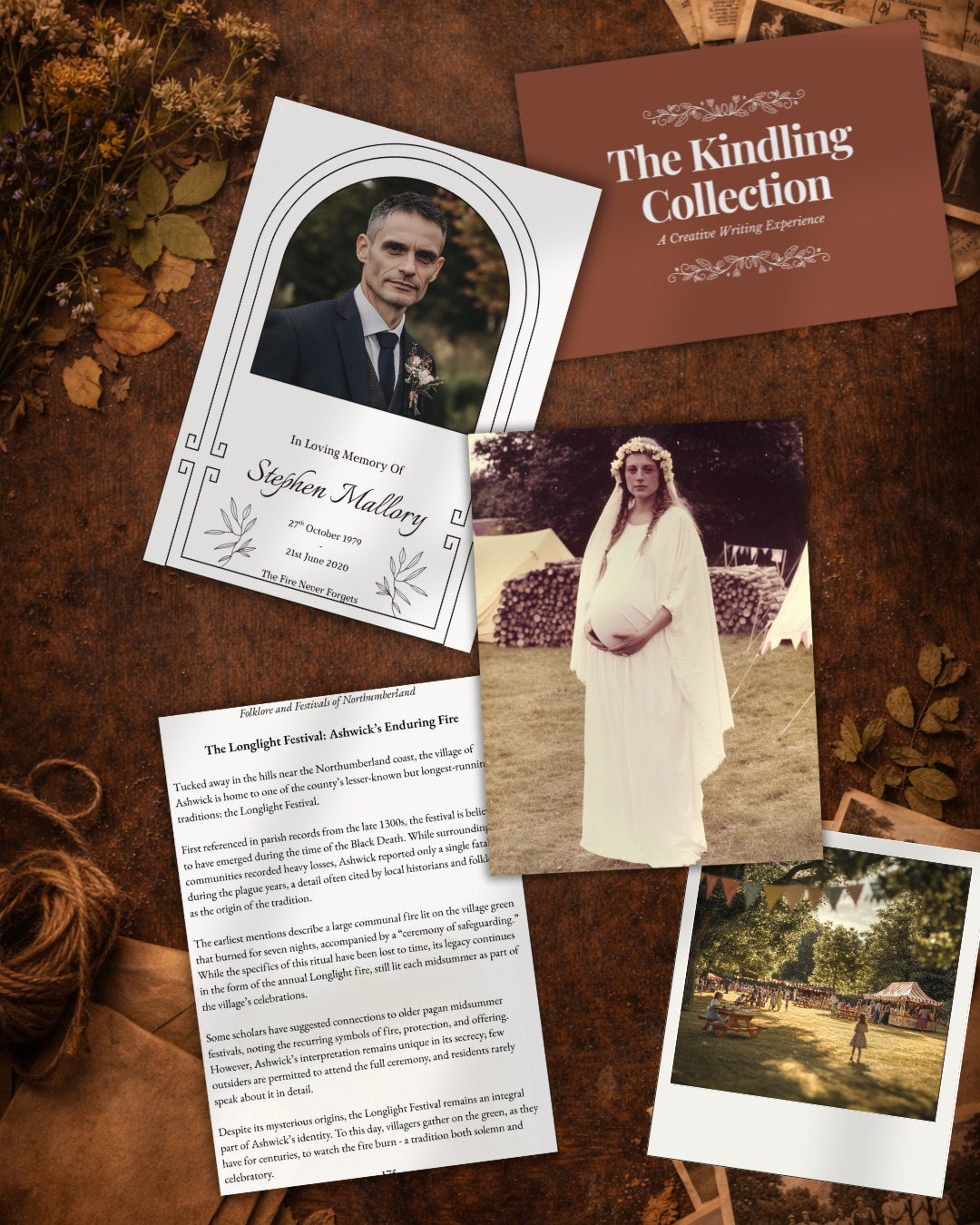
If you're drawn to isolated villages, buried secrets, local folklore, and communities shaped by unsettling histories, you may also enjoy The Soot & Shadows Series.
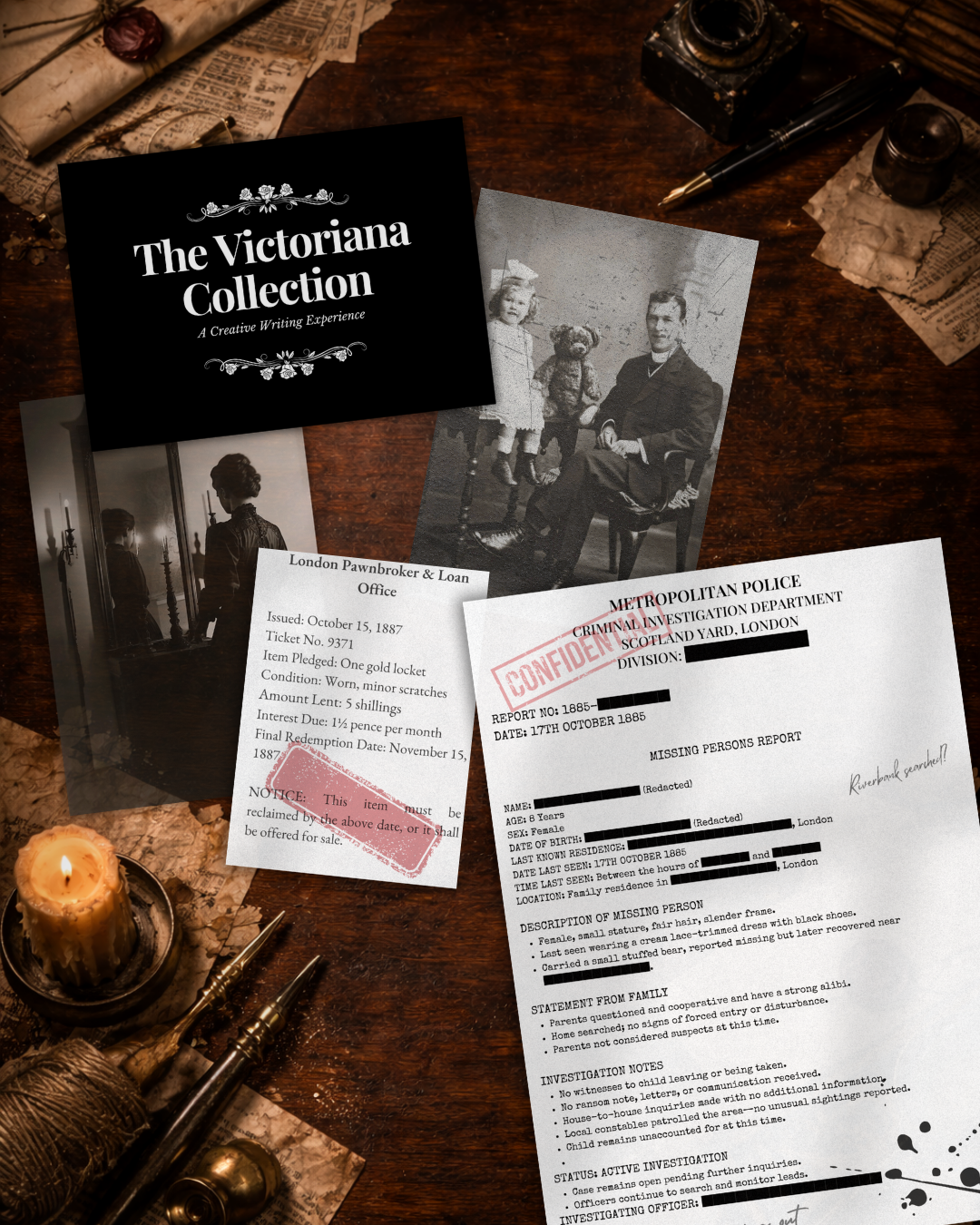
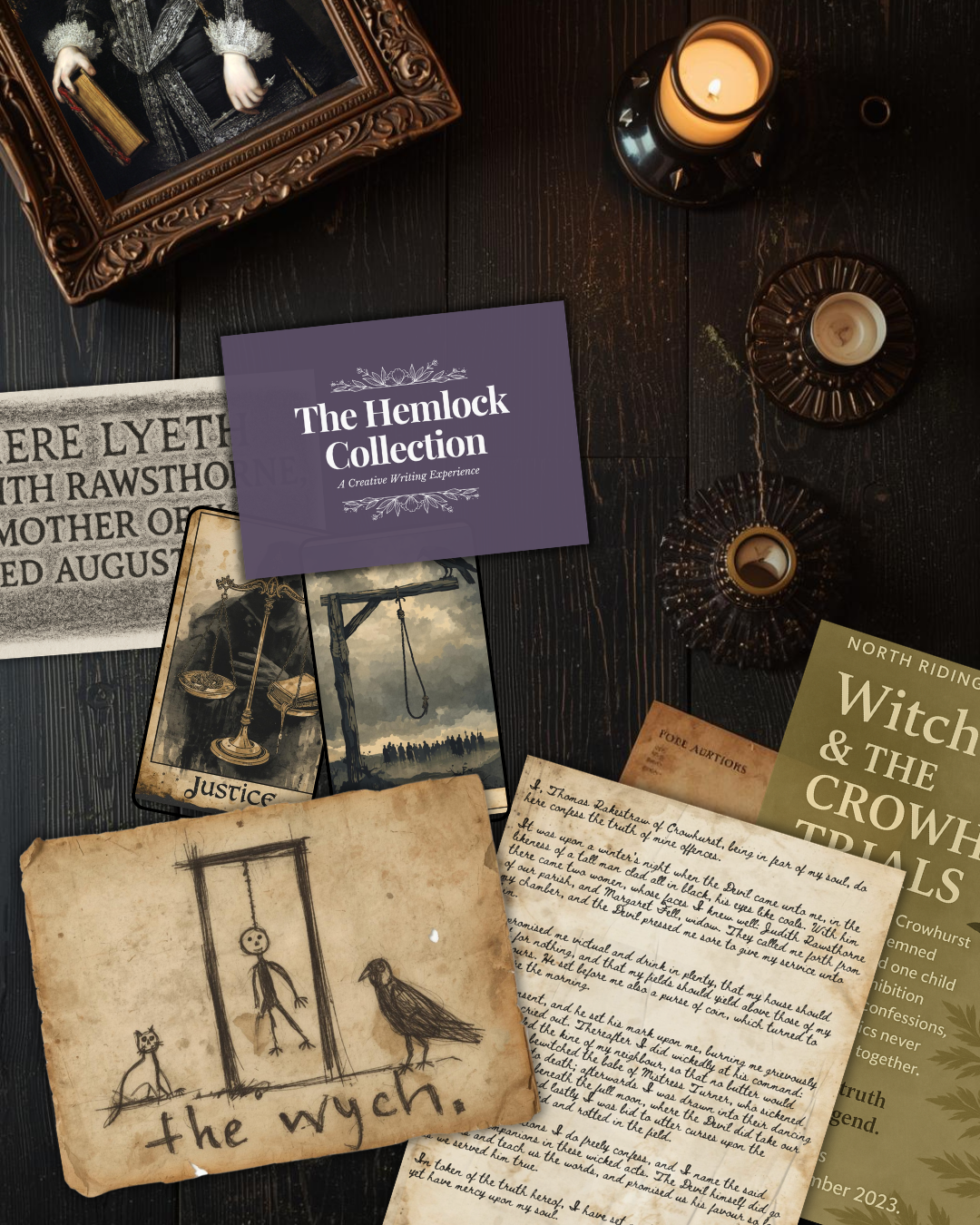
This trilogy of immersive archives explores the darker corners of British history through documents, photographs, newspaper clippings, witness accounts, personal writings, missing persons reports, village records, warnings, and forgotten evidence. Rather than providing a single explanation, each collection invites readers to piece together mysteries from the fragments that remain.
Inside you'll discover:
◆ The Victoriana Collection – missing persons, spiritualism, forgotten lives, and Victorian mysteries
◆ The Kindling Collection – rural folklore, village traditions, midsummer rituals, and communal silence
◆ The Hemlock Collection – witchcraft accusations, witness testimonies, graveyard relics, and lingering suspicion
Perfect for horror writers, gothic fiction enthusiasts, worldbuilders, mystery lovers, and anyone fascinated by small-town secrets, folklore, and the stories hidden inside archives.
Because sometimes the most unsettling horror isn't the monster.
It's the town that refuses to talk about what happened.
Go Deeper into Gothic Character Creation
The strongest Gothic characters are rarely purely heroic or villainous. They are often shaped by grief, guilt, obsession, isolation, family expectations, hidden secrets, and difficult choices. Their internal conflicts frequently become just as important as the supernatural mysteries, crumbling mansions, and dark landscapes that surround them.
◆ Create a character whose greatest fear is secretly coming true.
◆ Explore how a family secret influences a character's identity and decisions.
◆ Develop a character who cannot distinguish between guilt and reality.
◆ Write a scene in which a long-hidden truth is finally revealed.
◆ Consider how isolation changes a person's personality over time.
◆ Create a character who is both a victim and a source of danger.
◆ Explore how grief, obsession, or revenge can gradually transform someone.
If you would like to continue exploring haunted houses, family curses, mysterious strangers, dark secrets, and atmospheric storytelling, visit the 70 Gothic Writing Prompts collection for even more Gothic story ideas, settings, conflicts, and characters.
Final Thoughts
Gothic characters are often the heart of Gothic fiction. Whether they are grieving widows, haunted heirs, eccentric scholars, isolated children, loyal servants, or ambitious villains, compelling characters help readers connect with the mystery, tension, and emotional depth of a story.
These 50 Gothic Character Prompts encourage writers to explore secrets, obsessions, family histories, fears, ambitions, and moral complexities that can shape unforgettable protagonists and antagonists. Whether used for classroom activities, creative writing exercises, novel planning, role-playing games, or worldbuilding projects, these prompts are designed to help writers create richer, more atmospheric Gothic characters.
If you would like to explore more dark storytelling, haunted settings, tragic figures, and eerie mysteries, browse the Creative Writing Archive or discover Gothic settings, supernatural conflicts, and unsettling story ideas inside the Gothic Writing Hub.
Choose Your Next Adventure