To a Millionaire by A. R. D. Fairburn: Power, Wealth and Corruption
To a Millionaire by A. R. D. Fairburn is a fierce and uncompromising attack on wealth, power, and social inequality. Addressing a wealthy capitalist directly, the poem strips away the illusion of respectability to expose the exploitation, violence, and moral corruption that underpin privilege and prosperity. Through extended metaphor, biting satire, disturbing imagery, and relentless accusation, Fairburn presents wealth not as a sign of success but as evidence of a system built upon suffering, creating a poem that is both politically charged and morally confrontational. For more anthology analysis, explore the Songs of Ourselves Volume 2 Hub and the wider Literature Library.
Context and Literary Background of To a Millionaire
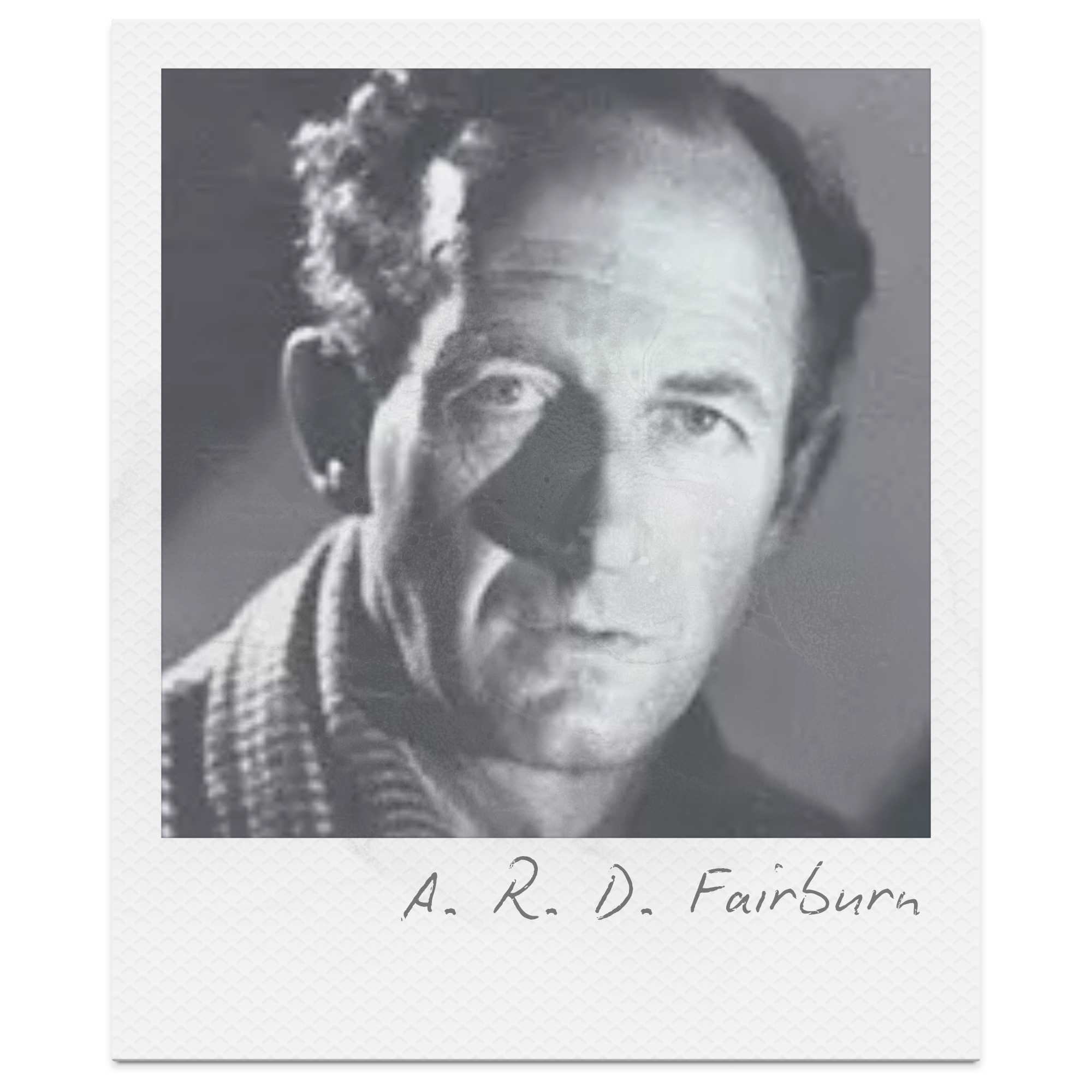
A. R. D. Fairburn (1904–1957) was one of New Zealand's most influential twentieth-century poets, known for combining sharp political commentary with satire, social criticism, and philosophical reflection. Much of his work challenged systems of power that he believed encouraged inequality, hypocrisy, and moral complacency. To a Millionaire reflects these concerns, presenting wealth not as an achievement to be admired but as something that demands ethical scrutiny.
The poem emerged during a period marked by economic instability, growing awareness of class divisions, and the lingering effects of the Great Depression. Across the early twentieth century, many writers questioned whether capitalist societies created prosperity fairly or whether wealth was often accumulated through the exploitation of workers and unequal distributions of power. Fairburn's poem participates in this wider debate, attacking the idea that financial success automatically reflects virtue, intelligence, or moral worth.
Literarily, To a Millionaire belongs to a long tradition of satirical and social protest poetry. Like writers such as Jonathan Swift and Percy Bysshe Shelley, Fairburn uses irony, accusation, and exaggeration to expose what he sees as corruption beneath respectable appearances. The poem's direct address to the millionaire creates the feeling of a public indictment, as though the speaker is placing the wealthy individual on trial before society itself.
The poem also reflects anxieties surrounding modern industrial capitalism. References to factory girls, exploited workers, hidden deaths, and inherited wealth suggest that luxury and comfort are often built upon invisible suffering. Fairburn repeatedly challenges readers to look beneath surfaces, arguing that prosperity may conceal histories of exploitation, violence, and social injustice.
Understanding this context helps explain the poem's uncompromising tone. Rather than criticising a single individual, Fairburn uses the millionaire as a symbolic figure representing wider systems of economic power. The poem therefore becomes not merely a personal attack but a broader examination of class inequality, social responsibility, and the moral consequences of wealth.
To a Millionaire: At a Glance
◆ Form: Social protest poem composed of ten regular quatrains, using irregular metre, recurring rhyme and direct address to confront a wealthy capitalist figure.
◆ Tone and emotional movement: Accusatory, satirical, and confrontational throughout, gradually becoming increasingly apocalyptic, philosophical, and condemnatory.
◆ Central tensions: Appearance versus reality; wealth versus morality; power versus accountability; privilege versus suffering; permanence versus decay.
◆ Core concerns: Economic inequality, exploitation, class conflict, social responsibility, corruption, mortality, and the hidden costs of wealth.
◆ Dominant imagery: Blood, murder, decay, mirrors, bones, luxury goods, drowning, servants, graves, and apocalyptic judgement.
◆ Stylistic features: Direct address, extended metaphor, satire, symbolism, violent imagery, biblical allusion, irony, rhetorical accusation, enjambment, and recurring imagery of concealment and revelation.
◆ Key themes: Wealth and corruption, class inequality, exploitation, social injustice, moral responsibility, mortality, power, and the inevitability of decline.
◆ One-sentence interpretation: Fairburn presents wealth as a corrupt and ultimately self-destructive force, arguing that luxury and privilege are often built upon hidden suffering, exploitation, and moral decay.
Quick Summary of To a Millionaire
To a Millionaire begins with the speaker directly confronting a wealthy individual, demanding that he remove the disguises that conceal his true nature. Through imagery of blood, murder, and hidden guilt, the speaker argues that the millionaire's wealth has been built upon exploitation and suffering. As the poem progresses, the speaker exposes the human cost hidden beneath luxury, linking expensive possessions, inherited wealth, and social privilege to the deaths and hardships endured by others.
As the poem develops, its focus broadens from individual accusation to a wider condemnation of economic power and social inequality. Images of decay, mortality, and eventual collapse undermine the millionaire's apparent security, while recurring references to corruption suggest that wealth cannot protect him from judgement or death. The poem ends with the striking image of opposing mirrors reflecting endless corruption into nothingness, leaving readers with a bleak vision of a world trapped within its own cycles of greed, power, and self-destruction.
Title, Form, Structure and Metre in To a Millionaire
The formal features of To a Millionaire are central to Fairburn’s attack on wealth, power and social inequality. Although the poem’s language is aggressive and its imagery repeatedly evokes violence, exploitation and decay, Fairburn contains this attack within a remarkably controlled structure. The poem consists of ten four-line stanzas, or quatrains, creating a tension between the neatness of its outward form and the disturbing corruption it exposes.
The Significance of the Title
The title immediately identifies the target of the poem. Fairburn does not address a named individual, but instead uses the generalised figure of the “Millionaire.” This allows the millionaire to function as more than a single wealthy man: he can be read as a representative of concentrated wealth, privilege and economic power.
The preposition “To” also establishes the poem as a direct address. The speaker is not simply describing the millionaire to an audience; he confronts him. This becomes immediately apparent in the opening command:
“Lord of our world, take off your velvet / mask.”
The millionaire is therefore placed under scrutiny from the beginning. The poem effectively reverses the usual relationship between wealth and authority: the powerful man becomes the person being examined, accused and judged.
Form and Stanza Structure
To a Millionaire consists of ten quatrains, giving the poem a consistent visual structure throughout. This regularity is significant because it contrasts sharply with the violence and disorder contained within the poem’s imagery.
Blood, murder, skulls, drowning, buried bones, exploited workers and eventual social collapse are all contained within neat four-line units. The controlled stanza form can therefore be read as a structural counterpoint to the corruption Fairburn describes: beneath an apparently orderly society lies violence and exploitation.
The quatrains also allow the speaker to develop his case incrementally. Each stanza introduces another accusation, image or consequence, so that the poem begins to resemble a series of charges in an indictment. This is particularly appropriate given the language of crime and detection established near the beginning, where the speaker claims:
“we have identified the killer.”
As the poem progresses, the evidence appears to accumulate. The millionaire is associated with concealed violence, exploitation, social inequality, hypocrisy, mortality and finally spiritual emptiness.
Structural Progression
The poem develops through a deliberate movement from exposure to judgement.
The opening stanzas focus on uncovering what has been concealed. The millionaire wears a “velvet / mask” and “gentle glove,” but beneath these symbols of refinement the speaker imagines a “claw-like hand” and “dried blood under the nails.” Structurally, the poem begins by stripping away appearances.
The middle of the poem broadens the accusation. Fairburn moves through images of servants, property, financial collapse, the dead diver, expensive pearls, factory workers and the millionaire’s luxurious home. Private wealth becomes increasingly connected with the suffering of other people.
The later stanzas intensify this exposure through images of buried violence:
“Under your rich carpet are bones buried”
and
“You cover your pits with grass”
Both images suggest attempts to conceal suffering beneath respectable surfaces. This recalls the opening “mask,” giving the poem structural coherence: throughout the poem, apparently civilised surfaces repeatedly hide disturbing realities.
The final two stanzas then shift away from these concrete images towards the more abstract imagery of glass, mirrors, reflection and nothingness. Fairburn expands his attack beyond the individual millionaire and towards the entire world that his wealth represents.
Metre and Rhythm
Although the stanza structure is regular, the poem does not maintain a single regular metre. Fairburn varies line length and stress patterns, creating a rhythm that often resembles forceful speech rather than a smooth or highly musical lyric.
This distinction is important: the poem is formally organised into regular quatrains, but its rhythm within those quatrains is much less predictable.
Fairburn also makes frequent use of enjambment, allowing sentences and phrases to continue across line breaks. The opening provides an immediate example:
“take off your velvet / mask.”
The line break temporarily separates the luxurious adjective “velvet” from the sinister noun “mask.” What initially suggests softness and luxury is abruptly transformed into an image of concealment.
Enjambment also gives the speaker’s accusations forward momentum. Thoughts repeatedly push beyond the ends of lines, helping the voice sound insistent and difficult to interrupt.
Rhyme and Sound
Fairburn uses rhyme and sound patterning throughout the poem, although these effects are not always perfectly regular. Full rhymes appear alongside looser sound correspondences, creating enough pattern to reinforce the poem’s formal control without making its accusations sound excessively lyrical.
Some rhymes are particularly emphatic. In the opening stanza, “thriller” and “killer” introduce the language of popular crime fiction, allowing the speaker to present the millionaire almost as a criminal whose guilt has already been discovered.
Elsewhere, Fairburn uses repeated harsh consonants and clusters of violent vocabulary — “claw-like,” “dried blood,” “murder,” “skulls,” “broken limbs,” “bones” — to disturb the comparative neatness of the stanza form.
The result is another important contrast: the poem may look controlled on the page, but its language continually exposes brutality beneath that control.
Direct Address and Repetition
The repeated use of “you” and “your” maintains the poem’s confrontational quality. Fairburn does not allow the millionaire to become an abstract subject of discussion; he remains the person being directly addressed.
This is balanced by the repeated collective pronoun “we.” Early in the poem, the speaker declares:
“We have spotted your guilt”
and
“we have identified the killer.”
The opposition between “we” and “you” creates a structural division between the millionaire and those who observe, expose or potentially oppose him. It also gives the speaker a collective voice, as though the accusations extend beyond one individual critic.
The Final Stanza
The final stanza represents the culmination of the poem’s movement from physical evidence towards philosophical judgement:
“Two mirrors in rigid dialectic”
The image of opposing mirrors creates the possibility of endless reflection, reinforced by the phrase “infinite recession.” Yet instead of suggesting permanence, this apparent infinity ultimately leads to “nothingness.”
This is a striking conclusion to a poem dominated by material wealth. The millionaire possesses property, jewels, servants and an “estate,” yet the final destination of his world is not abundance but emptiness.
The phrase “yourself, your world of strife” finally brings the individual and his society together. The millionaire is no longer merely a wealthy man within a corrupt world; he and that world appear to reflect one another.
Fairburn therefore combines regular quatrains with irregular metre, enjambment, direct address, accumulating accusations and recurring patterns of violent imagery. The controlled external form becomes particularly significant because it contains a poem obsessed with what respectable surfaces attempt to hide. Just as the millionaire’s velvet mask, polished floor and rich carpet conceal violence beneath them, the poem’s orderly appearance contains an increasingly devastating exposure of corruption.
Voice, Perspective and Emotional Conflict in To a Millionaire
The voice of To a Millionaire is one of its most powerful features. Fairburn creates a speaker who is confident, accusatory, and morally uncompromising, using direct address to place the millionaire under constant scrutiny. Throughout the poem, the speaker functions almost like a prosecutor, exposing hidden crimes, revealing uncomfortable truths, and dismantling the respectability associated with wealth and privilege. As the poem develops, however, this voice expands beyond direct accusation towards a broader reflection on corruption, inequality, mortality, and the emptiness of material power.
A Voice of Accusation and Exposure
From the opening line, the speaker adopts an aggressively confrontational tone:
“Lord of our world, take off your velvet mask.”
The imperative “take off” immediately establishes the speaker’s authority. Rather than addressing the millionaire with admiration or deference, he commands him to reveal his true nature. This reverses the expected power relationship: the economically powerful figure becomes the person being investigated and judged.
The following commands — “Remove” and “disclose” — intensify this sense of interrogation. Throughout the opening quatrains, images of masks, gloves, blood, murder and concealed evidence reinforce the idea that wealth maintains its respectability by hiding the suffering beneath it.
The speaker therefore adopts the role of an exposer, determined to strip away appearances and reveal what he regards as the true foundations of the millionaire’s power.
The Collective Perspective of “We”
Although the poem directly addresses an individual millionaire, the speaker repeatedly uses the collective pronoun “we.”
Fairburn writes:
“We have spotted your guilt”
and later:
“we have identified the killer.”
The movement between “we” and “you” establishes an important opposition within the poem. The millionaire stands on one side, while the collective voice of those who recognise or experience the consequences of his wealth stands on the other.
The identity of this “we” is deliberately broad. It could represent ordinary people, workers, victims of exploitation, or a wider society that has begun to recognise the hidden costs of extreme wealth.
This collective perspective makes the accusation feel larger than a personal grievance. The millionaire is not simply being challenged by one angry individual; he is confronted by a voice that claims to speak from a wider social awareness.
Moral Certainty and Lack of Ambiguity
Unlike speakers who struggle openly with doubt or uncertainty, Fairburn’s speaker displays remarkable confidence in his judgement.
The millionaire’s guilt is presented as an established fact rather than a possibility. The speaker does not ask whether exploitation exists; instead, he claims to have already “spotted” the evidence and “identified the killer.”
This certainty contributes to the poem’s relentless force. The voice resembles a prosecutor presenting an accumulating case, with each quatrain introducing another piece of evidence: blood, skulls, servants, dead workers, factory girls, buried bones and concealed pits.
However, readers can also consider the effect of this certainty critically. Fairburn gives the millionaire almost no opportunity to respond, meaning that the poem deliberately operates as an indictment rather than a balanced debate. Its power comes partly from this refusal to soften or qualify its accusations.
Satirical and Mocking Undertones
Although the poem deals with serious subjects, Fairburn frequently introduces satire and mockery into the speaker’s voice.
The description of the “bum police detective” is deliberately dismissive. By borrowing the conventions of a crime story, Fairburn suggests that the millionaire’s guilt is so obvious that only an incompetent detective could fail to identify it.
There is also bitter irony in the millionaire’s attempts to present himself as morally respectable. He advises “gentleness and restraint” and “counsel[s] prayer” despite the poem’s repeated association of his wealth with violence and exploitation.
These moments of satire prevent the voice from becoming purely solemn. The speaker does not simply condemn the millionaire; he also ridicules the respectable image surrounding him.
Anger and Moral Responsibility
The poem is driven by anger, but Fairburn does not present that anger as chaotic or uncontrolled. Instead, the regular quatrain structure contains a voice that is highly focused, with each stanza directing attention towards another aspect of the millionaire’s guilt.
Much of this anger emerges from the contrast between visible luxury and invisible suffering. The speaker repeatedly draws attention to people who have been ignored or forgotten: the diver who died seeking pearls, the “factory girls” whose sweat is compared to diamonds, servants who maintain the millionaire’s lifestyle, and the unnamed victims represented by skulls and bones.
The repeated emphasis on forgotten people gives the speaker’s anger a moral dimension. He is not merely hostile towards wealth itself; he demands that readers recognise the human lives concealed beneath the millionaire’s comfort and privilege.
The Shift Towards Philosophical Reflection
The final two stanzas mark a significant change in the speaker’s voice. Having spent much of the poem presenting concrete images of blood, bodies, labour and luxury, Fairburn moves towards increasingly abstract and philosophical imagery.
The ninth stanza asks:
“What is your world but a dark glass”
before describing the millionaire’s soul as “a facing mirror” reflecting “the accurate pattern of corruption.”
The rhetorical question retains the speaker’s accusatory confidence, but the focus has widened. He is no longer simply listing the human costs associated with wealth; he begins to consider the relationship between the millionaire and the society he inhabits.
The final stanza develops this idea through “Two mirrors in rigid dialectic,” “infinite recession” and finally “nothingness.” The language becomes increasingly abstract as the poem approaches its conclusion.
This shift broadens the poem from social accusation into philosophical reflection. The millionaire and his world appear to reflect one another endlessly, suggesting that individual corruption and systemic corruption cannot easily be separated.
The Implied Audience
Although the millionaire is the poem’s direct addressee, Fairburn also positions the reader as an important implied audience.
The speaker repeatedly exposes things that have supposedly been concealed: blood beneath fingernails, skulls beneath towns, bones beneath carpets and suffering behind luxury goods. Readers are therefore encouraged to participate in the process of looking beneath surfaces.
This is particularly significant in a poem concerned with blindness and concealment. When Fairburn writes that “when men pray they shut their eyes,” the image can be understood as a wider warning against refusing to see uncomfortable realities.
The poem consequently functions both as an attack on the millionaire and as a challenge to its readers. If exploitation survives partly because suffering remains unseen, recognising what lies beneath respectable appearances becomes a form of moral responsibility.
The Development of the Voice
Across the poem, Fairburn’s speaker moves from exposure to accusation, from accusation to judgement, and finally from judgement to philosophical reflection.
The opening commands demand that the millionaire remove his “mask.” The middle quatrains accumulate evidence of exploitation, suffering and mortality. The final two quatrains then replace physical evidence with mirrors, reflections and nothingness.
Despite this development, the speaker never loses his certainty. The poem begins by insisting that the millionaire’s true nature can be uncovered and ends by presenting corruption as something that inevitably reflects back upon both the individual and the world he inhabits.
Through direct address, collective pronouns, satire, rhetorical questioning and an increasingly philosophical vocabulary, Fairburn creates a voice that is confrontational but carefully controlled. The speaker transforms To a Millionaire from an attack on one wealthy individual into a wider challenge to the systems, values and forms of blindness that allow exploitation to remain hidden.
Stanza-by-Stanza Analysis of To a Millionaire
Fairburn develops his attack on wealth through ten tightly controlled quatrains, each adding another accusation, image, or consequence to the speaker’s case against the millionaire. The poem moves from the exposure of concealed violence towards exploitation, mortality, hypocrisy and, finally, philosophical emptiness. The regular four-line stanzas give this progression a striking sense of control: each quatrain functions almost like another charge in an accumulating indictment.
Stanza 1: Unmasking Respectability and Hidden Violence
The poem opens with the commanding address “Lord of our world,” immediately establishing the millionaire as a figure of immense economic and social power. The title “Lord” carries associations of authority and hierarchy, but there is also an ironic edge to the description. Although the millionaire may dominate the speaker’s world materially, the poem immediately challenges his moral authority.
Fairburn uses a sequence of imperatives — “take off,” “Remove” and “disclose” — to reverse the expected power relationship. Instead of treating the millionaire with deference, the speaker commands him to reveal what lies beneath his respectable appearance.
The “velvet / mask” and “gentle glove” combine images of concealment with associations of luxury, refinement and civility. However, underneath the glove is a “claw-like hand,” transforming the millionaire into something predatory and animalistic. The contrast suggests that apparent gentleness disguises exploitation.
The imagery becomes explicitly violent through “dried blood under the nails” and “the murder print that never shows.” Fairburn introduces the language of criminal investigation, implying that the millionaire carries evidence of guilt even when conventional systems fail to detect it. The first quatrain therefore establishes one of the poem’s central patterns: respectable surfaces conceal disturbing realities.
Stanza 2: Identifying the Killer
The second quatrain extends the crime imagery by comparing the exposure of the millionaire’s guilt to solving a detective story.
The collective speaker announces:
“We have spotted your guilt”
The pronoun “we” is significant. The accusation no longer belongs to a single individual but appears to come from a wider collective capable of recognising what has previously remained concealed.
The metaphor of the “bloodstained page” and “modern super-thriller” turns the millionaire’s corruption into a grotesque detective narrative. However, unlike a conventional mystery, there is little suspense: the speaker claims to recognise the guilty party before reaching the ending.
Fairburn adds satire through the “bum police detective.” The adjective suggests incompetence and may imply that official institutions are incapable of recognising — or unwilling to acknowledge — the forms of violence associated with economic exploitation.
The blunt conclusion, “we have identified the killer,” acts almost like a verdict. Fairburn deliberately uses the language of murder to collapse the distinction between direct physical violence and systems that allow people to suffer for the benefit of others.
Stanza 3: The Violence Beneath Paradise
The third quatrain expands the accusation beyond the individual millionaire and into the world created by his wealth.
The speaker claims:
“We have explored your paradise”
The noun “paradise” initially suggests beauty, abundance and privilege. Fairburn immediately destabilises that image, however, by locating it in the “unpacific ocean.”
The pun on Pacific is important. A name associated with peacefulness becomes “unpacific,” transforming an apparently idyllic landscape into one marked by conflict and suffering. The following statement, “where many drown,” exposes the human cost concealed beneath the fantasy of paradise.
The phrase “zoology of your coral island” gives the speaker the language of an investigator or scientist examining the millionaire’s world. Nothing remains beyond scrutiny.
The stanza culminates with:
“we have counted the skulls beneath your town.”
The verb “counted” is chillingly methodical. These victims are not vague suspicions; the speaker presents them almost as documented evidence. Meanwhile, the location of the skulls “beneath” the town develops the poem’s recurring motif of concealment: prosperity has literally and metaphorically been constructed over the dead.
Stanza 4: The Fall of Wealth and Status
Having exposed what lies beneath the millionaire’s apparent paradise, Fairburn turns towards the future and imagines the collapse of his social position.
The opening description “Tended by tight-lipped servants” emphasises the millionaire’s dependence upon the labour of others. The alliteration creates a sense of restraint, while “tight-lipped” may suggest silence, secrecy or suppressed resentment.
The imperative “muse” forces the millionaire to contemplate a future in which his existing hierarchy has been overturned. The speaker imagines “the rabble” spitting on his “polished floor.” The contrast is deliberately provocative: the derogatory noun “rabble” represents those regarded as socially inferior, while the polished floor represents wealth, order and respectability.
Their act of spitting therefore becomes a symbolic rejection of the social hierarchy that the millionaire represents.
Fairburn then moves from social downfall to mortality. The millionaire will be “forgotten like foul weather,” a simile that reduces a supposedly important and powerful man to something temporary and unpleasant.
The final image is even darker:
“groomed / by the worm, your patient servitor.”
The “worm” becomes a grotesque replacement for the millionaire’s human servants. In life, others attend to him because of his wealth; in death, his final “servitor” is the creature consuming his body. The adjective “patient” is especially effective because death does not need to hurry.
Stanza 5: Wealth, Death and Economic Collapse
The fifth quatrain attacks another illusion associated with wealth: permanence.
The declaration “There will be little of your estate” immediately undermines the idea that property and accumulated wealth can provide a lasting legacy. The millionaire may possess an “estate,” but the speaker predicts its eventual disappearance.
Fairburn then introduces “the notary Clay.” A notary has a literal connection with wills and inheritance, but the name “Clay” also evokes the physical material of the human body and traditional associations between humanity, earth and mortality. The legal process of distributing wealth is therefore placed alongside a reminder that its owner must die.
The millionaire’s financial security is equally unstable:
“your assets will melt in the great slump”
The verb “melt” makes apparently solid wealth seem fragile and temporary, while “great slump” evokes economic depression and financial collapse.
Fairburn concludes the quatrain with “time’s / invisible violence.” Earlier violence has been represented through blood, murder and skulls; now violence becomes silent and unavoidable. Time itself will eventually destroy what the millionaire has accumulated.
Stanza 6: Luxury and Forgotten Labour
The sixth quatrain returns from the millionaire’s future to the human suffering concealed within his present luxury.
The accusation begins:
“You have forgotten the diver dead”
The verb “forgotten” turns indifference into a moral failure. The millionaire benefits from luxury while remaining detached from the people whose labour makes that luxury possible.
The diver “groped for your wife’s pearls,” directly connecting dangerous labour with an expensive possession. Pearls therefore cease to function simply as symbols of beauty and become reminders of the human cost involved in obtaining them.
Fairburn extends this idea to diamonds:
“Her diamonds shine like water sprinkled on bought / flowers, or the sweat of factory girls.”
The comparison is deliberately uncomfortable. The brilliance of diamonds is visually connected to “sweat,” transforming a symbol of wealth into an image of physical labour and exhaustion.
The phrase “factory girls” also introduces class and gender into the poem’s critique. The millionaire’s household enjoys objects of extraordinary value while poorly recognised workers provide the labour upon which systems of consumption depend.
The stanza therefore forces the reader to look beyond the finished luxury object and consider the people hidden within its history.
Stanza 7: Blood and Bones Beneath Luxury
The seventh quatrain intensifies this relationship between luxury and suffering by transforming the millionaire’s home itself into evidence of violence.
Fairburn begins with the grotesque metaphor:
“Your opulent curtains woven of blood”
“Opulent” suggests extravagance and refinement, while “blood” represents suffering and violence. The verb “woven” is particularly effective because it suggests that exploitation is not merely associated with wealth but incorporated into its very fabric.
This develops into the disturbing phrase “sweet charnel fragrance.” The pleasant adjective “sweet” clashes with “charnel,” a word associated with death and human remains. Fairburn corrupts the sensory pleasures of the millionaire’s luxurious room by making death metaphorically present within them.
The same pattern appears beneath the “rich carpet,” where “bones” are buried. Again, Fairburn uses vertical imagery: wealth occupies the visible surface while its victims remain underneath.
However, concealment will not last:
“they shall speak up at crack of doom.”
The bones are personified and given the promise of a future voice. The allusion to final judgement suggests that suppressed suffering will eventually demand recognition, even if the millionaire succeeds in hiding it temporarily.
Stanza 8: Providence, Prayer and Wilful Blindness
The eighth quatrain turns from the physical evidence of exploitation towards the ideas used to excuse or conceal it.
The image “You cover your pits with grass” continues the motif of hiding disturbing realities beneath attractive surfaces. Grass makes the pits disappear visually without actually removing what lies underneath.
More significantly, the millionaire attributes “our broken limbs to Providence.” The collective “our” places the speaker among those who suffer, while “Providence” invokes the idea of divine will. Fairburn suggests that suffering is being explained as something ordained by God rather than caused by human social and economic structures.
The millionaire then advises “gentleness and restraint” and “counsel[s] prayer.” These ideas might ordinarily sound virtuous, but within the context of the poem they become deeply ironic. The speaker implies that passivity benefits those who already possess power.
The final line delivers the point sharply:
“for when men pray they shut their eyes.”
Literally, closing the eyes is associated with prayer. Symbolically, however, it becomes an image of wilful blindness. Fairburn suggests that religious consolation can become dangerous when it encourages people to look away from injustice rather than confront it.
Stanza 9: The Dark Glass and the Mirror of Corruption
The ninth quatrain marks a noticeable shift towards more abstract and philosophical imagery.
The rhetorical question:
“What is your world but a dark glass”
challenges the millionaire’s perception of reality. The “dark glass” suggests obscured or distorted vision and may also recall the biblical idea of seeing “through a glass, darkly,” connecting the image with incomplete understanding.
The millionaire’s world is “thronged with images of its own disruption.” Rather than being stable, his society already contains reflections of the forces capable of destroying it. Fairburn therefore suggests that exploitation produces instability from within.
The imagery then becomes more personal:
“your soul but a facing mirror”
The external world and the internal self begin to reflect one another. The millionaire cannot separate himself from the corruption surrounding him because his own soul reproduces its “accurate pattern.”
The adjective “accurate” is important. Unlike the mask and glove at the beginning of the poem, the mirror does not conceal. It reflects. Structurally, the poem has moved from demanding that the millionaire remove his disguise to presenting him with an image of himself that he cannot easily escape.
Stanza 10: Infinite Recession and Nothingness
The final quatrain completes the mirror imagery and brings the poem to its bleak philosophical conclusion.
Fairburn begins:
“Two mirrors in rigid dialectic”
Two facing mirrors produce an apparently endless sequence of reflections. The image therefore develops naturally from the “facing mirror” of the previous stanza, linking the final two quatrains structurally as well as symbolically.
The word “dialectic” introduces the language of opposing forces and ideas, while “rigid” suggests that this relationship has become fixed and incapable of genuine transformation.
The mirrors:
“display the secular process of your life”
The adjective “secular” returns attention to the millionaire’s material world. His life has been dominated by worldly wealth and power, but these possessions offer no escape from the process Fairburn imagines.
The phrase “infinite recession” is especially rich. It describes the visual effect produced by facing mirrors, in which reflections appear to retreat endlessly into the distance. At the same time, “recession” carries economic associations, recalling the earlier “great slump” and reinforcing the poem’s concern with unstable material wealth.
Yet this apparent infinity leads only:
“to nothingness”
The conclusion radically undermines the millionaire’s apparent abundance. A man defined by accumulation, possessions and economic power ultimately arrives at emptiness.
The final words — “yourself, your world of strife” — unite the individual with the society he represents. The millionaire reflects his world, and his world reflects him. Fairburn therefore ends not merely by predicting the destruction of one wealthy individual but by presenting corruption as a self-perpetuating system whose apparent power ultimately leads towards conflict, emptiness and oblivion.
Key Quotations in To a Millionaire
The following quotations capture the poem's central concerns with wealth, corruption, exploitation, social inequality, and moral responsibility. Fairburn repeatedly challenges the appearance of respectability surrounding wealth, exposing the hidden violence and suffering that support privilege and power.
“Lord of our world, take off your velvet mask”
◆ Method: Direct address, imperative language, and symbolism.
◆ Meaning: The speaker immediately challenges the millionaire's authority, demanding that he reveal his true nature. The "velvet mask" symbolises the respectable image that conceals exploitation and corruption.
◆ Purpose: Fairburn establishes the poem's confrontational tone while introducing the recurring theme of appearance versus reality.
◆ Impact: Readers are encouraged to question the legitimacy of wealth and the social narratives that protect powerful individuals.
◆ Link: This quotation introduces the poem's wider critique of wealth, power, and hidden corruption.
“the claw-like hand, the dried blood under the nails”
◆ Method: Animalistic metaphor and violent imagery.
◆ Meaning: The millionaire is transformed into a predatory figure whose wealth has been accumulated through exploitation and suffering.
◆ Purpose: Fairburn strips away the illusion of gentleness and civilisation, exposing the violence that lies beneath privilege.
◆ Impact: The disturbing imagery creates discomfort and encourages readers to view wealth through a moral rather than economic lens.
◆ Link: The image reinforces the poem's exploration of exploitation, guilt, and social injustice.
“we have identified the killer”
◆ Method: Extended crime metaphor and collective voice.
◆ Meaning: The speaker presents the millionaire as morally responsible for suffering and death caused by systems of inequality.
◆ Purpose: Fairburn transforms social criticism into a public accusation, positioning the millionaire as guilty rather than admirable.
◆ Impact: The certainty of the statement creates a powerful sense of judgement and accountability.
◆ Link: The quotation highlights themes of responsibility, power, and moral corruption.
“we have counted the skulls beneath your town”
◆ Method: Symbolism and macabre imagery.
◆ Meaning: The skulls symbolise forgotten victims whose suffering has been concealed beneath prosperity and social success.
◆ Purpose: Fairburn exposes the hidden human cost of wealth and economic power.
◆ Impact: The image transforms the millionaire's world into a landscape haunted by exploitation and death.
◆ Link: The quotation reinforces the poem's criticism of class inequality and hidden suffering.
“the rabble will spit on your polished floor”
◆ Method: Contrast, symbolism, and foreshadowing.
◆ Meaning: Those traditionally viewed as powerless are imagined rejecting and condemning the millionaire's world of privilege.
◆ Purpose: Fairburn undermines assumptions about social hierarchy and imagines a reversal of power.
◆ Impact: The image creates a sense of impending judgement and social reckoning.
◆ Link: The quotation develops themes of class conflict, accountability, and justice.
“groomed by the worm, your patient servitor”
◆ Method: Personification and symbolism.
◆ Meaning: The worm symbolises death and decay, becoming the millionaire's final servant.
◆ Purpose: Fairburn reminds readers that wealth cannot protect anyone from mortality.
◆ Impact: The dark irony undermines the millionaire's apparent power and permanence.
◆ Link: The quotation contributes to the poem's exploration of mortality and the limits of wealth.
“your assets will melt in the great slump”
◆ Method: Metaphor and economic imagery.
◆ Meaning: Wealth is presented as fragile and temporary rather than secure and permanent.
◆ Purpose: Fairburn challenges assumptions that financial success guarantees lasting power.
◆ Impact: Readers are encouraged to view economic systems as unstable and vulnerable to collapse.
◆ Link: The quotation reinforces themes of impermanence, wealth, and economic inequality.
“the sweat of factory girls”
◆ Method: Metonymy and social imagery.
◆ Meaning: The phrase represents the exploited labour hidden behind luxury goods and consumer wealth.
◆ Purpose: Fairburn exposes the human effort and suffering concealed within apparently glamorous possessions.
◆ Impact: The image creates sympathy for workers while encouraging criticism of economic exploitation.
◆ Link: The quotation develops themes of labour, class inequality, and social responsibility.
“Under your rich carpet are bones buried”
◆ Method: Symbolism and metaphor.
◆ Meaning: The bones represent forgotten victims whose suffering supports the millionaire's comfortable lifestyle.
◆ Purpose: Fairburn reveals how prosperity often rests upon concealed histories of exploitation.
◆ Impact: The image creates a powerful contrast between luxury and hidden suffering.
◆ Link: The quotation reinforces the poem's concern with social injustice and moral accountability.
“for when men pray they shut their eyes”
◆ Method: Irony and symbolism.
◆ Meaning: Prayer becomes a metaphor for wilful blindness and the refusal to confront social realities.
◆ Purpose: Fairburn criticises the use of religion to justify inequality or avoid responsibility.
◆ Impact: Readers are encouraged to question comforting explanations that obscure injustice.
◆ Link: The quotation develops themes of hypocrisy, power, and moral blindness.
“your soul but a facing mirror that reflects back the accurate pattern of corruption”
◆ Method: Extended metaphor and mirror symbolism.
◆ Meaning: The millionaire's soul reflects the corruption that characterises the society he has helped create.
◆ Purpose: Fairburn suggests that social corruption and personal corruption are inseparable.
◆ Impact: The image creates a disturbing sense of self-recognition and moral exposure.
◆ Link: The quotation reinforces themes of corruption, identity, and social responsibility.
“leading through infinite recession to nothingness”
◆ Method: Metaphor and philosophical imagery.
◆ Meaning: The millionaire's pursuit of wealth ultimately leads to emptiness rather than fulfilment or permanence.
◆ Purpose: Fairburn concludes the poem by exposing the spiritual and moral emptiness at the centre of material success.
◆ Impact: The bleak ending leaves readers questioning the value of wealth and power.
◆ Link: The quotation encapsulates the poem's wider critique of materialism, power, and human purpose.
Literary Techniques in To a Millionaire
Fairburn uses a wide range of literary techniques to expose the relationship between wealth, power, exploitation, and moral corruption. Rather than simply criticising the millionaire, the poem systematically dismantles the myths that surround wealth, revealing the violence, hypocrisy, and human suffering hidden beneath privilege. Many of the poem's techniques work together to create a relentless atmosphere of accusation, forcing readers to question both the millionaire and the social systems he represents.
Direct Address
One of the poem's most striking techniques is its sustained use of direct address. Throughout the poem, the speaker repeatedly confronts the millionaire through the pronouns "you" and "your," beginning with the command "take off your velvet mask." This technique creates an immediate sense of confrontation. Rather than discussing wealth in abstract terms, Fairburn places the millionaire under direct scrutiny. The poem therefore feels less like an observation and more like a public indictment, as though the speaker is prosecuting the millionaire before an audience.
Extended Metaphor
The poem develops several extended metaphors that shape its central argument. Wealth is repeatedly associated with crime, violence, concealment, and corruption. References to "the dried blood under the nails," "the murder print that never shows," and the declaration that "we have identified the killer" transform the millionaire into a symbolic criminal figure. Fairburn suggests that exploitation operates like an unsolved crime whose evidence has been hidden from public view. The extended crime metaphor allows the poem to present economic inequality as a moral offence rather than a neutral social condition.
Symbolism
Symbolism is central to the poem's exploration of appearance and reality. Objects that initially seem ordinary gradually acquire wider significance. The "velvet mask" symbolises respectability and social status, the "gentle glove" symbolises the concealment of wrongdoing, the "worm" symbolises mortality and decay, the "bones" symbolise forgotten victims, and the recurring mirror imagery symbolises self-knowledge and the inescapable nature of corruption. Together, these symbols expose the gap between the millionaire's public image and the realities that support his wealth.
Violent and Gothic Imagery
Throughout the poem, Fairburn employs disturbing imagery of blood, death, burial, and decay. Images such as "the skulls beneath your town," "opulent curtains woven of blood," and "Under your rich carpet are bones buried" create a haunting atmosphere in which luxury becomes inseparable from violence. The repeated references to hidden bodies and buried remains suggest that exploitation leaves permanent traces, even when society attempts to conceal them. As a result, the millionaire's world begins to resemble a gothic landscape haunted by its own victims.
Satire and Irony
Fairburn frequently uses satire to undermine the authority of wealth and power. The reference to the "bum police detective" mocks institutions that fail to recognise obvious injustice, while the millionaire's advice to practise "gentleness and restraint" is deeply ironic because the speaker believes his wealth has been built through exploitation and suffering. This irony intensifies through the observation that "when men pray they shut their eyes," suggesting that moral and religious language can become tools for avoiding responsibility rather than confronting injustice. The poem repeatedly exposes contradictions between what the millionaire claims to represent and what he actually embodies.
Biblical and Religious Allusion
Religious language appears throughout the poem, often in critical or ironic ways. References to "Providence," "crack of doom," and prayer connect the poem to ideas of judgement, morality, and accountability. However, Fairburn frequently challenges the use of religion as a justification for inequality. By suggesting that suffering is attributed to "Providence" rather than human action, the poem exposes how religious explanations can be used to obscure responsibility and preserve existing power structures.
Collective Voice
The repeated use of "we" broadens the poem's perspective beyond a single speaker. Statements such as "We have explored your paradise" and "We have counted the skulls beneath your town" suggest that the accusations come from society as a whole rather than from one isolated individual. This collective voice strengthens the poem's political dimension and transforms personal criticism into wider social judgement. The millionaire is not merely challenged by one speaker but by the voices of those affected by exploitation.
Contrast
Much of the poem's power comes from sharp contrasts between appearance and reality. Fairburn repeatedly places luxury alongside suffering. The millionaire's wife's jewels shine like "the sweat of factory girls," paradise becomes a place "where many drown," and elegant interiors conceal blood, bones, and corruption. These contrasts force readers to look beyond superficial appearances and recognise the hidden costs of wealth. The technique reinforces the poem's central argument that privilege often depends upon unseen suffering.
Personification
Fairburn frequently gives abstract concepts human characteristics. The phrase "time's invisible violence" transforms time into a destructive force capable of attacking wealth and power, while the image of "the worm, your patient servitor" presents death as the millionaire's final servant. These examples of personification remind readers that wealth cannot ultimately protect individuals from decline, mortality, or judgement. The forces that threaten the millionaire are patient, inevitable, and impossible to control.
Mirror Imagery
The poem's concluding mirror imagery is among its most sophisticated techniques. The millionaire's "soul" becomes "a facing mirror" that reflects "the accurate pattern of corruption," while the final image of "Two mirrors in rigid dialectic" creates endless reflections stretching towards "nothingness." Mirrors traditionally symbolise self-examination and truth, but Fairburn uses them to suggest that corruption continually reflects itself back upon both the individual and the society he inhabits. The image implies that wealth has trapped the millionaire within a self-perpetuating cycle of moral decay.
Rhetorical Question
Fairburn strengthens his argument through rhetorical questioning. When the speaker asks, "What is your world but a dark glass", he does not seek an answer. Instead, the question forces both the millionaire and the reader to confront the poem's interpretation of wealth and power. The technique encourages reflection while reinforcing the speaker's confidence and moral authority.
Accumulation and Escalation
A key structural technique throughout the poem is accumulation. Fairburn builds his argument through a series of increasingly severe accusations, moving from hidden bloodstains and buried skulls to economic collapse, moral corruption, and philosophical nothingness. Each image intensifies the previous one, creating a sense of mounting evidence. By the poem's conclusion, the millionaire appears surrounded by overwhelming proof of exploitation, decay, and moral failure. This cumulative structure reinforces the poem's relentless attack on wealth and privilege, leaving little room for defence or escape.
Symbolism in To a Millionaire
Symbolism is one of Fairburn's most important techniques in To a Millionaire. Throughout the poem, ordinary objects, luxurious possessions, and abstract images acquire deeper meanings that expose the hidden realities beneath wealth and privilege. Rather than presenting corruption directly, Fairburn repeatedly uses symbols to reveal how exploitation, inequality, and moral decay are embedded within the millionaire's world.
The Velvet Mask
The poem opens with the command to remove the "velvet mask," making it one of the poem's most significant symbols. Velvet is associated with luxury, status, and refinement, while a mask suggests concealment and deception. Together, these ideas symbolise the respectable public image that surrounds wealth and power.
The mask represents the way privilege often disguises the realities that support it. Fairburn suggests that society admires the appearance of success while failing to recognise the exploitation hidden beneath it. By demanding that the mask be removed, the speaker seeks to expose uncomfortable truths that wealth attempts to conceal.
The Glove and Claw-Like Hand
The "gentle glove" symbolises civility, politeness, and the illusion of moral respectability. However, beneath it lies the "claw-like hand," which symbolises greed, predation, and exploitation.
The contrast between glove and claw reflects one of the poem's central tensions between appearance and reality. Fairburn suggests that wealth often presents itself as benevolent and respectable while concealing more ruthless forms of behaviour beneath the surface.
Blood
Blood functions as a recurring symbol of exploitation and hidden violence. References to "dried blood under the nails" and "opulent curtains woven of blood" imply that wealth has been purchased through suffering.
Importantly, the blood is often hidden rather than openly visible. This reflects the poem's argument that the human costs of wealth are frequently concealed from public view. Blood therefore becomes a symbol of the lives damaged or sacrificed in the pursuit of profit and privilege.
Paradise and the Coral Island
The millionaire's "paradise" and "coral island" symbolise the attractive image of wealth, luxury, and success. Traditionally, islands evoke beauty, escape, and exclusivity. However, Fairburn undermines these associations through references to drowning victims and buried skulls.
As a result, paradise becomes a symbol of false appearances. What initially seems desirable and idyllic is revealed to rest upon suffering and inequality. The island therefore represents the wider illusion of prosperity itself.
Skulls and Bones
The "skulls beneath your town" and "bones buried" beneath the millionaire's carpet symbolise forgotten victims and concealed histories.
These images suggest that exploitation cannot be erased entirely. Although society may attempt to hide suffering beneath comfort and prosperity, the evidence remains present beneath the surface. The bones therefore symbolise both historical injustice and the enduring consequences of economic inequality.
The fact that the bones eventually "shall speak up at crack of doom" suggests that truth cannot remain buried forever.
Pearls and Diamonds
Pearls and diamonds traditionally symbolise beauty, luxury, and status. However, Fairburn deliberately transforms them into symbols of exploitation.
The pearls are linked to the diver who dies searching for them, while the diamonds shine like "the sweat of factory girls." These possessions therefore symbolise the hidden labour and suffering that support wealth. Rather than representing success, they become reminders of the workers whose sacrifices remain invisible to those who enjoy the rewards.
The Worm
The "worm" functions as a traditional symbol of mortality, decay, and physical death. However, Fairburn develops this symbolism through the phrase "your patient servitor."
The image creates a dark irony. Throughout life, servants maintain the millionaire's comfort and status. In death, the worm becomes his final servant. The symbol therefore reminds readers that wealth cannot protect individuals from mortality, reinforcing the poem's challenge to ideas of permanence and power.
The Dark Glass
The image of the "dark glass" symbolises distorted perception and moral blindness. Rather than seeing reality clearly, the millionaire inhabits a world shaped by illusion, self-interest, and selective understanding.
The symbol suggests that wealth creates barriers between individuals and uncomfortable truths. The millionaire's worldview becomes clouded by privilege, preventing him from recognising the suffering that supports his position.
Mirrors
The recurring mirror imagery represents self-knowledge, judgement, and the inescapable nature of corruption. The millionaire's soul is described as "a facing mirror" reflecting "the accurate pattern of corruption," while the poem concludes with "Two mirrors in rigid dialectic."
Unlike the mask, which conceals reality, the mirror reveals it. Fairburn uses the symbol to suggest that corruption inevitably reflects back upon those who benefit from it. The final image of endless reflections implies that exploitation reproduces itself repeatedly, trapping both individuals and societies within cycles of moral decay.
Nothingness
The poem's final destination, "nothingness," functions as the ultimate symbol of spiritual emptiness. Despite the millionaire's wealth, influence, and apparent success, the poem concludes that these achievements lead nowhere meaningful.
Nothingness symbolises the failure of material wealth to provide purpose, fulfilment, or permanence. By ending with this image, Fairburn presents corruption as ultimately self-defeating, reducing both the individual and the society they have helped create to emptiness and oblivion.
Collectively, these symbols transform To a Millionaire from a simple social protest poem into a broader meditation on power, morality, mortality, and the hidden costs of wealth. Fairburn repeatedly exposes the realities concealed beneath luxury, using symbolism to reveal a world in which privilege rests upon exploitation and apparent success ultimately leads to decay and emptiness.
Meaning and Impact of To a Millionaire
At its core, To a Millionaire is a poem about the moral consequences of wealth. Fairburn challenges the assumption that financial success automatically deserves admiration, arguing instead that great wealth often depends upon systems of exploitation, inequality, and hidden suffering. Throughout the poem, the speaker systematically strips away the symbols of luxury and respectability, revealing the violence, labour, and human cost concealed beneath them.
However, the poem's meaning extends beyond a simple attack on one wealthy individual. The millionaire functions as a symbolic figure representing wider structures of economic power. Fairburn repeatedly broadens his focus from personal accusation to social criticism, suggesting that corruption is not limited to individuals but embedded within entire systems that allow some people to prosper while others suffer. The poem therefore becomes a critique of both wealth and the values that support it.
A central idea running throughout the poem is the tension between appearance and reality. The millionaire's world initially appears elegant and successful, filled with velvet, pearls, diamonds, polished floors, and opulent furnishings. Yet Fairburn repeatedly reveals darker realities hidden beneath these surfaces. Blood lies beneath luxury, bones lie beneath comfort, and exploitation lies beneath prosperity. The poem suggests that wealth often depends upon making suffering invisible, encouraging people to admire success without questioning how it was achieved.
Fairburn is also deeply concerned with memory and forgetting. The millionaire has forgotten "the diver dead" and ignores the "sweat of factory girls." Throughout the poem, victims remain hidden beneath towns, carpets, and economic systems. By repeatedly uncovering these forgotten figures, Fairburn challenges readers to recognise the human stories erased by privilege. The poem argues that moral responsibility begins with acknowledging those whose labour and suffering make wealth possible.
Another important aspect of the poem's meaning is its exploration of mortality. No matter how powerful the millionaire appears, he cannot escape death, decline, or the passage of time. The image of the "worm" as a "patient servitor" and the reference to "time's invisible violence" remind readers that wealth offers only an illusion of permanence. Fairburn therefore exposes the fragility of power, suggesting that social status and material success ultimately provide little protection against universal human realities.
The poem's final movement towards mirrors, infinite reflection, and "nothingness" broadens its significance even further. What begins as a social protest poem gradually becomes a philosophical meditation on meaning and value. Fairburn suggests that a life devoted solely to power, accumulation, and privilege becomes trapped within a cycle of self-reflection that produces neither fulfilment nor transcendence. The millionaire's world ultimately collapses into emptiness because it lacks genuine moral purpose.
The impact of the poem comes largely from its relentless tone and uncompromising moral certainty. Fairburn does not invite readers to sympathise with the millionaire or consider alternative explanations. Instead, the speaker functions like a prosecutor, presenting evidence of corruption and forcing readers to confront uncomfortable truths. This sustained pressure creates a sense of urgency and moral intensity that remains powerful throughout the poem.
The poem also achieves its impact through the accumulation of disturbing imagery. Blood, skulls, bones, worms, buried victims, and images of decay repeatedly undermine the glamour associated with wealth. By linking luxury to death and exploitation, Fairburn transforms familiar symbols of success into symbols of guilt. Readers are therefore encouraged to question assumptions about prosperity, privilege, and social status.
Ultimately, To a Millionaire presents wealth as both morally compromised and spiritually empty. Fairburn argues that prosperity built upon exploitation cannot provide lasting security, meaning, or fulfilment. Through its powerful symbolism, confrontational voice, and relentless exposure of hidden suffering, the poem challenges readers to look beyond appearances and consider the human consequences of economic inequality.
Key Themes in To a Millionaire
Fairburn's To a Millionaire explores a range of interconnected themes centred on wealth, power, inequality, and moral accountability. Through its relentless accusations, disturbing imagery, and symbolic language, the poem challenges readers to question the social systems that allow privilege to flourish while suffering remains hidden. Although the poem targets an individual millionaire, its themes extend far beyond one person, examining wider structures of exploitation and corruption within society.
Wealth and Corruption
One of the poem's central themes is the relationship between wealth and corruption. Fairburn repeatedly suggests that prosperity is not the result of virtue or hard work alone but is often linked to exploitation, suffering, and hidden wrongdoing.
From the opening references to "the dried blood under the nails" and "the murder print that never shows," wealth is associated with criminality and moral guilt. The millionaire's luxurious possessions are repeatedly connected to human suffering, transforming symbols of success into evidence of corruption.
Rather than celebrating economic achievement, the poem asks readers to consider how wealth is accumulated and whether prosperity can remain morally innocent when it depends upon the labour and suffering of others.
Class Inequality
The poem presents society as deeply divided between the wealthy and the powerless. Throughout the poem, the millionaire enjoys luxury and comfort while workers, servants, and anonymous victims bear the consequences of economic inequality.
The contrast between expensive possessions and references to "factory girls" highlights the unequal distribution of wealth and opportunity. Fairburn suggests that privilege allows some individuals to enjoy prosperity while remaining detached from the realities experienced by those beneath them.
By exposing the hidden foundations of wealth, the poem challenges readers to question social hierarchies and the systems that maintain them.
Exploitation
Exploitation runs throughout the poem and serves as the foundation upon which the millionaire's world is built. The dead diver searching for pearls, the labour of factory workers, and the buried victims beneath the town all symbolise individuals whose lives have been sacrificed for the comfort of others.
Fairburn repeatedly links luxury to labour, suggesting that wealth often depends upon invisible forms of human effort. Expensive possessions are never presented as isolated objects but as products connected to real people and real suffering.
The poem therefore exposes the human cost hidden behind material success.
Social Injustice
Closely linked to exploitation is the theme of social injustice. Fairburn presents a world in which suffering remains concealed while privilege receives admiration and protection.
The recurring images of buried skulls, hidden blood, and forgotten victims suggest that injustice is often ignored rather than addressed. Institutions, social conventions, and public narratives allow exploitation to remain invisible, protecting those who benefit from inequality.
The poem functions as an attempt to expose these injustices and force them into public view.
Moral Responsibility
A major concern throughout the poem is the question of responsibility. Fairburn refuses to treat inequality as an unfortunate accident or unavoidable consequence of society. Instead, he repeatedly holds the millionaire accountable for the suffering connected to his wealth.
The speaker's direct accusations, collective voice, and prosecutorial tone all reinforce the idea that privilege carries ethical obligations. The millionaire is condemned not only for benefiting from exploitation but also for ignoring or forgetting the people harmed by the systems that sustain his lifestyle.
The poem therefore encourages readers to consider their own responsibilities towards others and the social structures they participate in.
Mortality
Despite his wealth and influence, the millionaire cannot escape death. Fairburn repeatedly reminds readers that power offers no protection against mortality.
The image of "the worm, your patient servitor" presents death as an inevitable force patiently waiting for every individual regardless of social status. Similarly, references to "time's invisible violence" emphasise the gradual erosion of wealth, power, and human life.
Mortality therefore functions as a powerful equalising force that ultimately undermines the millionaire's apparent superiority.
Power
Power appears throughout the poem in both social and economic forms. The millionaire is introduced as "Lord of our world," suggesting immense influence over society and the lives of others.
However, Fairburn repeatedly challenges this authority. The speaker refuses to defer to power, exposing the corruption hidden beneath it and imagining a future in which the "rabble" reject the millionaire's dominance.
The poem therefore explores both the attraction of power and its potential for abuse, questioning whether authority can remain legitimate when it depends upon exploitation.
The Inevitability of Decline
Perhaps the poem's most pessimistic theme is the inevitability of decline. Throughout the poem, Fairburn systematically dismantles the illusion of permanence surrounding wealth and privilege.
Economic collapse threatens the millionaire's "assets," time gradually destroys his achievements, death claims his body, and the final image of "infinite recession to nothingness" suggests ultimate emptiness and dissolution.
The poem argues that no amount of wealth can prevent decline. Material success may create the appearance of permanence, but everything remains vulnerable to time, mortality, and social change.
Ultimately, To a Millionaire presents a bleak but powerful vision of society in which wealth is inseparable from exploitation, power is vulnerable to judgement, and privilege cannot escape either mortality or decline. Through its exploration of corruption, inequality, responsibility, and decay, the poem challenges readers to look beyond appearances and confront the human consequences of economic power.
Alternative Interpretations of To a Millionaire
Although To a Millionaire is often read as a direct attack on wealth and inequality, Fairburn's imagery, symbolism, and philosophical ending allow for a range of alternative interpretations. Different readers may focus on the poem's political message, moral concerns, psychological dimensions, or existential implications.
Psychological Interpretation: Self-Deception and Denial
The recurring imagery of masks, mirrors, concealment, and blindness suggests that the poem explores self-deception as much as social injustice. The millionaire repeatedly avoids confronting uncomfortable truths, constructing a version of reality that protects him from guilt and responsibility. The final mirror imagery implies that corruption ultimately reflects back upon the individual, making the poem a study of denial, moral blindness, and the psychological need to justify privilege.
Moral Interpretation: Responsibility and Compassion
Rather than attacking wealth itself, Fairburn may be criticising the failure to acknowledge responsibility towards others. The millionaire's greatest flaw is not simply possessing wealth but forgetting the diver, ignoring the factory girls, and refusing to recognise the suffering connected to his prosperity. From this perspective, the poem becomes a warning about indifference, selfishness, and moral complacency.
Political Interpretation: Capitalism and Inequality
The most common interpretation views the poem as a condemnation of capitalism and class inequality. Wealth is repeatedly linked to exploitation, hidden labour, and social injustice. The millionaire becomes a symbol of economic systems that allow a privileged minority to prosper while others suffer. Fairburn therefore exposes the human costs concealed beneath luxury and privilege.
Religious Interpretation: Faith and Hypocrisy
The poem frequently engages with religious language through references to "Providence," prayer, and the "crack of doom." Fairburn may be criticising the use of religion to justify inequality or excuse human responsibility. The poem suggests that faith becomes dangerous when it encourages people to ignore injustice rather than confront it.
Existential Interpretation: Meaning and Emptiness
The final stanza shifts the poem beyond social criticism towards philosophical reflection. The image of "Two mirrors in rigid dialectic" leading through "infinite recession to nothingness" suggests that a life devoted entirely to wealth and power ultimately lacks meaning. Under this interpretation, the poem explores spiritual emptiness and the failure of material success to provide lasting fulfilment.
Mortality Interpretation: The Limits of Power
The recurring images of worms, bones, buried bodies, and "time's invisible violence" suggest that mortality is one of the poem's central concerns. Fairburn repeatedly reminds readers that wealth cannot prevent ageing, decay, or death. The poem can therefore be interpreted as a meditation on the fragility of human achievement and the illusion of permanence.
Social Criticism Interpretation: Society on Trial
The millionaire may represent more than a single individual. Because he remains unnamed, he can be viewed as a symbolic figure embodying wider social values. The poem therefore criticises not only one wealthy man but an entire society that admires success while ignoring the suffering upon which it may depend.
The strongest interpretations often combine several of these perspectives. While To a Millionaire clearly condemns exploitation and inequality, it also explores broader questions about morality, responsibility, mortality, self-deception, and the search for meaning in a world shaped by power and wealth.
Comparing To a Millionaire with Other Songs of Ourselves Volume 2 Poems
To a Millionaire connects strongly with several other poems in the anthology through its exploration of power, inequality, human suffering, social responsibility, and moral judgement. However, Fairburn's poem is distinctive for its relentless accusatory voice and its direct attack on wealth as a source of corruption and exploitation.
◆ The Song of the Shirt – Thomas Hood. Both poems expose the suffering created by economic inequality and exploitative labour systems. Hood focuses on the lived experience of a working-class seamstress trapped in poverty, while Fairburn shifts attention towards the wealthy individuals who benefit from such exploitation.
◆ The White House – Claude McKay. Both poems explore power, privilege, and exclusion. McKay examines racial and social barriers through the symbol of the White House, while Fairburn directly attacks economic privilege and the systems that protect the wealthy from accountability.
◆ The Migrant – A. L. Hendriks. Both poems highlight the human cost of social and economic structures. Hendriks focuses on displacement and vulnerability, whereas Fairburn concentrates on the individuals and systems that profit while others suffer.
◆ Homecoming – Lenrie Peters. Both poems question material success and external measures of achievement. Peters explores the emotional and spiritual emptiness that can accompany social advancement, while Fairburn presents wealth itself as morally compromised and ultimately meaningless.
◆ Old Man & Very Old Man – James Henry. Both poems emphasise mortality and the temporary nature of human power. Fairburn repeatedly reminds readers that wealth cannot prevent decay or death, while Henry similarly reflects on ageing, decline, and the limits of human control.
◆ Late Wisdom – George Crabbe. Both poems examine the consequences of a life shaped by flawed values and misplaced priorities. Crabbe focuses on personal regret and reflection, whereas Fairburn presents a more public and political judgement of wealth and privilege.
◆ The Dead Knight – John Masefield. Both poems undermine traditional assumptions about status and power. Masefield's knight and Fairburn's millionaire are both ultimately reduced by mortality, suggesting that worldly success offers no protection from death.
◆ 'Blessed by the Indifference...' – Christopher Reid. Both poems encourage readers to question conventional attitudes towards success and human significance. Reid adopts a more reflective and philosophical tone, while Fairburn uses accusation and satire to expose corruption and inequality.
◆ Excelsior – Henry Wadsworth Longfellow. Both poems explore ambition, but from very different perspectives. Longfellow presents aspiration as noble and idealistic, while Fairburn questions the moral consequences of ambition when it becomes linked to wealth, power, and exploitation.
◆ London Snow – Robert Bridges. Both poems reveal hidden realities beneath everyday appearances. Bridges uses snow to temporarily transform and conceal the harshness of urban life, while Fairburn repeatedly strips away comforting appearances to expose the suffering hidden beneath wealth and prosperity.
Exam-Ready Insight
Strong AS Level responses to To a Millionaire move beyond describing the poem as a simple attack on wealthy people and instead explore how Fairburn presents wealth as a system of hidden corruption, exploitation, and moral self-deception. Perceptive essays analyse how the poet uses symbolism, direct address, violent imagery, religious allusion, and philosophical reflection to dismantle the illusion of respectable prosperity.
Strong responses typically:
◆ Explore how Fairburn contrasts outward appearances with hidden realities throughout the poem.
◆ Analyse the significance of recurring imagery of blood, bones, skulls, and decay.
◆ Examine how the millionaire functions as both an individual figure and a symbol of wider economic systems.
◆ Explore the poem's presentation of wealth as morally compromised rather than admirable.
◆ Analyse the speaker's accusatory tone and the effects of sustained direct address.
◆ Discuss how Fairburn uses religious language and biblical allusions to challenge moral hypocrisy.
◆ Explore the significance of forgotten victims such as the diver and the factory girls.
◆ Analyse how images of mortality undermine the millionaire's apparent power and permanence.
◆ Examine the role of mirrors, reflection, and self-deception in the poem's final movement.
◆ Explore how the poem develops from social criticism into philosophical reflection.
◆ Use short, embedded quotations naturally to support interpretation.
◆ Move beyond identifying techniques and instead analyse how methods shape meaning and influence the reader's response.
The strongest responses often focus on the contradiction at the centre of the poem: although the millionaire appears powerful, secure, and successful, Fairburn gradually reveals that his wealth rests upon exploitation, moral corruption, and ultimately spiritual emptiness. Essays that sustain this tension throughout their argument are likely to produce more sophisticated interpretations.
Example Thesis Statement
In To a Millionaire, Fairburn presents wealth as a corrupting and ultimately self-destructive force, using violent imagery, symbolism, direct address, and philosophical reflection to expose the exploitation hidden beneath privilege and reveal the moral emptiness that lies at the centre of material success.
Model Analytical Paragraph
Fairburn presents wealth as a form of concealed corruption through his recurring imagery of disguise and revelation. The poem opens with the command to "take off your velvet mask," immediately suggesting that the millionaire's respectable public image is artificial rather than authentic. The luxurious connotations of "velvet" evoke status, refinement, and privilege, yet the image of a "mask" implies concealment and deception. Fairburn intensifies this contrast through the shocking image of the "claw-like hand" and the "dried blood under the nails," transforming the millionaire from a figure of success into a symbolic predator whose prosperity has been built upon exploitation. The violent imagery forces readers to question the moral foundations of wealth, while the imperative tone positions the speaker as someone exposing truths that society would prefer to ignore. As a result, Fairburn presents privilege not as evidence of achievement but as a carefully maintained illusion that conceals suffering, inequality, and corruption.
Teaching Ideas
To a Millionaire works particularly well for advanced literary discussion because its apparently direct criticism of wealth develops into a much broader exploration of power, corruption, moral responsibility, and social inequality. The poem encourages students to move beyond surface-level political readings and explore how Fairburn uses symbolism, imagery, and structure to challenge assumptions about success, privilege, and human value.
1. Exploring Wealth as Success or Corruption
This activity encourages students to debate whether Fairburn condemns wealth itself or the systems through which wealth is acquired and maintained. Students should focus closely on the poem's imagery of blood, bones, luxury, and exploitation.
◆ Does Fairburn criticise all forms of wealth, or only wealth built upon exploitation?
◆ How does the poem challenge traditional ideas of success and achievement?
◆ Which images most strongly connect luxury with suffering?
2. Close Analysis Workshop: Appearance and Reality
Students explore how Fairburn repeatedly contrasts respectable appearances with hidden truths throughout the poem. This activity works particularly well for developing close-reading skills and analytical writing.
◆ What does the "velvet mask" symbolise?
◆ How does Fairburn repeatedly expose realities hidden beneath luxurious surfaces?
◆ How do the images of blood, skulls, and bones contribute to the poem's central argument?
3. Comparative Anthology Discussion: Power and Social Responsibility
This discussion encourages students to place To a Millionaire within the wider concerns of Songs of Ourselves Volume 2. Students should compare thematic concerns and literary methods rather than focusing solely on content.
◆ Compare how Fairburn and another poet present inequality or injustice.
◆ Which anthology poems challenge existing power structures?
◆ How do different poets encourage readers to sympathise with marginalised or overlooked individuals?
4. Building Strong Interpretations and Thesis Statements
This activity helps students move beyond feature spotting and towards conceptual literary arguments. Students should focus on linking methods, themes, and interpretation throughout their responses.
◆ Write a thesis statement exploring how Fairburn presents wealth as morally corrupting.
◆ Develop a thesis focusing on the poem's recurring symbolism of concealment and revelation.
◆ Create a comparative thesis linking To a Millionaire with another poem that explores power, privilege, or social responsibility.
5. Unseen Poetry Connections: Social Criticism and Protest Poetry
This activity prepares students for unseen poetry analysis by encouraging them to recognise how poets challenge social attitudes and expose injustice.
◆ How does Fairburn create such a confrontational tone?
◆ In what ways does the poem combine social criticism with philosophical reflection?
◆ How do imagery, symbolism, and direct address shape the reader's response to the millionaire?
◆ Which features of To a Millionaire are commonly found in protest poetry more broadly?
Go Deeper into To a Millionaire
To a Millionaire connects strongly with a range of poems, novels, and plays that explore wealth, power, social inequality, moral corruption, and the hidden costs of privilege. These texts work particularly well for extending discussion beyond the anthology and exploring how different writers challenge social structures and systems of power.
◆ The Great Gatsby – F. Scott Fitzgerald – Both texts expose the illusion of wealth and success. While Fitzgerald explores the emptiness and moral decay beneath the glamour of the American Dream, Fairburn presents wealth as a system built upon exploitation, corruption, and hidden suffering.
◆ A Christmas Carol – Charles Dickens – Both works criticise indifference towards the poor and challenge wealthy individuals to recognise their social responsibilities. Dickens ultimately offers redemption through compassion and change, whereas Fairburn presents a far darker and more uncompromising judgement.
◆ An Inspector Calls – J. B. Priestley – Both texts examine collective responsibility and expose the consequences of privilege. Priestley's Inspector and Fairburn's speaker function as moral accusers who force powerful individuals to confront the human impact of their actions.
◆ London – William Blake – Both poems reveal suffering hidden beneath apparently prosperous societies. Blake exposes poverty, oppression, and institutional failure within London, while Fairburn uncovers the exploitation and inequality concealed beneath luxury and wealth.
◆ Ozymandias – Percy Bysshe Shelley – Both texts undermine assumptions about power and permanence. Shelley's ruler and Fairburn's millionaire appear powerful and influential, yet both are ultimately defeated by time, decay, and the inevitable collapse of human achievements.
Final Thoughts
To a Millionaire is one of the most uncompromising poems in Songs of Ourselves Volume 2. Through its confrontational voice, disturbing imagery, and powerful symbolism, Fairburn challenges readers to look beyond the appearance of wealth and question the systems that allow privilege to flourish while suffering remains hidden.
Throughout the poem, luxury is repeatedly linked to exploitation, prosperity is connected to forgotten victims, and power is exposed as fragile rather than permanent. Fairburn's millionaire becomes more than an individual figure; he represents wider structures of inequality, moral blindness, and social irresponsibility. As the poem develops, its criticism expands beyond economics into a broader meditation on corruption, mortality, and the search for meaning.
The poem's lasting power lies in its refusal to separate wealth from responsibility. Fairburn repeatedly asks readers to consider who pays the price for comfort, privilege, and success, while reminding us that power ultimately cannot escape time, judgement, or decline. The final images of mirrors and nothingness leave readers with a bleak but memorable warning about the dangers of building a life upon exploitation rather than compassion.
For more anthology analysis, explore the Songs of Ourselves Volume 2 Hub. You can also discover additional poetry resources, comparisons, and literary analysis in the Literature Library.
Choose Your Next Text