The White House by Claude McKay: Analysis of Racism, Exclusion and Resistance
The White House is a powerful sonnet that explores racism, exclusion, human dignity, and the emotional cost of confronting prejudice. Through the speaker's encounter with a closed door, Claude McKay transforms a moment of social rejection into a wider examination of power, identity, and resistance. The poem is driven by intense emotional conflict, balancing feelings of anger and humiliation against a determination to maintain self-control and moral integrity. Through vivid imagery, symbolic contrasts, and carefully controlled language, McKay reveals both the psychological violence of discrimination and the remarkable strength required to resist it. If you are studying or teaching Cambridge International AS & A Level Literature in English (9695), be sure to explore the Songs of Ourselves Volume 2 Hub and the Literature Library for more poetry analysis, comparisons, and revision support.
Context and Literary Background of The White House
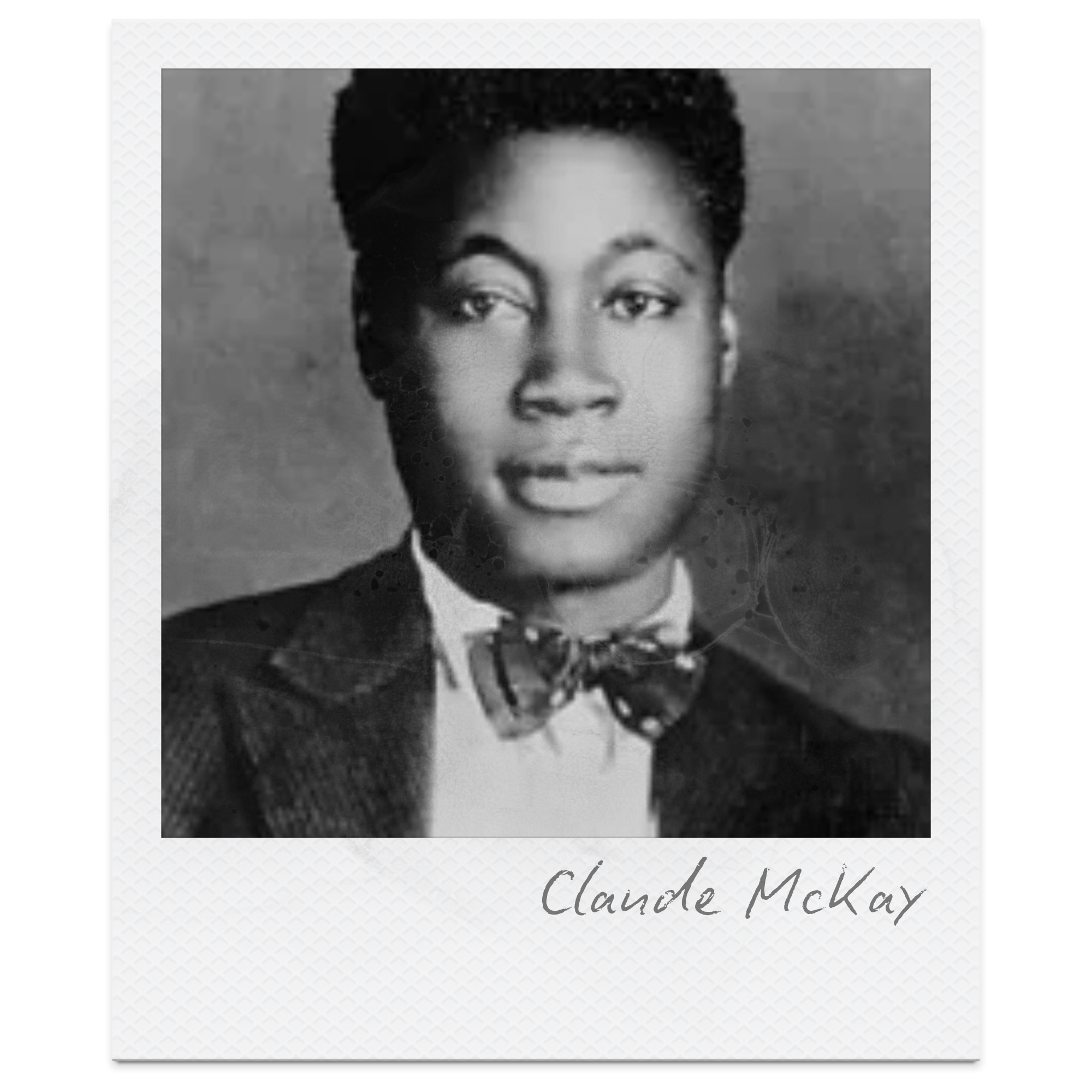
Claude McKay was a Jamaican-born poet, novelist, and political writer who became one of the most influential figures of the Harlem Renaissance, a cultural and artistic movement that flourished during the 1920s. The movement emerged in Harlem, New York, as Black writers, artists, musicians, and intellectuals sought to challenge racist stereotypes and celebrate Black identity, culture, and achievement. McKay's work played a significant role in shaping this movement, particularly through his exploration of racial injustice, exclusion, resistance, and human dignity.
Having moved from Jamaica to the United States in the early twentieth century, McKay experienced both the opportunities and prejudices of American society firsthand. His position as a Black immigrant gave him a distinctive perspective on race relations, allowing him to examine not only the experiences of African Americans but also broader questions of identity, belonging, and social exclusion. Much of his poetry explores the tension between admiration for America's ideals and frustration at its failure to extend those ideals equally to all citizens.
The White House was first published in 1922, a period marked by both cultural flourishing and intense racial discrimination. While the Harlem Renaissance was creating new opportunities for Black artistic expression, the United States remained deeply segregated. Across much of the country, Jim Crow laws enforced racial separation, while discriminatory practices affected housing, employment, education, and political participation. Violence against Black Americans remained widespread, and white supremacist ideologies continued to influence mainstream culture. Against this backdrop, McKay's poem can be read as a powerful response to the barriers that prevented Black individuals from fully participating in American society.
The poem's title is particularly significant. Although readers may associate The White House with the residence of the American president, McKay intended the title to function symbolically rather than politically. The house becomes a broader representation of privilege, power, status, and social acceptance. When an editor later altered the title to White Houses, McKay strongly objected because he believed the change weakened the poem's symbolic force. The singular title suggests a specific, powerful structure that embodies systems of exclusion rather than merely describing a collection of buildings.
The poem is also notable for its use of the sonnet, a highly traditional poetic form often associated with love poetry, reflection, and personal emotion. Many writers of the Harlem Renaissance experimented with new forms and styles in order to create distinctly modern expressions of Black experience. McKay, however, frequently chose to work within established European literary traditions while using them to address contemporary racial realities. In The White House, the disciplined structure of the sonnet contrasts with the speaker's intense anger and frustration. This tension between emotional intensity and formal control mirrors the speaker's determination to maintain dignity despite experiencing prejudice and exclusion.
Understanding this context helps illuminate the poem's central concerns. While The White House responds directly to the racism and social barriers of early twentieth-century America, it also explores broader questions of power, human dignity, self-control, and resistance. Through its combination of political significance and personal emotion, the poem demonstrates how experiences of exclusion can produce both anger and resilience, transforming individual frustration into a powerful statement of self-worth and moral strength.
The White House: At a Glance
◆ Form – Shakespearean-style sonnet that combines personal emotion with political and social commentary.
◆ Tone and emotional movement – Angry, frustrated, and wounded at first, gradually becoming more controlled, determined, and morally resilient.
◆ Central tensions – Exclusion versus belonging; hatred versus dignity; anger versus self-control; power versus resistance.
◆ Core concerns – Racism, prejudice, exclusion, identity, human dignity, emotional restraint, and moral strength.
◆ Dominant imagery – Doors, houses, barriers, heat, wounds, poison, law, and physical confinement.
◆ Stylistic features – Extended symbolism, sonnet form, metaphor, emotive language, contrasting imagery, direct address, and heightened emotional intensity.
◆ Key themes – Racism, exclusion, resistance, identity, self-respect, power, dignity, and perseverance.
◆ One-sentence interpretation – Through the image of a closed house and a speaker denied entry, McKay explores the psychological effects of racial exclusion while celebrating the courage and self-discipline required to resist hatred without surrendering one's dignity.
Quick Summary of The White House
The poem opens with the speaker standing before a closed door, feeling rejected and excluded. Although he is filled with anger, frustration, and emotional pain, he insists that he possesses the strength and dignity to endure this treatment without losing control. As he walks away, his emotions intensify, and he describes himself as deeply wounded by the prejudice he encounters.
As the poem develops, the speaker reflects on the challenge of resisting hatred without becoming consumed by it. He searches for wisdom, self-discipline, and moral strength, recognising that responding to prejudice with bitterness would ultimately damage his own integrity. The poem ends with a powerful declaration of resistance as the speaker resolves to keep his heart "inviolate" and protect himself from the destructive effects of the hatred directed towards him.
Title, Form, Structure and Metre in The White House
McKay's formal choices are crucial to the poem's meaning. The White House uses the highly structured sonnet form to contain intense feelings of anger, humiliation, and resistance. This tension between emotional pressure and formal control mirrors the speaker's struggle to maintain dignity in the face of racial prejudice. Rather than allowing anger to overwhelm the poem, McKay places it within a disciplined structure, reinforcing one of the poem's central ideas: true strength lies not in surrendering to hatred, but in mastering it.
The Significance of the Title
The title The White House immediately invites multiple interpretations. Although modern readers may associate it with the residence of the American president, the poem never explicitly mentions politics or government. Instead, the house functions as a powerful symbol of exclusion, privilege, and social power.
The adjective "White" is particularly significant. It can refer literally to race, linking the house to a society dominated by white authority and privilege. The house itself becomes a symbolic space from which the speaker is excluded, transforming a single building into a representation of wider systems of discrimination and social barriers.
The title therefore establishes one of the poem's central tensions: the contrast between those who possess power and those who are denied access to it.
Sonnet Form and Emotional Control
The White House is a fourteen-line Shakespearean sonnet, consisting of three quatrains followed by a final rhyming couplet.
The sonnet is traditionally associated with love, admiration, and personal reflection. McKay deliberately adapts this highly respected literary form to explore racism, exclusion, and emotional resilience. By doing so, he demonstrates that Black experiences deserve the same artistic seriousness and literary attention as the traditional subjects of English poetry.
The poem's strict structure also reflects the speaker's emotional discipline. Although he feels intense anger, he refuses to lose control. Just as the sonnet contains powerful emotion within formal boundaries, the speaker contains his rage within the boundaries of dignity and self-respect.
Structural Development and the Volta
Like many sonnets, The White House contains a significant volta, or turn in thought.
The opening eight lines focus primarily on the speaker's experience of rejection and the emotional pain caused by exclusion. Images such as "tightened face," "sharp as steel," and "chafing savage" emphasise anger, frustration, and wounded pride.
A shift occurs around line nine:
"Oh, I must search for wisdom every hour"
Here the poem moves away from describing the experience of racism and begins exploring the speaker's response to it. Rather than dwelling solely on his anger, he focuses on the difficult task of maintaining self-control and moral integrity.
This structural movement from external conflict to internal struggle is essential to the poem's meaning. The true battle is not merely against exclusion but against the corrosive effects of hatred itself.
Iambic Pentameter
The poem is written predominantly in iambic pentameter, the metre most closely associated with Shakespearean sonnets.
An iamb consists of an unstressed syllable followed by a stressed syllable:
◆ da-DUM
For example, the opening line follows the pattern closely:
◆ your DOOR | is SHUT | aGAINST | my TIGHT | ened FACE
Similarly:
◆ and I | am SHARP | as STEEL | with DIS | conTENT
The regular rhythm creates a measured, controlled quality that reflects the speaker's determination to remain composed despite intense emotional pressure.
The steady metre prevents the poem from becoming chaotic or uncontrolled, reinforcing the contrast between powerful emotion and disciplined restraint.
Metrical Variation
Although the metre is generally regular, McKay occasionally introduces subtle variations for emphasis.
For example:
◆ DEEP in | my WRATH | ful BOS | om SORE | and RAW
The strong stress on "Deep" immediately draws attention to the emotional labour required of the speaker. The line feels heavier and more forceful than many surrounding lines, reflecting the depth of feeling that lies beneath his controlled exterior.
These slight disruptions prevent the rhythm from becoming mechanical while highlighting moments of emotional intensity.
Rhyme Scheme
The poem follows the traditional Shakespearean sonnet rhyme scheme:
◆ ABAB CDCD EFEF GG
This can be seen through the end words:
◆ face (A)
◆ discontent (B)
◆ grace (A)
◆ unbent (B)
◆ feet (C)
◆ pass (D)
◆ street (C)
◆ glass (D)
◆ hour (E)
◆ raw (F)
◆ power (E)
◆ law (F)
◆ inviolate (G)
◆ hate (G)
The consistent rhyme pattern contributes to the poem's sense of order and control. Even when the speaker experiences intense anger, the poem remains formally balanced and disciplined.
The Final Couplet
The closing couplet provides the poem's resolution:
"Oh, I must keep my heart inviolate / Against the potent poison of your hate."
As in many Shakespearean sonnets, the final two lines crystallise the poem's central message. The speaker's goal is not simply to endure exclusion but to protect himself from becoming consumed by the hatred directed towards him.
The image of "poison" suggests that prejudice harms both those who experience it and those who perpetuate it. By ending with a declaration of moral resistance rather than revenge, McKay transforms the poem from a statement of anger into a powerful affirmation of dignity, self-respect, and emotional strength.
Voice, Perspective and Emotional Conflict in The White House
The power of The White House lies not only in its exploration of racism and exclusion but also in the speaker's complex emotional response to these experiences. McKay creates a voice that is simultaneously angry and controlled, wounded and resilient. Throughout the poem, the speaker struggles to reconcile justified rage with a determination to preserve his dignity, creating an intense internal conflict that drives the poem forward.
A First-Person Voice of Exclusion
The poem is written from a first-person perspective, allowing readers direct access to the speaker's emotional experience.
From the opening line, the speaker positions himself as someone who has been denied entry:
"Your door is shut against my tightened face"
The use of "my" immediately personalises the experience, transforming racial discrimination from an abstract social issue into a deeply human and individual encounter. Readers witness not only the external act of exclusion but also its emotional consequences.
This perspective creates intimacy and immediacy, encouraging readers to experience the rejection alongside the speaker rather than observing it from a distance.
Direct Address and Confrontation
Throughout the poem, the speaker repeatedly addresses an implied "you."
◆ "Your door"
◆ "your law"
◆ "your hate"
This direct address creates a confrontational tone and establishes a clear division between the excluded speaker and the powerful figure or society responsible for the exclusion.
Importantly, the identity of "you" remains ambiguous. It may refer to a particular individual, white society more broadly, or the systems of power that enforce racial discrimination. This ambiguity allows the poem to move beyond a single incident and become a critique of wider social structures.
Controlled Anger
One of the most striking aspects of the speaker's voice is the tension between emotional intensity and self-discipline.
The speaker openly acknowledges his anger:
"I am sharp as steel with discontent"
"Passion rends my vitals"
The language is forceful and visceral, suggesting profound emotional pain. Verbs such as "rends" imply tearing or wounding, while the image of being "sharp as steel" conveys both strength and hostility.
However, the speaker never loses control. Despite the intensity of his feelings, he insists that he possesses the "courage and the grace" to bear his anger "proudly and unbent."
This contrast creates one of the poem's central tensions. The speaker is not passive, but neither is he consumed by rage. Instead, he actively chooses restraint.
The Conflict Between Emotion and Principle
As the poem develops, the speaker's greatest struggle becomes internal rather than external.
The closed door represents social exclusion, but the later lines reveal a deeper challenge: resisting the temptation to respond to hatred with hatred.
The repeated declaration:
"Oh, I must..."
suggests conscious effort and self-discipline.
◆ "I must search for wisdom every hour"
◆ "I must keep my heart inviolate"
The repetition emphasises that maintaining dignity is not effortless. It requires continual vigilance and emotional strength.
This internal conflict elevates the poem beyond a simple protest against racism. McKay explores the psychological burden placed upon those who experience prejudice, revealing how discrimination can create battles within the self as well as within society.
A Voice of Dignity and Resistance
Although the speaker experiences humiliation and anger, he refuses to define himself through victimhood.
The language repeatedly emphasises resilience:
◆ "courage"
◆ "grace"
◆ "wisdom"
◆ "power"
These words shift attention away from the oppressor and towards the speaker's own moral strength.
Even when describing himself as a "chafing savage", the phrase carries an element of irony. The speaker is aware of the racist stereotypes imposed upon him, yet the sophistication of his voice directly contradicts them. McKay exposes the absurdity of such prejudices by presenting a speaker whose eloquence, intelligence, and self-awareness undermine racist assumptions.
The Final Assertion of Moral Independence
By the conclusion of the poem, the speaker's voice becomes almost philosophical.
Rather than focusing on the closed door, he focuses on protecting his own humanity:
"I must keep my heart inviolate / Against the potent poison of your hate."
The metaphor of "poison" suggests that hatred is morally corrosive. The speaker's greatest victory is therefore not gaining entry into the house but refusing to allow prejudice to corrupt his character.
This ending transforms the voice from one of exclusion into one of moral authority. Although society may deny the speaker access to power, it cannot control his integrity or sense of self-worth.
Ultimately, McKay creates a voice that is passionate yet disciplined, vulnerable yet resilient. Through this complex emotional conflict, The White House becomes not only a poem about racial discrimination but also a powerful exploration of dignity, self-respect, and the courage required to resist hatred without becoming consumed by it.
Line-by-Line Analysis of The White House
A close analysis of The White House reveals how McKay transforms a single moment of exclusion into a powerful exploration of racism, identity, anger, and moral resistance. Through vivid imagery, emotional intensity, and carefully controlled language, the poem traces the speaker's movement from immediate rejection towards a deeper commitment to dignity and self-control. Examining the poem line by line highlights how McKay develops the central tension between justified anger and the determination to resist hatred without surrendering to it.
Lines 1–2: Exclusion and Anger
The poem opens with an immediate image of rejection: "Your door is shut against my tightened face." The closed door functions as a powerful symbol of exclusion, suggesting that the speaker has been deliberately denied access to a space of privilege, acceptance, or opportunity. The possessive pronouns "Your" and "my" establish a sharp division between the speaker and those who hold power.
The description of the speaker's "tightened face" conveys physical tension and emotional strain. The image suggests frustration, humiliation, and the effort required to maintain composure. The rejection is not merely social but deeply personal.
This anger becomes even more explicit in the second line:
"And I am sharp as steel with discontent;"
The simile "sharp as steel" conveys both strength and danger. Steel is hard, resilient, and capable of causing harm, suggesting that the speaker's anger is intense and potentially destructive. The noun "discontent" reinforces the sense of dissatisfaction and resentment created by exclusion. However, the speaker remains controlled rather than violent, establishing a tension that will shape the rest of the poem.
Lines 3–4: Dignity and Self-Control
Despite his anger, the speaker immediately emphasises his restraint:
"But I possess the courage and the grace / To bear my anger proudly and unbent."
The conjunction "But" introduces an important contrast. Although he experiences discrimination and emotional pain, he refuses to allow these experiences to define him.
The nouns "courage" and "grace" are significant because they suggest moral strength rather than physical power. The speaker's response to racism is not revenge but dignity. The phrase "proudly and unbent" reinforces this idea, implying that he refuses to be broken or humiliated by prejudice.
These lines establish one of the poem's central themes: true resistance lies not in surrendering to anger but in maintaining self-respect despite injustice.
Lines 5–6: Physical and Emotional Pain
The poem's imagery becomes increasingly visceral as the speaker describes the effects of exclusion:
"The pavement slabs burn loose beneath my feet, / And passion rends my vitals as I pass,"
The image of the pavement "burn[ing]" beneath his feet creates a sense of physical discomfort and agitation. The world itself appears hostile and unstable, reflecting the speaker's emotional turmoil.
The verb "rends" is particularly violent. Meaning to tear apart or rip open, it suggests profound emotional suffering. The reference to "my vitals" emphasises that the pain reaches deep into the speaker's inner being. Racism is presented not merely as an external barrier but as something capable of inflicting psychological wounds.
McKay's language here highlights the emotional cost of discrimination while maintaining the speaker's humanity and dignity.
Lines 7–8: Society and Barriers
The speaker then describes himself as:
"A chafing savage, down the decent street; / Where boldly shines your shuttered door of glass."
The phrase "chafing savage" is deeply ironic. The speaker appears to invoke a racist stereotype historically used to justify discrimination against Black people. However, the sophistication and self-awareness of his voice directly undermine such assumptions.
The adjective "decent" is also significant. The street appears respectable and civilised on the surface, yet it contains exclusion and prejudice. McKay therefore exposes the gap between society's claims to decency and its actual behaviour.
The image of the "shuttered door of glass" creates a striking paradox. Glass is normally transparent and associated with openness, yet the door remains "shuttered." The barrier is visible but impenetrable. The speaker can see what lies beyond it but cannot enter, reinforcing the cruelty of exclusion.
Lines 9–10: Searching for Wisdom
A significant shift occurs in the poem's focus:
"Oh, I must search for wisdom every hour, / Deep in my wrathful bosom sore and raw,"
The exclamation "Oh" introduces a more reflective tone. Instead of focusing on external prejudice, the speaker begins examining his internal response.
The phrase "search for wisdom" suggests that dignity requires active effort. Self-control does not come naturally but must be continually cultivated. The speaker recognises that responding to hatred with hatred would ultimately be destructive.
At the same time, the description of his "wrathful bosom sore and raw" acknowledges the depth of his emotional pain. The adjectives "sore" and "raw" suggest an open wound, emphasising that his anger is both understandable and justified.
Lines 11–12: Strength and Restraint
The speaker continues:
"And find in it the superhuman power / To hold me to the letter of your law!"
The phrase "superhuman power" highlights the extraordinary effort required to remain composed in the face of injustice. McKay suggests that society often expects those who experience discrimination to exercise a level of patience and restraint that borders on the impossible.
The reference to "your law" is particularly revealing. The possessive pronoun again emphasises division between the speaker and the dominant social order. The law appears to belong to those who exclude him rather than protecting him equally.
Nevertheless, the speaker chooses to obey it. This decision reflects both his moral integrity and the difficult reality of navigating a society structured by racial inequality.
Lines 13–14: Rejecting Hatred
The final couplet presents the poem's ultimate message:
"Oh, I must keep my heart inviolate / Against the potent poison of your hate."
The word "inviolate" suggests purity, integrity, and protection from corruption. The speaker's goal is no longer entry into the house but the preservation of his own humanity.
The metaphor of "poison" is especially powerful. Hatred is presented as a toxic force capable of contaminating anyone it touches. Importantly, the speaker recognises that hatred harms not only its victims but also those who harbour it.
By ending with "your hate," McKay shifts responsibility away from the excluded speaker and onto those who perpetuate prejudice. The poem therefore concludes not with defeat but with moral triumph. Although society may deny the speaker access to power, it cannot force him to become what his oppressors are.
The closing lines transform the poem from a protest against racism into a profound affirmation of dignity, self-respect, and ethical resistance.
Key Quotes and Literary Methods in The White House
McKay uses symbolism, metaphor, emotive language, irony, and the disciplined structure of the sonnet to explore racism, exclusion, human dignity, and resistance. The following quotations are particularly important for understanding how the poem develops its emotional intensity while ultimately affirming the speaker's moral strength.
"Your door is shut against my tightened face"
◆ Method or literary feature – Symbolism, visual imagery, direct address
◆ Interpretation and implied meaning – The closed door symbolises exclusion from social acceptance, opportunity, and power.
◆ Why the poet uses it – To immediately establish the speaker's experience of rejection and marginalisation.
◆ Emotional/intellectual effect – Creates sympathy for the speaker while highlighting the cruelty of deliberate exclusion.
◆ Broader conceptual significance – Suggests that racism operates through barriers that prevent full participation in society.
"I am sharp as steel with discontent"
◆ Method or literary feature – Simile, emotive language
◆ Interpretation and implied meaning – The speaker's anger has become intense, focused, and potentially dangerous.
◆ Why the poet uses it – To reveal the emotional consequences of discrimination.
◆ Emotional/intellectual effect – Conveys frustration while emphasising the speaker's strength rather than weakness.
◆ Broader conceptual significance – Demonstrates how exclusion can generate powerful feelings of resentment and resistance.
"the courage and the grace"
◆ Method or literary feature – Abstract nouns, juxtaposition
◆ Interpretation and implied meaning – The speaker values moral strength and dignity alongside emotional resilience.
◆ Why the poet uses it – To contrast self-control with the hatred directed towards him.
◆ Emotional/intellectual effect – Encourages admiration for the speaker's restraint.
◆ Broader conceptual significance – Suggests that resistance can take the form of dignity rather than retaliation.
"To bear my anger proudly and unbent"
◆ Method or literary feature – Metaphorical language, characterisation
◆ Interpretation and implied meaning – The speaker refuses to allow prejudice to break his spirit.
◆ Why the poet uses it – To emphasise resilience in the face of injustice.
◆ Emotional/intellectual effect – Creates a sense of determination and self-respect.
◆ Broader conceptual significance – Presents dignity as a form of resistance against oppression.
"passion rends my vitals"
◆ Method or literary feature – Violent imagery, metaphor
◆ Interpretation and implied meaning – The speaker's emotional pain feels physically damaging.
◆ Why the poet uses it – To illustrate the psychological impact of racism.
◆ Emotional/intellectual effect – Highlights the depth of the speaker's suffering.
◆ Broader conceptual significance – Suggests that discrimination causes wounds that extend far beyond external circumstances.
"A chafing savage"
◆ Method or literary feature – Irony, loaded language, self-characterisation
◆ Interpretation and implied meaning – The speaker invokes racist stereotypes while simultaneously exposing their absurdity.
◆ Why the poet uses it – To critique prejudiced assumptions imposed upon Black people.
◆ Emotional/intellectual effect – Creates discomfort while encouraging critical reflection on racist language.
◆ Broader conceptual significance – Reveals how discrimination attempts to define identity through damaging stereotypes.
"your shuttered door of glass"
◆ Method or literary feature – Symbolism, paradox, visual imagery
◆ Interpretation and implied meaning – The speaker can see the world from which he is excluded, but cannot enter it.
◆ Why the poet uses it – To emphasise the frustration of visible yet inaccessible opportunity.
◆ Emotional/intellectual effect – Reinforces the cruelty of exclusion.
◆ Broader conceptual significance – Suggests that social barriers can remain powerful even when they appear transparent.
"search for wisdom every hour"
◆ Method or literary feature – Reflective language, repetition of obligation
◆ Interpretation and implied meaning – Maintaining dignity requires constant effort and self-discipline.
◆ Why the poet uses it – To shift the poem's focus from external prejudice to internal resilience.
◆ Emotional/intellectual effect – Creates respect for the speaker's perseverance.
◆ Broader conceptual significance – Suggests that moral resistance is an ongoing process rather than a single action.
"the superhuman power"
◆ Method or literary feature – Hyperbole
◆ Interpretation and implied meaning – The speaker presents self-control as an almost impossible task.
◆ Why the poet uses it – To emphasise the extraordinary emotional burden created by discrimination.
◆ Emotional/intellectual effect – Highlights the difficulty of maintaining composure in unjust circumstances.
◆ Broader conceptual significance – Critiques societal expectations that oppressed individuals must remain endlessly patient and restrained.
"the potent poison of your hate"
◆ Method or literary feature – Metaphor, alliteration, emotive imagery
◆ Interpretation and implied meaning – Hatred is presented as a toxic force capable of corrupting both individuals and society.
◆ Why the poet uses it – To reveal the destructive consequences of prejudice.
◆ Emotional/intellectual effect – Leaves readers with a powerful image of racism as morally corrosive.
◆ Broader conceptual significance – Suggests that the speaker's greatest victory is preserving his humanity rather than gaining acceptance from those who hate him.
Key Techniques in The White House
McKay's poem is deceptively controlled. Beneath the disciplined structure of the sonnet lies intense emotional pressure, and many of the poem's most effective techniques arise from the tension between rage and restraint, exclusion and dignity, power and resistance. Through sound patterns, symbolism, irony, metaphor, and structural contrasts, McKay creates a poem that is both politically charged and psychologically complex.
Symbolism
Symbolism operates throughout the poem and helps transform a personal experience into a wider commentary on racial exclusion.
◆ The house symbolises power, privilege, acceptance, and social belonging.
◆ The closed door represents barriers created by racism and discrimination.
◆ The street symbolises the public world in which exclusion becomes visible and unavoidable.
◆ The speaker's heart represents his humanity, dignity, and moral integrity.
◆ The final image of poison symbolises the destructive effects of hatred and prejudice.
These symbols allow the poem to move beyond a single incident and address wider social realities.
Metaphor
McKay repeatedly uses metaphor to communicate the emotional and psychological effects of racism.
◆ The speaker is "sharp as steel with discontent," suggesting both emotional pain and inner strength.
◆ "Passion rends my vitals" presents anger as a force capable of tearing the speaker apart internally.
◆ "The potent poison of your hate" transforms prejudice into a toxic substance that can corrupt those who encounter it.
These metaphors make abstract emotions feel immediate, physical, and deeply personal.
Alliteration and Consonance
McKay uses alliteration and consonance to reinforce the poem's emotional intensity.
The plosive sounds in:
"possess"
"courage"
"grace"
"bear"
"proudly"
"pavement"
"beneath"
"passion"
"pass"
create a forceful and energetic rhythm.
◆ The repeated p, b, and g sounds give the speaker's voice weight and authority.
◆ The sounds mirror the pressure of emotions struggling to remain controlled.
◆ The repetition creates a sense of determination rather than helplessness.
Later, the harsh sounds of:
"wrathful"
"raw"
and
"potent poison"
emphasise both emotional pain and moral disgust.
Sibilance
The poem contains recurring sibilance, particularly through repeated s and sh sounds.
For example:
"sharp as steel with discontent"
"chafing savage"
"shines your shuttered door of glass"
◆ The hissing sounds create an undercurrent of anger and hostility.
◆ They suggest resentment simmering beneath the speaker's controlled exterior.
◆ The sound pattern contributes to the poem's emotional tension.
The sibilance is rarely overwhelming, reflecting how the speaker suppresses rather than releases his anger.
Direct Address
The repeated use of "your" creates a form of direct address.
◆ "Your door"
◆ "your law"
◆ "your hate"
This technique creates confrontation and establishes a clear division between the speaker and those who exclude him.
The unidentified "you" remains deliberately ambiguous. It may refer to an individual, white society, social institutions, or systems of racial power more broadly.
This ambiguity broadens the poem's significance beyond a single encounter.
Irony
Irony plays an important role in the poem's critique of racism.
The phrase:
"A chafing savage"
is particularly ironic.
◆ The speaker temporarily adopts a racist stereotype.
◆ However, the sophistication of his language immediately undermines that stereotype.
◆ The reader recognises the contradiction between the label and the speaker's intelligence, self-awareness, and dignity.
McKay therefore exposes the absurdity of racist assumptions while revealing the psychological burden they impose.
Juxtaposition
The poem repeatedly places contrasting ideas side by side.
◆ Anger is juxtaposed with self-control.
◆ Exclusion is juxtaposed with dignity.
◆ Hatred is juxtaposed with wisdom.
◆ Social power is juxtaposed with moral strength.
Perhaps the most significant contrast occurs between the speaker's intense emotional suffering and his determination to remain "proudly and unbent."
This tension drives the entire poem.
Imagery of Wounding and Pain
The poem contains a recurring semantic field of injury and suffering.
Examples include:
◆ "tightened face"
◆ "burn loose beneath my feet"
◆ "rends my vitals"
◆ "sore and raw"
◆ "poison"
These images suggest that racism inflicts genuine psychological and emotional damage.
Importantly, McKay presents this suffering as real without portraying the speaker as defeated.
Emotional Progression
One of the poem's most important techniques is its emotional development.
The poem progresses from:
◆ rejection
to
◆ anger
to
◆ reflection
to
◆ moral resistance
This movement is reinforced by the sonnet's structural shift around line nine:
"Oh, I must search for wisdom every hour"
At this point the poem turns away from describing external discrimination and focuses on the speaker's internal response.
The emotional journey therefore becomes just as important as the social criticism.
Religious and Moral Language
The final section of the poem introduces language associated with morality and spiritual purity.
◆ "wisdom"
◆ "superhuman power"
◆ "inviolate"
These words elevate the speaker's struggle beyond politics alone.
His battle becomes ethical as well as social.
McKay suggests that preserving one's humanity in the face of hatred requires extraordinary moral strength.
Paradox
The poem contains several subtle paradoxes.
The speaker is simultaneously:
◆ angry yet controlled
◆ wounded yet strong
◆ excluded yet morally superior
◆ powerless yet resilient
Similarly, the glass door appears transparent and open while remaining firmly closed.
These paradoxes reinforce the poem's exploration of complex emotional and social realities.
The Sonnet as Resistance
Perhaps the poem's most significant technique is its use of the sonnet itself.
◆ The sonnet is traditionally associated with European literary culture.
◆ McKay adopts this prestigious form while writing about Black experience and racial injustice.
◆ The controlled structure mirrors the speaker's emotional restraint.
◆ The form becomes an assertion of artistic authority and intellectual equality.
Rather than rejecting traditional literary conventions, McKay repurposes them to challenge exclusion and affirm dignity.
Ultimately, the poem's techniques work together to create a speaker who is passionate without being consumed by rage, wounded without being defeated, and excluded without surrendering his sense of self-worth. Through this combination of emotional intensity and formal control, McKay crafts a powerful statement about racism, resistance, and the preservation of human dignity.
Symbolism in The White House
Symbolism is central to The White House. McKay uses physical objects and locations to represent larger ideas about racism, power, belonging, and human dignity. Many of the poem's symbols operate on both a personal and societal level, allowing the speaker's experience of exclusion to become a broader commentary on racial injustice in America.
The White House
The title itself functions as the poem's most important symbol.
◆ The house represents power, privilege, acceptance, and social status.
◆ It symbolises spaces from which Black people have historically been excluded.
◆ It can be interpreted as representing white society more broadly.
◆ The singular "White House" gives the image an almost institutional quality, suggesting a system rather than a single building.
The house therefore becomes a symbol of both opportunity and exclusion, embodying the barriers faced by the speaker throughout the poem.
The Closed Door
The image of the shut door dominates the opening lines.
◆ The closed door symbolises rejection and exclusion.
◆ It represents barriers created by racism and prejudice.
◆ It suggests denied opportunities and restricted access to power.
◆ It creates a physical representation of social discrimination.
Importantly, the speaker stands directly before the door. The exclusion is therefore immediate and personal rather than abstract or distant.
The Shuttered Door of Glass
The "shuttered door of glass" develops the symbolism of exclusion further.
◆ Glass normally symbolises visibility and transparency.
◆ The speaker can see the world beyond the barrier.
◆ However, the door remains inaccessible despite its apparent openness.
◆ The image symbolises opportunities that appear available but remain out of reach.
This creates a powerful paradox. The barrier is visible yet impossible to overcome, reflecting the subtle and often invisible mechanisms through which discrimination operates.
The Street
The "decent street" carries symbolic significance.
◆ It represents mainstream society.
◆ It symbolises respectability and social order.
◆ It reflects the values that society claims to uphold.
However, the street's apparent decency contrasts sharply with the exclusion experienced by the speaker. McKay therefore exposes the hypocrisy of a society that presents itself as civilised while practising discrimination.
Steel
When the speaker describes himself as "sharp as steel with discontent," steel becomes a symbol of resilience and strength.
◆ Steel symbolises durability and endurance.
◆ It suggests the speaker cannot easily be broken.
◆ It reflects emotional toughness developed through adversity.
◆ At the same time, steel can be dangerous, hinting at the intensity of the speaker's anger.
The image captures both the strength and emotional strain created by persistent exclusion.
Fire and Burning
The image of "pavement slabs burn[ing] loose beneath my feet" introduces symbolic fire imagery.
◆ Fire symbolises anger and emotional intensity.
◆ It reflects the speaker's frustration and humiliation.
◆ It suggests a world that feels hostile and unstable.
◆ It creates the impression that prejudice affects every aspect of the speaker's experience.
The burning pavement externalises the speaker's emotional state, making his anger feel almost physically present.
The Heart
The speaker's heart becomes one of the poem's most important symbols.
◆ It symbolises humanity and moral integrity.
◆ It represents compassion, dignity, and self-respect.
◆ It reflects the speaker's inner self rather than his public identity.
◆ It becomes something that must be protected from corruption.
By focusing on the heart in the final lines, McKay shifts attention away from external discrimination and towards internal resilience.
Wisdom
The speaker's search for wisdom carries symbolic significance.
◆ Wisdom symbolises self-control and maturity.
◆ It represents moral strength rather than social power.
◆ It reflects the speaker's refusal to be defined by hatred.
◆ It suggests that dignity requires continual effort.
The search for wisdom transforms the poem from a protest against racism into a meditation on ethical resistance.
The Law
The reference to "your law" functions symbolically.
◆ The law represents social systems and structures of power.
◆ It symbolises authority controlled by others.
◆ It reflects institutions that claim fairness while maintaining inequality.
◆ It highlights the imbalance between those who create rules and those who must live under them.
The possessive pronoun "your" reinforces the speaker's sense of exclusion from these systems.
Poison
The final image of "the potent poison of your hate" is among the poem's most powerful symbols.
◆ Poison symbolises the destructive effects of racism.
◆ It suggests hatred spreads and contaminates everything it touches.
◆ It represents moral corruption and spiritual decay.
◆ It implies that prejudice harms both its victims and those who perpetuate it.
Unlike the door, which symbolises external barriers, poison symbolises an internal threat. The speaker's greatest challenge is preventing hatred from entering his own heart.
The Journey from Door to Heart
One of the poem's most important symbolic patterns is its movement from external to internal imagery.
◆ The poem begins with the house and door.
◆ It moves through the street and the law.
◆ It ends with the heart and poison.
This progression mirrors the speaker's emotional journey. What begins as an experience of social exclusion becomes a struggle to preserve personal dignity. By the end of the poem, the closed door matters less than the condition of the speaker's heart.
Ultimately, McKay's symbols work together to show that racism is not simply a social problem but a force capable of shaping identity, emotion, and moral life. Yet the poem also suggests that dignity, wisdom, and self-respect can endure even in the face of exclusion, making the speaker's final act of resistance both personal and universal.
How McKay Creates Meaning and Impact in The White House
McKay creates meaning in The White House by transforming a moment of racial exclusion into a powerful exploration of human dignity, self-control, and resistance. Although the poem is rooted in the realities of racism in early twentieth-century America, its emotional and moral concerns extend beyond its historical context. Through symbolism, metaphor, formal control, and emotional tension, McKay examines what it means to preserve one's humanity when confronted with prejudice and hatred.
One of the poem's most striking features is the contrast between external exclusion and internal strength. The speaker begins before a closed door, a powerful symbol of the opportunities, privileges, and forms of acceptance denied to him. The image immediately establishes a relationship of power: one group controls access while another is excluded. However, as the poem develops, McKay gradually shifts attention away from the door itself and towards the speaker's response. The poem becomes less concerned with gaining entry and more concerned with maintaining dignity.
This shift is reinforced through the speaker's emotional conflict. He does not pretend that racism leaves him unaffected. Images such as "sharp as steel with discontent" and "passion rends my vitals" reveal profound anger and psychological pain. McKay refuses to minimise the emotional consequences of discrimination, presenting racism as a force capable of causing genuine suffering. At the same time, the speaker's anger is never allowed to dominate the poem completely. Instead, it exists alongside restraint, creating a powerful tension between emotion and principle.
The sonnet form plays a crucial role in shaping this meaning. Traditionally associated with love and personal reflection, the sonnet becomes an unexpected vehicle for social criticism and racial protest. The poem's disciplined structure mirrors the speaker's own self-discipline. Just as the sonnet contains intense emotions within formal boundaries, the speaker contains his anger within the boundaries of dignity and self-control. McKay therefore uses form not simply as a technical choice but as a reflection of the poem's central ideas.
Another important source of meaning lies in the poem's exploration of moral resistance. The speaker repeatedly emphasises the need to search for "wisdom" and find the "superhuman power" required to endure injustice without surrendering to hatred. These references elevate the poem beyond a personal complaint and transform it into a reflection on ethical strength. McKay suggests that one of the greatest challenges faced by those who experience prejudice is preserving their integrity in circumstances designed to undermine it.
The poem's imagery also contributes significantly to its impact. The recurring images of burning, tearing, wounds, and poison create a semantic field of pain and injury. These images communicate the psychological damage caused by racism while simultaneously highlighting the speaker's resilience. Particularly significant is the final metaphor of "the potent poison of your hate." Hatred is presented not simply as an emotion but as a contaminating force capable of corrupting those who allow it to take hold. The speaker's determination to keep his heart "inviolate" therefore becomes an act of moral self-preservation.
The ending is especially powerful because it avoids a conventional resolution. The door remains closed. The social barriers that prompted the speaker's anger have not disappeared. Yet the poem concludes with a sense of triumph rather than defeat. McKay suggests that while prejudice may restrict opportunities and inflict suffering, it cannot ultimately define the speaker's character. His refusal to internalise the hatred directed towards him becomes a form of victory.
The poem also creates impact through its ambiguity. The "White House" can be interpreted as a literal building, a symbol of white society, a representation of political power, or an embodiment of institutional racism. This openness allows the poem to resonate across different contexts and encourages readers to consider broader questions about exclusion, privilege, and belonging.
Ultimately, McKay creates meaning by presenting dignity as a form of resistance. Through its combination of emotional intensity, symbolic richness, and formal discipline, The White House demonstrates that the most profound response to hatred may not be retaliation but the determination to remain morally whole. The poem's lasting impact lies in its recognition that prejudice wounds deeply, while also affirming the possibility of preserving one's humanity in the face of injustice.
Central Ideas and Themes in The White House
Although The White House is rooted in the specific realities of racial discrimination in early twentieth-century America, McKay uses the speaker's experience to explore broader questions about identity, power, human dignity, and moral resistance. The poem examines not only the damage caused by exclusion but also the remarkable strength required to preserve self-respect in the face of prejudice. Through its emotional intensity and formal control, the poem becomes both a protest against racism and a celebration of resilience.
Racism
Racism is the poem's central concern and provides the foundation for every conflict within the text.
◆ The speaker is denied access to the symbolic "White House."
◆ The closed door represents barriers created by racial prejudice.
◆ The poem exposes the emotional and psychological consequences of discrimination.
◆ Racism is presented not as an isolated act but as part of a wider system of exclusion and inequality.
Importantly, McKay focuses not only on external discrimination but also on the internal struggle it creates. The poem reveals how racism can generate anger, frustration, and emotional pain while simultaneously forcing individuals to exercise extraordinary self-control.
Exclusion
The theme of exclusion is established from the opening line and remains central throughout the poem.
◆ The speaker stands outside a space from which he has been deliberately excluded.
◆ The closed door symbolises denied opportunities and restricted access to power.
◆ The speaker can see the world beyond the barrier but cannot enter it.
◆ Exclusion becomes both a physical and psychological experience.
McKay suggests that exclusion is particularly damaging because it constantly reminds individuals of the privileges and acceptance available to others but denied to them.
Resistance
While the poem acknowledges the reality of discrimination, it is equally concerned with resistance.
◆ The speaker refuses to accept humiliation passively.
◆ He openly acknowledges his anger and frustration.
◆ He refuses to allow prejudice to destroy his sense of self-worth.
◆ His determination to remain "proudly and unbent" becomes an act of resistance in itself.
Rather than presenting resistance as physical confrontation, McKay explores moral and psychological resistance, emphasising the power of maintaining dignity in unjust circumstances.
Identity
The poem also explores how experiences of prejudice can shape identity.
◆ The speaker is defined by others through exclusion.
◆ Racist assumptions attempt to limit how he is perceived.
◆ He is forced to negotiate society's expectations while preserving his own sense of self.
◆ His identity becomes closely linked to questions of dignity and self-respect.
The ironic phrase "A chafing savage" highlights this tension. The speaker recognises the stereotypes imposed upon him while simultaneously exposing their falseness.
Self-Respect
One of the poem's most powerful themes is self-respect.
◆ The speaker refuses to allow discrimination to diminish his worth.
◆ He values his own integrity regardless of how society treats him.
◆ He seeks wisdom rather than revenge.
◆ He chooses dignity over bitterness.
McKay presents self-respect as a source of strength that remains beyond the control of those who exclude or discriminate against him.
Power
The poem continually examines different forms of power.
◆ The house symbolises social and institutional power.
◆ The closed door reflects the power to include or exclude.
◆ The law represents systems of authority controlled by others.
◆ The speaker's moral resilience represents a different kind of power altogether.
McKay contrasts external power with internal strength, suggesting that while institutions may control access and opportunity, they cannot completely control an individual's character.
Dignity
The theme of dignity runs throughout the poem and ultimately shapes its message.
◆ The speaker experiences anger without losing composure.
◆ He remains "proudly and unbent."
◆ He refuses to become consumed by hatred.
◆ He maintains his humanity despite experiencing injustice.
Dignity becomes the speaker's greatest form of resistance. His ability to remain morally whole allows him to rise above the prejudice directed towards him.
Perseverance
The poem also celebrates perseverance and endurance.
◆ The speaker continues despite emotional pain.
◆ He repeatedly searches for "wisdom."
◆ He recognises the effort required to remain self-controlled.
◆ He refuses to surrender either to despair or hatred.
The phrase "every hour" is particularly significant because it suggests that perseverance is not a single act but an ongoing process requiring constant commitment.
Hatred and Moral Corruption
Running through the poem is a concern with the destructive nature of hatred.
◆ Hatred is presented as a poison.
◆ It threatens both individuals and society.
◆ The speaker recognises its corrupting influence.
◆ His goal is to prevent that hatred from entering his own heart.
This theme elevates the poem beyond social protest. McKay is not only condemning racism but also exploring how individuals can preserve their humanity when confronted by it.
Humanity and Moral Integrity
Ultimately, the poem is a defence of shared human dignity.
◆ The speaker refuses to become what his oppressors expect him to be.
◆ He chooses wisdom over vengeance.
◆ He protects his heart from corruption.
◆ He demonstrates that moral integrity can survive even in hostile circumstances.
By the conclusion, the poem's focus has shifted away from the closed door and towards the speaker's inner strength. McKay suggests that although racism can restrict opportunities and inflict suffering, it cannot ultimately destroy the dignity of those who refuse to surrender their humanity.
Alternative Interpretations of The White House
Like many powerful poems, The White House supports multiple interpretations. While the poem clearly addresses racism and exclusion, McKay's symbolism and emotional complexity allow readers to approach the text from psychological, political, moral, and philosophical perspectives. These interpretations are not mutually exclusive; instead, they work together to reveal the poem's richness and depth.
Psychological interpretation: Anger as a response to humiliation
Rather than focusing primarily on racism as a social issue, the poem can be read as an exploration of the psychological effects of rejection. The speaker's descriptions of being "sharp as steel with discontent" and feeling passion that "rends my vitals" reveal profound emotional pain. From this perspective, the poem examines the difficult process of managing justified anger without allowing it to become destructive.
Contemporary interpretation: The emotional cost of exclusion
Modern readers may connect the poem to experiences beyond racial discrimination. The closed door can symbolise exclusion based on class, nationality, religion, sexuality, disability, or other forms of marginalisation. This interpretation highlights the universal emotional impact of being denied acceptance, belonging, or opportunity.
Political interpretation: A critique of systemic racism
The poem can be read as a direct challenge to racial inequality in America. The White House symbolises structures of power controlled by white society, while the closed door represents barriers preventing Black people from accessing equal rights and opportunities. McKay exposes the contradiction between democratic ideals and discriminatory realities.
Moral interpretation: Dignity as the highest form of resistance
Rather than presenting resistance through revenge or confrontation, McKay emphasises self-control and moral integrity. The speaker's determination to remain "proudly and unbent" suggests that preserving one's dignity may be a more powerful response to prejudice than hatred or retaliation.
Religious interpretation: Protecting the soul from corruption
The poem's references to "wisdom,""superhuman power," and keeping the heart "inviolate" invite a spiritual reading. The speaker's struggle becomes a moral and almost religious battle to prevent hatred from corrupting his inner self.
Marxist interpretation: Exclusion from spaces of privilege
A Marxist reading may view the house as a symbol of wealth, status, and social power. The speaker's exclusion reflects the way elite groups maintain control over valuable spaces and opportunities. Racial exclusion and class exclusion become interconnected forms of social inequality.
Postcolonial interpretation: Challenging racial hierarchies
As a Black Jamaican writer working within a traditional European sonnet form, McKay can be seen as challenging colonial assumptions about race, culture, and literary authority. The poem rejects racist stereotypes while asserting the intelligence, dignity, and humanity of the speaker.
Existential interpretation: Defining identity through adversity
The poem can also be interpreted as an exploration of how individuals create meaning and preserve identity in hostile environments. The speaker cannot control the actions of others, but he can control his response. His determination to protect his heart suggests that true freedom lies in maintaining ownership of one's values and sense of self.
Compare With Other Songs of Ourselves Volume 2 Poems
The White House shares important thematic connections with several poems in the anthology, particularly those concerned with identity, power, human dignity, social injustice, and resistance. However, McKay is distinctive in the way he combines political protest with a deeply personal exploration of emotional self-control and moral resilience.
◆ The Border Builder – Carol Rumens – Both poems explore systems of exclusion and the ways power is used to divide people. However, Rumens focuses on physical and bureaucratic borders that separate individuals and communities, while McKay explores racial exclusion through the symbolic image of a closed door.
◆ The Migrant – A. L. Hendriks – Both poems examine belonging and exclusion, though from different perspectives. Hendriks explores the uncertainty of belonging through an extended allegory of travel, while McKay presents exclusion as an immediate and painful social reality rooted in racial discrimination.
◆ Homecoming – Lenrie Peters – Both poems explore feelings of alienation and the desire for acceptance. However, Peters focuses on estrangement from one's homeland and community, while McKay examines exclusion imposed by social prejudice and unequal power structures.
◆ I Years Had Been from Home – Emily Dickinson – Both poems investigate ideas of belonging and separation. Dickinson explores emotional and psychological distance from home, whereas McKay focuses on exclusion from spaces of privilege and social acceptance.
◆ To a Millionaire – A. R. D. Fairburn – Both poems examine power and social inequality. Fairburn critiques wealth and privilege directly, while McKay explores how social power operates through exclusion and restricted access to opportunity.
◆ The Song of the Shirt – Thomas Hood – Both poems expose injustice and challenge social inequalities. Hood focuses on economic exploitation and poverty, while McKay highlights racial discrimination and its emotional consequences. Both encourage readers to question systems that normalise suffering.
◆ Late Wisdom – George Crabbe – Both poems contain a reflective quality and explore how individuals respond to hardship. However, Crabbe looks back on life with hindsight and regret, whereas McKay focuses on maintaining dignity during an ongoing struggle.
◆ The Exequy – Henry King – Both poems emphasise emotional restraint. King's speaker controls overwhelming grief through structured reflection, while McKay's speaker controls justified anger through discipline and self-respect. In both poems, powerful emotions exist beneath a controlled surface.
◆ Heart and Mind – Edith Sitwell – Both poems explore internal conflict between competing emotional forces. Sitwell dramatises the struggle between emotion and reason, while McKay presents a conflict between anger and wisdom, hatred and dignity.
◆ Amoretti, Sonnet 86 – Edmund Spenser – Both poems use the traditional sonnet form to explore powerful emotions. However, Spenser employs the sonnet to celebrate love and admiration, while McKay adapts the form to address racism, exclusion, and moral resistance, demonstrating the flexibility of the sonnet tradition.
Exam-Ready Insight
Strong AS Level responses to The White House move beyond identifying the poem as a protest against racism and instead explore how McKay combines political criticism with a powerful examination of dignity, self-control, and moral resistance. The strongest essays recognise that the poem is as much about the speaker's response to discrimination as it is about discrimination itself.
Strong responses typically:
◆ Develop a clear conceptual argument rather than simply listing themes.
◆ Analyse the symbolic significance of the White House and the closed door.
◆ Explore how exclusion operates on both a personal and societal level.
◆ Examine the tension between anger and self-control throughout the poem.
◆ Analyse how McKay uses the sonnet form to contain intense emotions.
◆ Discuss the significance of the volta around line nine.
◆ Explore the contrast between external power and internal strength.
◆ Analyse the symbolism of the door, glass, heart, law, and poison.
◆ Consider the irony of the phrase "A chafing savage."
◆ Explore how the speaker maintains dignity despite experiencing humiliation and prejudice.
◆ Analyse the importance of the final couplet in shaping the poem's message.
◆ Use short, embedded quotations naturally within analysis.
◆ Move beyond technique spotting to discuss meaning, purpose, and effect.
The most perceptive responses recognise that McKay deliberately shifts the focus of the poem. Although it begins with the speaker confronting a closed door, it ultimately becomes a poem about protecting one's humanity. By the conclusion, the house itself matters less than the speaker's determination to keep his heart "inviolate."
Example Thesis Statement
In The White House, McKay uses symbolism, controlled sonnet form, and vivid emotional imagery to explore the psychological effects of racial exclusion, ultimately presenting dignity and self-respect as powerful forms of resistance against prejudice and hatred.
Model Analytical Paragraph
McKay presents exclusion as both a social and psychological experience through the image of the closed door. In the opening line, the speaker observes that "Your door is shut against my tightened face," immediately establishing a barrier between himself and those who possess power. The possessive pronouns "your" and "my" reinforce this division, highlighting the unequal relationship between the excluded speaker and the society that rejects him. The door functions symbolically, representing not only a physical obstacle but also the wider barriers created by racism and prejudice. However, McKay does not allow the poem to remain focused solely on exclusion. As the sonnet develops, attention shifts towards the speaker's determination to remain "proudly and unbent." This contrast suggests that while society may control access to privilege and opportunity, it cannot ultimately control the speaker's dignity or moral integrity. Through this symbolism, McKay presents self-respect as a powerful form of resistance against discrimination.
Teaching Ideas
The White House is an excellent poem for exploring racism, identity, power, and moral resistance. The poem's rich symbolism and emotional complexity encourage students to move beyond identifying prejudice and instead examine how McKay presents the psychological and ethical consequences of exclusion. It also provides strong opportunities for discussions about dignity, self-control, and the relationship between power and resistance.
1. Symbolism and Social Barriers
Students explore how McKay transforms a physical setting into a wider commentary on exclusion and power.
◆ What does the White House symbolise beyond a literal building?
◆ How does the image of the closed door help communicate the poem's central message?
2. Close Analysis Workshop: Anger and Self-Control
Students track the speaker's emotional journey throughout the sonnet.
◆ How does McKay present the speaker's anger as both understandable and dangerous?
◆ Why is the speaker so determined to remain "proudly and unbent"?
3. Comparative Anthology Discussion: Exclusion and Belonging
Students compare how different writers present barriers, identity, and belonging.
◆ Compare the presentation of exclusion in The White House and The Border Builder.
◆ Which anthology poems suggest that dignity can survive despite exclusion or rejection?
4. Building Strong Interpretations and Thesis Statements
Students practise developing conceptual arguments rather than simply identifying themes.
◆ Write a thesis exploring how McKay presents dignity as a form of resistance.
◆ Develop a thesis examining the relationship between power and exclusion in the poem.
5. Silent Debate: Is Self-Control a Form of Resistance?
Students respond to statements before supporting their ideas with textual evidence.
◆ The speaker's greatest achievement is controlling his anger.
◆ The poem suggests that dignity is more powerful than social status.
If you want to explore how to run an effective silent debate in your classroom, then check out this post.
6. Exploring Context Through Literature
Students investigate how historical context influences interpretation.
◆ How does knowledge of the Harlem Renaissance deepen our understanding of the poem?
◆ To what extent is The White House a political protest poem?
7. Analysing the Sonnet Form
Students examine how structure contributes to meaning.
◆ Why might McKay choose a traditional sonnet form for a poem about racism?
◆ How does the volta change the focus of the poem?
8. Creative Writing Extension: Voices of Resistance
Students use the poem as inspiration for their own reflective or persuasive writing. Students interested in themes of identity, conflict, social injustice, and personal resilience may also enjoy exploring the Creative Writing Archive.
◆ Write a dramatic monologue from the perspective of someone facing exclusion from a powerful institution.
◆ Write a sonnet exploring a modern form of exclusion while maintaining the speaker's dignity and self-respect.
Go Deeper into The White House
The White House belongs to a rich literary tradition that examines racism, social exclusion, identity, and resistance. These texts provide useful points of comparison, helping readers explore how different writers have confronted prejudice, inequality, and the struggle to preserve human dignity in hostile environments.
◆ Invisible Man by Ralph Ellison – Like The White House, this novel explores the experience of being marginalised within American society. Ellison examines how racism can render individuals socially "invisible," while McKay focuses on the barriers that prevent acceptance and belonging. Both works investigate identity, exclusion, and self-definition.
◆ Native Son by Richard Wright – Both texts explore the psychological consequences of racism and social inequality. Wright presents the devastating effects of systemic oppression on an individual, while McKay focuses on the emotional discipline required to resist hatred without surrendering to it.
◆ I Know Why the Caged Bird Sings by Maya Angelou – Angelou and McKay both examine the effects of racial discrimination on identity and self-worth. Despite confronting prejudice and exclusion, both writers emphasise resilience, dignity, and the preservation of personal integrity.
◆ Letter from Birmingham Jail by Martin Luther King Jr. – Like McKay's speaker, King explores the challenge of responding to injustice without becoming consumed by bitterness. Both works advocate moral strength and self-discipline while exposing the destructive consequences of prejudice and exclusion.
◆ Othello by William Shakespeare – Both texts explore the experience of existing within societies shaped by racial prejudice. While Shakespeare examines how racism and manipulation can affect identity and belonging, McKay focuses on maintaining dignity and resisting the corrosive effects of hatred.
Final Thoughts
The White House is both a powerful protest against racism and a profound exploration of human dignity. Through the simple image of a closed door, McKay examines the emotional realities of exclusion, revealing the anger, frustration, and pain that discrimination can create. Yet the poem ultimately refuses to allow prejudice to have the final word. Instead, it becomes a celebration of resilience, self-respect, and the determination to remain morally whole in the face of injustice.
One of the poem's greatest strengths is the tension between emotional intensity and formal control. The speaker's anger is entirely justified, yet he continually seeks wisdom, restraint, and understanding rather than revenge. This internal struggle gives the poem much of its power, transforming it from a political statement into a deeply human reflection on how individuals respond to oppression. McKay suggests that while discrimination may deny opportunities and inflict wounds, it cannot ultimately destroy a person's integrity unless they allow hatred to take root within themselves.
The final couplet is especially significant because it shifts attention away from the house and towards the speaker's heart. By the end of the poem, entry into the symbolic White House matters less than preserving one's humanity. The speaker's determination to keep his heart "inviolate" becomes an act of resistance far more powerful than the exclusion he has experienced.
Ultimately, The White House remains a compelling exploration of racism, power, identity, and moral courage. Through its rich symbolism, disciplined sonnet form, and emotionally charged language, McKay demonstrates that dignity and self-respect can endure even in the face of prejudice. For more poetry analysis and anthology comparisons, explore the Songs of Ourselves Volume 2 Hub and the Literature Library.
Choose Your Next Text