Notes from the Inkpot
Writing, teaching, creating - one ink-stained idea at a time.


The White House by Claude McKay: Analysis of Racism, Exclusion and Resistance
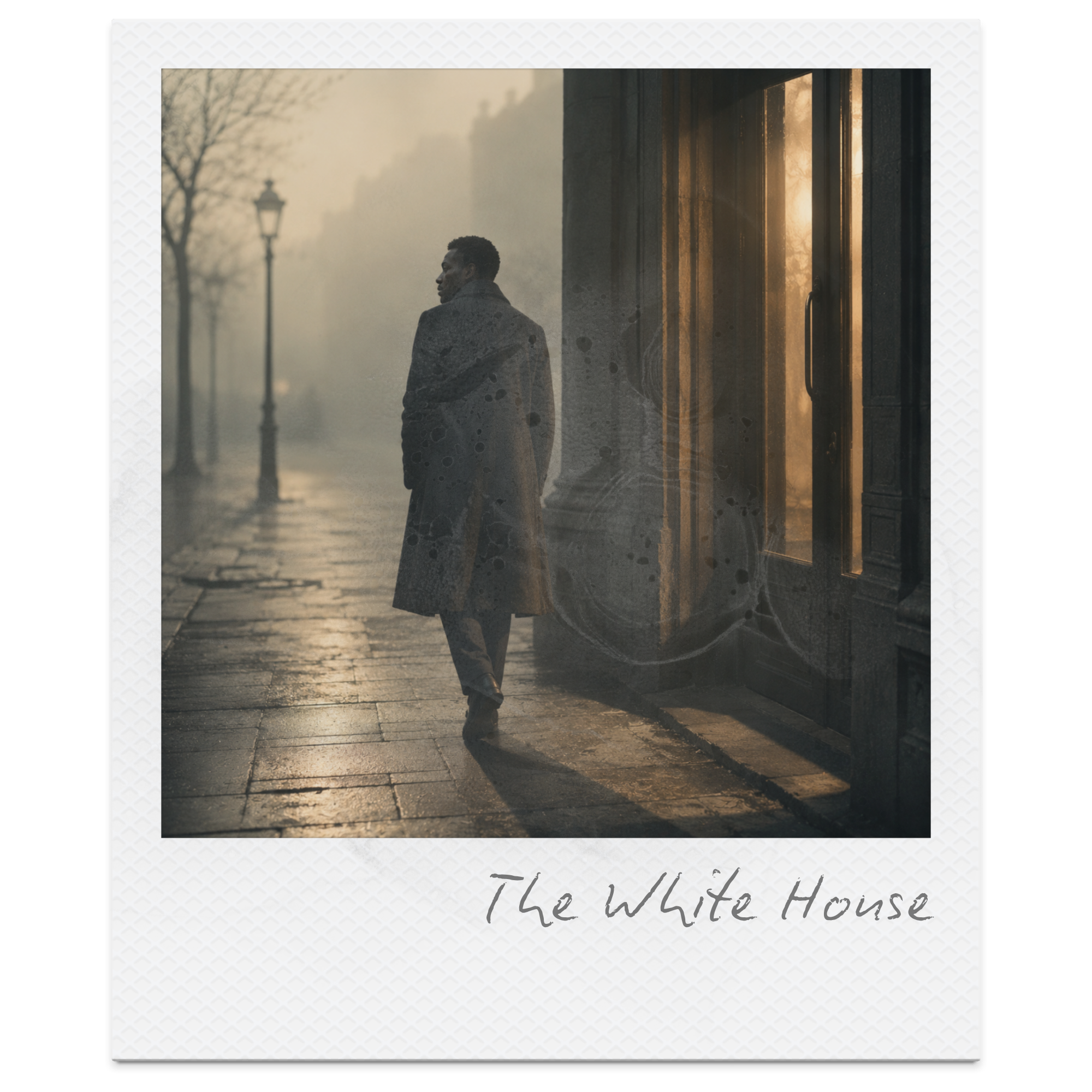
Claude McKay's The White House is a powerful sonnet that explores racism, exclusion, dignity, and resistance. Through the symbolic image of a closed door, McKay examines the emotional and psychological impact of prejudice while celebrating the courage required to maintain self-respect in the face of discrimination. The poem's tension between anger and restraint transforms a personal experience of rejection into a wider reflection on power, identity, and moral integrity. This analysis explores the poem's symbolism, sonnet form, key quotes, themes, line-by-line analysis, alternative interpretations, anthology comparisons, and exam-focused insights. Ideal for students and teachers studying Cambridge International AS & A Level Literature in English (9695), it provides detailed commentary on how McKay presents exclusion, resilience, and the determination to resist hatred without surrendering one's humanity.
The Border Builder by Carol Rumens: Analysis of Borders, Identity and Division
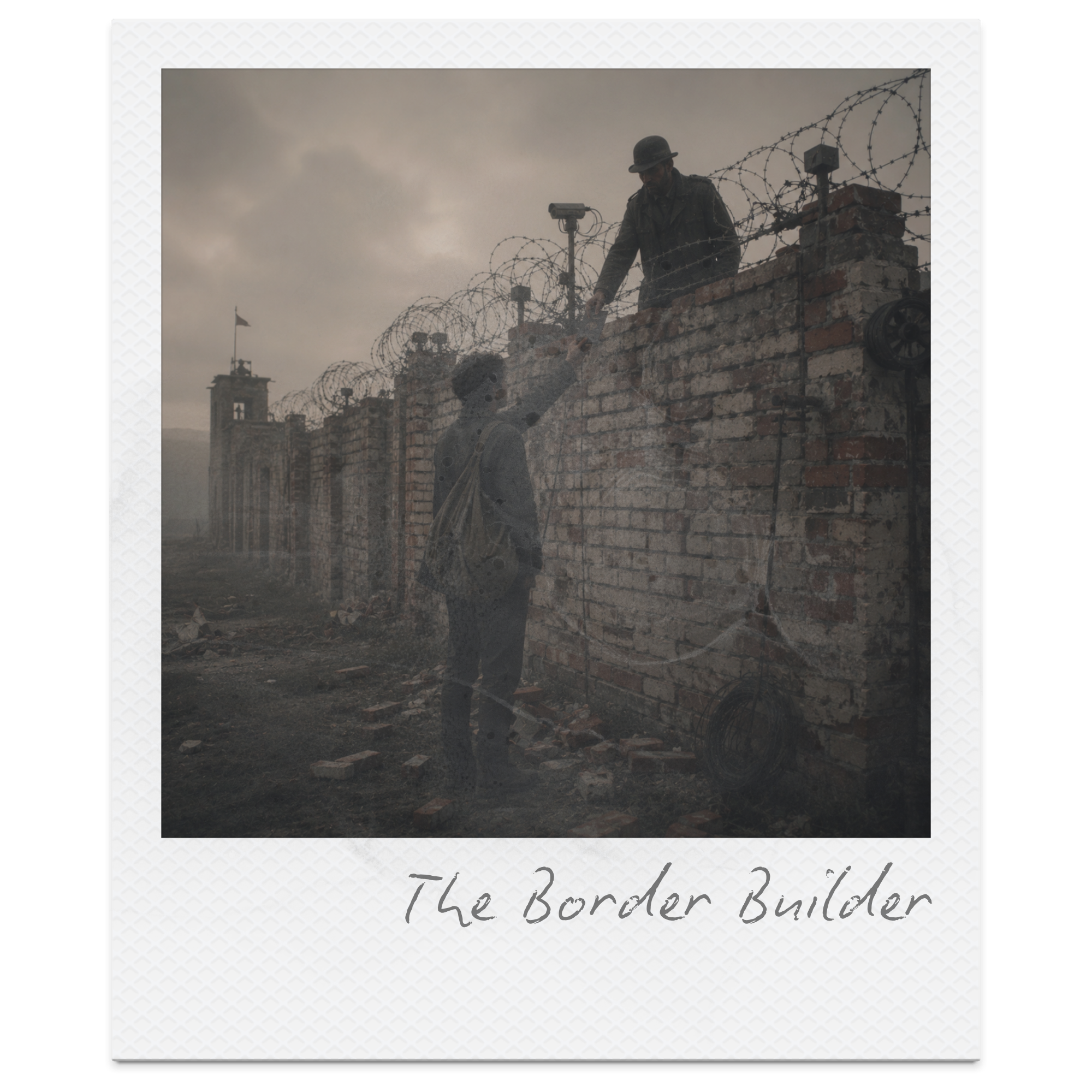
Carol Rumens' The Border Builder is a powerful poem about identity, belonging, power, and the dangers of reducing people to categories. Through the symbolic figure of a man obsessed with constructing borders, Rumens explores how societies create divisions based on nationality, race, politics, and other forms of classification, revealing the human cost of exclusion and surveillance. This analysis examines the poem's symbolism, political allegory, imagery, and use of bureaucratic language, exploring how Rumens critiques systems that define individuals through labels rather than humanity. Ideal for students and teachers studying Cambridge International AS & A Level Literature in English (9695), it includes line-by-line analysis, key quotes, themes, alternative interpretations, anthology comparisons, teaching ideas, and exam-focused insights.
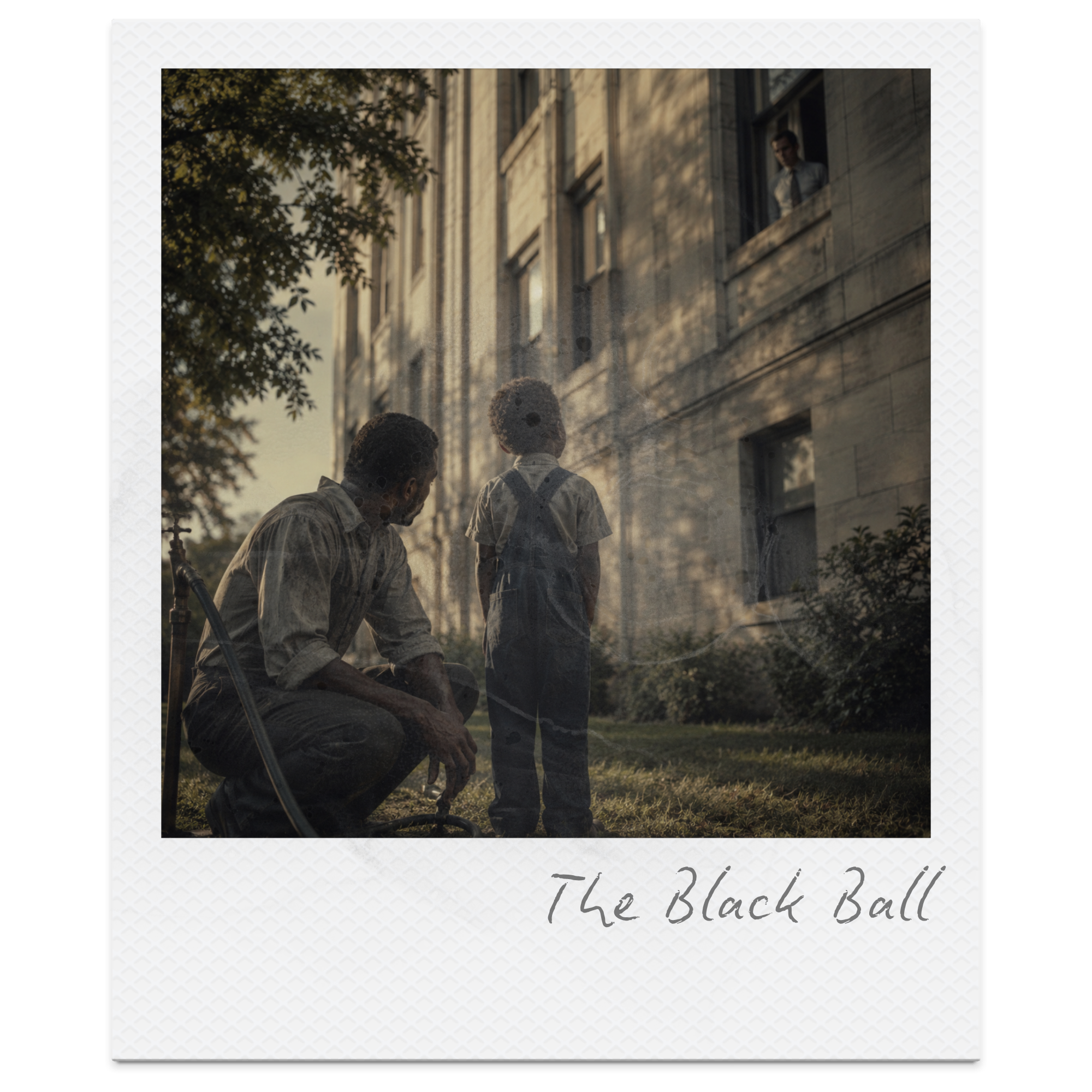
The Black Ball by Ralph Ellison: Summary, Themes & Analysis
Ralph Ellison’s The Black Ball is a powerful short story exploring racism, identity, fatherhood, and the painful loss of innocence within a deeply unequal society. Through the experiences of John and his young son, Ellison reveals how prejudice shapes ordinary daily life, using symbolism, dramatic irony, and reflective narration to expose the emotional pressure created by social inequality. This detailed analysis explores the story’s themes, characters, symbolism, structure, key quotes, and exam-focused interpretations for CIE IGCSE English Literature (0475 & 0922).

For Heidi With Blue Hair by Fleur Adcock: Summary, Themes & Analysis
Fleur Adcock’s For Heidi With Blue Hair explores individuality, authority, and conformity through a seemingly minor conflict that reveals deeper tensions between self-expression and institutional control. Through a conversational voice, irony, and narrative progression, the poem presents the school’s response as rigid and inconsistent, exposing how rules are interpreted to enforce conformity rather than fairness. The detailed imagery of Heidi’s hair emphasises deliberate self-expression, while the use of dialogue allows competing perspectives to emerge. As the poem develops, a subtle shift introduces emotional depth, as the reference to the mother’s death “shimmer[s] behind the arguments,” suggesting that the conflict is shaped by unspoken grief as well as institutional pressure. The resolution, marked by an act of solidarity, reframes the situation as one where authority is quietly undermined rather than directly confronted. This movement from surface conflict to deeper meaning reveals how identity, emotion, and power interact, giving the poem its lasting impact.
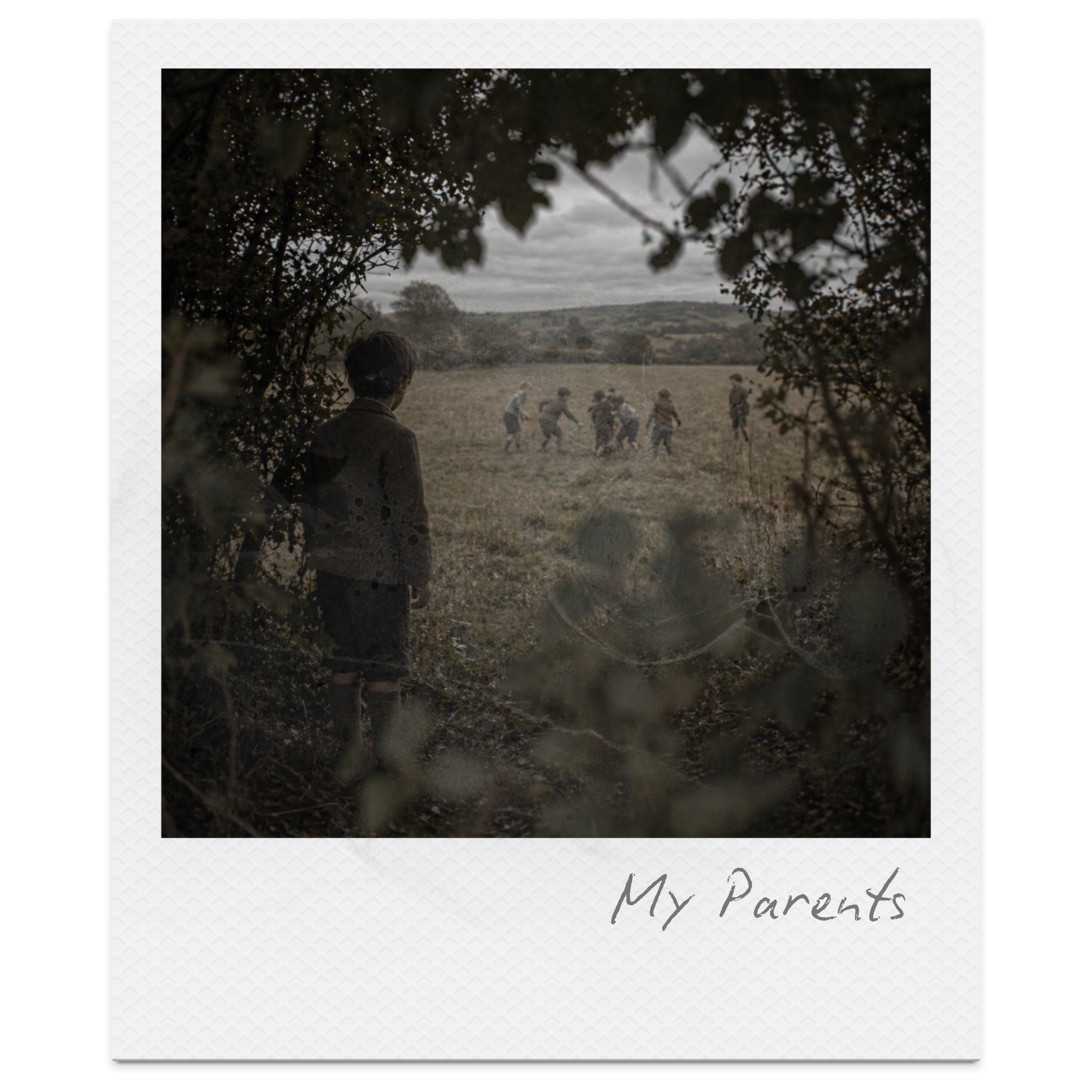
My Parents by Stephen Spender: Summary, Themes & Analysis
Stephen Spender’s My Parents explores childhood fear, class division, and social conditioning through a speaker who is both protected and isolated, shaped by the boundaries imposed on him. Through simile, animalistic imagery, and a reflective narrative voice, the poem presents the “rough” children as threatening and unpredictable, revealing how perception is constructed through upbringing rather than objective reality. The speaker’s fear is intensified by both physical imagery and social humiliation, particularly in moments where language becomes a form of attack. As the poem develops, a shift toward self-awareness and regret reframes the speaker’s experience, revealing that his fear was shaped as much by parental influence as by direct interaction. The final lines introduce a sense of missed empathy, suggesting that the speaker now recognises the limitations of his earlier perspective. This movement from fear to reflection transforms the poem into a powerful exploration of how memory, class division, and upbringing shape both experience and understanding.
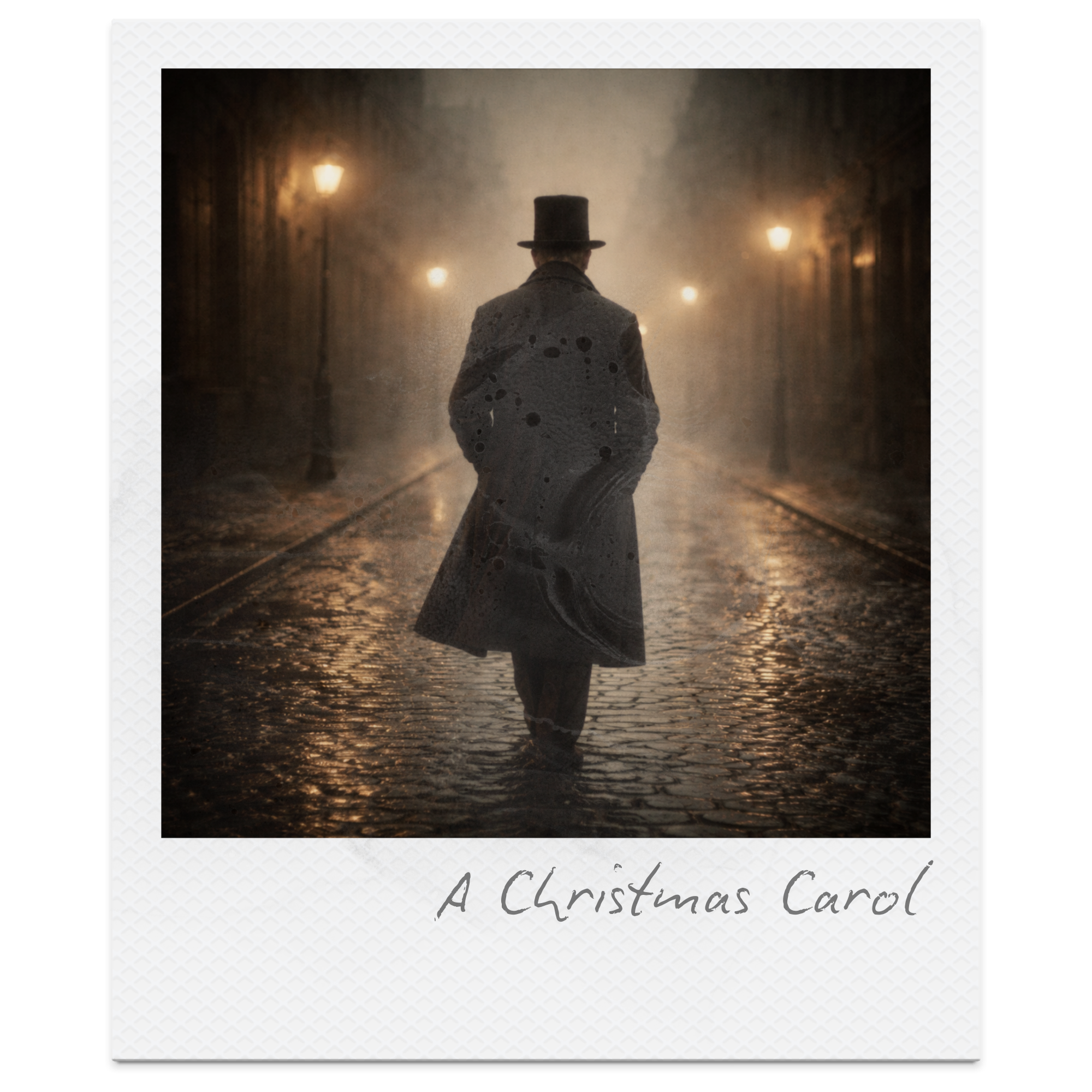
The Real Point of A Christmas Carol: Meaning, Context, and Why We’re Still Missing It in the Classroom
A Christmas Carol is often taught as a simple story of personal redemption, but Charles Dickens wrote it as a fierce critique of poverty, inequality, and social responsibility. Beneath the familiar ghosts and festive imagery lies a political text that challenges readers to confront the systems that allow suffering to persist. This post explores the real meaning of A Christmas Carol in the classroom, examining Dickens’ purpose, key ideas, and modern relevance. With clear analysis, teaching insights, and discussion extensions, it shows how the novella works not just as a set text, but as a demand for action — making it more powerful, relevant, and challenging for students today.
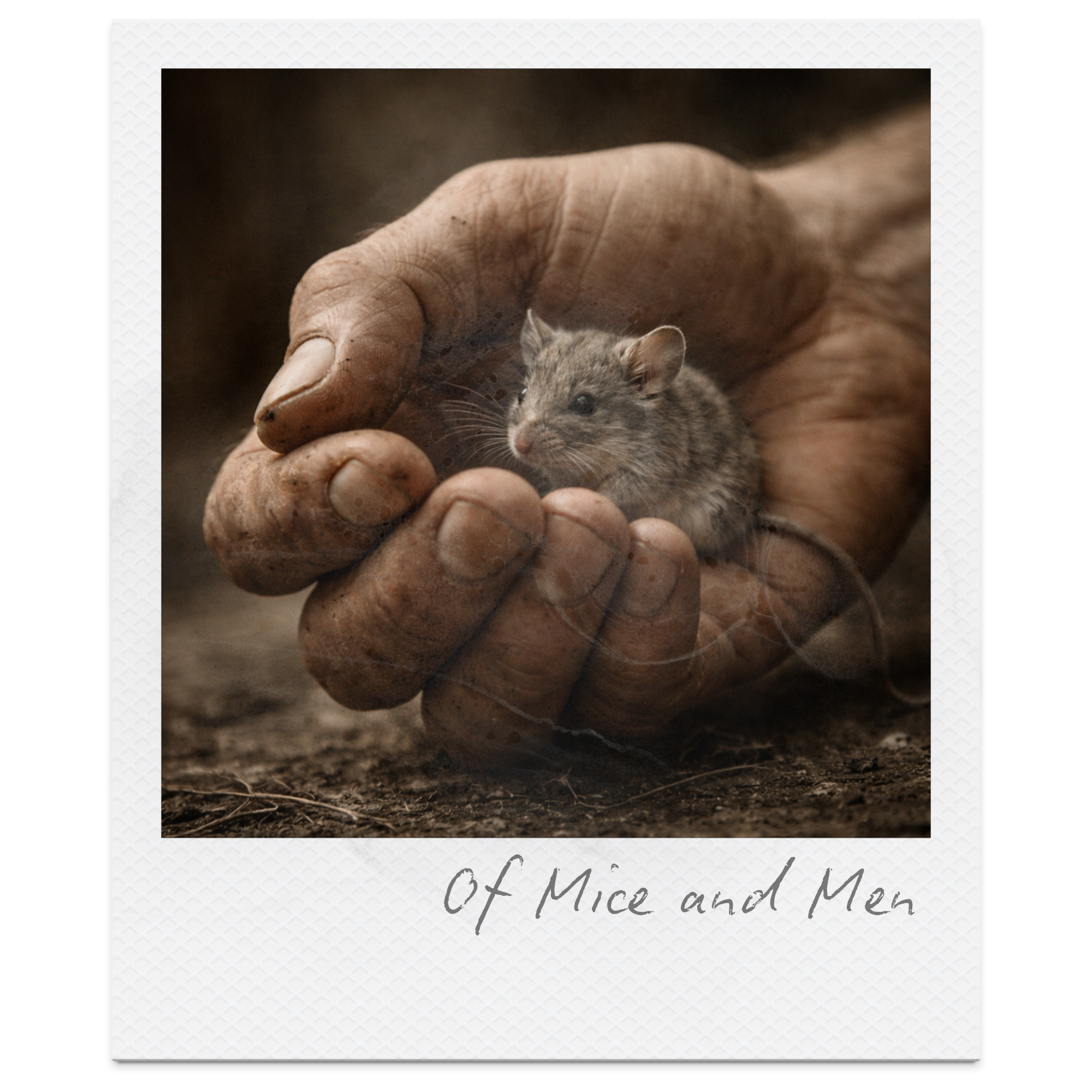
Why Of Mice and Men Still Matters: Context, Controversy, and the Classroom
Of Mice and Men remains one of the most powerful and challenging texts taught in the secondary English classroom. Despite ongoing debate around challenged books, controversial language, and classroom suitability, Steinbeck’s novella continues to resonate with students because it tackles enduring questions of power, loneliness, prejudice, and moral responsibility. Short, accessible, and deceptively complex, it invites discussion rather than delivering easy answers. This post explores why teachers still teach Of Mice and Men in 2026, examining its historical context, its place within modern classrooms, and the strategies that keep students engaged through creative writing, discussion-led learning, and reflective tasks. It also offers ideas for taking learning deeper once the final chapter is reached — supporting thoughtful, nuanced teaching of a text that refuses to be forgotten.